


Loading Events

Bird Walk at Kipling Trek Dehradun, Uttarakhand

About Kipling Trek

Winding through the forested outskirts of Dehradun, the Kipling Trek is a scenic trail that blends history, wilderness, and rich biodiversity. Named after Rudyard Kipling, this trail passes through dense sal forests, mixed deciduous patches, and gentle hill slopes that overlook the Doon Valley. The landscape is dotted with native trees, shrubs, and seasonal streams, supporting a wide array of flora and fauna—from butterflies and insects to small mammals and reptiles. The shifting light through the forest canopy and the quiet rhythm of nature make this trail both immersive and refreshing for those seeking a deeper connection with the outdoors.
For birders, the Kipling Trek offers an engaging mix of forest and edge habitats, attracting a variety of resident and migratory species. From melodious songbirds hidden in the foliage to raptors gliding above the valley, every stretch of the trail presents new opportunities for observation. Early mornings are especially rewarding, with bird calls echoing through the forest and activity peaking along the canopy and undergrowth. However, increasing footfall, littering, and habitat disturbance pose challenges to this fragile ecosystem. Responsible trekking, awareness, and conservation efforts are essential to preserve the ecological integrity of the Kipling Trail, ensuring it remains a thriving haven for wildlife and a peaceful retreat for nature enthusiasts.

Partnered with

Bird Guide: Gagandeep Singh

His birding and nature documentation work began in 2019, covering a wide geographical area that includes Chandigarh, Panchkula, Mohali, Solan, Sirmaur, Morni Hills, Dehradun, and other nearby locations.

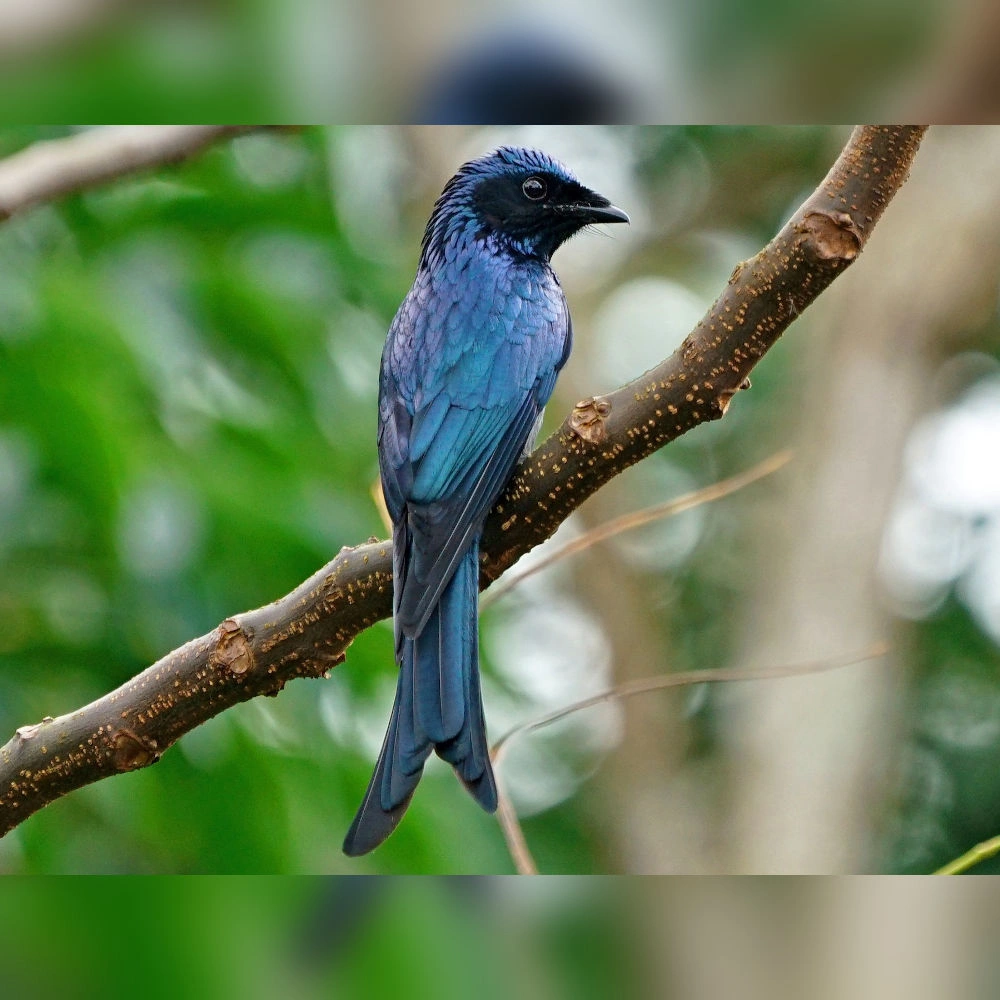
Bird walk Location

Common birds of Kipling Trail

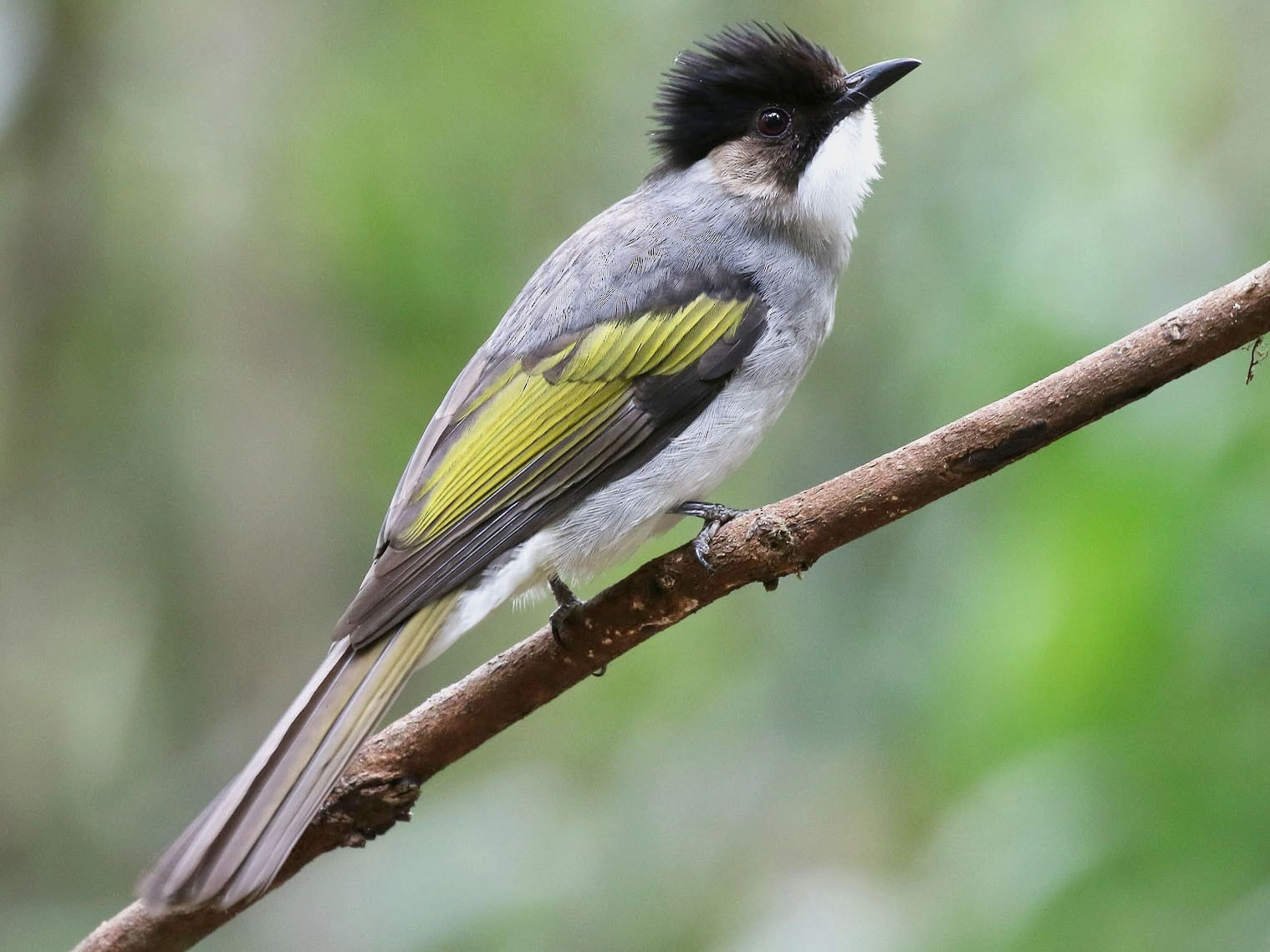
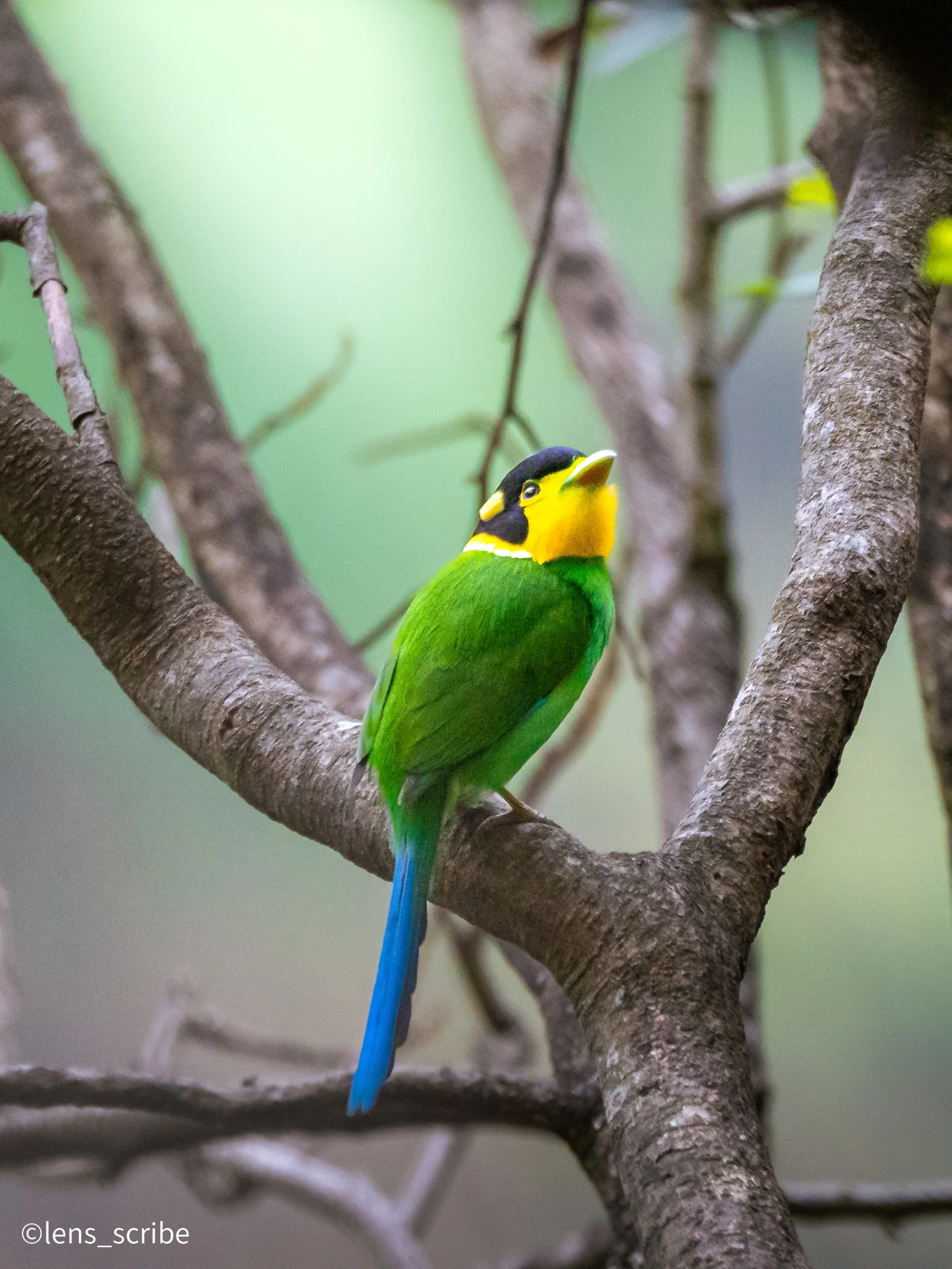
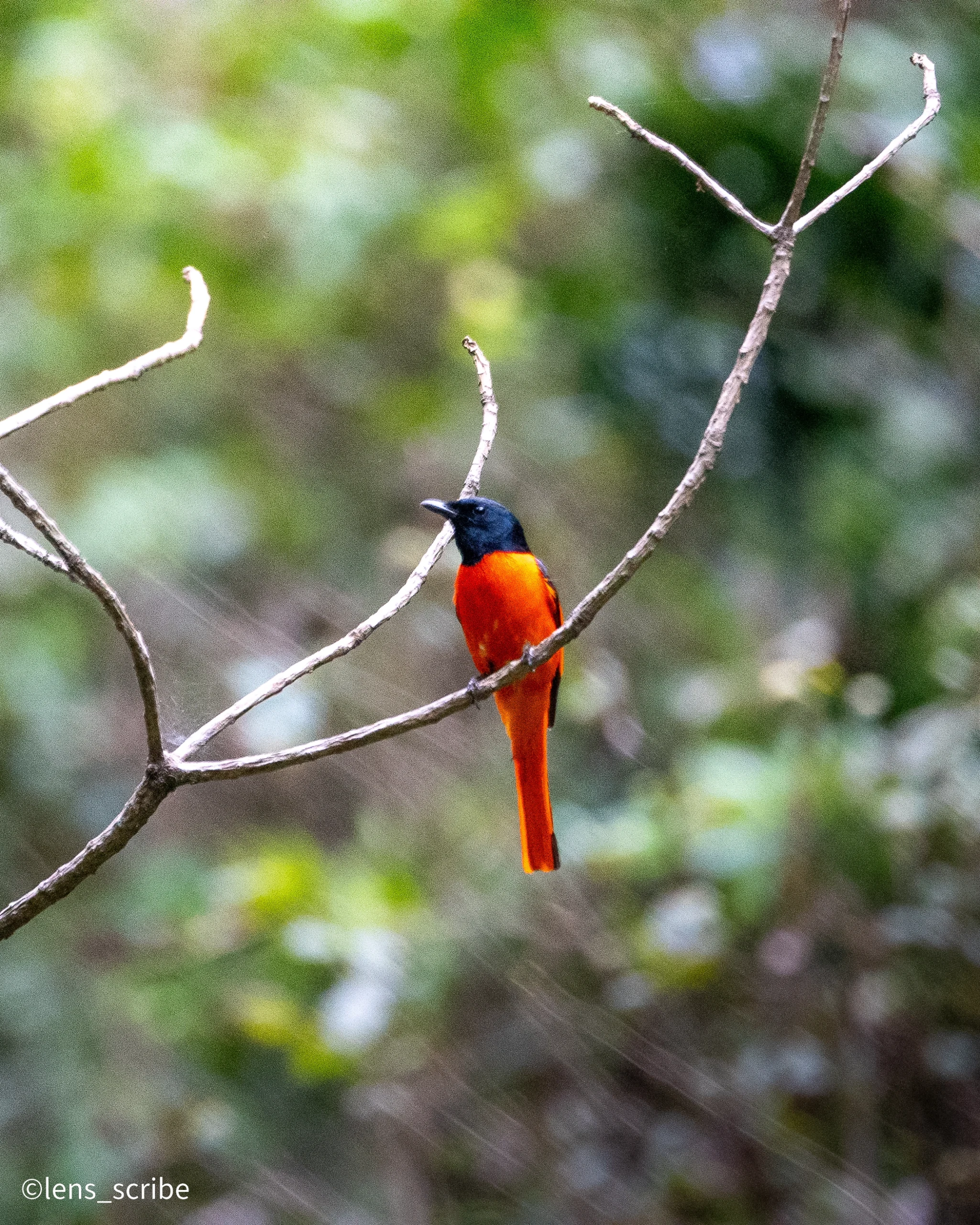
Along the forested stretches of the Kipling Trek near Dehradun, birdlife unfolds in a vibrant mix of colour, sound, and movement. The canopy often comes alive with flashes of Scarlet and Long-tailed Minivets moving in small flocks, while Bronzed Drongos perch confidently, keeping a watchful eye on their surroundings. Bee-eaters—ranging from the delicate Green Bee-eater to the striking Blue-bearded Bee-eater—add bursts of motion as they glide and dive through open patches. Among the branches, sunbirds shimmer in the light, with Purple and Crimson Sunbirds feeding on nectar, while the gentle presence of Indian White-eyes brings a constant sense of activity to the foliage.

Deeper into the trail, the forest reveals its quieter treasures. Woodpeckers like the Fulvous-breasted, Grey-headed, and Pygmy varieties tap rhythmically on tree trunks, while flycatchers such as Ultramarine and Verditer add subtle elegance with their vivid hues and graceful movements. Bulbuls and prinias keep the undergrowth lively, and the occasional sighting of Himalayan Bulbul ties the experience firmly to the mountain landscape. Together, these species create a layered birding experience where every step brings a new sight or sound, making the Kipling Trek a rewarding journey for anyone eager to explore the richness of Himalayan birdlife.
Bronzed Drongo
Ashy Bulbul
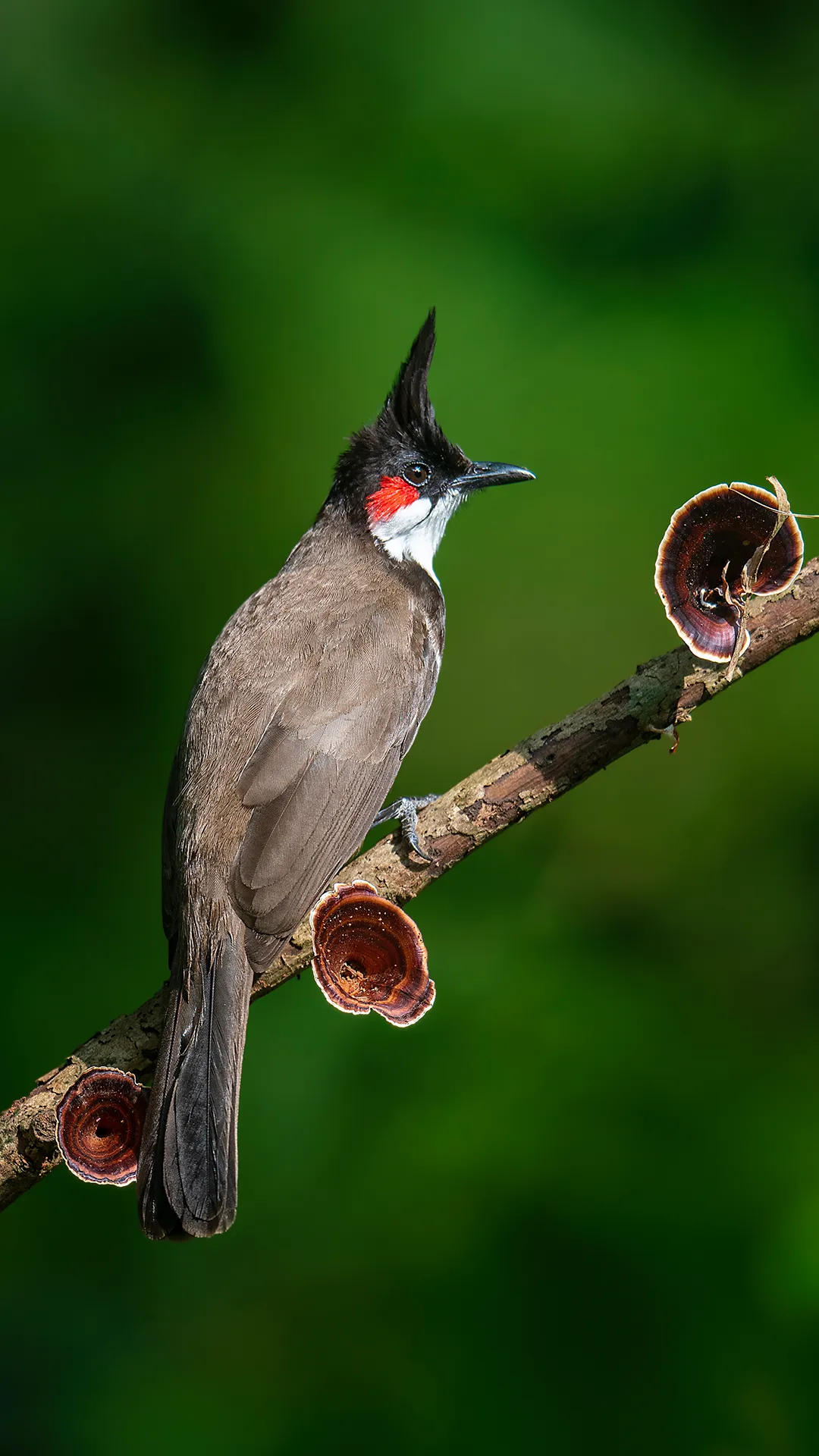
Red-whiskered Bulbul
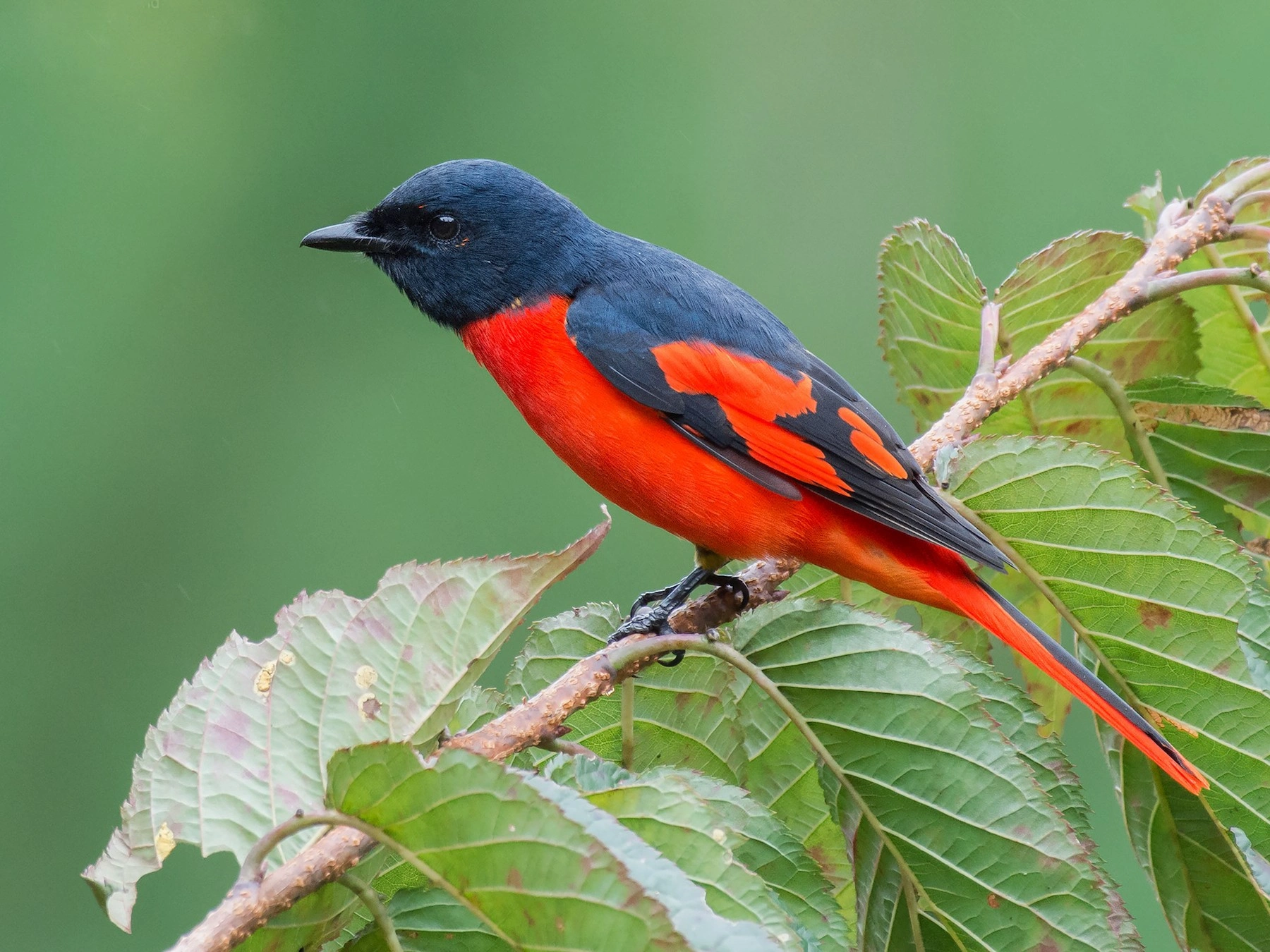
Scarlet Minivet
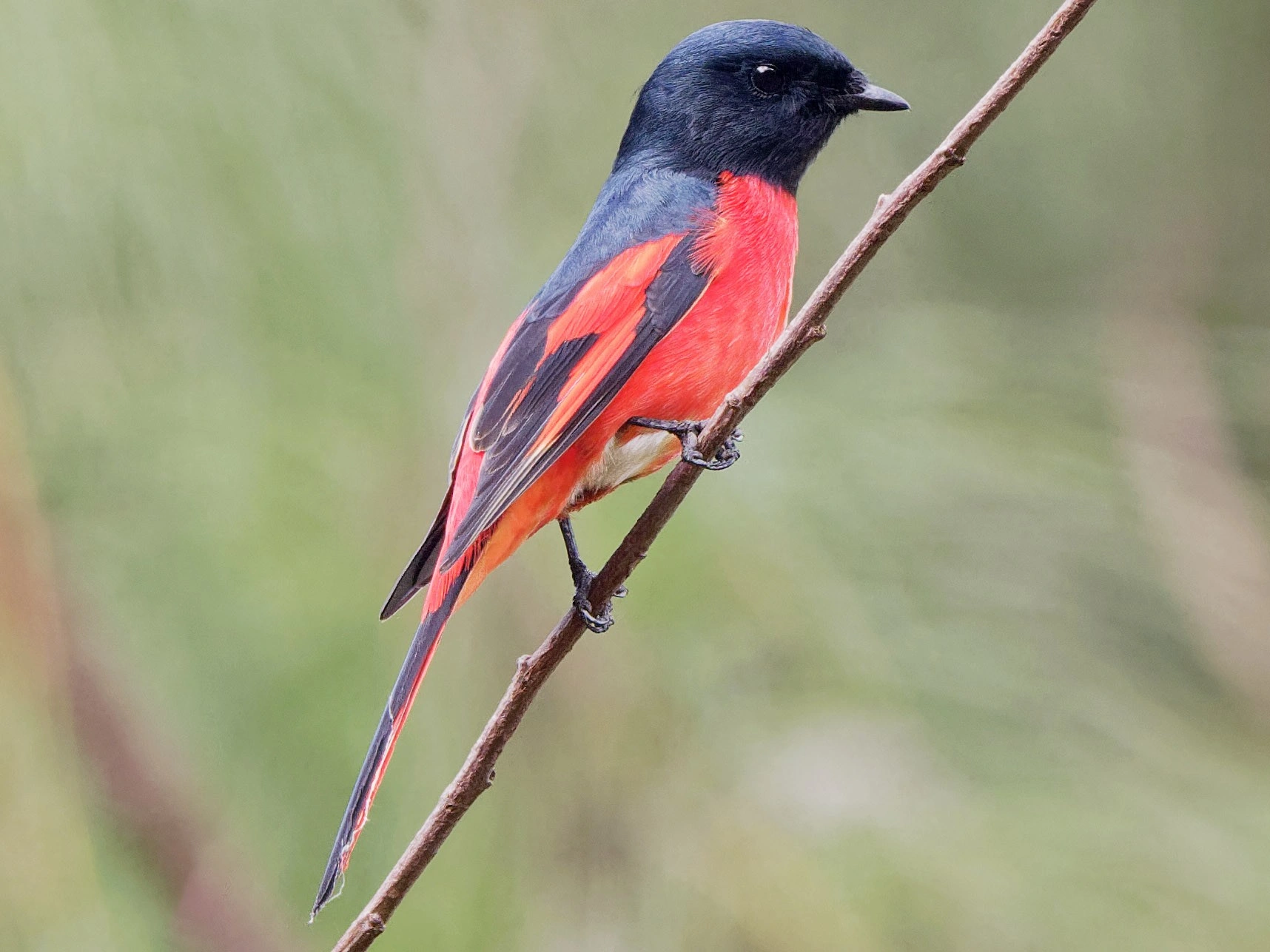
Long-tailed Minivet
Ashy Prinia
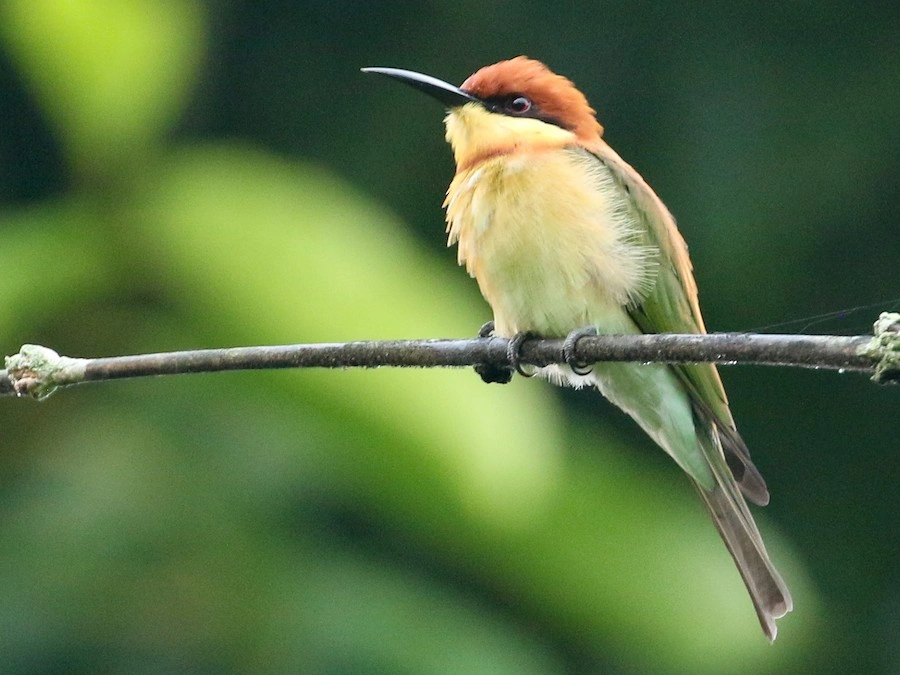
Chestnut-headed Bee-eater
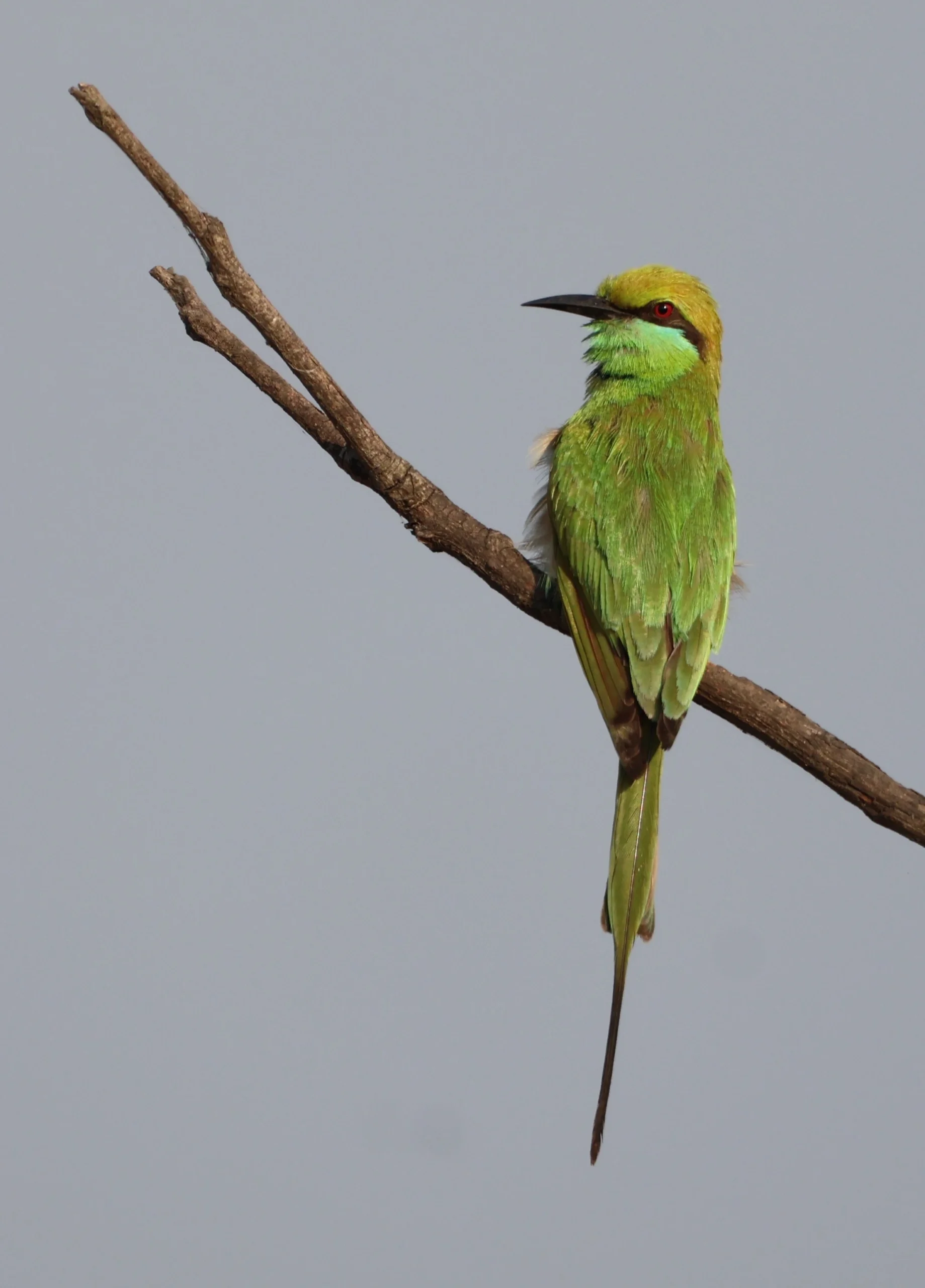
Green Bee-eater
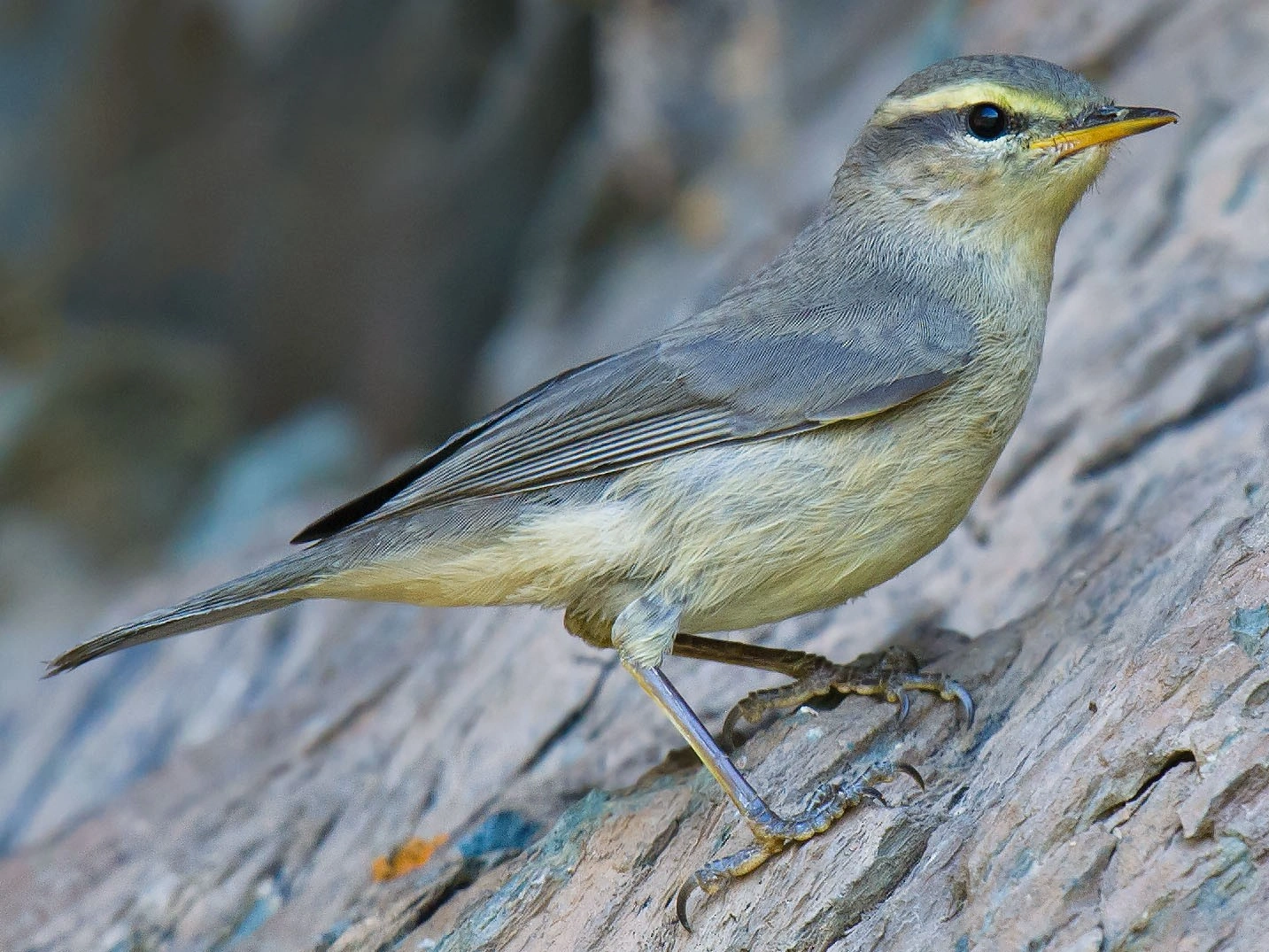
Sulphur-bellied Warbler
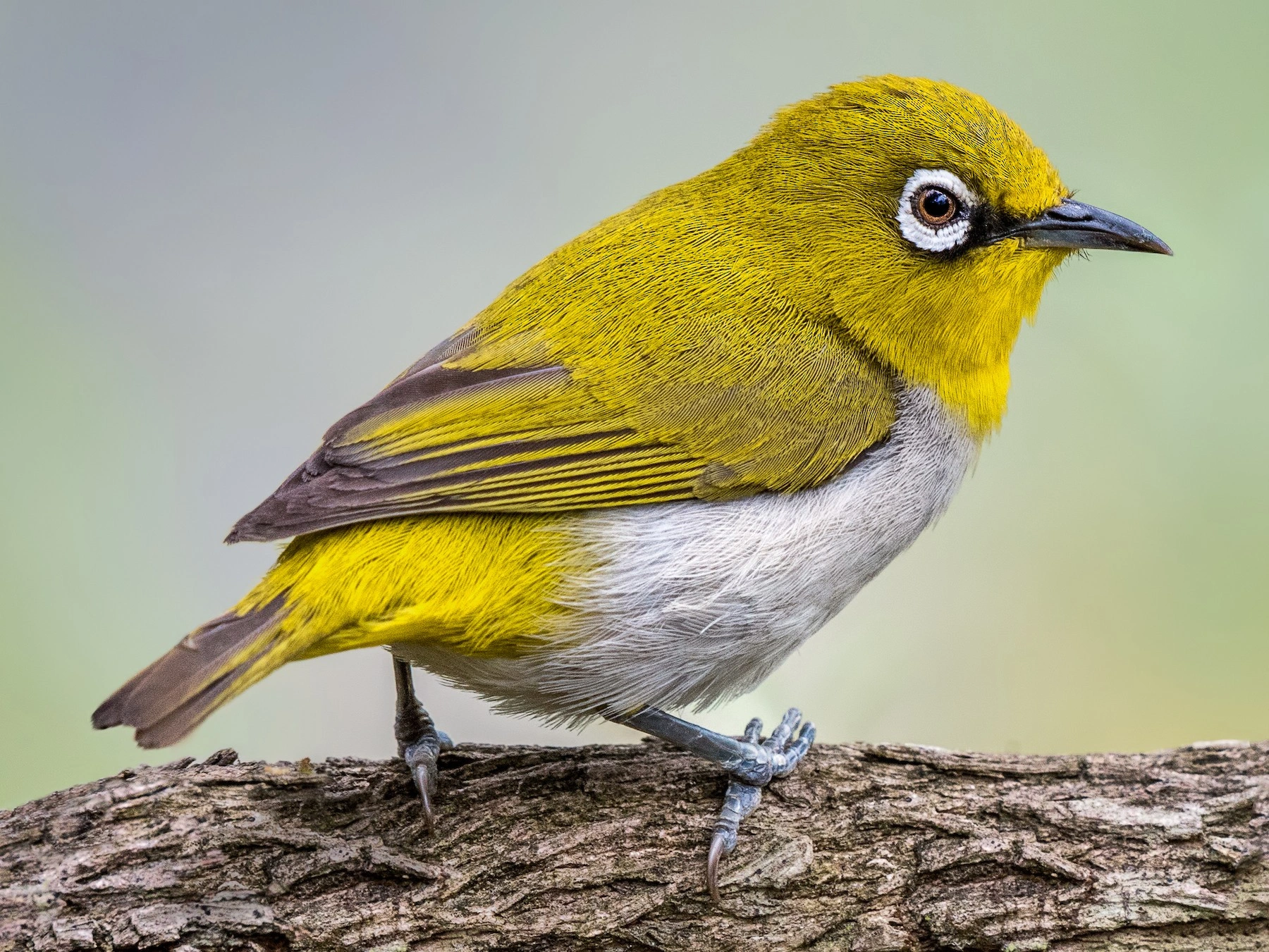
Great Barbet
Purple Sunbird
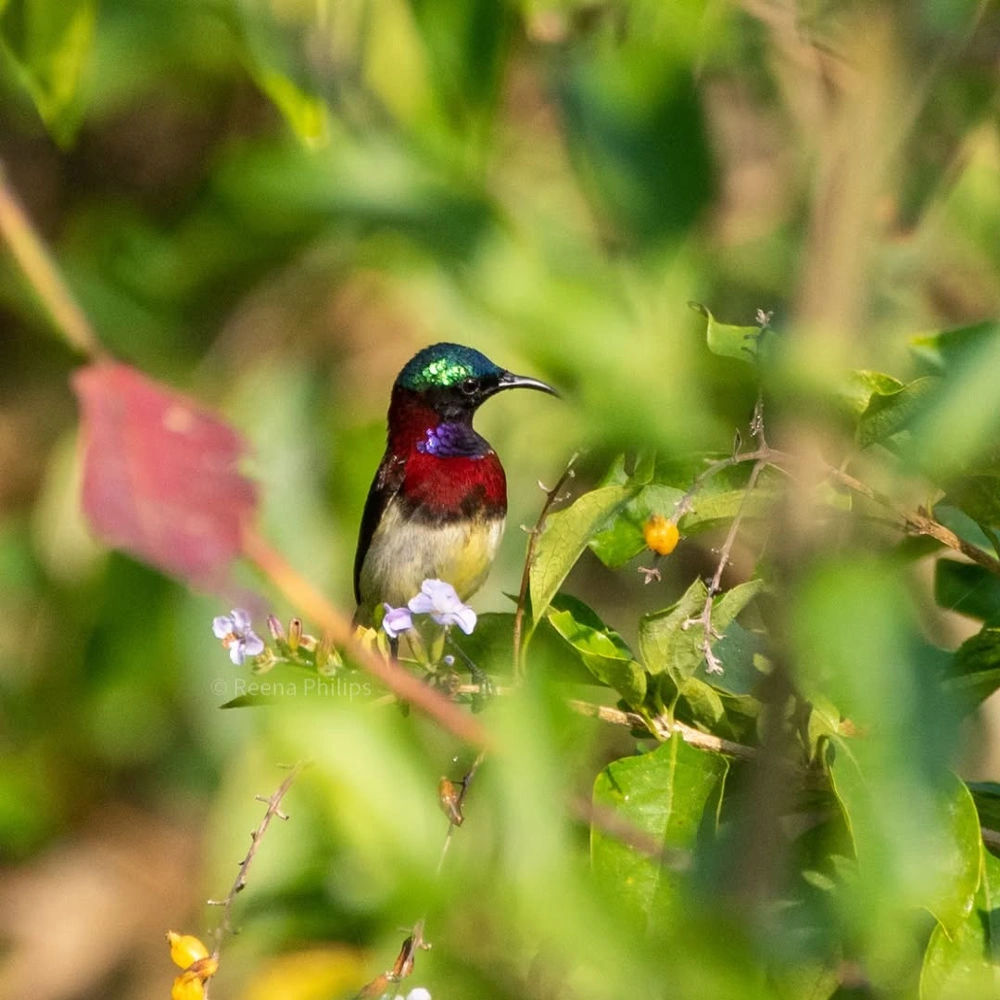
Crimson Sunbird
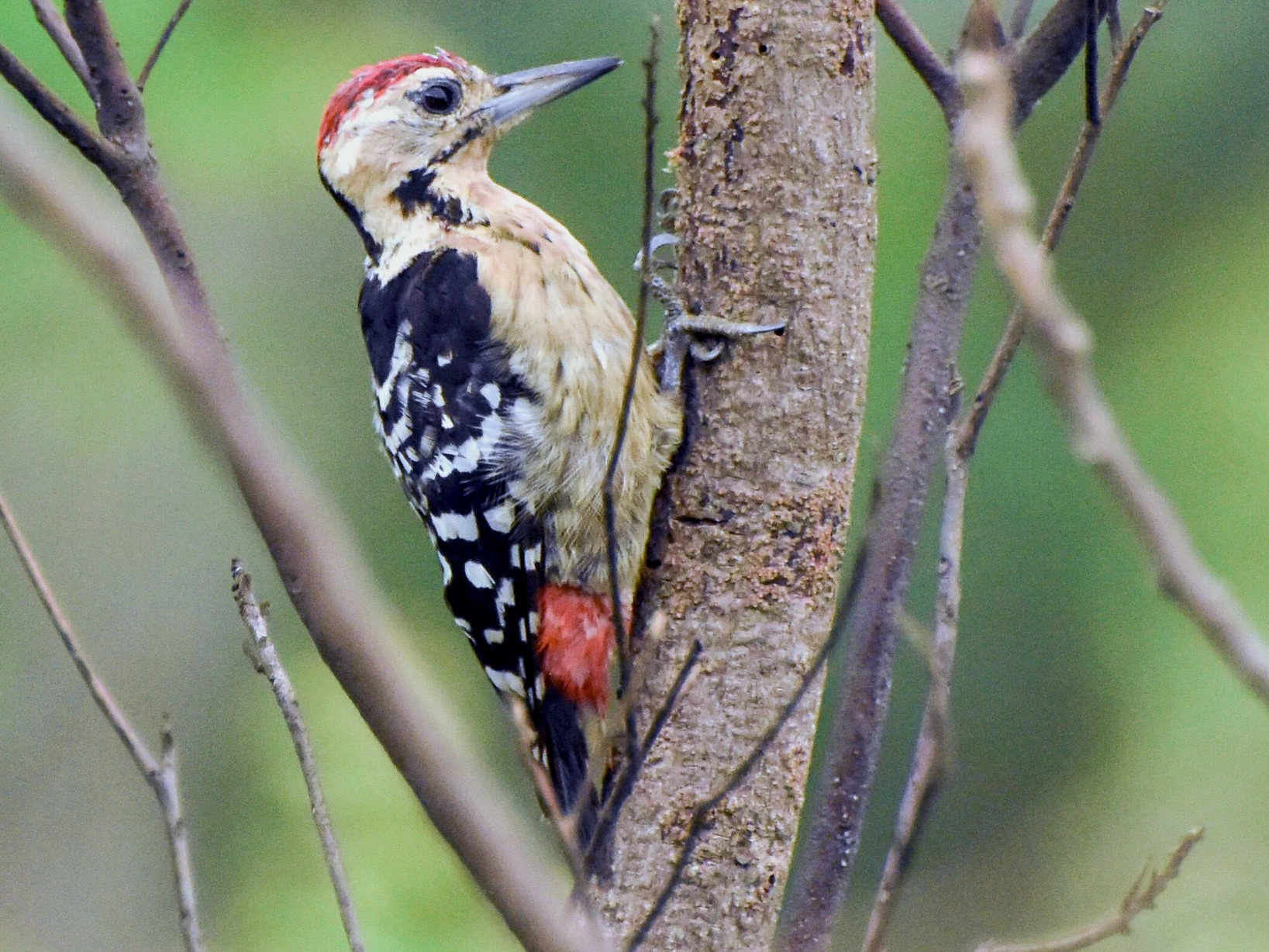
Fulvous-breasted Woodpecker
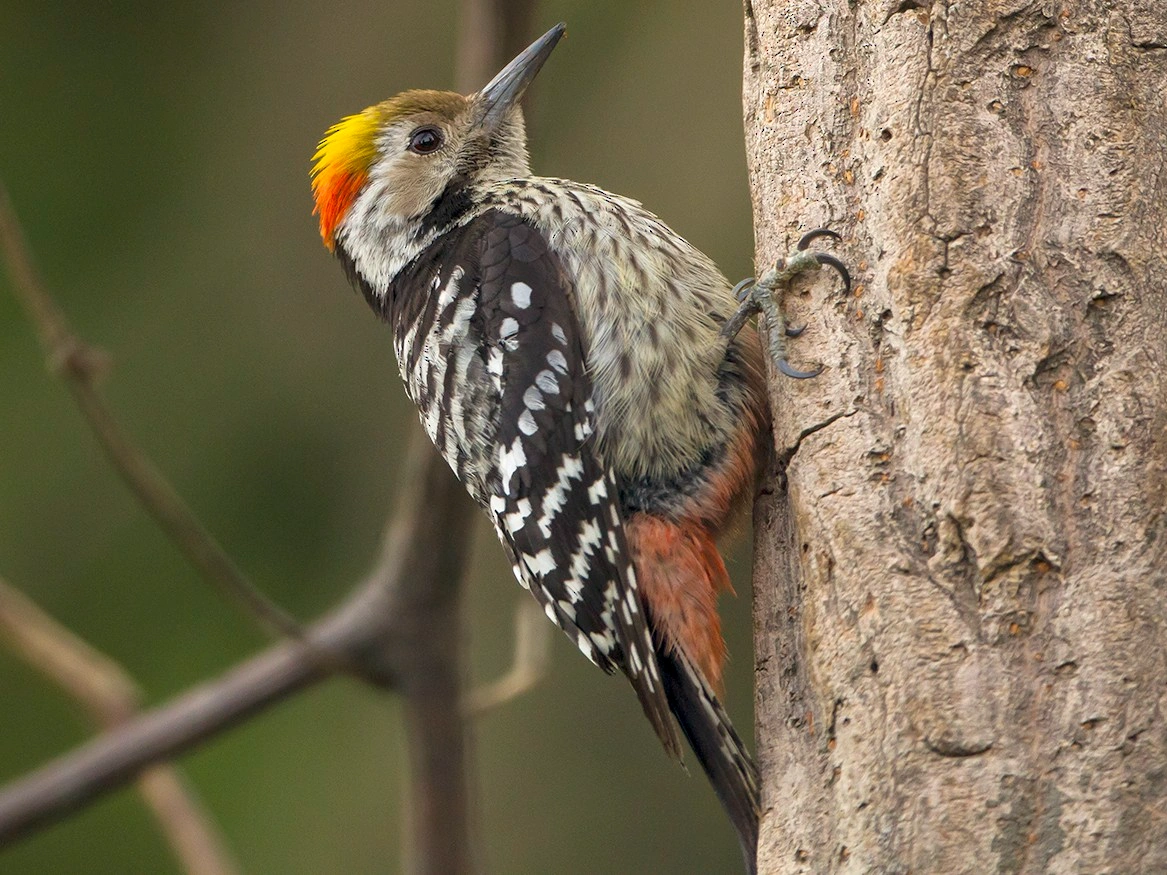
Brown-fronted Woodpecker
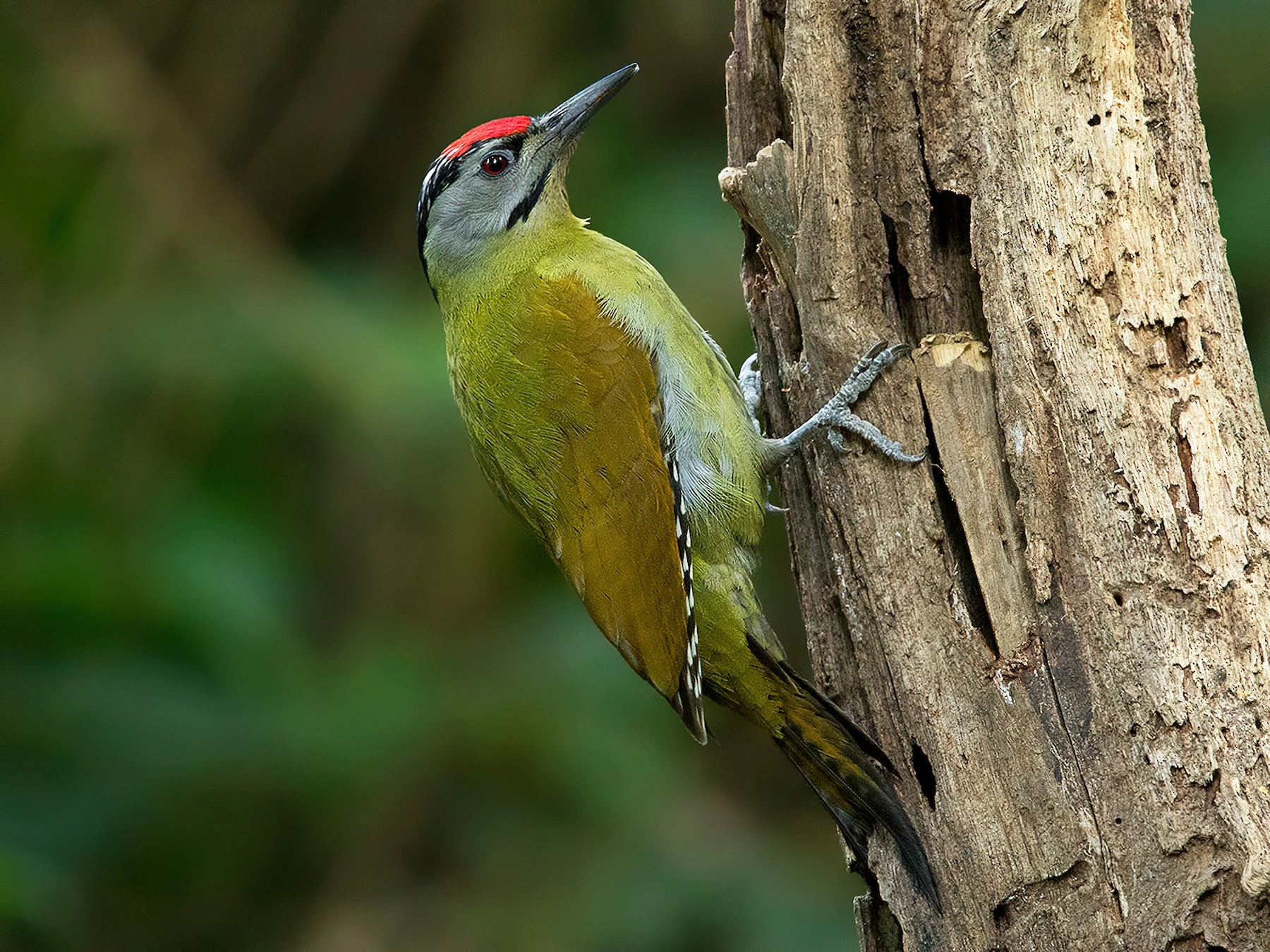
Gray-headed Woodpecker
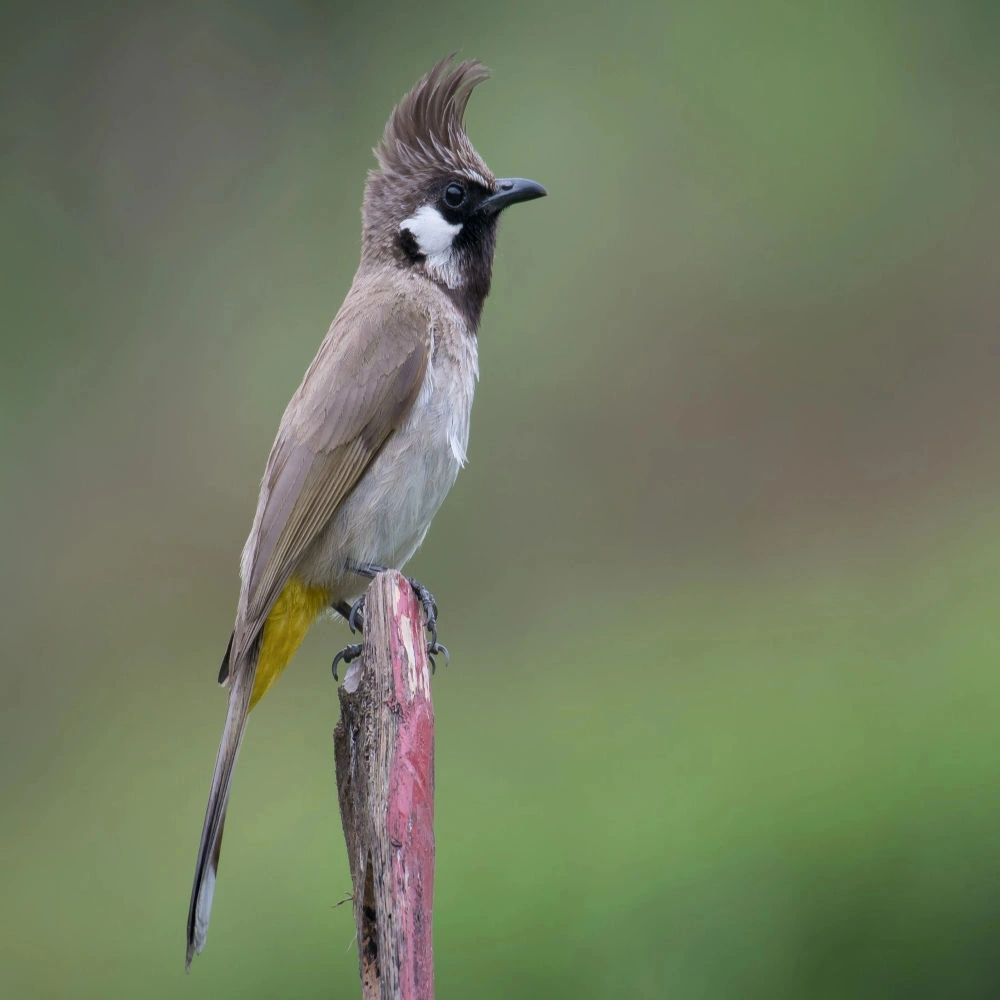
Himalayan Bulbul
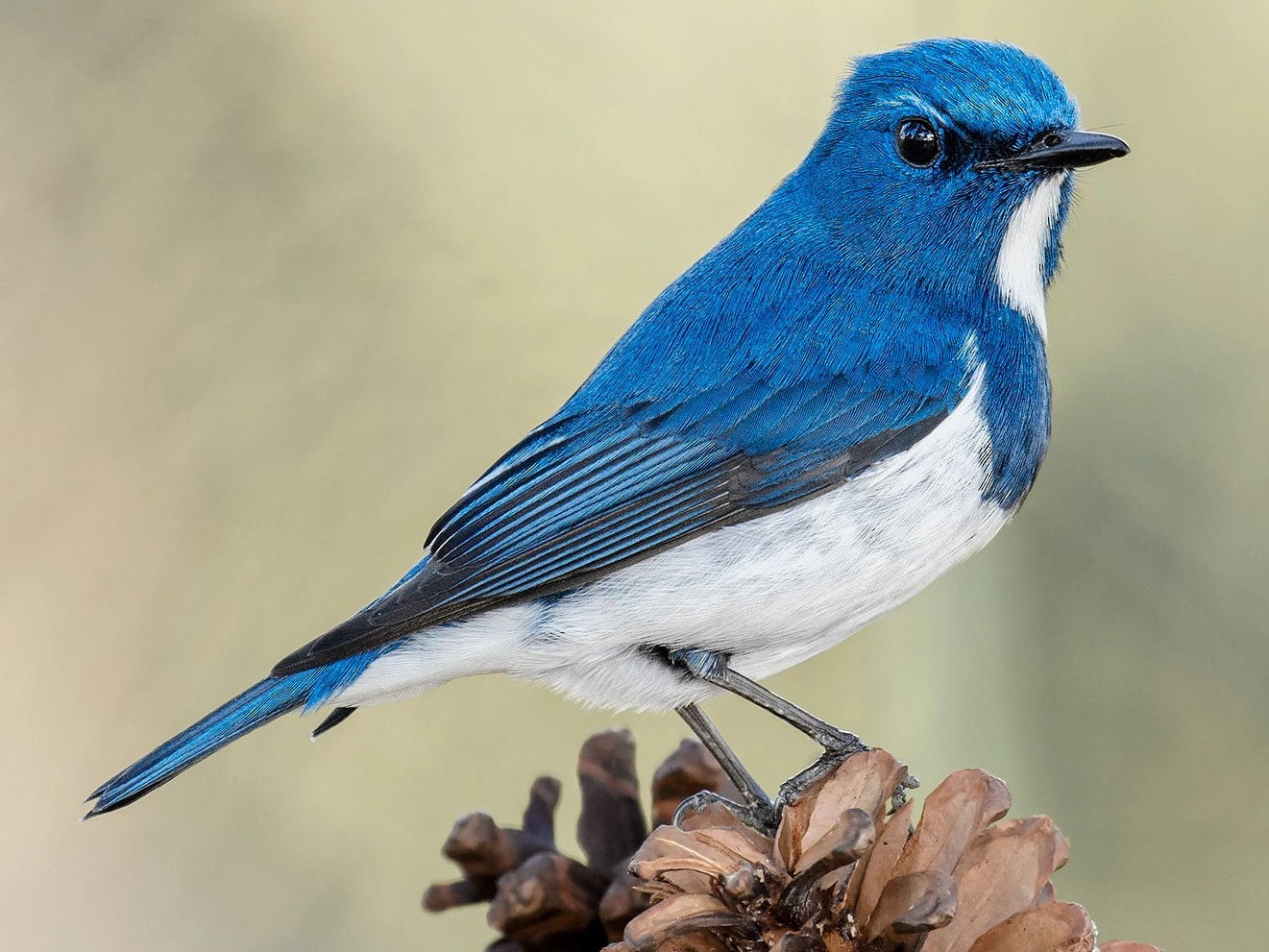
Ultramarine Flycatcher
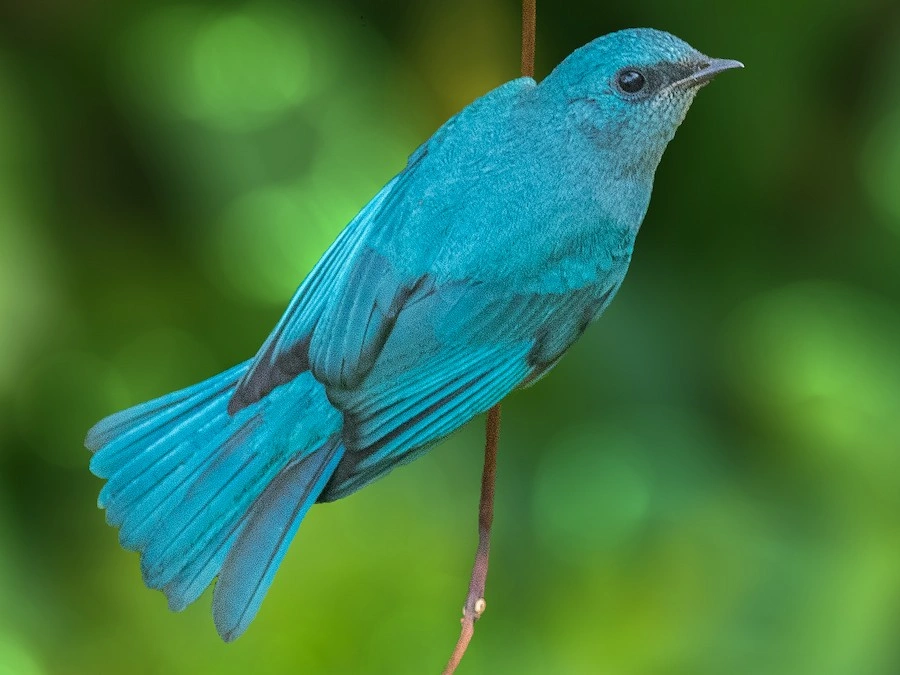
Verditer Flycatcher
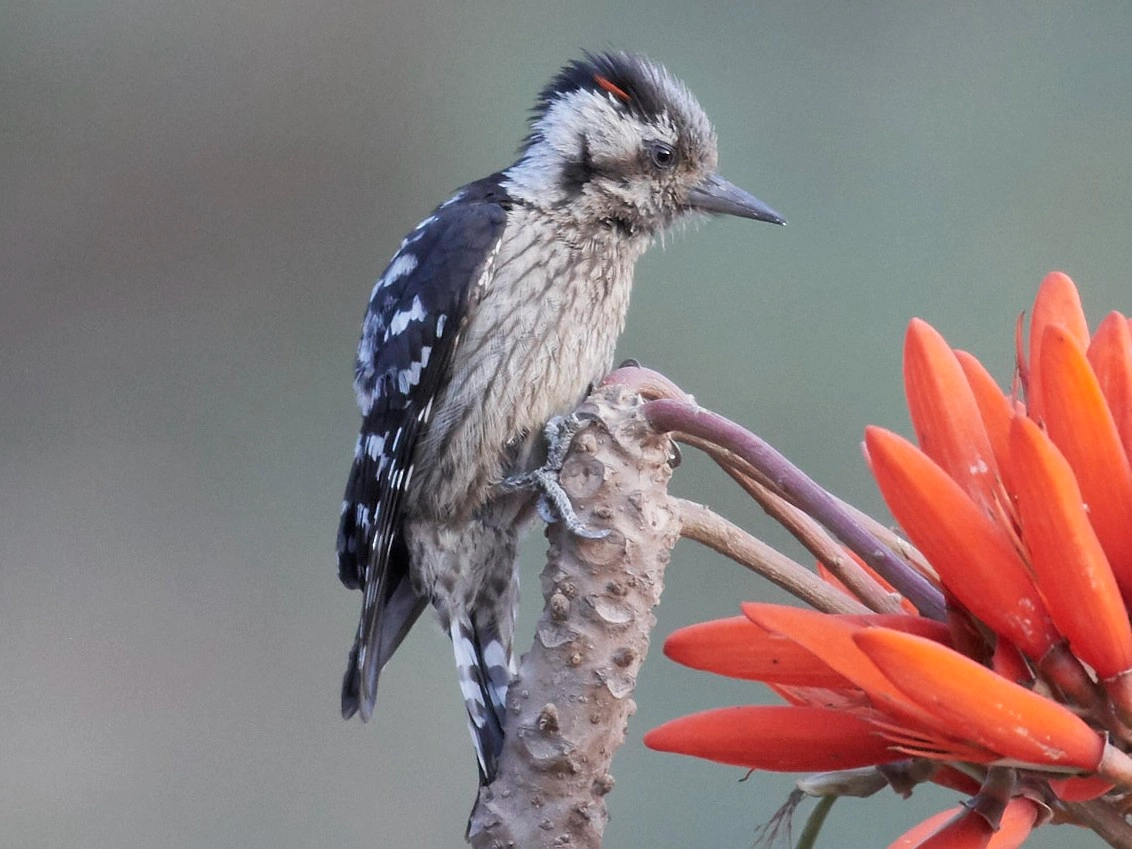
Grey-capped Pygmy Woodpecker
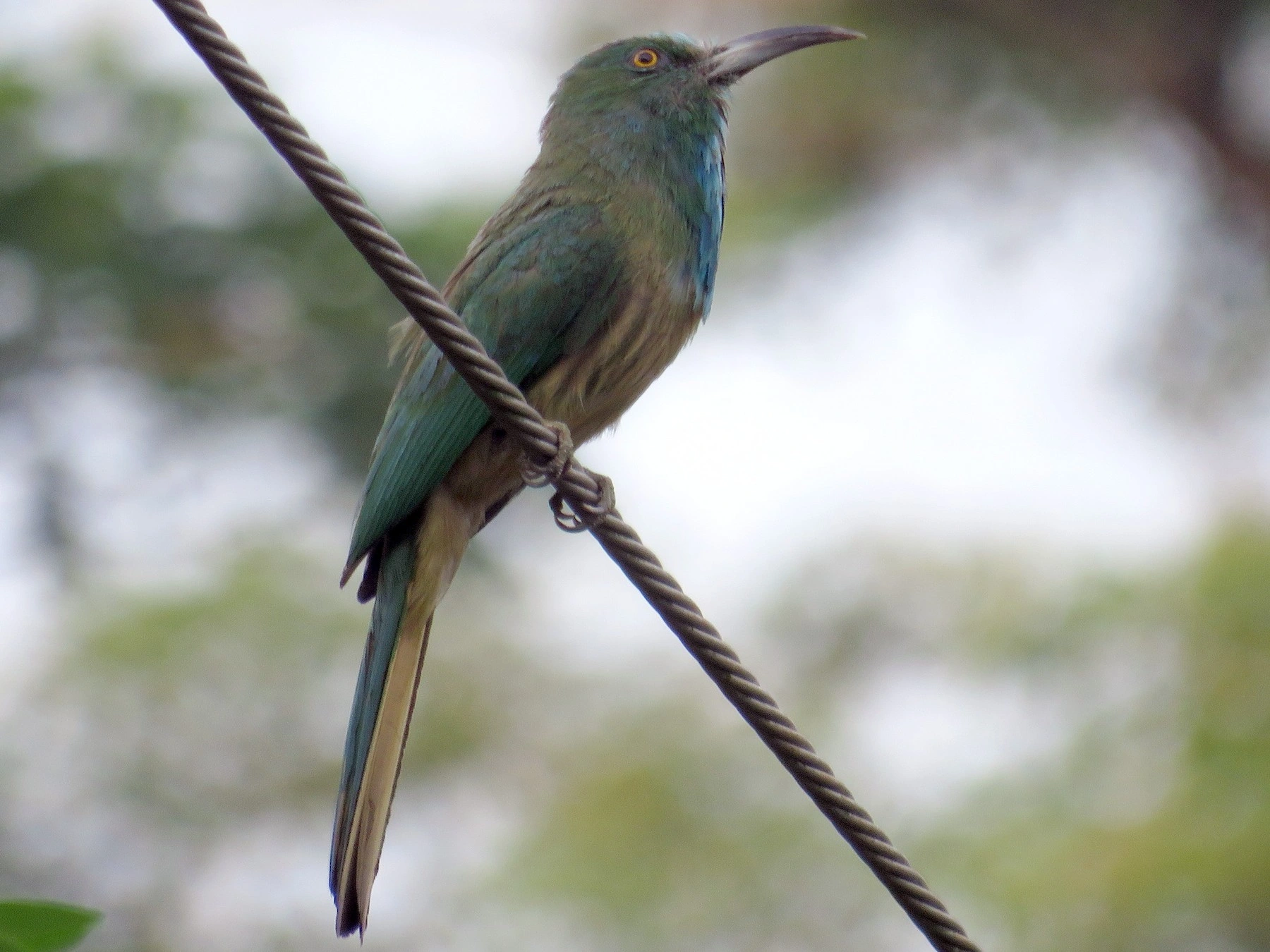
Blue-bearded Bee-eater
Scroll to Top