Nestled along Bengaluru’s rapidly developing southeastern corridor, Muthanallur Lake is one of the region’s lesser-known yet ecologically important urban wetlands. Spread across a broad expanse of open water, reed beds, marshy edges, and scrub-covered bunds, the lake creates a diverse habitat that supports rich biodiversity throughout the year. Native grasses, aquatic plants, water lilies, and scattered trees such as neem, banyan, and acacia provide shelter for insects, amphibians, reptiles, and small mammals. During the monsoon and winter months, the lake transforms into a thriving refuge for birds, making it a favourite destination for birdwatchers and nature photographers. Calm mornings often reveal flocks of egrets, herons, cormorants, stilts, lapwings, and kingfishers feeding along the shallow waters, while migratory ducks and waders occasionally arrive during the cooler season. The combination of open skies, reflective waters, and surrounding greenery gives Muthanallur Lake a surprisingly wild character despite its proximity to Bengaluru’s urban sprawl.
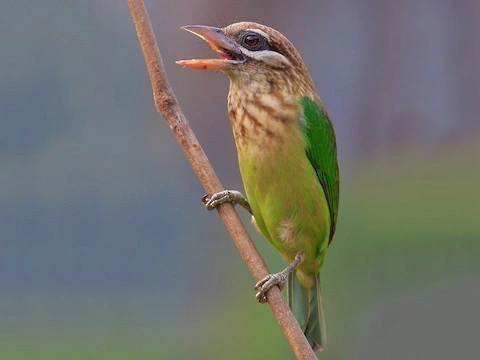
Birding at Muthanallur Lake is especially rewarding because of the variety of wetland and woodland species found within a relatively compact landscape. The reeds frequently conceal moorhens, jacanas, bitterns, and crakes, while swallows and bee-eaters sweep low across the lake at dusk. Flowering trees around the lake attract sunbirds, barbets, orioles, and parakeets, creating a lively mix of colour and sound through the day. However, like many urban lakes in Bengaluru, Muthanallur faces increasing pressure from real estate expansion, sewage inflow, habitat fragmentation, invasive weeds, and plastic pollution. Shrinking buffer zones and disturbance from unregulated development threaten both water quality and bird nesting areas. Conservation efforts by local residents, citizen groups, and environmental volunteers now focus on lake rejuvenation, wetland protection, native tree planting, and promoting responsible eco-tourism. These initiatives are helping Muthanallur Lake remain not just a scenic escape for walkers and photographers, but also a valuable biodiversity hotspot within the city’s changing landscape.
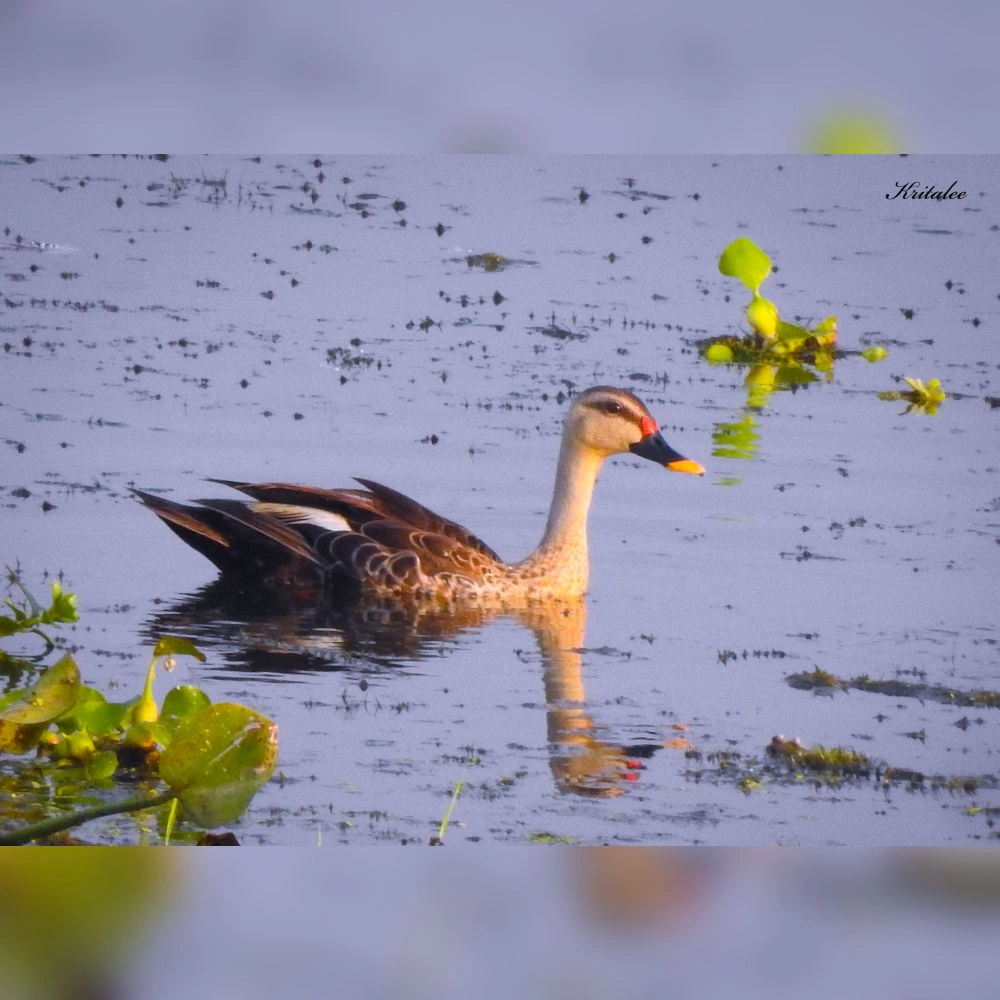
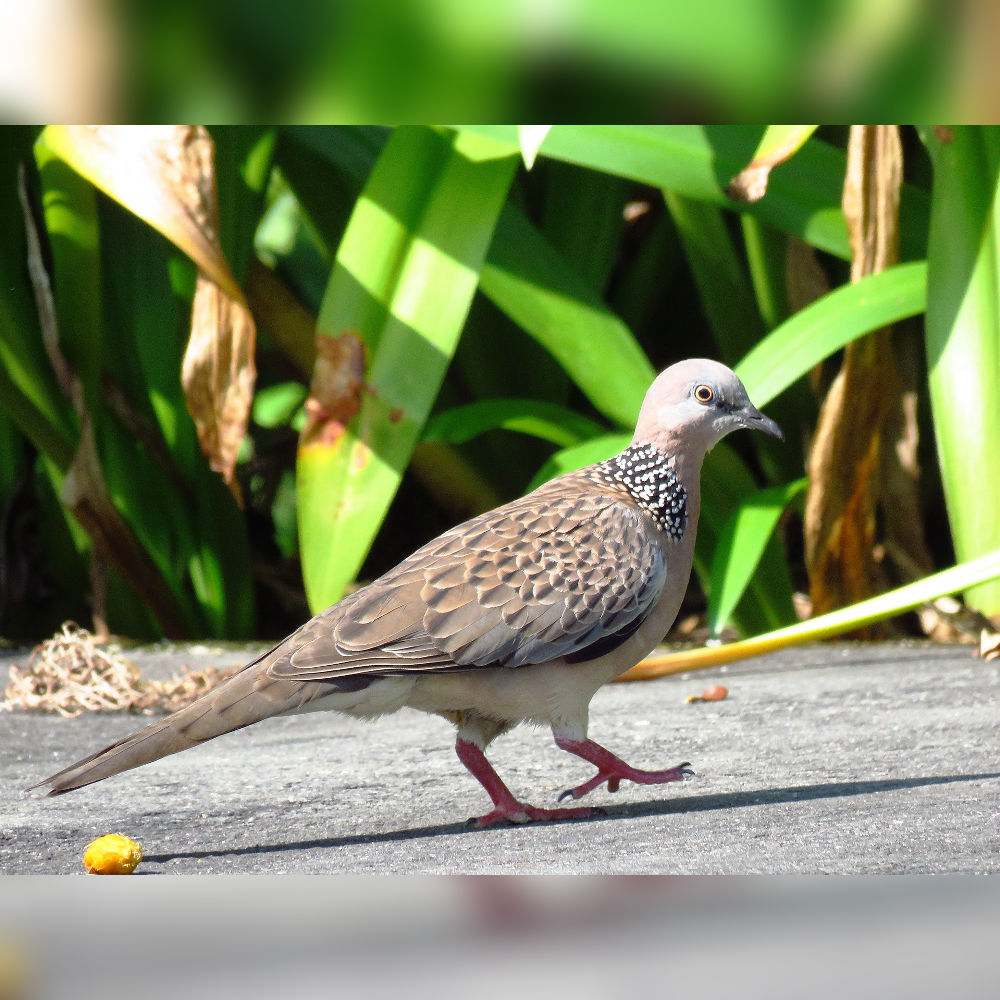
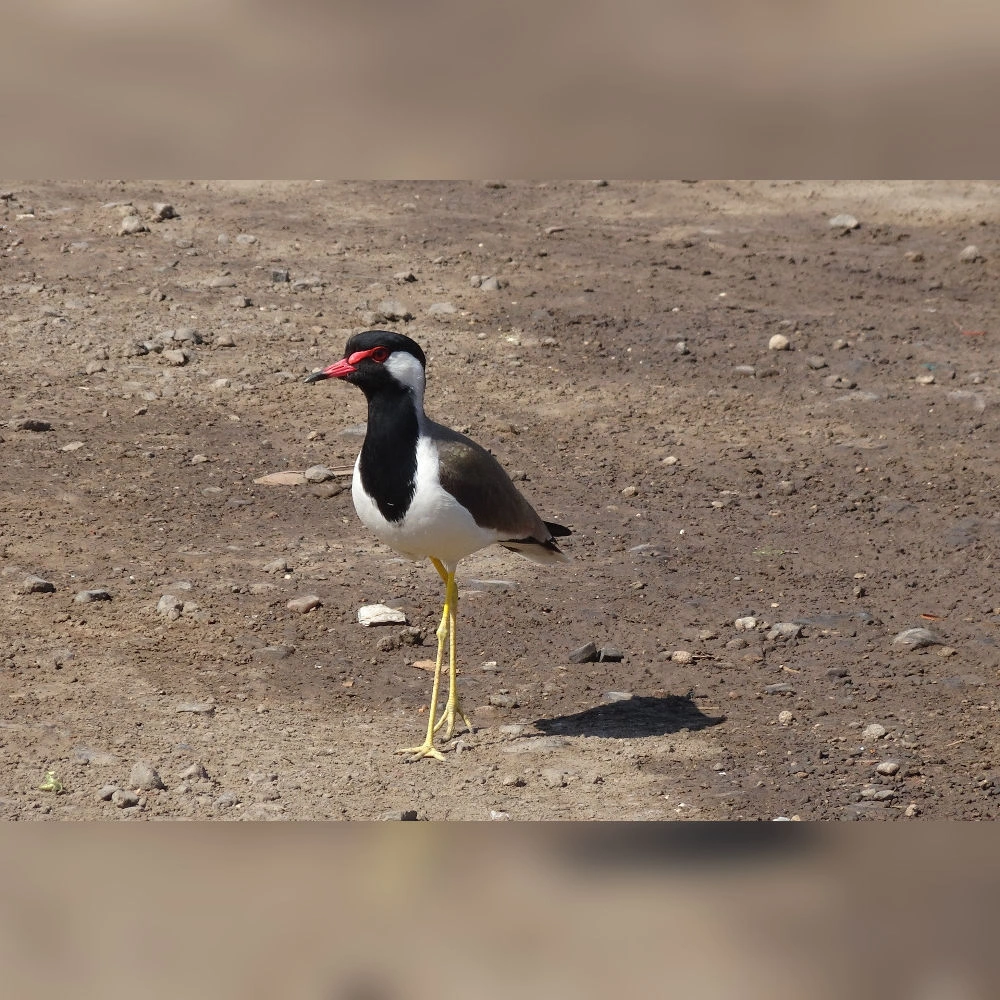
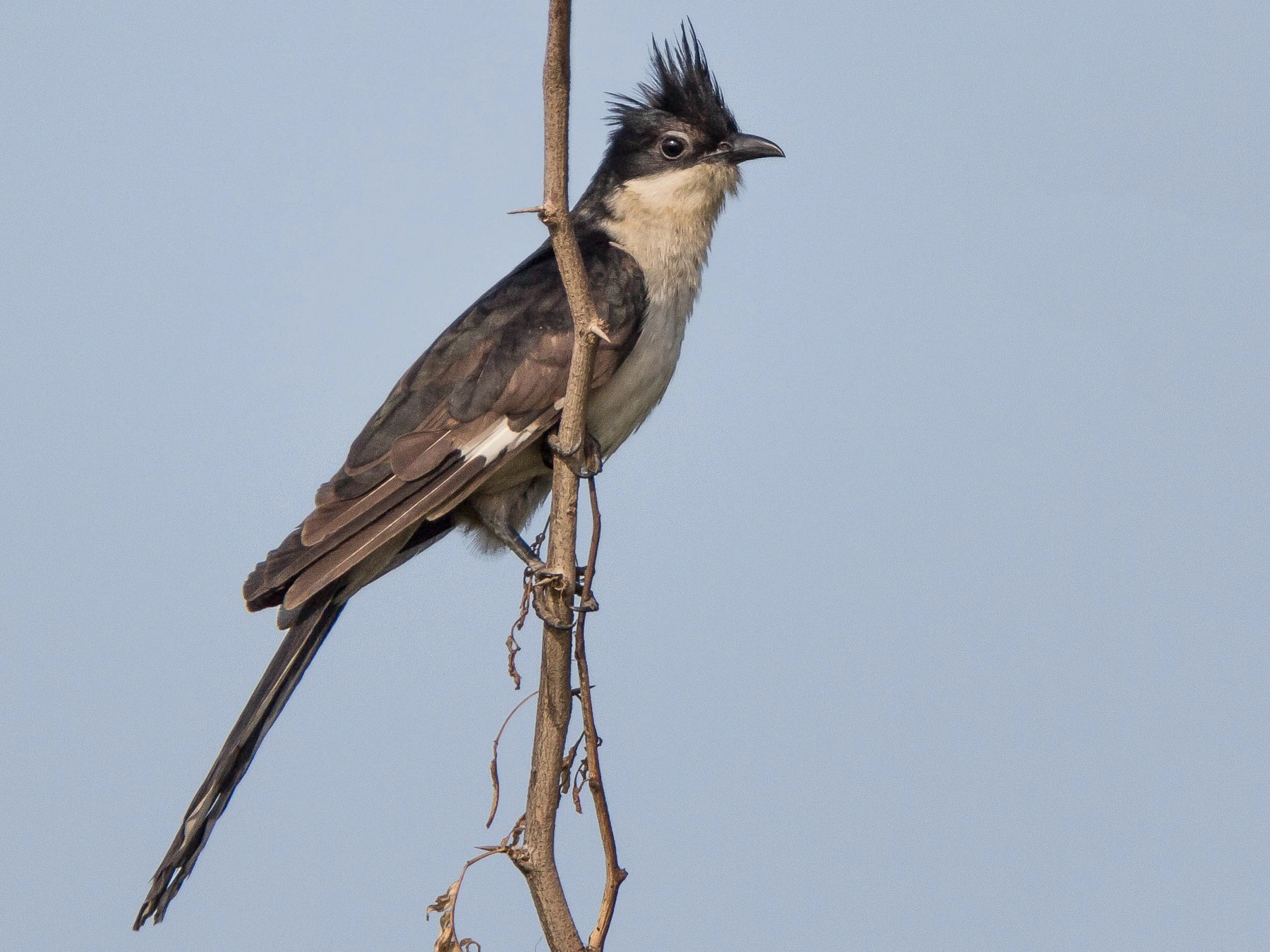
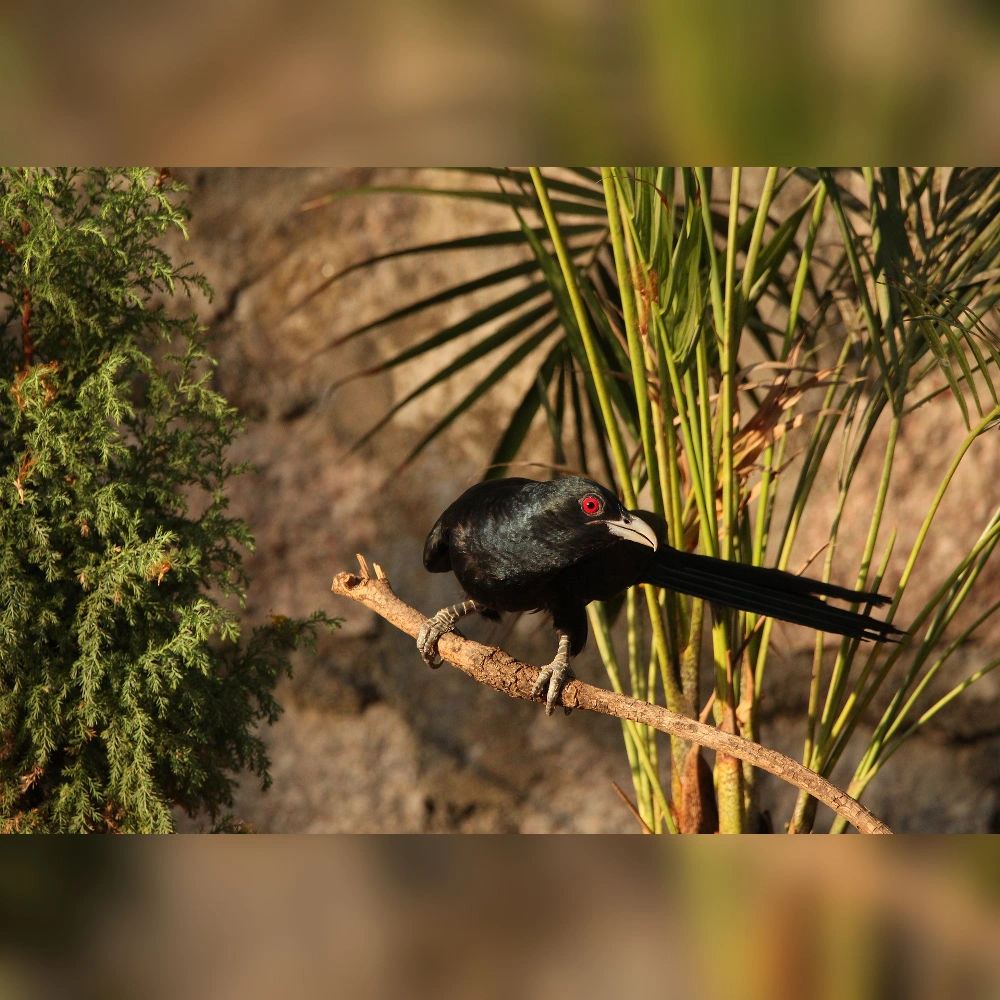
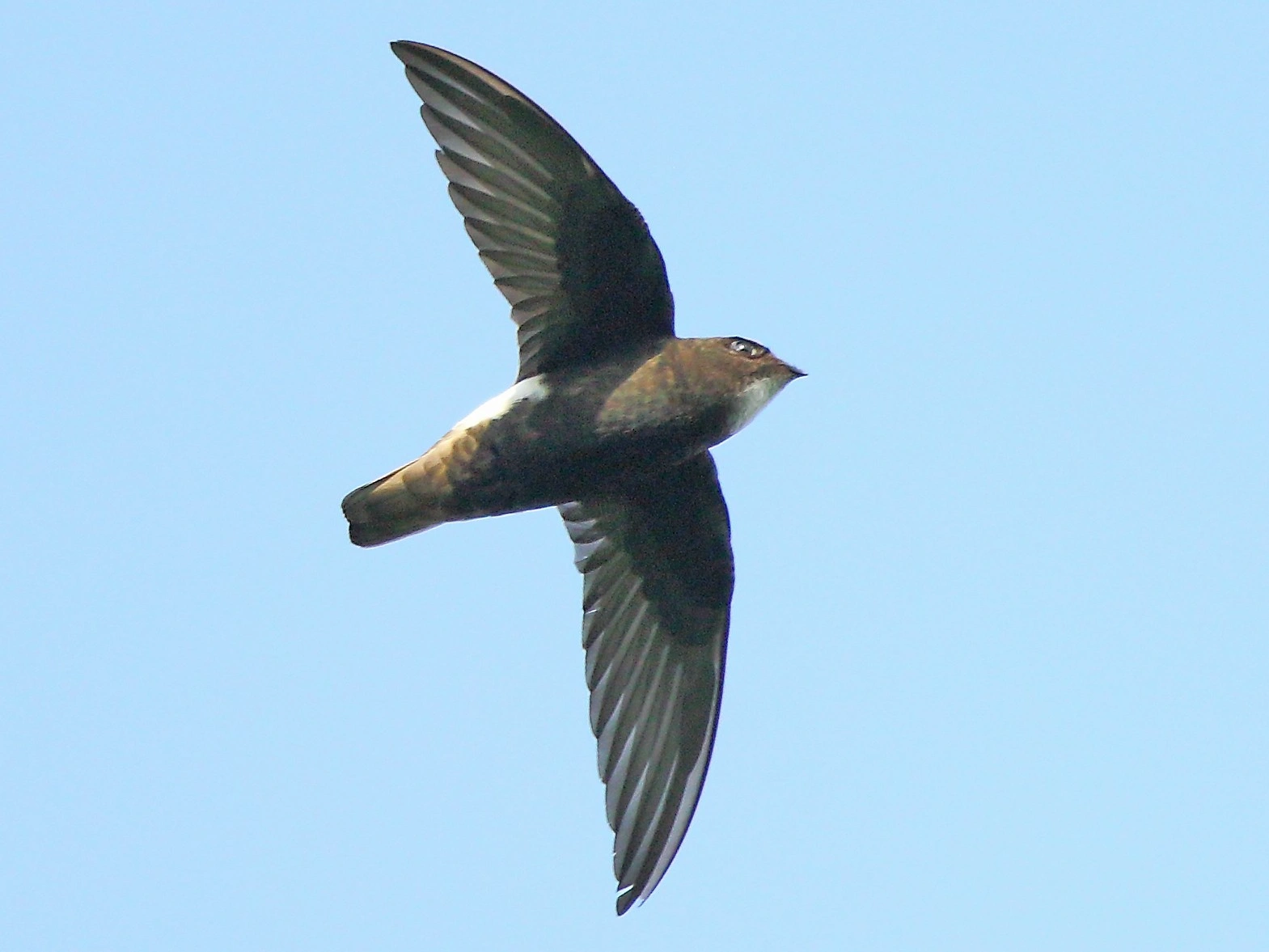
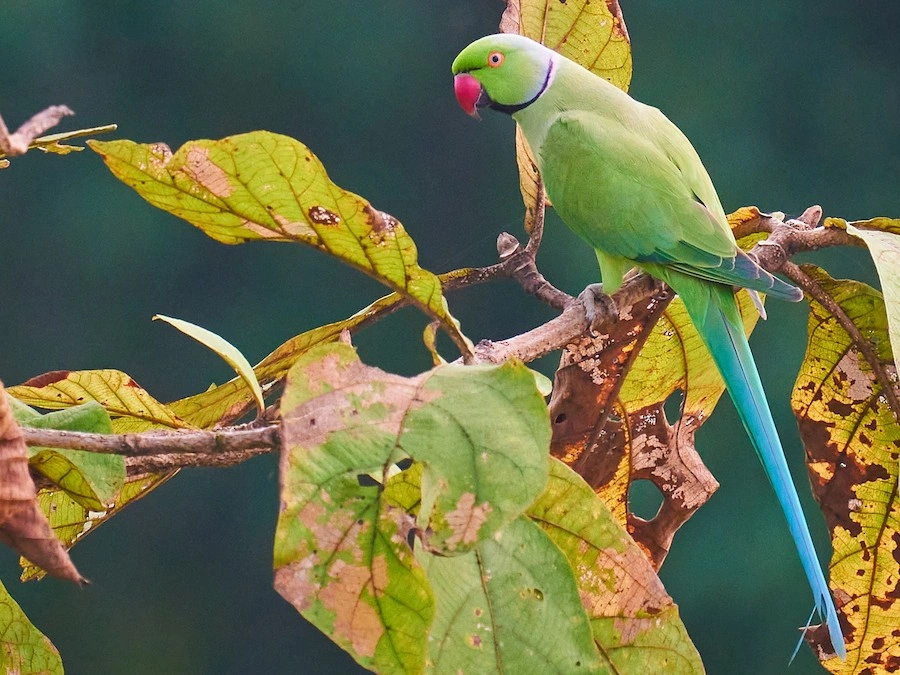
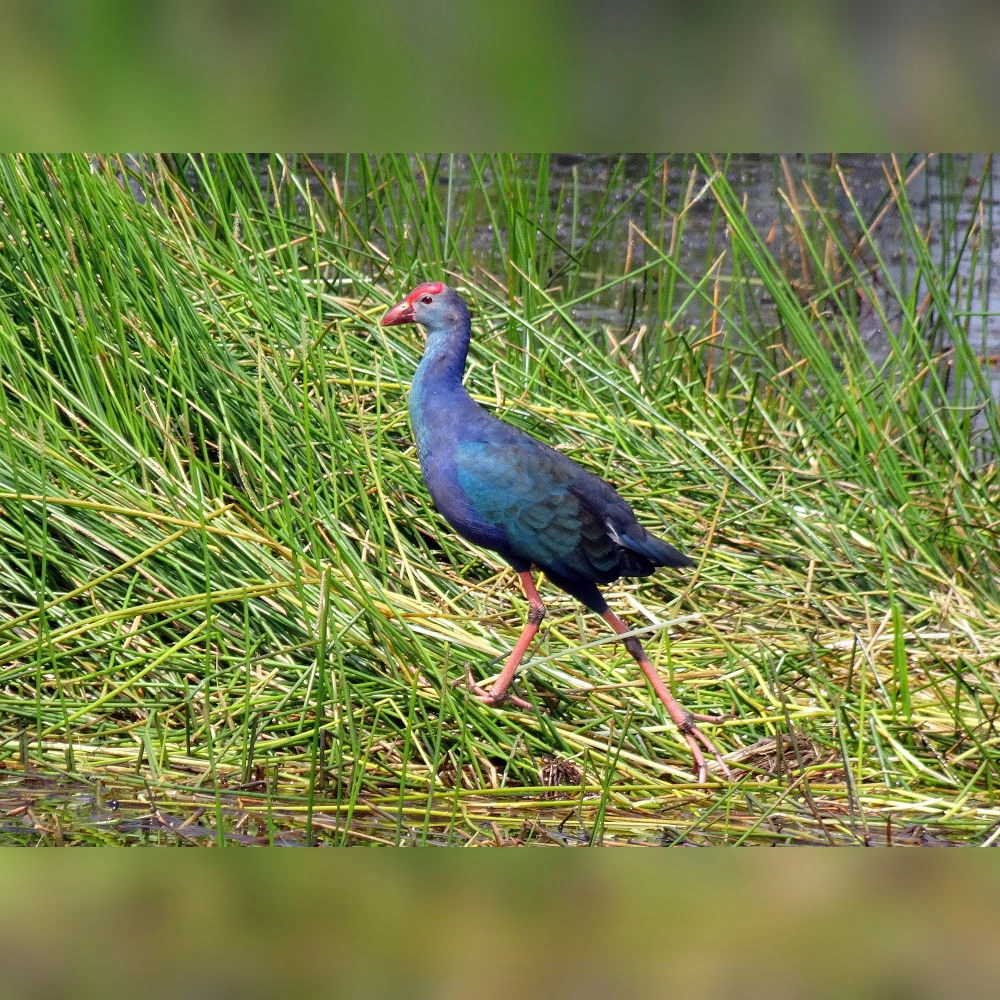
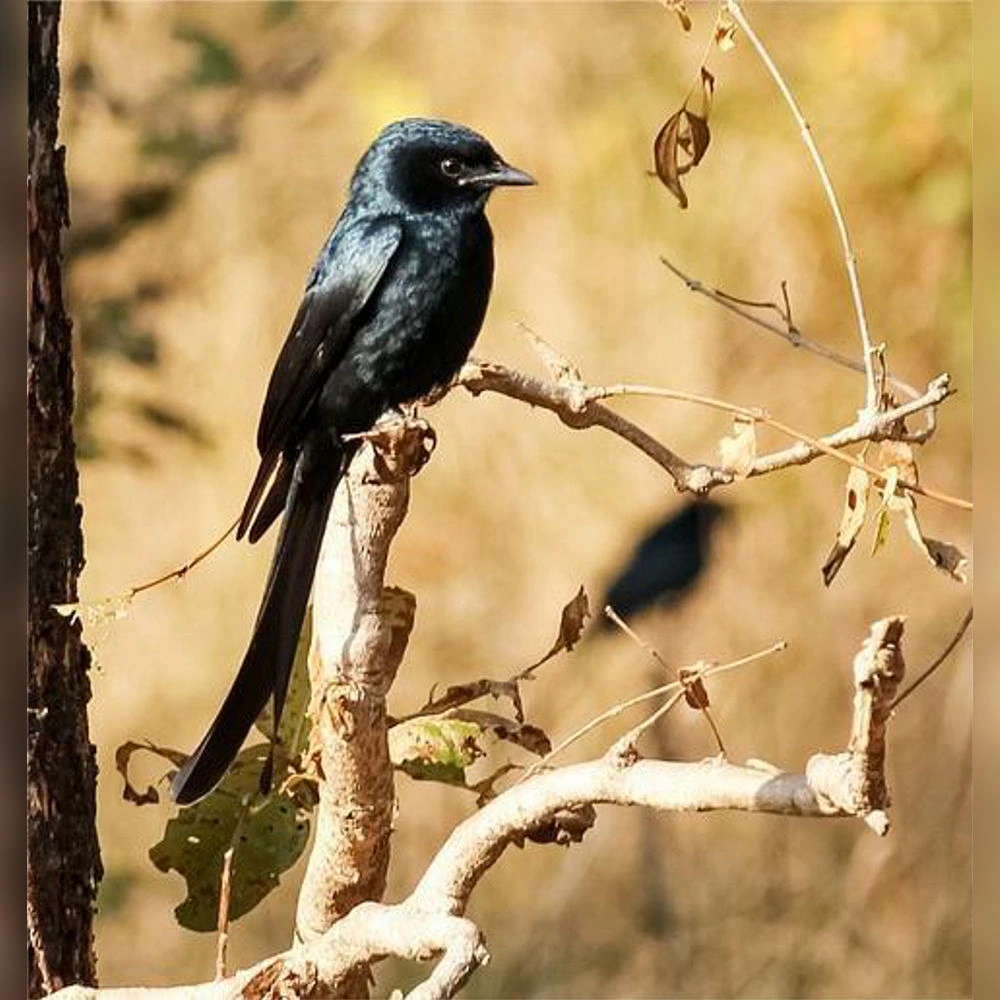
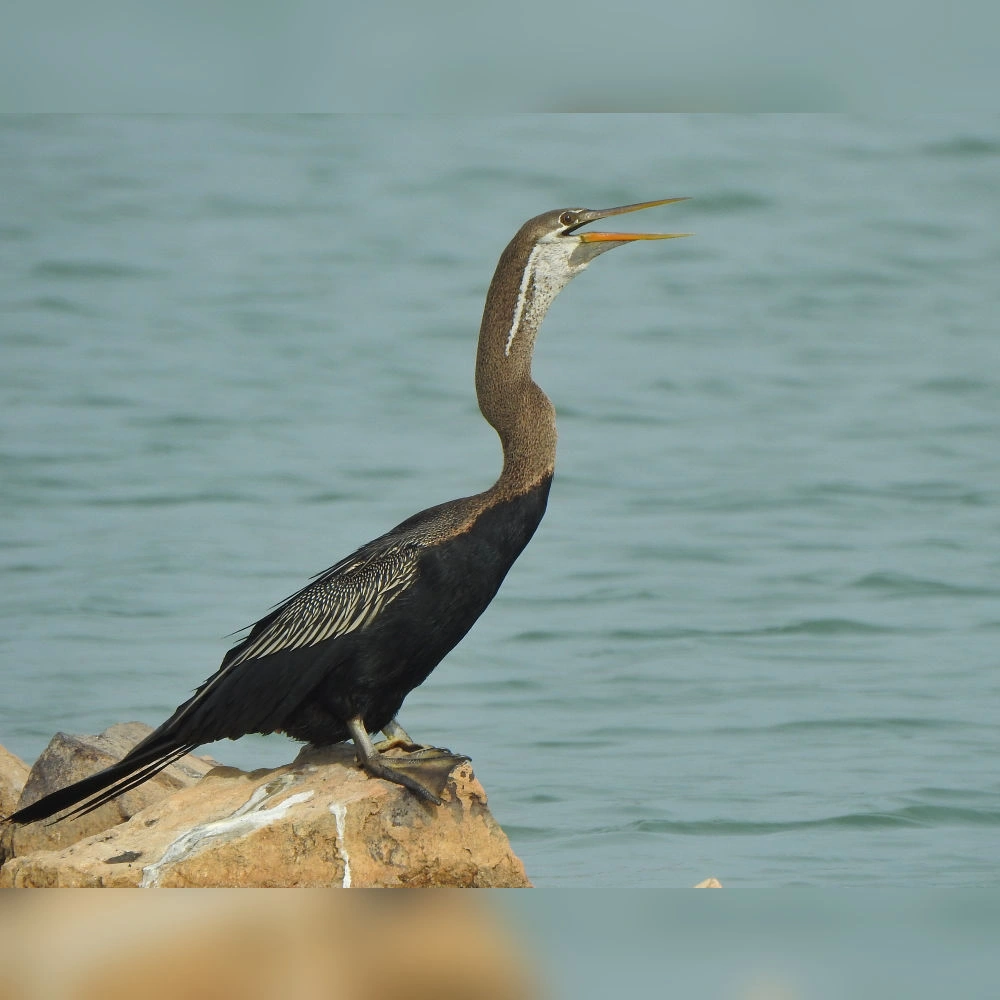
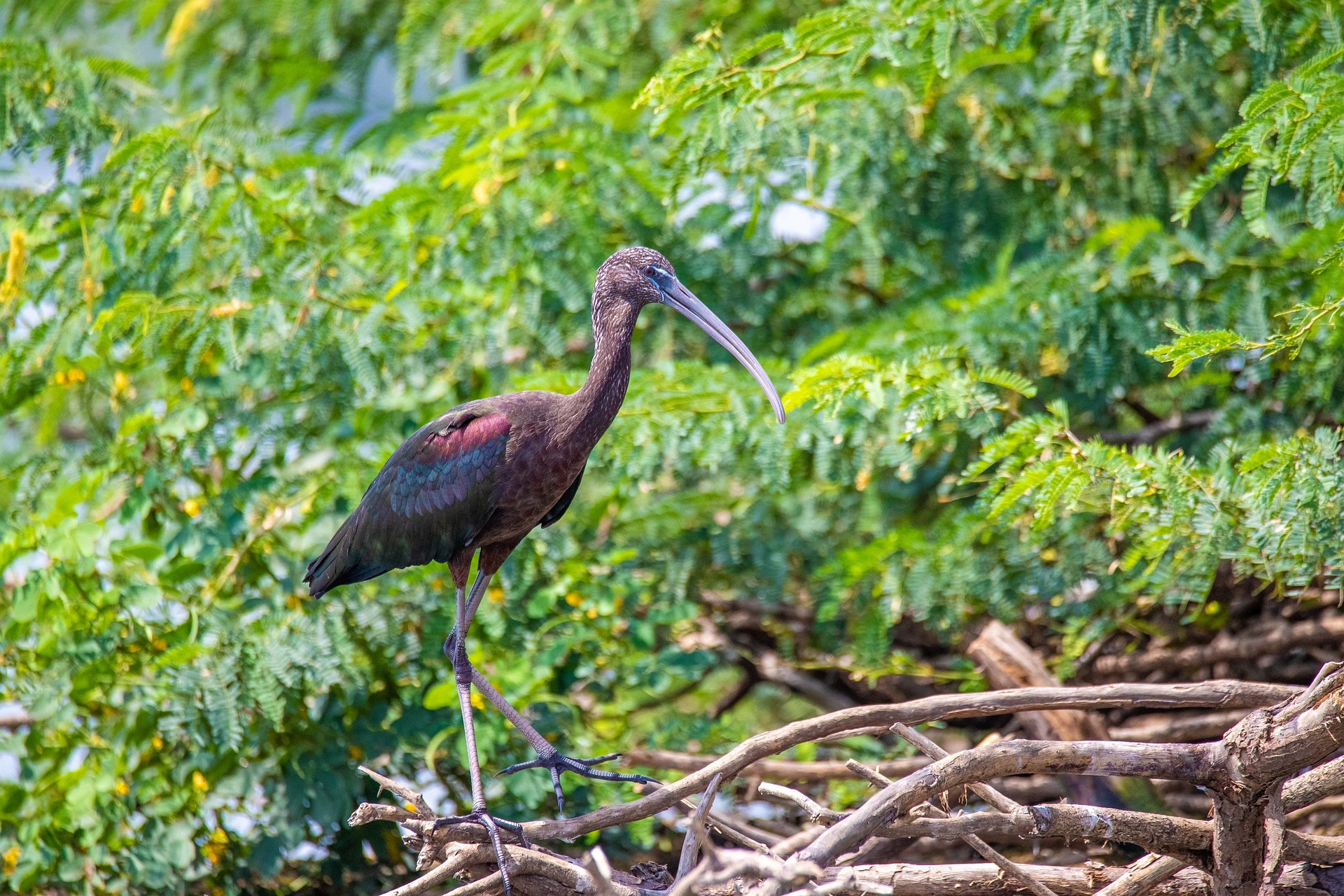
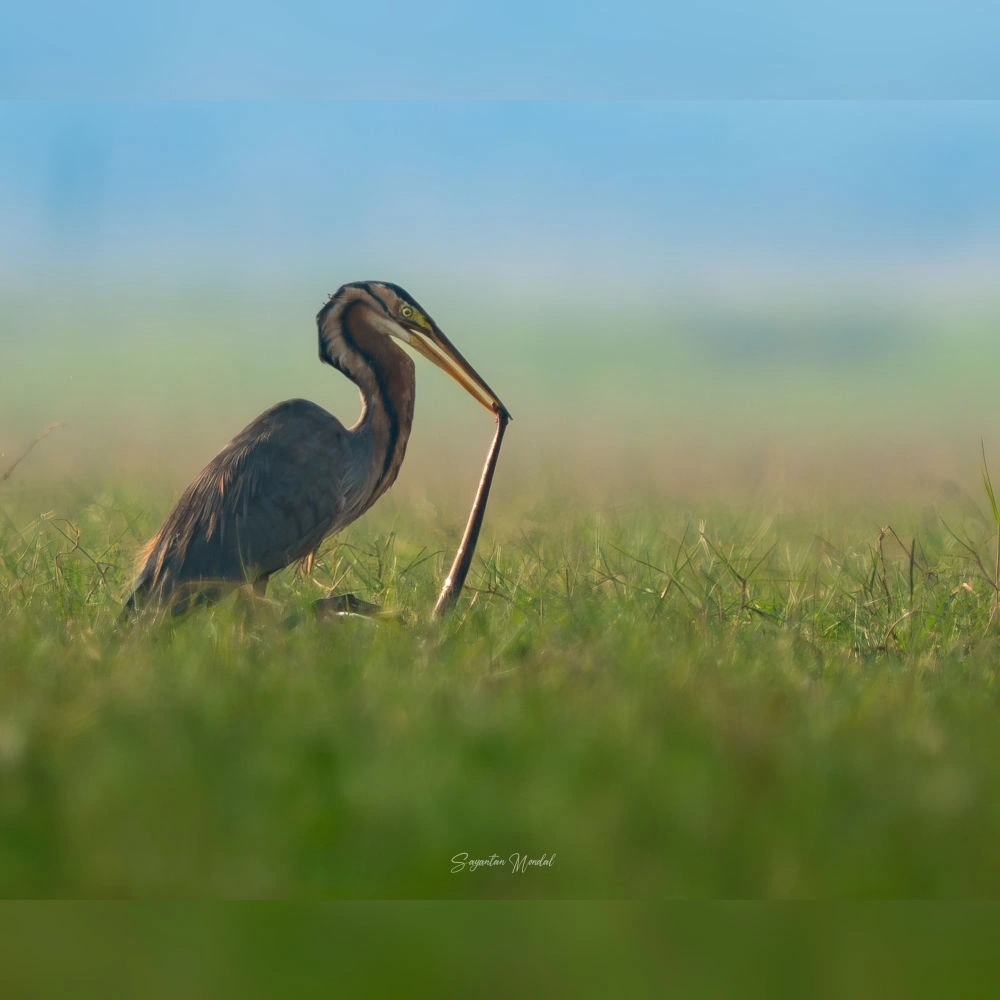
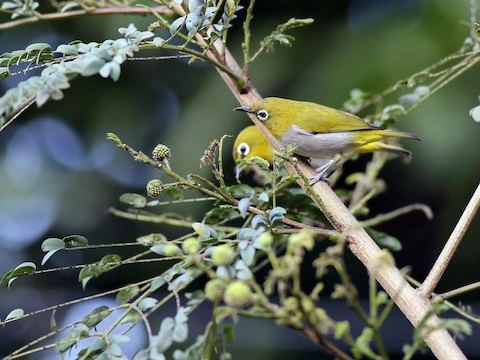
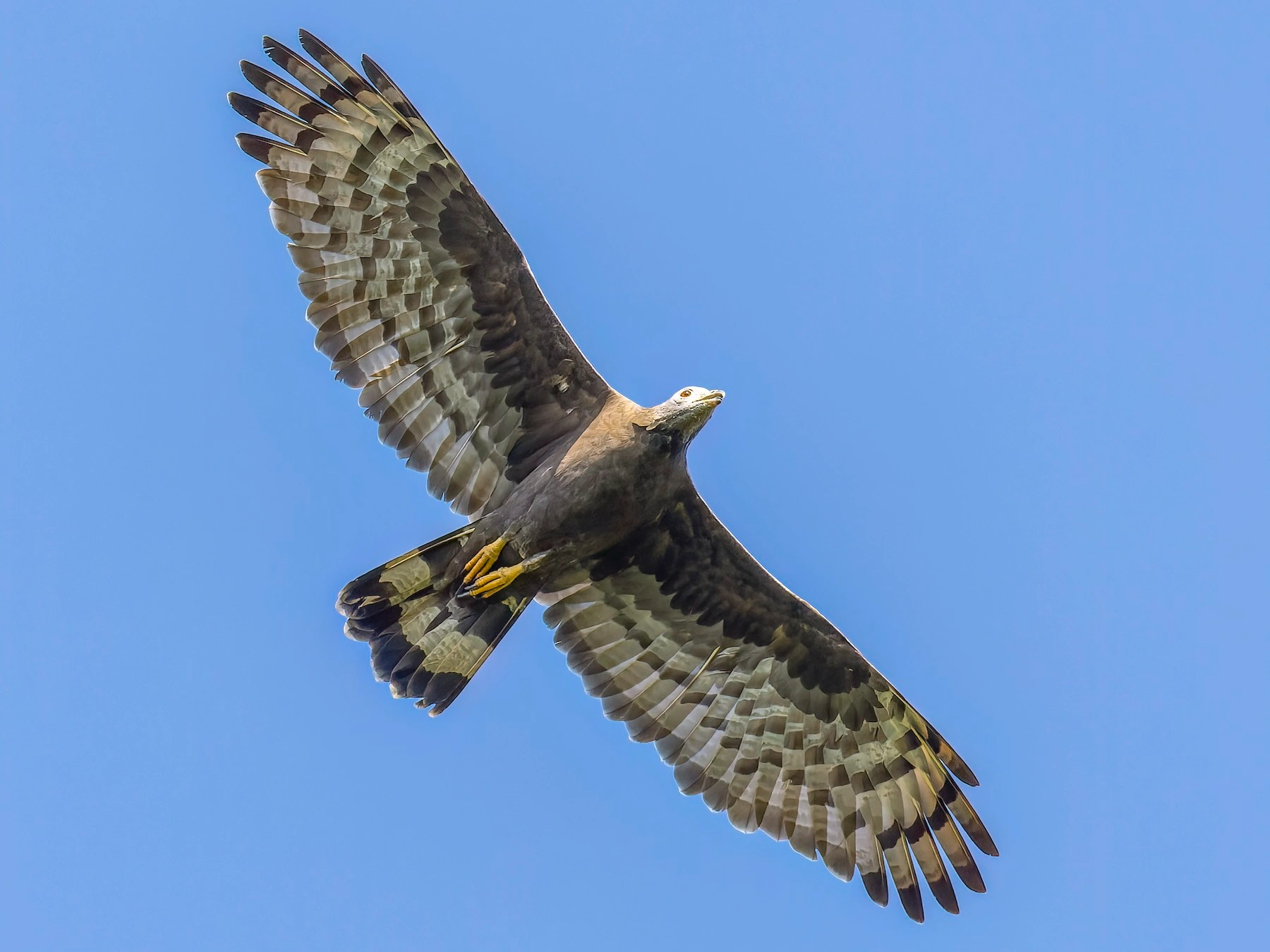
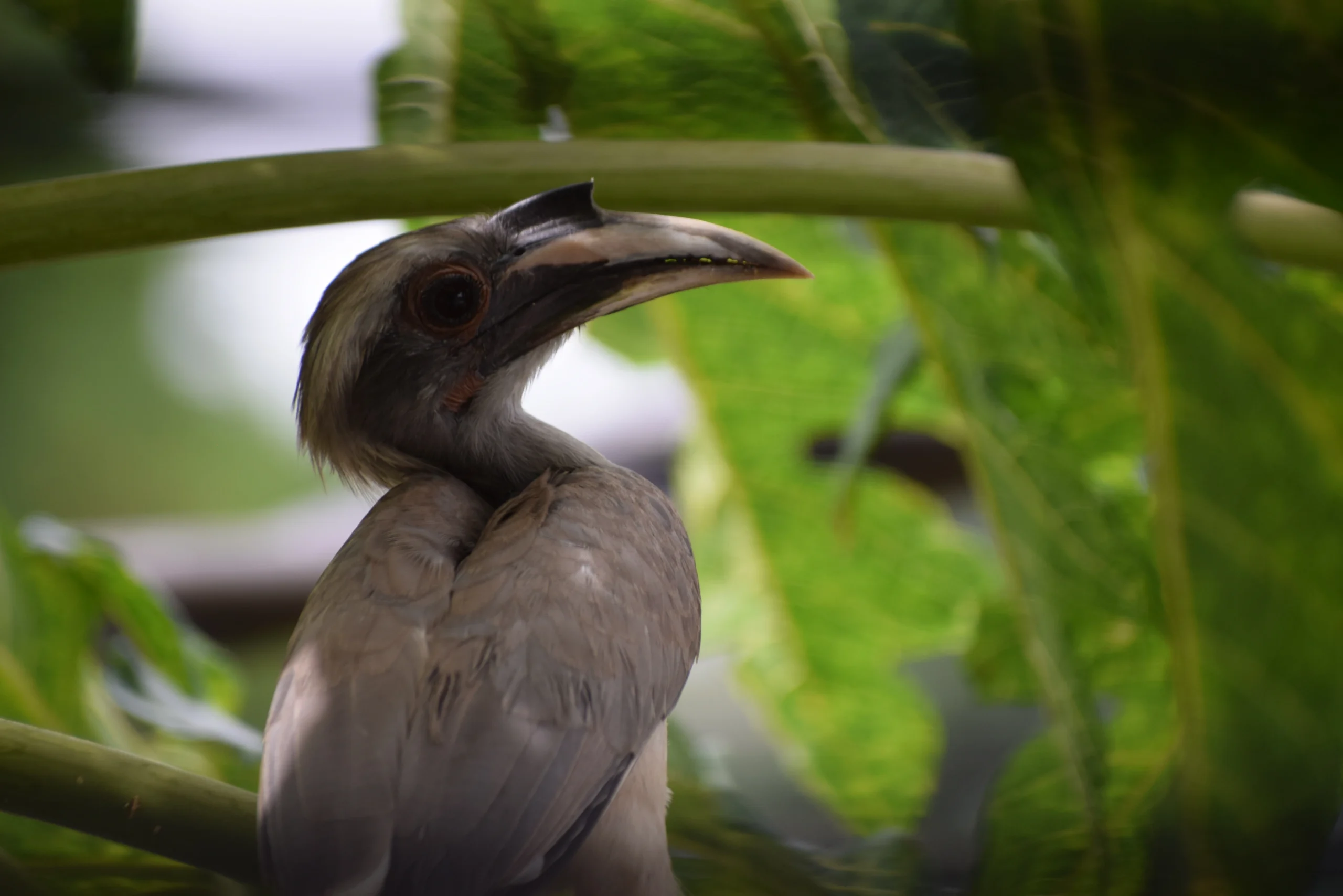
Muthanallur Lake supports an impressive diversity of wetland and woodland birds, making it one of the rewarding birding locations along Bengaluru’s southeastern outskirts. A recent checklist recorded over 250 birds, with the calm waters hosting elegant Indian Spot-billed Duck, striking Oriental Darter, glossy flocks of Glossy Ibis, and the stately Black-headed Ibis moving through shallow marshes. Reed beds shelter colourful Gray-headed Swamphen and stealthy herons, including the Purple Heron and Indian Pond-Heron, while the lake edges echo with the calls of Red-wattled Lapwing. Open skies above the lake are patrolled by raptors such as the Brahminy Kite, Black Kite, Black-winged Kite, and the impressive Oriental Honey-buzzard. Around the wooded patches, birdwatchers may encounter the vibrant Indian Roller, noisy flocks of Rose-ringed Parakeet, the prehistoric-looking Indian Gray Hornbill, and dazzling Pied Kingfisher and White-throated Kingfisher hunting over the water. Seasonal visitors such as the Pied Cuckoo add to the charm, while familiar urban species like Rock Pigeon, Spotted Dove, Asian Koel, and Little Swift ensure the lake remains lively throughout the day.