
Bird Walk at Jahanpanah City Forest, Delhi
- Delhi
- 20 June, 2026
- Anjali Bhardwaj
About Jahanpanah City Forest
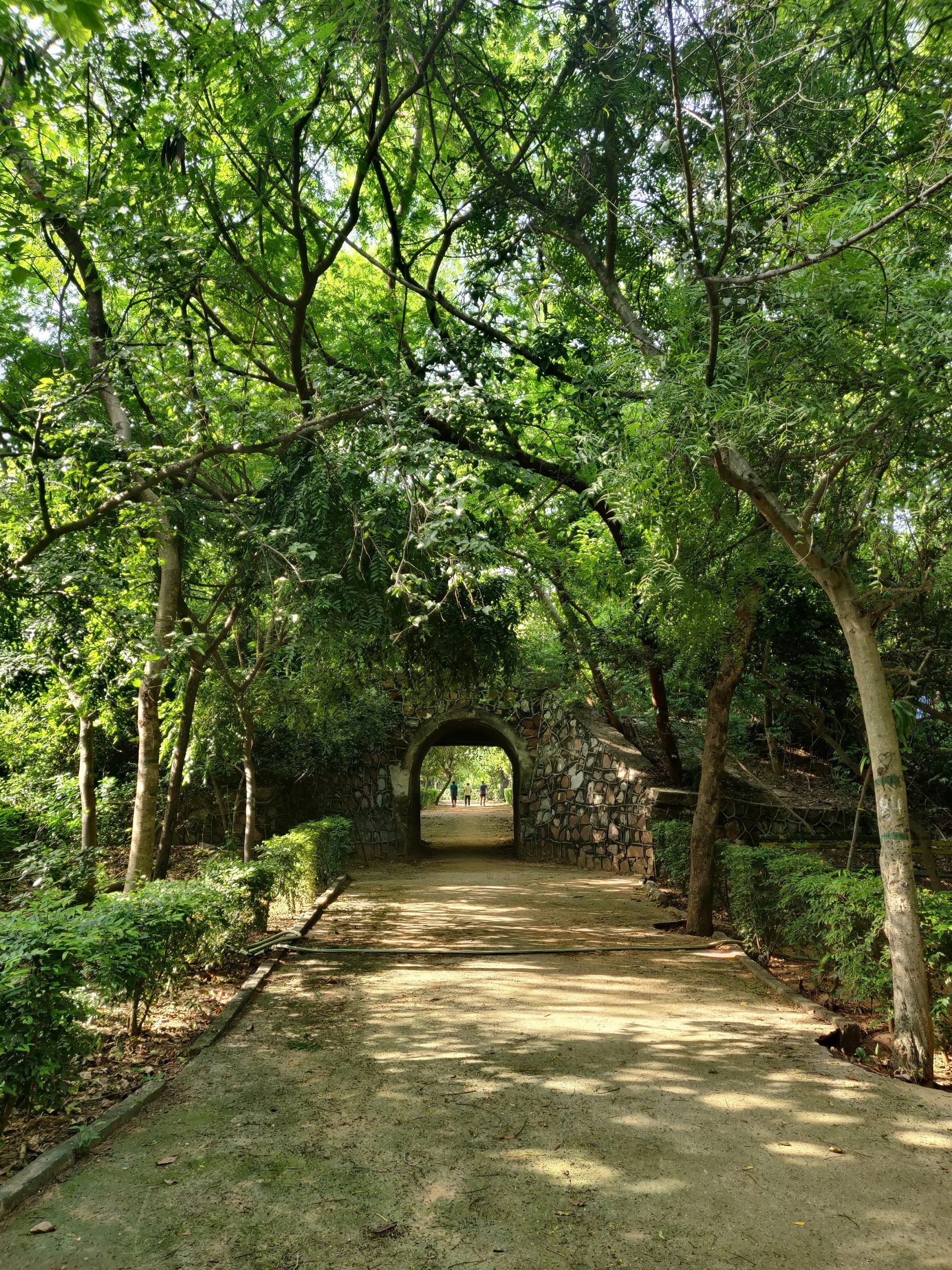
Tucked amid the urban sprawl of South Delhi, Jahanpanah City Forest is a green refuge that blends history, restoration, and biodiversity into a unique natural space. Spread across a patchwork of wooded trails, scrubland, grass clearings, and rocky terrain, the forest supports a rich variety of native flora including neem, keekar, amaltas, and dense undergrowth that provides shelter for wildlife. This semi-arid habitat attracts an impressive range of birds—from colourful parakeets and barbets to drongos, owlets, and seasonal migrants—making it a rewarding destination for birders right within the city. Early mornings here are especially vibrant, with bird calls echoing through the trees and sunlight filtering through the canopy.
Despite its ecological value, Jahanpanah City Forest faces the constant pressures of urbanisation. Encroachment, littering, invasive plant species, and disturbance from heavy footfall can impact habitat quality and reduce biodiversity over time. As one of Delhi’s important green lungs, the forest plays a crucial role in supporting wildlife, improving air quality, and offering people a connection to nature. Sustained conservation efforts—such as habitat management, waste control, and increased awareness about responsible use—are essential to protect and enhance this urban forest. Jahanpanah stands as a reminder that even within a bustling metropolis, nature can survive and thrive when given the space and care it deserves.

Bird Guide: Anjali Bhardwaj
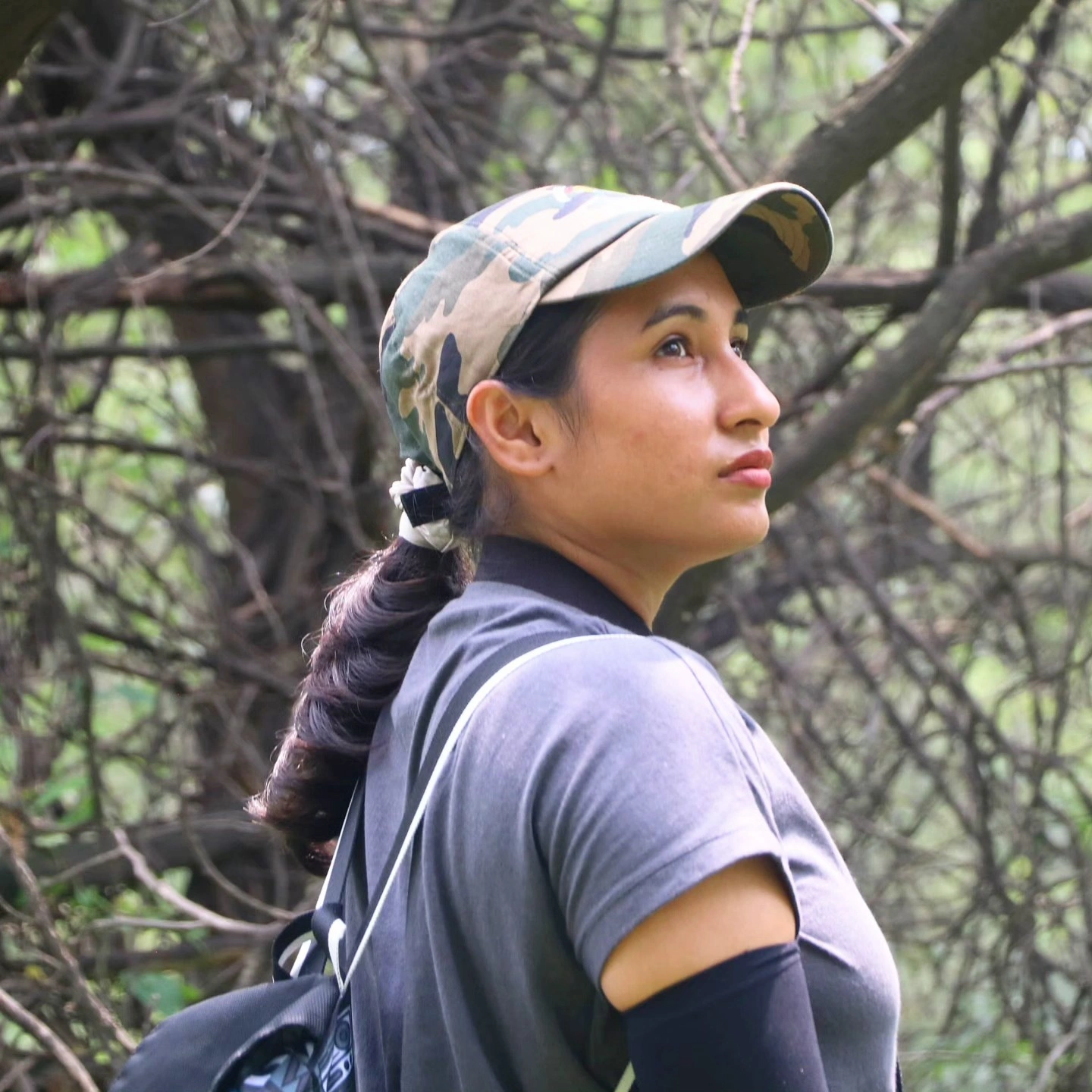
A passionate birder and researcher, I am currently a PhD scholar in biogeography at Jamia Millia Islamia with 3.5 years of experience studying urban birdlife in Delhi. My work focuses on bird occupancy, vocalisations, and their relationship with tree species,combining field birding with research to offer deeper, more insightful birding experiences.
Bird walk Location
Common birds of Jahanpanah City Forest
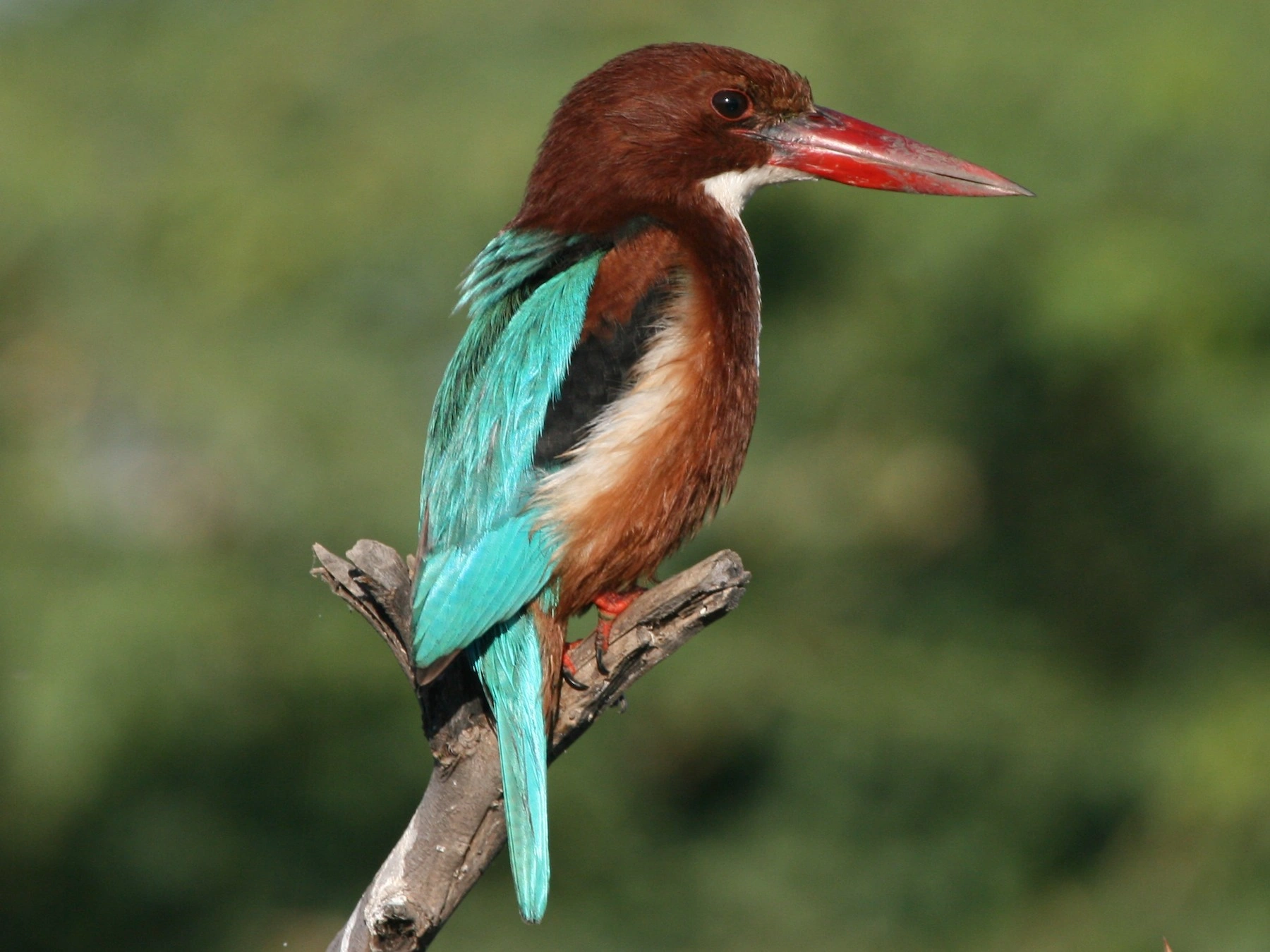
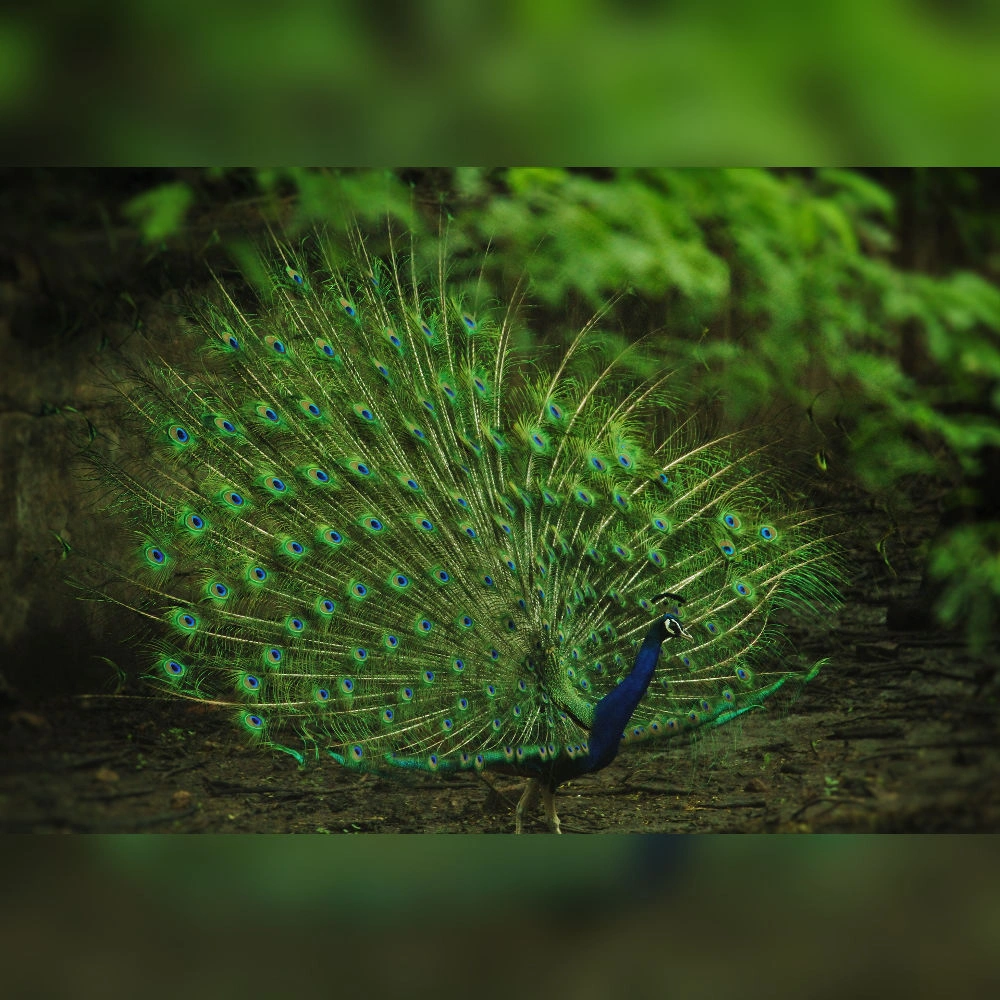
This lively mix of birds perfectly captures the essence of an urban forest ecosystem, where dense tree cover, open clearings, and human proximity come together to support remarkable biodiversity. From the striking calls of the Asian Koel echoing through the canopy to the rhythmic tapping of barbets and woodpeckers, the soundscape is constantly alive. Bright flashes of colour from White-Throated Kingfishers, Purple Sunbirds, and Rose-Ringed Parakeets contrast beautifully with the earthy tones of francolins and babblers moving through the undergrowth. Raptors like the Oriental Honey-Buzzard and Black Kite soar above, while species such as the Greater Coucal and Oriental Magpie-Robin add character with their distinct behaviours and calls. Together, these birds showcase how even within city limits, well-preserved green spaces can support a rich and engaging birding experience.

White-Throated Kingfisher

Indian Peafowl
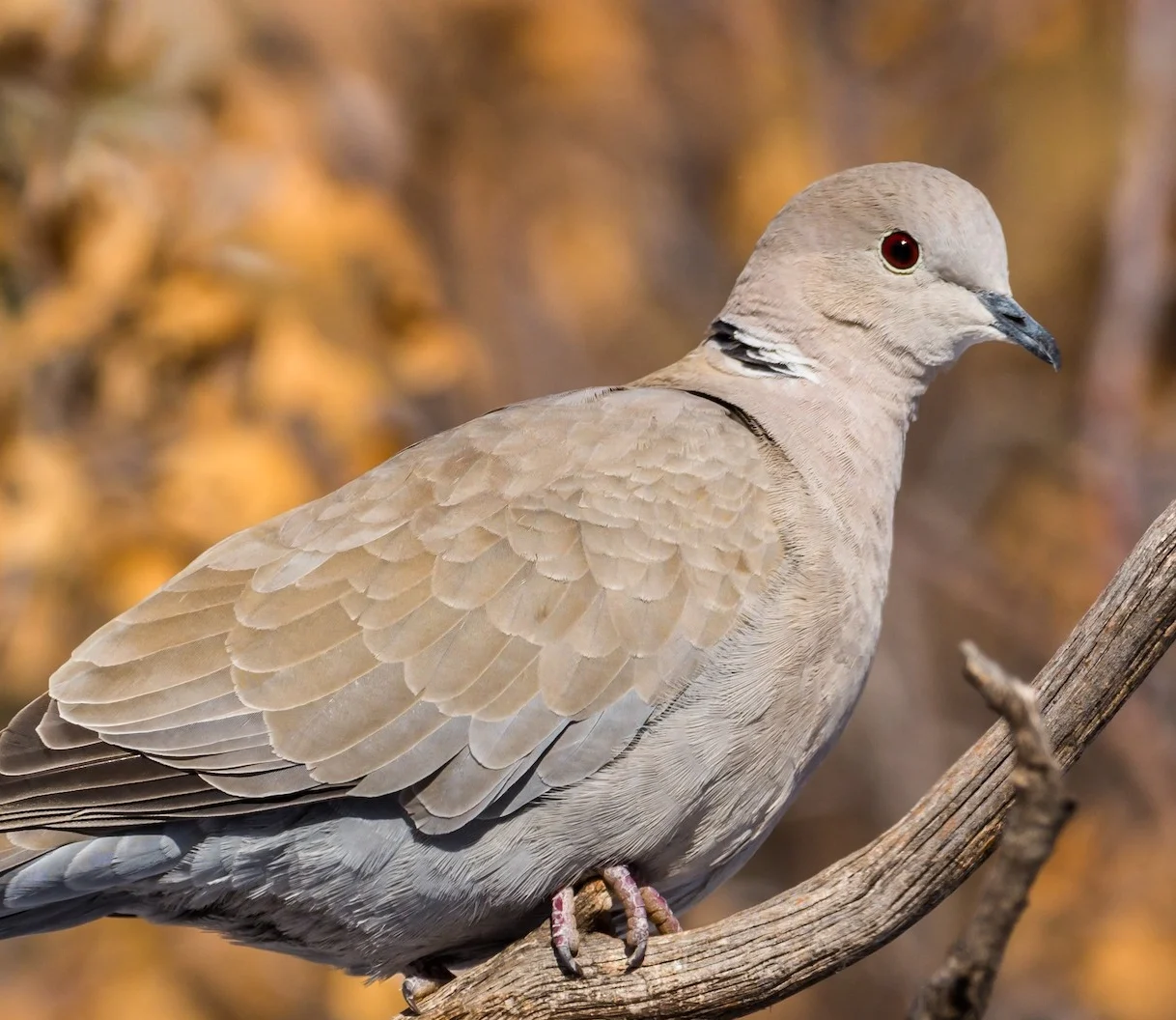
Eurasian Collared-Dove
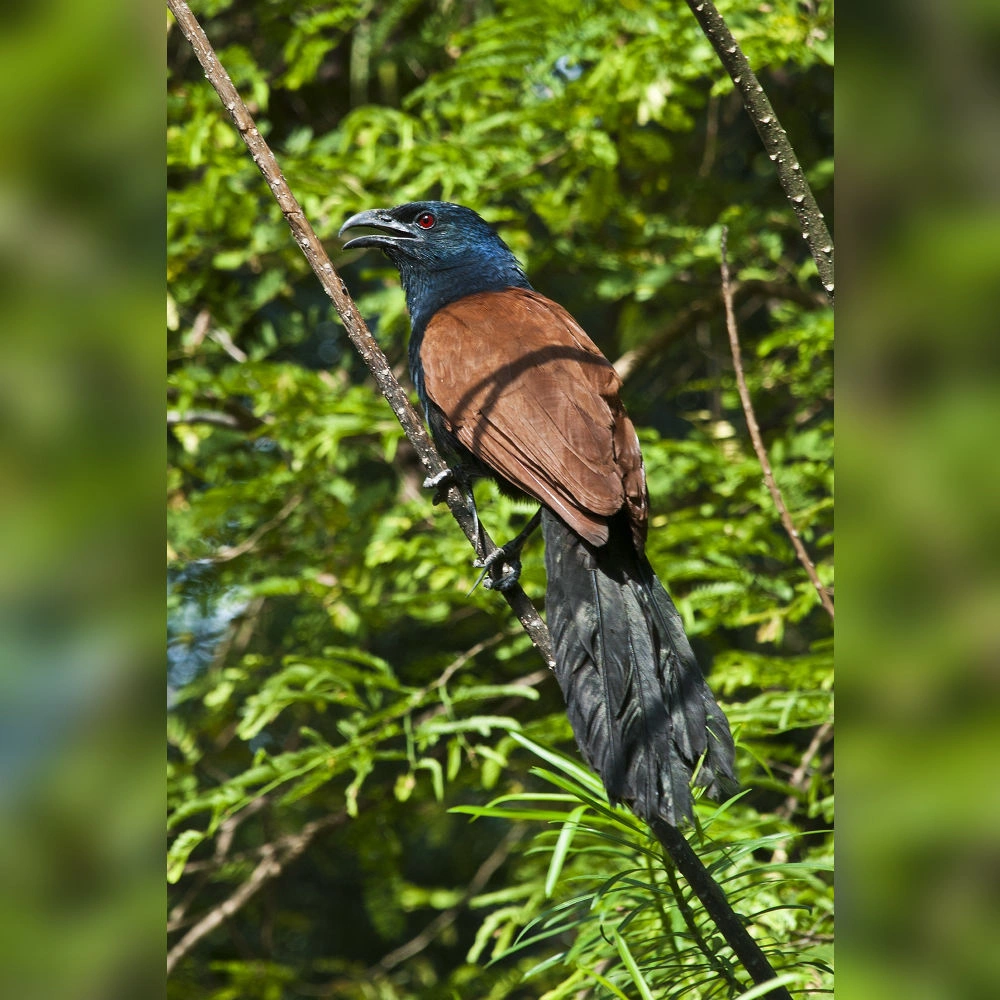
Greater Coucal
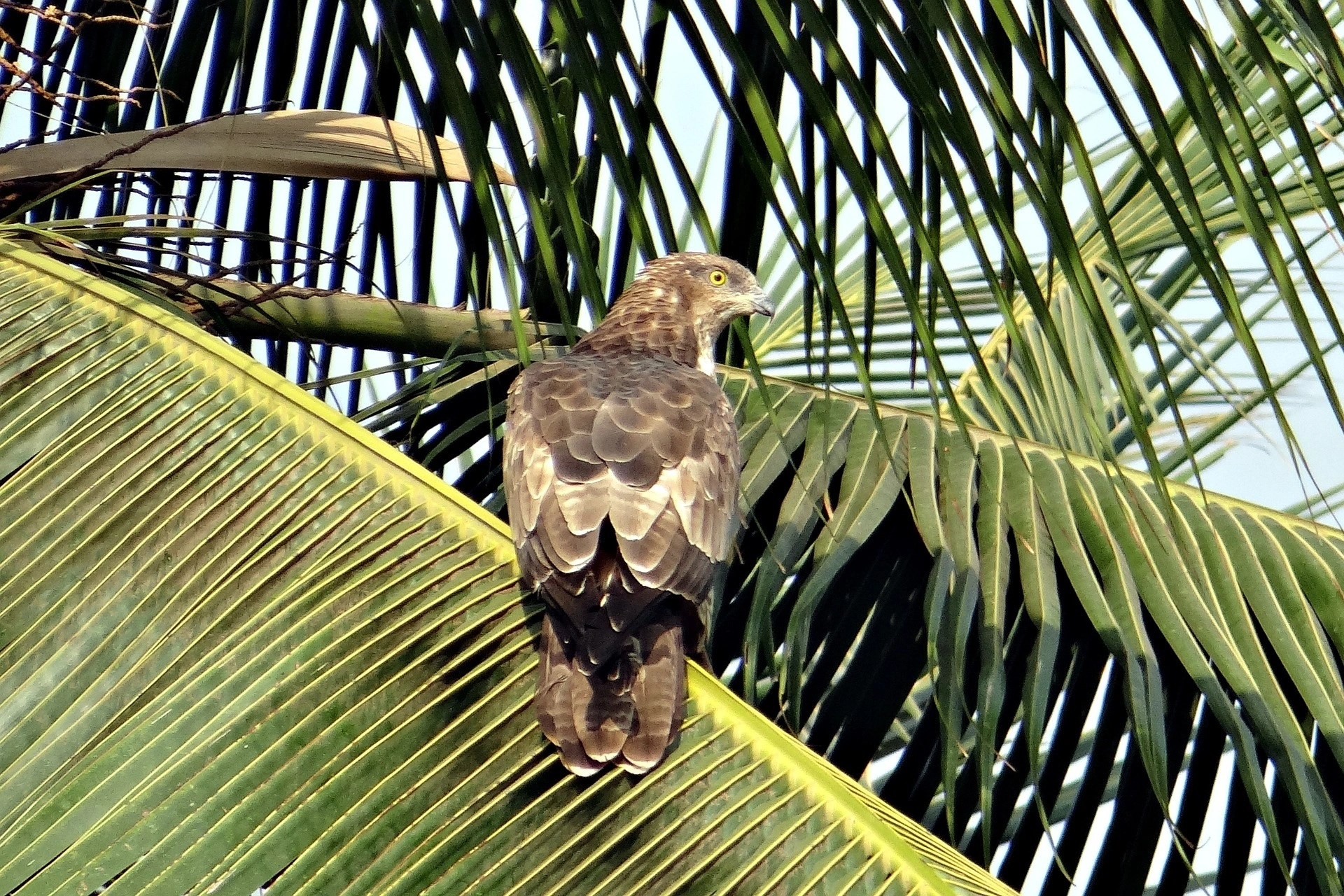
Oriental Honey-Buzzard
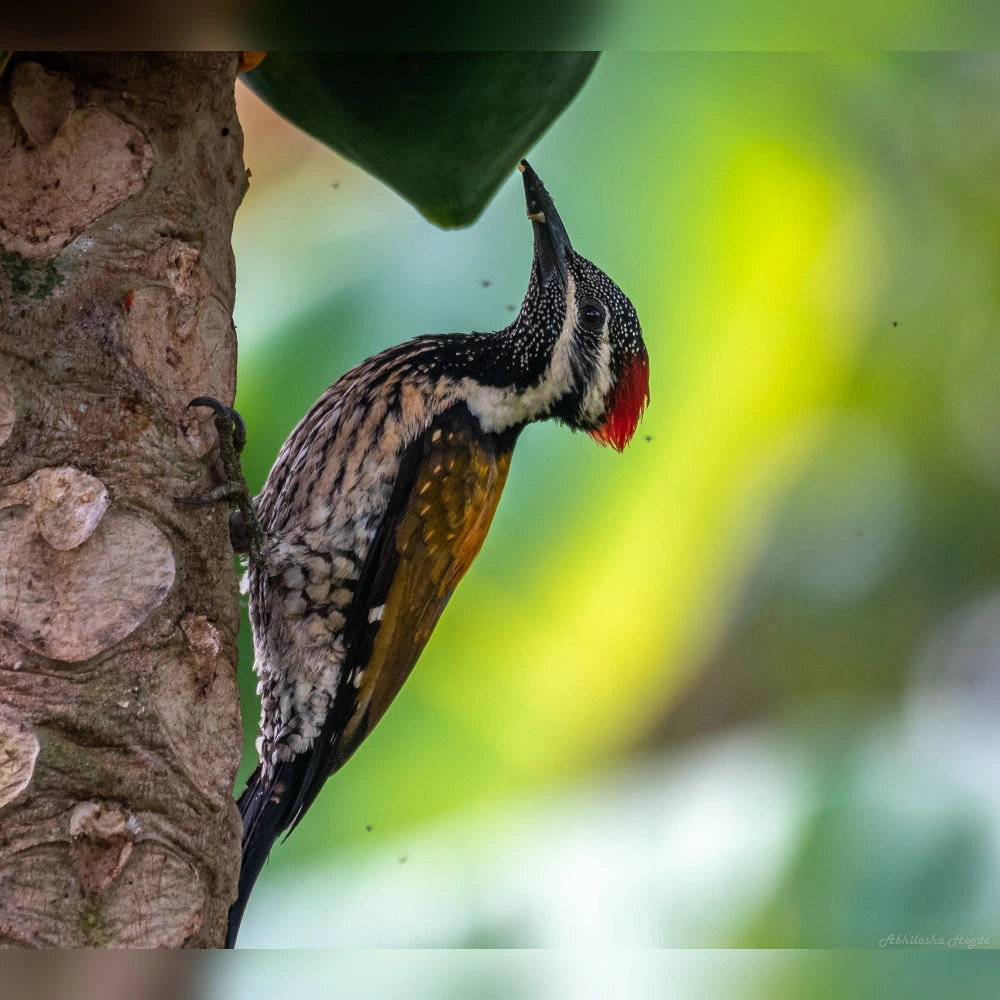
Black-Rumped Flameback
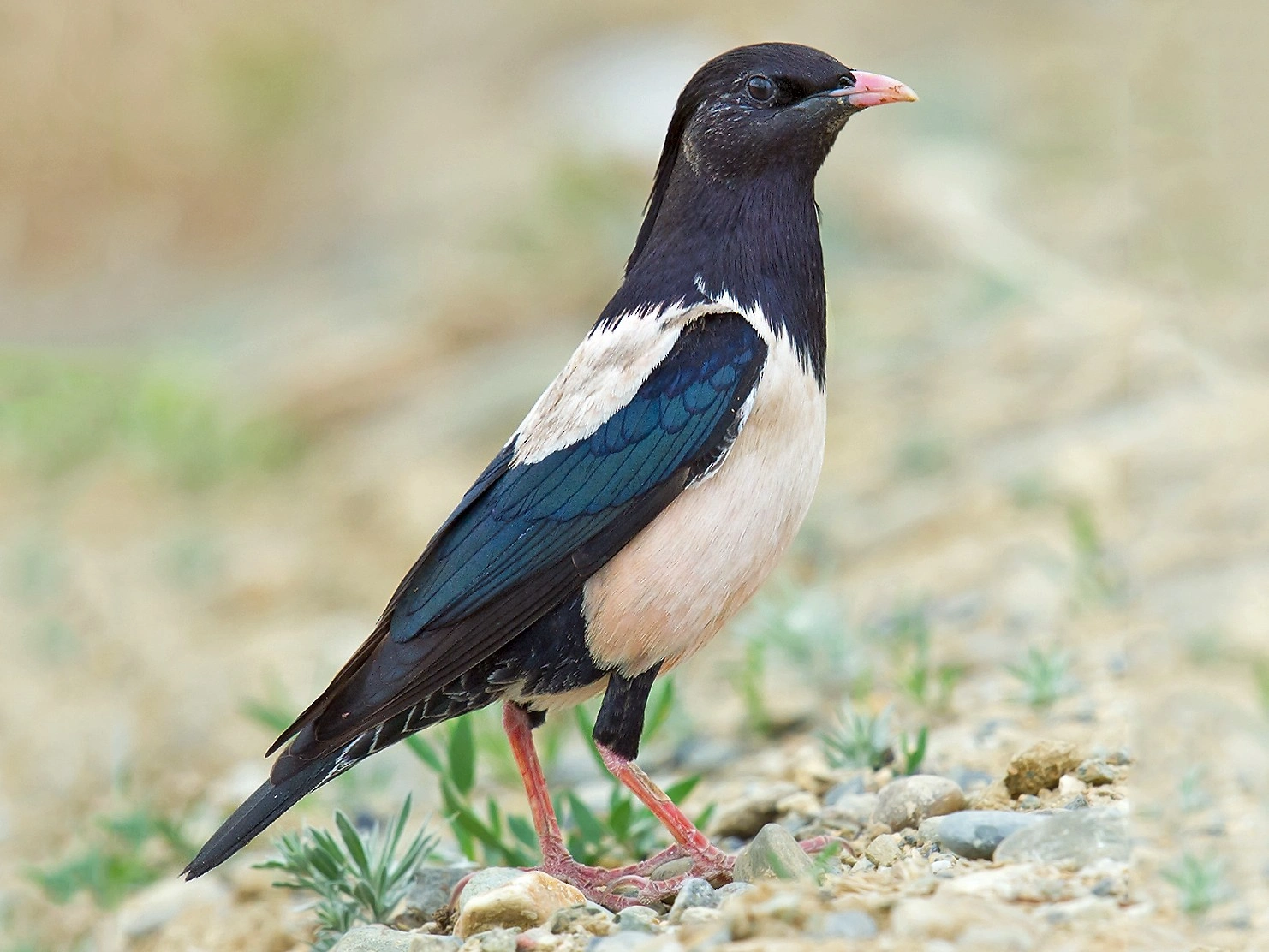
Rosy Starling
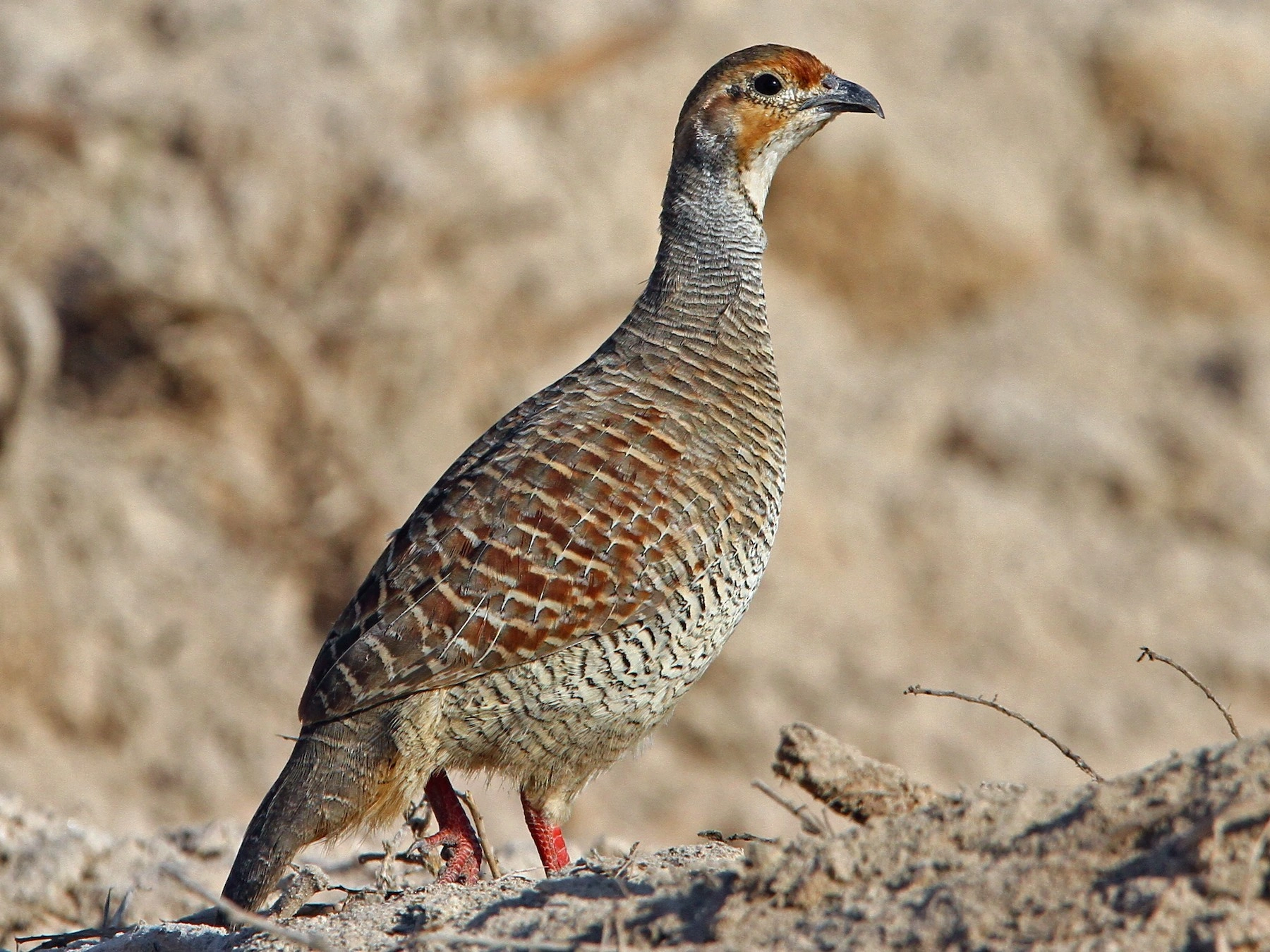
Gray Francolin
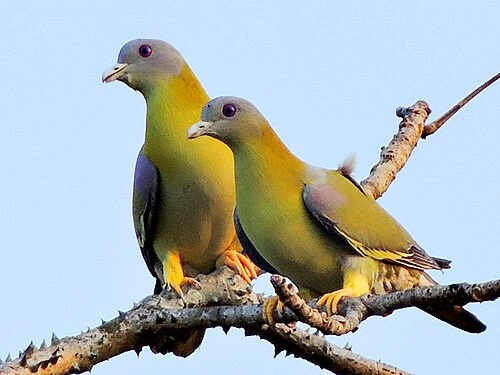
Yellow-Footed Green-Pigeon
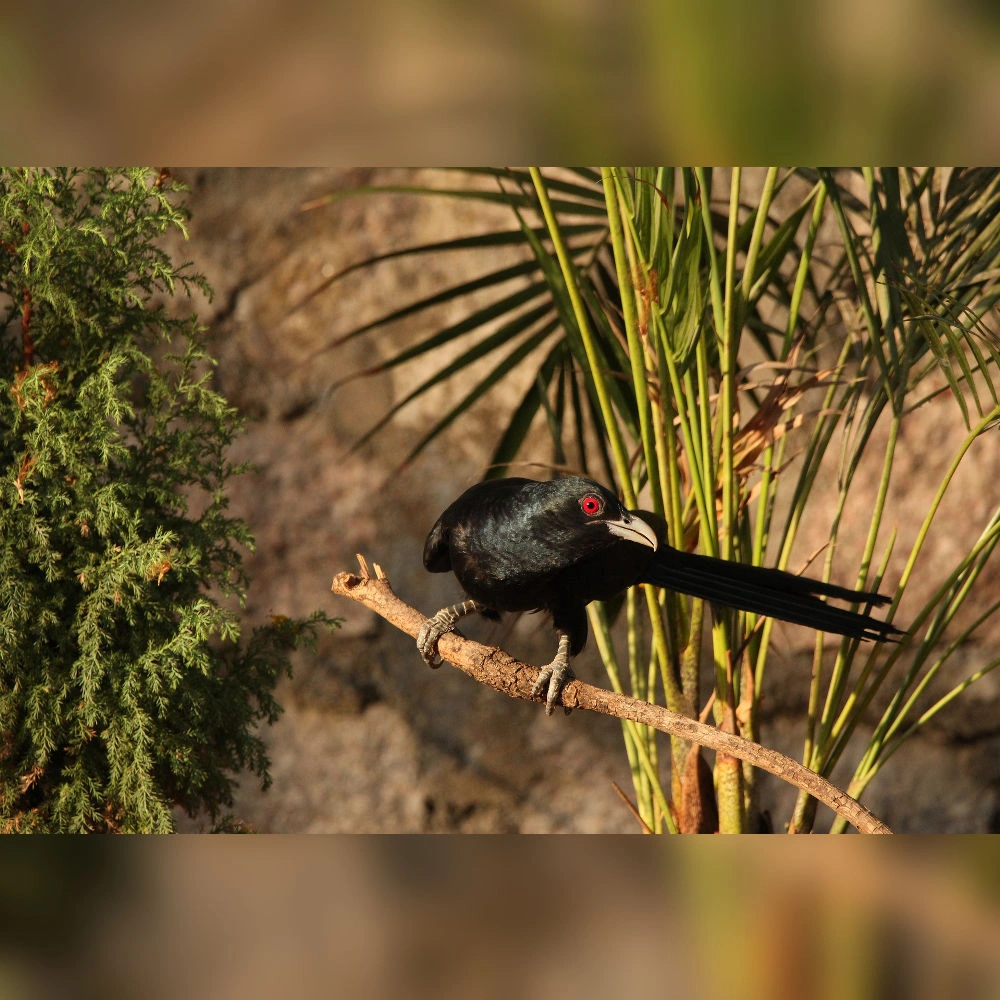
Asian Koel

Black Kite
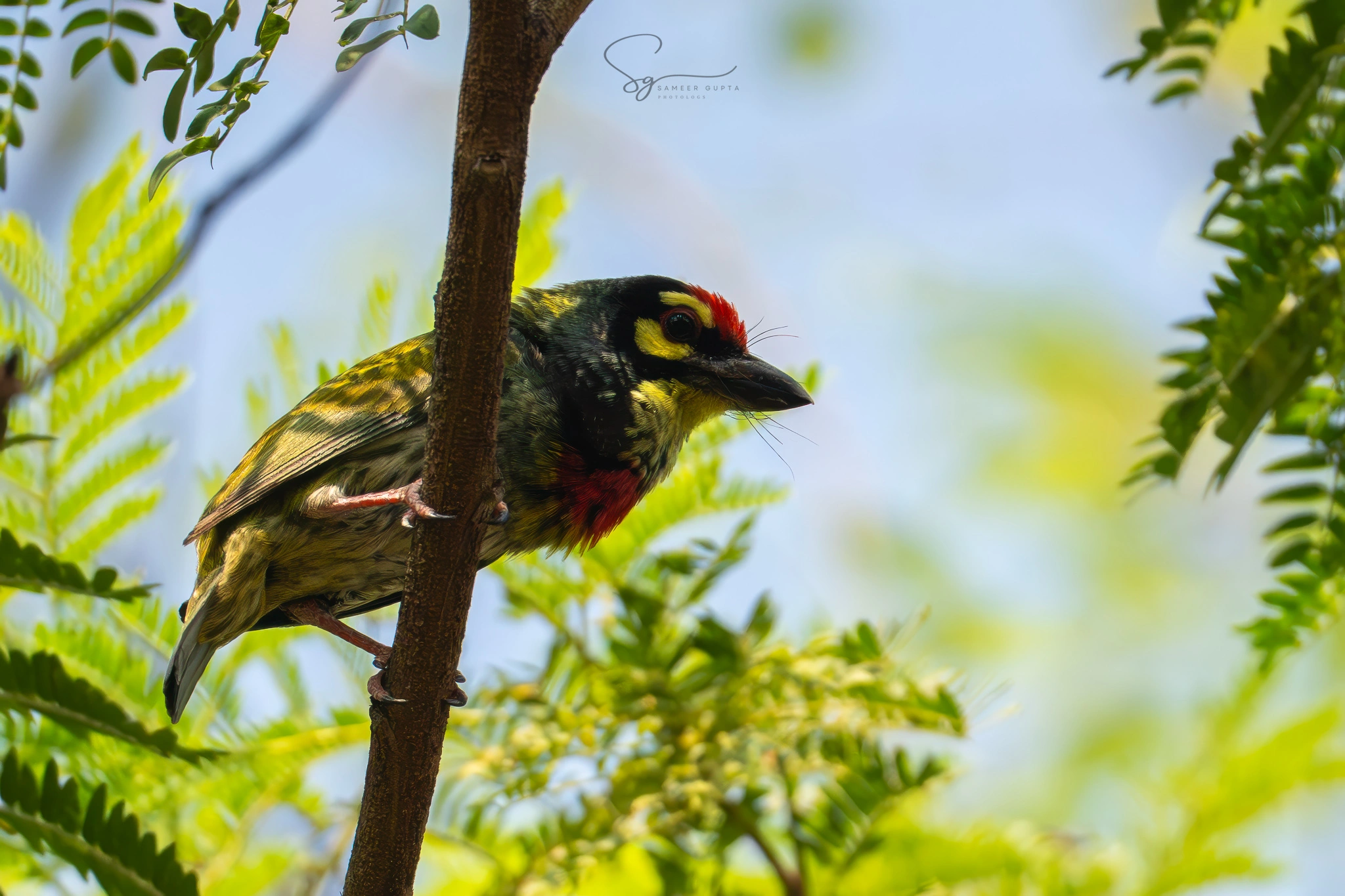
Coppersmith Barbet
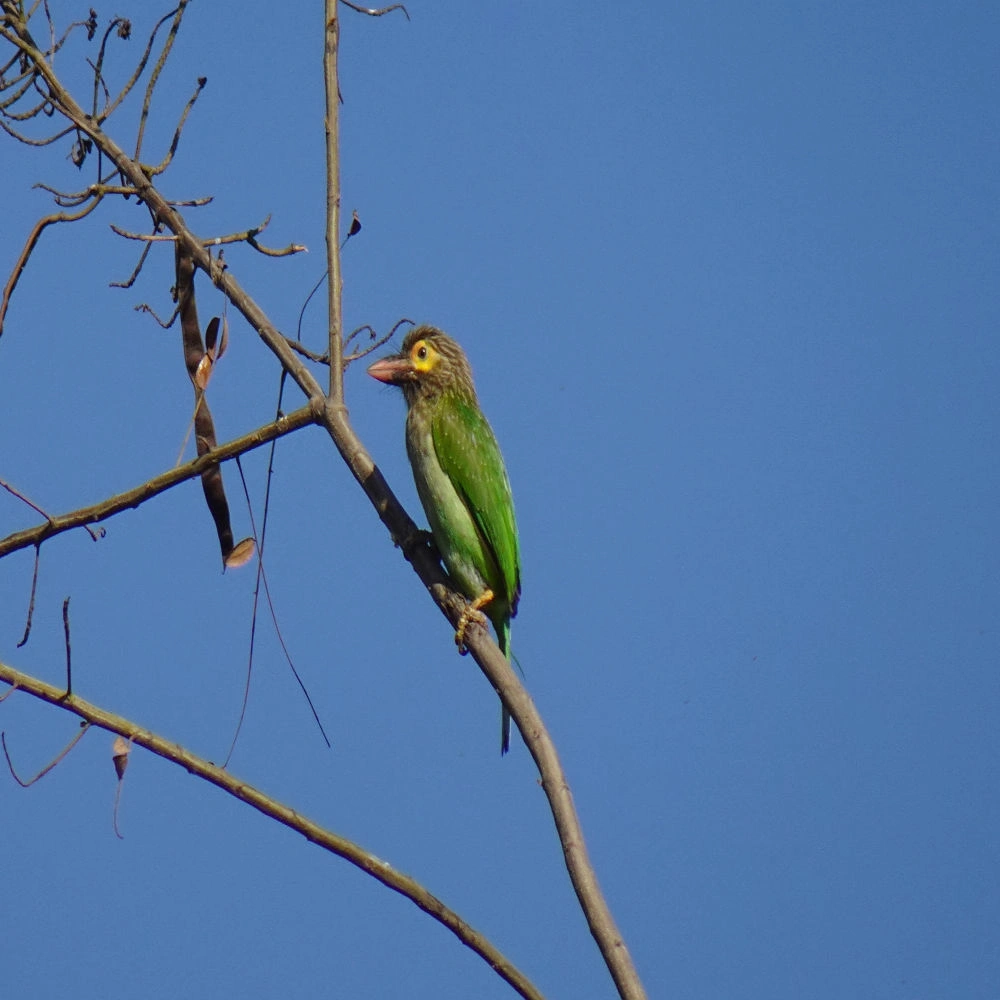
Brown-Headed Barbet
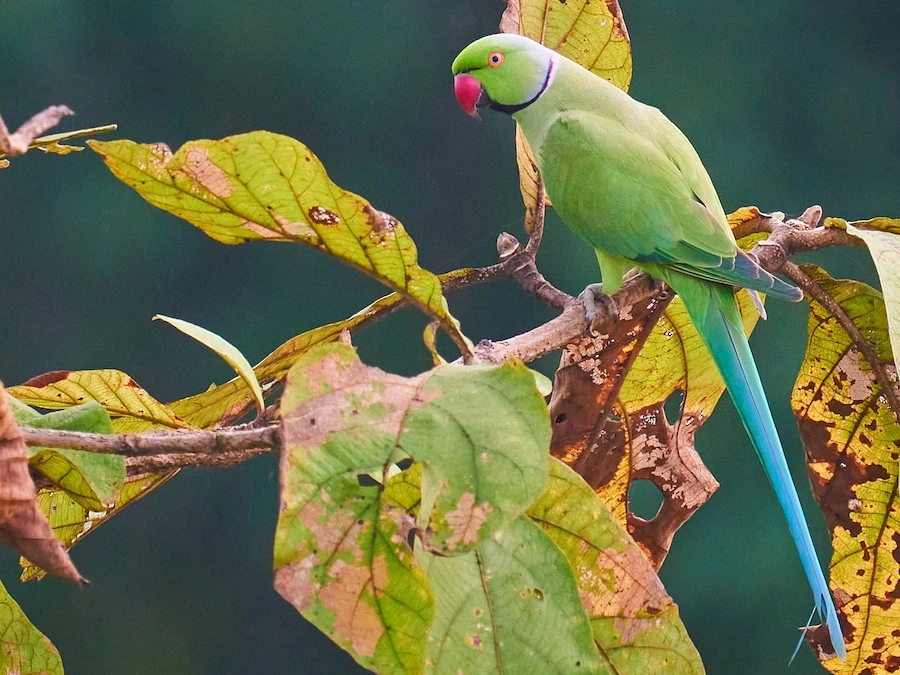
Rose-Ringed Parakeet
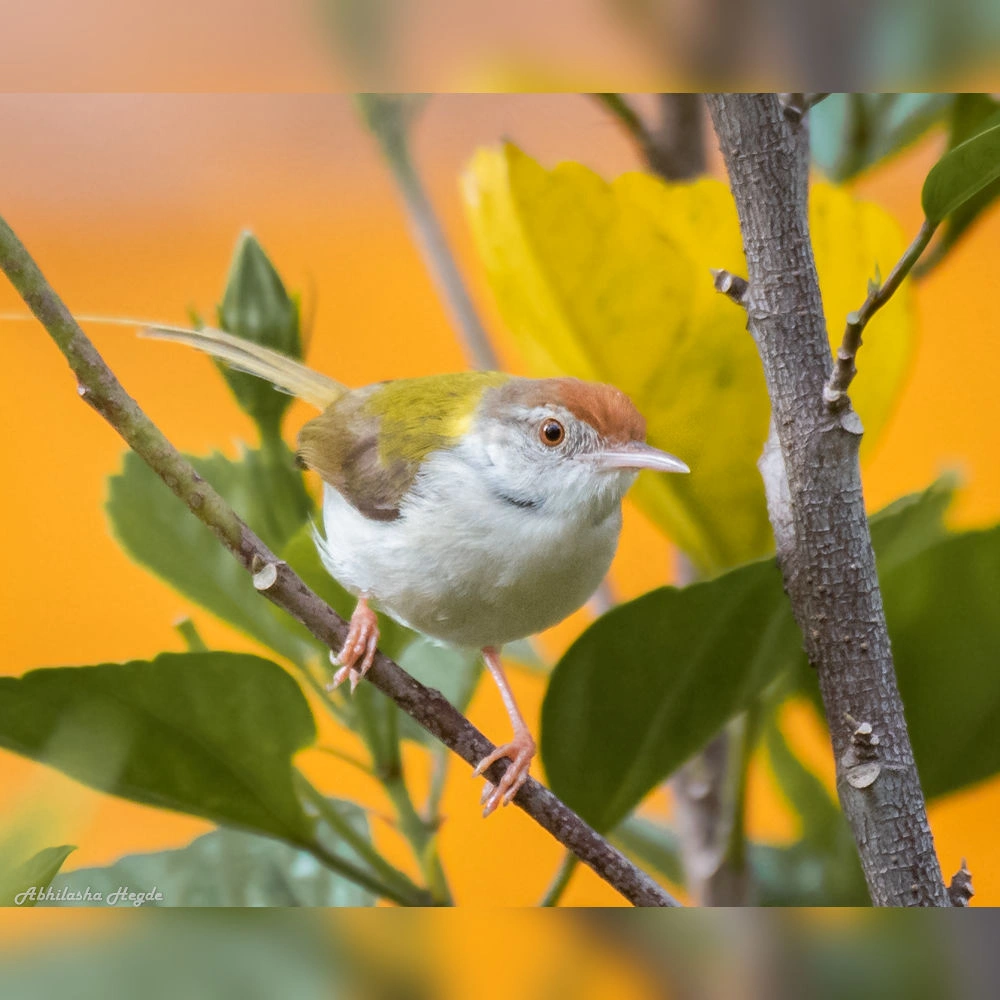
Common Tailorbird

House Sparrow
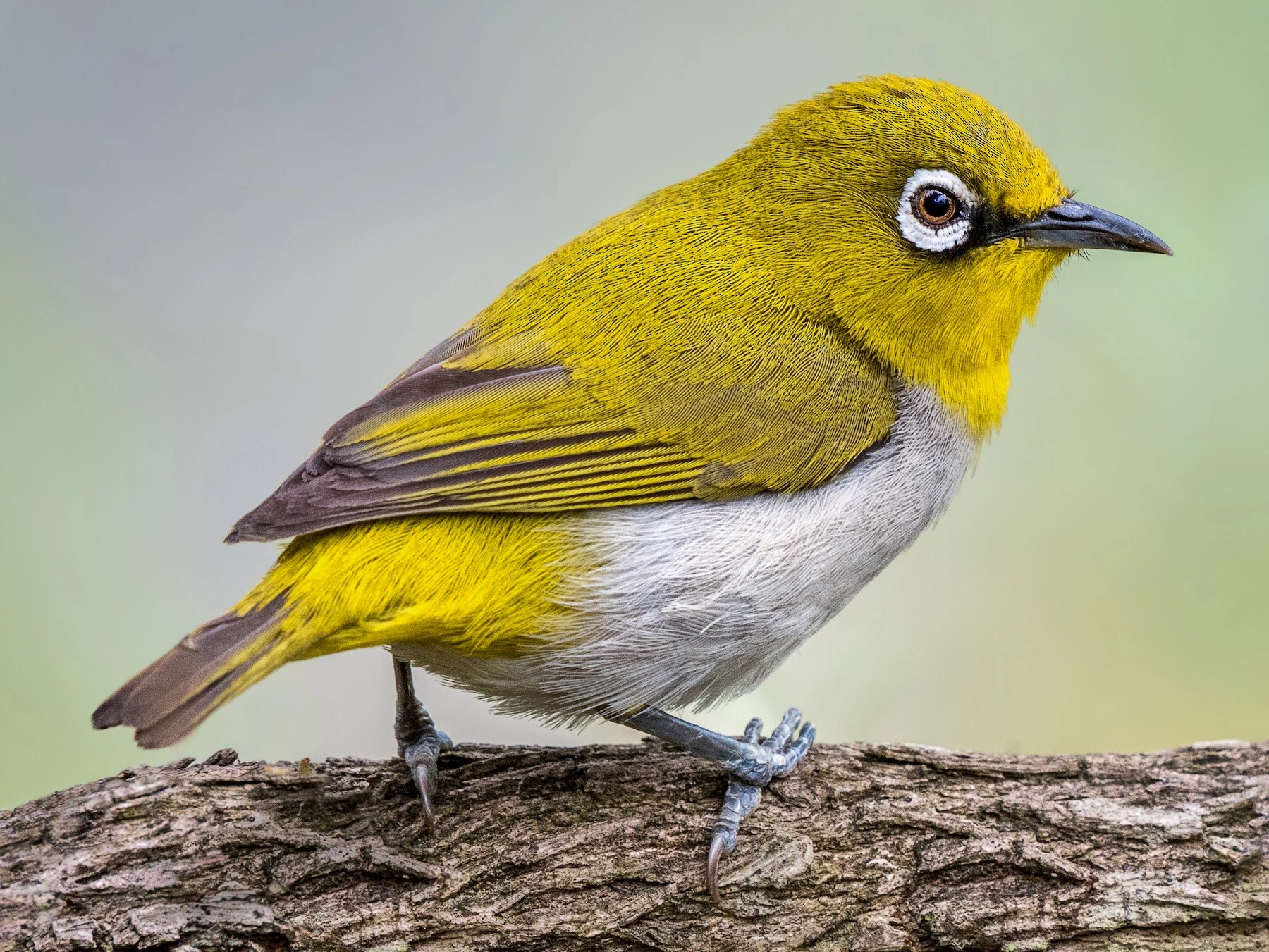
Indian White-Eye

Jungle Babbler
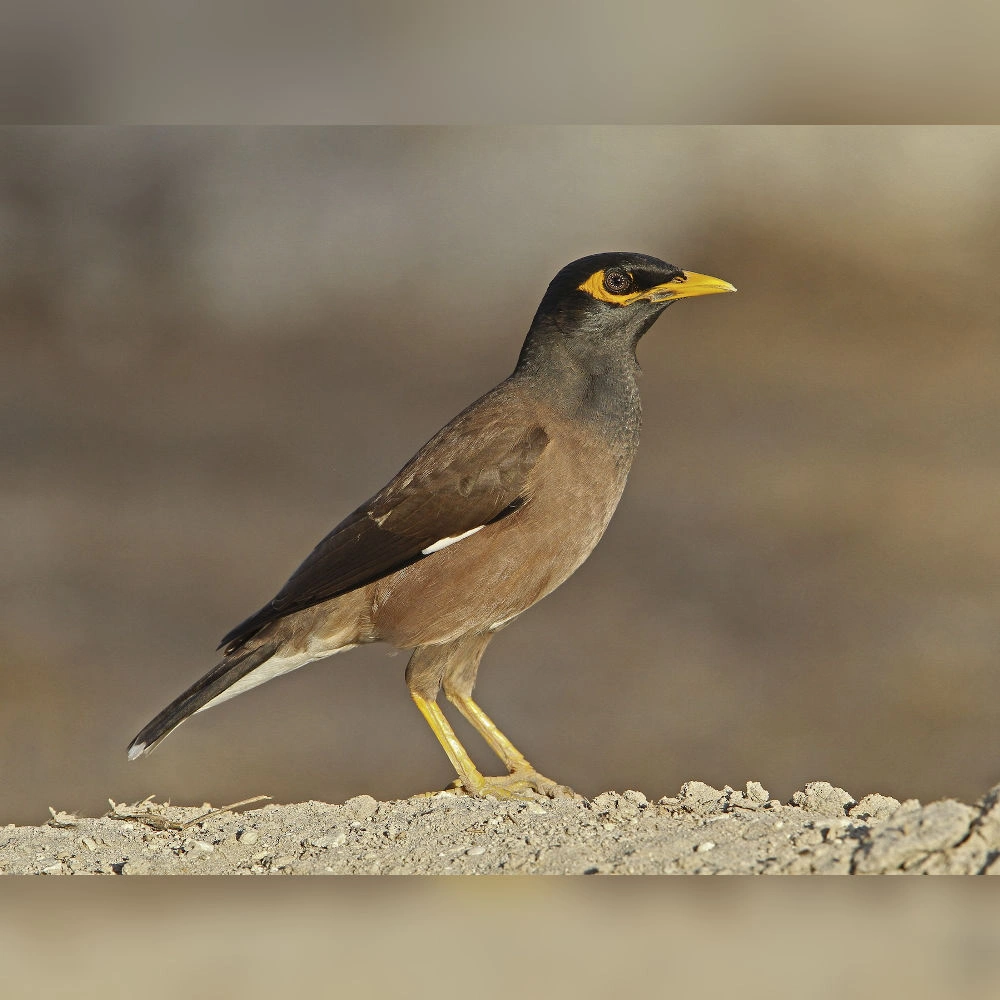
Common Myna
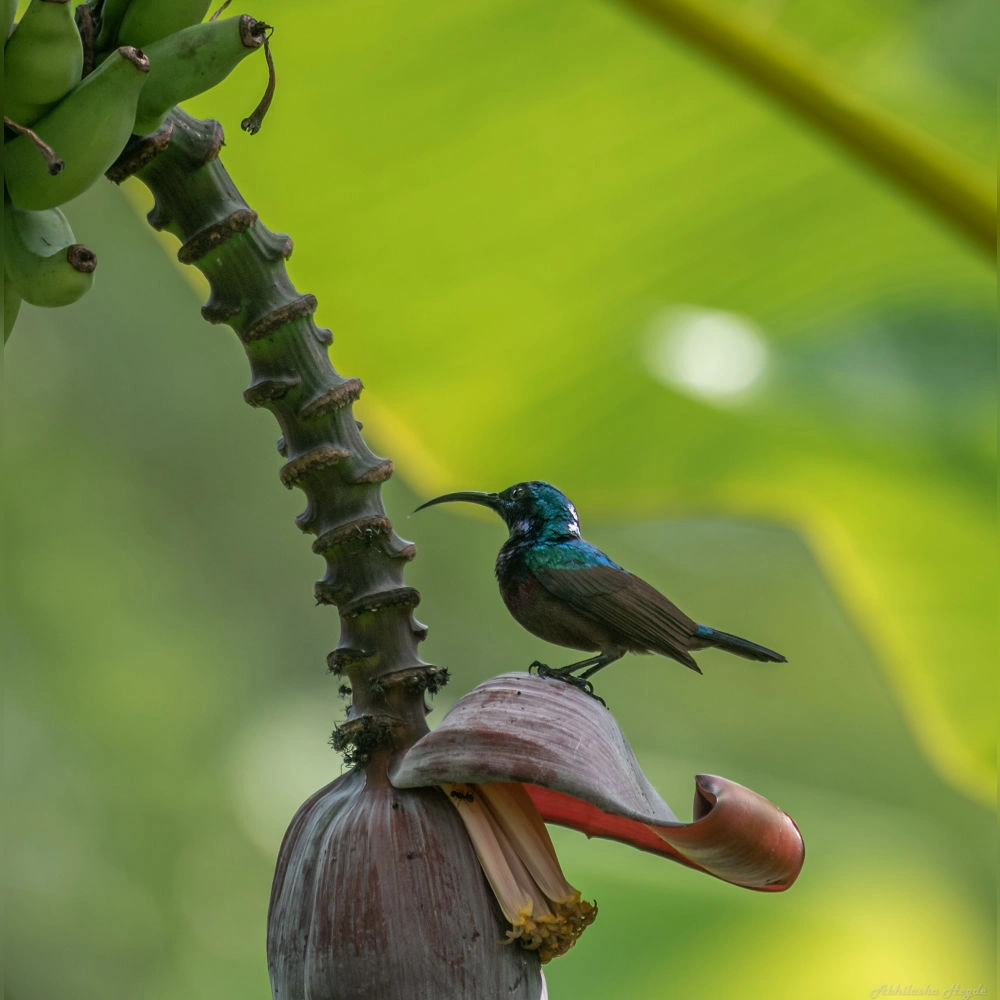

Purple Sunbird
Summary of Walk
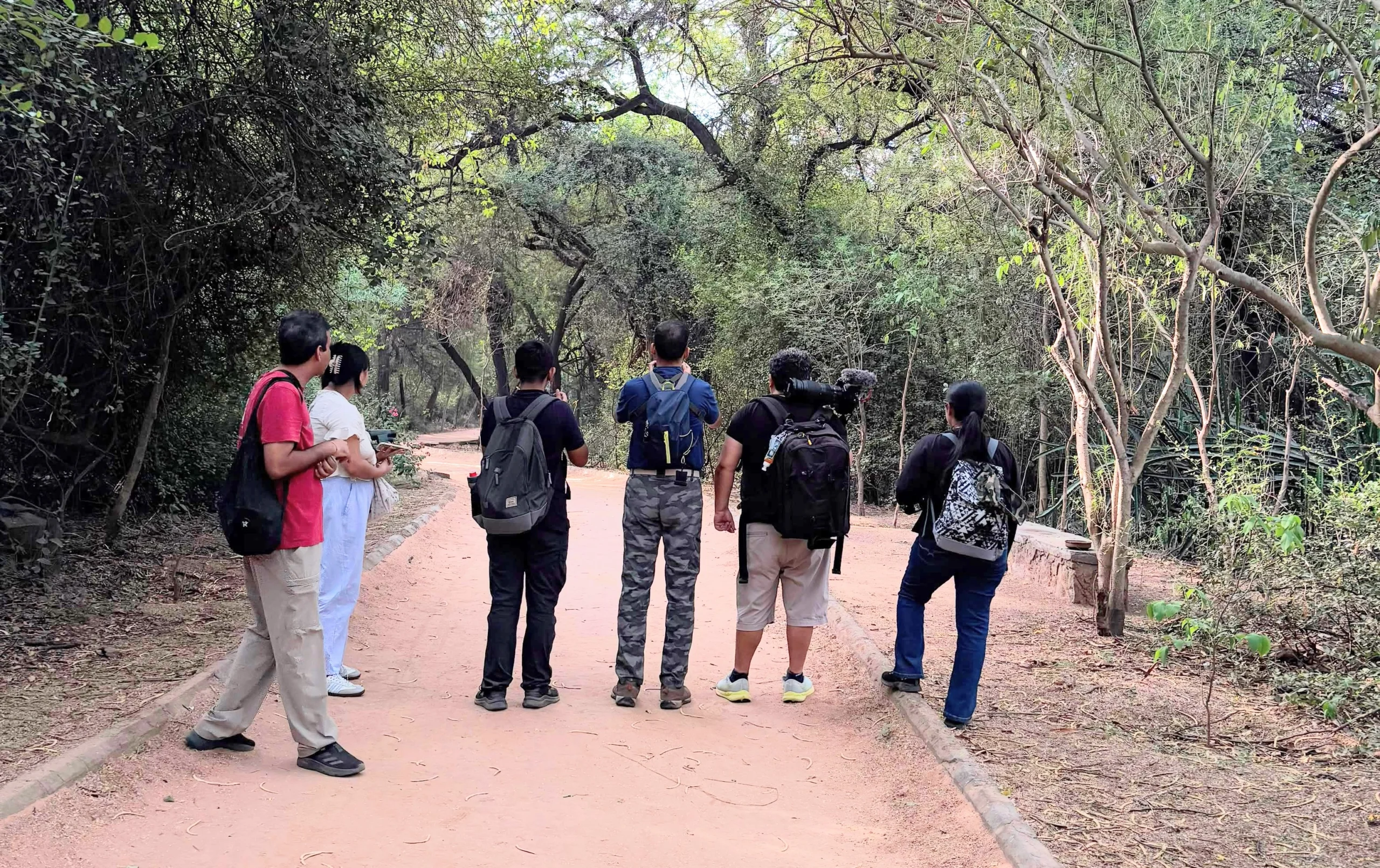
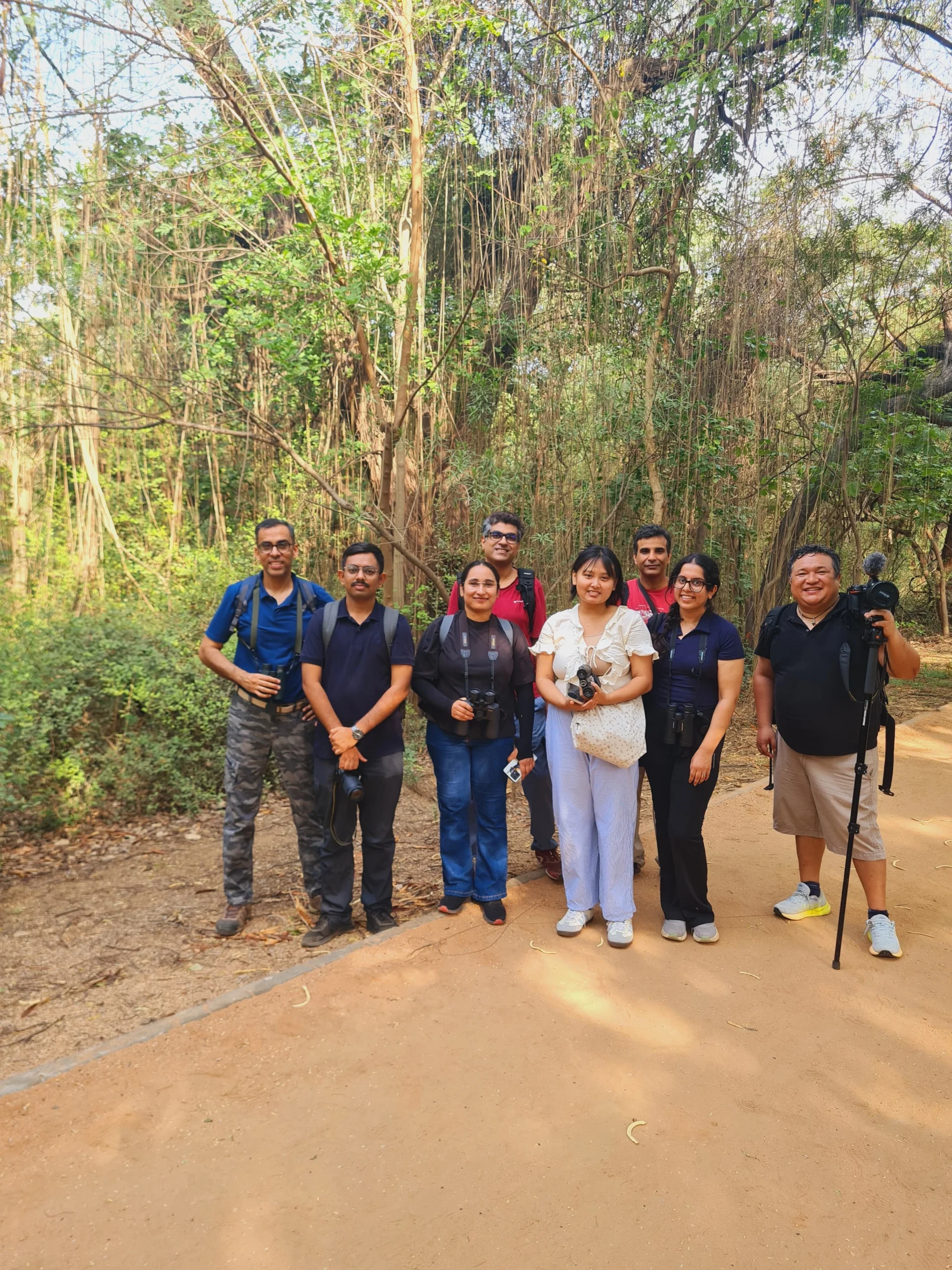
The walk at Jahanpanah City Forest saw seven participants exploring one of Delhi’s lesser-known yet ecologically rich green spaces. The dense vegetation and relatively undisturbed habitat provided a perfect backdrop for birdwatching, surprising many first-time visitors who were unaware of such biodiversity within the city.
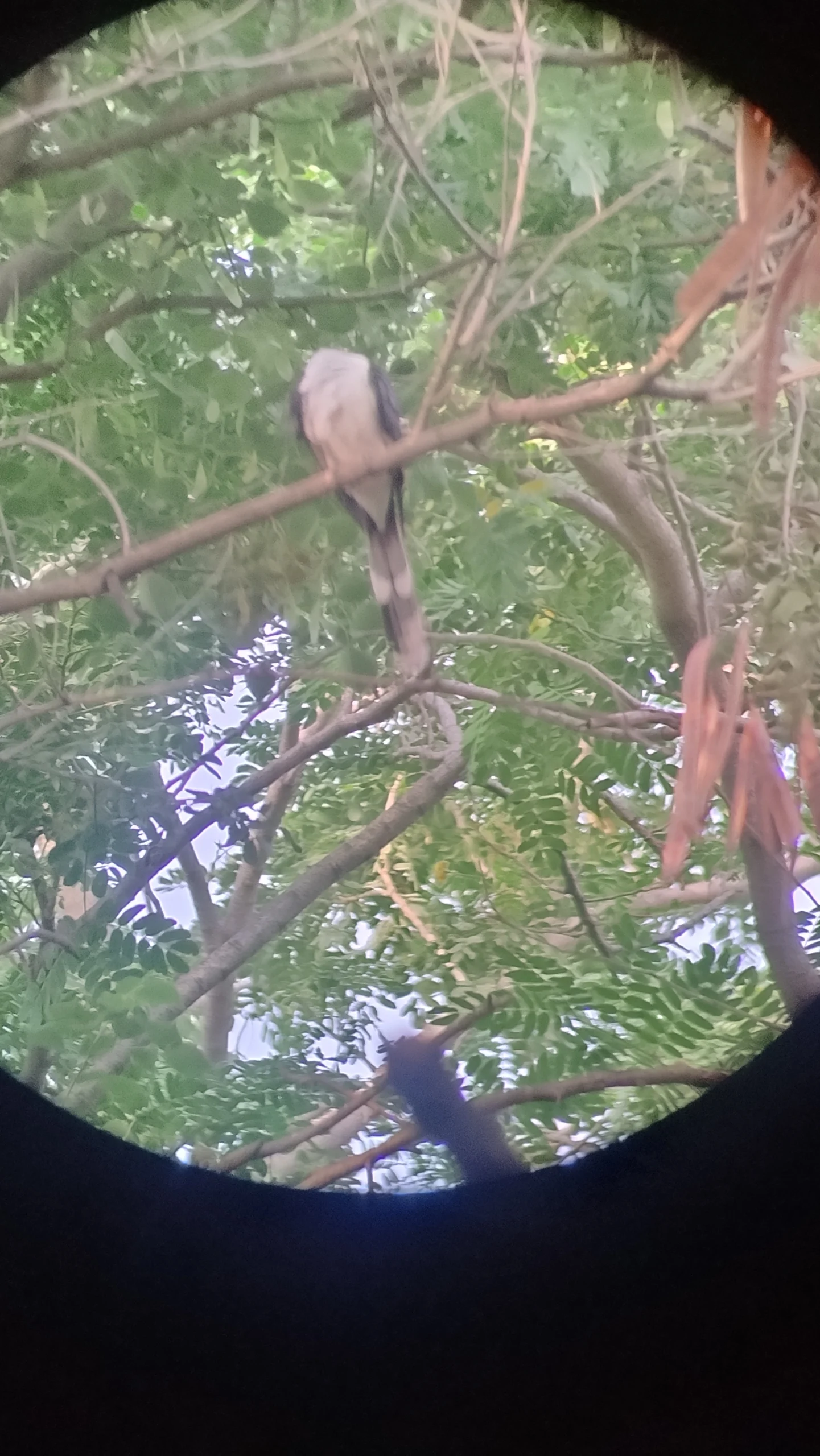
A total of 26 species were recorded. Highlights included the Pied Cuckoo (Chatak), closely associated with the monsoon, and fascinating behavioural observations such as Jungle Babblers mobbing and Black-rumped Flameback courtship displays. Participants also learned about the ecological impact of invasive species like Vilayati Kikar. The walk blended birding with ecological awareness, making it both educational and eye-opening for attendees.
Number of Participants
0