

Loading Events

Bird Walk at Gunjur Palya Lake, Bengaluru

About Gunjur Palya Lake

Gunjur Palya Lake, located on the eastern outskirts of Bengaluru, serves as an important urban wetland ecosystem amidst rapidly expanding residential landscapes. The lake and its surrounding habitats support a mosaic of open water, marshy edges, grass patches, shrubs, and scattered tree cover that collectively sustain diverse biodiversity. Such wetlands play a crucial ecological role by regulating local microclimate, recharging groundwater, supporting insect populations, and functioning as green refuges within urban environments. The lake also attracts butterflies, dragonflies, damselflies, and other aquatic organisms that contribute to maintaining ecological balance and nutrient cycling within the wetland system.
Bird diversity forms one of the most notable ecological features of Gunjur Palya Lake. The wetland provides feeding, roosting, and nesting opportunities for both resident and seasonal bird species. Water-associated birds such as kingfishers, egrets, cormorants, pond herons, and wagtails are commonly observed around the lake margins, while surrounding vegetation supports species including bee-eaters, doves, mynas, and barbets. The presence of these bird communities indicates the ecological significance of urban wetlands as biodiversity hotspots and highlights the importance of conserving and restoring lake ecosystems in Bengaluru for long-term avifaunal conservation.

Bird Guide: Rahuldev Rajguru

With over 25 years in software and entrepreneurship, he now focuses on birding, wildlife photography, and conservation, while also writing to inspire people to connect with nature.

Bird walk Location

Common Birds of Gunjur Palya Lake

Gunjur Palya Kere supports a rich mix of wetland and garden birds, making it a rewarding birding destination on Bengaluru’s outskirts. The lake attracts waterbirds such as the Indian Spot-billed Duck, Little Grebe, Eurasian Coot, Grey-headed Swamphen, White-breasted Waterhen, and Oriental Darter, along with the Little Cormorant and Great Cormorant. Wading birds are well represented by the Black-headed Ibis, Indian Pond-Heron, Eastern Cattle Egret, Grey Heron, and Purple Heron, which frequent the shallows and reed edges. The Common Kingfisher and White-throated Kingfisher are regularly seen along the water’s edge, while the Asian Green Bee-eater and White-cheeked Barbet add colour to the surrounding trees. The Rose-ringed Parakeet, Wire-tailed Swallow, and Purple-rumped Sunbird round out the list, reflecting the lake’s value as a mosaic of open water, wetland vegetation, and garden habitat for both resident and migratory species.

Purple-rumped Sunbird
Wire-tailed Swallow
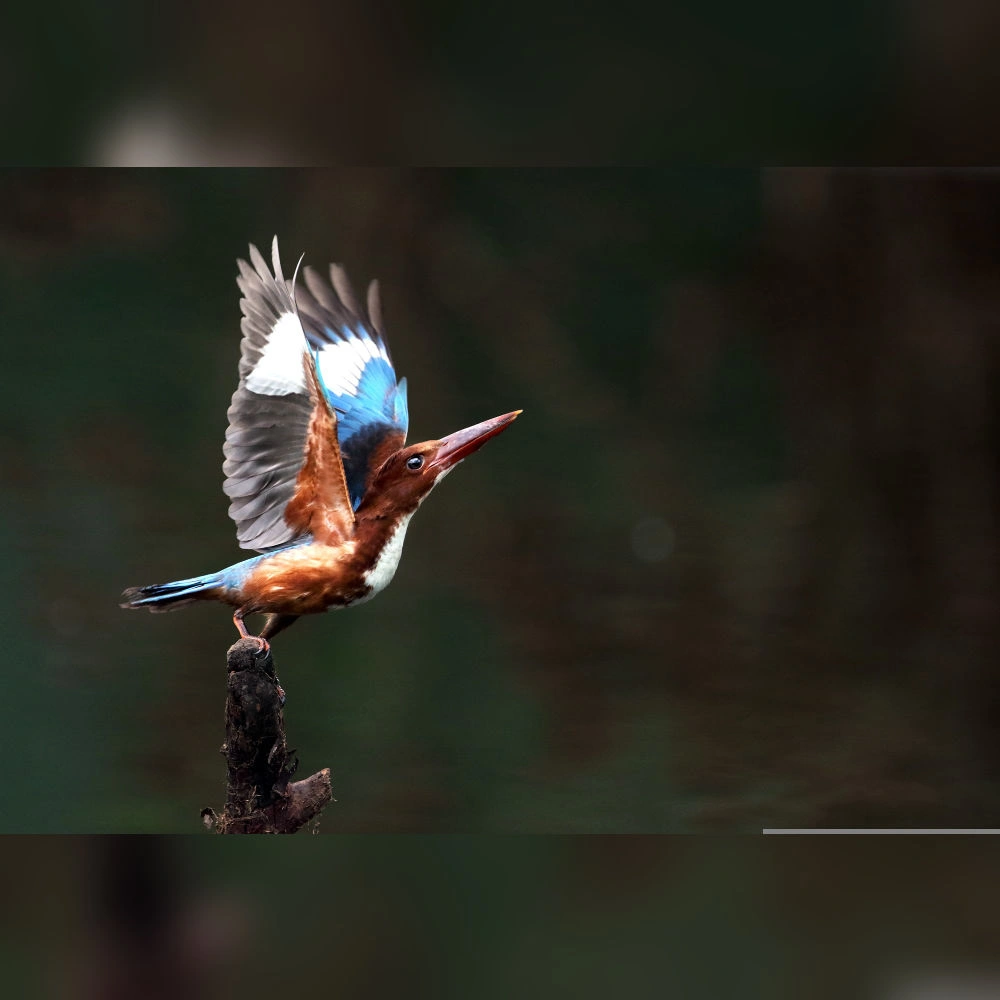
White-throated Kingfisher
Rose-ringed Parakeet
White-cheeked Barbet

Common Kingfisher
Asian Green Bee-eater
Purple Heron
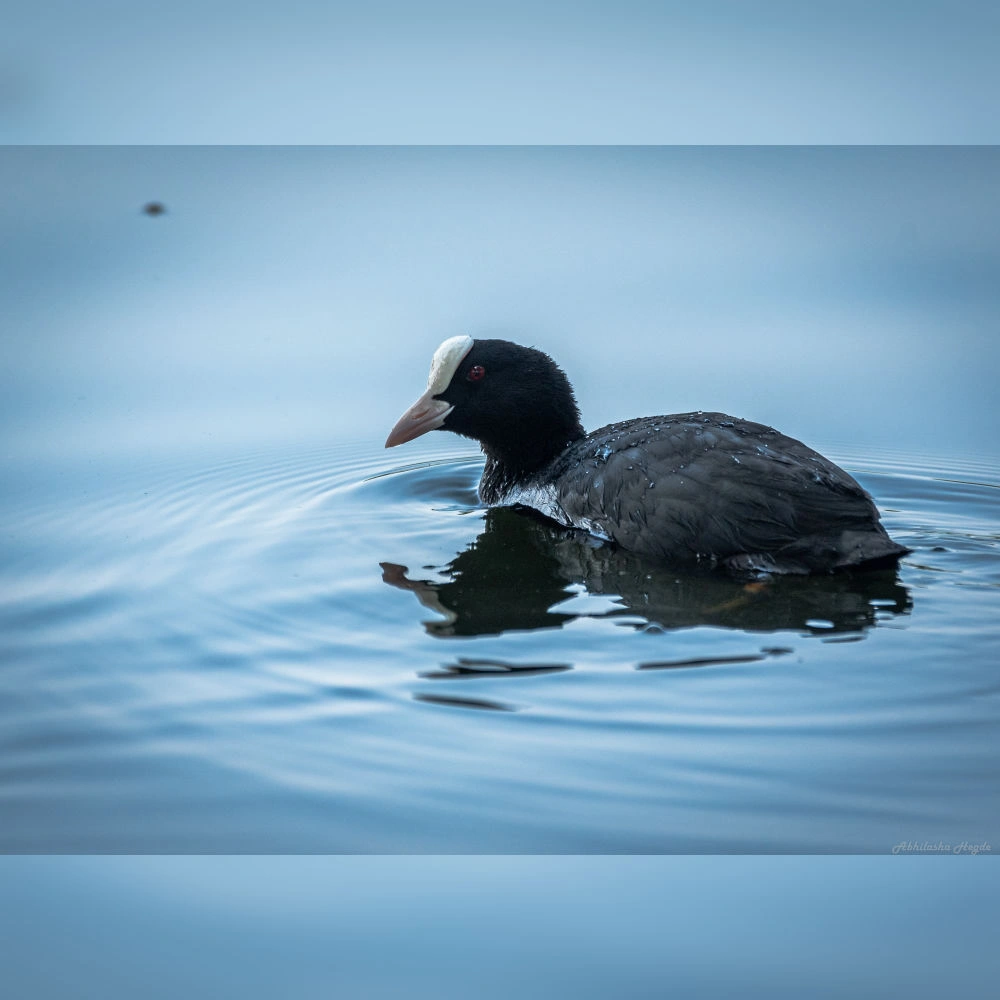
Eurasian Coot
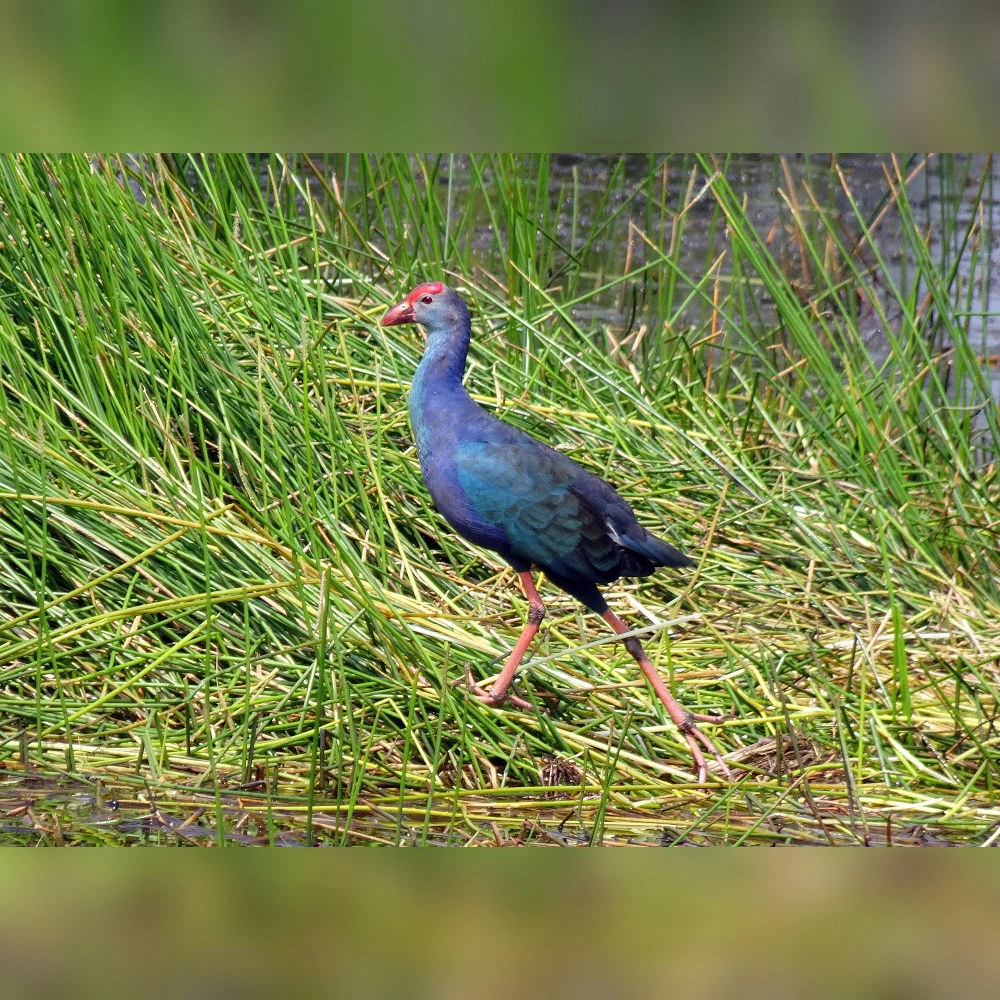
Gray-Headed Swamphen
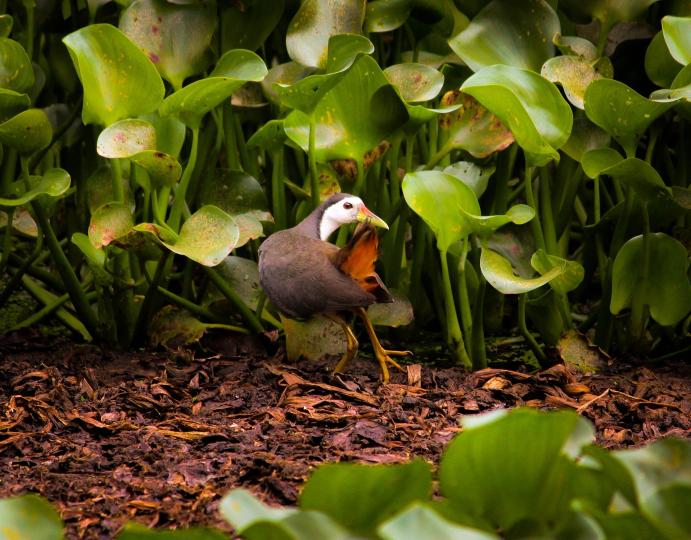
White-Breasted Waterhen
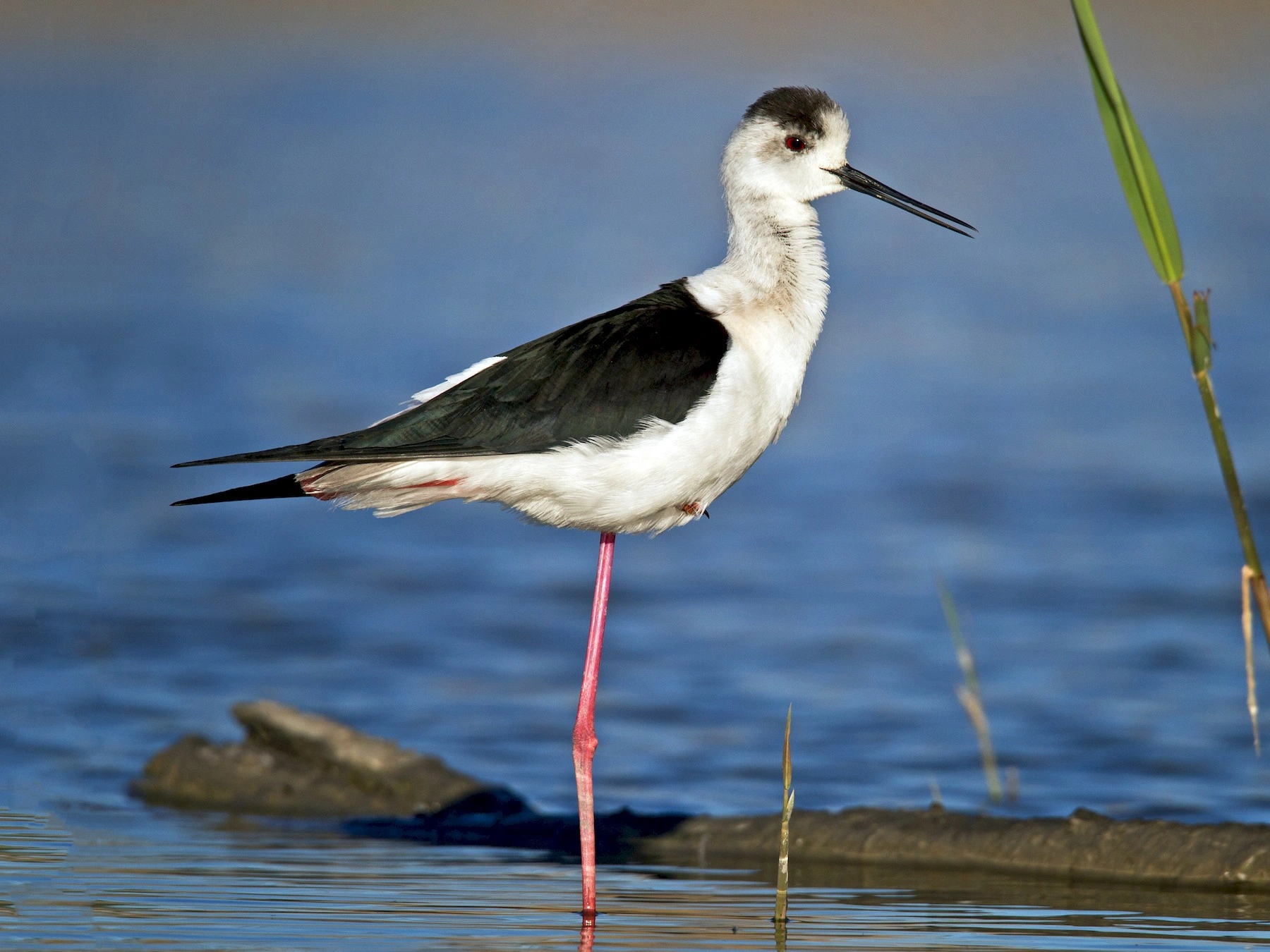
Black-Winged Stilt
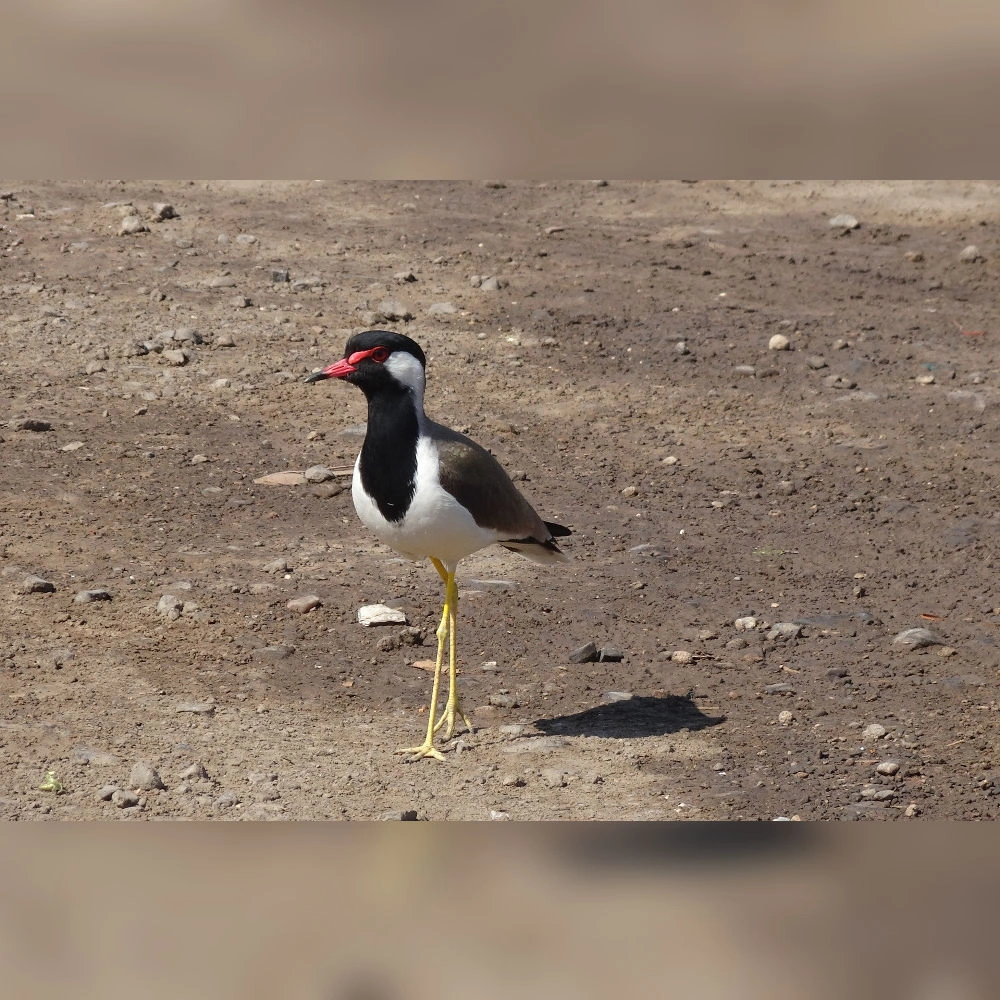
Red-Wattled Lapwing
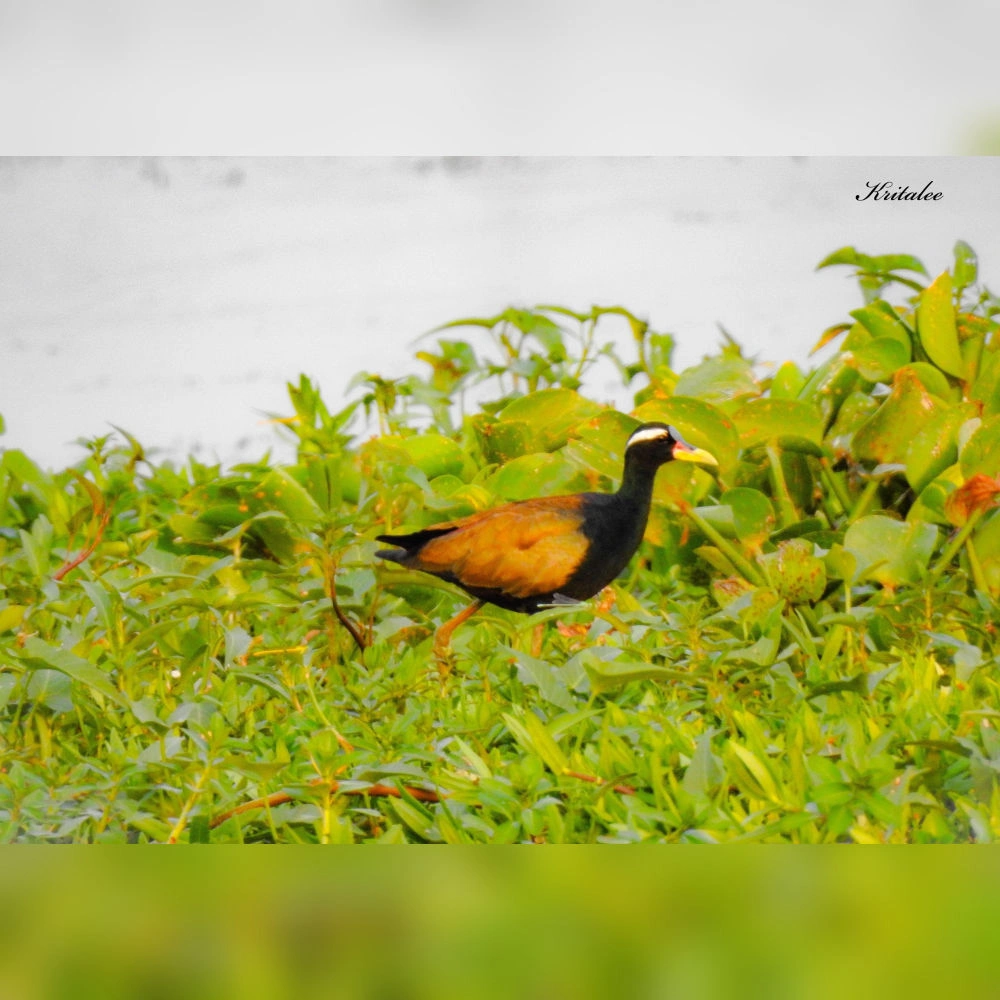
Bronze-Winged Jacana
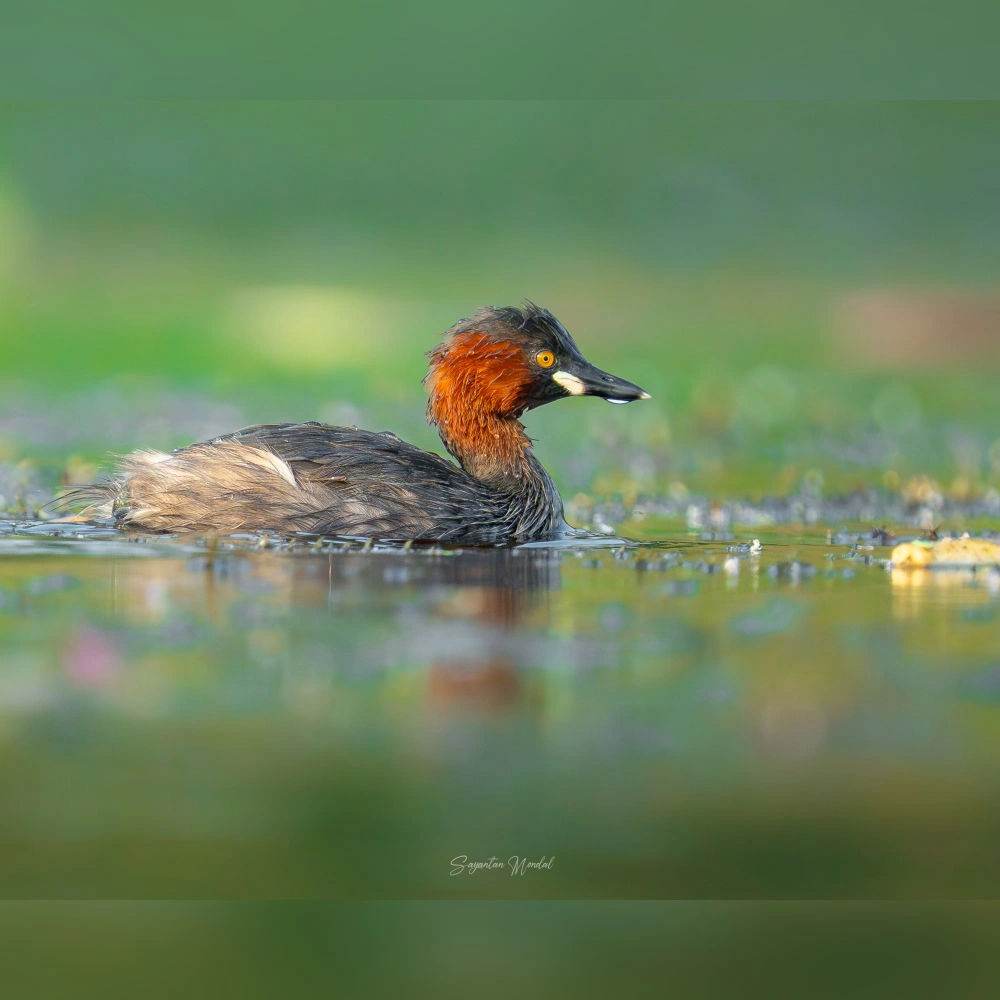
Little Grebe
Black-headed Ibis
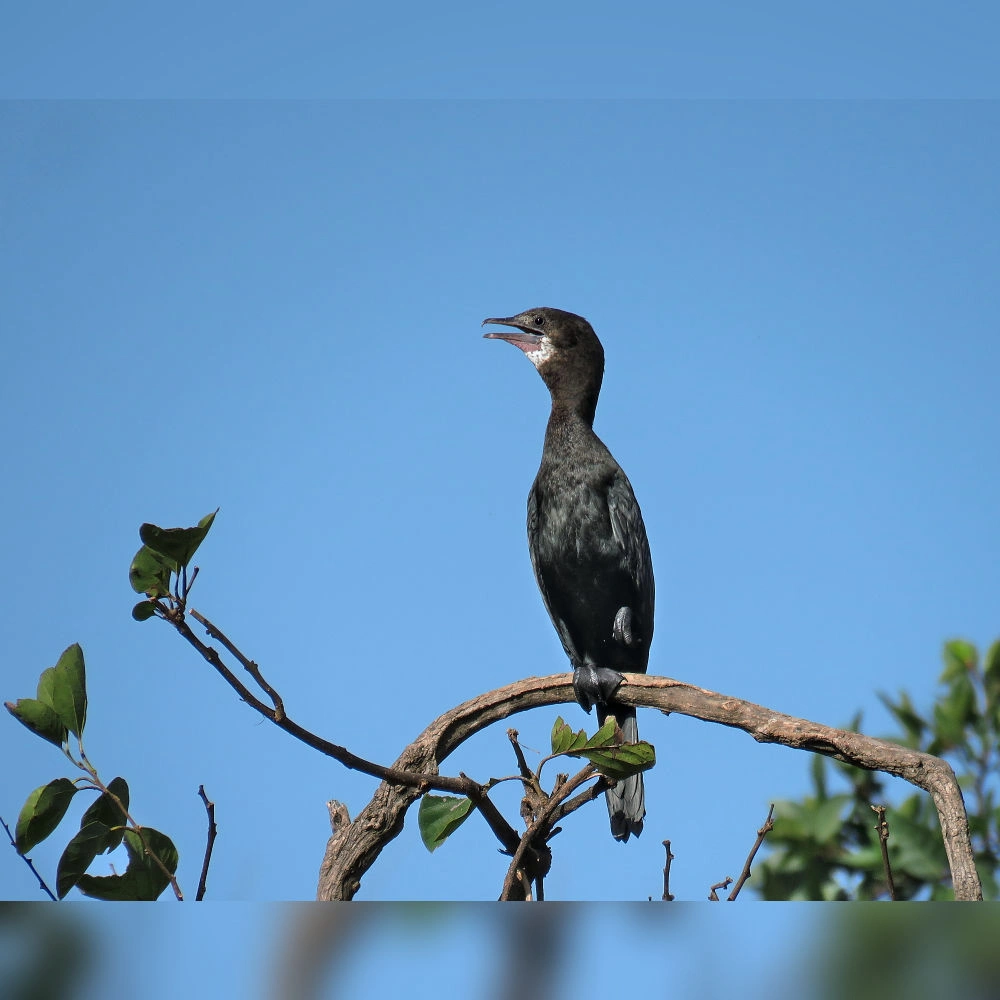
Little Cormorant
Indian Pond Heron
Little Cormorant
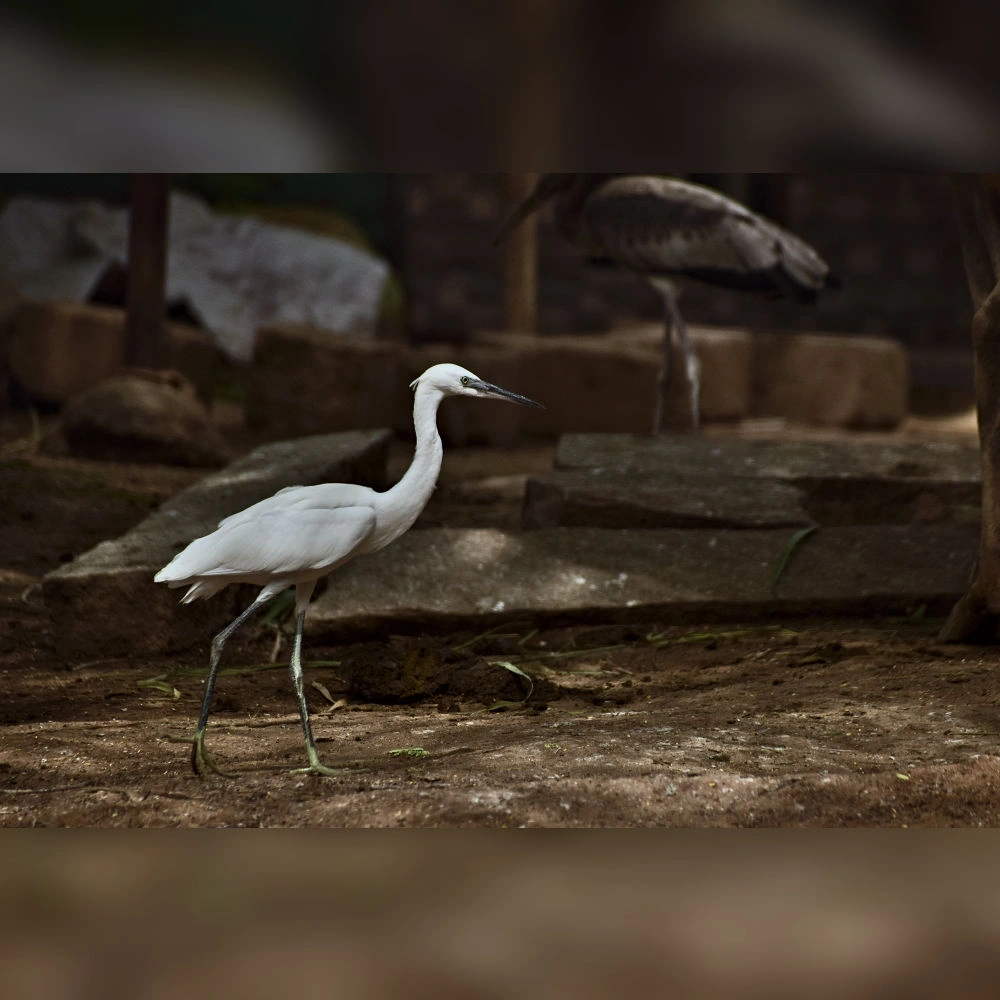
Little Egret

Summary of Walk

The bird walk at Gunjur Palya Lake saw a strong turnout, with 16 participants joining the session for a relaxed and rewarding morning of birding. The lake, surrounded by wetland vegetation and open patches, offered an ideal setting for observing a wide variety of bird species. The group moved at a leisurely pace, allowing participants to spend time appreciating sightings and engaging in discussions around identification and behaviour. The overall atmosphere was calm yet enthusiastic, with birds frequently giving excellent views and posing, making it especially enjoyable for both beginners and experienced birders.
A total of 44 bird species were recorded during the walk, including sightings of hatchlings and juveniles, which added an extra layer of excitement and learning. Observing young birds alongside adults helped participants understand breeding behaviour and seasonal activity patterns. The richness of the wetland habitat was clearly reflected in the diversity of species seen. The walk emphasized careful observation and patience, encouraging participants to notice finer details such as plumage differences and behaviour. Overall, the session stood out for its combination of high species diversity, excellent sightings, and a well-paced, engaging birding experience.
Number of Participants
0
Scroll to Top