
Bird Walk at Chandrashekhar Smriti Van, Delhi NCR
- Delhi NCR
- 18 July, 2026
- Anubhav Dhingra
About Chandrashekhar Smriti Van
Chandrashekhar Smriti Van is a serene urban forest spread across a vast expanse along the Gomti River, offering a refreshing escape into nature within the city’s limits. Characterised by a mosaic of grasslands, wooded patches, riverine stretches, and wetlands, the park supports a rich diversity of flora and fauna. Native trees like neem, peepal, and jamun create shaded corridors, while open habitats attract a variety of insects, butterflies, and small mammals. This blend of habitats makes the area especially vibrant during early mornings and evenings, when wildlife activity peaks and the landscape comes alive with movement and sound.
For birding enthusiasts, the park is a hidden gem, hosting both resident and migratory species throughout the year. From colourful kingfishers and bee-eaters near the water to warblers and raptors across the woodland edges, every trail offers a new discovery. However, like many urban green spaces, it faces challenges such as habitat fragmentation, increasing human disturbance, and pressure from urban development. Continued conservation efforts, responsible visitation, and awareness are essential to preserve its ecological value, ensuring that Chandrashekhar Smriti Van remains a thriving refuge for biodiversity and a peaceful retreat for future generations.

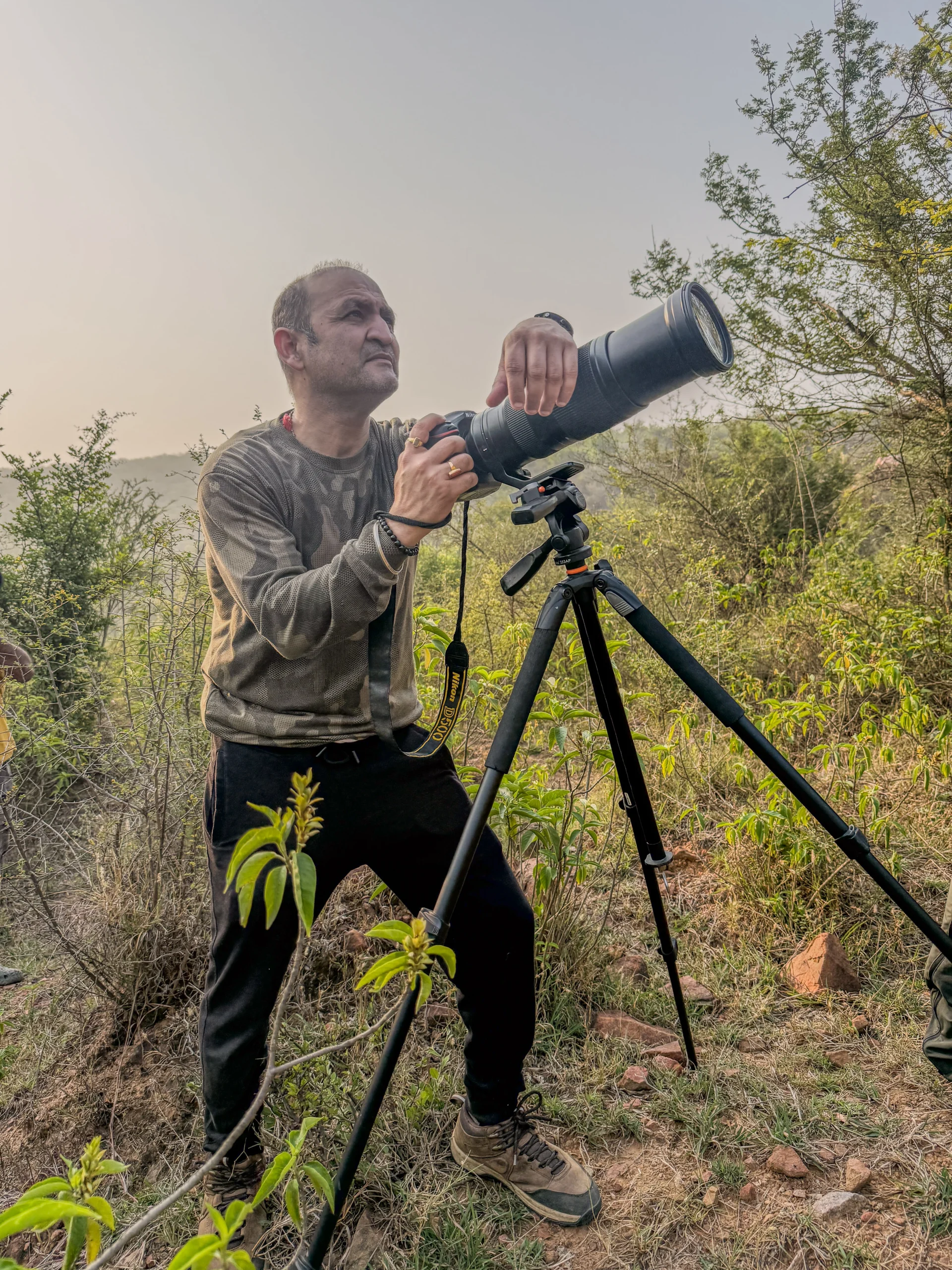
Bird Guide - Anubhav Dhingra
Passionate birder with 15 years of experience and a keen eye for detail, capturing the beauty of avian life through observation and photography. Always in pursuit of rare sightings and meaningful moments in nature, one bird at a time.
Bird walk Location
Common birds of Chandrashekhar Smriti Van
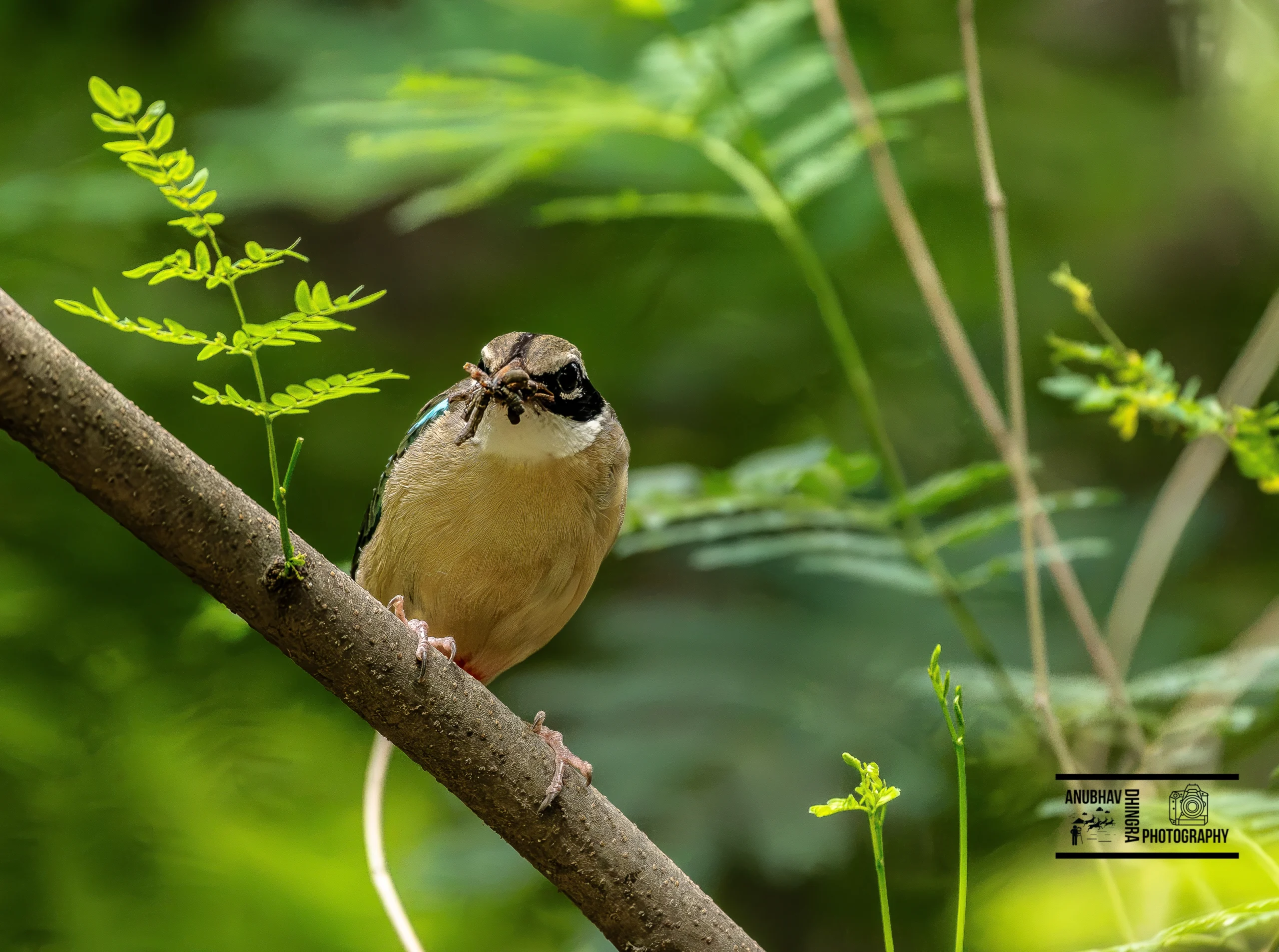
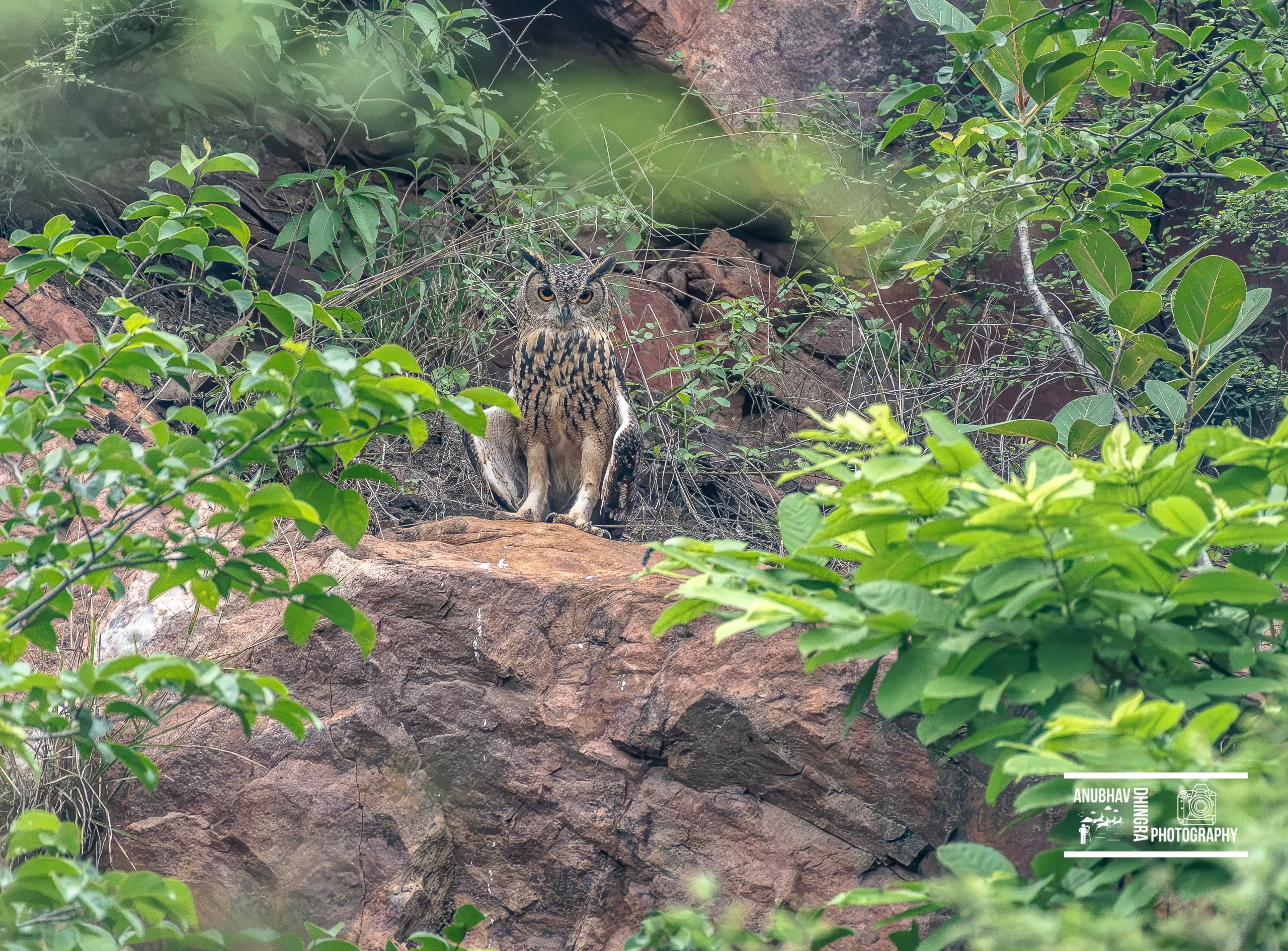
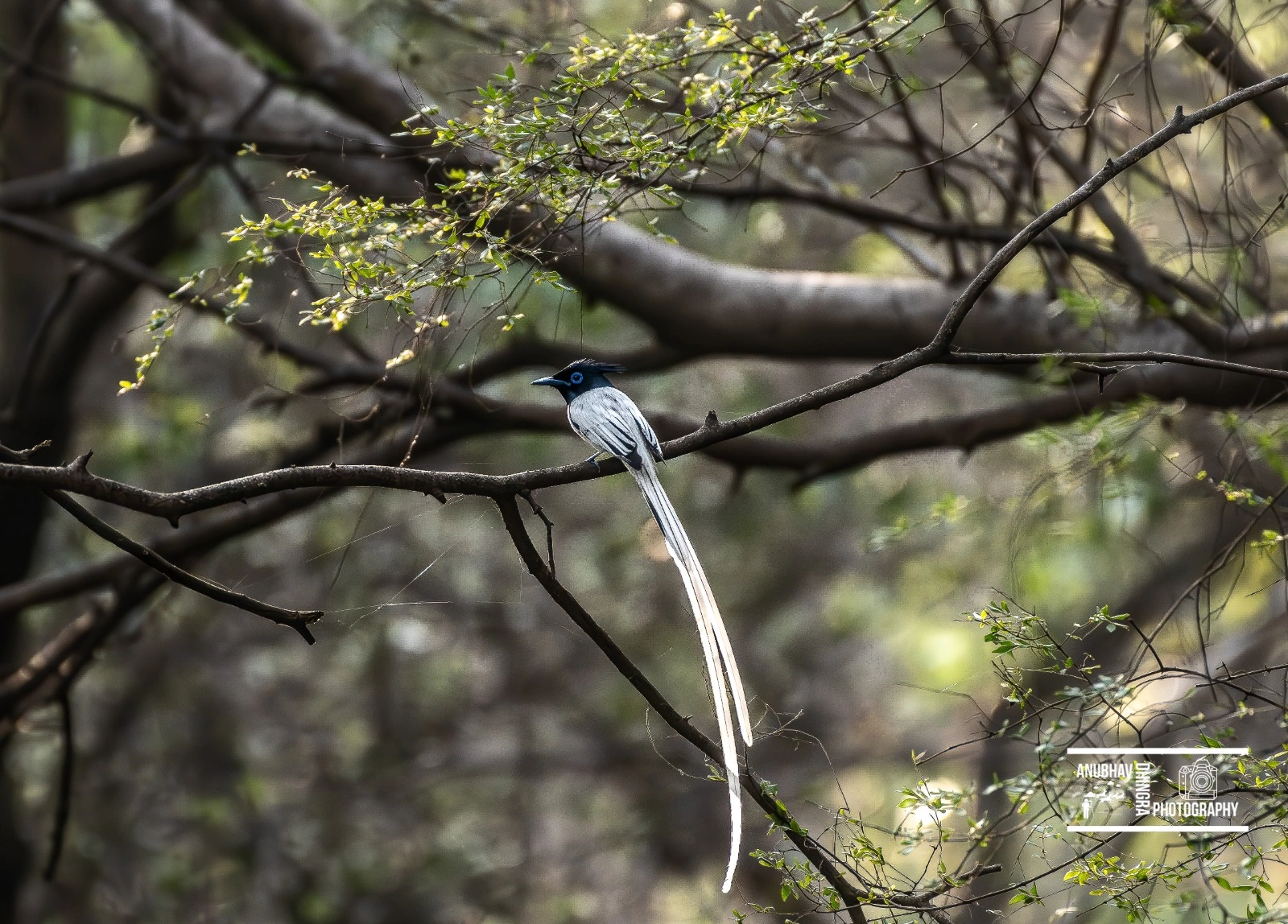
The birdlife at Chandrashekhar Smriti Van reflects a rich blend of woodland and urban biodiversity, where dense tree cover and open patches create ideal conditions for a wide variety of species. The forest resonates with the rhythmic calls of barbets and the chatter of babblers, while vibrant species like the Indian Pitta and the elegant Indian Paradise Flycatcher add bursts of colour and movement to the landscape. Parakeets and orioles glide across the canopy, sunbirds flit among flowering trees, and insectivores like tailorbirds and robins remain constantly active in the understory. Birds of prey such as the Shikra keep a watchful eye from above, while species like the Spotted Owlet and Indian Eagle-Owl bring life to the quieter hours. This diversity makes the park a dynamic birding destination, where every walk offers a glimpse into the intricate behaviours and interactions of urban wildlife.

Large Grey Babbler

Purple Sunbird

Grey Francolin
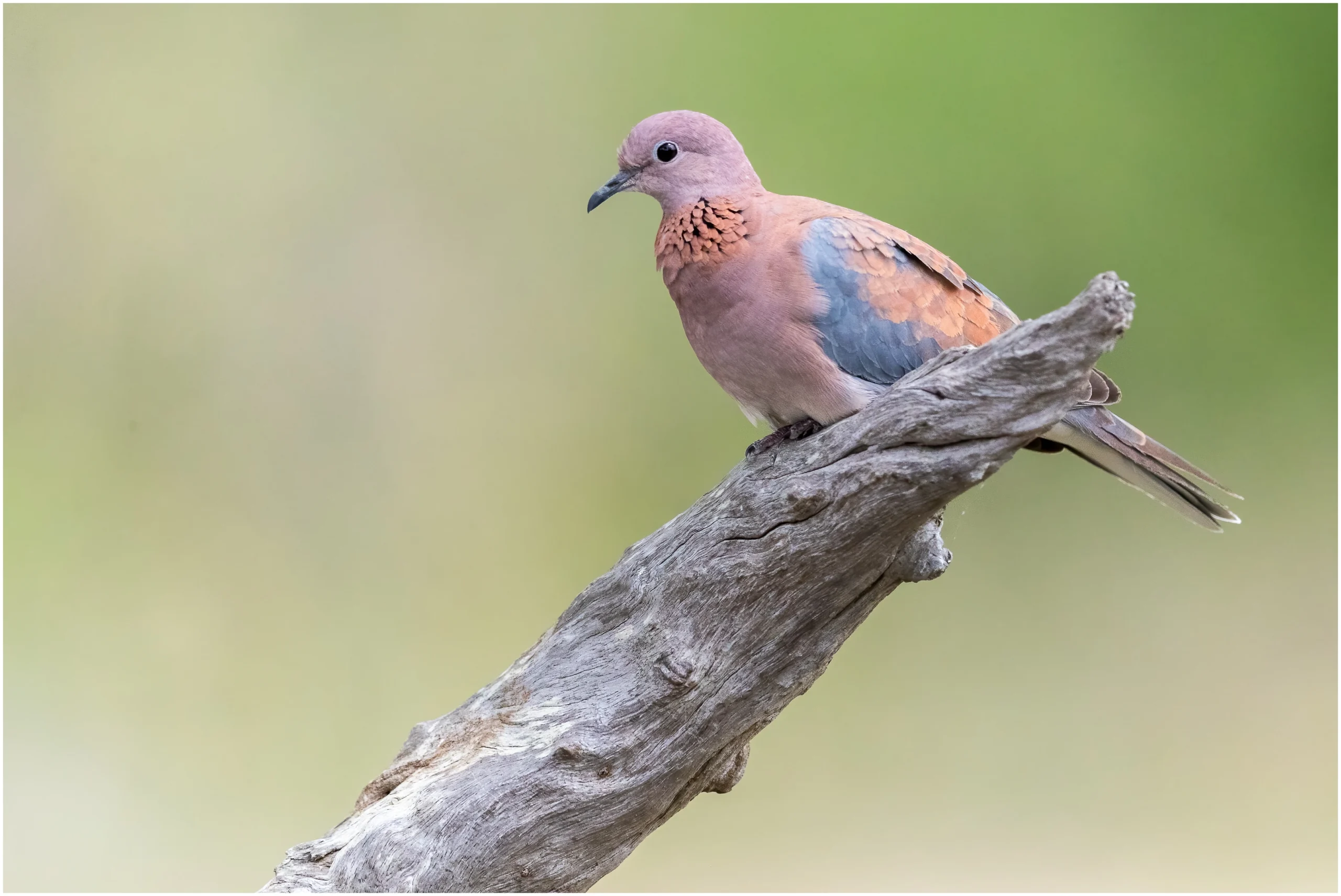
Laughing Dove

Common Tailorbird

Jungle Babbler
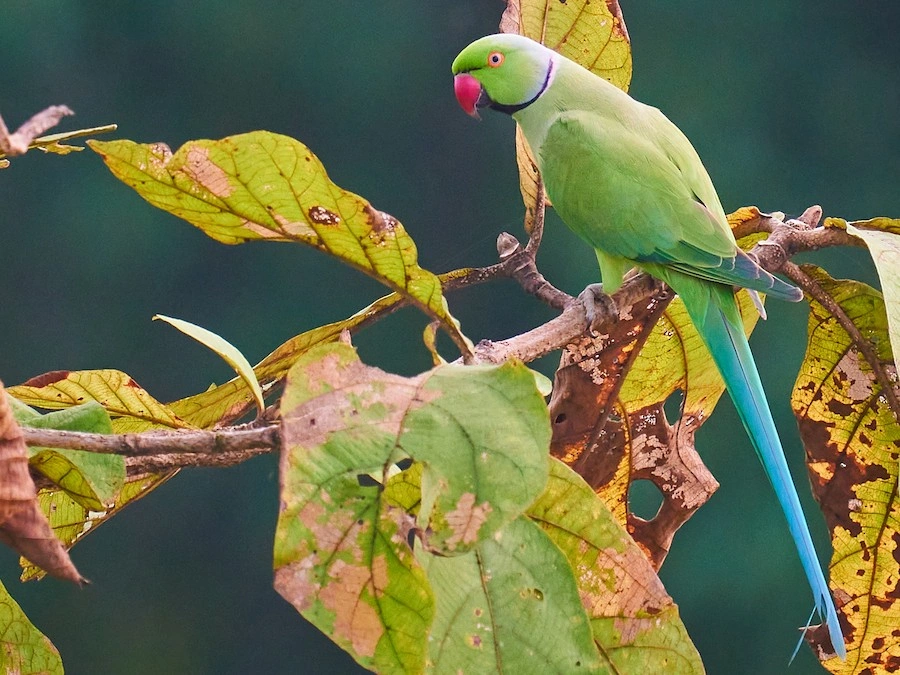
Rose-ringed Parakeet
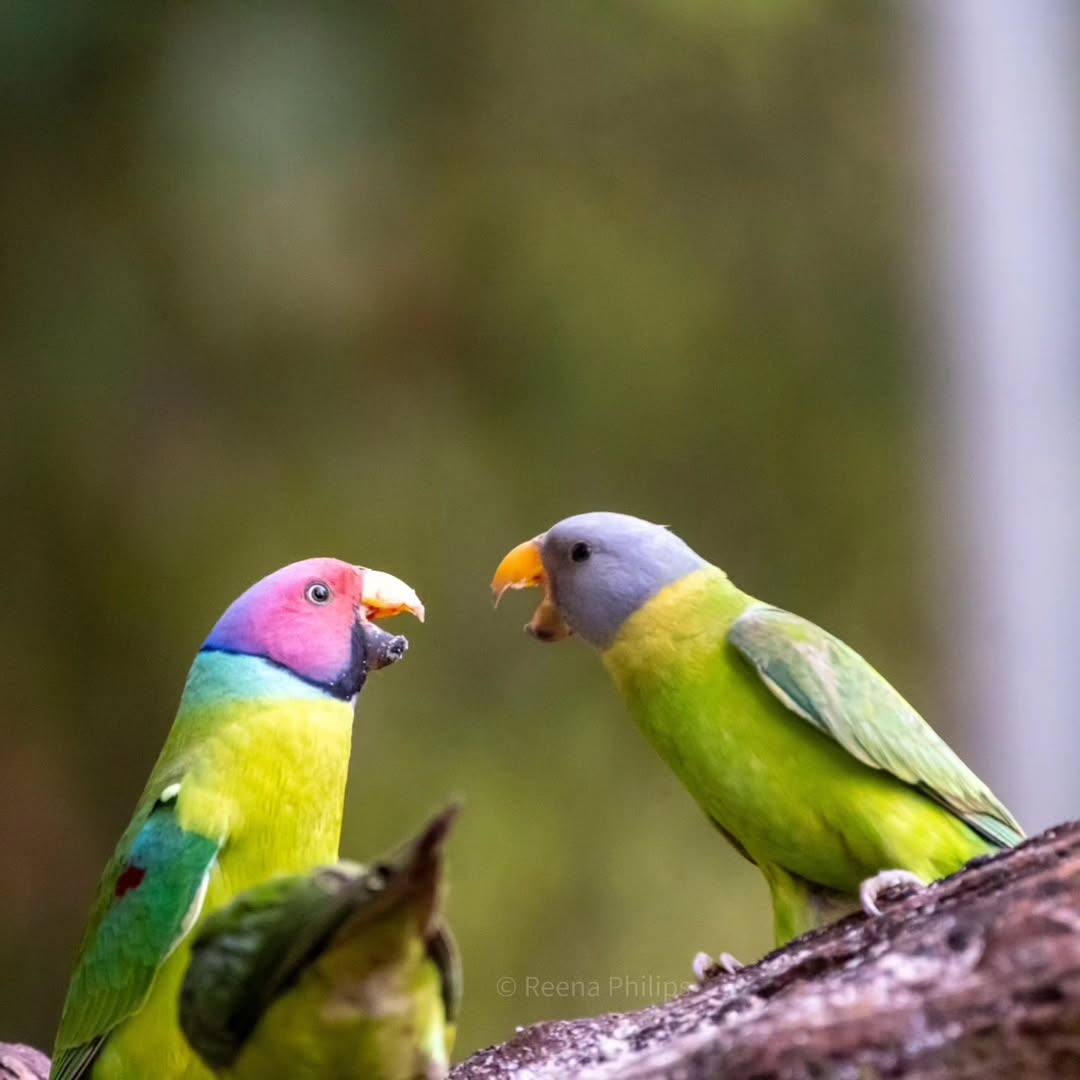
Plum-headed Parakeet
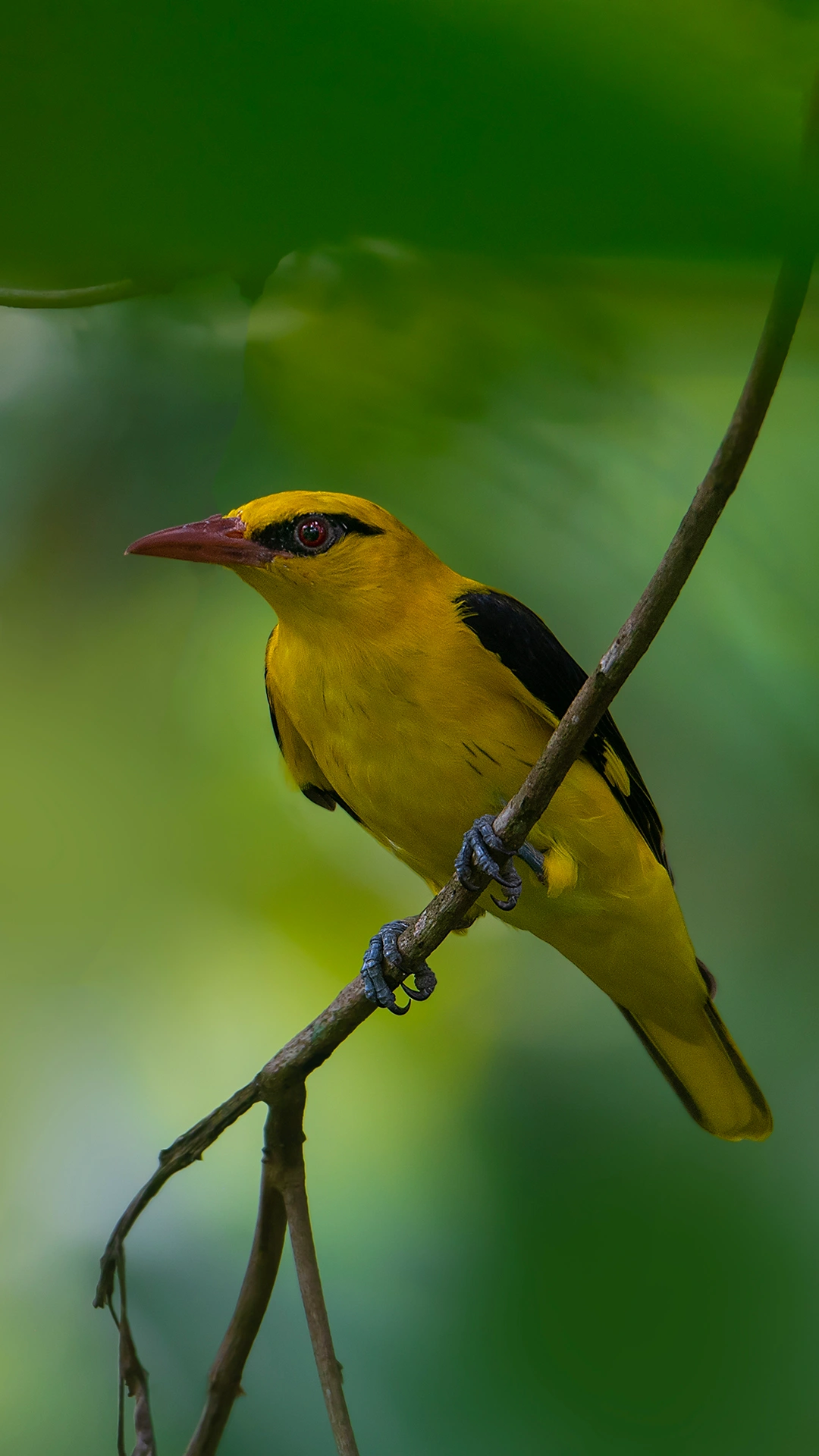
Indian Golden Oriole
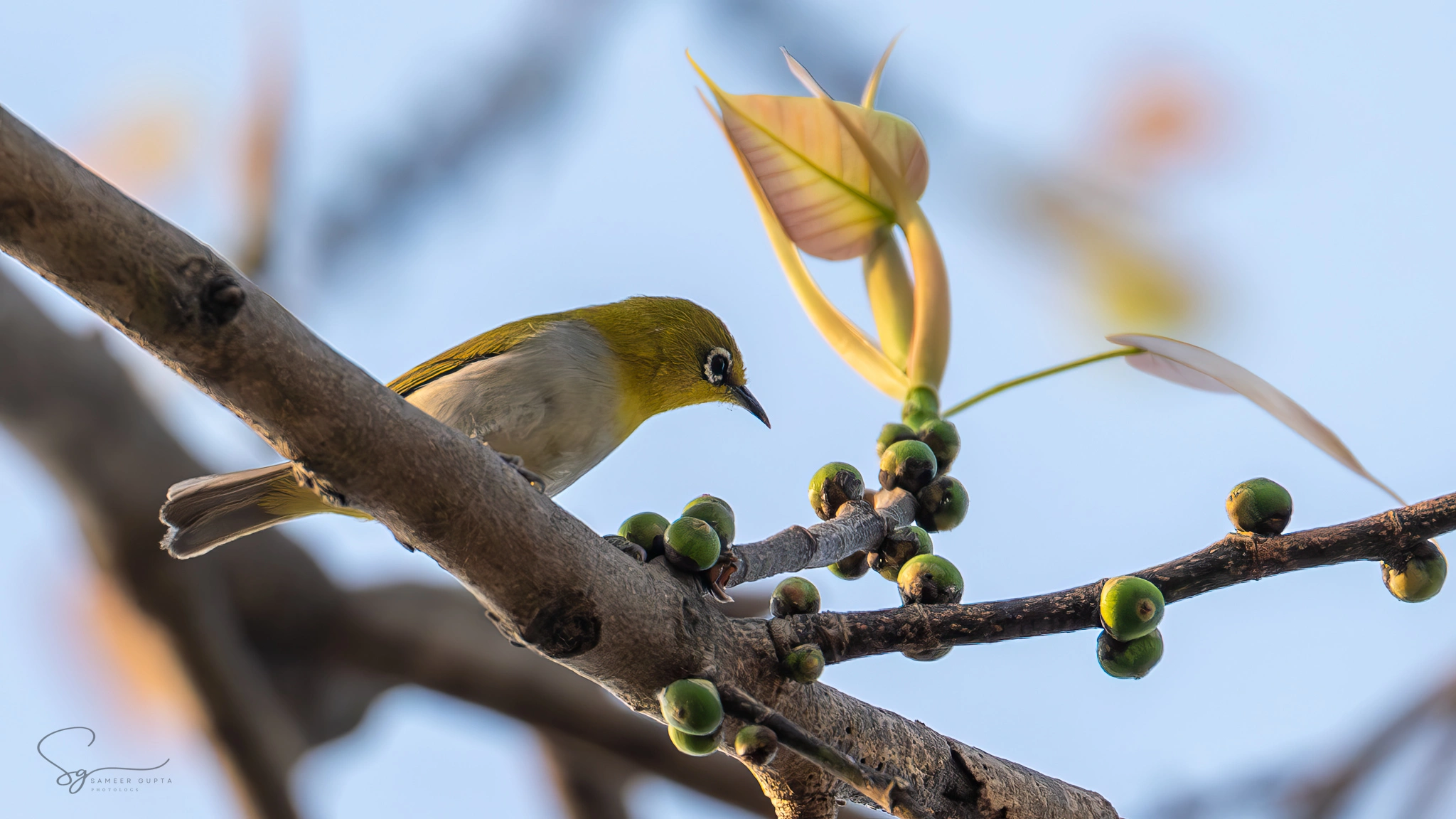
Indian White-eye

Common Myna
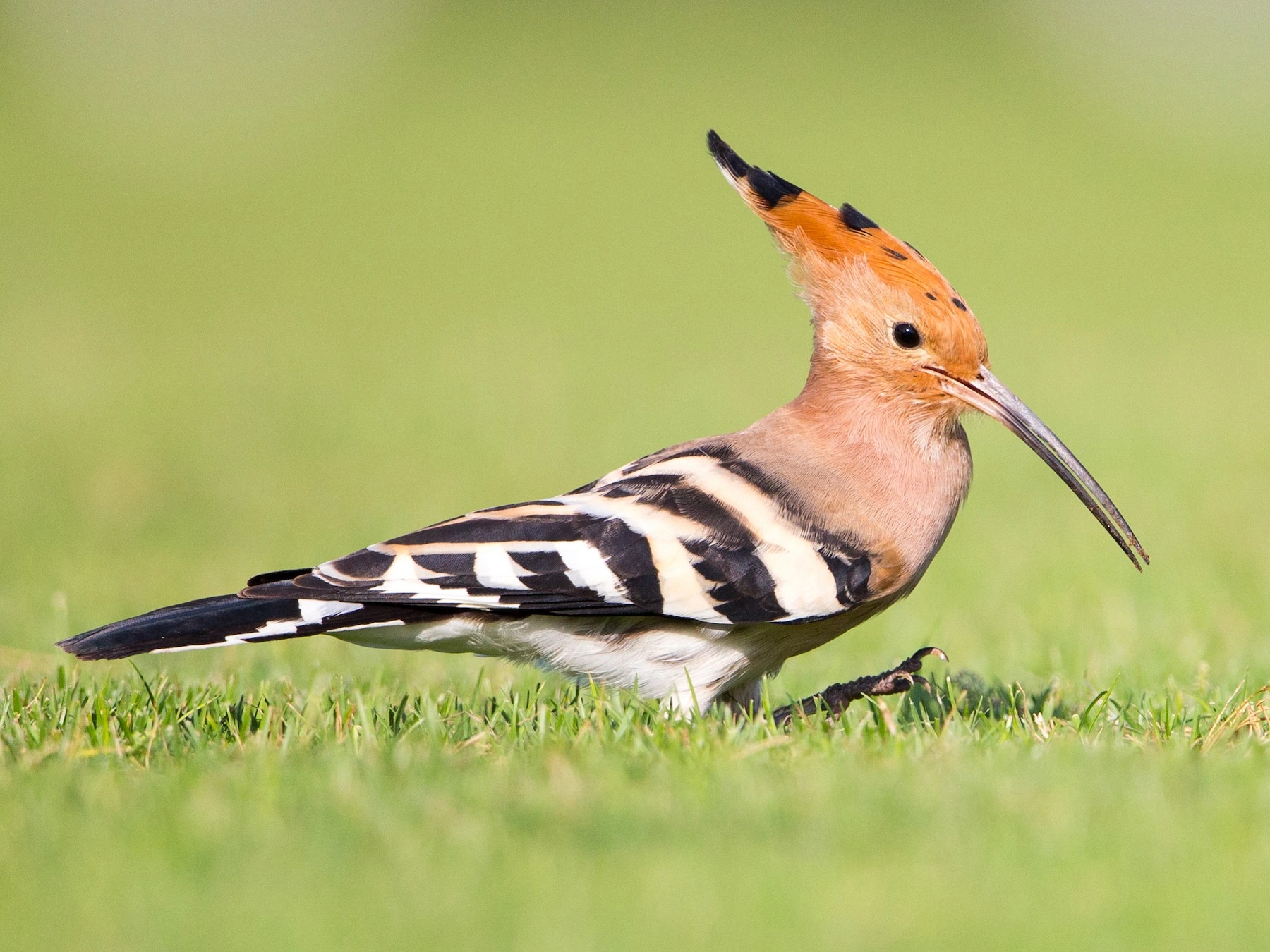
Eurasian Hoopoe

Shikra
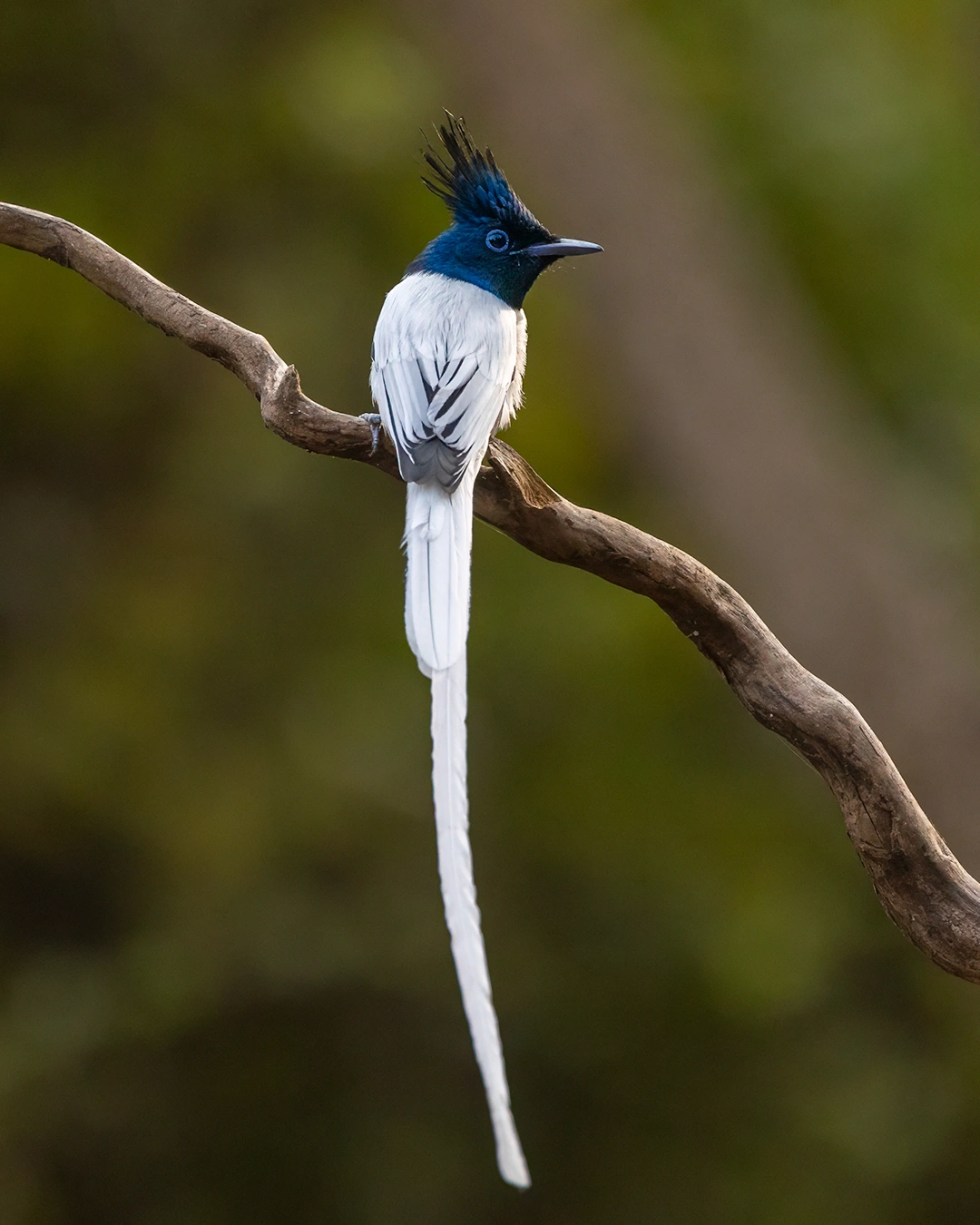
Indian Paradise Flycatcher
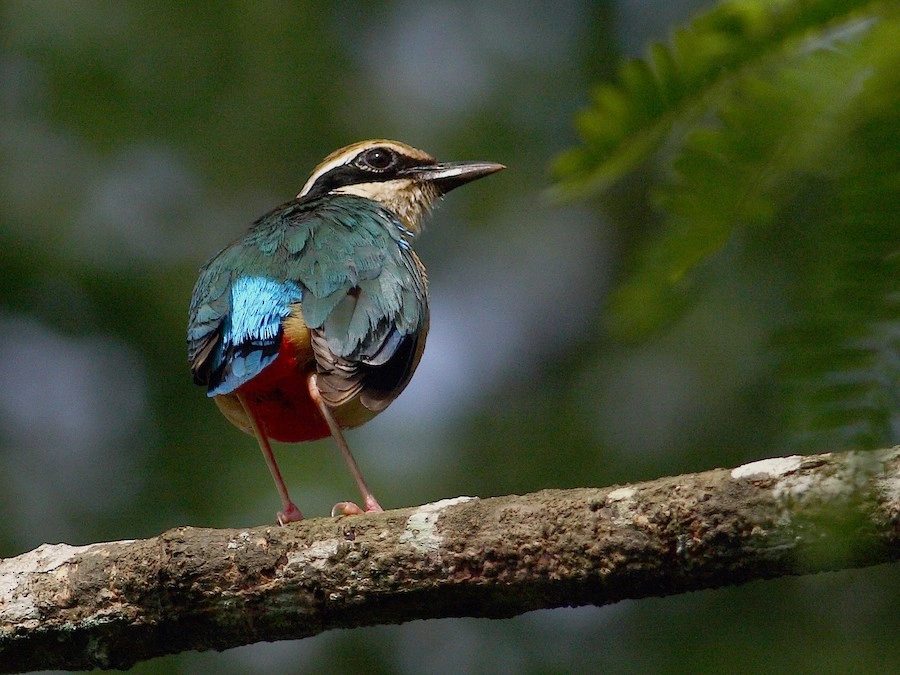
Indian Pitta

Brown-headed Barbet
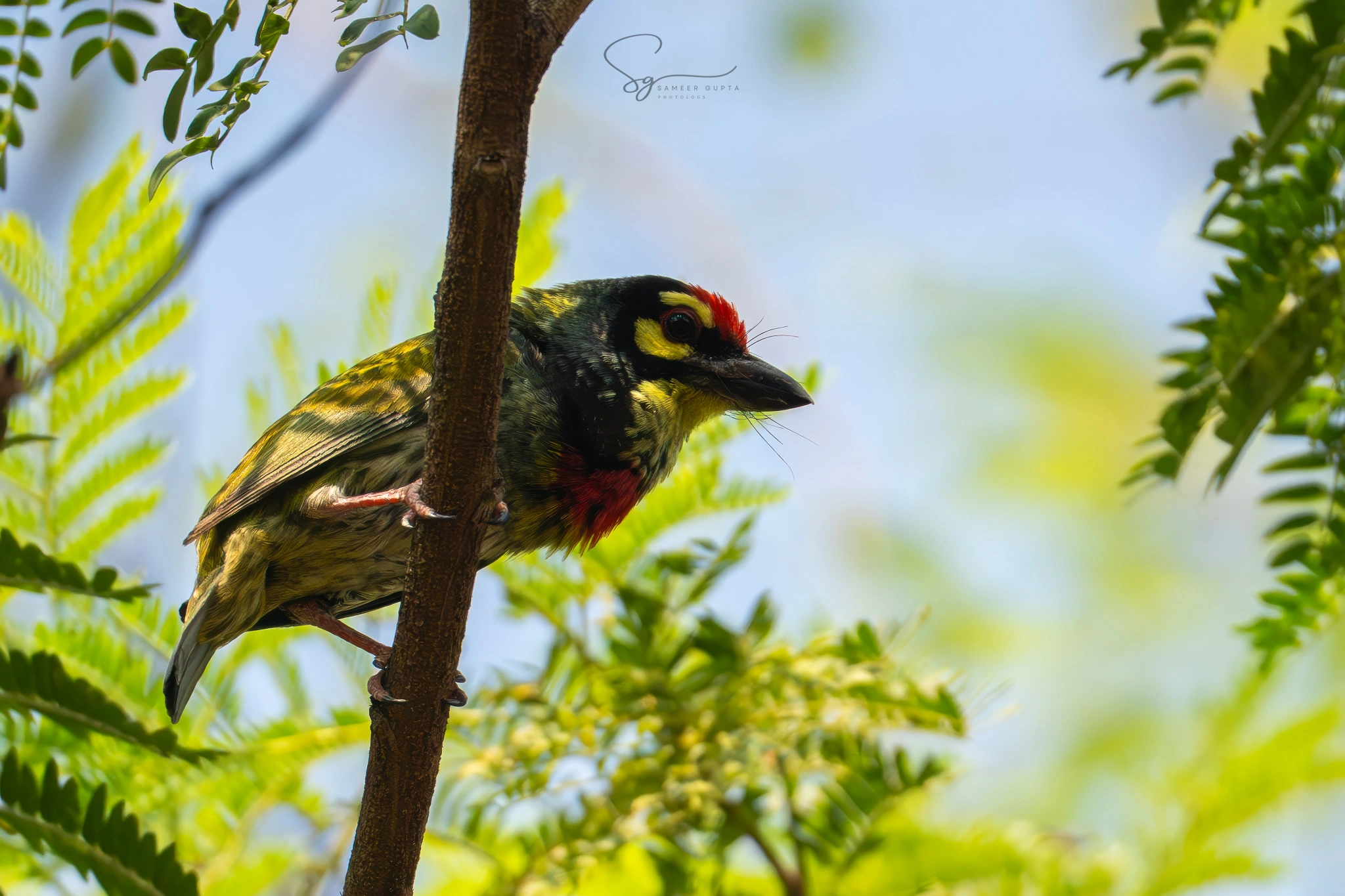
Coppersmith Barbet

Rufous Treepie
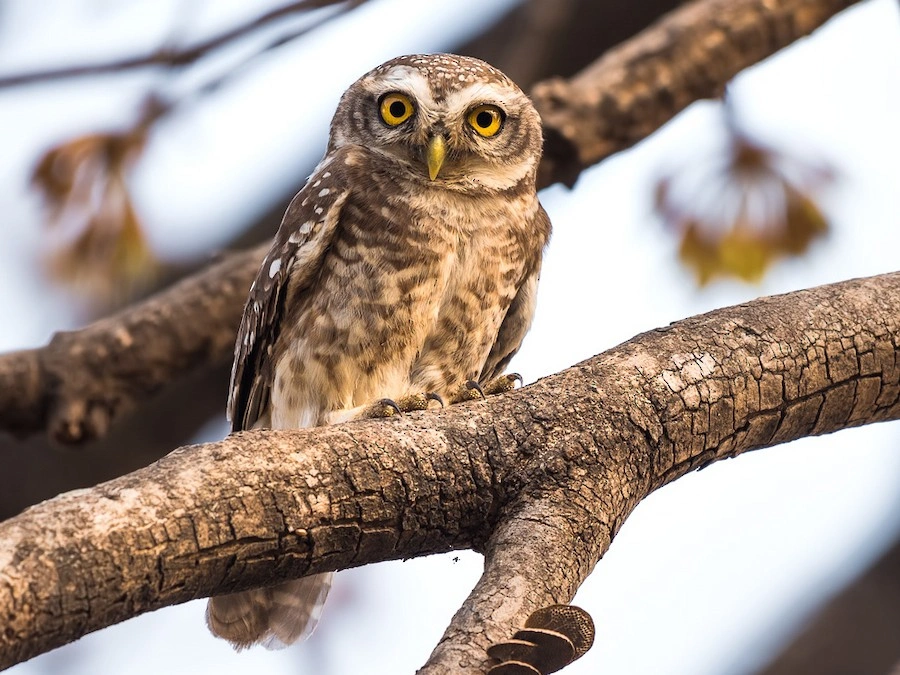
Spotted Owlet
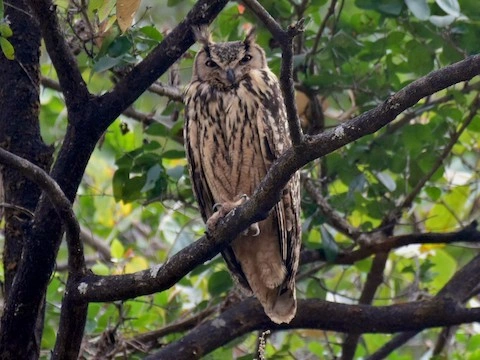

Indian Eagle-Owl
Summary of Walk
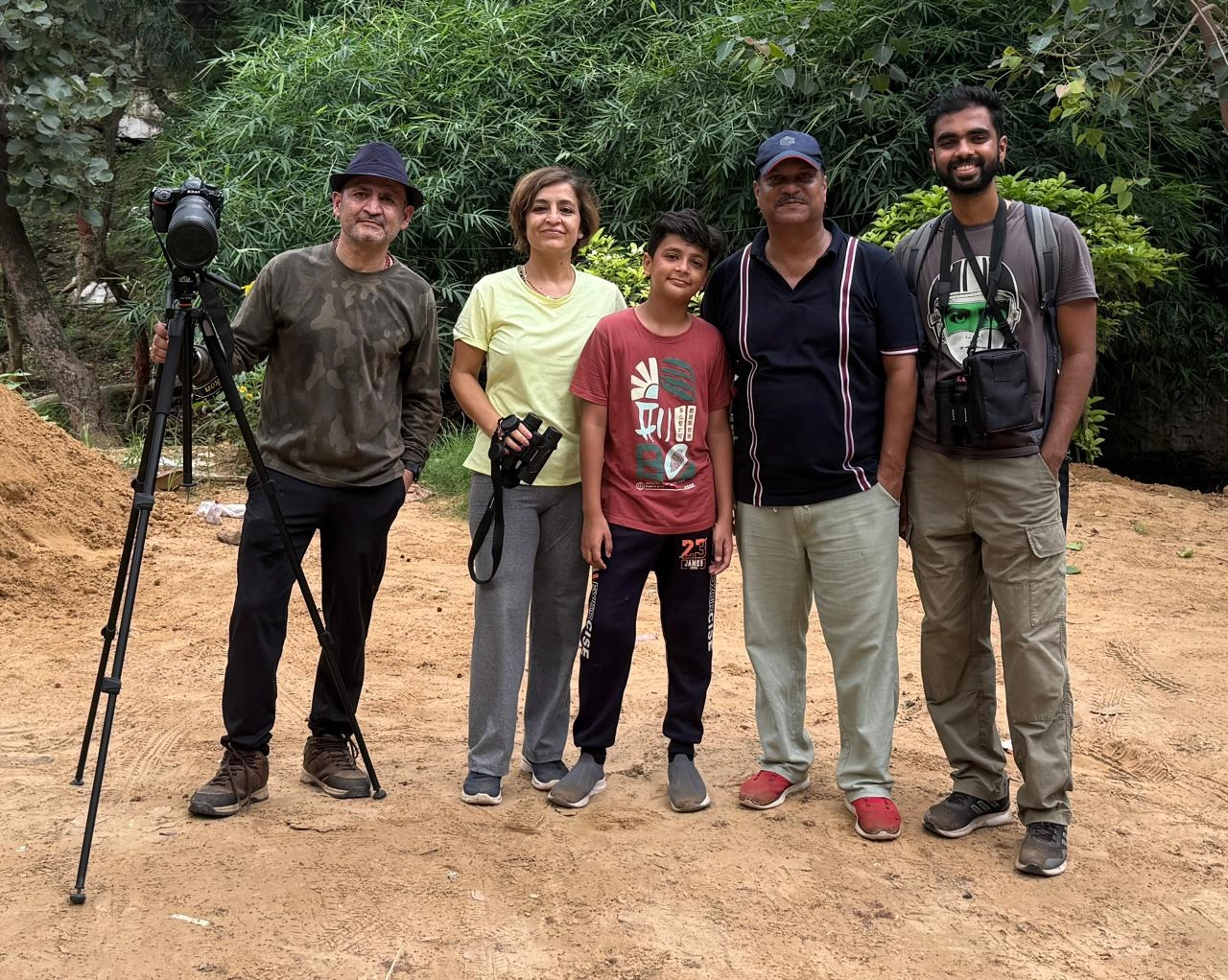
Chandra Shekhar Smriti Van hosted a delightful guided bird walk with 10 participants, bringing together birdwatchers of different experience levels for a peaceful morning amidst its green woodland habitat. Although everyone eagerly searched for the elusive Indian Pitta, the bird remained hidden, reminding participants that birdwatching is often as much about the journey as the destination. The walk became especially memorable when three young children joined midway along with their father, adding enthusiasm and curiosity to the experience. With no participation charges, the walk encouraged more families to experience nature together while learning about birds and their behaviour. In total, the group recorded an impressive 31 bird species, making it another rewarding outing despite missing the target bird.
The highlight of the morning was observing a Shikra family with two adults and two juveniles, providing participants with an excellent opportunity to understand nesting behaviour and parental care in raptors. Other notable sightings included the vibrant Golden Oriole and the striking Lesser Goldenback (Black-rumped Flameback), both adding brilliant colours to the forest. Smriti Van’s mix of mature trees and woodland habitat makes it an excellent refuge for breeding birds and resident forest species. The walk showcased how urban green spaces continue to play an important role in conserving biodiversity while offering visitors meaningful opportunities to connect with nature through guided birdwatching.
Number of Participants
0