Loading Events

Bird Walk at Hessarghata Lake, Bangalore, Karnataka

About Hessarghata Lake

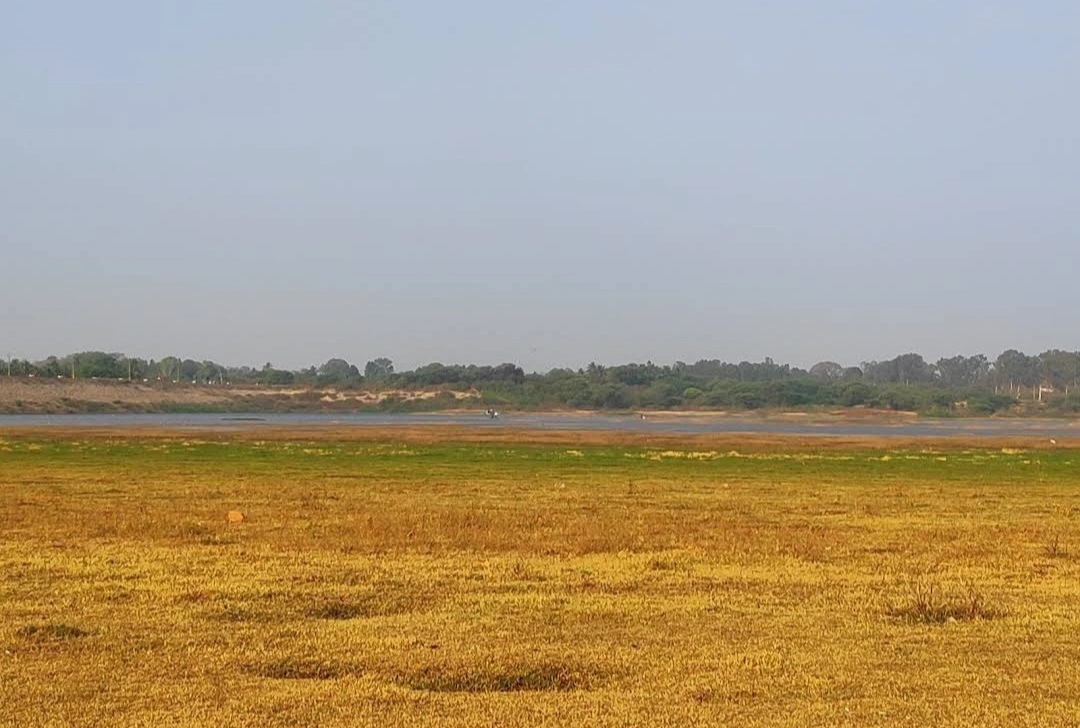
On the northwestern outskirts of Bangalore lies Hessarghatta Lake, a vast and ever-changing landscape that blends open grasslands, scrub, and seasonal wetlands into a unique ecological mosaic. Originally created as a reservoir, the lake today often transforms into expansive grass-covered plains during dry periods, supporting a rich diversity of flora such as native grasses, scattered acacia, and hardy shrubs. These habitats provide refuge to a variety of insects, reptiles, and small mammals, creating a thriving food web that sustains an impressive range of birdlife. The open skies, undisturbed stretches, and subtle shifts between wet and dry conditions make Hessarghatta a fascinating landscape for nature lovers.
For birders, Hessarghatta is a renowned hotspot, especially for grassland and raptor species that are becoming increasingly rare elsewhere. From larks and pipits camouflaged in the grass to majestic eagles and harriers gliding overhead, every visit offers something new. Seasonal water patches attract waders and waterbirds, while the surrounding scrub hosts a mix of resident and migratory species. However, this fragile ecosystem faces growing threats from urban expansion, habitat degradation, off-road activities, and waste dumping. Conserving Hessarghatta is crucial—not just for its birds, but as one of the last remaining grassland ecosystems near the city, offering a vital space for biodiversity and a peaceful escape into nature.

Bird walk Location

Common birds of Hessarghata Lake

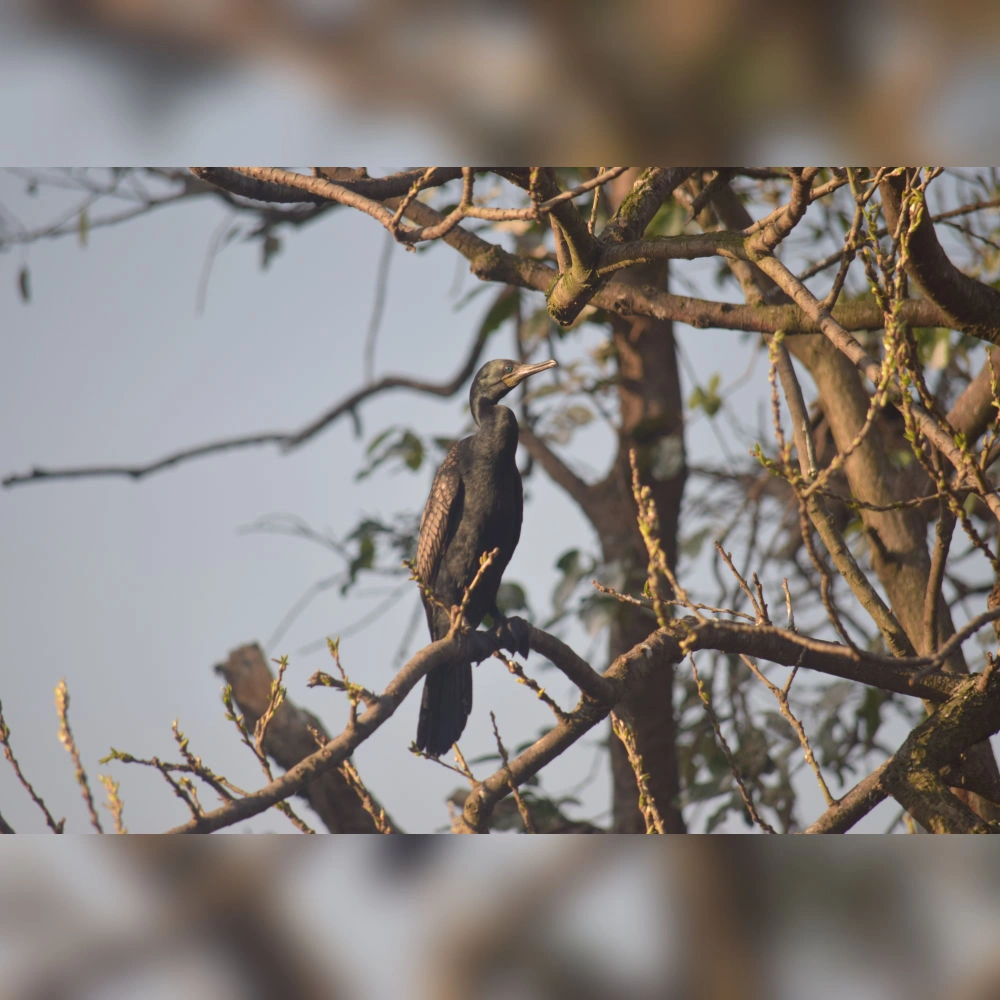
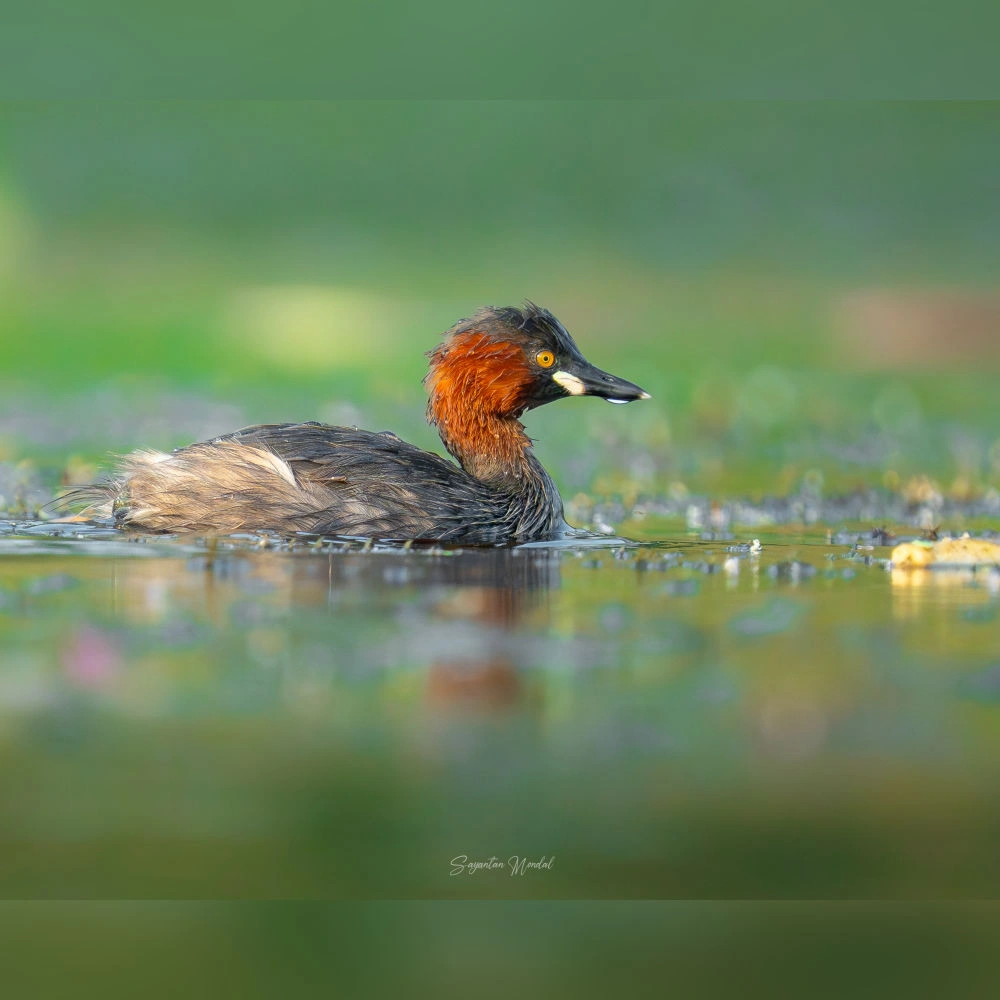
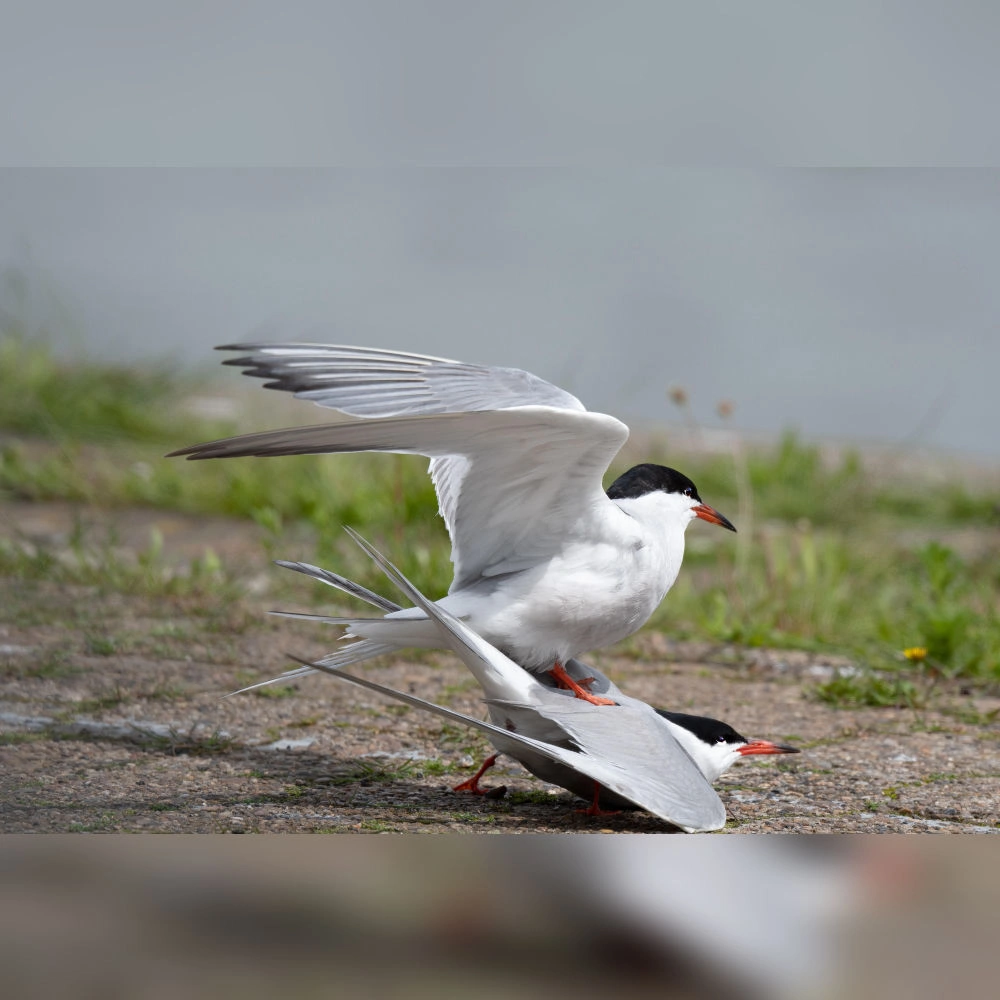
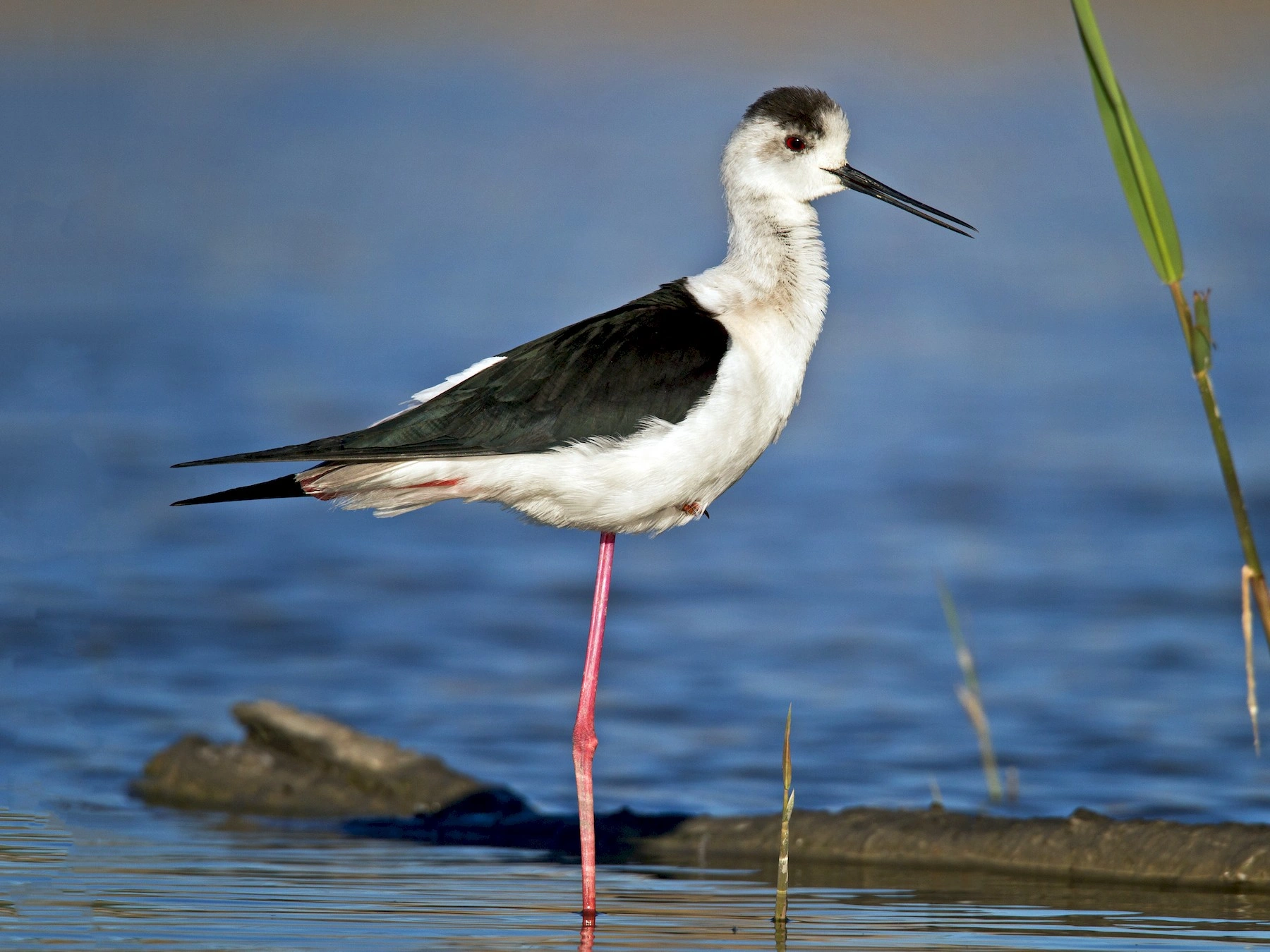
At Hessarghatta Lake near Bangalore, birdlife unfolds like a vibrant tapestry across water, grassland, and open skies. The lake attracts a rich congregation of waterbirds—Indian Spot-billed Ducks drifting calmly, Little Grebes diving beneath the surface, and elegant waders like Black-winged Stilts and Wood Sandpipers foraging along the edges. Larger, more striking species such as Black-headed Ibis, Glossy Ibis, and Purple Herons add drama to the wetlands, while River Terns glide gracefully above the water. As dusk approaches, the quiet emergence of Black-crowned Night Herons and the steady presence of cormorants and darters create a dynamic rhythm that reflects the lake’s ecological richness. Beyond the water, the surrounding grasslands and scrub burst with activity. Raptors like Shikra and Brahminy Kite patrol the skies, while birds such as Greater Coucal, Eurasian Hoopoe, and Black-rumped Flameback bring character to the landscape. The air is often alive with the calls of drongos, bulbuls, and sunbirds, while parakeets flash green across the horizon. Ground-dwellers like Paddyfield Pipit and Red Avadavat add subtle beauty to the grasslands, making every step an opportunity for discovery. Together, these species create a lively and ever-changing birding experience, showcasing Hessarghatta as a true haven for both casual observers and passionate birders.

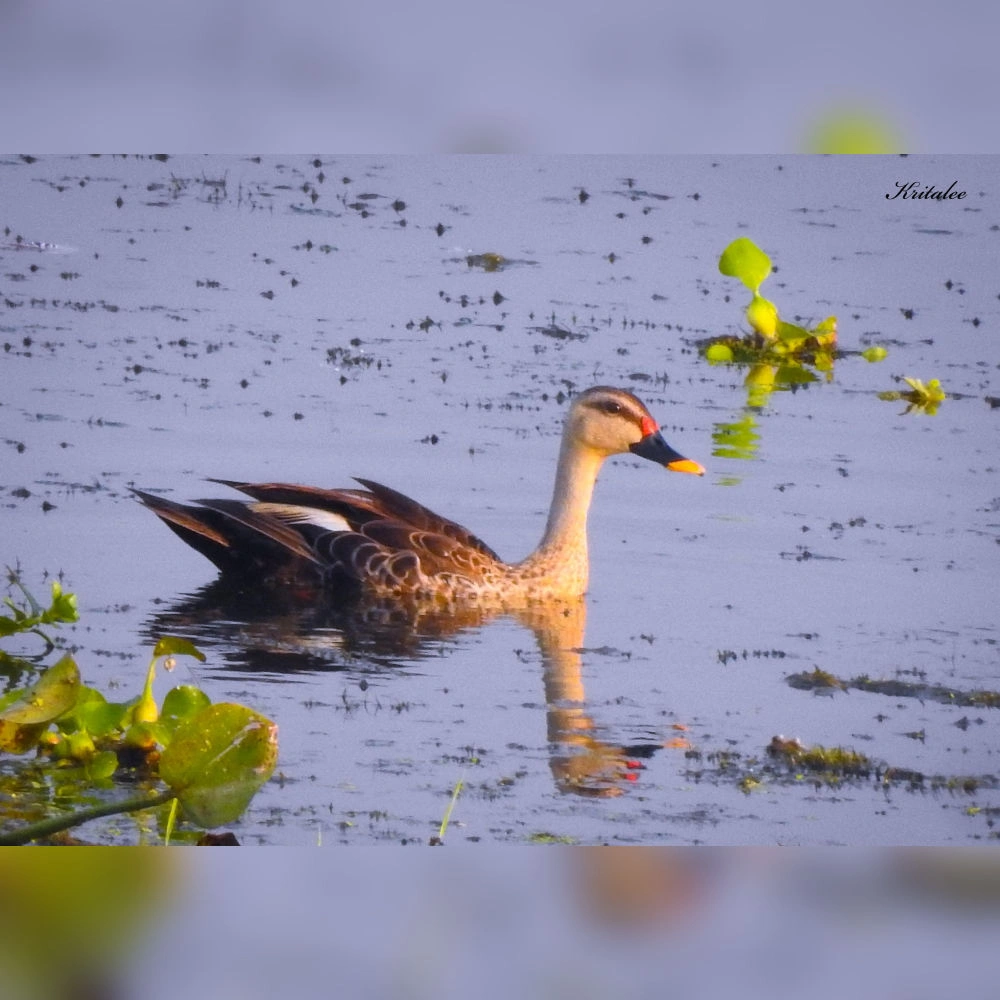
Indian Spot-billed Duck
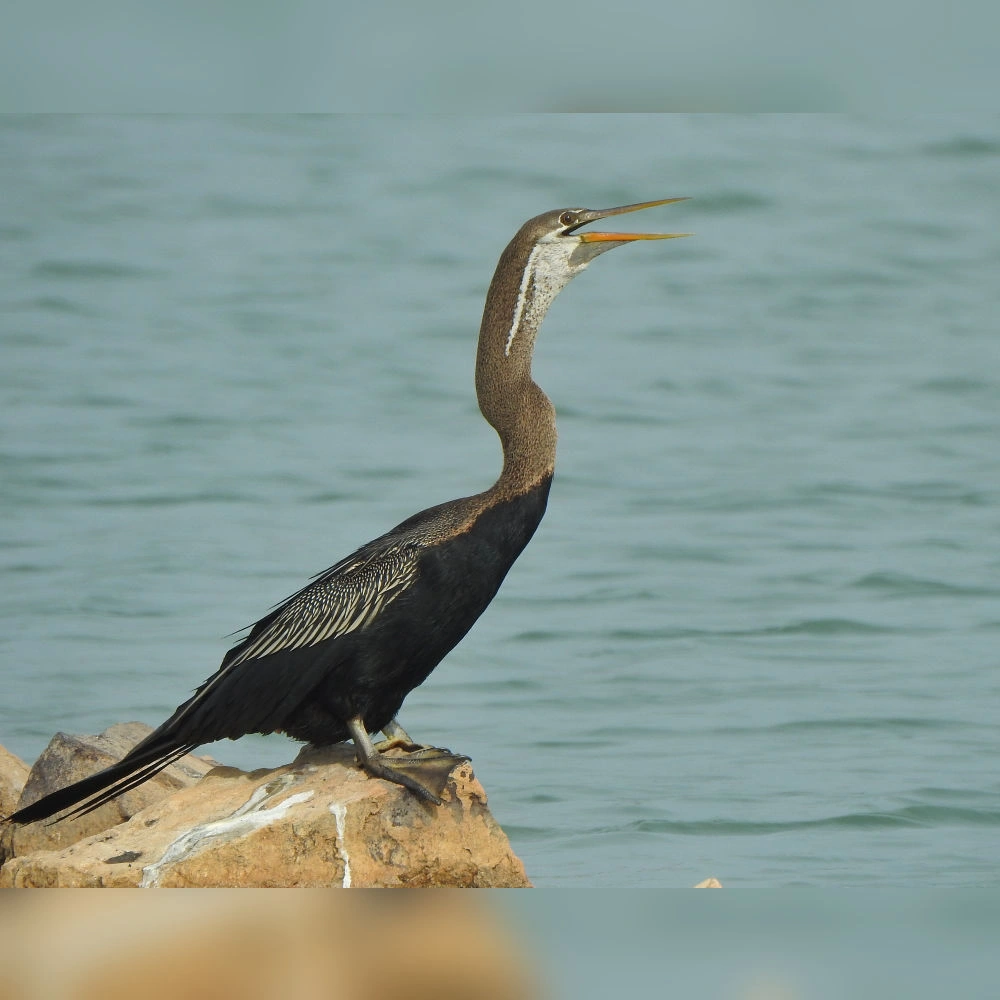
Oriental Darter
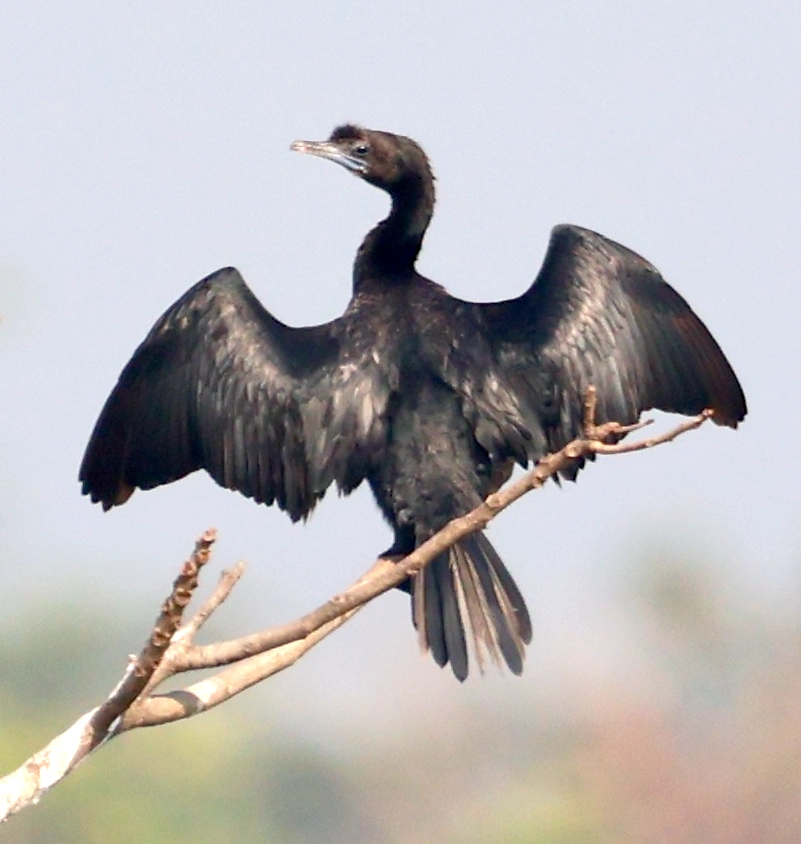
Little Cormorant
Great Cormorant
Little Grebe

River Tern
Black-winged Stilt
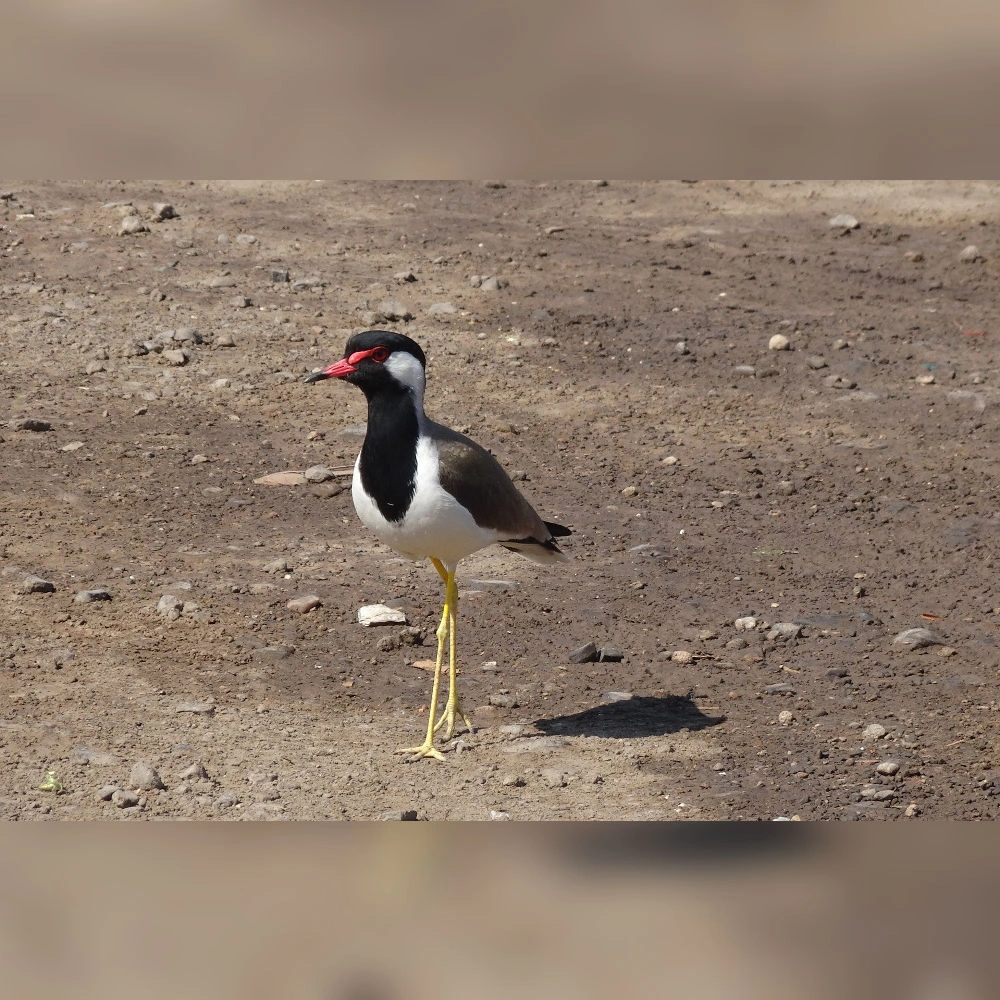
Red-wattled Lapwing
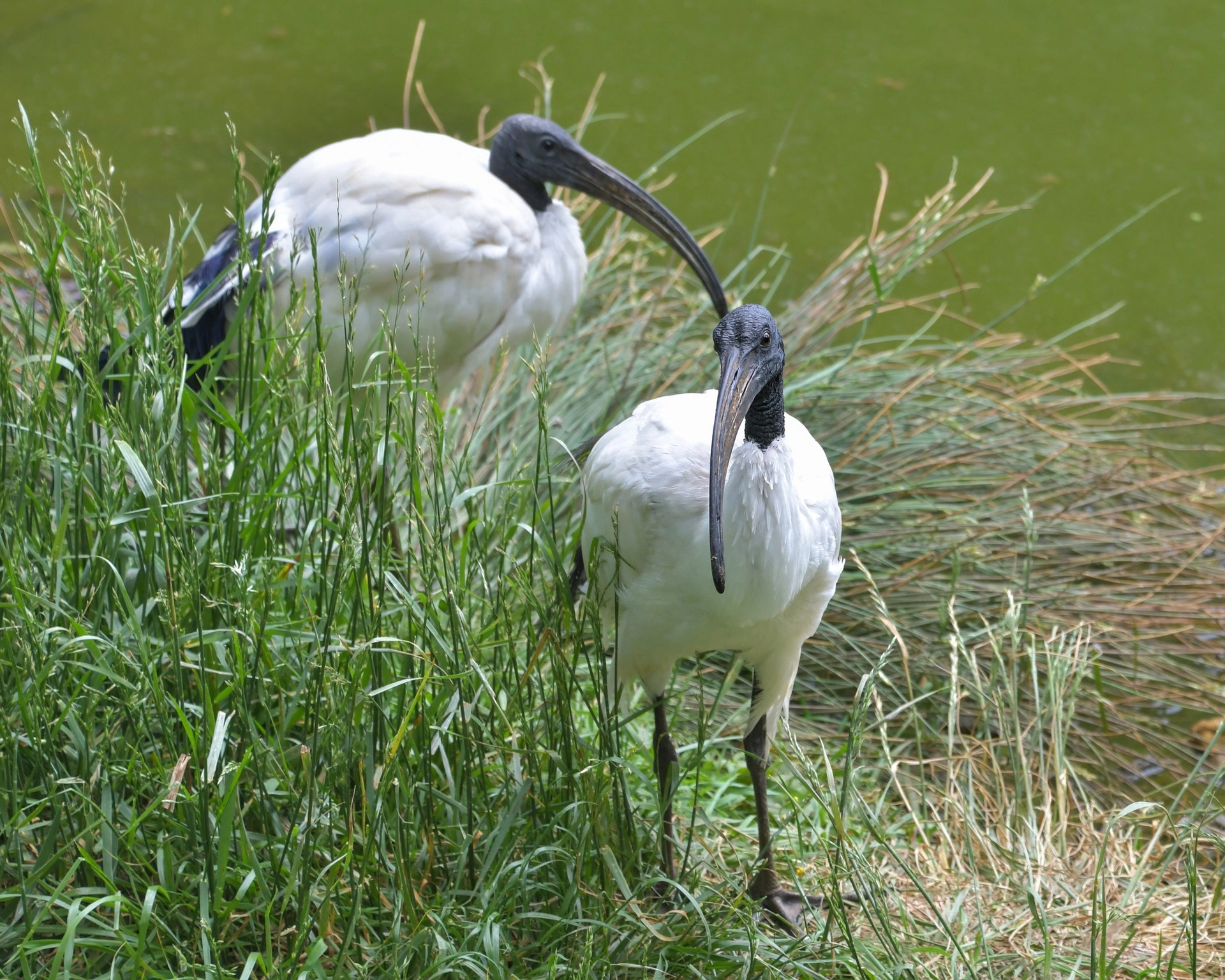
Glossy Ibis
Black-headed Ibis
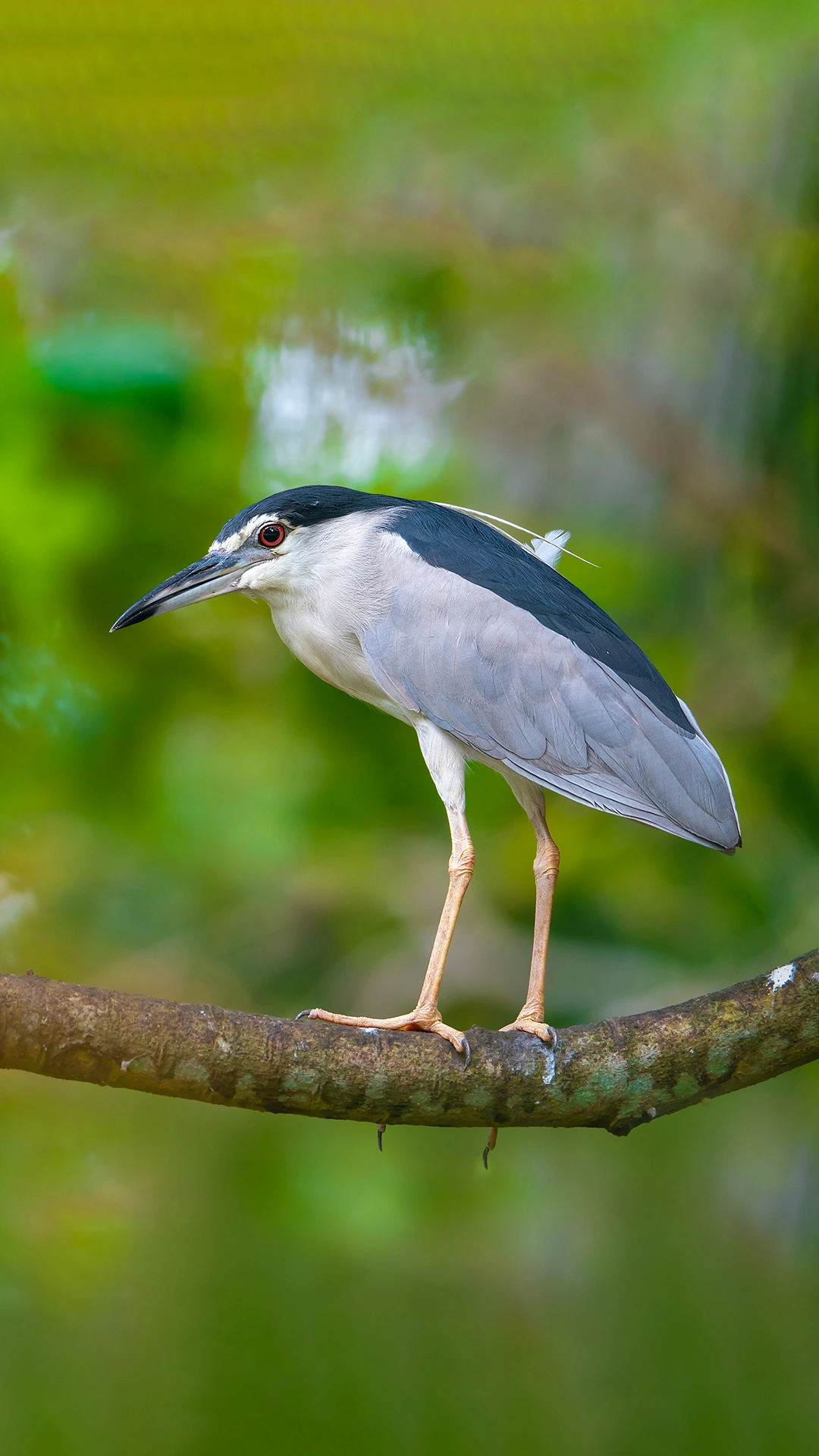
Black-crowned Night Heron
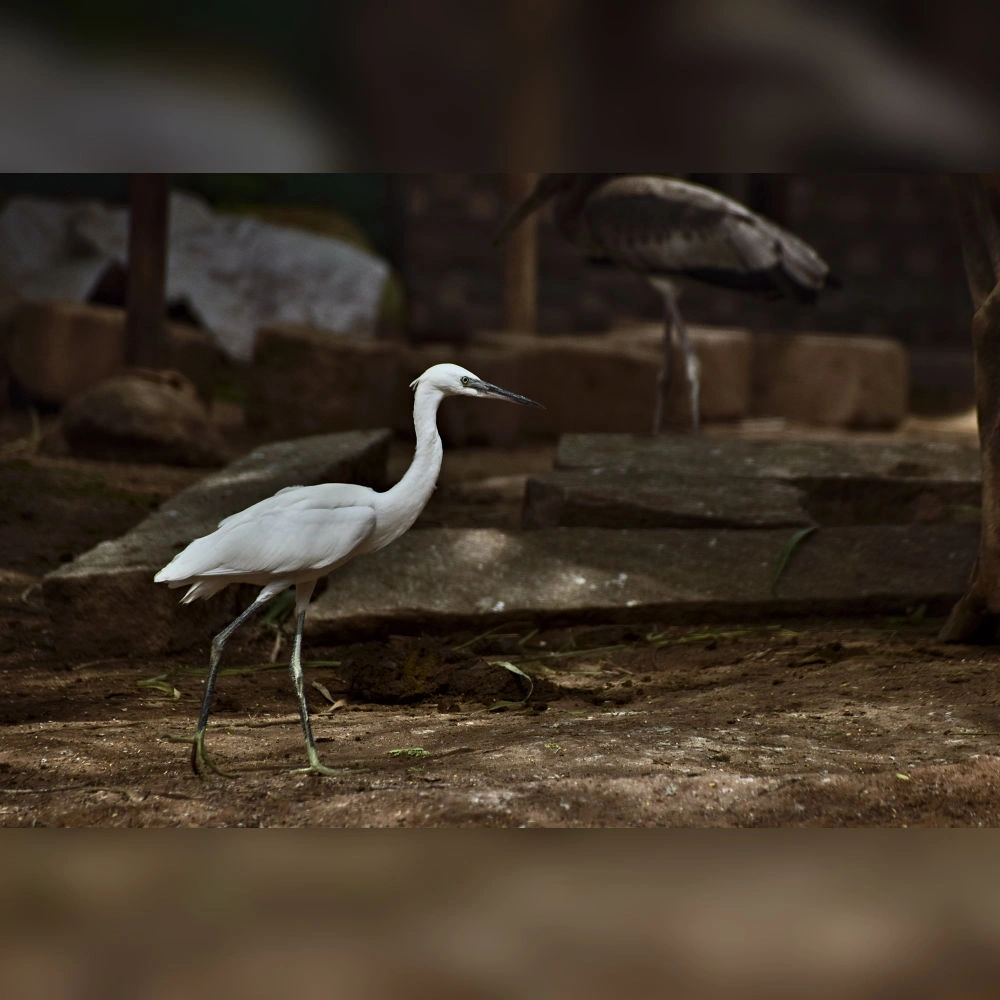
Little Egret
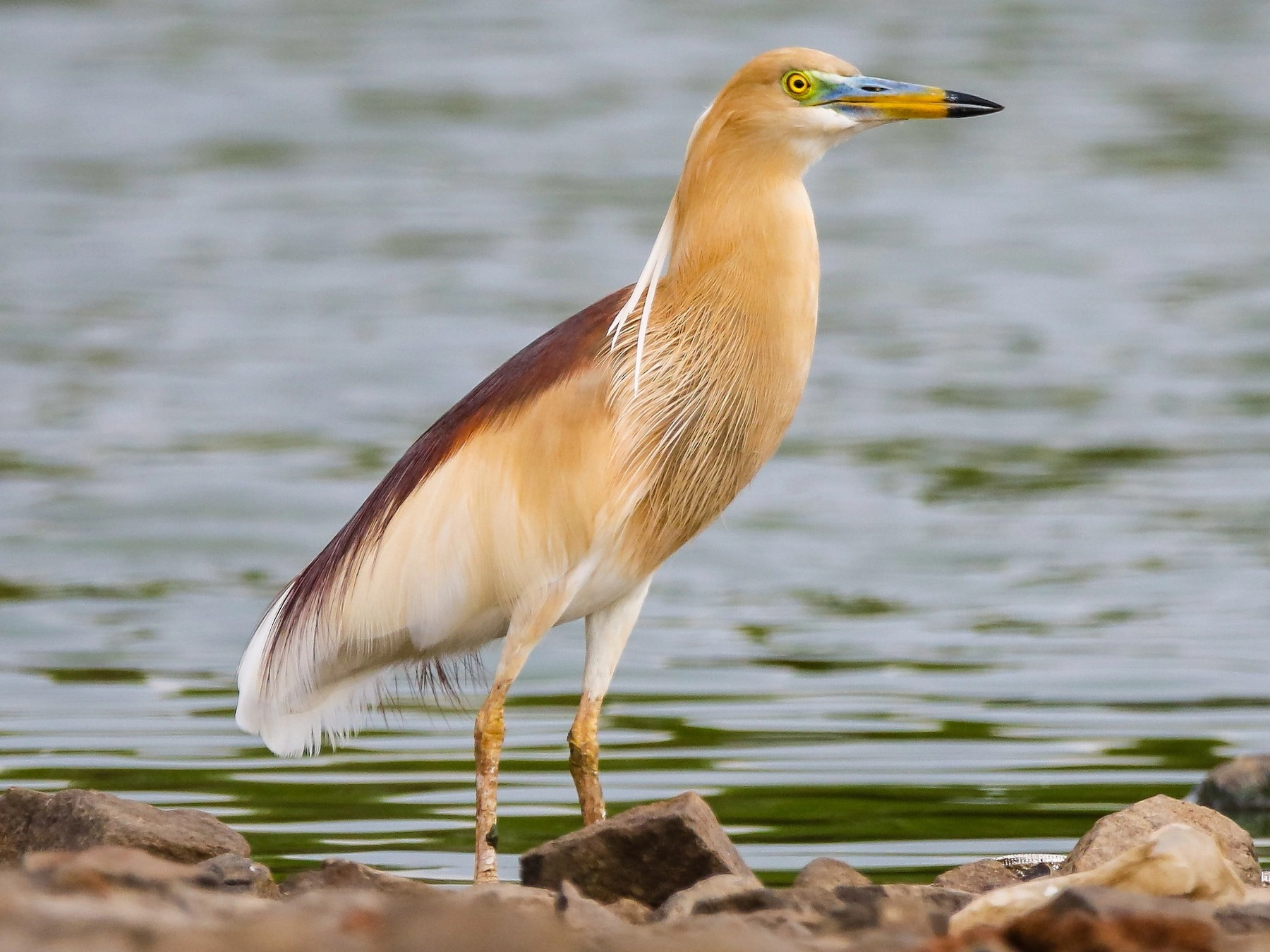
Indian Pond Heron
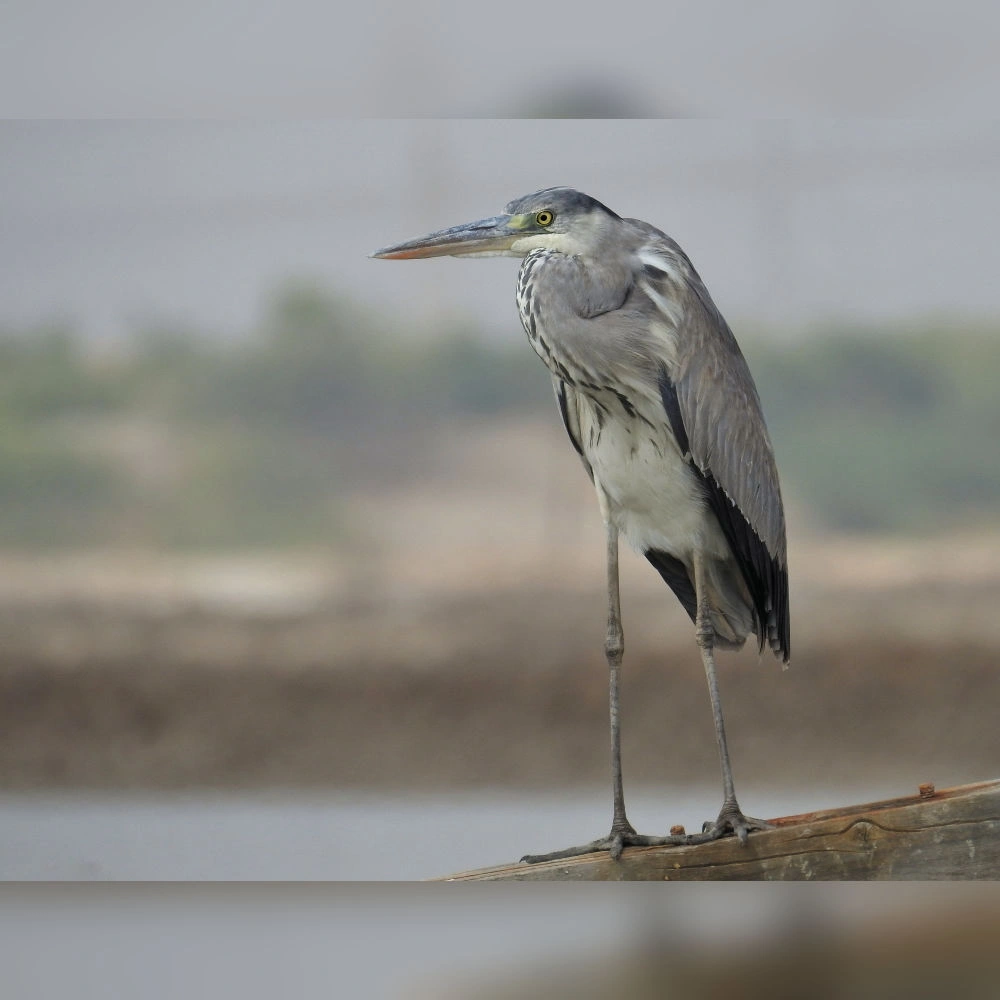
Grey Heron
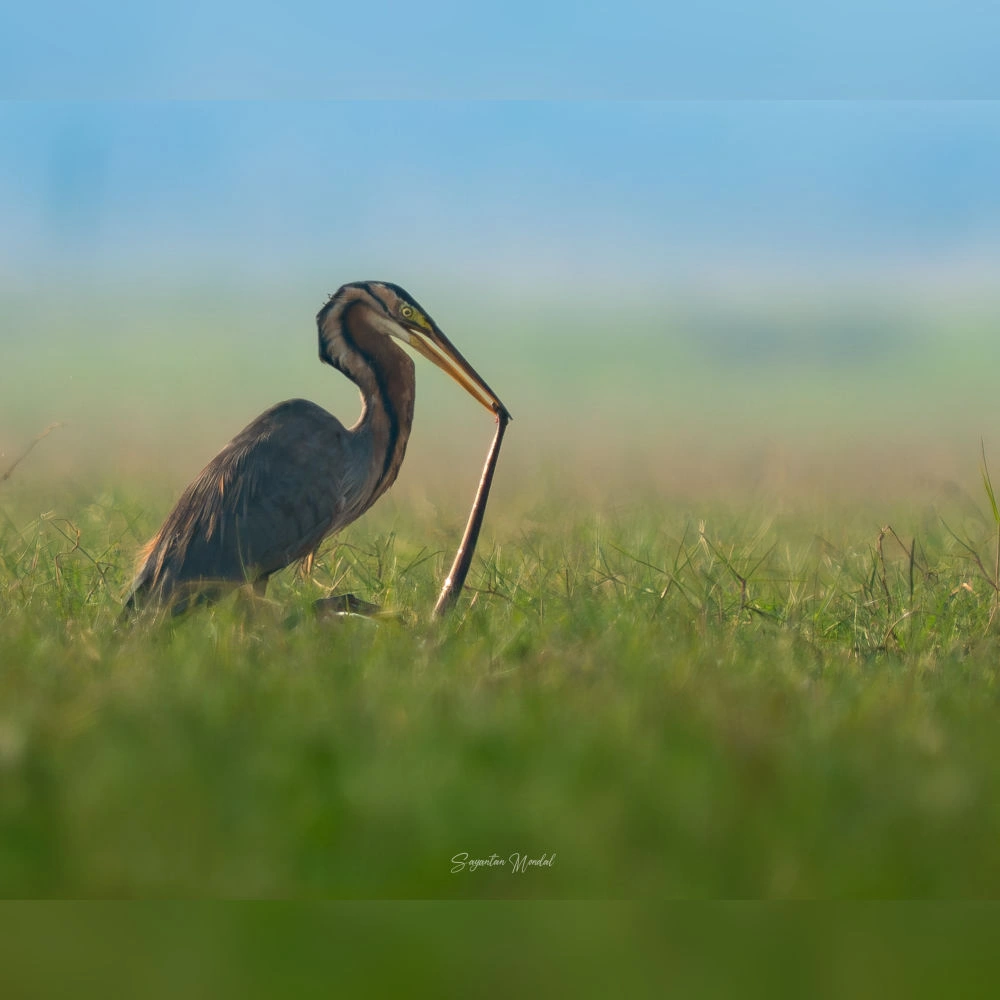
Purple Heron
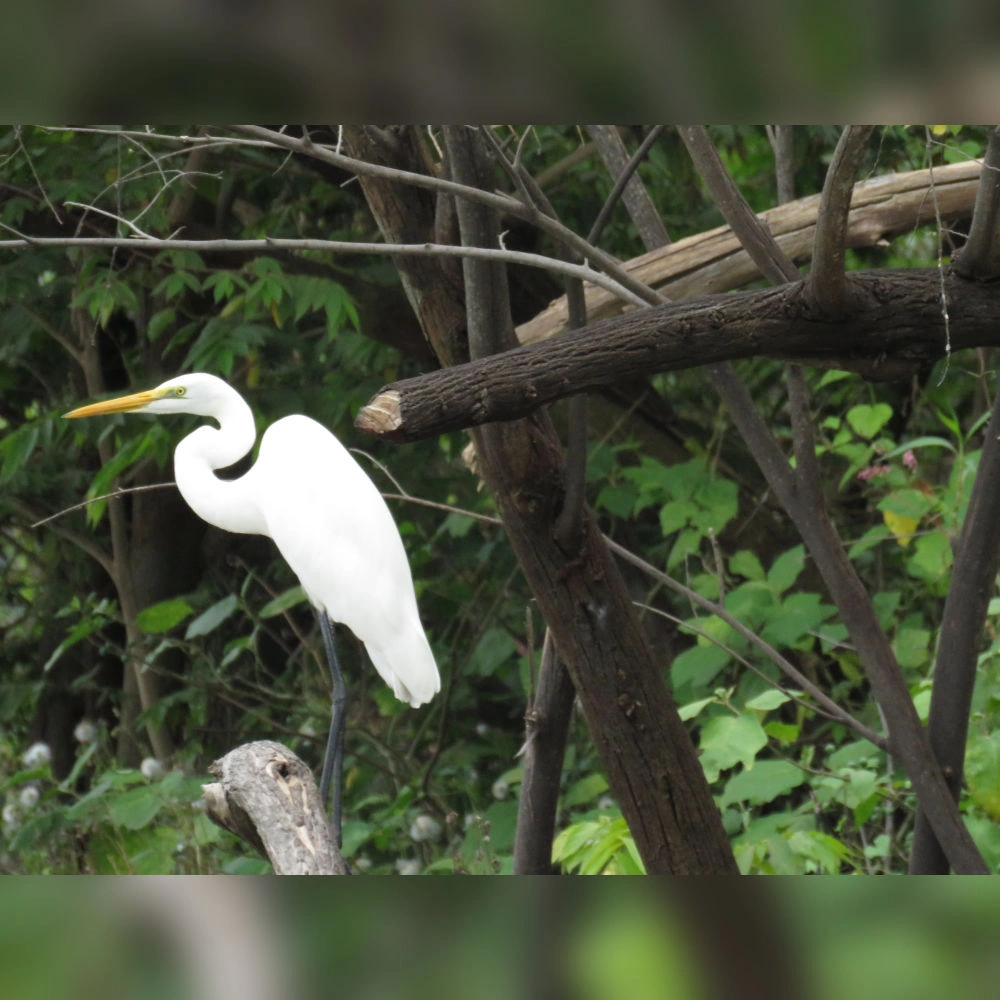
Great Egret
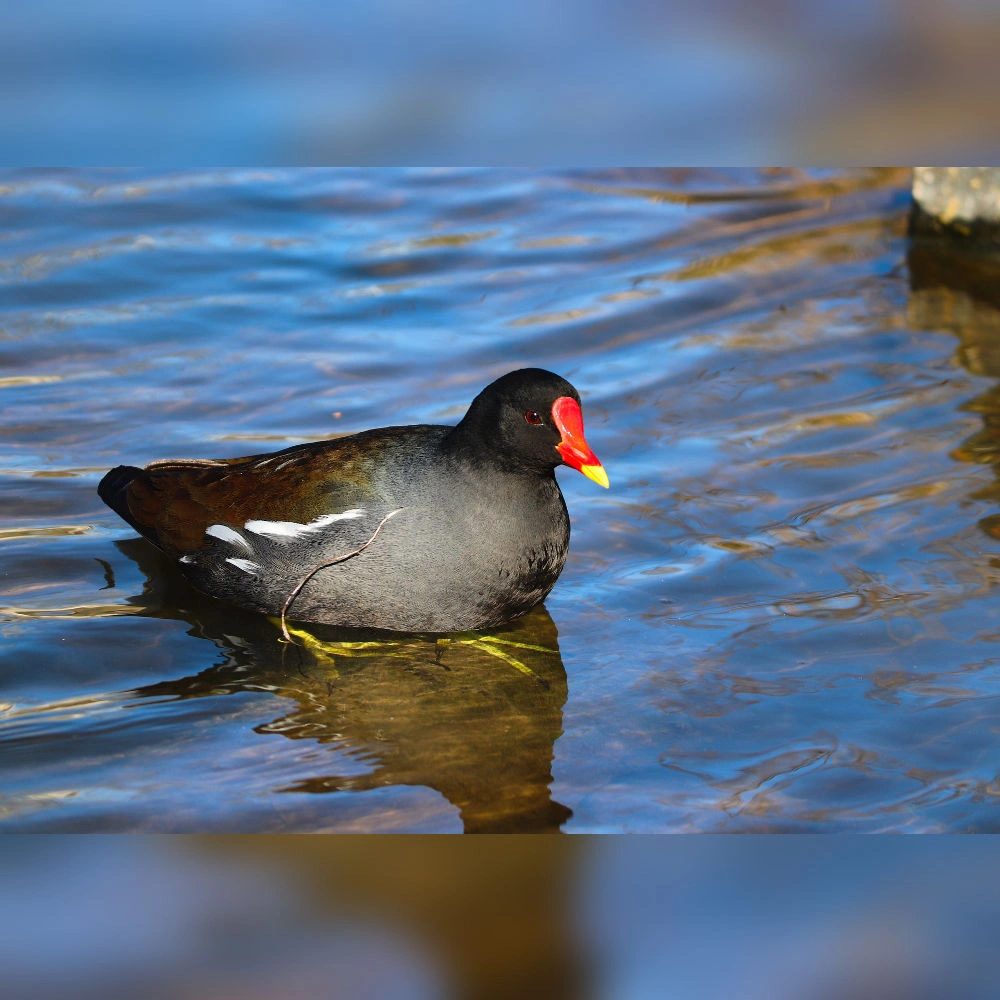
Eurasian Moorhen
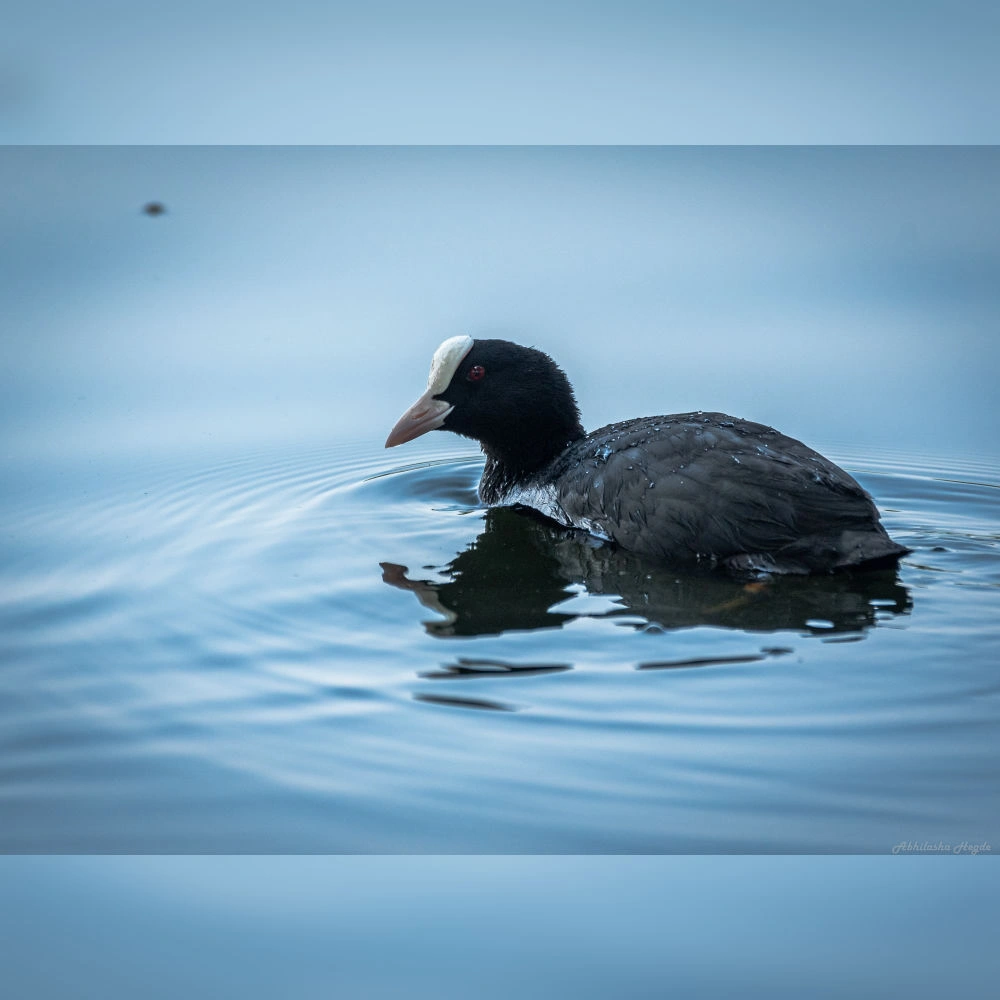
Eurasian Coot
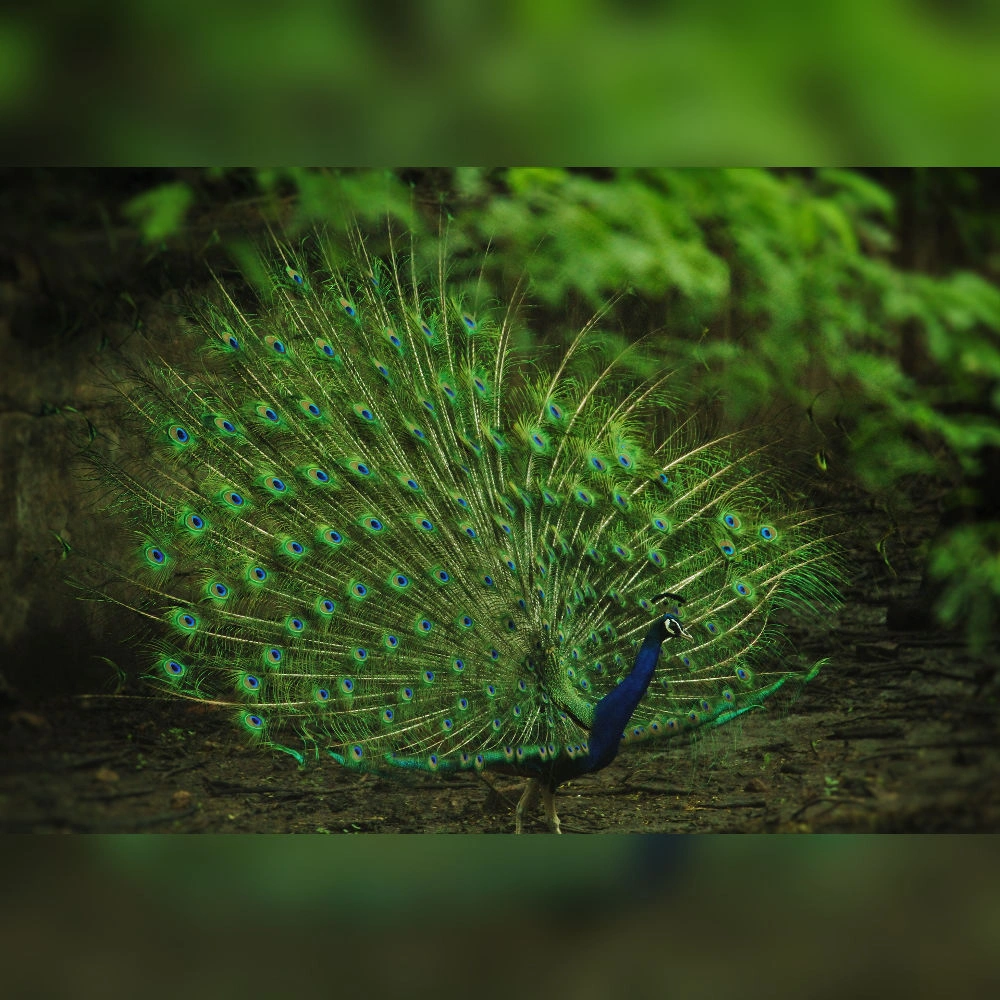
Indian Peafowl
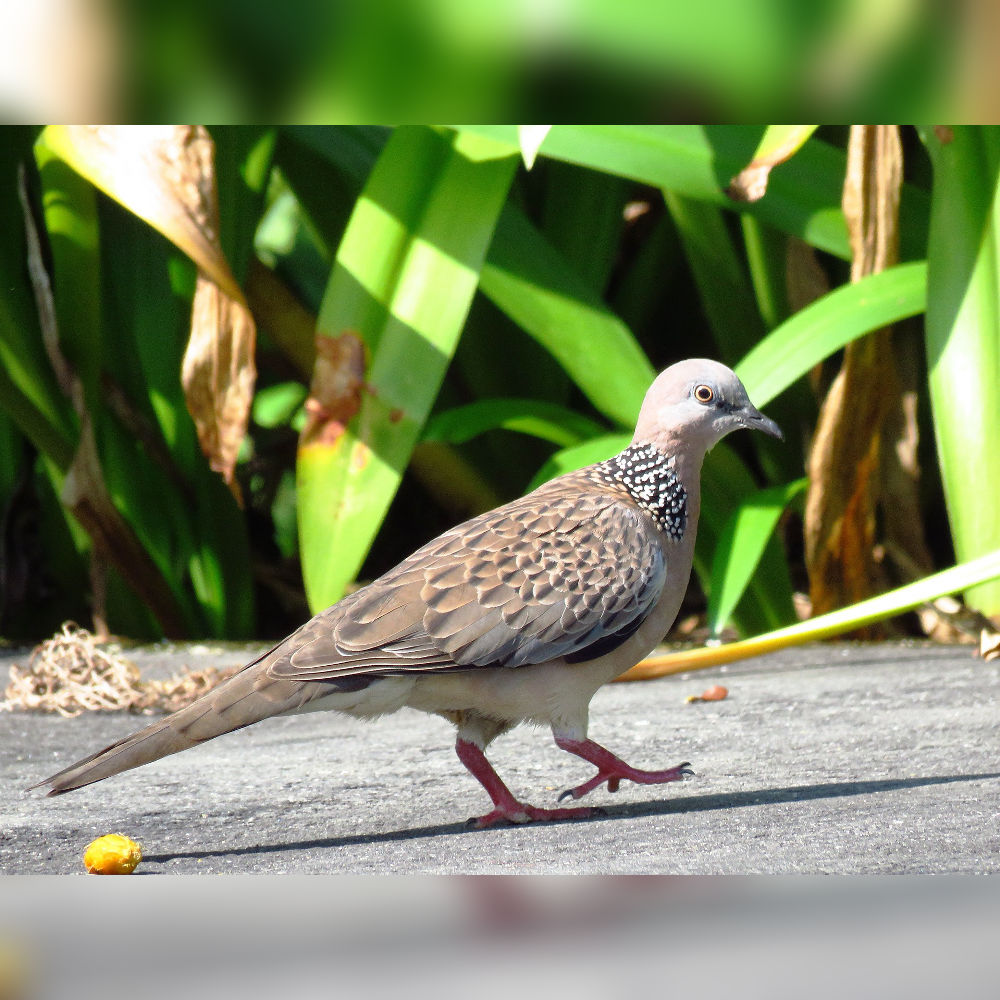
Spotted Dove

Summary of Walk

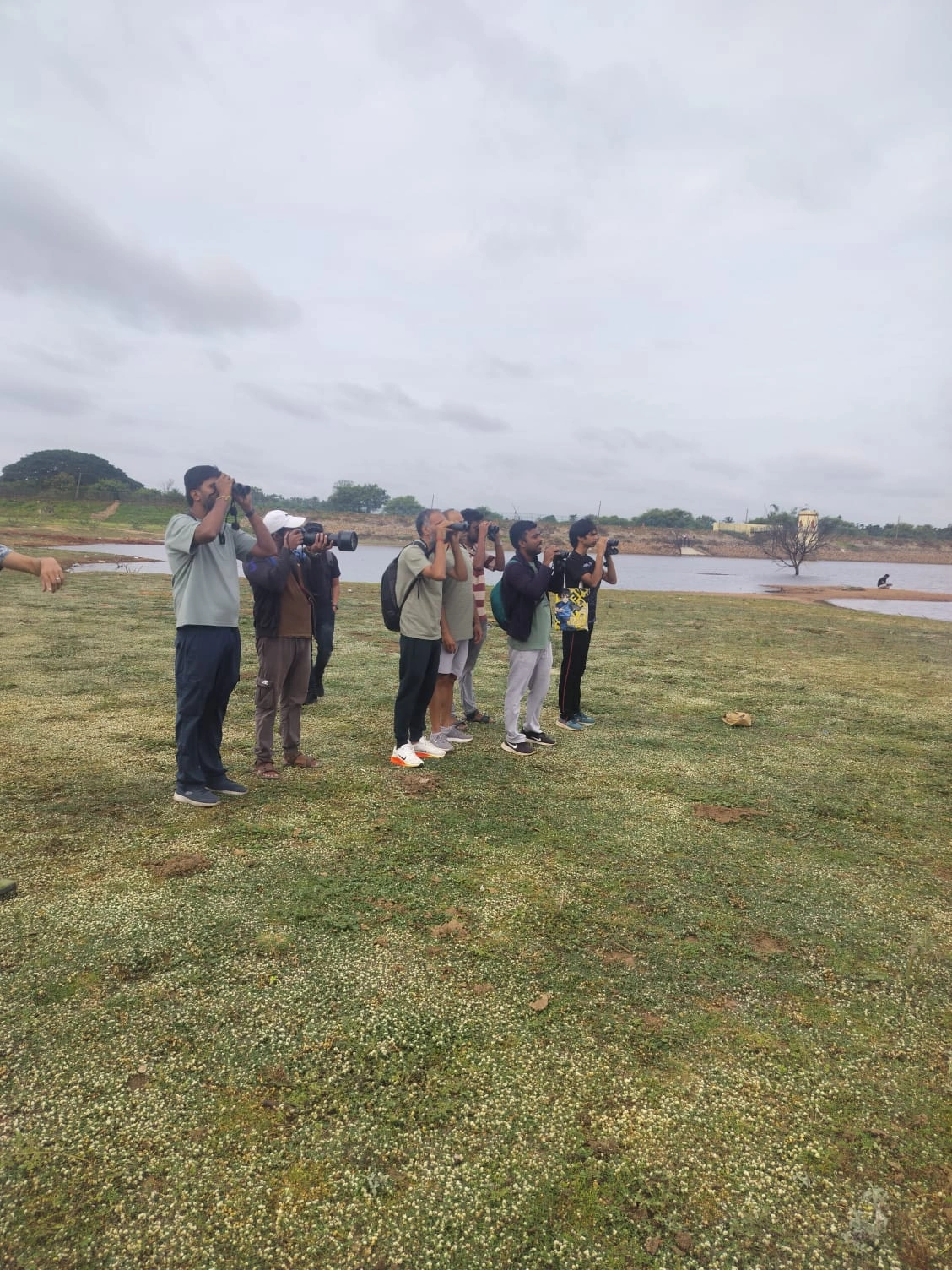
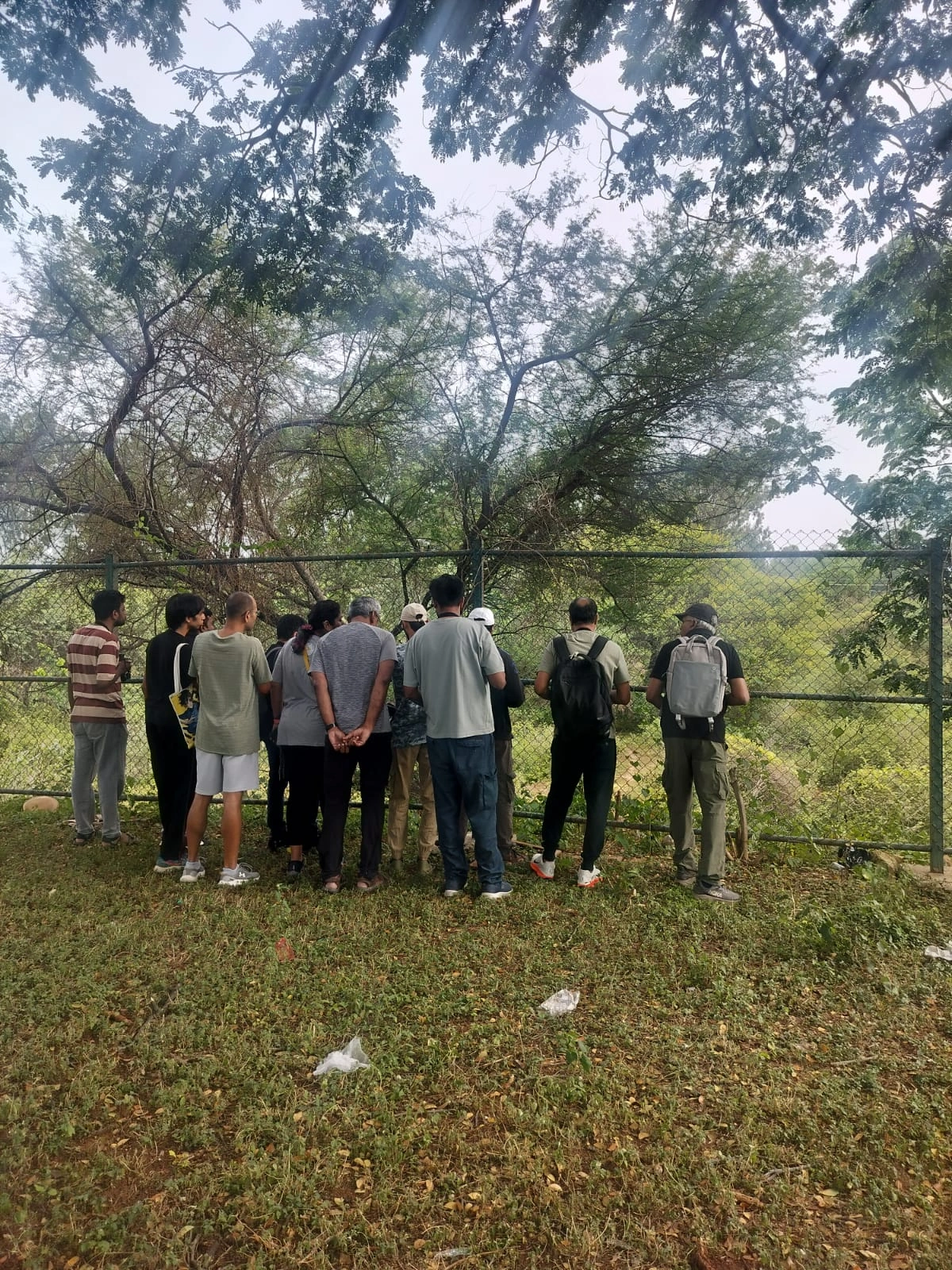
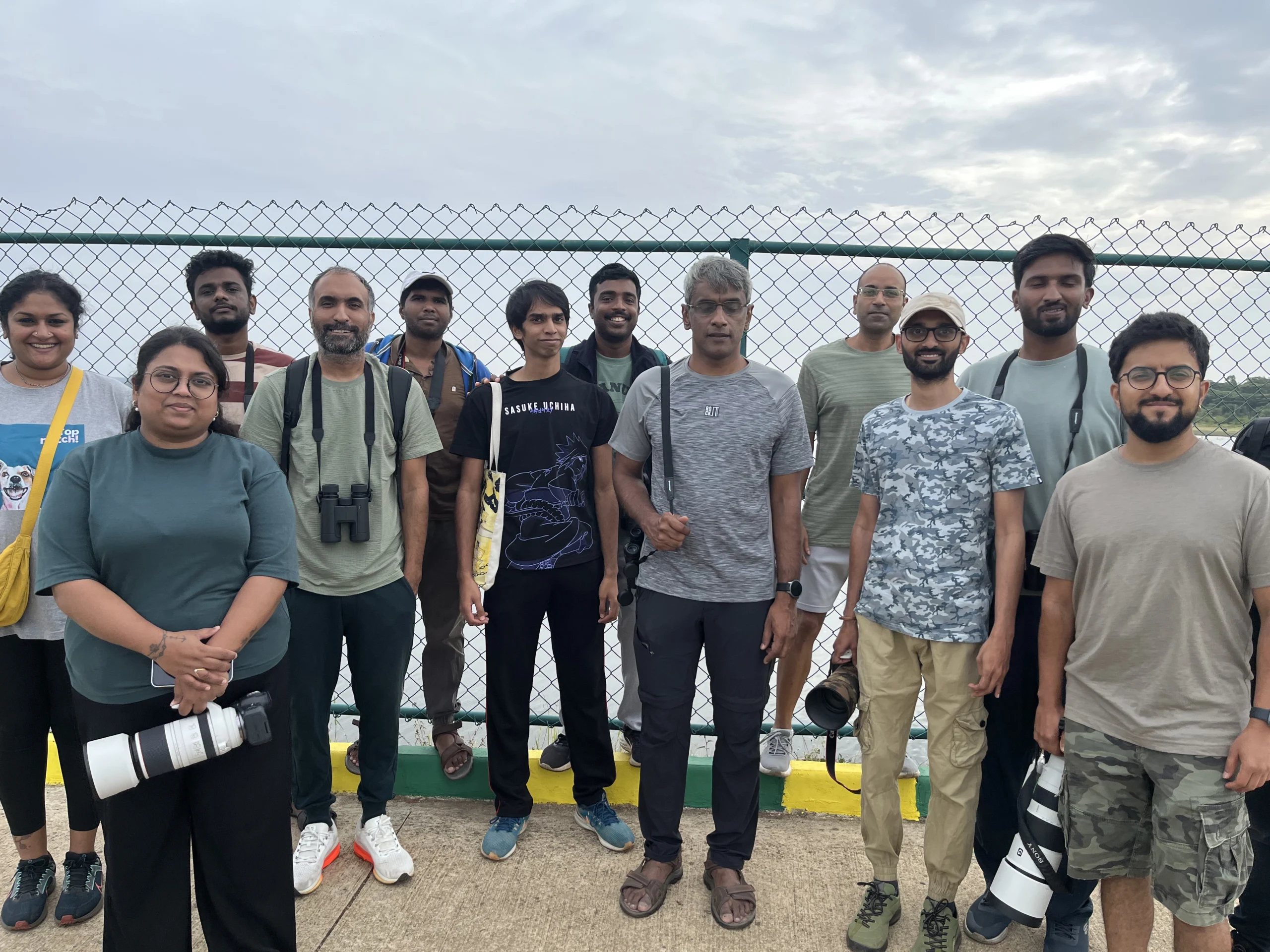
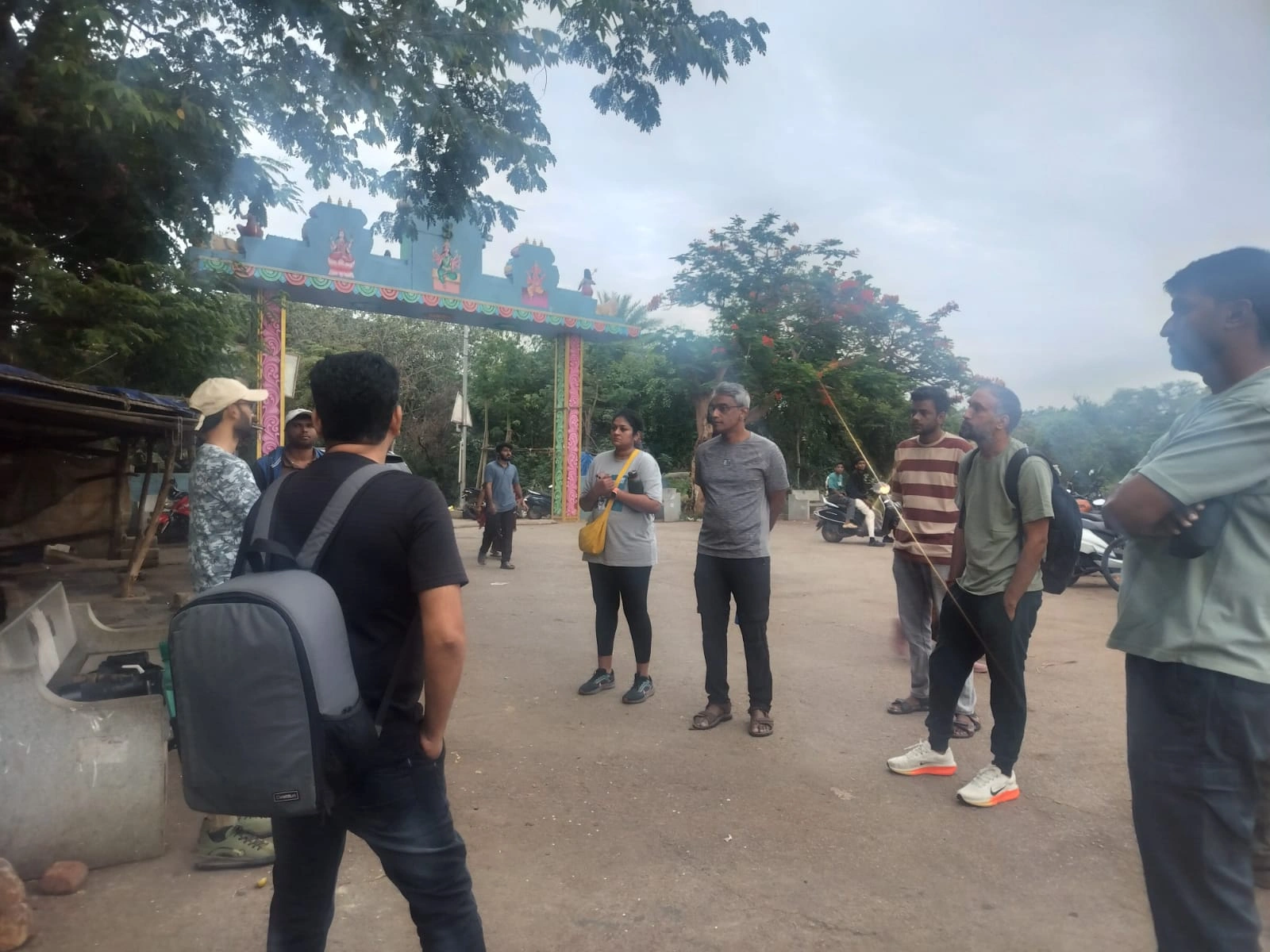
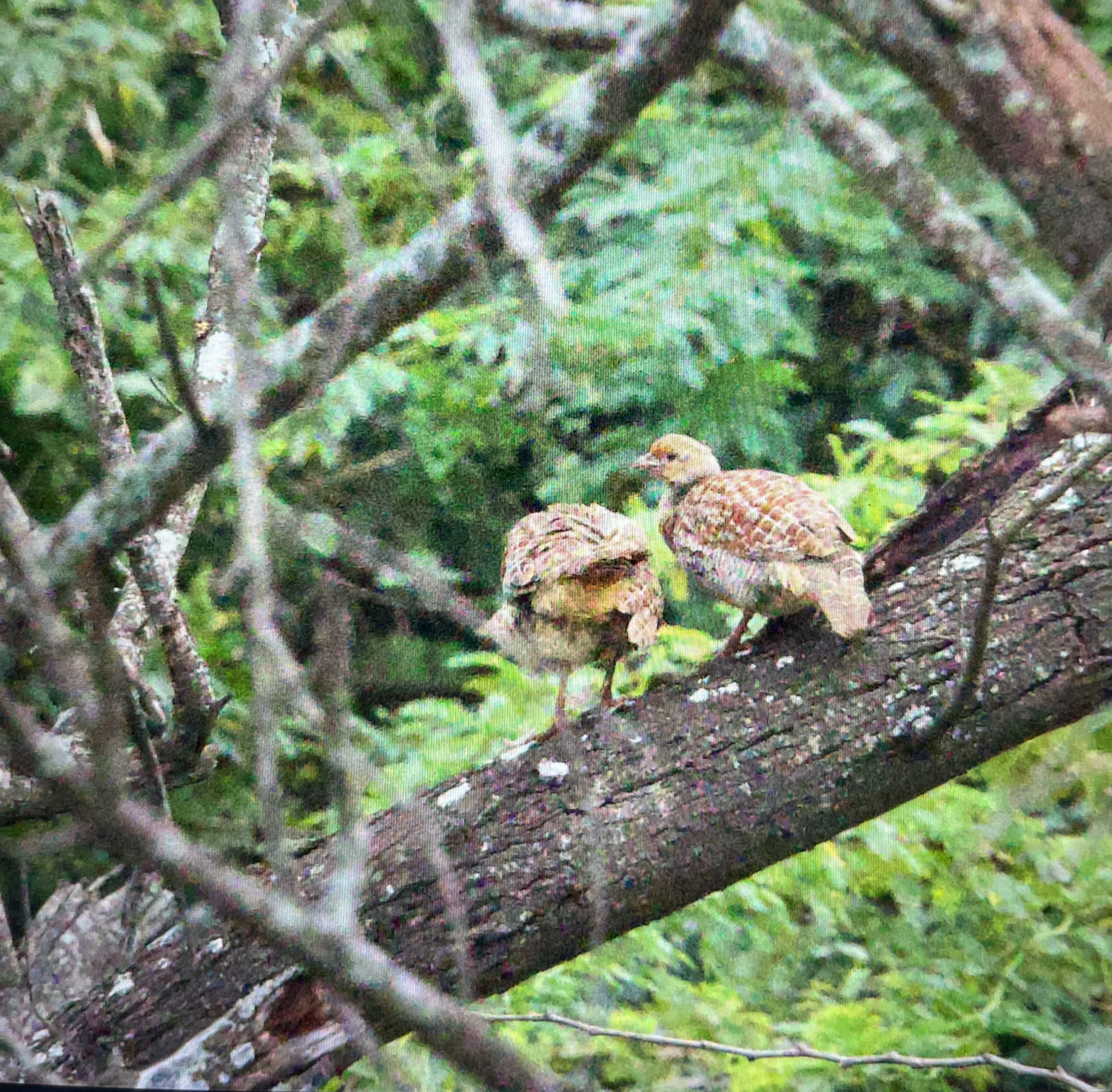
The guided bird walk at Hesaraghatta Lake welcomed 15 participants for a rewarding morning exploring one of Bengaluru’s finest grassland and wetland birding destinations. Known for its vast open landscapes, seasonal wetlands, and rich biodiversity, Hesaraghatta consistently attracts birders from across the city. Throughout the morning, participants explored different habitats while learning about bird identification, behaviour, and the ecological importance of grasslands—one of India’s most threatened ecosystems. The group recorded an impressive 37 bird species, with every section of the trail offering new discoveries and engaging discussions about the remarkable diversity supported by this unique landscape. The undisputed highlight of the walk was watching a Pied Kingfisher hover effortlessly before plunging into the water to catch its prey, showcasing one of nature’s most spectacular hunting techniques. A beautifully camouflaged pair of Grey Francolins quietly foraged through the scrub, while the metallic calls of the Coppersmith Barbet echoed through the trees. The biggest surprise came with the sighting of the elusive Blue-faced Malkoha, a shy species rarely seen so well, sending excitement through the entire group. Hesaraghatta Lake continues to be an invaluable refuge for grassland and wetland birds, making it an exceptional destination for birdwatching while highlighting the importance of protecting these rapidly disappearing natural habitats.
Number of Participants
0
Scroll to Top