
Bird Walk at Pallom Kottayam, Kerala
- Kottayam
- 26 July, 2026
- Narendran MM
About Pallom, Kottayam
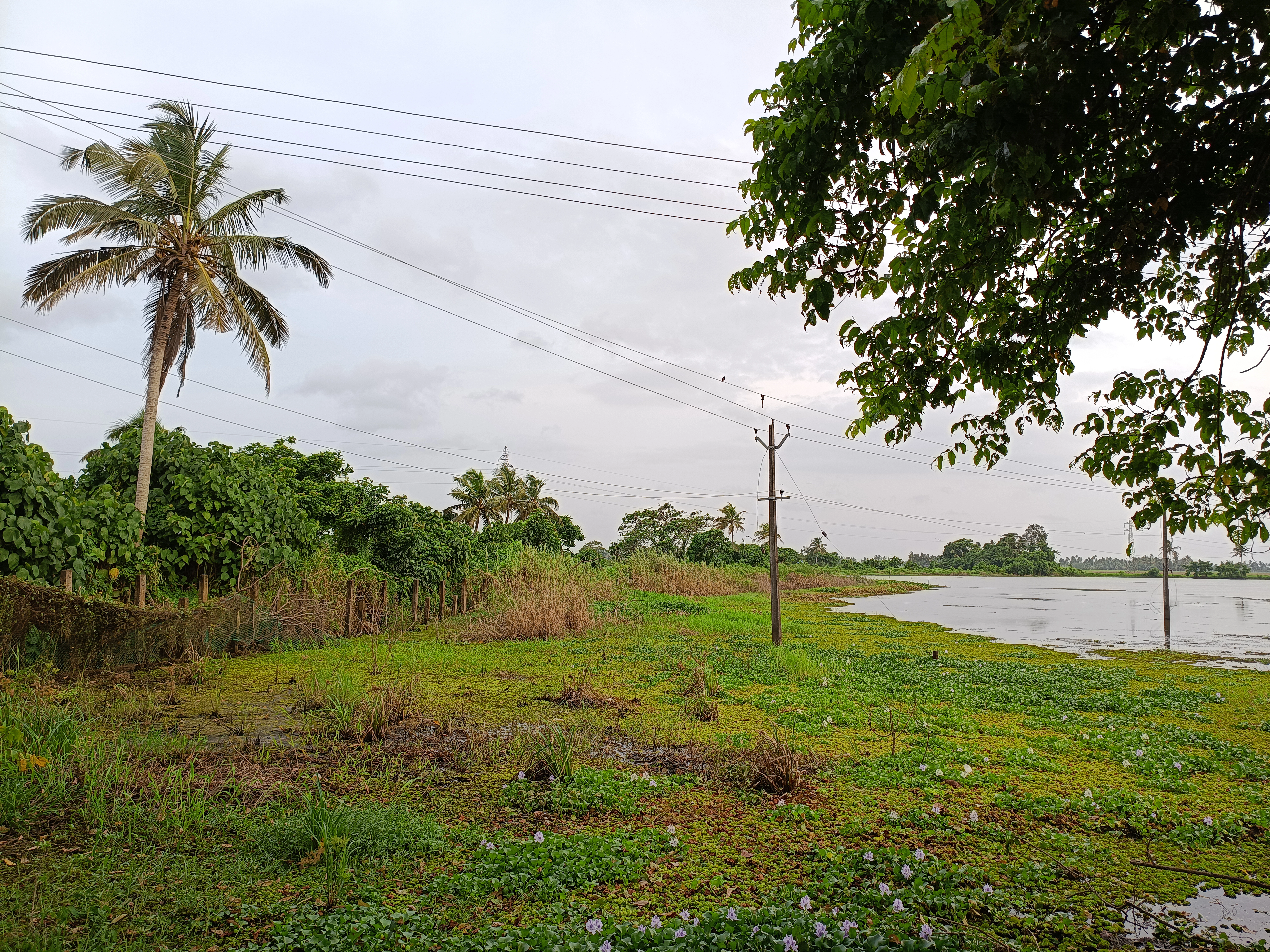
Pallom, located near Kottayam in Kerala, is surrounded by an intricate network of rivers, canals, paddy fields, marshes, and freshwater wetlands that form part of the region’s rich backwater ecosystem. The area’s lush vegetation, aquatic habitats, and tree-lined waterways support an exceptional diversity of birds, fish, amphibians, and other wildlife. Its peaceful wetland landscapes make Pallom a rewarding destination for birdwatching, photography, and experiencing Kerala’s unique natural heritage.
The wetlands of Pallom provide essential breeding, feeding, and roosting habitats for numerous resident waterbirds, while migratory species arrive during the winter to further enrich the region’s biodiversity. Like many wetlands across Kerala, these habitats face threats from urbanisation, pollution, wetland reclamation, and habitat disturbance. Protecting these interconnected freshwater ecosystems is crucial for conserving the rich birdlife they support.

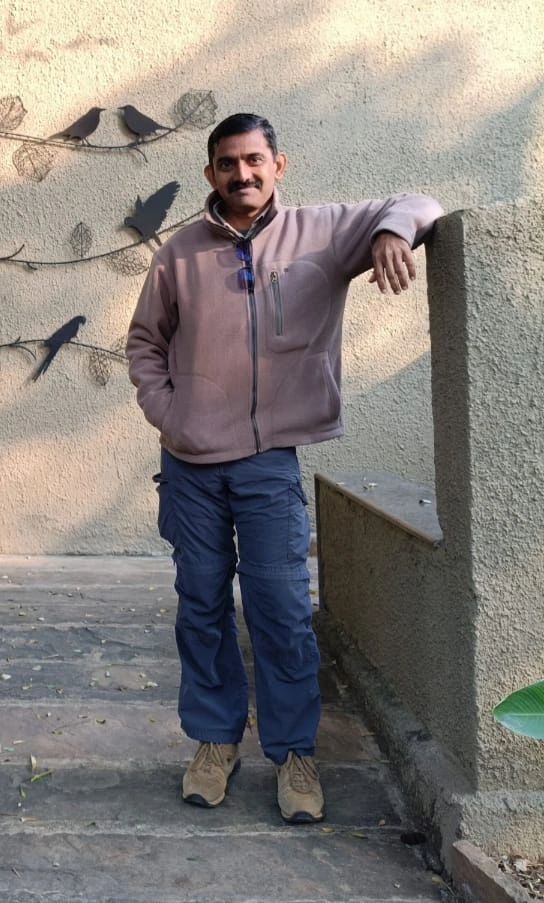
Bird Guide: Narendran M M
He is an experienced naturalist with over 18 years of expertise, having worked at renowned wildlife lodges across India, including Gokarna and Kabini (Karnataka), Satpura and Bandhavgarh (Madhya Pradesh), Corbett (Uttarakhand), and Gir (Gujarat). He is passionate about wildlife interpretation, birdwatching, and creating engaging nature experiences that inspire conservation.
Bird walk Location
Common birds of Pallom
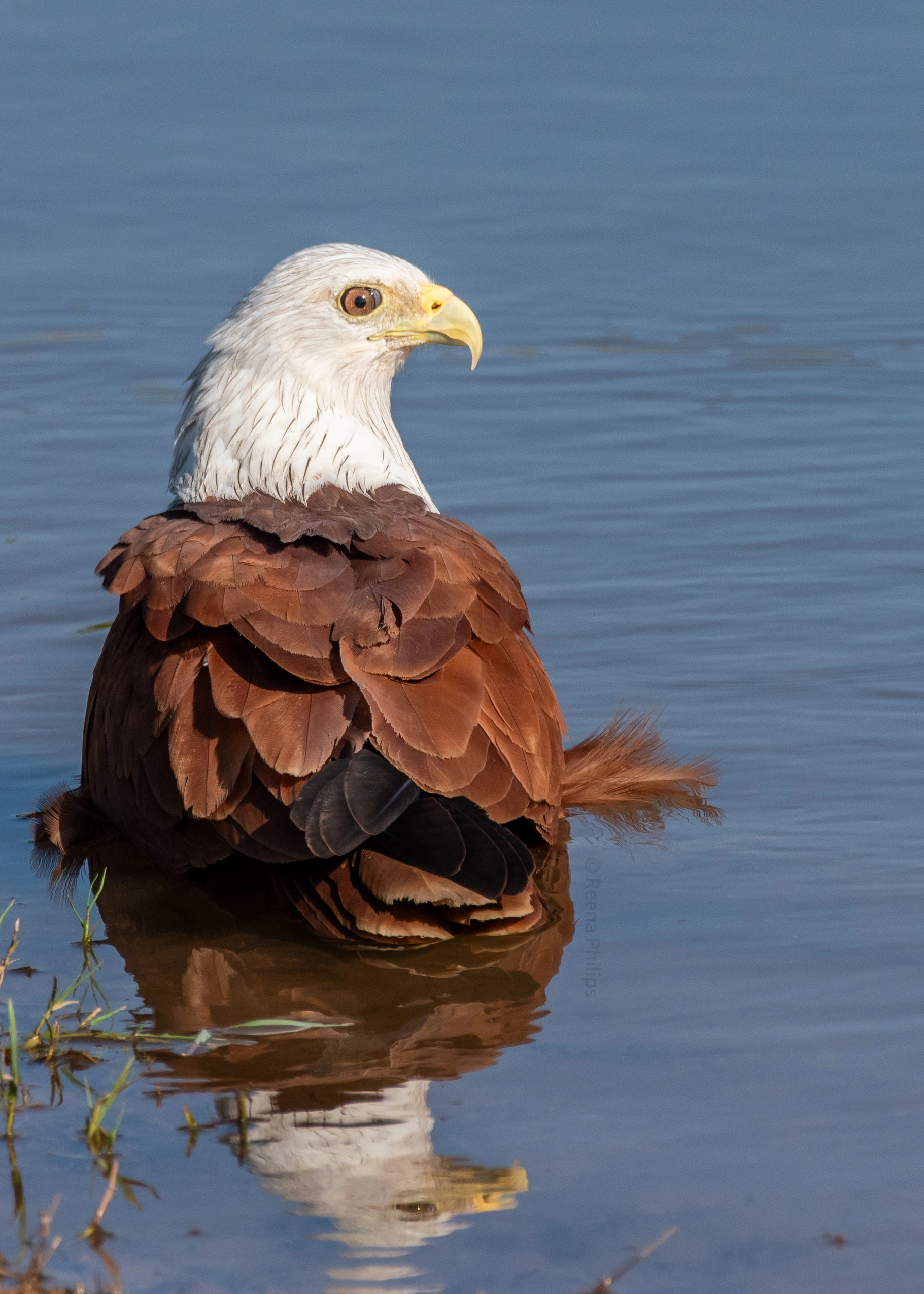
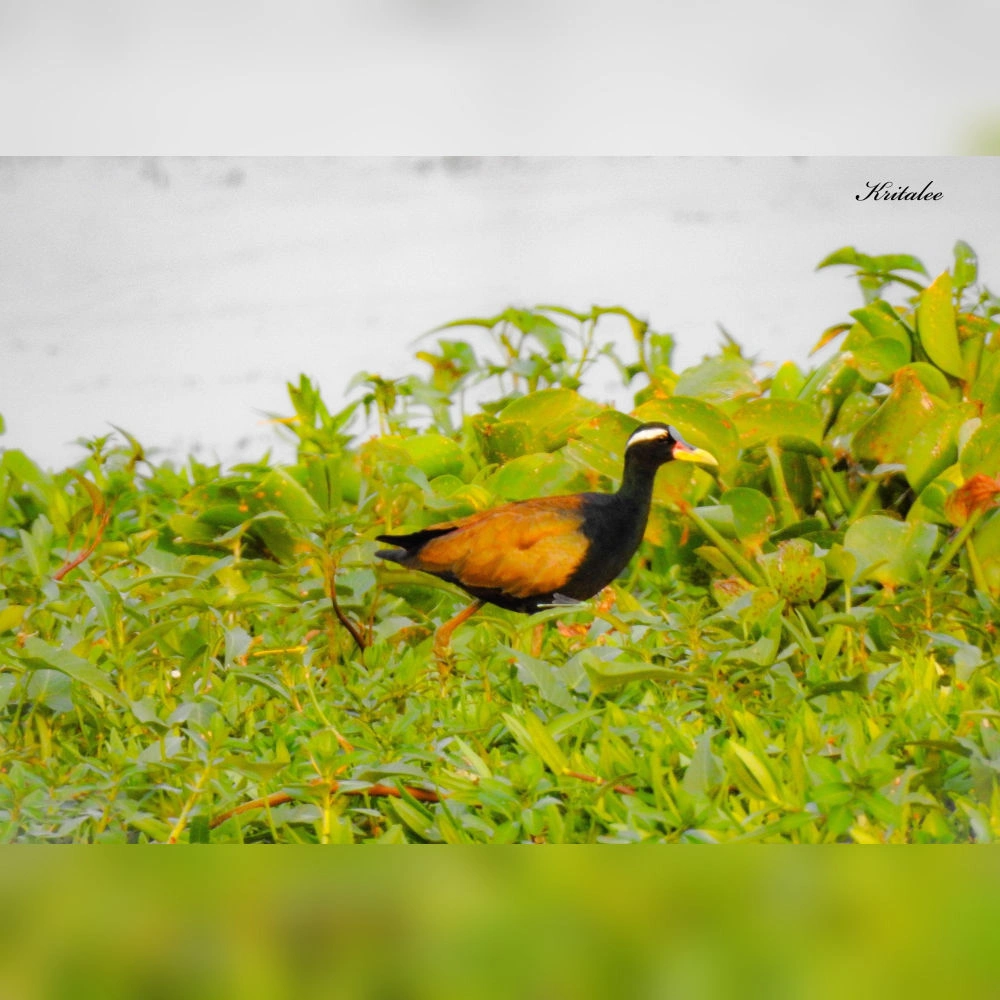
Pallom is an outstanding wetland birding destination where canals, ponds, and paddy fields support a remarkable diversity of aquatic and woodland birds. Visitors can observe Oriental Darters, Little and Indian Cormorants, Purple Herons, Indian Pond-Herons, Black-crowned Night Herons, Lesser Whistling Ducks, Indian Spot-billed Ducks, Purple Swamphens, Bronze-winged and Pheasant-tailed Jacanas, and Brahminy Kites around the wetlands. The surrounding trees are home to White-throated and Stork-billed Kingfishers, Black Drongos, Ashy Woodswallows, Asian Koels, Rose-ringed Parakeets, Red-vented Bulbuls, and House Crows, making Pallom one of Kottayam’s finest locations for observing Kerala’s vibrant wetland birdlife.

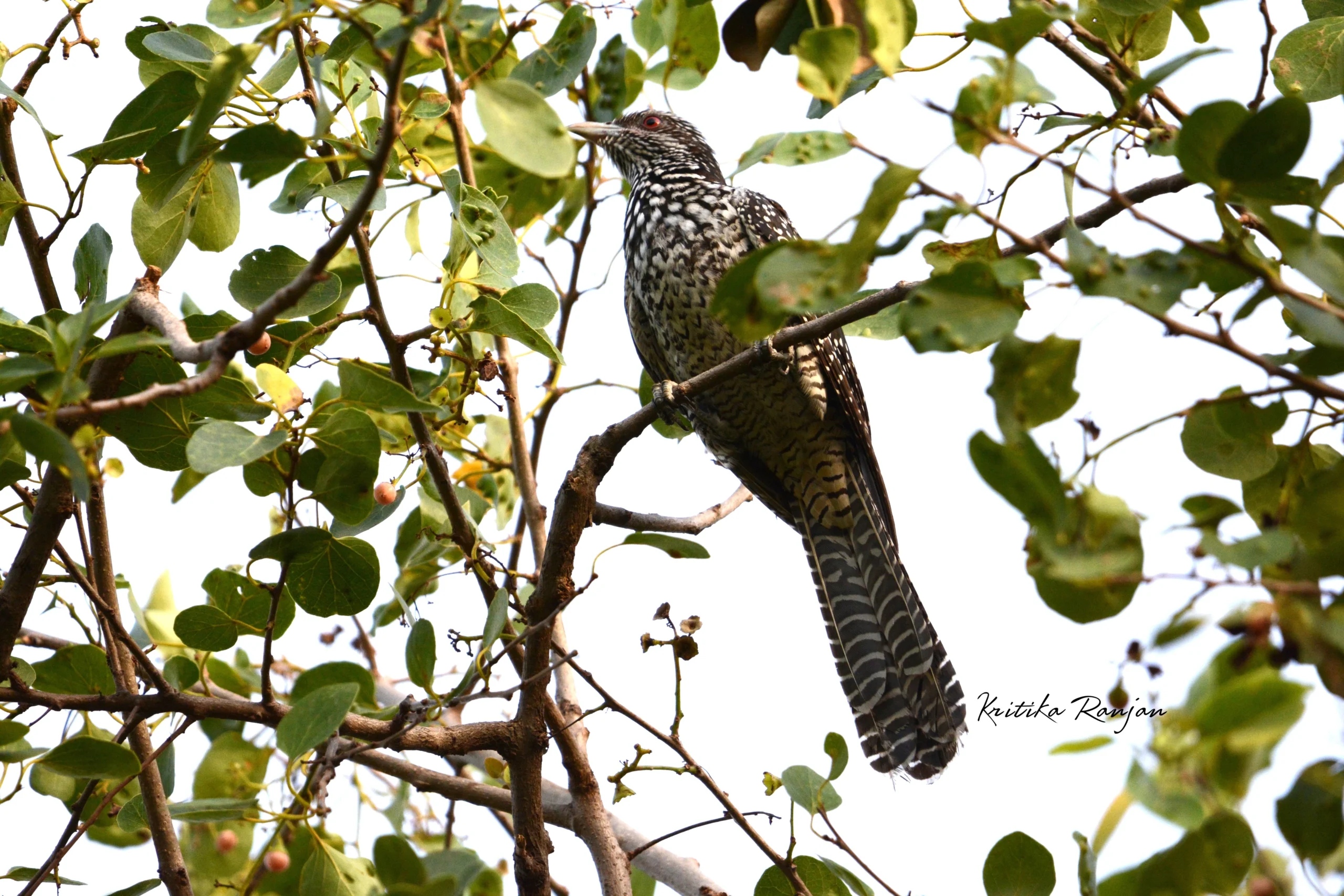
Asian Koel

Black Drongo

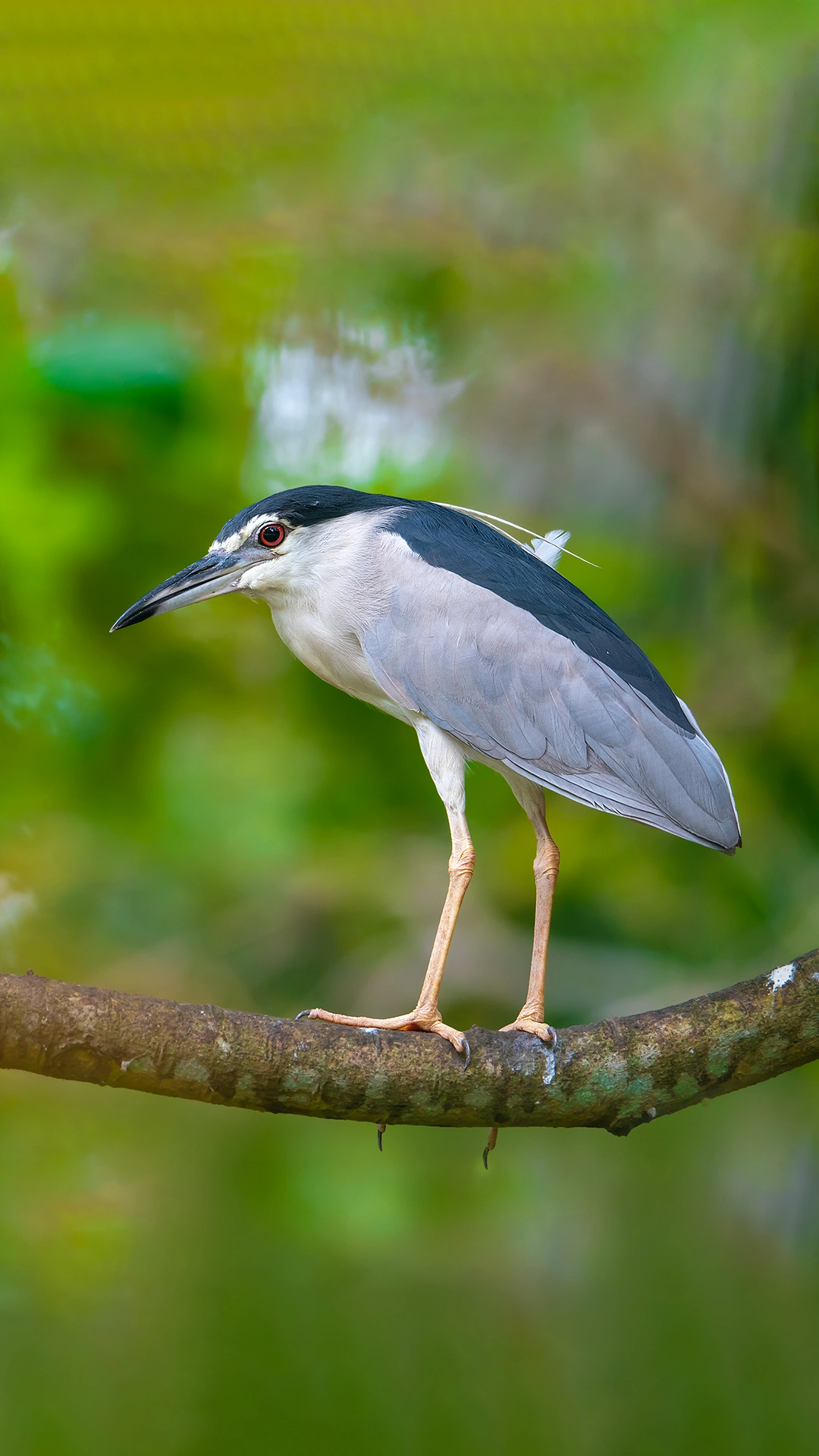
Black-crowned Night Heron
Brahminy Kite
Bronze-winged Jacana

House Crow

Indian Cormorant
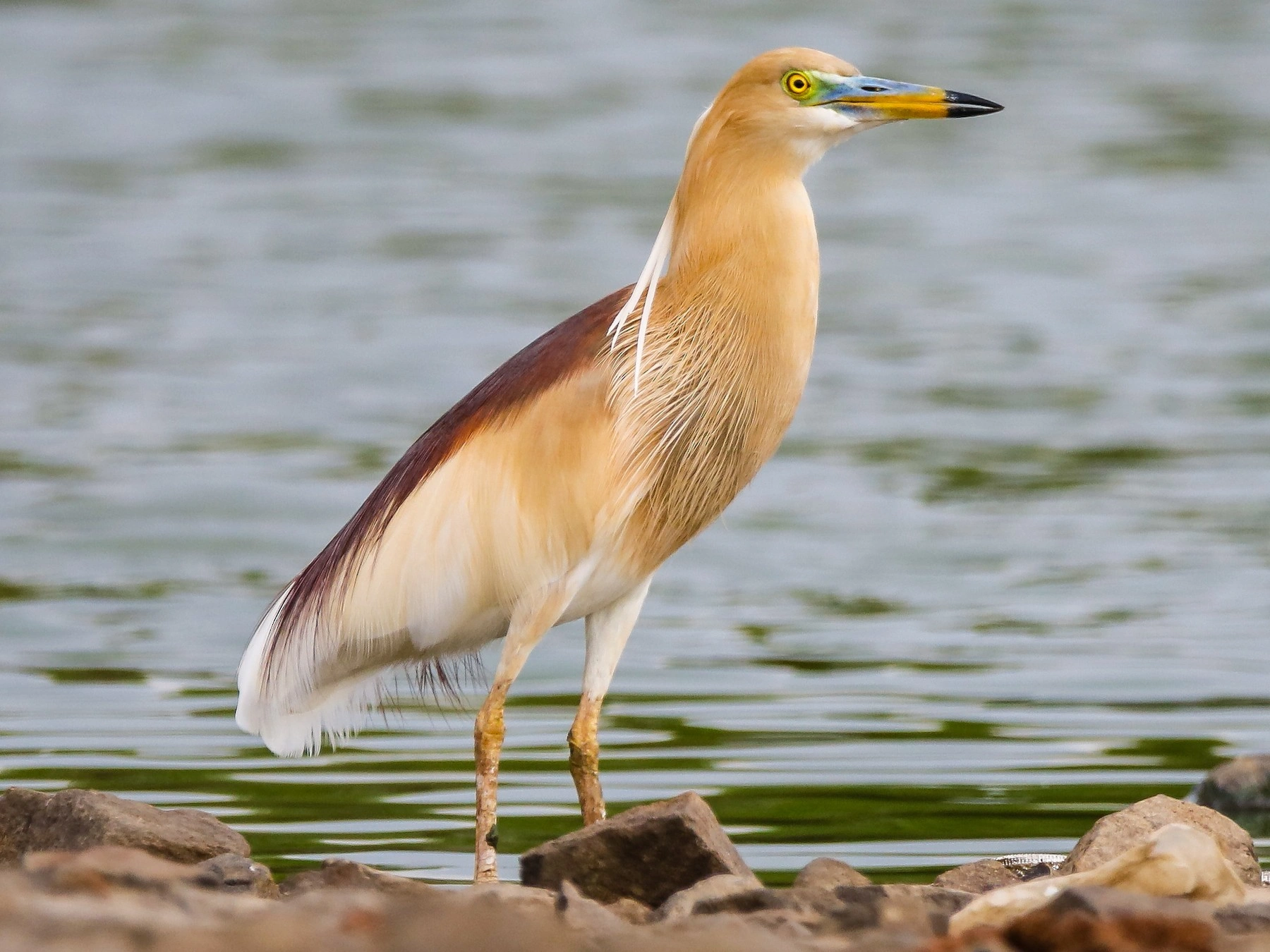
Indian Pond-Heron

Indian Spot-billed Duck
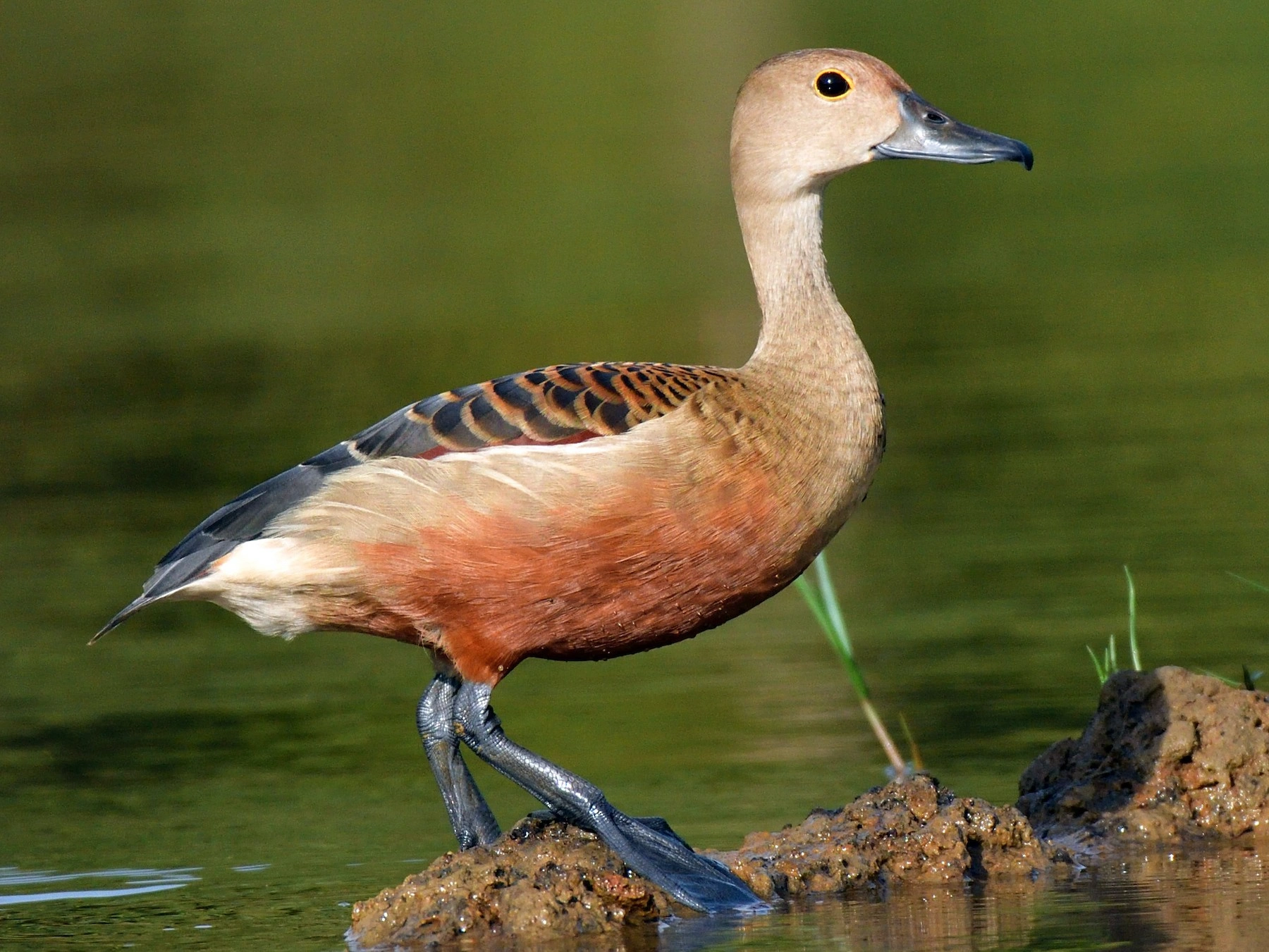
Lesser Whistling Duck

Little Cormorant

Oriental Darter
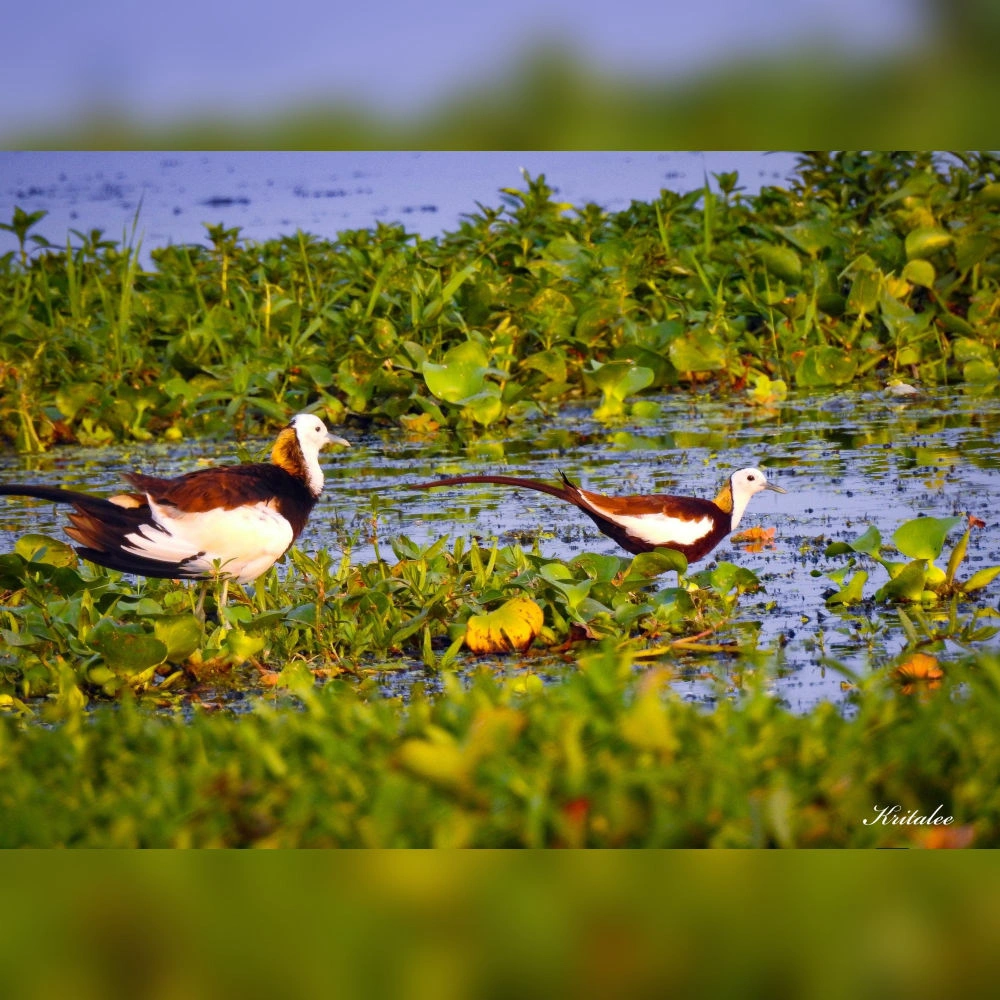
Pheasant-tailed Jacana

Purple Heron

Red-vented Bulbul
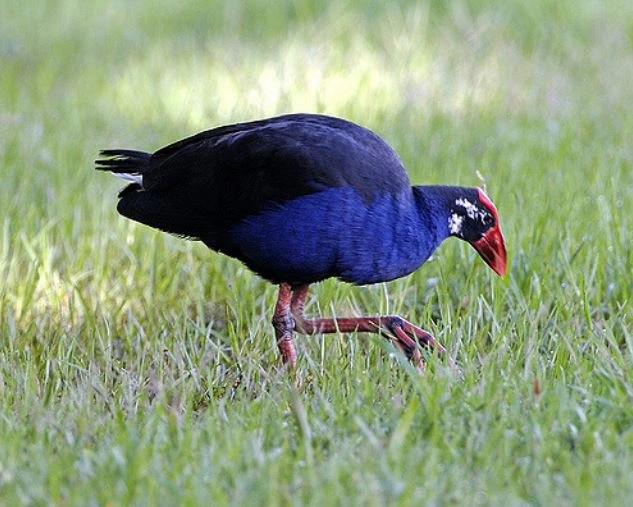
Purple Swamphen
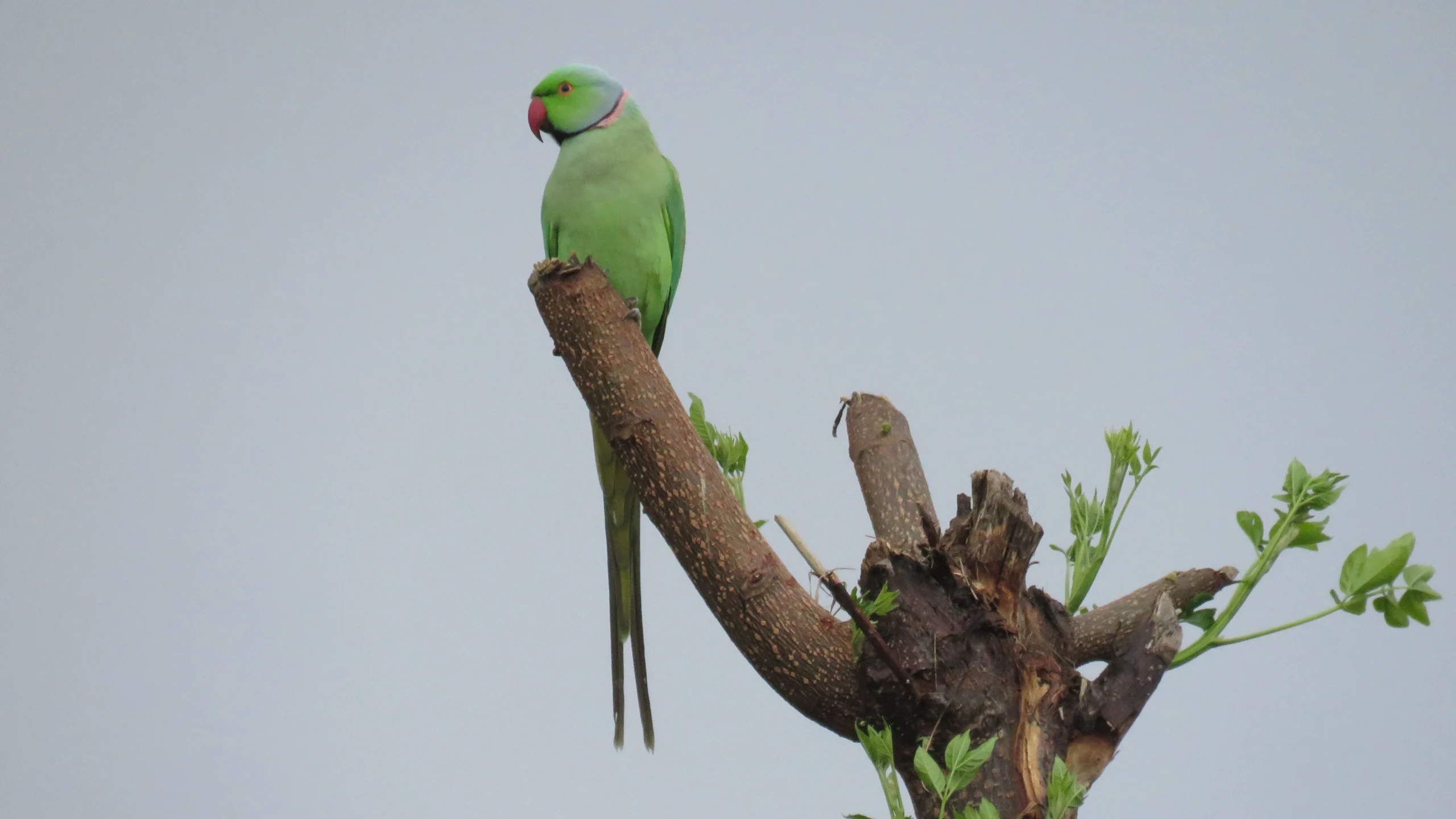
Rose-ringed Parakeet
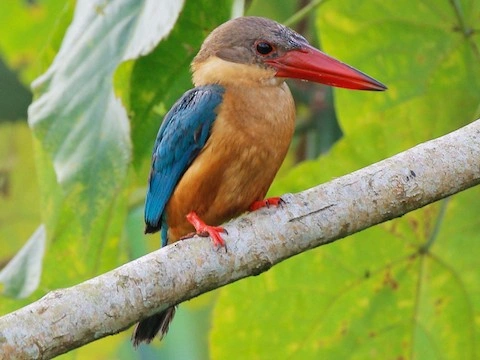
Stork-billed Kingfisher
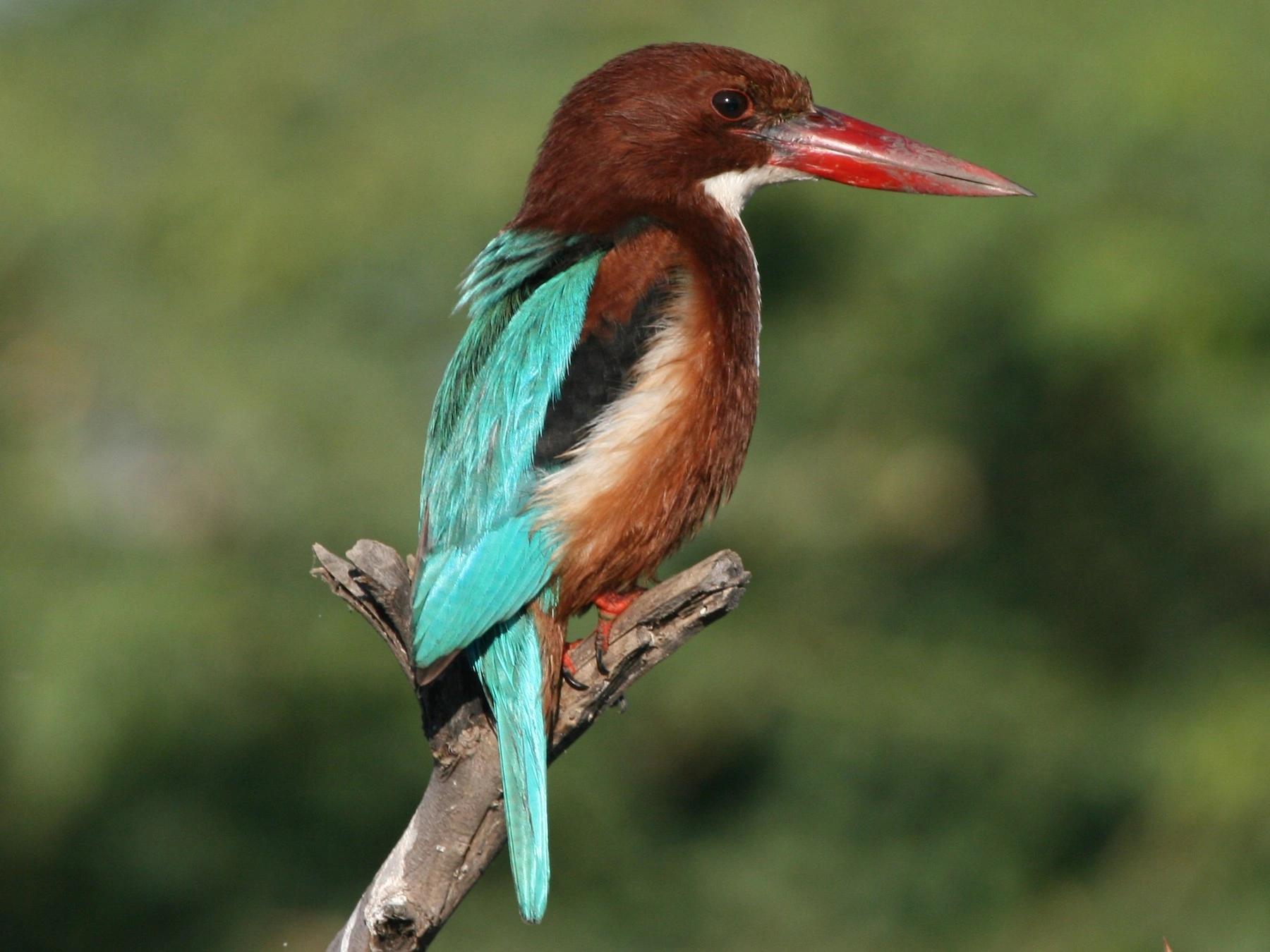
White-throated Kingfisher
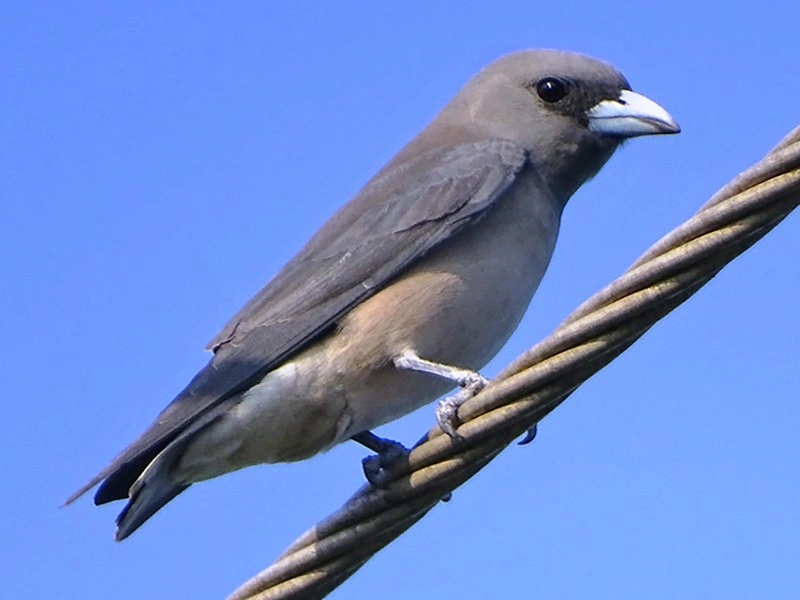

Ashy woodswallow
Summary of Walk
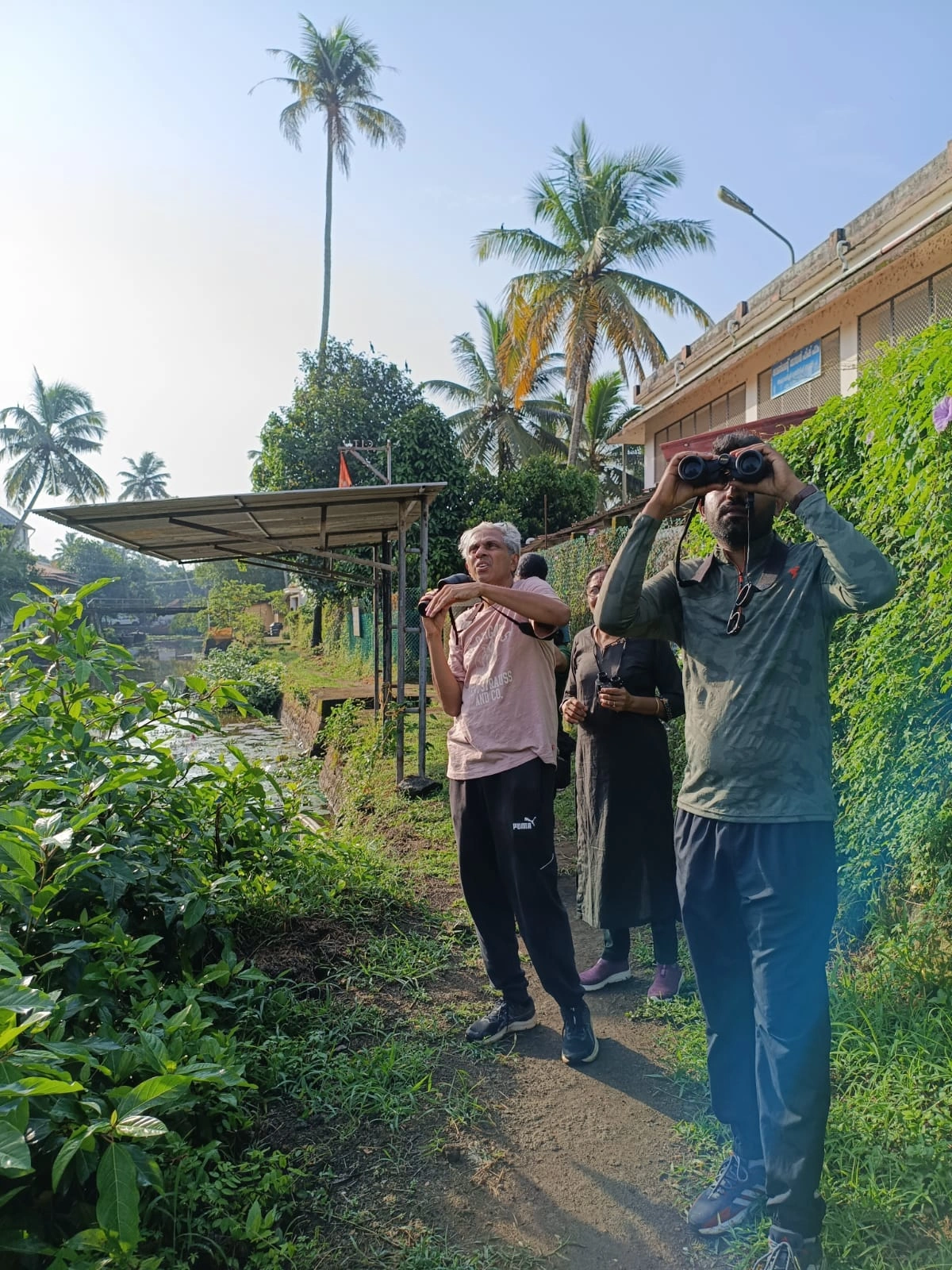
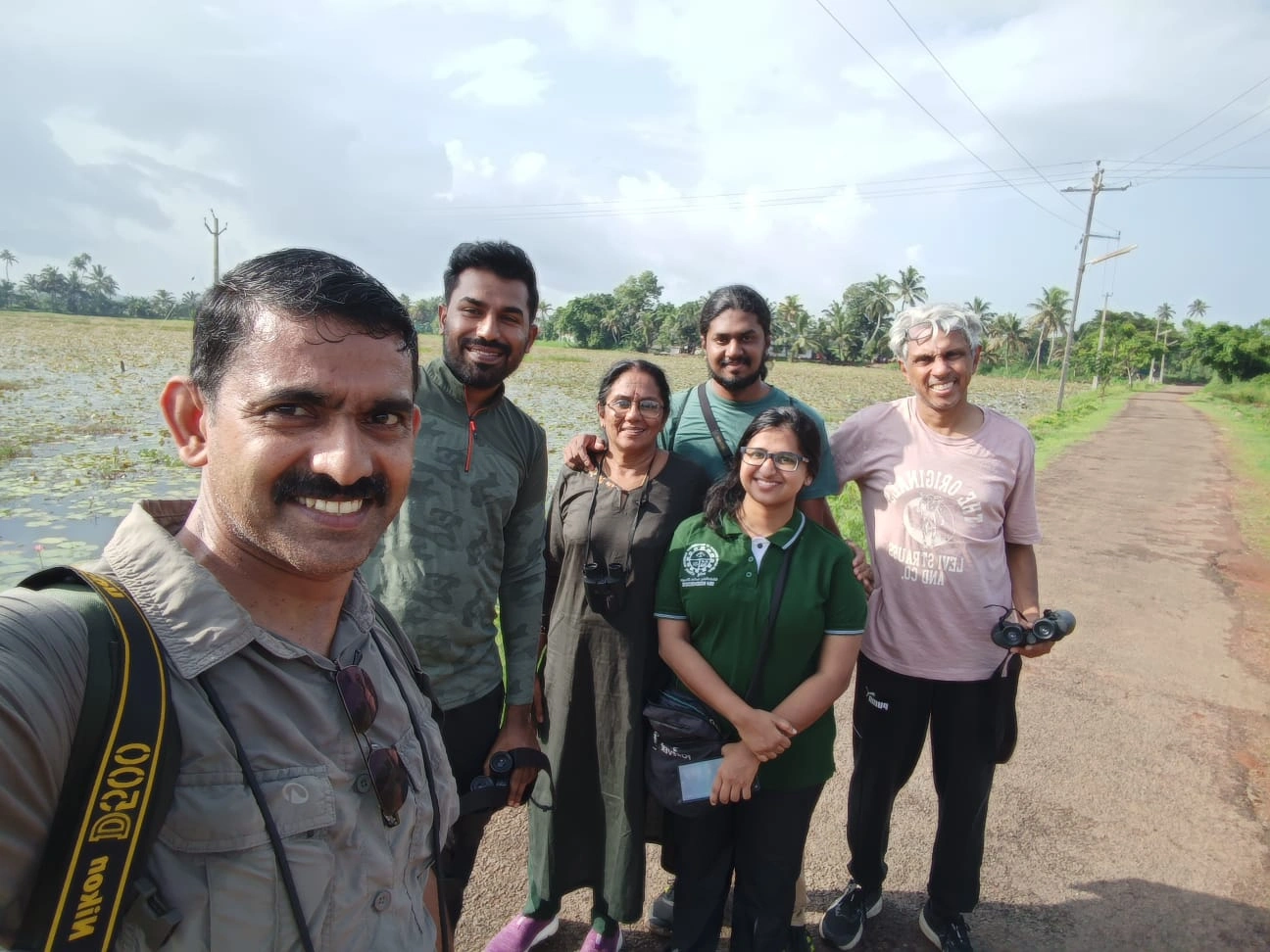
The guided bird walk at Pallom, led by Narendran M. M., brought together six enthusiastic participants to explore the rich wetland ecosystems of Kottayam. Throughout the morning, participants actively engaged in observing birds while learning about their plumage, colours, vocalisations, behaviour, and ecological roles. The slow-paced walk encouraged everyone to carefully appreciate the finer details of each species rather than simply adding birds to a checklist. The wetlands and surrounding vegetation supported an excellent diversity of birdlife, resulting in a total of 31 bird species being recorded during the outing. The interactive nature of the session made it particularly enjoyable for both beginners and experienced birdwatchers.
Some of the most memorable moments included observing Little Cormorant roosting colonies, Baya Weavers actively building nests, and Oriental Darter juveniles, providing participants with fascinating insights into breeding behaviour and colony nesting. Other notable sightings included Purple Heron, Brahminy Kite carrying a fish, Cotton Pygmy Goose, Lesser Whistling Duck, White-throated Kingfisher, Stork-billed Kingfisher, and Black-crowned Night Heron. Pallom’s network of wetlands offers ideal habitat for both resident and migratory waterbirds, making it one of Kerala’s rewarding birdwatching destinations. The walk highlighted the ecological significance of healthy wetlands while encouraging participants to become more aware of the importance of conserving these fragile ecosystems.
Number of Participants
0