

Bird Walk at Malle Nalsandra (Bannerghatta Road), Bangalore, Karnataka
- Bangalore
- 25 July, 2026
- Rahuldev Rajguru
This walk is a special nocturnal bird walk. Only 18+ people are eligible to register.
About Malle Nalsandra
Located on the southern outskirts of Bengaluru, Malle Nalsandra is a serene countryside birding destination where open grasslands, agricultural fields, scrub forests, rocky outcrops, and seasonal water bodies come together to create a rich mosaic of habitats. The landscape supports an impressive variety of birds throughout the year, from grassland specialists and raptors to woodland and wetland species. Native trees, flowering shrubs, and cultivated farmlands provide food and shelter for numerous birds, making the area particularly rewarding during the early morning and late evening hours when bird activity is at its peak.
Malle Nalsandra offers a peaceful escape from the city’s bustle while showcasing the biodiversity of Bengaluru’s rapidly disappearing rural landscapes. Birdwatchers can enjoy a mix of resident and seasonal visitors, with opportunities to observe interesting bird behaviour, nesting activity, and soaring raptors across the open countryside. Like many peri-urban habitats around Bengaluru, the area faces increasing pressure from urban expansion, habitat fragmentation, infrastructure development, and changing land-use patterns. Conserving these interconnected grasslands, wetlands, and scrub habitats is essential for protecting the region’s rich birdlife and ensuring that Malle Nalsandra continues to serve as an important refuge for wildlife and a rewarding destination for nature enthusiasts.

Bird Guide: Rahuldev Rajguru
With over 25 years in software and entrepreneurship, he now focuses on birding, wildlife photography, and conservation, while also writing to inspire people to connect with nature.
Common birds of Malle Nalsandra
This region supports a rich mix of wetland and garden birds, making it a rewarding birding destination on Bengaluru’s outskirts. The lake attracts waterbirds such as the Indian Spot-billed Duck, Little Grebe, Eurasian Coot, Grey-headed Swamphen, White-breasted Waterhen, and Oriental Darter, along with the Little Cormorant and Great Cormorant. Wading birds are well represented by the Black-headed Ibis, Indian Pond-Heron, Eastern Cattle Egret, Grey Heron, and Purple Heron, which frequent the shallows and reed edges. The Common Kingfisher and White-throated Kingfisher are regularly seen along the water’s edge, while the Asian Green Bee-eater and White-cheeked Barbet add colour to the surrounding trees. The Rose-ringed Parakeet, Wire-tailed Swallow, and Purple-rumped Sunbird round out the list, reflecting the lake’s value as a mosaic of open water, wetland vegetation, and garden habitat for both resident and migratory species.

Purple-rumped Sunbird

Wire-tailed Swallow

White-throated Kingfisher

Rose-ringed Parakeet

White-cheeked Barbet

Common Kingfisher

Asian Green Bee-eater

Purple Heron

Eurasian Coot
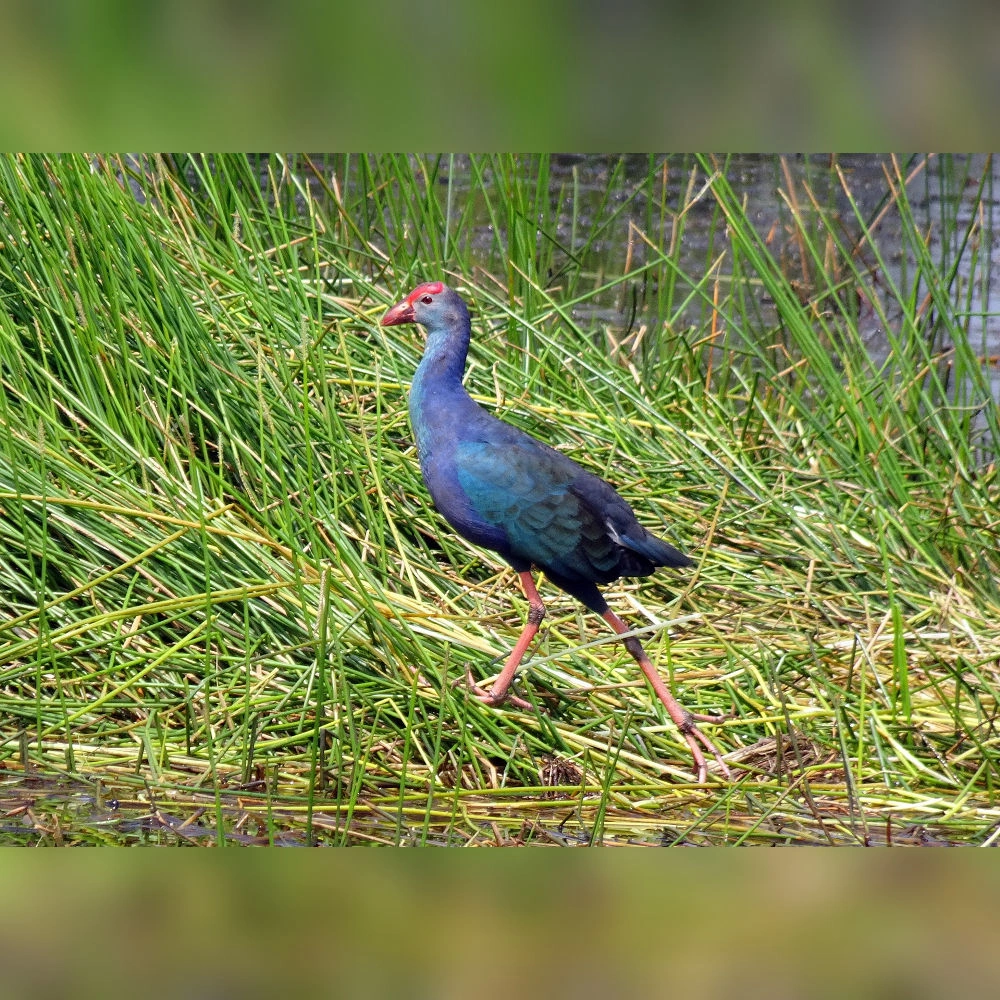
Gray-Headed Swamphen
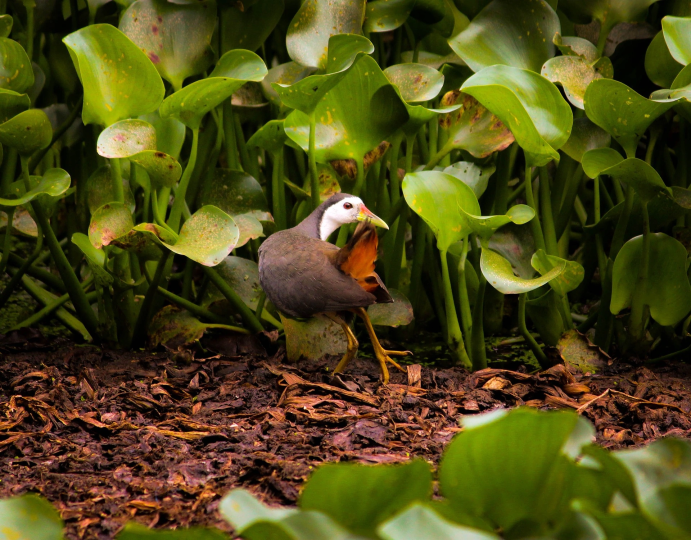
White-Breasted Waterhen

Black-Winged Stilt

Red-Wattled Lapwing
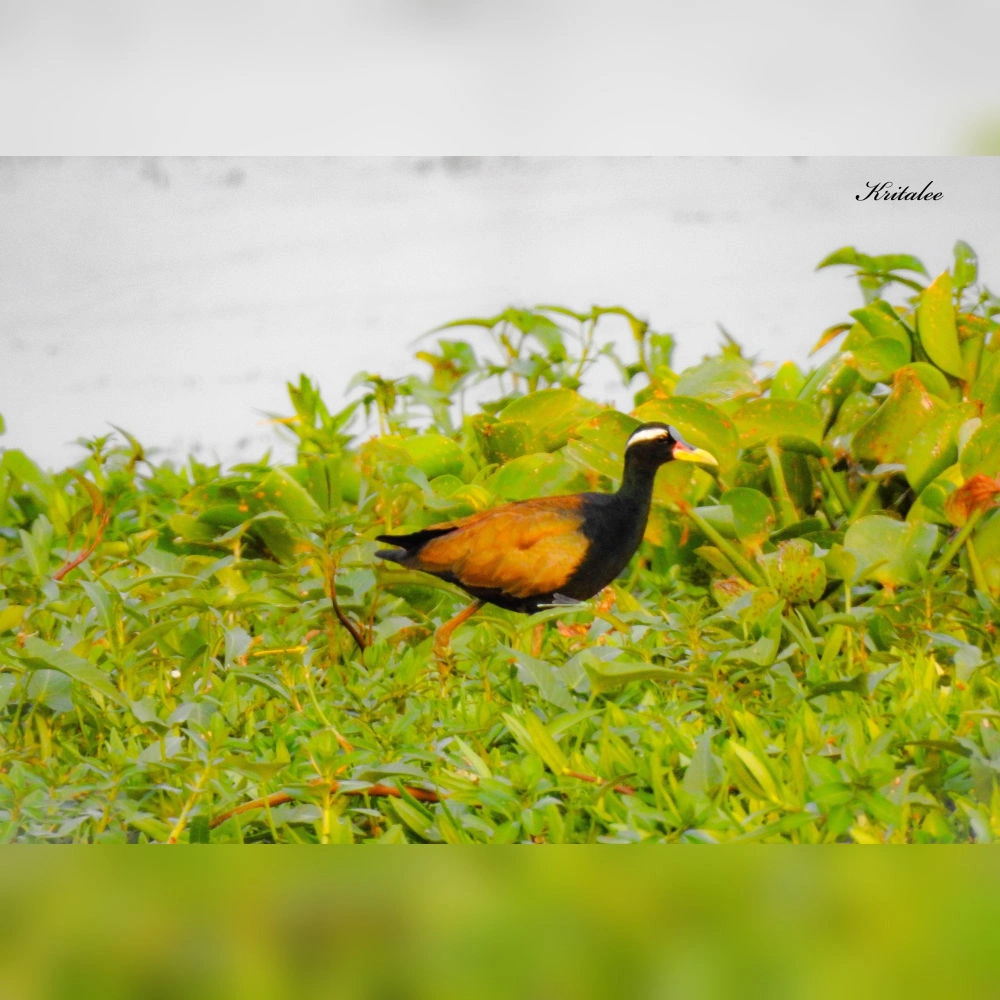
Bronze-Winged Jacana
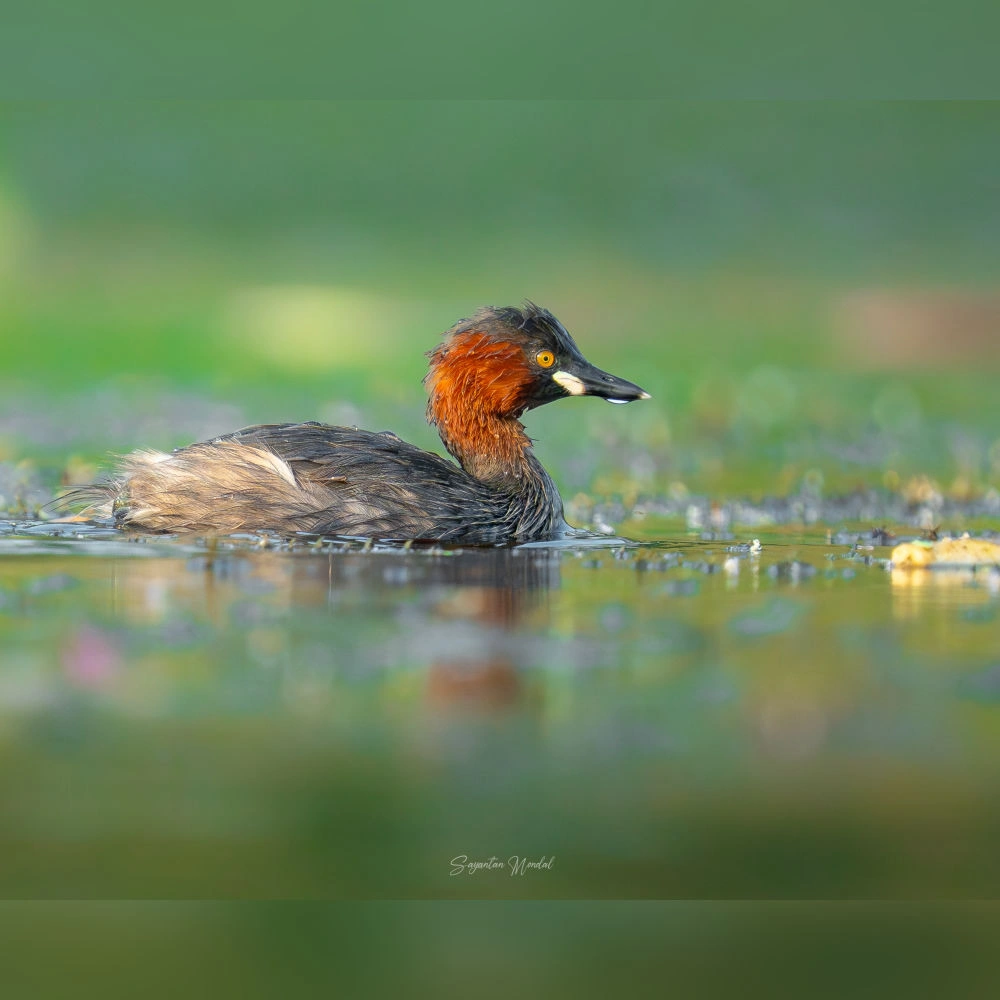
Little Grebe

Black-headed Ibis
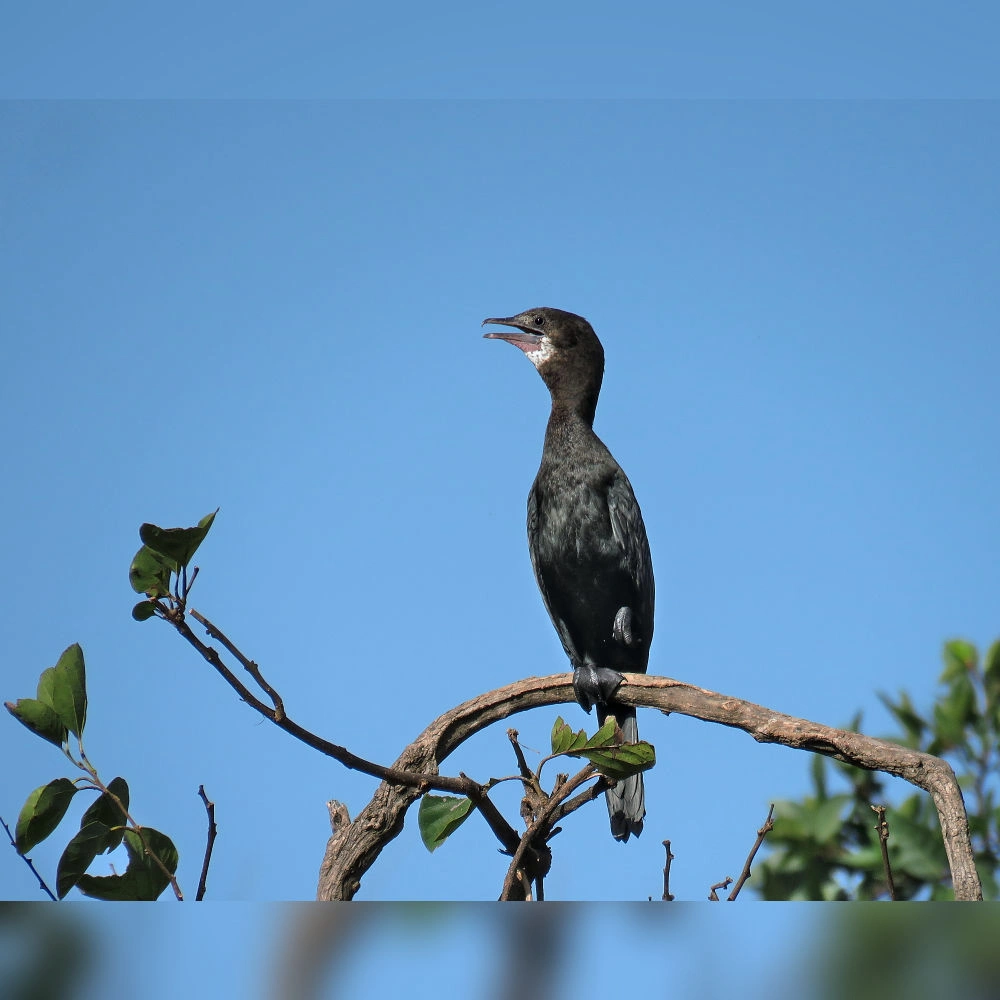
Little Cormorant

Indian Pond Heron

Little Cormorant
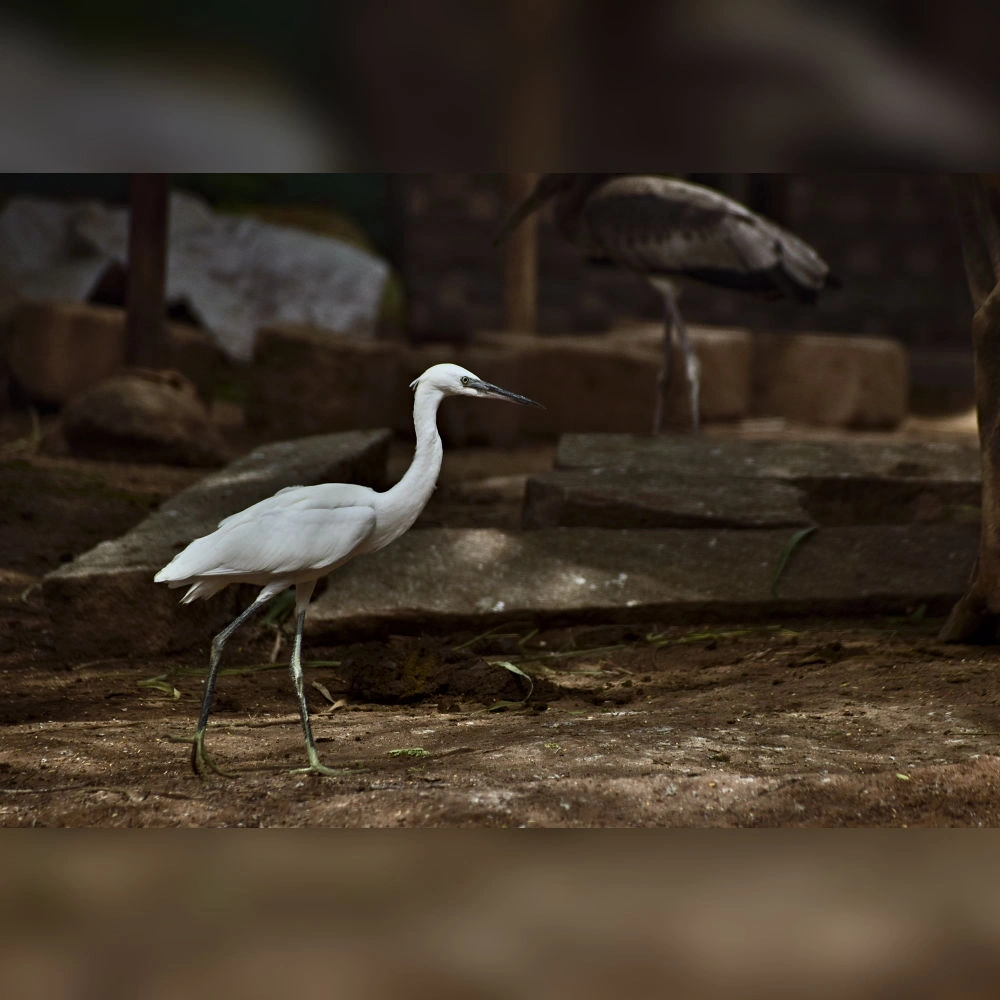

Little Egret
Summary of Walk
The Nocturnal Bird Walk at Malle Nalsandra, led by Rahuldev Rajguru, attracted an enthusiastic group of 10 participants, many of whom travelled over 30 kilometres from different parts of Bengaluru, including Yelahanka, Peenya, Varthur, and the Airport area, to experience the forest after sunset. The overwhelming response reflected the growing interest in exploring a lesser-known side of birdwatching. As dusk settled over the forest, participants were introduced to the unique sounds and behaviour of nocturnal wildlife while learning how bird activity changes from day to night. Although the walk intentionally did not include a checklist, the experience focused on observing behaviour, listening to bird calls, and understanding the ecology of nocturnal habitats, making it an exciting and immersive outing.
While sightings of nocturnal birds were limited, participants enjoyed excellent observations of a Black-crowned Night Heron and heard the calls of Scops Owls echoing through the forest. The real highlight was witnessing the remarkable transition from day to night, when many birds became highly active during dusk before settling for the night. The peaceful atmosphere, forest sounds, and shared excitement made the walk a memorable experience for everyone involved. Malle Nalsandra’s forest habitat offers an excellent setting for understanding nocturnal biodiversity and encourages participants to appreciate wildlife beyond traditional daytime birdwatching. The walk successfully demonstrated that even without numerous sightings, nature can offer unforgettable experiences through sound, observation, and patient exploration.
Number of Participants
0
