
Loading Events

Bird Walk at Vandevi Hill, Pune, Maharashtra

About Vandevi Hill, Pune

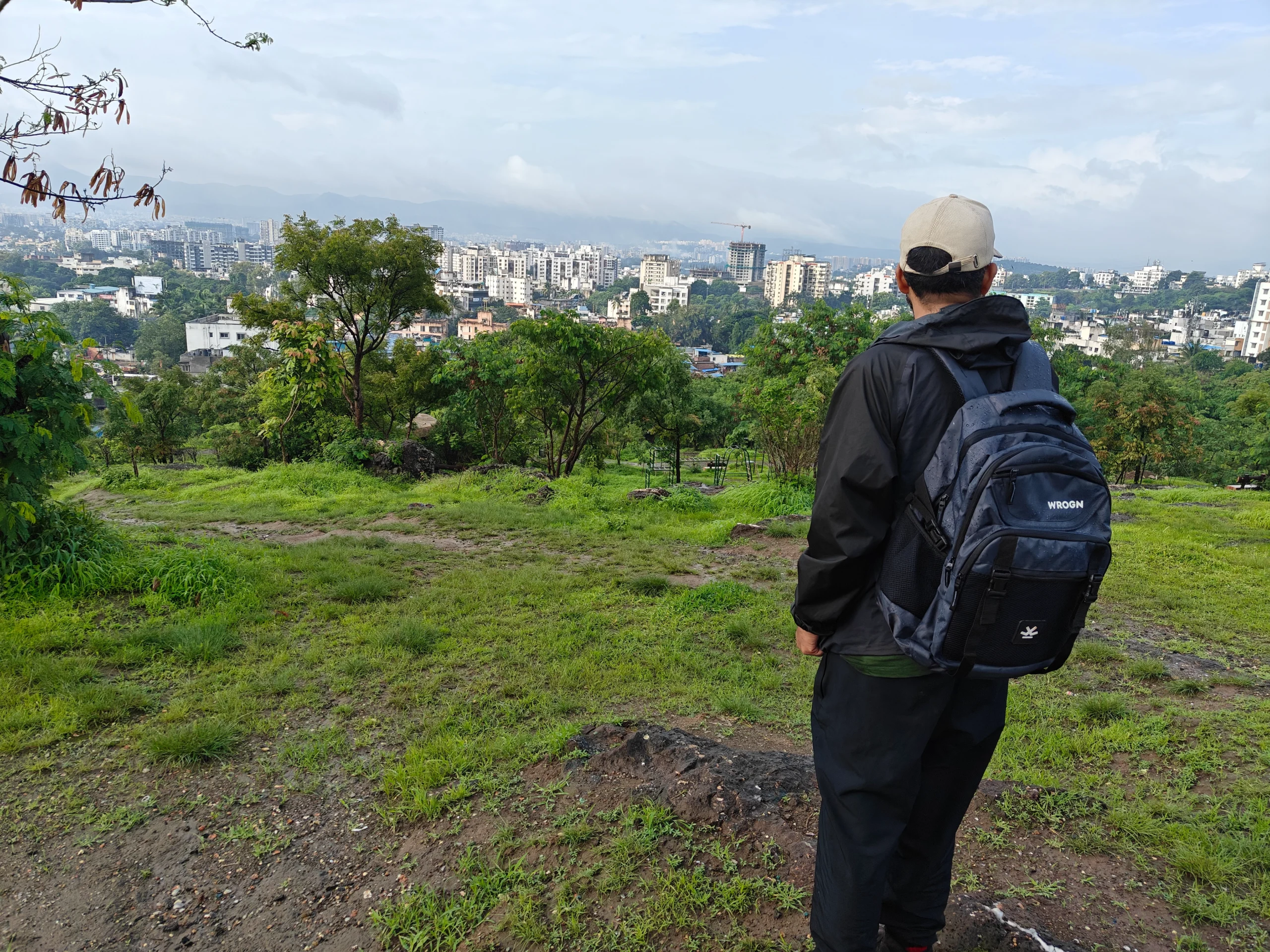
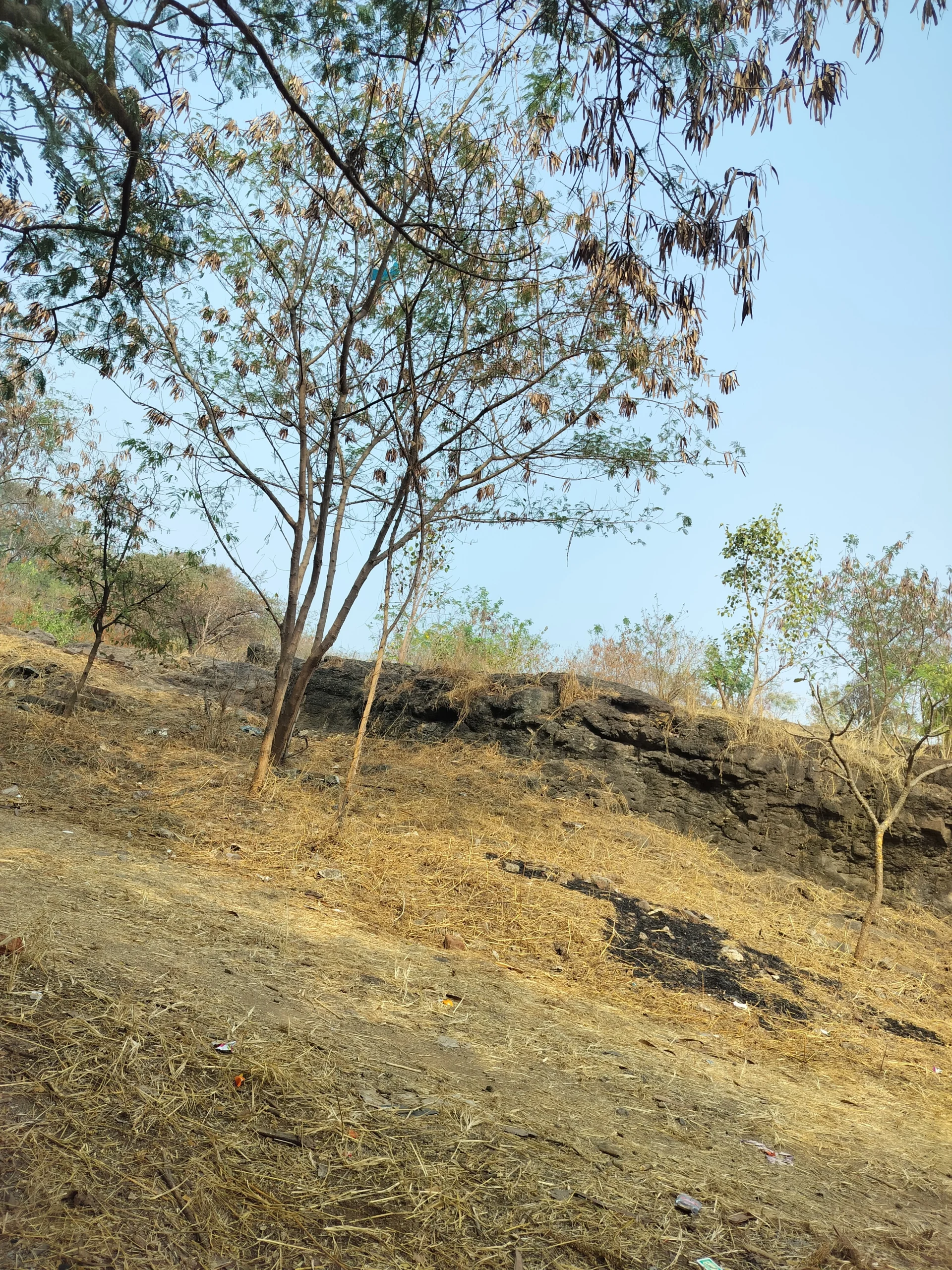
Vandevi Hill is one of Pune’s most cherished urban biodiversity hotspots, offering a refreshing escape into nature within the city limits. Characterized by dry deciduous woodland, scrub vegetation, rocky slopes, native grasslands, and scattered plantations, the hill supports a rich diversity of birds, butterflies, reptiles, and small mammals. Seasonal flowering shrubs and fruiting trees provide food for numerous resident birds, while the elevated terrain offers panoramic views of Pune and peaceful walking trails that attract nature lovers throughout the year.
Despite being surrounded by rapid urban development, Vandevi Hill remains an important green refuge for wildlife and an excellent destination for birdwatching. Early mornings are filled with birdsong as woodland species, insectivores, raptors, and seed-eating birds become active across the landscape. Conservation of this urban forest is increasingly important as it faces pressures from encroachment, infrastructure development, invasive plant species, and recreational disturbance. Protecting Vandevi Hill helps preserve one of Pune’s last remaining natural ecosystems while providing valuable habitat for birds and other wildlife.

Bird Guide - Arjit Jere

An animal ecologist turned nature educator from Pune. He has been birding for research and education since half a decade. He enjoys engaging with public through these colorful marvels through bird walks.
Bird walk Location

Common birds of Vandevi Hill

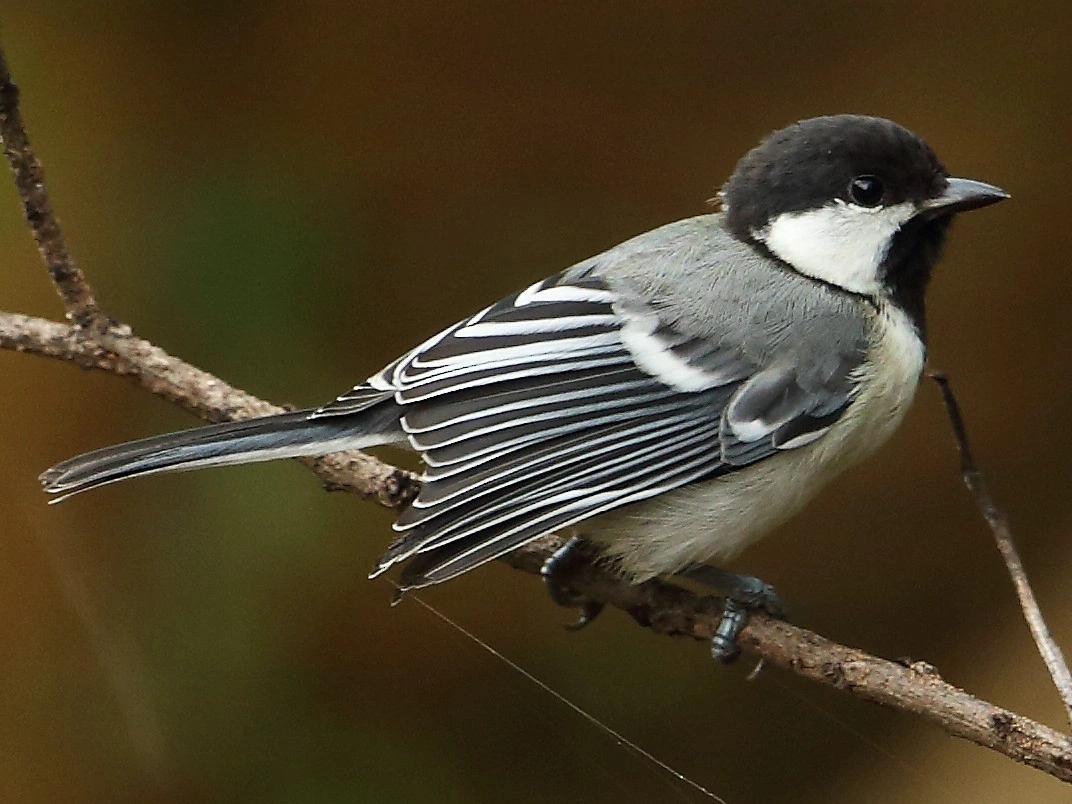
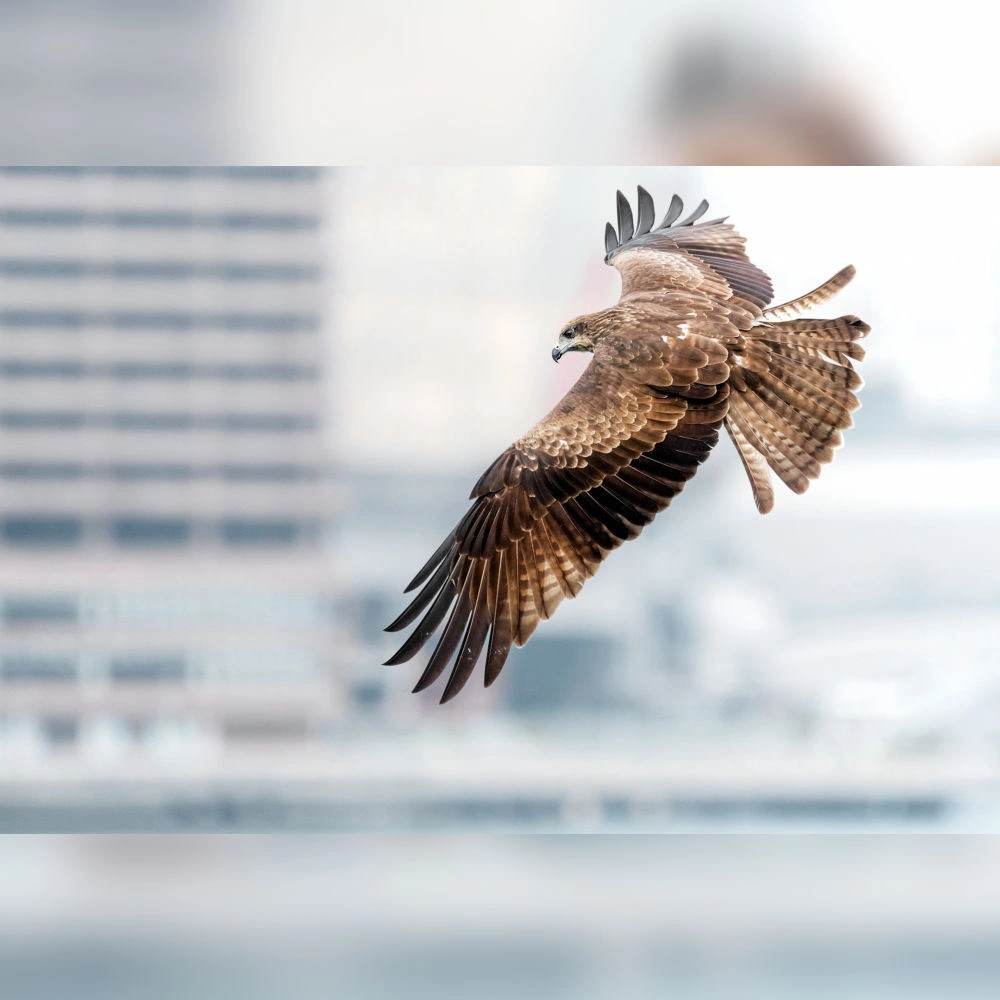
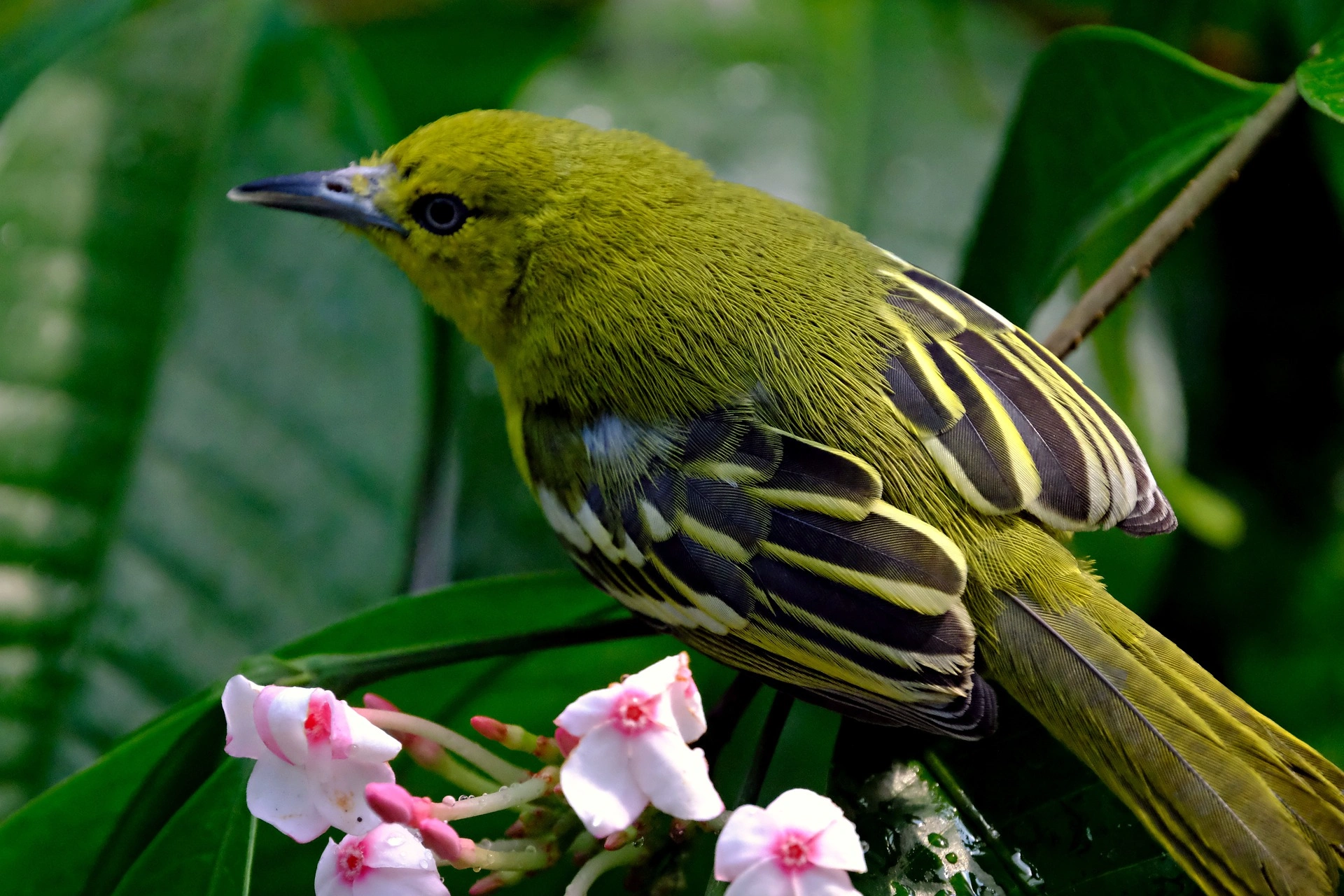
Vandevi Hill offers rewarding birdwatching with a diverse mix of woodland, scrubland, and urban-edge species. Visitors commonly encounter Greater Coucals moving through dense vegetation, Black Kites soaring overhead, and Eastern Cattle-Egrets crossing the skies. Smaller birds such as Asian Tit, Ashy Prinia, Common Tailorbird, Scaly-breasted Munia, Red-vented Bulbul, and Common Myna are abundant along the trails, while Laughing Doves and Rock Pigeons are frequently seen in open areas. The mix of rocky habitats and native trees also attracts colourful woodland birds including the Indian Paradise Flycatcher, White-cheeked Barbet, Coppersmith Barbet, Common Iora, Purple Sunbird, Indian Robin, and Rose-ringed Parakeet. Together, these species make Vandevi Hill one of Pune’s finest urban birding destinations, rewarding visitors with excellent sightings throughout the year.
Ashy Prinia
Asian Tit
Black Kite
Common Iora
Common Myna

Common Tailorbird
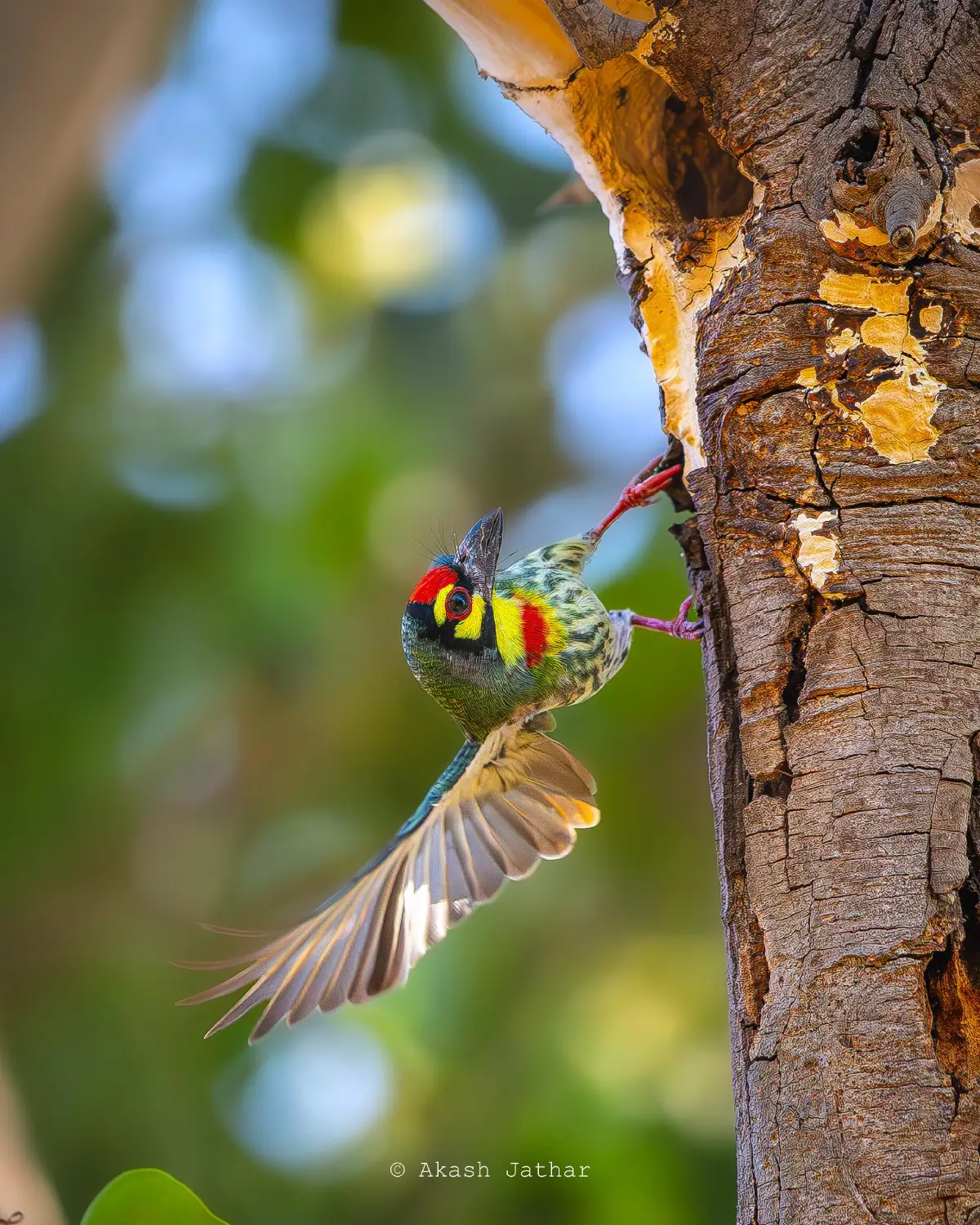
Coppersmith Barbet
Eastern Cattle-Egret
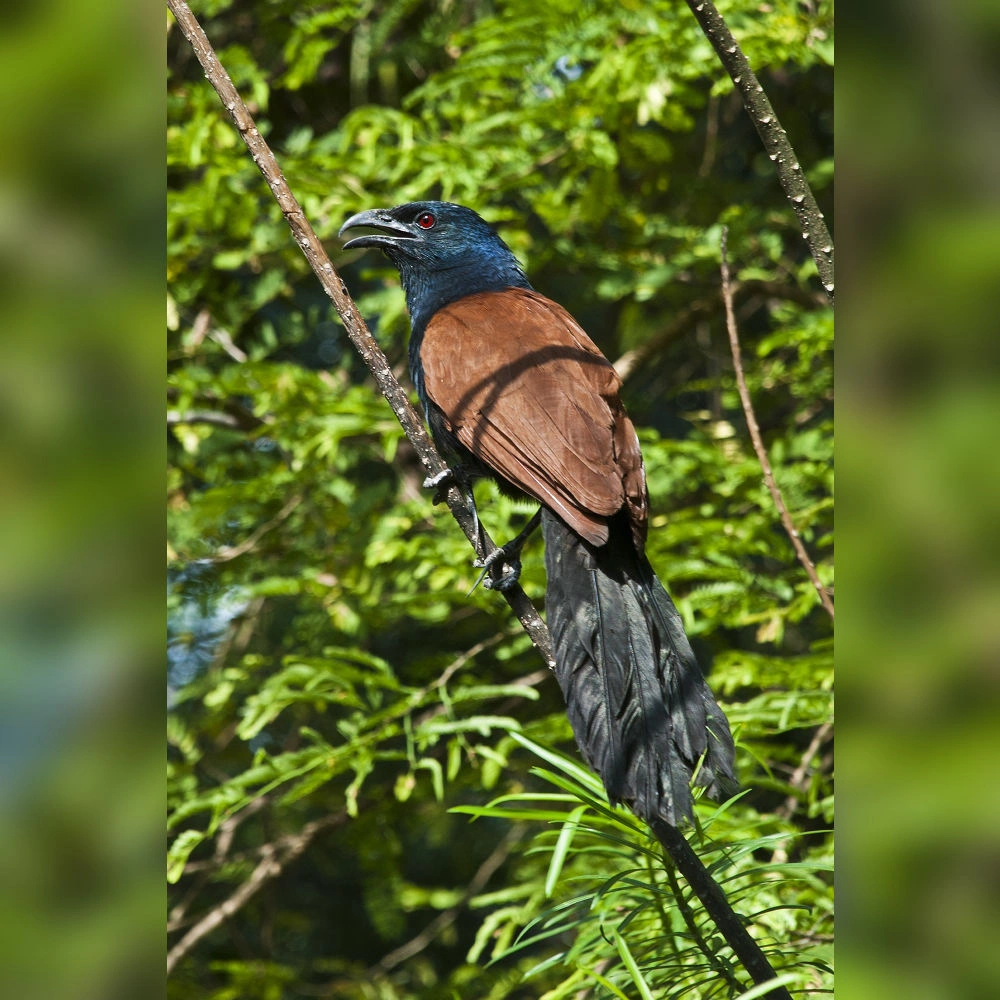
Greater Coucal
House Crow
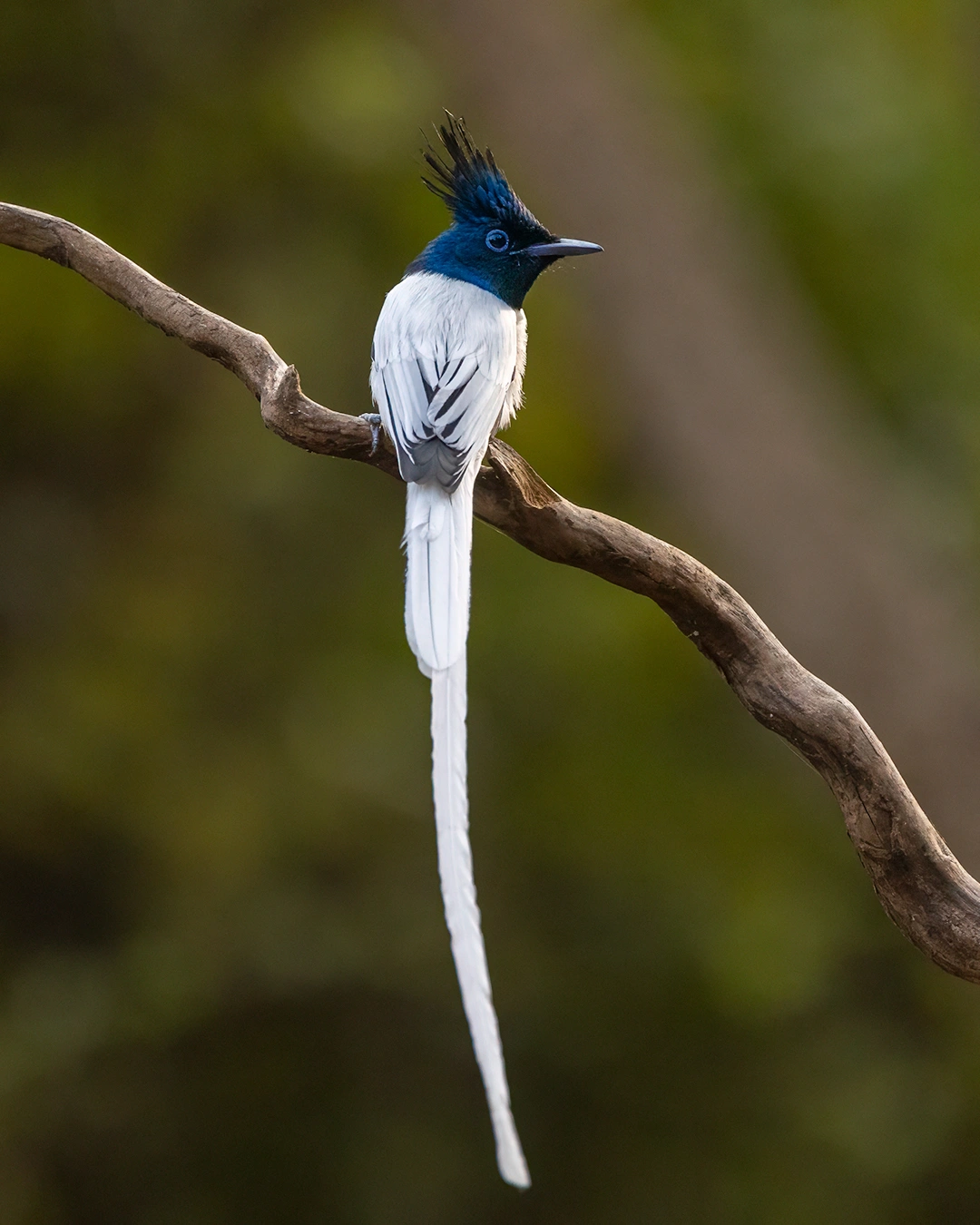
Indian Paradise Flycatcher
Indian Robin
Large-billed Crow
Brahminy Starling
Purple Sunbird
Red-vented Bulbul
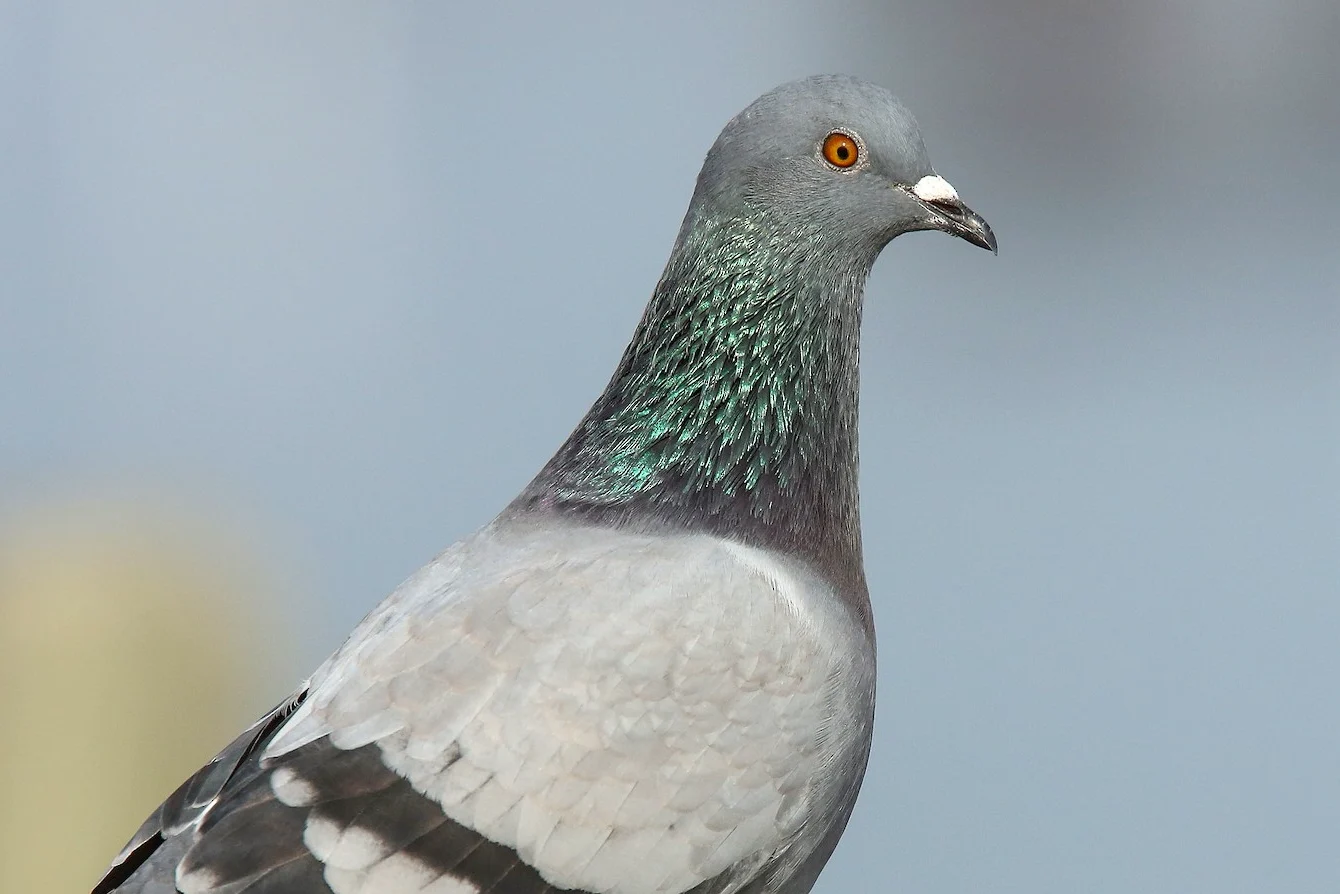
Rock Pigeon
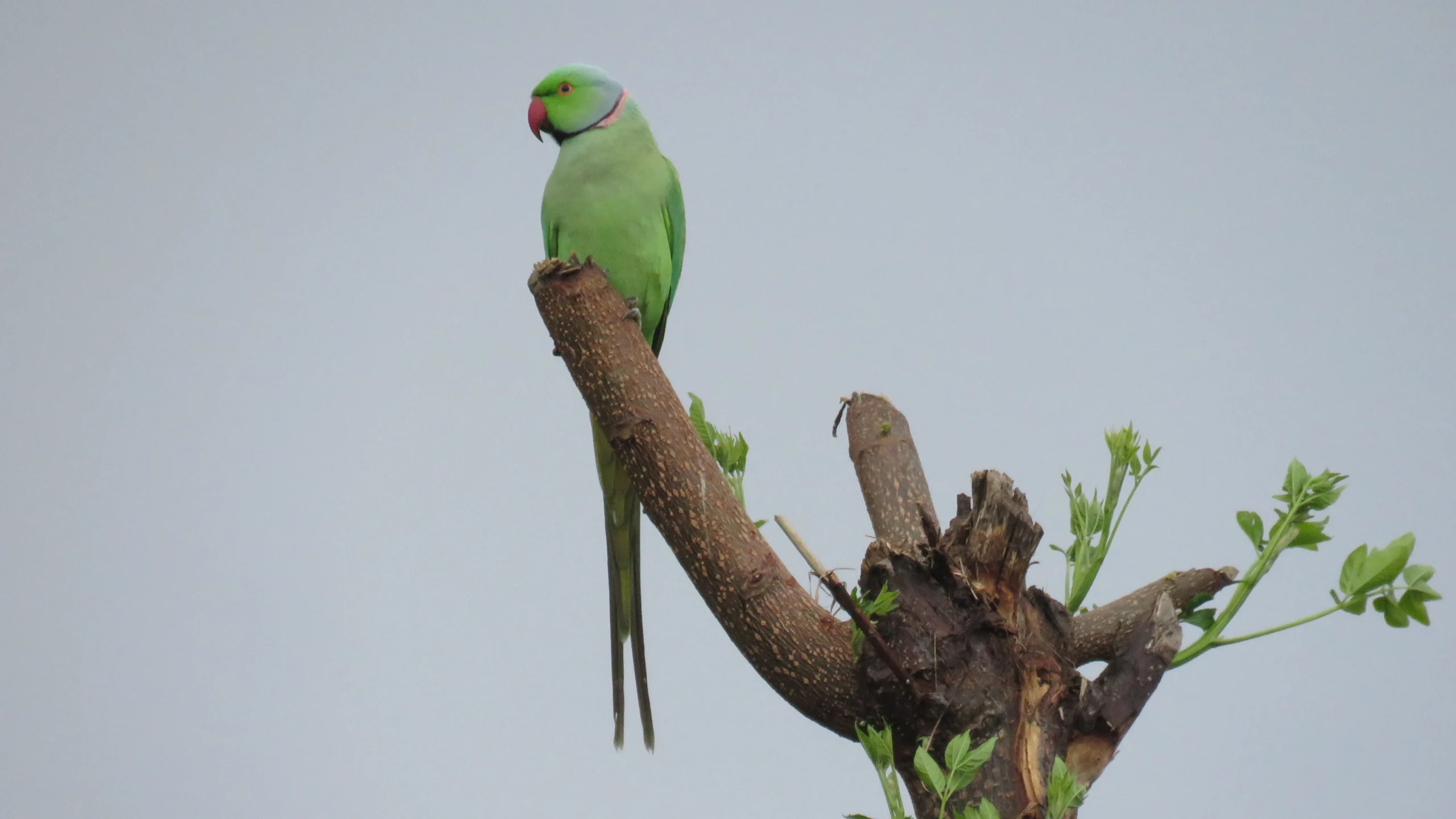
Rose-ringed Parakeet
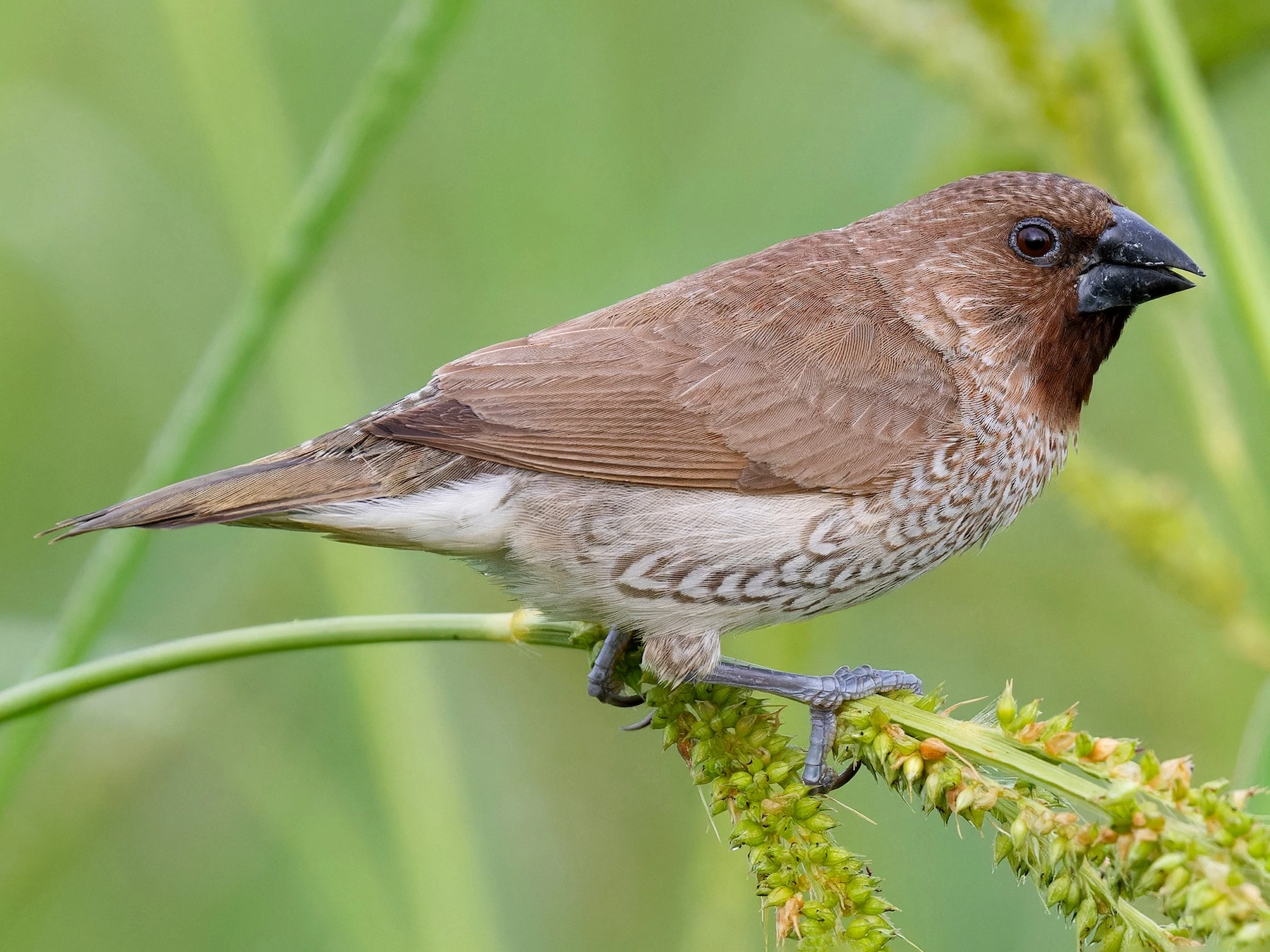
Scaly-breasted Munia
Indian Silverbill

Summary of Walk

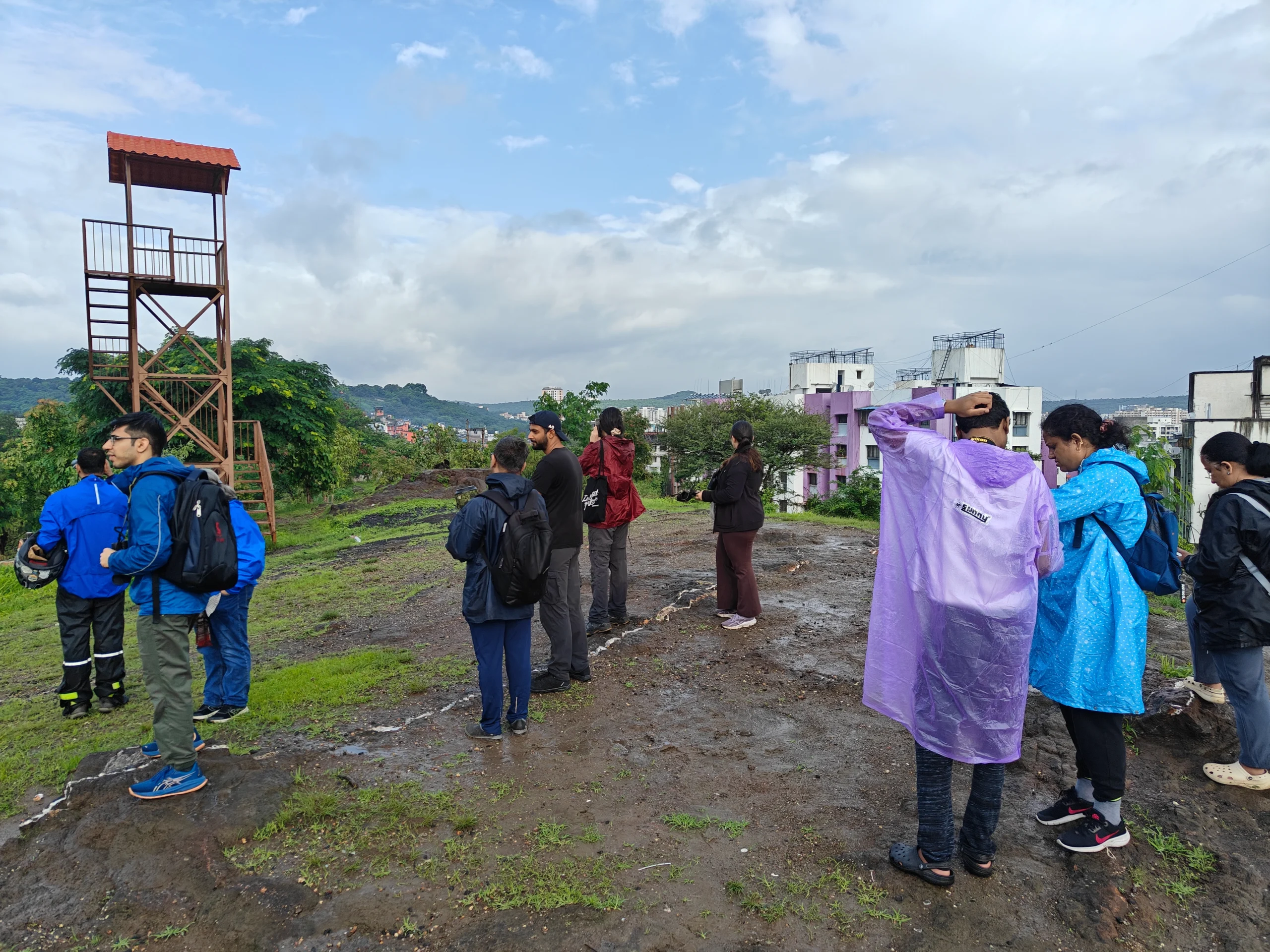
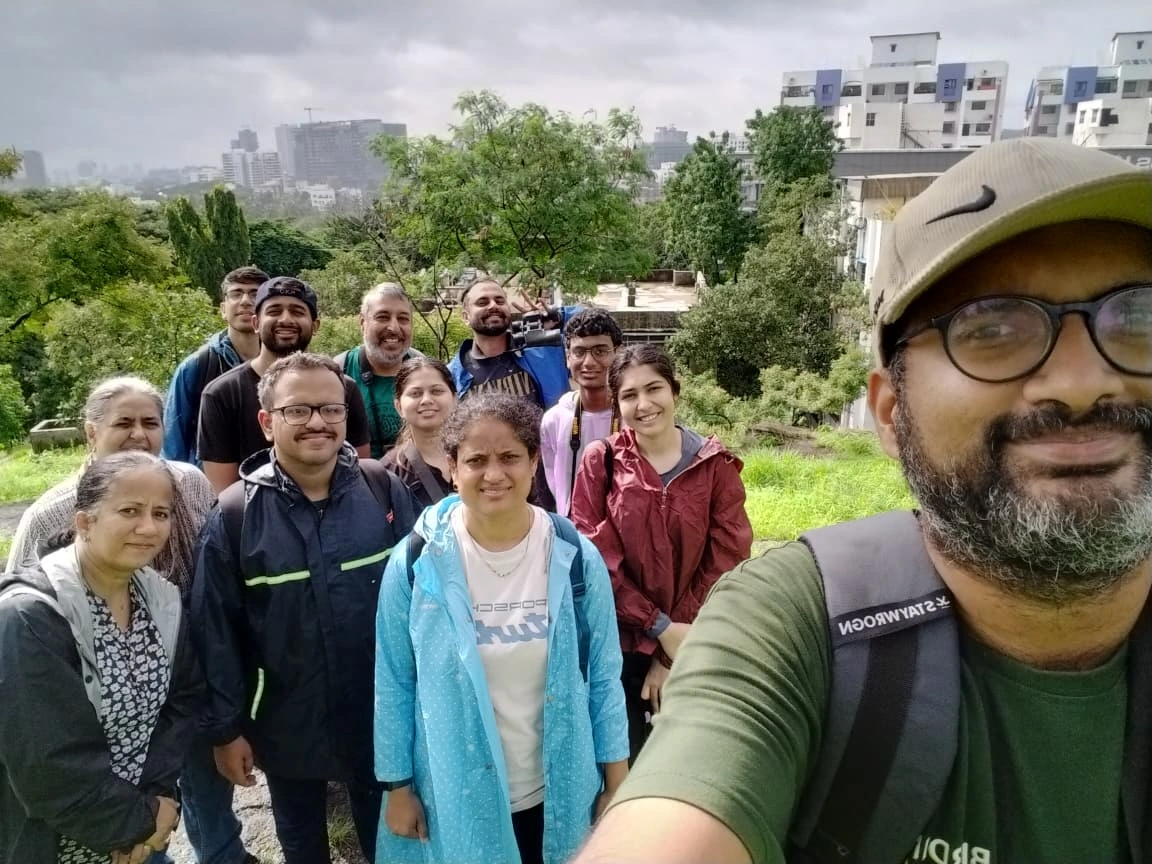
The guided bird walk at Vandevi Hill, led by Arjit Jere, brought together 11 participants for a pleasant morning exploring one of Pune’s important urban hill ecosystems. The walk began under overcast skies, with bird activity already in full swing as flocks of Scaly-breasted Munias moved actively through the vegetation. Participants enjoyed learning about bird identification while observing the diversity of woodland and scrubland birds that inhabit the hill. An added highlight of the morning was the participation of nature educator Darab Nagarwalla, who shared fascinating insights into native tree species such as Neem and Kusum, helping participants understand the close relationship between native vegetation and bird diversity. The group recorded a total of 21 bird species during the walk. The morning’s standout sightings included the elegant Brahminy Starling, a brilliantly coloured male Purple-rumped Sunbird, and the ever-popular White-throated Kingfisher, whose vibrant plumage attracted everyone’s attention. Participants were also delighted to encounter the increasingly uncommon House Sparrow, highlighting the importance of conserving urban green spaces that continue to support native wildlife. Vandevi Hill serves as an important natural refuge within Pune, providing valuable habitat for a variety of bird species while offering city residents opportunities to reconnect with nature. The walk successfully combined birdwatching with discussions on native flora and urban biodiversity, leaving participants with a greater appreciation for the ecological richness of the hill.
Number of Participants
0
Scroll to Top