
Bird Walk at Byatrayana Doddi Kere, Bengaluru, Karnataka
- Bengaluru
- 9 August, 2026
- Ghautham RR
About Byatrayanadoddi Lake
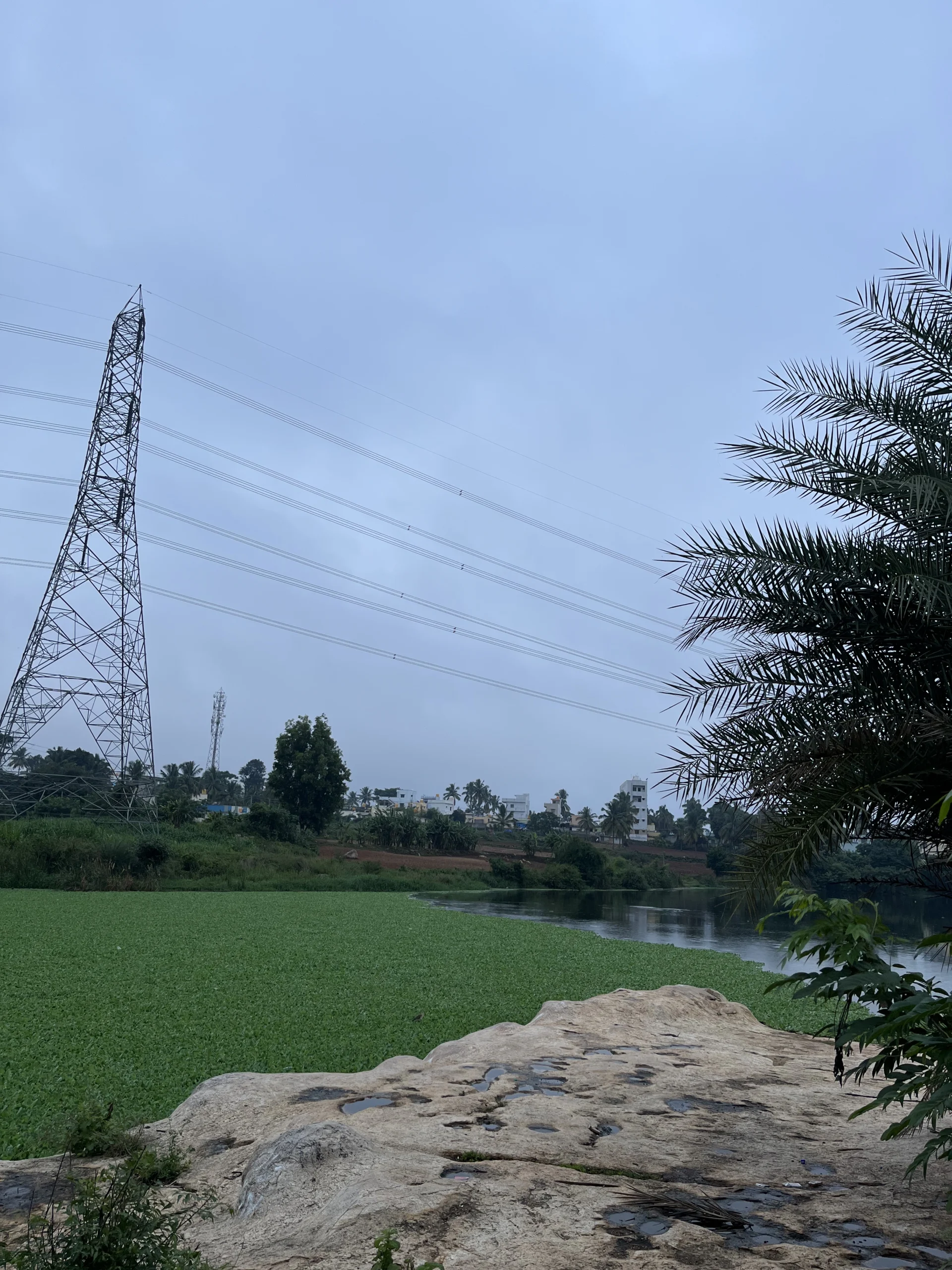
Byatarayanadoddi Lake, located in the southern part of Bengaluru near Bannerghatta Road, is an emerging urban biodiversity hotspot surrounded by scrub vegetation, open grassland patches, and semi-rural landscapes. The lake serves as an important ecological space for both resident and migratory bird species, while also supporting local biodiversity within the rapidly expanding urban environment of Bengaluru. Its relatively calm surroundings and mosaic habitat make it an attractive location for birdwatchers, photographers, and nature enthusiasts seeking green spaces within the city outskirts.
The lake attracts a variety of waterbirds, raptors, and grassland-associated species throughout the year, especially during the migratory season when wetland activity increases. Early mornings around the lake are filled with bird calls, making it a popular destination for guided bird walks, nature education programs, and citizen science activities. Apart from supporting avifauna, Byatarayanadoddi Lake also plays an important role in groundwater recharge, microclimate regulation, and maintaining urban ecological balance. As Bengaluru continues to urbanize, landscapes like this become increasingly valuable for conservation awareness and community-driven environmental stewardship.

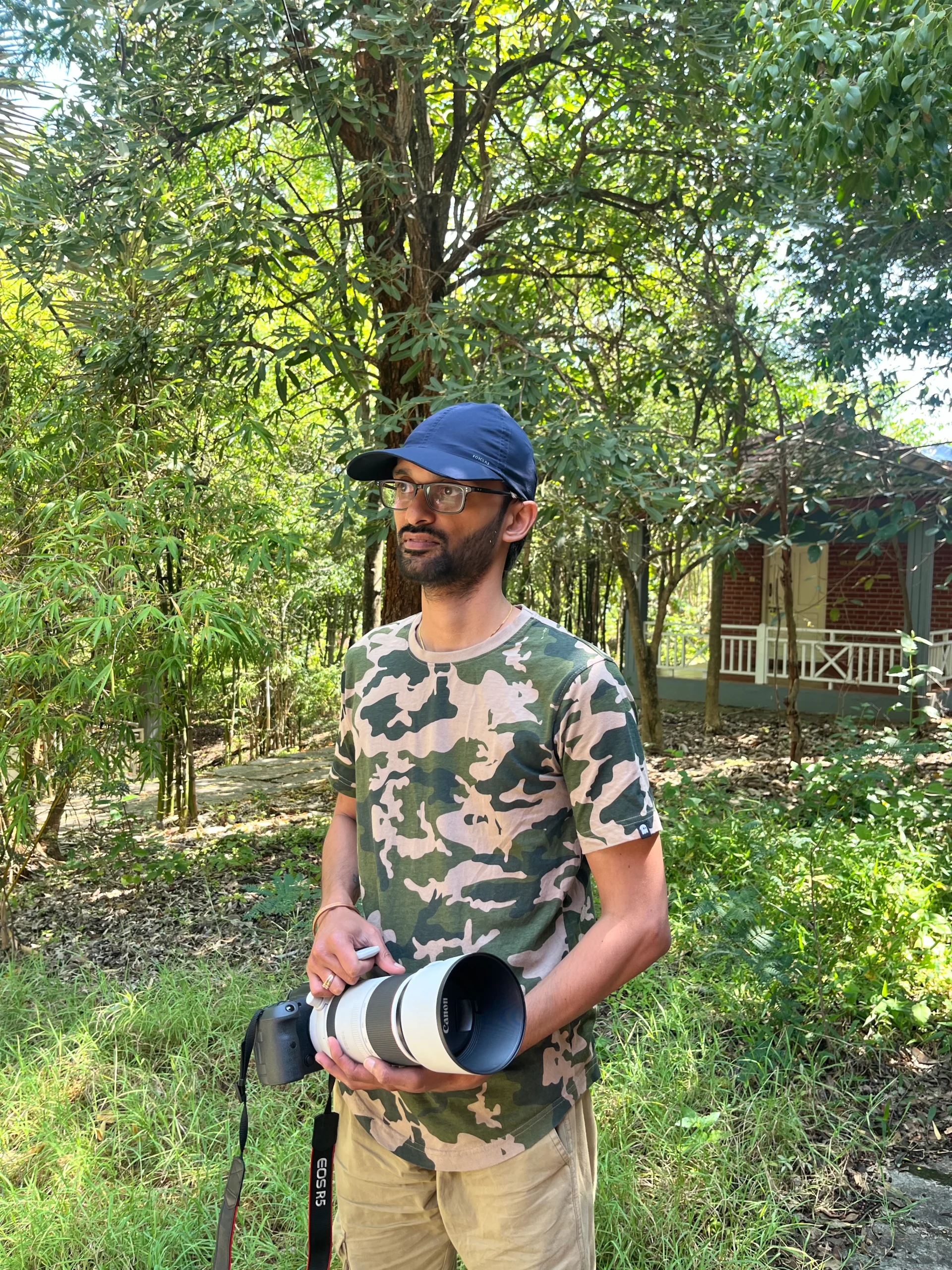
Bird Guide: Ghautham RR
Widlife photographer with a strong passion for observing, identifying, and documenting avian species in their natural habitats. Skilled in bird behavior observation, field tracking, and wildlife photography, with a commitment to conservation and educating others about birdlife.
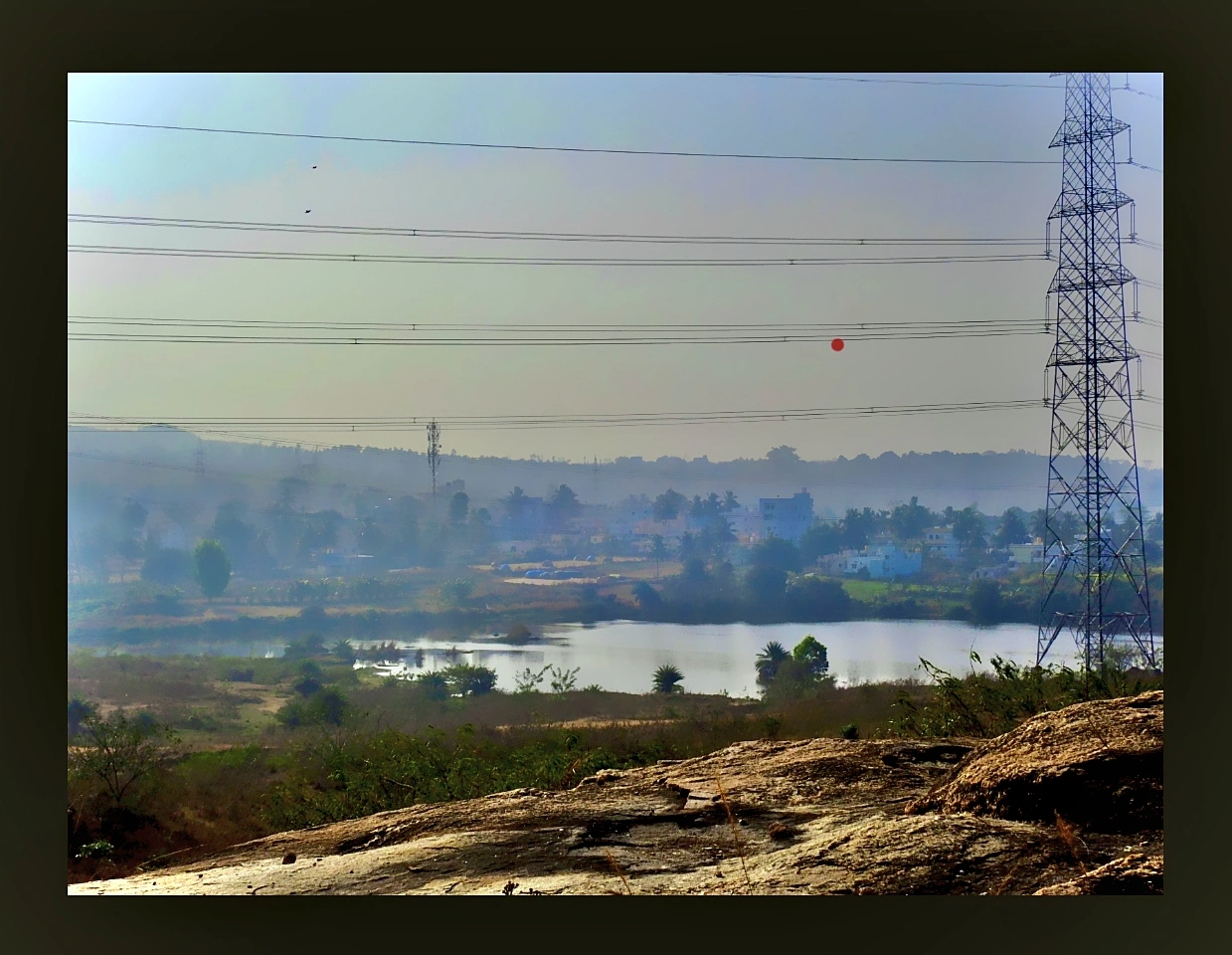
Bird walk Location
Common birds of Byatrayanadoddi Lake
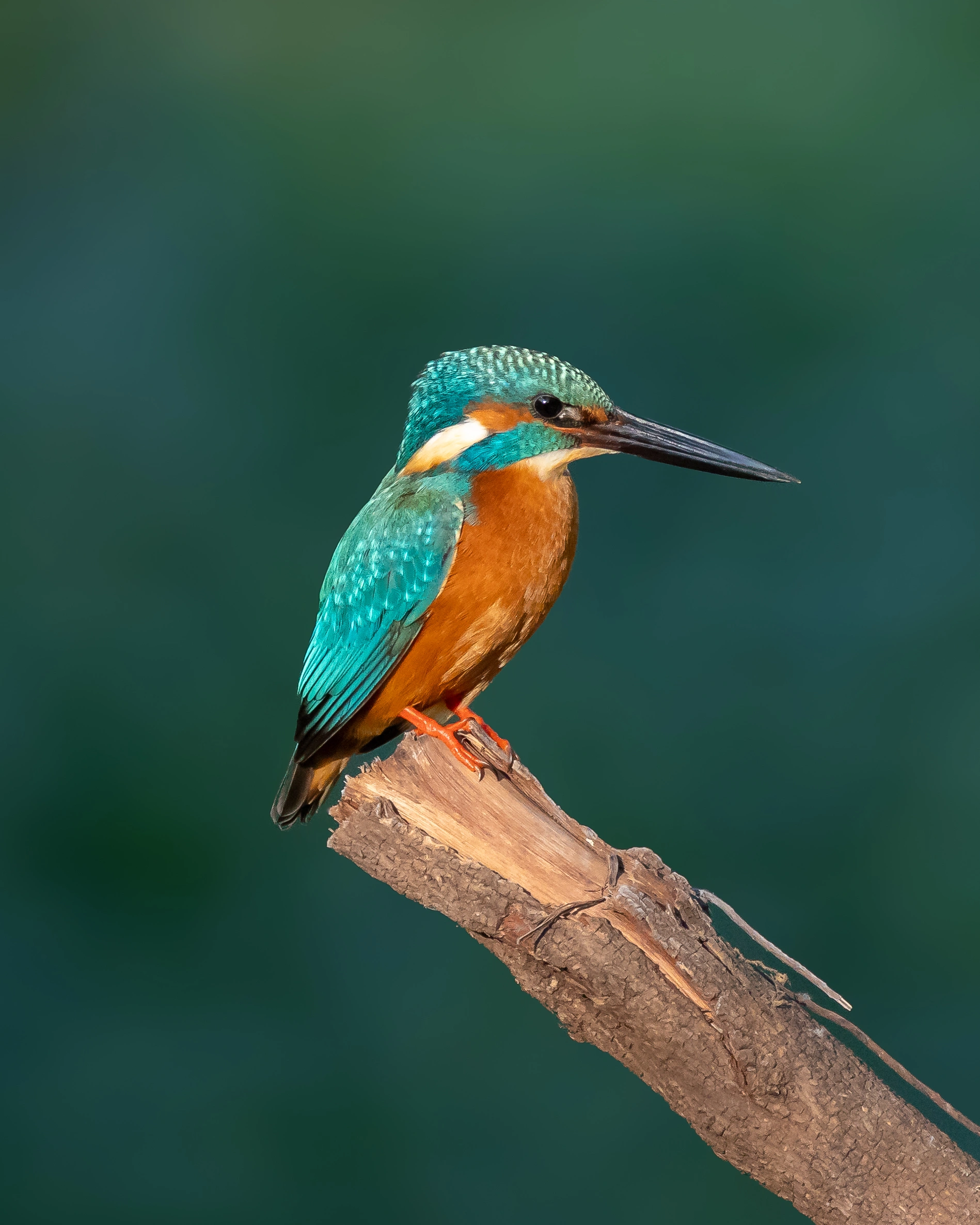
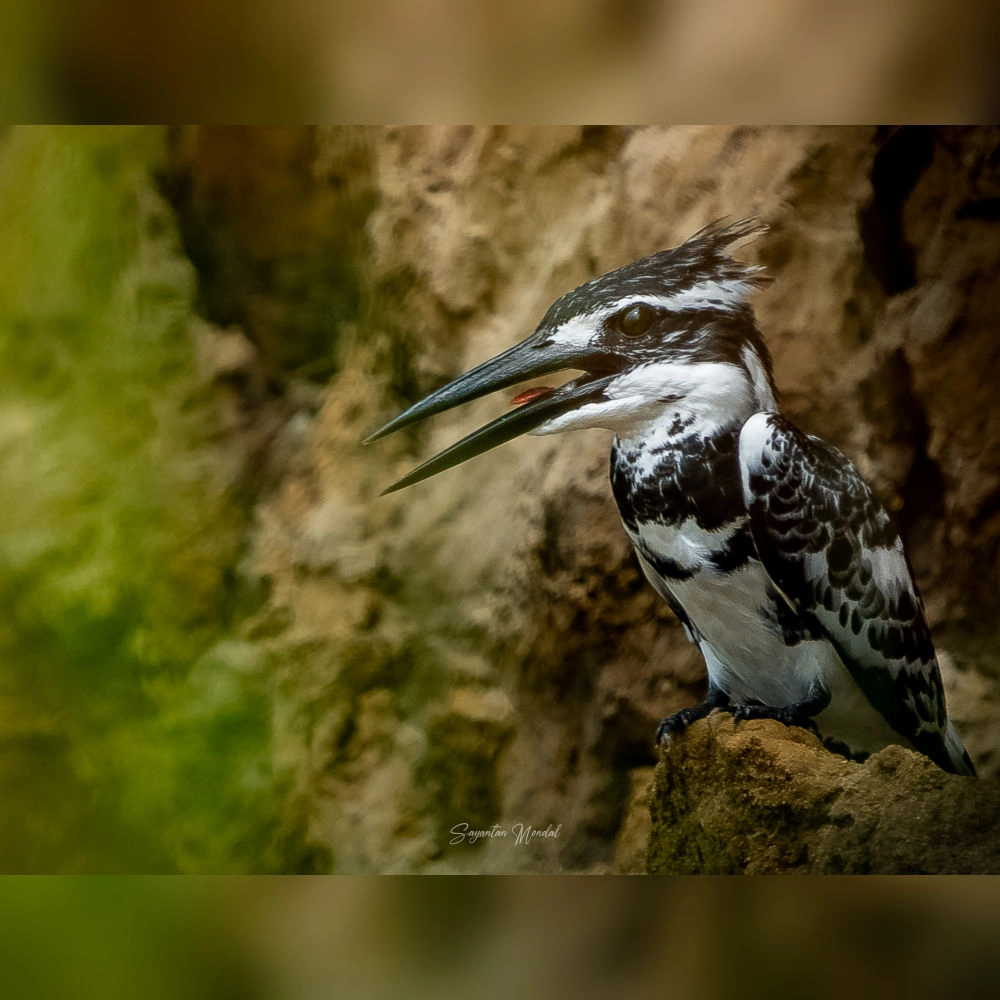
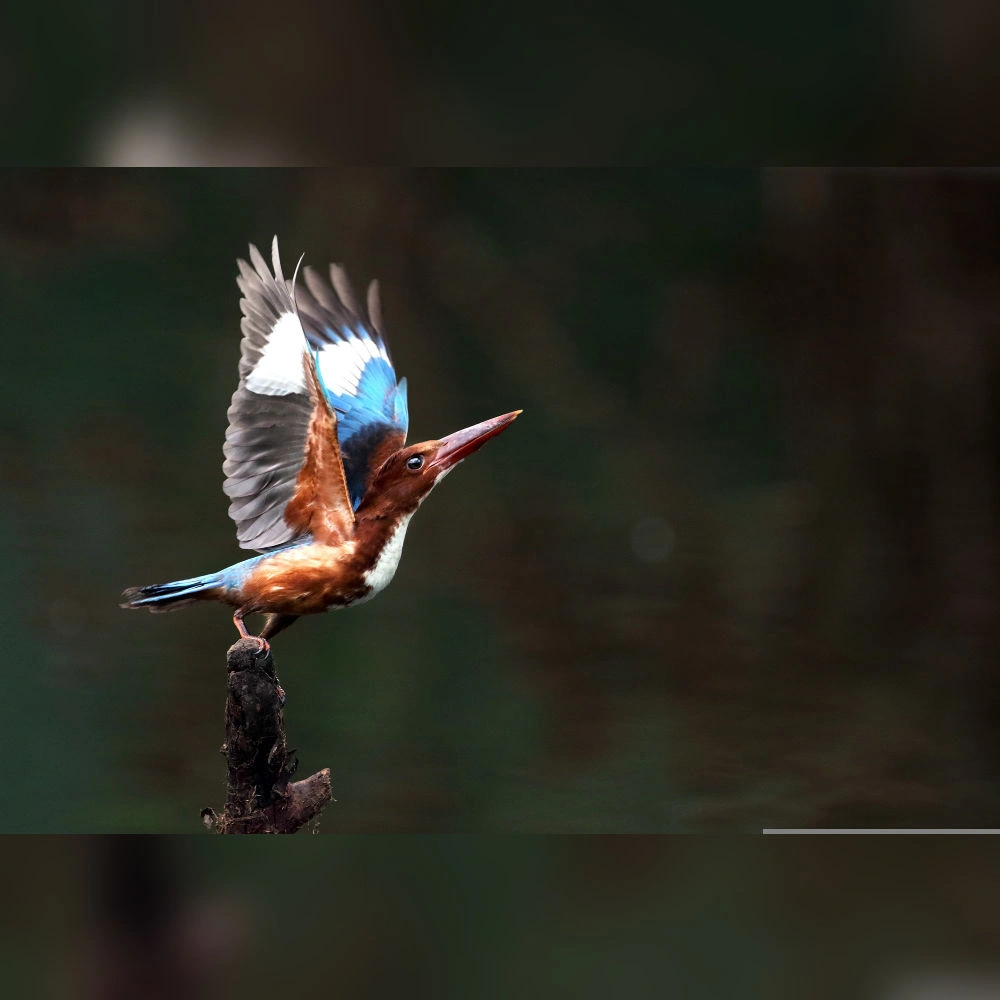
Byatarayanadoddi Lake supports a rich diversity of wetland, grassland, and raptor species, making it an excellent birding location within Bengaluru’s urban landscape. The lake is known for sightings of three kingfisher species — Common Kingfisher, White-throated (White-breasted) Kingfisher, and Pied Kingfisher — along with wetland birds such as Black-winged Stilt, Bronze-winged Jacana, Grey-headed Swamphen, Ruddy-breasted Crake, Brown Crake, Red-wattled Lapwing, and Yellow-wattled Lapwing. The surrounding grasslands attract species like Paddyfield Pipit, Jerdon’s Bushlark, Red Avadavat, Tricoloured Munia, and Scaly-breasted Munia. Raptors including Crested Serpent Eagle, Black-shouldered Kite, Brahminy Kite, and Oriental Honey Buzzard are frequently observed soaring above the landscape, while water-associated birds such as Black-crowned Night Heron and Great Cormorant add to the ecological richness of the lake ecosystem.

Common Kingfisher

Pied Kingfisher

White-throated Kingfisher
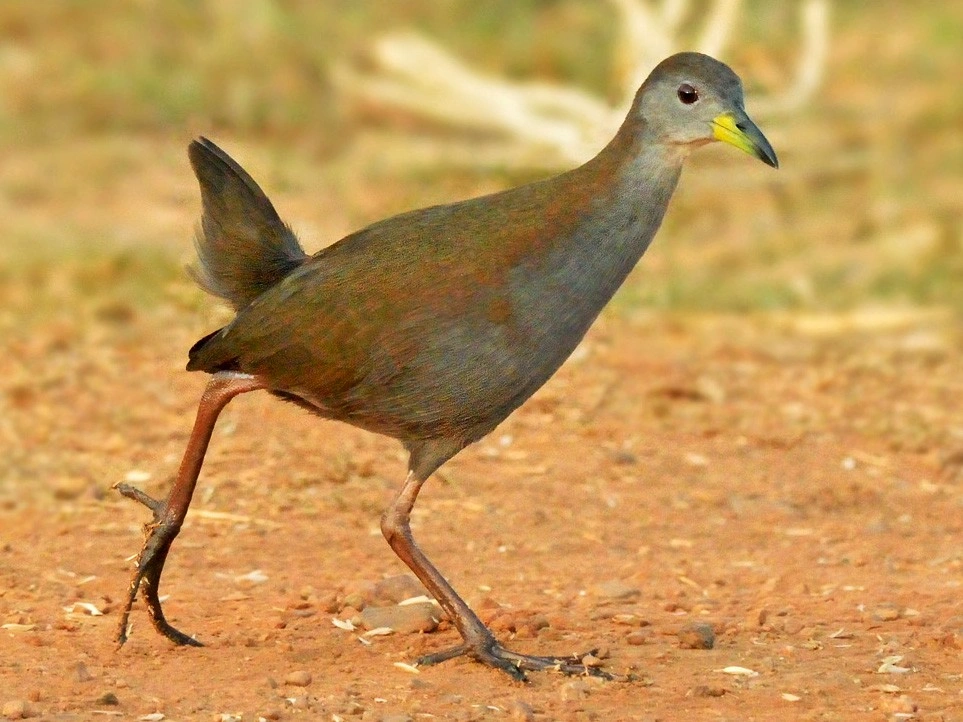
Brown Crake
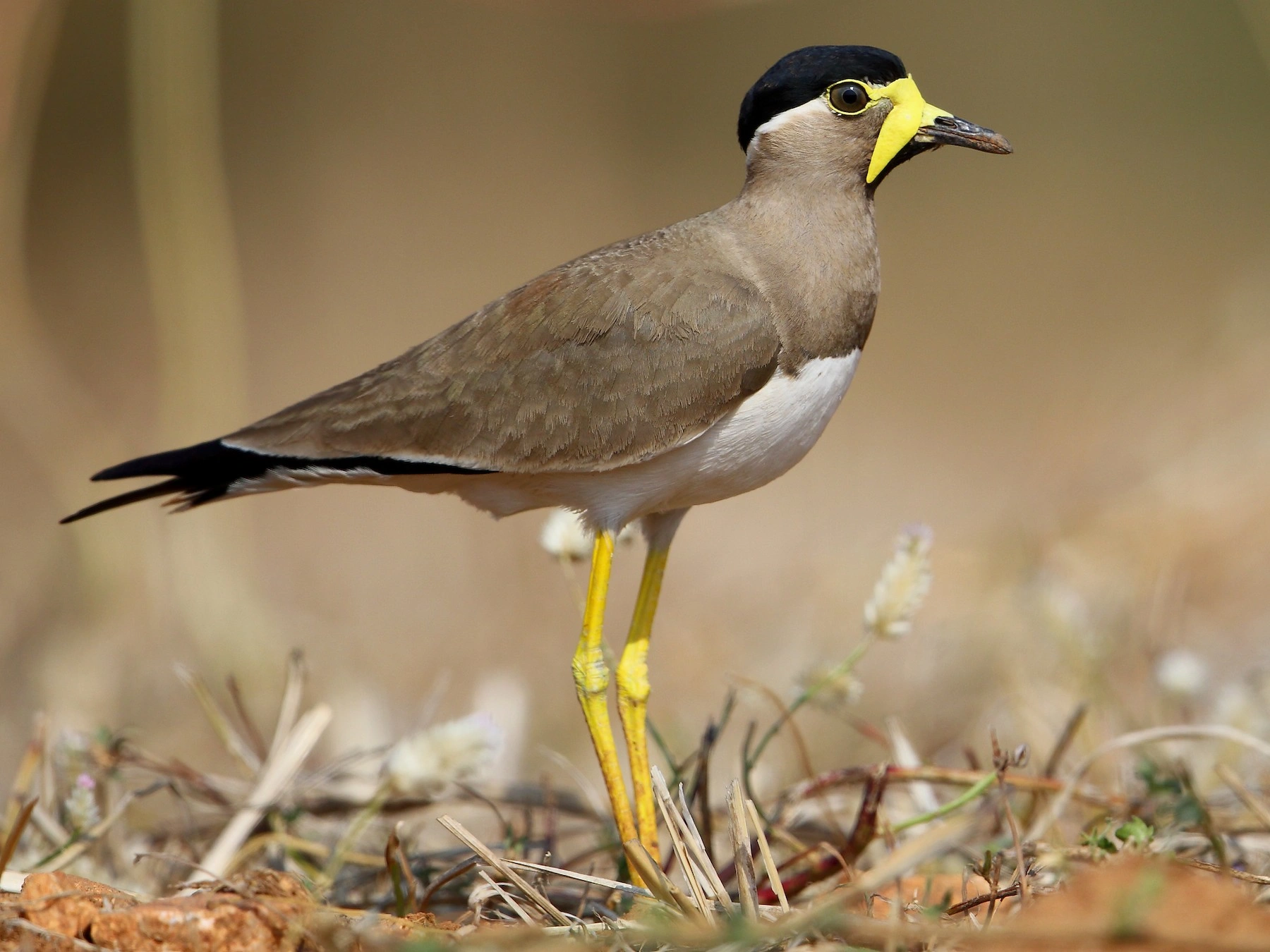
Yellow-wattled Lapwing
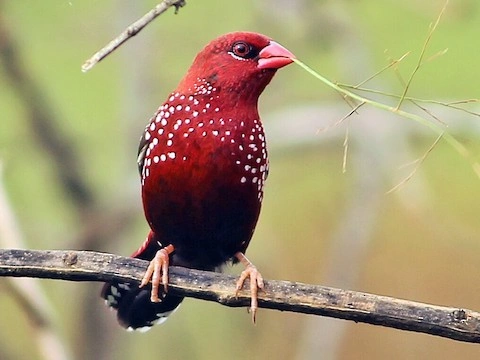
Red Avadavat
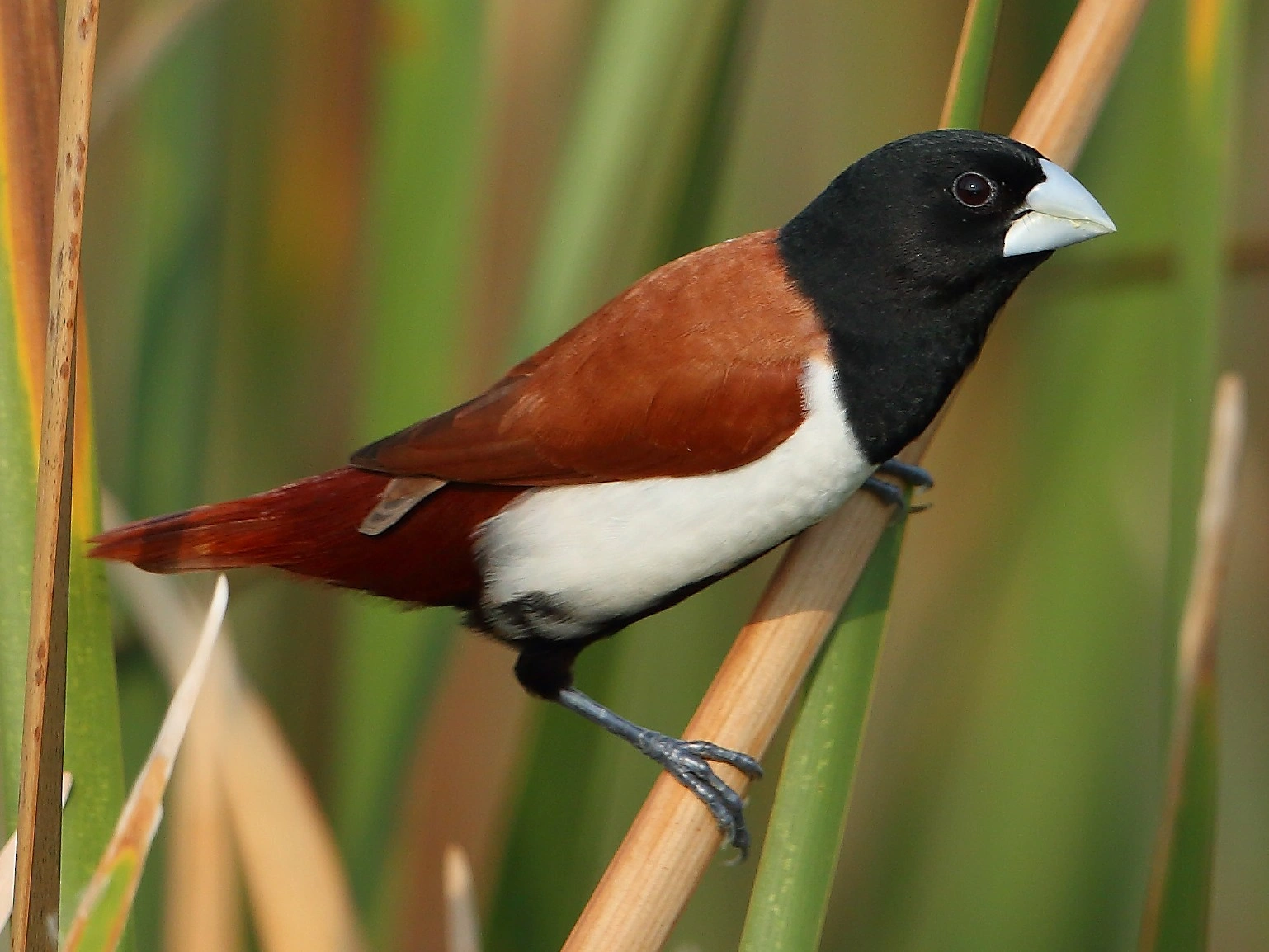
Tricolored Munia
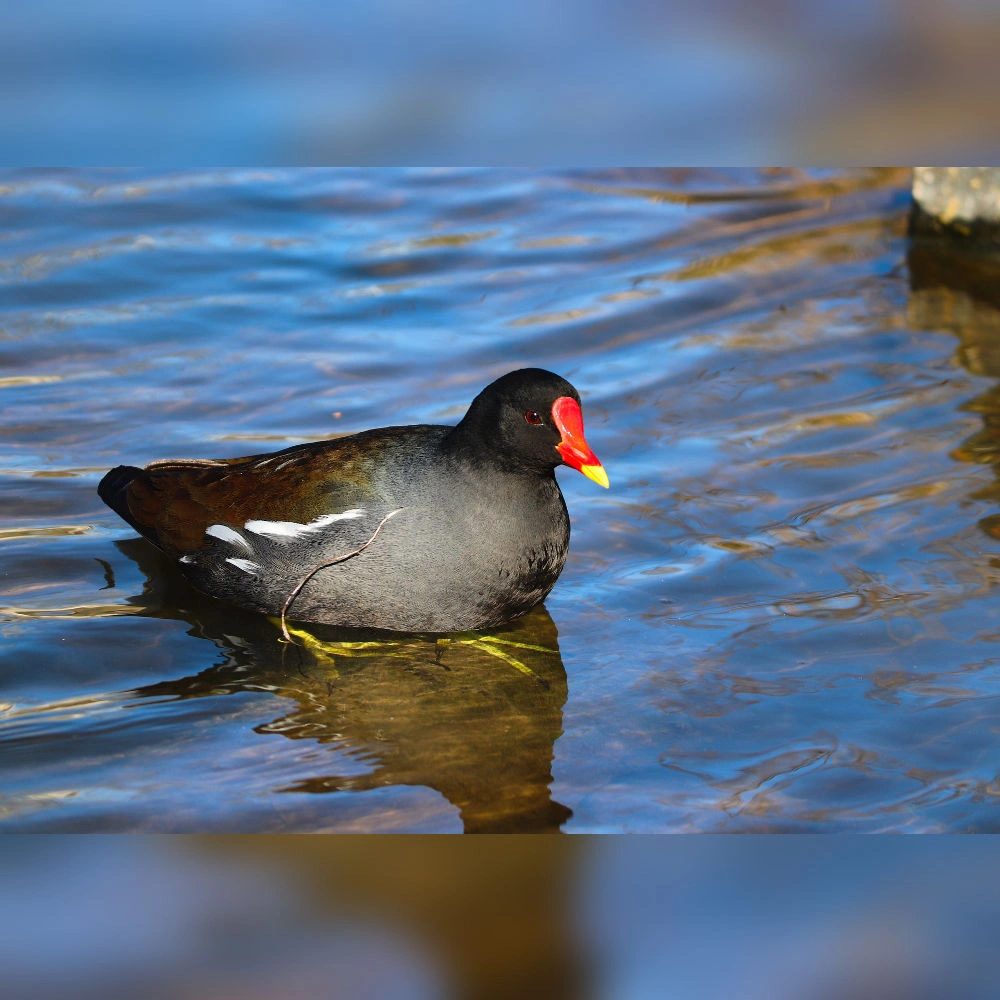
Eurasian Moorhen
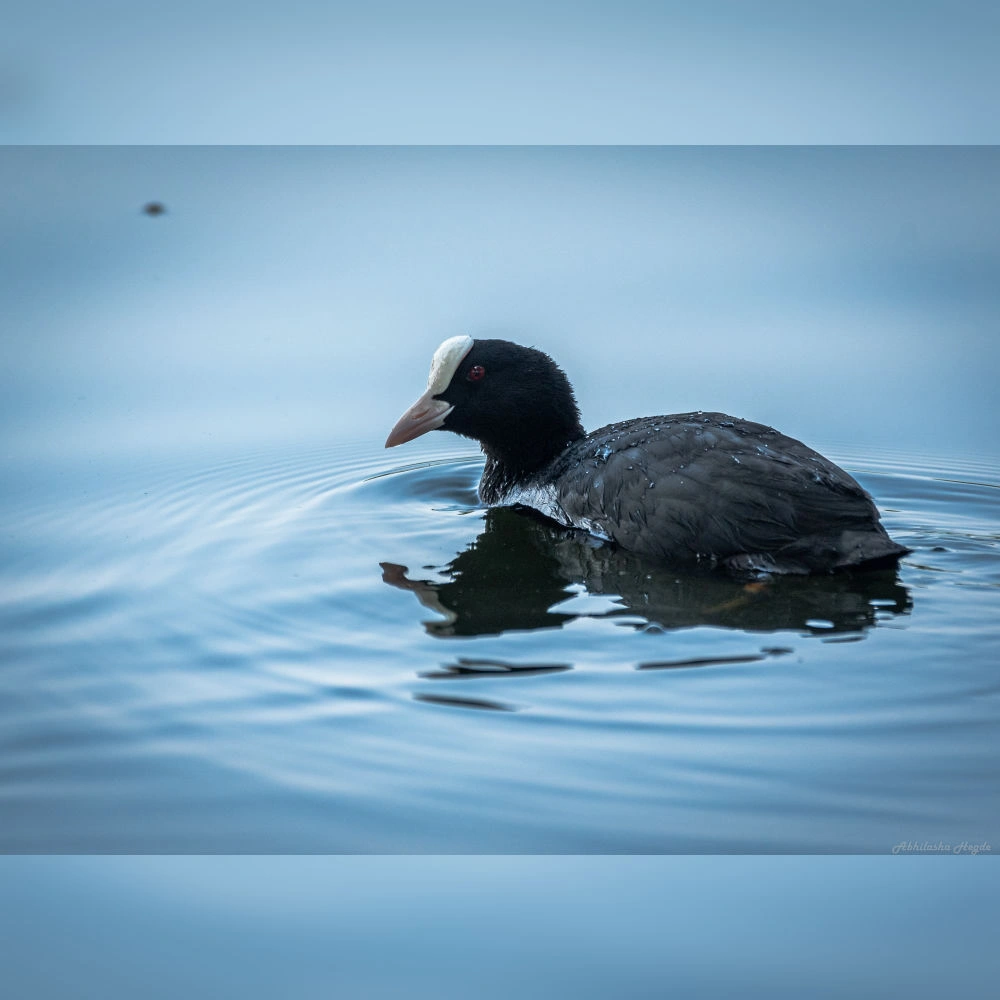
Eurasian Coot
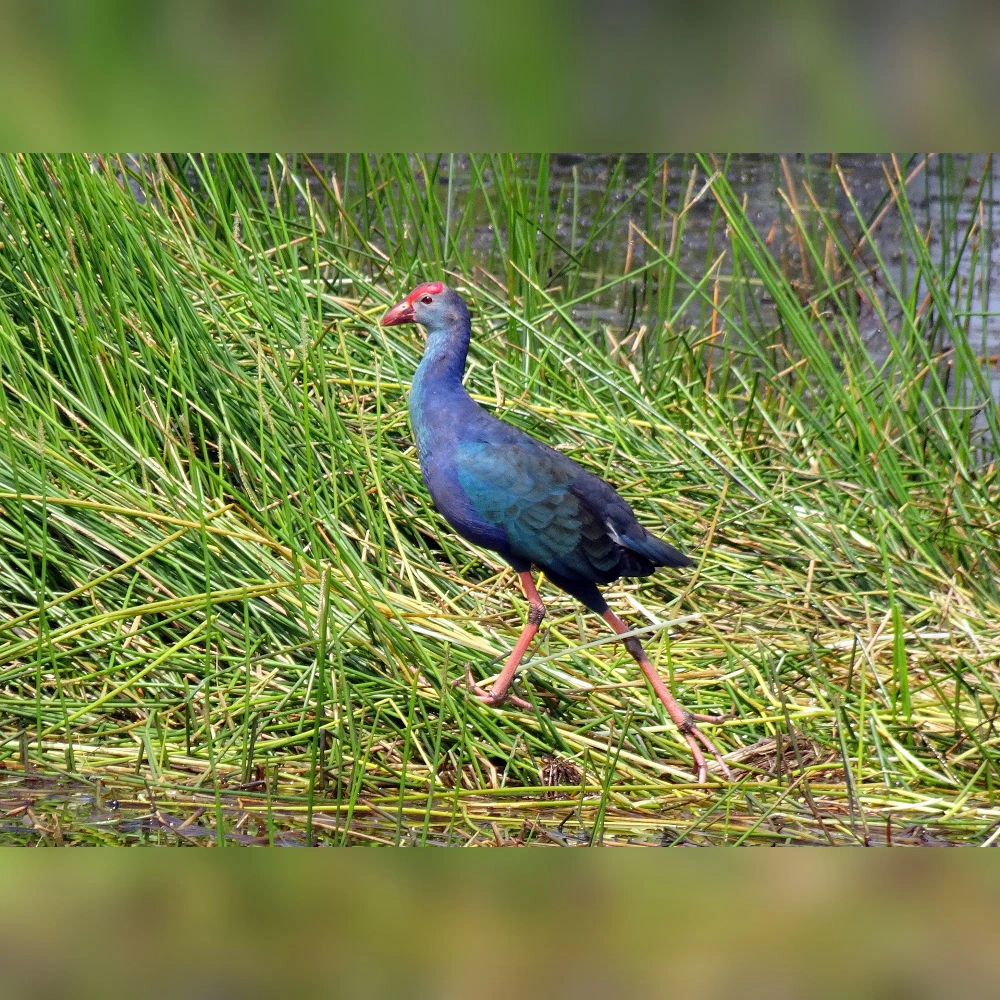
Gray-Headed Swamphen
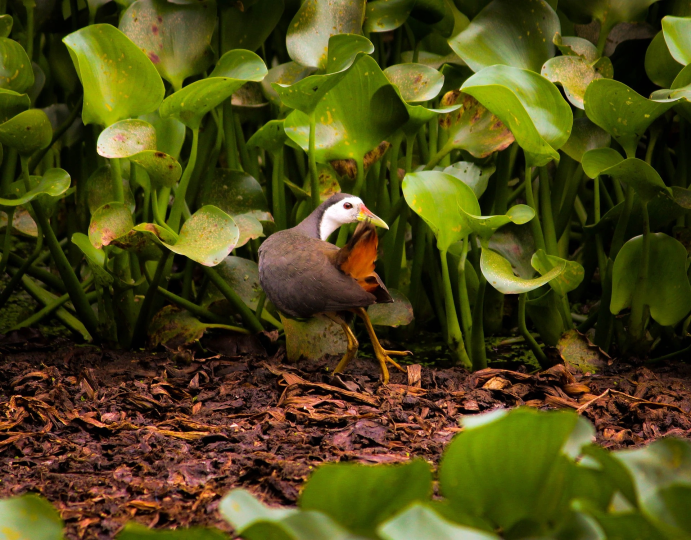
White-Breasted Waterhen
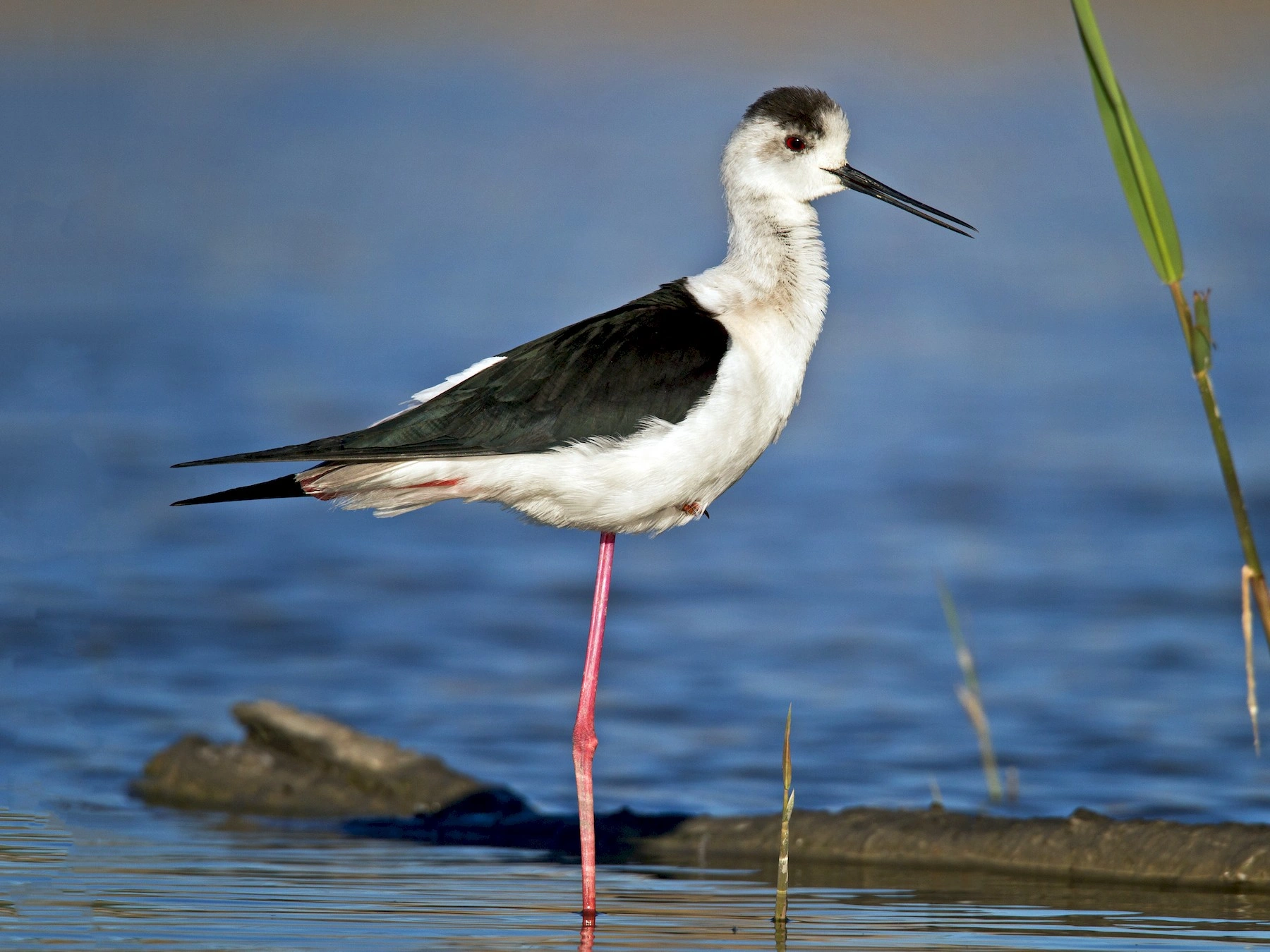
Black-Winged Stilt
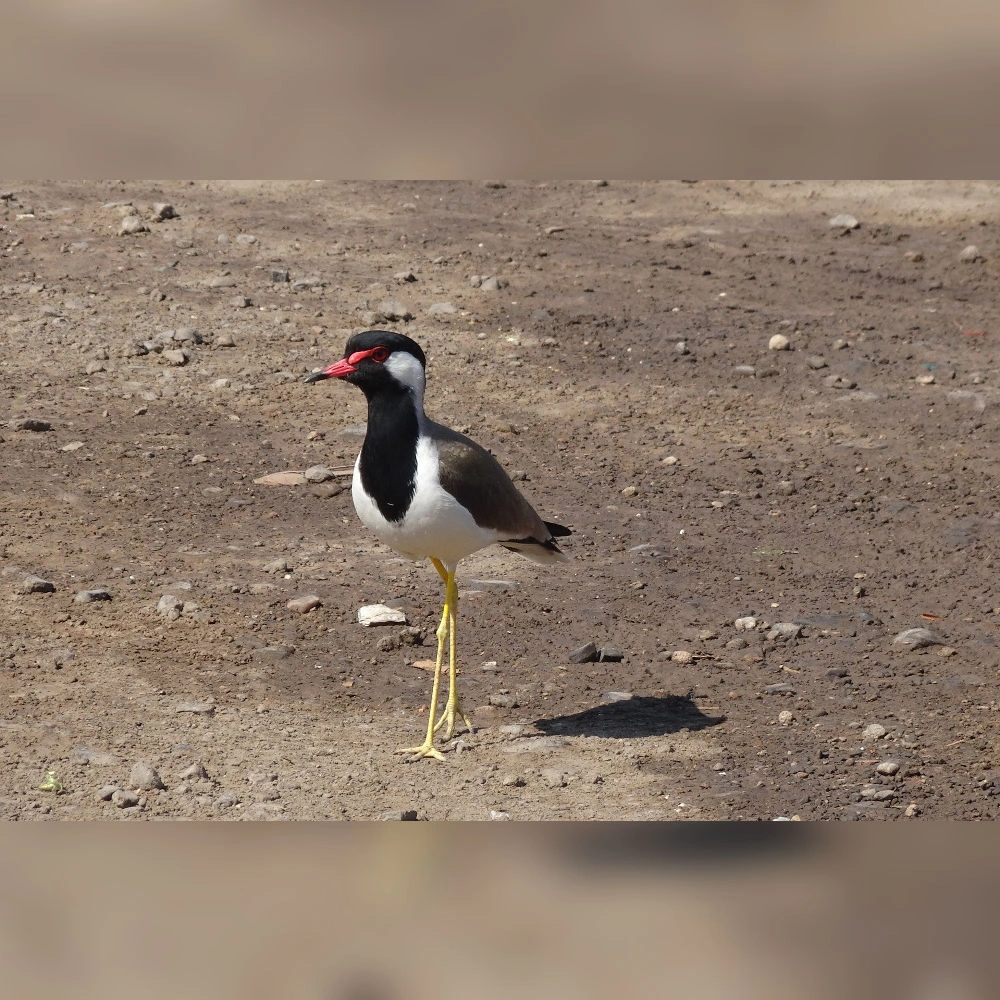
Red-Wattled Lapwing
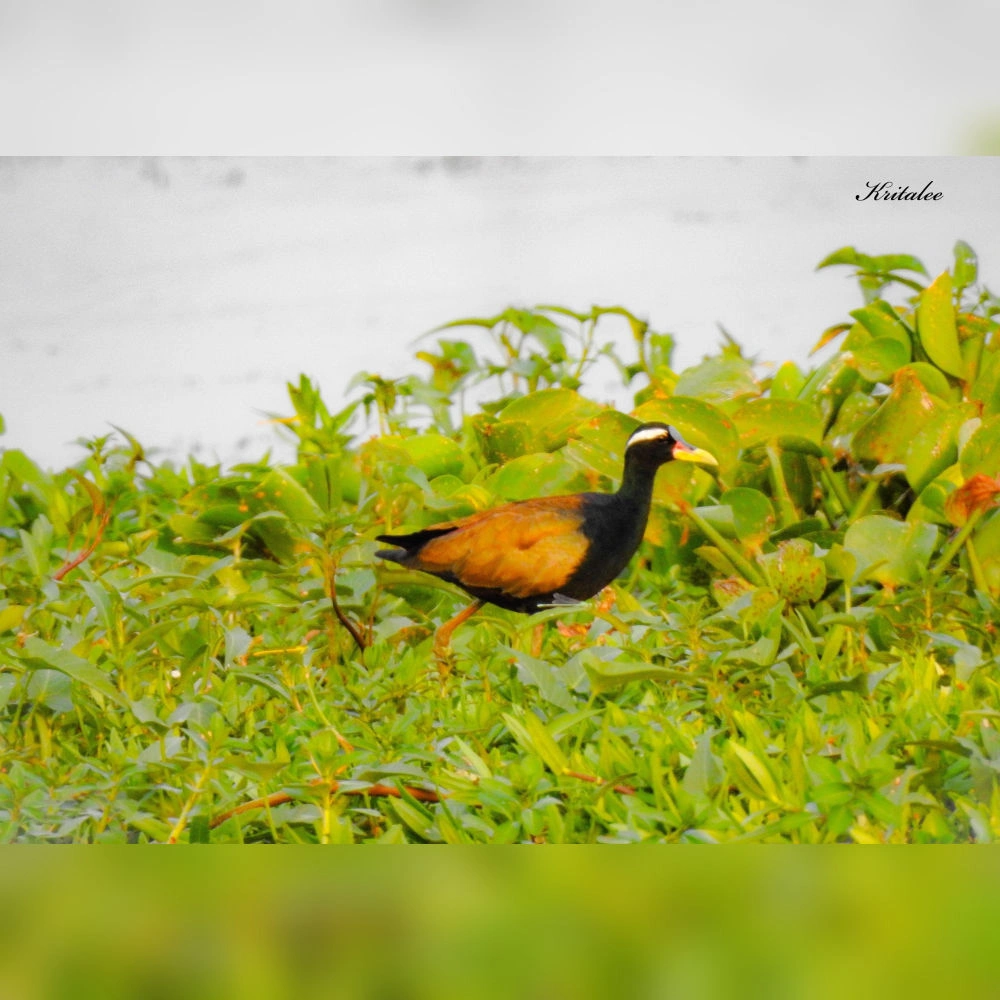
Bronze-Winged Jacana
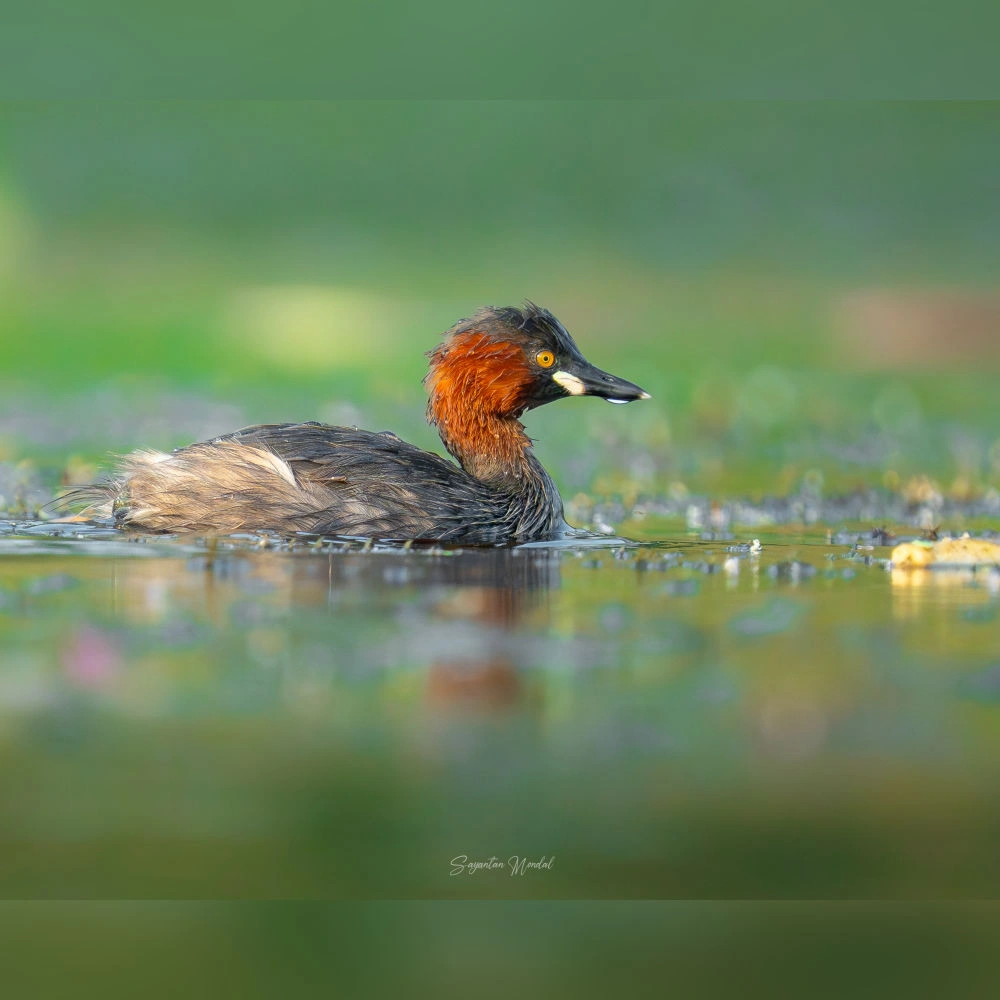
Little Grebe
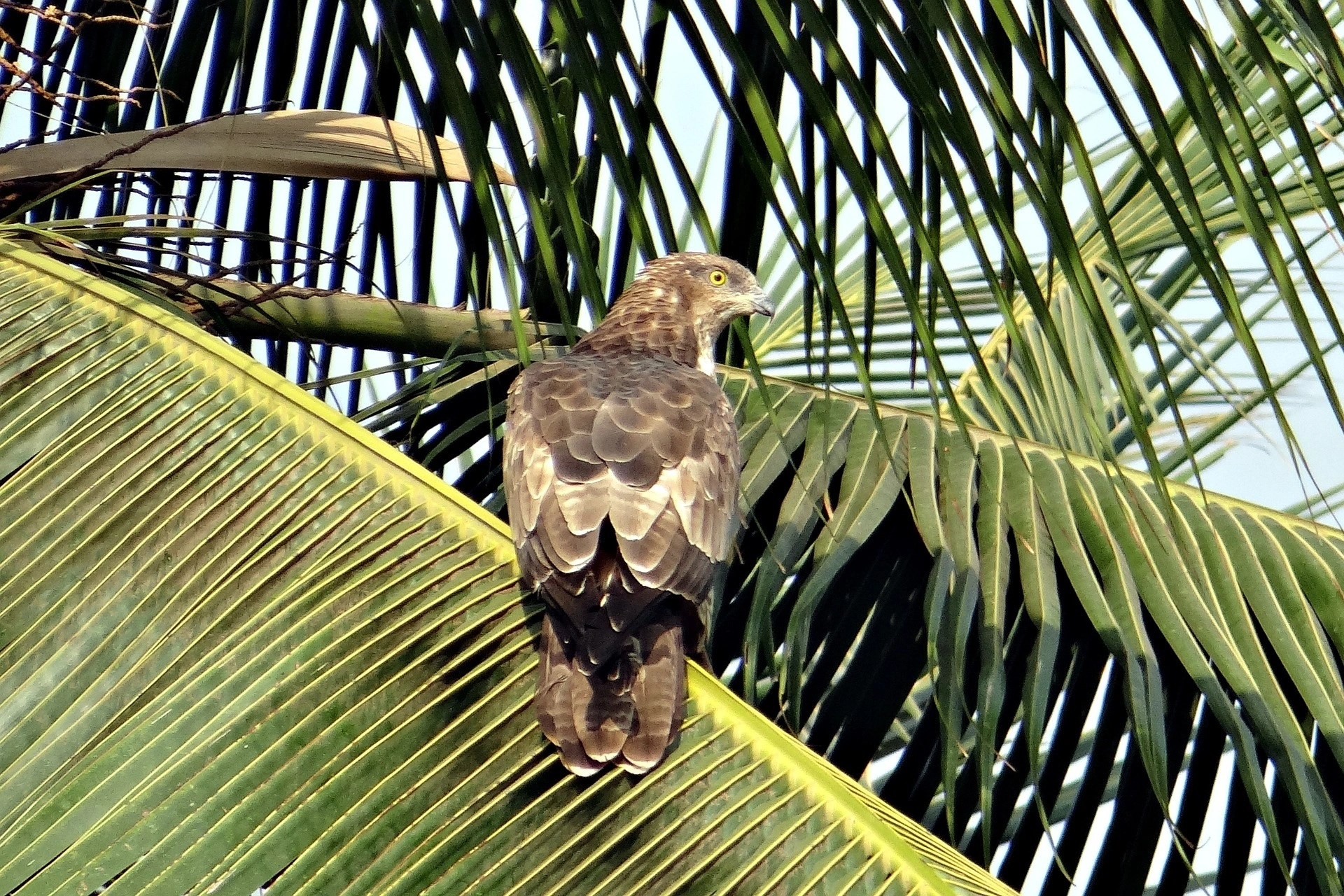
Oriental Honey Buzzard
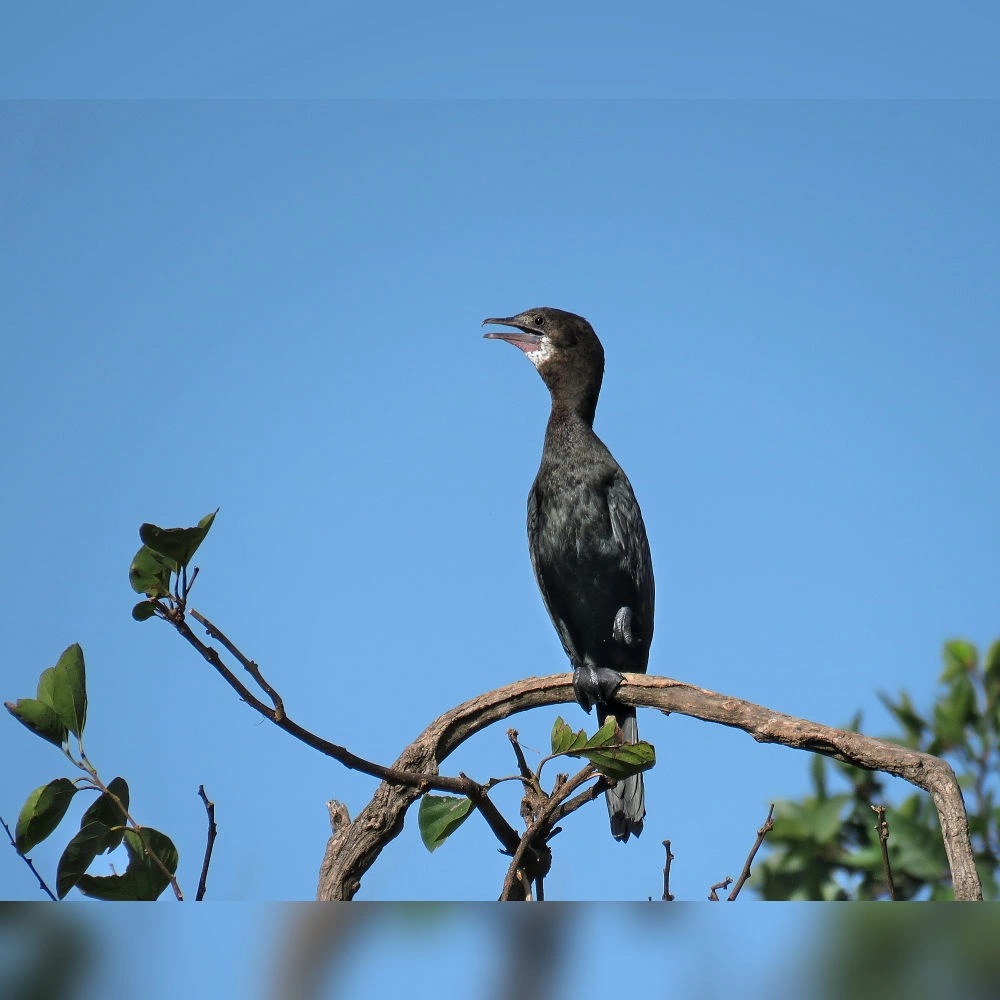
Little Cormorant
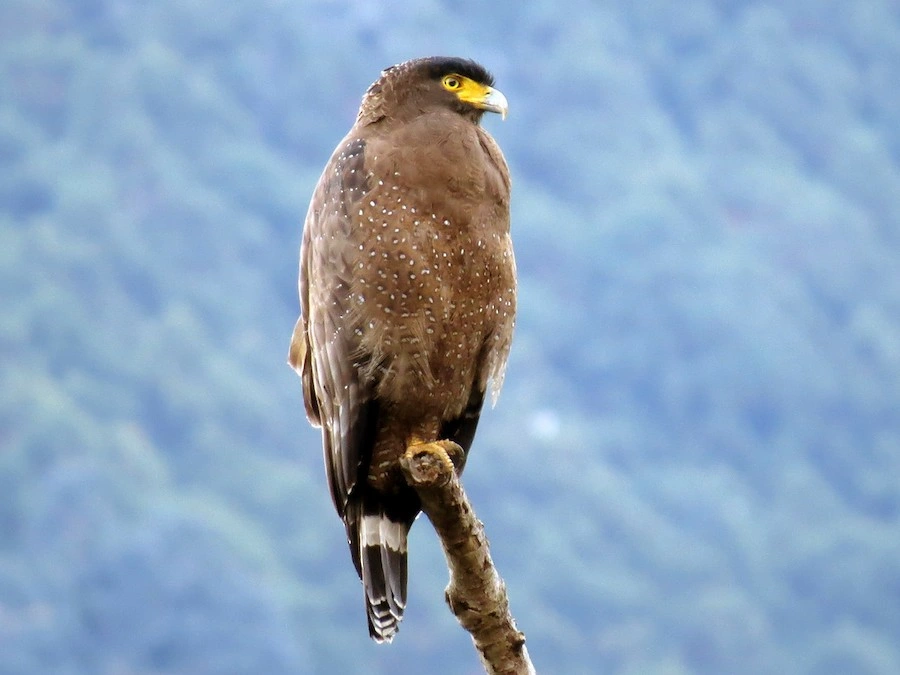
rested Serpent Eagle
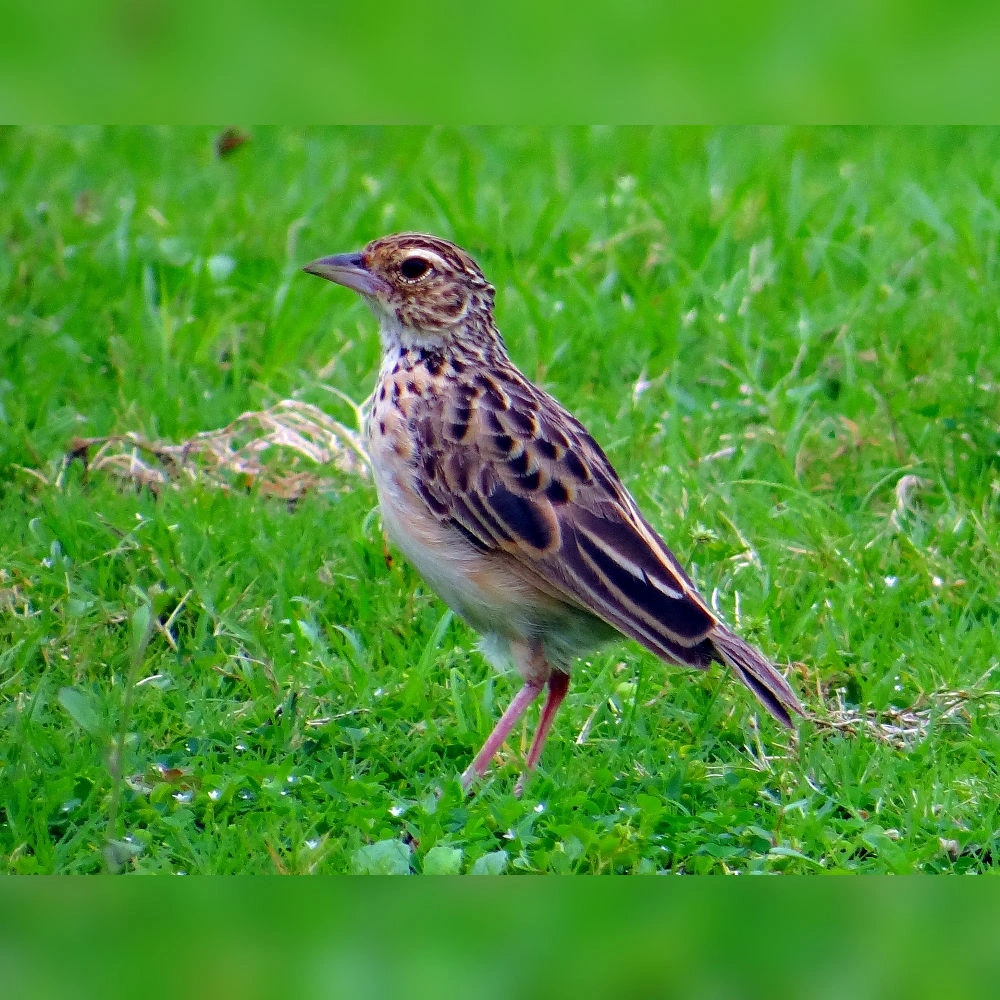
Paddyfield Pipit
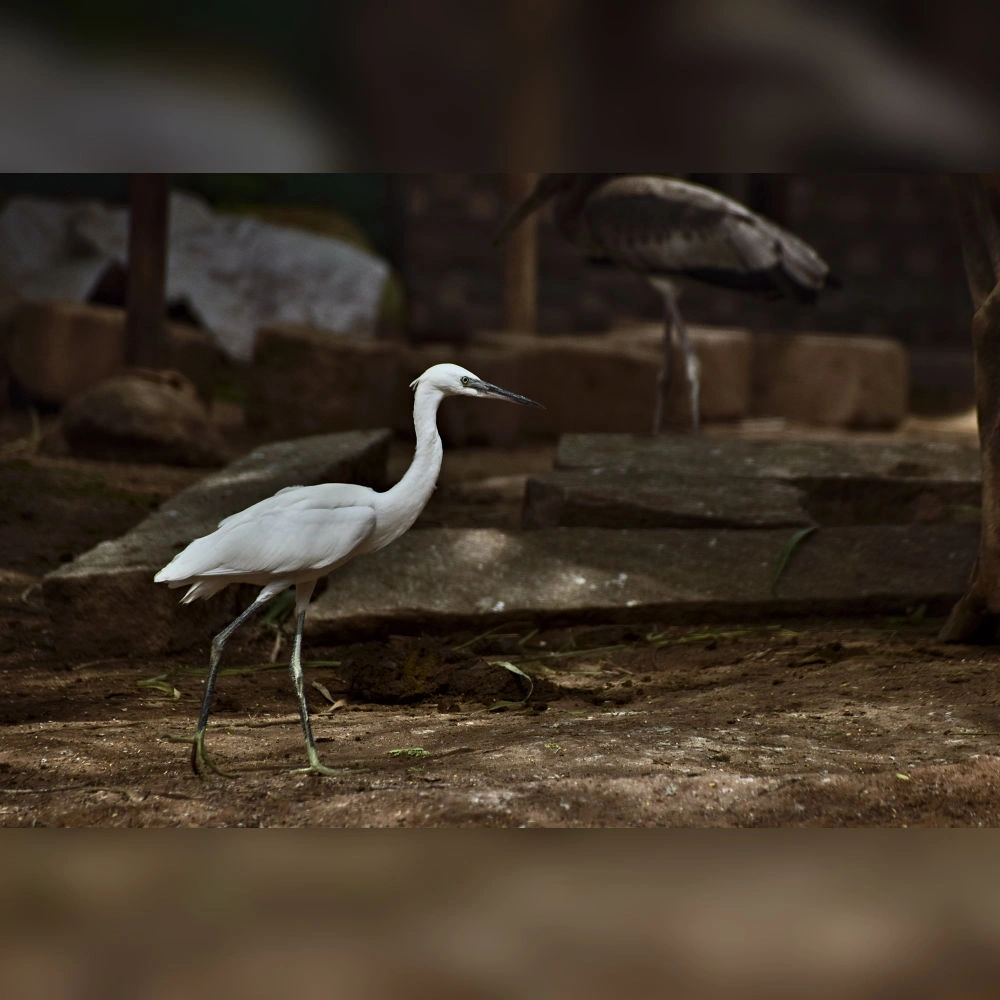

Little Egret
Summary of Walk
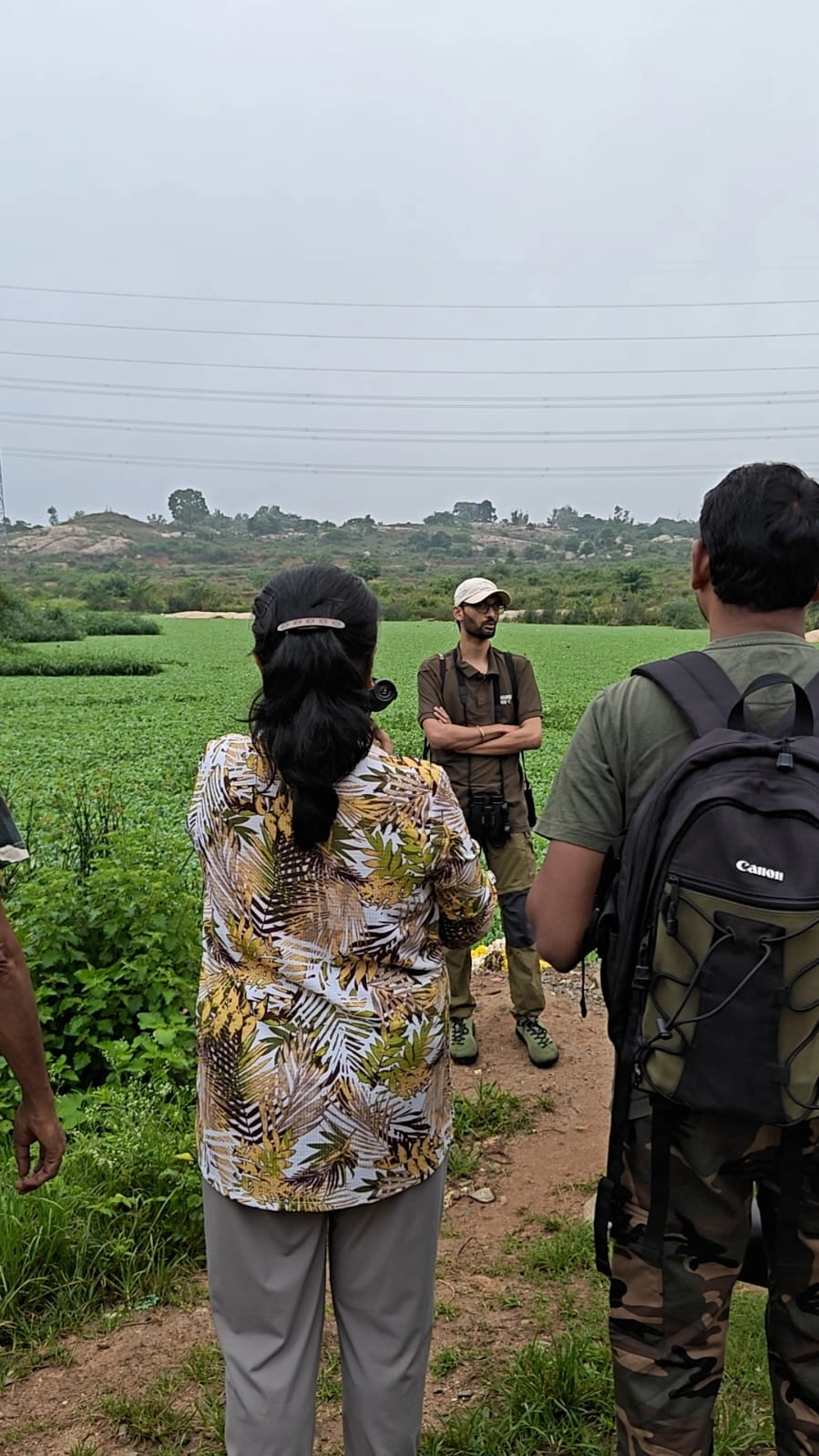
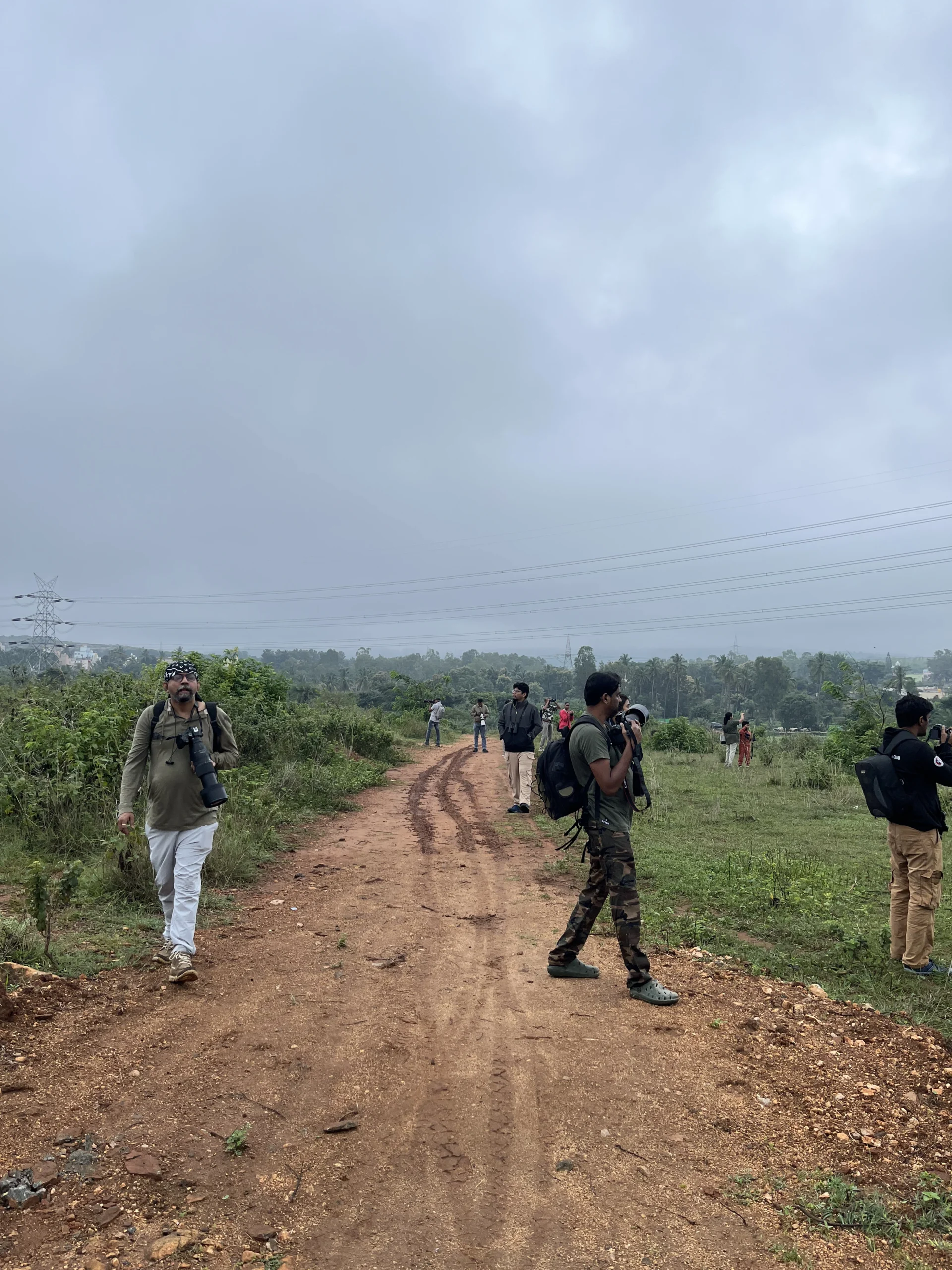
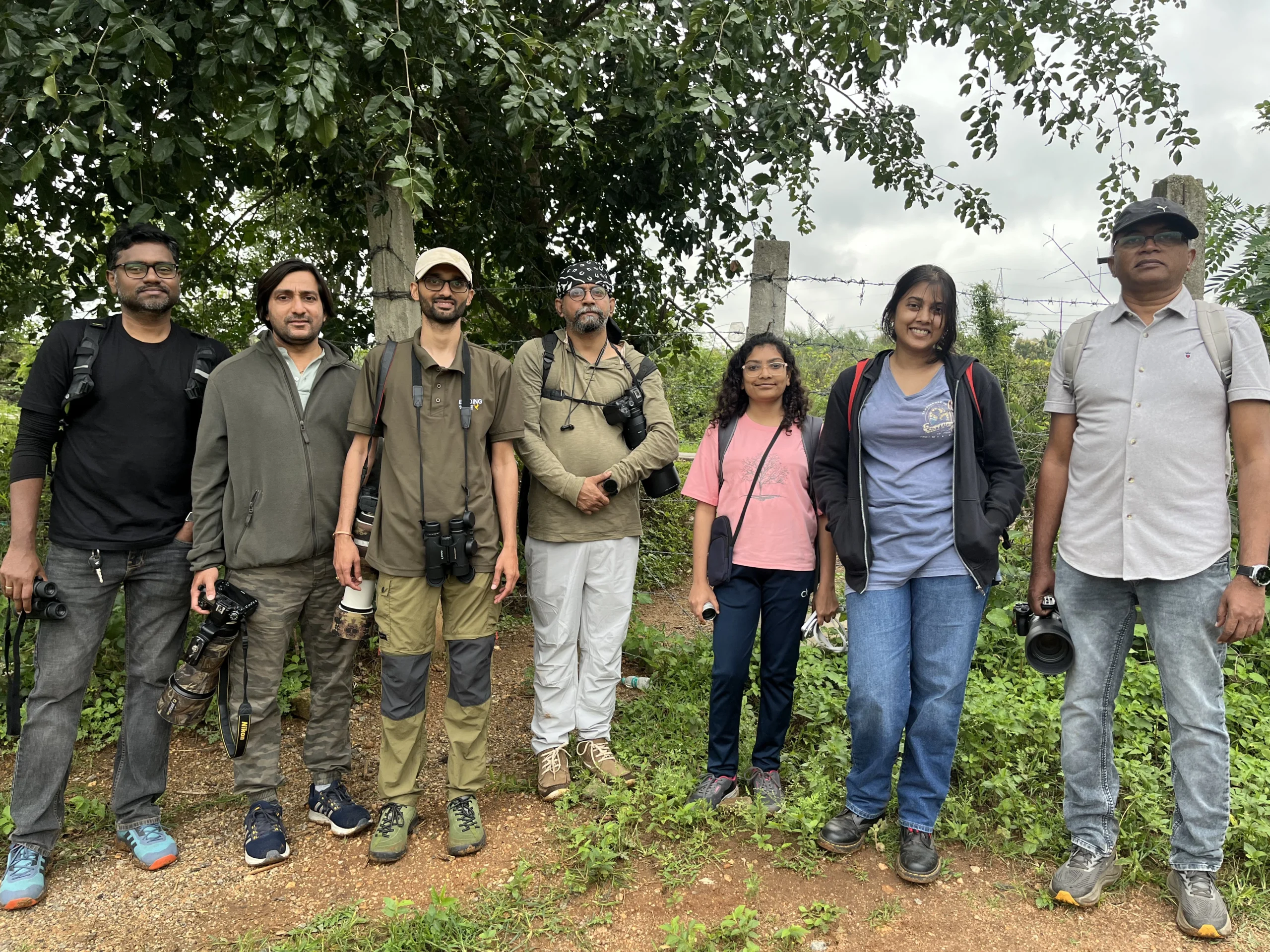
On 9th August 2026, a bird walk was organised at Byatarayana Doddi Kere in Bengaluru, guided by Ghautham R R, with 20 participants in attendance. The site offers a wonderfully varied birding experience, its shimmering lake fringed by scrubby forest and open grassland creating a rich mosaic of habitats that draws both wetland and woodland species. Along the water’s edge, waders and waterfowl went about their business, while the surrounding thickets and dry deciduous patches hosted an entirely different cast of birds, making for a diverse and engaging walk in which the group recorded an impressive 43 species.
A Pied Cuckoo called out from the canopy, its sharp, insistent notes a classic monsoon-season herald across the Deccan landscape. In the open scrub, Jerdon’s Bush Larks were spotted lifting off from the bare ground, their quick, low flights blending into the dusty terrain. Near a stand of thorny trees, a colony of Baya Weavers was in full nesting activity, with males busy weaving their retort-shaped nests while females inspected each structure closely. In a fleeting but memorable moment, a Black-winged Kite was spotted hovering over the grassland before dropping out of sight, its pale plumage and red eyes unmistakable. Altogether, the walk showcased how one site combining water and woodland habitats can offer such a rich range of birding experiences.
Number of Participants
0