

Loading Events

Bird Walk at Thimmasandra Lake, Bengaluru

About Thimmasandra Lake

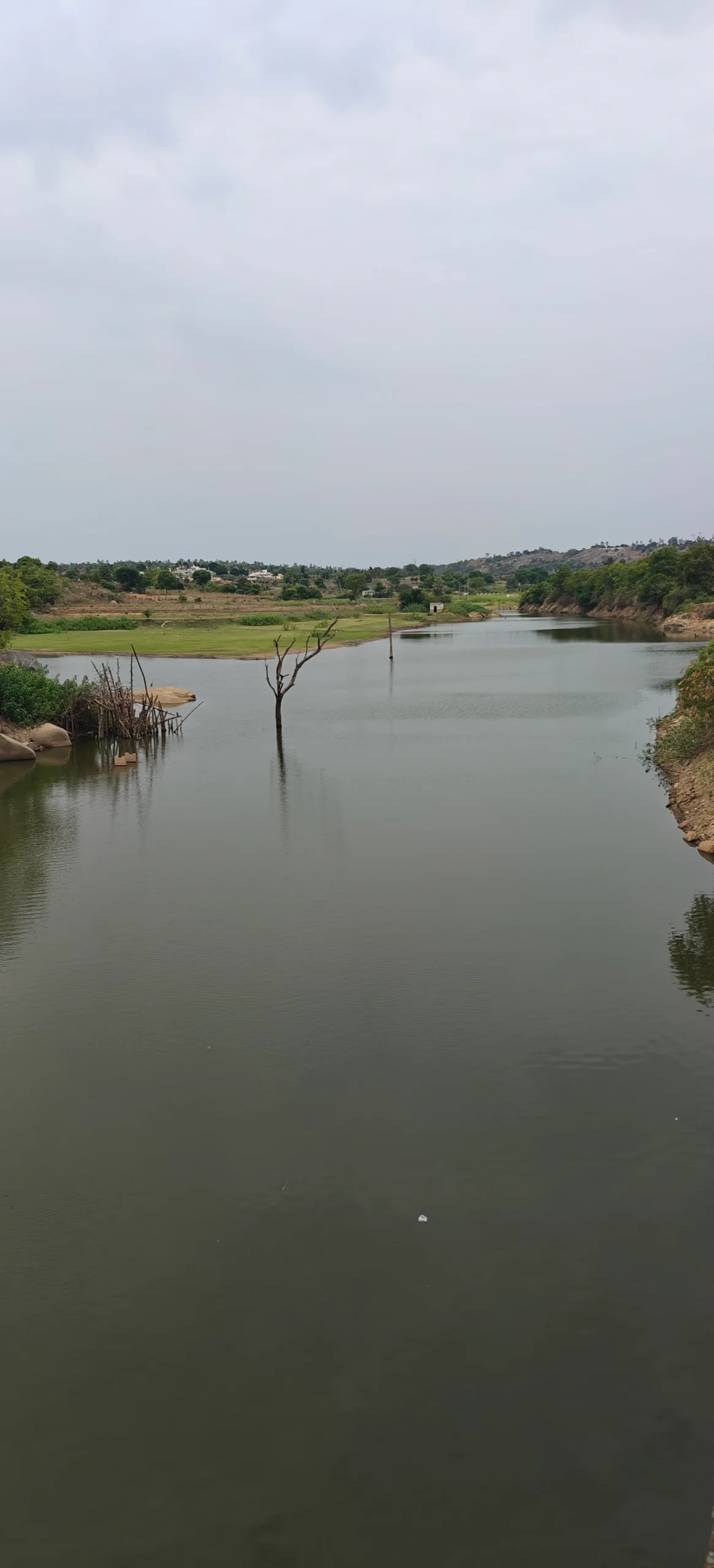
Thimmasandra Lake is a scenic freshwater wetland located on the northern outskirts of Bengaluru, surrounded by open farmlands, grasslands, scattered trees, and seasonal marshes. The lake acts as an important water source for the surrounding landscape while providing a mosaic of habitats that support an impressive variety of wildlife. Its calm waters, reed-lined edges, and mudflats create ideal conditions for aquatic plants, insects, amphibians, and numerous bird species throughout the year.
The lake is particularly popular among birdwatchers because it attracts both resident and migratory birds across different seasons. During winter, migratory waterfowl and raptors add to the already rich diversity of local species, making every visit unique. The combination of wetlands, scrub vegetation, and woodland patches allows birders to observe everything from ducks, herons, and storks to hornbills, kingfishers, owls, and birds of prey within a single outing. Its peaceful surroundings and excellent bird diversity make Thimmasandra Lake one of Bengaluru’s rewarding birding destinations for beginners and experienced naturalists alike.

Bird Guide: Gurprasad K R

He is a passionate nature lover, birding photographer, and conservation advocate, with over a decade of experience observing and documenting birds. Deeply connected to nature and community, he finds joy and inspiration in birds, insects, and butterflies, and is driven to share this wonder to inspire others to connect with the natural world.
Bird walk Location

Common birds of Thimmasandra Lake

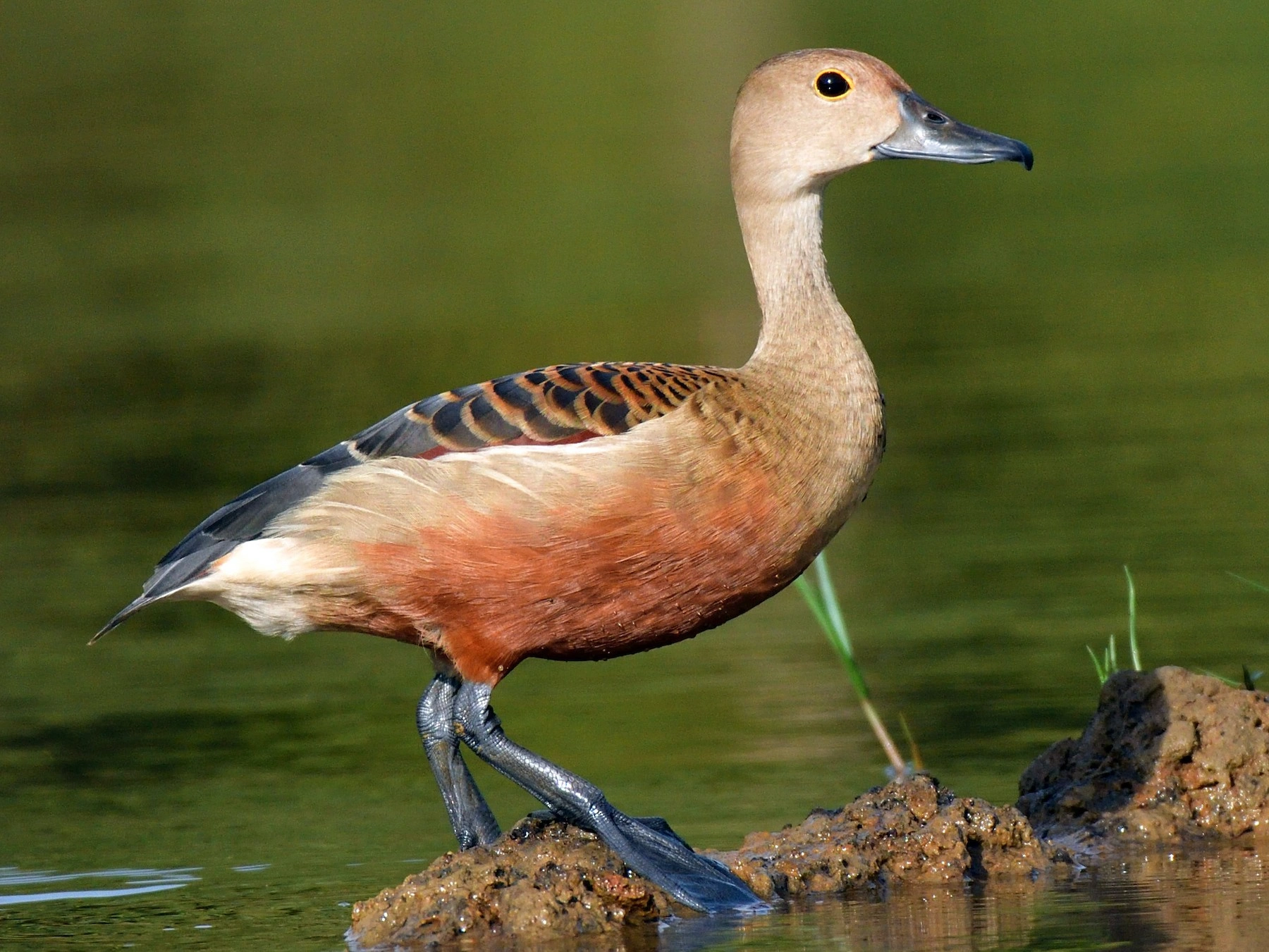
Thimmasandra Lake offers an impressive mix of waterbirds, raptors, and woodland species. Wetland specialists such as Lesser Whistling-Ducks, Indian Spot-billed Ducks, Little Grebes, Asian Openbills, Painted Storks, cormorants, herons, egrets, and White-breasted Waterhens thrive in its shallow waters. The lake’s mudflats attract Black-winged Stilts and Little Ringed Plovers, while the surrounding trees provide habitat for Indian Gray Hornbills, Blue-faced Malkohas, Greater Coucals, Spotted Owlets, and White-throated Kingfishers. Raptors including the Greater Spotted Eagle, Brahminy Kite, and Black Kite add excitement to birding sessions, making every visit an opportunity to encounter a remarkable diversity of species in a single location.

Lesser Whistling-Duck
Indian Spot-billed Duck
Indian Peafowl
Gray Francolin
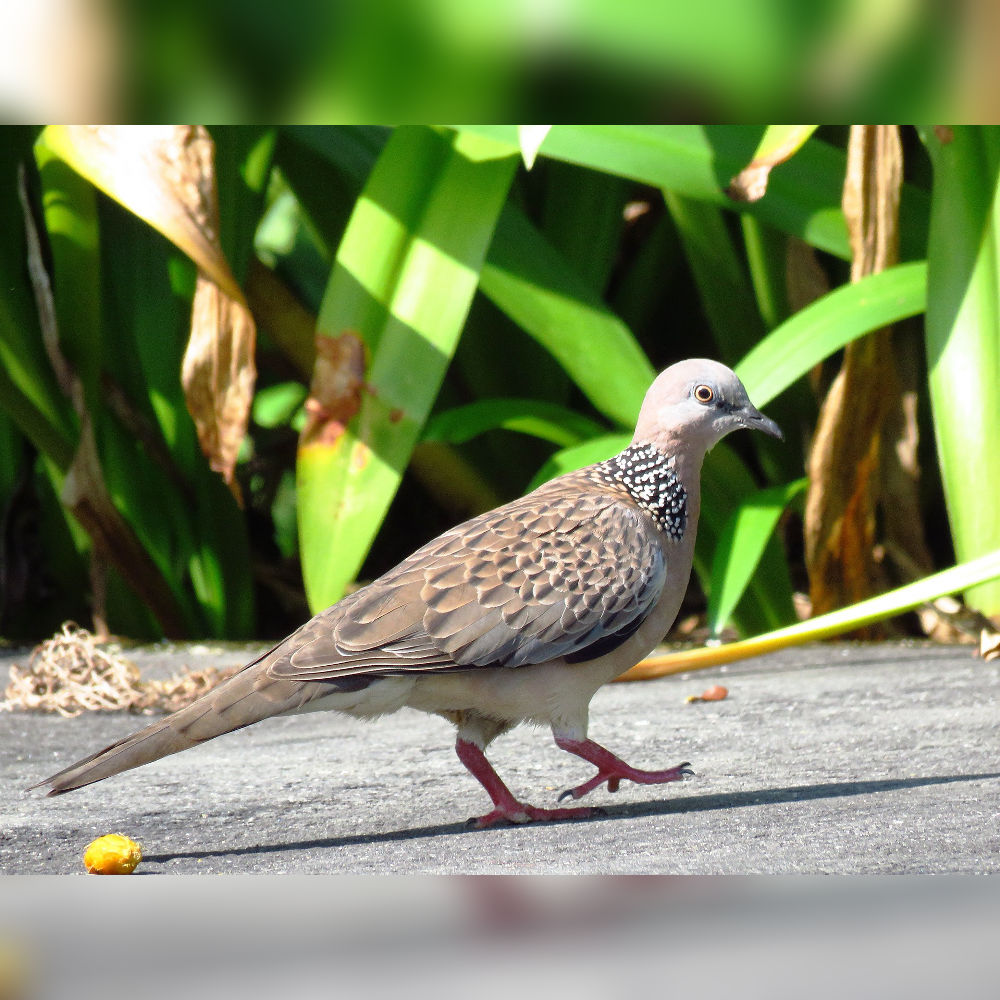
Spotted Dove
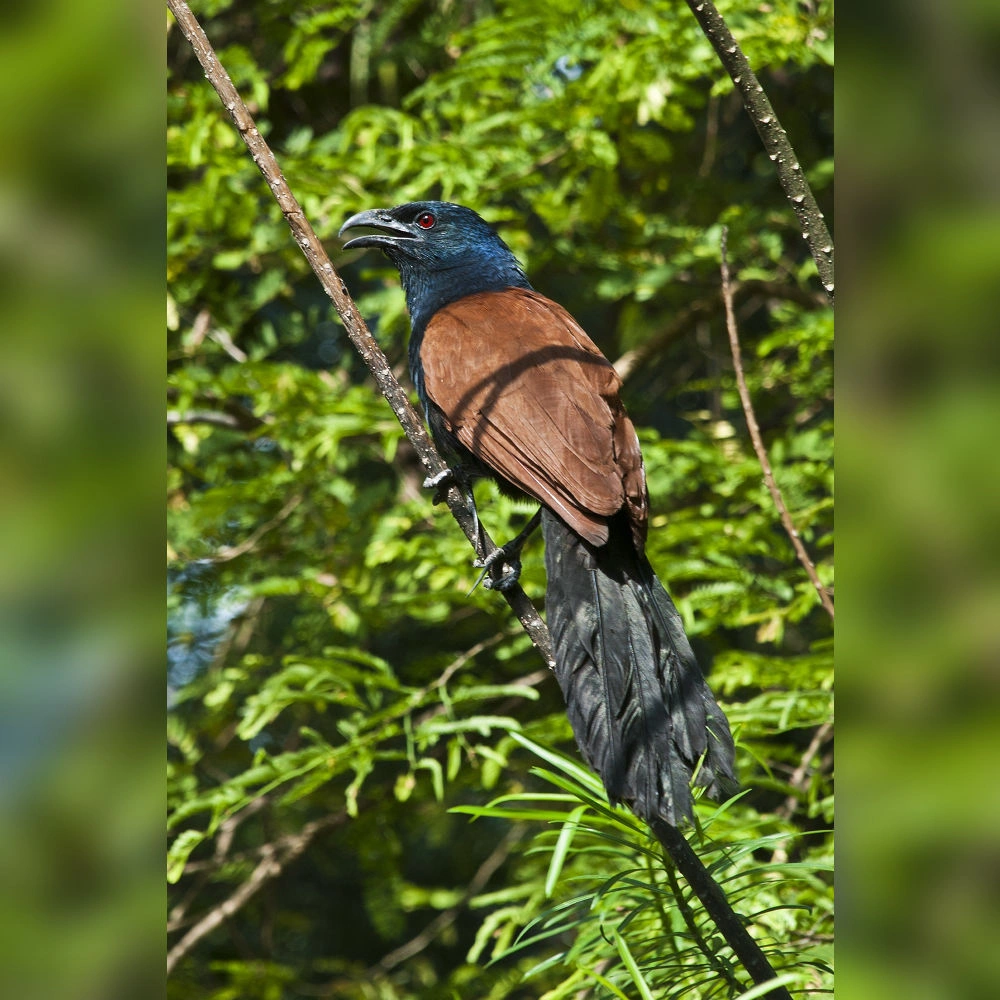
Greater Coucal
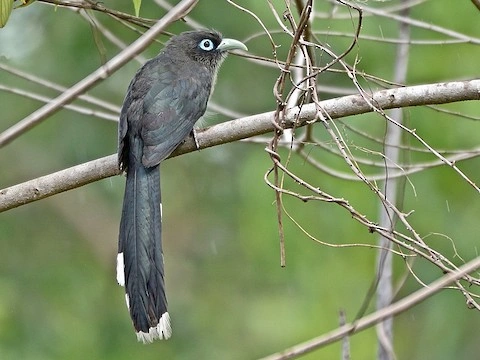
Blue-faced Malkoha
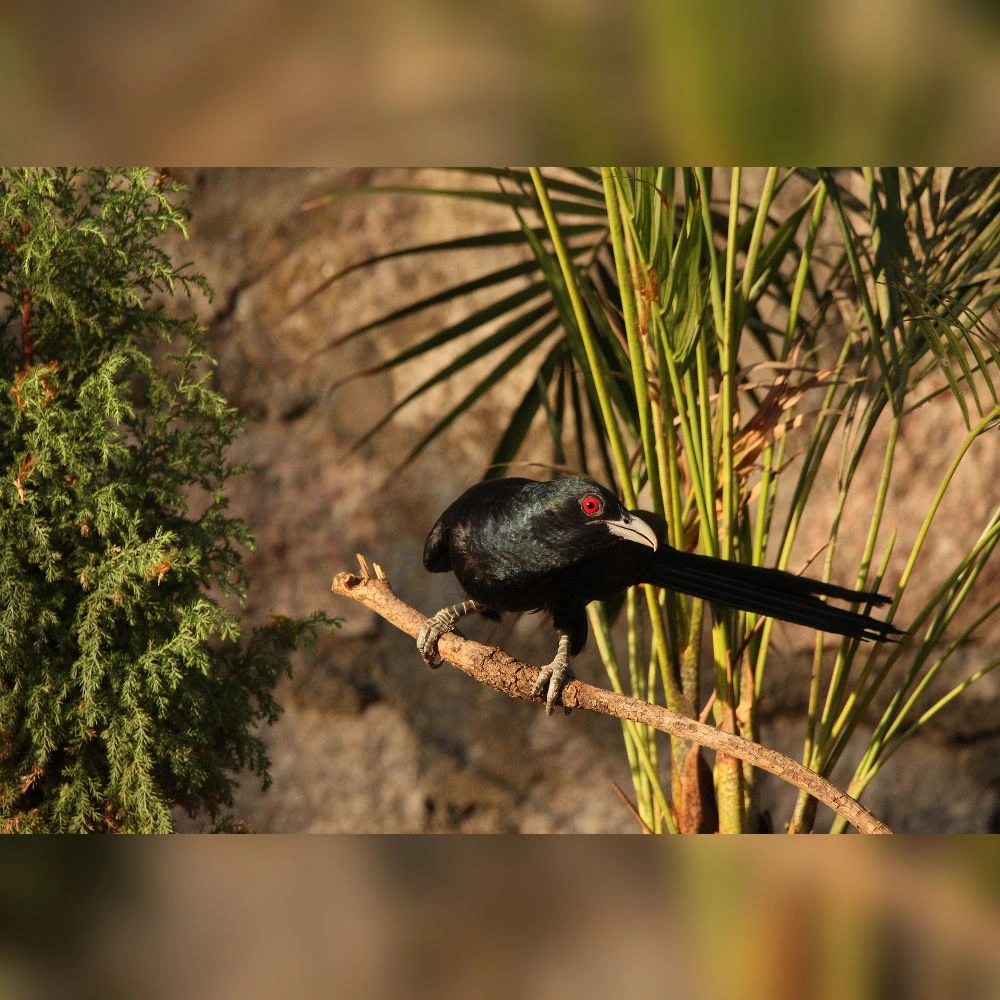
Asian Koel
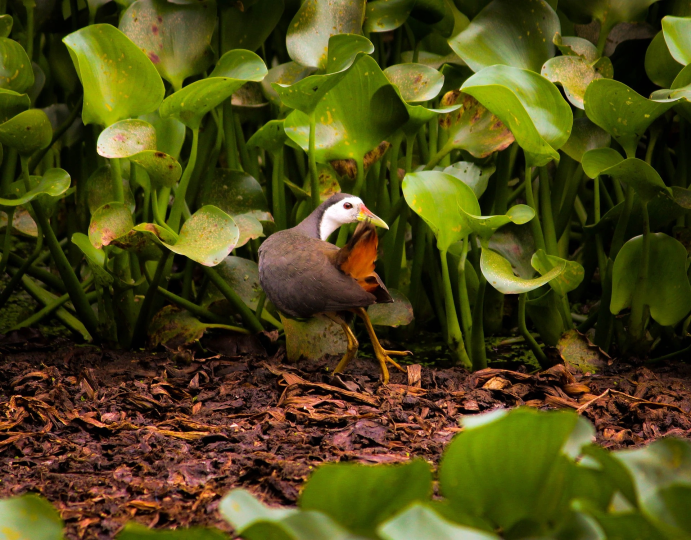
White-breasted Waterhen
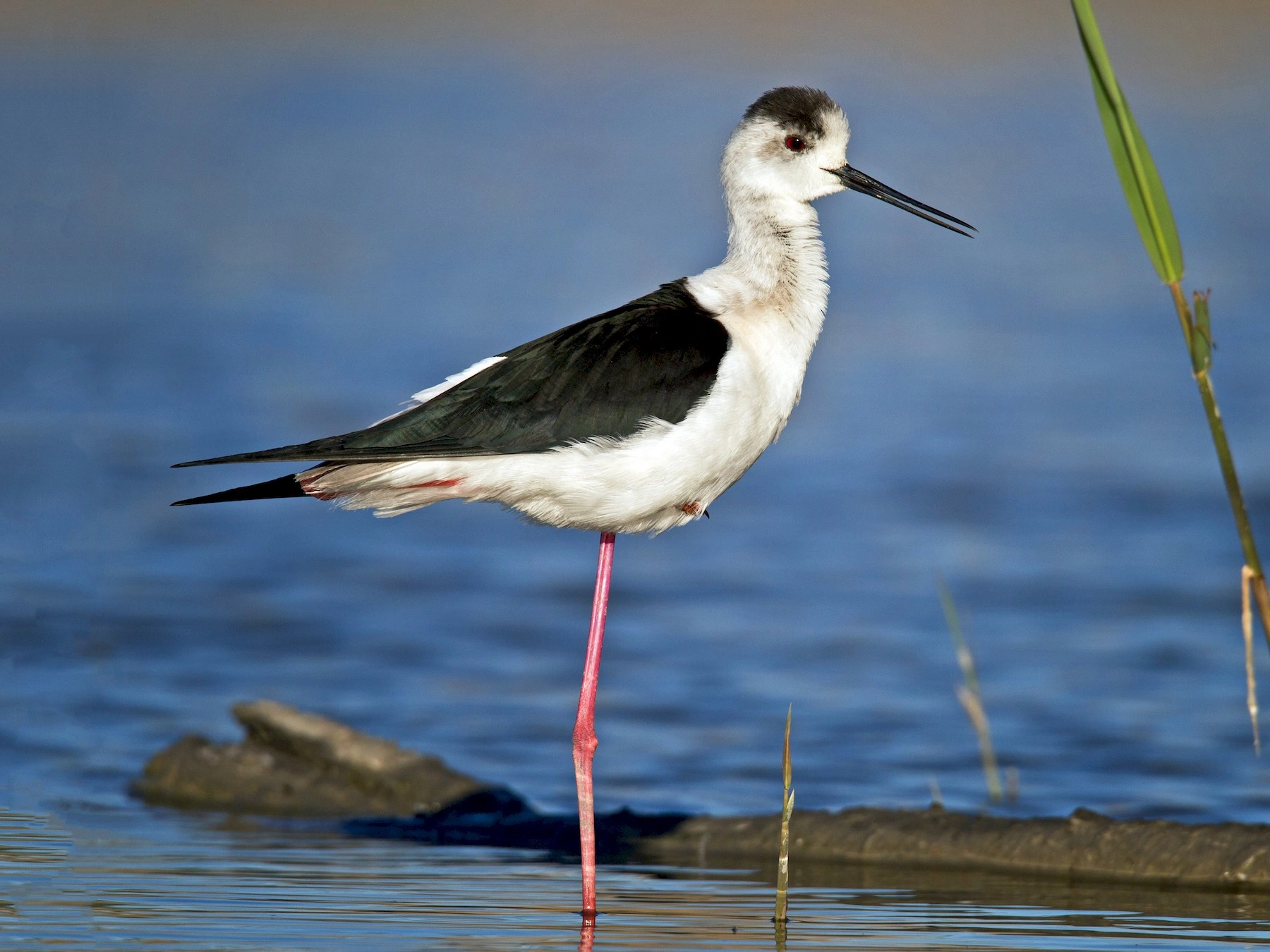
Black-winged Stilt
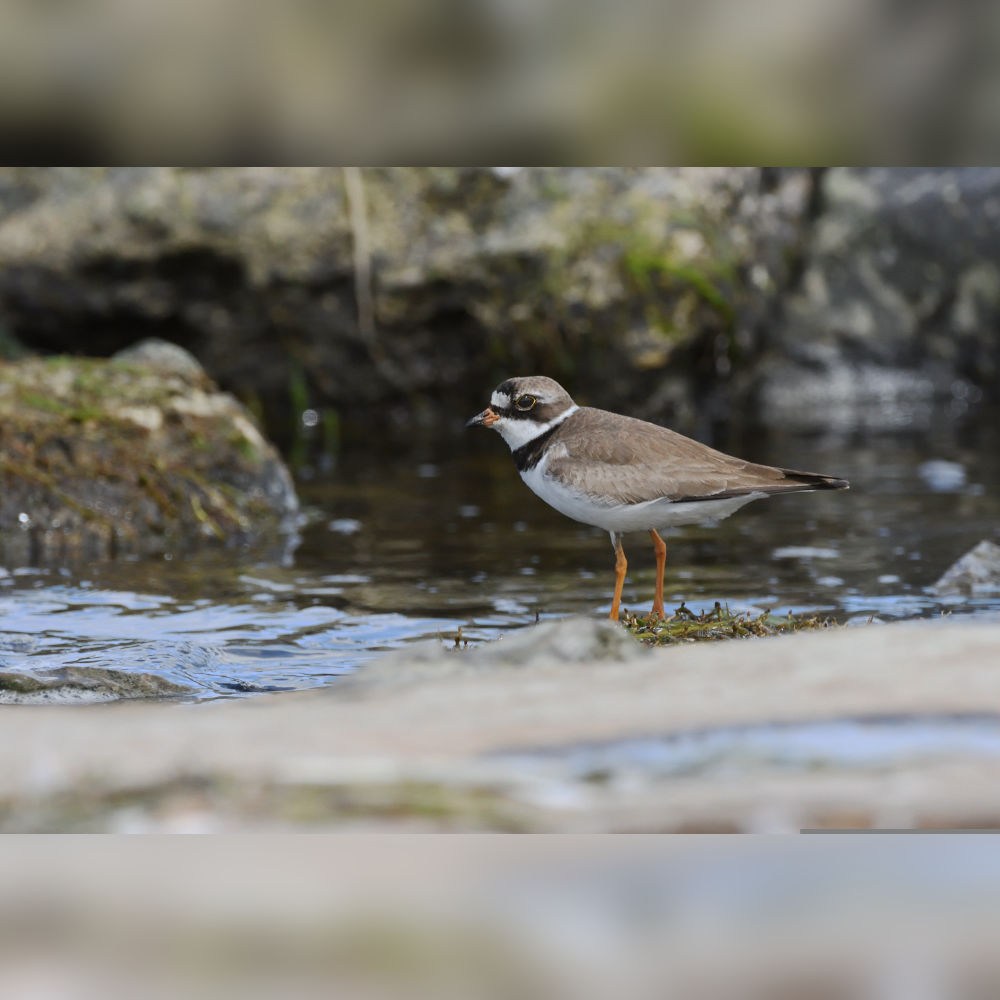
Little Ringed Plover
Little Grebe
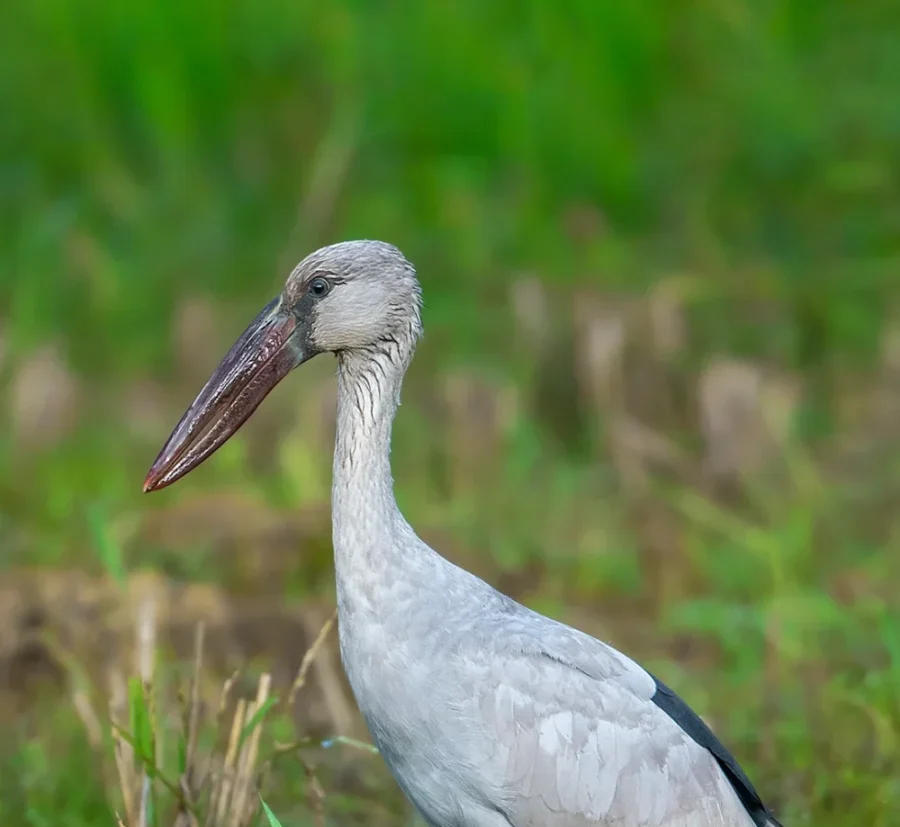
Asian Openbill
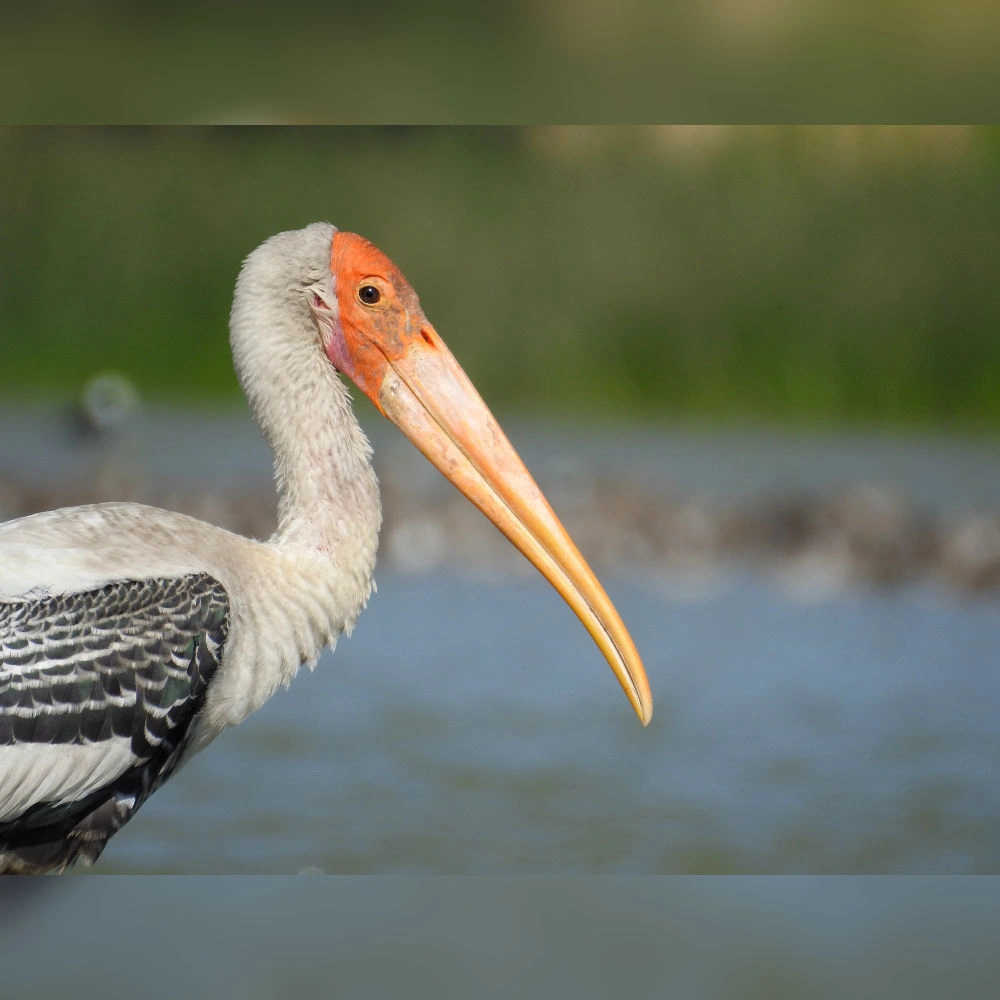
Painted Stork
Little Cormorant
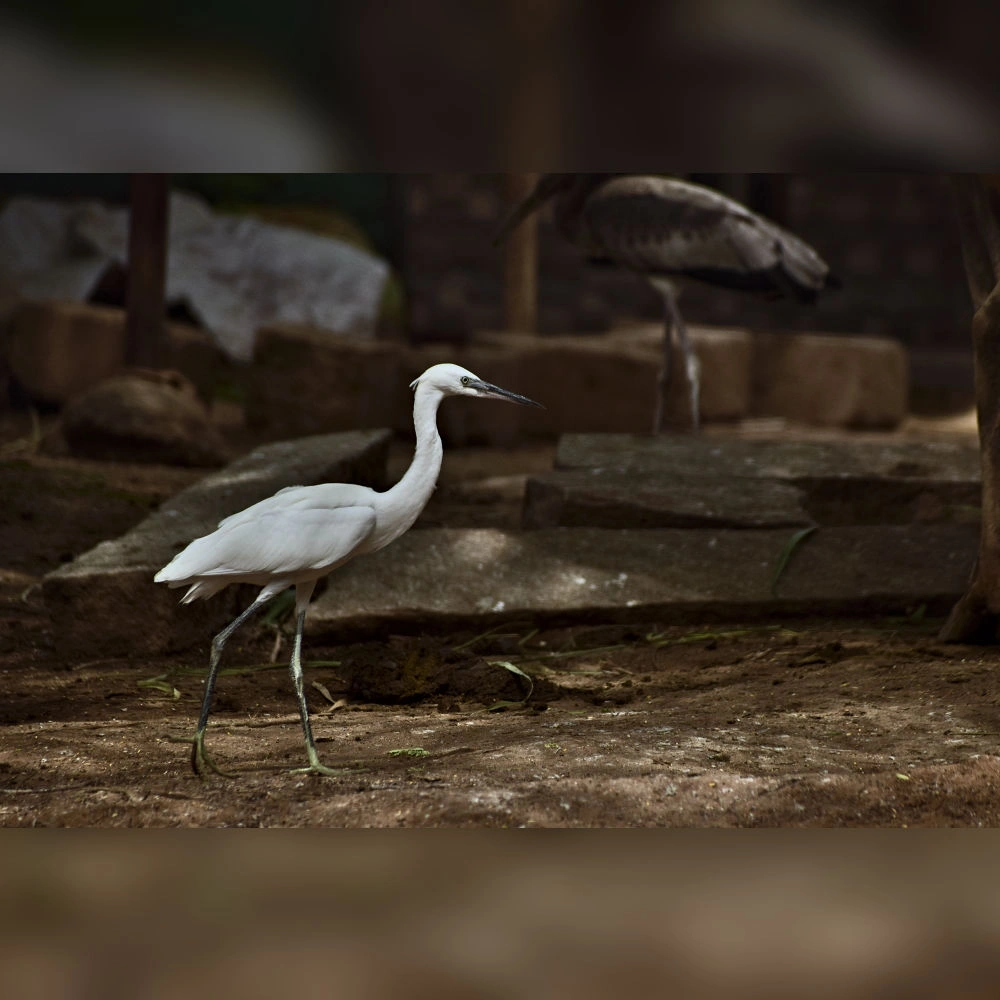
Little Egret
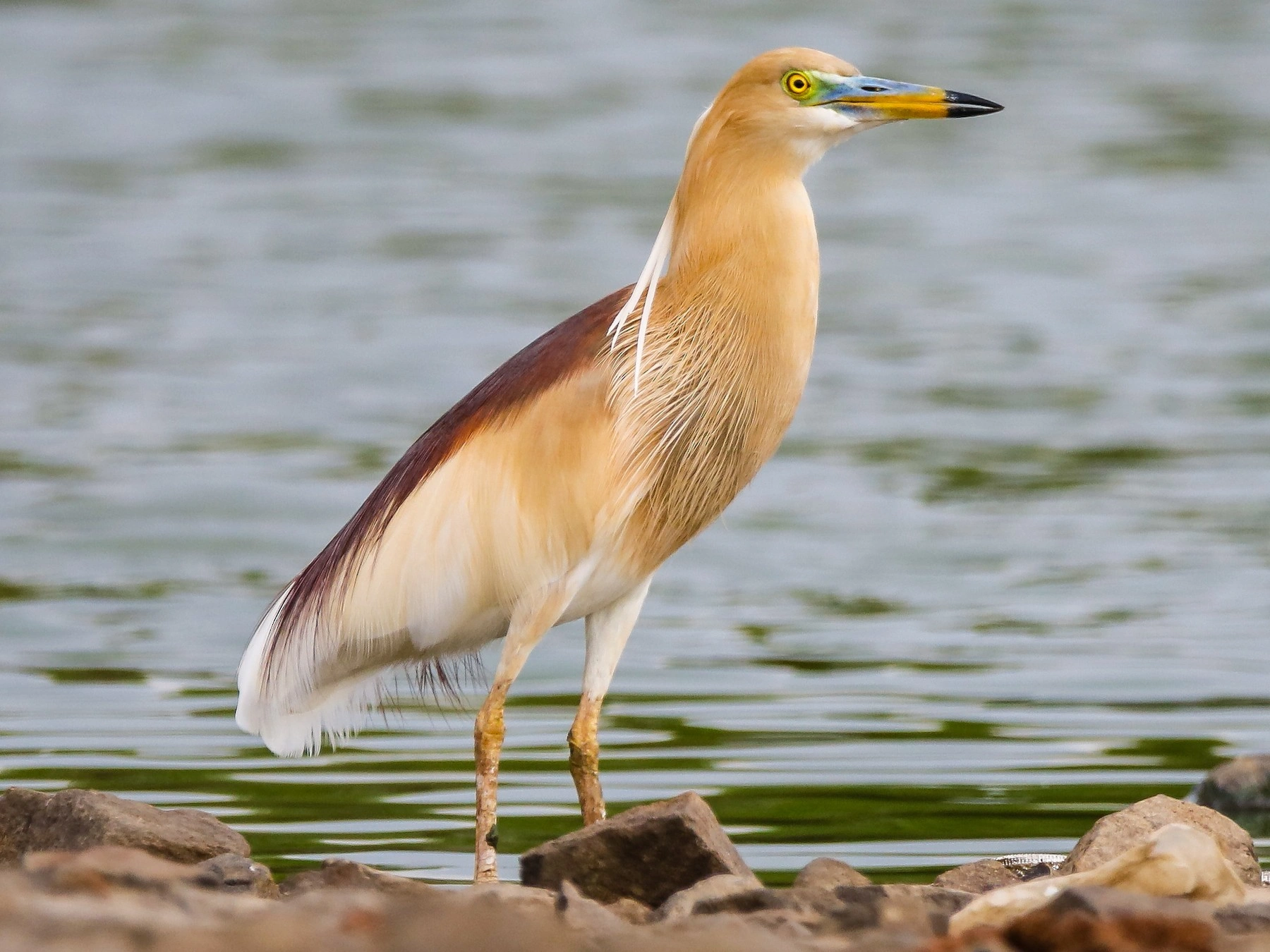
Indian Pond-Heron
Eastern Cattle-Egret
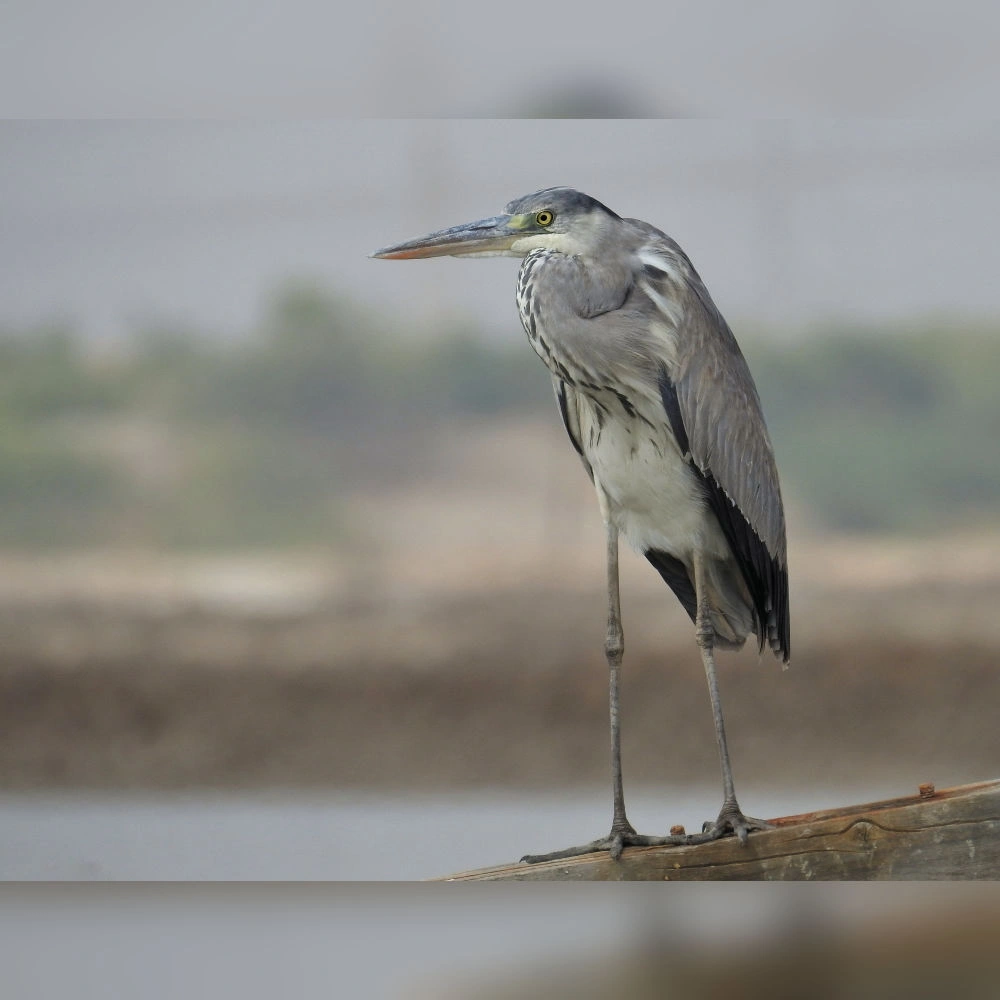
Gray Heron
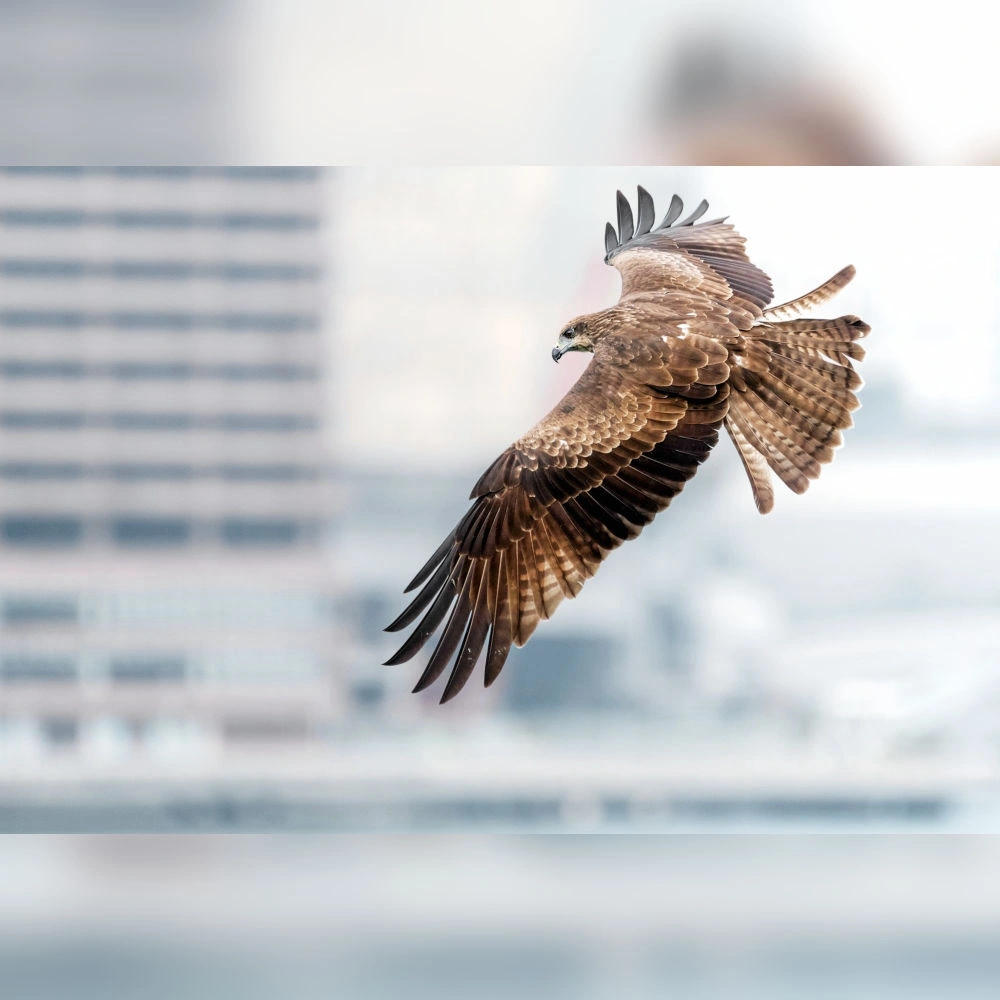
Black Kite
Scroll to Top