

Loading Events

Bird Walk at Banastari Wetlands (Field side), Goa

About Banastari Wetlands

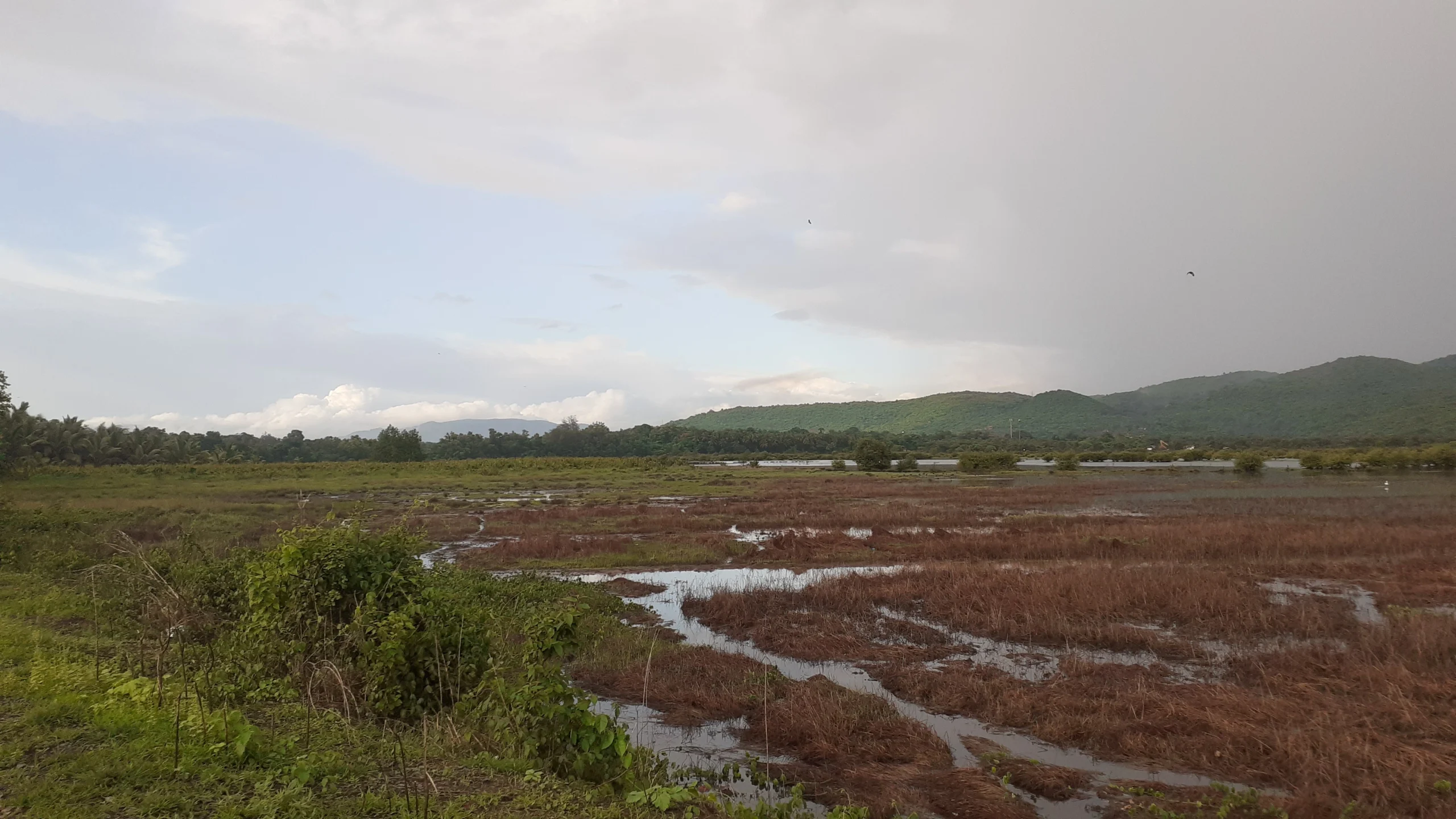
Banastari Wetlands form part of the wetland-rich landscape around Banastarim and the Mandovi–Cumbharjua region of Goa. The wetlands are closely connected with surrounding agricultural fields, waterways and mangrove habitats, creating a diverse landscape where freshwater, agricultural and estuarine influences meet. Banastarim lies close to the Cumbharjua Canal, which connects with the Zuari River, while the surrounding landscape includes mangroves and agricultural tracts. The fields-side habitat is especially interesting for birdwatching because the combination of open farmland, seasonal wet patches, drainage channels and vegetation provides different feeding opportunities within a relatively small area. Goa’s traditional wetlands have historically been closely associated with agriculture and water management, and many seasonal wetlands retain water during and after the monsoon before gradually drying out. These changing conditions create a dynamic environment for birds, particularly waterbirds, waders and species that forage in open fields.
The Banastari landscape is particularly valuable because it forms part of a wider network of wetlands rather than functioning as an isolated waterbody. During different seasons, the exposed edges, shallow water, muddy patches and agricultural fields can attract a changing range of birds, while nearby mangroves provide additional shelter and feeding habitat. The surrounding wetland network also supports aquatic organisms, fish and other wildlife, making it an important ecological landscape for both biodiversity and local livelihoods. However, wetlands around Goa face pressures from land-use change, encroachment, waste disposal, disturbance and other forms of development. The protection of these habitats is therefore important not only for birds but also for maintaining natural water regulation and supporting traditional agricultural systems. For birdwatchers, the fields side of Banastari offers an opportunity to explore the quieter, less urbanised side of Goa and observe how birds move between wetlands, farmland and mangrove habitats.

Bird Guide: Joel Fernandes

Birder with over a year of experience, having recorded around 270 species, including 258 on eBird (Goa), reflecting a growing passion for observing and documenting birds.
Bird walk Location

Common birds of Banastari Wetlands

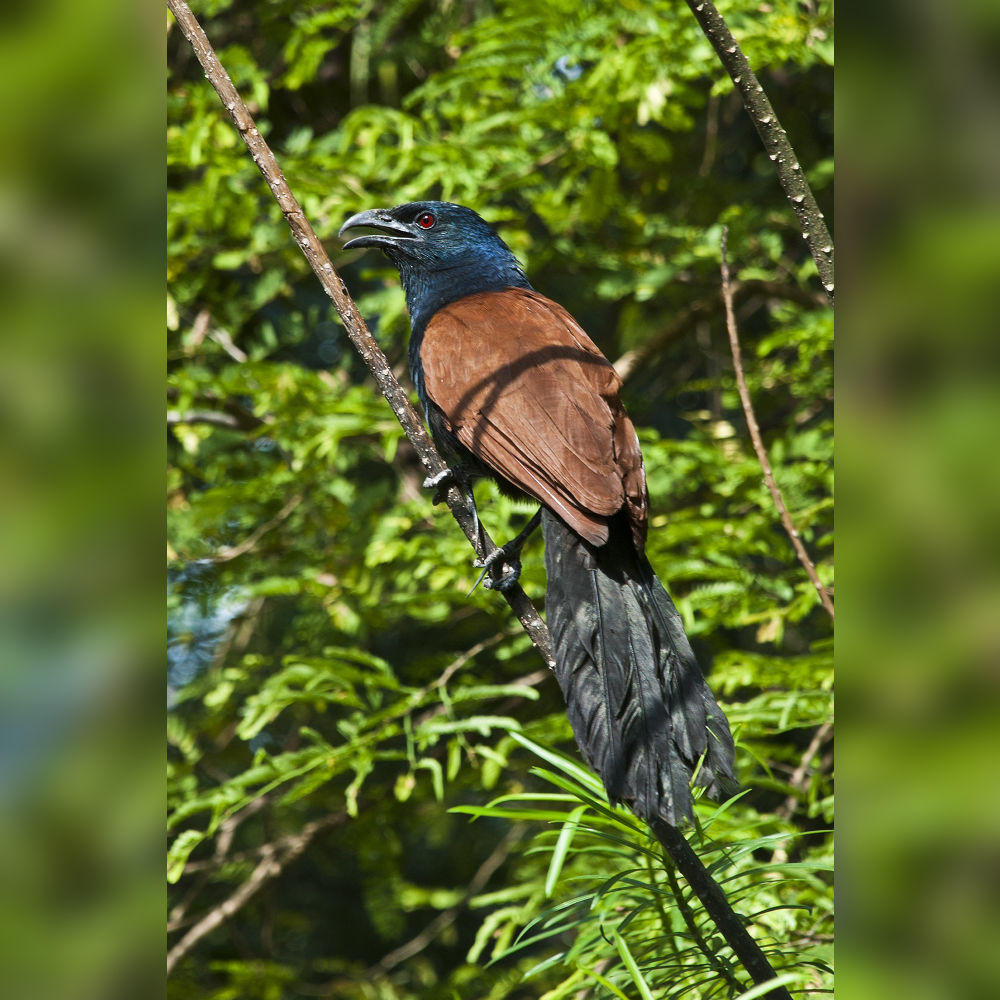
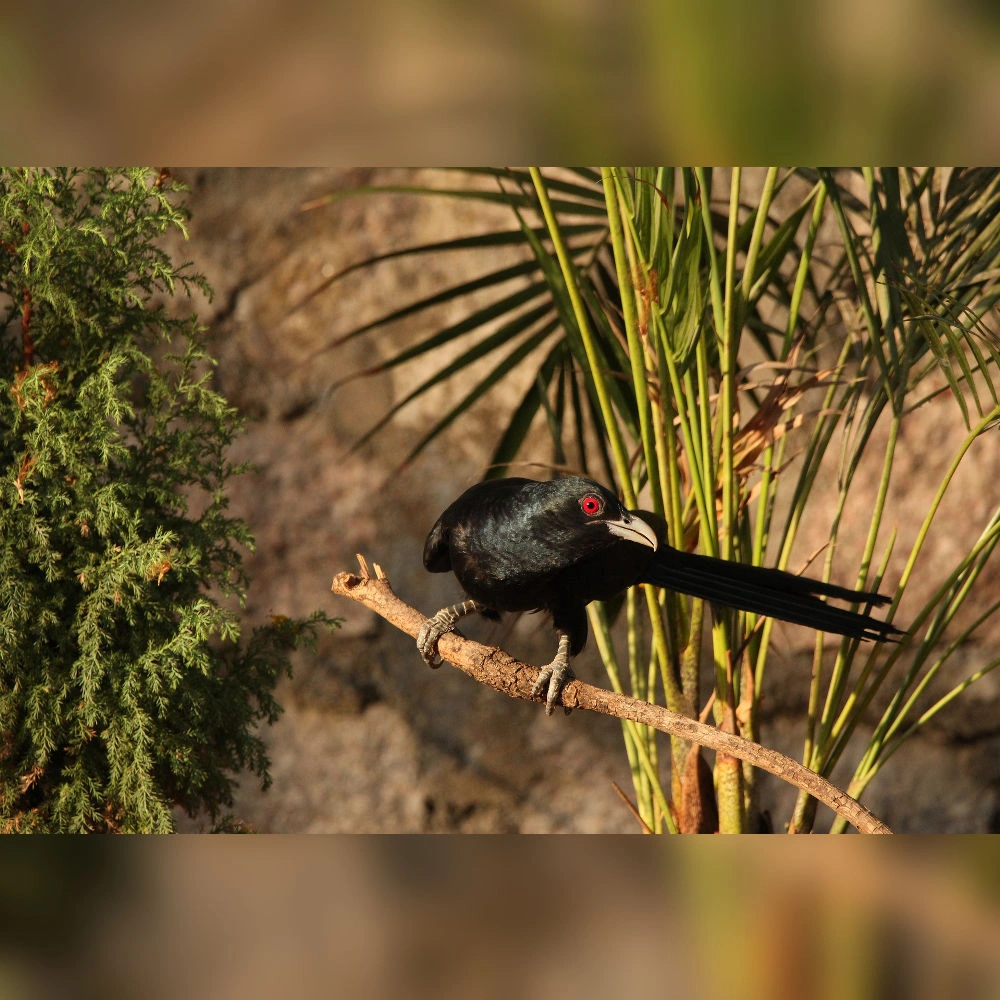
The fields and wetlands around Banastari create a diverse mosaic of marshes, agricultural land, grassy patches and water channels, making it one of the interesting birding landscapes in Goa. Open wetlands support a rich community of waterbirds, including Gray-headed Swamphen, White-breasted Waterhen, Red-wattled Lapwing, Marsh Sandpiper and a variety of herons and egrets. The presence of species such as Oriental Darter, Little Cormorant and Indian Cormorant reflects the healthy fish populations and productive wetland habitats. Among the highlights of the area is the globally vulnerable Lesser Adjutant, a large stork that depends on undisturbed wetlands and surrounding fields for feeding. The surrounding vegetation and agricultural areas add another dimension to birding, with species such as Greater Coucal, Asian Koel, Gray-bellied Cuckoo, Ashy Prinia, Zitting Cisticola and Wire-tailed Swallow commonly using the grasslands and shrubs. Colourful residents like Stork-billed Kingfisher, White-throated Kingfisher, Black-hooded Oriole and Black-rumped Flameback further enhance the experience. Raptors, particularly Brahminy Kite and Black Kite, are often seen soaring above the wetlands. Seasonal changes in water levels create a dynamic habitat, attracting different species through the year and making every visit unique. Banastari highlights the importance of preserving Goa’s interconnected wetlands, agricultural fields and natural vegetation, which together support an impressive diversity of birdlife.
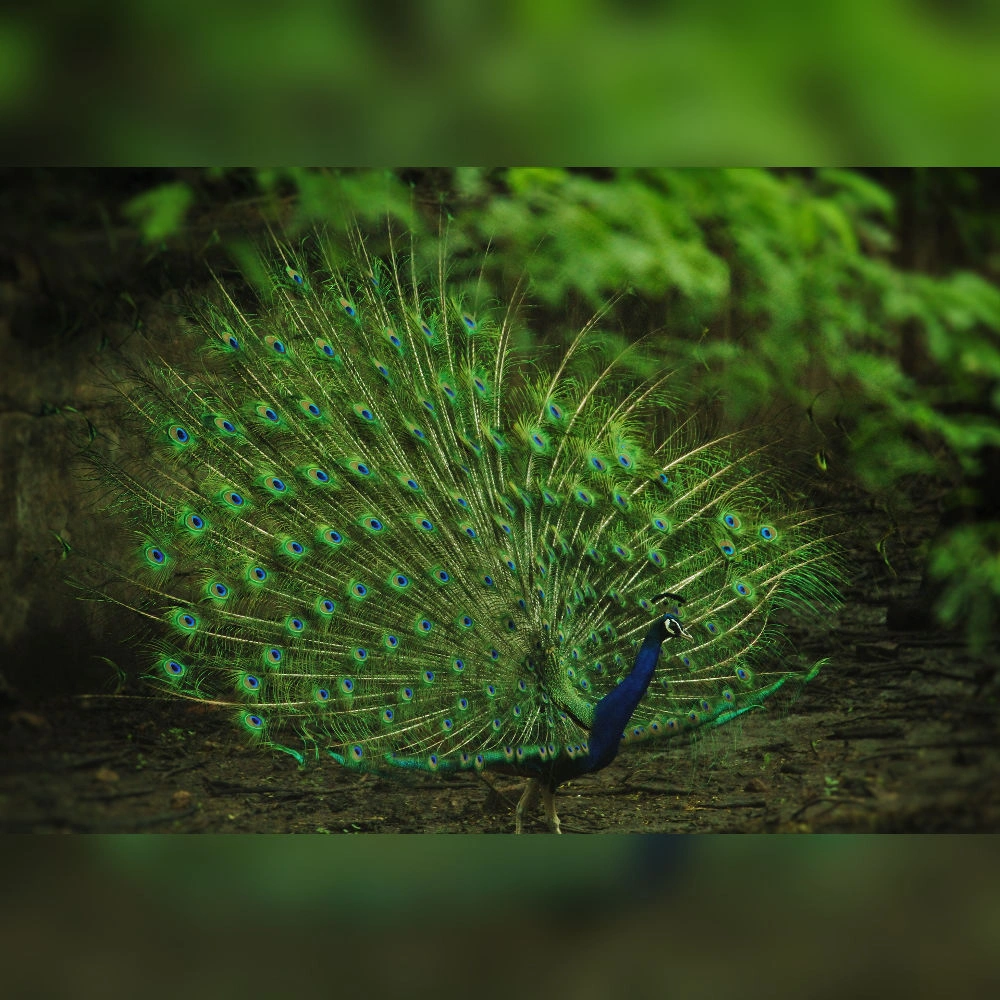
Indian Peafowl
Greater Coucal
Asian Koel
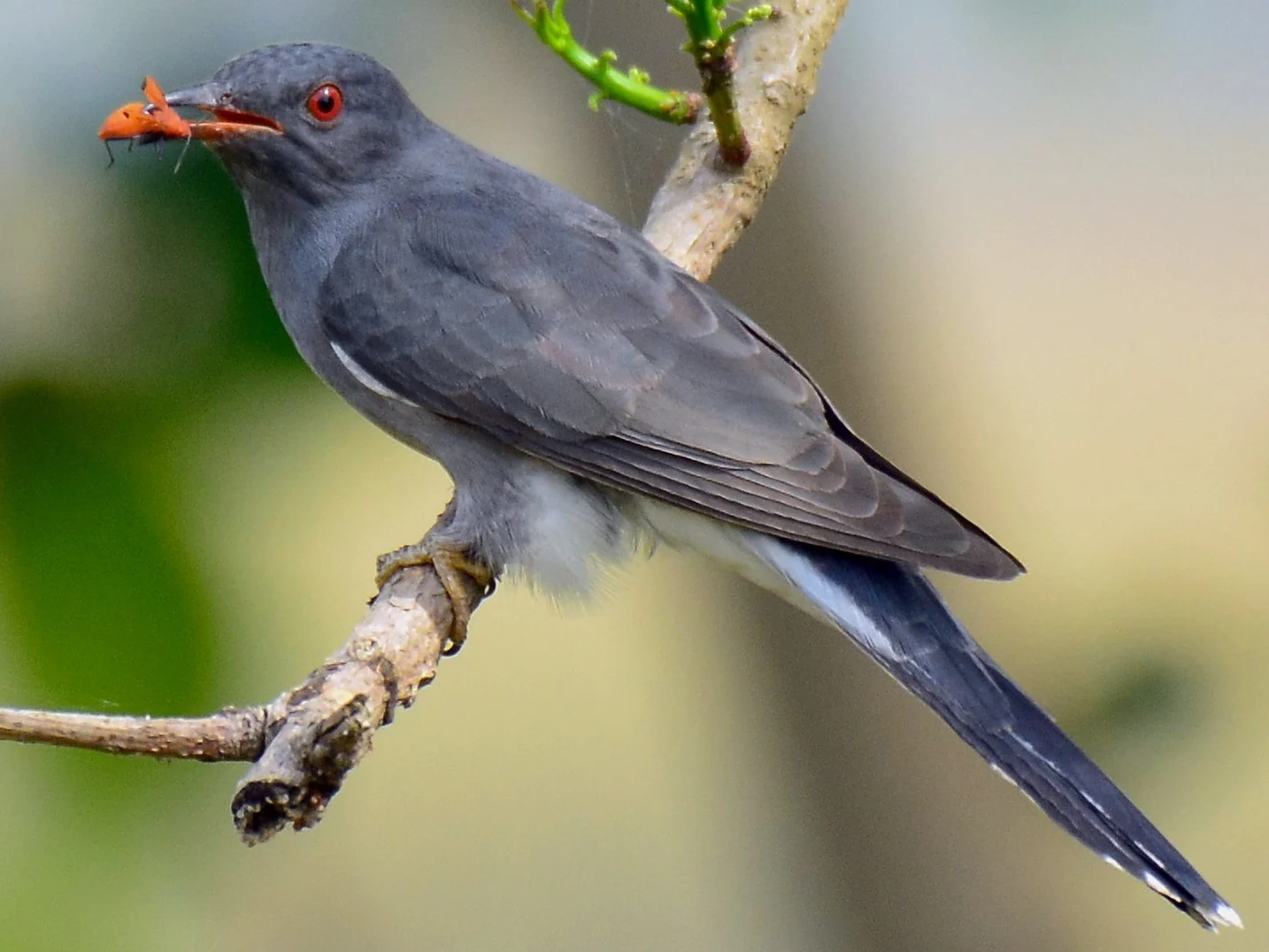
Grey-bellied Cuckoo
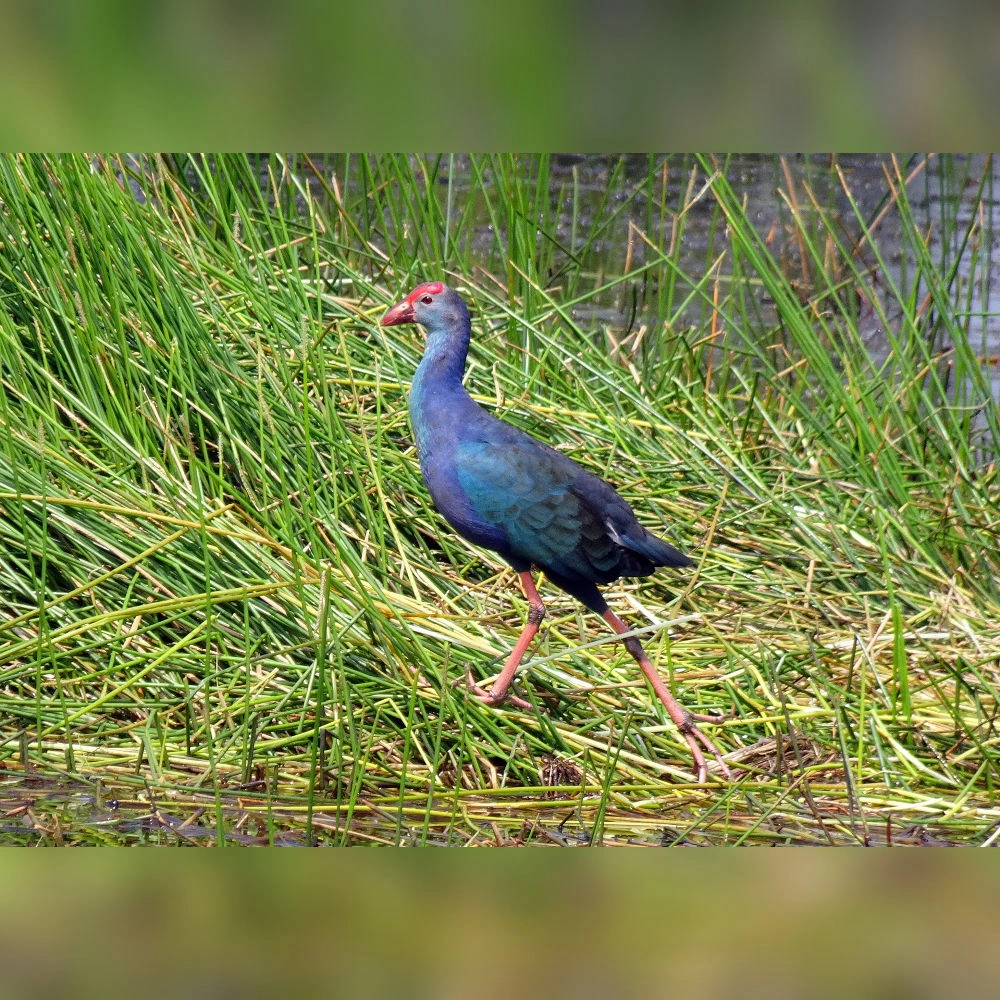
Gray-headed Swamphen
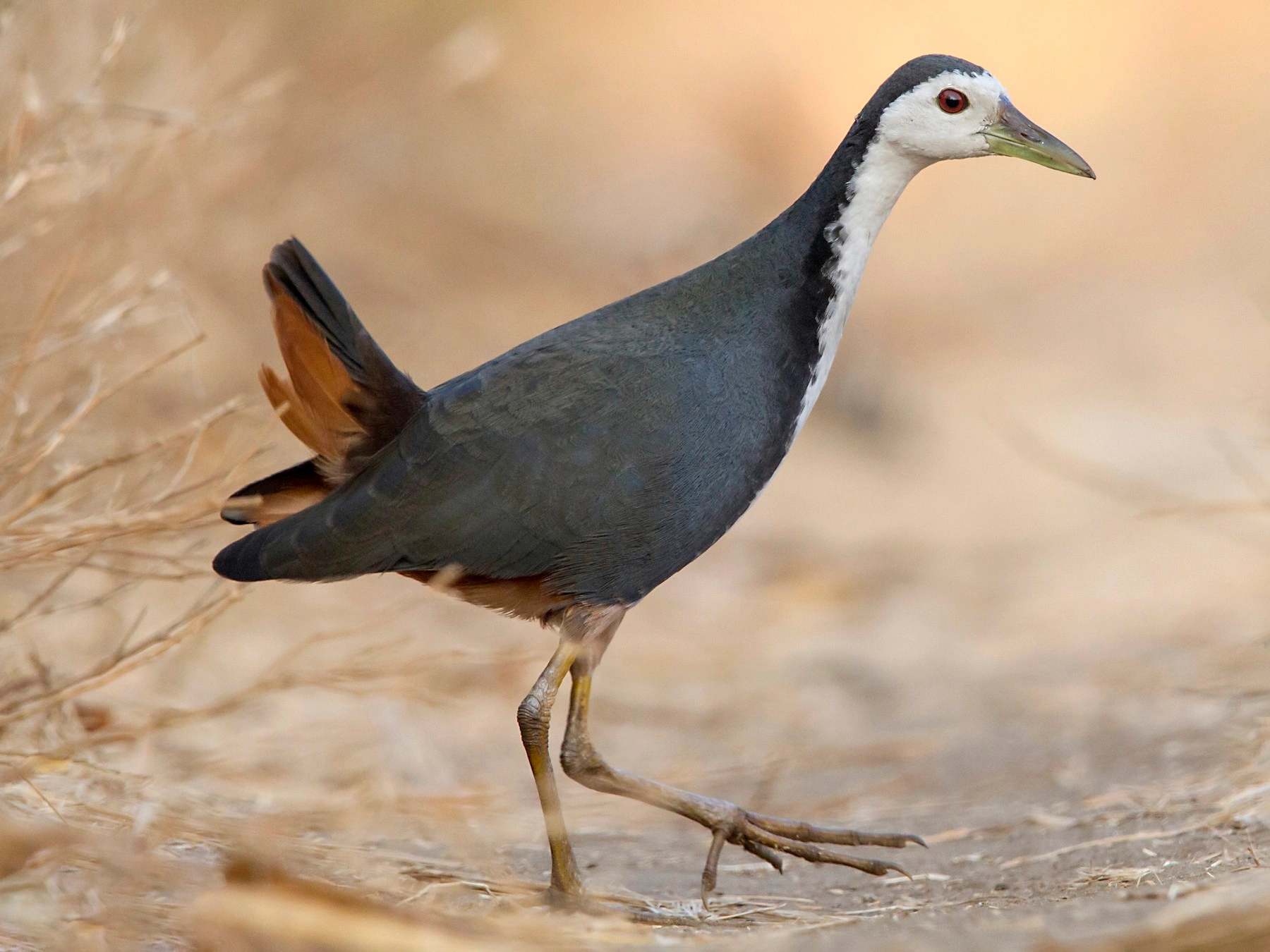
White-breasted Waterhen
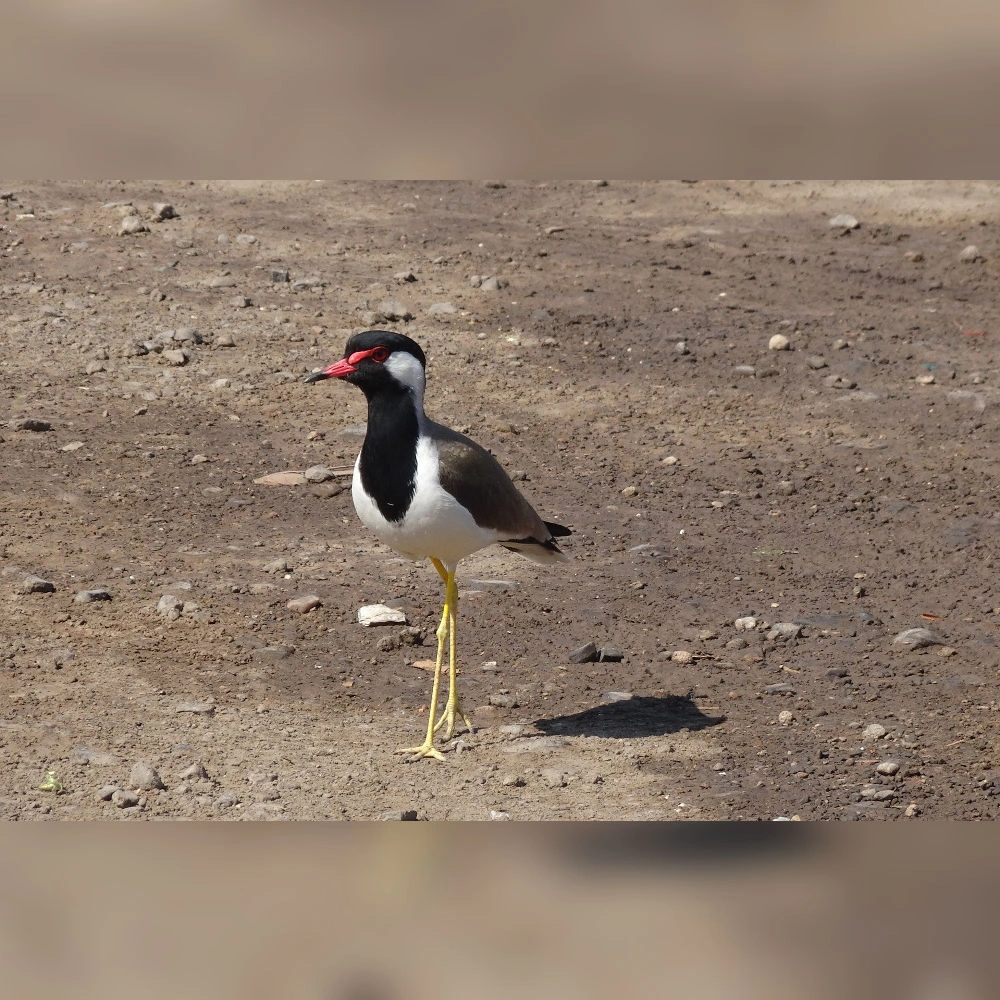
Red-wattled Lapwing
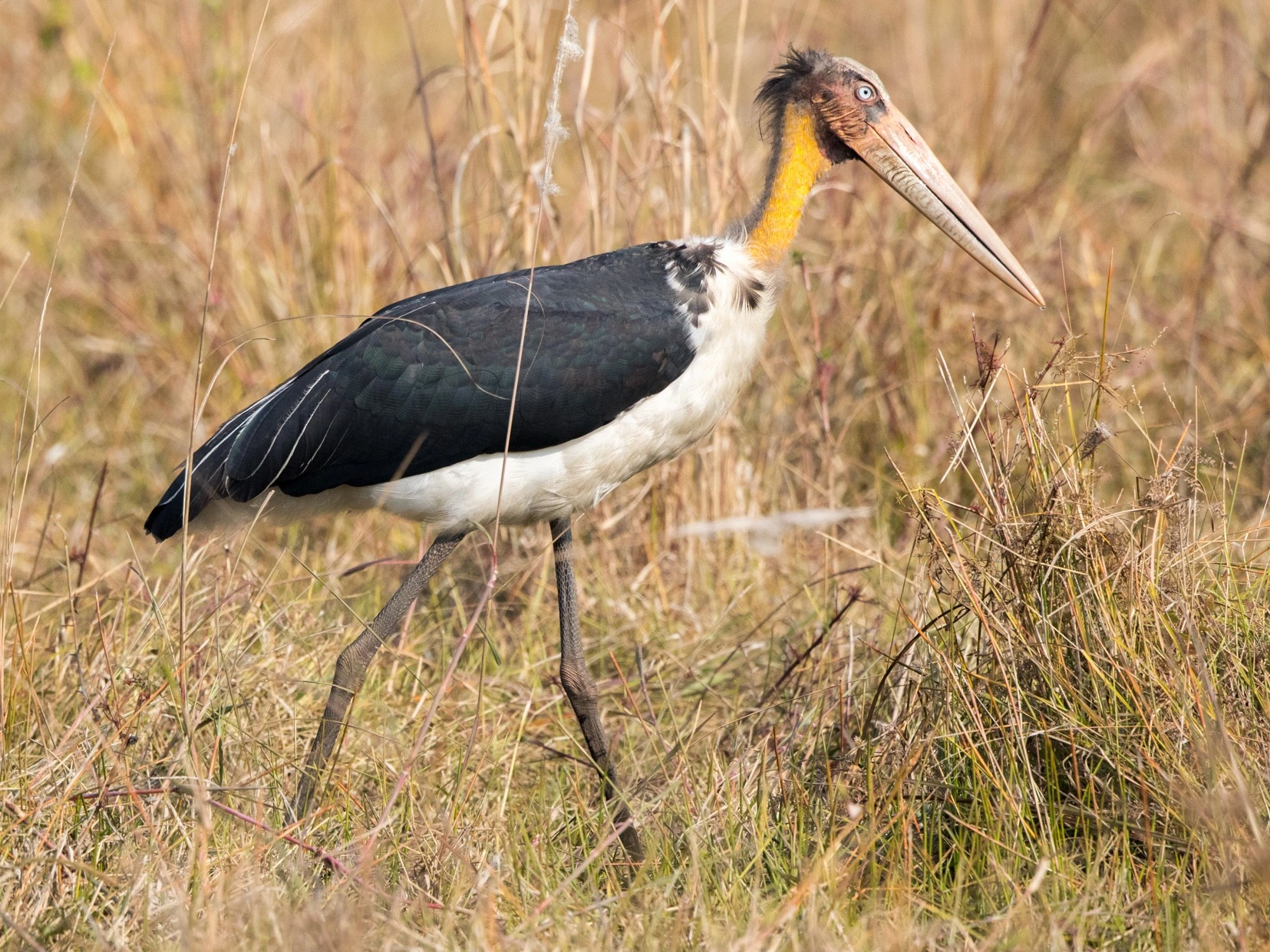
Lesser Adjutant
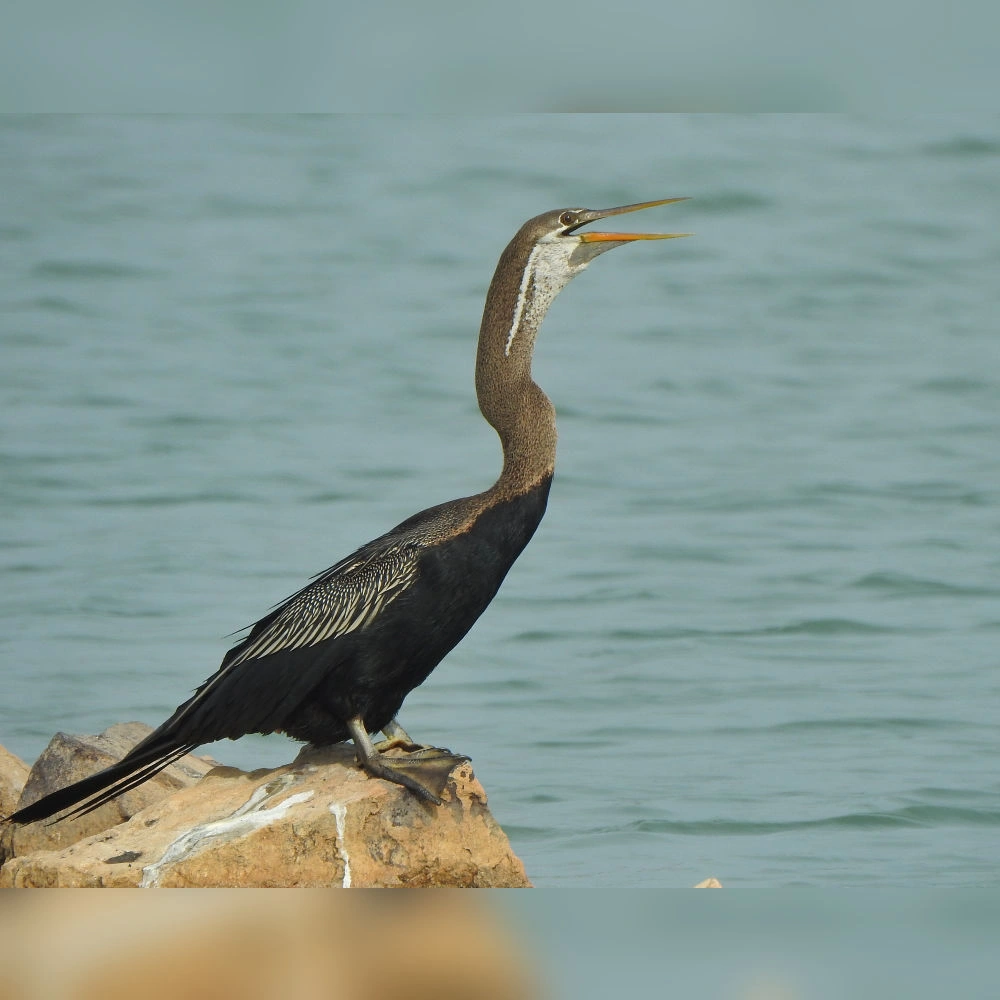
Oriental Darter
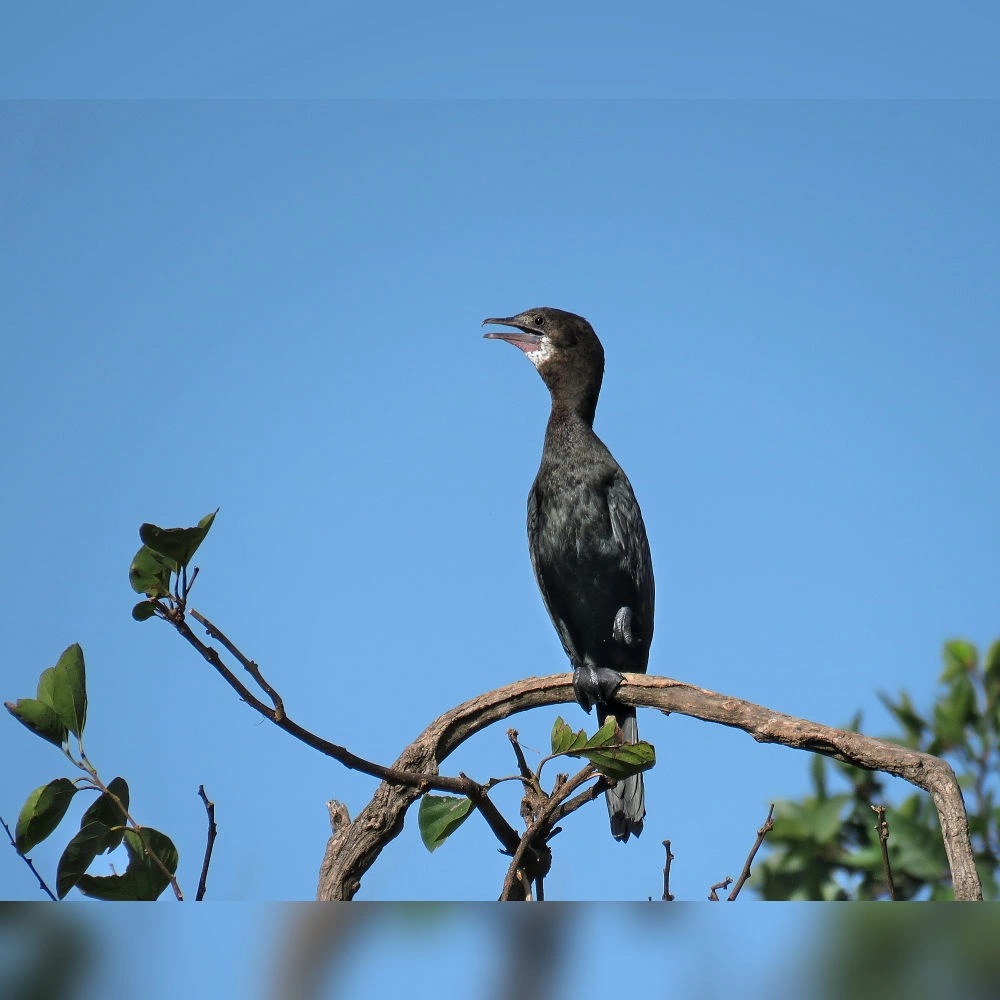
Little Cormorant
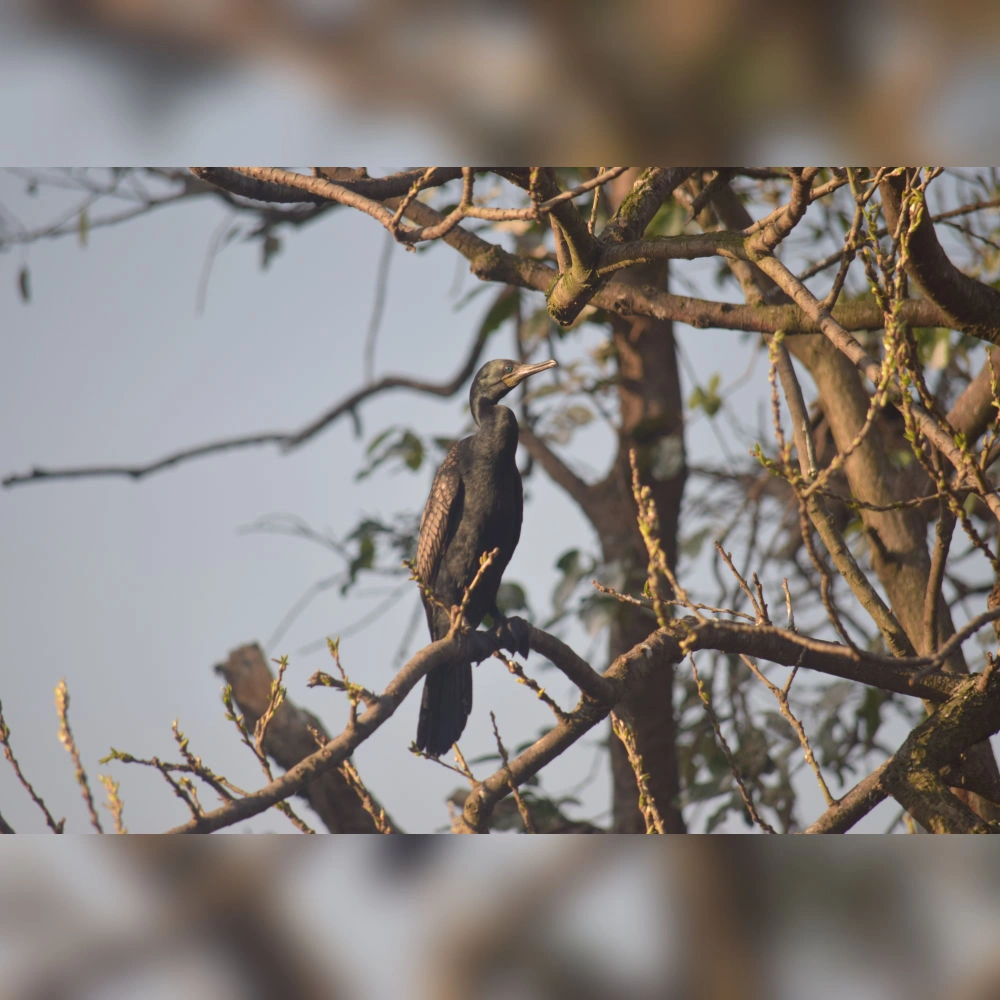
Indian Cormorant
Cinnamon Bittern
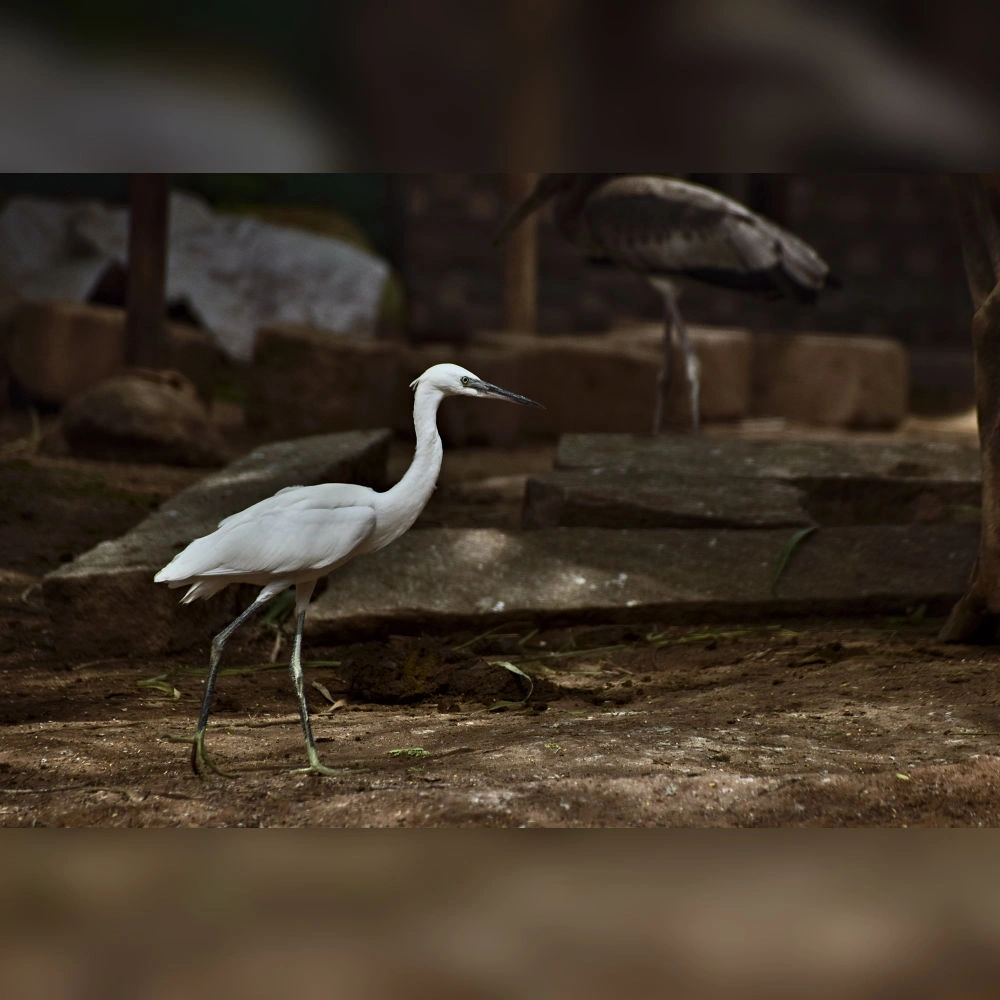
Little Egret
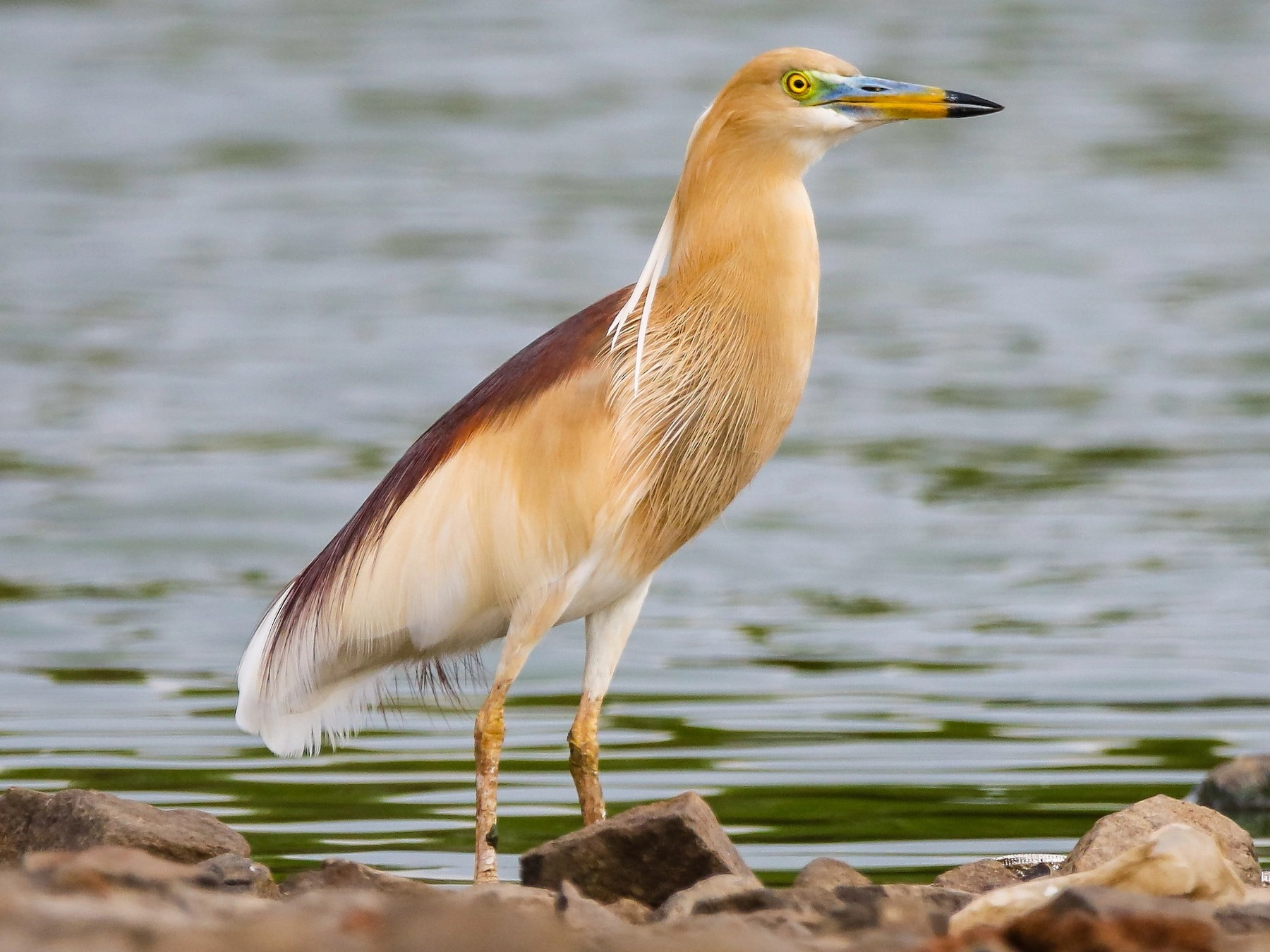
Indian Pond-Heron
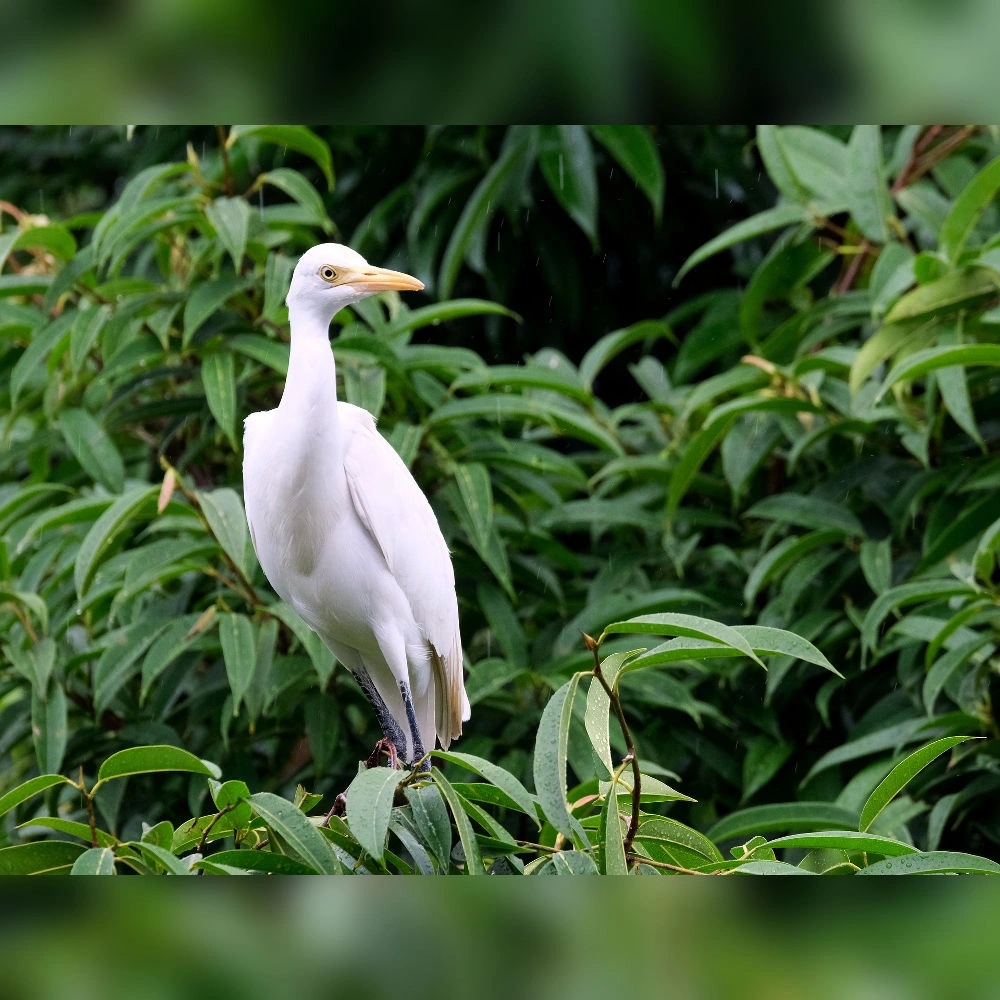
Eastern Cattle Egret
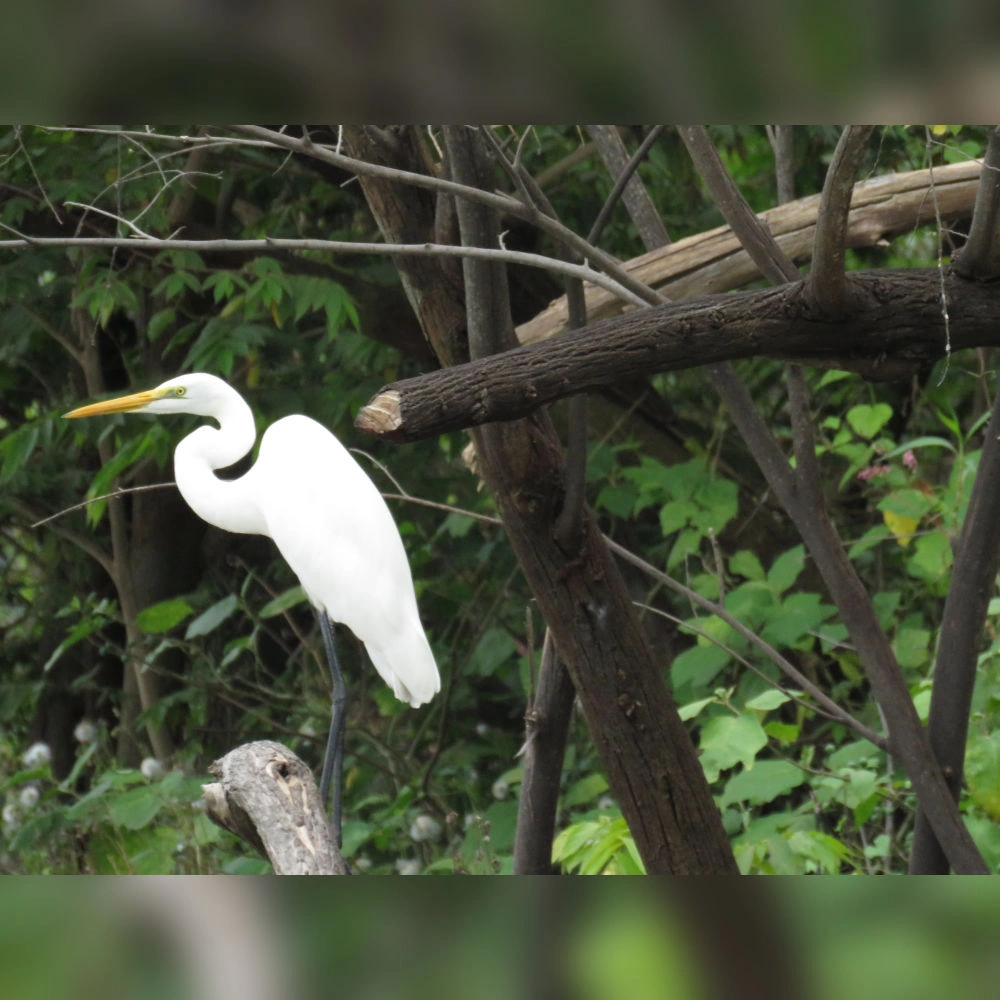
Great Egret
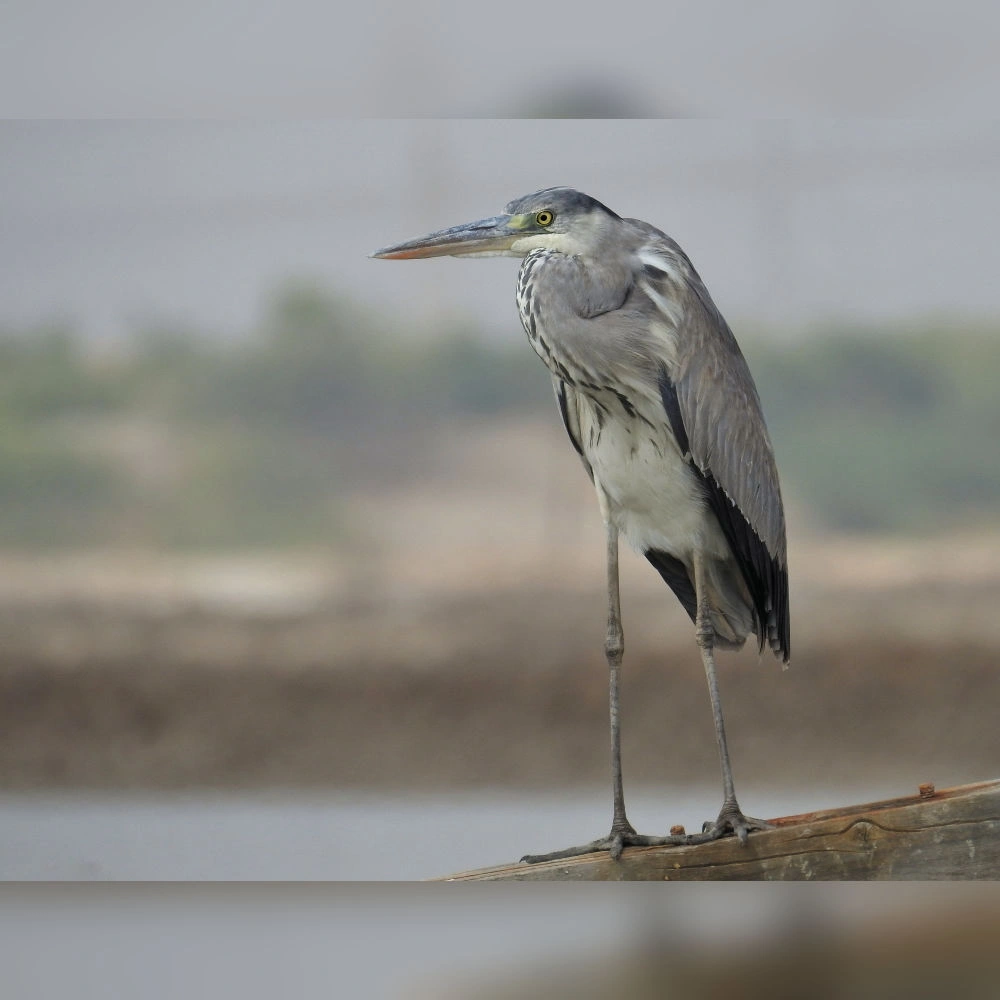
Grey Heron
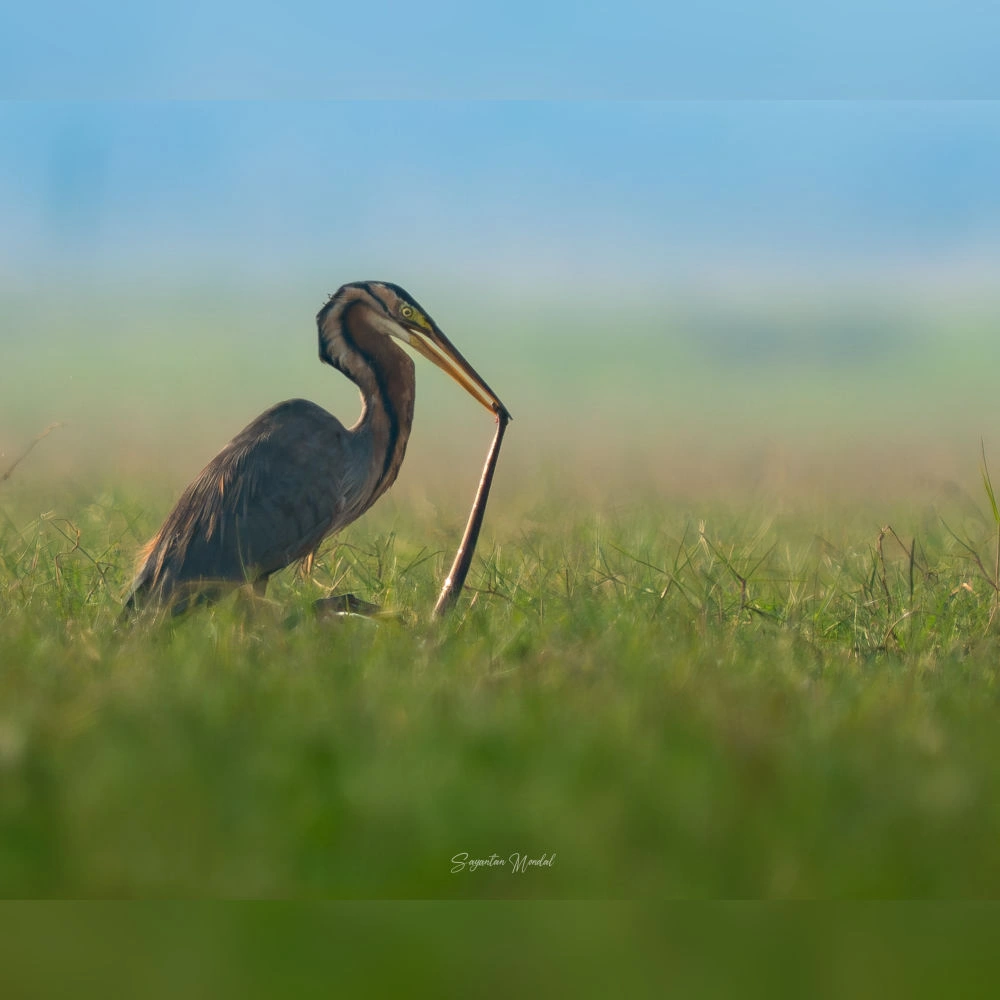
Purple Heron

Black Kite
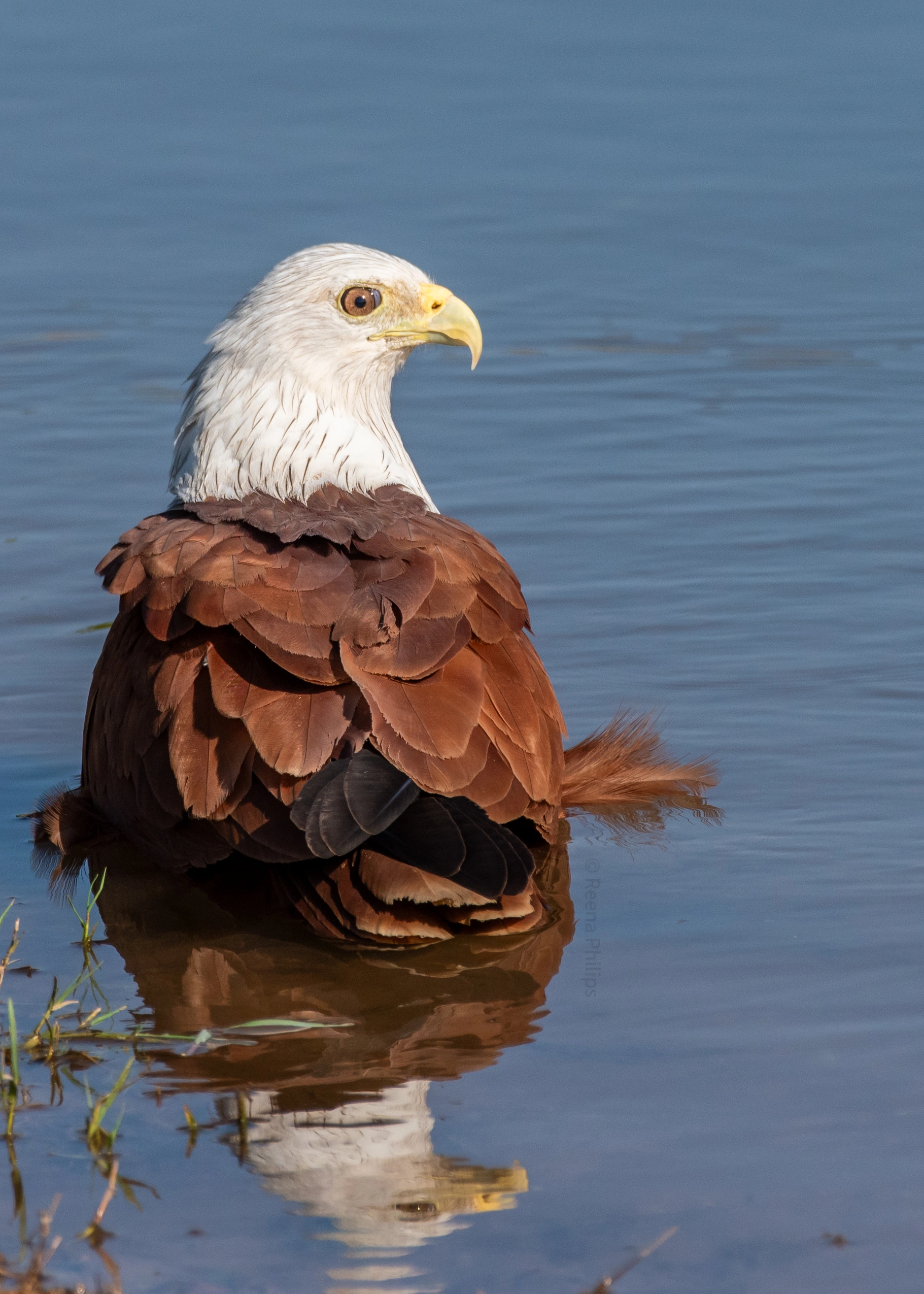
Brahminy Kite
Scroll to Top