
Loading Events

Bird Walk at Bhuvneswari Devi Temple , Gurugram, Delhi NCR

About Bhuvneswari Devi Temple

Bhuvneswari Devi Temple and its surrounding landscape in Gurugram provide an interesting pocket of green habitat within a rapidly urbanising region of the National Capital Region. Temple grounds and nearby vegetation can offer mature trees, shrubs, open areas and patches of grass that attract a variety of urban-adapted and woodland birds. These small green spaces can be surprisingly productive for birdwatching because they provide food, nesting sites and shelter amid extensive built-up areas. The presence of flowering and fruiting trees also attracts nectar-feeding and frugivorous species, while open ground provides feeding opportunities for bulbuls, robins, mynas and other common birds.
The area is particularly suitable for observing how birds adapt to human-dominated environments. Species such as Indian Paradise Flycatcher, Indian Golden Oriole and Coppersmith Barbet add colour and character to the birding experience, while Indian Peafowl and Rufous Treepie are often associated with larger green spaces. Wetland-associated birds such as Indian Pond-Heron and Red-wattled Lapwing can use suitable open or waterlogged areas, while Black Kite and Shikra take advantage of the open urban landscape. Such green pockets play an important role in maintaining urban biodiversity and can also serve as accessible locations for introducing people to birdwatching.

Bird Guide: Sandy Khanda

He is an enthusiastic bird guide with 2 years of birding experience and a deep passion for wildlife and natural habitats. He strives to make every birdwatching walk educational, enjoyable, and memorable for participants.

Partnered with Green Pencil Foundation

Bird walk Location

Common birds of Bhuvneswari Devi Temple

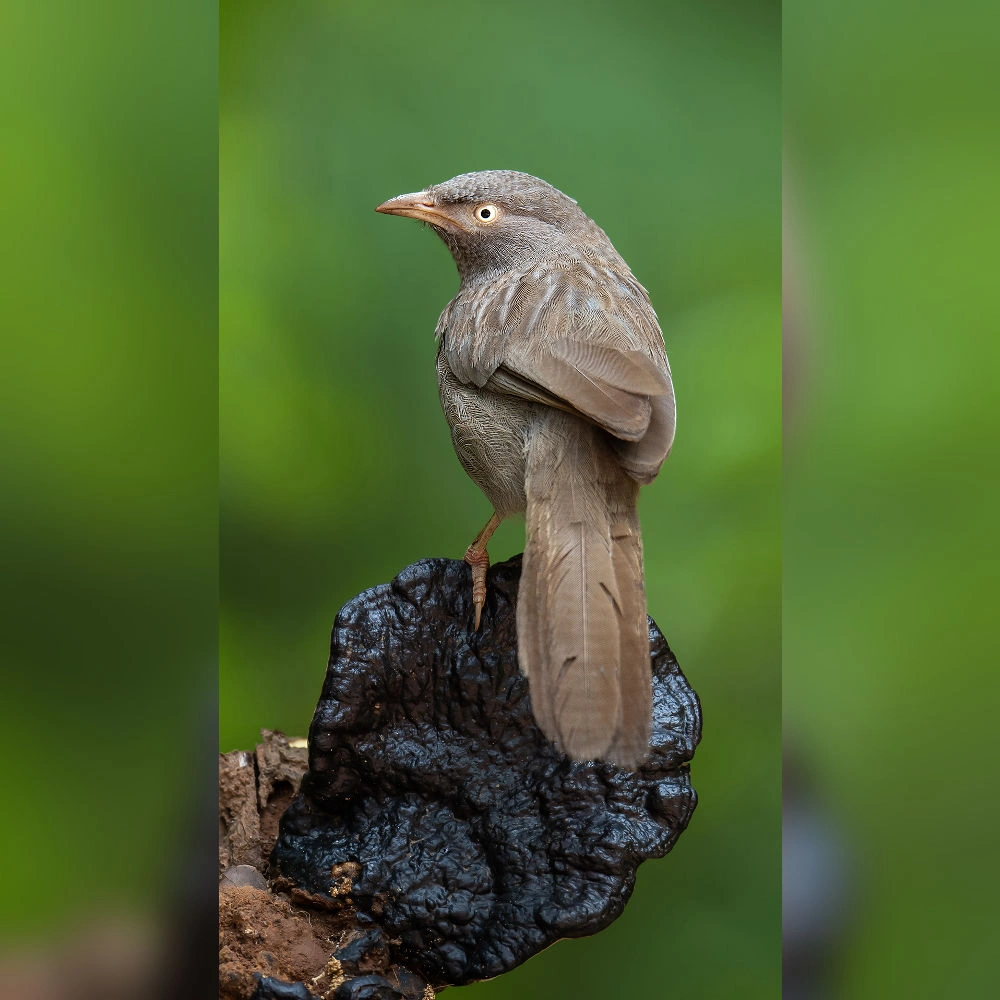
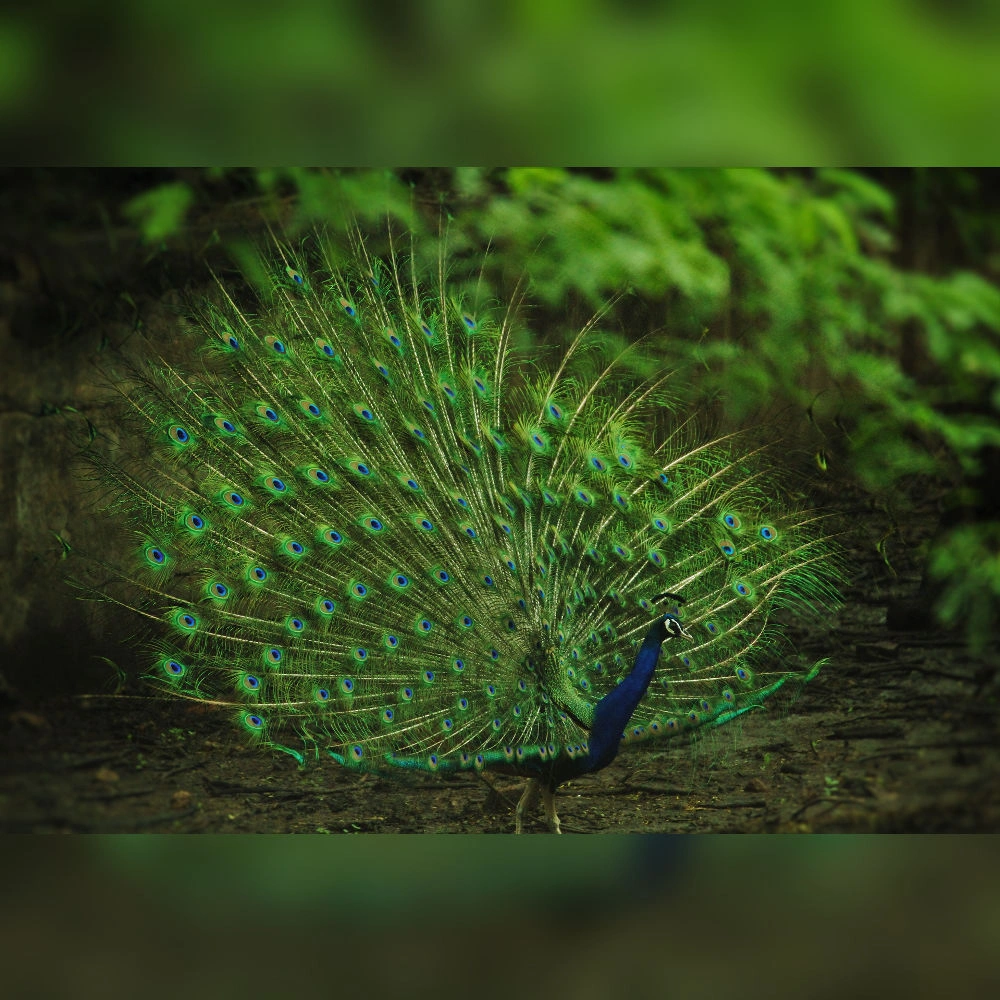
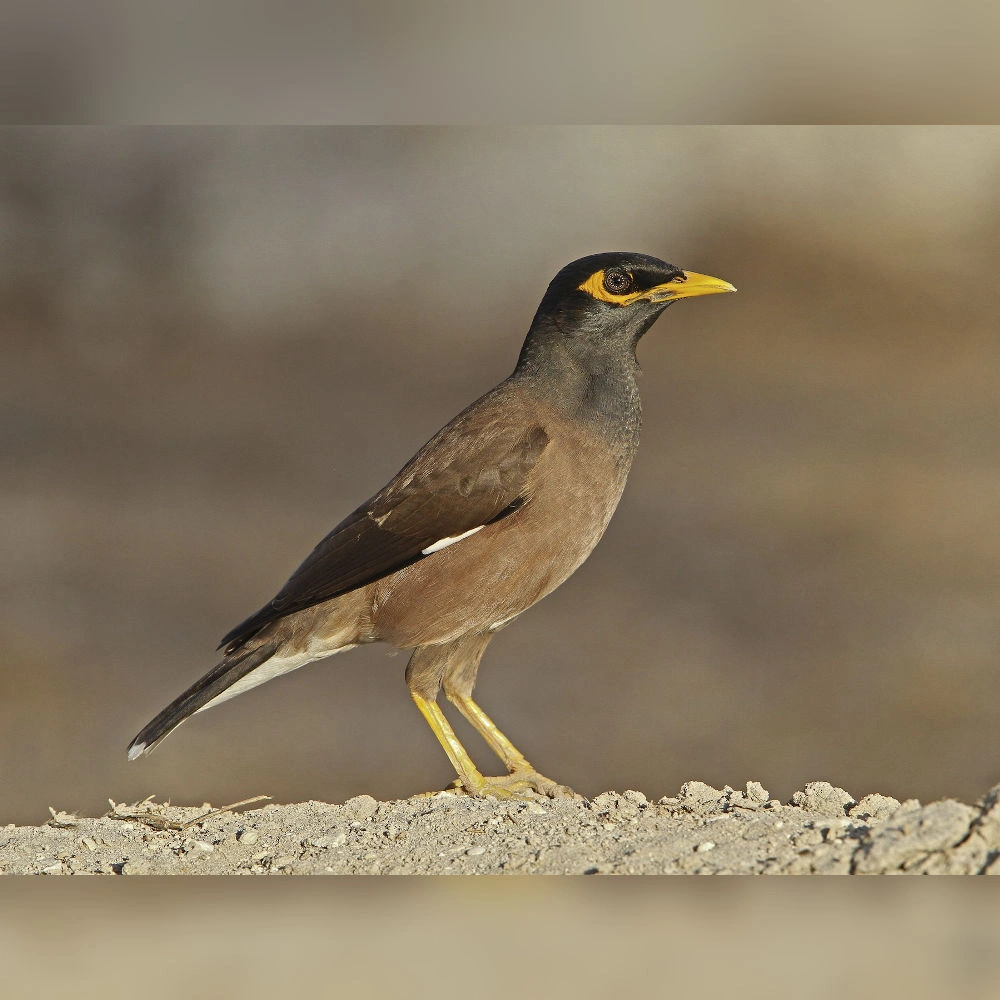
This location is a remarkable birding hotspot, with 254 species recorded, making it one of the most bird-rich sites in Haryana. Its mosaic of scrub, dry deciduous patches, water bodies, and forest edges supports both resident and migratory species. Common residents like the Common Myna, Jungle Babbler, Indian Peafowl, Red-vented Bulbul, Rose-ringed Parakeet, and Indian Robin thrive in its varied habitats, while wetland-associated birds such as the Eastern Cattle Egret, Eurasian Moorhen, White-breasted Waterhen, and Little Grebe use its water features. The park also hosts colorful woodland species including Asian Green and Blue-tailed Bee-eaters, Rufous Treepie, Brahminy Starling, Ashy Prinia, and Indian Silverbill, adding vibrancy to the landscape. Raptors such as the Shikra, Black Kite, White-eyed Buzzard, Oriental Honey-buzzard, and Black-winged Kite indicate a healthy food web, while owls like the Spotted Owlet and Indian Scops-Owl underline the richness of its nocturnal avifauna.

Seasonal migrants further elevate location’s importance, with species like the Greenish Warbler, Hume’s Warbler, Lesser Whitethroat, Western Crowned Warbler, and Blyth’s Reed Warbler frequenting the park in winter. Flycatchers such as the Taiga Flycatcher, Verditer Flycatcher, and Red-breasted Flycatcher, along with wagtails and swallows, add seasonal variety. Even rarer or habitat-specialist birds like the Sirkeer Malkoha, Indian Gray Hornbill, Yellow-footed Green-Pigeon, and Indian Paradise-Flycatcher have been observed, reflecting the park’s diverse niches.

Common Myna
Jungle Babbler
Indian Peafowl
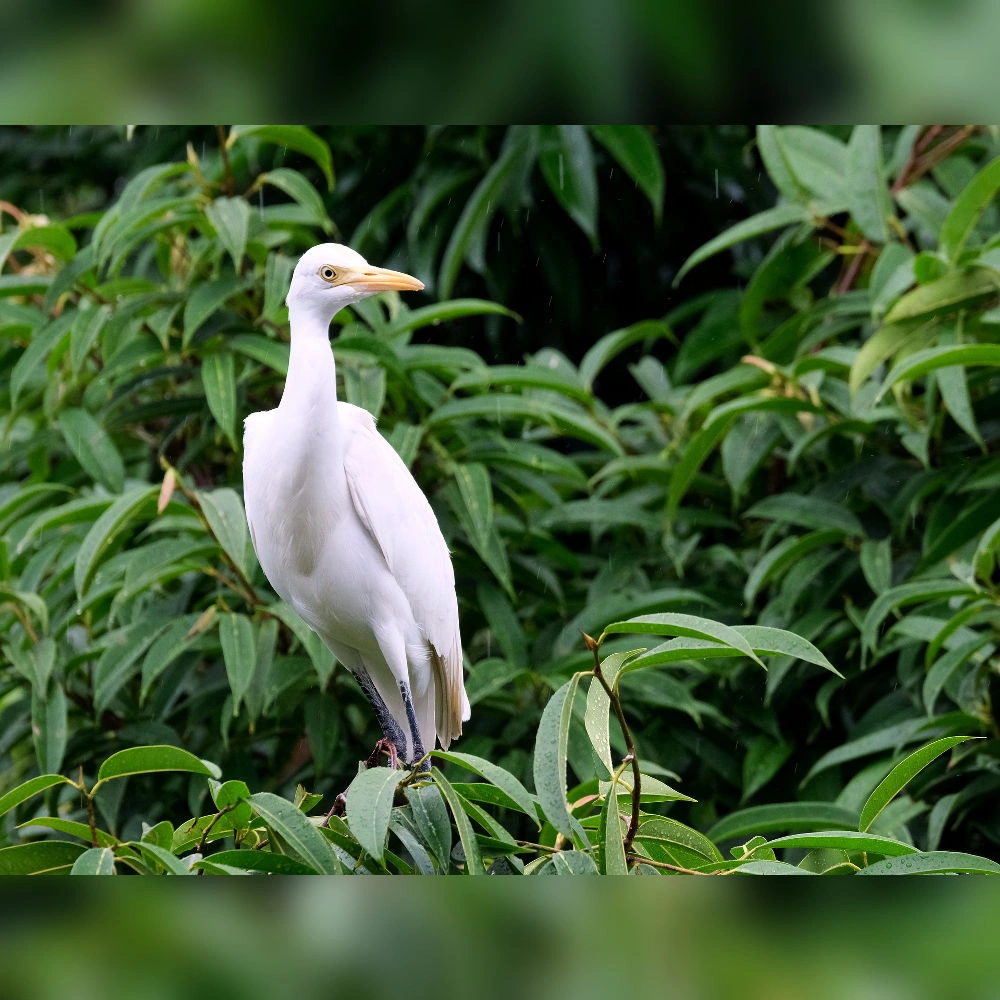
Eastern Cattle Egret
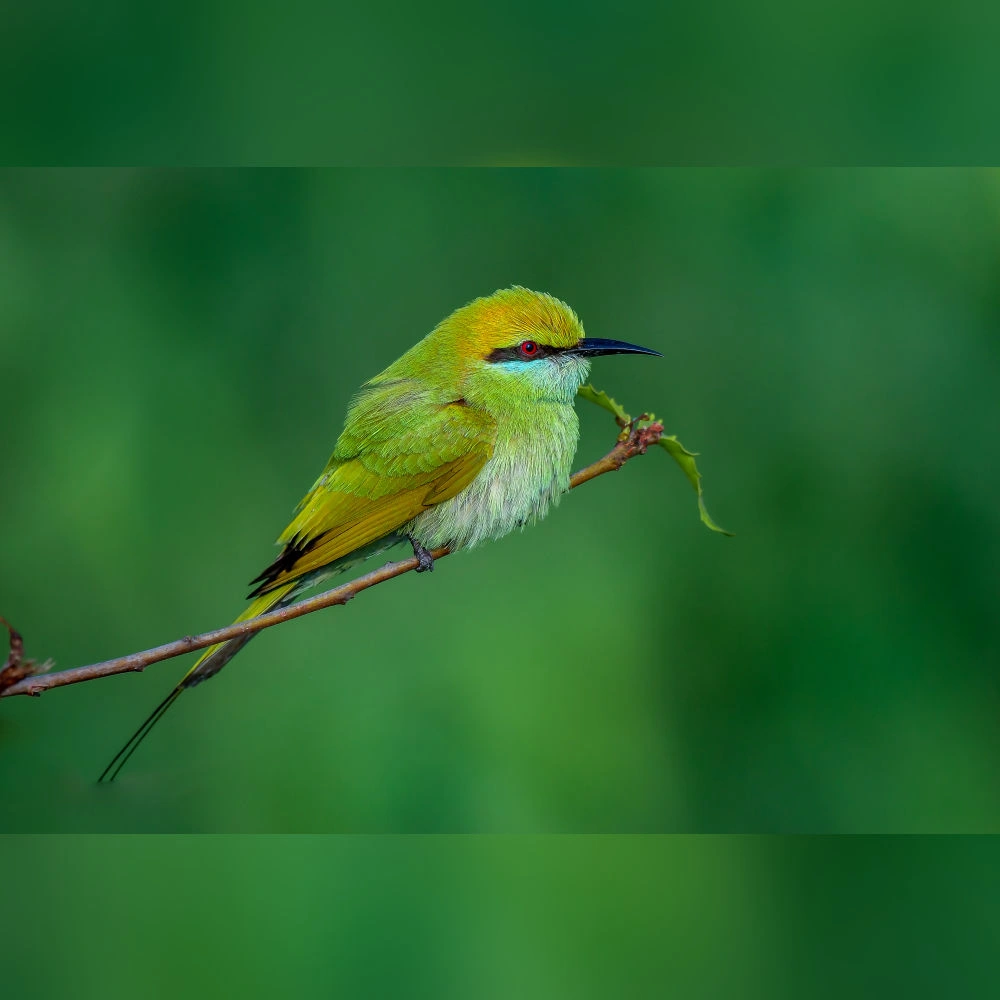
Asian Green Bee-eater
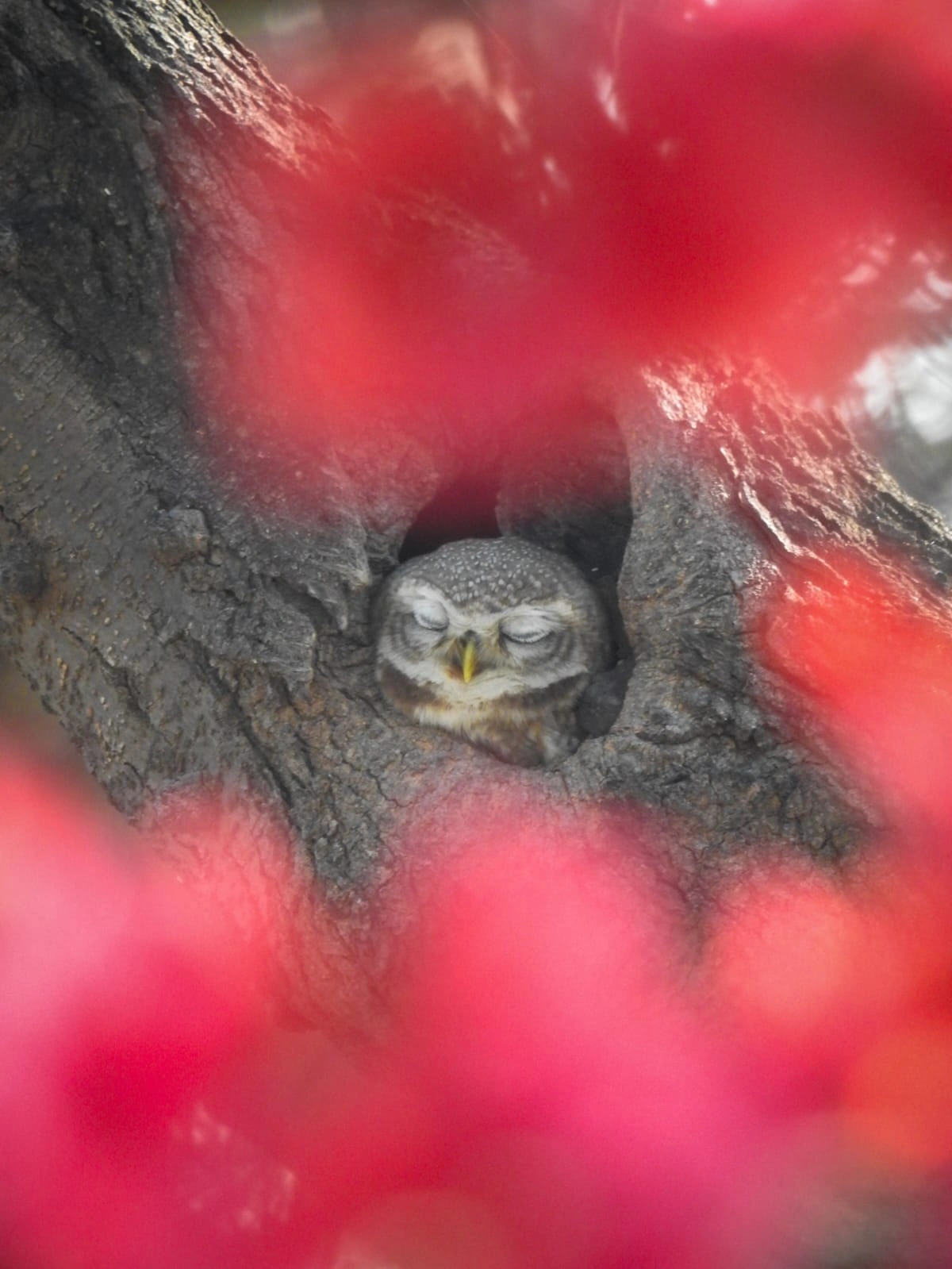
Spotted Owlet
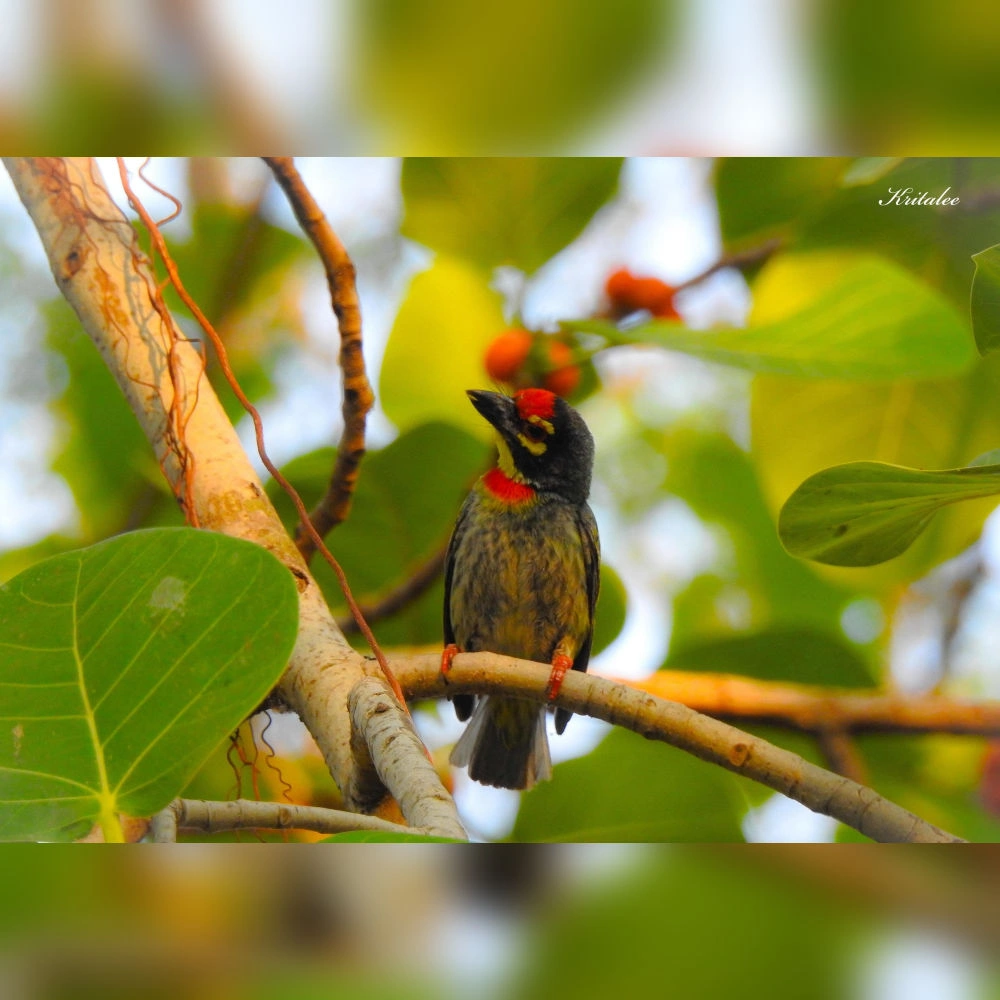
Coppersmith Barbet
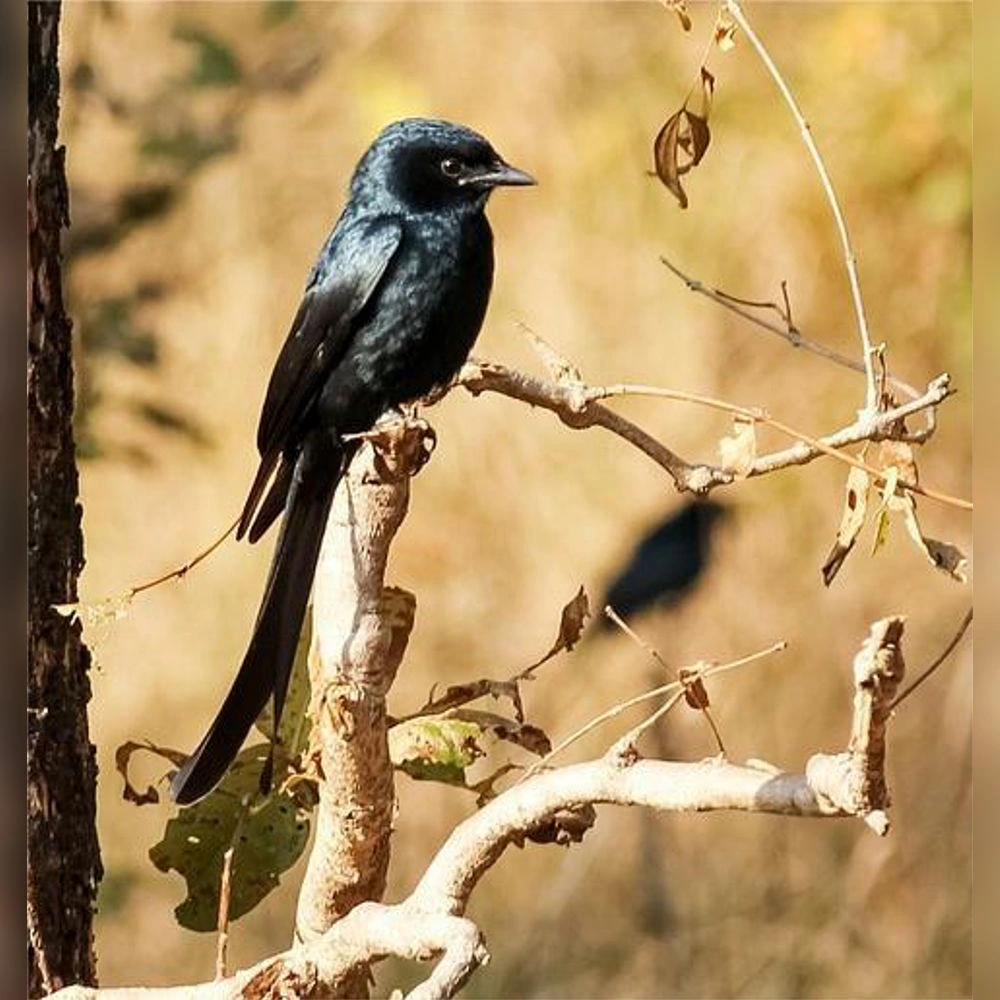
Black Drongo
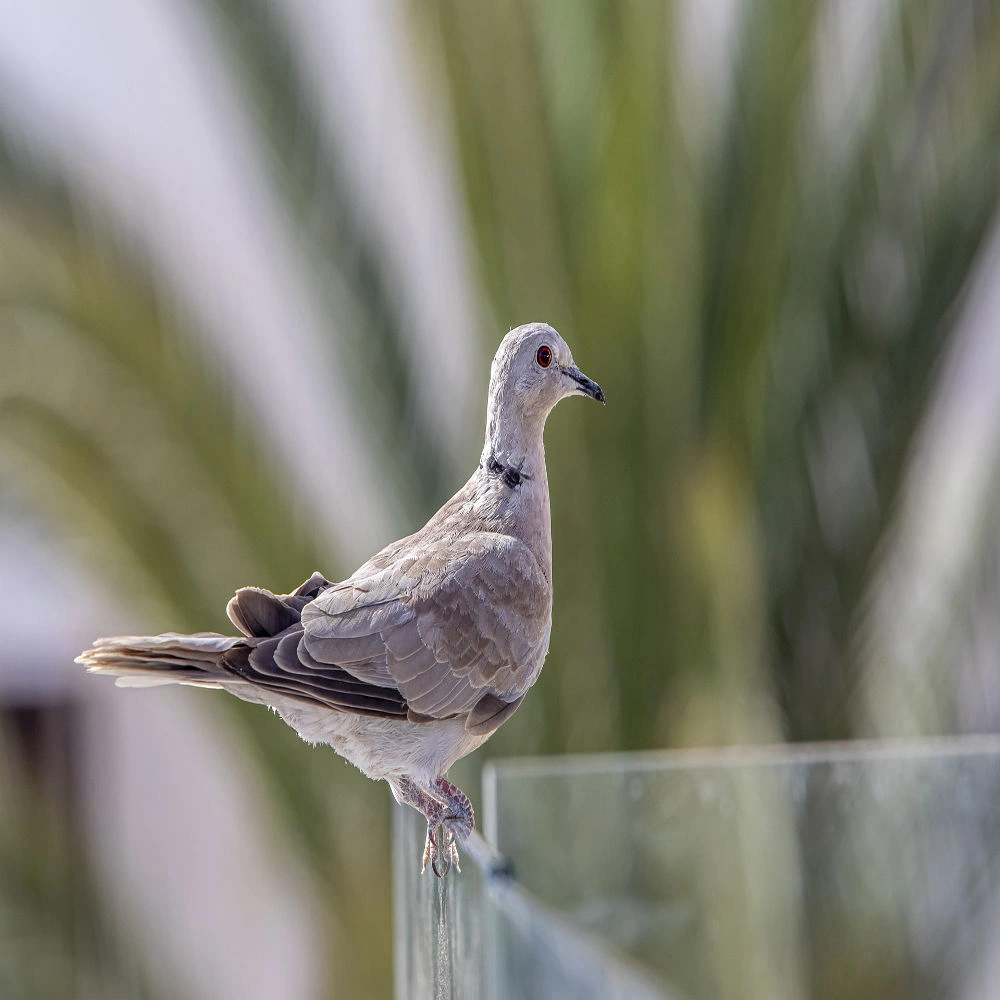
Eurasian-collared Dove
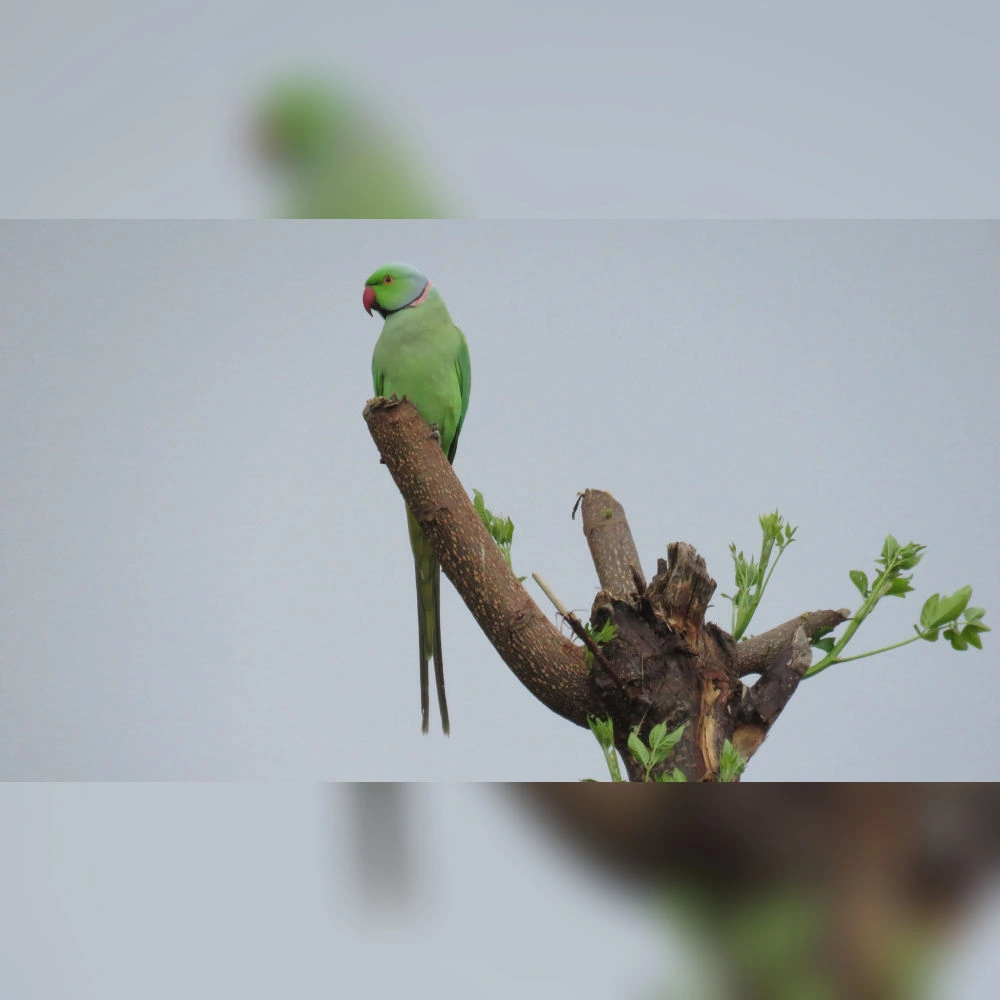
Rose-ringed Parakeet
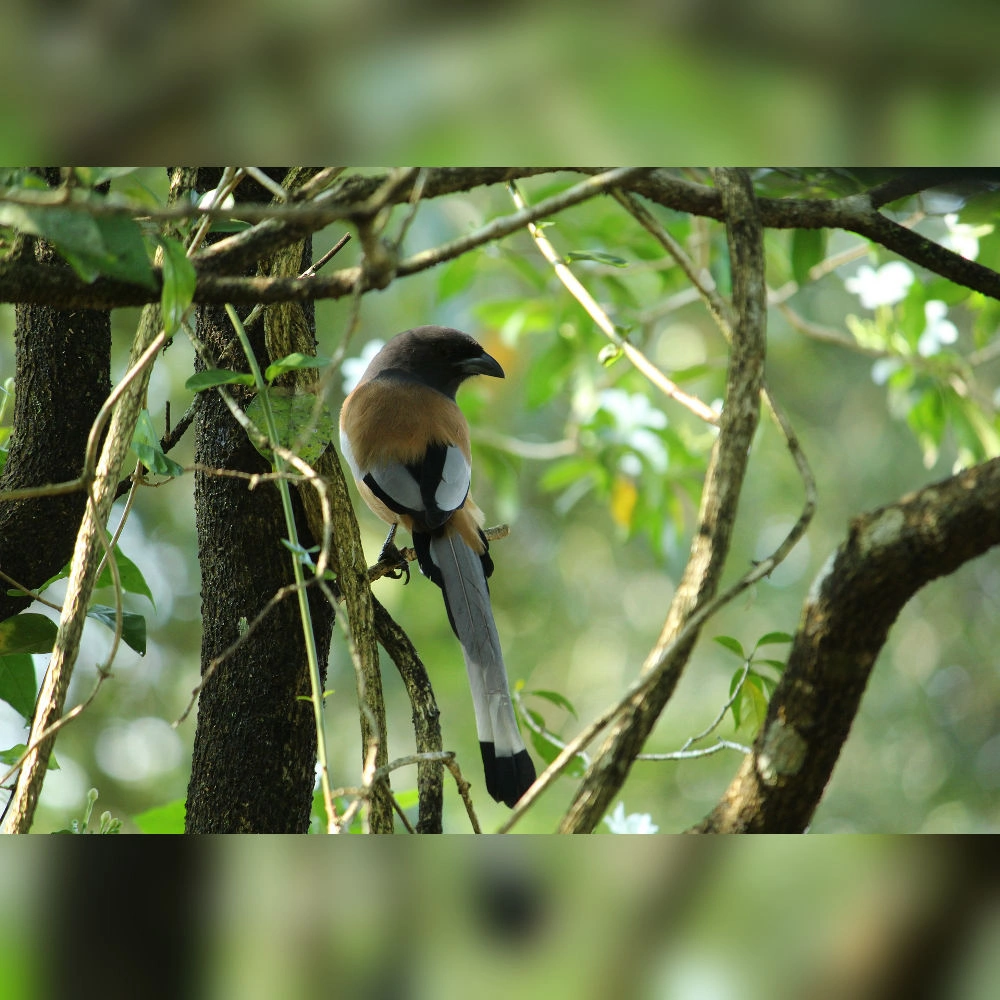
Rufous Treepie
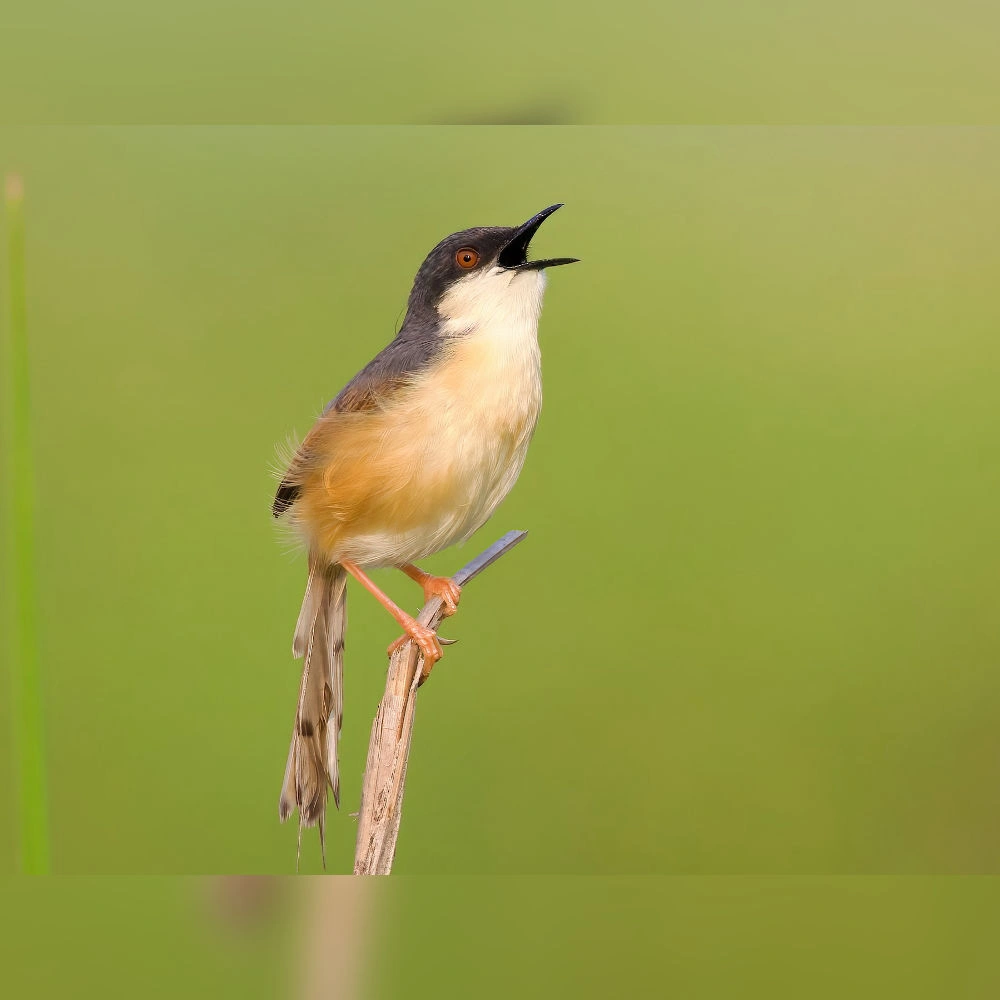
Ashy Prinia
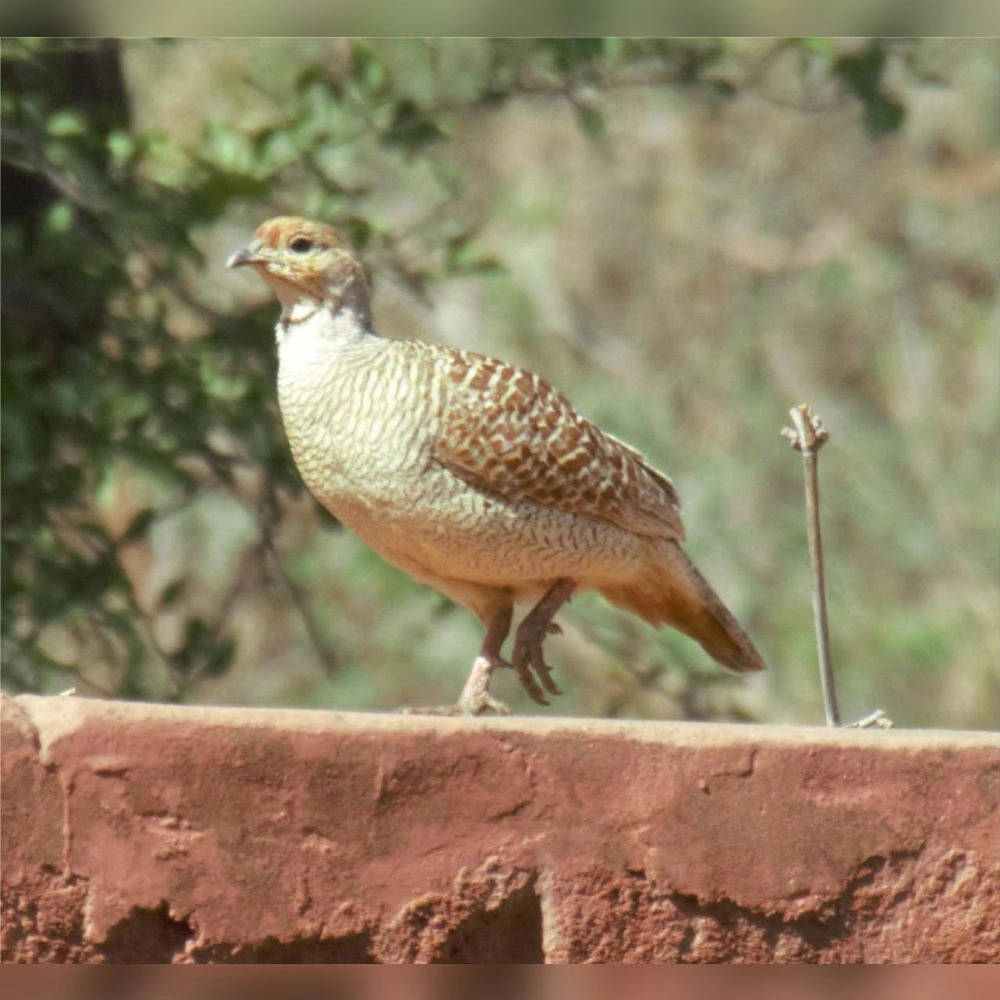
Grey Francolin
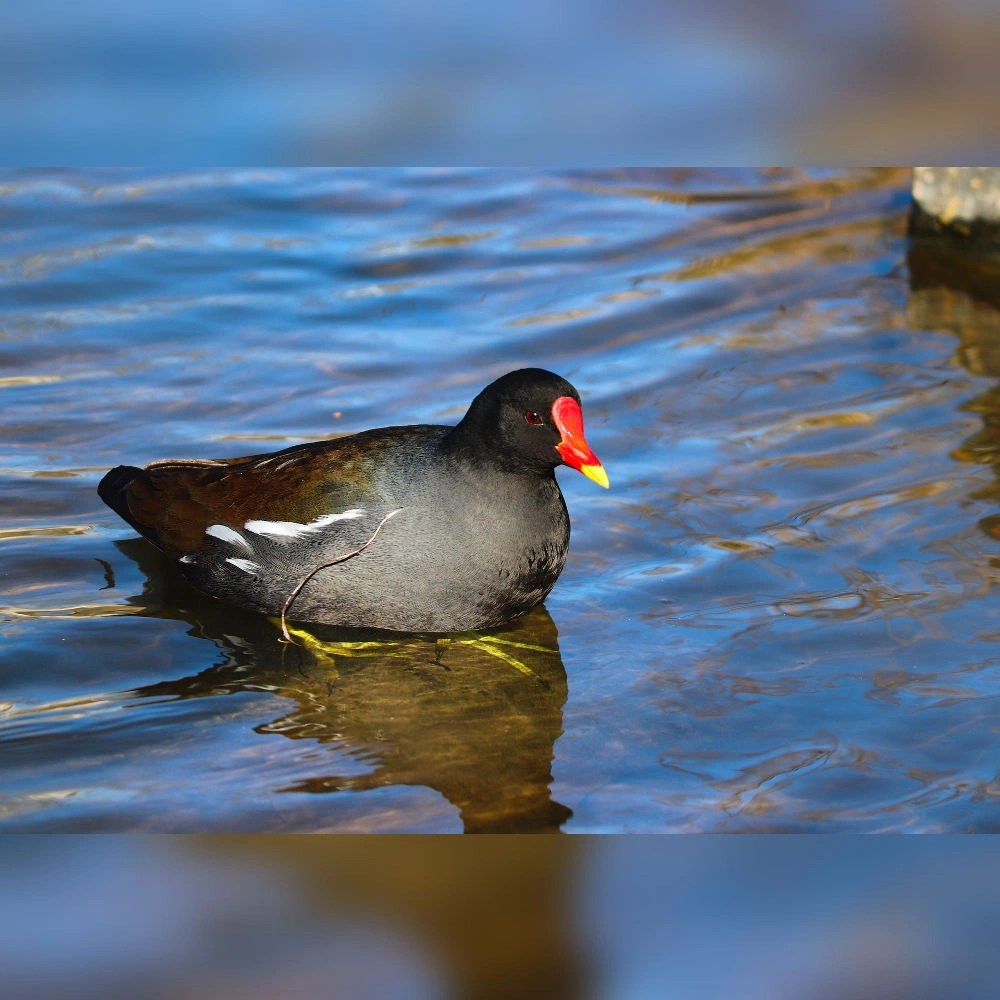
Eurasian Moorhen
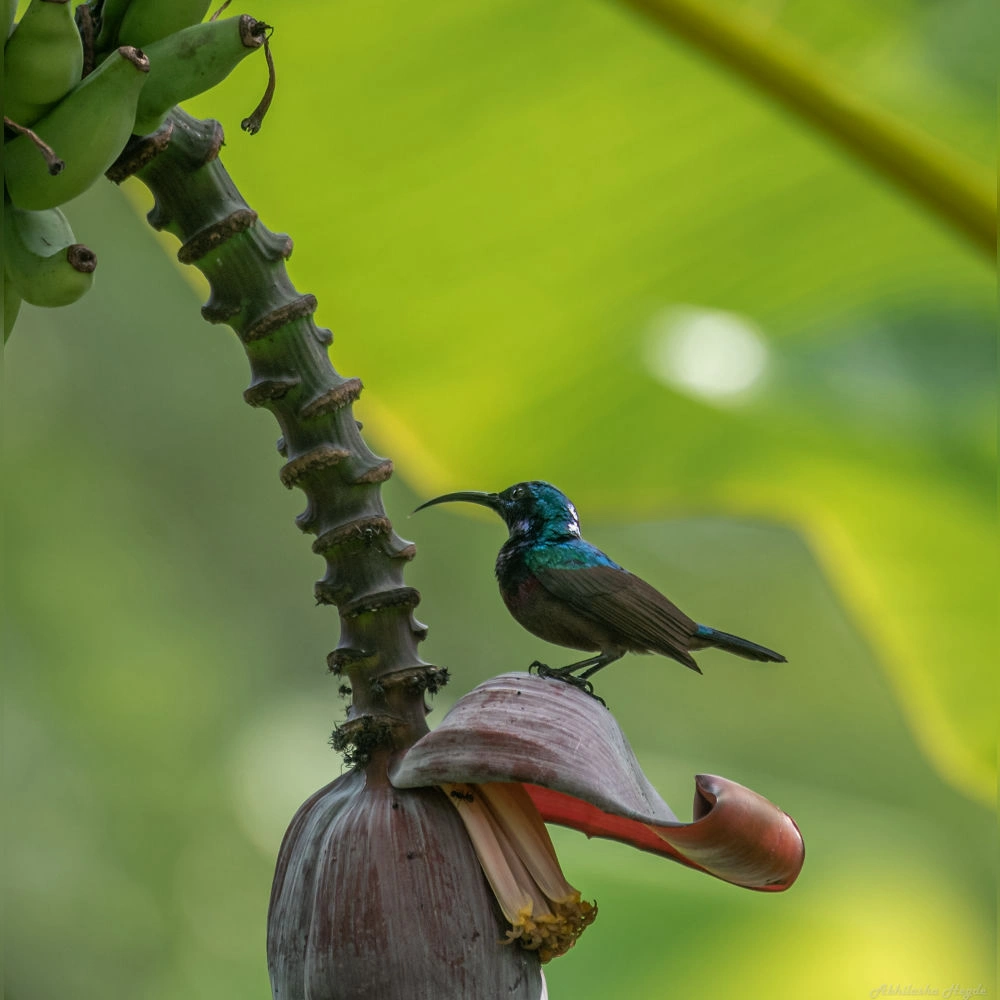
Purple Sunbird
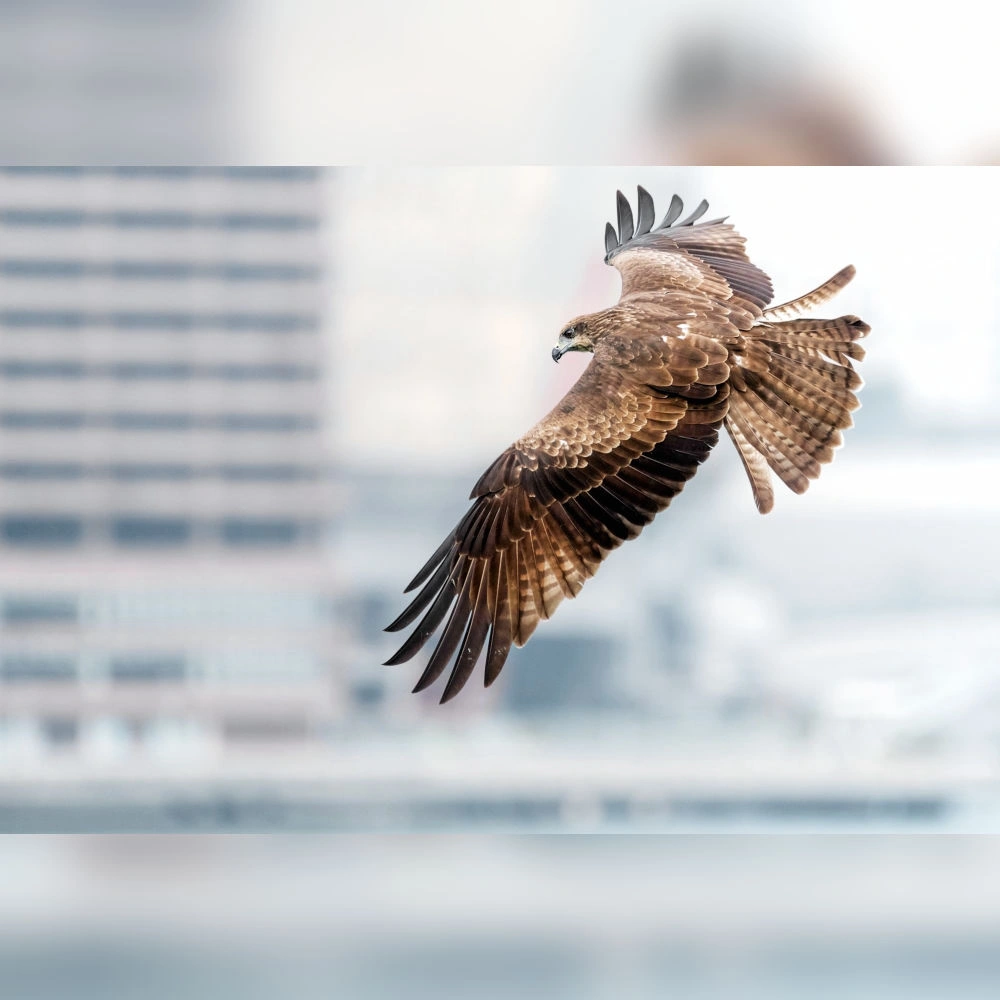
Black Kite
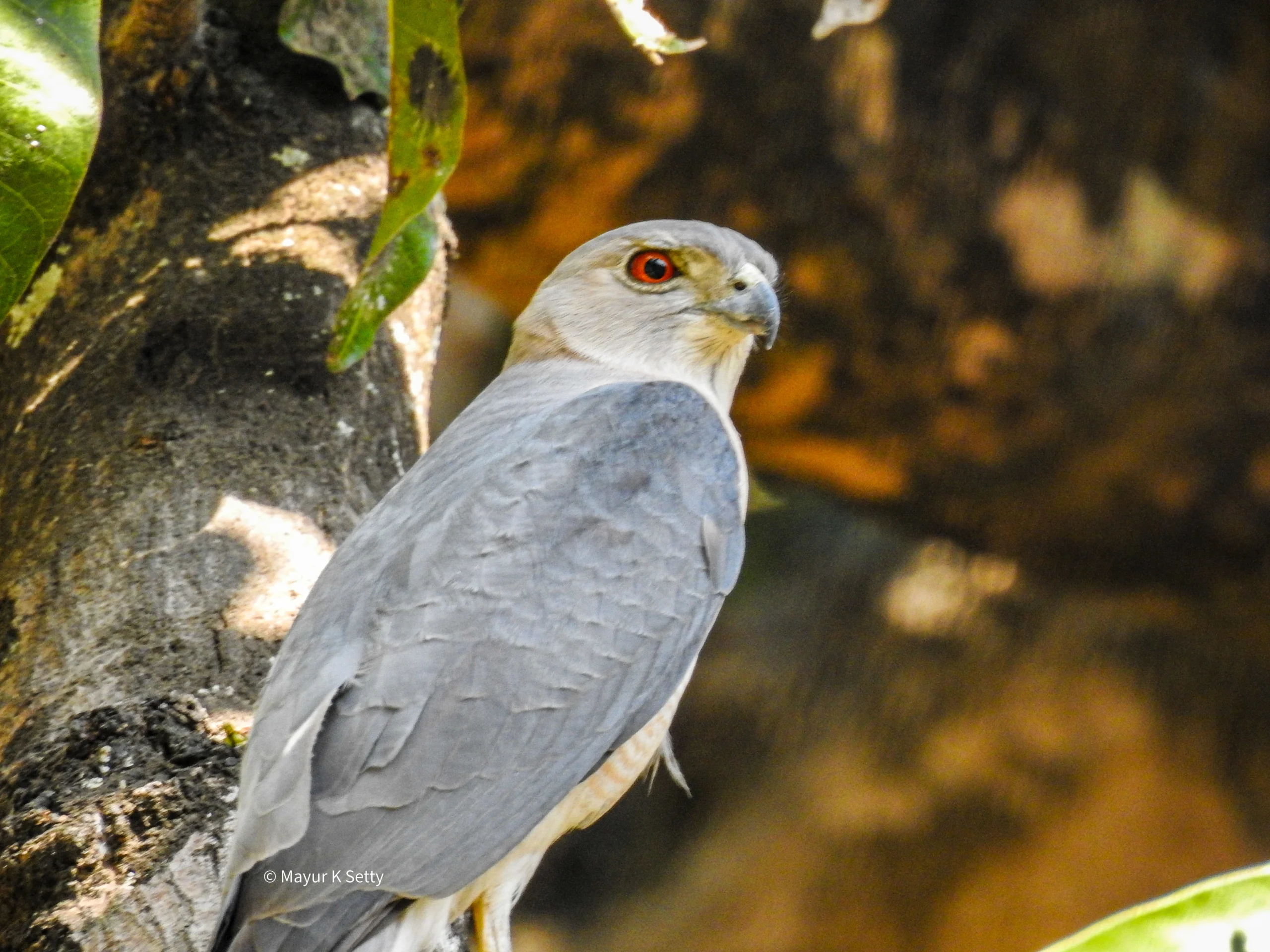
Shikra
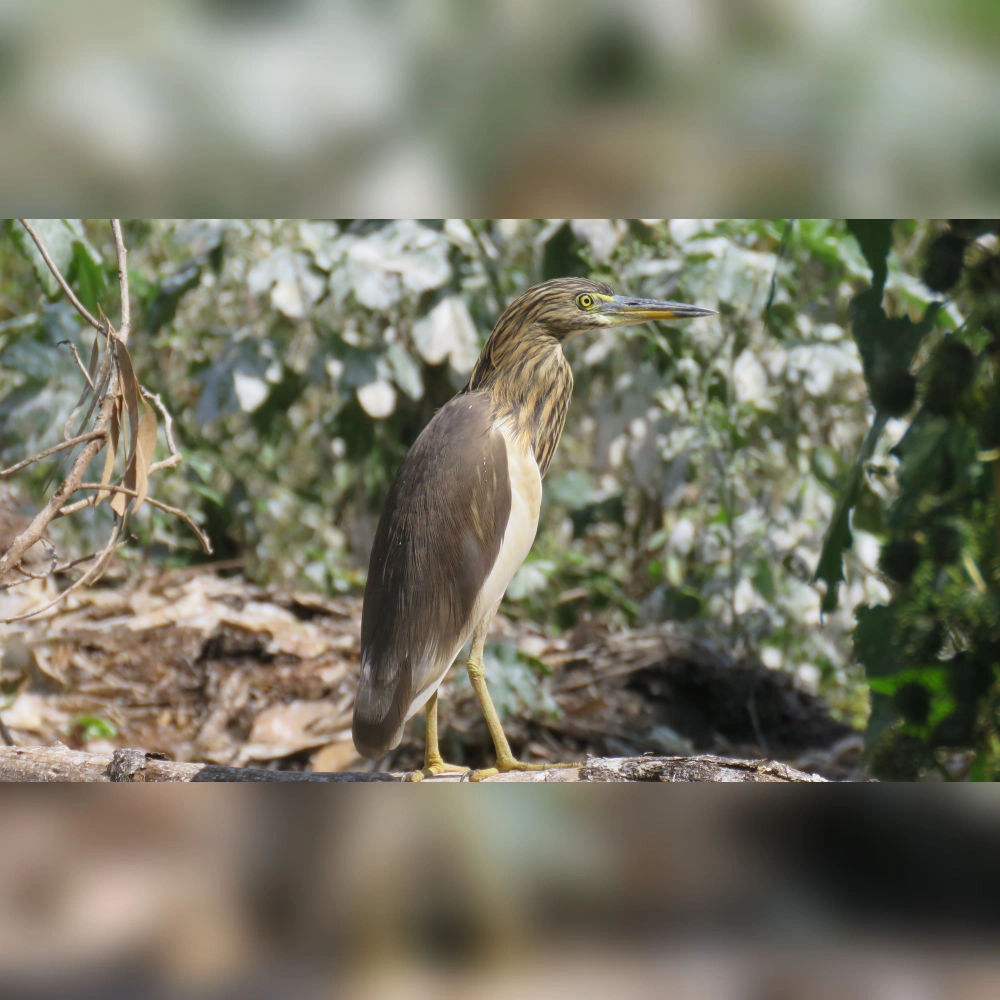
Indian Pond Heron
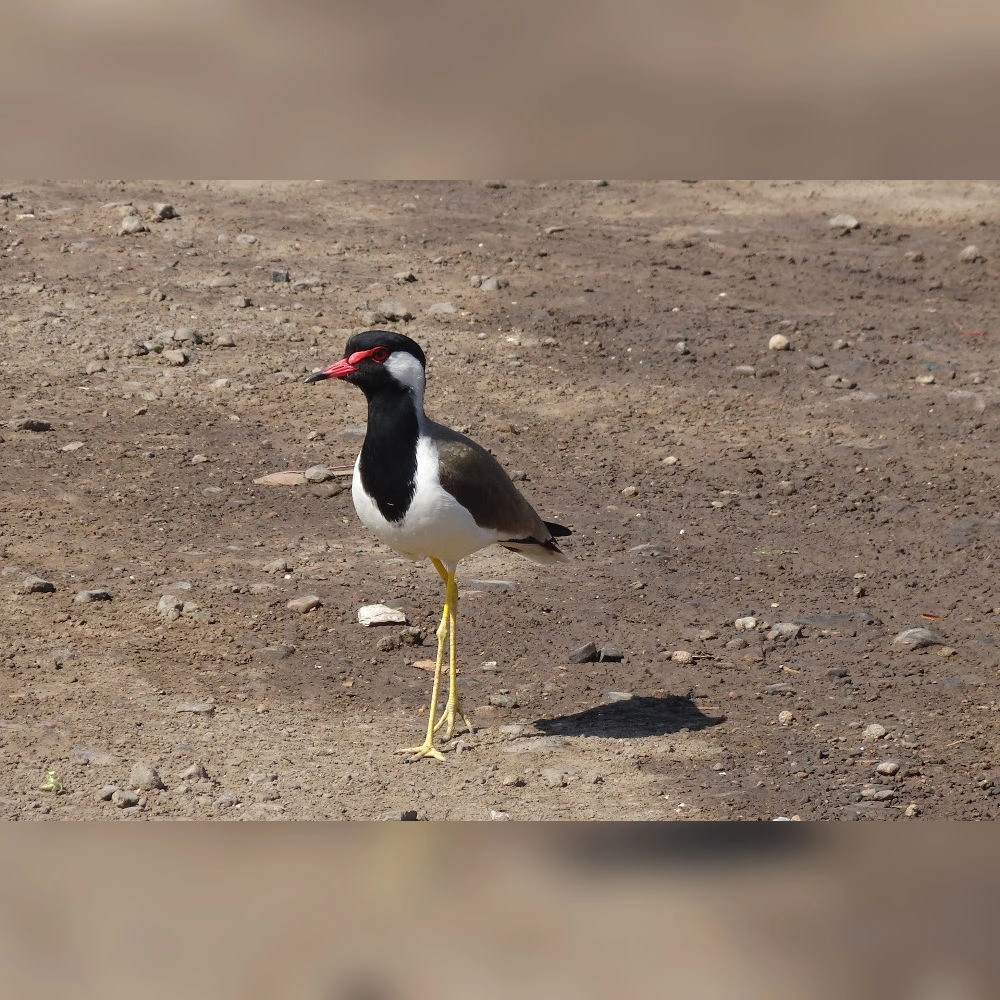
Red-wattled Lapwing
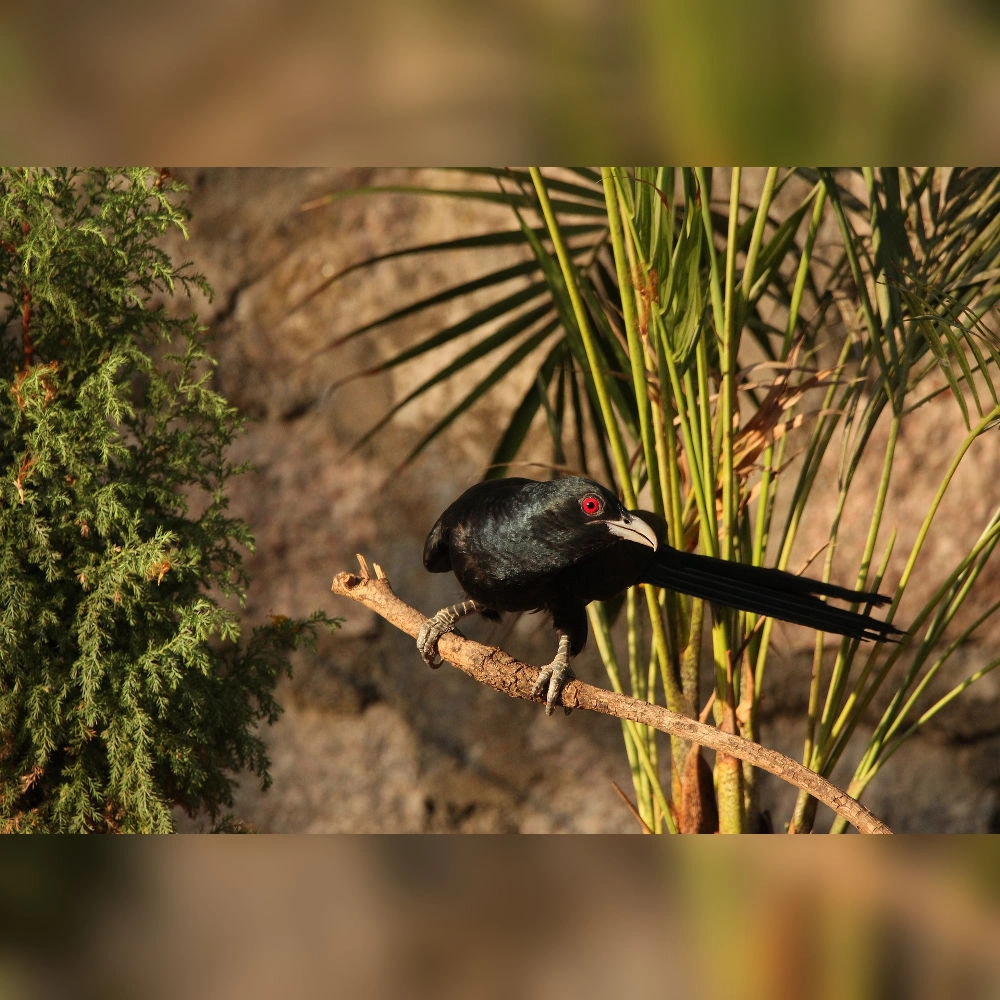
Asian Koel
Scroll to Top