

Loading Events

Bird Walk at Bordharan (Bor Dam), Wardha, Maharashtra

About Bordharan (Bor Dam)

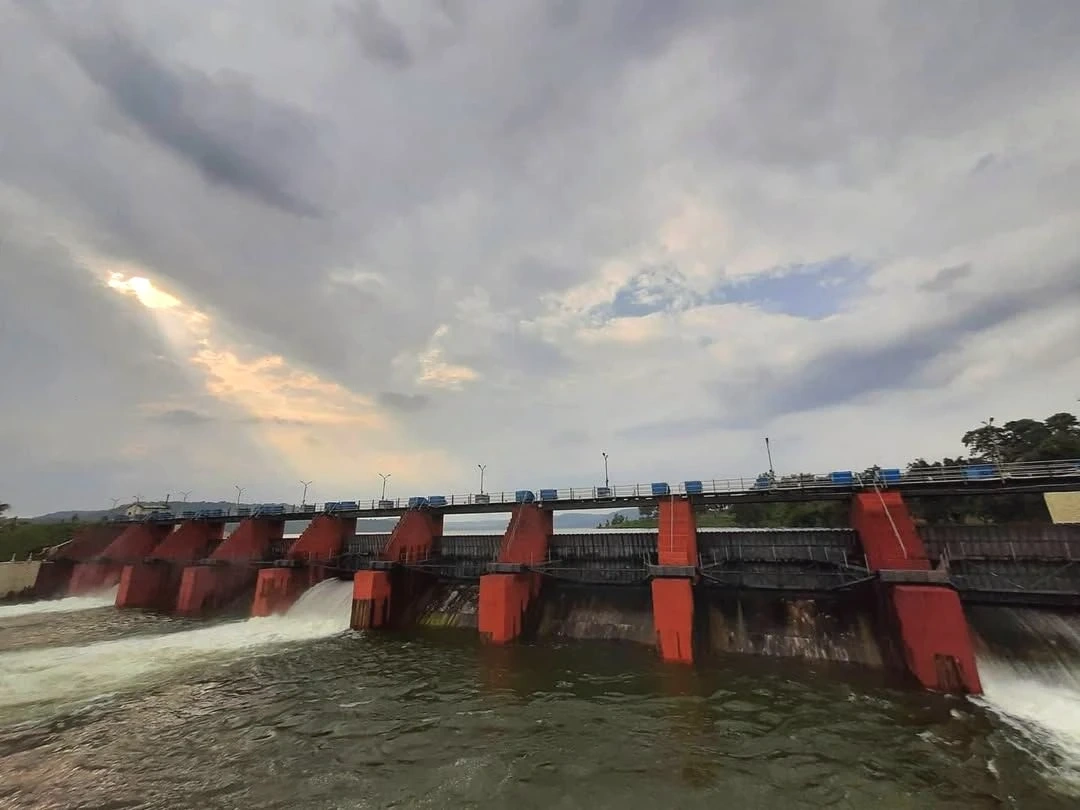
Bordharan, also known as Bor Dam, is an important reservoir landscape in Wardha district of Maharashtra, surrounded by a mixture of dry deciduous vegetation, scrub, open country and agricultural landscapes. The reservoir creates a variety of aquatic and shoreline habitats, while the surrounding forest and grassland provide additional opportunities for terrestrial birds. Seasonal changes in water levels can expose muddy margins and shallow areas that are particularly useful to waders and other waterbirds. The wider landscape also provides feeding and nesting habitat for raptors, cuckoos, francolins, doves and woodland species.
The diversity of habitats around Bor Dam makes it an attractive birdwatching destination, with both resident species and birds associated with seasonal wetlands. The August observations highlight the importance of the reservoir margins, with Gray-headed Swamphen, Eurasian Moorhen, White-breasted Waterhen, Little Ringed Plover, Greater Painted-Snipe and Green Sandpiper recorded alongside larger wetland birds such as Asian Woolly-necked Stork and Painted Stork. The surrounding open habitats support Painted and Gray Francolins, while cuckoos and Little Swifts add variety to the terrestrial bird community. The area demonstrates the ecological value of reservoirs as multi-habitat landscapes.

Bird Guide: Nayanika Bhatia

Nayanika Bhatia is a certified nature guide and founder of Nagpur Nature Trails, with 4 years of experience and over 100 guided walks across India’s forests,known for her keen eye for birds and the stories they carry.
Bird walk Location

Common birds of Bordharan (Bor Dam)

Bordharan supports a particularly varied bird community, ranging from waterbirds and waders to raptors, cuckoos and open-country species. Highlights include Asian Woolly-necked Stork, Painted Stork, Greater Painted-Snipe, Gray-headed Swamphen and Green Sandpiper. Gray Francolin and Painted Francolin represent the dry open habitats, while Pied Cuckoo, Gray-bellied Cuckoo, Common Hawk-Cuckoo and Asian Koel add a strong cuckoo component. The surrounding vegetation and reservoir edges also support Indian Peafowl, Little Swift, White-breasted Waterhen, Little Cormorant and Red-wattled Lapwing.
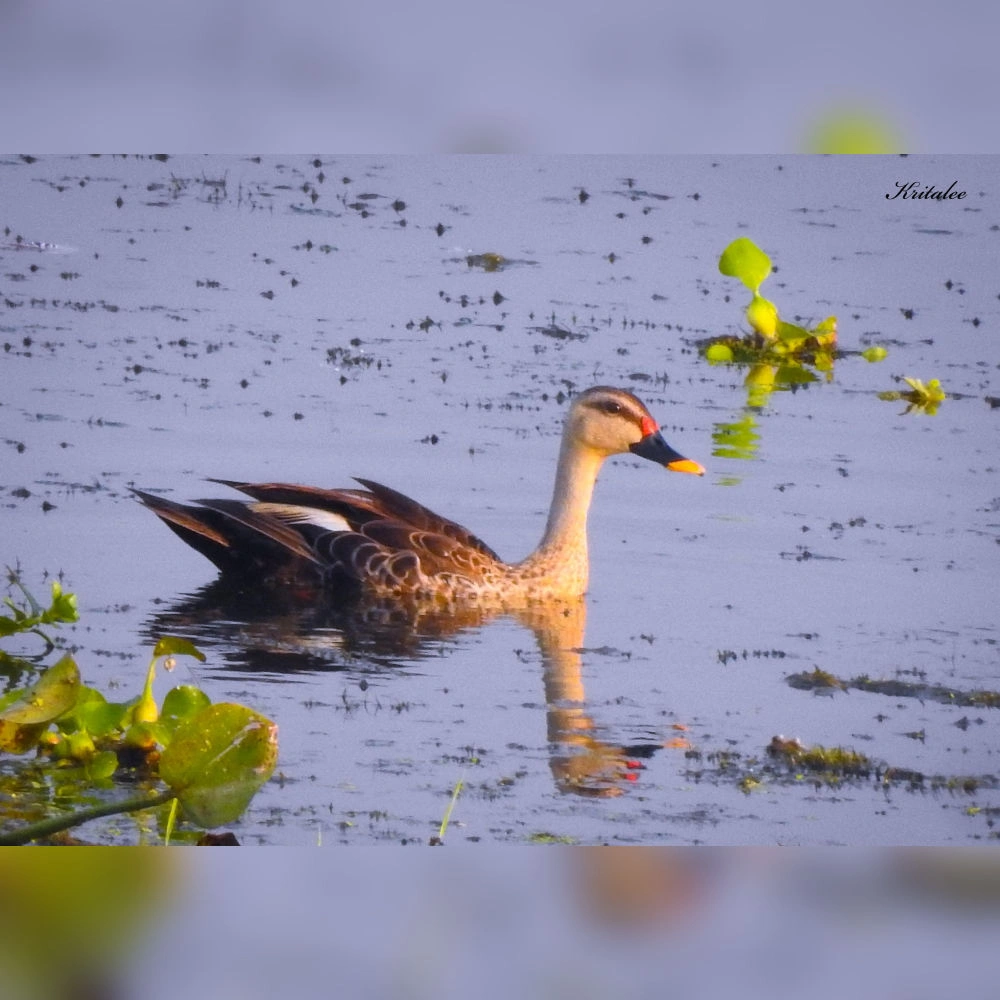
Indian Spot-billed Duck
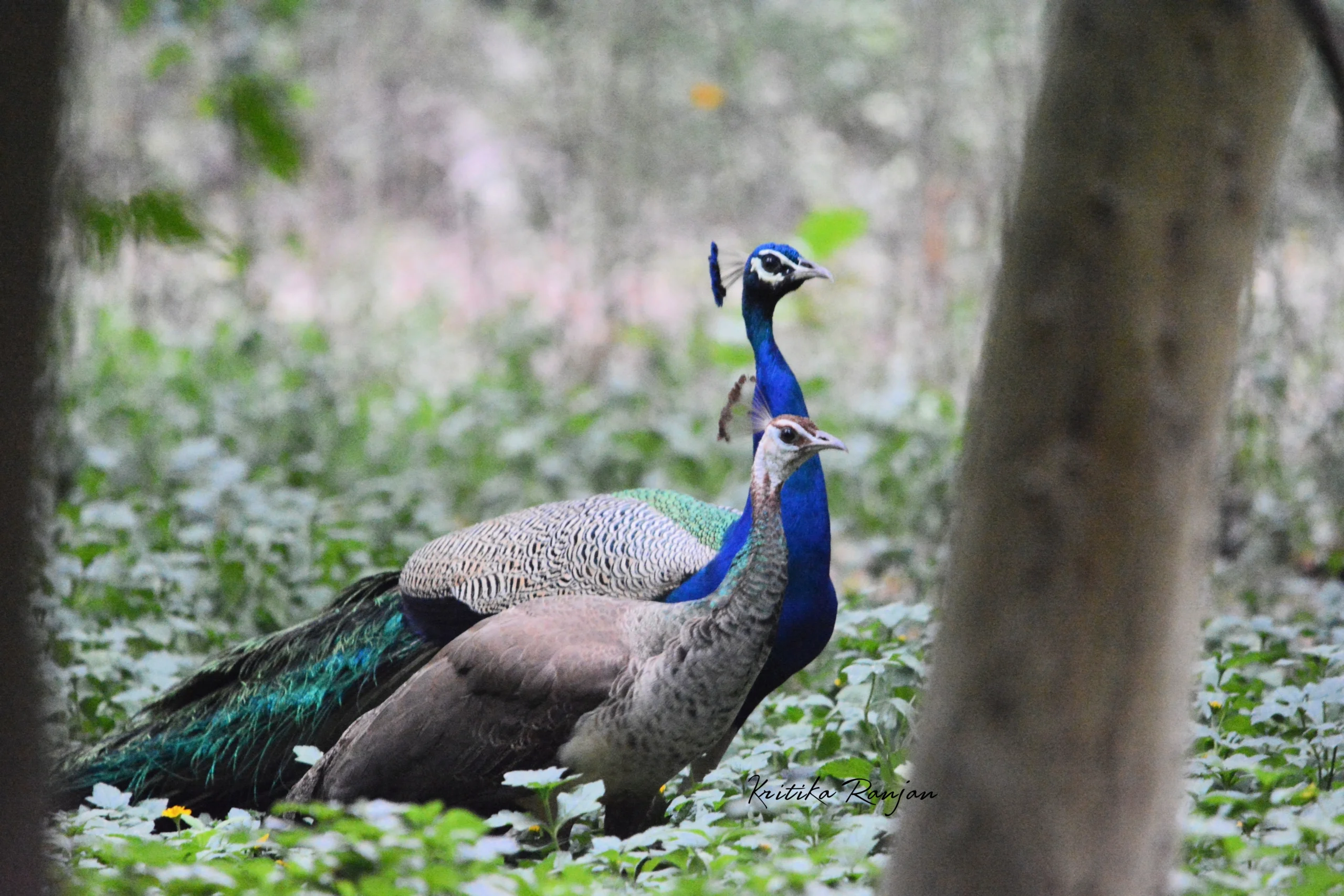
Indian Peafowl
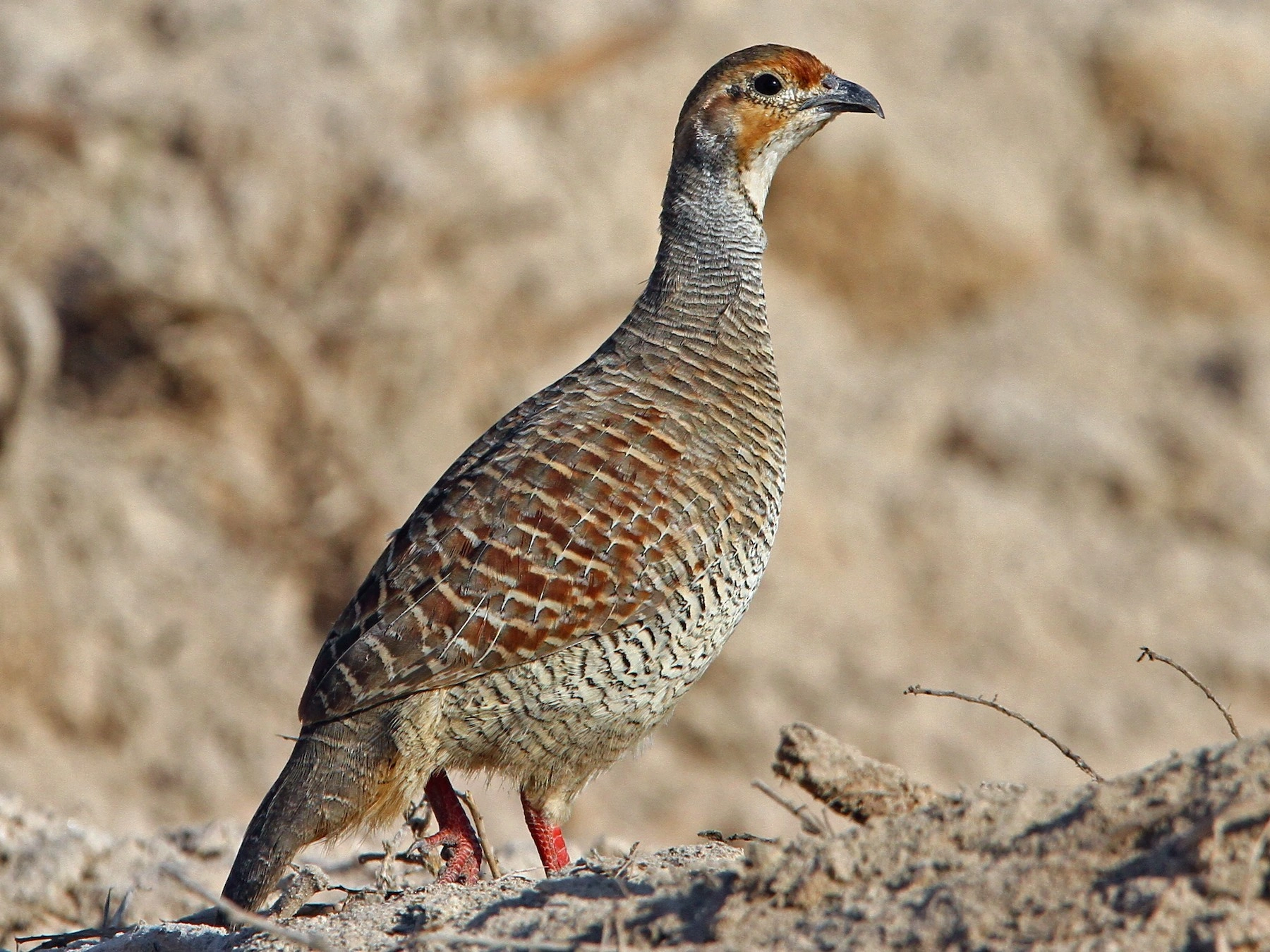
Grey Francolin
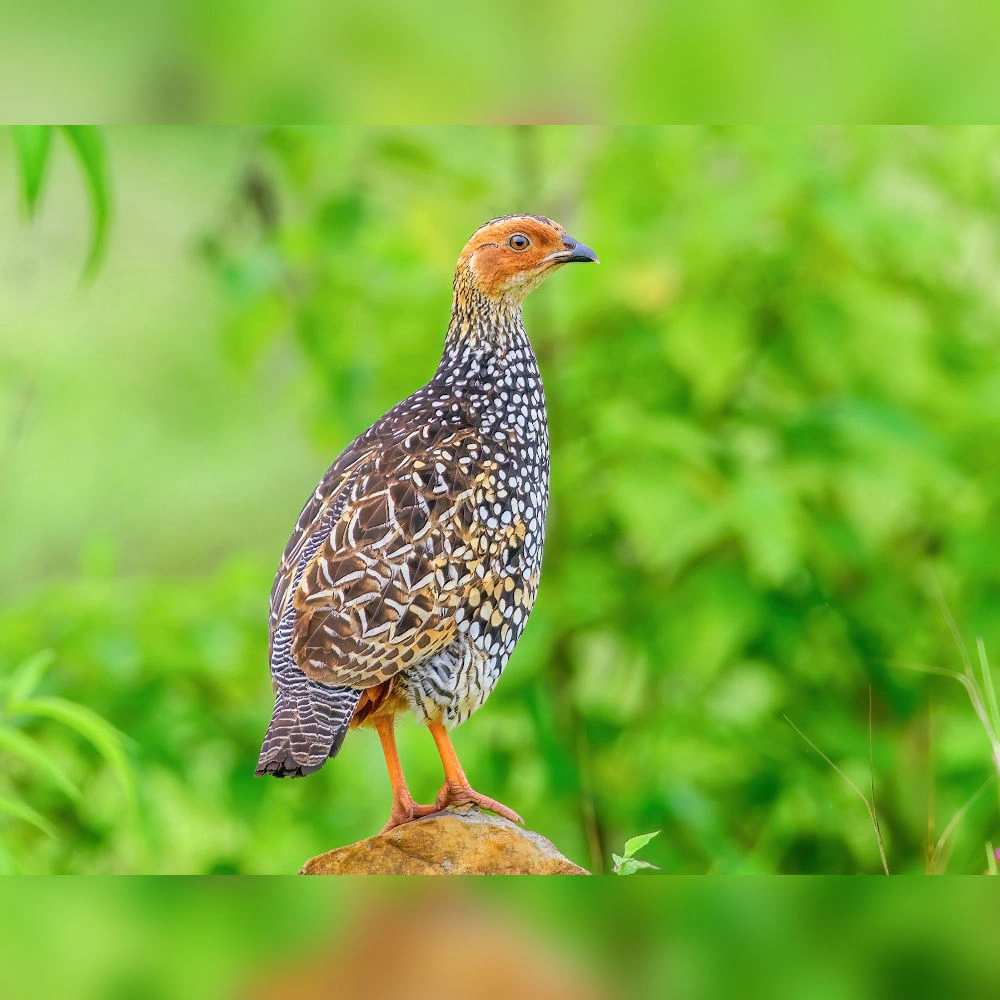
Painted Francolin
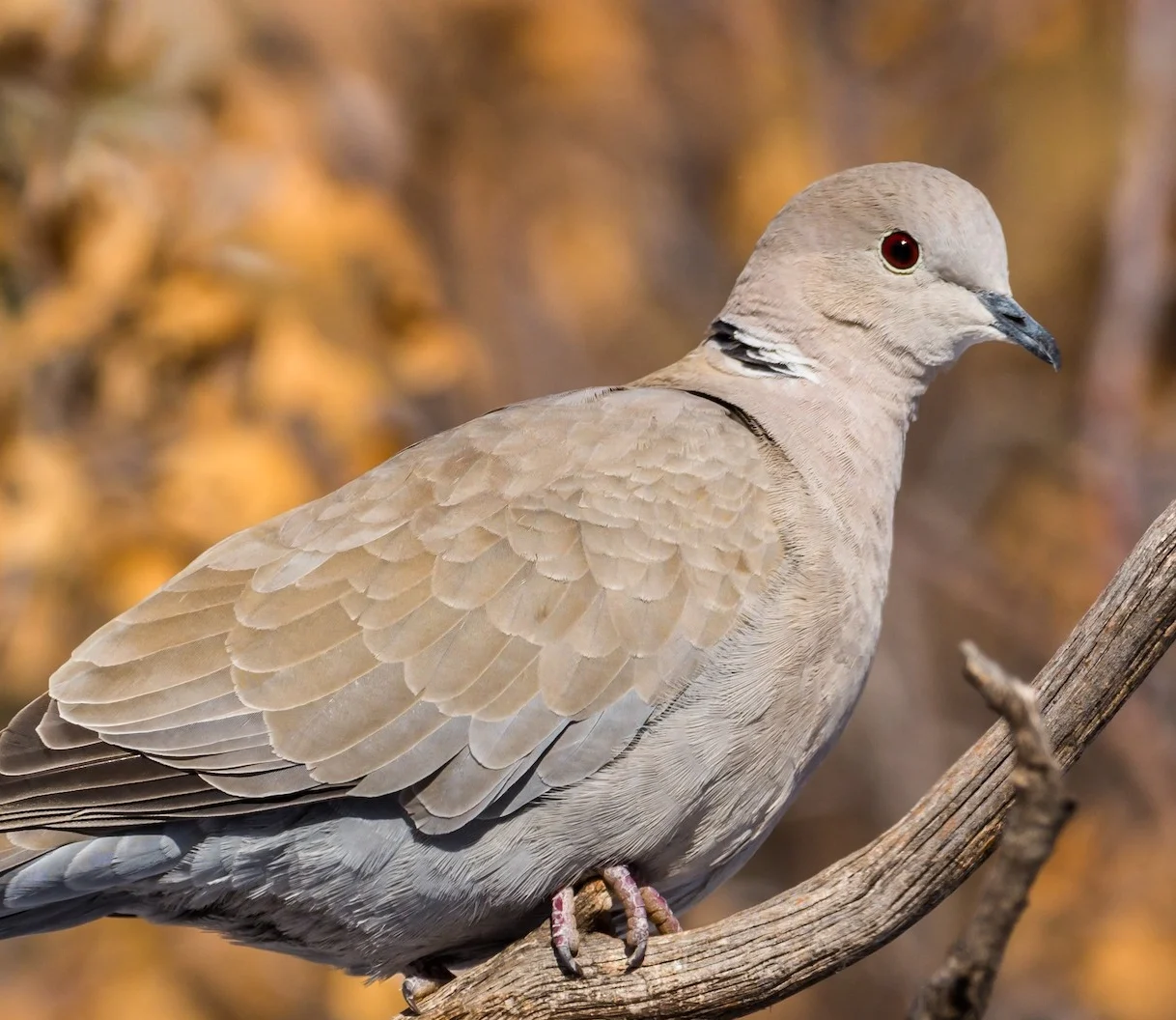
Eurasian Collared-Dove
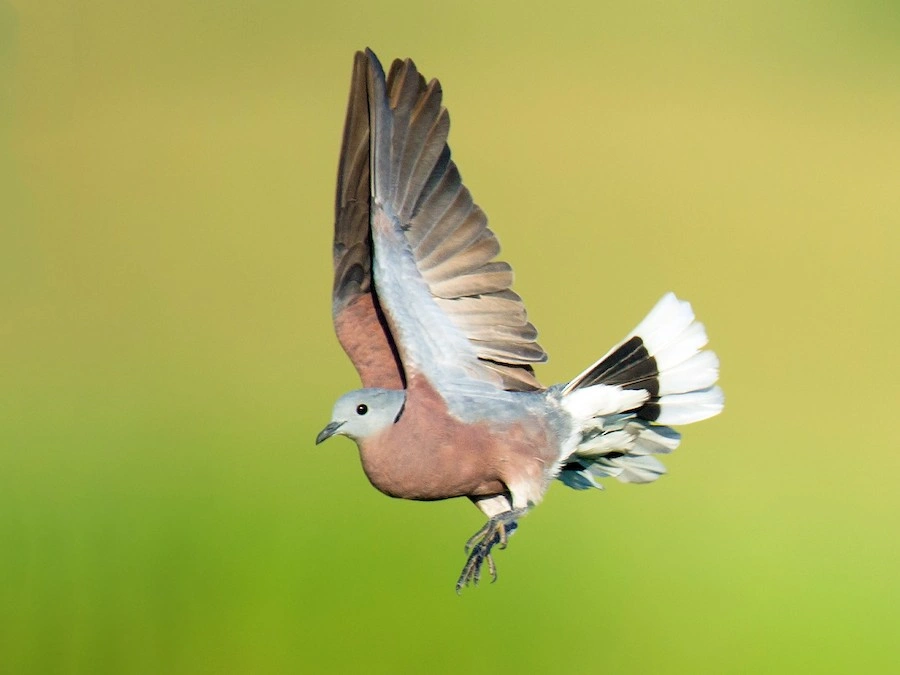
Red Collared-Dove
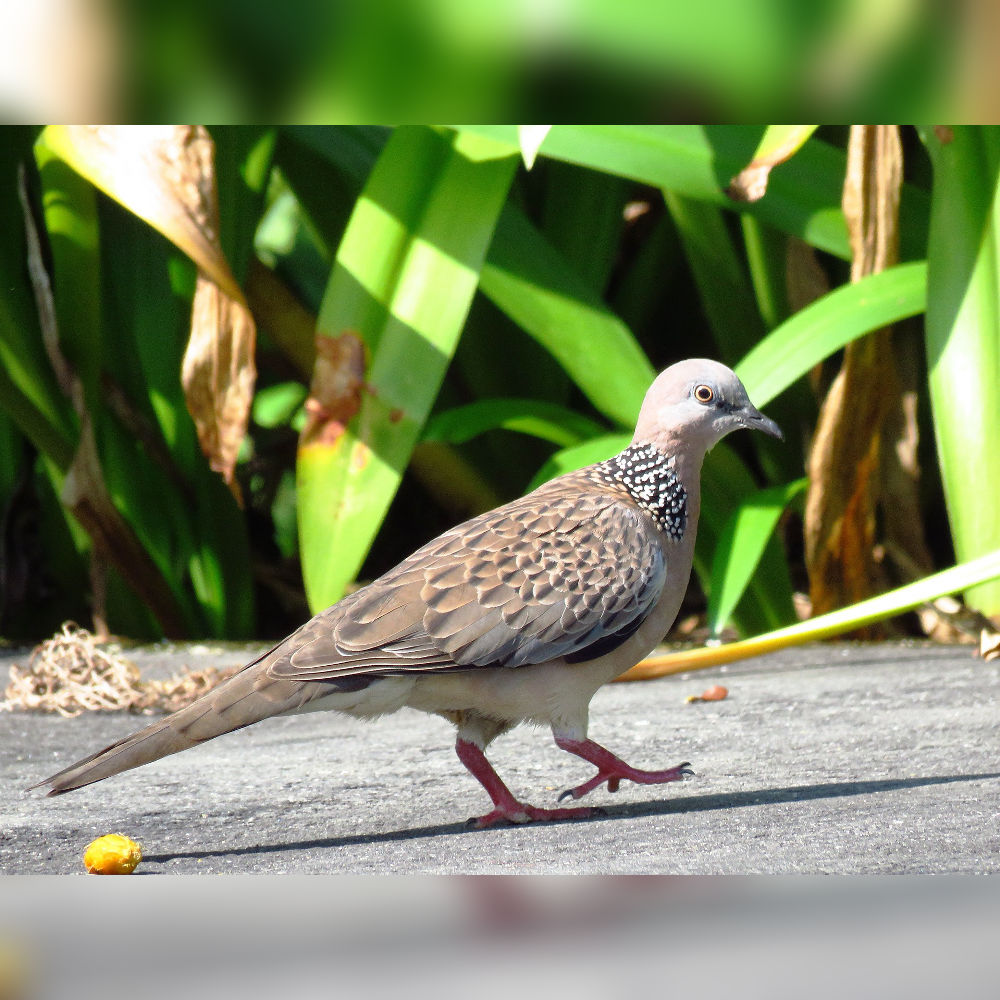
Spotted Dove
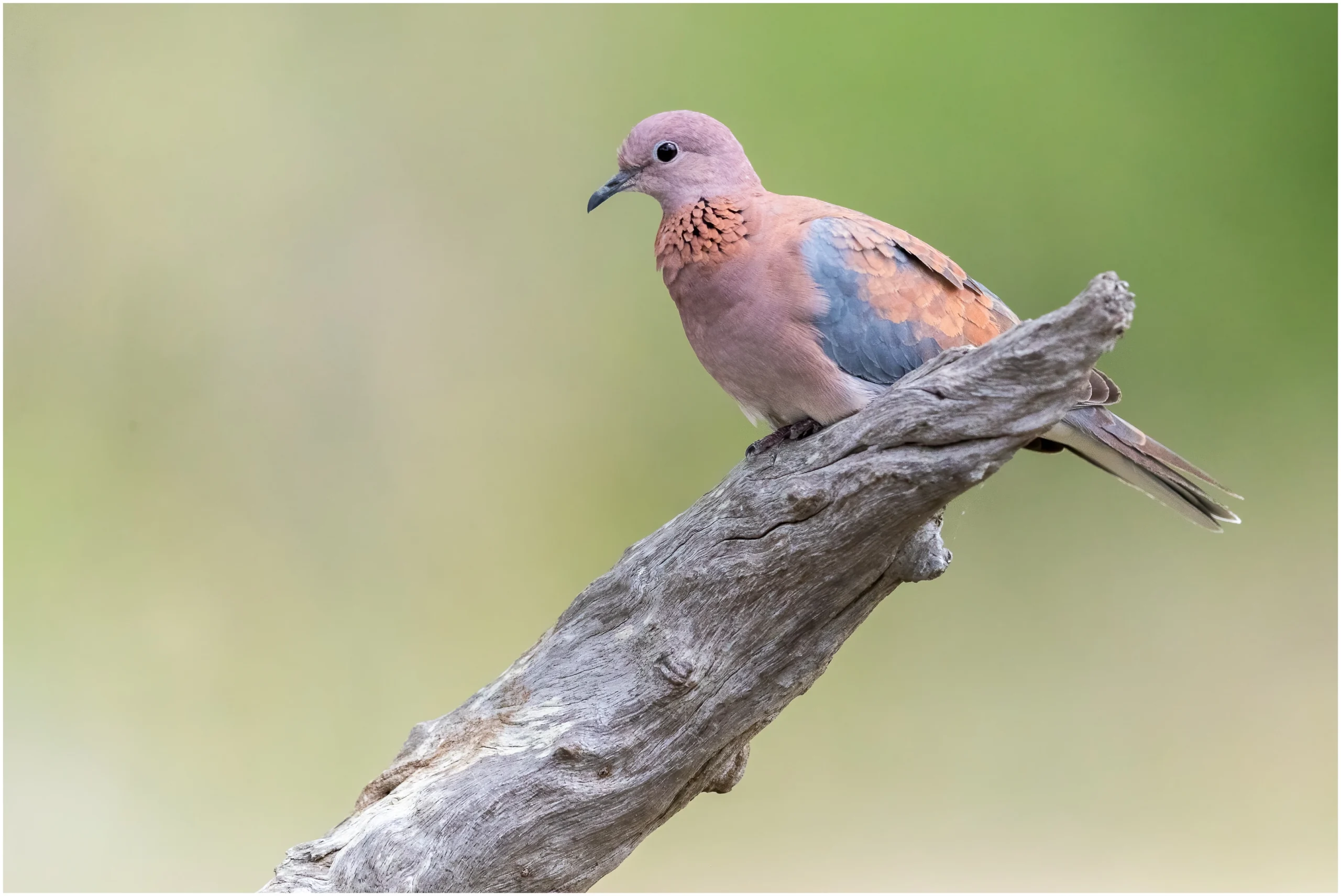
Laughing Dove
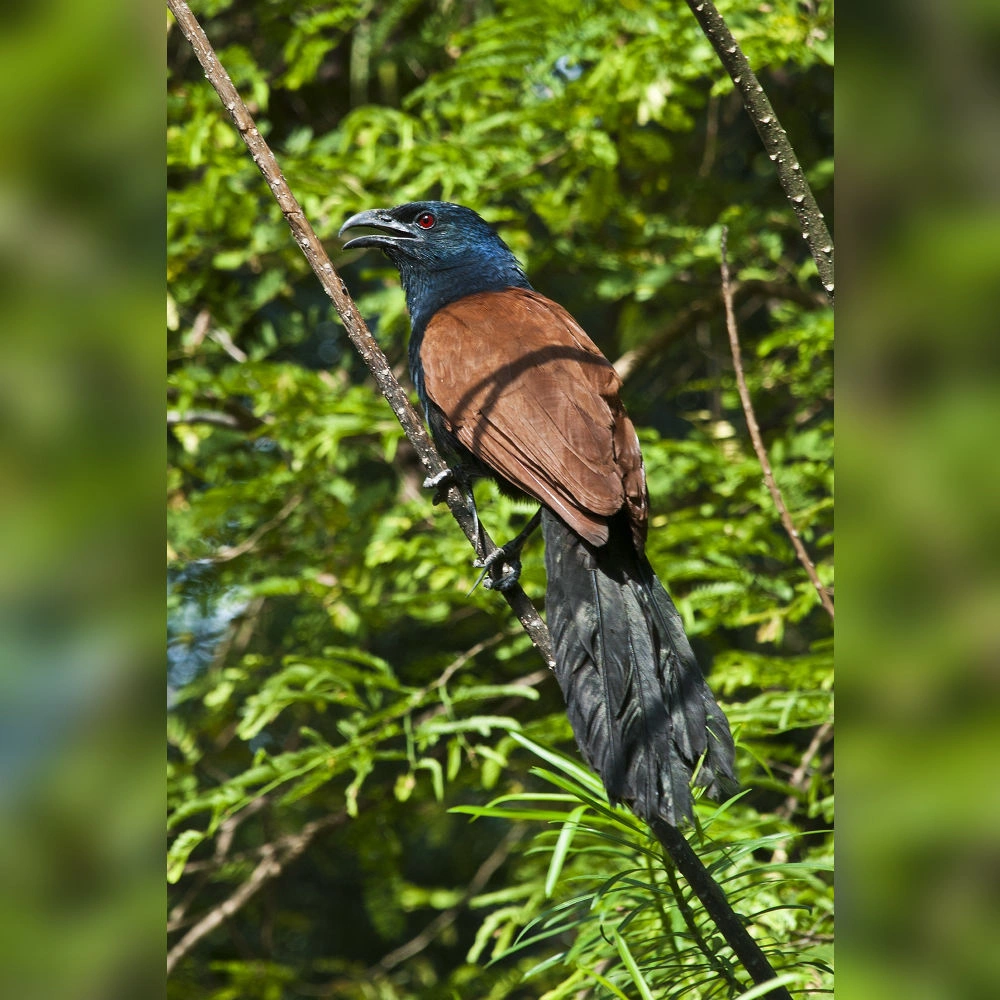
Greater Coucal
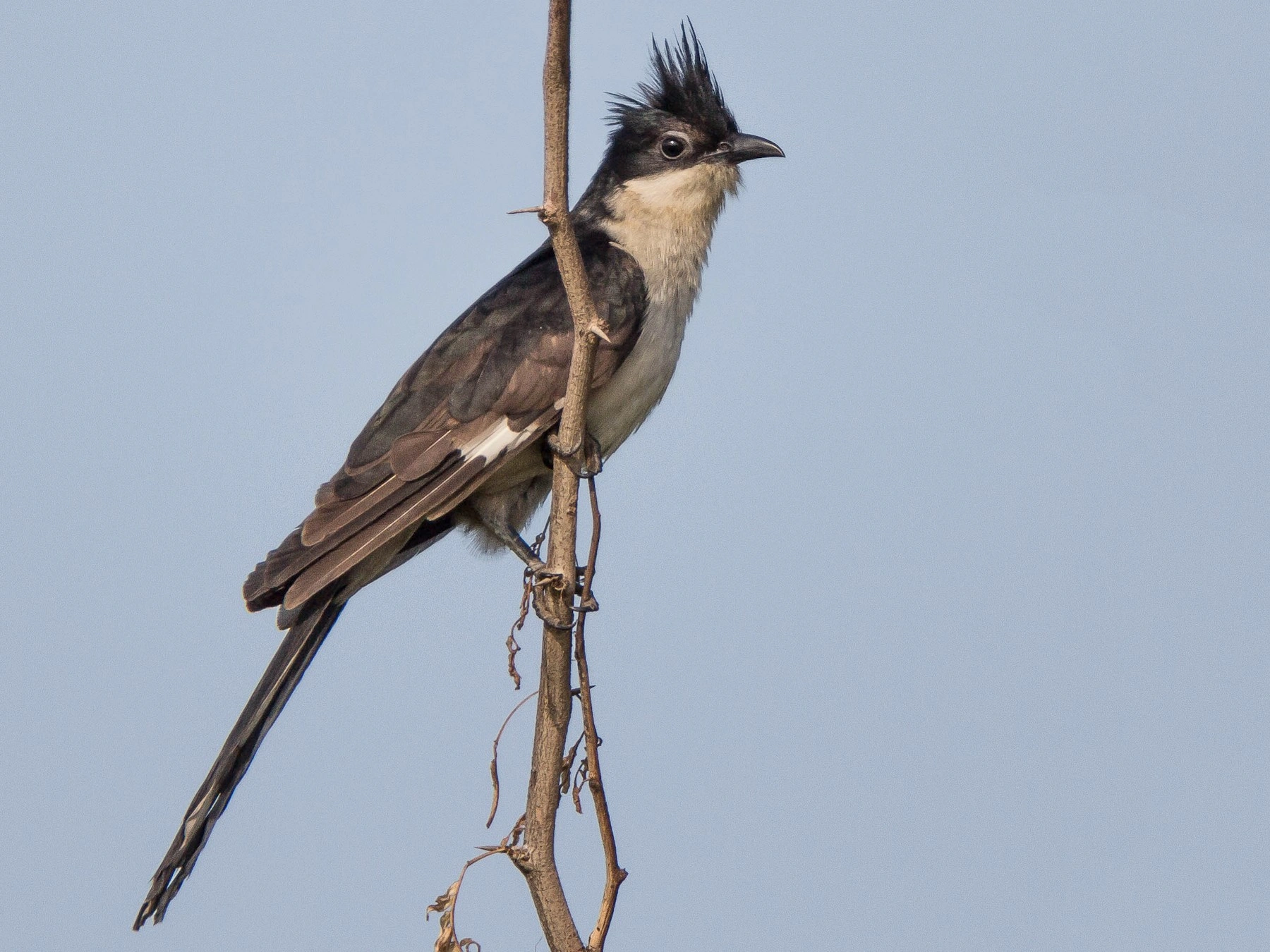
Pied Cuckoo
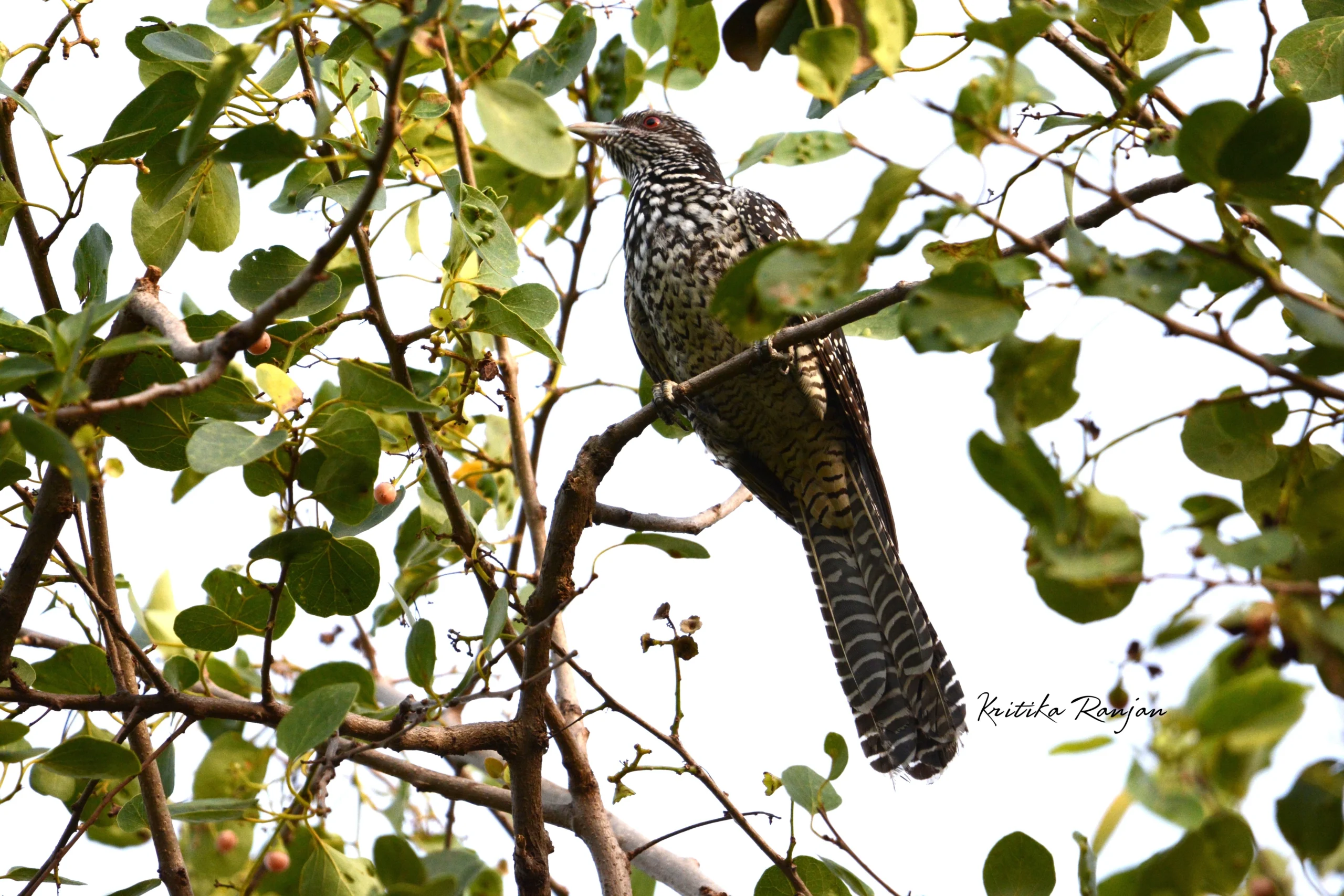
Asian Koel
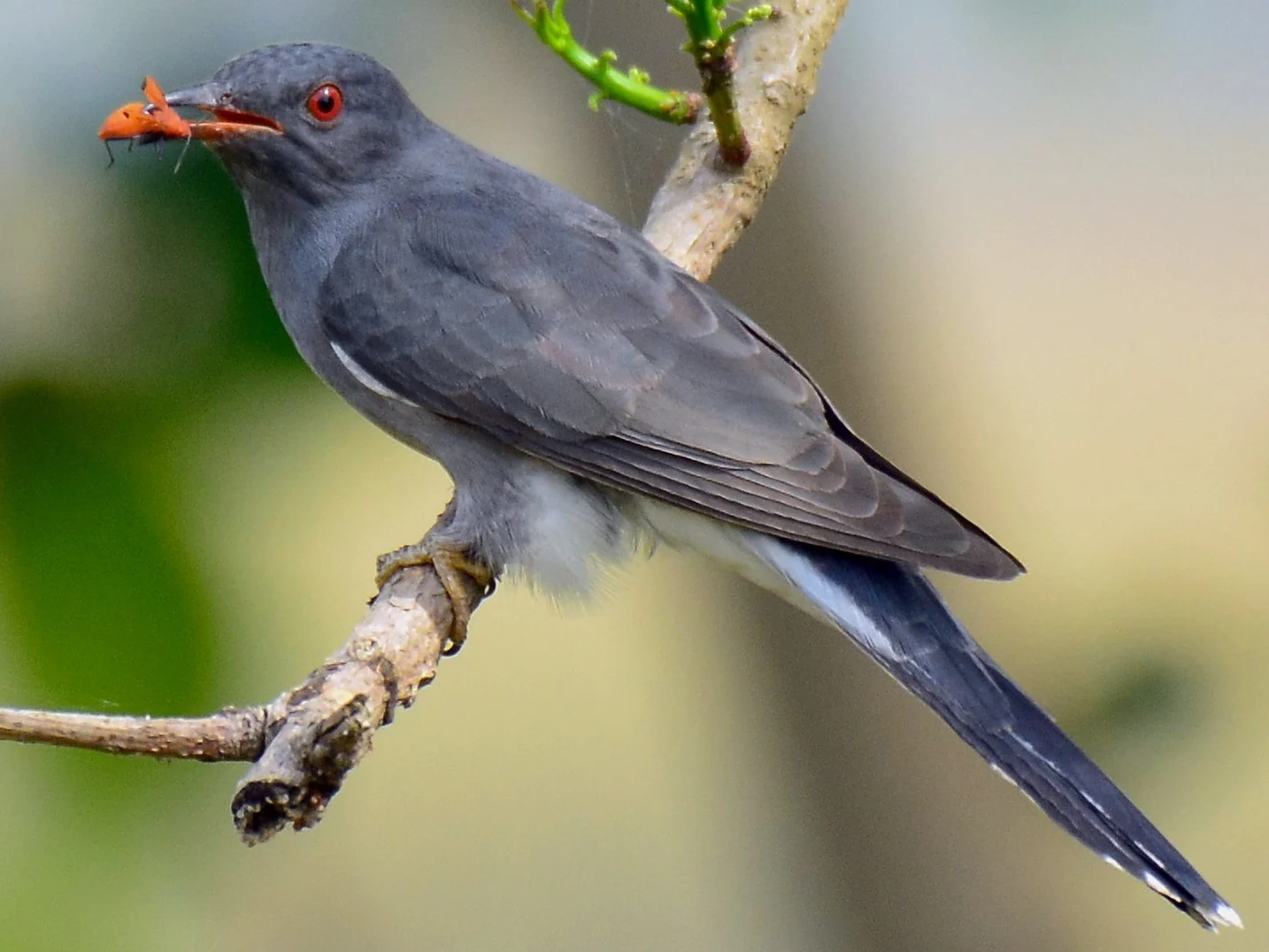
Grey-bellied Cuckoo
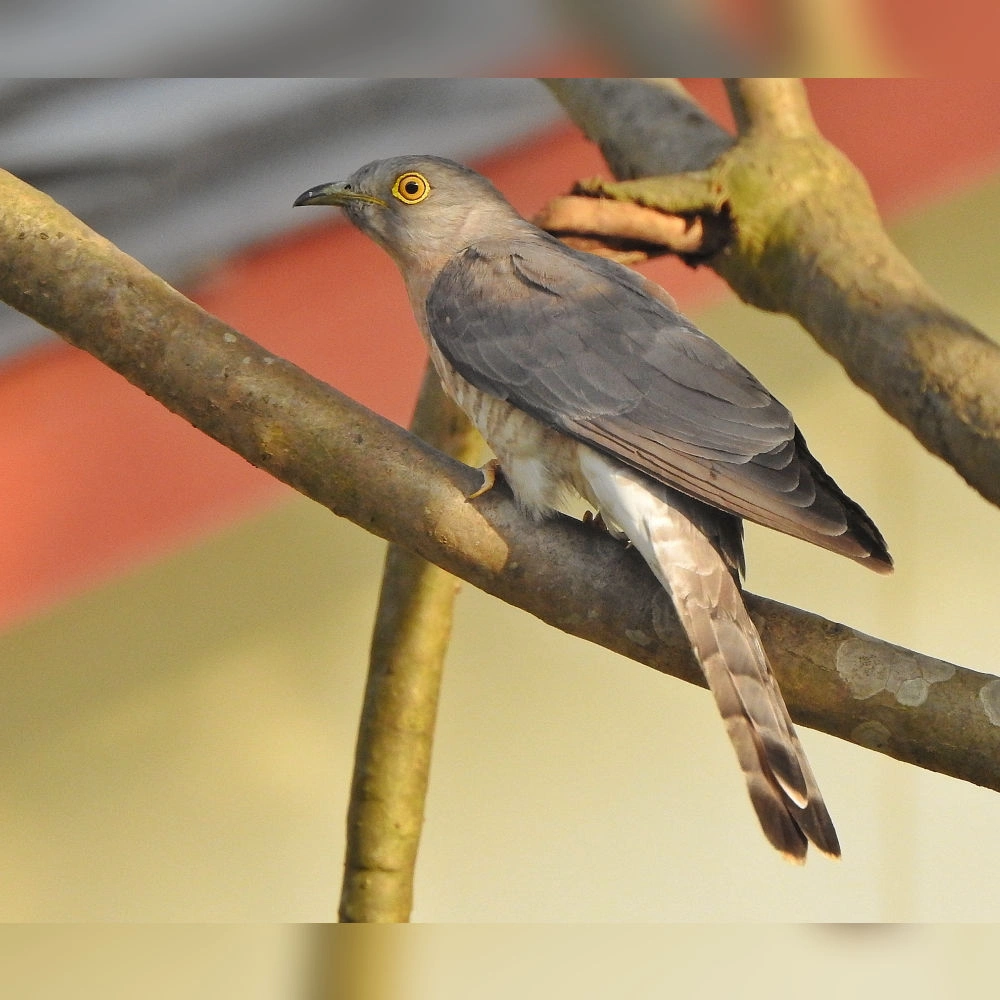
Common Hawk-Cuckoo
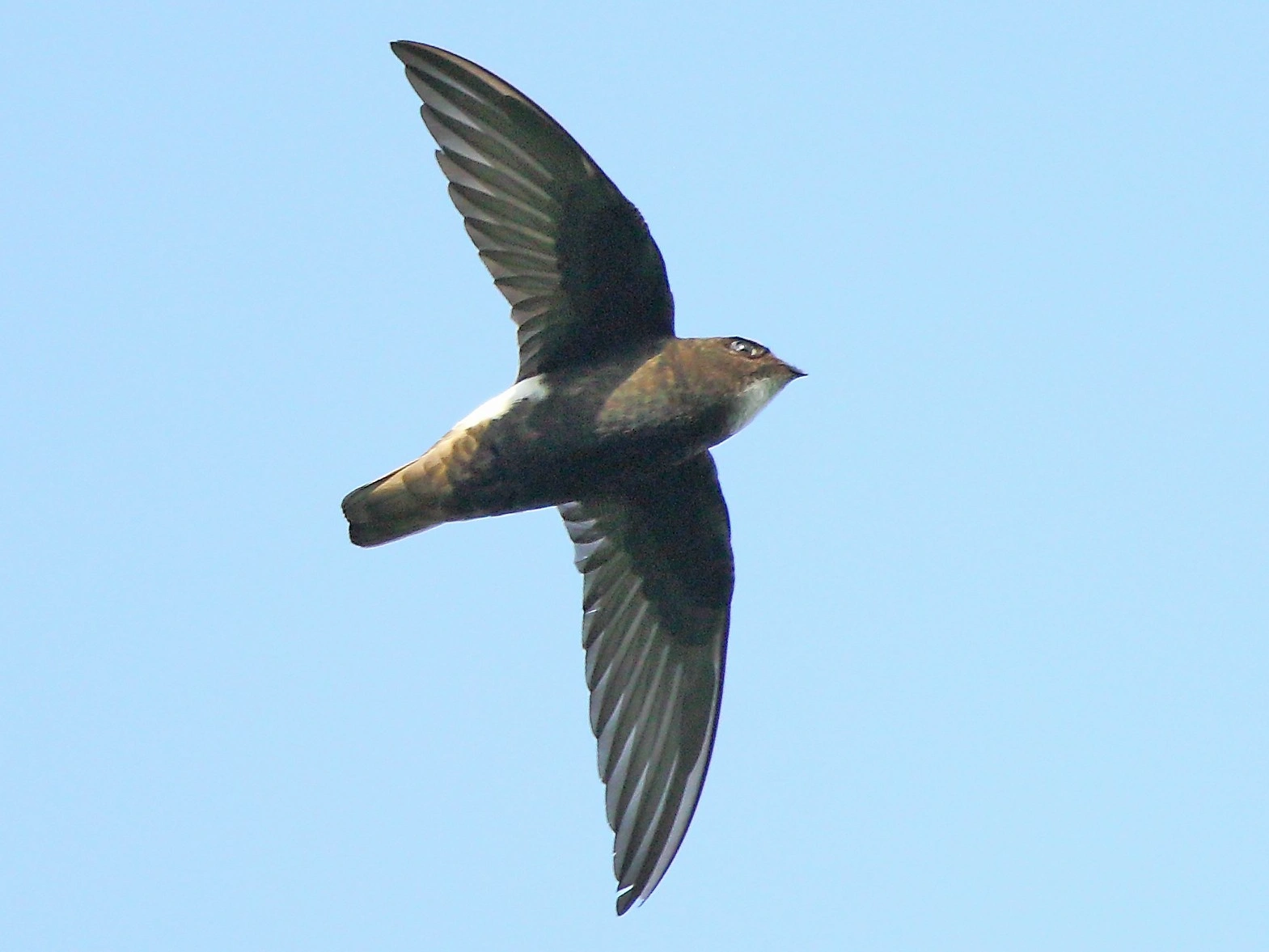
Little Swift
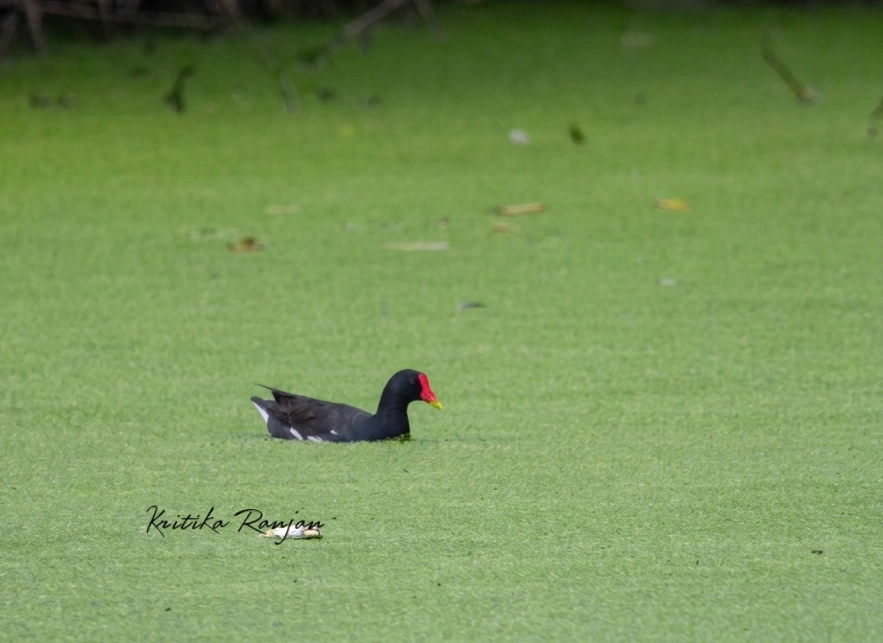
Eurasian Moorhen
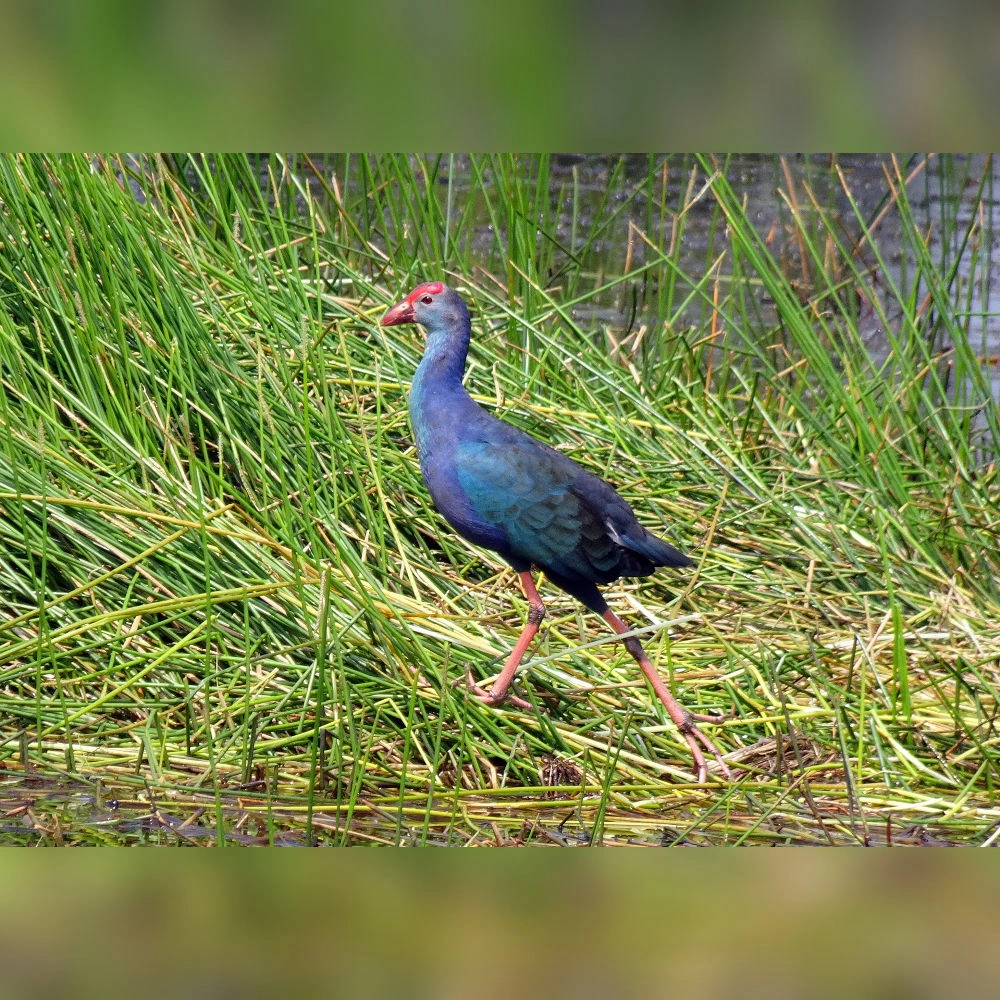
Grey-headed Swamphen
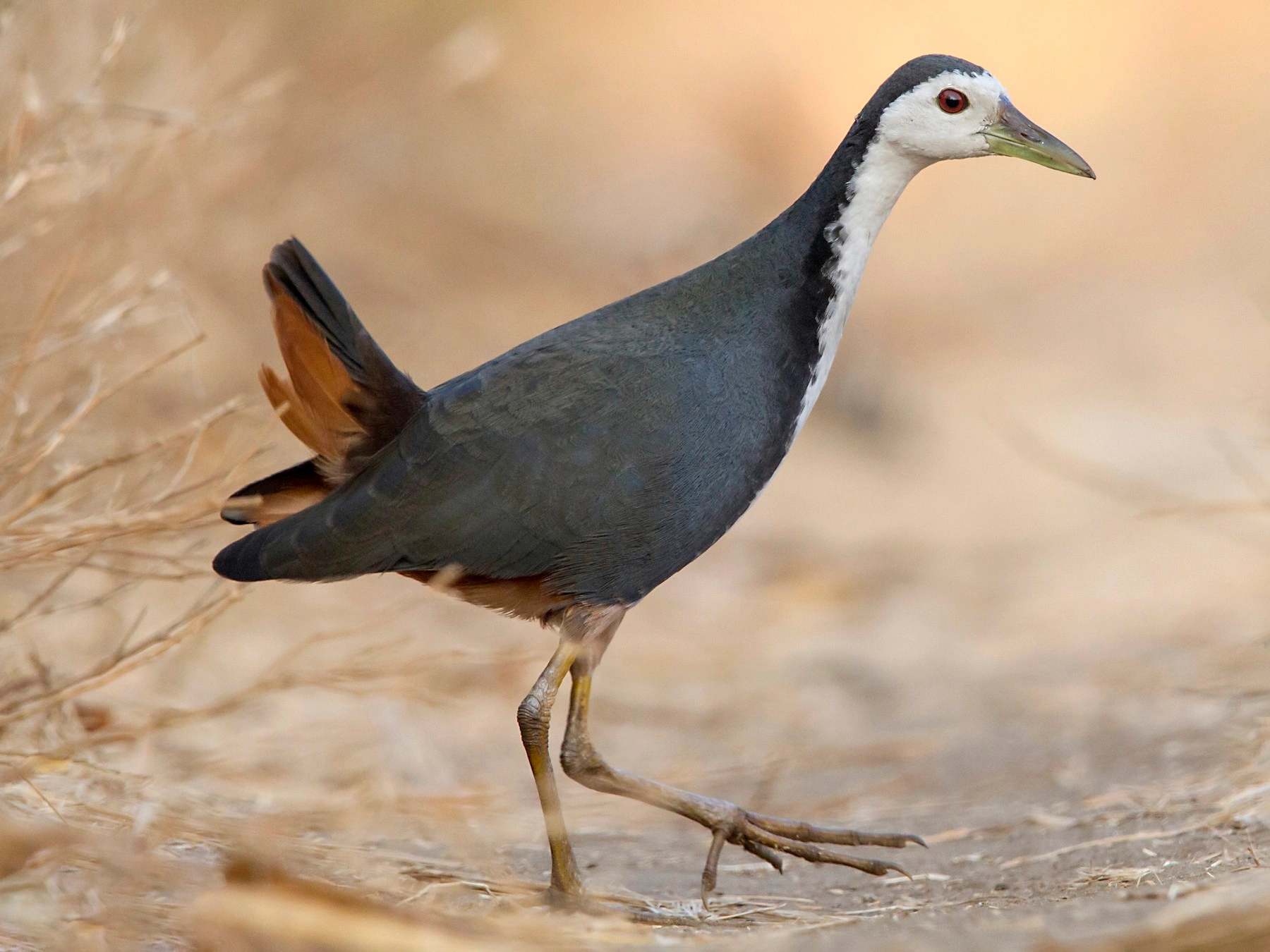
White-breasted Waterhen
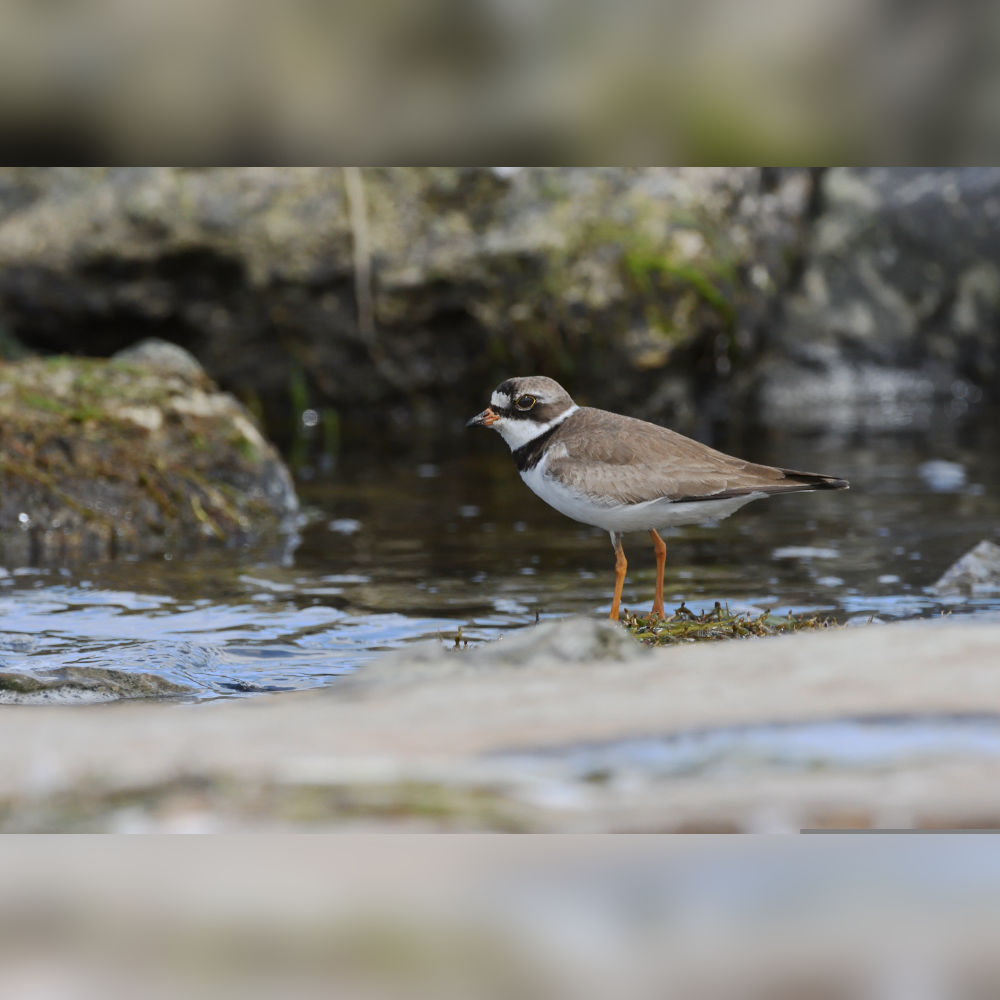
Little Ringed Plover
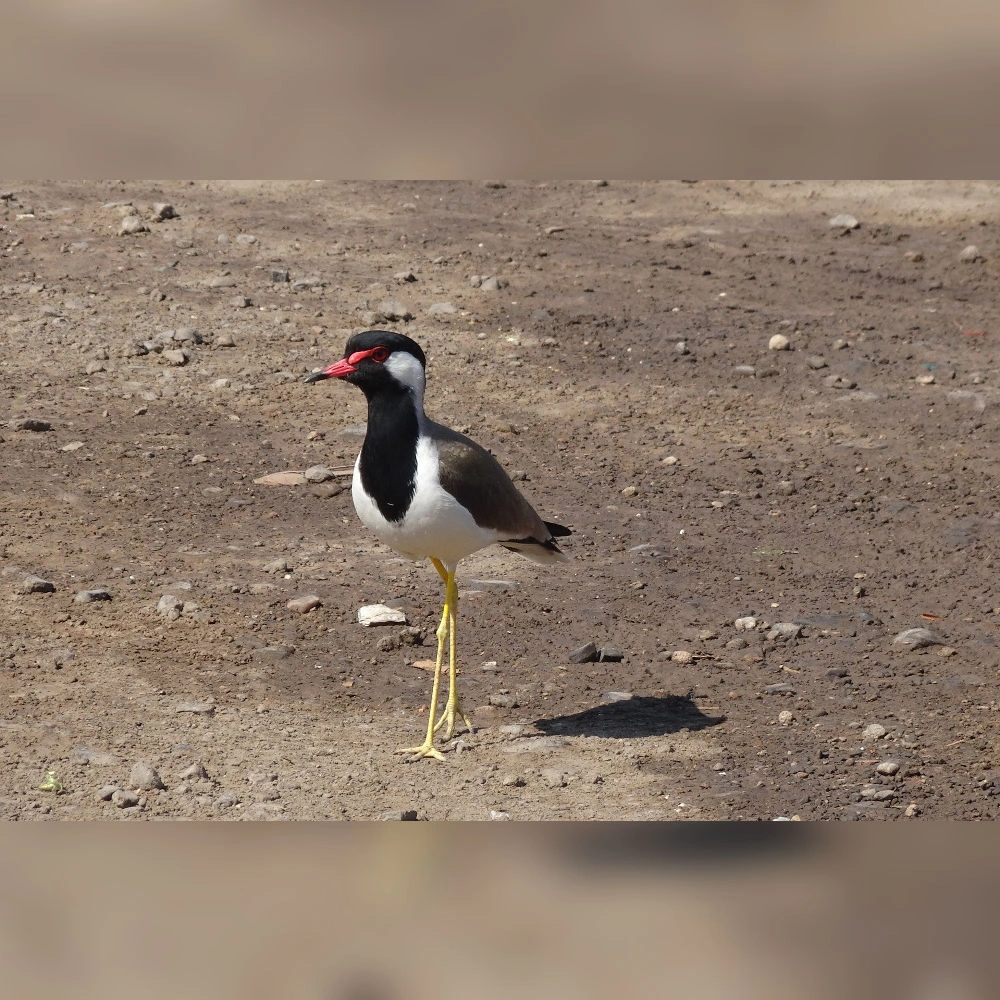
Red-wattled Lapwing
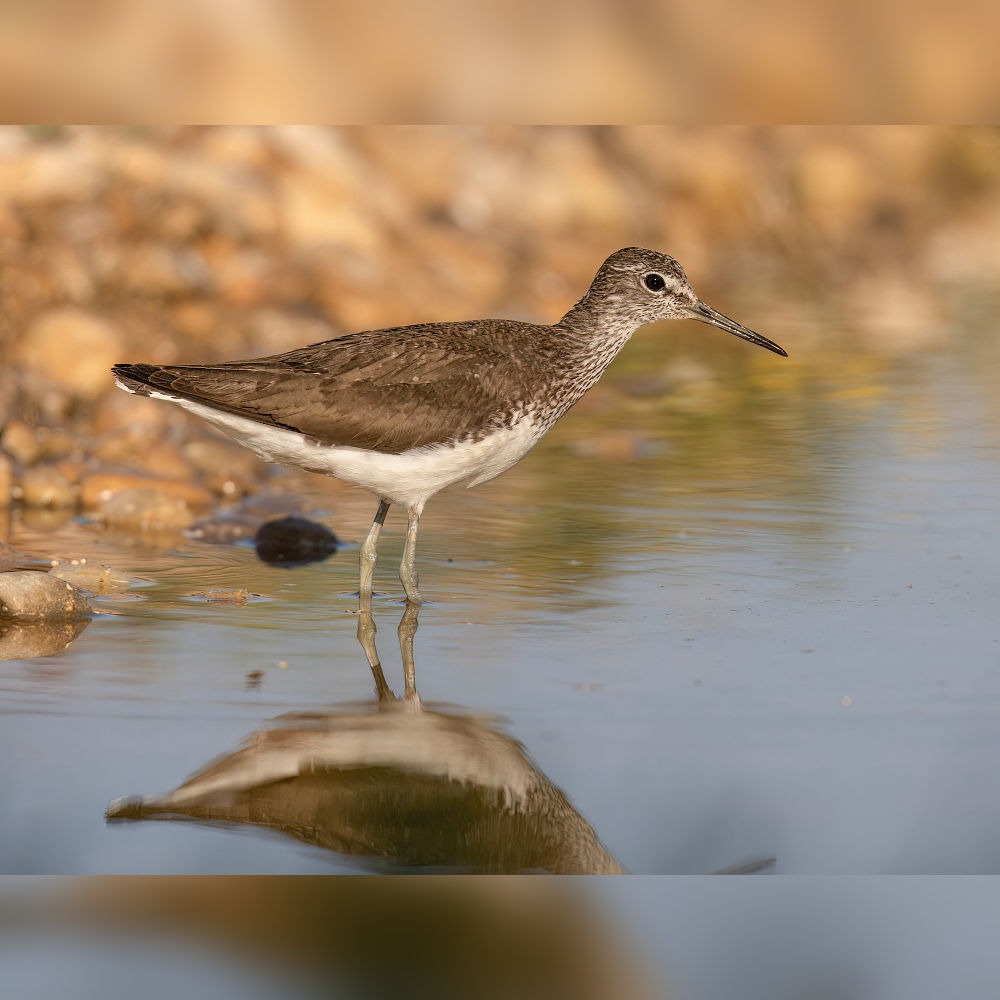
Green Sandpiper
Scroll to Top