
Bird Walk at Siswan Forest, Chandigarh
- Chandigarh
- 6 September, 2026
- Pushkar Bali
About Siswan Forest
Located along the foothills of the Shivalik Range on the outskirts of Chandigarh, Siswan Forest is one of the region’s most important natural landscapes. The forest is a mosaic of dry deciduous woodland, riverine patches, seasonal streams, grasslands, scrub forests, and small wetlands, creating habitats for a remarkable diversity of birds and wildlife. The area’s proximity to the Siswan Dam and Sukhna Wildlife Sanctuary further enhances its ecological significance, supporting both resident and migratory species. Scenic trails, forest roads, and tranquil surroundings make Siswan a favourite destination for birdwatchers, photographers, and nature enthusiasts.
Siswan Forest is also an important ecological buffer for Chandigarh, helping conserve native biodiversity while protecting watershed functions and soil stability. However, increasing human activity, habitat fragmentation, invasive plant species, and urban expansion continue to pose challenges. Continued conservation efforts and responsible ecotourism are essential to preserving this valuable forest ecosystem.

Bird Guide: Pushkar Bali
He is a passionate birder with over 10 years of birding experience and a keen interest in documenting rare and significant bird sightings. He has recorded six bird species for the first time in Punjab, including the Rufous-gorgeted Flycatcher, Black-throated Accentor, Greater Scaup, Falcated Duck, Pied Wheatear, and Himalayan Rubythroat, contributing valuable observations to the region's ornithological records.
Bird walk Location
Common birds of Siswan Forest
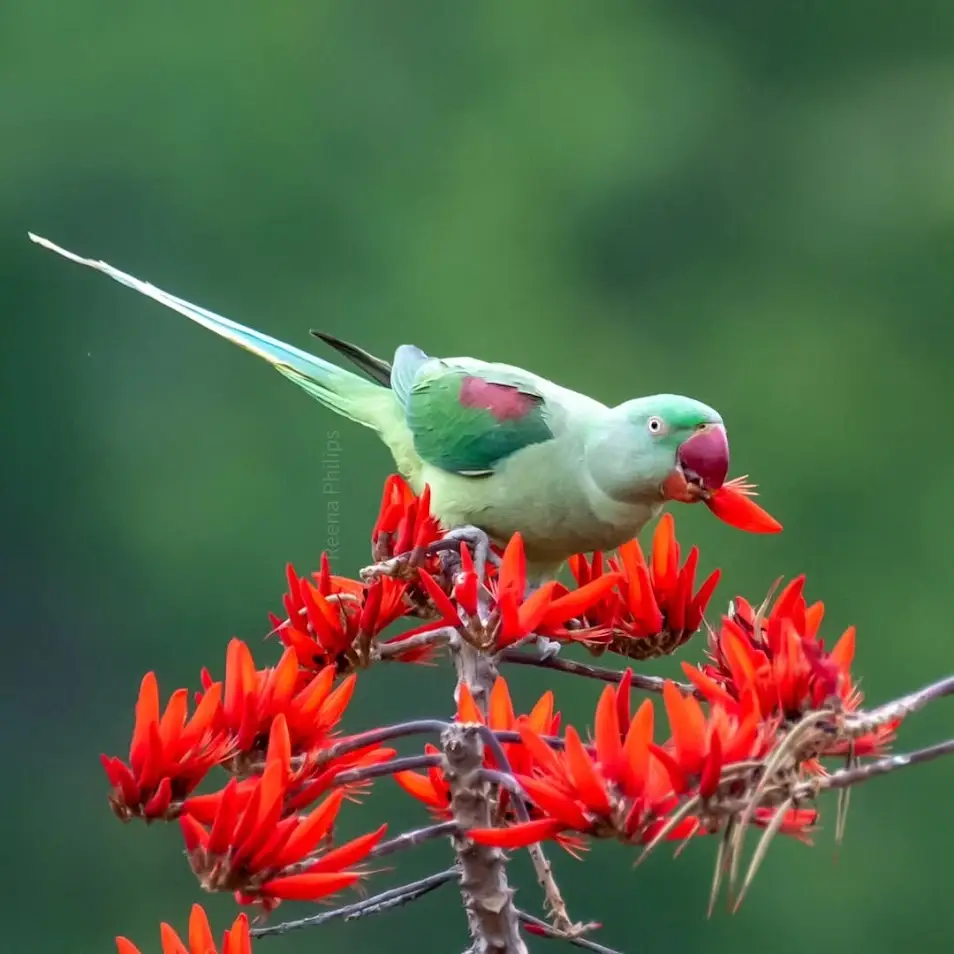
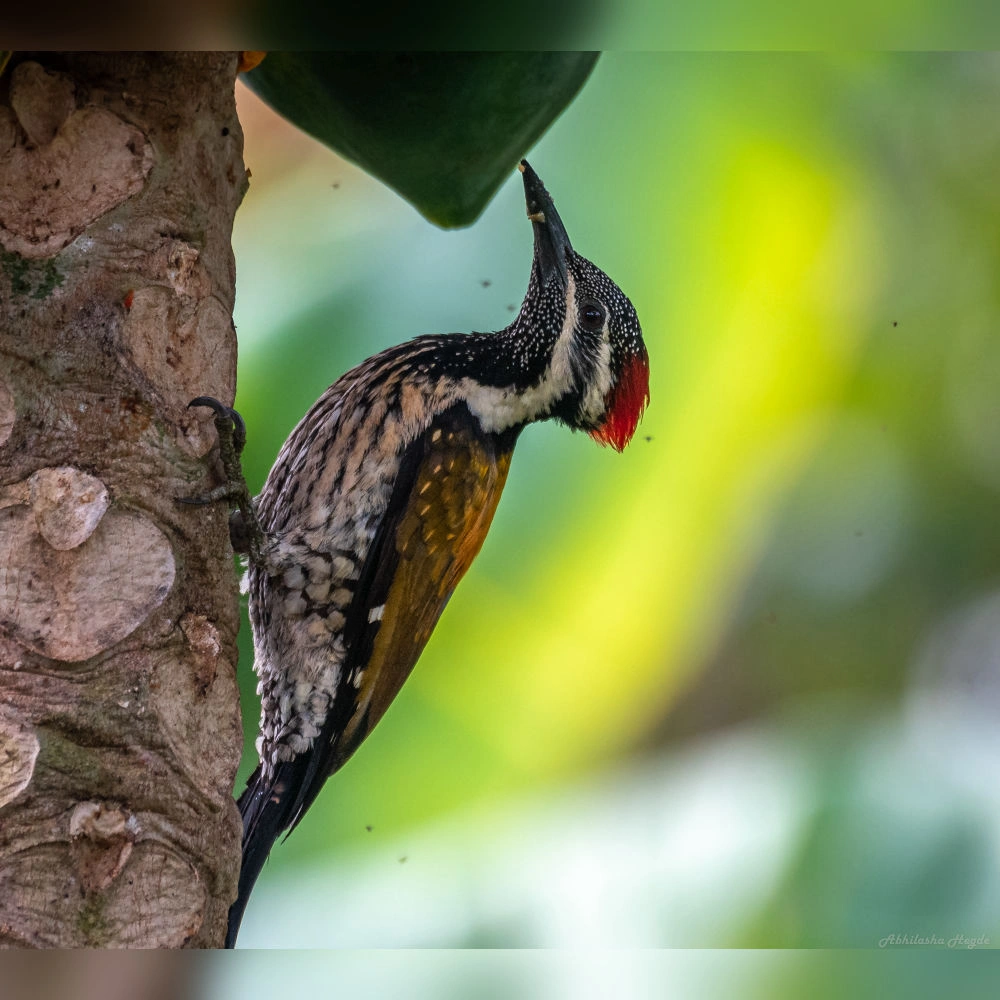
Siswan Forest supports an exceptional variety of wetland, woodland, and foothill birds. Wetlands attract Lesser Whistling-Ducks, Knob-billed Ducks, Indian Spot-billed Ducks, Black-winged Stilts, Little Cormorants, Little Egrets, and Red-wattled Lapwings. Forest trails reveal colourful species such as Indian Pitta, Indian Golden Oriole, Blue-tailed Bee-eater, Chestnut-headed Bee-eater, Brown-capped Pygmy Woodpecker, Black-rumped Flameback, and Alexandrine Parakeet. The canopy is home to Indian Gray Hornbills and Rufous Treepies, while the undergrowth shelters Common Tailorbirds and Plain Prinias. Raptors like the White-eyed Buzzard patrol overhead, and elusive species such as the Square-tailed Drongo-Cuckoo add excitement for experienced birders. With its blend of forest and wetland habitats, Siswan Forest is among the finest birdwatching destinations in northern India.

Alexandrine Parakeet

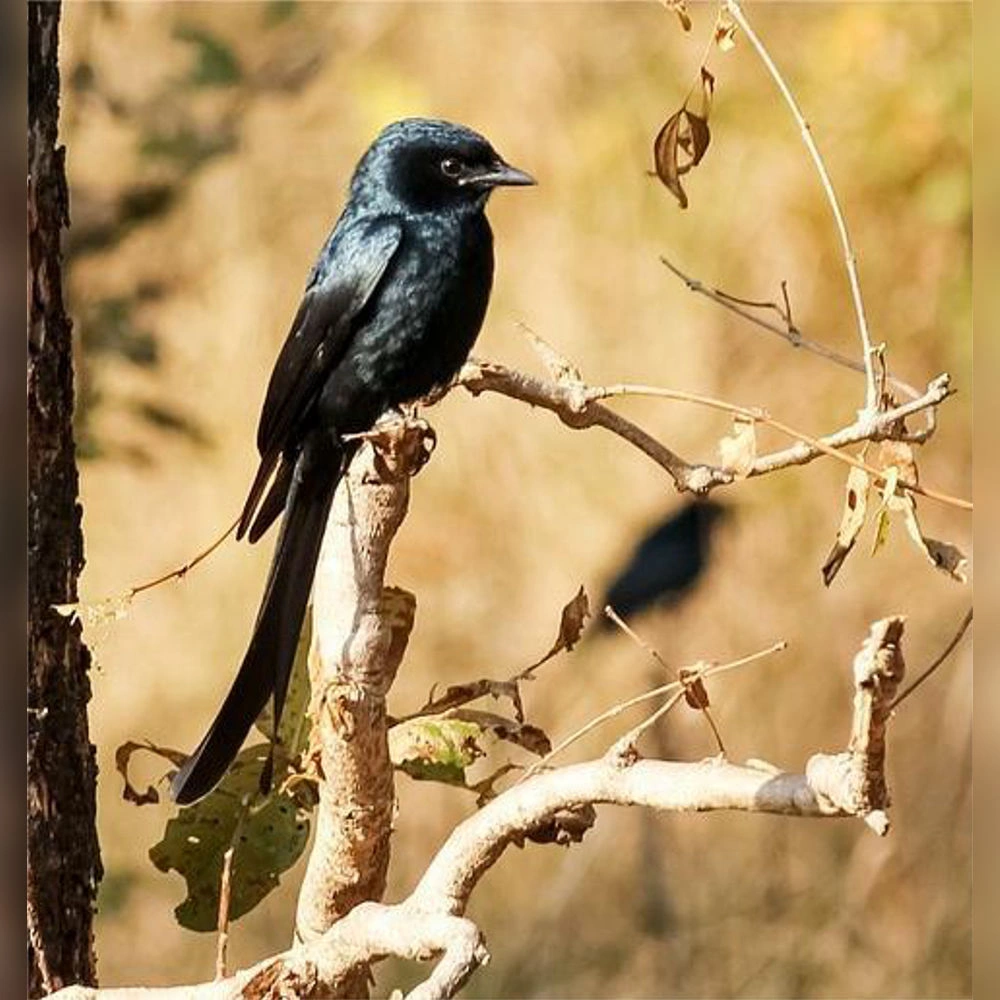
Black Drongo

Black-rumped Flameback
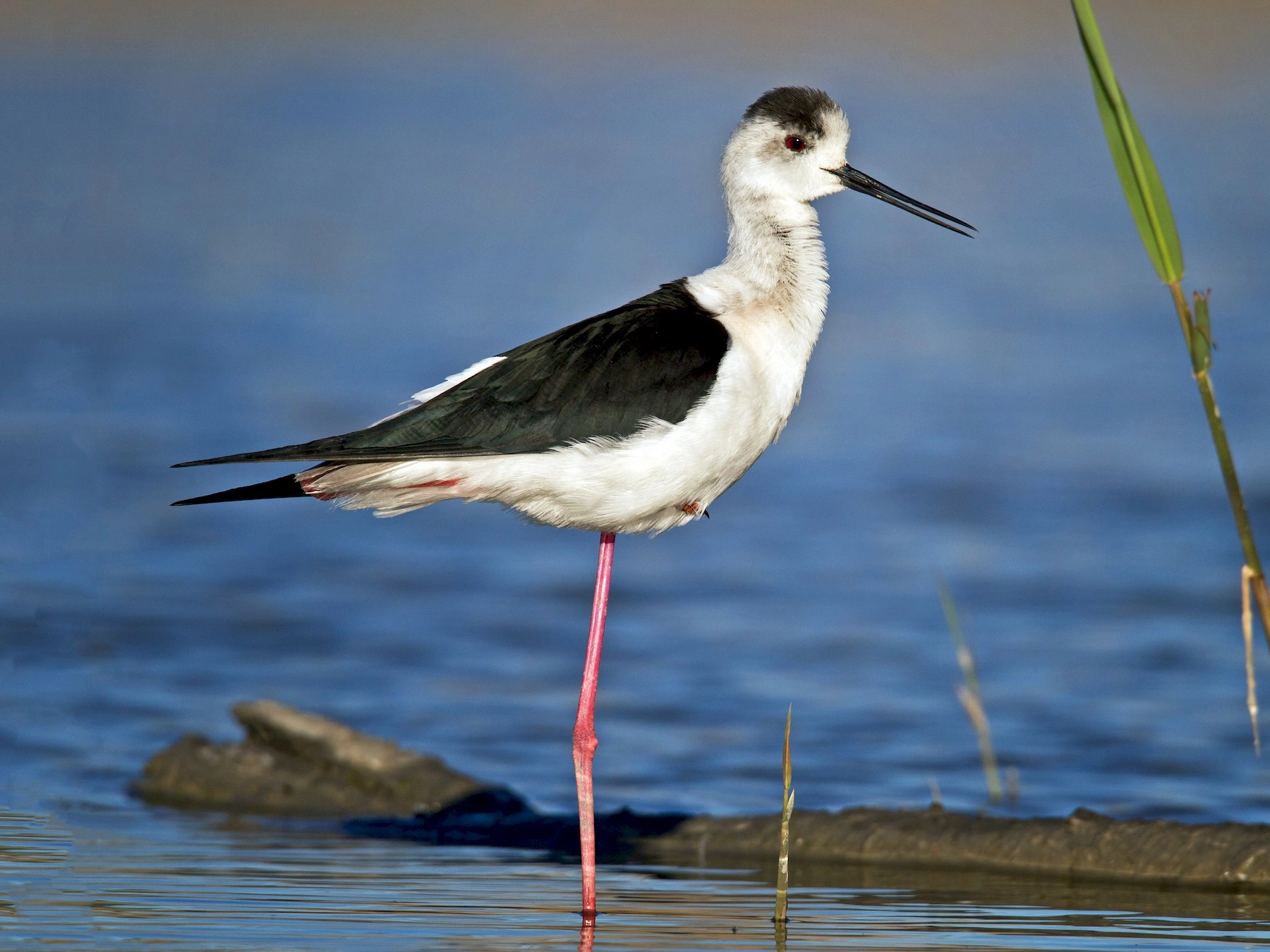
Black-winged Stilt
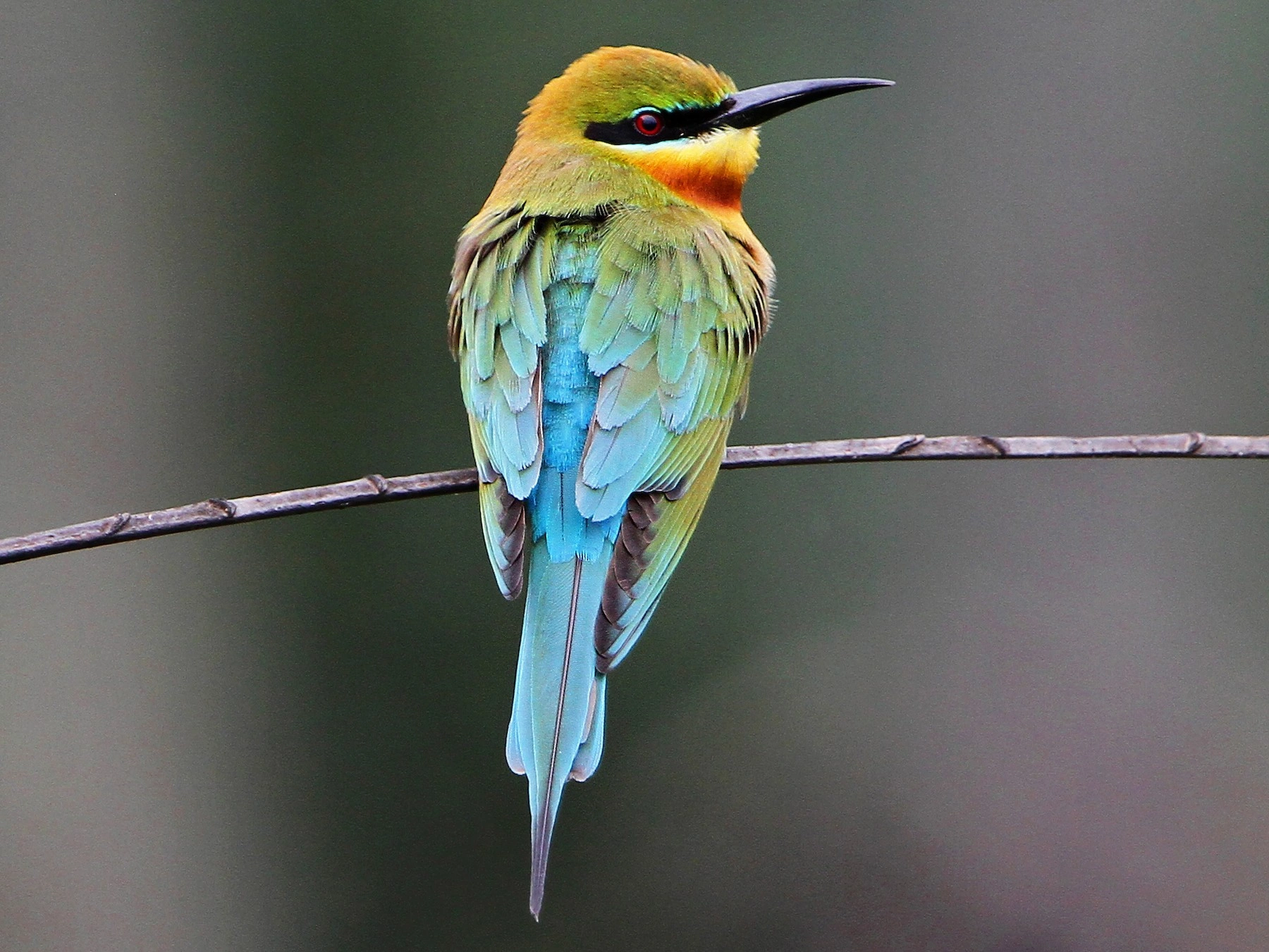
Blue-tailed Bee-eater

Brown-capped Pygmy Woodpecker
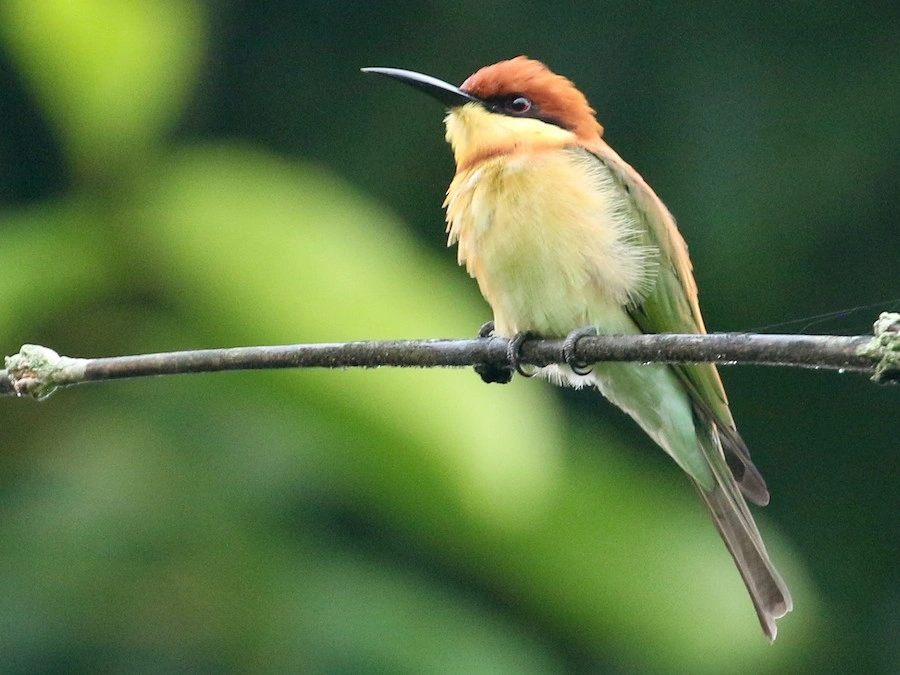
Chestnut-headed Bee-eater
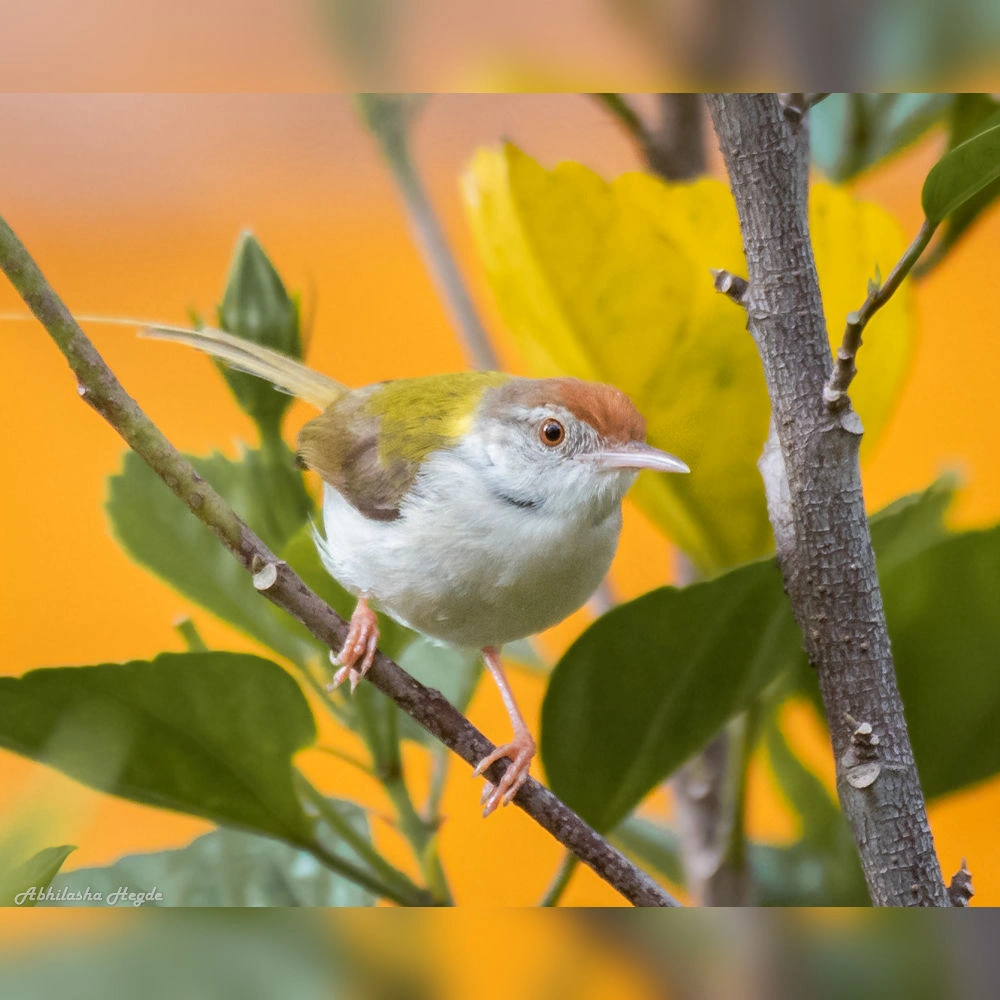
Common Tailorbird
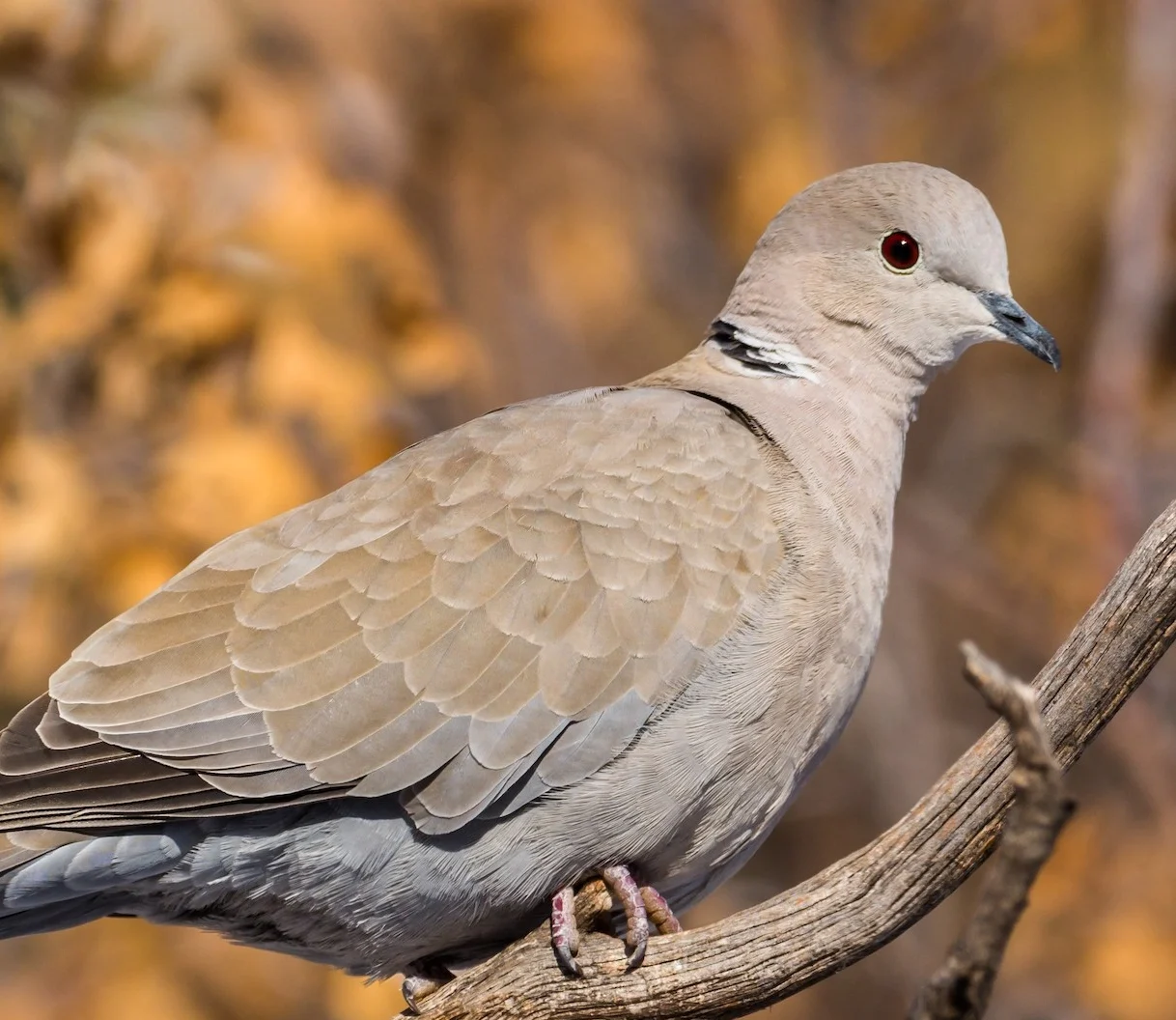
Eurasian Collared-Dove
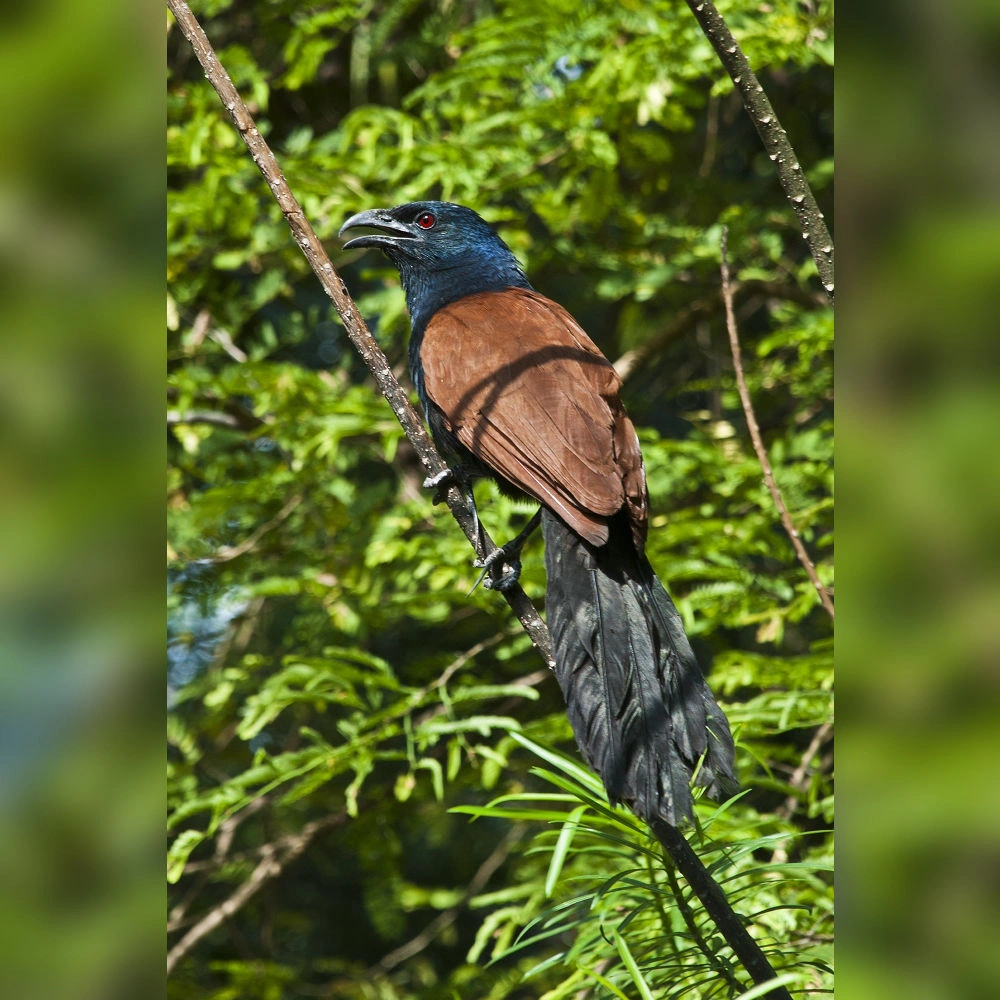
Greater Coucal
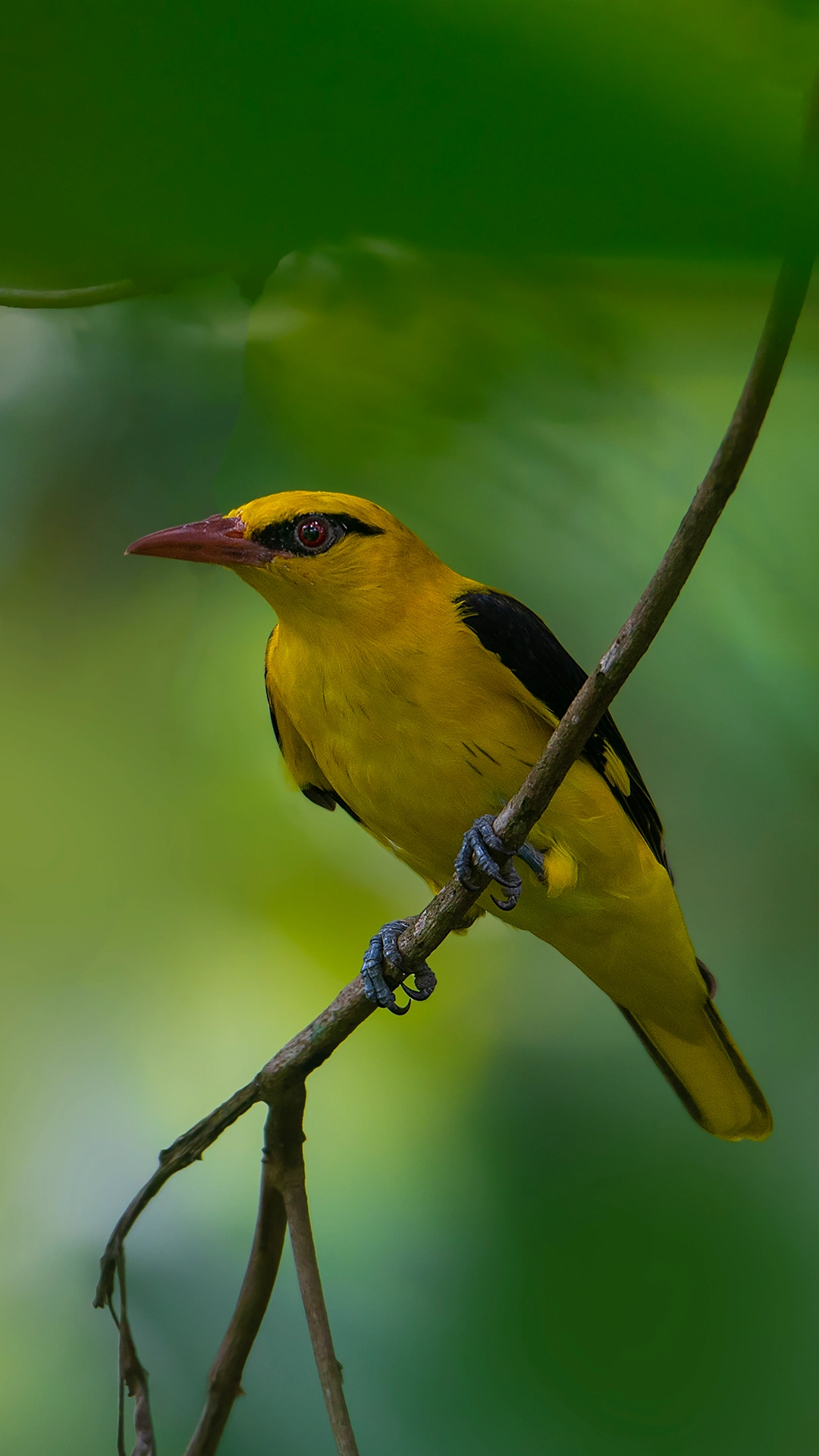
Indian Golden Oriole
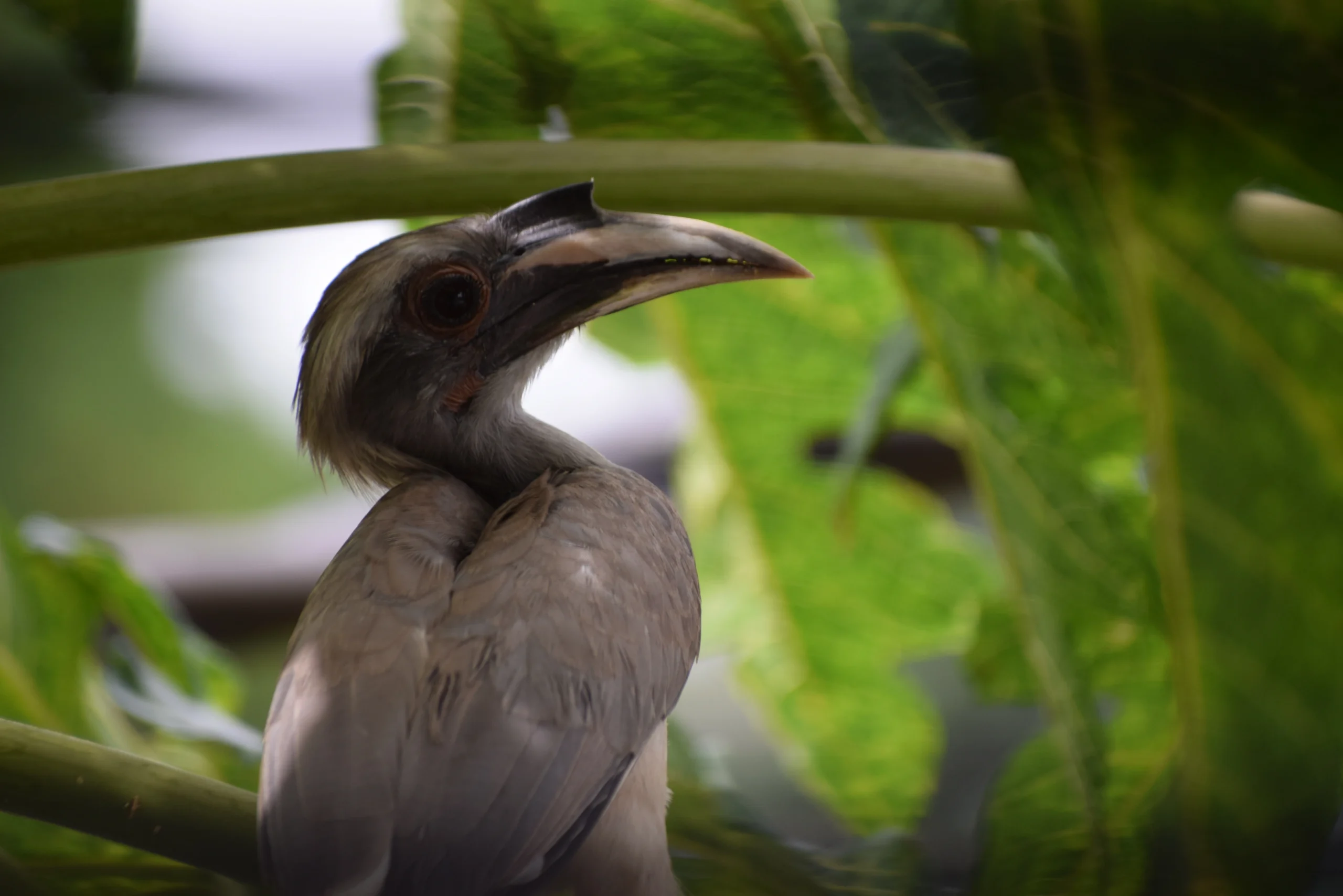
Indian Grey Hornbill
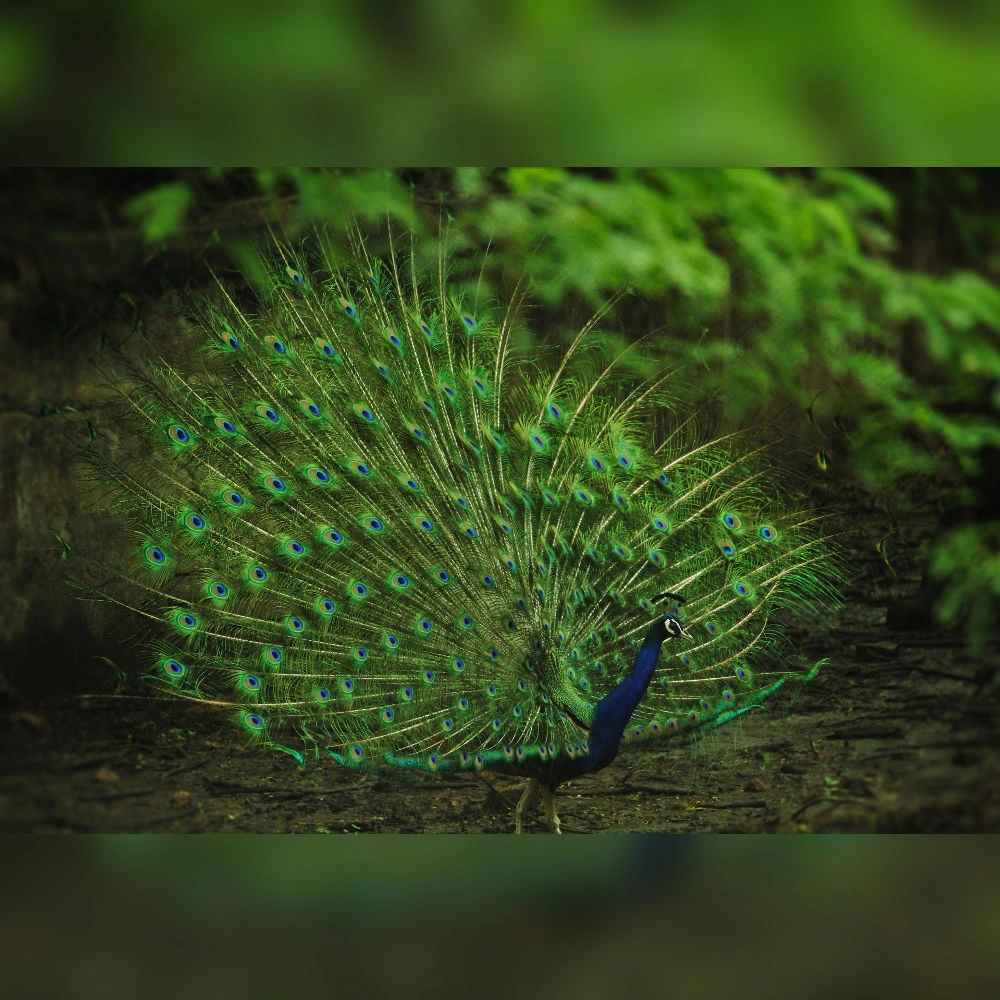
Indian Peafowl
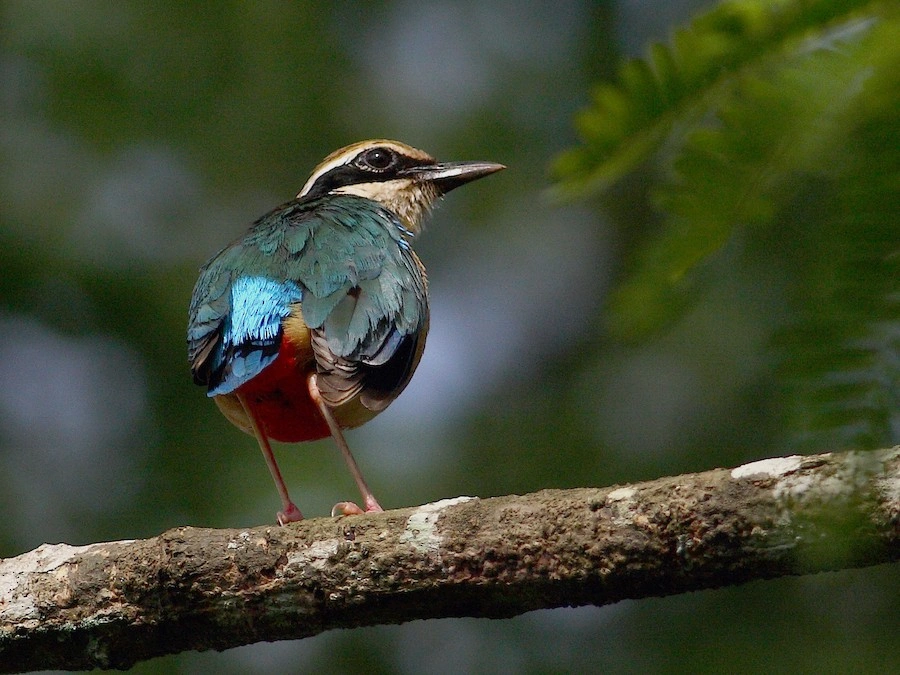
Indian Pitta
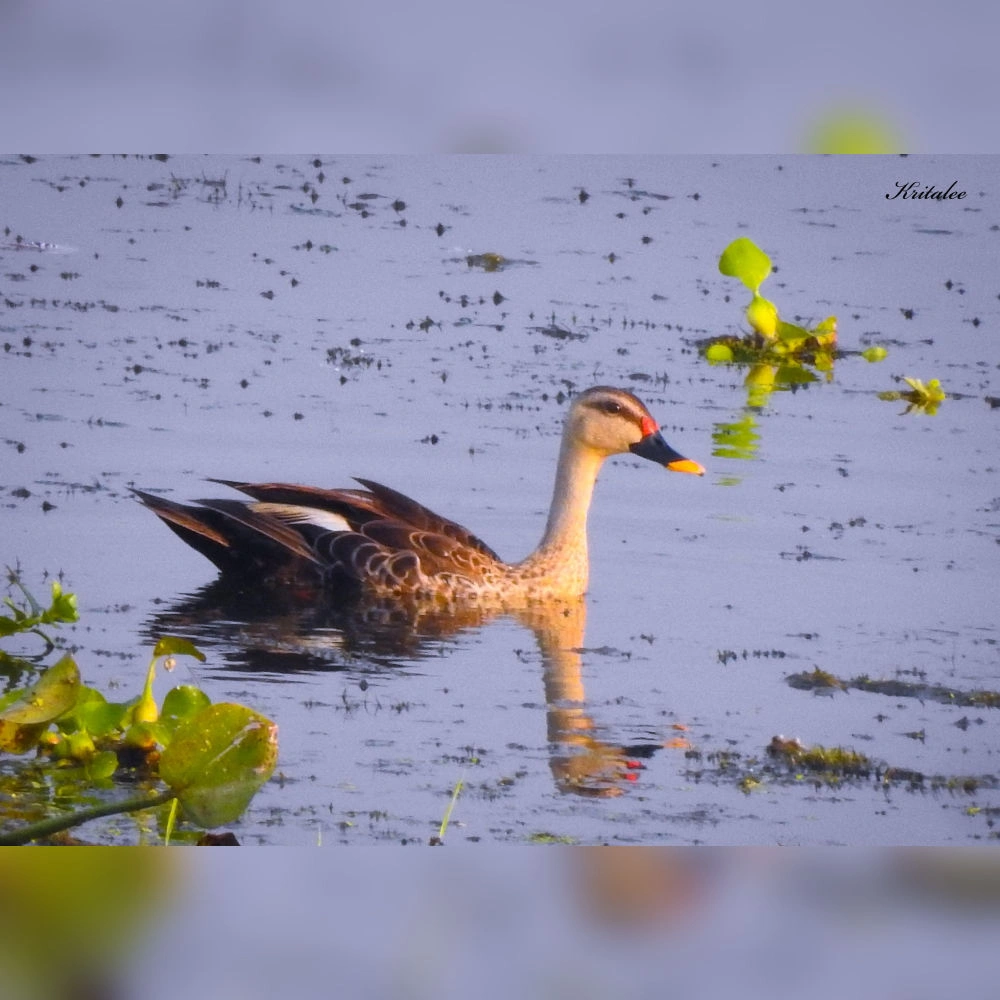
Indian Spot-billed Duck
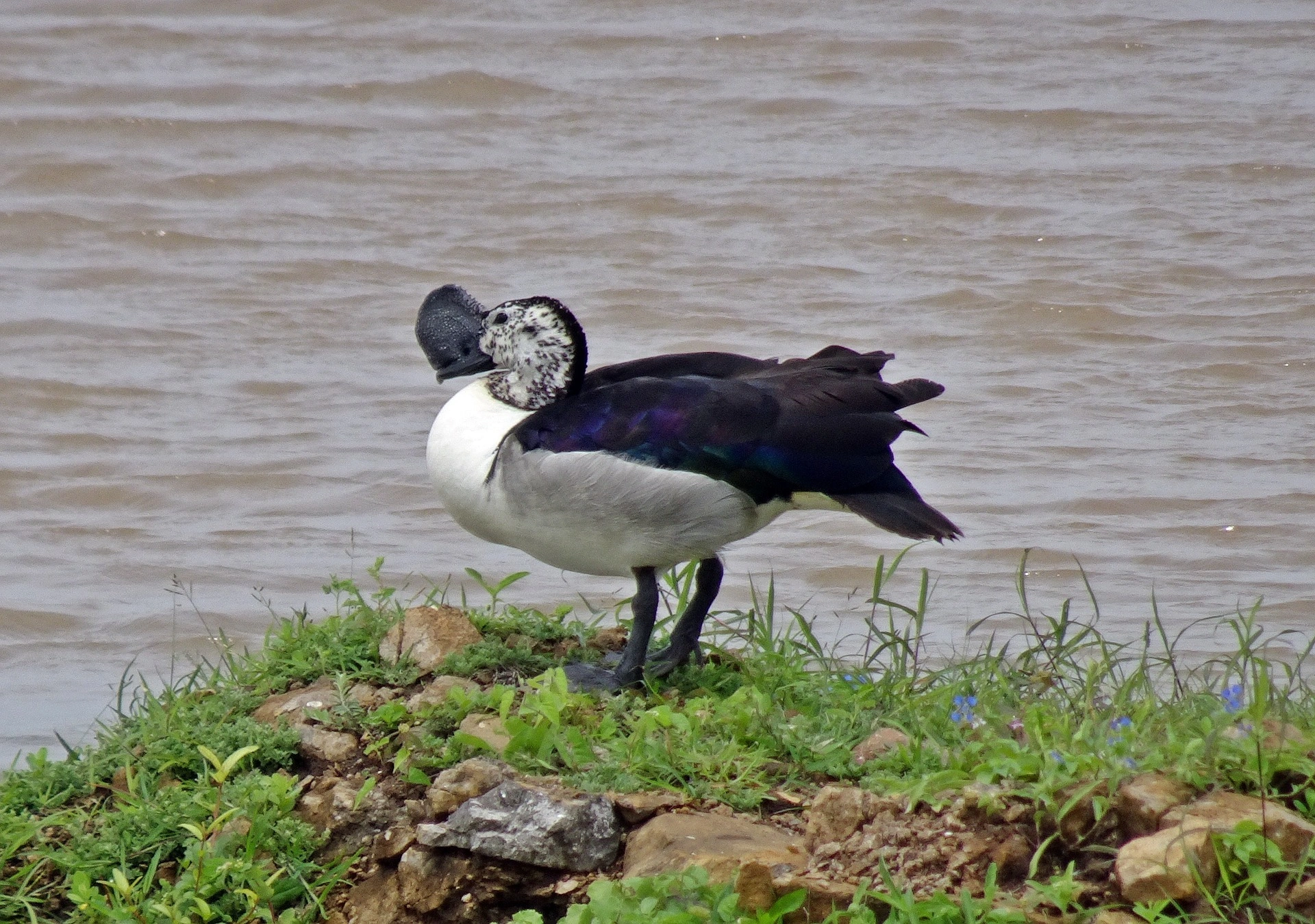
Knob-billed Duck
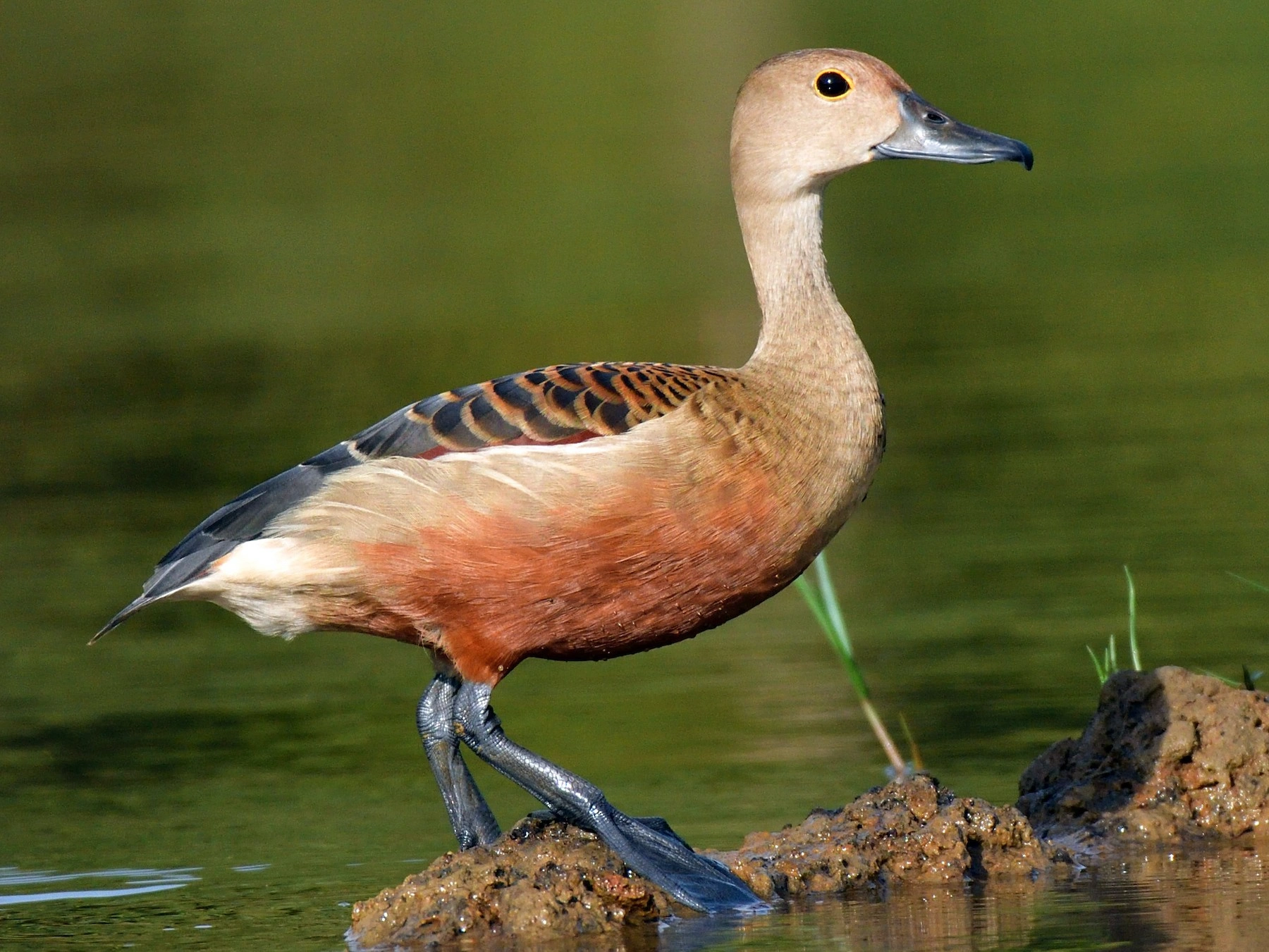
Lesser Whistling-Duck
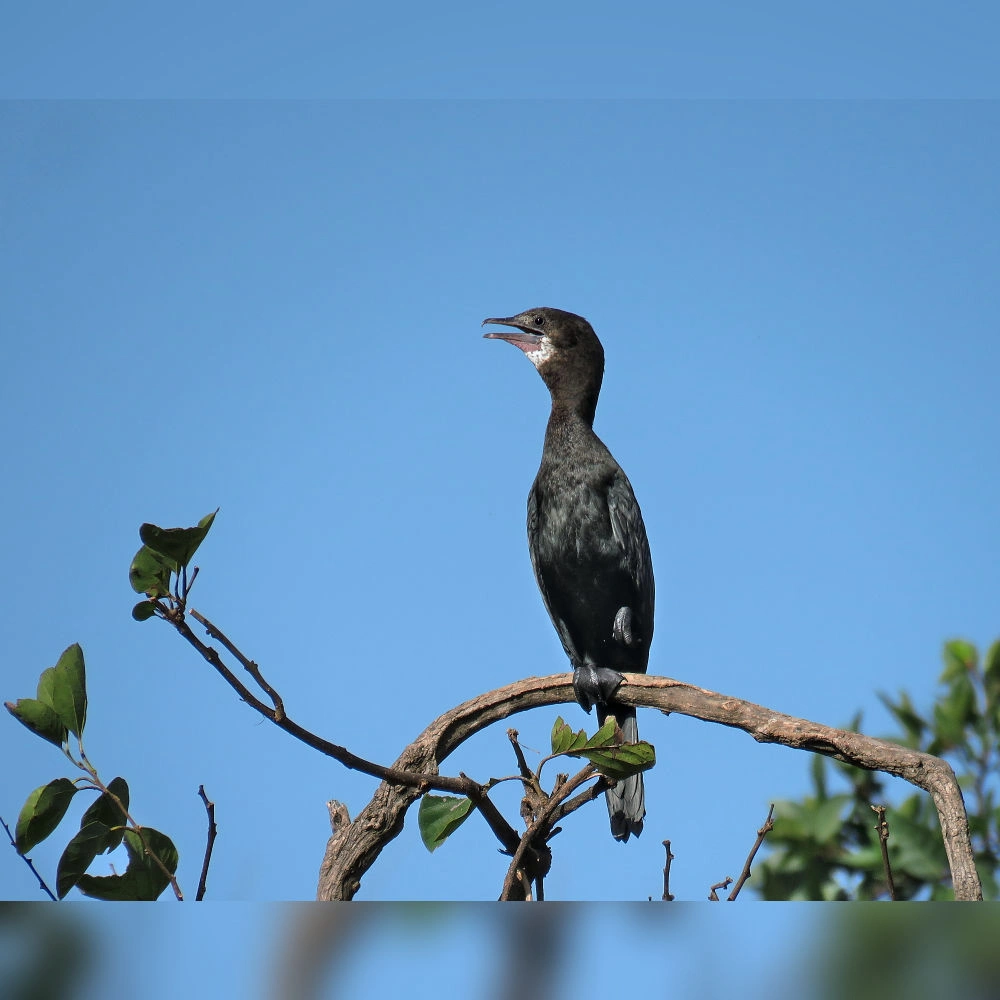
Little Cormorant
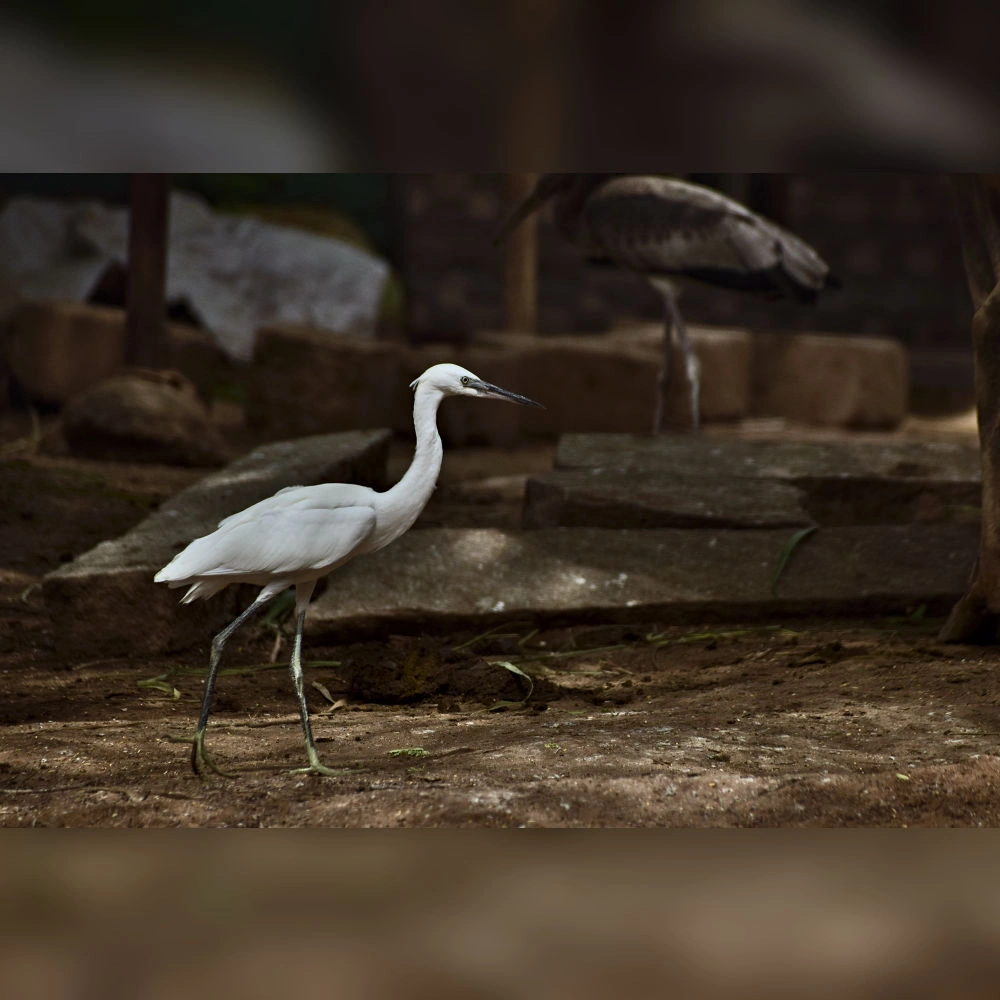
Little Egret
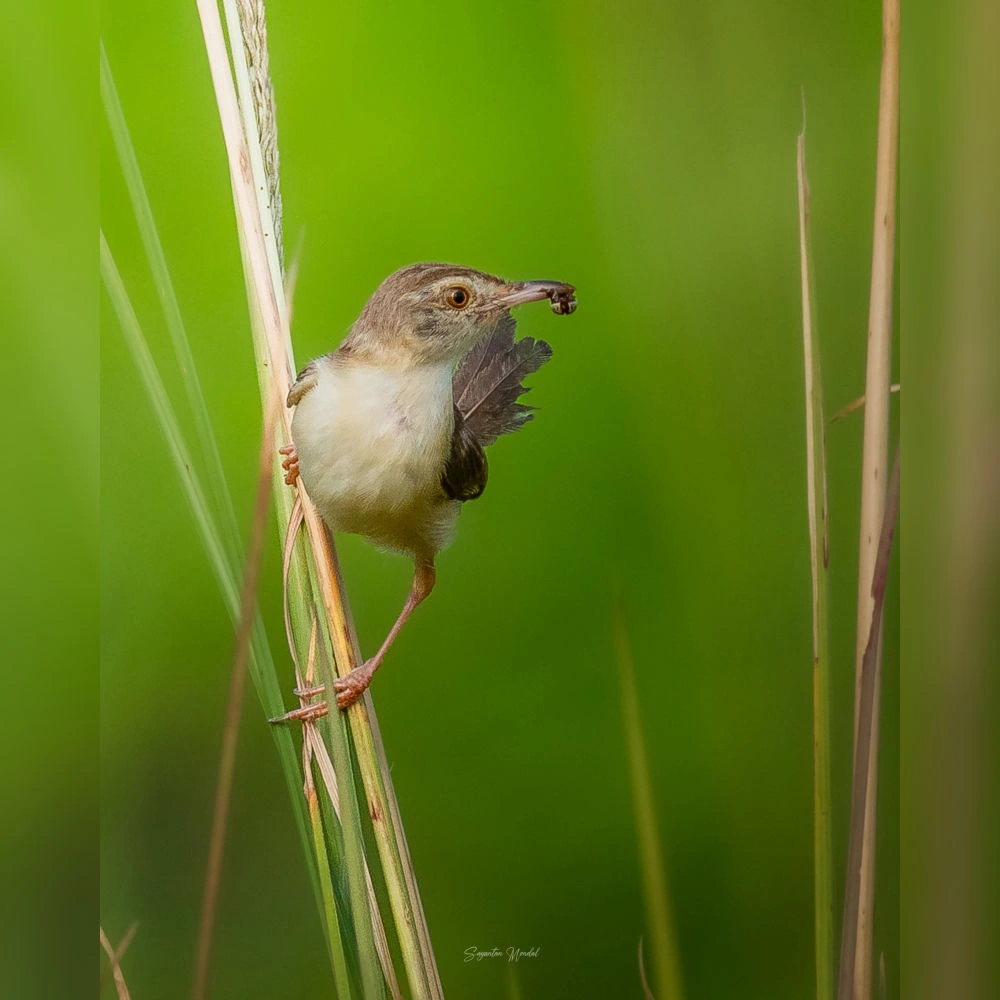

Plain Prinia
Summary of Walk
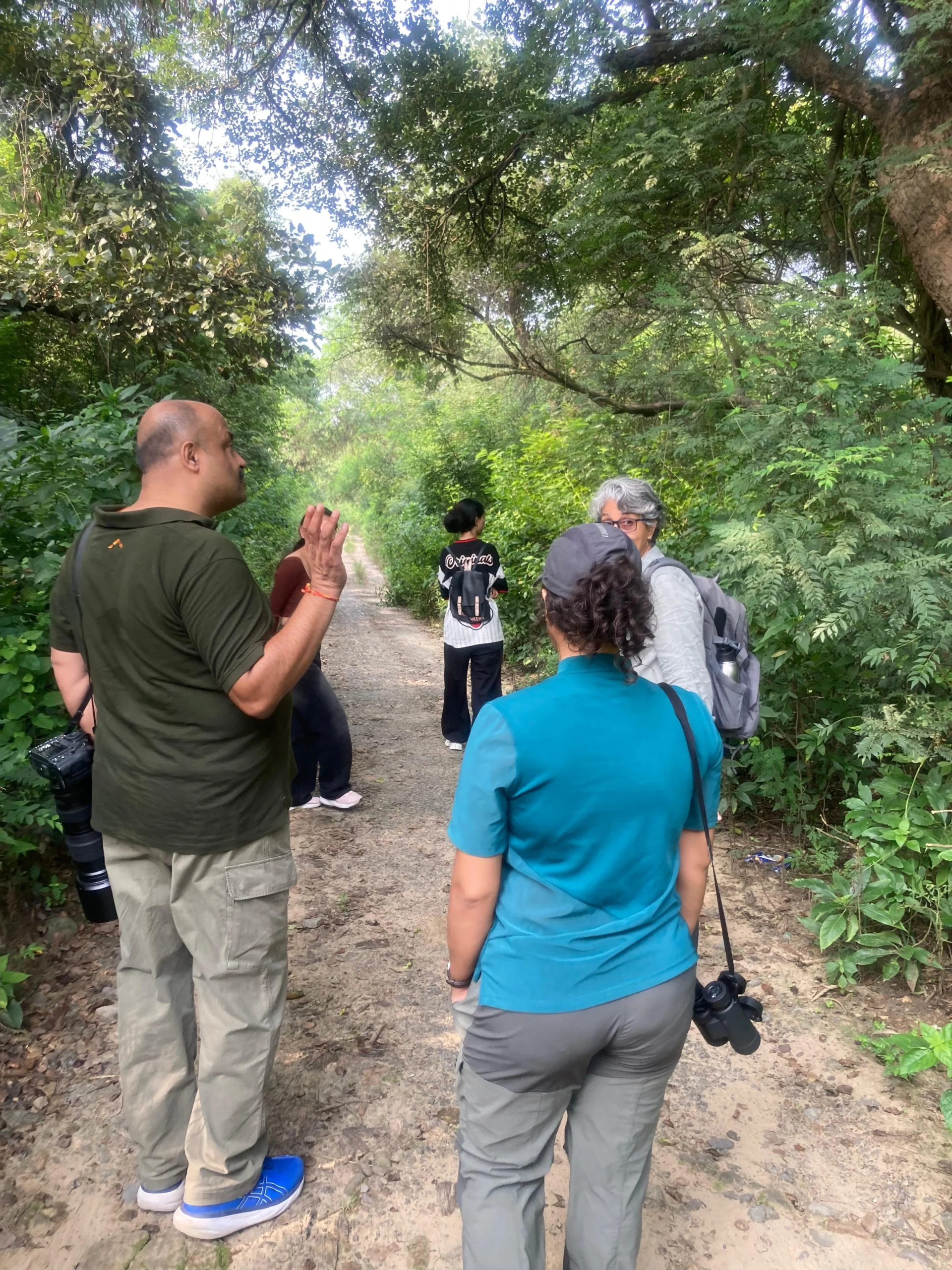
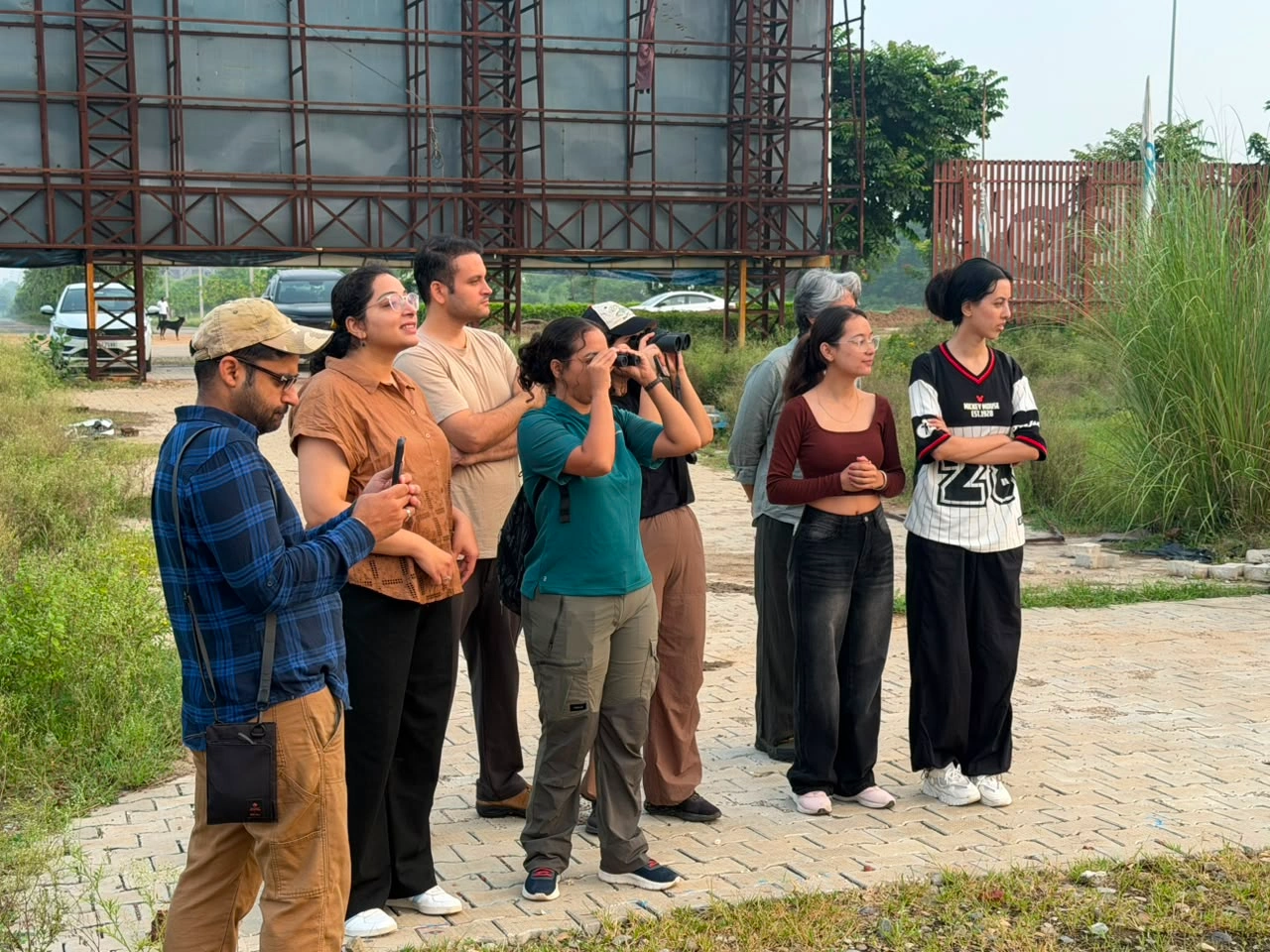
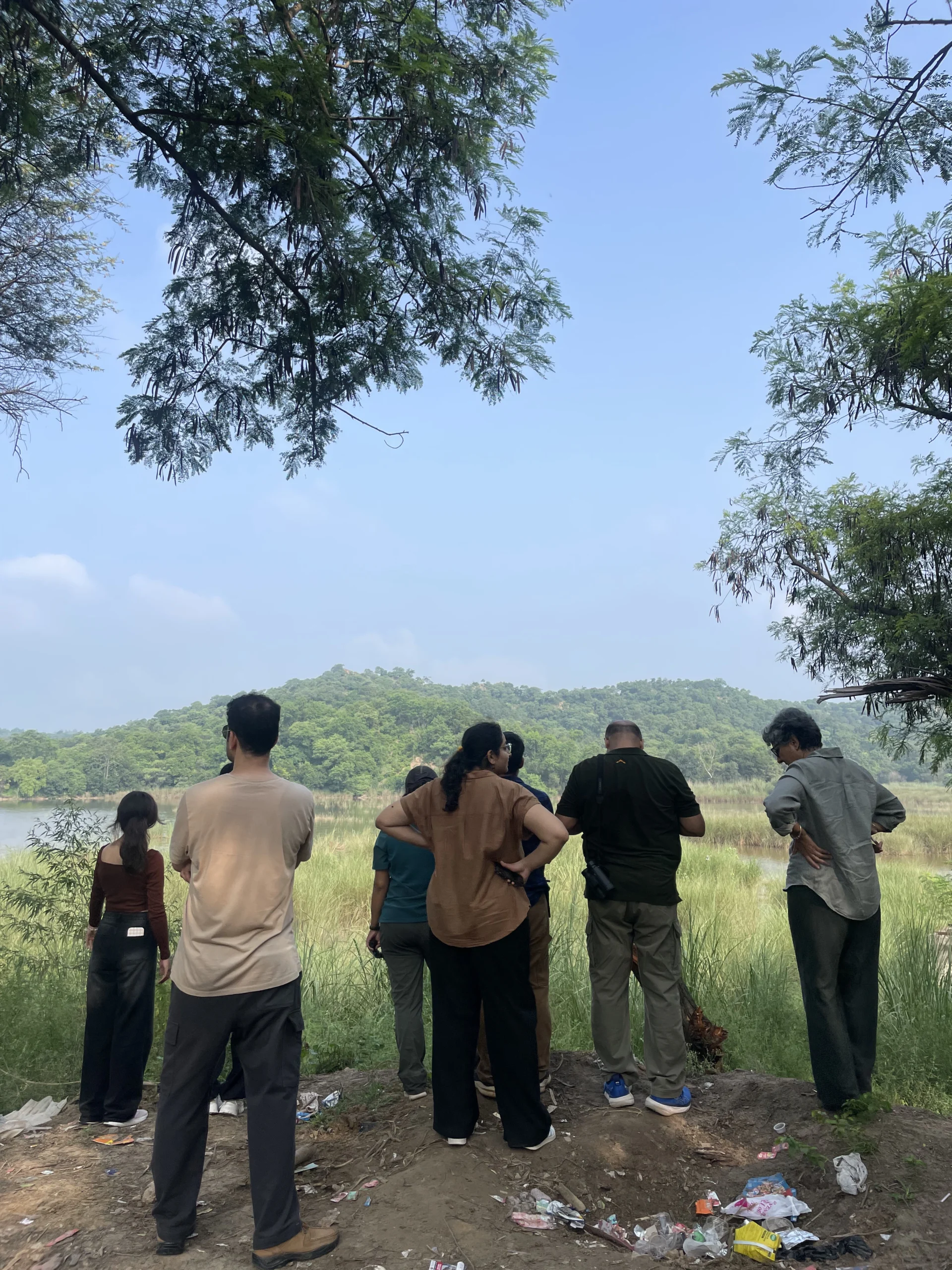
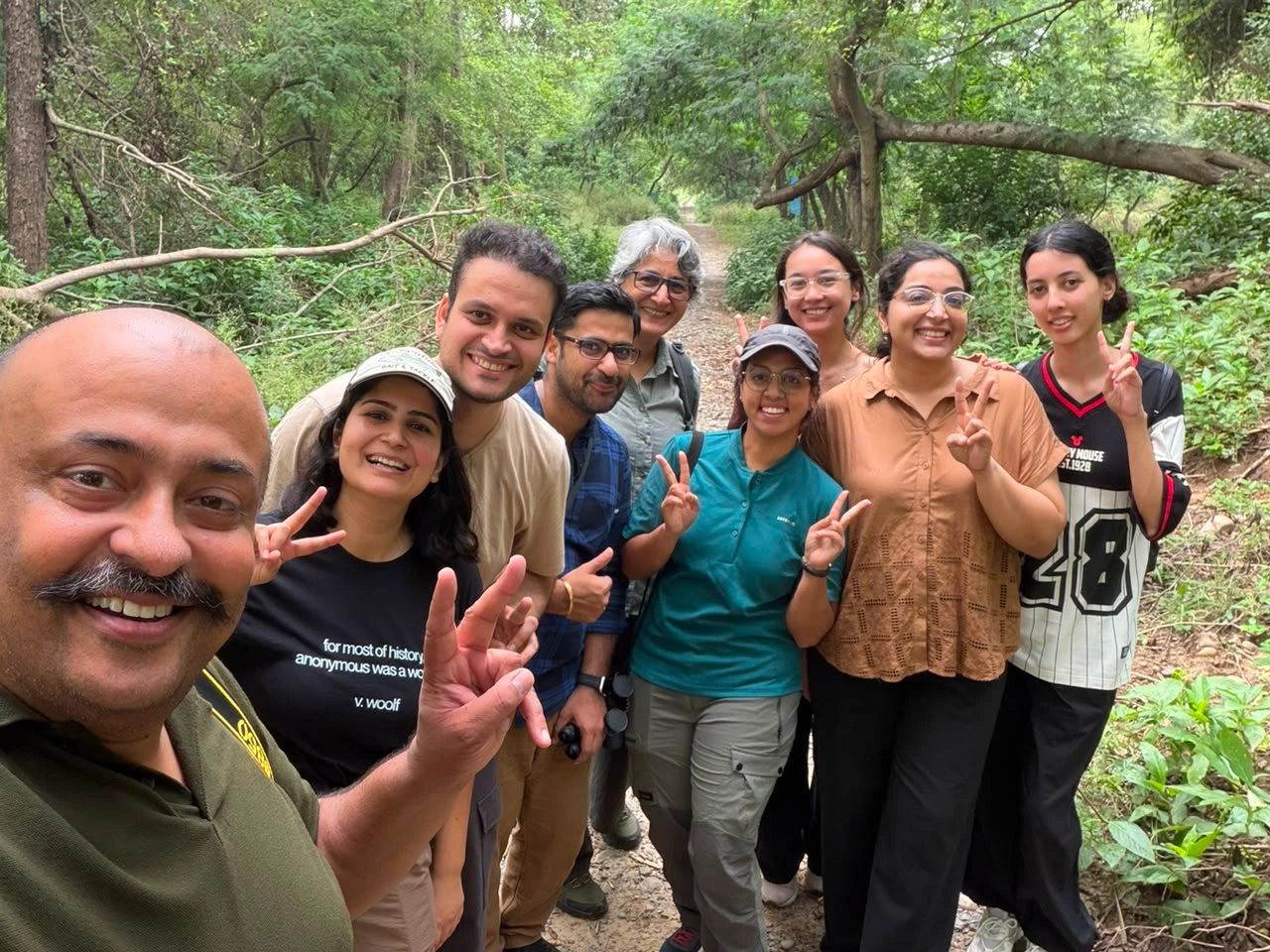
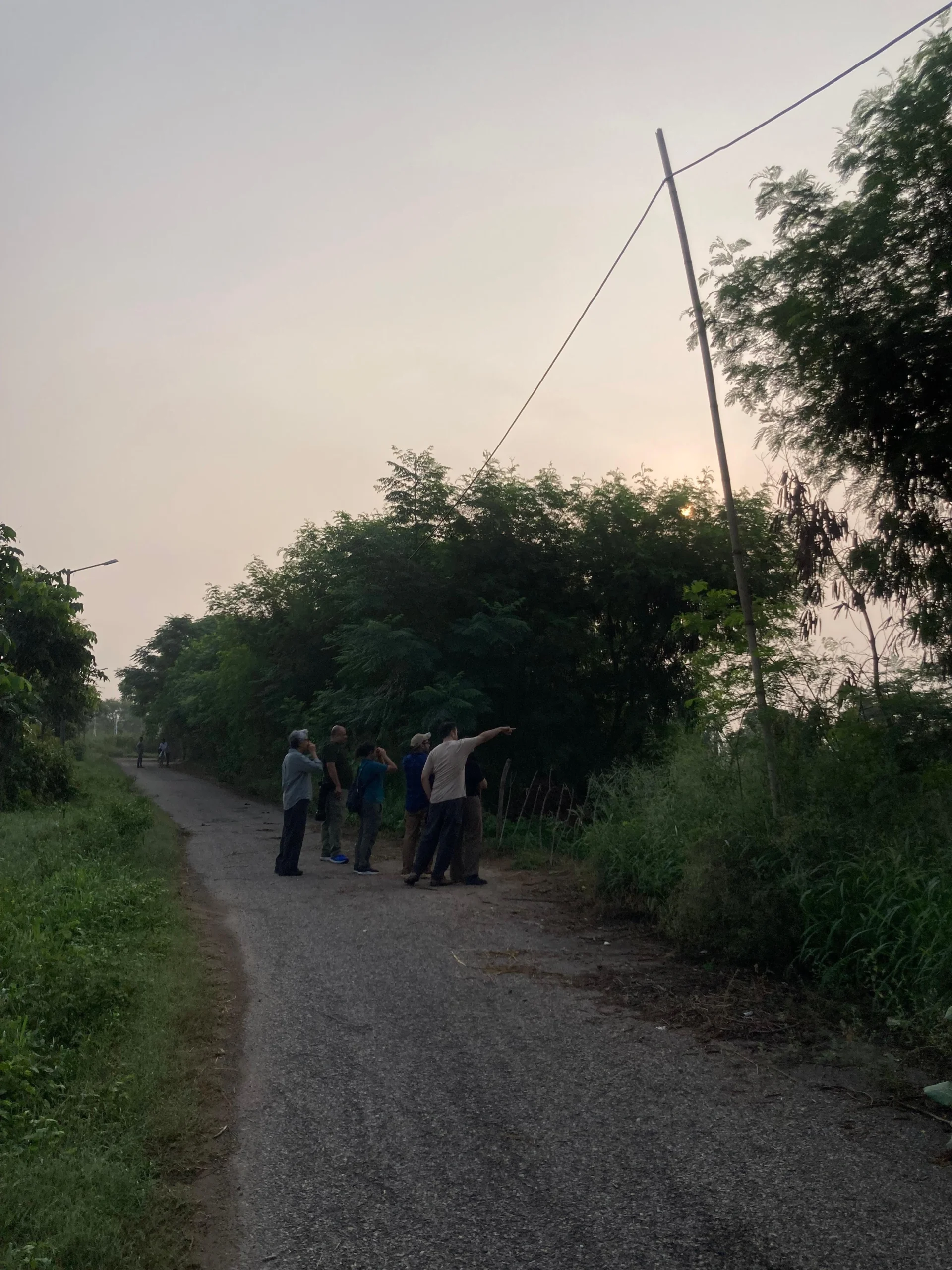
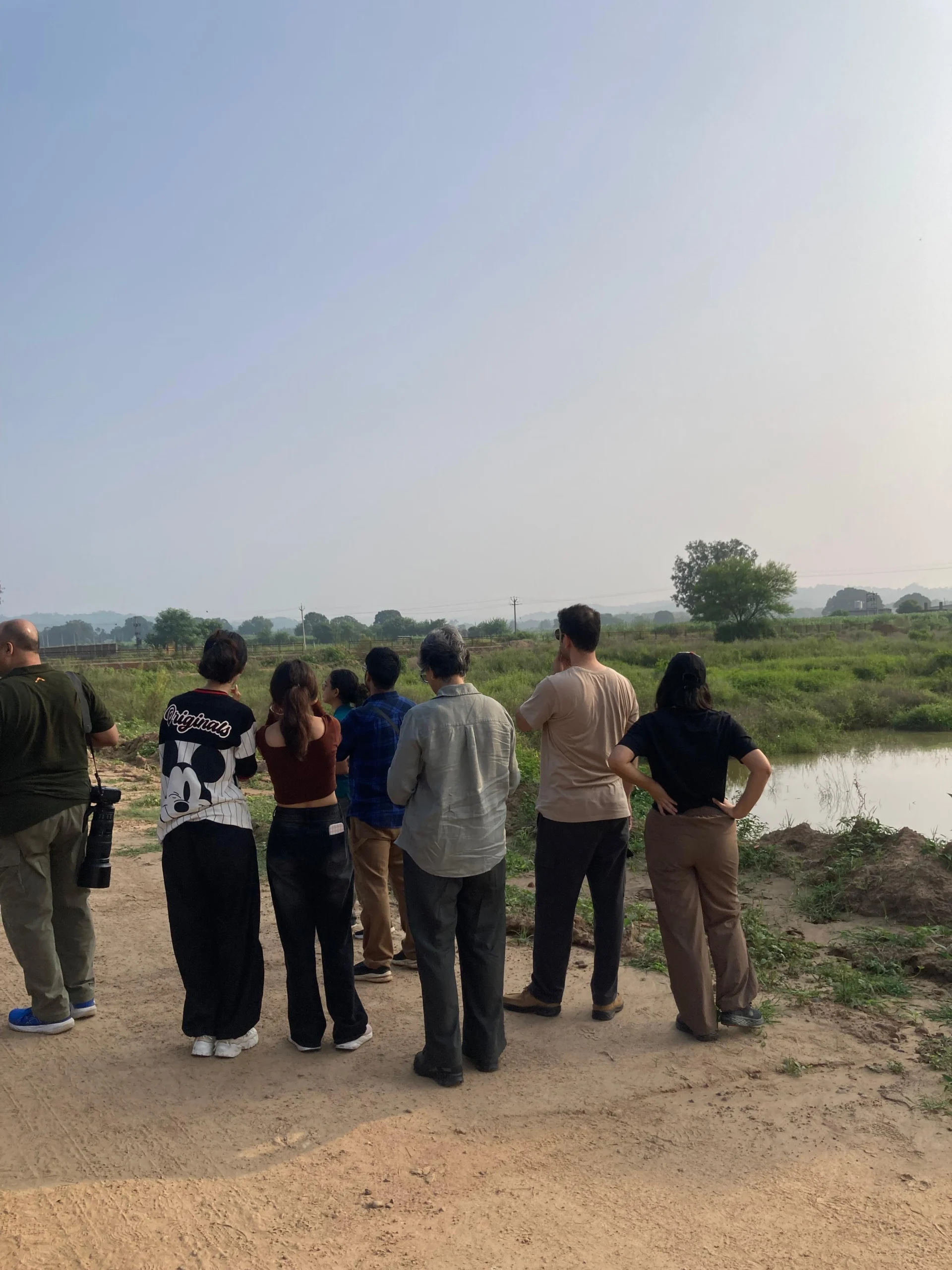
Ataavi’s 6 September 2026 walk along the Siswan Trail near Chandigarh brought together 10 participants for a guided session with Pushkar Bali. The trail’s mix of open scrub and grassland habitat, set against the backdrop of the Shivalik foothills, made for varied and rewarding birding through the morning, and the group recorded 32 species over the course of the walk, moving steadily along the trail’s length under pleasant early autumn skies. The open countryside around the trail, framed by the distant Shivalik hills, gave the group sweeping views that added to the appeal of the morning’s birding.
Highlights included the Ashy-crowned Sparrow-Lark and a soaring Oriental Honey-buzzard, both of which stood out as memorable sightings of the morning. The group also spotted Common Myna, Black Drongo, Indian Robin, Green Bee-eater, and Scaly-breasted Munia along the trail. Pushkar’s steady pace and sharp spotting helped the group make the most of the varied habitat, rounding out a satisfying and well-paced morning of birding along the Siswan Trail and its surrounding countryside. Pushkar’s calm, steady approach suited the small group well, giving everyone time to properly observe each sighting rather than rushing between stops. Several participants said the peaceful setting made it one of the more relaxing walks they had joined with Ataavi, and many hoped to return to Siswan later in the season to see how the birdlife changes.
Number of Participants
0