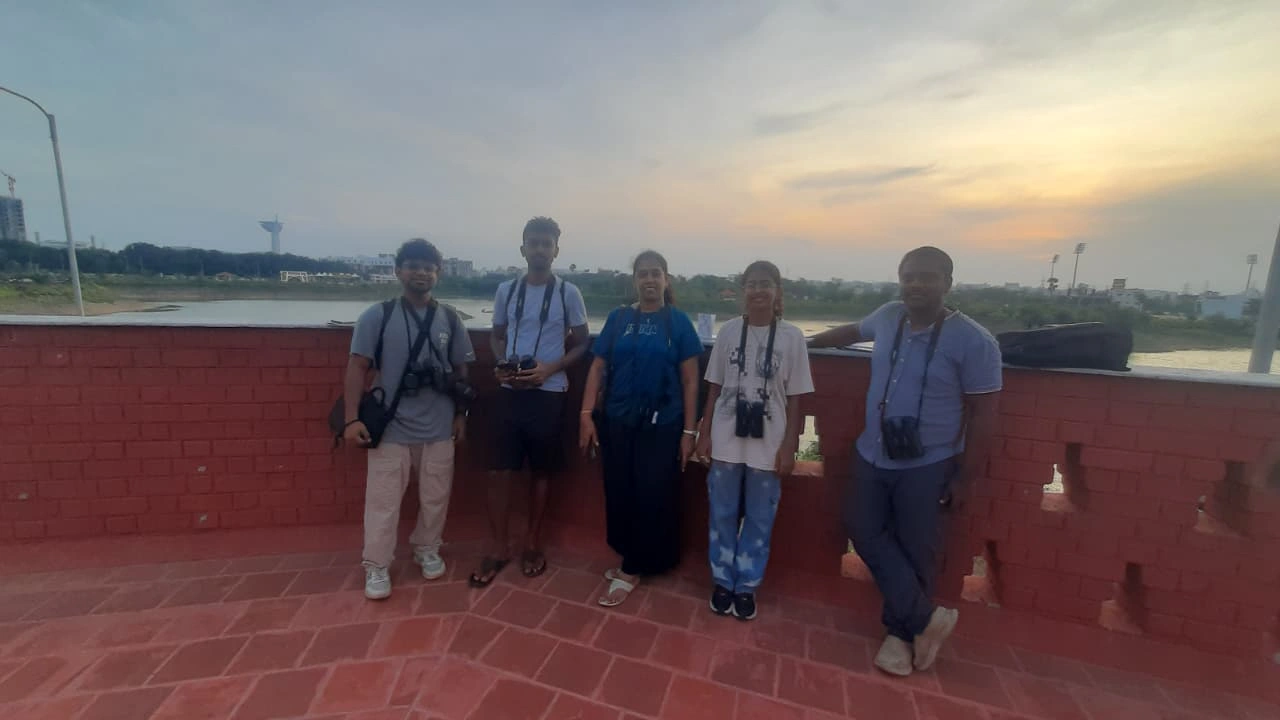


Bird Walk at SIPCOT Eco Park, Navalur Lake, Chennai
- Chennai
- 6 September, 2026
- Sudharshan S
About SIPCOT Eco Park, Navalur Lake
SIPCOT Eco Park and Navalur Lake, located in the rapidly developing IT corridor of OMR in Chennai, Tamil Nadu, together form an interesting urban birding landscape. The area combines a restored/managed green space with the wetland habitat of Navalur Lake, creating a mix of open water, marshy edges, grasses, shrubs, and planted vegetation. Despite the surrounding residential and commercial development, these habitats provide an important refuge for urban biodiversity and offer birds access to water, food, nesting sites, and roosting areas.
The combination of wetland and terrestrial habitats makes the site particularly rewarding for birdwatching. Early mornings are ideal for observing birds as they move between the lake, vegetation, and surrounding open areas. Waterbirds can be seen around the lake margins, while passerines, sunbirds, drongos, and other terrestrial species use the trees and shrubs of the Eco Park. Seasonal changes in water levels also influence the bird community, with winter potentially bringing additional migratory waterbirds and waders. The site demonstrates the importance of conserving urban wetlands and green spaces within Chennai’s rapidly expanding landscape.

Bird Guide - Sudharsan S
He is an MSc Zoology student with a strong curiosity to learn about nature and wildlife. Trained as a naturalist, mountaineer, and birdwatcher, he has participated in various bird and wildlife censuses, gaining valuable field experience in observing and documenting species. His academic background and hands-on experiences continue to strengthen his passion for understanding and conserving the natural world.
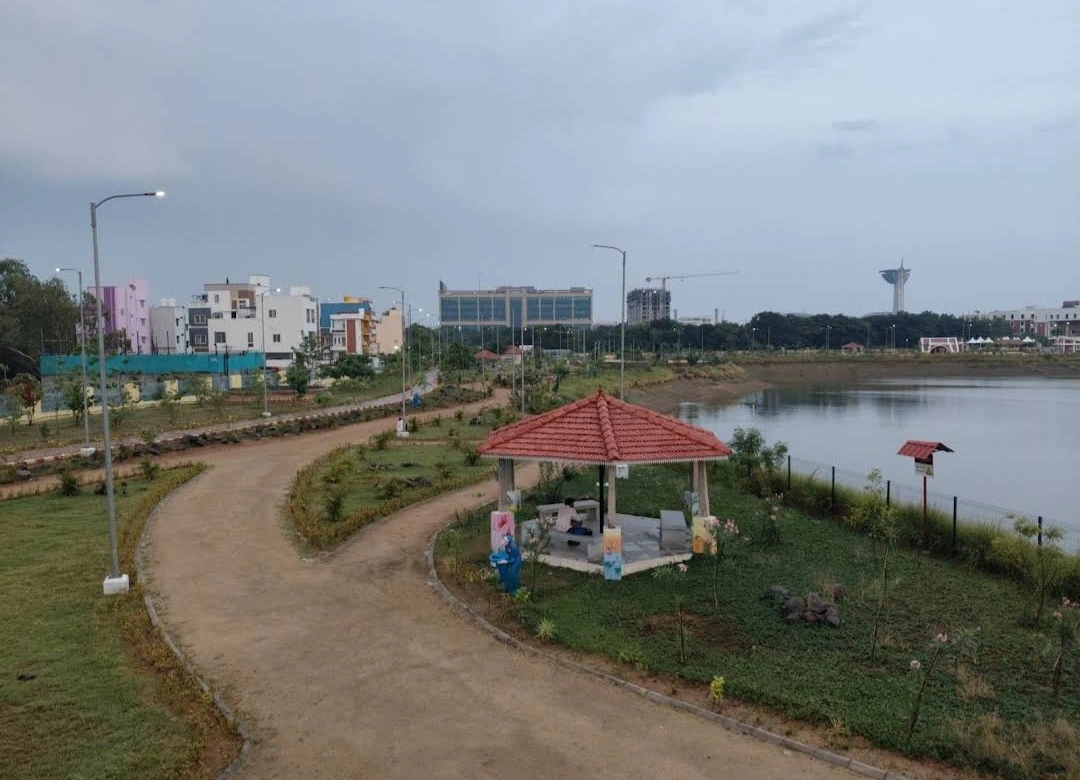
Bird walk Location
Common birds of SIPCOT Eco Park, Navalur Lake
Common birds around SIPCOT Eco Park and Navalur Lake include Spot-billed Pelican, Painted Stork, Asian Openbill, Black-headed Ibis, Indian Pond Heron, Grey Heron, Purple Heron, Little Egret, Great Egret, Cattle Egret, Little Cormorant, Oriental Darter, Little Grebe, Purple Swamphen, Common Moorhen, White-breasted Waterhen, Black-winged Stilt, Red-wattled Lapwing, White-throated Kingfisher, Common Kingfisher, Green Bee-eater, Black Drongo, Indian Roller, Rose-ringed Parakeet, Red-vented Bulbul, Red-whiskered Bulbul, Purple Sunbird, Ashy Prinia, Common Tailorbird, Oriental Magpie-Robin, Indian Robin, Common Myna, Jungle Myna, House Sparrow, Spotted Dove, and Black Kite. During the winter months, the lake may also attract migratory ducks, waders, wagtails, and other seasonal visitors.

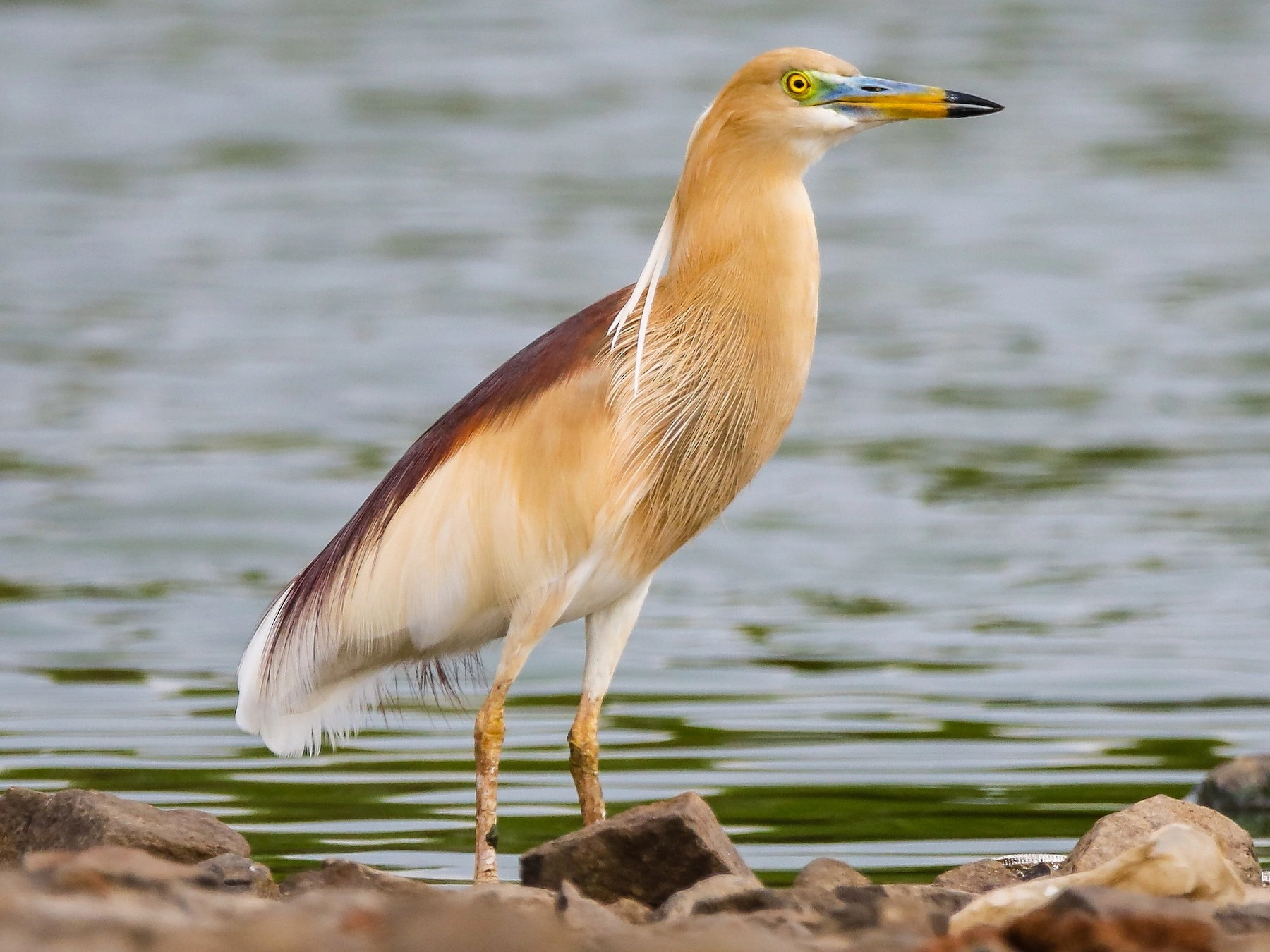
Indian Pond-Heron

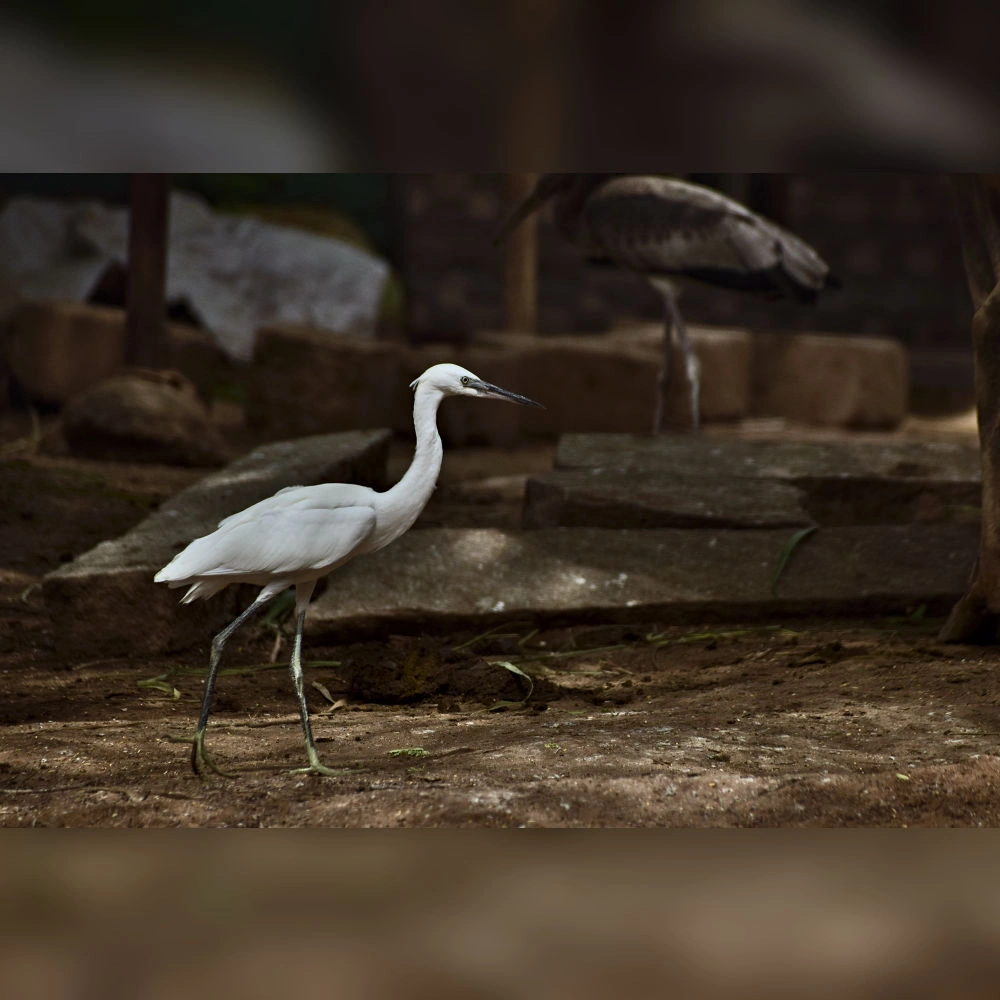
Little Egret

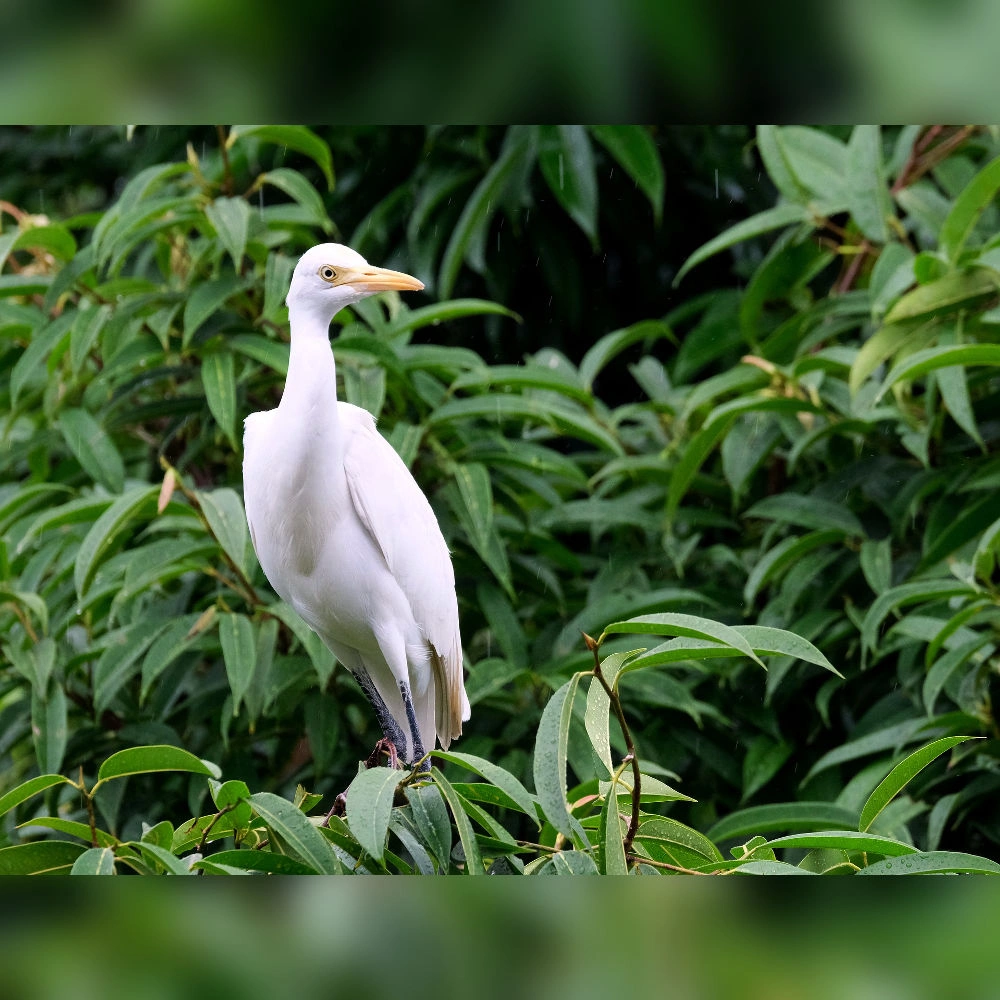
Eastern Cattle Egret
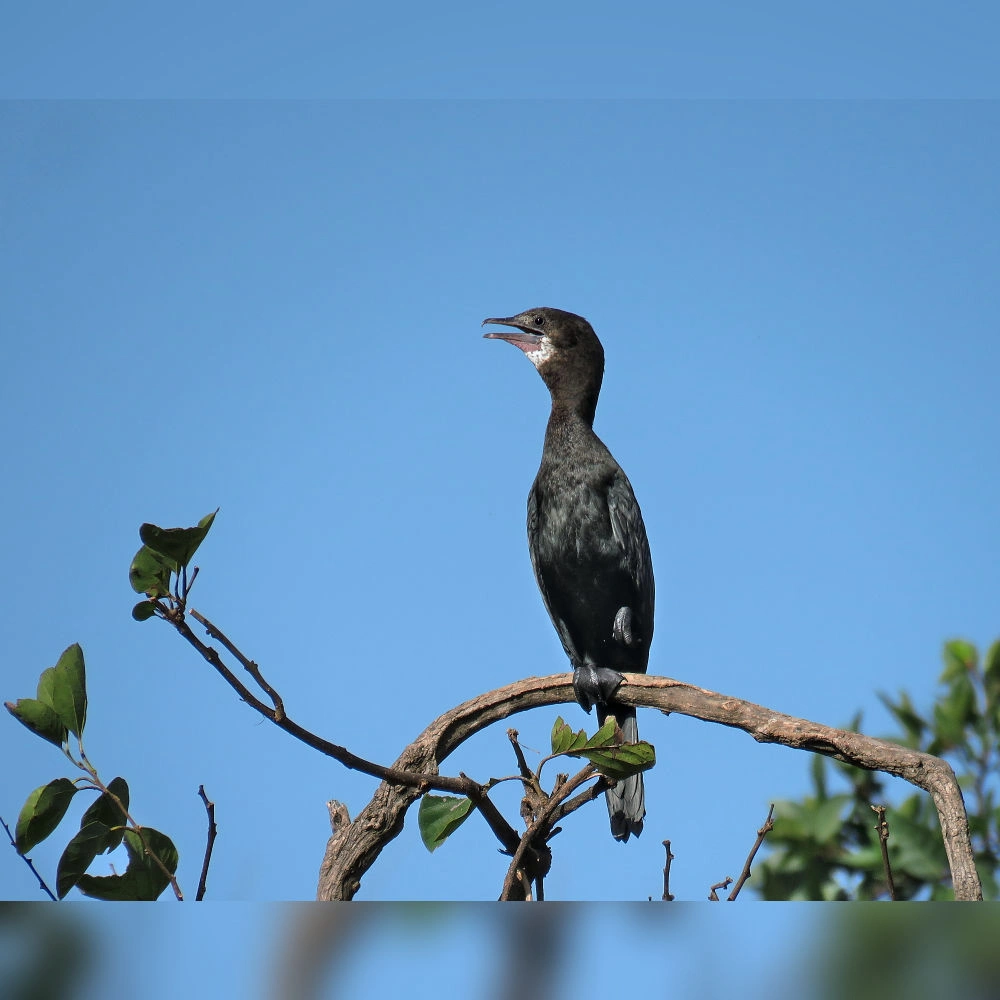
Little Cormorant
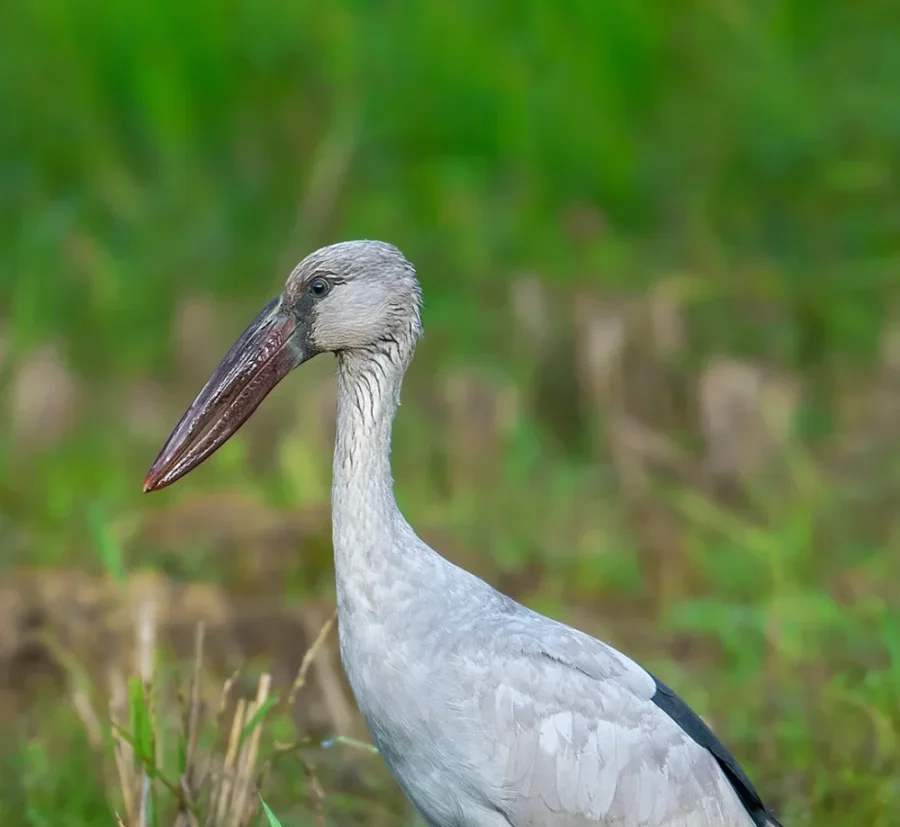
Asian Openbill
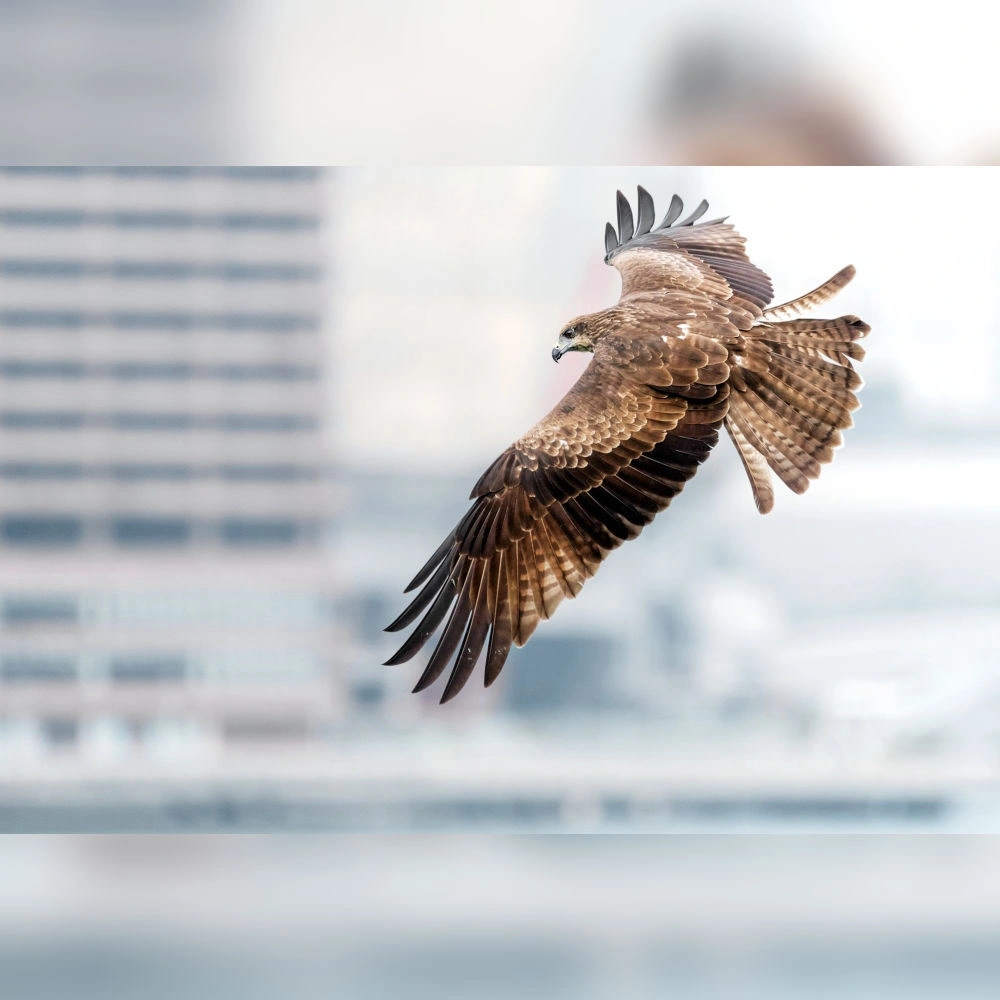
Black Kite
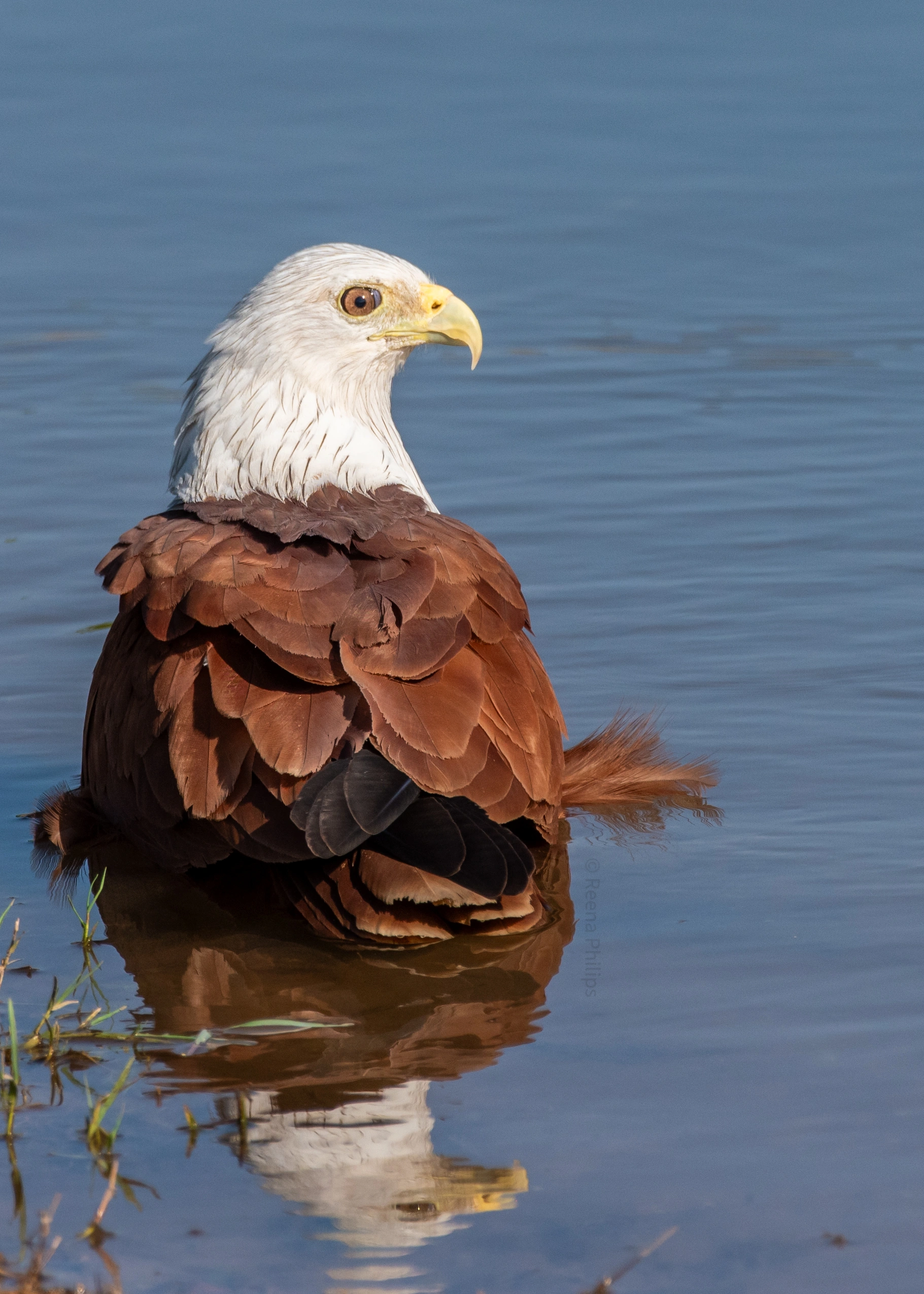
Brahminy Kite
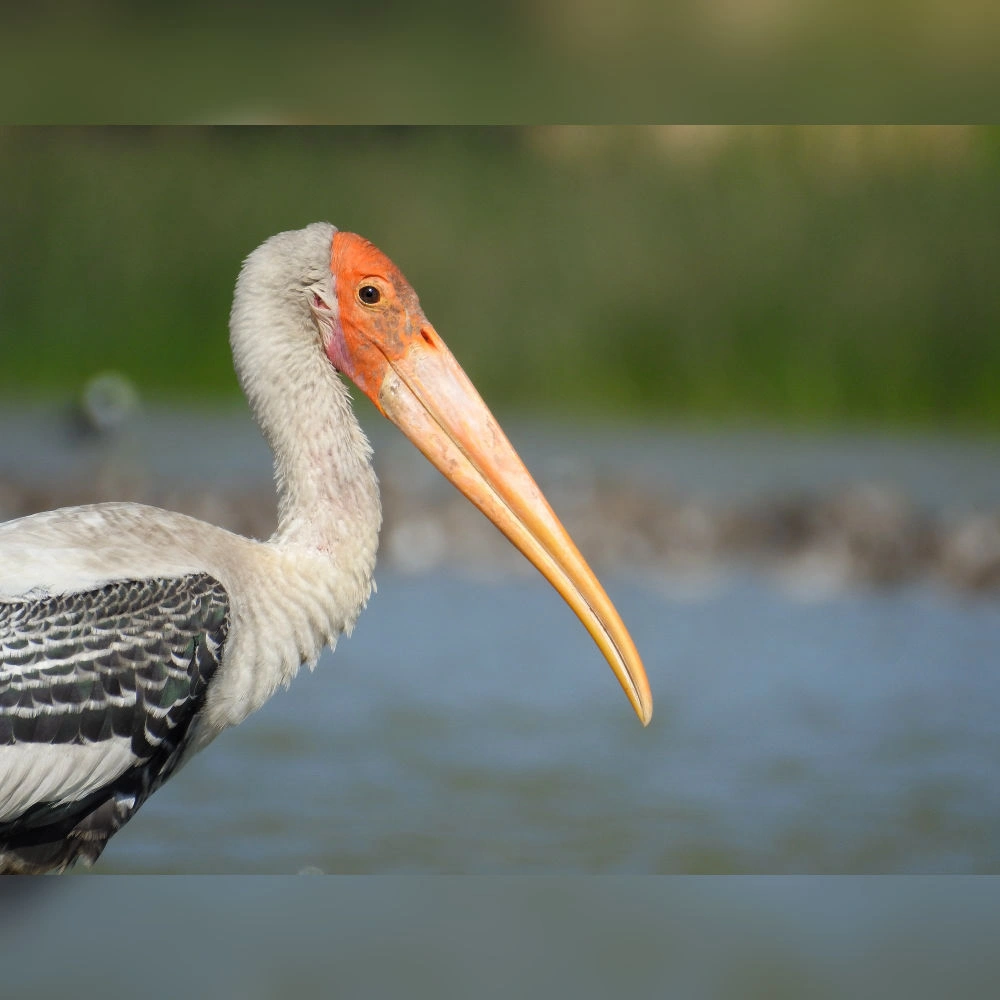
Painted Stork
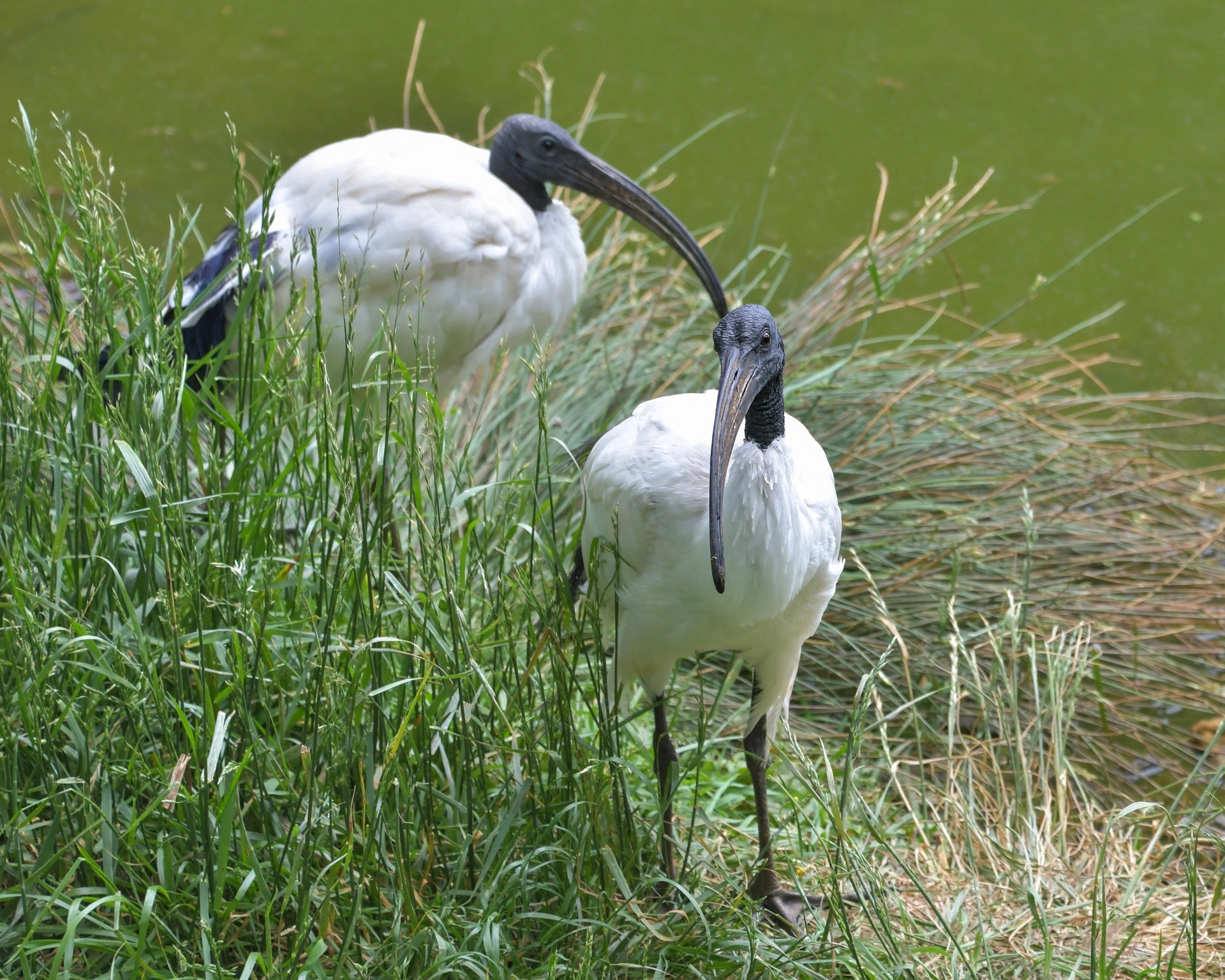
Black-headed Ibis
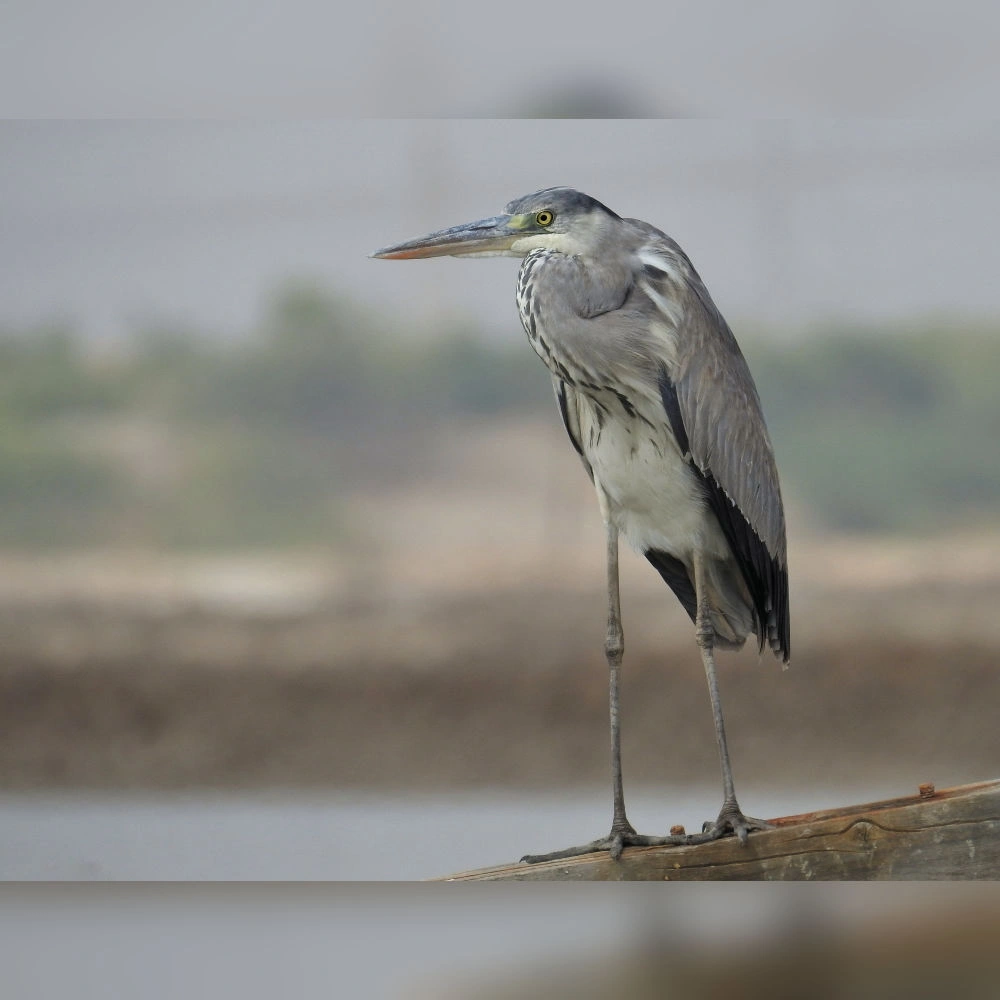
Grey Heron
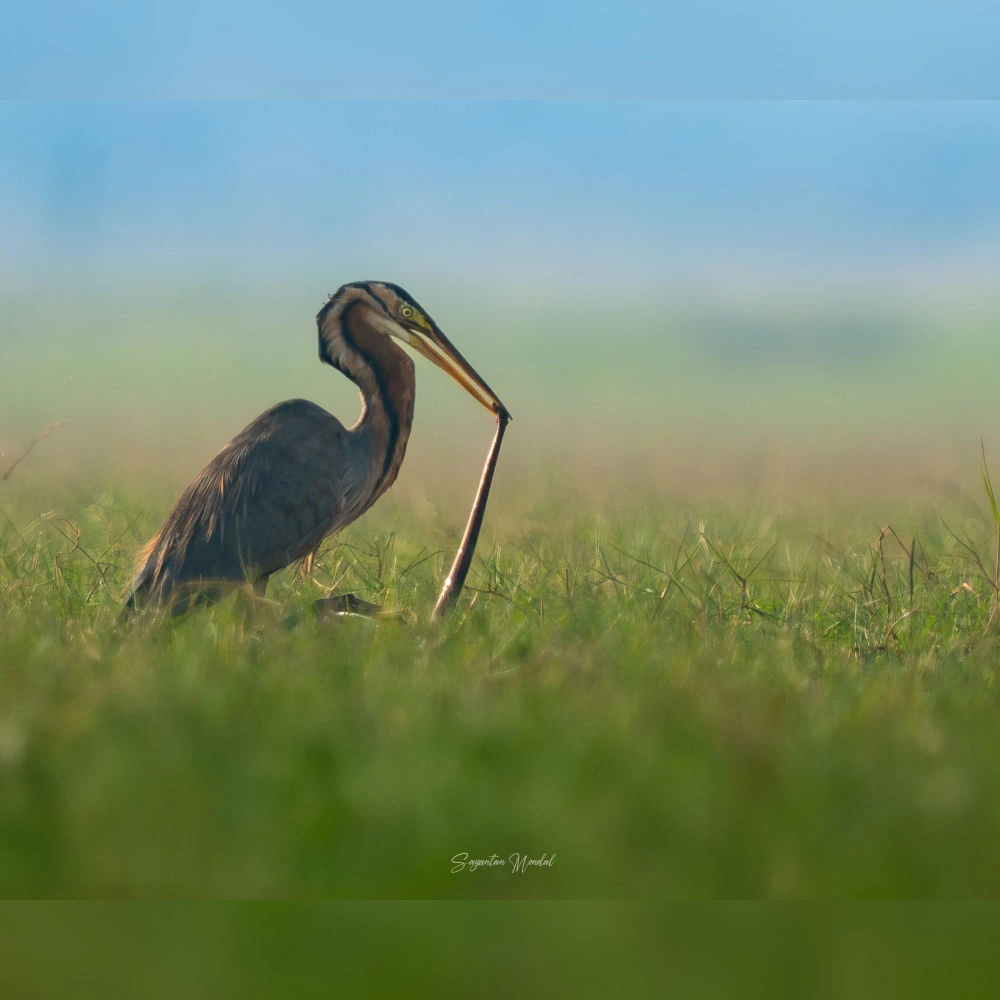
Purple Heron
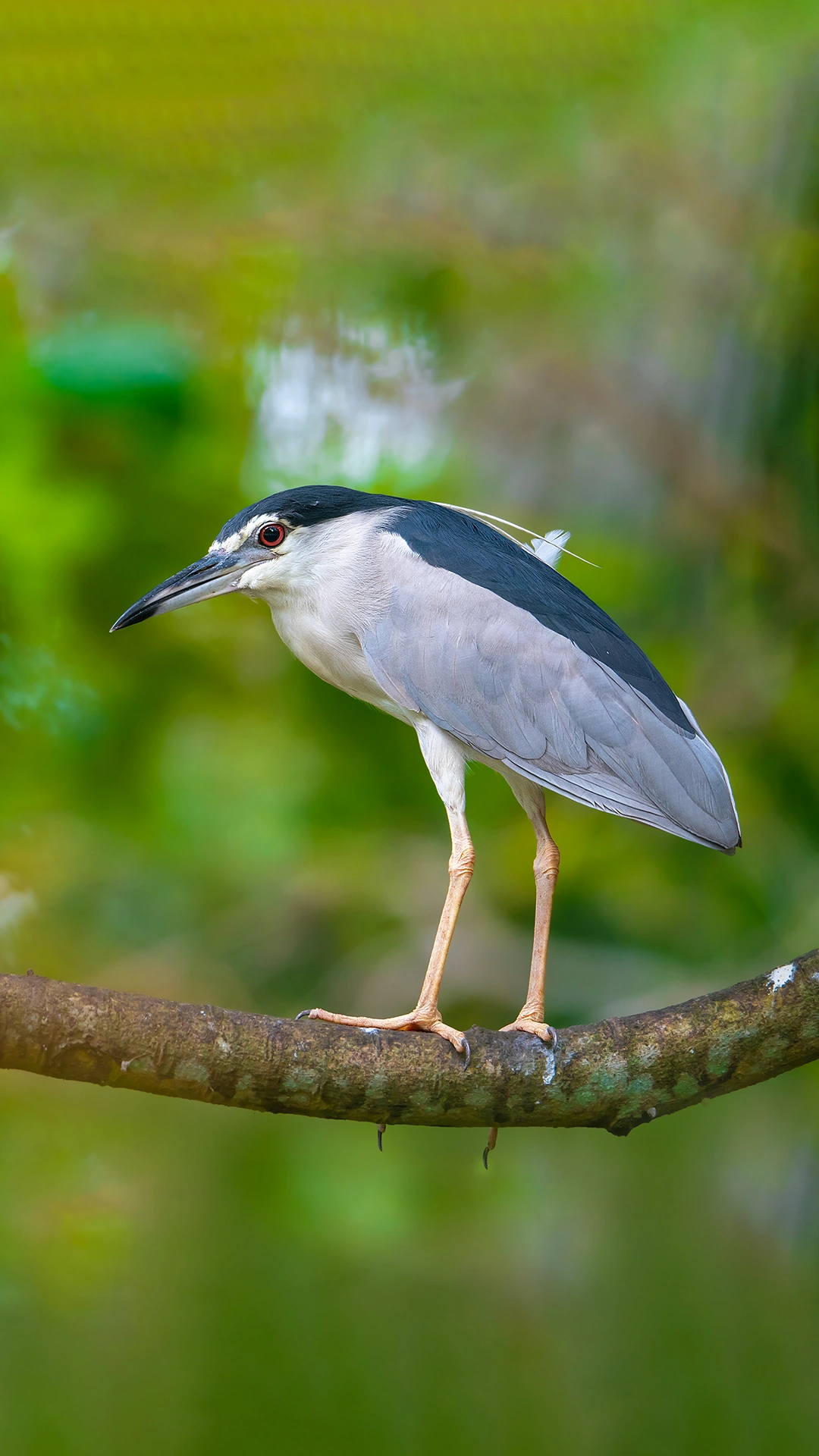
Black-crowned Night Heron
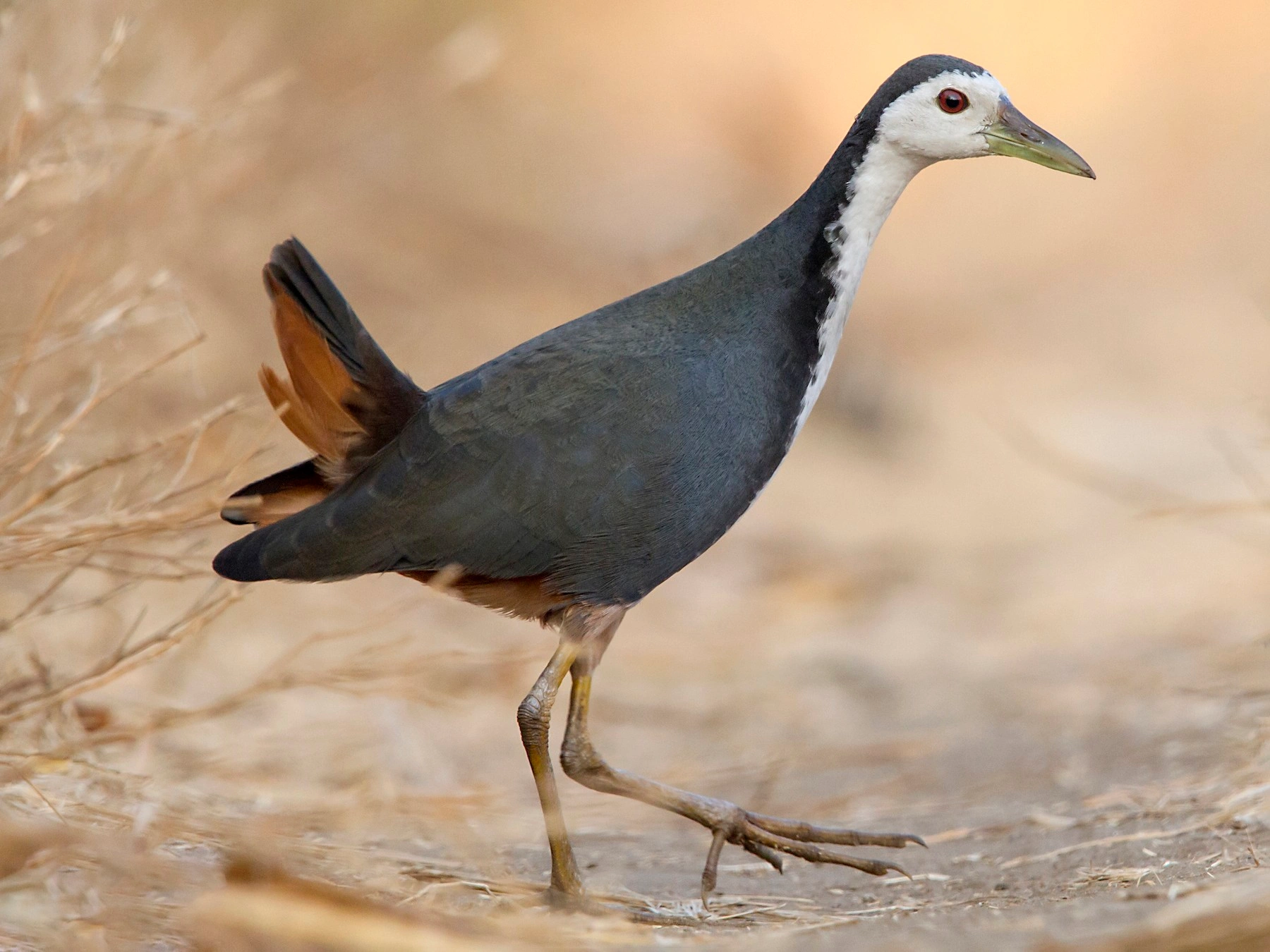
White-breasted Waterhen
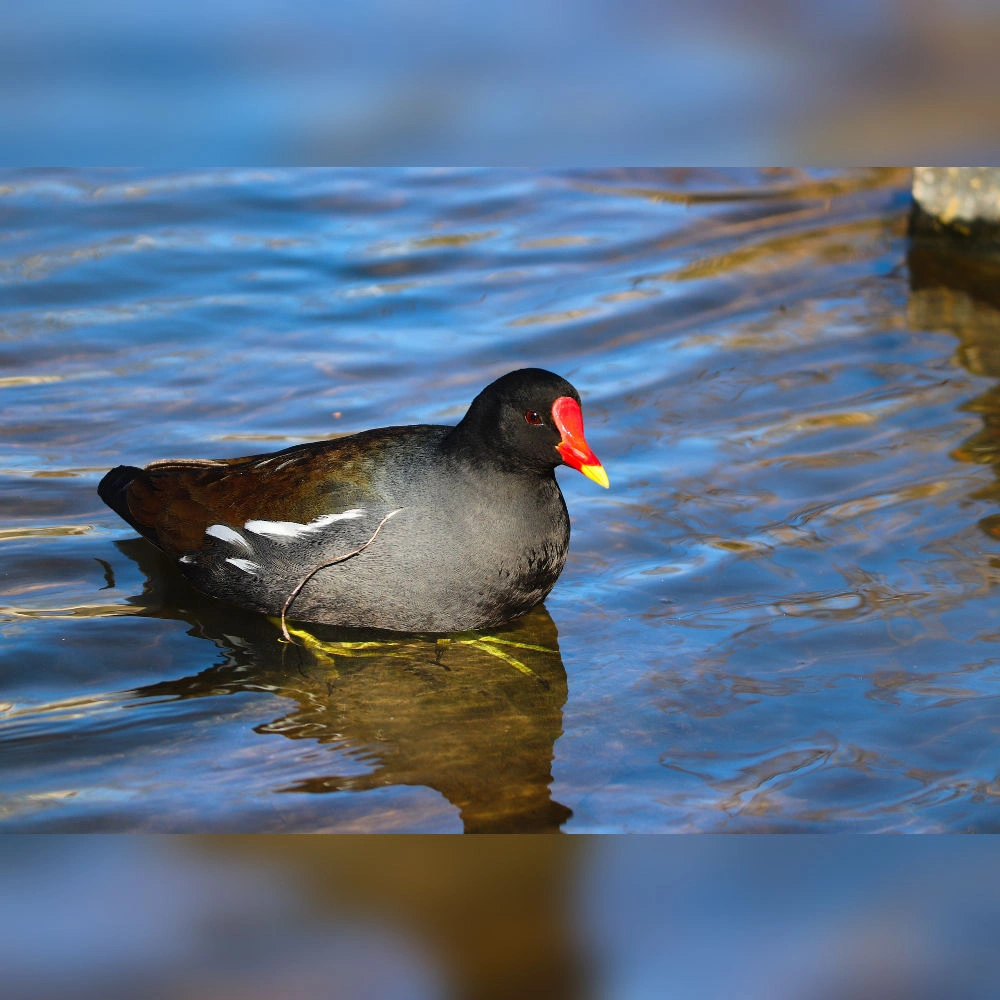
Common Moorhen

Common Sandpiper
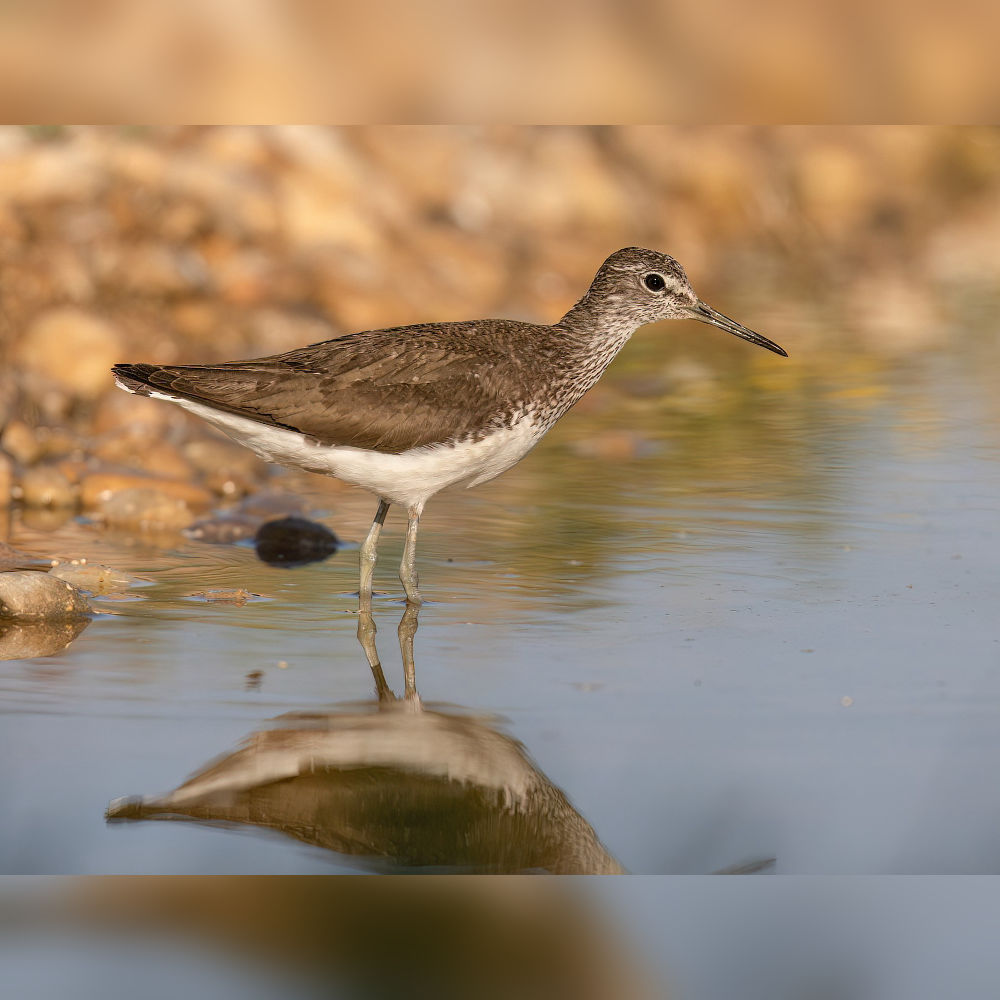
Green Sandpiper
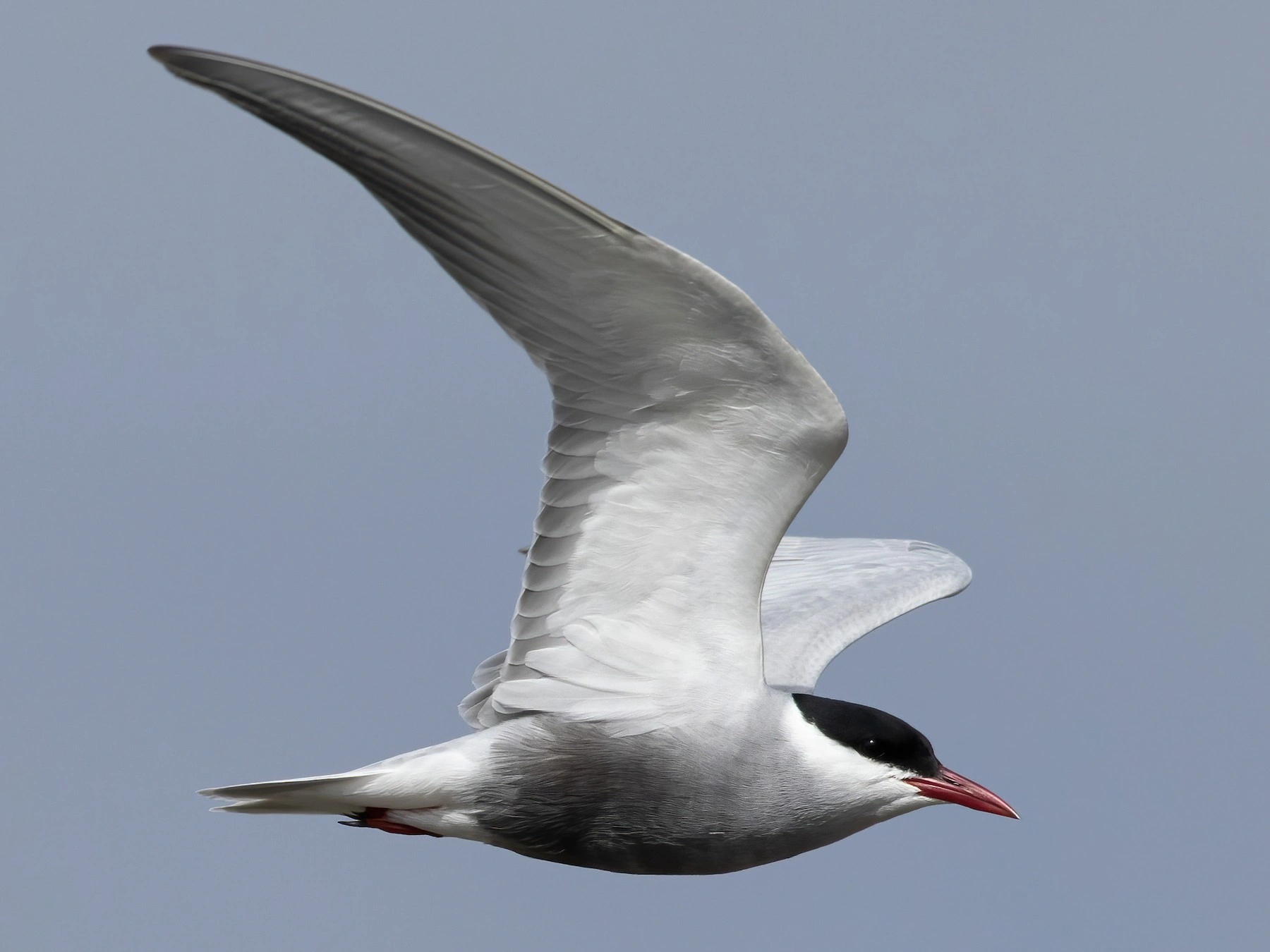
Whiskered Tern
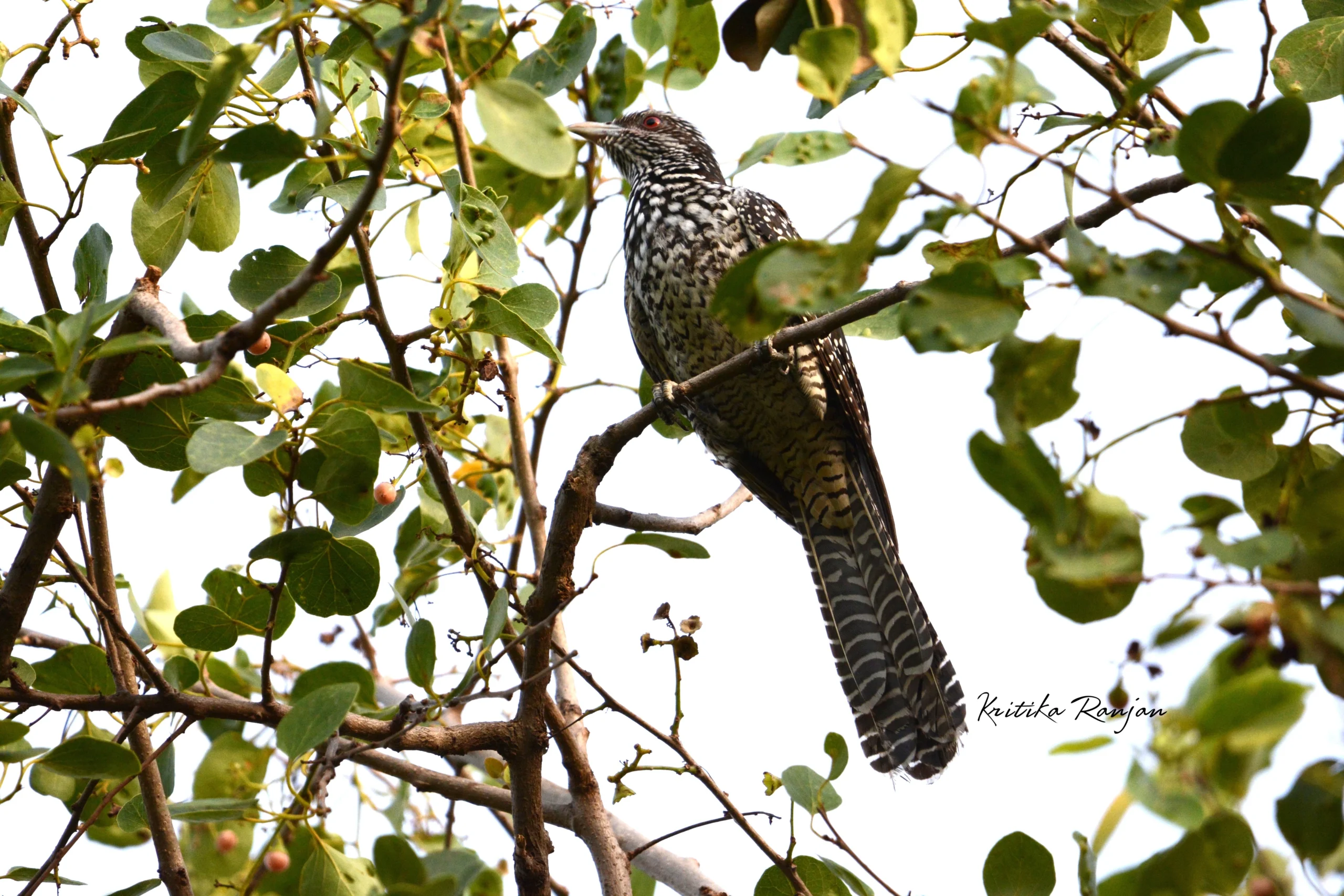
Asian Koel
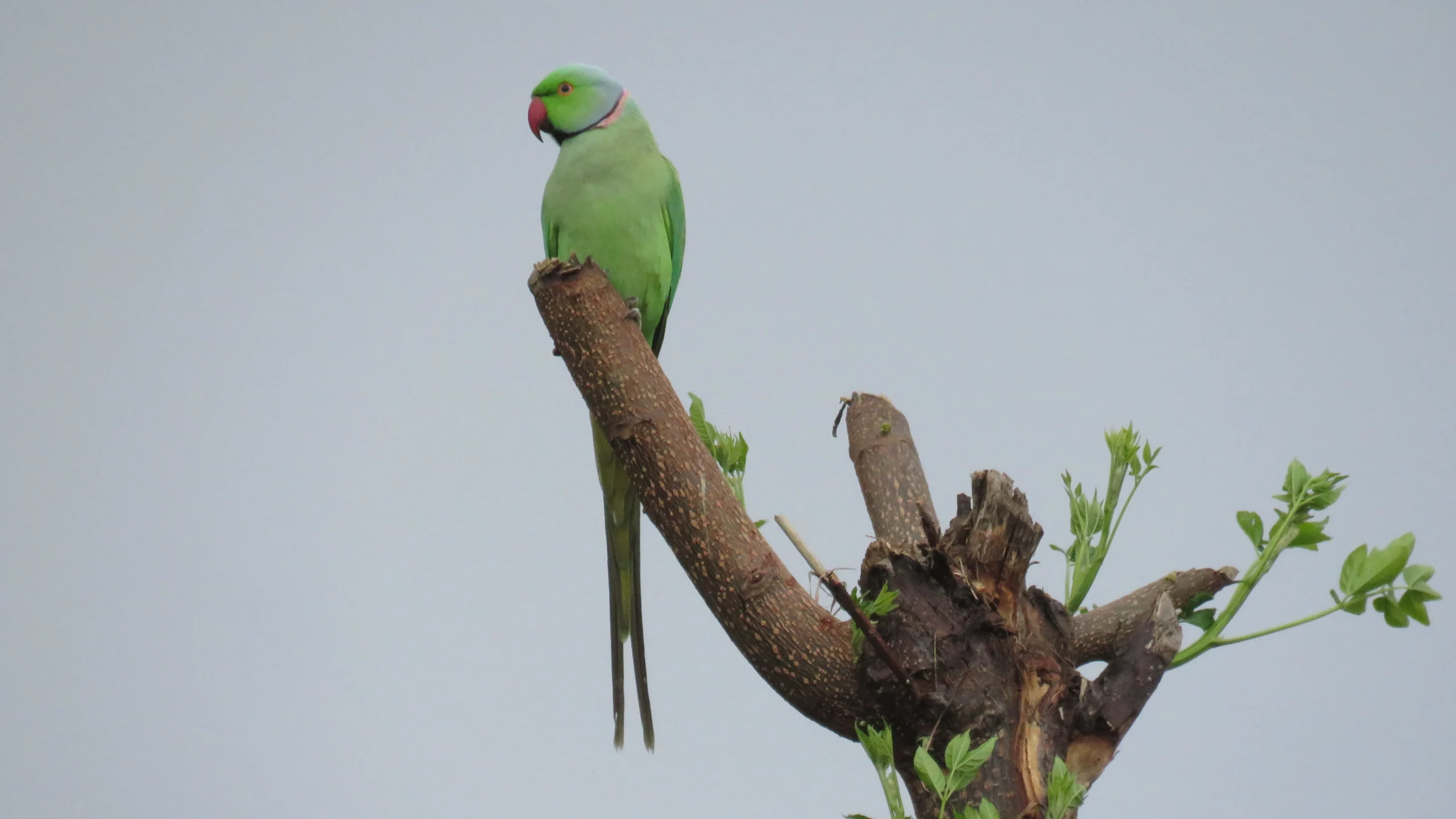
Rose-ringed Parakeet
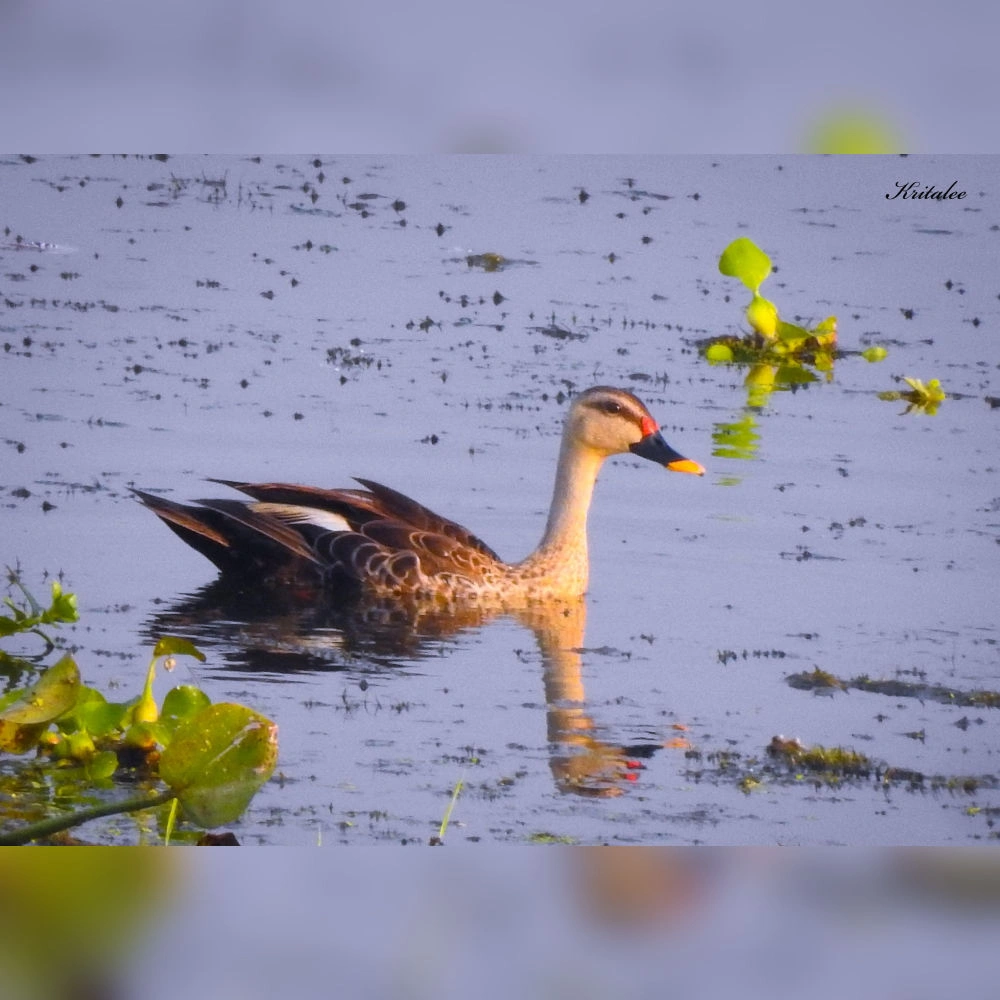

Indian Spot Billed Duck
Summary of Walk
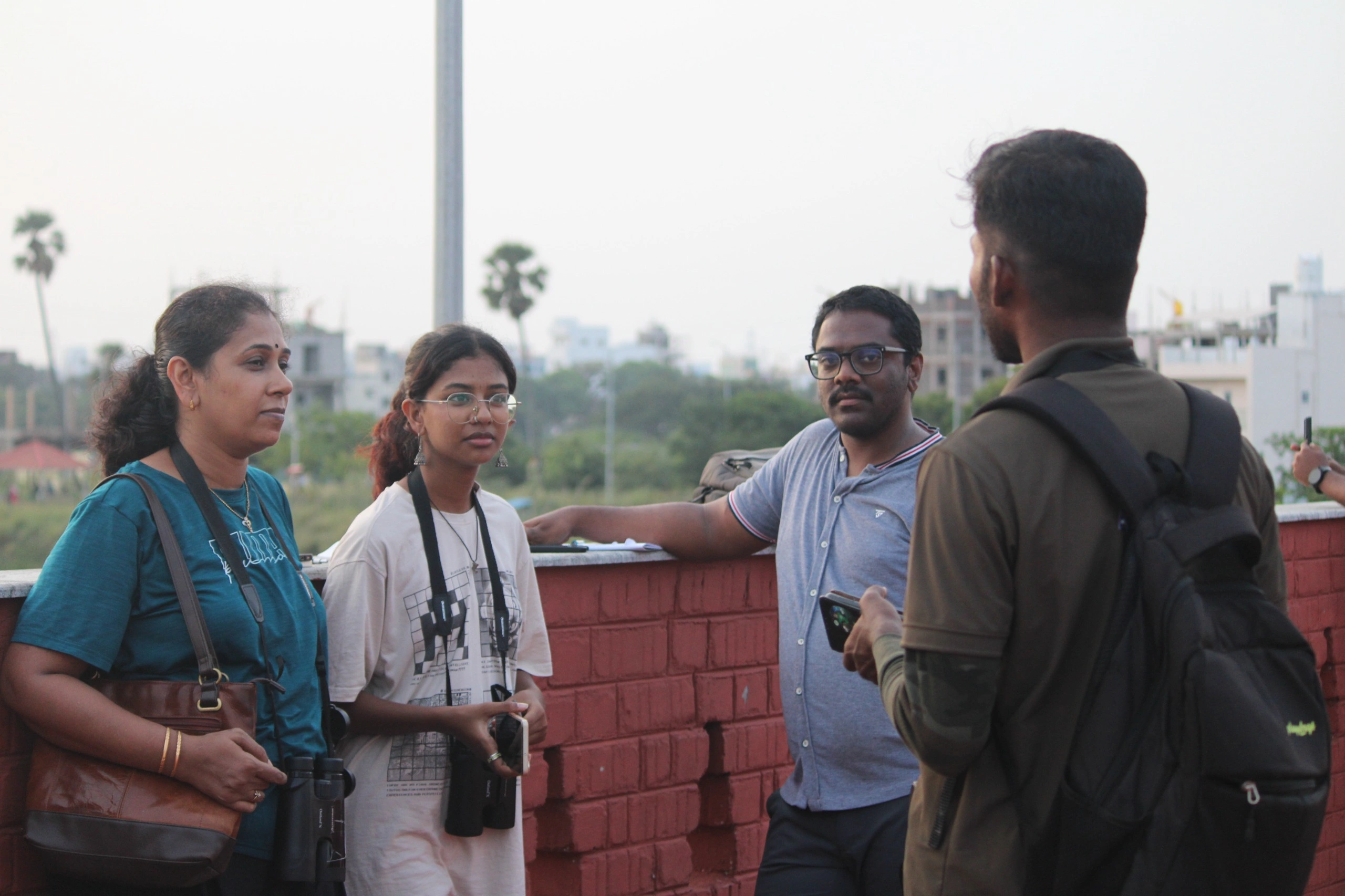
Ataavi’s 6 September 2026 walk at SIPCOT Eco Park’s Navalur Lake in Chennai drew 11 participants from diverse backgrounds — including architecture, research, corporate roles, and students — all led by guide Sudarshan S. The shared conversations about birding and nature across such varied backgrounds added a lovely community dimension to the walk, as the group moved together around the lake’s edge under a clear morning sky. The group recorded 17 species during the outing. The eco park’s mix of open water and landscaped greenery has made it an increasingly popular weekend destination, and the varied crowd reflected that growing appeal.
A true highlight of the morning was watching four to five Pied Kingfishers hovering at close range for nearly twenty minutes, giving the group an extended and rare view of this striking hunting behaviour. Other sightings included the Asian Openbill, Green Bee-eater, Painted Stork, White-browed Wagtail, Prinia, and Lapwings. Sudarshan’s engaging style and the diverse mix of participants made for a lively and memorable walk at SIPCOT Eco Park, leaving everyone keen to return for the next one. Sudarshan’s patient explanations helped participants from non-nature backgrounds quickly pick up the basics of identifying birds by shape and behaviour. The extended kingfisher sighting alone left a lasting impression on everyone in the group, with several saying it was the first time they had watched a bird hunt so closely.
Number of Participants
0