
Bird Walk at Asita East DDA Park, Delhi
- New Delhi
- 26 August, 2026
- Anjali Bhardwaj
About Asita East DDA Park
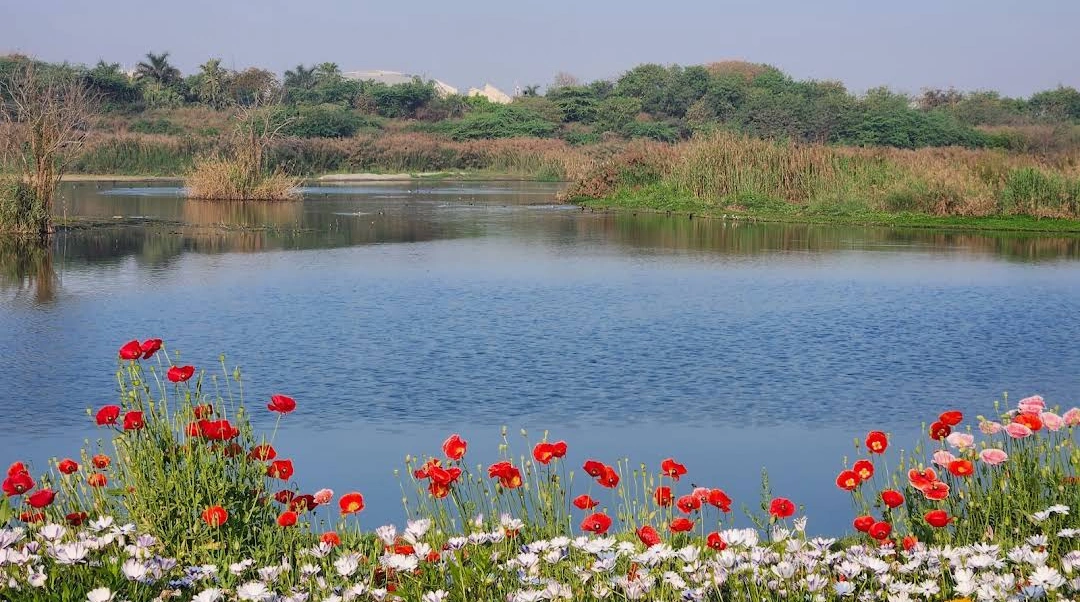
Asita East DDA Park is a large urban green space located along the floodplains of the Yamuna River in East Delhi. Developed by the Delhi Development Authority (DDA), the park was created to restore degraded floodplain habitat while providing recreational opportunities for city residents. The landscape comprises open grasslands, native tree plantations, wetlands, walking and cycling trails, and landscaped gardens that together enhance the ecological value of the area. Its proximity to the Yamuna River makes the park an important green corridor, contributing to groundwater recharge, habitat connectivity, and climate resilience within the city.
The park has emerged as a valuable biodiversity hotspot, attracting a wide range of birds, butterflies, insects, and other urban wildlife. The combination of wetlands, scrub vegetation, grasslands, and mature trees supports both resident and migratory species throughout the year. During the winter months, migratory waterbirds use the wetland habitats for feeding and resting, while the wooded sections provide nesting and roosting sites for numerous terrestrial birds. Asita East DDA Park has become a popular destination for birdwatchers, photographers, and nature enthusiasts, demonstrating how ecological restoration can enhance biodiversity within a densely populated urban landscape.

Bird Guide: Anjali Bhardwaj
A passionate birder and researcher, I am currently a PhD scholar in biogeography at Jamia Millia Islamia with 3.5 years of experience studying urban birdlife in Delhi. My work focuses on bird occupancy, vocalisations, and their relationship with tree species,combining field birding with research to offer deeper, more insightful birding experiences.
Bird walk Location
Common birds of Asita East DDA Park
The diverse habitats of Asita East DDA Park support a rich bird community. Commonly observed species include the Indian Peafowl, Rose-ringed Parakeet, Black Kite, Shikra, White-throated Kingfisher, Common Kingfisher, Coppersmith Barbet, Brown-headed Barbet, Red-vented Bulbul, Red-whiskered Bulbul, Purple Sunbird, Indian Robin, Oriental Magpie-Robin, Black Drongo, Jungle Babbler, House Sparrow, Common Myna, Bank Myna, Spotted Dove, Laughing Dove, Cattle Egret, Indian Pond Heron, Little Egret, Purple Heron, Little Cormorant, White-breasted Waterhen, and Purple Swamphen. During winter, the wetlands also attract migratory ducks, wagtails, and waders, making the park one of the notable urban birding locations in Delhi.

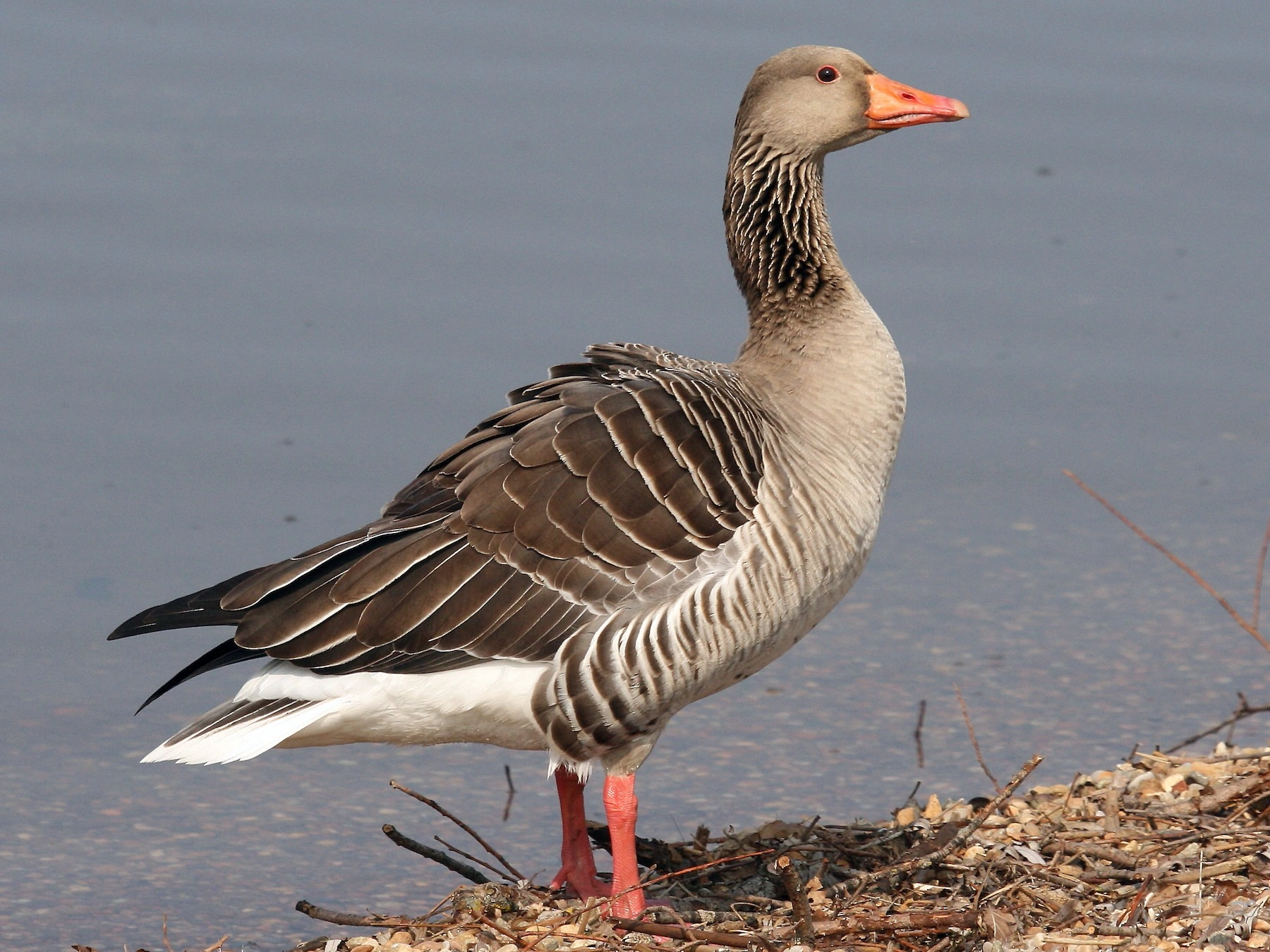
Graylag Goose

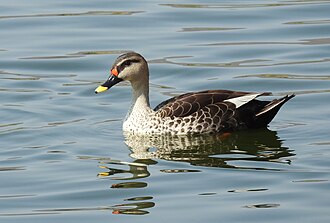
Indian Spot-billed Duck

Indian Peafowl

Gray Francolin
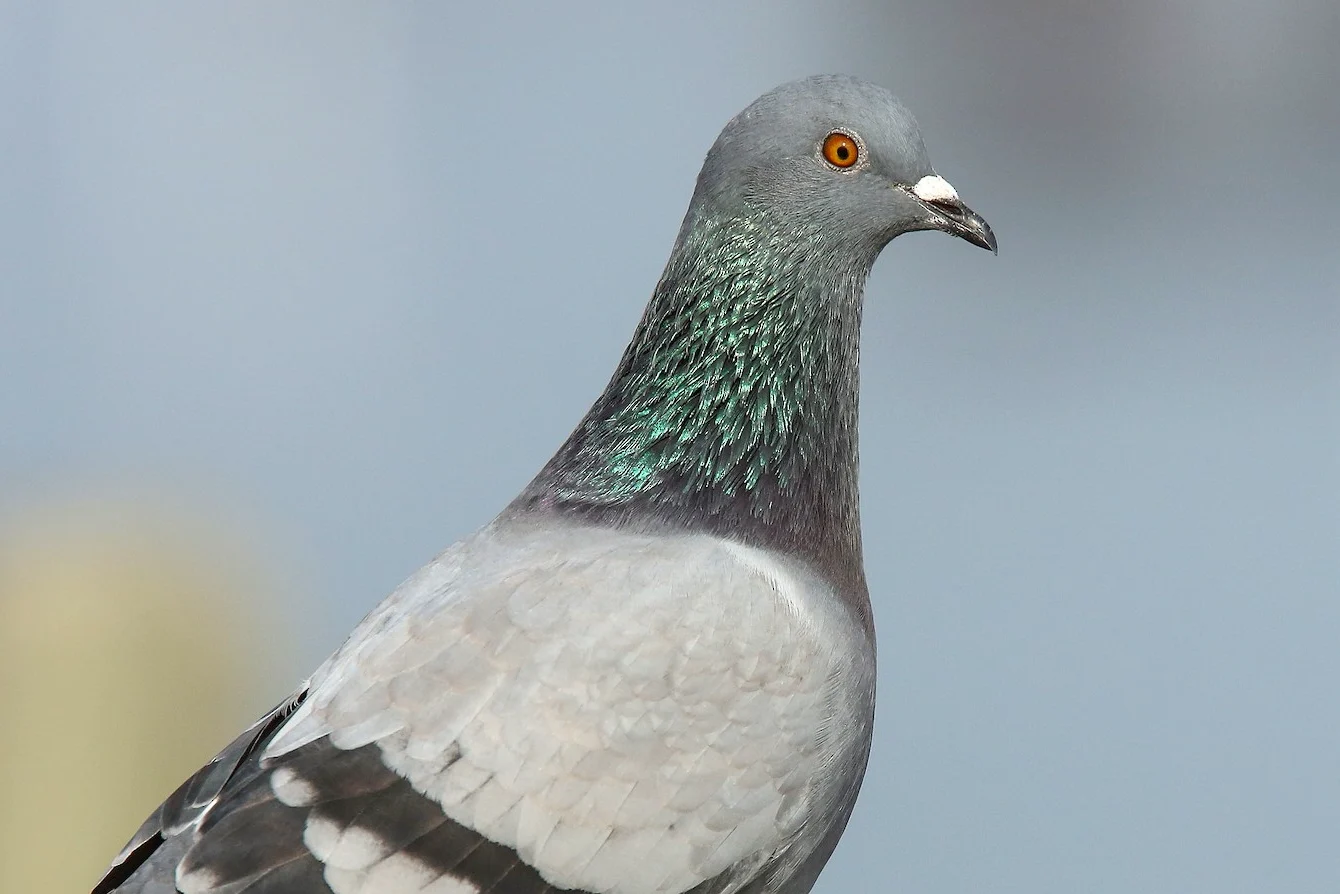
Rock Pigeon

Eurasian Collared-Dove
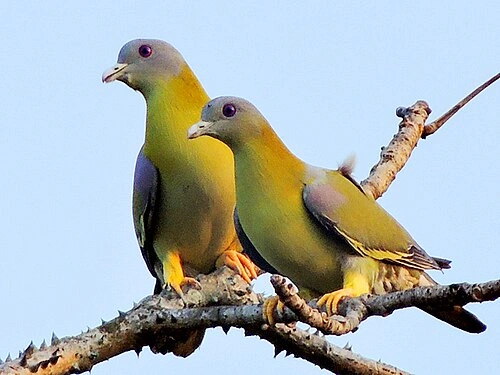
Yellow-footed Green-Pigeon
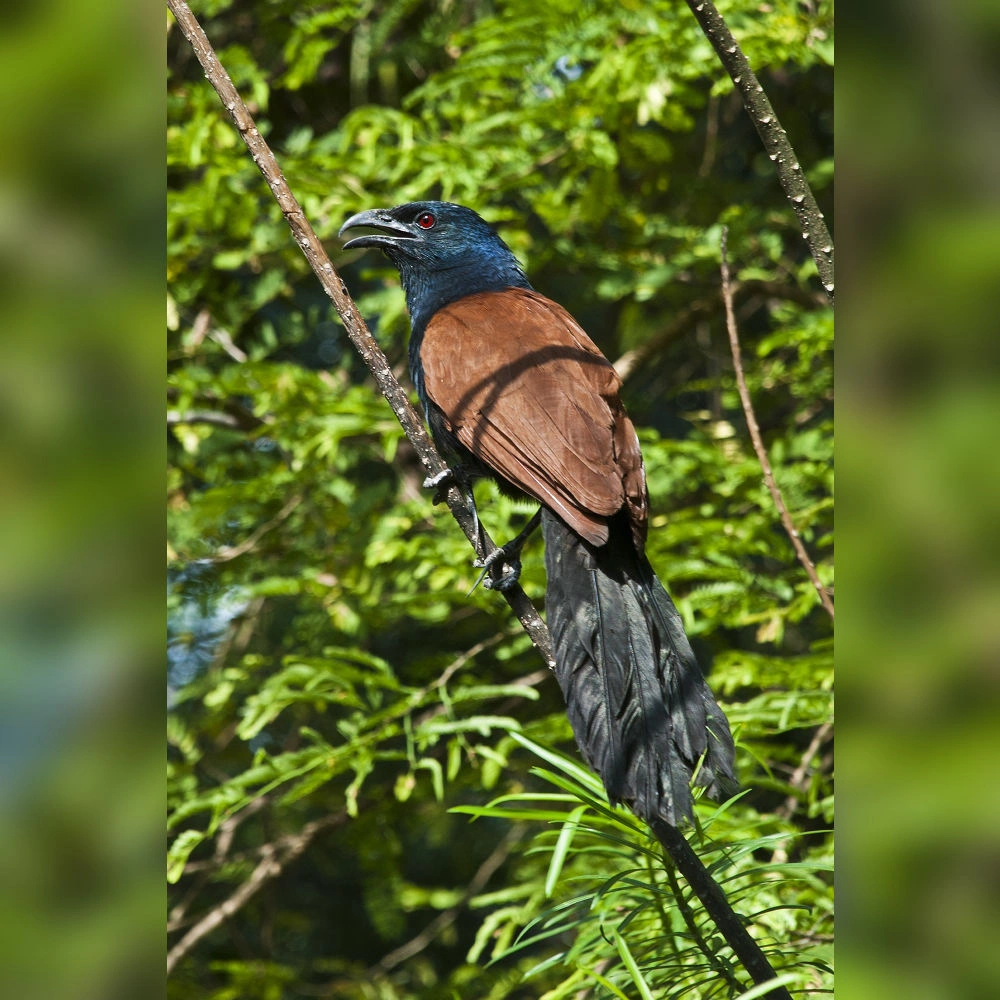
Greater Coucal
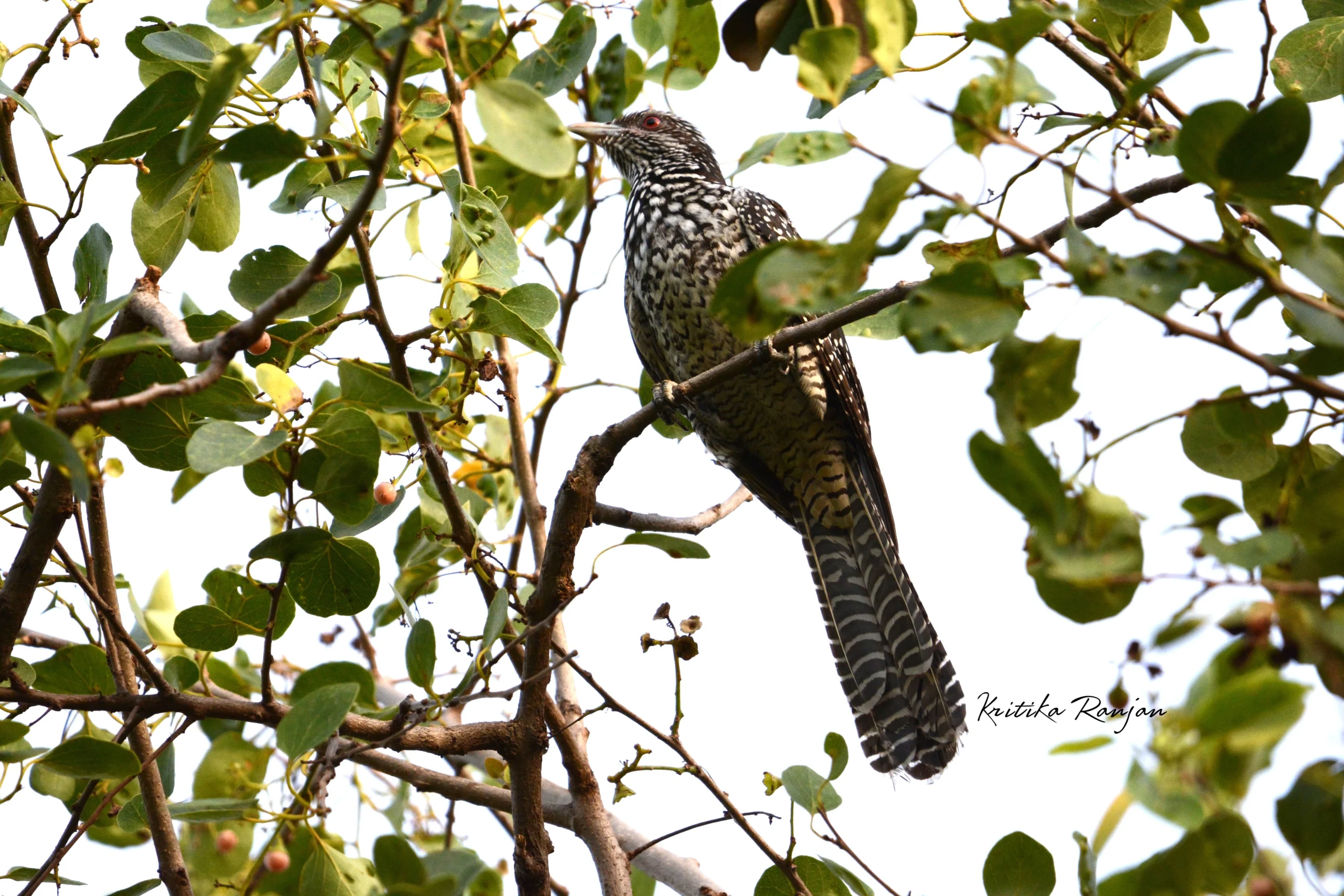
Asian Koel

Little Swift
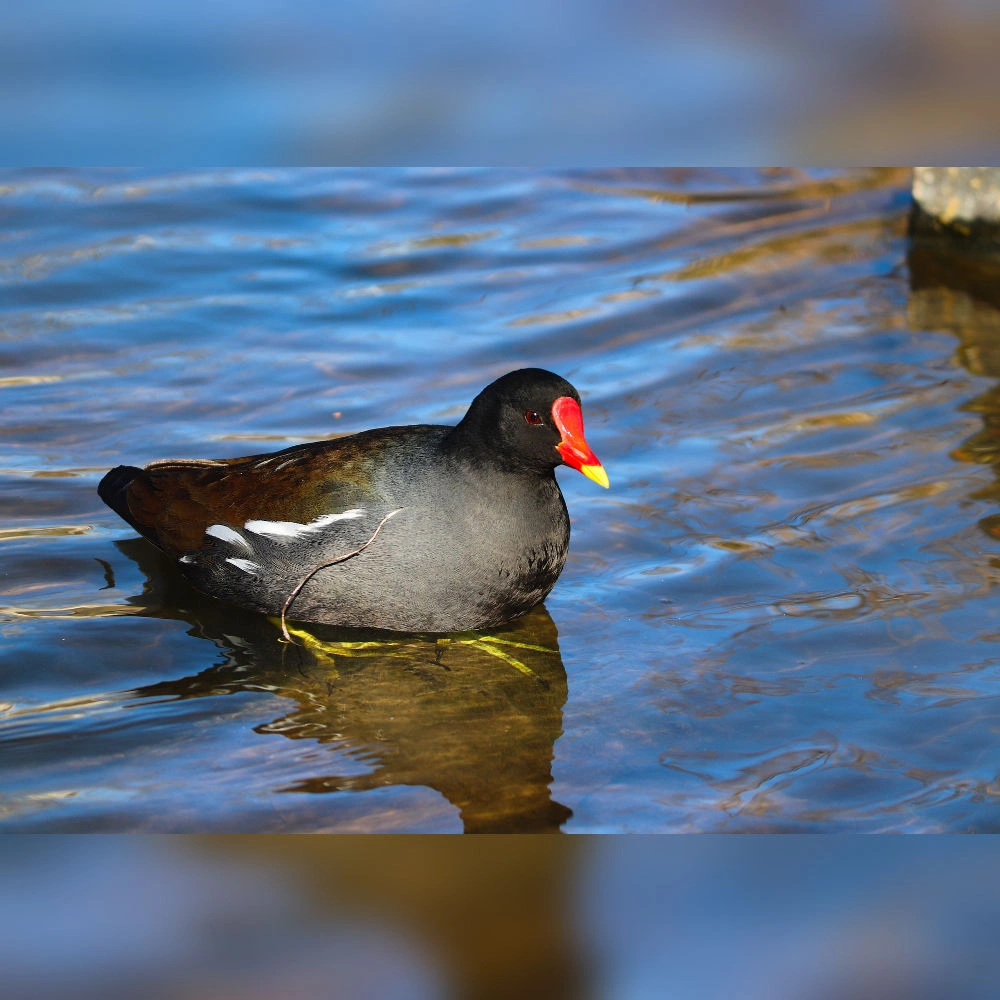
Common Moorhen
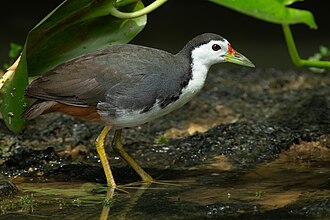
White-breasted Waterhen
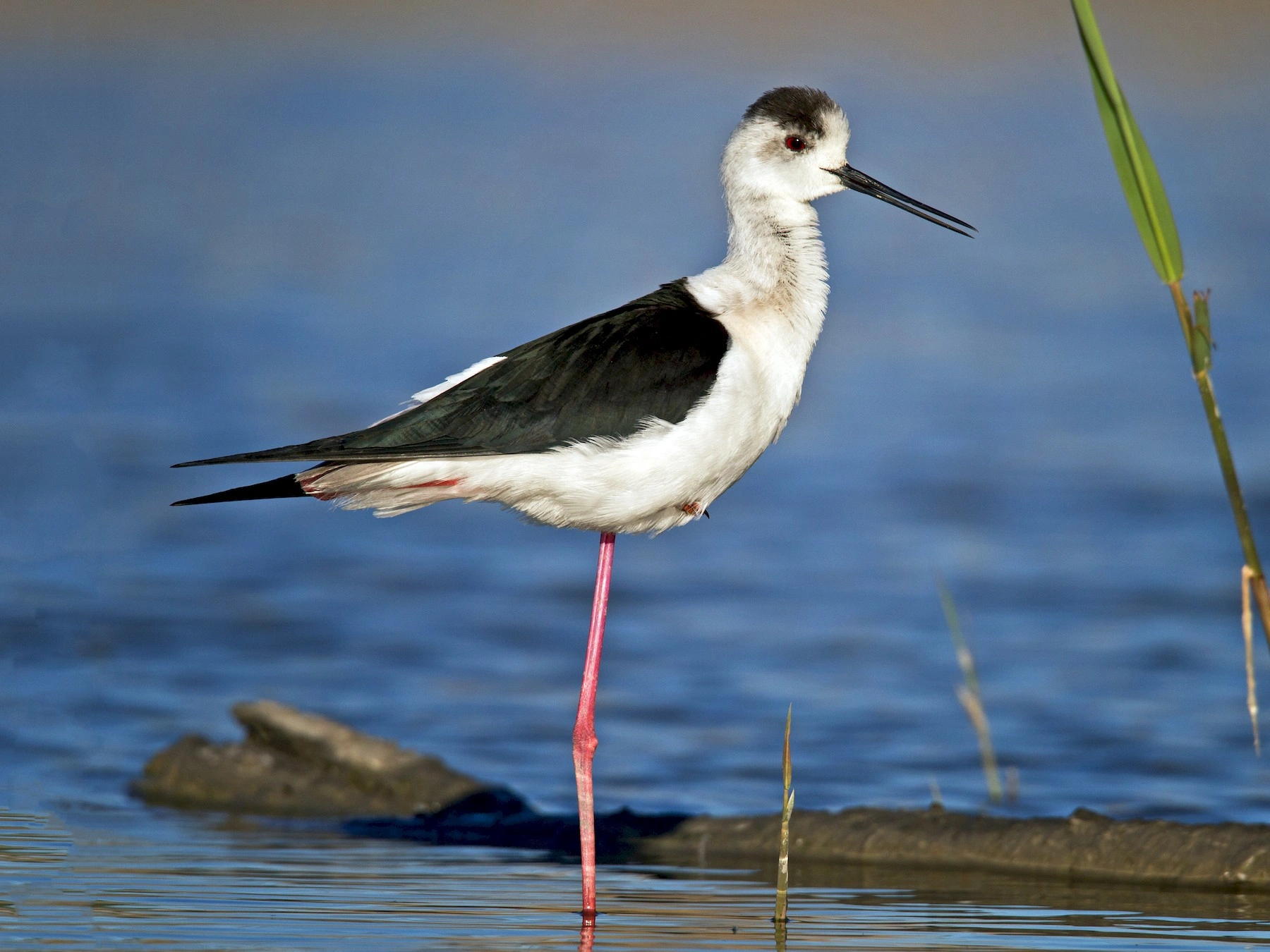
Black-winged Stilt
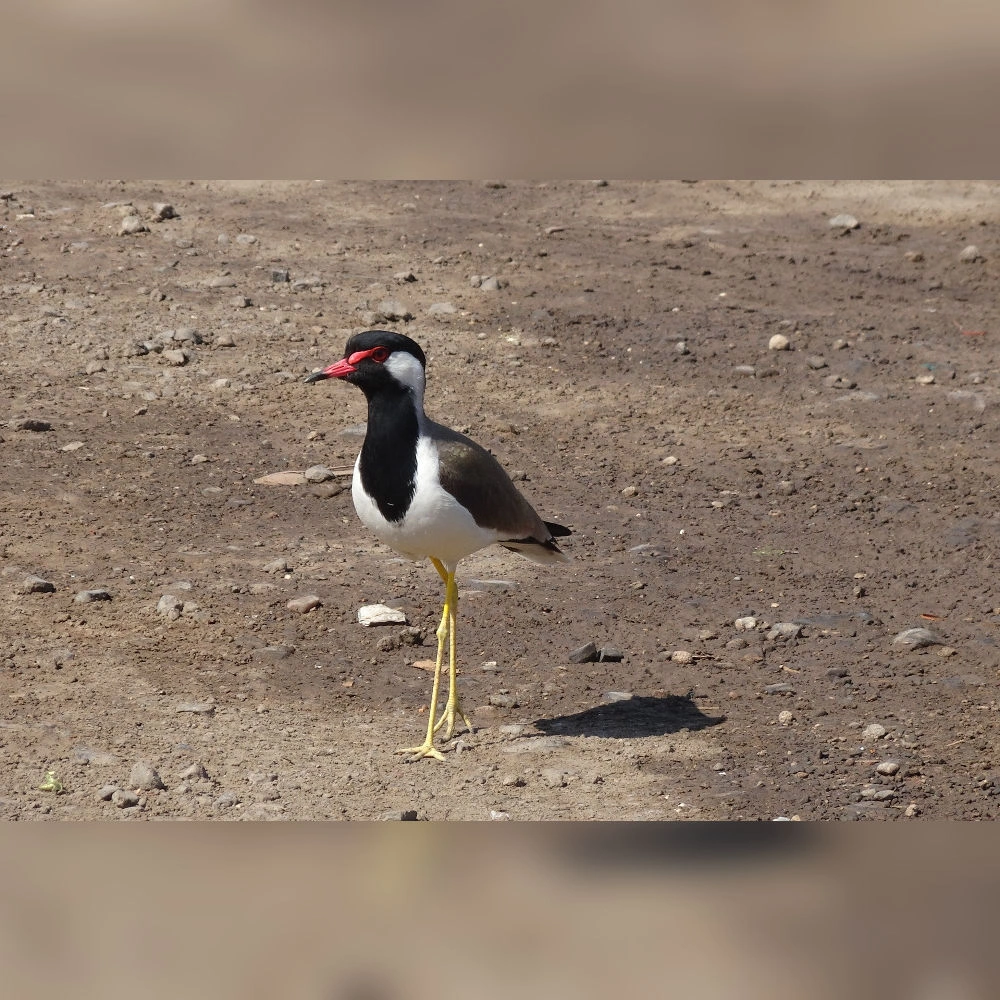
Red-wattled Lapwing
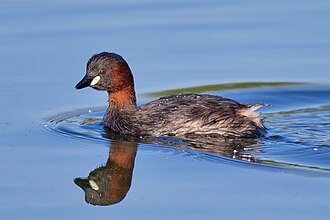
Little Grebe
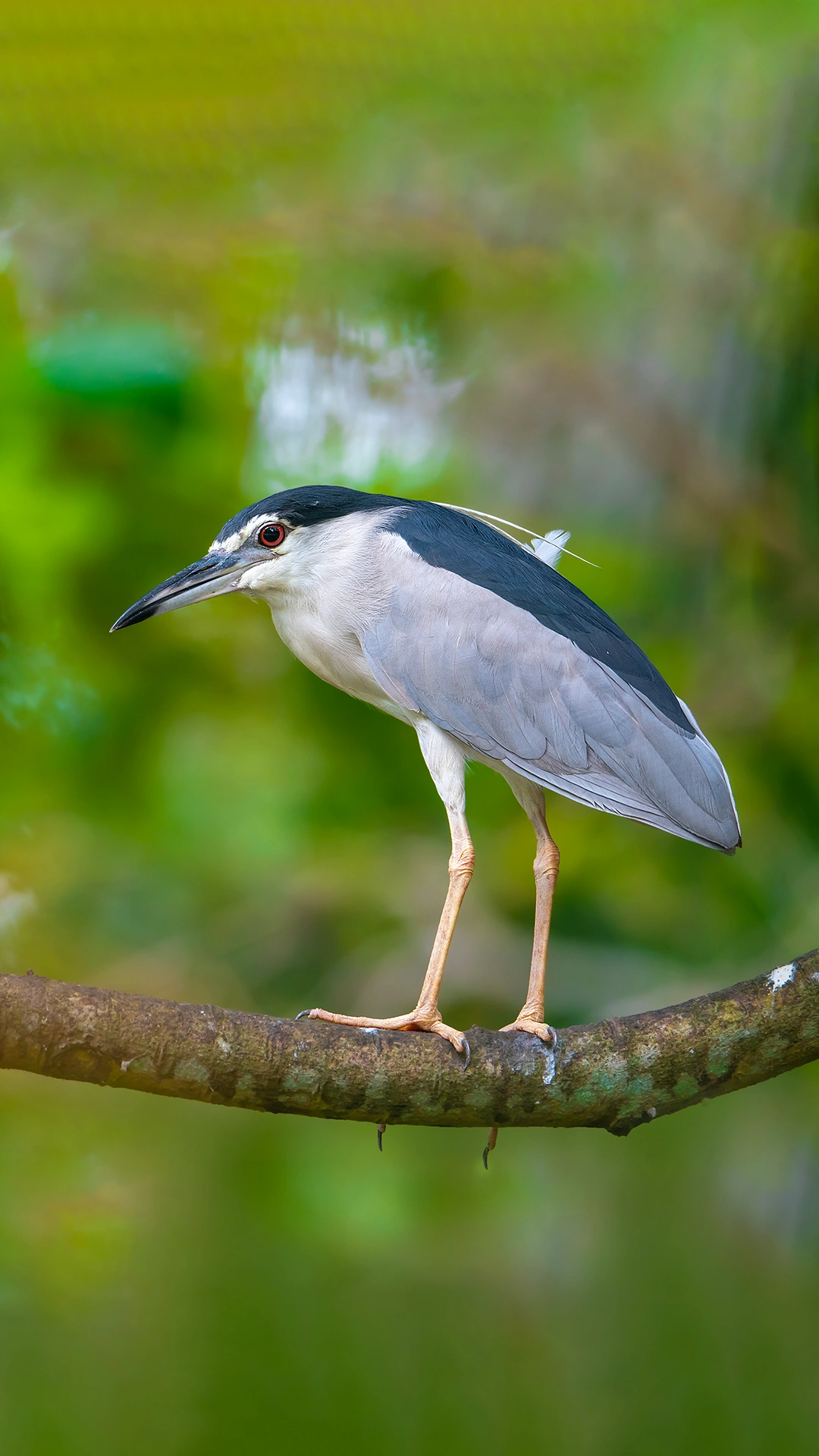
Black-crowned Night Heron
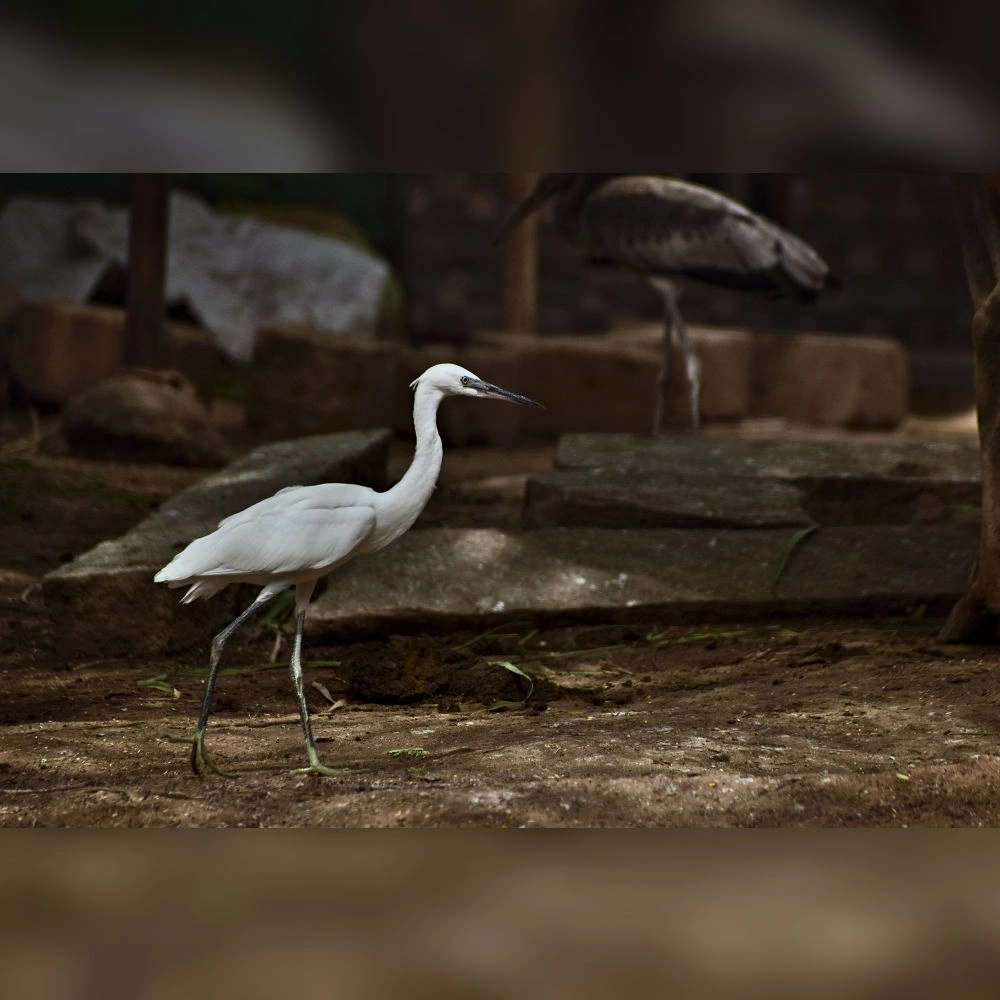
Little Egret

Black Kite
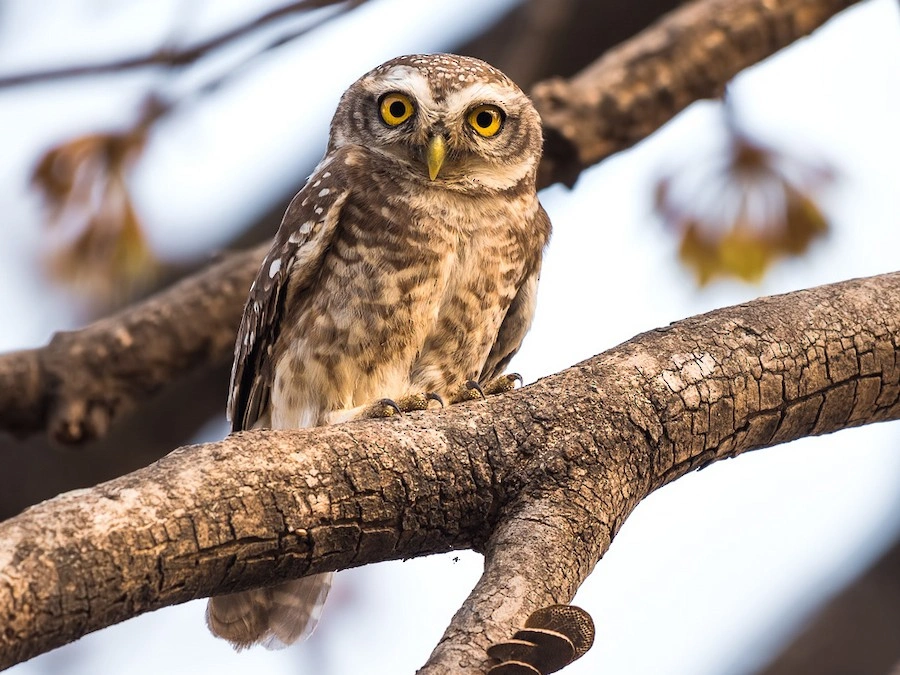
Spotted Owlet
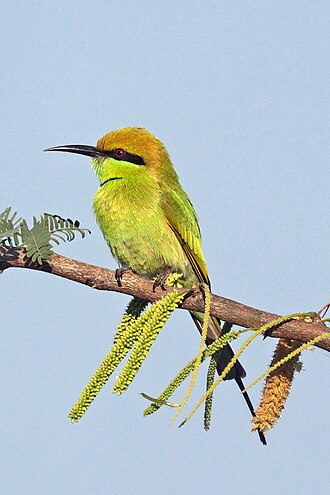

Asian Green Bee-eater
Summary of Walk
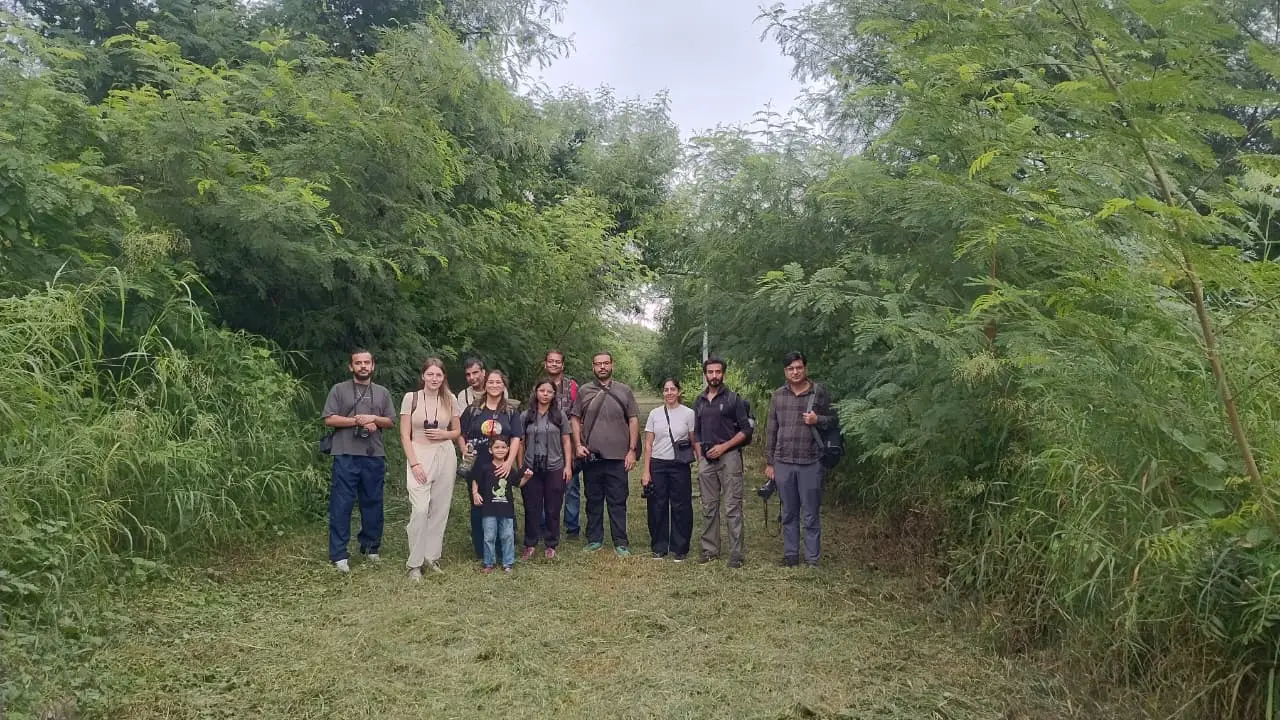
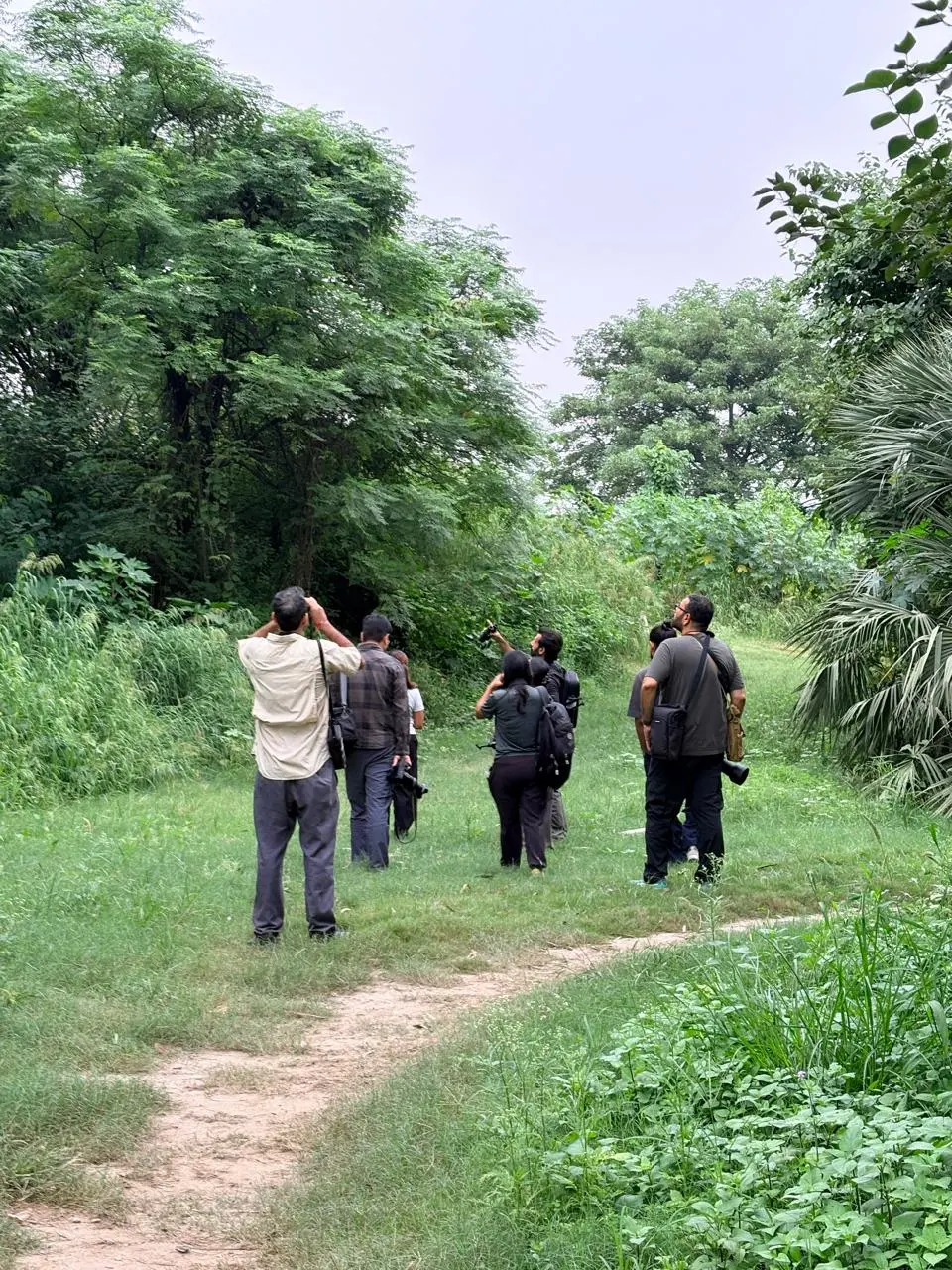
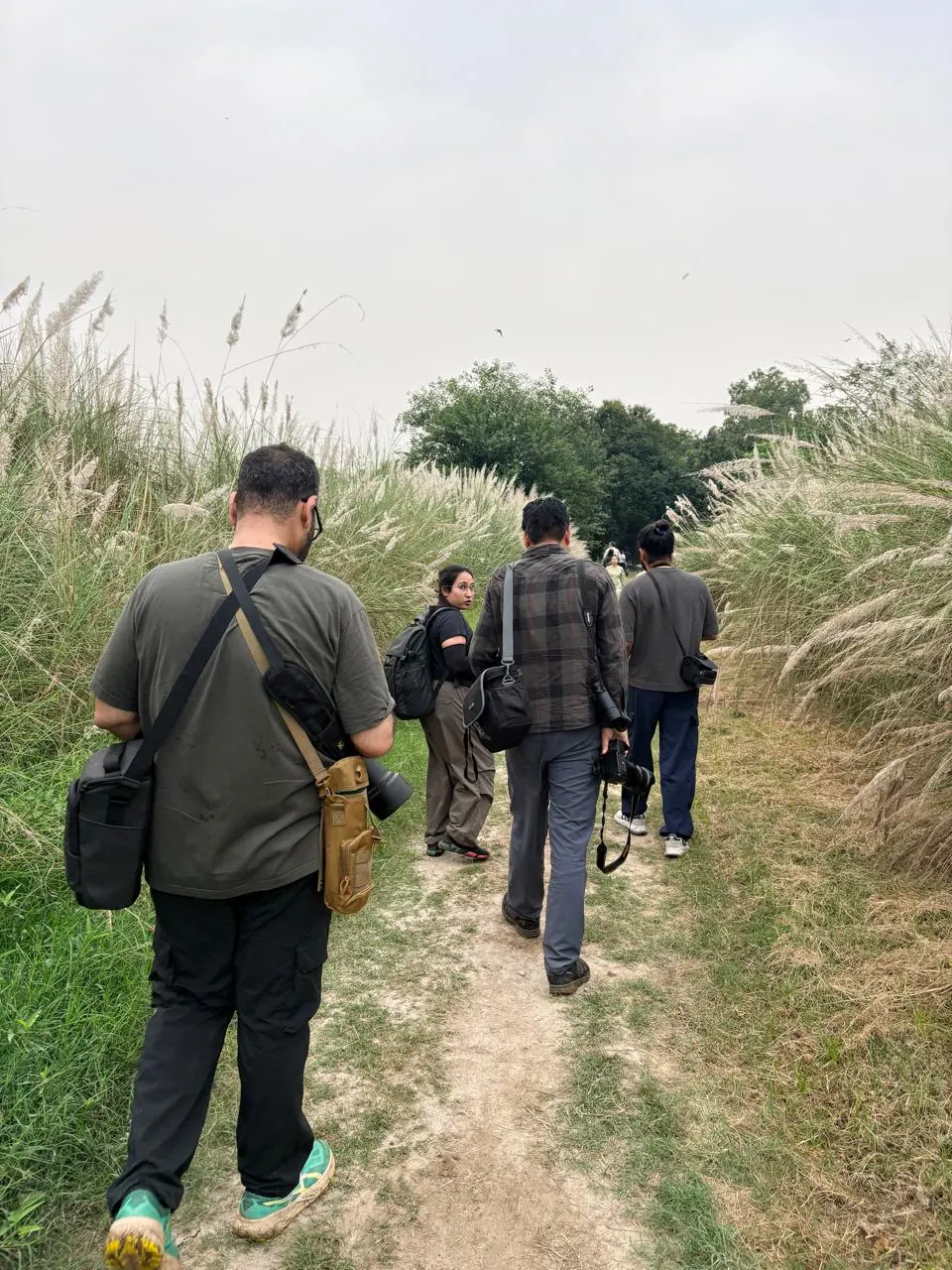
Eleven participants joined guide Anjali Bhardwaj at Asita East DDA Park, New Delhi, for the first bird walk of the autumn season, with a hint of the coming winter already in the air. The group recorded 42 species over the morning, a strong number that hinted at the seasonal build-up of bird activity to come.
Highlights included multiple flocks of Black-headed Ibis and Painted Storks in flight, the calls of Hume’s Warbler and Greenish Warbler marking the start of autumn migration, and an Oriental Darter perched on a stump with its wings spread wide to dry. The continuous call of a Yellow-bellied Prinia piqued everyone’s curiosity, and identifying it proved especially rewarding. Anjali also shared how Black-winged Stilts continue to thrive even in contaminated water, making for an engaging and educational morning all round.
Number of Participants
0