
Loading Events

Bird Walk at Horamavu Agara lake, Bengaluru

About Horamavu Agara lake

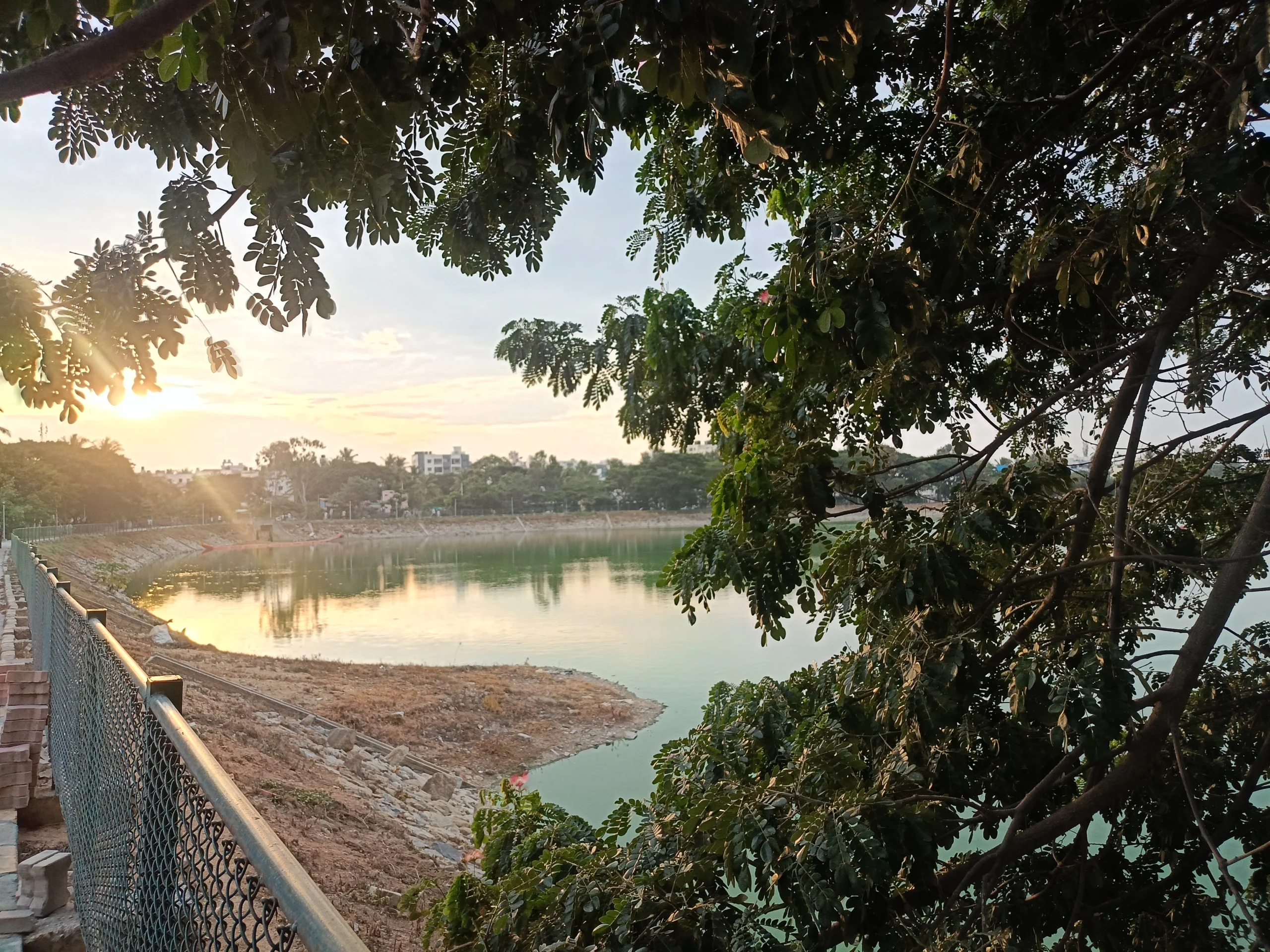
Horamavu Agara Lake is a wetland situated in the eastern part of Bengaluru, surrounded by a rapidly urbanising landscape of residential neighbourhoods, roads, and built-up areas. The lake forms an important open-water habitat within the city, with its waterbody, shoreline vegetation, and surrounding green spaces creating a varied landscape for aquatic and terrestrial wildlife. Seasonal changes in rainfall and water levels influence the character of the wetland, while vegetation around the lake provides additional habitat and shelter. As part of Bengaluru’s network of urban lakes, Horamavu Agara contributes to the ecological value of an otherwise heavily developed part of the city and offers a useful setting for observing urban wetland biodiversity.
Like many of Bengaluru’s lakes, Horamavu Agara has experienced pressure from urban development and changes in its surrounding landscape. Earlier assessments documented encroachment into the lake area and buffer zone, construction debris, damaged fencing, and sewage entering the waterbody, highlighting the vulnerability of the wetland to surrounding development. Protecting the lake’s boundary and natural drainage, maintaining water quality, and preserving vegetation along its edges are important for sustaining its ecological functions. Continued management of the wetland and its surroundings can help retain this urban habitat as a green refuge for wildlife while also providing local residents with opportunities to connect with nature.

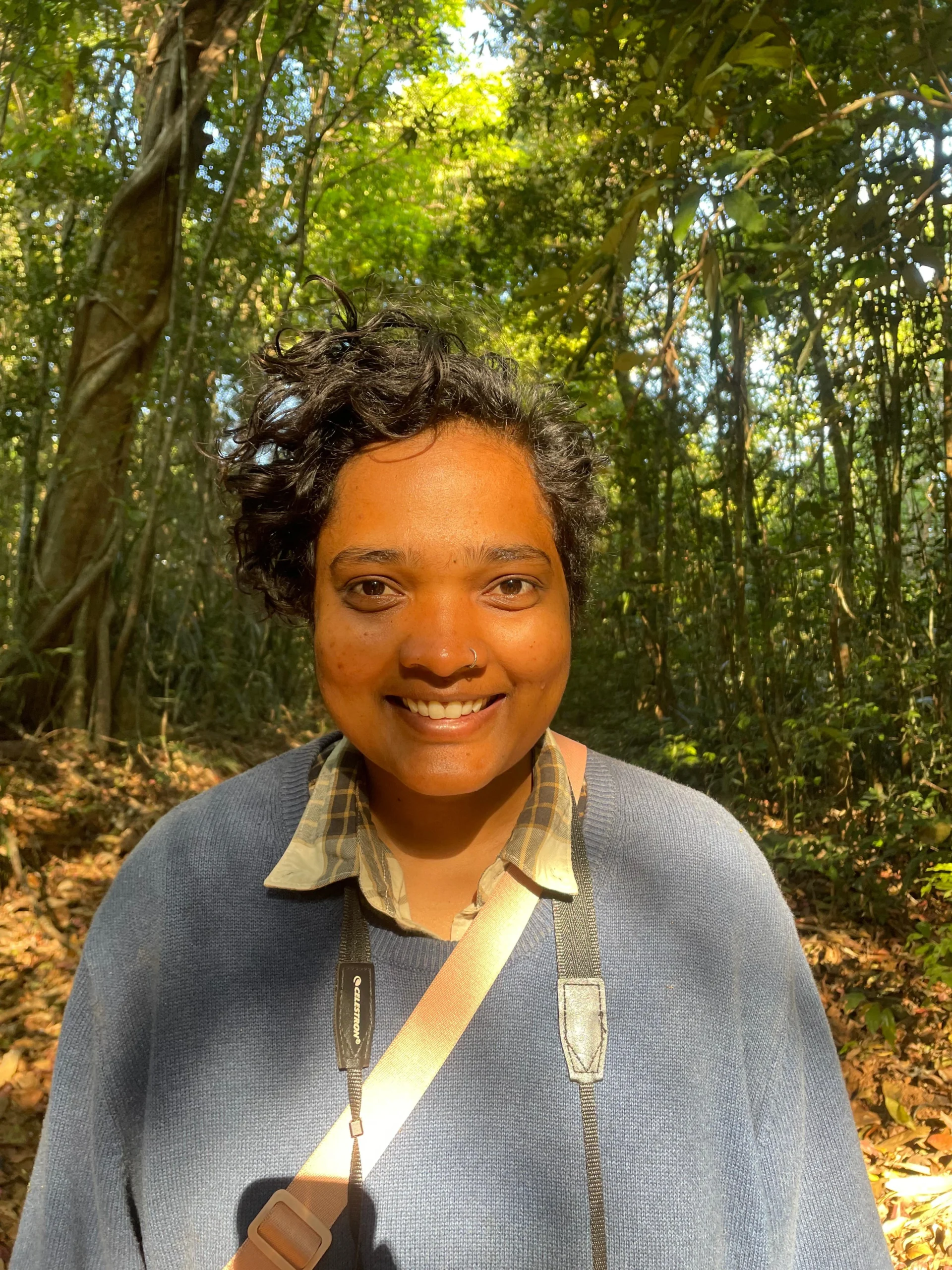
Bird Guide: Priya Dharshni

They have been birdwatching for the past 3–4 years, with a strong interest in ecology and bird behaviour. As part of their Master’s thesis, they studied bird diversity in the paddy fields of Tirunelveli and have also worked on the acoustic communication of mixed-species flocks in Agumbe, Karnataka.
Bird walk Location

Common birds of Horamavu Agara lake

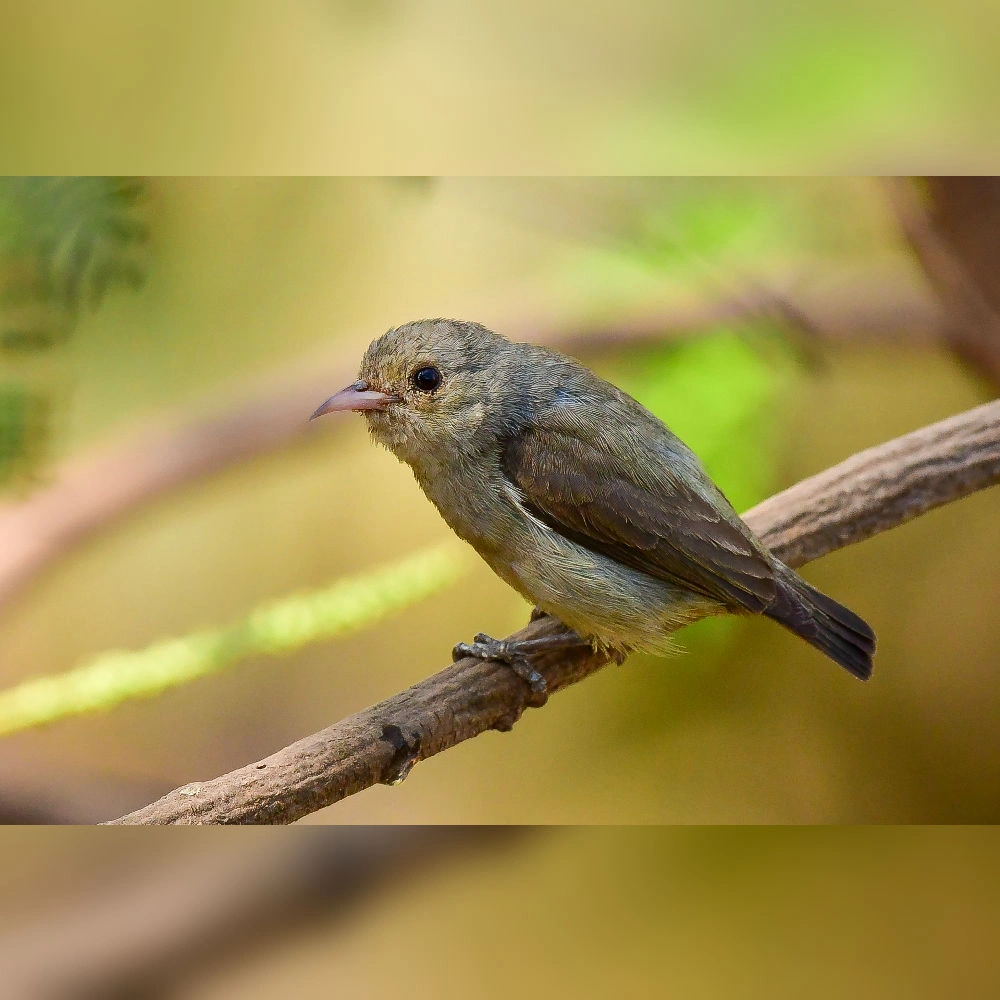
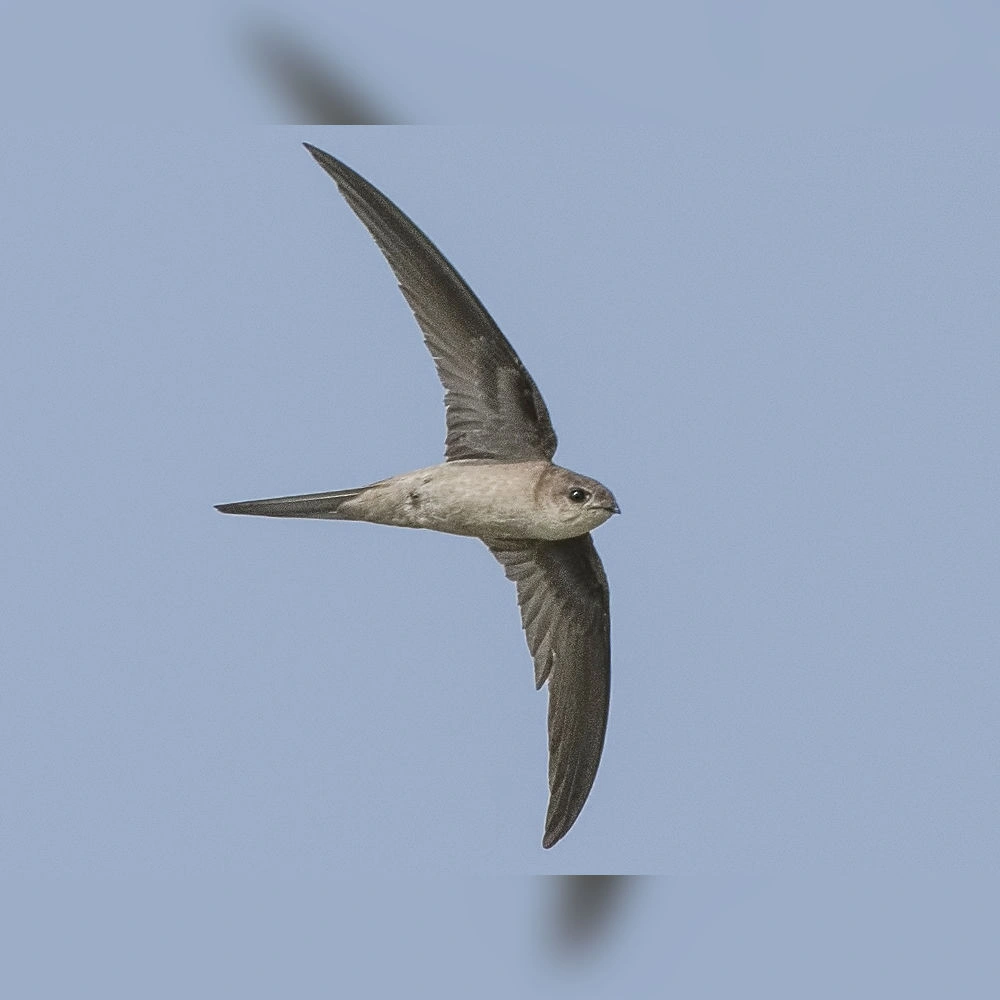
Horamavu Agara Lake supports a diverse mix of wetland and urban birds, with its open water and surrounding vegetation providing habitat for both water-dependent and terrestrial species. The wetland attracts several herons and egrets, including Indian Pond-Heron, Black-crowned Night Heron, Little Egret, and Grey Heron, while Indian Cormorant, Little Cormorant, and Great Cormorant make use of the open water for feeding and resting. Common Kingfisher adds to the wetland diversity, while White-browed Wagtail is often associated with the lake’s open shores and edges. Brahminy Kite and Black Kite represent the area’s raptors, while Asian Palm Swift, Pale-billed Flowerpecker, Rose-ringed Parakeet, Common Myna, Spotted Dove, and Rock Pigeon reflect the surrounding urban and vegetated habitats. Together, these species highlight the importance of Horamavu Agara Lake as an urban wetland supporting a variety of birdlife.
Asian Palm Swift
Pale-billed Flowerpecker
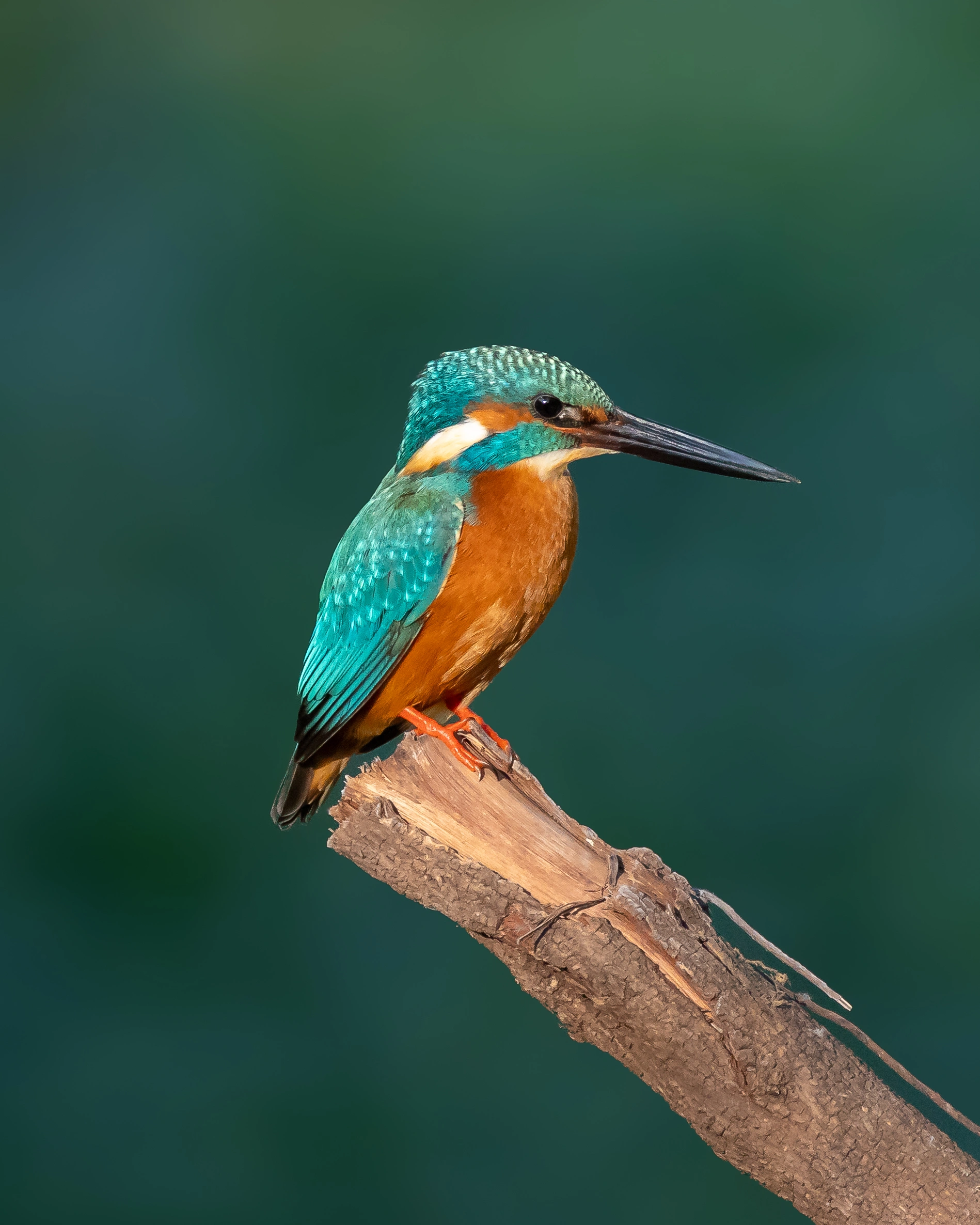
Common Kingfisher
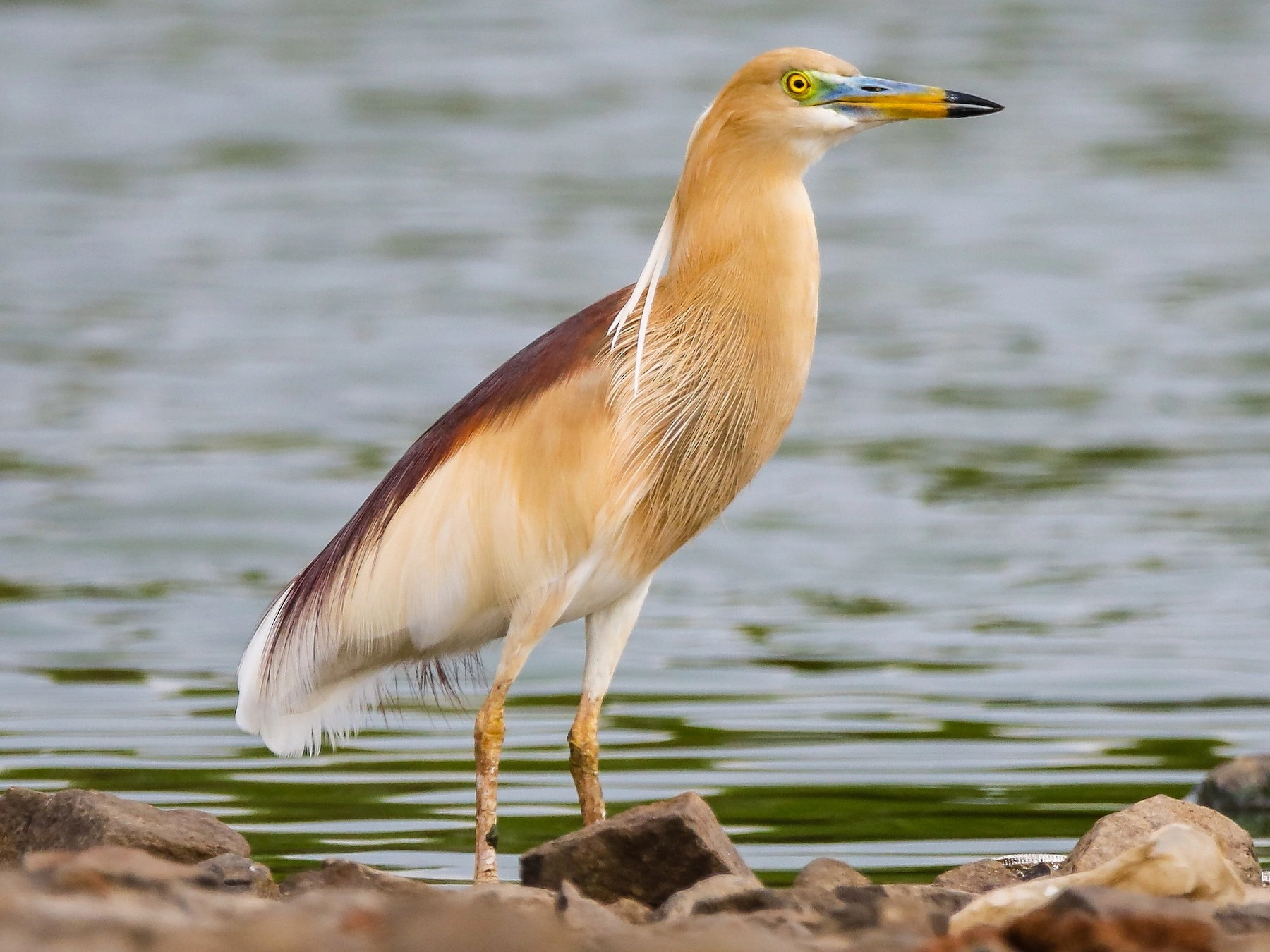
Indian Pond-Heron
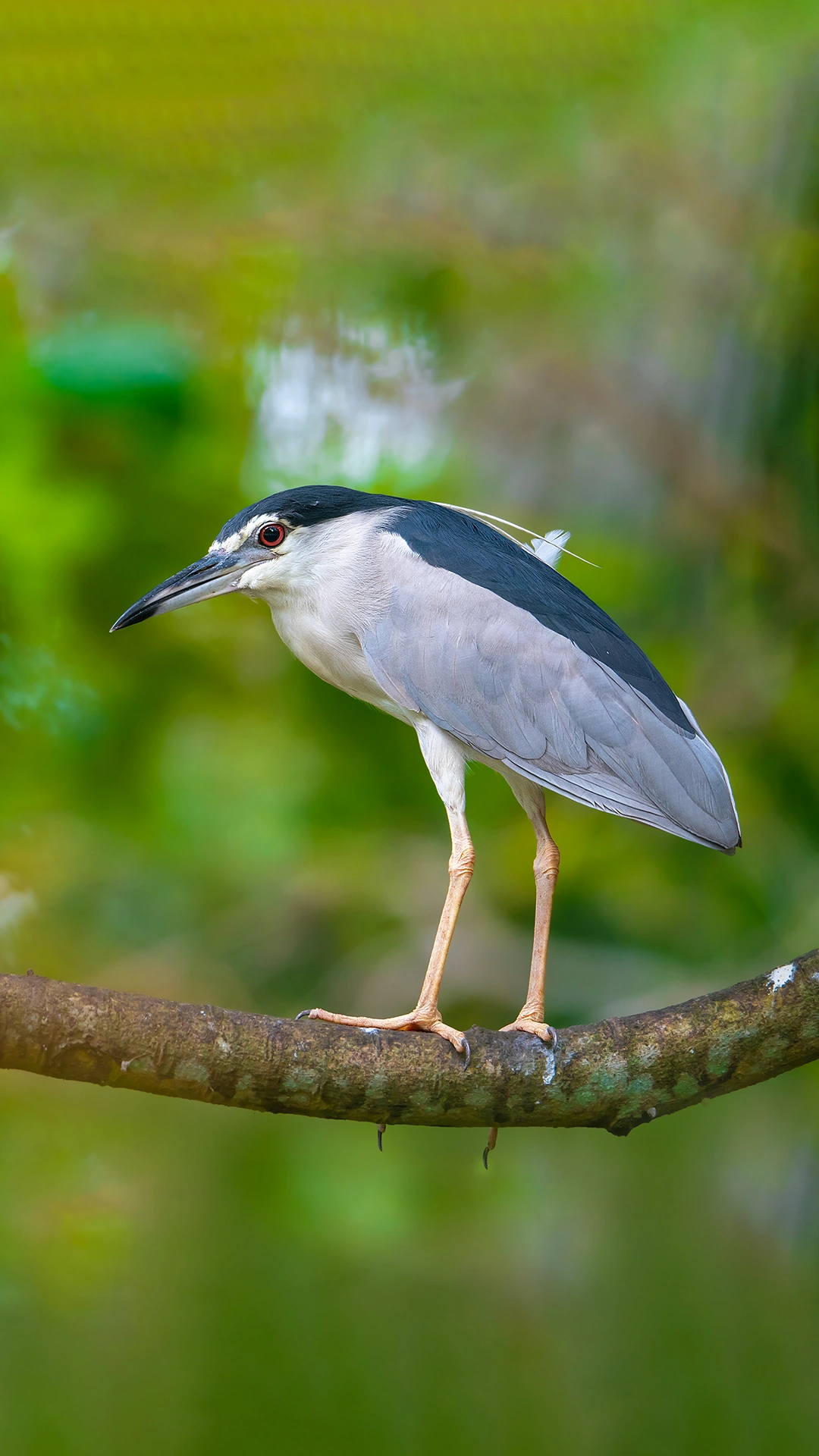
Black-crowned Night Heron
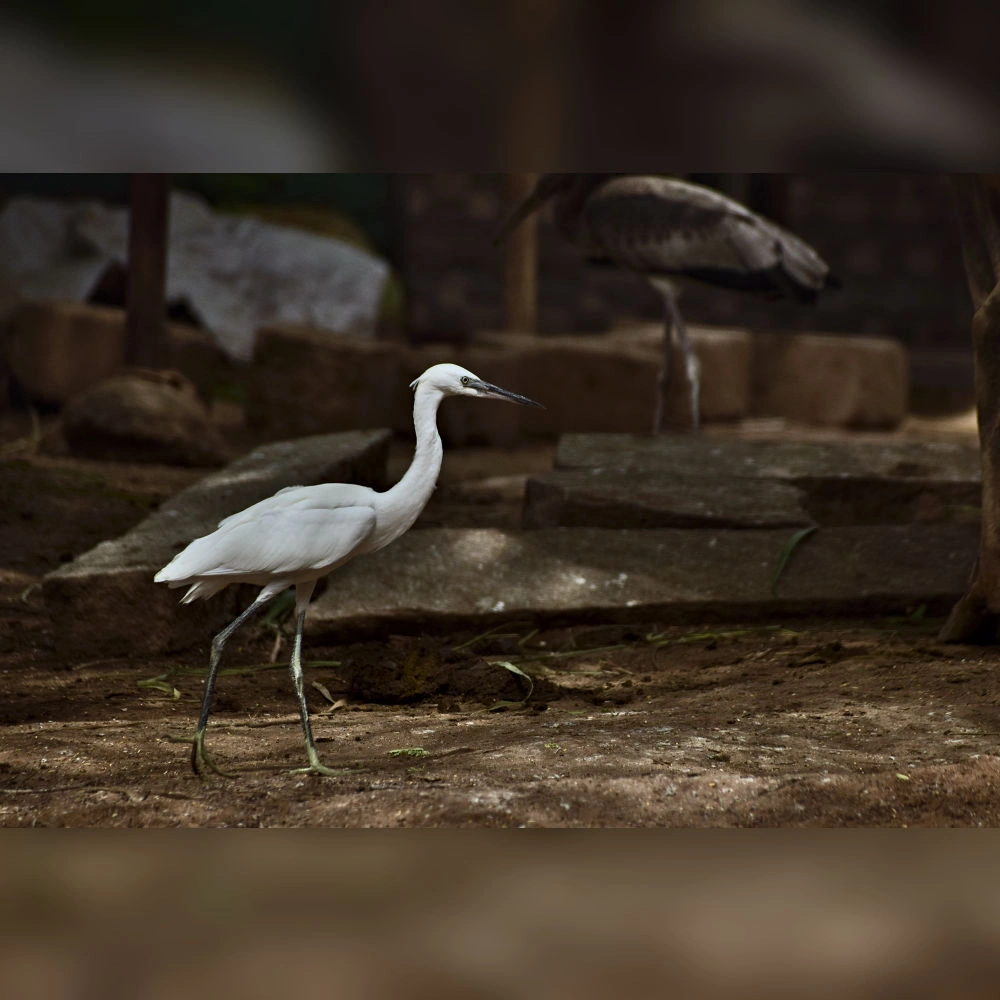
Little Egret
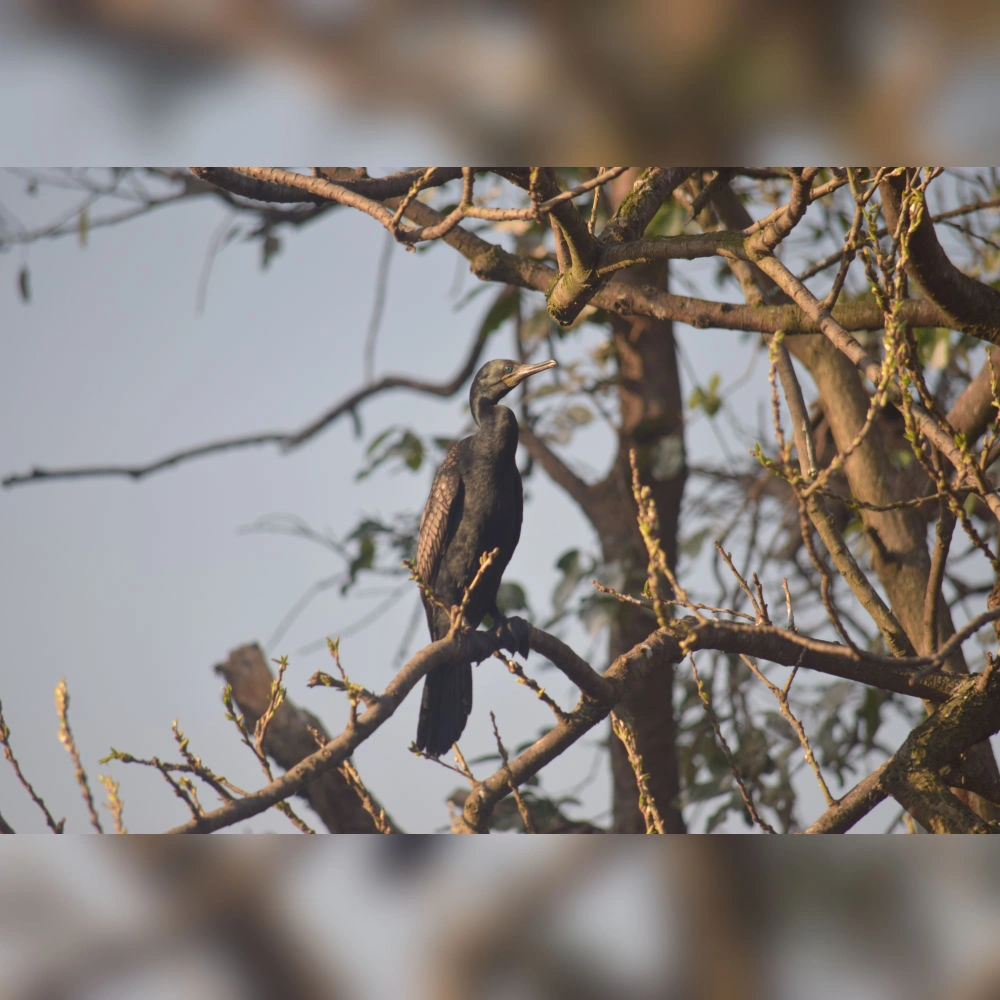
Indian Cormorant
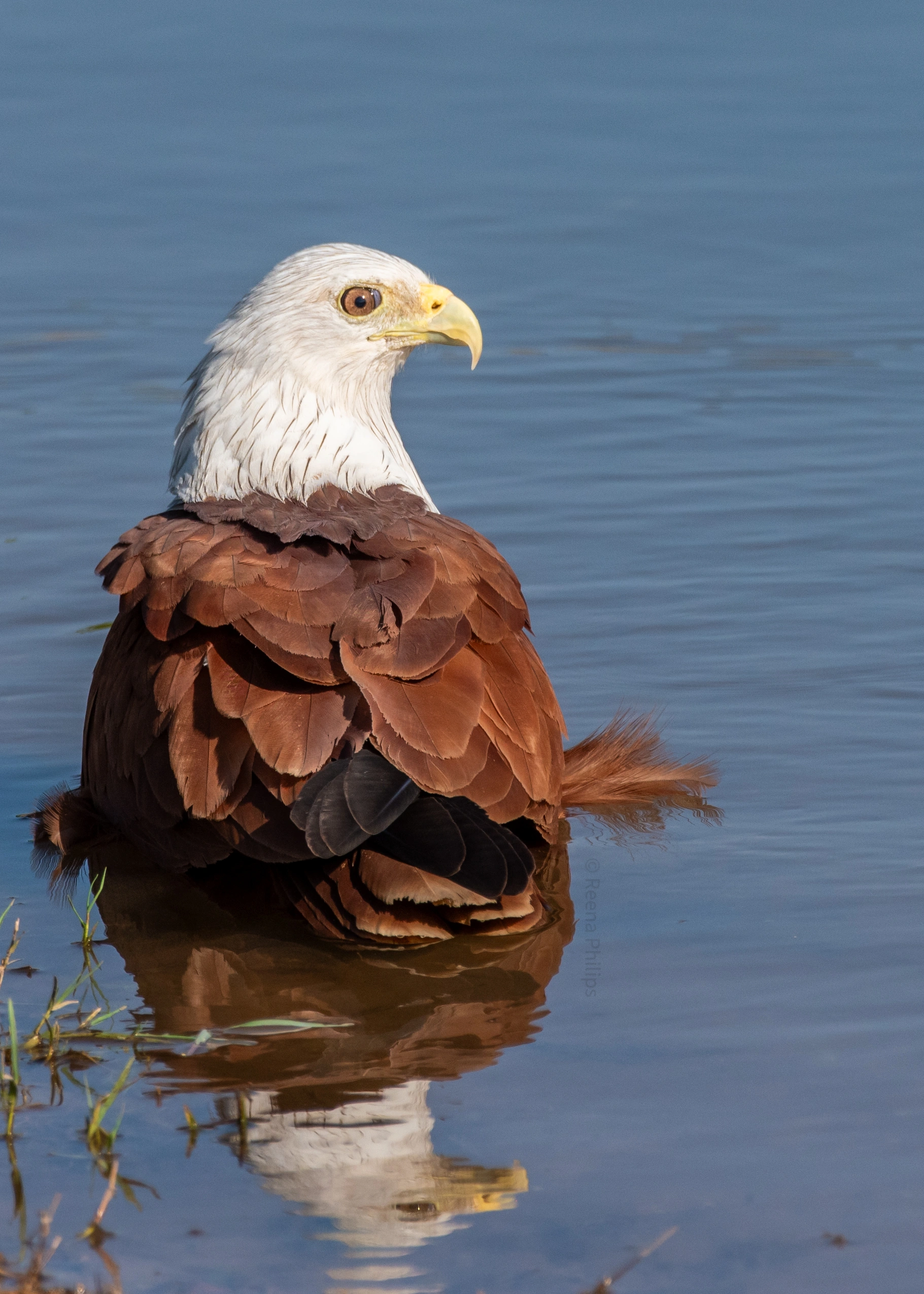
Brahminy Kite
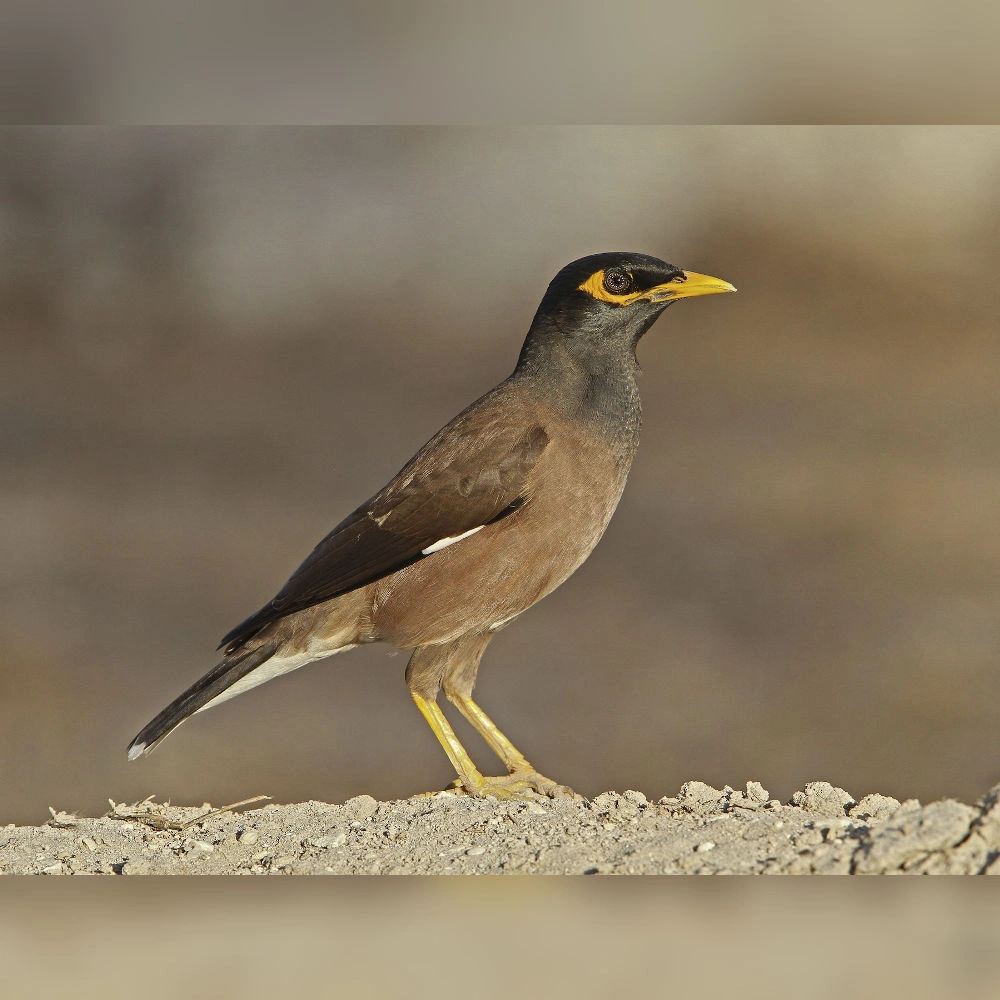
Common Myna
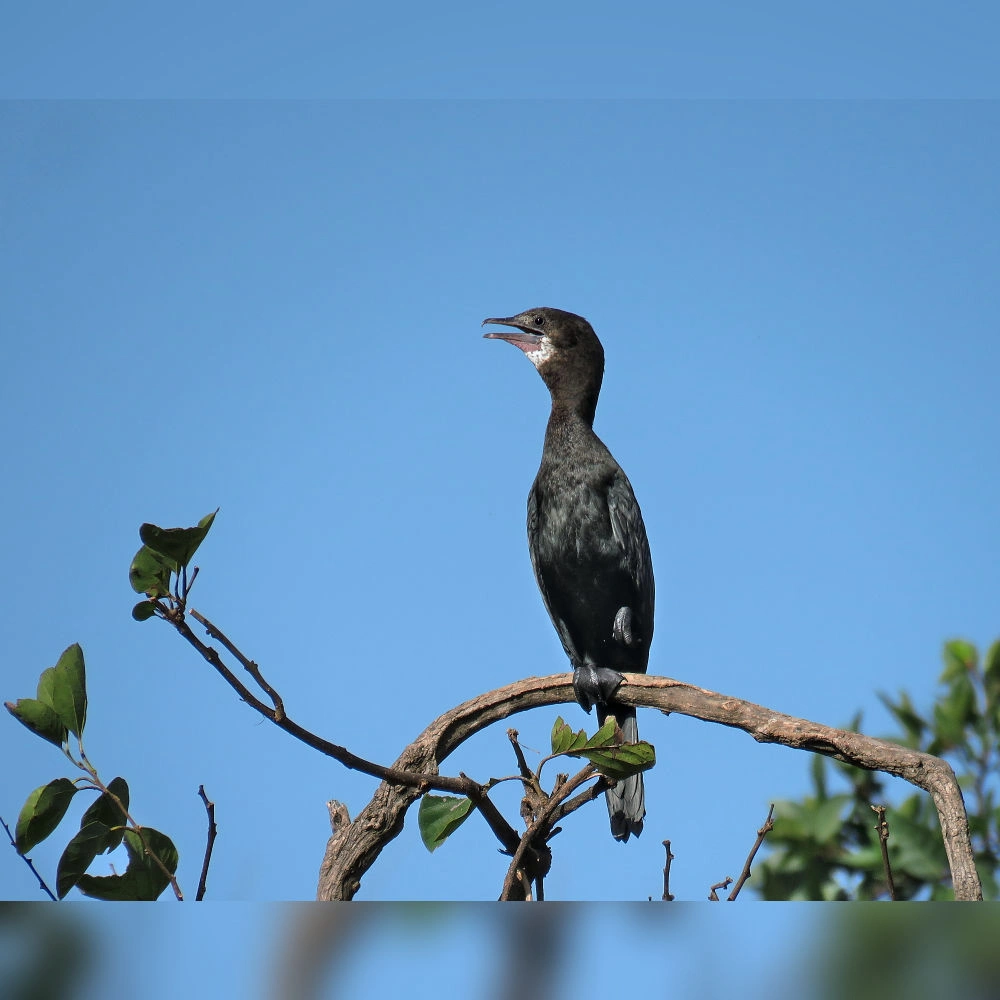
Little Cormorant
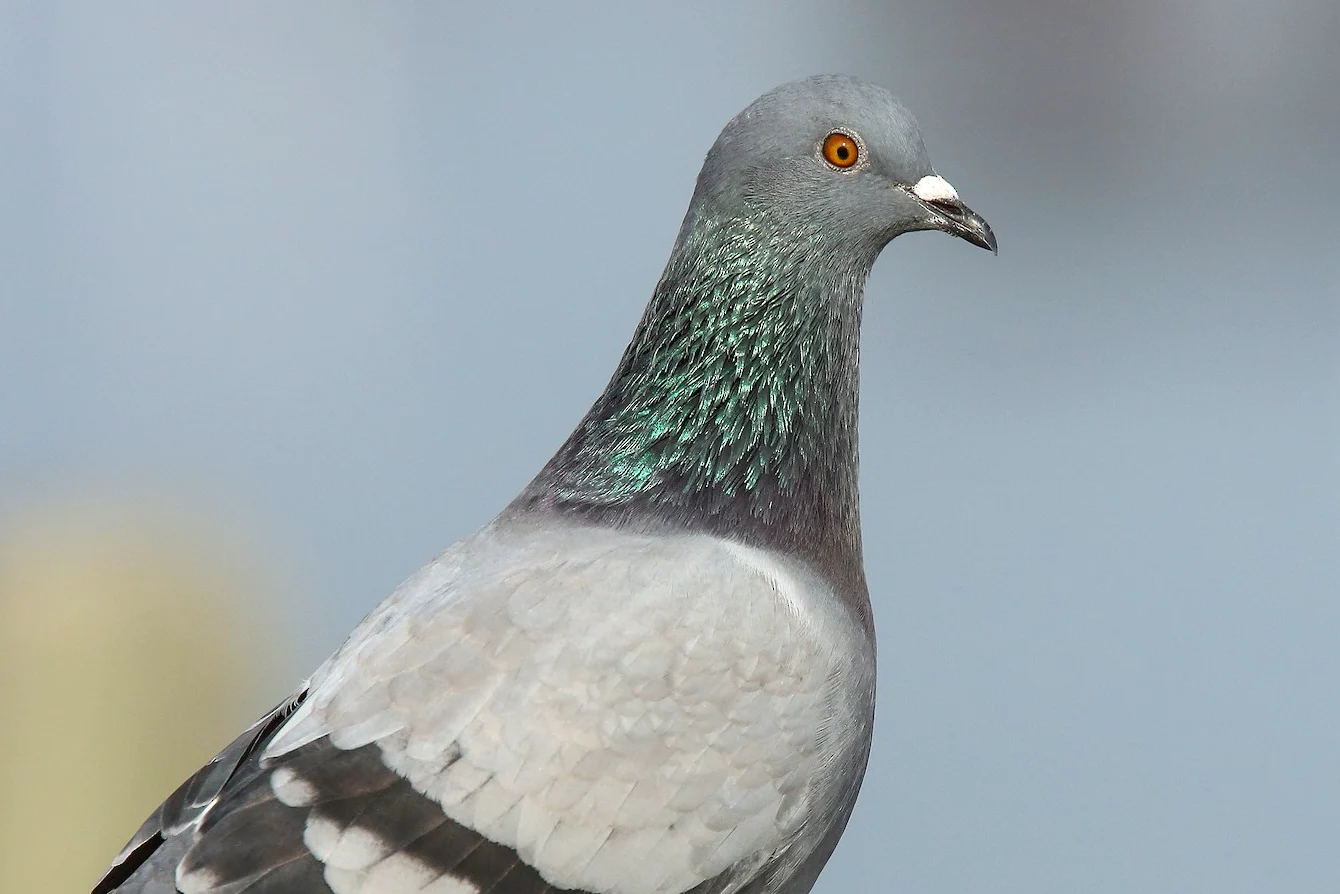
Rock Pigeon
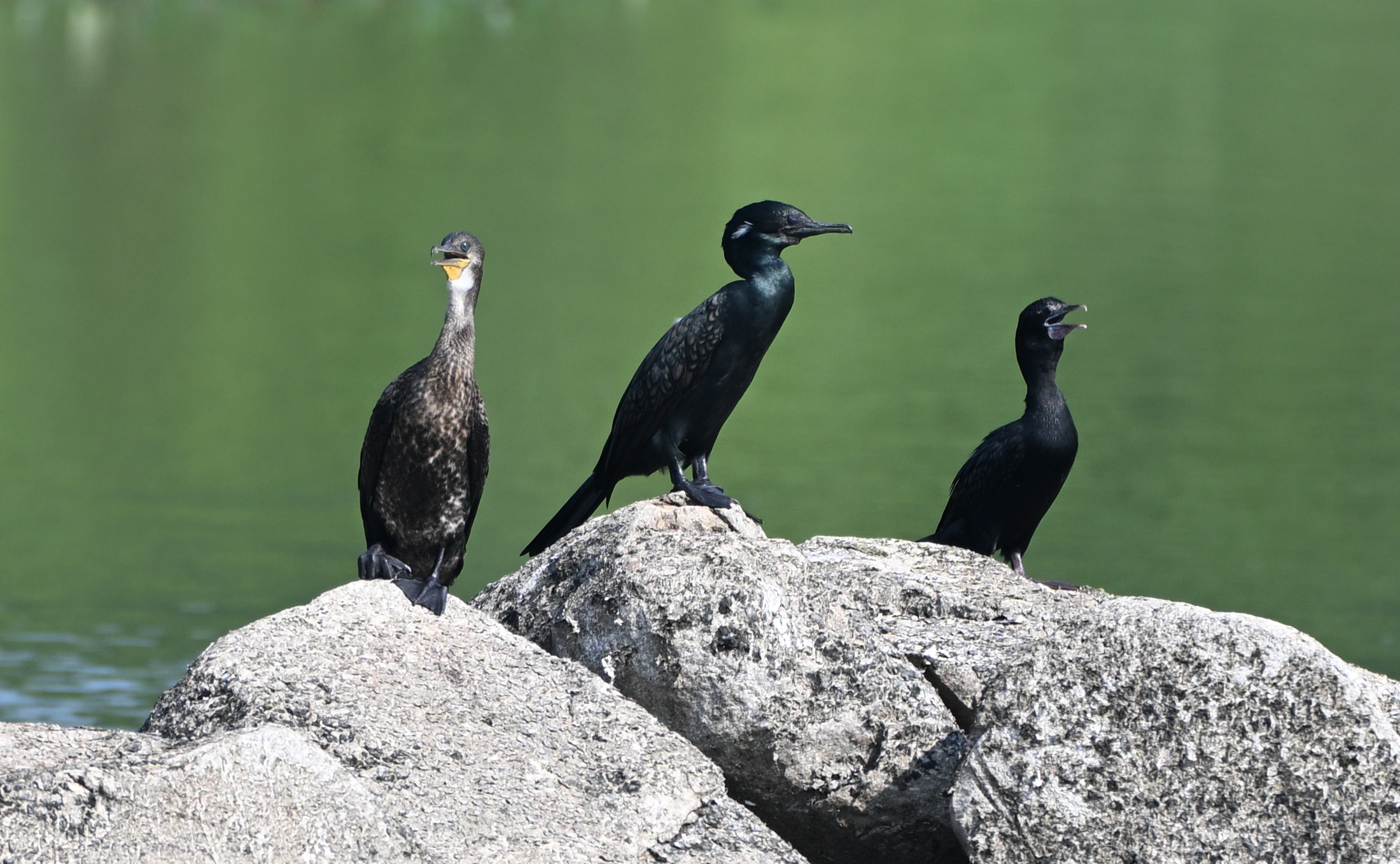
Great Cormorant
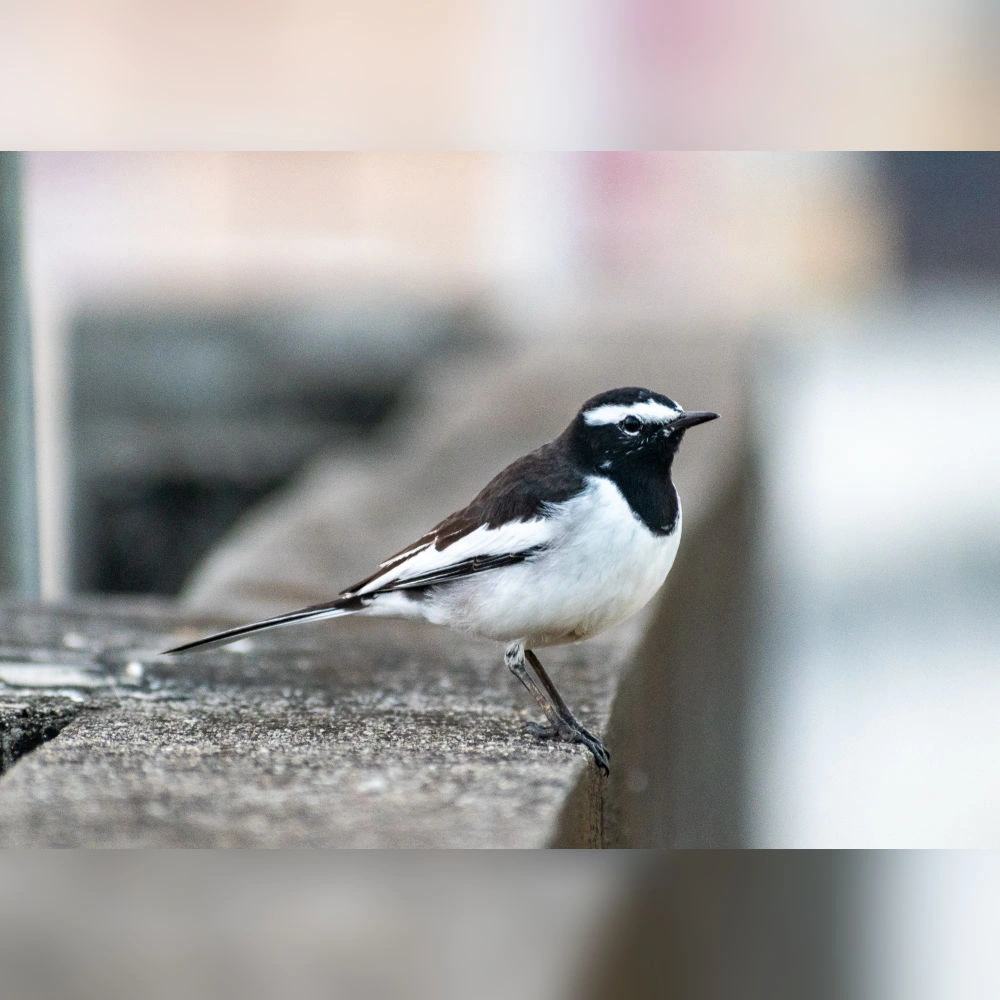
White-browed Wagtail
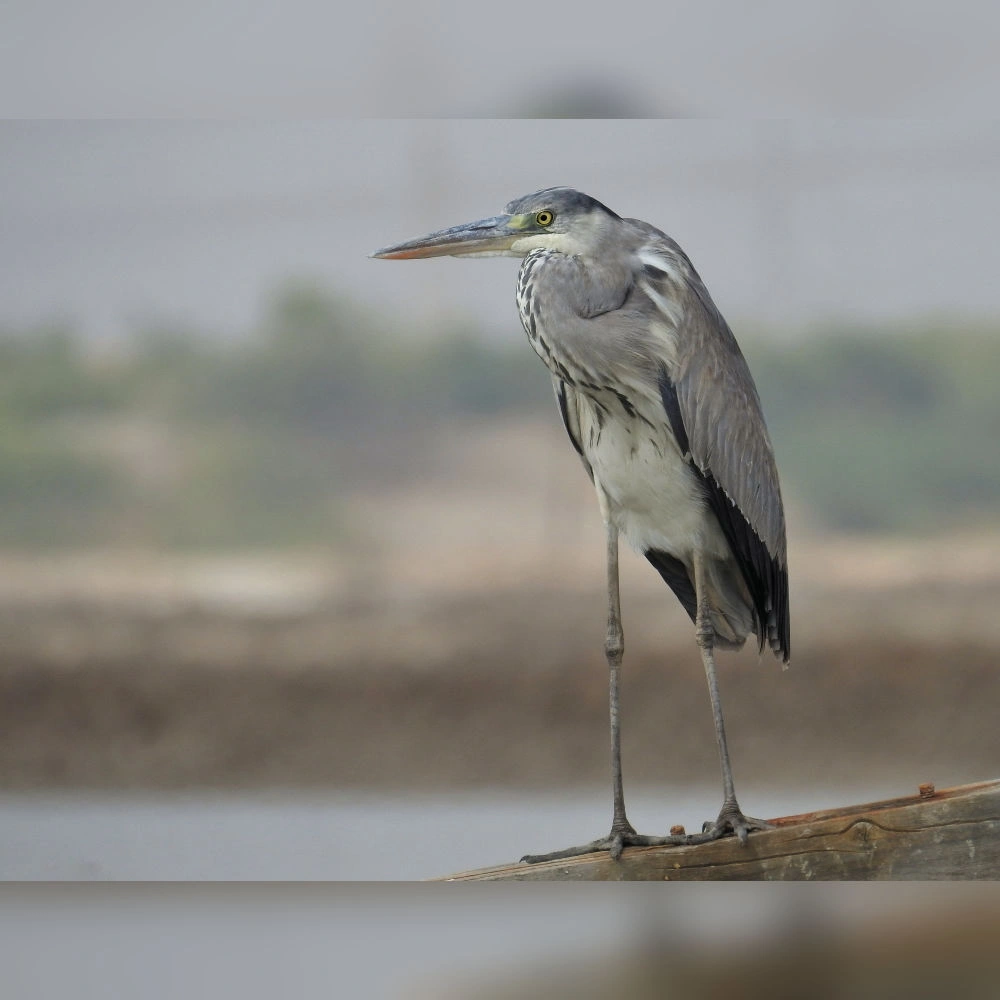
Grey Heron
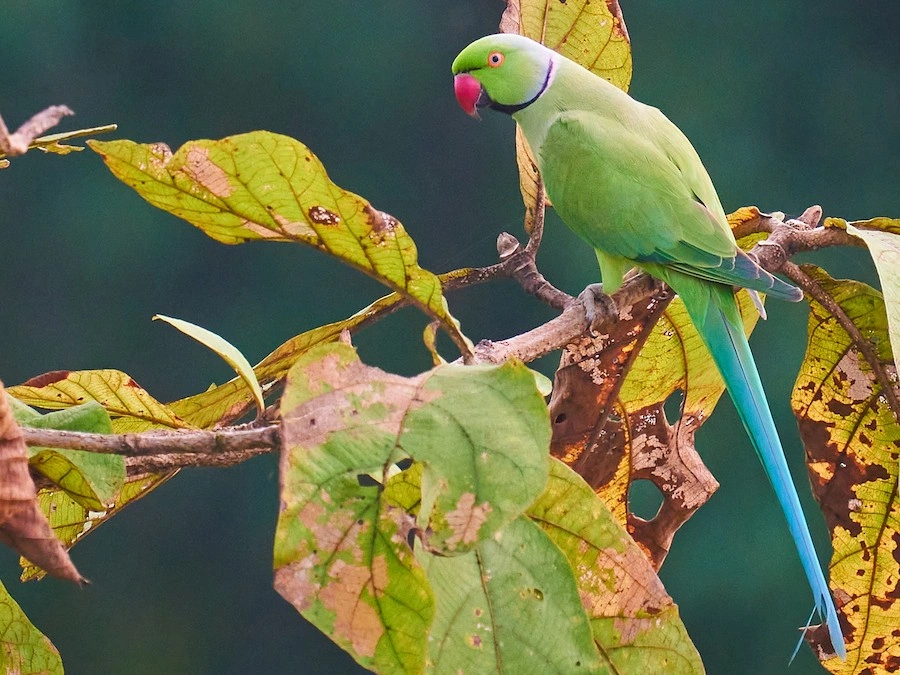
Rose-ringed Parakeet
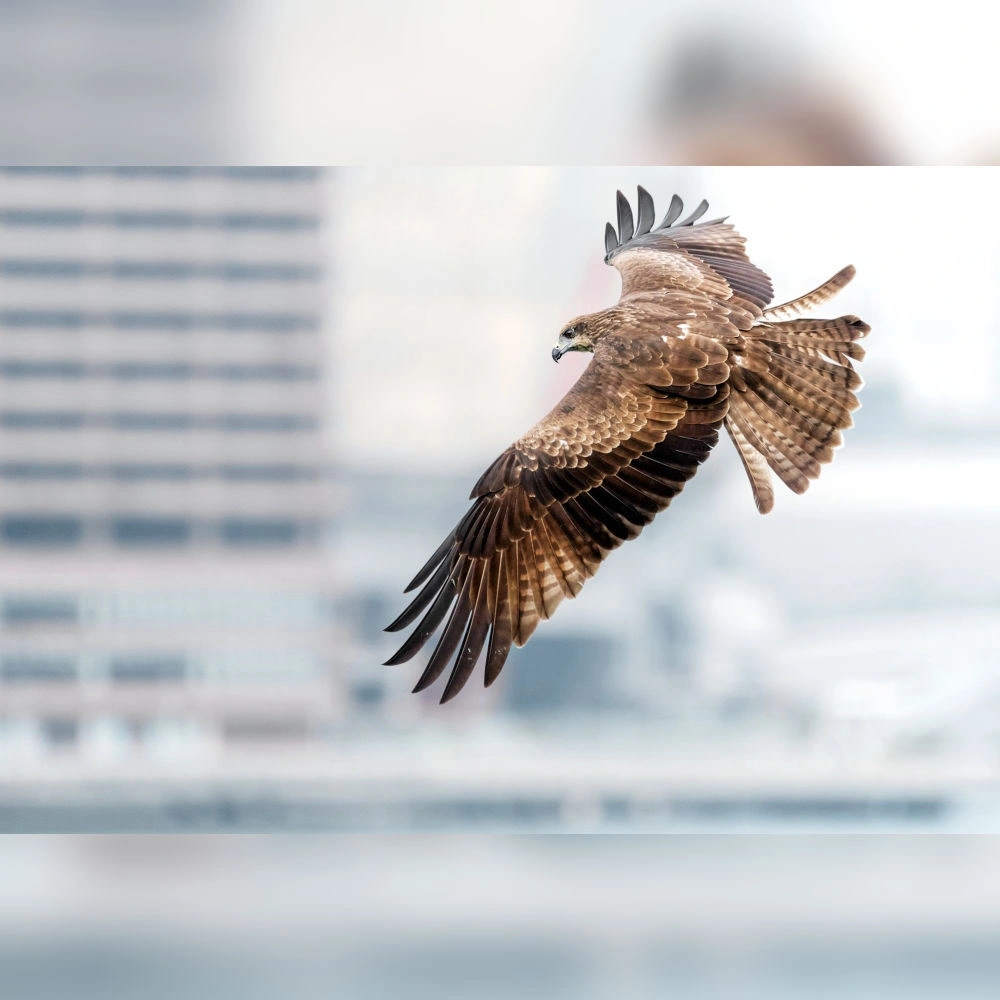
Black Kite
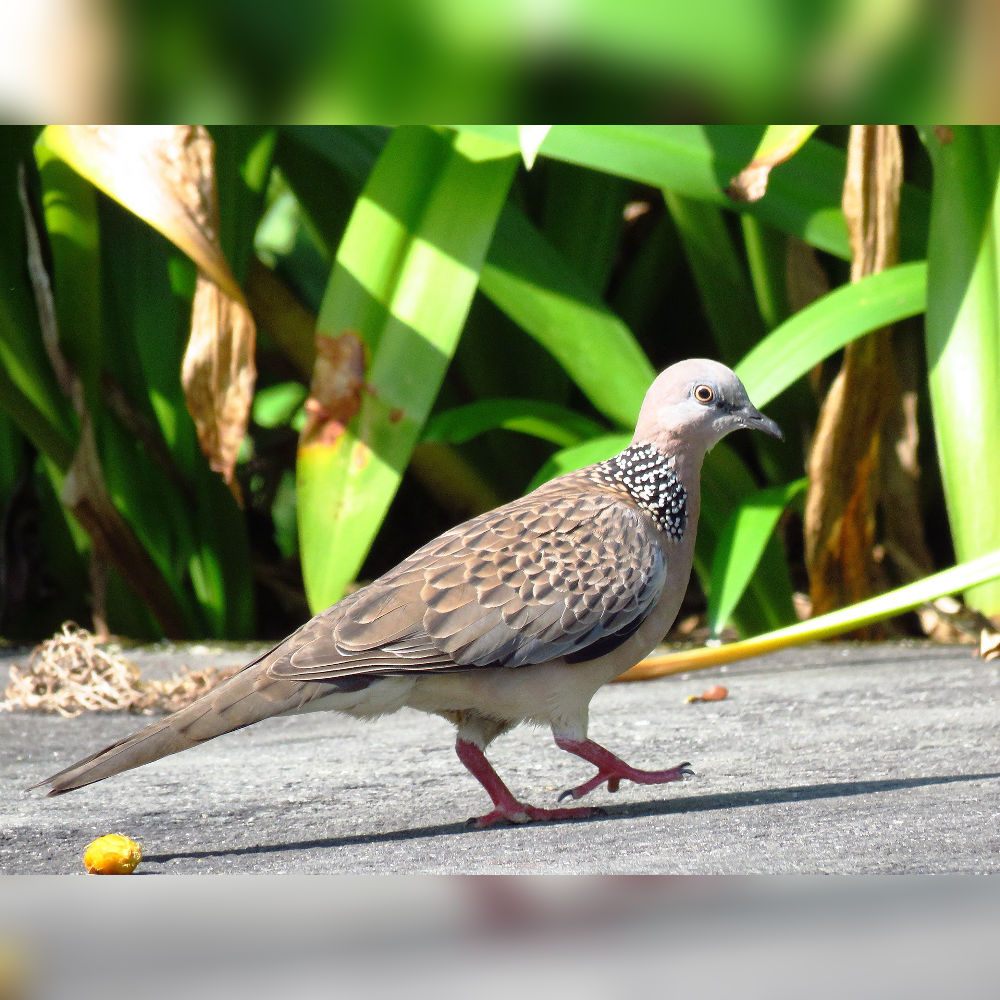
Spotted Dove
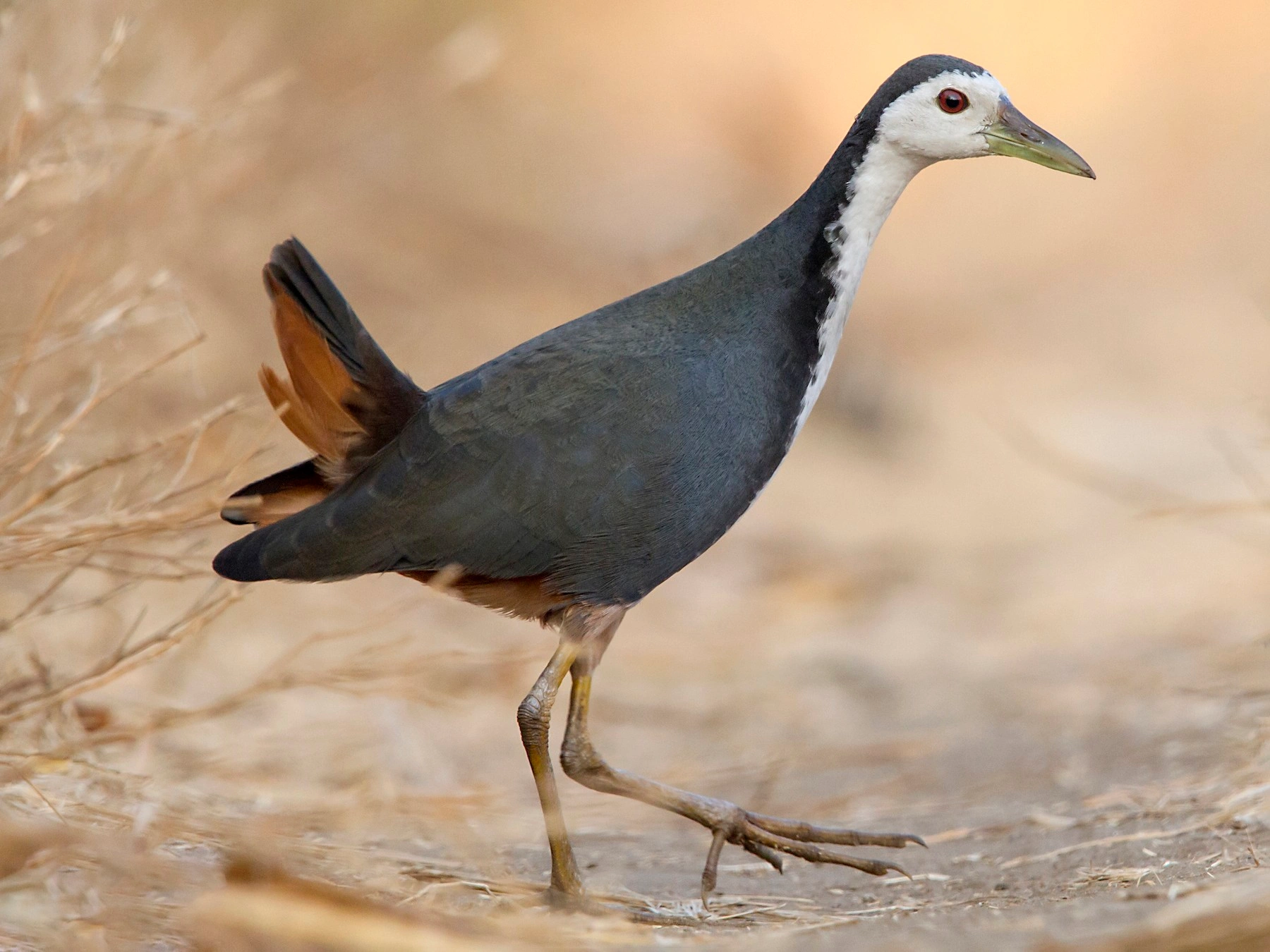
White-breasted Waterhen
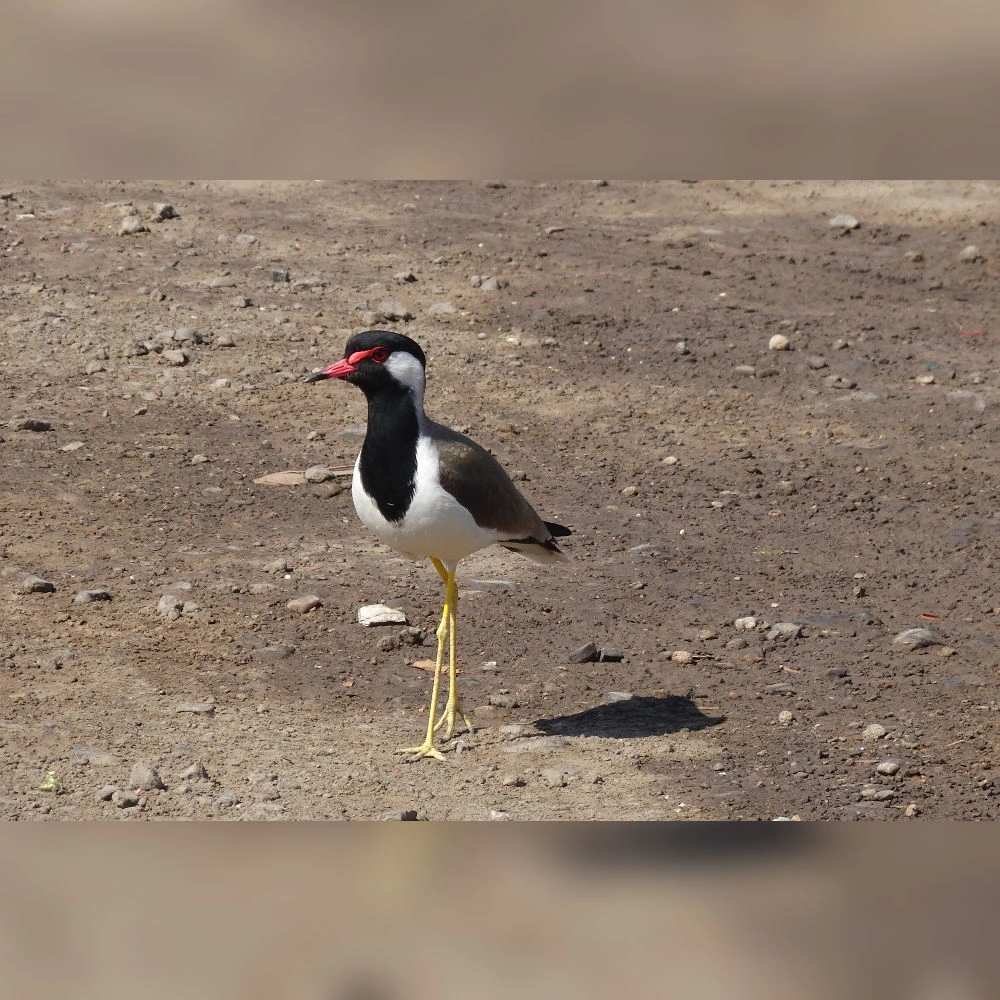
Red-wattled Lapwing
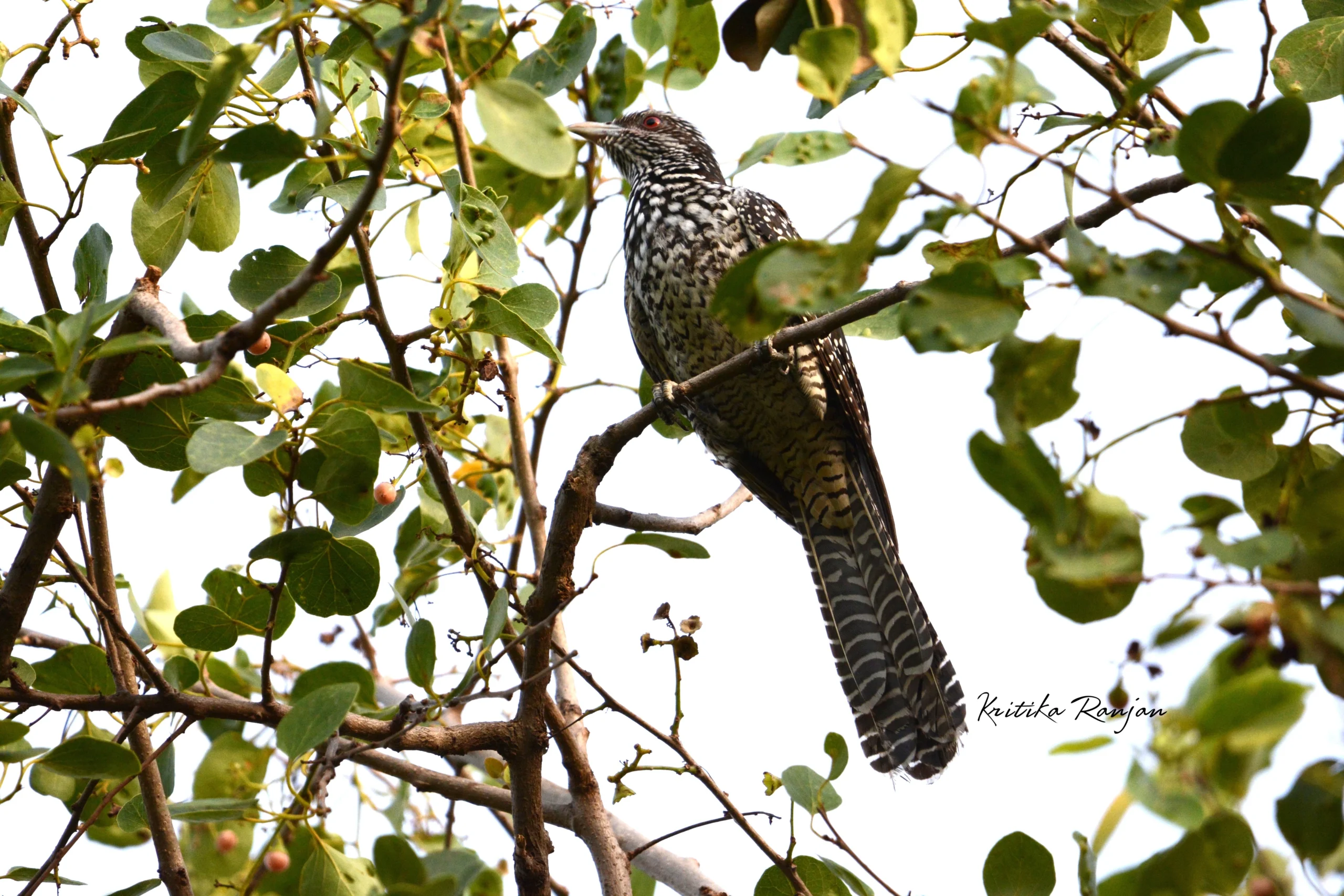
Red-whiskered Bulbul

Summary of Walk

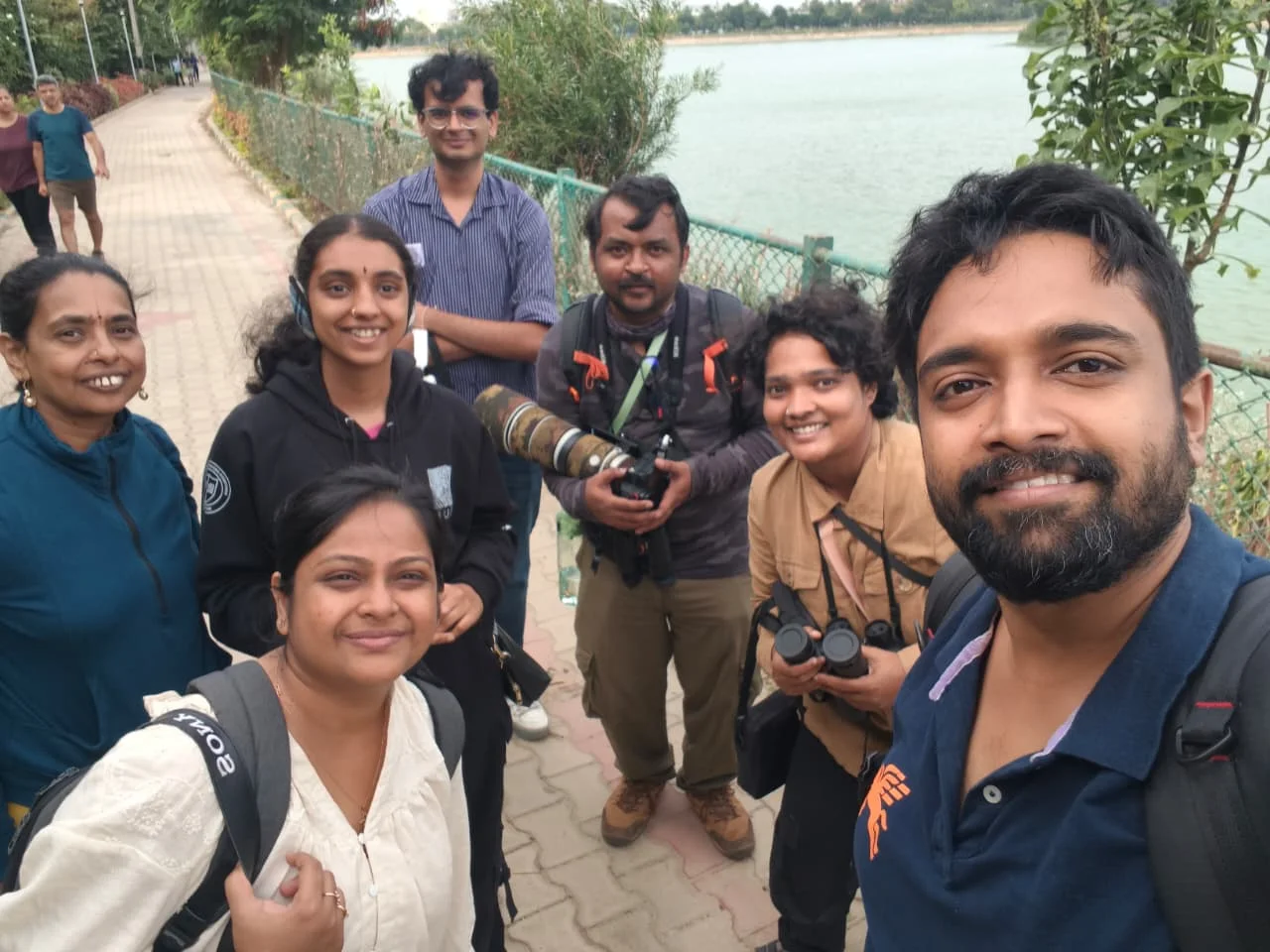
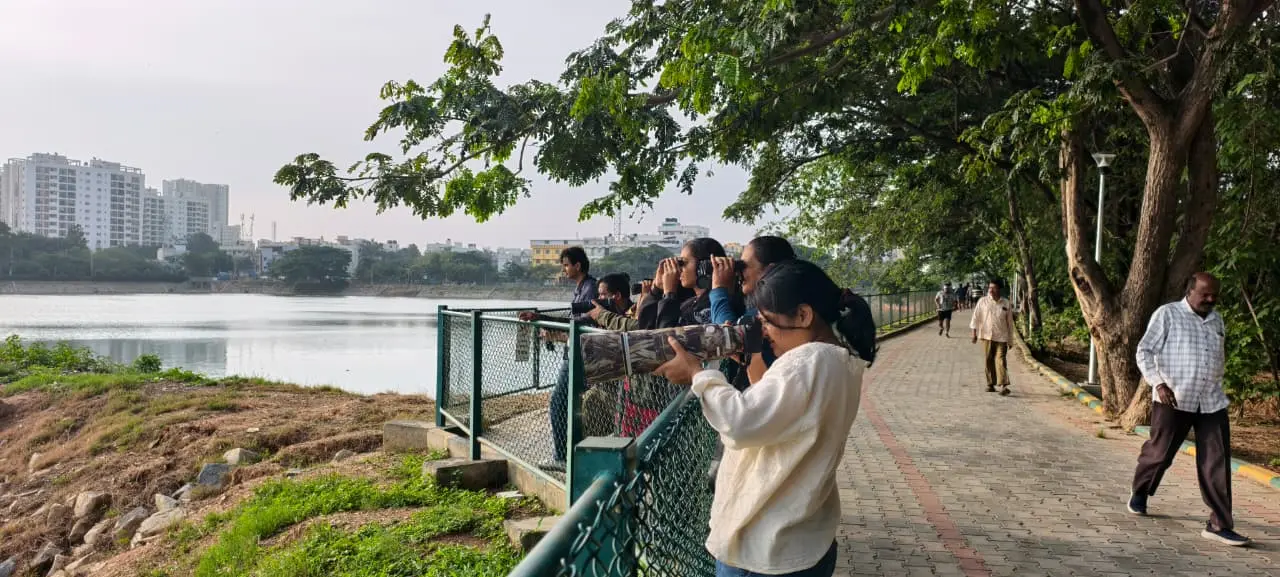
Sixteen participants joined guide Priya Dharshni at Horamavu Agara Lake, Bengaluru, recording 22 species over the course of the walk, with a Spot-billed Pelican, Common Kingfisher and Pale-billed Flowerpecker among the highlights. The Spot-billed Pelican sighting in particular stood out as the highlight of the morning. Beyond the birds, the group broadened its gaze to water snakes and skippers, and Priya was pleased to see participants confidently telling apart the lake’s three species of cormorants by the end of the walk. Conversations ranged from artificial wetlands as a conservation tool to distinguishing venomous from non-venomous snakes, and touched on bird physiology like gular fluttering — making for a well-rounded and genuinely educational morning.
Number of Participants
0
Scroll to Top