

Bird Walk at Kumizhi Lake, Chennai
- Chennai
- 26 September, 2026
- Praveen Pandian
About Kumizhi Lake
Kumizhi Lake and Forest, located in the outskirts of Chennai, is a landscape where a freshwater wetland meets stretches of forest, scrub and open habitats. The lake forms an important ecological feature in the area, providing feeding, resting and breeding opportunities for a variety of waterbirds. Its shallow edges, aquatic vegetation and surrounding open areas create suitable conditions for species such as ducks, grebes, coots, moorhens and jacanas. The presence of Indian Spot-billed Duck, Eurasian Coot, Eurasian Moorhen, Little Grebe, Grey-headed Swamphen and Bronze-winged Jacana reflects the importance of the wetland habitat. Kingfishers and cormorants can frequently be associated with the lake, taking advantage of the aquatic environment and its availability of fish and other prey. During a nature walk, the changing habitats around the lake can provide opportunities to observe birds both on the water and along its margins.
Beyond the lake, the surrounding forest and scrub vegetation support a different community of birds. Trees and shrubs provide food, shelter and nesting sites for insectivorous, frugivorous and nectar-feeding species, while open patches attract ground-foraging birds. The area can support colourful species such as Indian Golden Oriole, Blue-tailed Bee-eater and Purple-rumped Sunbird, alongside woodland birds including Black-rumped Flameback, Oriental Magpie-Robin, Red-whiskered Bulbul and White-browed Bulbul. Indian Peafowl, Laughing Dove and Spotted Dove are also representative of the more open surroundings. The combination of wetland and terrestrial habitats makes Kumizhi Lake and Forest a valuable site for birdwatching and nature education around Chennai. Protecting the lake, maintaining native vegetation and minimising disturbance are important for sustaining the area’s diverse birdlife.

Bird Guide: Praveen Pandian
He is a wildlife enthusiast, birder, and photographer with 9 years of experience documenting around 800 bird species across India, Southeast Asia, and Africa. He has extensive birding experience in Chennai, Vedanthangal, and Puducherry, and enjoys sharing bird identification tips, behaviour, and habitat insights with fellow birders. His depth of field experience and eye for detail make every walk with him both informative and engaging.
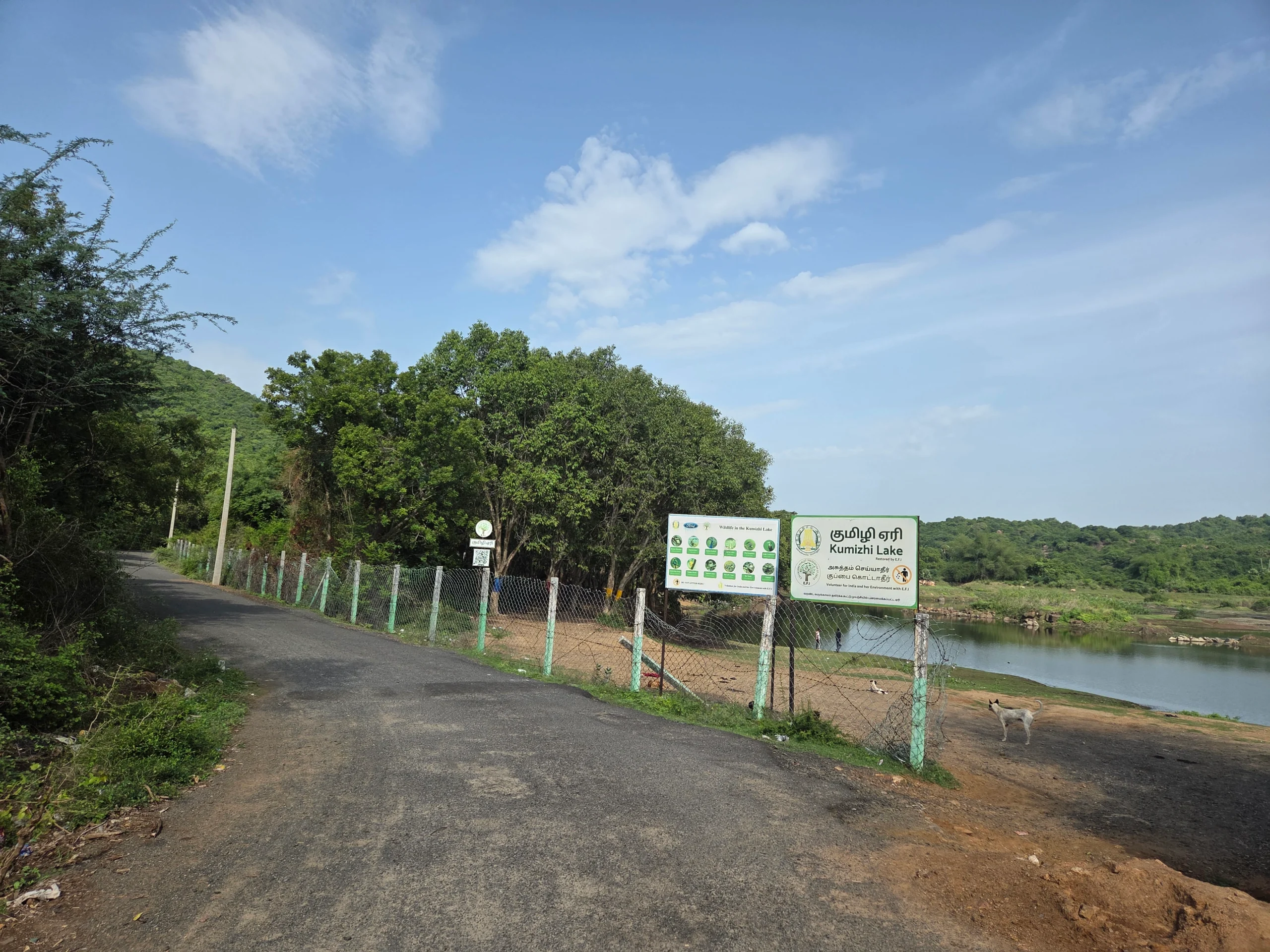
Bird walk Location
Common birds of Kumizhi Lake
A bird walk at Kumizhi Lake and Forest can offer a good mix of wetland, woodland and open-habitat species. The lake supports several waterbirds, with Eurasian Coot, Eurasian Moorhen, Little Grebe, Indian Spot-billed Duck, Grey-headed Swamphen and Bronze-winged Jacana among the highlights. The waterbody also attracts fishing and water-associated species such as Indian Cormorant, Common Kingfisher, Pied Kingfisher and White-throated Kingfisher. Around the forest and scrub, birdwatchers can look for Black-rumped Flameback, Indian Golden Oriole, Oriental Magpie-Robin, Red-whiskered Bulbul, White-browed Bulbul and Purple-rumped Sunbird. Blue-tailed Bee-eater adds a colourful presence to the area, while Indian Peafowl, Laughing Dove and Spotted Dove represent the more open habitats. Together, these 20 species highlight the variety of birdlife supported by Kumizhi’s lake and surrounding forest.

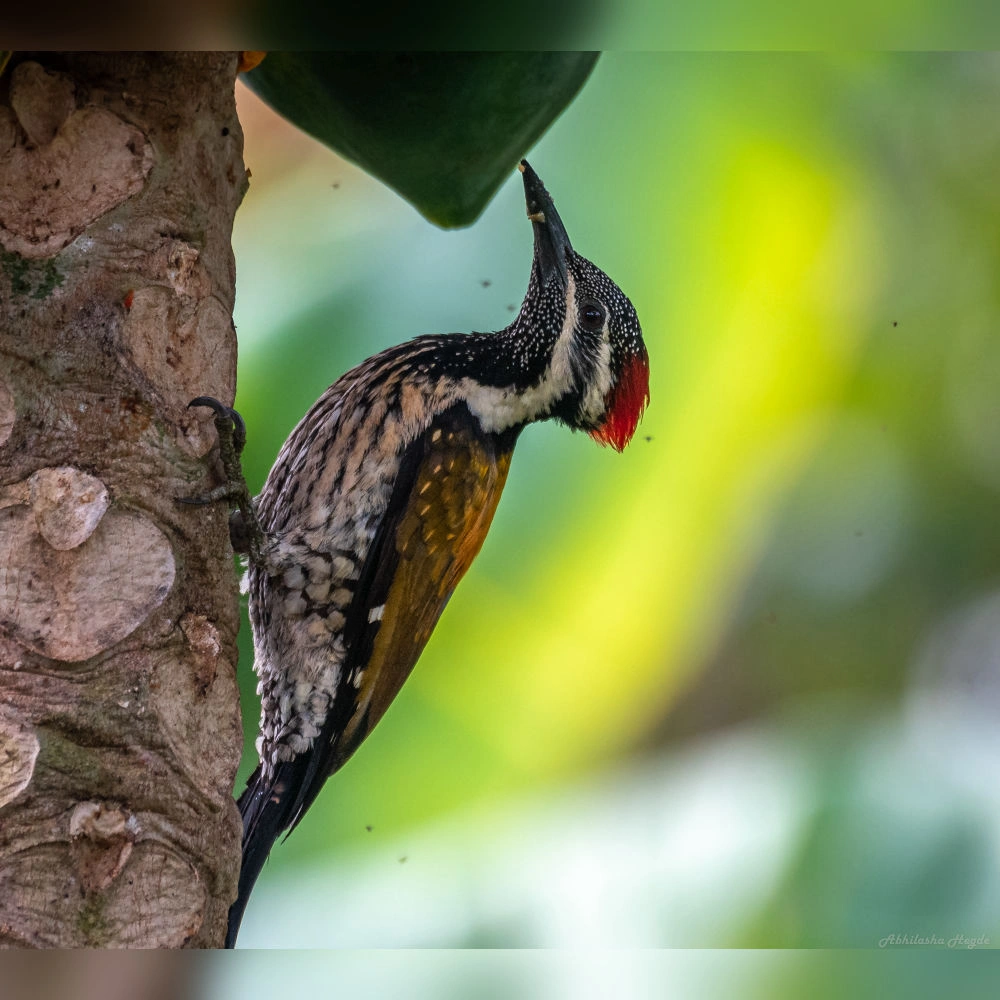
Black-rumped Flameback

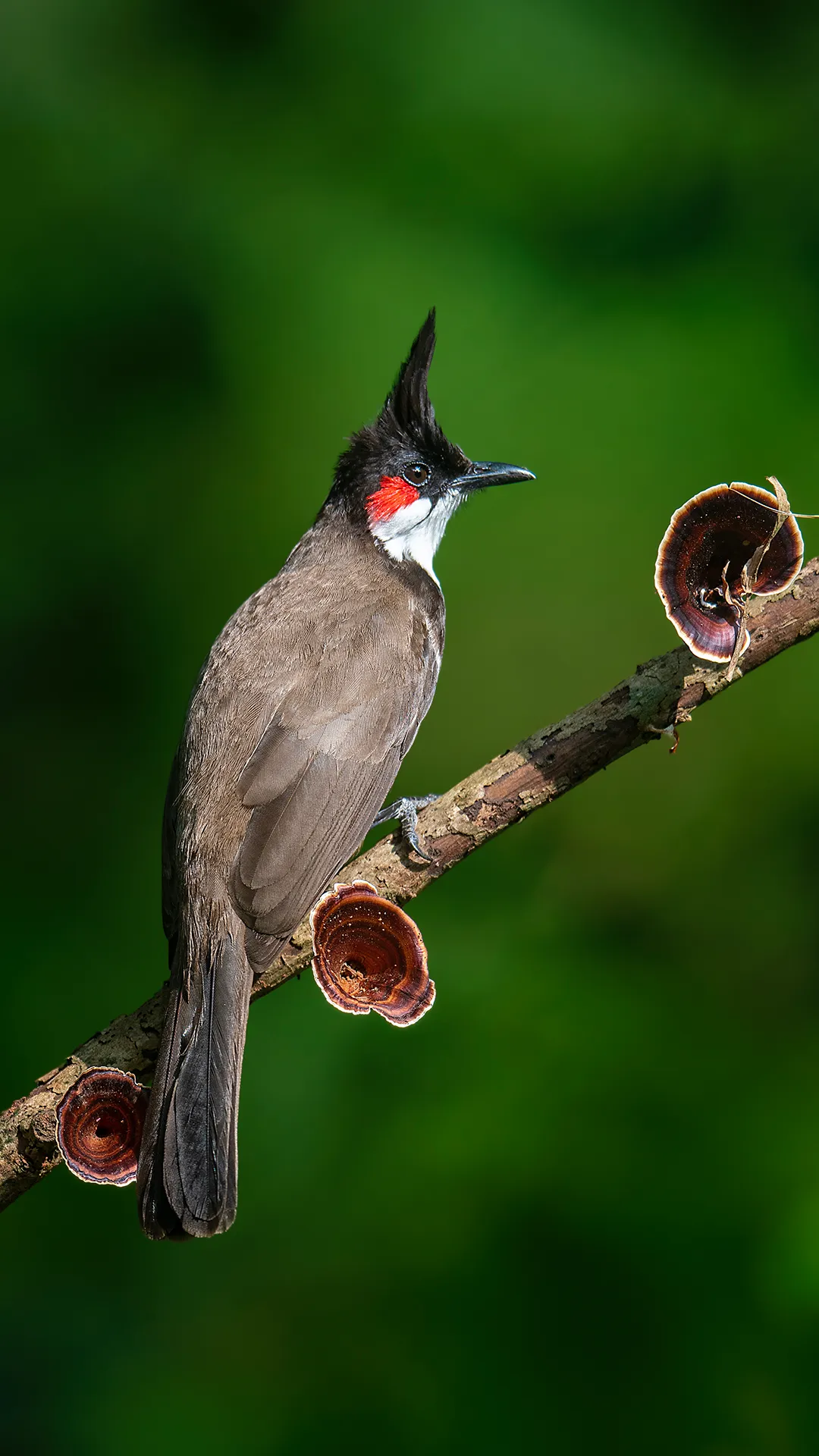
Red-whiskered Bulbul
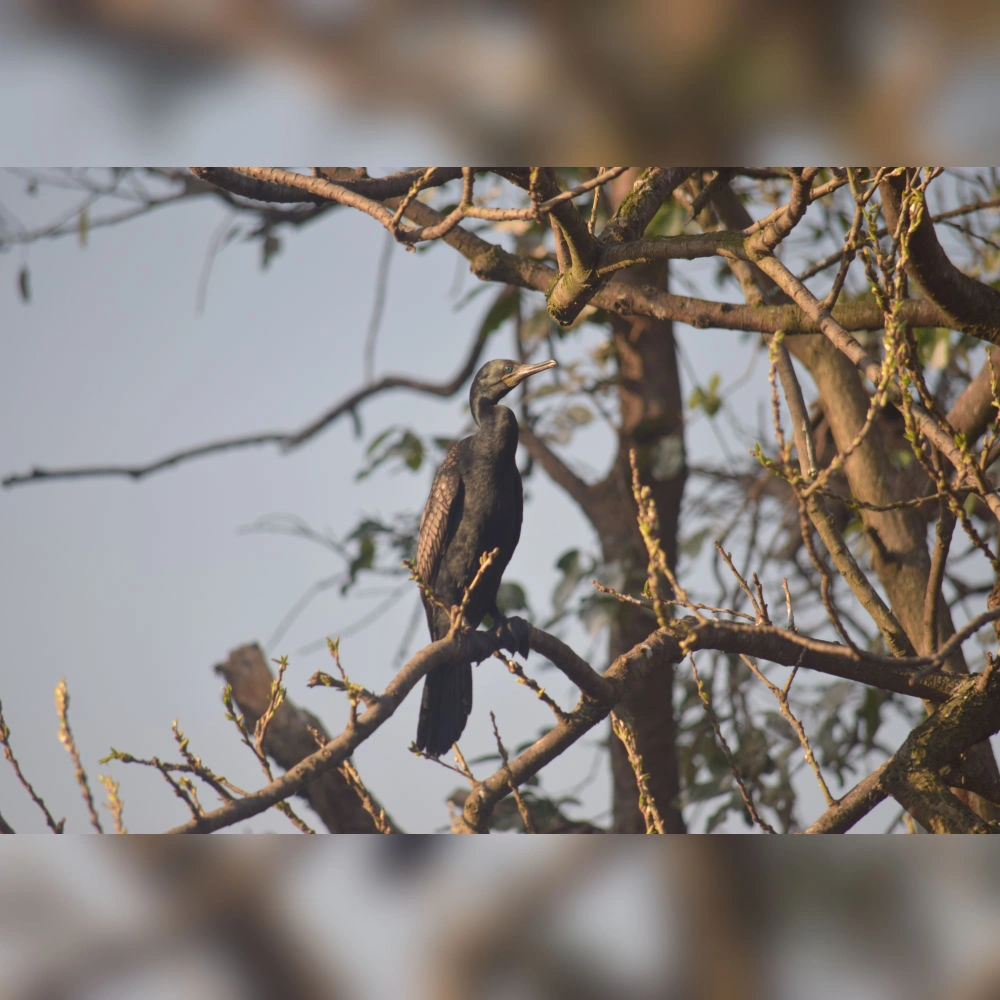
Indian Cormorant
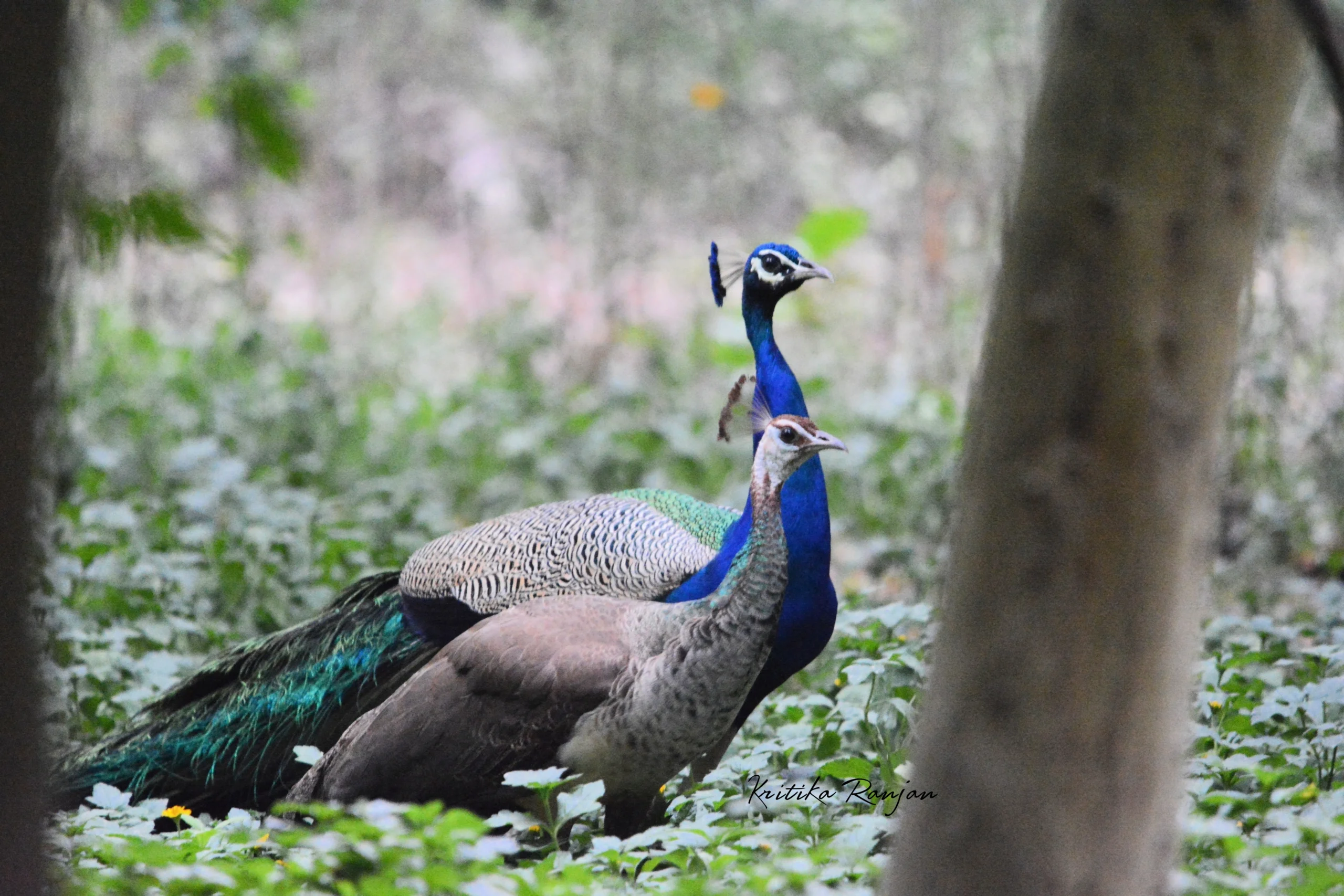
Indian Peafowl
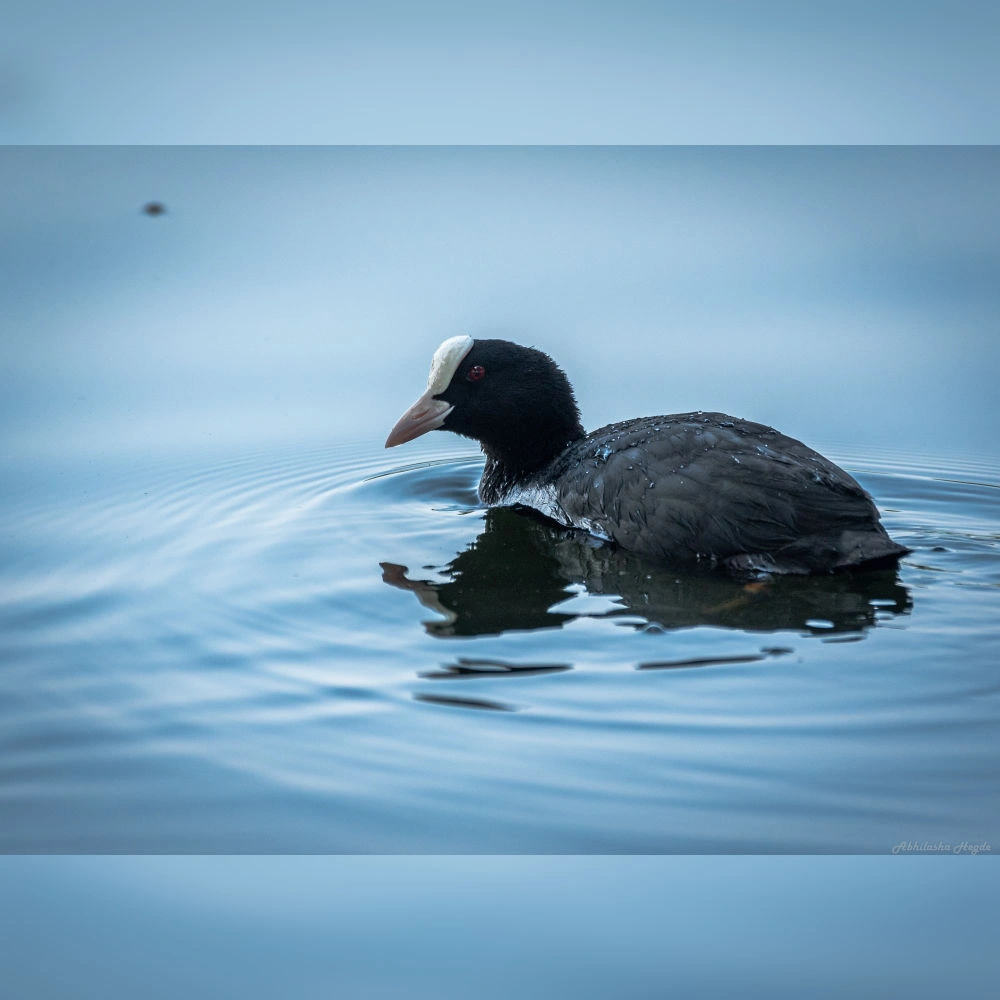
Eurasian Coot
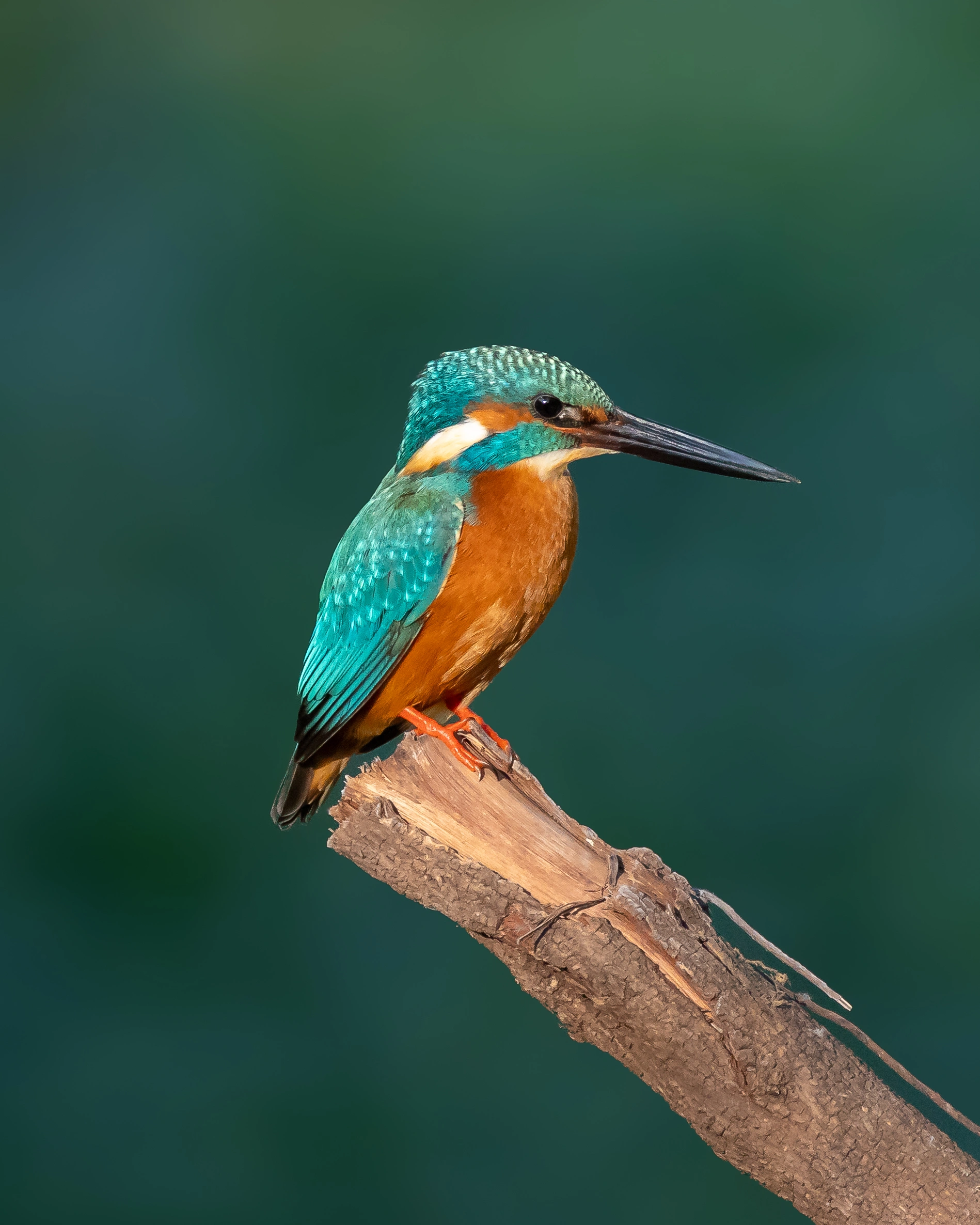
Common Kingfisher
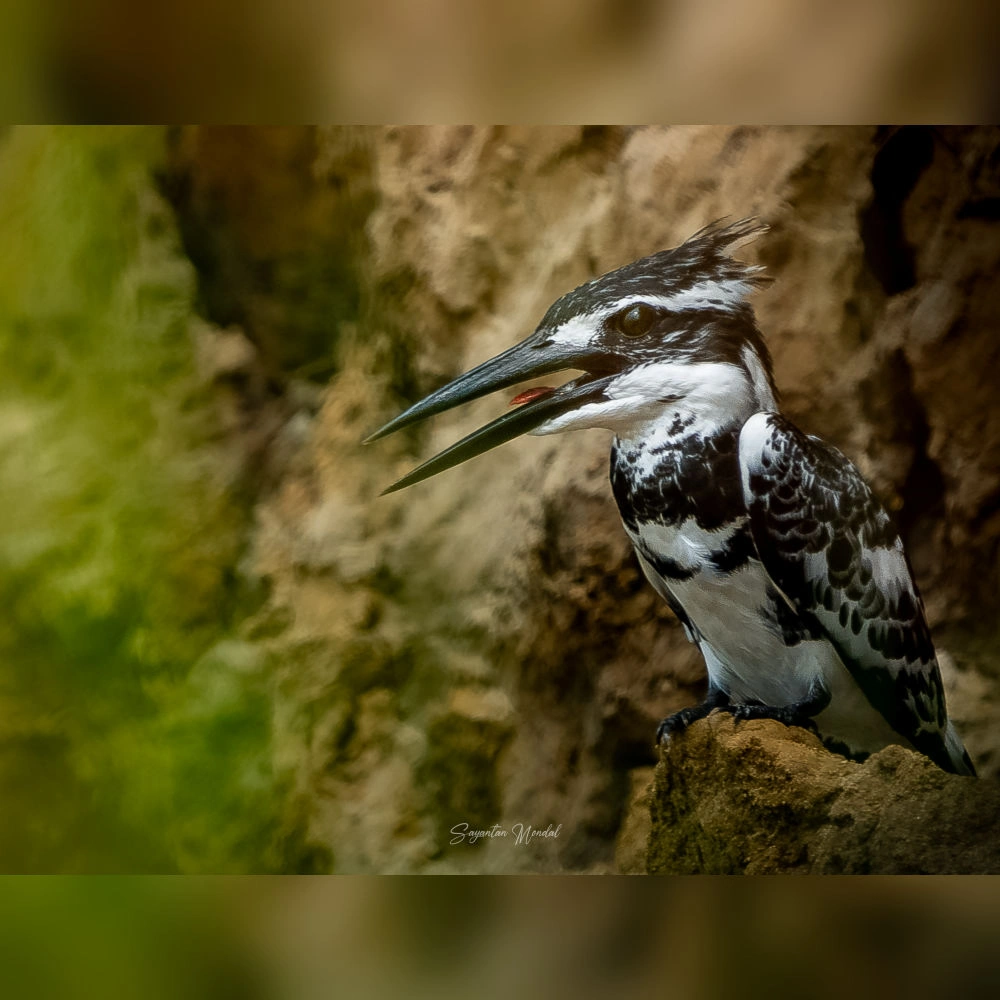
Pied Kingfisher
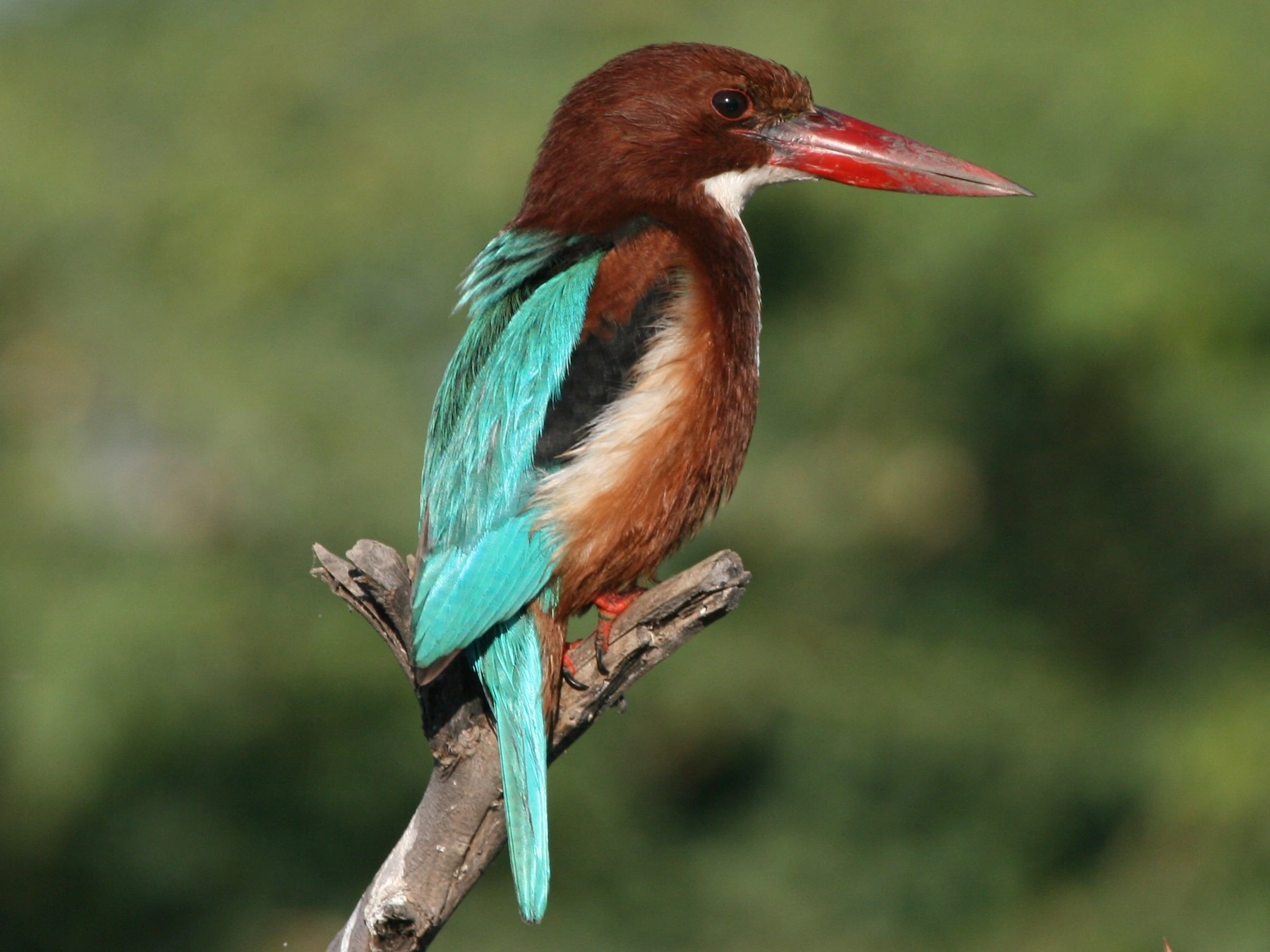
White-throated Kingfisher

White-browed Bulbul
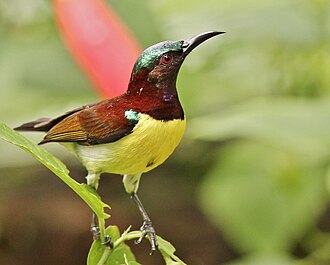
Purple-rumped Sunbird
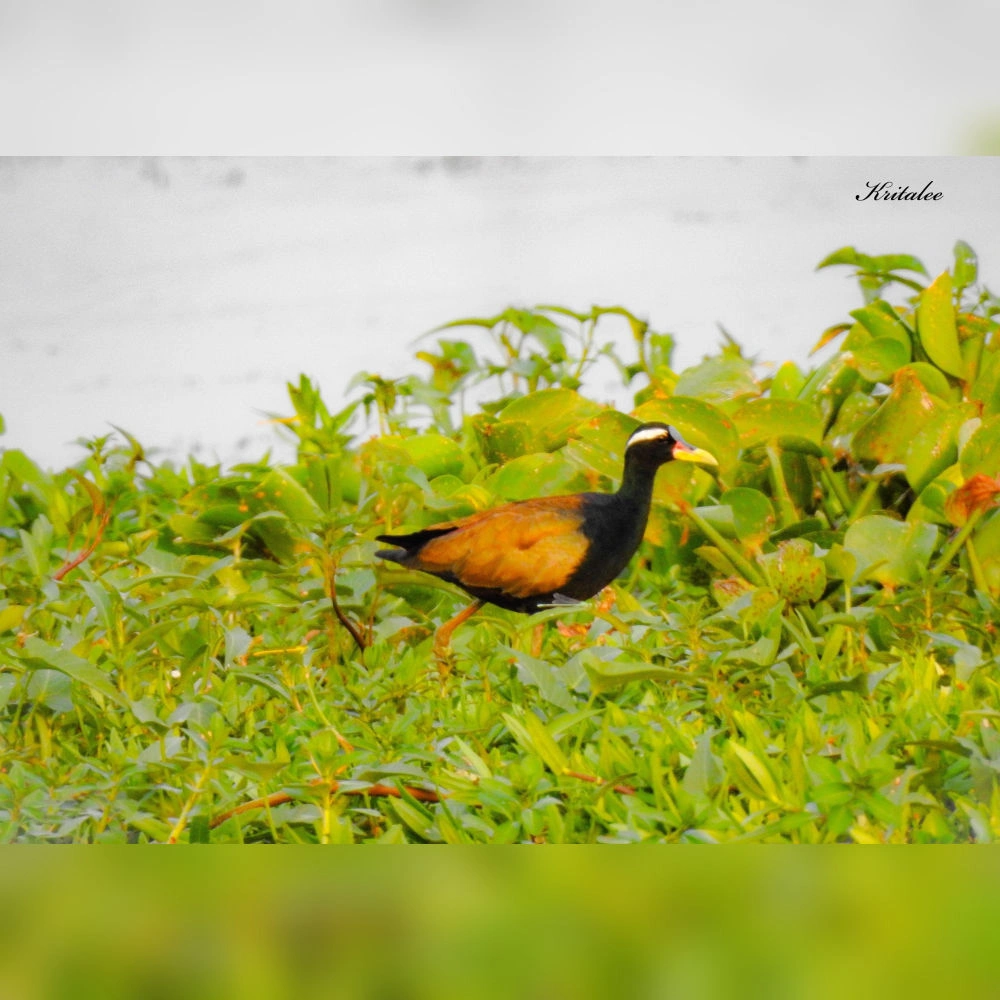
Bronze-winged Jacana
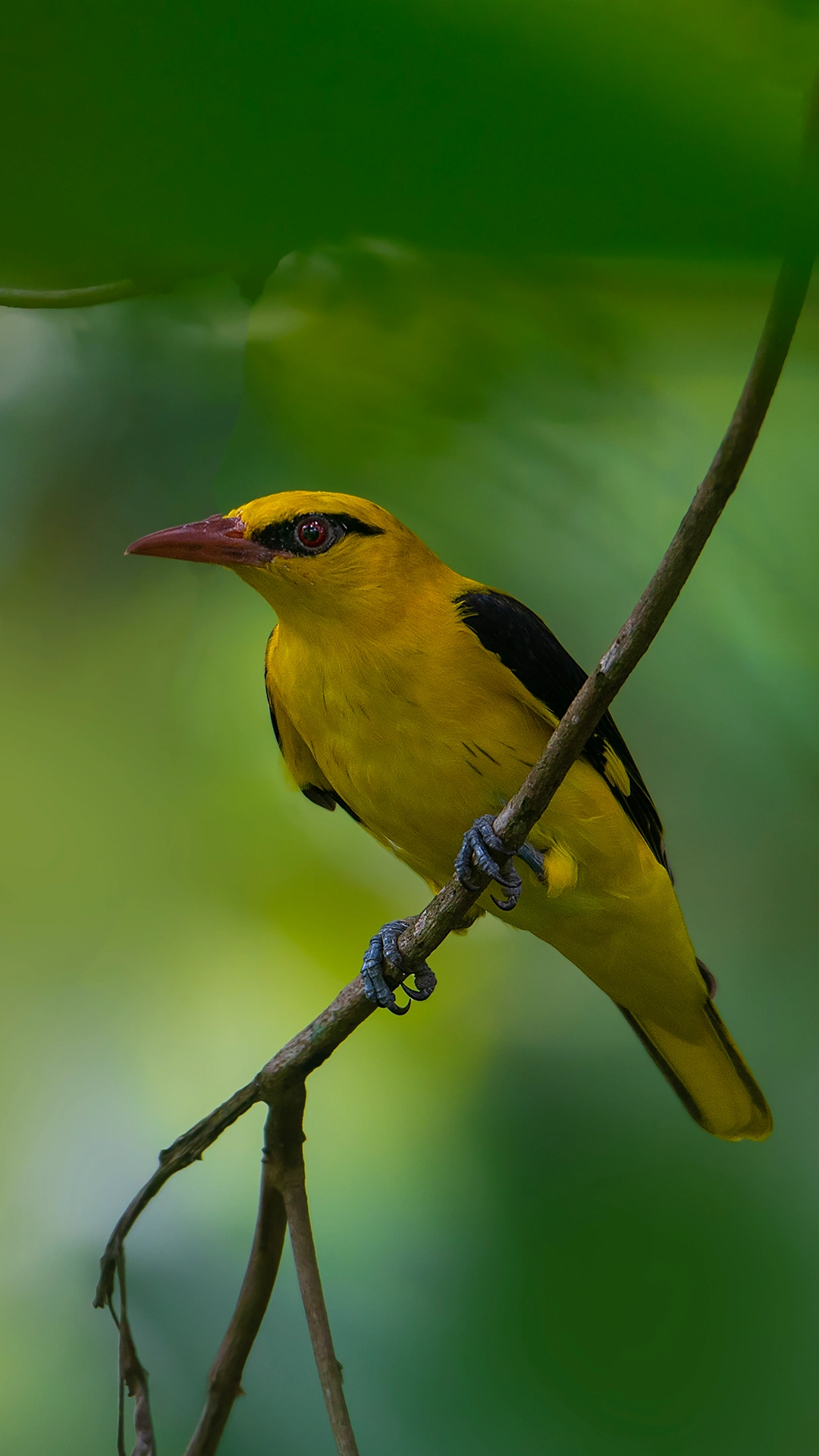
Indian Golden Oriole
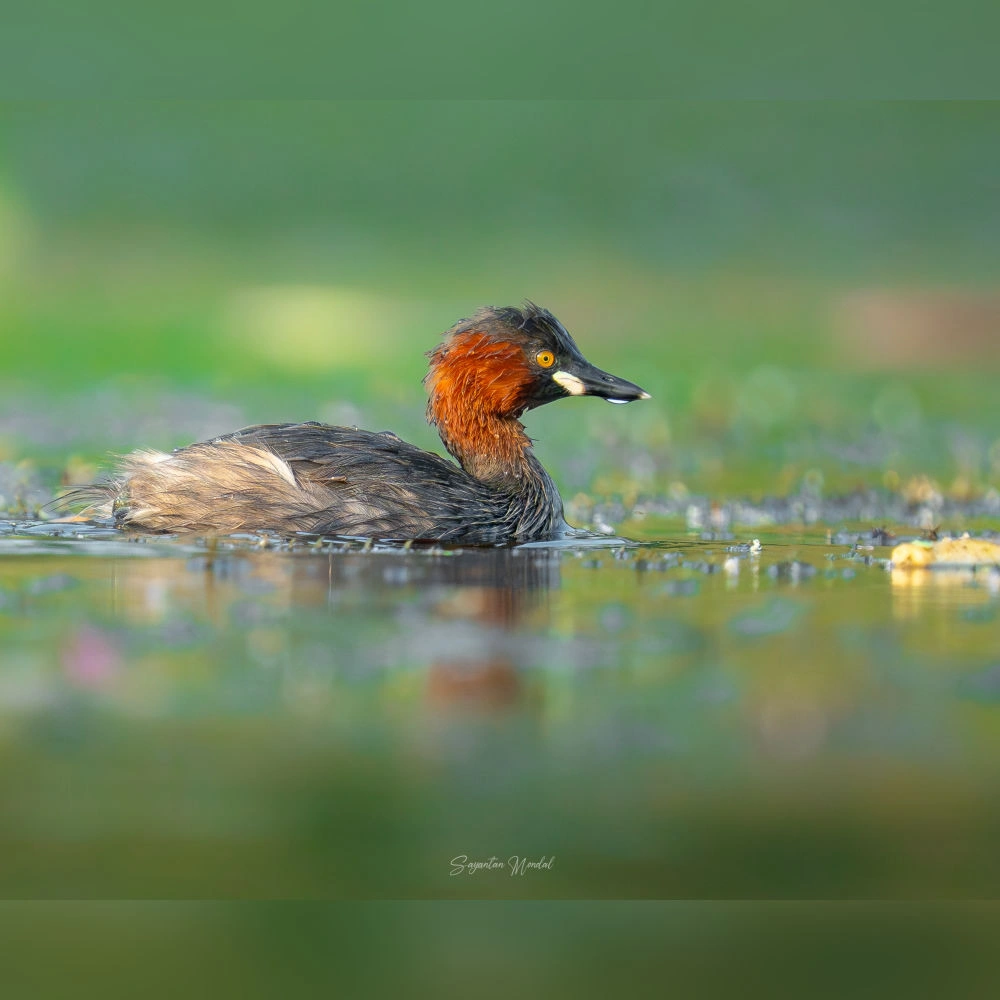
Little Grebe
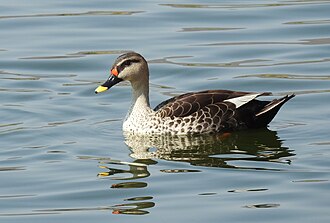
Indian Spot-billed Duck
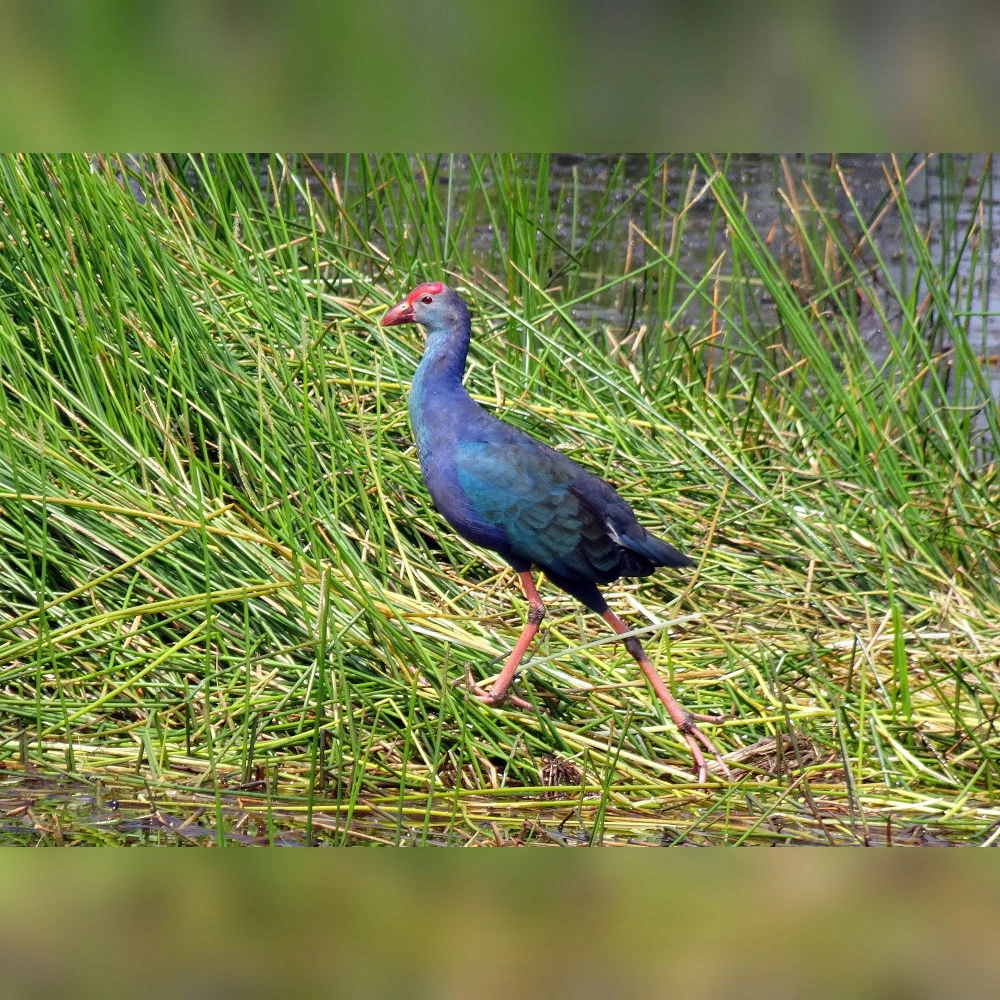
Grey-headed Swamphen
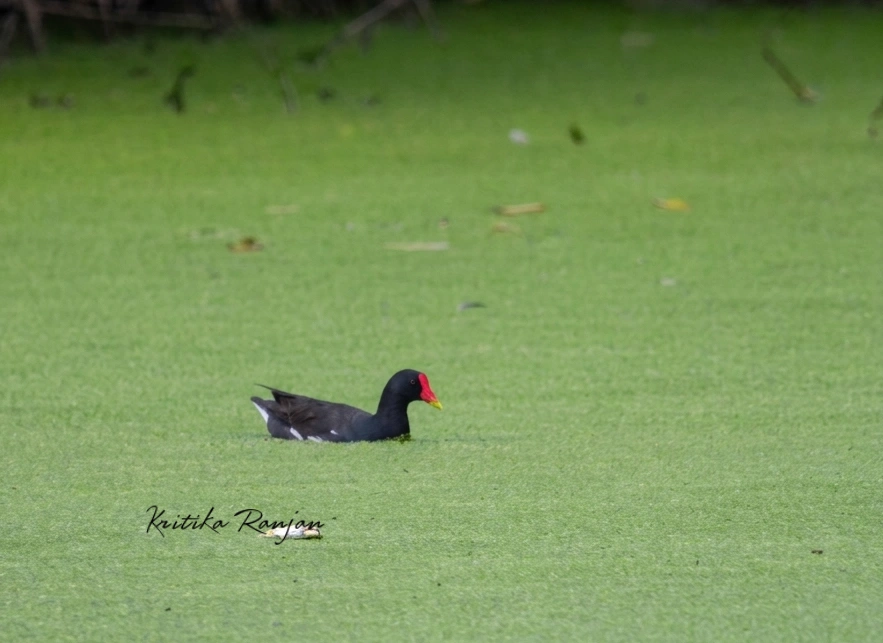
Eurasian Moorhen
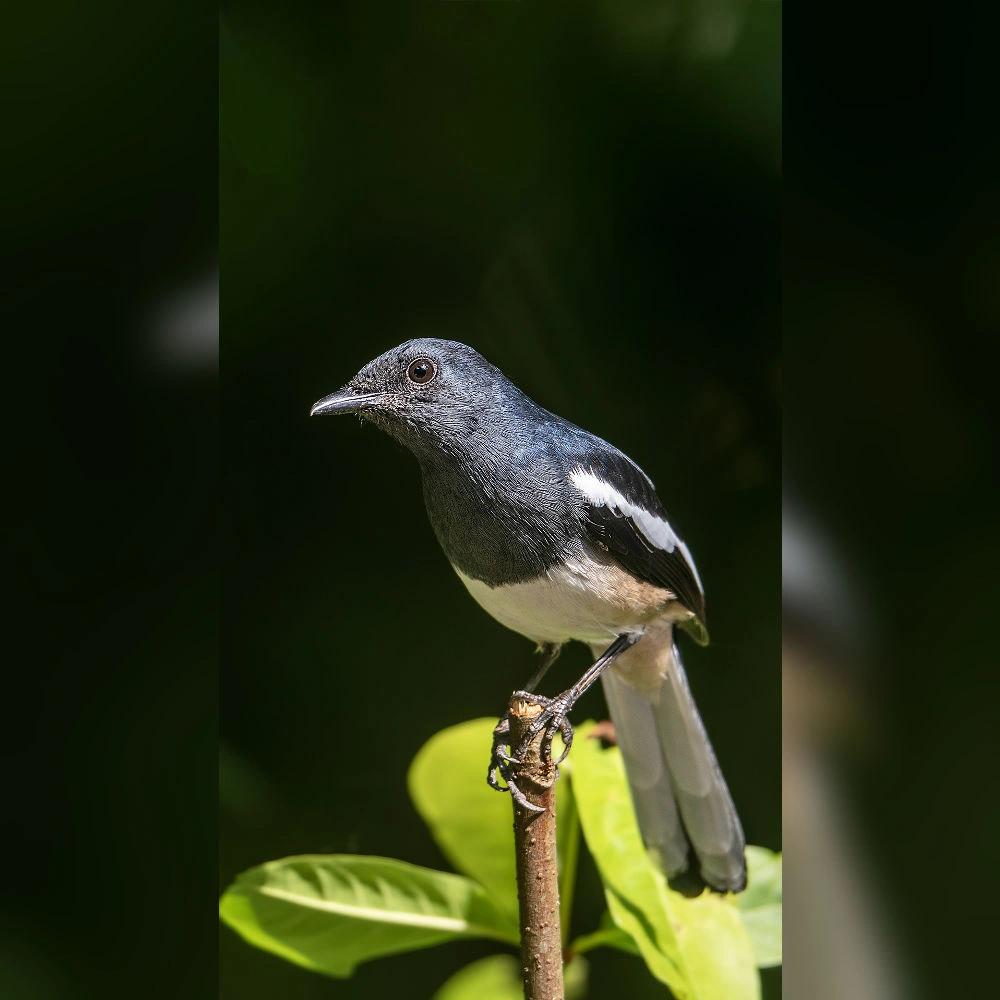
Oriental Magpie-Robin
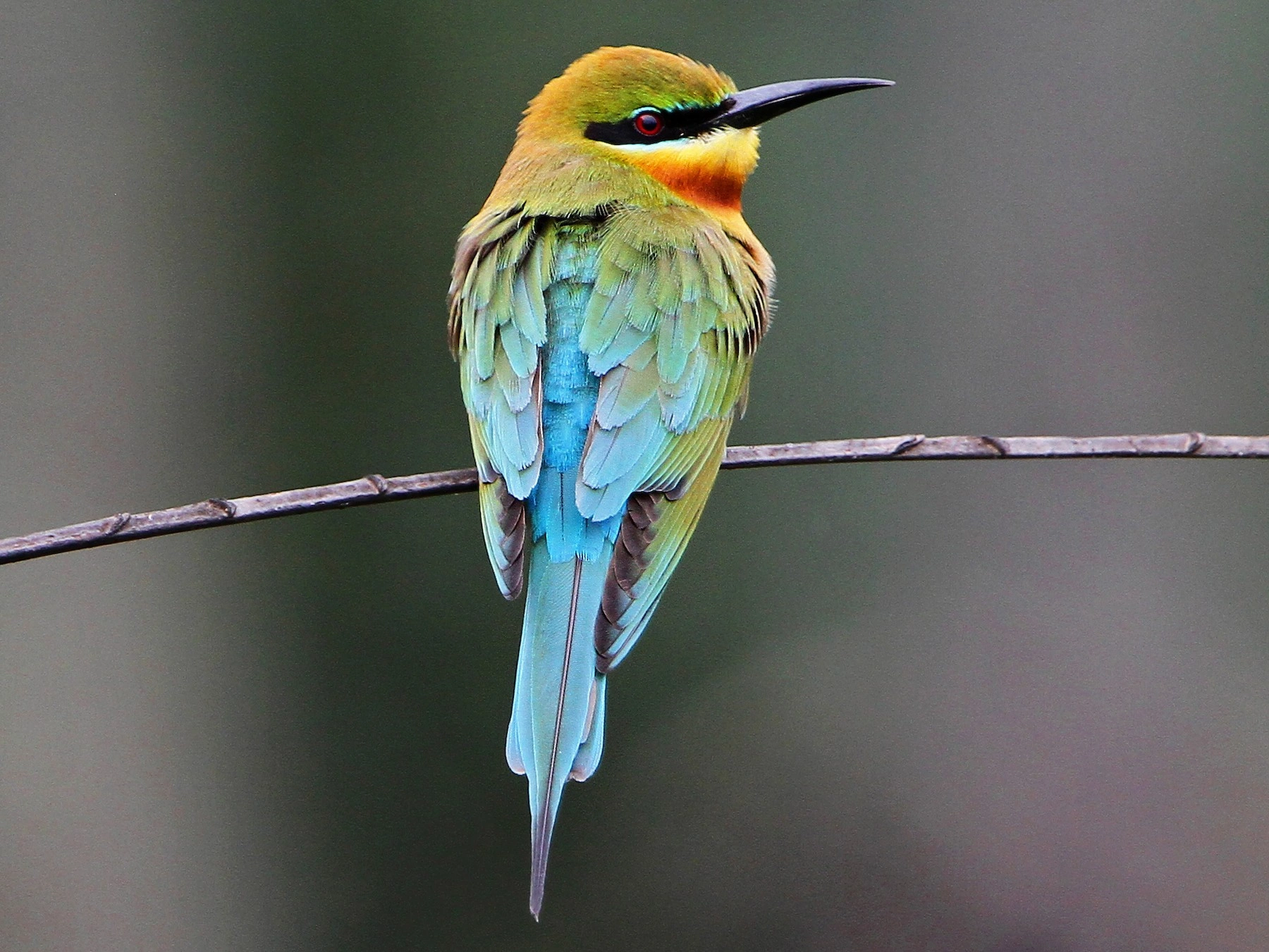
Blue-tailed Bee-eater
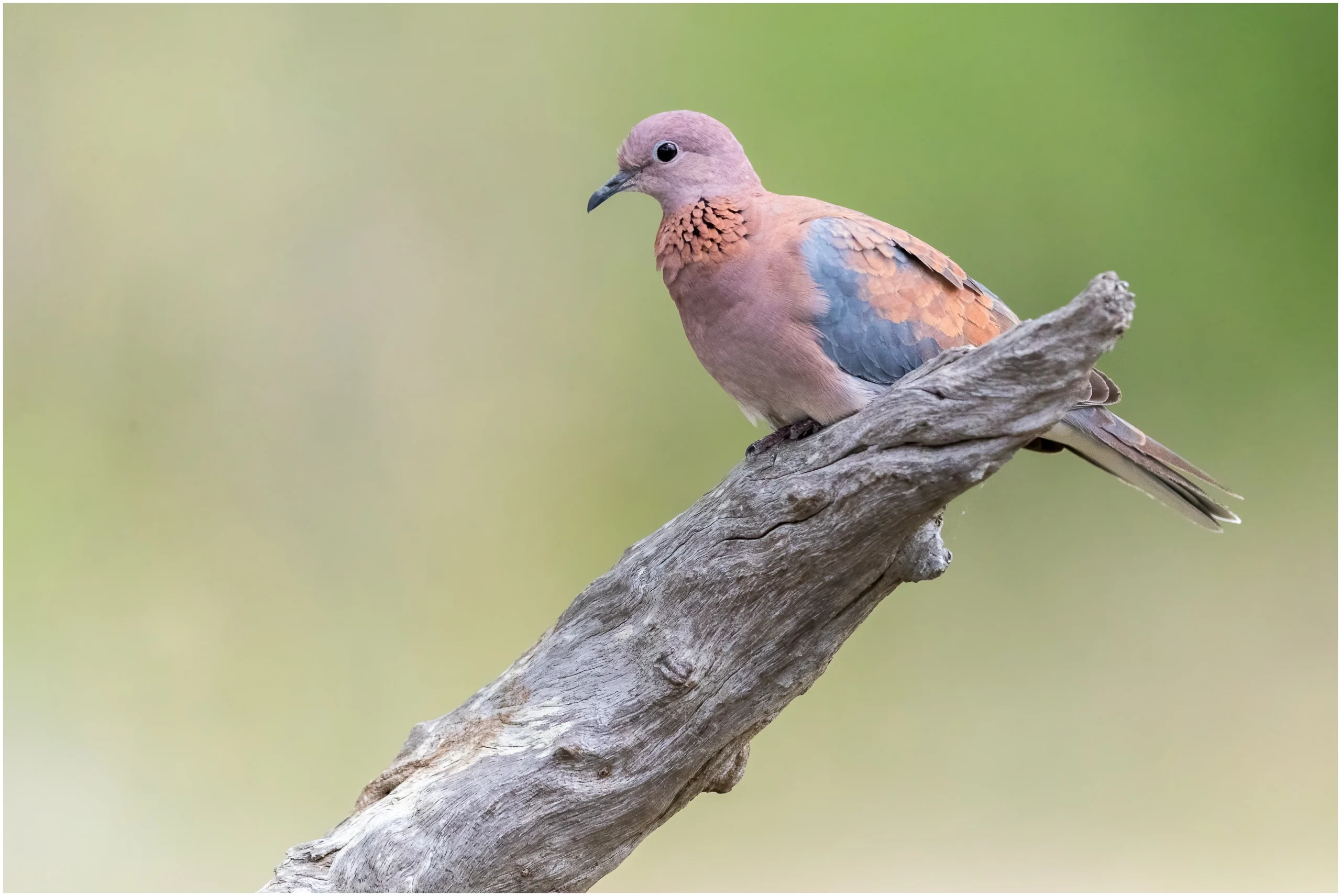
Laughing Dove
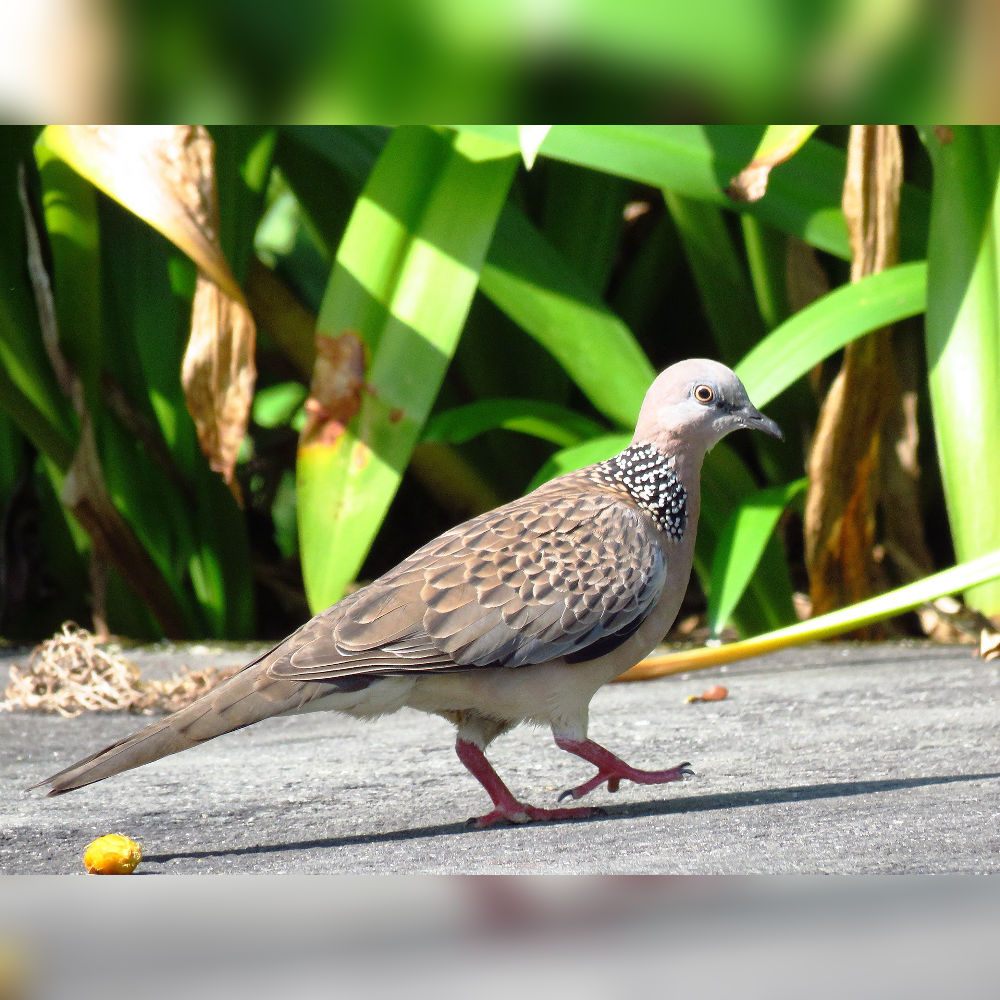

Spotted Dove
Summary of Walk
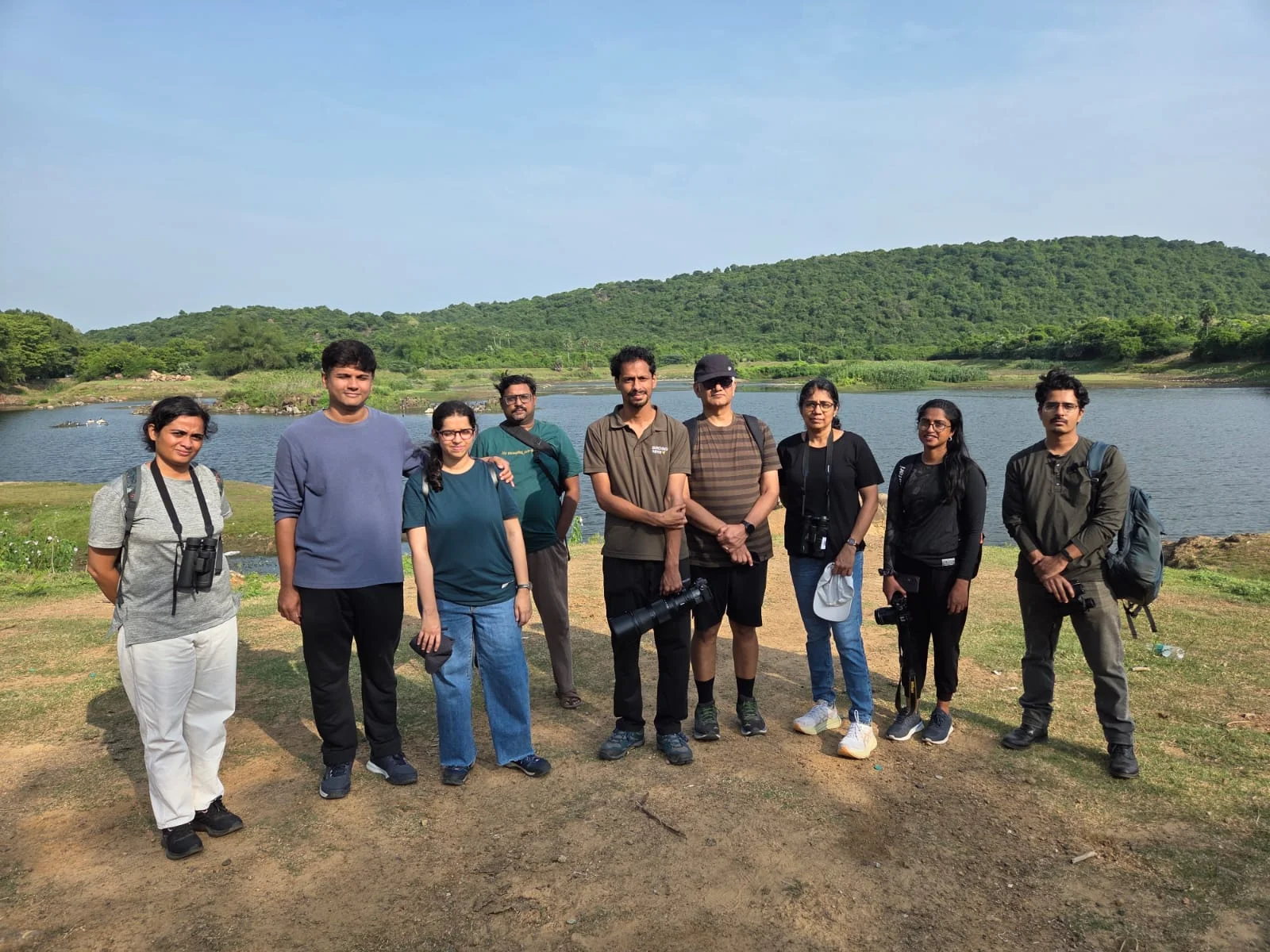
Thirteen participants joined guide Praveen Pandian at Kumizhi Lake, Chennai, for a walk through both wetland and forest habitat. The lake itself was bustling with activity, with huge flocks of Little and Indian Cormorants gathered around the water and several Whiskered Terns actively fishing, making for some exciting moments early on.
Among the common wetland birds, the group recorded Common and White-throated Kingfishers, Eurasian Coot, Eurasian Moorhen and Grey-headed Swamphen, along with an unexpected mongoose spotted moving along the opposite bank. Moving into the surrounding forest, the group picked up all three bulbul species along with a Jacobin Cuckoo, but the undisputed highlight was a Common Iora that played a playful game of hide-and-seek, appearing briefly for only a lucky few before vanishing into the vegetation. The group wrapped up with 40 species recorded across both habitats.
Number of Participants
0