
Loading Events

Bird walk at Pakhibitan, Eco Park, Kolkata

This is a Bird and Butterfly walk (On account of Big Butterfly Month). It will include visit to the Butterfly laboratory maintained by Nature Mates Nature Club.

About Pakhibitan Eco Park

Pakhibitan, Eco Park, Kolkata is a thoughtfully designed bird habitat located within the larger Eco Park, New Town, one of India’s biggest urban green spaces. Though relatively small in area, Pakhibitan plays an outsized ecological role by protecting a mosaic of freshwater wetlands, reed beds, grasslands, and mixed plantation woodland amid a rapidly growing cityscape. Native and planted flora such as aquatic grasses, reeds, shrubs, fig trees, and shade-giving deciduous species create ideal feeding and nesting conditions for wildlife. Along with butterflies, amphibians, and small reptiles, the area supports a thriving bird community, making it a rare urban refuge for biodiversity in eastern India.

For birdwatchers and nature lovers, Pakhibitan is a rewarding and easily accessible destination, especially during winter when migratory waterbirds and waders join resident species. Elevated walkways and watch points allow visitors to observe birds without disturbing sensitive habitats, making it ideal for photography and educational visits. However, as an urban eco-park, Pakhibitan faces challenges such as visitor pressure, noise, littering, water pollution, and habitat disturbance from surrounding development. Ongoing conservation efforts focus on wetland management, habitat restoration, regulated access, and public awareness, highlighting Pakhibitan as a successful example of how carefully planned urban green spaces can support birdlife while reconnecting people with nature in the heart of a metropolis.

Partnered with

Bird Guide - Sounak Dutta

Sounak is an academician teaching Chemistry in a college based in Kolkata. As a passion, he does Birding and Nature Photography. From the last year, he has been doing Nature walks with kids and elders.

Bird Guide: Sudipta Ghosh

Sudipta is from Kolkata and is an academician who teaches Biology in a college. Coming from a background of Zoology, she is an avid observer of Nature. She is passionate about Birding and is also deeply involved with activities promoting Nature awareness among all age groups.

Bird walk Location

Common birds of Pakhibitan Eco Park

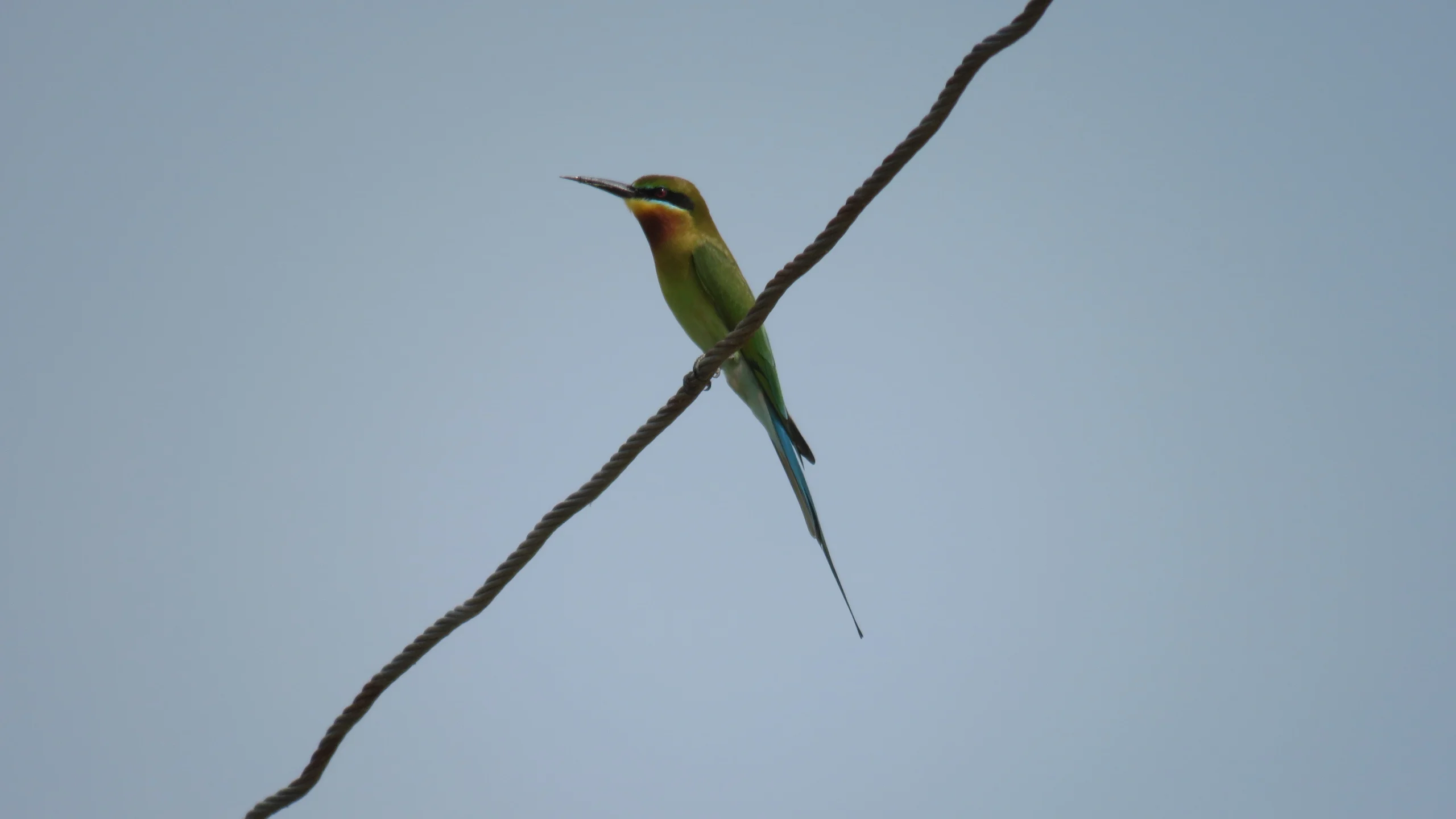
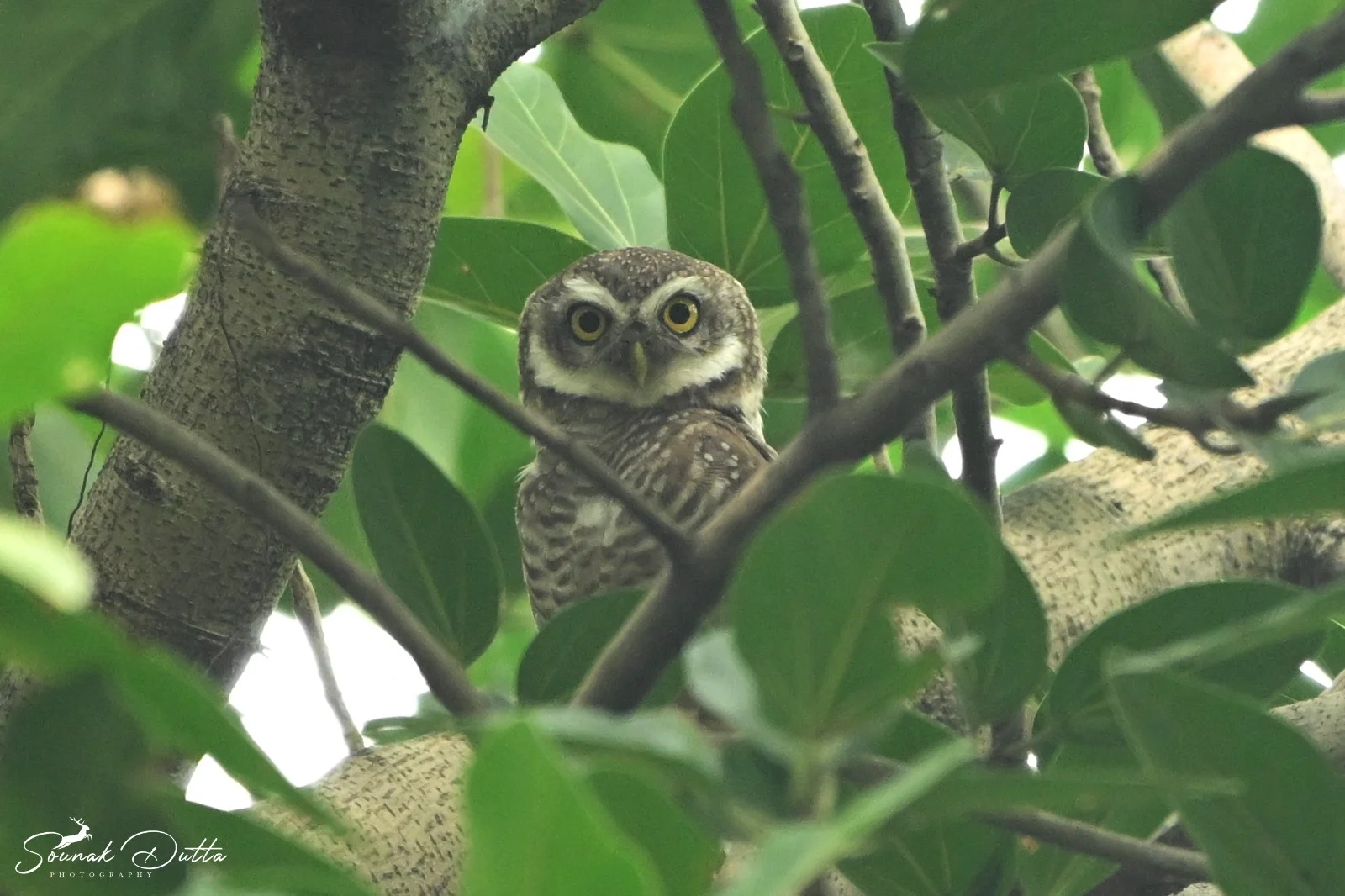
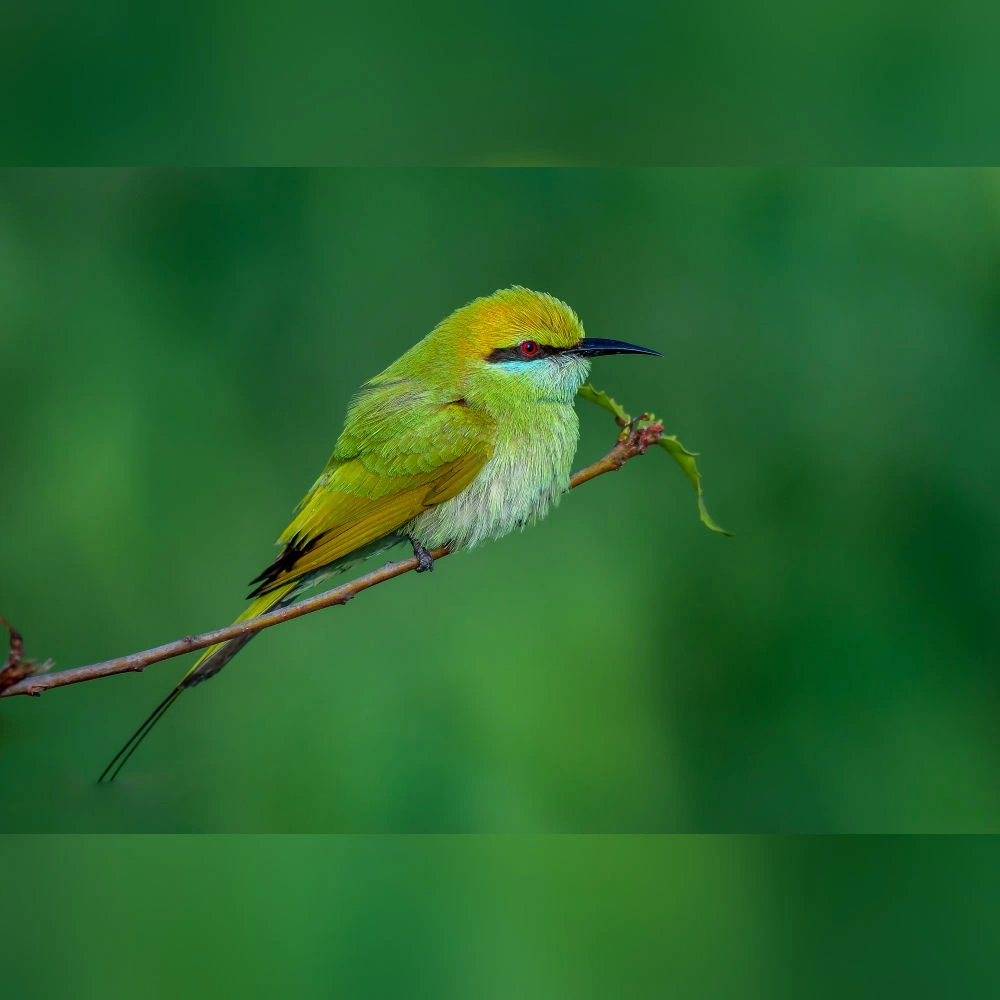
Pakhibitan, Eco Park supports a lively and easily observable bird community, with around 136 recorded species, making it one of the city’s most rewarding urban birding hotspots. Common sightings include colorful residents such as Indian White-eye, Blue-tailed Bee-eater, Asian Green Bee-eater, White-throated Kingfisher, Common Kingfisher, and the striking Black-hooded Oriole, while wetlands attract Indian Cormorant, Indian Pond Heron, and Asian Open-billed Stork. Open grass and scrub areas host Plain Prinia, Paddyfield Pipit, Olive-backed Pipit, and winter visitors like White Wagtail and Yellow Wagtail. Tree canopies echo with calls of Greater Coucal, Greater Flameback Woodpecker, Rose-ringed Parakeet, Red-vented Bulbul, and Red-whiskered Bulbul, while aerial hunters such as the Black Kite circle overhead. Nectar feeders like Purple Sunbird and Purple-rumped Sunbird, along with fruit lovers such as the Yellow-footed Green Pigeon, add to the rich mix, making Pakhibitan a compact yet vibrant birding destination in the heart of Kolkata.
Asian Green Bee-eater
Blue-tailed Bee - eater
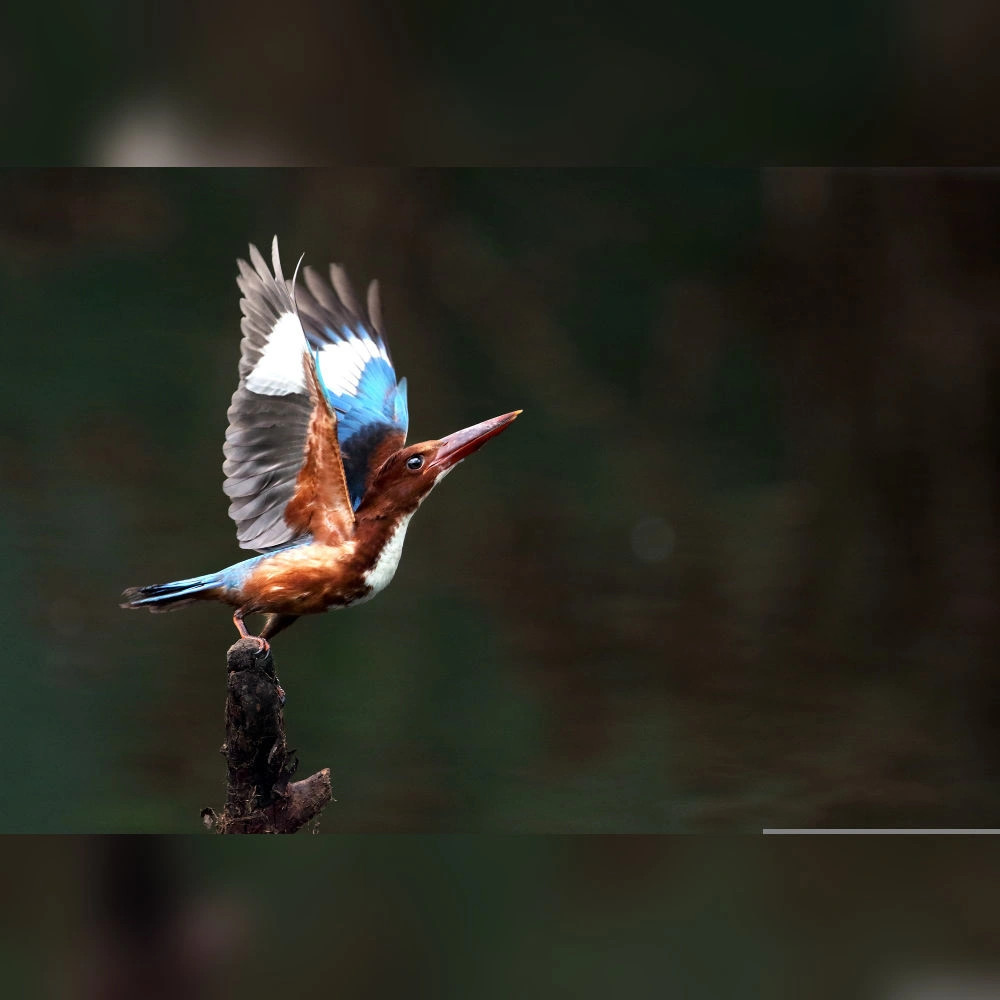
White - throated Kingfisher
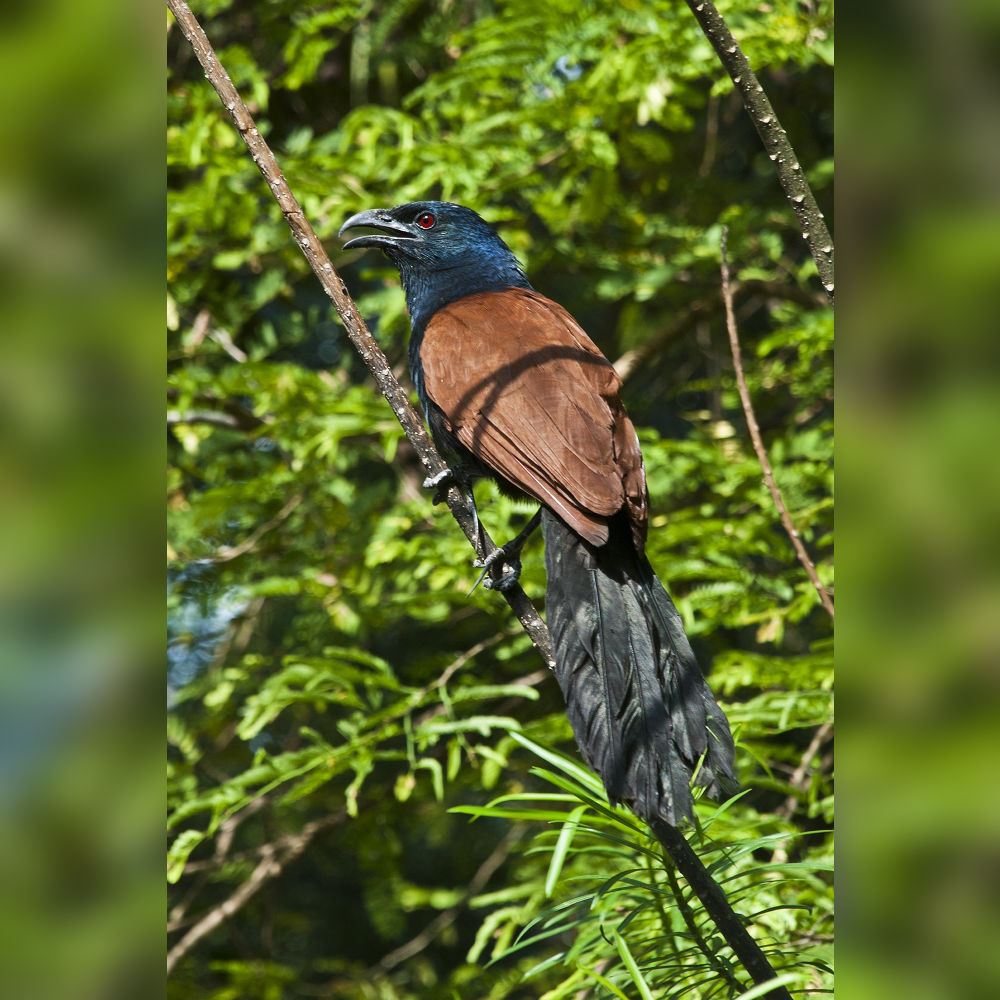
Greater Coucal
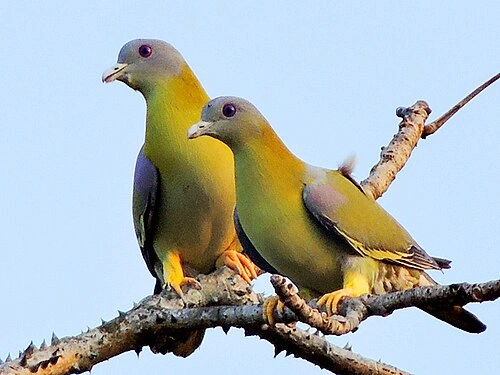
Yellow-footed Green Pigeon
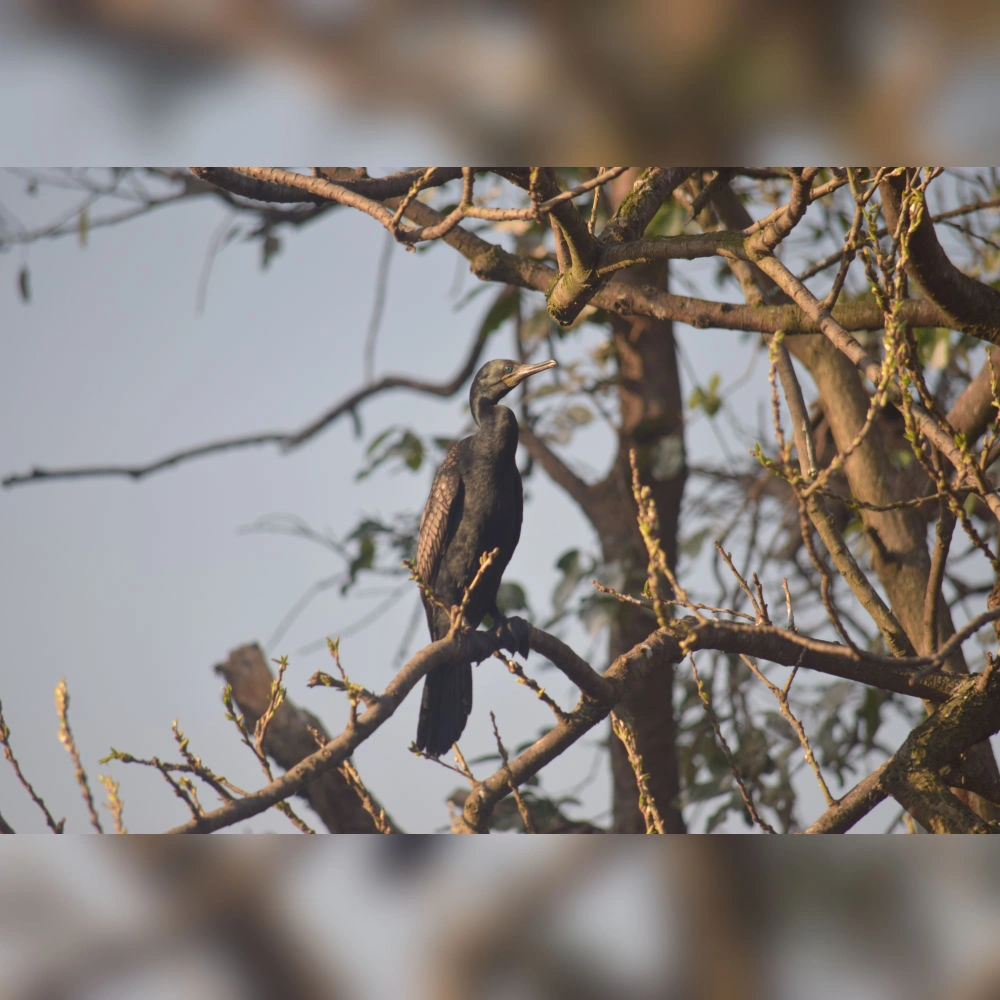
Indian Cormorant
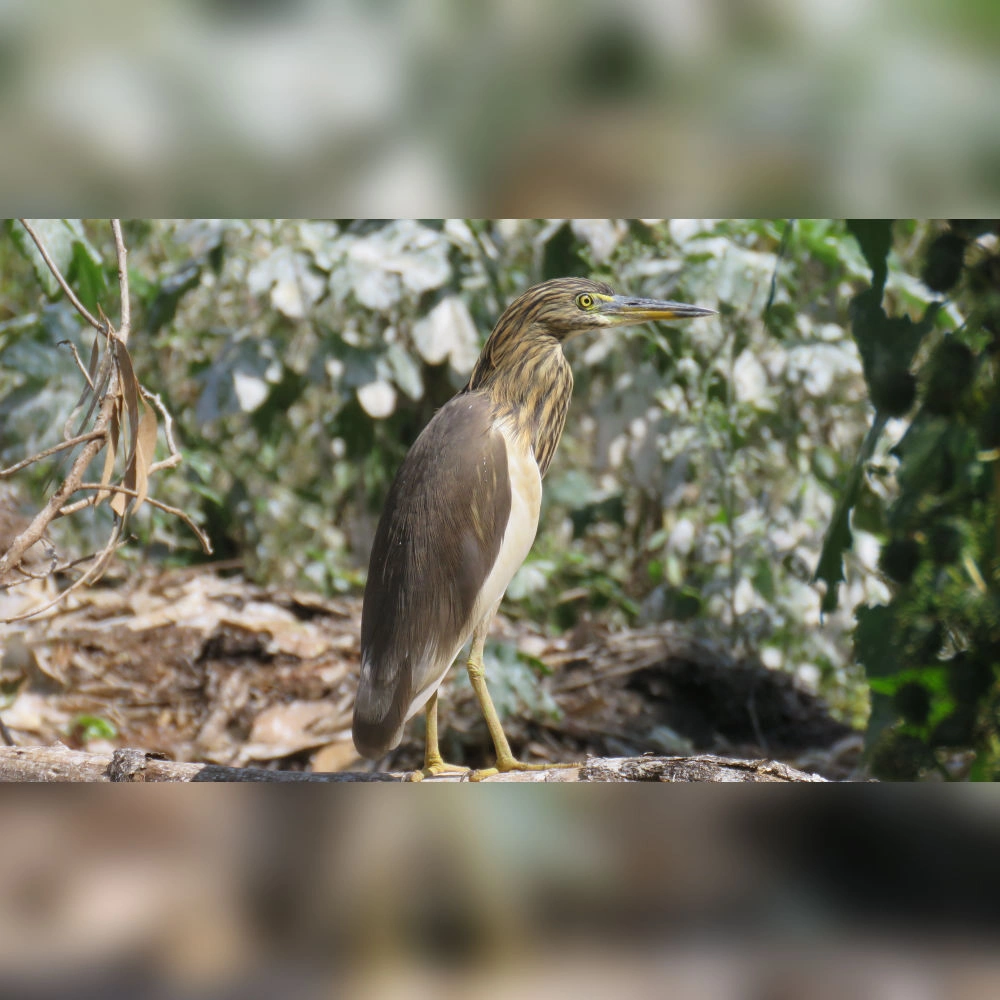
Pond Heron
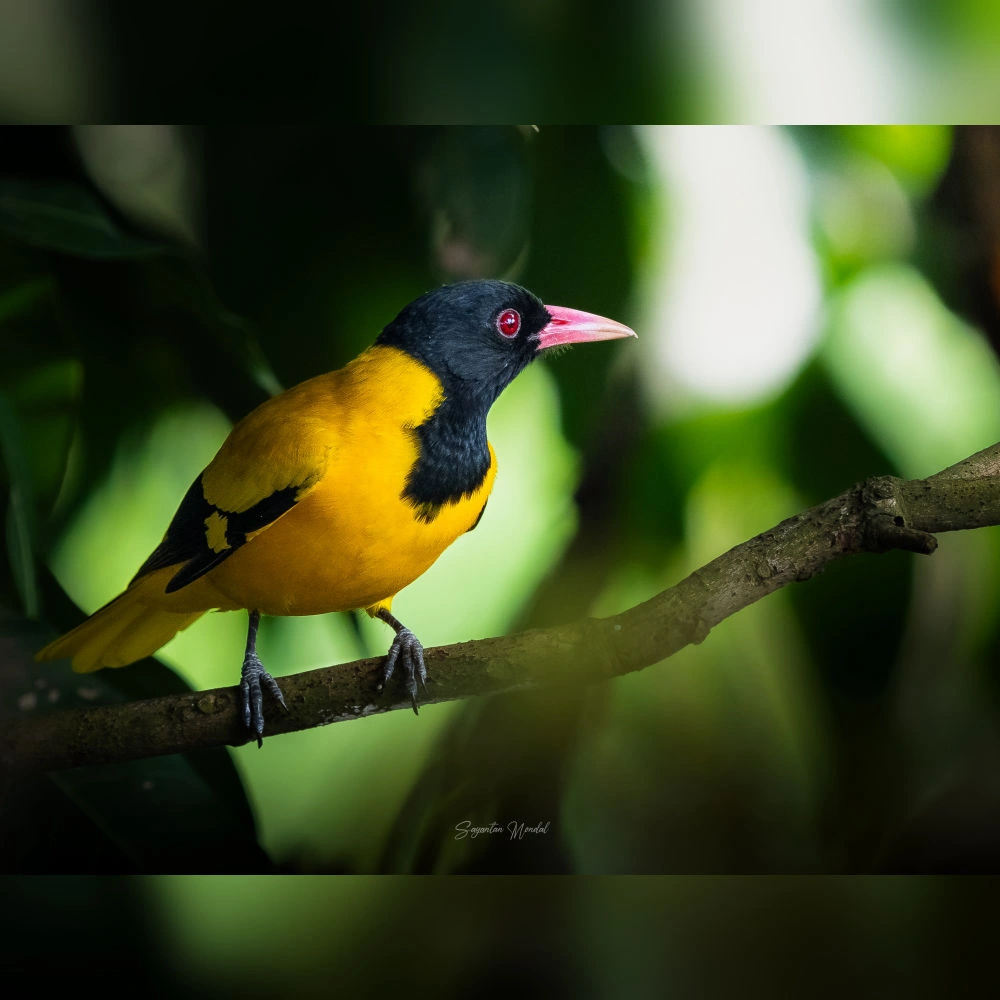
Black - hooded Oriole

Black Kite
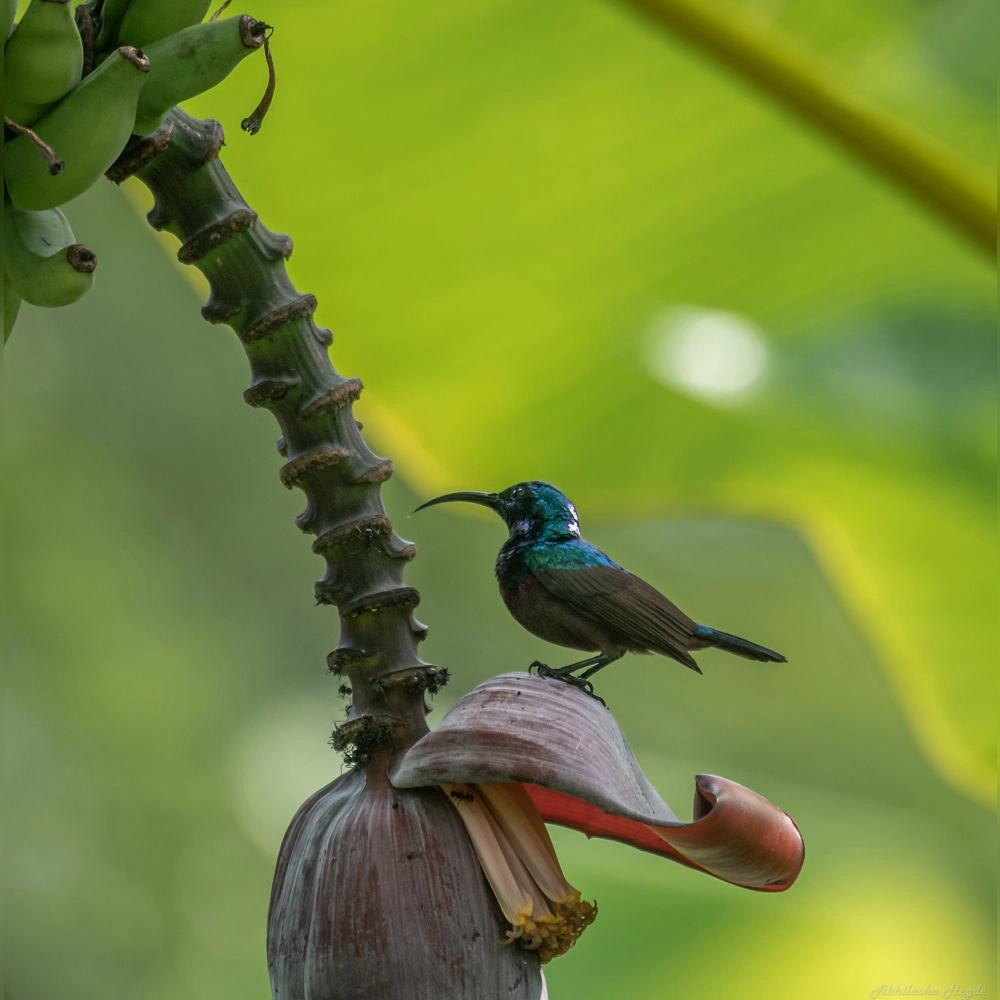
Purple Sunbird
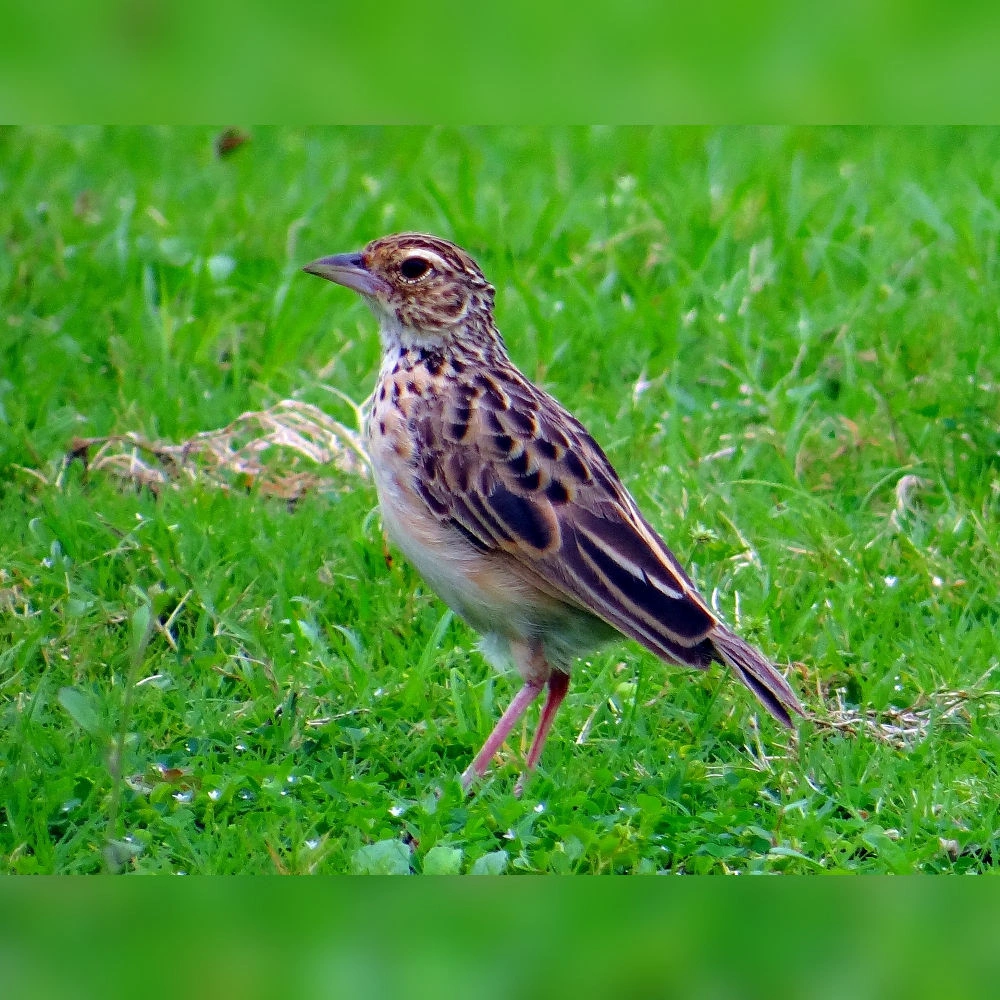
Paddyfield Pipit
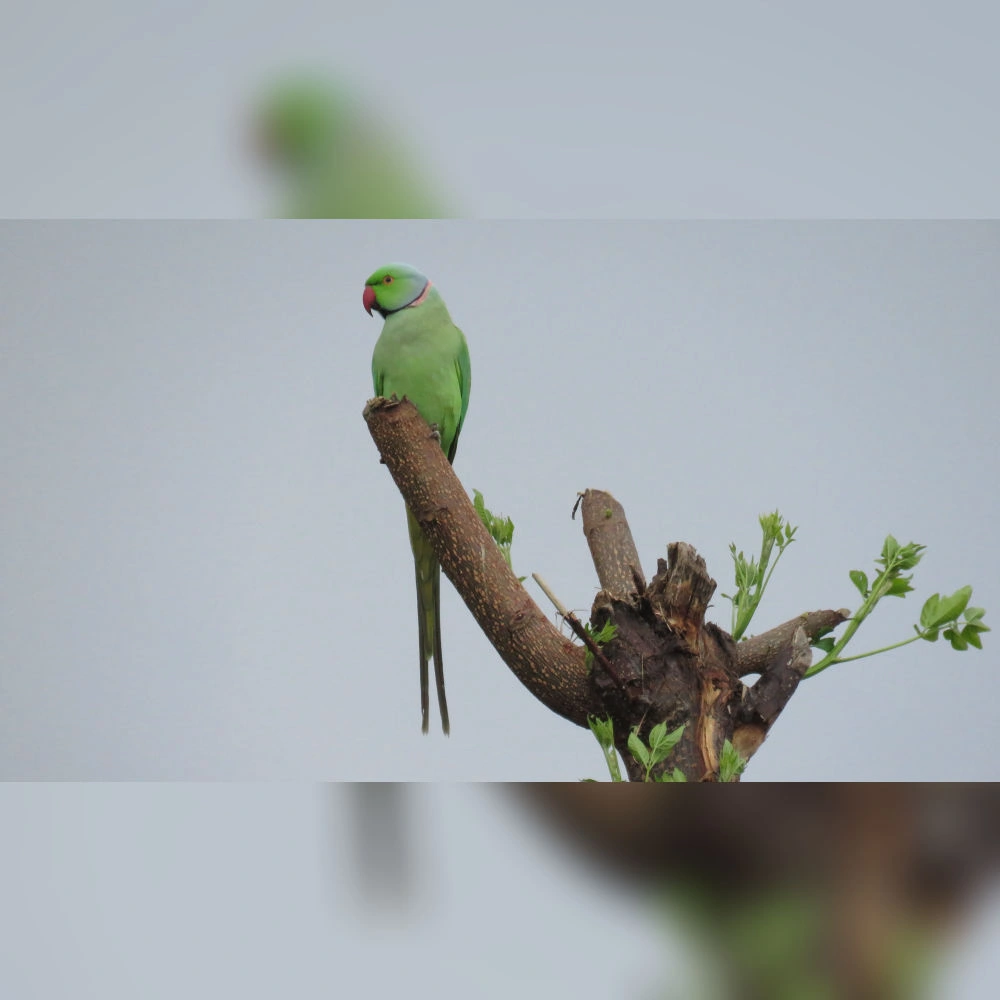
Rose-ringed Parakeet
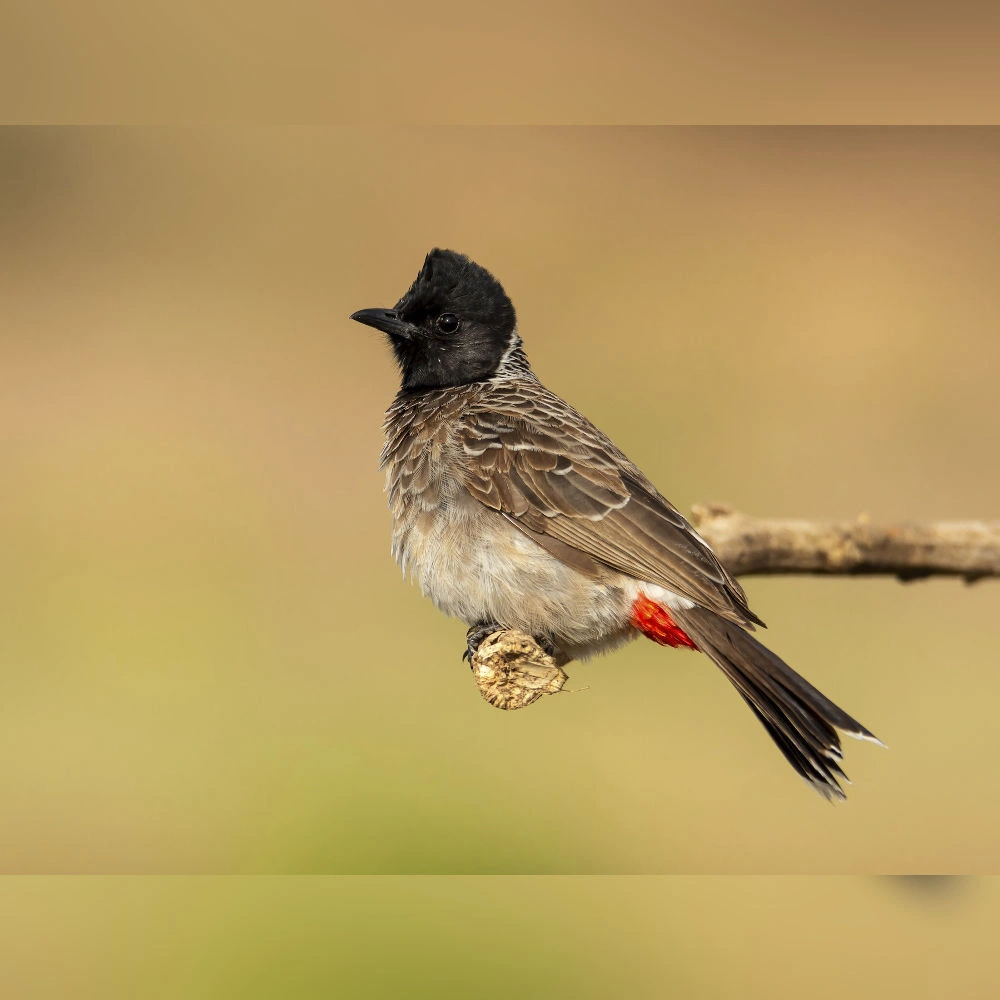
Red-vented Bulbul
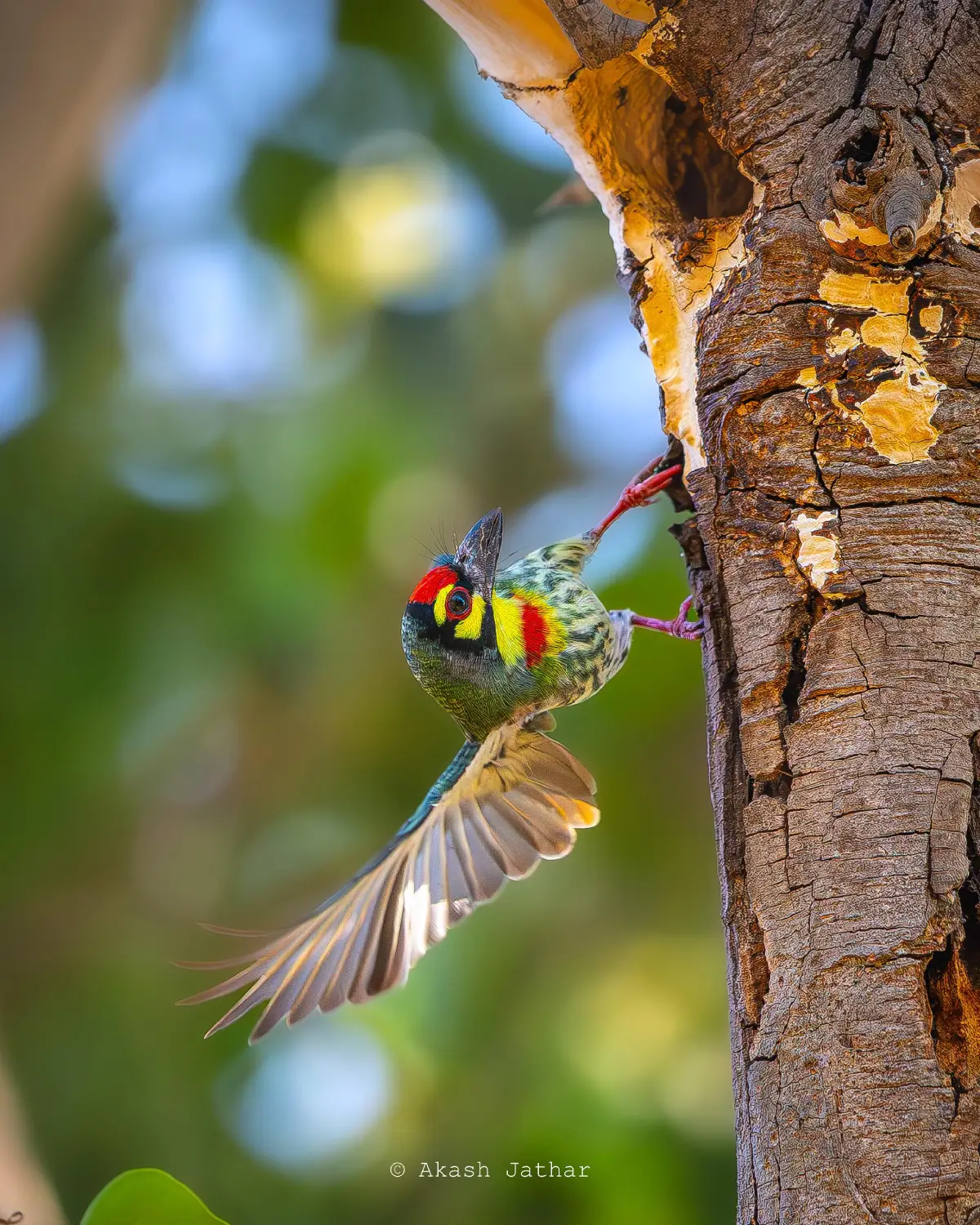
Coppersmith Barbet
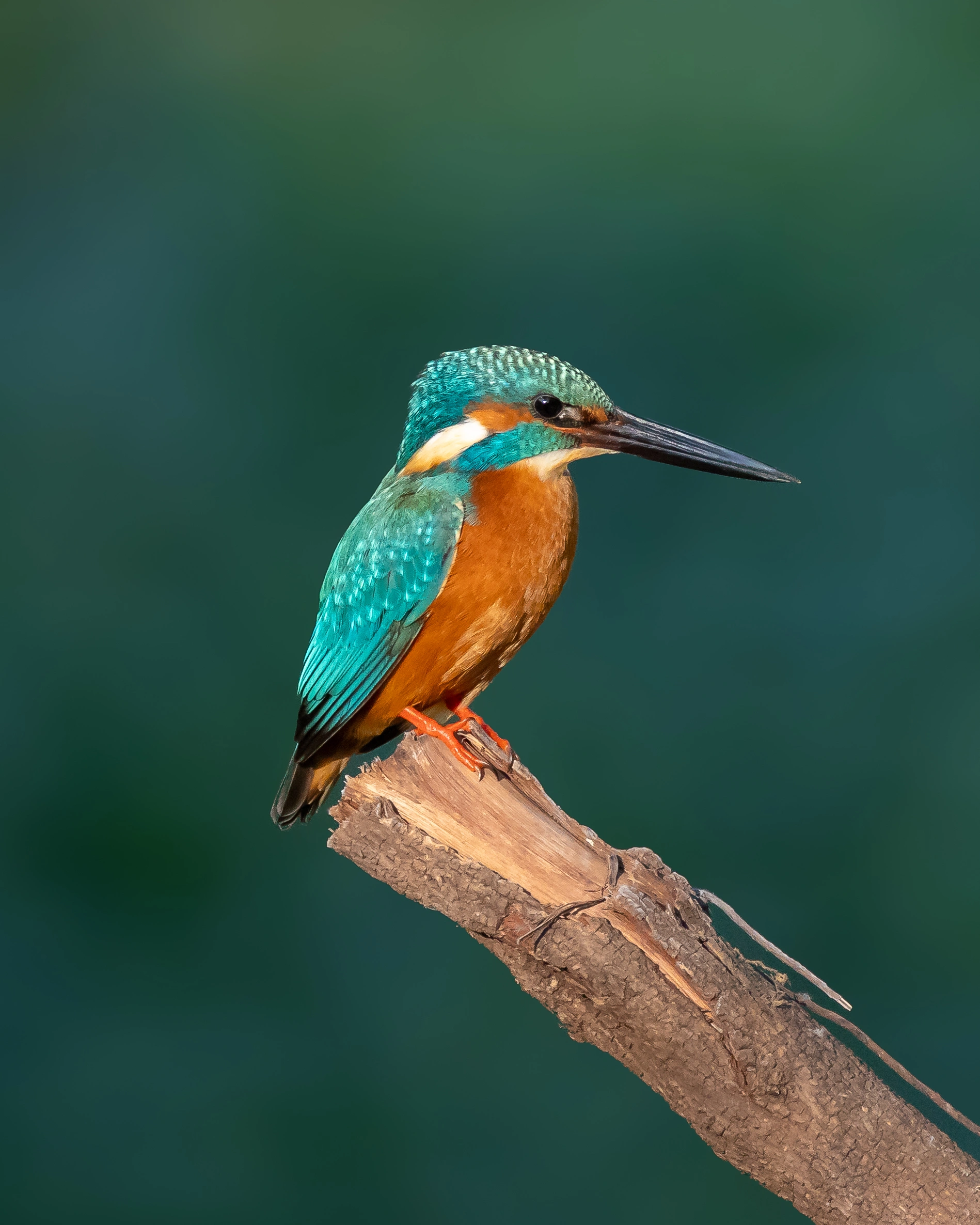
Common Kingfisher
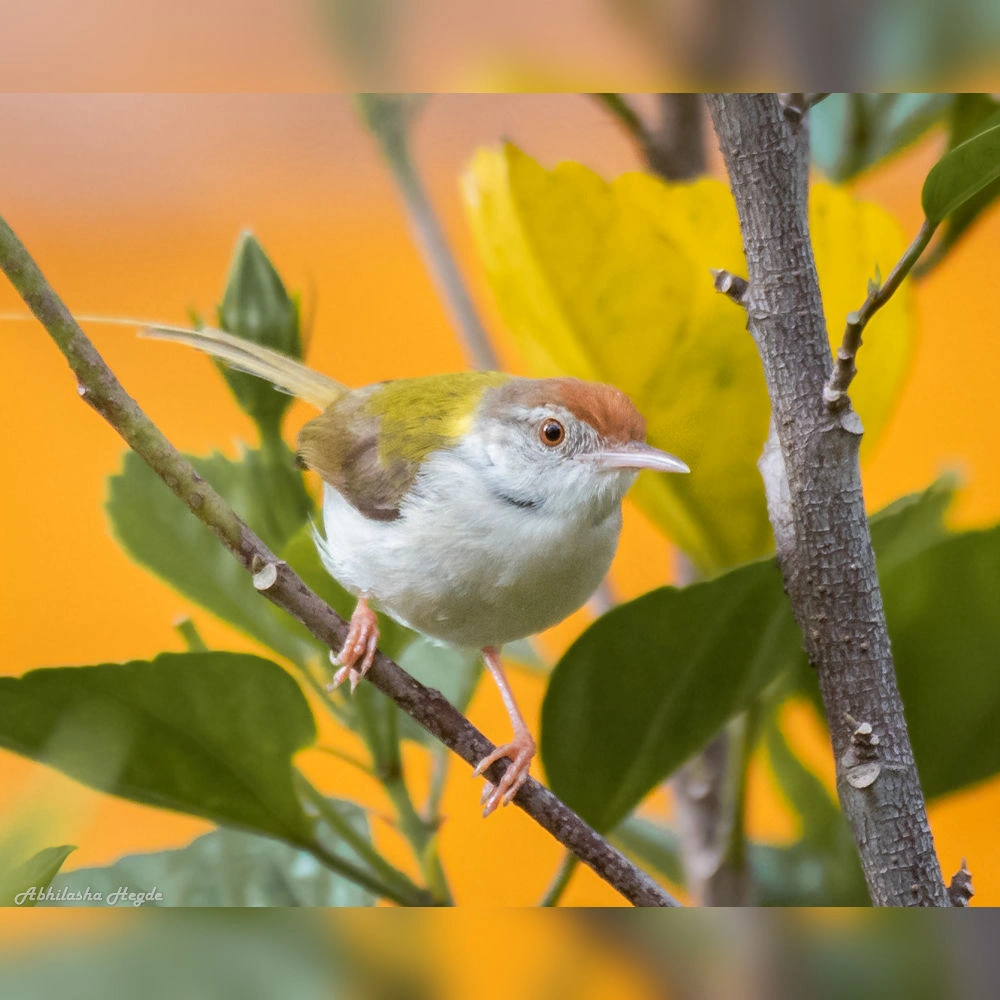
Common Tailorbird
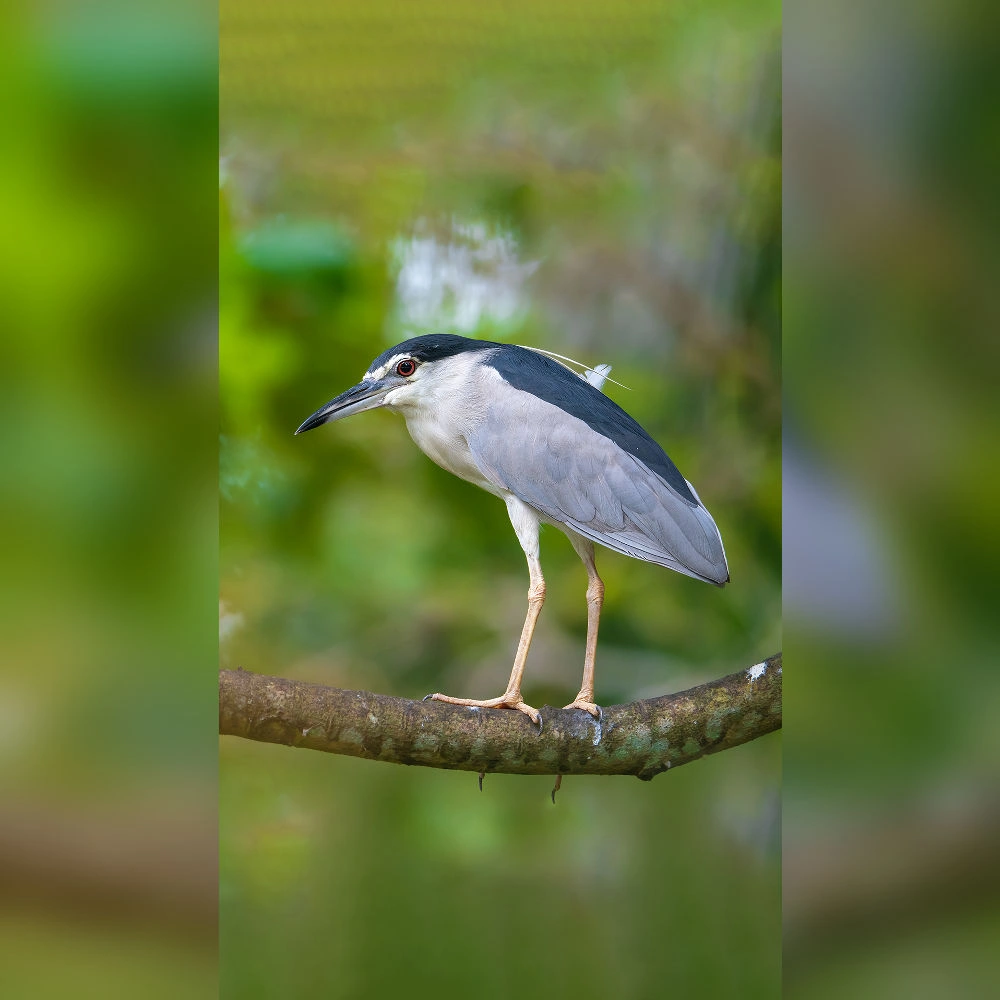
Black-crowned Night Heron
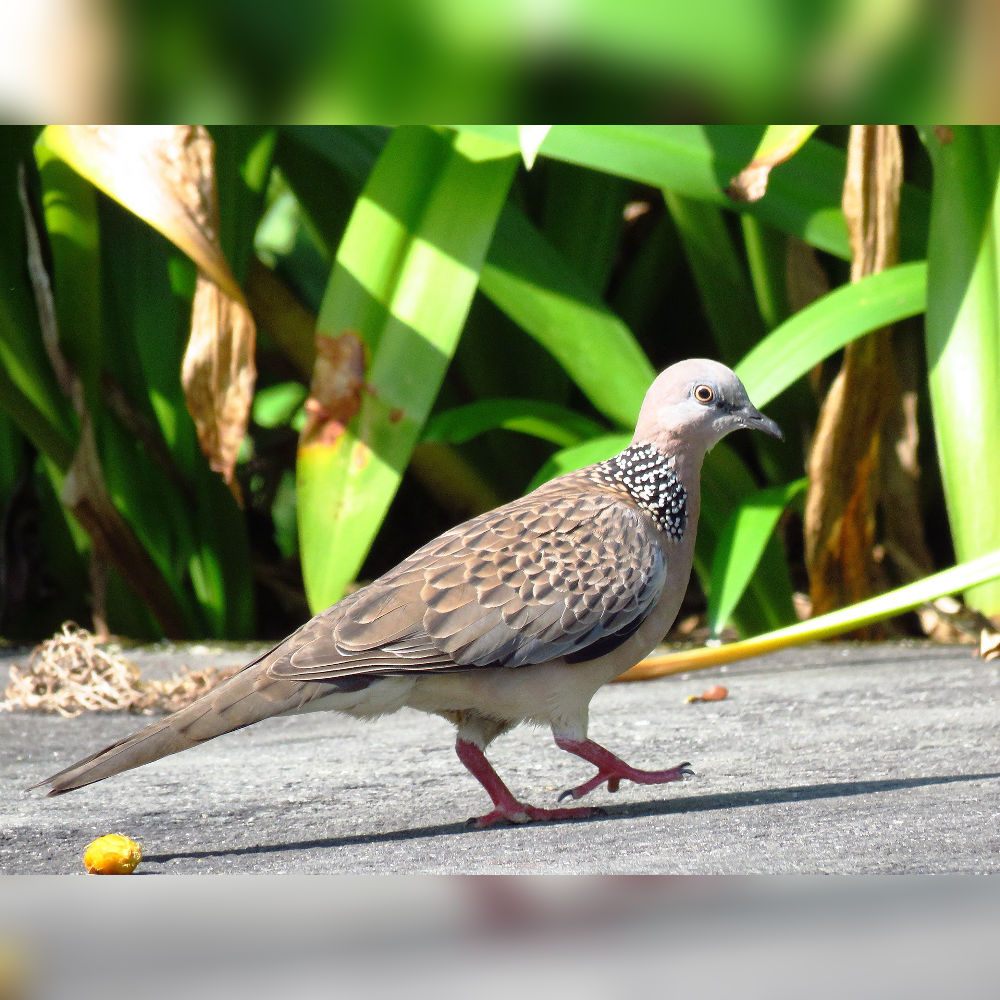
Spotted Dove
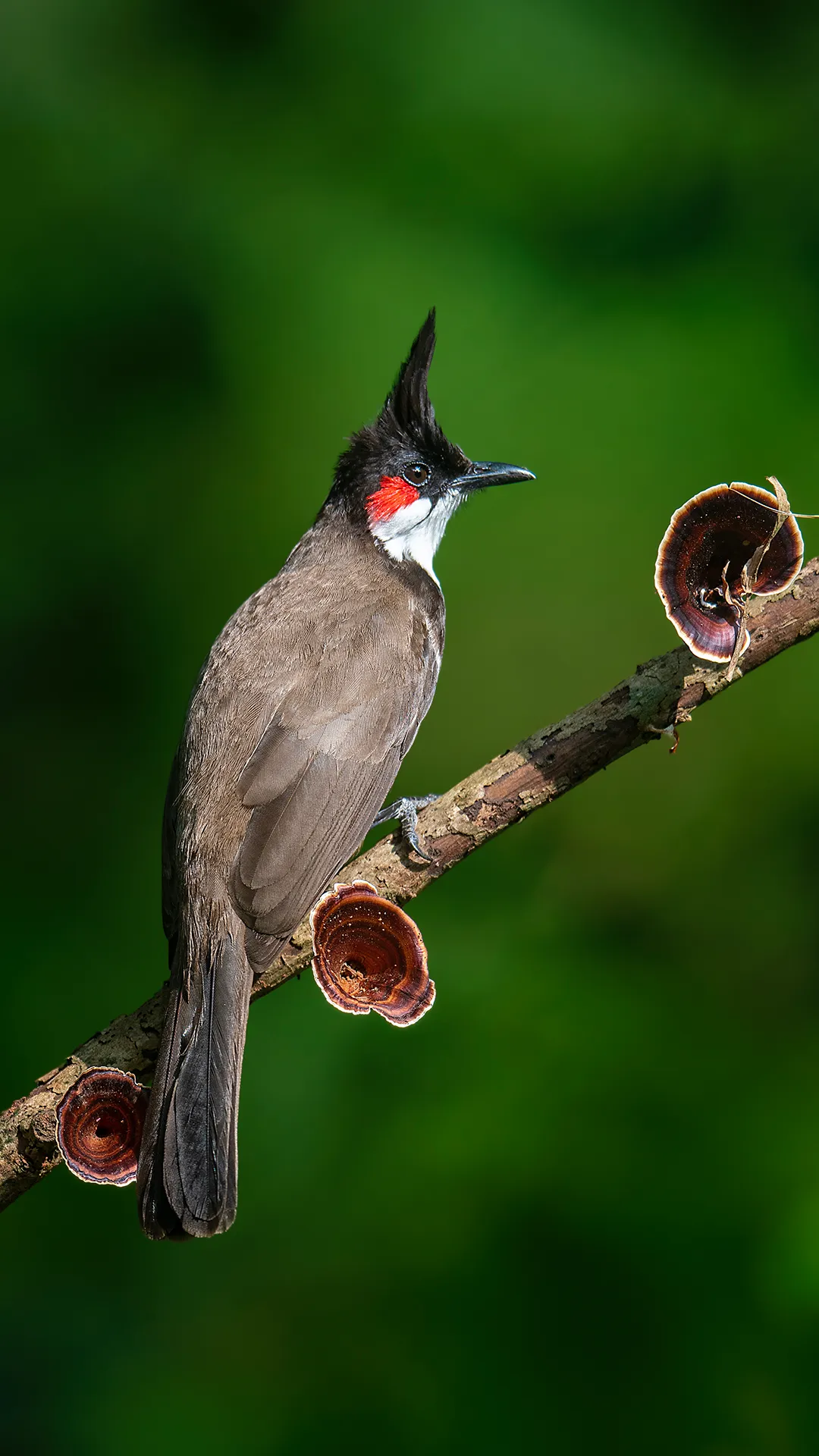
Red-whiskered Bulbul
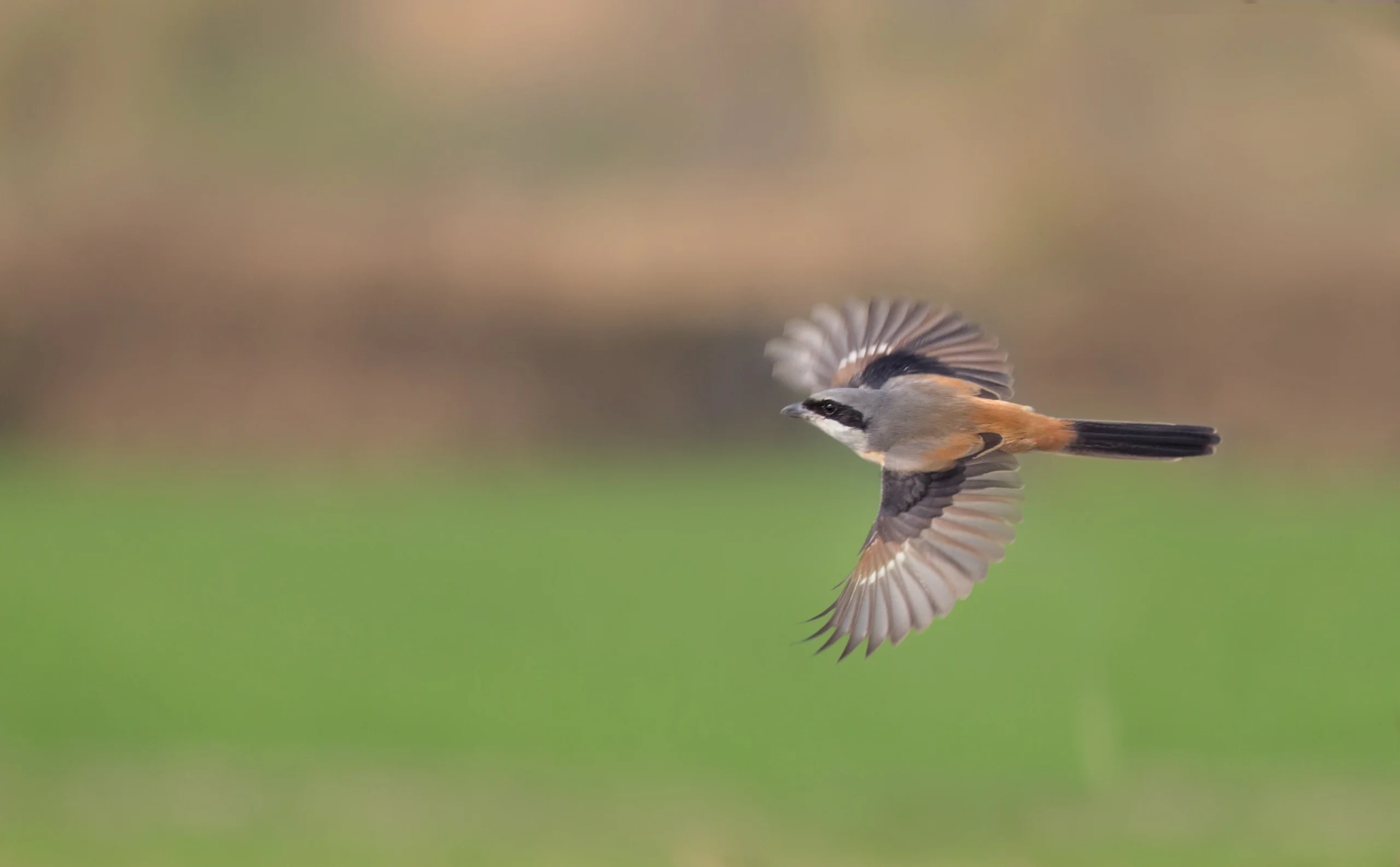
Long-tailed Shrike

Summary of Walk

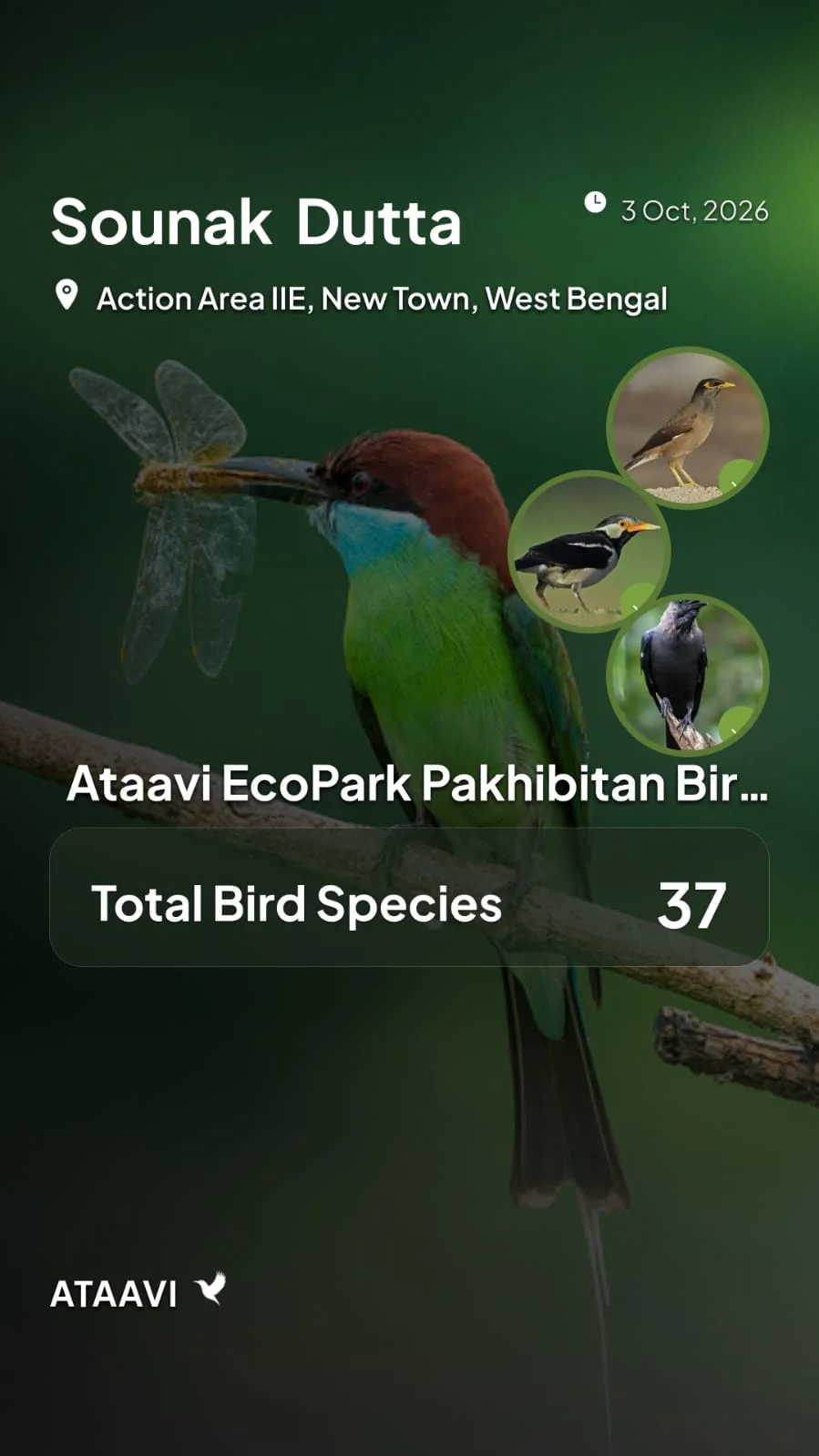
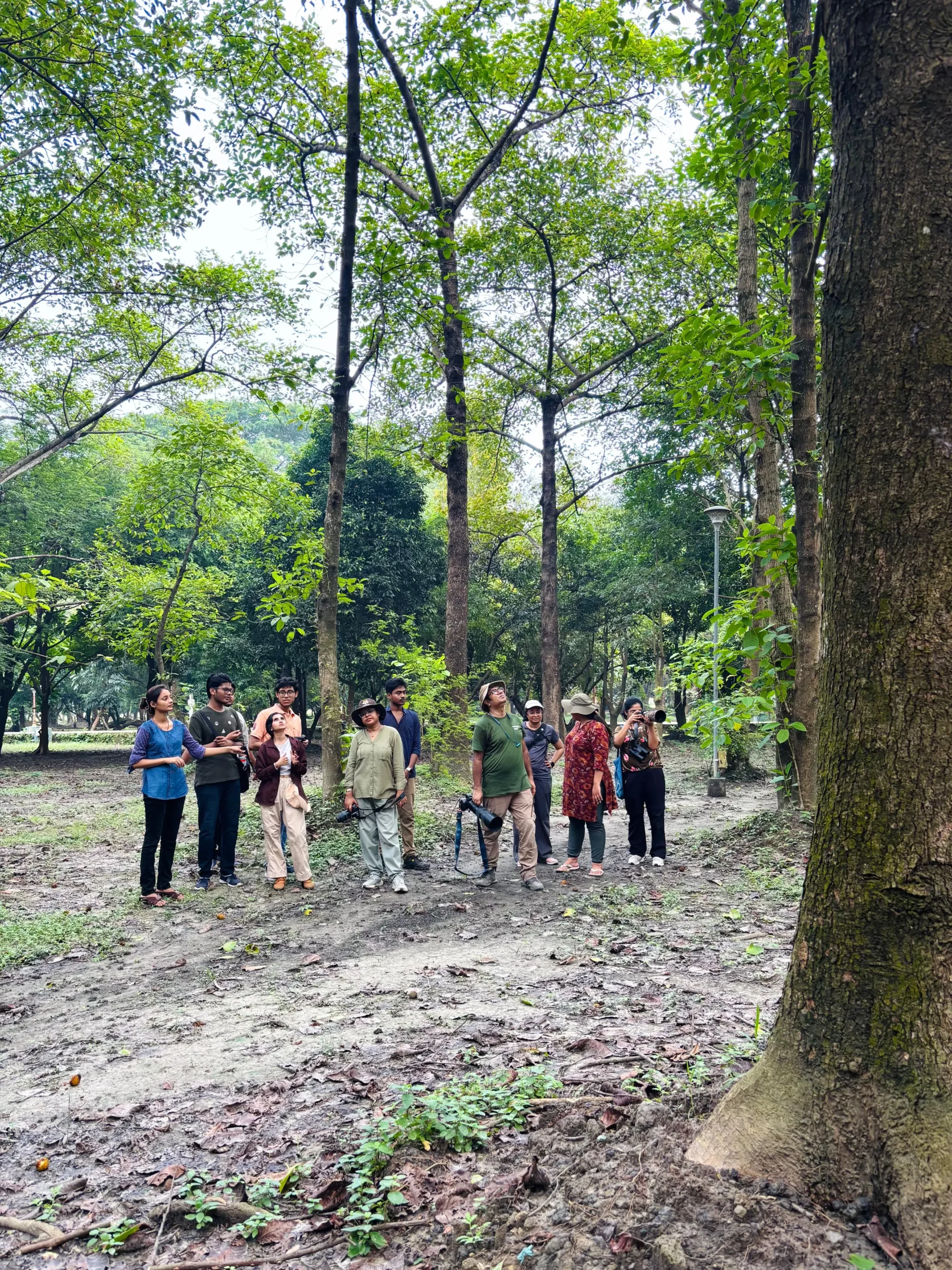
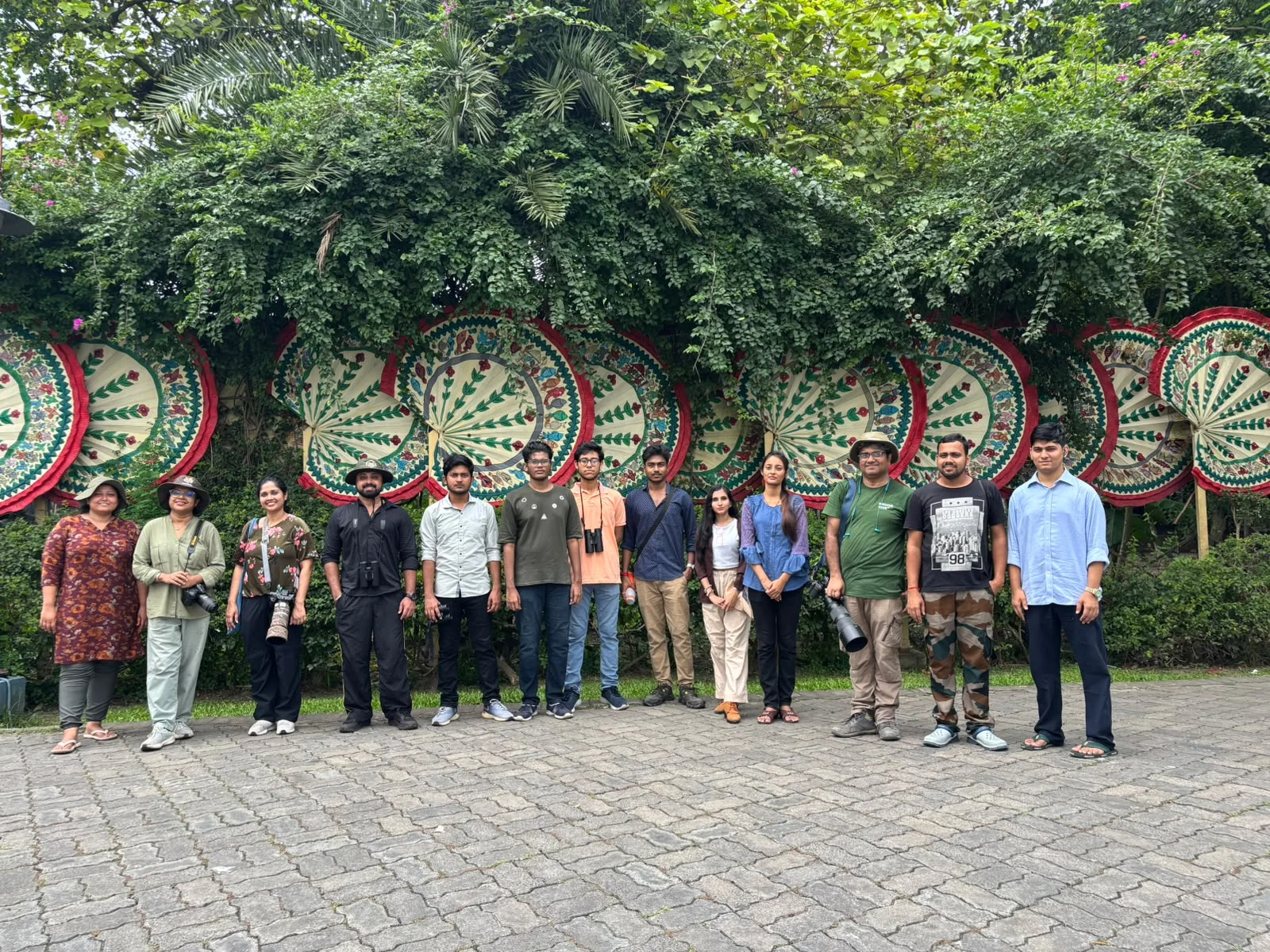
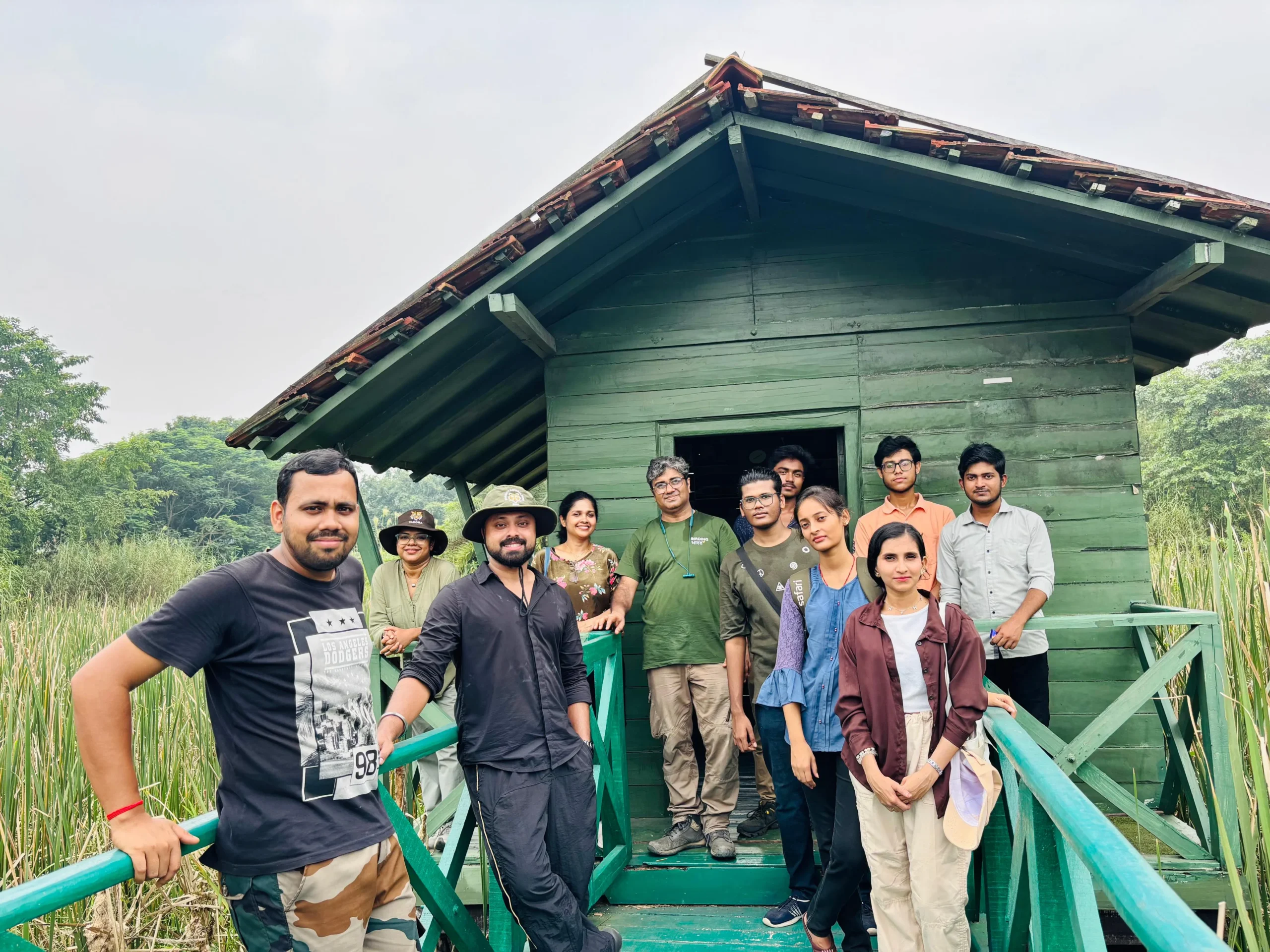
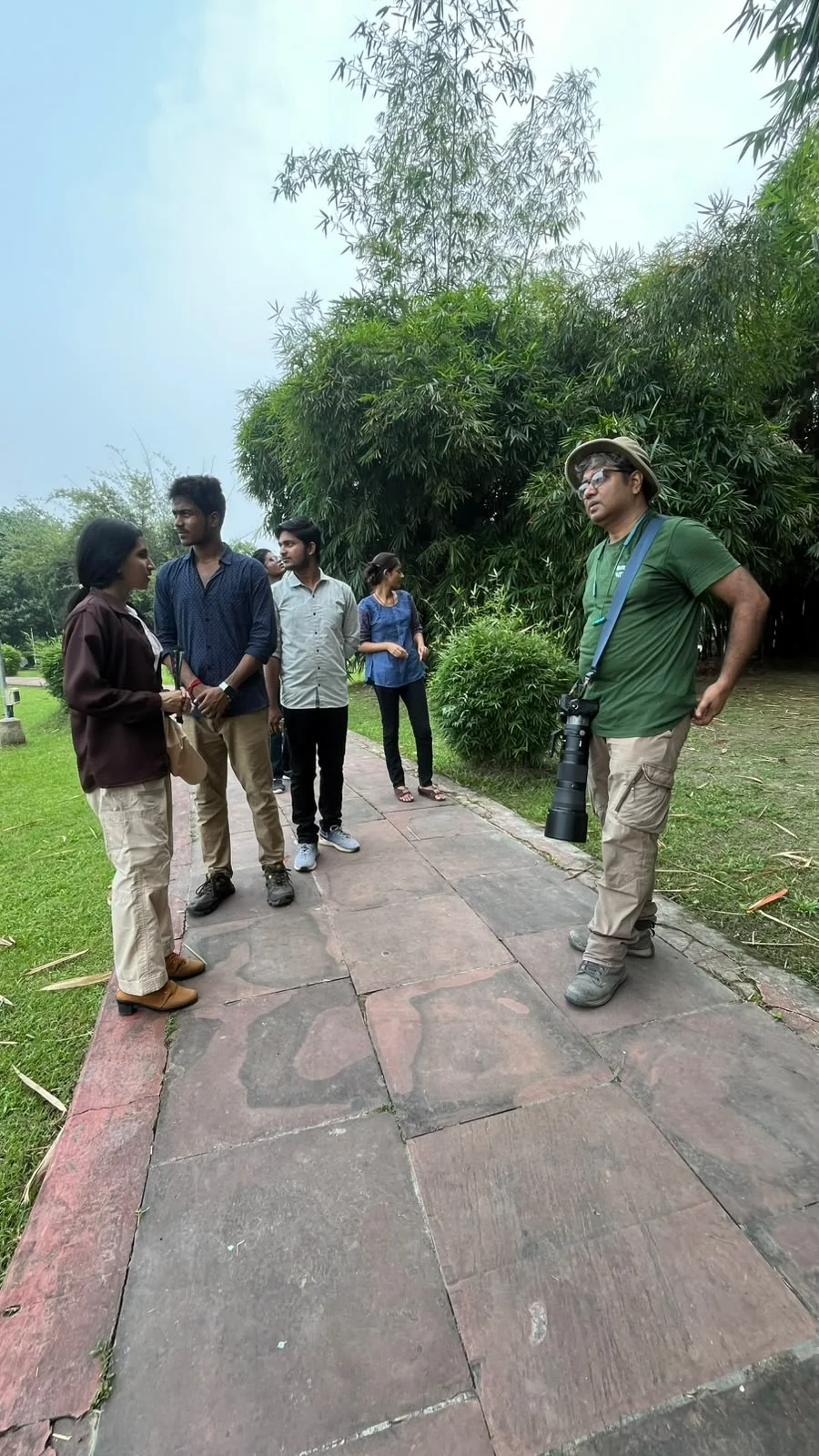
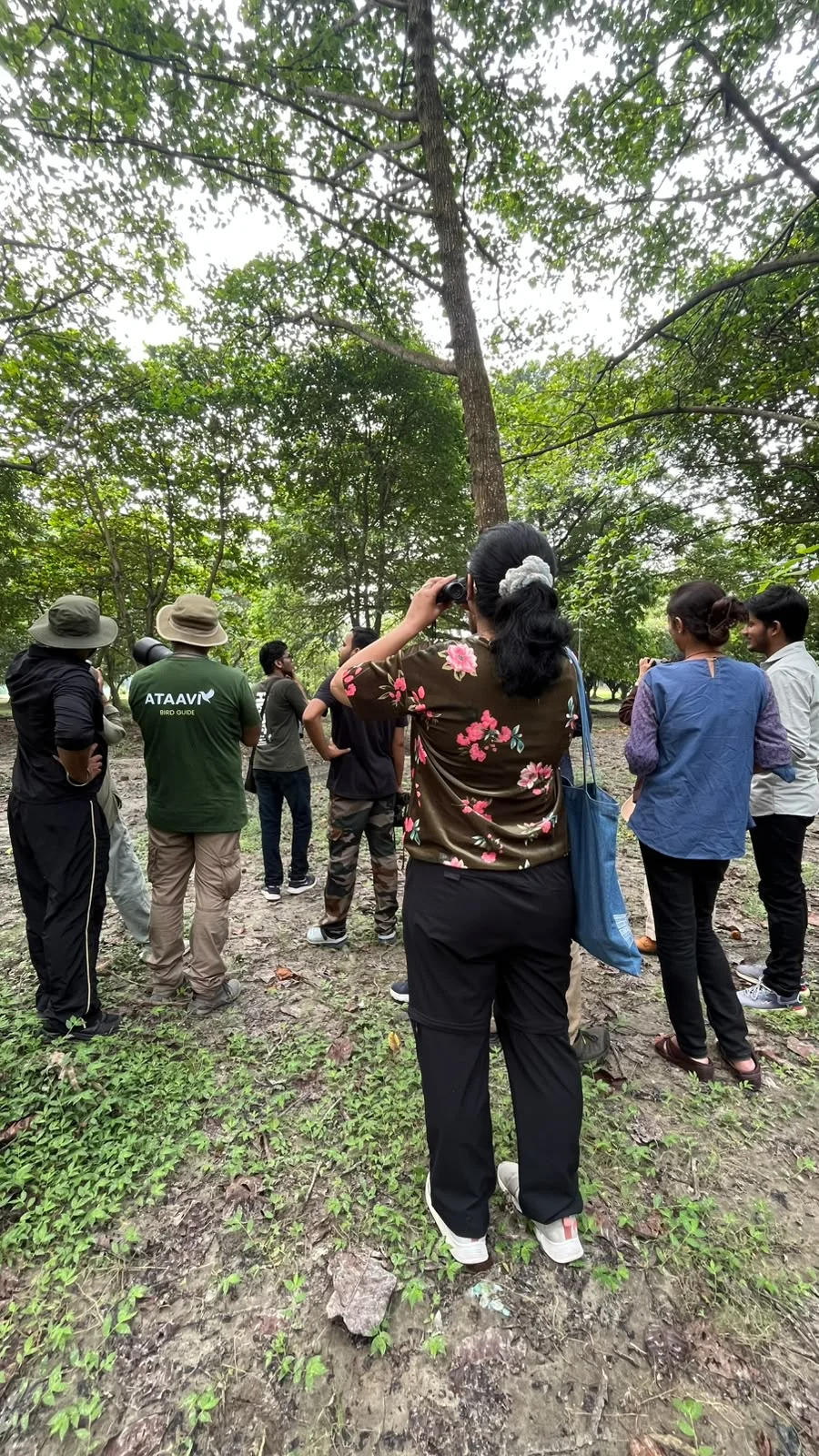
Eleven birders gathered at Pakhibitan in Eco Park, Kolkata, on 3 October for a rescheduled walk led by local guides Sudipta Ghosh and Sounak Dutta, in collaboration with Nature Mates. The group began at the bird hide, a wonderful space filled with information on the species found in the park, their nests and their feathers, and where birds can be watched quietly in the calm of the hide. From there, they watched the activities of bitterns and munias around the hide, and the White-rumped Munia, with its neat brown and white plumage, was a special delight. The walk then moved into the tropical forest area of the park, where the group met a variety of urban birds and migrants such as wagtails, and the Fulvous-breasted Woodpecker drew admiring looks as it worked along a trunk. The waterbody was a good place to watch waterbirds such as cormorants, and across the morning the group recorded 46 species. A moment of great excitement came when a raptor flew through the sky carrying a kill, and on examining photographs closely, the group thought the bird looked like a Peregrine Falcon, known as the fastest bird in the world. The walk also included a visit to the butterfly dome, where participants observed several butterfly species along with their larval and pupal stages, adding a fascinating dimension to the morning. Everyone shared valuable feedback and expressed their keen desire to join more such walks. The morning was a beautiful example of how an urban eco park can bring together birds, butterflies and people in a shared celebration of nature.
Number of Participants
0
Scroll to Top