

Bird Walk at Qutub Minar Complex, Delhi
- Delhi
- 27 September, 2026
- Mansi Lodhi and Midori
About Qutub Minar Complex
The Qutub Minar Complex in south Delhi is a dramatic meeting point of history and nature, spread across roughly 27 acres of protected heritage landscape. Beyond the soaring minaret and ancient ruins, the complex harbours a quiet urban woodland–grassland habitat shaped by centuries of minimal disturbance. Old neem, peepal, jamun and banyan trees rise among stone structures, while scrubby patches, lawns and shaded pathways create layered micro-habitats. This green refuge supports a lively mix of fauna, especially birds, making it an unexpectedly rewarding birding site within the city. Visitors may spot rose-ringed parakeets, black kites, shikras, bulbuls, drongos, mynas, doves and sparrows, while winter months bring warblers and other migrants flitting through the foliage. The contrast between ancient stone and living greenery gives the complex a calm, almost timeless atmosphere that feels far removed from Delhi’s traffic and crowds.
As one of India’s most visited World Heritage Sites, the Qutub Minar Complex faces ongoing conservation challenges. Heavy tourist footfall, air pollution, trampling of vegetation, littering and pressure on old trees pose risks to both the monuments and the fragile urban ecosystem around them. Conservation efforts focus on stabilising historic structures while maintaining green cover that supports biodiversity, requiring careful balance between access and protection. Thoughtful visitor management, sensitive landscaping, and awareness about the site’s natural value are crucial to preserving this space—not just as a symbol of Indo-Islamic architecture, but as a living cultural landscape where heritage and urban wildlife continue to coexist.
Partnered with

Bird Guide: Mansi
Nature educator and birding guide with Midori Walks, Mansi blends ecology and mindfulness to create enriching outdoor experiences in urban green spaces.
Bird walk Location
Common birds of Qutub Minar Complex
The Qutub Minar Complex doubles as a vibrant urban bird refuge, with around 100 bird species recorded, thriving among its ancient ruins, old trees and open grassy spaces. Common city birds such as Rock Pigeon, House Sparrow, Common and Bank Mynas, and House Crow are easily seen, while the treetops come alive with Rose-ringed and Alexandrine Parakeets, Jungle Babblers, and Rufous Treepies moving noisily through the canopy. Watch the skies for Black Kites circling above the minaret, and scan quieter corners for gems like Brown-headed and Coppersmith Barbets, Common Tailorbird, Oriental Magpie-Robin and winter visitors such as Hume’s Warbler. Open lawns attract Red-wattled Lapwing, while occasional sightings of Indian Peafowl, Asian Openbill and Red-naped Ibis add a touch of wild drama to the historic setting. For birders and casual visitors alike, the Qutub Minar Complex offers a rare chance to experience Delhi’s avian diversity woven seamlessly into one of its most iconic heritage landscapes.

Yellow-footed Green Pigeon

Black Kite
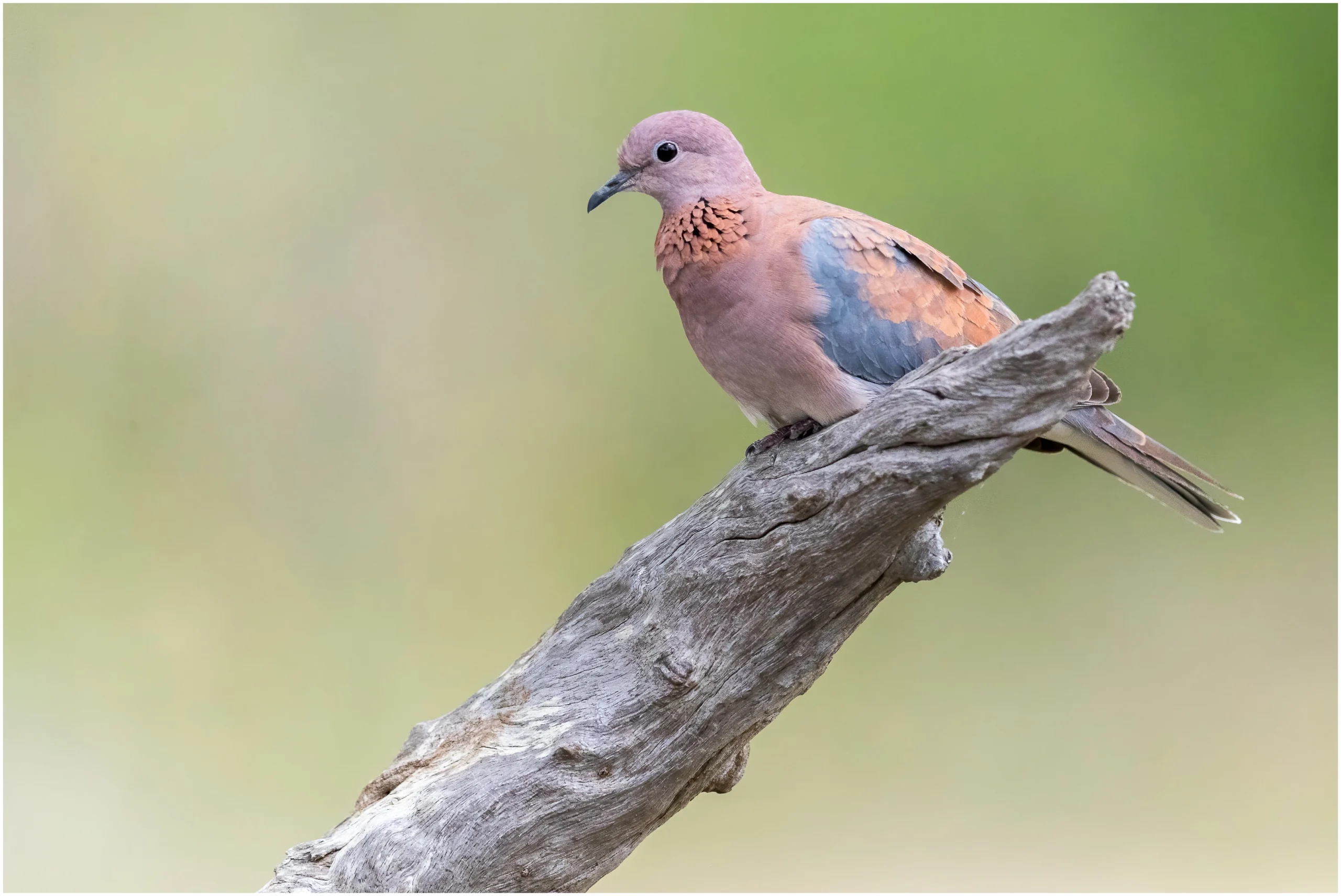
Laughing Dove

White-throated Kingfisher
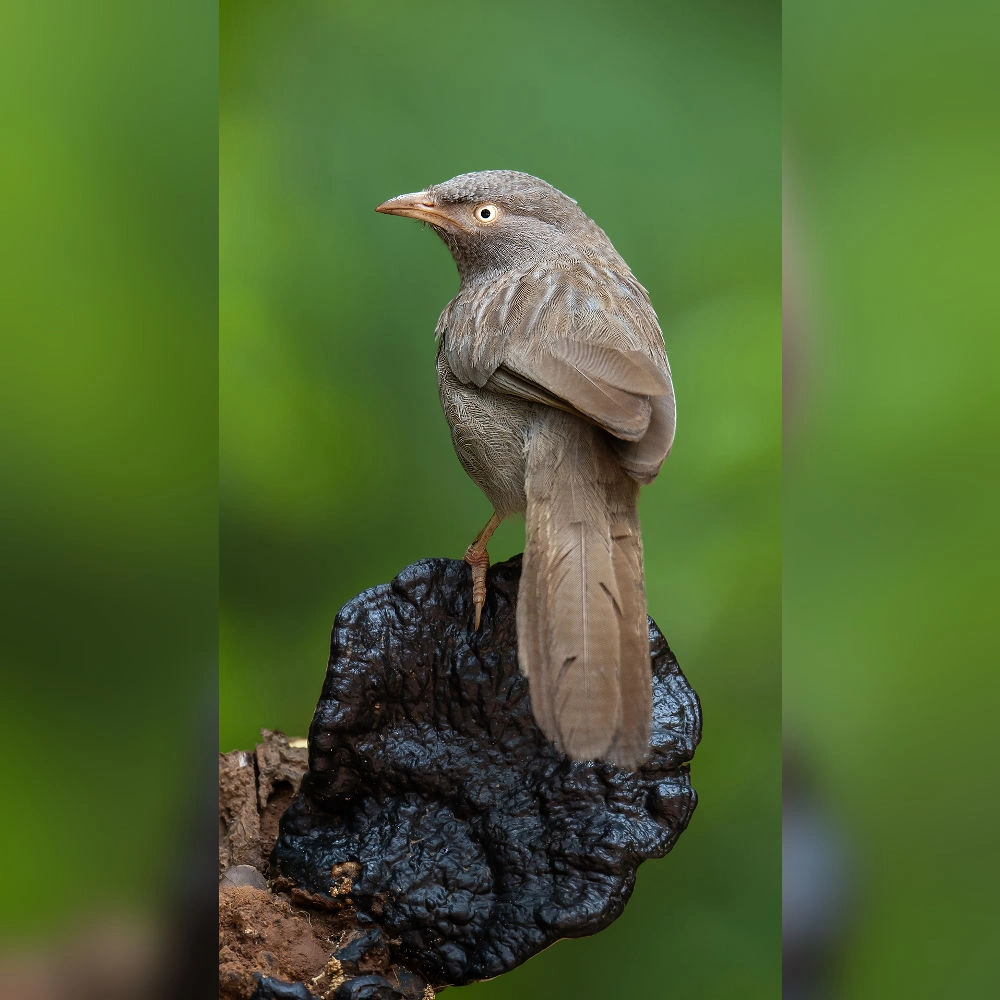
Jungle Babbler

Alexandrine Parakeet

Rose-ringed Parakeet
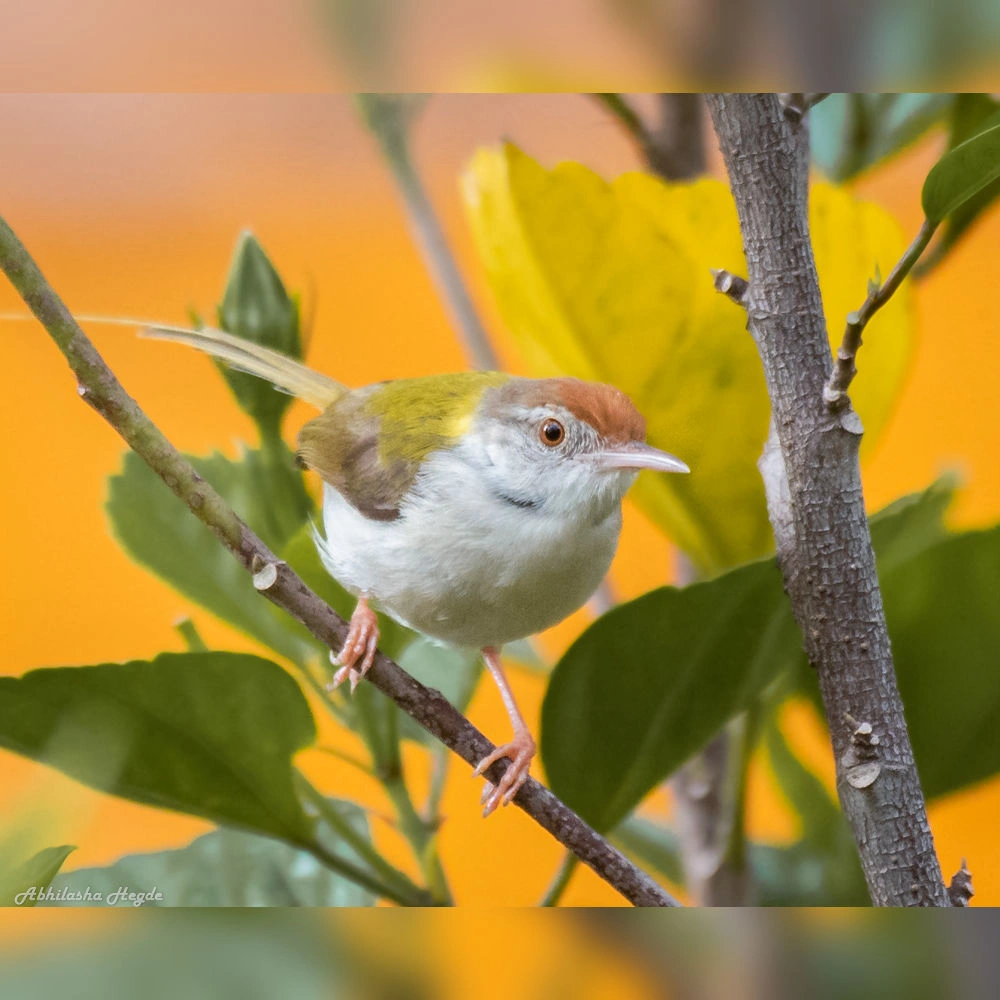
Common Tailorbird
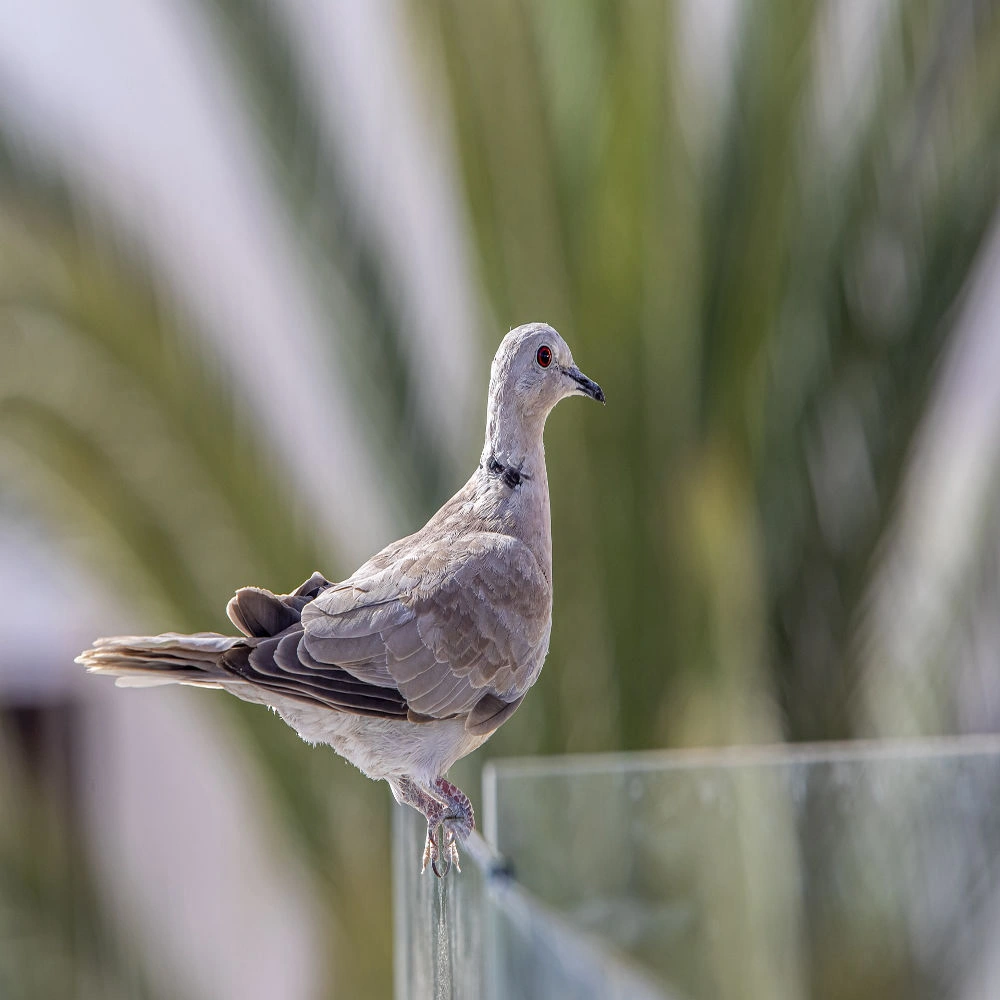
Eurasian-collared Dove

House Sparrow
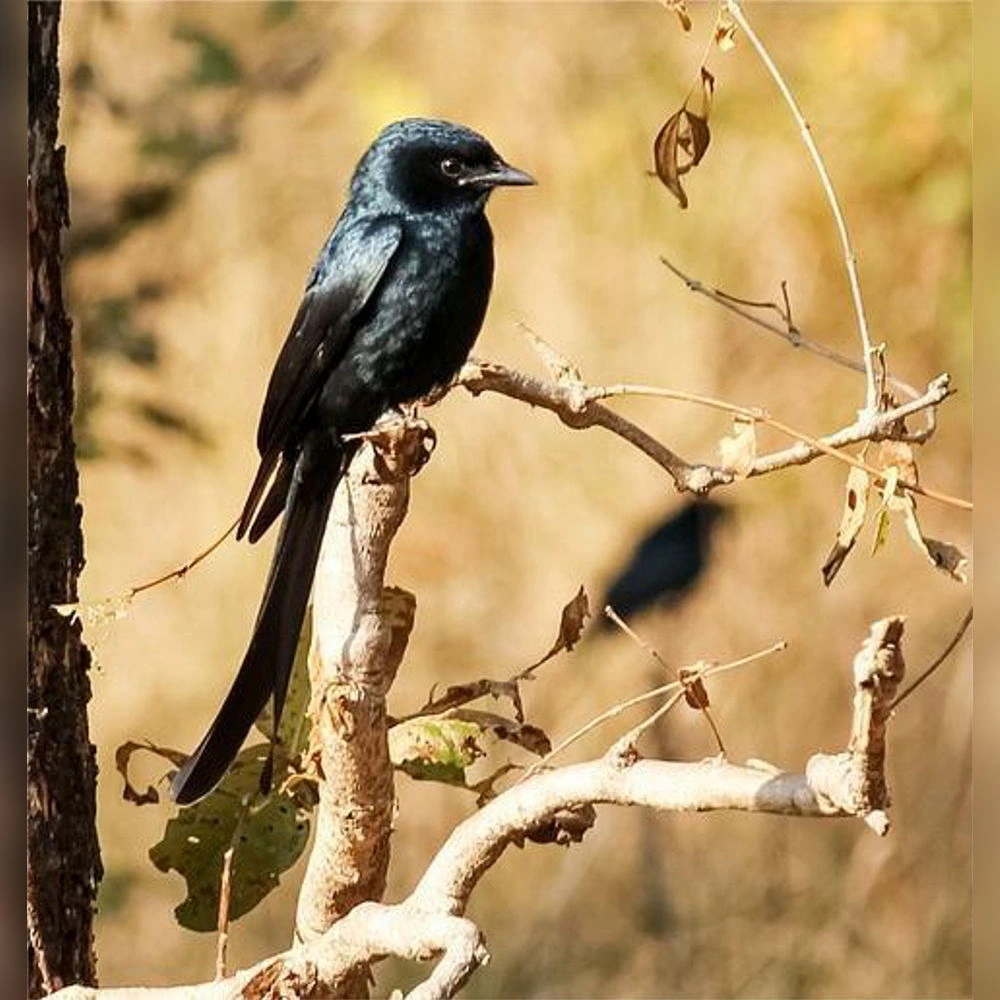
Black Drongo

Common Myna

Red-whiskered Bulbul
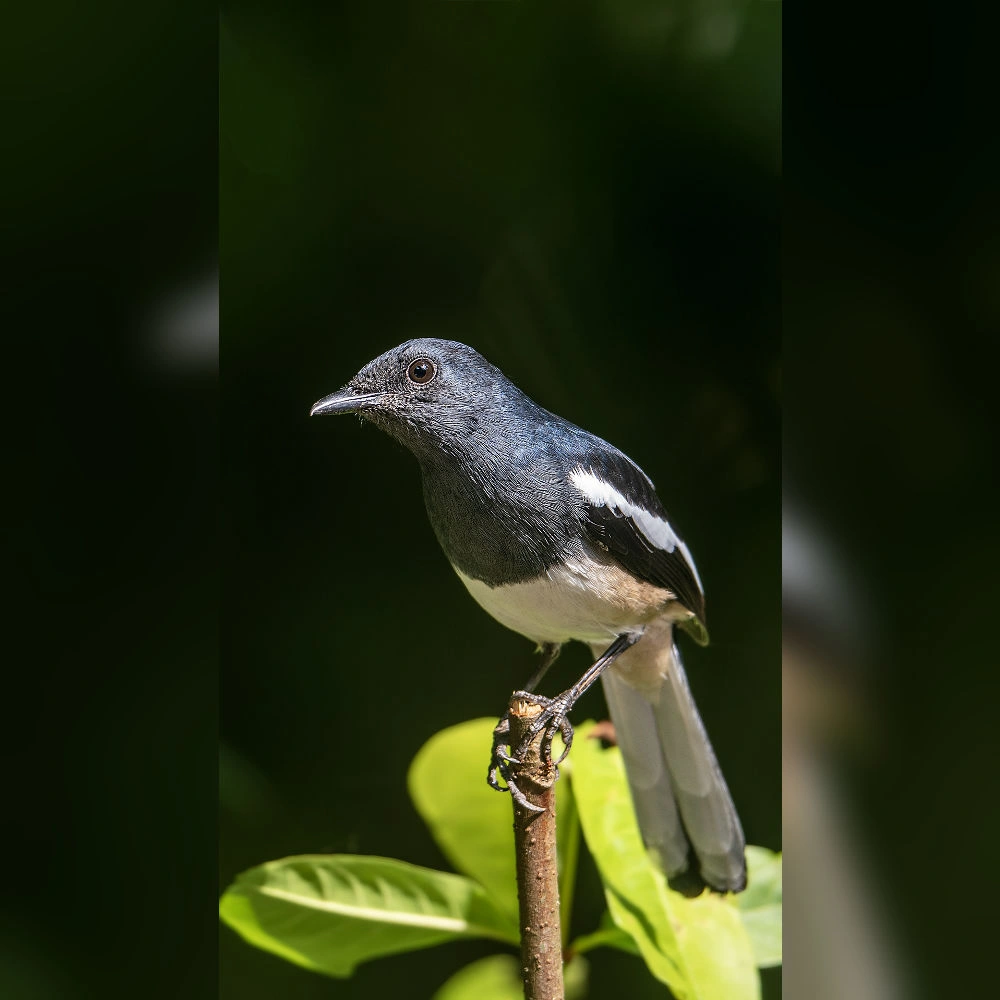
Oriental Magpie Robin

Indian Grey Hornbill
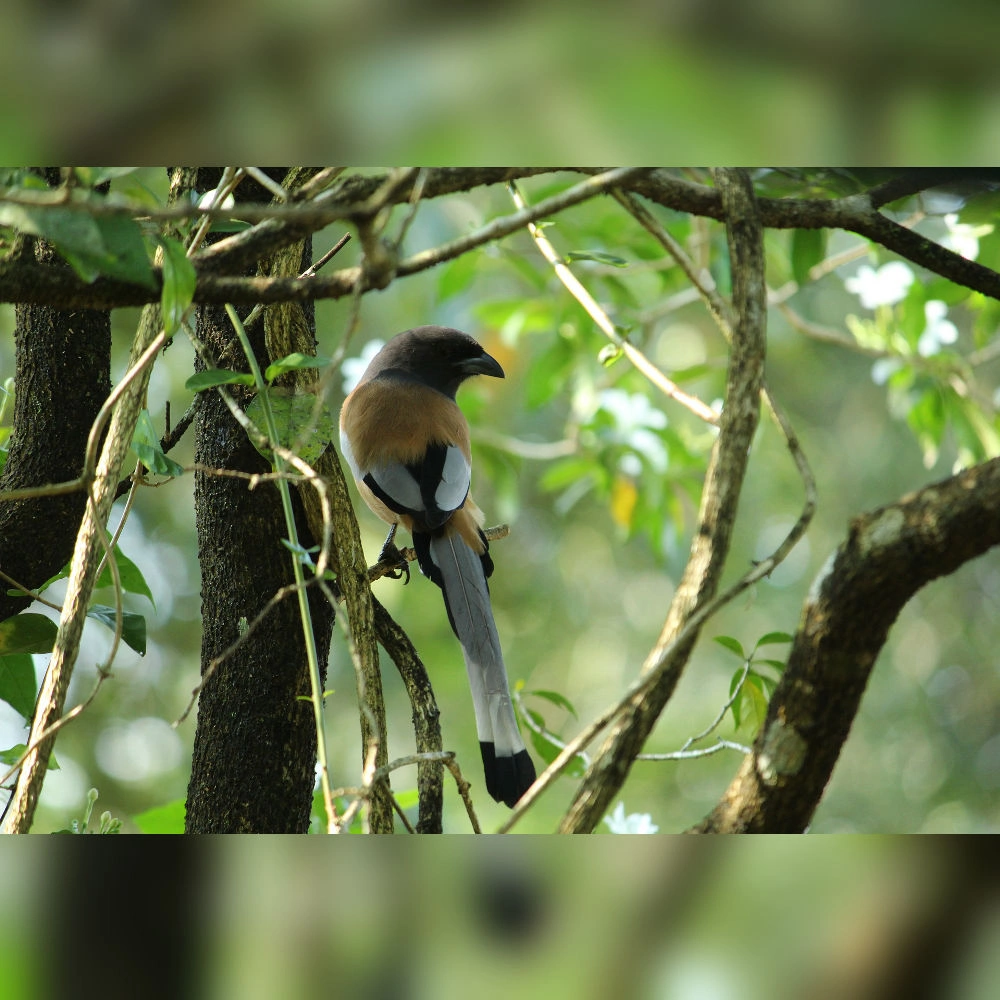
Rufous Treepie

Shikra
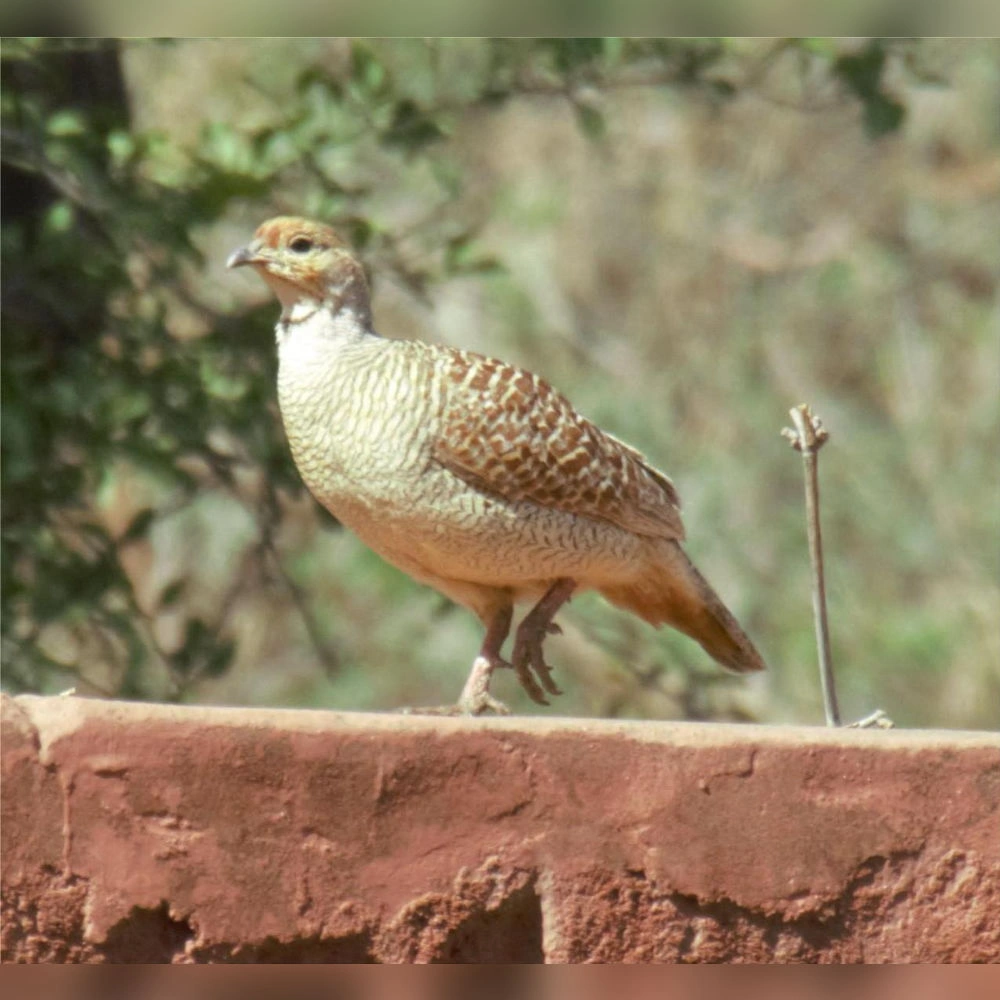
Grey Francolin
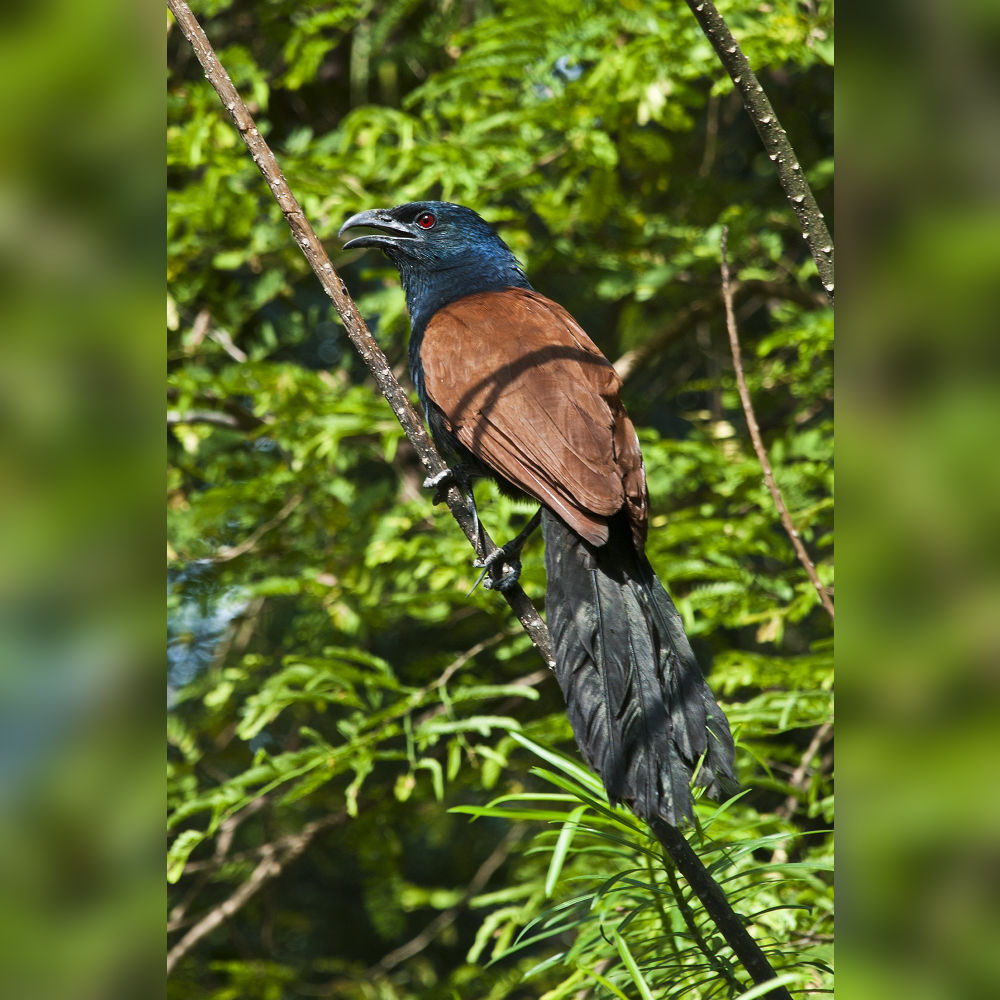
Greater Coucal

Asian Green Bee-eater
Summary of Walk
Fourteen participants joined guide Mansi Lodhi for a beginner-level bird walk through the Qutub Minar Complex, New Delhi, with many of the adults bringing their kids along for the outing. The walk opened with a Black Kite perched patiently atop a Neem tree, giving the group plenty of time to practise using their binoculars before moving further into the complex.
Toward the end of the walk, the group spotted a group of Spotted Owlets — for many participants, it was their very first time seeing an owl, and everyone spent a good long while observing its behaviour up close. The Alexandrine Parakeet and Red-wattled Lapwing rounded out the highlight list, and with so many families and children in the group, Mansi kept the pace relaxed and inclusive, making for a memorable first birding experience for the youngest members of the group.
Number of Participants
0
