
Loading Events

Bird Walk at Adyar River Trail, Chennai, TN

About Adyar River Trail

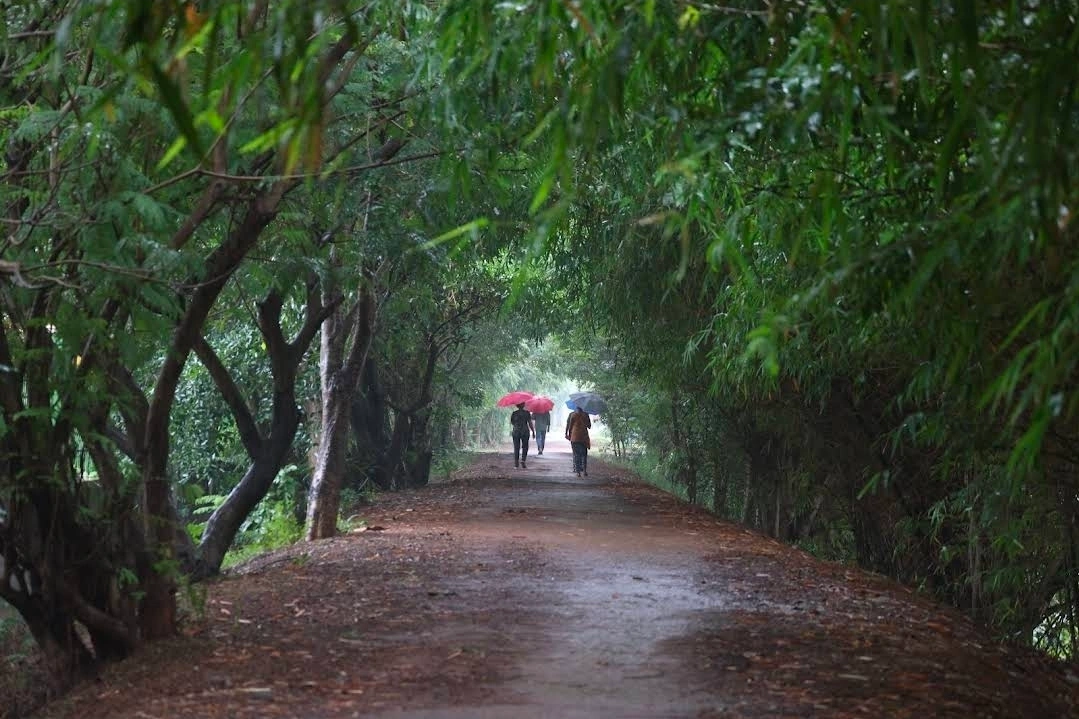
The Adyar River Trail in Chennai follows the landscape around the Adyar River, where waterways, wetland patches, open areas, vegetation, and pockets of tree cover create a varied natural environment within the city. The trail offers a glimpse of Chennai’s riverine ecosystems, with changing conditions along the river depending on the season, rainfall, and water flow. Its mix of aquatic and terrestrial habitats provides an important green and wetland corridor through an otherwise highly urbanised landscape.

The area also reflects the pressures faced by Chennai’s urban waterways. Rapid development, pollution, waste accumulation, habitat disturbance, and changes to natural water flow can affect the river and its surrounding habitats. Protecting remaining vegetation and wetland areas, maintaining water quality, and managing human disturbance along the trail are important for conserving the ecological value of the Adyar River landscape while allowing people to continue enjoying it as a nature and birdwatching destination.

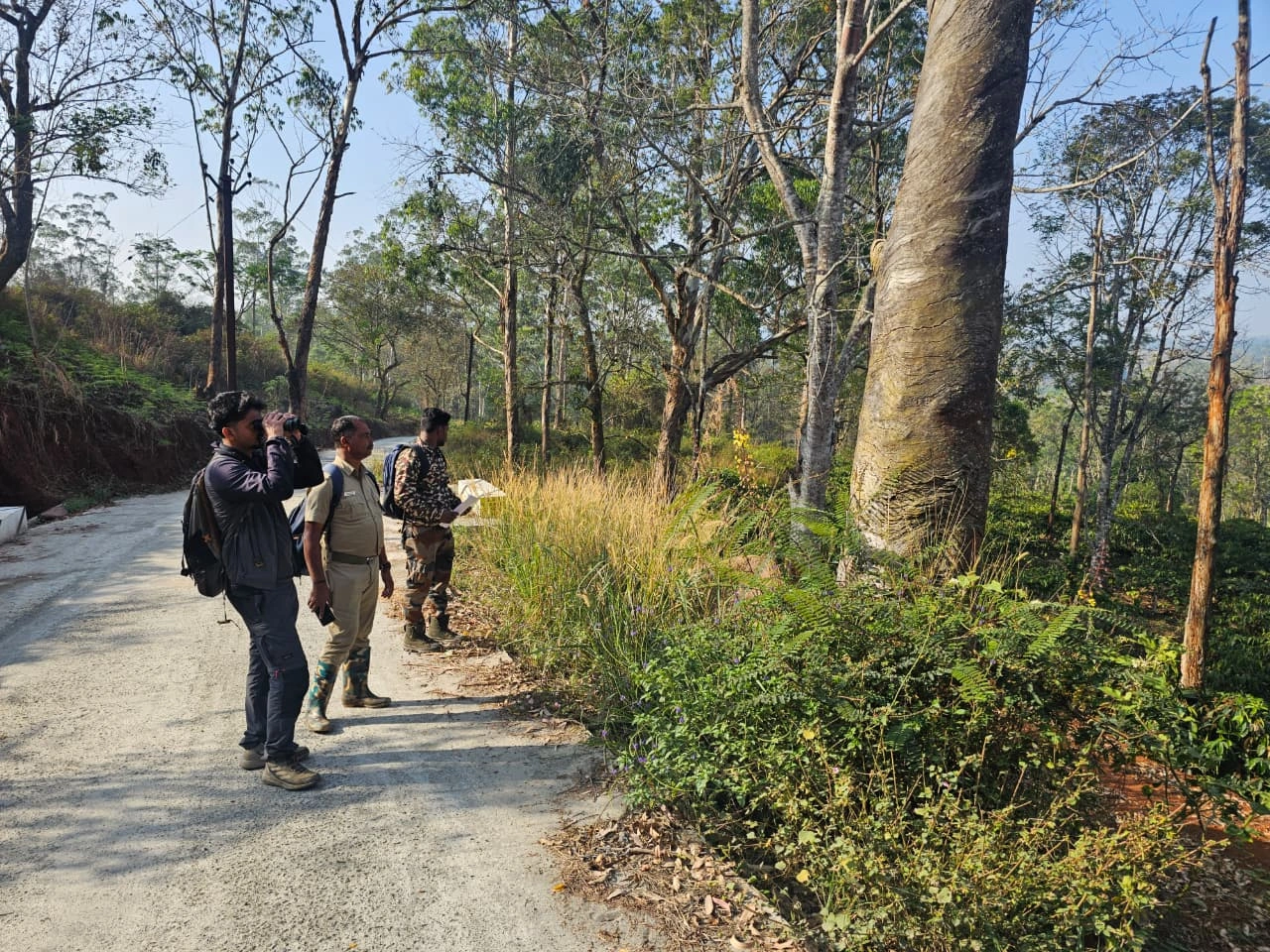
Bird Guide: Francis Anish

He is an ornithologist and avid birdwatcher with over three years of research experience at the Salim Ali Centre for Ornithology and Natural History (SACON), Coimbatore. His work includes research on the Critically Endangered White-bellied Heron, reflecting his strong interest in bird conservation and ecology. Beyond research, he regularly explores the field as a passionate birder, deepening his understanding of bird behavior and habitats. He has also volunteered as a bird expert for the Tamil Nadu Forest Department's raptor survey in Mudumalai Tiger Reserve, contributing to important wildlife monitoring and conservation efforts.
Bird walk Location

Common birds of Adyar River Trail

The Adyar River Trail supports a diverse mix of wetland, woodland, open-country, and urban-adapted birds. Water-associated species such as Black-crowned Night Heron, Little Egret, Indian Pond-Heron, Eastern Cattle-Egret, Medium Egret, Purple Heron, Eurasian Moorhen, Grey-headed Swamphen, White-breasted Waterhen, Red-wattled Lapwing, Common Sandpiper, and White-browed Wagtail make use of the river, wet margins, and surrounding habitats. Pied and Asian Green Bee-eaters, Blue-tailed Bee-eaters, White-throated Kingfisher, and Pied Kingfisher add variety to the riverine birdlife, while Black Kite represents the area’s raptors. The surrounding vegetation supports species such as Coppersmith Barbet, Black-rumped Flameback, Rose-ringed Parakeet, Black Drongo, Common Tailorbird, Ashy Prinia, White-browed Bulbul, Red-vented Bulbul, Yellow-billed Babbler, Common Myna, Purple-rumped Sunbird, and Barn Swallow. Asian Koel, Pied Cuckoo, and Common Hawk-Cuckoo add to the diversity of cuckoos recorded along the trail. Together, these species reflect the varied habitats of the Adyar River landscape and its importance as an urban birdwatching area.
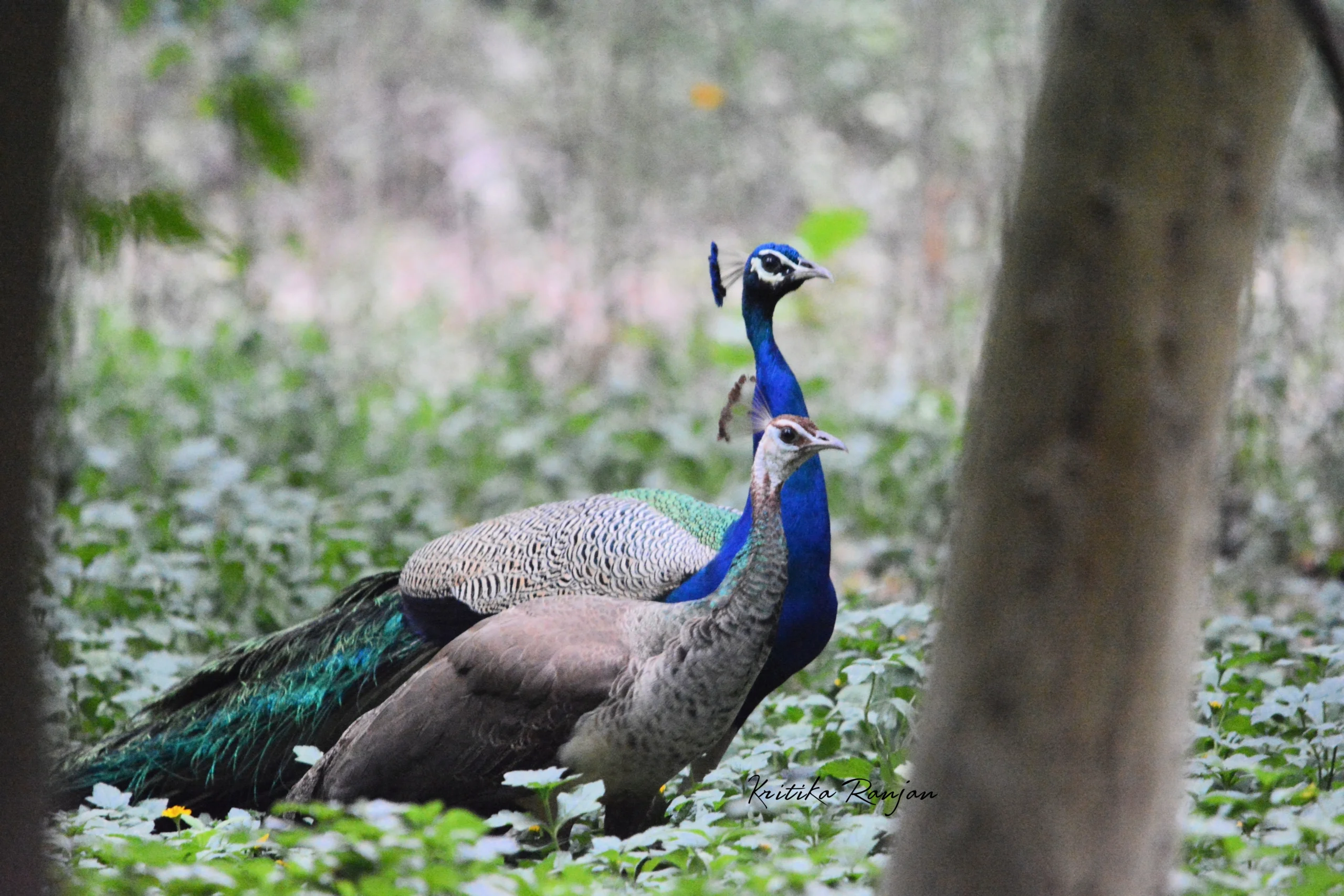
Indian Peafowl
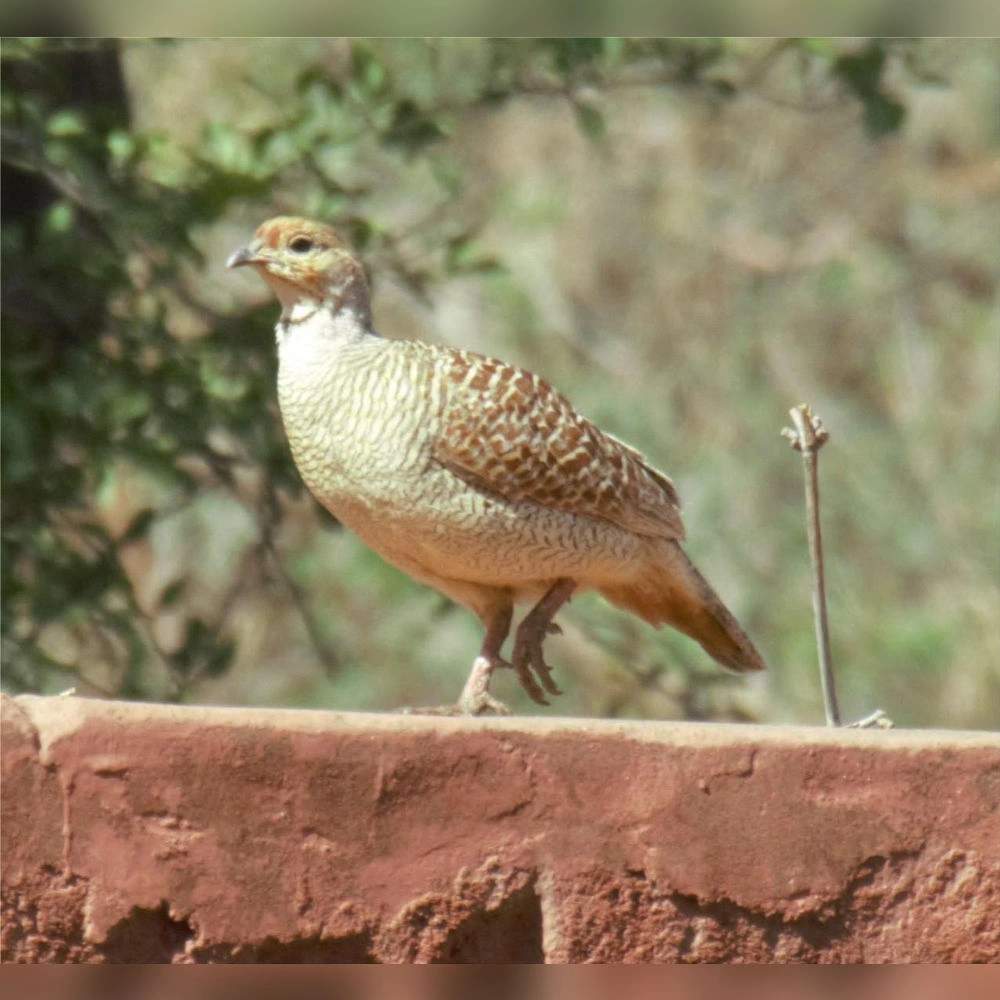
Grey Francolin
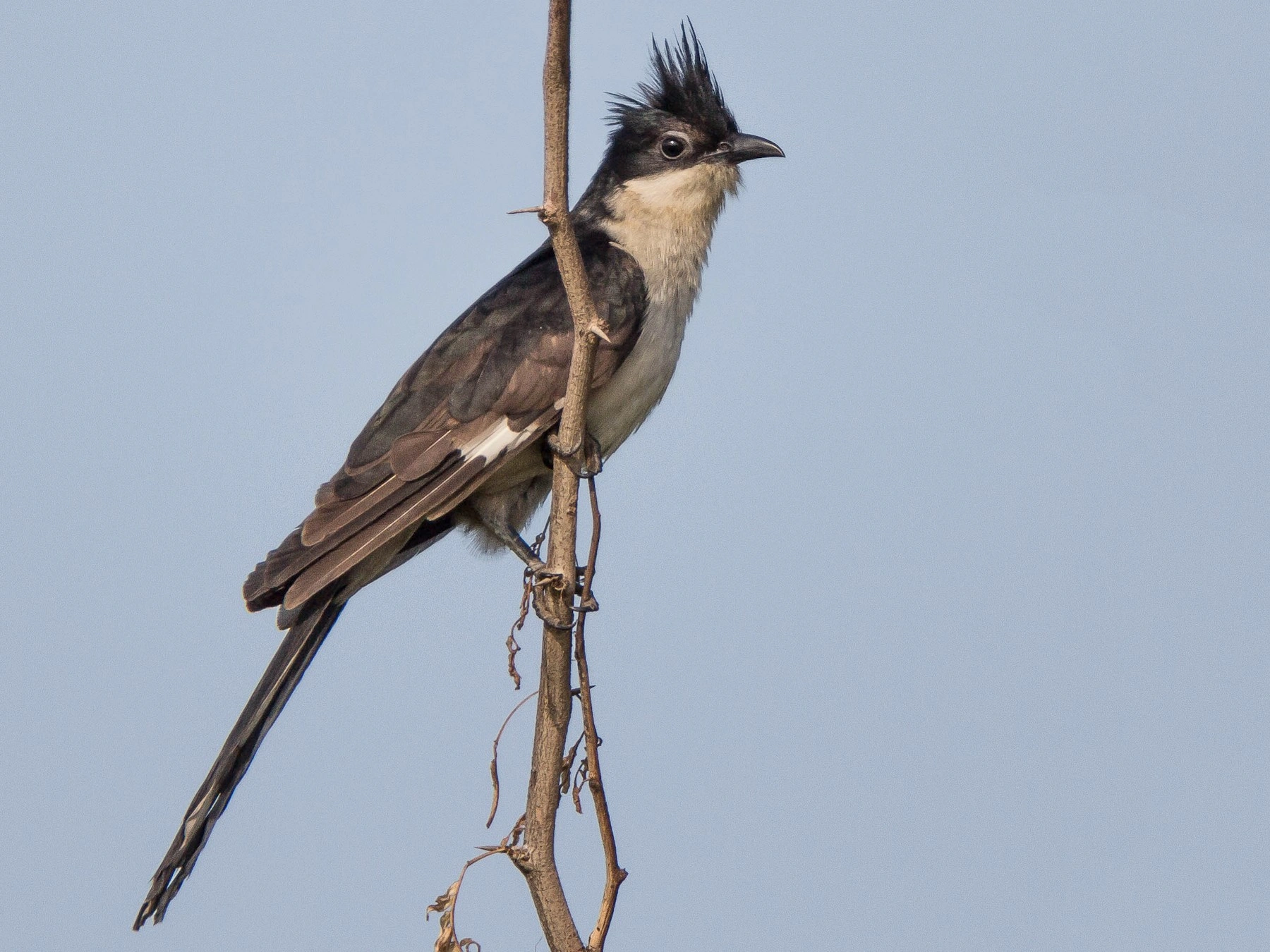
Pied Cuckoo
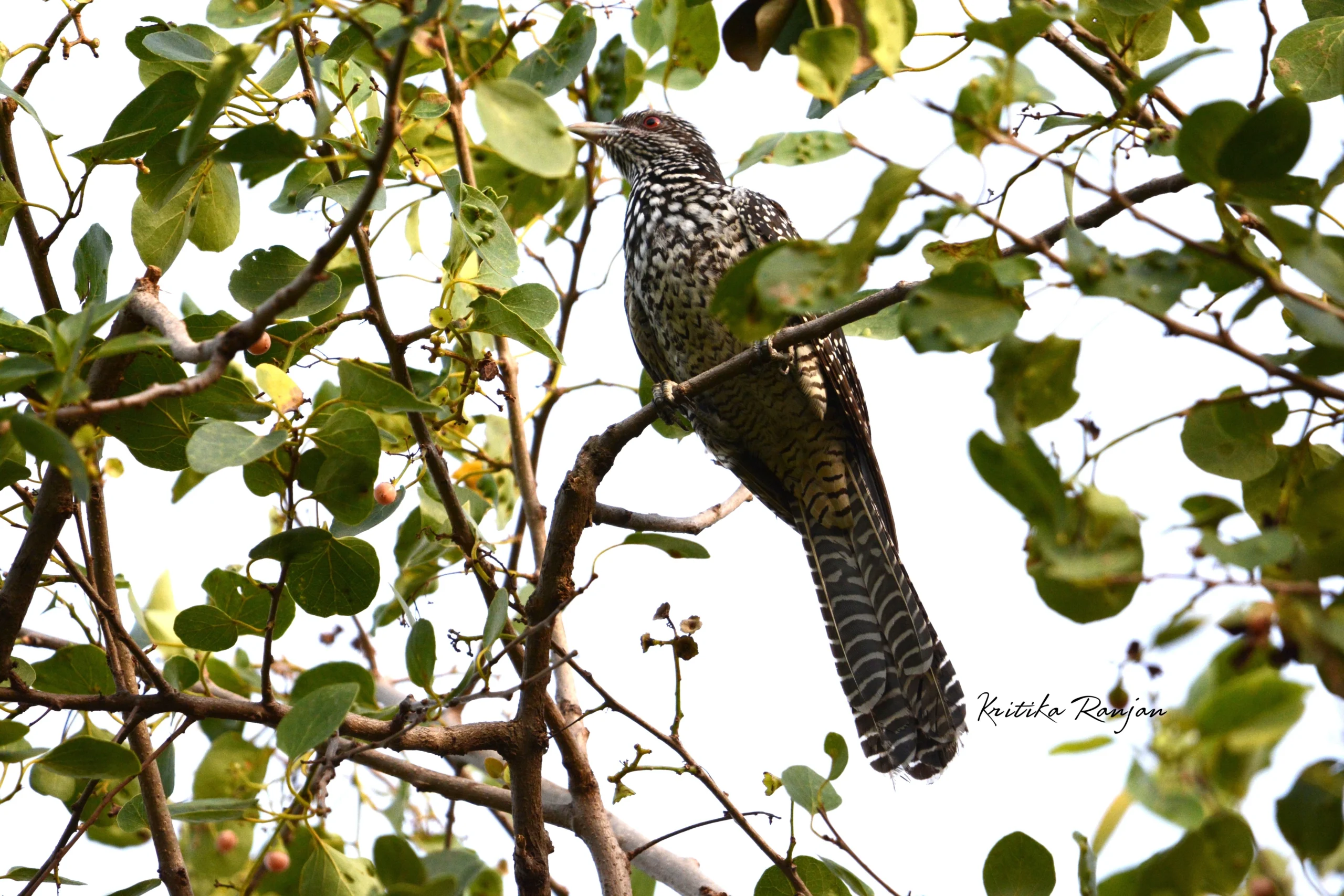
Asian Koel
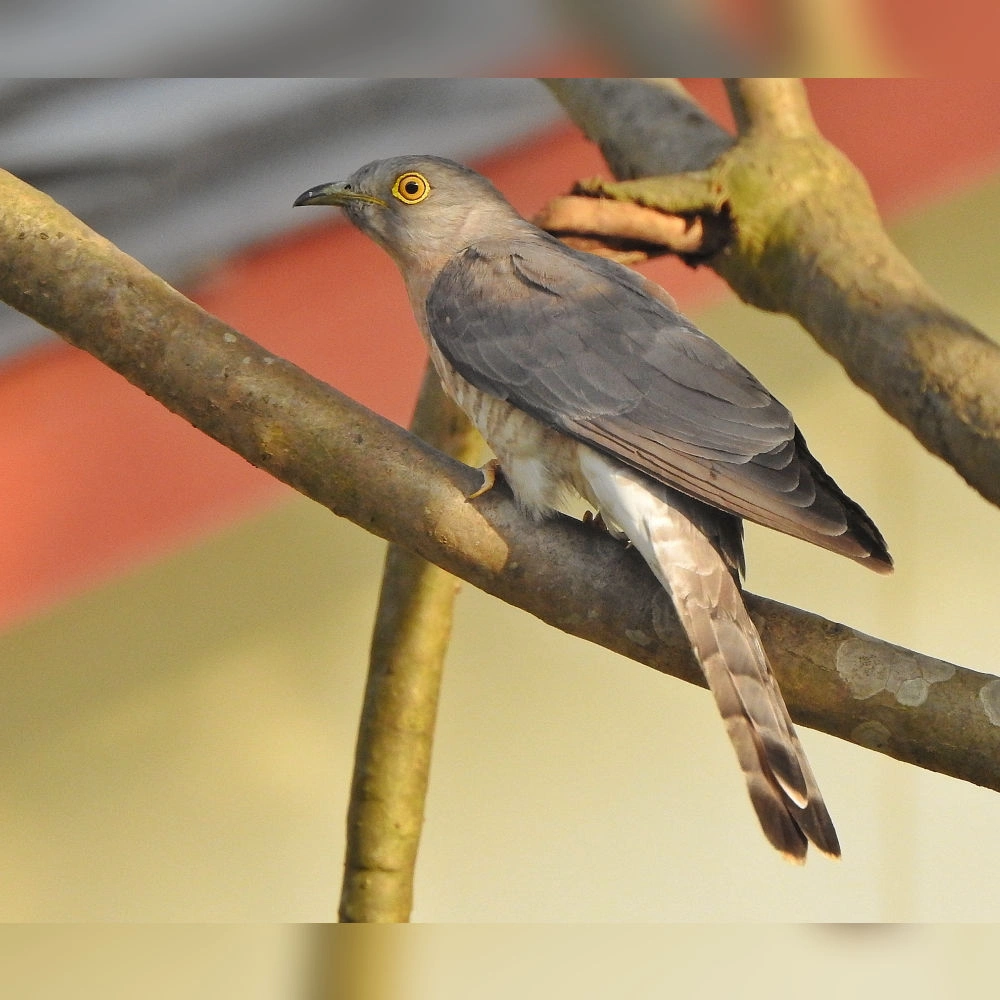
Common Hawk-Cuckoo
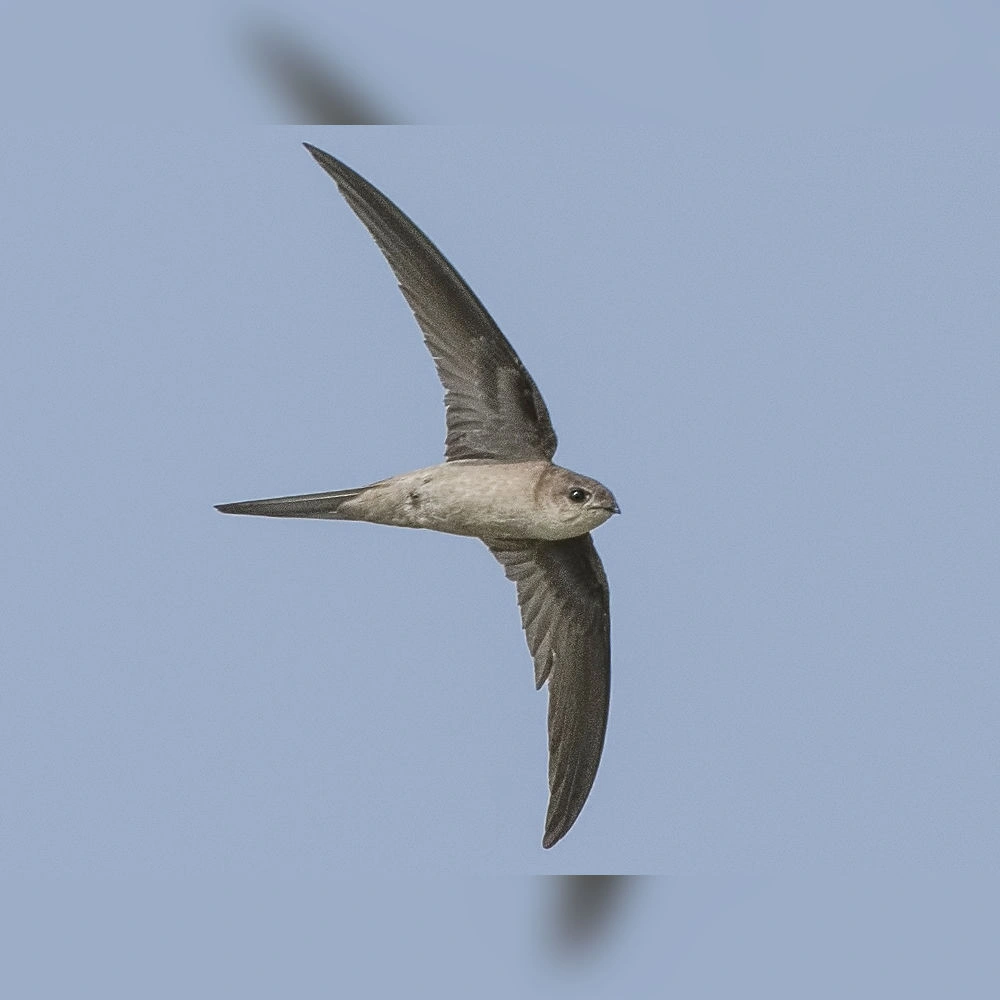
Asian Palm Swift
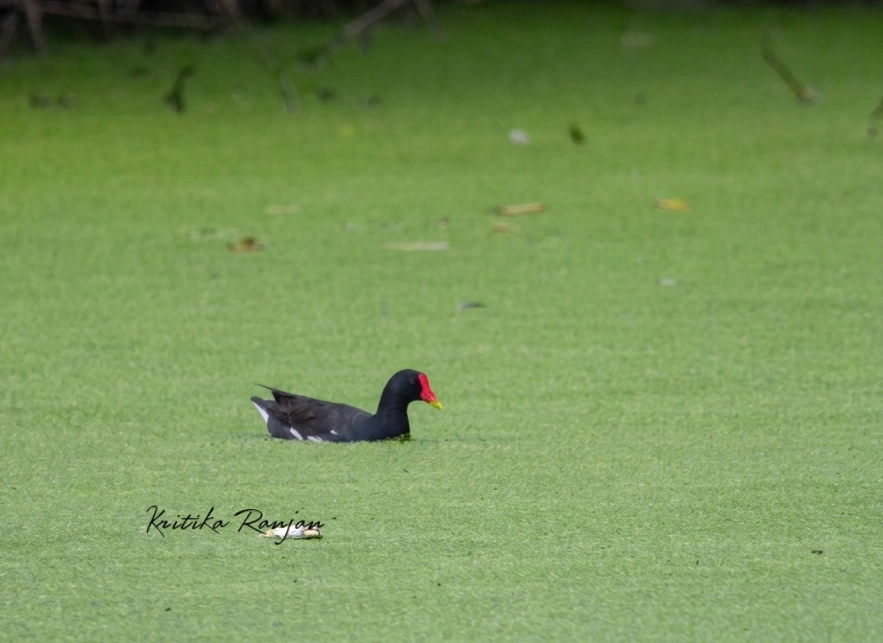
Eurasian Moorhen
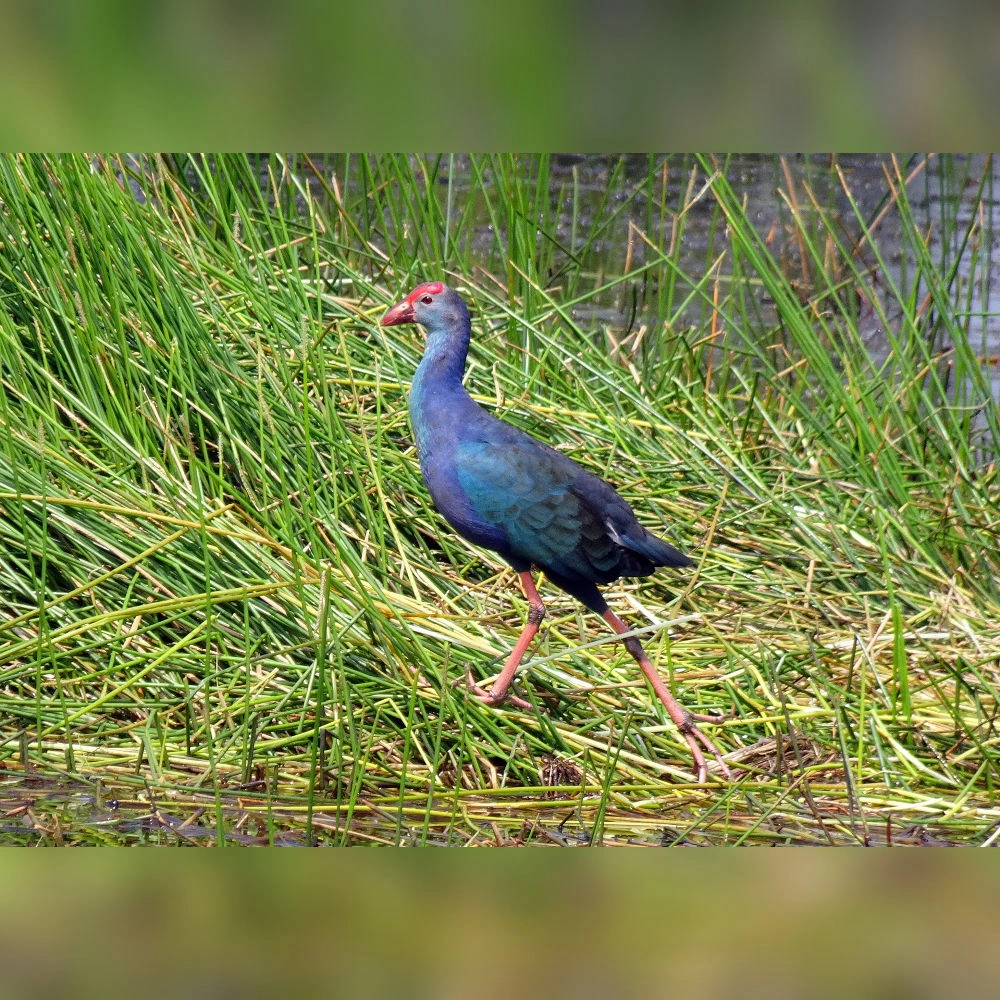
Grey-headed Swamphen
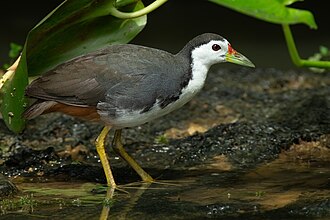
White-breasted Waterhen
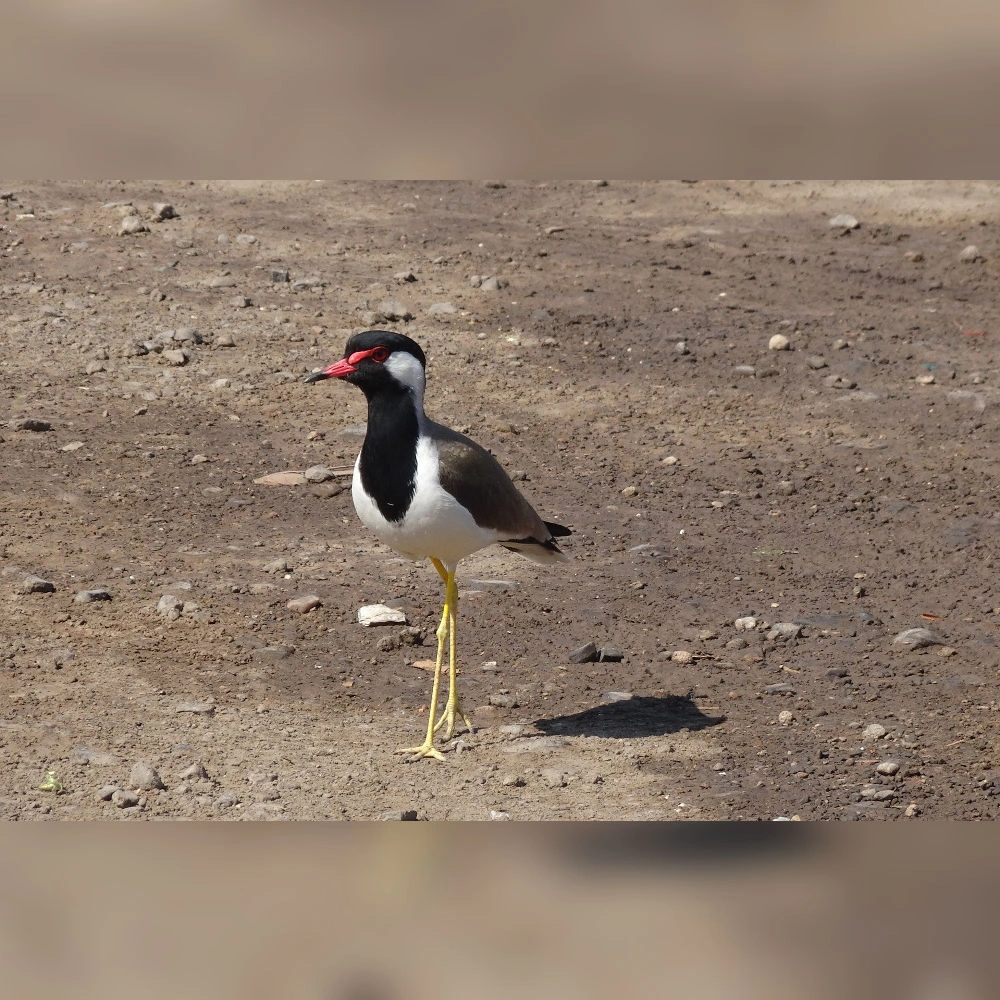
Red-wattled Lapwing
Common Sandpiper
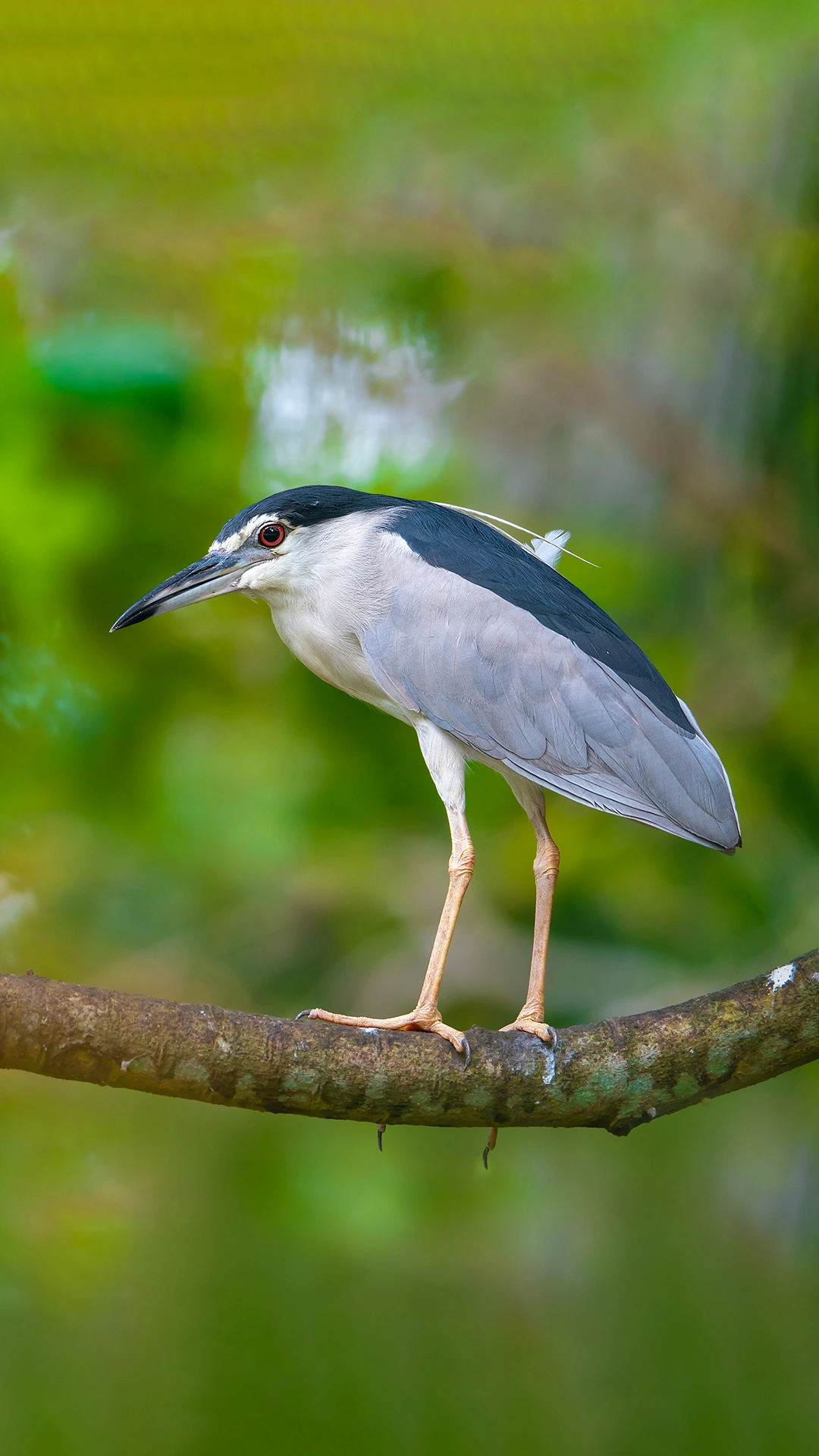
Black-crowned Night Heron
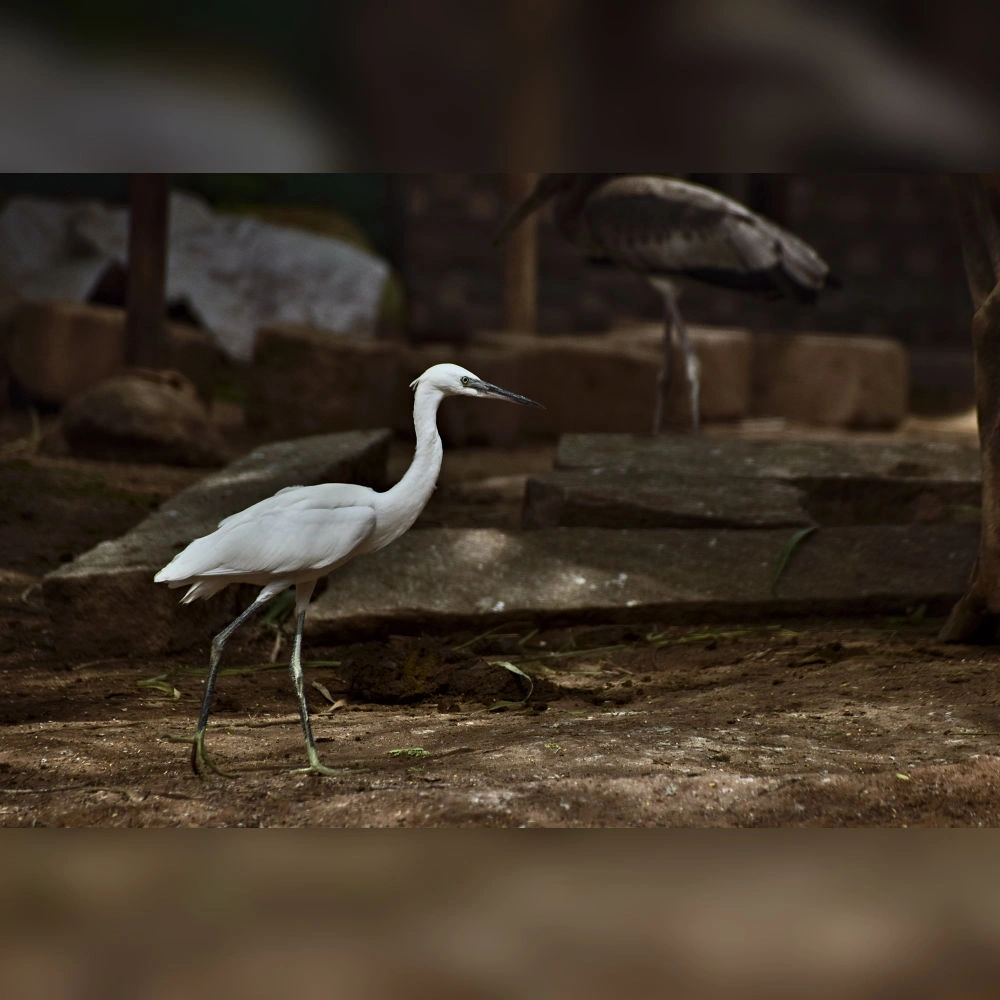
Little Egret
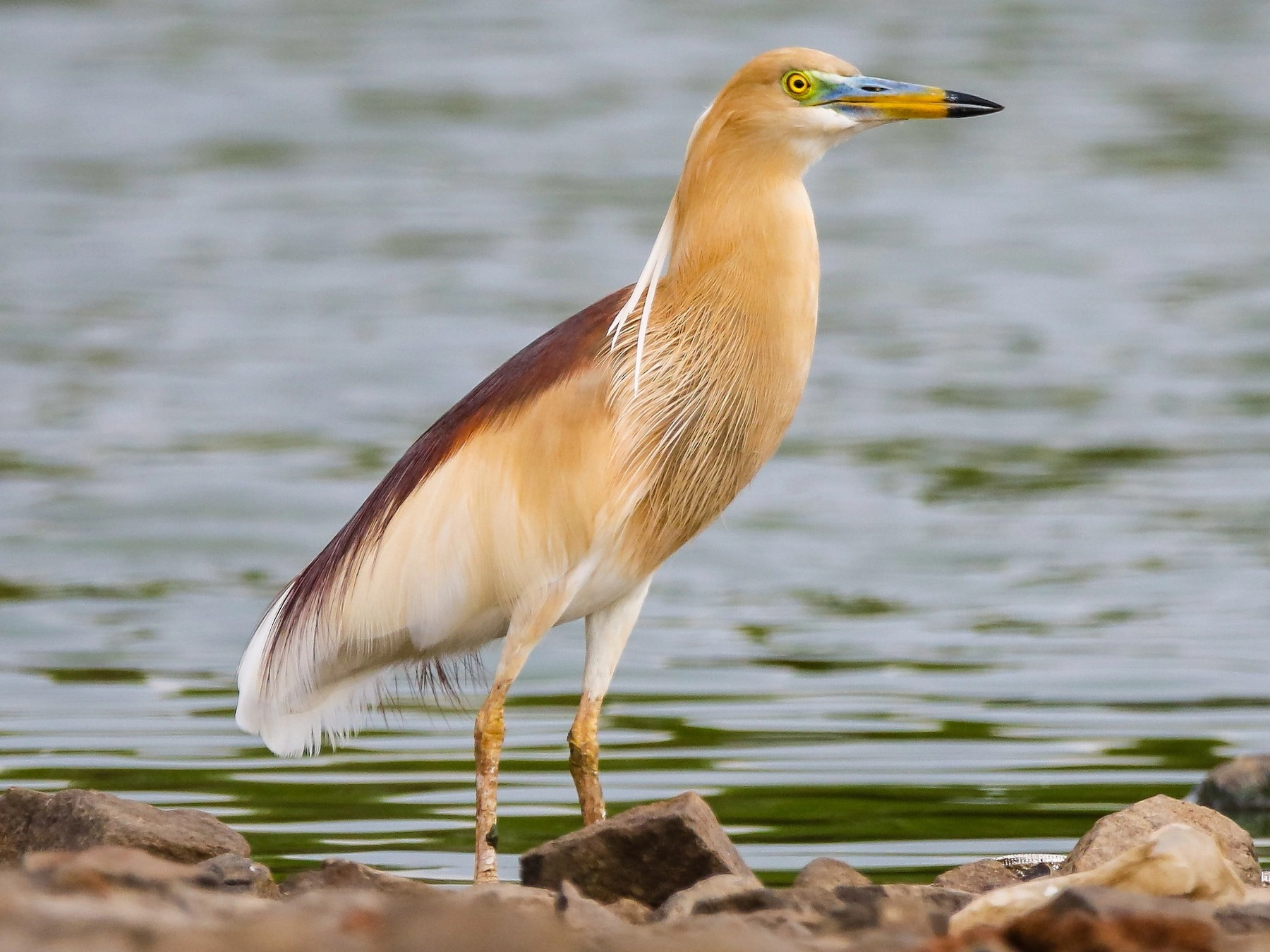
Indian Pond-Heron
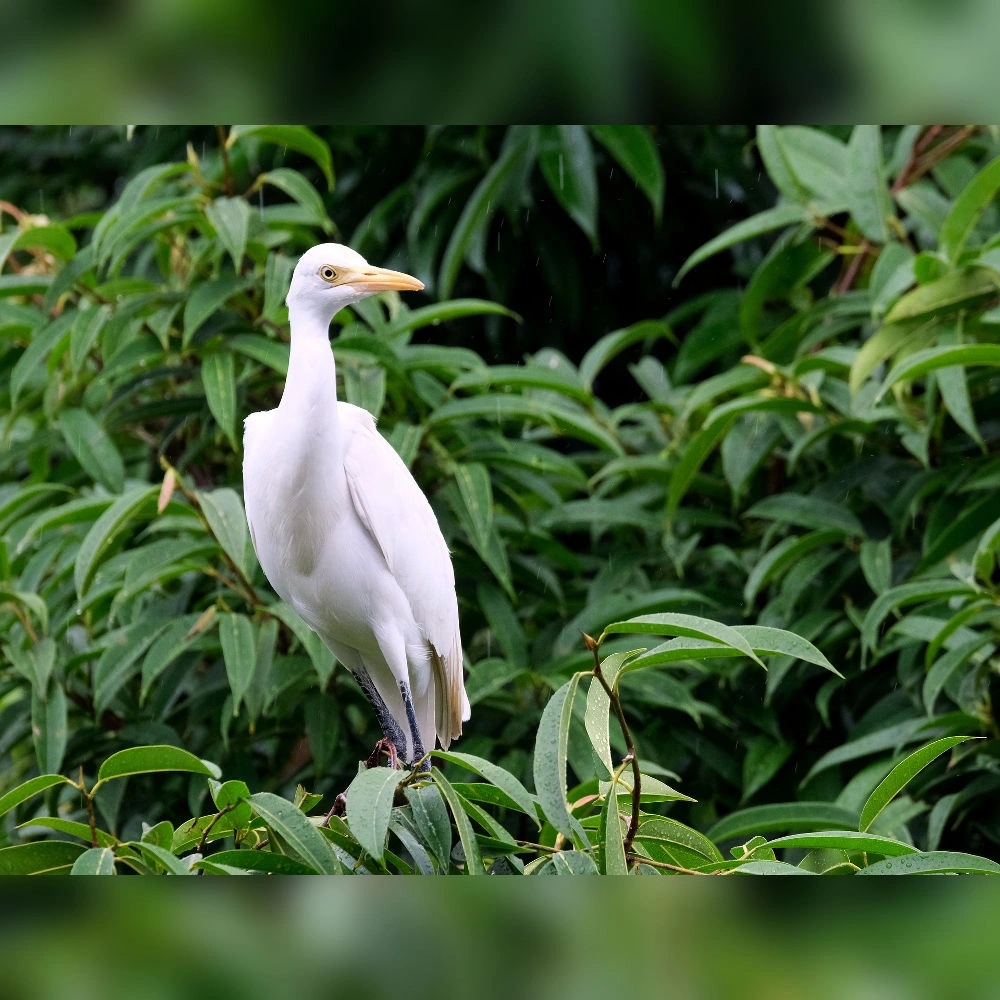
Eastern Cattle-Egret
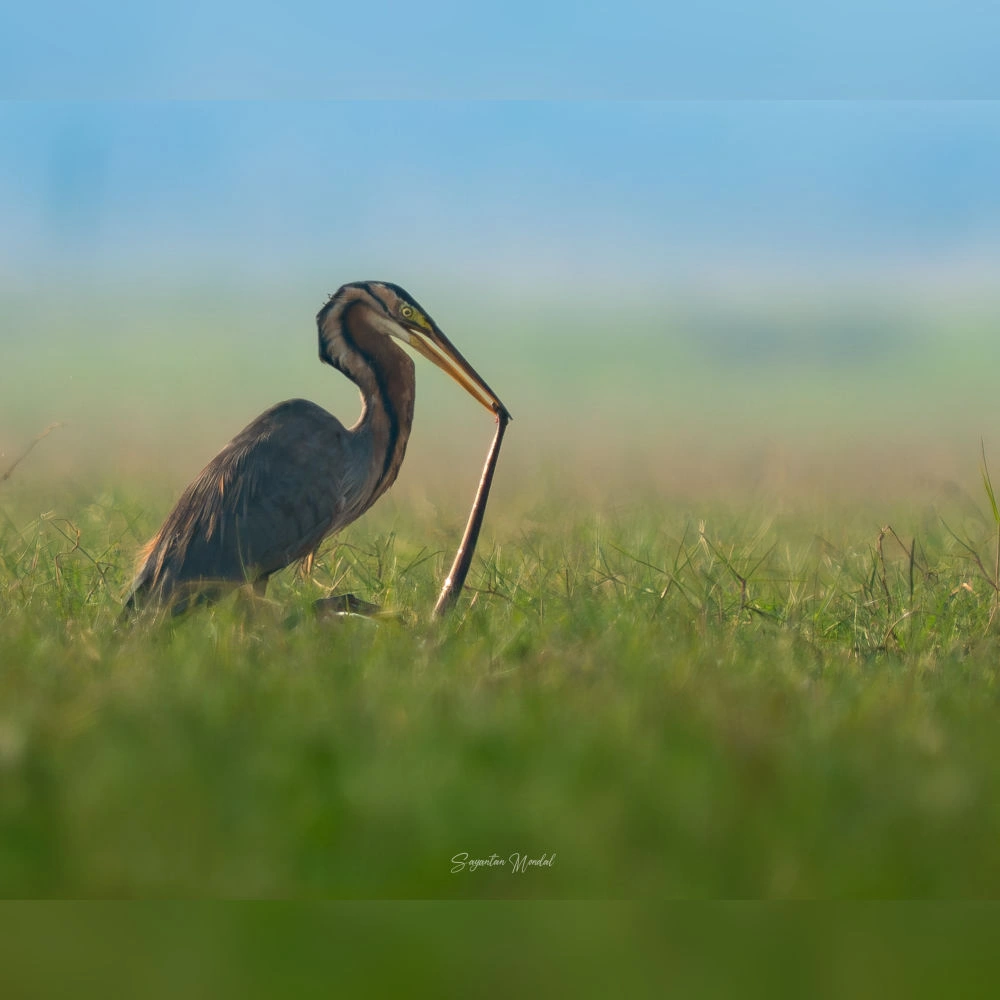
Purple Heron

Black Kite
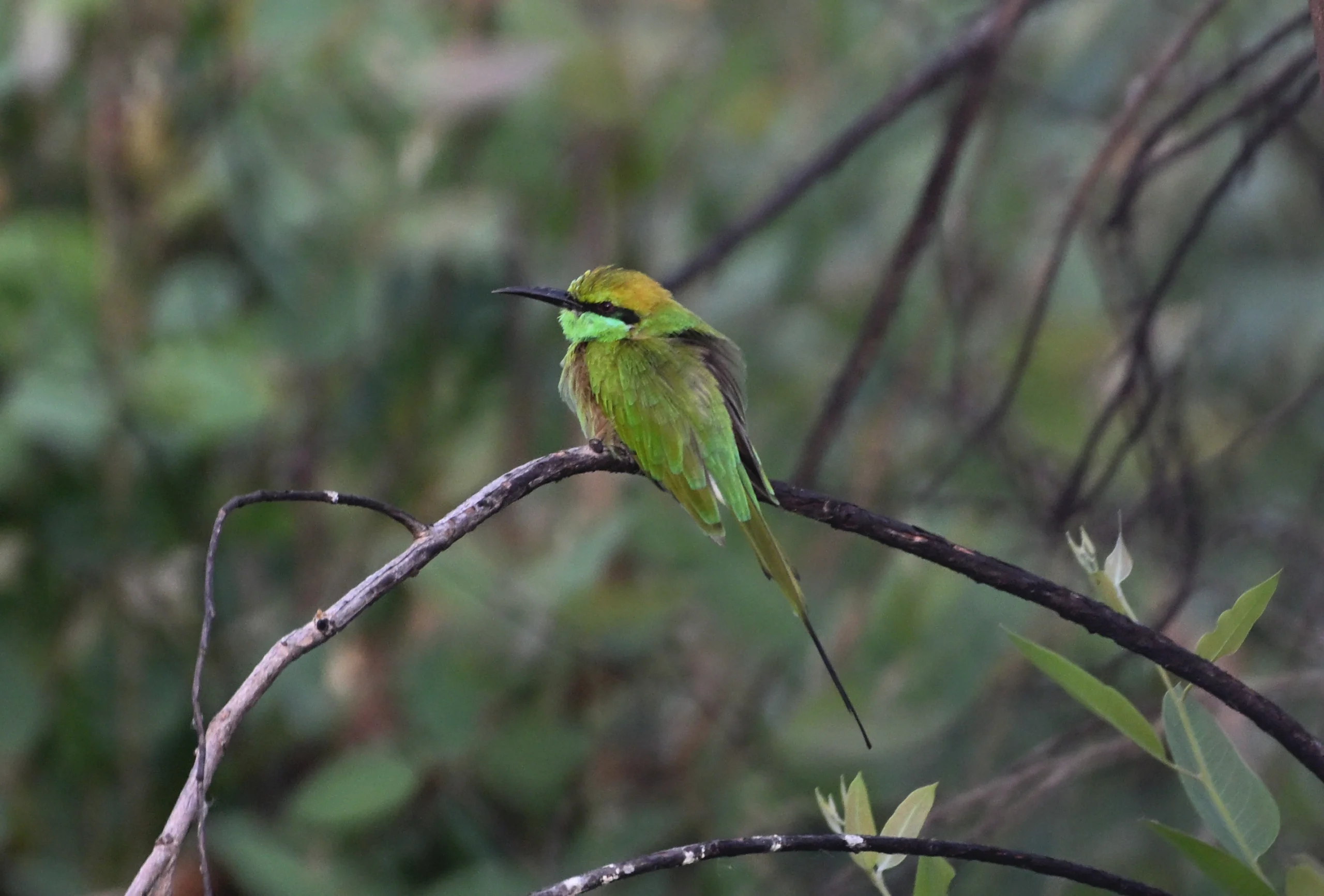
Asian Green Bee-eater
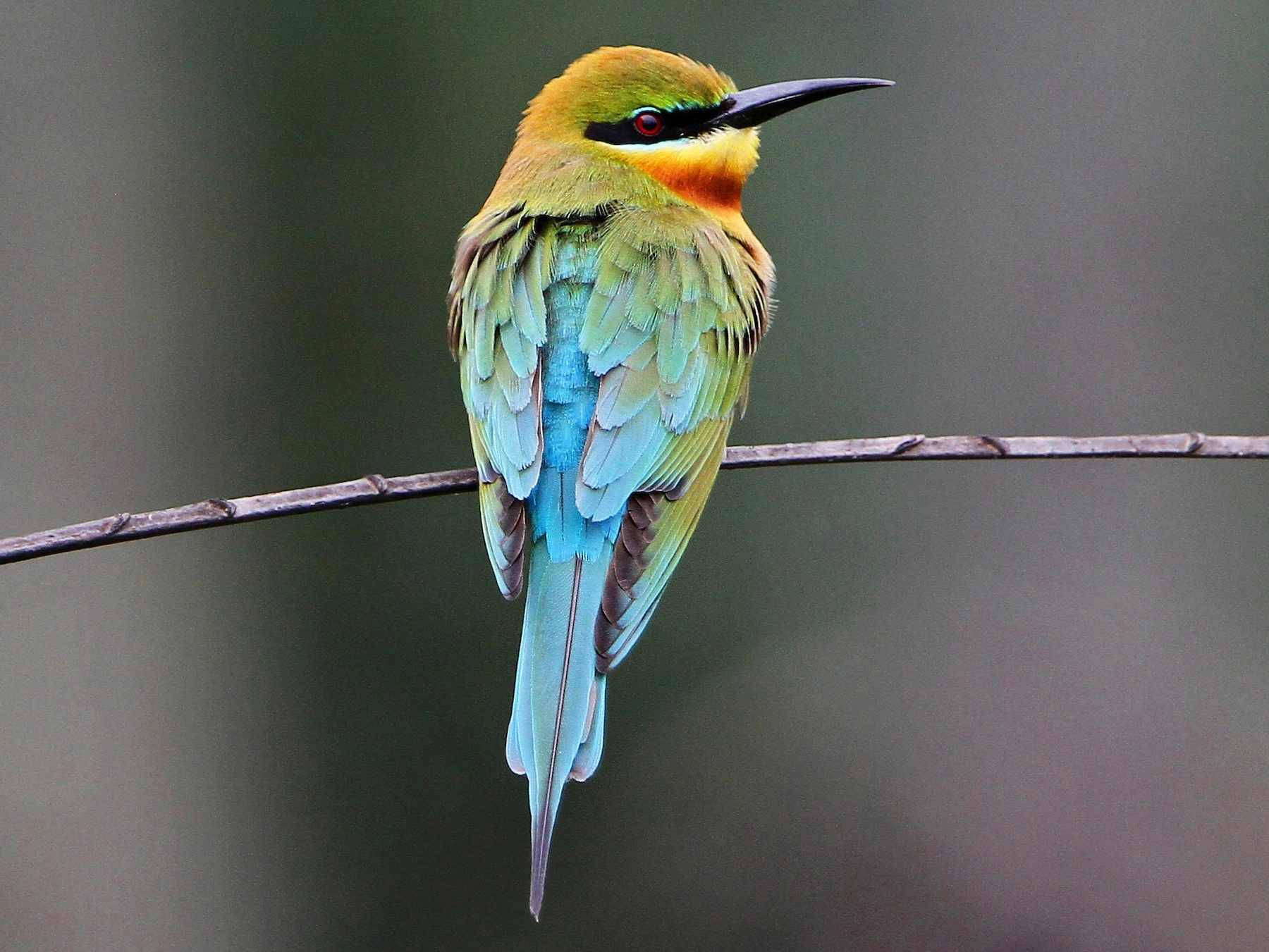
Blue-tailed Bee-eater
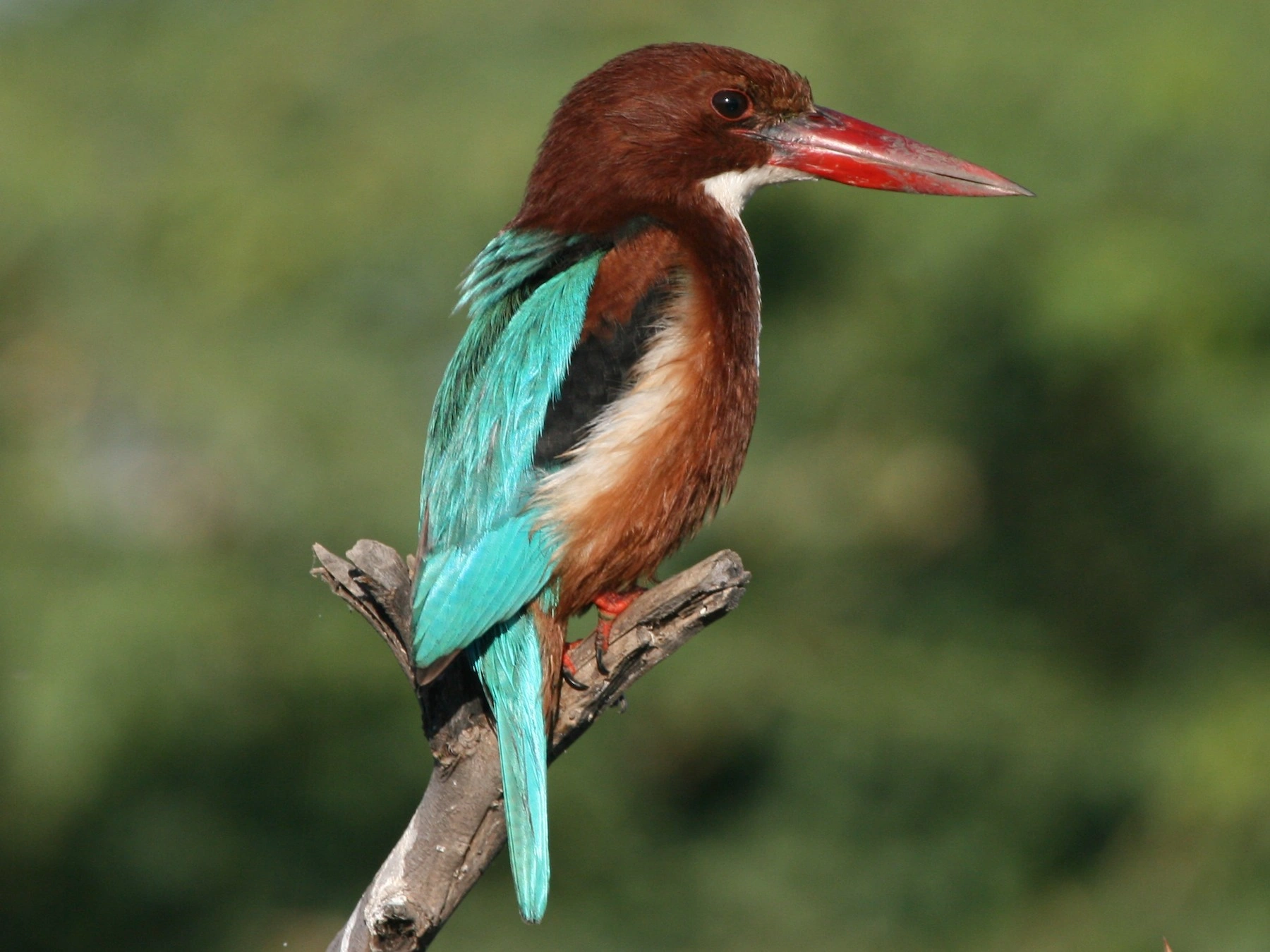
White-throated Kingfisher

Scroll to Top