

Bird Walk at Indira Gandhi Rashtriya Manav Sangrahalaya, Bhopal
- Bhopal
- 4 October, 2026
- Kritalee Chindarakar
About Indira Gandhi Rasthtriya Manav Sangrahalaya
Indira Gandhi Rashtriya Manav Sangrahalaya (IGRMS), or the National Museum of Mankind, is located on the picturesque Shyamla Hills in Bhopal, Madhya Pradesh. Established in 1977, this unique anthropological museum sprawls across nearly 200 acres overlooking the Upper Lake, making it one of the largest open-air museums in Asia. Designed to showcase the evolution of humankind and the diversity of Indian cultural traditions, the museum integrates both indoor galleries and expansive outdoor exhibits.
The museum highlights the living heritage of tribal and folk communities through life-sized dwellings, reconstructed villages, and thematic exhibitions on rituals, crafts, and ecological adaptations. With more than 80 open-air displays and collections from across India, IGRMS provides an immersive experience into the coexistence of people, culture, and nature. Beyond its role as a repository of heritage, it also functions as a center for research, documentation, and cultural dialogue. Despite challenges of modernization and changing lifestyles, the museum remains a vibrant space where the richness of India’s human story is preserved and celebrated within a natural landscape.

Bird Guide: Kritalee Chindarkar
She is the Founder of the Tarang Eco Tours where they organize nature trails and camps focused on sustainable tourism and to create environmental awareness among people.
Bird walk Location
Common birds of IGRMS
Spread across nearly 200 acres of natural hill slopes overlooking the Upper Lake, the Indira Gandhi Rashtriya Manav Sangrahalaya (IGRMS) offers a unique blend of cultural heritage and biodiversity. Its wooded landscape, open-air exhibits, and patches of scrub and grasslands provide a mosaic of habitats that attract a wide range of bird species. Early mornings often echo with the calls of barbets, bulbuls, and drongos, while the shaded groves shelter species like parakeets, treepies, and cuckoos. Raptors such as kites and shikras are frequently sighted soaring above the open areas, taking advantage of the museum’s proximity to the lake and urban green spaces.
During the winter months, the adjoining Upper Lake draws large numbers of migratory waterbirds, many of which can also be observed from within the museum premises. Species such as common hawk cuckoo, indian grey hornbill, greater coucal, subirds are regular visitors, while flocks of gulls and terns enliven the waterscape. Together, the resident woodland birds and the seasonal migrants make IGRMS not just a cultural treasure but also a vibrant birdwatching destination, where art, history, and ecology seamlessly converge.

Coppersmith Barbet

Rose-ringed Parakeet

White-breasted Waterhen

Purple Sunbird
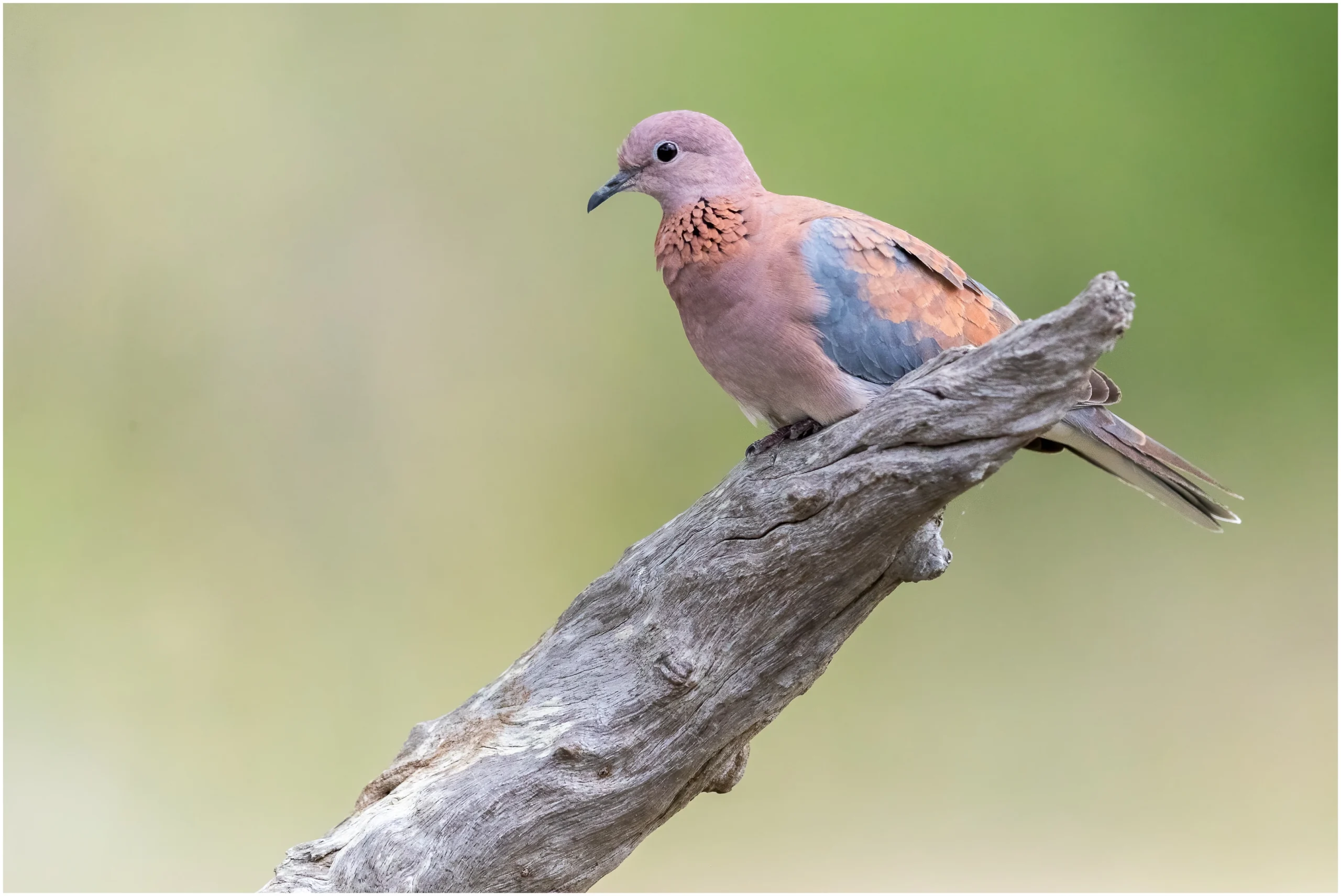
Laughing Dove

Indian White Eye
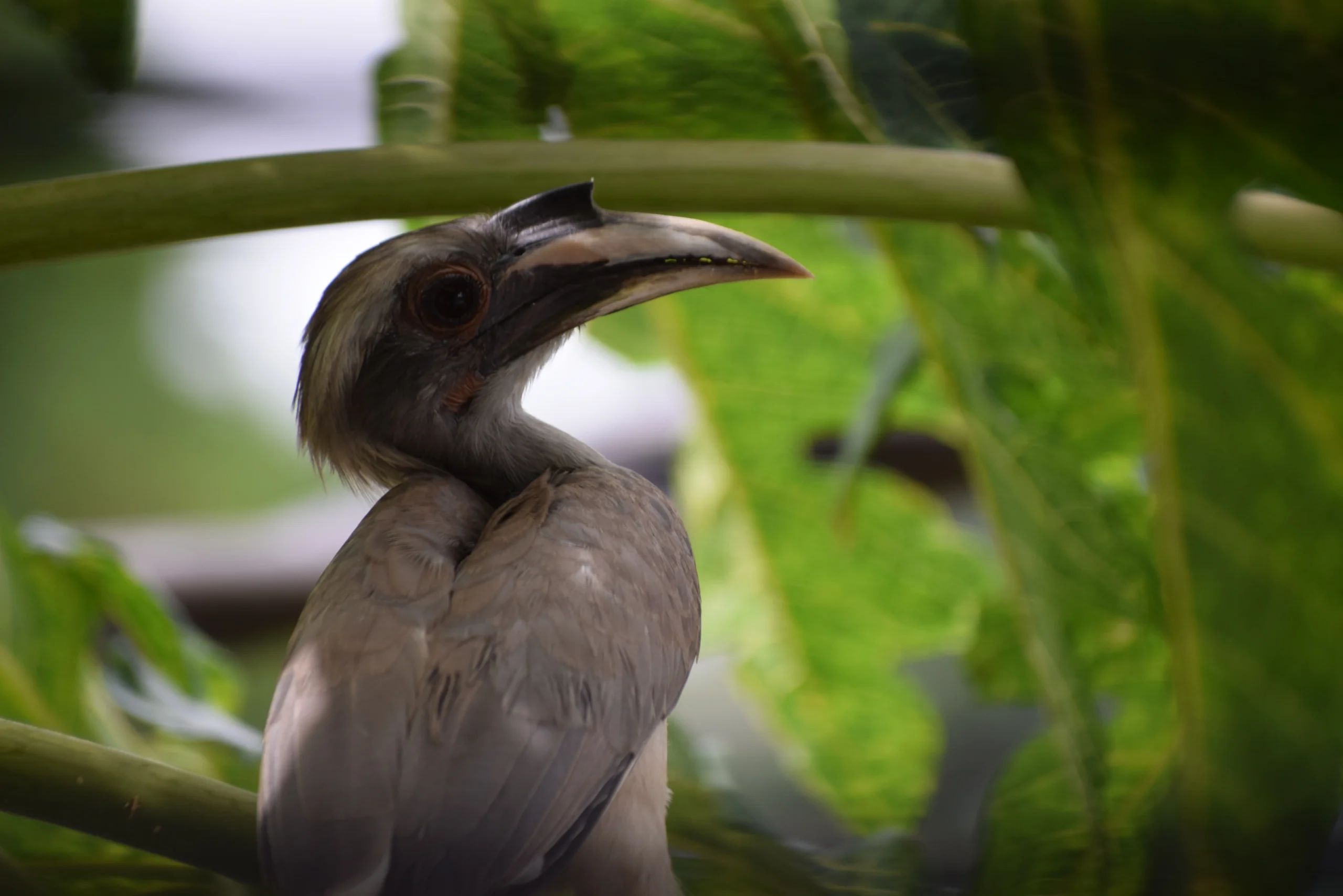
Indian Grey Hornbill
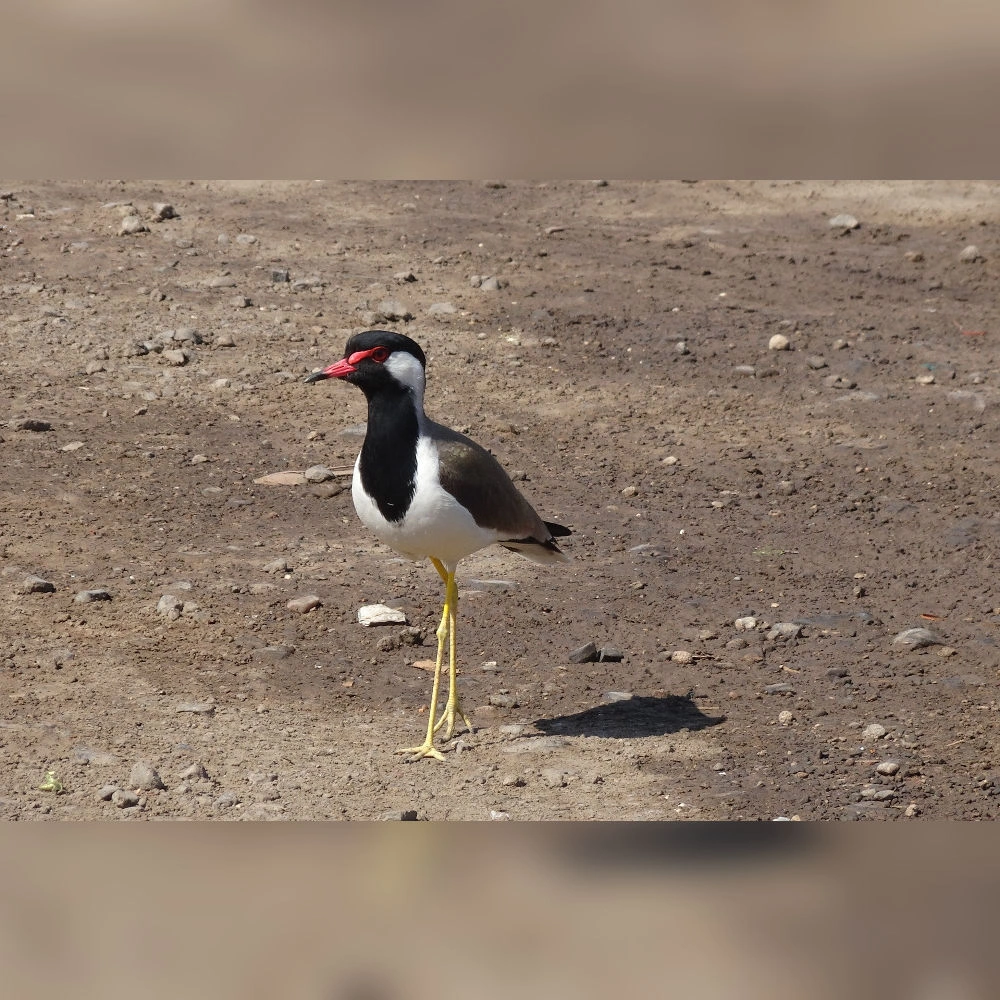
Red-wattled Lapwing

Common Tailorbird
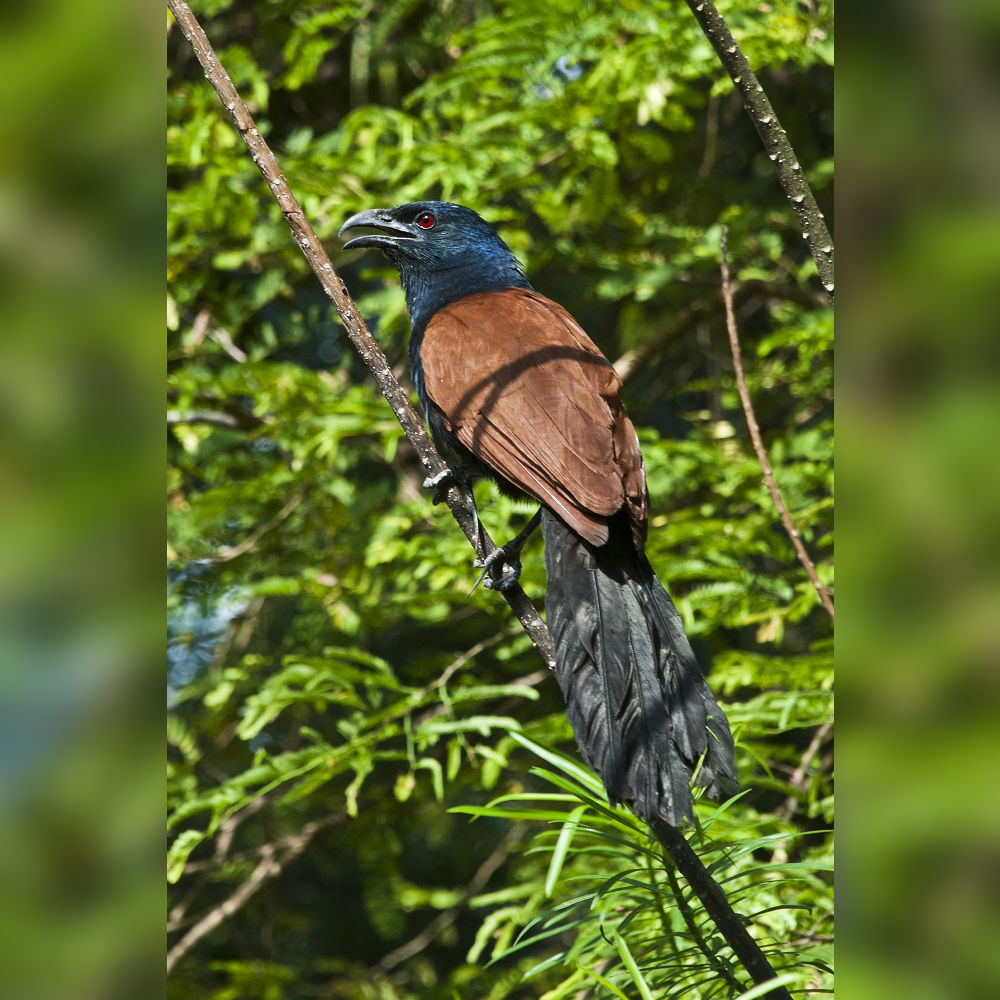
Greater Coucal

Ashy Prinia
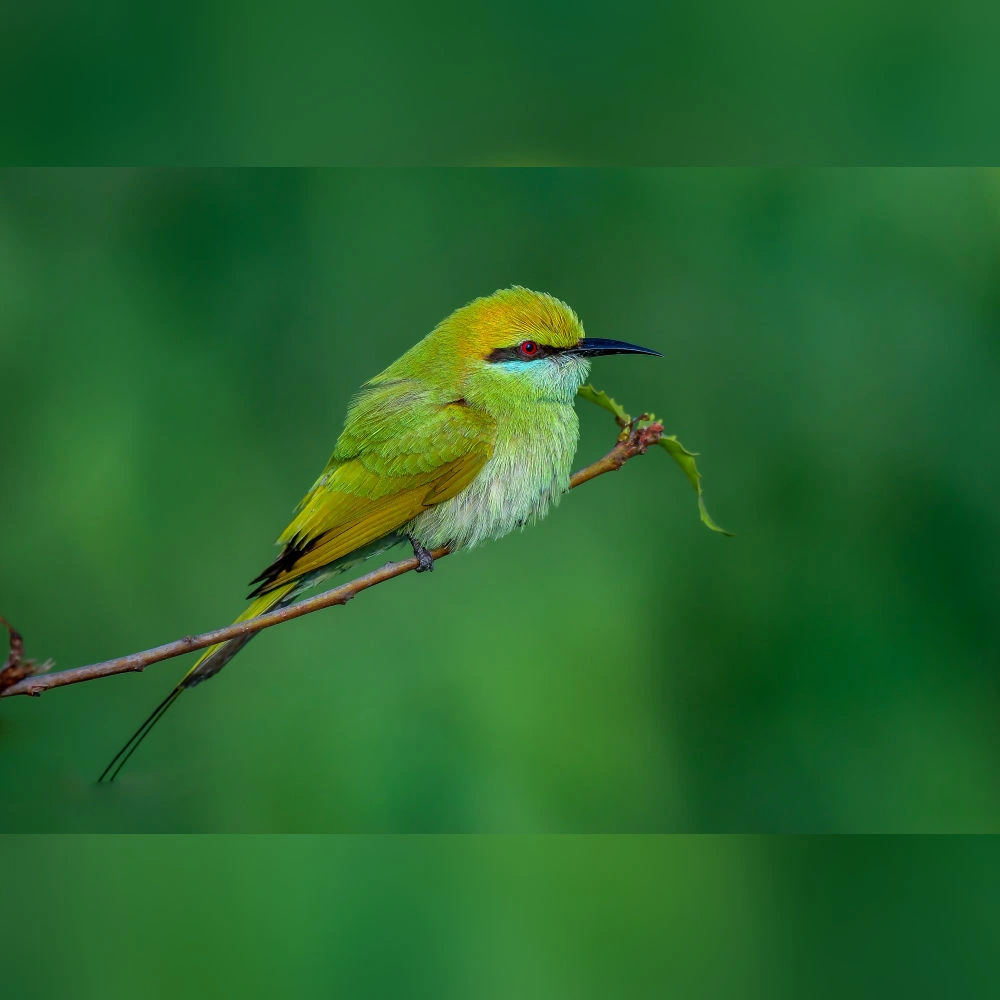
Asian Green Bee-eater

White-throated Kingfisher

Common Hawk Cuckoo

Indian Robin

Black Drongo

Large-billed Crow

Red-vented Bulbul
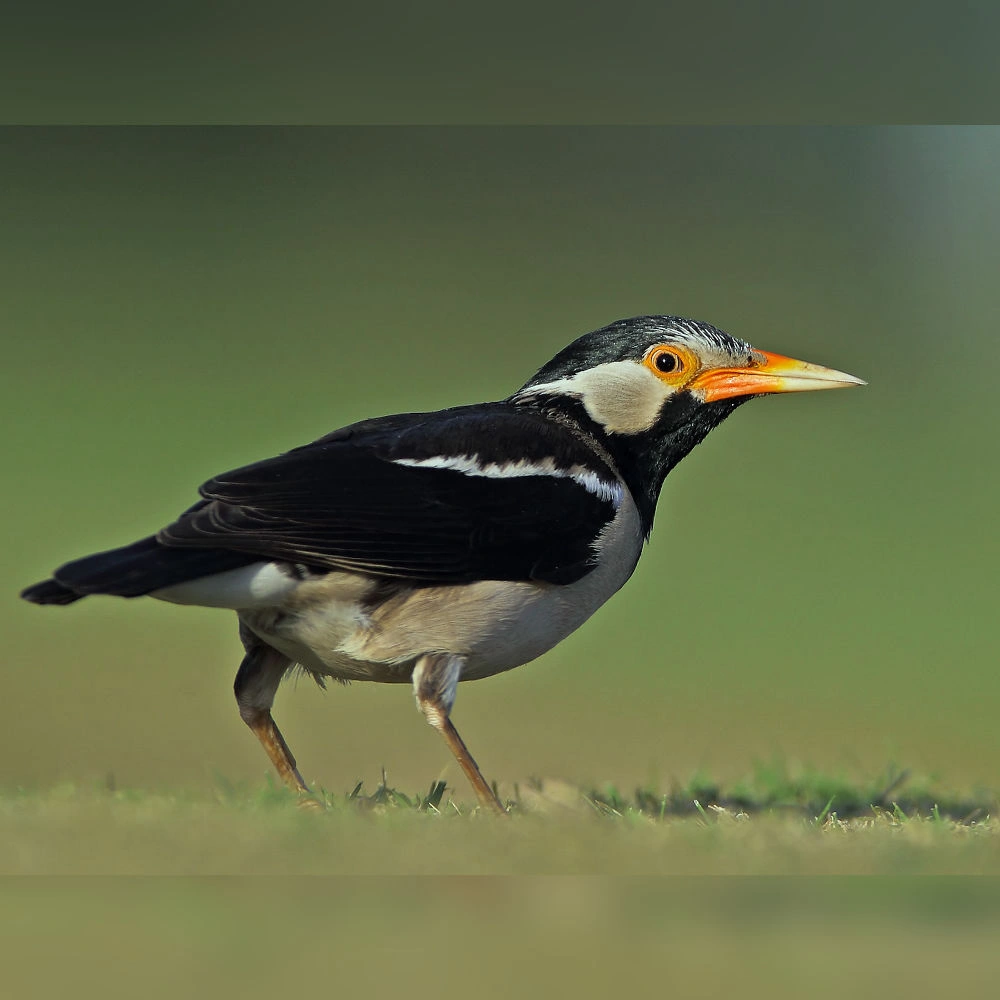
Asian Pied Starling

Paddyfield Pipit
Summary of Walk
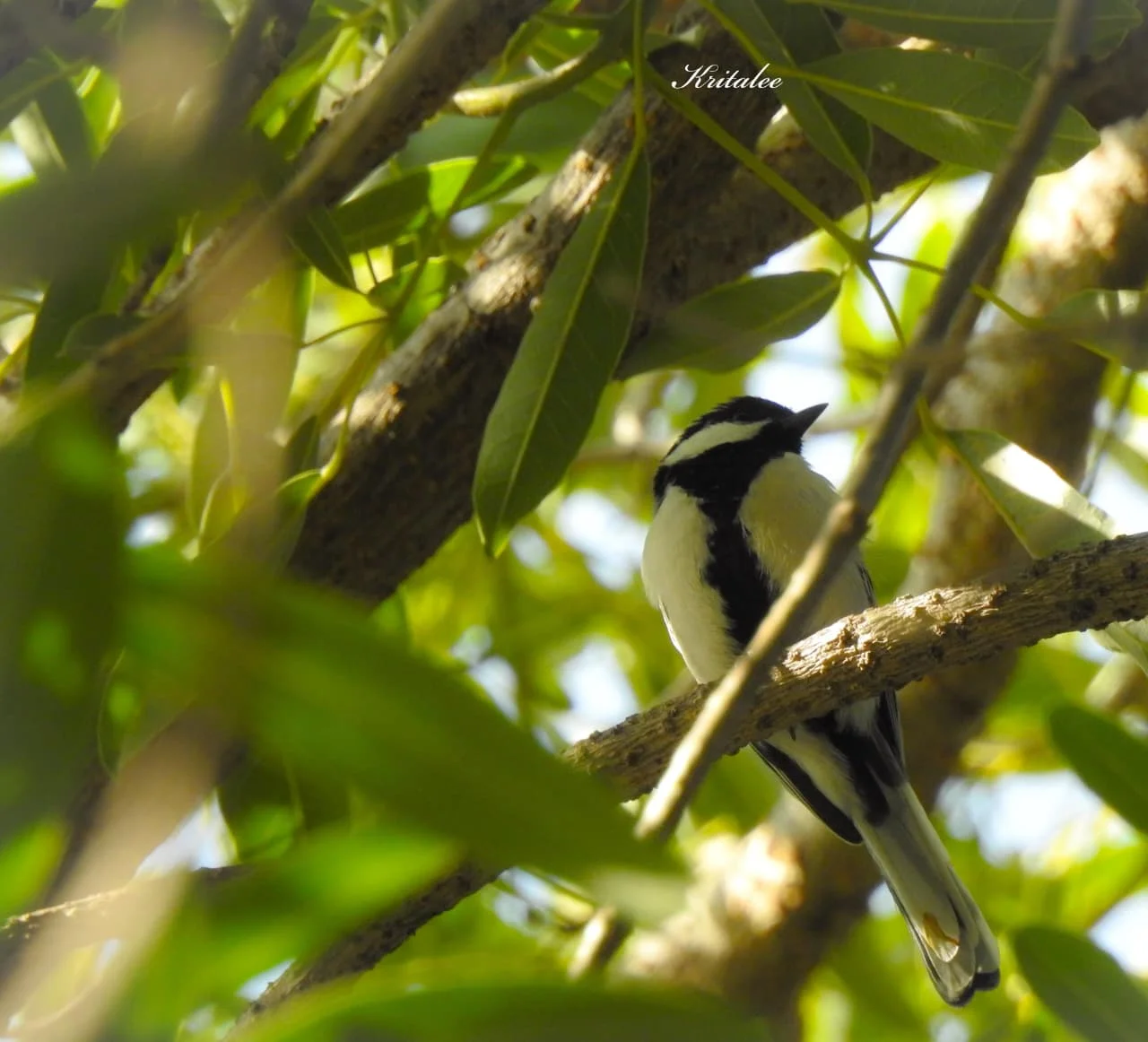
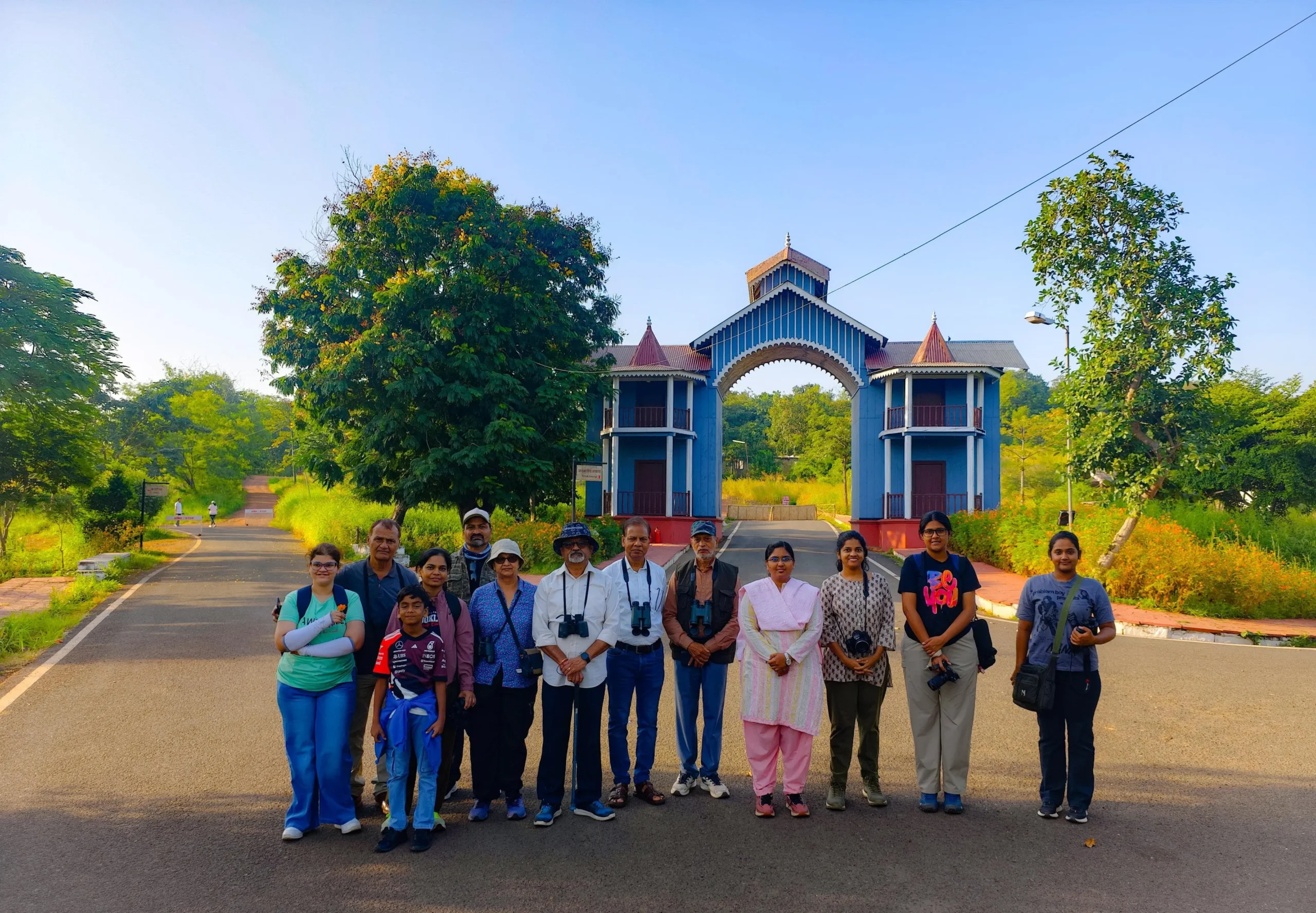
Ten bird and nature lovers from diverse age groups joined guide Kritalee Chindarkar, founder of Tarang Ecotours, at the Indira Gandhi Rashtriya Manav Sangrahalaya in Bhopal on 4 October for an engaging and informative walk. The diverse mix of woodland and open habitats within the museum complex gave participants excellent opportunities to spot and learn about both common and uncommon species, and together the group recorded 33 species. Among the most exciting sightings were the Small Minivet and the Verditer Flycatcher, whose beautiful turquoise-blue plumage gleamed in the light, as well as the Blue Rock-Thrush, which perched in a striking pose. A male and a female Yellow-crowned Woodpecker were seen on the same tree, a wonderful sight that thrilled the group, and the Rufous Treepie, Cinereous Tit, Coppersmith Barbet, Indian Cuckoo-shrike, Common Woodshrike, Common Hawk-Cuckoo, Chestnut-shouldered Petronia and White-bellied Drongo added further variety to the list. Participants appreciated the well-managed event and noted how engaging and informative the session was. Kritalee’s clear explanations helped beginners and seasoned birders alike connect with the activity, and the sharing of bird images and a compiled checklist soon after the walk added value for everyone involved. The experience not only introduced participants to the rich avian life of the museum grounds but also underlined the joy of community birding as a way of connecting with nature and contributing to citizen science. It was a lovely morning that showed how even in a cultural landmark, birds find a home among the trees, and participants left with beautiful memories and an eagerness to join the next walk.
Number of Participants
0