
Loading Events

Bird Walk at Subhas Sarobar, Kolkata

About Subhas Sarobar

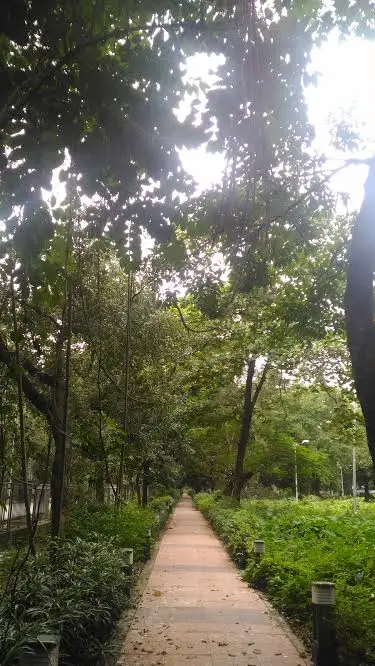
In the Beleghata area of east Kolkata, beside the busy EM Bypass, Subhas Sarobar is a 73-acre lake named after Netaji Subhas Chandra Bose. It began as a natural low-lying depression and was shaped into a recreational lake in the 1950s. Today it’s surrounded by walking tracks, landscaped gardens and rows of old trees. The lake lies close to the East Kolkata Wetlands, a Ramsar site, and it mixes open water, weedy and reedy edges, wooded islands and tall shade trees such as banyan, peepal, mango and krishnachura. Fish, frogs, turtles and dragonflies thrive in the water, and the trees provide fruit, shelter and nesting sites in one of the most crowded cities in India.
For birders, Subhas Sarobar can be surprisingly impressive. Large flocks of Asian Openbills and Painted Storks, sometimes in the hundreds, gather to feed and rest. Kingfishers, herons, egrets and waterhens hunt along the margins. The wooded banks ring with the calls of barbets, orioles, treepies and bulbuls, and winter brings migrant ducks and warblers. Like many city lakes, though, Subhas Sarobar is under pressure. Sewage and runoff enter the water, and plastic waste piles up. Idols and offerings during festivals add to the pollution, and encroachment and patchy maintenance have taken their toll. Desilting, aeration and community clean-ups have helped. Keeping the vegetated edges and island trees, and cutting pollution at the source, will keep this lake a valuable refuge for Kolkata’s birds.

Bird Guide - Tirthankar Roy Chowdhury

By profession he is an IT Engineer, at heart a nature enthusiast. He finds joy in observing life in all its forms- from tiny fungi to soaring birds. He lead nature walks that welcome everyone, inspiring children, underprivileged and especially abled to discover the wonder of nature.

Bird Guide - Titash Chakrabarti

Titash is a musician at heart and a nature educator by calling. As the founder of School of Birds, he weaves music, storytelling, and citizen science to make nature learning immersive, accessible, and joyful
Bird walk Location

Common birds of Subhas Sarobar

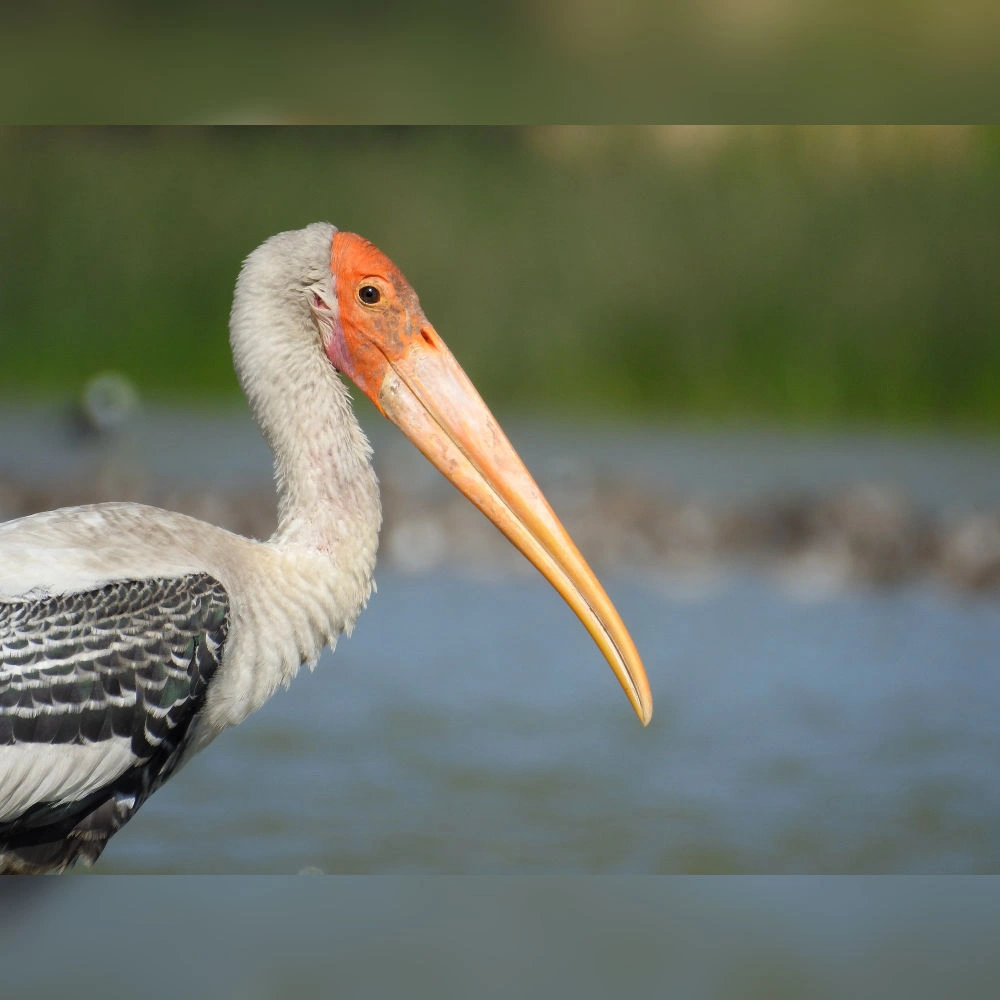
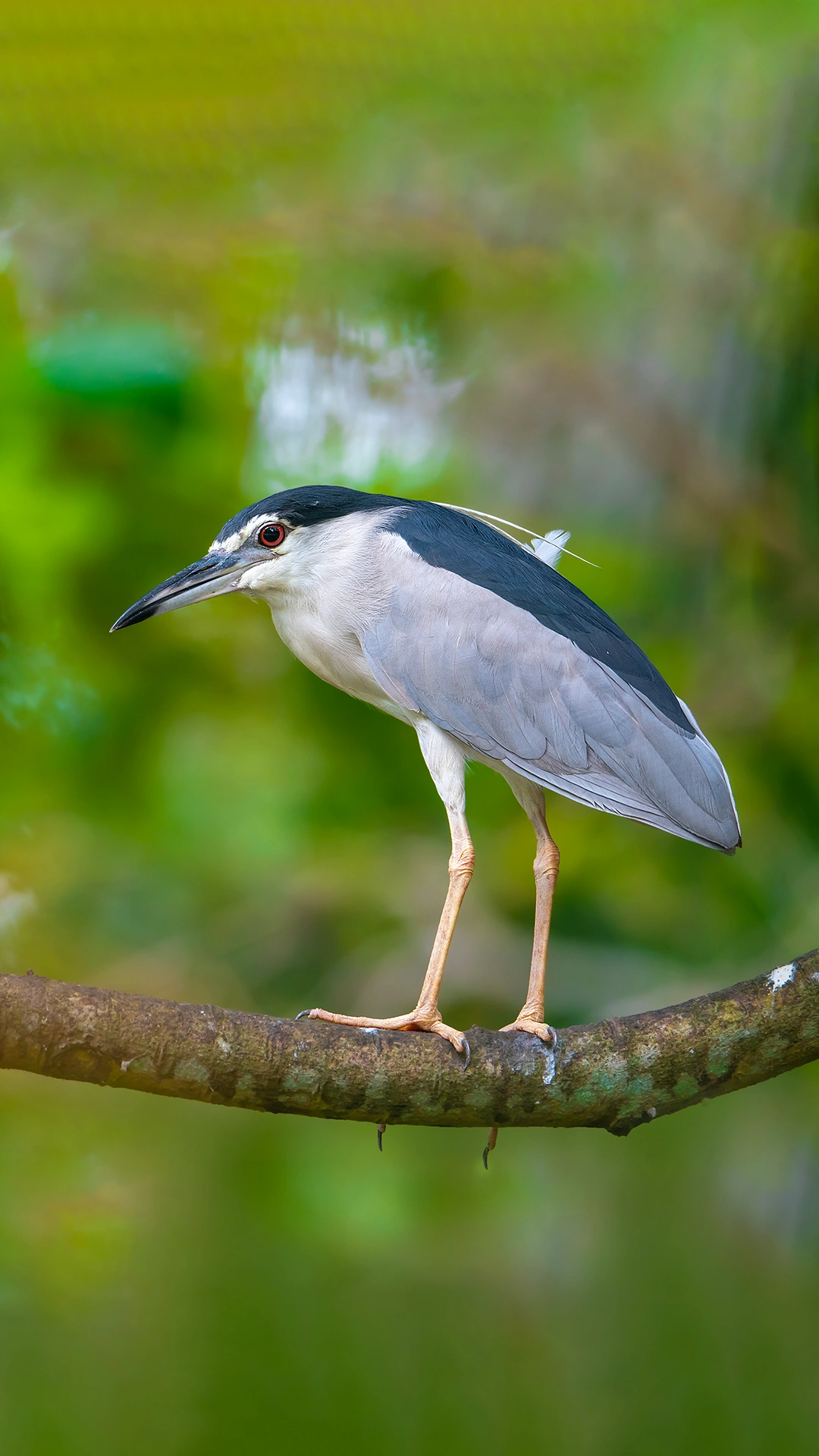
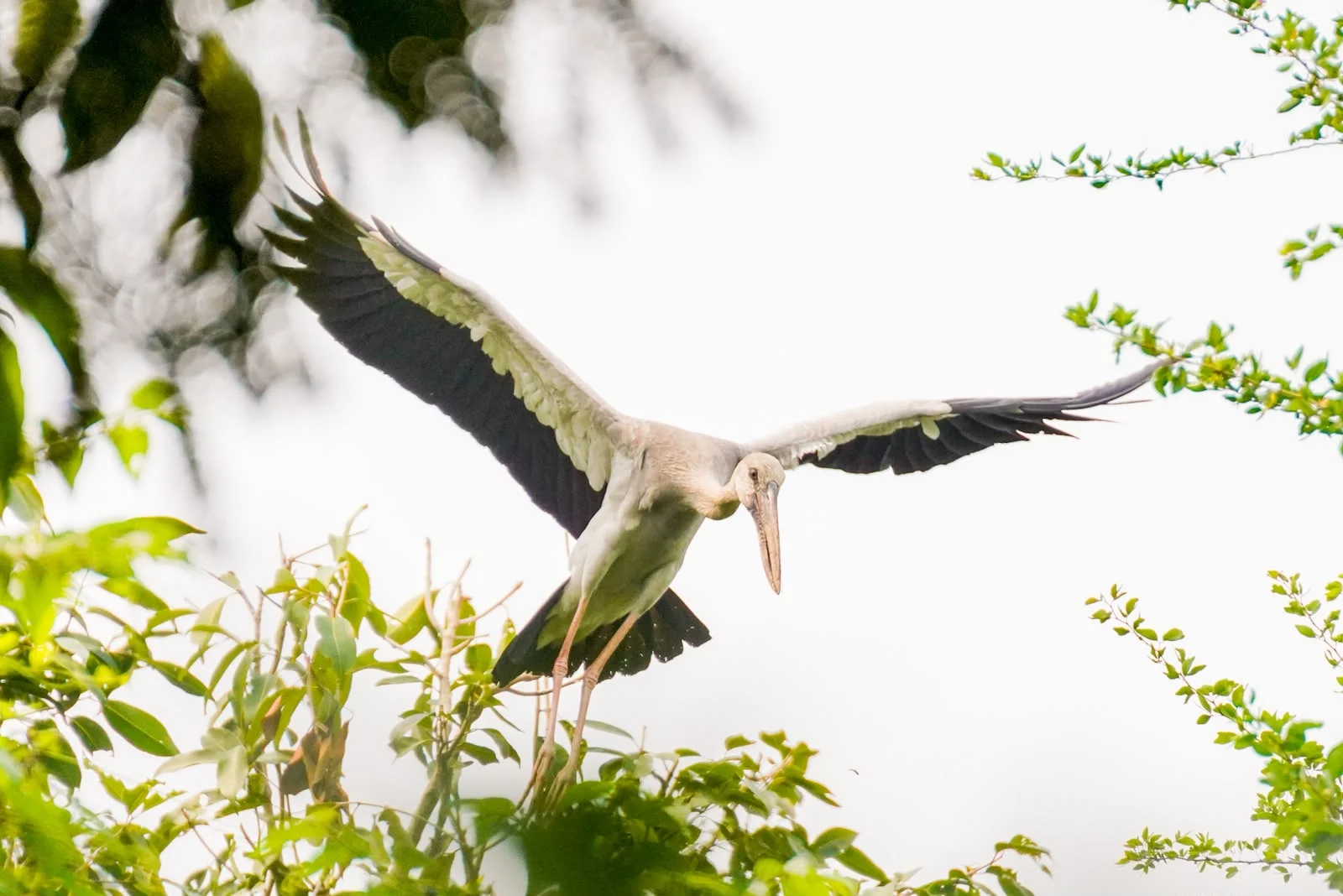
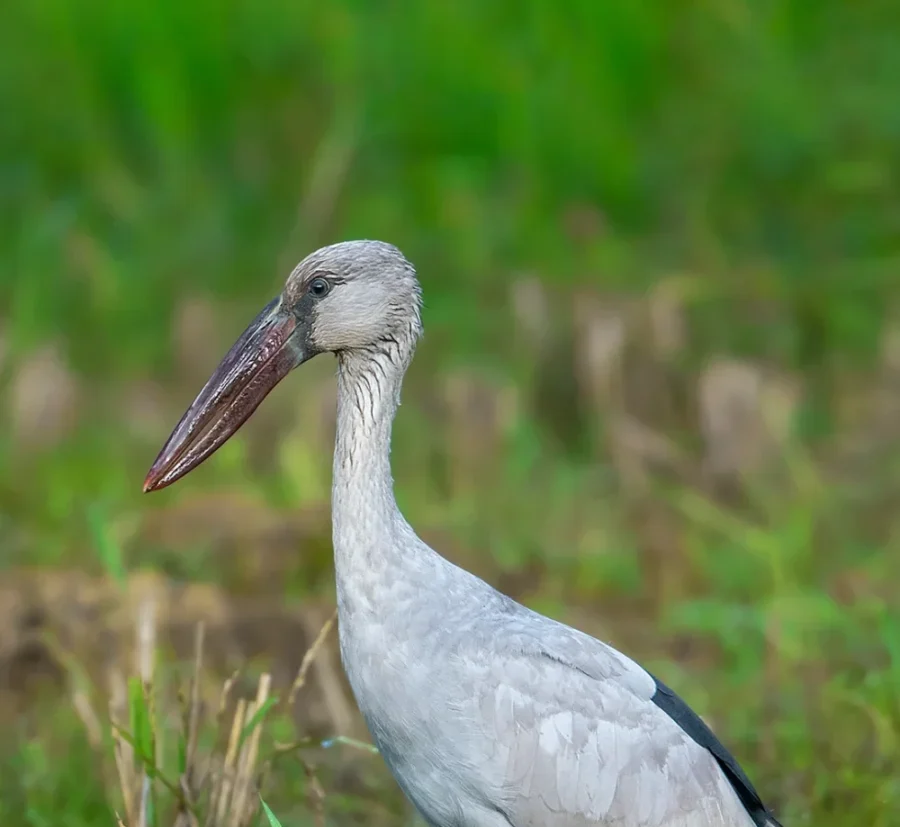
Subhas Sarobar’s big show belongs to its storks. Hundreds of Asian Openbills gather here, using the odd gap in their bills to crack open snail shells. Dozens of Painted Storks join them, with their rosy wing feathers and heavy yellow bills. Black-crowned Night Herons rest hidden in the leafy trees by day and head out at dusk to hunt. Indian Pond-Herons and Eastern Cattle-Egrets stalk the edges, and the White-breasted Waterhen slips in and out of the weeds. The White-throated Kingfisher calls loudly from its waterside perch. The tree-lined banks are just as lively. The Blue-throated Barbet, with its bright blue face and red crown, calls steadily from the canopy. The crimson-backed Black-rumped Flameback drums on old trunks, and the Black-hooded Oriole flashes yellow and black between the branches. Rufous Treepies glide from tree to tree on long tails. Red-whiskered and Red-vented Bulbuls, Common Tailorbirds and the sweet-voiced Oriental Magpie-Robin fill the shrubs with song. Black Drongos, Rose-ringed Parakeets, Greater Coucals, Asian Koels, Black Kites and doves make this lake one of the busiest spots for birds in the city.
Asian Openbill
Painted Stork
Black-crowned Night Heron
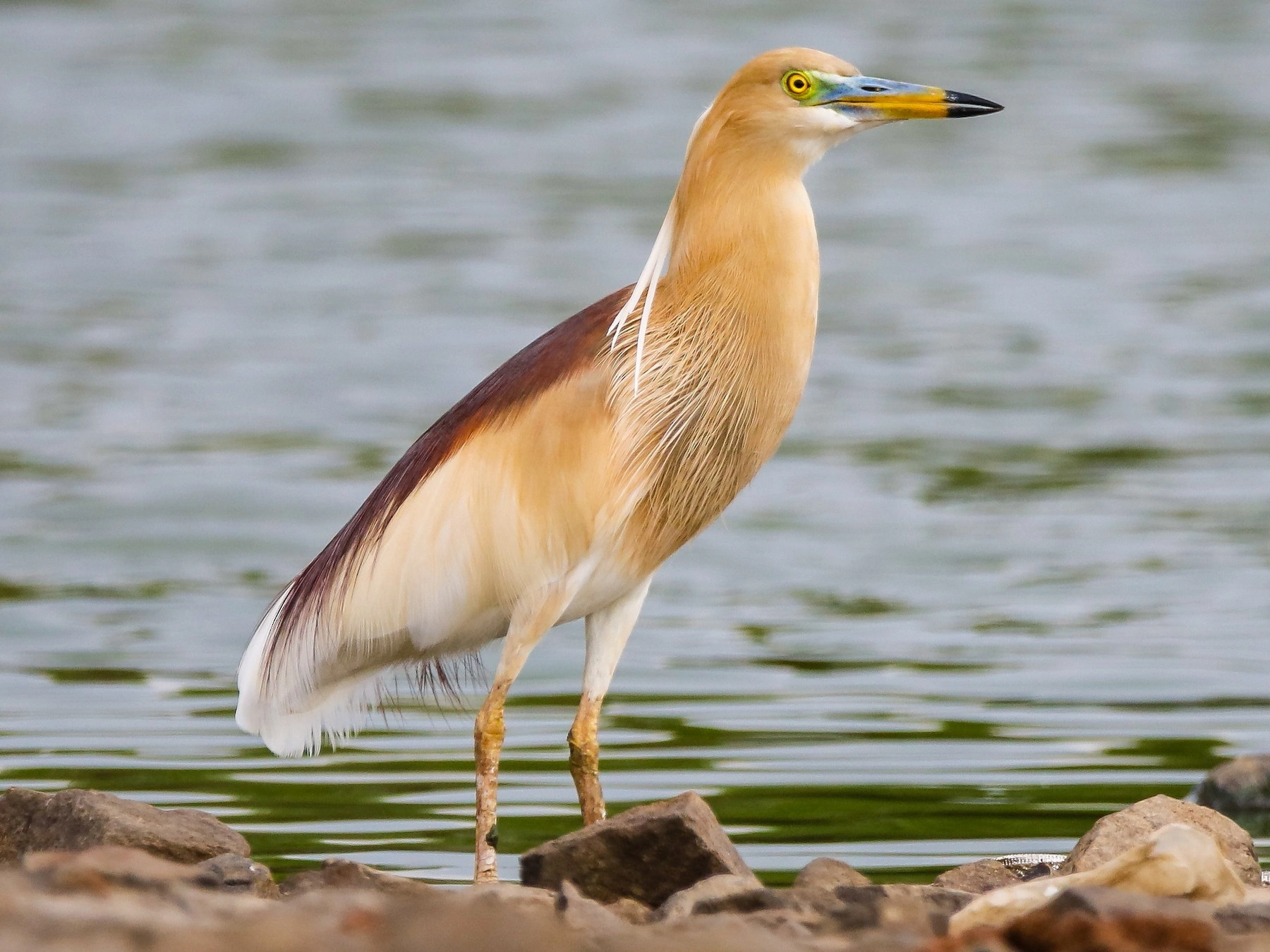
Indian Pond-Heron
Eastern Cattle-Egret
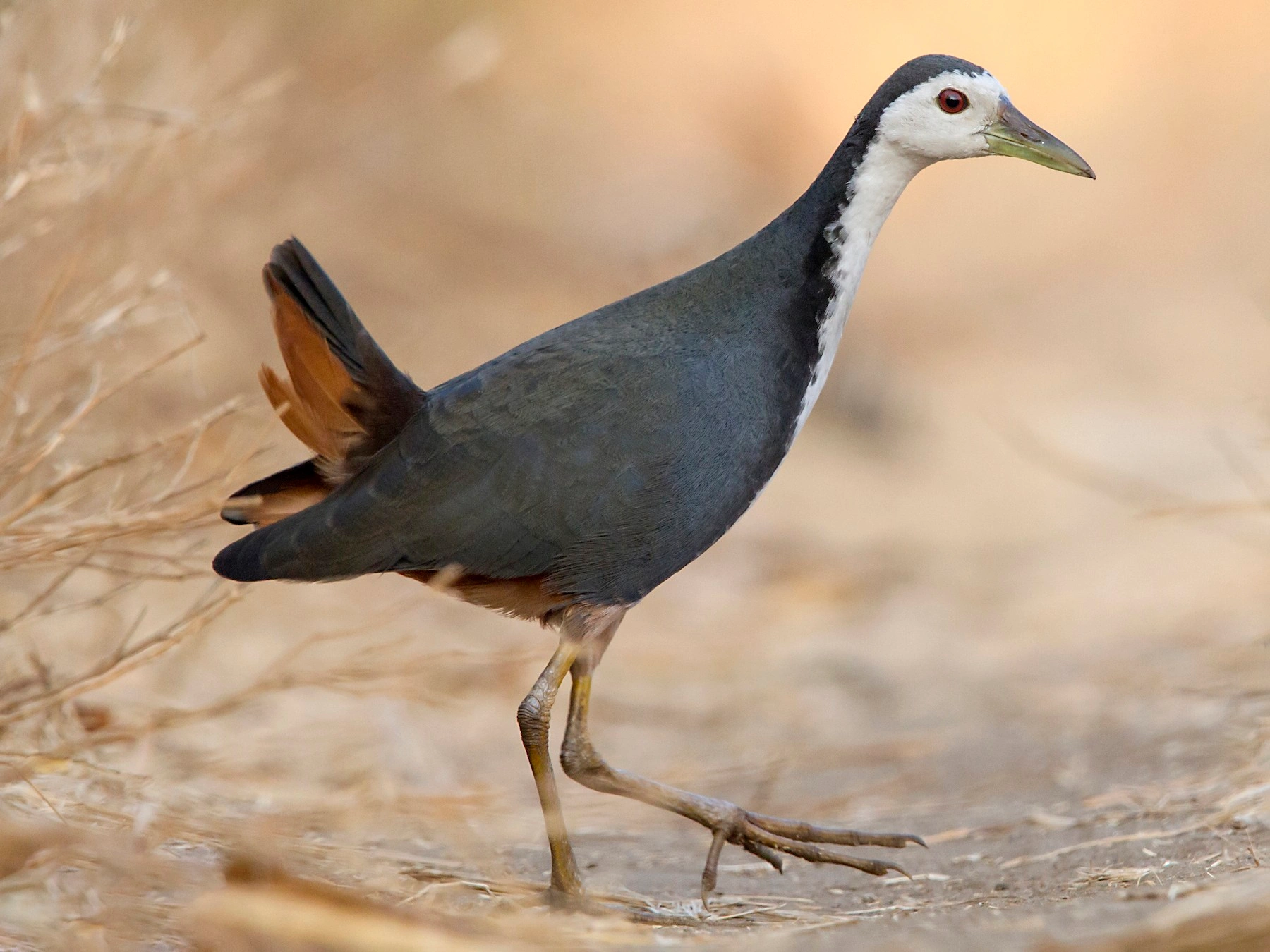
White-breasted Waterhen
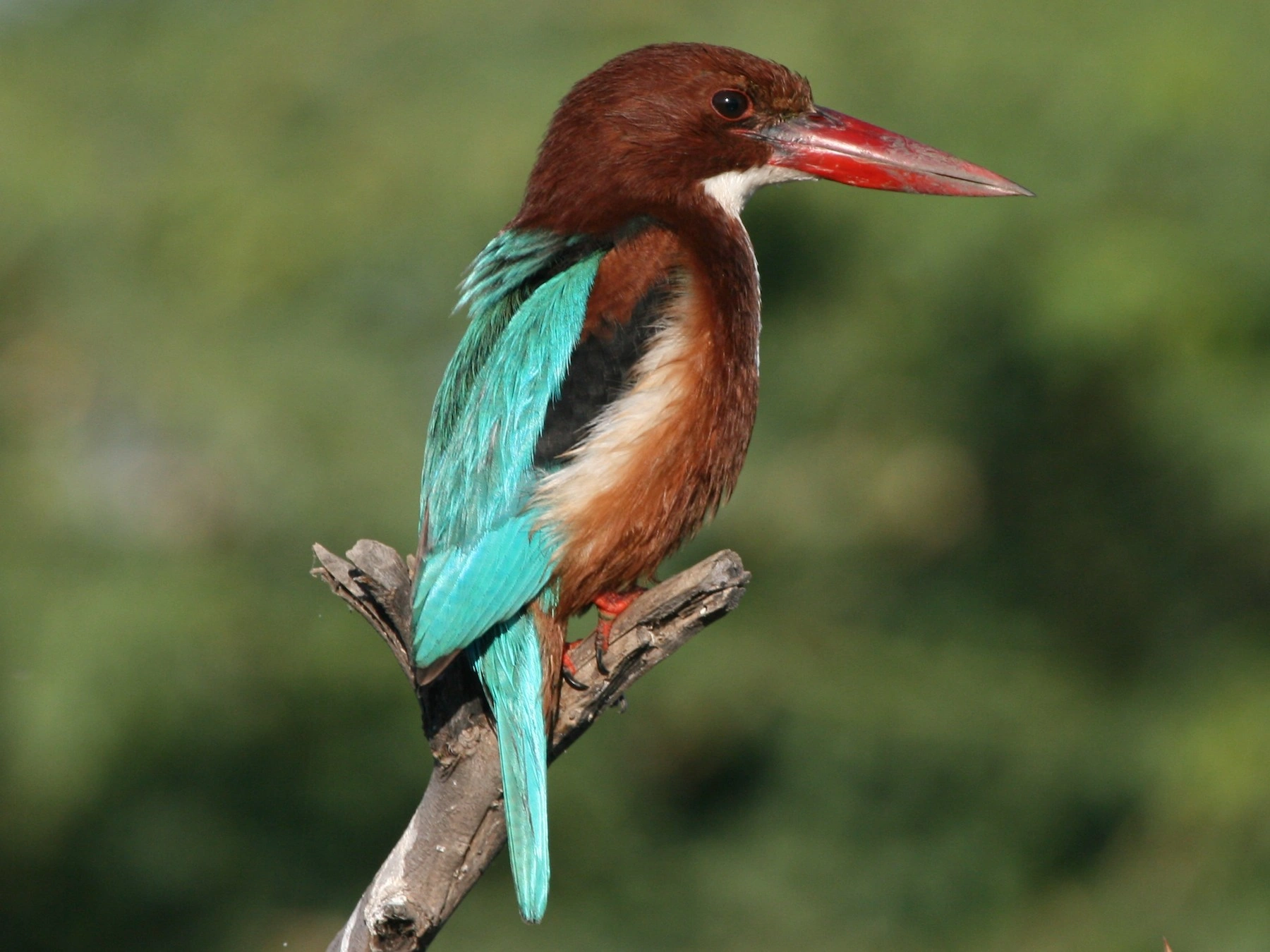
White-throated Kingfisher
Blue-throated Barbet
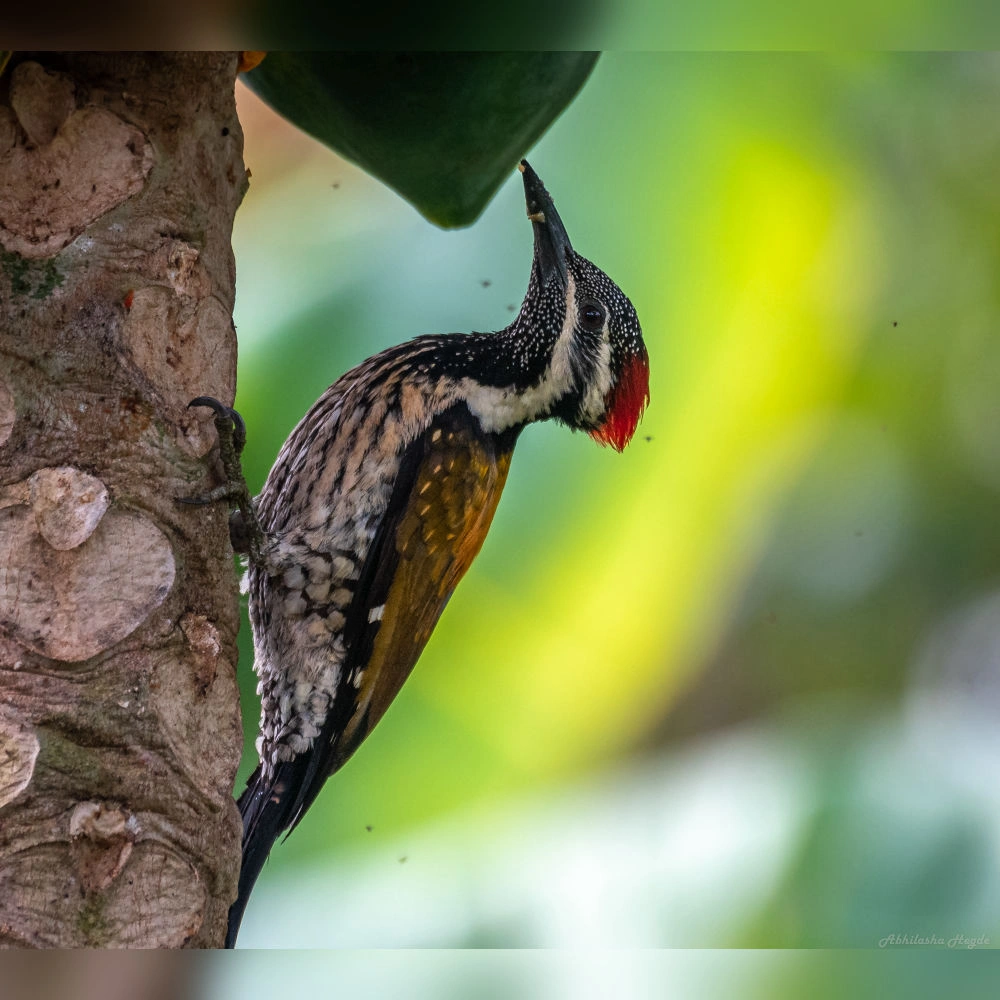
Black-rumped Flameback
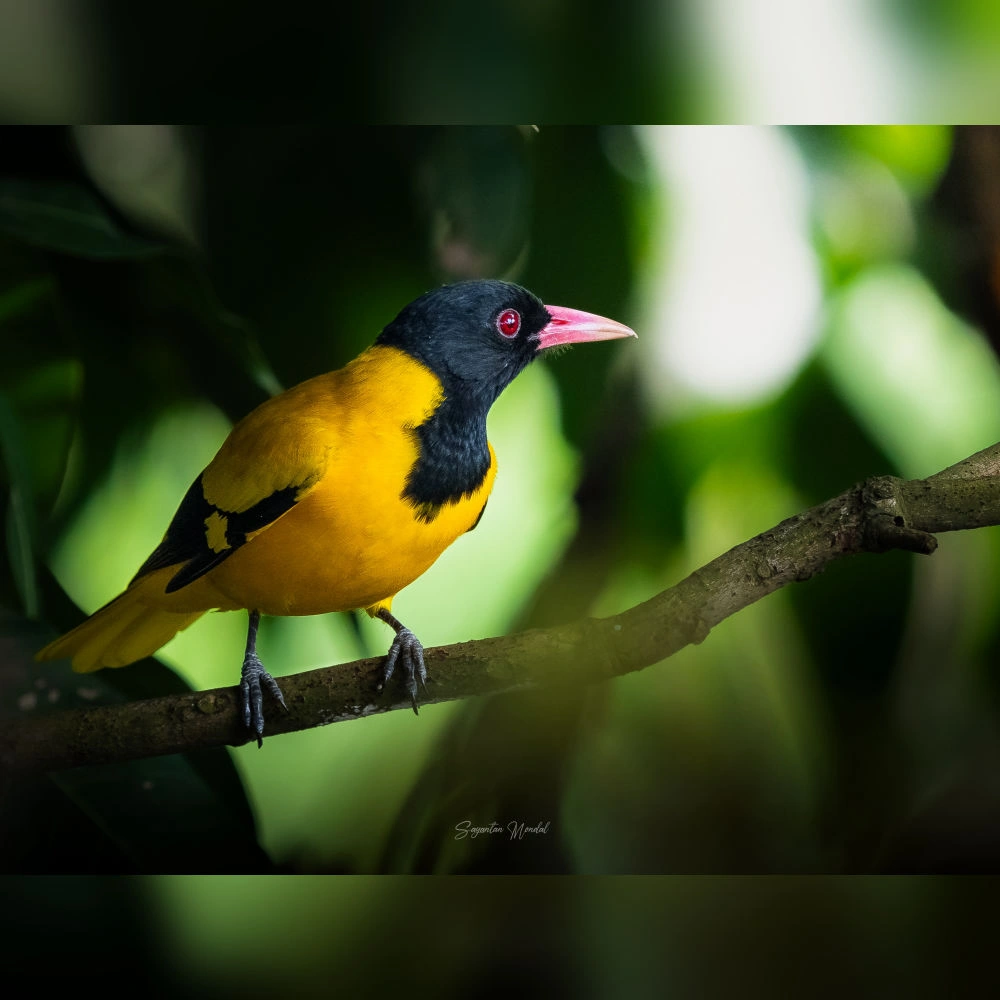
Black-hooded Oriole
Rufous Treepie
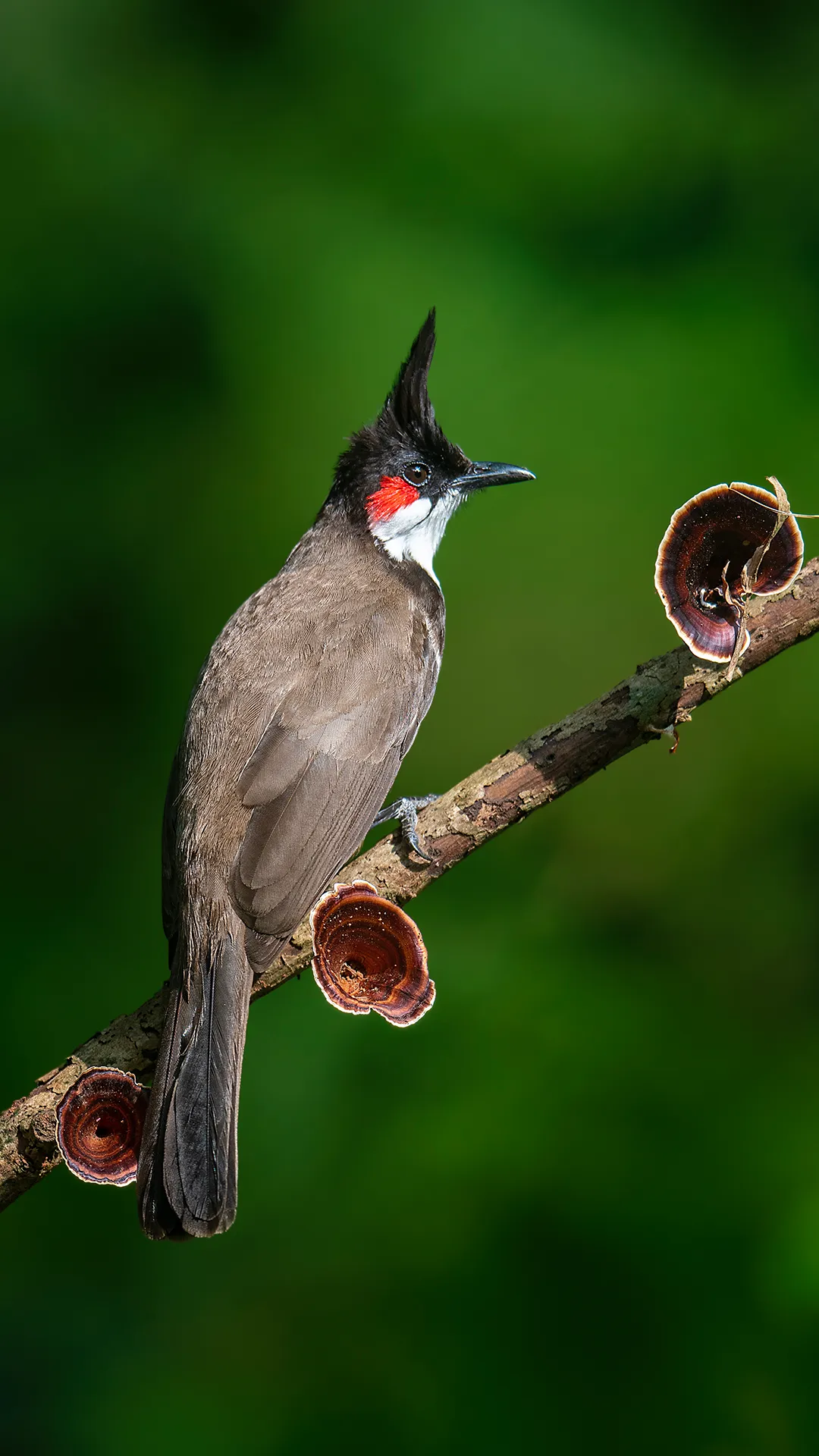
Red-whiskered Bulbul
Red-vented Bulbul
Common Tailorbird
Oriental Magpie-Robin
Black Drongo
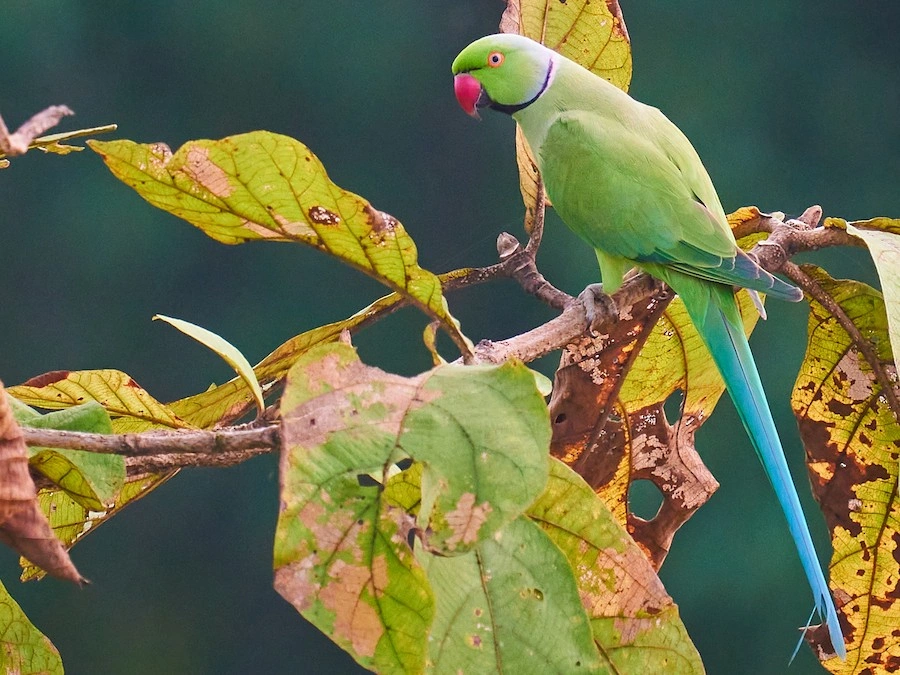
Rose-ringed Parakeet
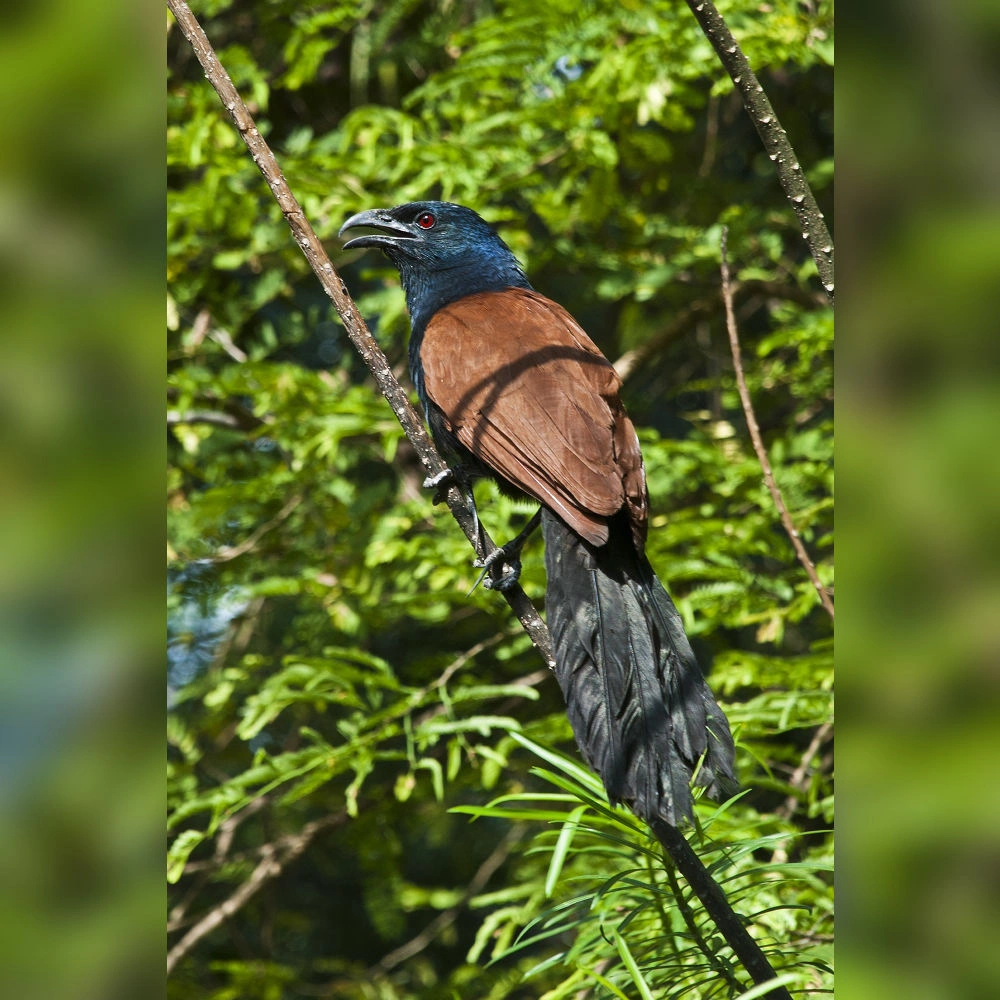
Greater Coucal
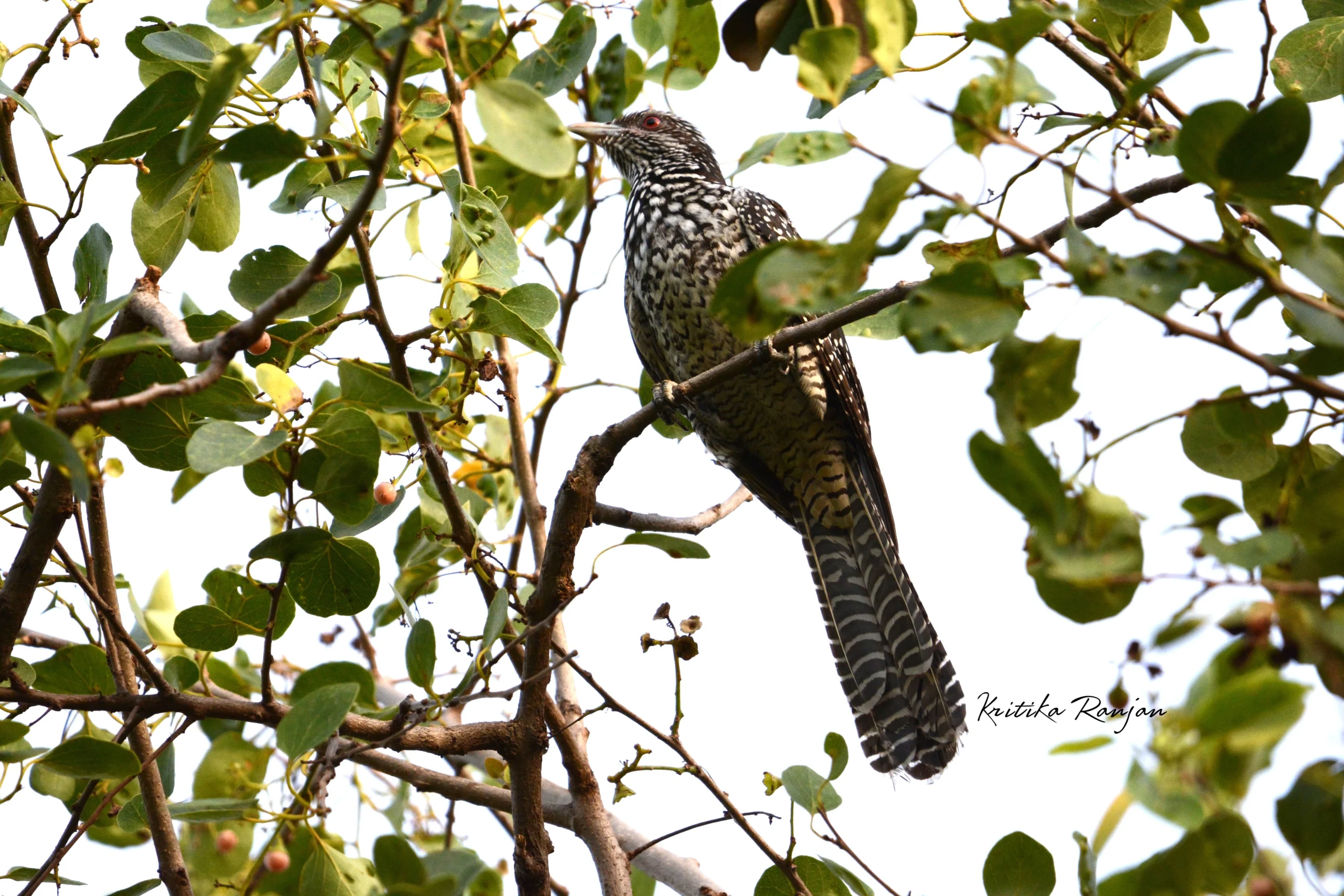
Asian Koel
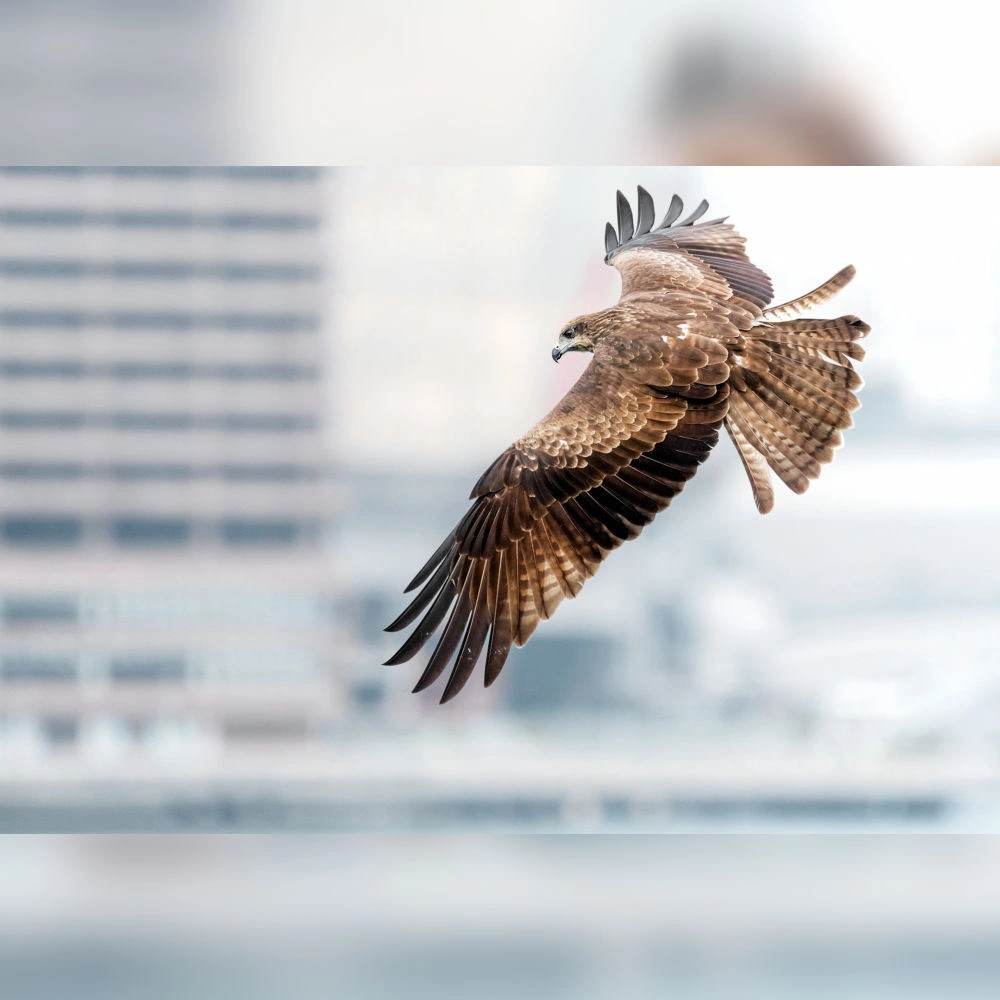
Black Kite

Summary of Walk

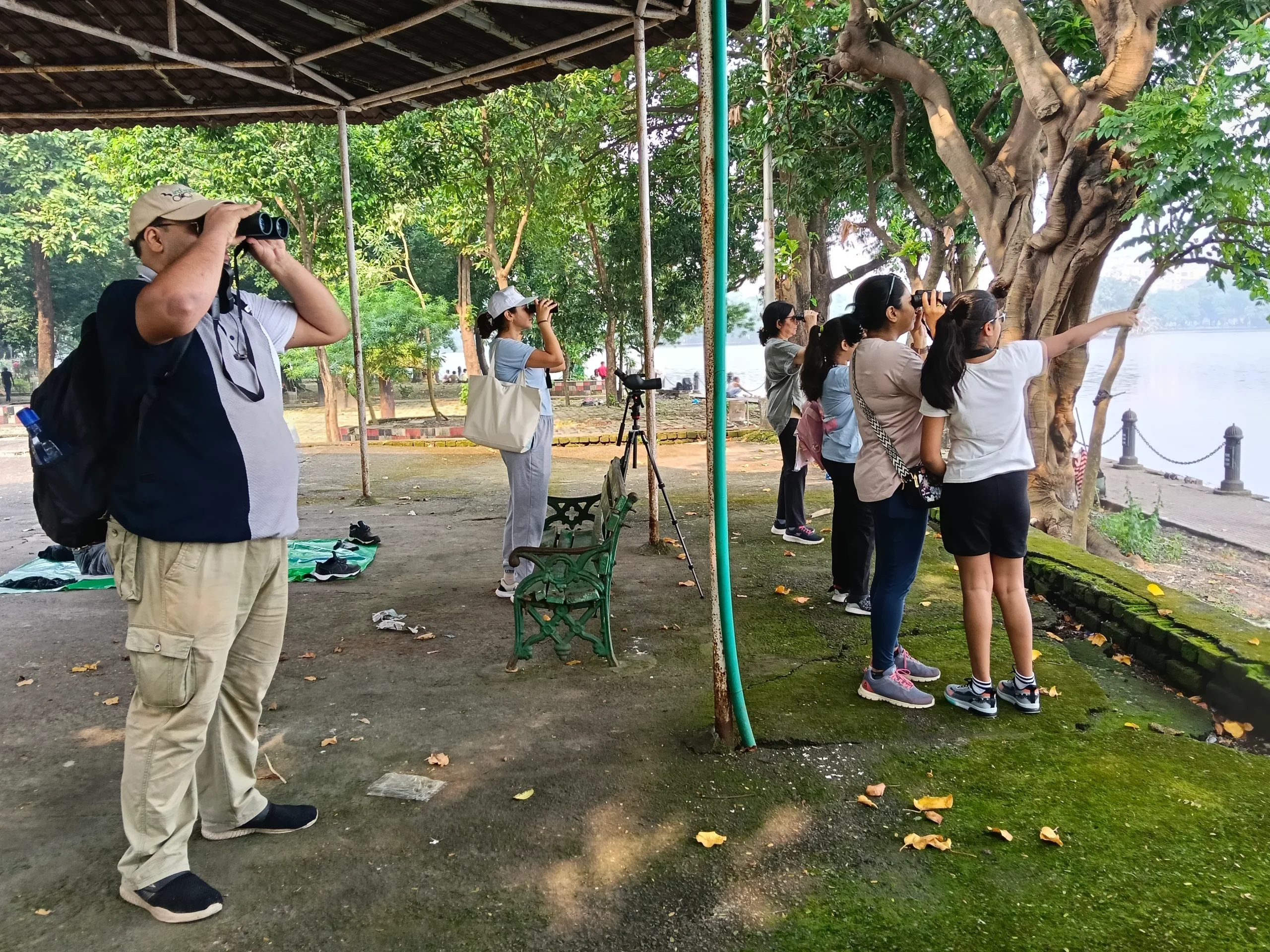
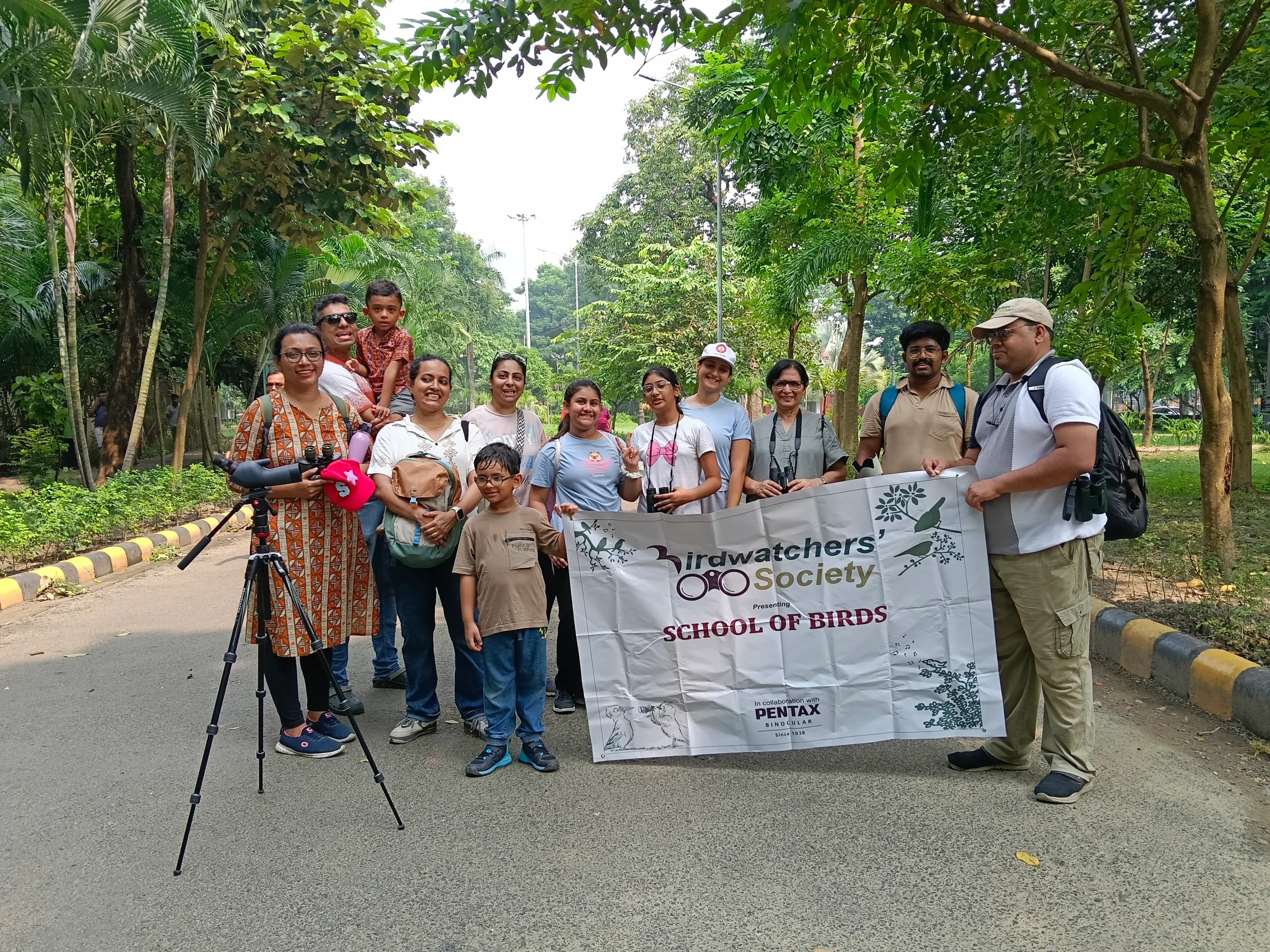
Ten birders joined guides Tirthankar Roy Choudhary and Titash at Subhas Sarobar in Kolkata on 4 October for a walk where close-up views and a remarkable sight of nesting birds made for a morning to remember. Together the group recorded 18 species, and the quality of the sightings more than made up for the compact list. The highlight was a large colony of nesting birds, with Asian Openbills, cormorants, Grey Herons and Oriental Darters crowded into the trees, a spectacle that was a first-time experience for many in the group and drew excited conversation as participants watched the comings and goings of the colony, the feeding of chicks and the intricate nest-building. The Asian Openbill, with its distinctive gap in the bill, was especially fascinating to watch up close. Beyond the colony, participants were treated to close views of the Black-rumped Flameback, a handsome woodpecker with a golden back and crimson crest, the Blue-throated Barbet, calling from the treetops with a monotonous but cheerful note, and the Common Hawk-Cuckoo, a bird often heard far more than seen, which showed itself at close quarters and left everyone thrilled. The guides shared insights about colonial nesting, the importance of safe roosting sites and the way a lake in the heart of the city supports so many birds, and participants asked questions throughout. The walk was a wonderful reminder of the role that urban water bodies play as sanctuaries for wildlife, and everyone left with a deeper respect for the birds that nest in the heart of Kolkata and a warm feeling of having shared a special morning together.
Number of Participants
0
Scroll to Top