
Loading Events

Bird Walk at Vetal Tekdi, Pune

About Vetal Tekdi

Vetal Tekdi in Pune, Maharashtra, is a leafy natural gem rising above the city as part of the Vetal Hill complex — a spur of the Western Ghats that forms Pune’s highest point and stretches across sprawling grassland and scrub habitats interwoven with dry deciduous woodland. Traditionally a grass-scrub ecosystem, the hill today supports a rich mix of native trees, shrubs and herbaceous flora, alongside some exotic plantations, and boasts remarkable biodiversity for an urban landscape. Its abandoned stone quarries and monsoon ponds attract a variety of life, from reptiles and invertebrates to mammals, but it is most celebrated for its varied birdlife, with birding events regularly recording over 150 species, including resident woodland birds and seasonal migrants such as flycatchers, bee-eaters and raptors. Locals and naturalists alike relish early morning walks here, enjoying the calls of woodshrikes, orioles and parakeets amid the scrub and forest edges, as well as sightings around the quarry waterbody that draw keen birders.

Despite its natural charm, Vetal Tekdi faces mounting conservation challenges typical of urban green spaces. Proposed infrastructure projects from new roads and transit routes to slope development threaten to fragment its habitats, cut down significant tree cover and disrupt groundwater recharge zones that sustain the hill’s vegetation and wildlife. Environmental surveys have shown a diversity of tree species, shrubs, climbers and fauna that could be severely impacted by such development, prompting strong opposition from residents and activists who argue the hill’s ecological value outweighs short-term urban gains. There’s also concern about invasive plant species and unplanned afforestation altering the native grassland character, and human pressures like unregulated trails and disturbance around water bodies. Protecting Vetal Tekdi means balancing Pune’s growth with sustained conservation, community stewardship and habitat management to preserve this urban biodiversity hotspot for future generations.

Bird Guide - Yashraj Thakare

Currently pursuing his MS in Wildlife Conservation Action, he has been active in the field for three years and leading trails for the past two. With a deep interest in entomology and herpetofauna, he brings a well-rounded, curious perspective to every nature walk.

Bird walk Location

Common birds of Vetal Tekdi

Vetal Tekdi is a vibrant haven for birdlife, with an extraordinary 284 species recorded so far, making it one of Pune’s most rewarding urban birding destinations. Its grasslands, scrub, wooded slopes, and quarry waterbodies host a rich mix of birds—from water-associated species like Indian Spot-billed Duck, Eurasian Moorhen, Little and Great Cormorants, Indian Pond Heron, Little Egret, and Common Sandpiper, to open-country and scrub specialists such as Red-wattled Lapwing, Laughing Dove, Spotted Dove, and Greater Coucal. Raptors like the Black Kite, Black-winged Kite, and Booted Eagle soar above the hill, while evenings may reveal the cryptic Indian Nightjar and the watchful Spotted Owlet. Colour and sound come courtesy of Asian Green Bee-eaters, Asian Koel, and a striking trio of parakeets—Alexandrine, Rose-ringed, and Plum-headed—alongside familiar urban species like Rock Pigeon and the occasional Indian Peafowl. This remarkable diversity, packed into a single hill complex, highlights Vetal Tekdi’s importance as a living refuge for birds within an ever-growing city.
Indian Spot-billed Duck
Indian Peafowl
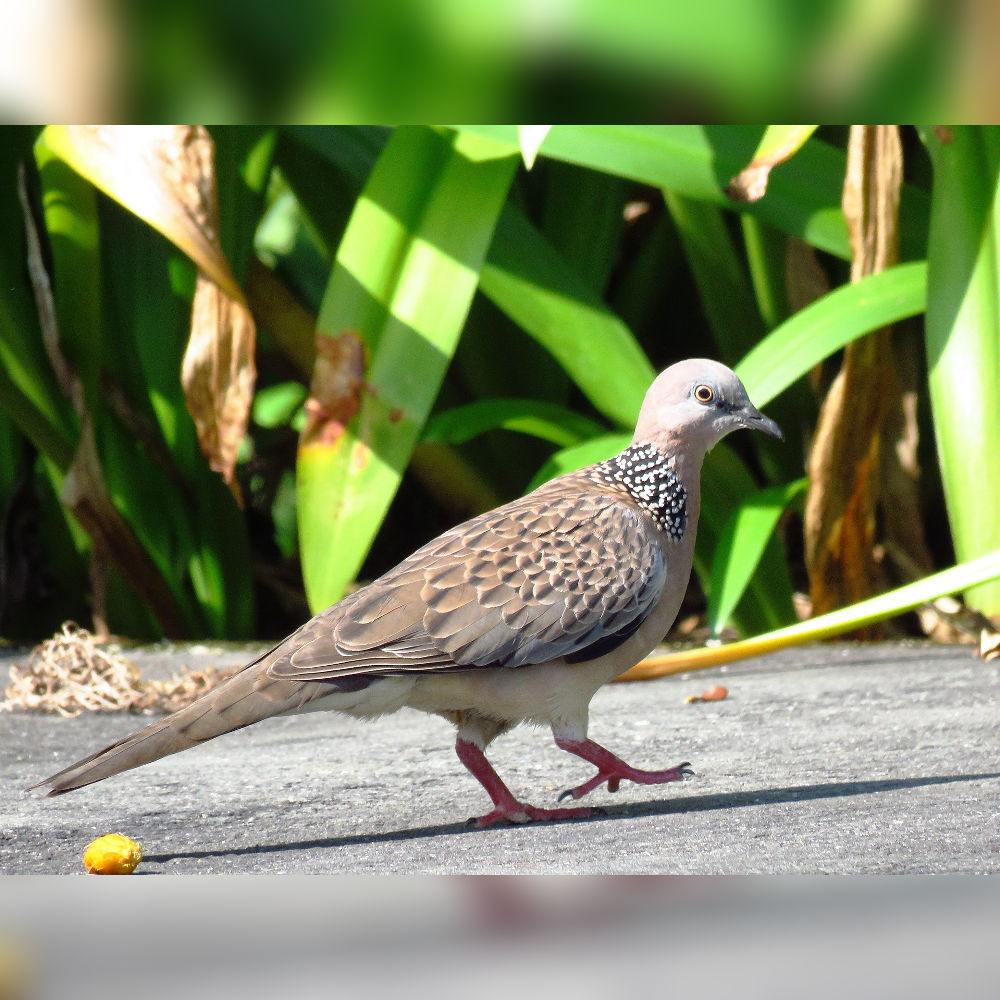
Spotted Dove
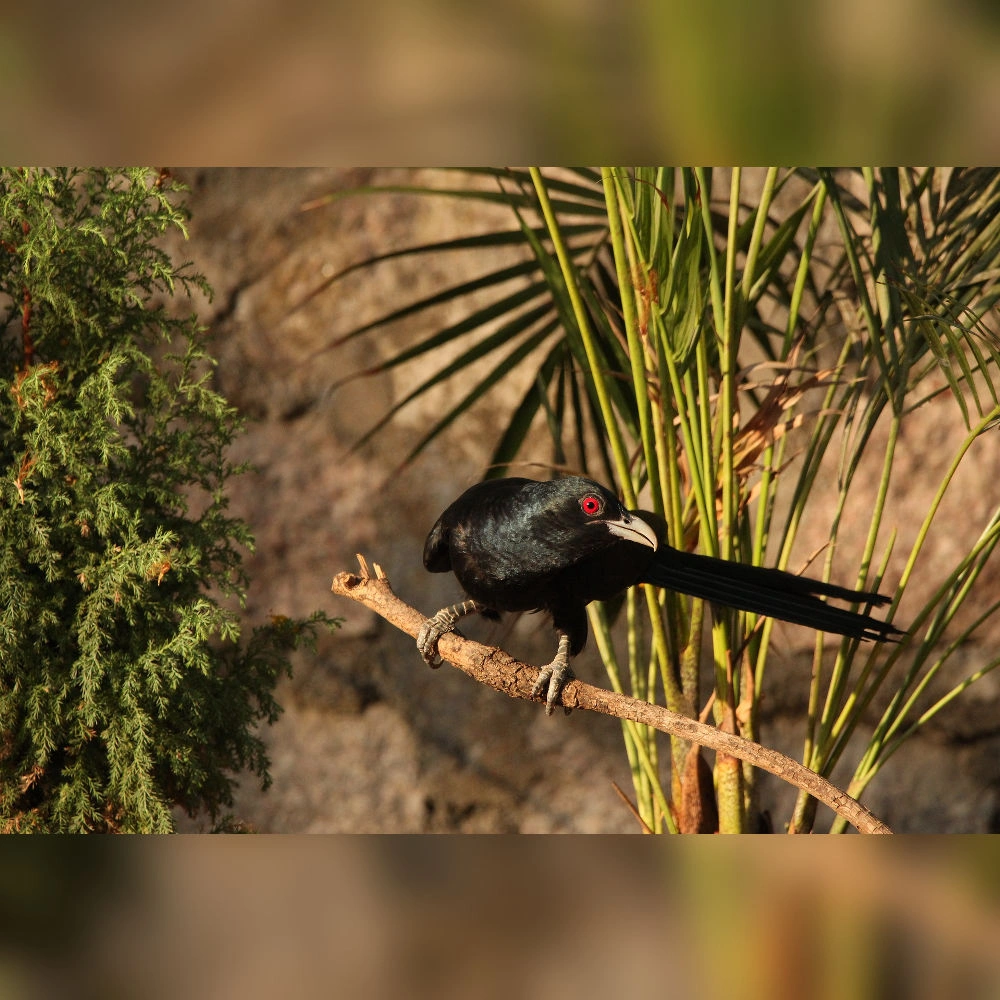
Asian Koel
Asian Palm Swift
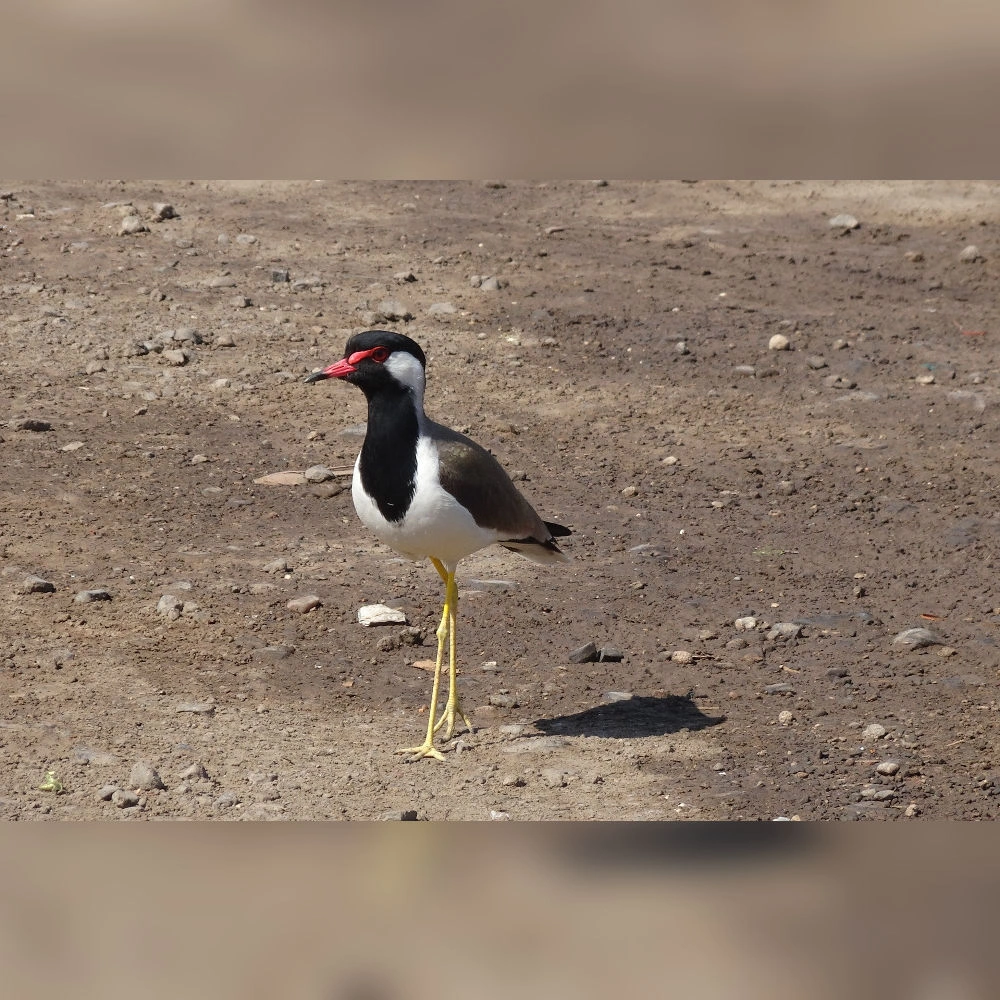
Red-wattled Lapwing
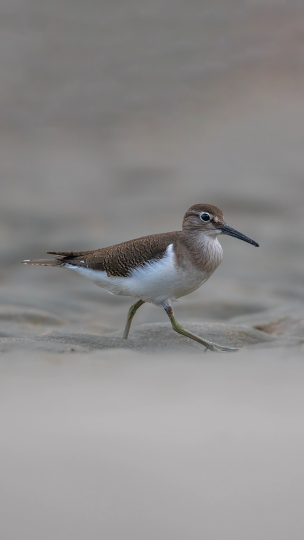
Common Sandpiper
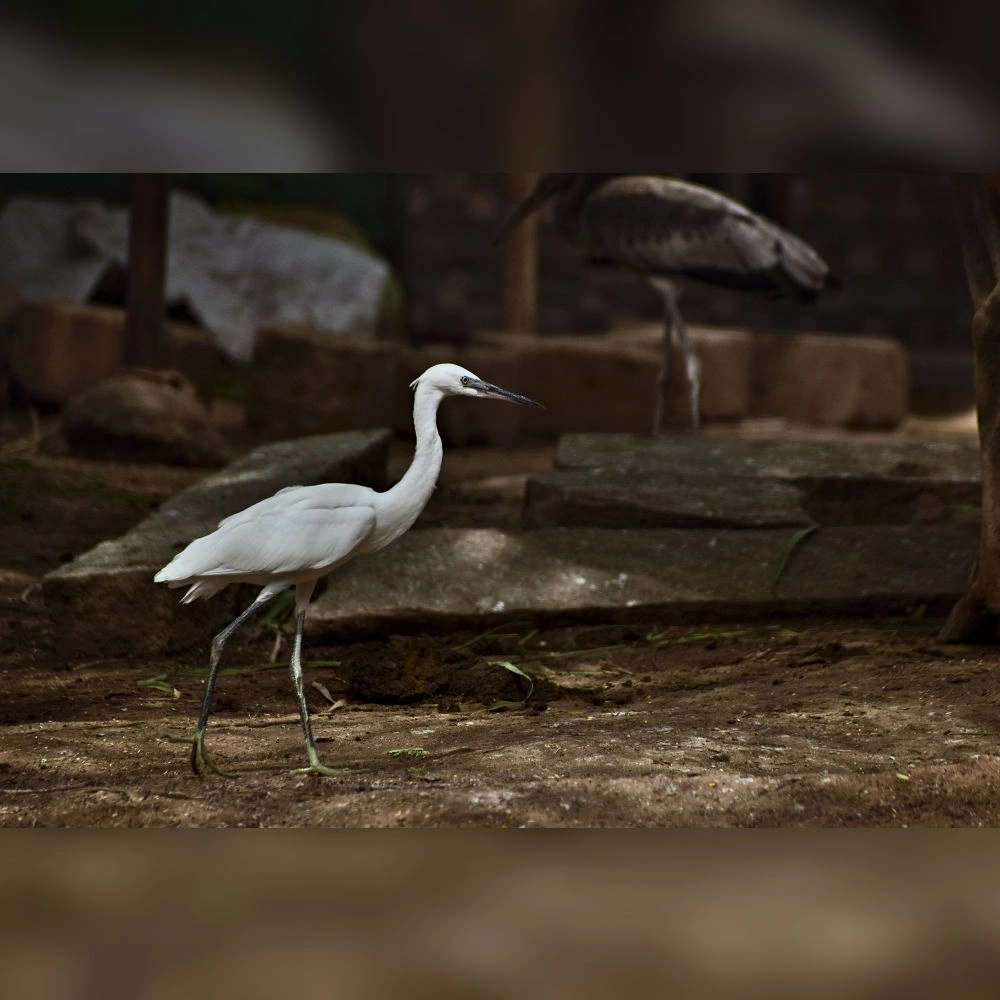
Little Egret

Eurasian Moorhen
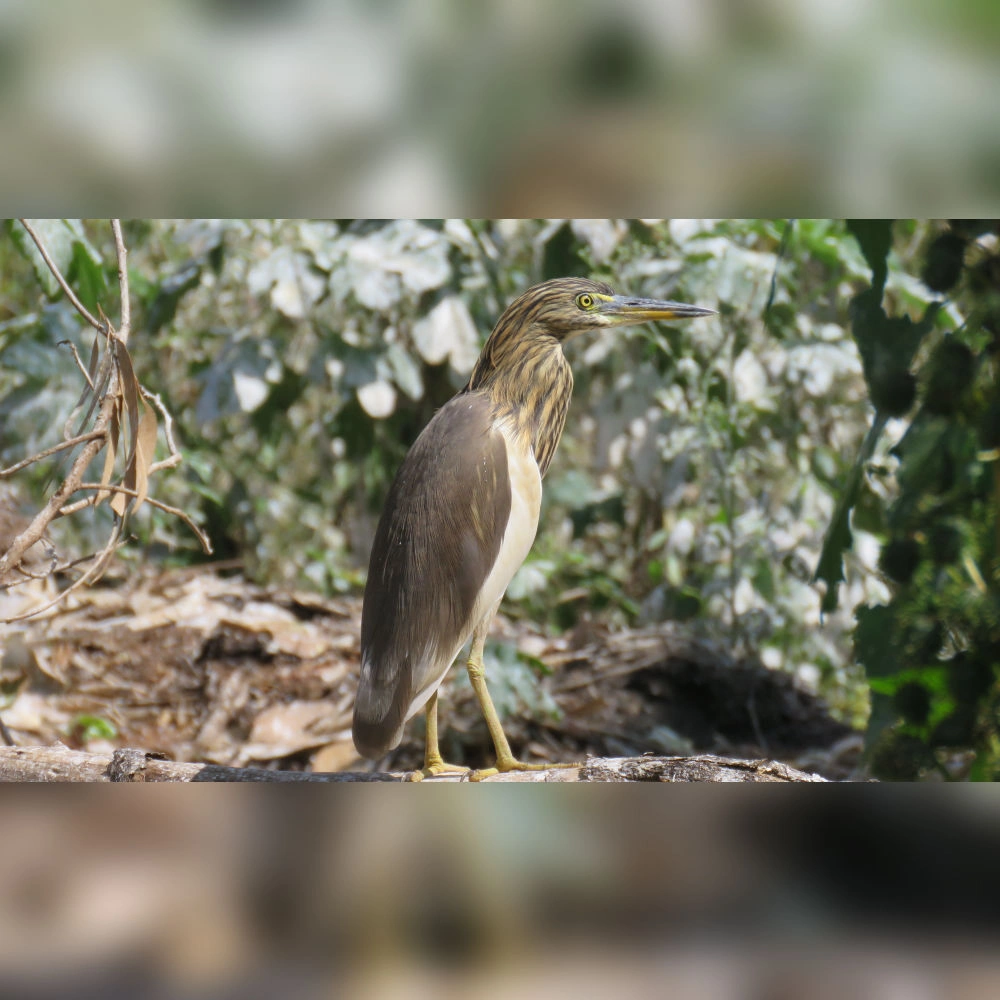
Indian Pond Heron

Black Kite
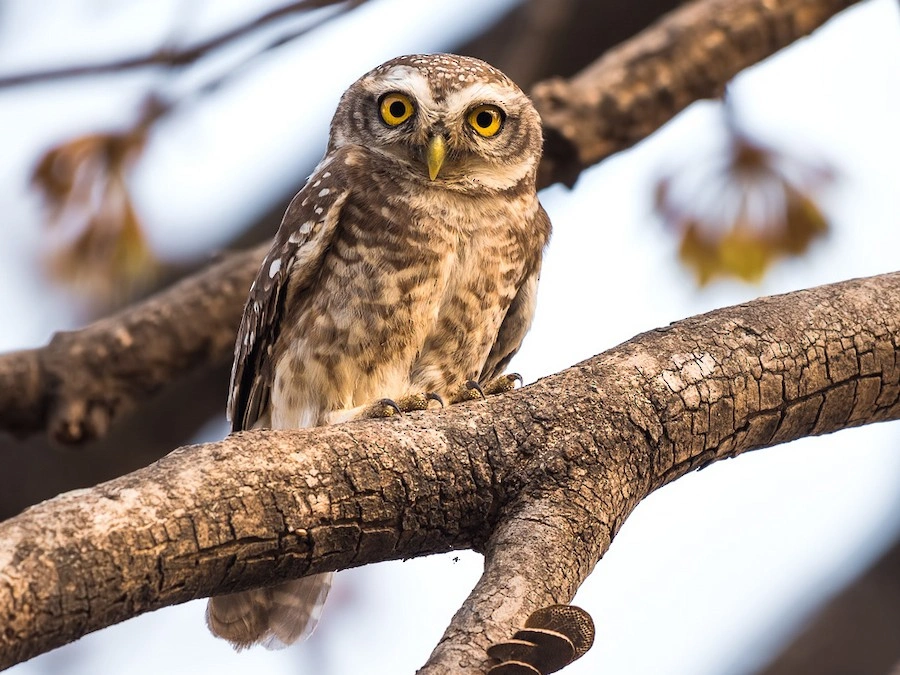
Spotted Owlet
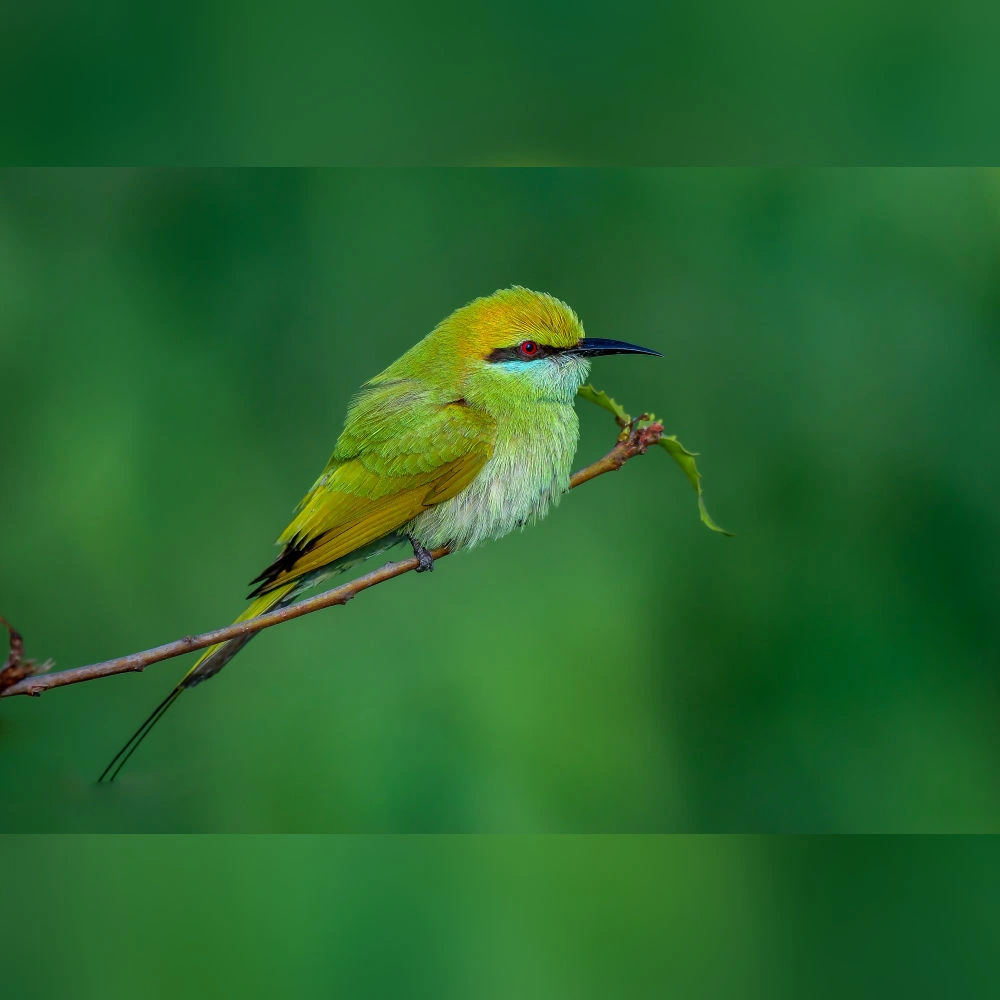
Asian Green Bee-eater
Alexandrine Parakeet
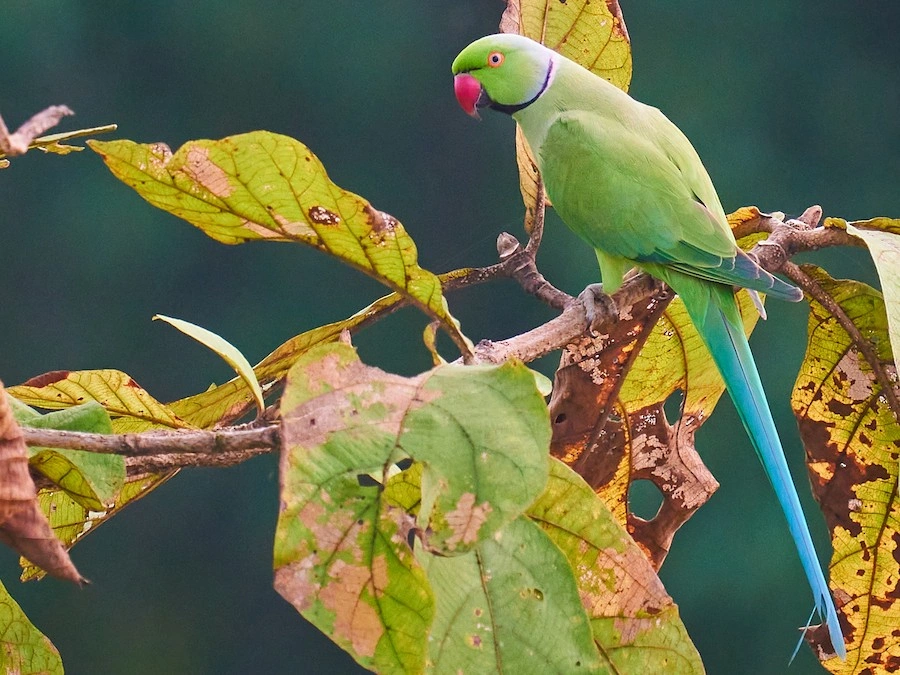
Rose-ringed Parakeet

Plum-headed Parakeet
Black Drongo
Red-vented Bulbul
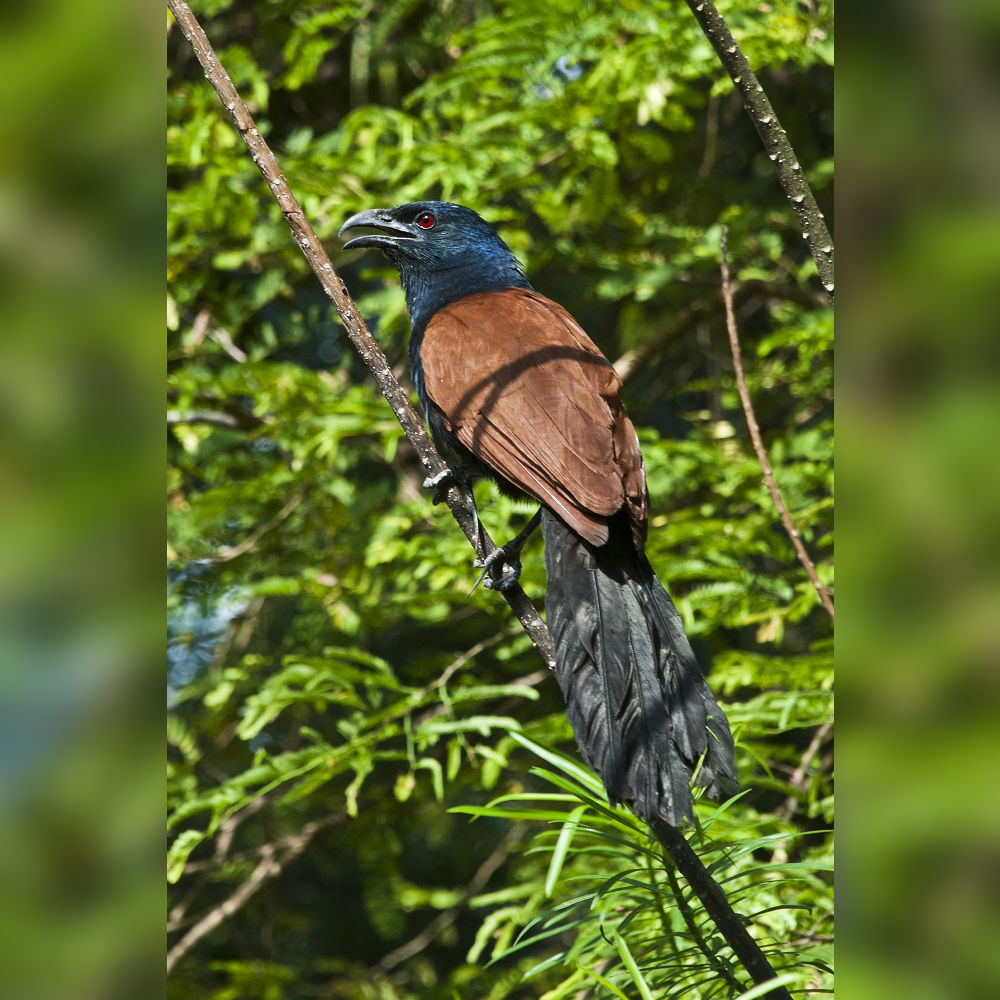
Greater Coucal
Common Myna

Summary of Walk

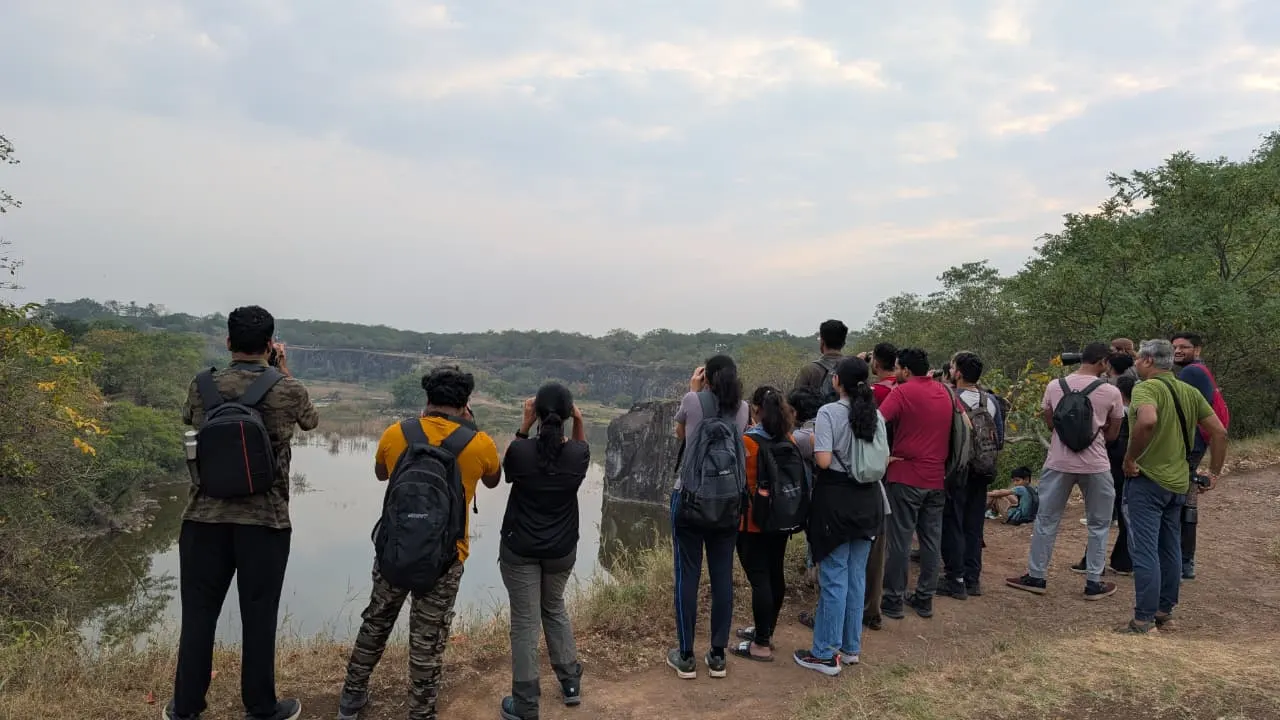
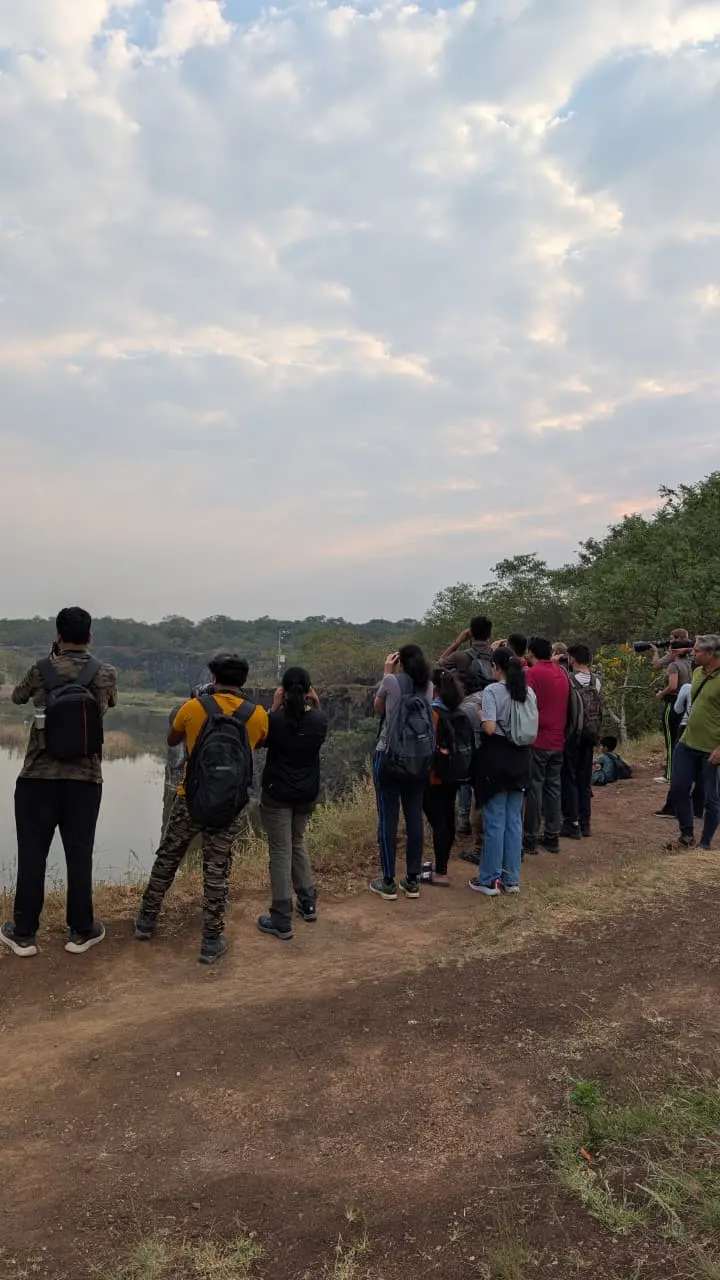
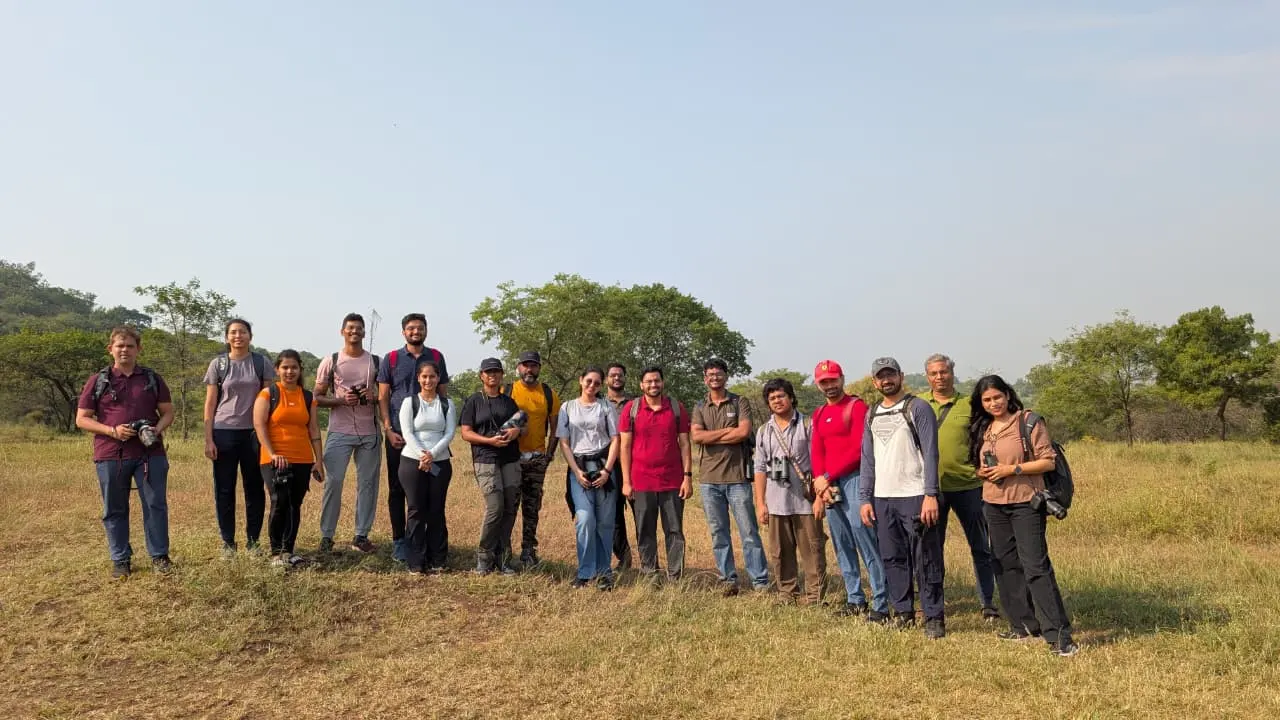
Nineteen enthusiastic participants, including a few returning birders eager to expand their knowledge, joined guide Yashraj Thakare at Vetal Tekdi in Pune on 10 October for a two-hour morning trail that ended at 9:25 am. The observations began with the distinctive calls of a Greenish Warbler, followed shortly by the sighting of a male Purple Sunbird in its eclipse plumage, a lovely lesson in how birds change their appearance through the year. The group recorded 18 species, and the sightings that stood out included the Tickell’s Blue Flycatcher, a delicate bird with a soft blue back and orange breast, and the Long-tailed Shrike, perched boldly on a prominent branch. An Oriental Honey-buzzard, a Shikra and a Spotted Owlet added to the excitement, and Indian Peafowls strolling along the hillside brought a regal touch to the trail. Beyond the birds, the trail was designed as a complete educational experience. Yashraj spoke about the Birding Bharat initiative and the significant documentation work made possible by the Ataavi app, and he gave practical instruction on field birding, including the proper use of binoculars and techniques for accurate identification using Ataavi. The session also covered the principles of backyard birding, giving everyone the foundation to continue their birdwatching independently from their own homes. The relaxed pace, the friendly atmosphere and the beauty of the hillside forest made the morning a pleasure, and participants left feeling confident, curious and eager to put their new skills to use. It was a wonderful example of how a city hill can serve as a classroom, a sanctuary and a source of everyday joy.
Number of Participants
0
Scroll to Top