

Bird Walk at Sabamati River Bank , Gandhinagar, Gujarat
- Gujarat
- 18 October, 2026
- Rs 300 per head
- Fee collected goes entirely to the bird guide. Ataavi does not retain or profit from this amount.
About Sabarmati River Bank
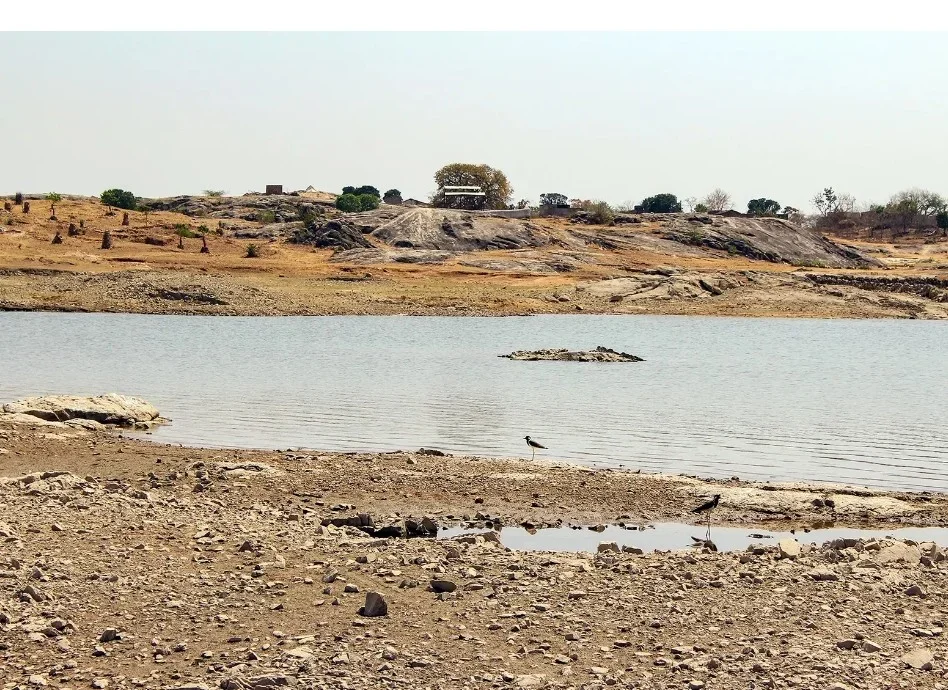
Along the eastern edge of Gandhinagar, the Sabarmati winds through a wide, sandy river valley that looks very different from the concrete riverfront downstream in Ahmedabad. The river changes sharply with the seasons. After the monsoon, braided channels run between sandbars, shallow pools and muddy margins. Through the dry months the water shrinks to a narrow stream across a broad bed of sand and silt. Steep, eroded ravines rise from the banks, covered in thorny scrub, babul, khejri and grasses, with farmland and the green belt of Indroda Nature Park beyond. Nilgai, jackals, mongooses, hares and monitor lizards use these ravines, and the riverbed is busy with fish, frogs and insects.
For birders, the Sabarmati bank combines river birds with dry-country birds. Painted Storks, cormorants, terns, stilts and plovers feed in the channels and on the sandbars. Lapwings, larks and bee-eaters use the open banks. Shrikes, babblers and owlets live in the scrubby ravines, and in winter harriers hunt low over the grassland. But the river is under pressure. Large-scale sand mining scars the riverbed, and sewage and industrial effluent reduce water quality. Fast urban growth, riverfront development and new infrastructure near GIFT City are eating into the floodplain and ravines. Dumping, invasive Prosopis and disturbance on the sandbars add to the strain. Protecting the natural riverbed, the sandbars and the scrubby ravines is vital for keeping the Sabarmati alive with birds.

Bird Guide: Madhukar Mohan
He is a recently retired Executive Director at ONGC and a passionate bird photography hobbyist. At 60, he continues to embrace the outdoors, with a love for trekking, exploring nature, and capturing the beauty of birds through his lens.
Bird walk Location
Common birds of Sabarmati River Bank
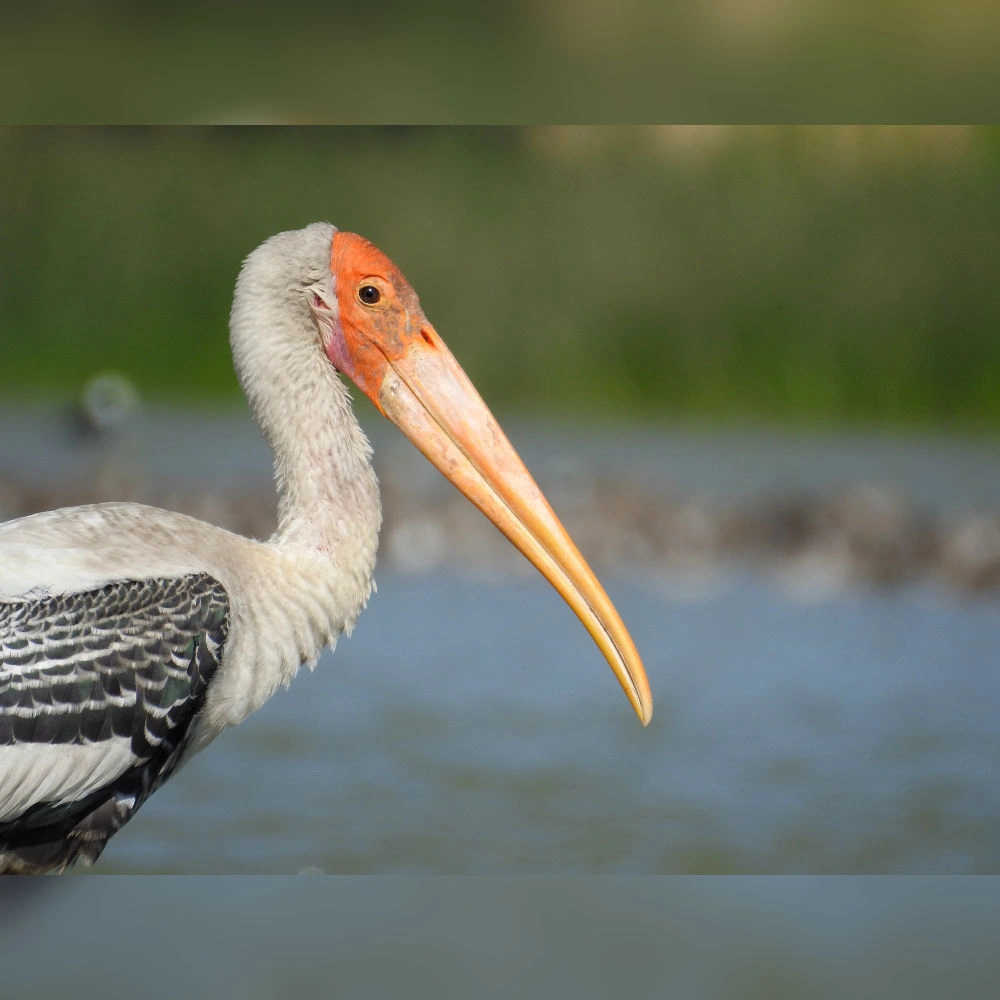
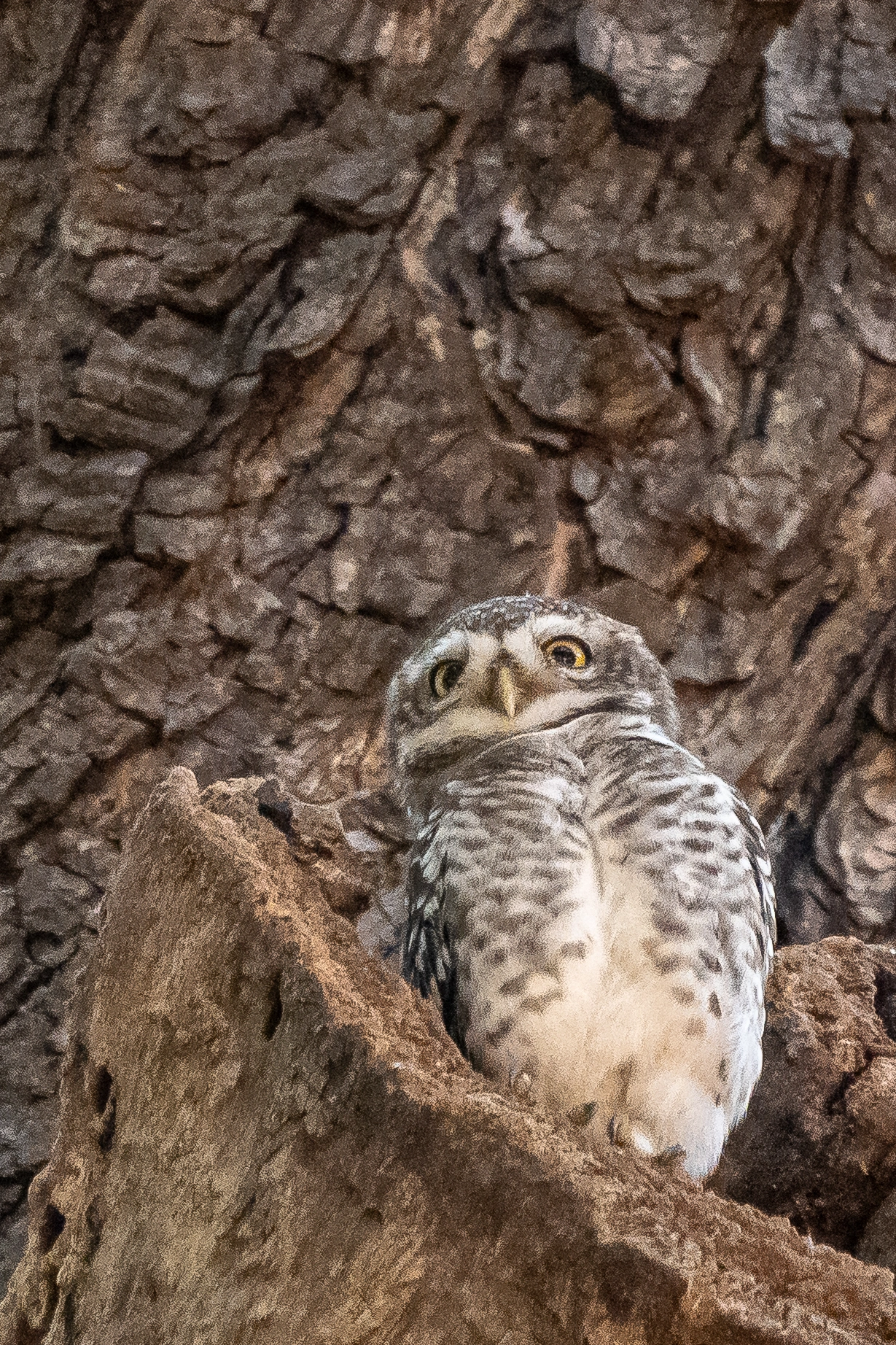
The Sabarmati’s sandbars and shallow channels draw some striking birds. Painted Storks wade slowly through the water, with rosy wing feathers and heavy yellow bills. River Terns, a globally threatened species, hover and plunge after fish, filling the air with sharp calls. In winter, the elegant Pallid Harrier, a pale grey migrant from Central Asia, glides low over the grassy banks hunting for prey. In the ravines, the little Spotted Owlet peers out from a tree hollow, often bobbing its head at passers-by. The Yellow-wattled Lapwing prefers the dry open ground, while its cousin the Red-wattled Lapwing keeps a noisy watch near the water. Black-winged Stilts step delicately on pink legs, and Little Ringed Plovers run and pause along the sand. Little Cormorants, Indian Pond-Herons and Little Egrets fish the channels. On the scrubby banks, Long-tailed and Bay-backed Shrikes perch on lookout posts, ready to pounce on insects and lizards. Large Gray Babblers forage in chattering groups, and Asian Green Bee-eaters swoop after insects. Wire-tailed and Barn Swallows skim the water, Purple Sunbirds visit flowering shrubs, and Black Kites circle overhead.

Painted Stork

River Tern

Spotted Owlet
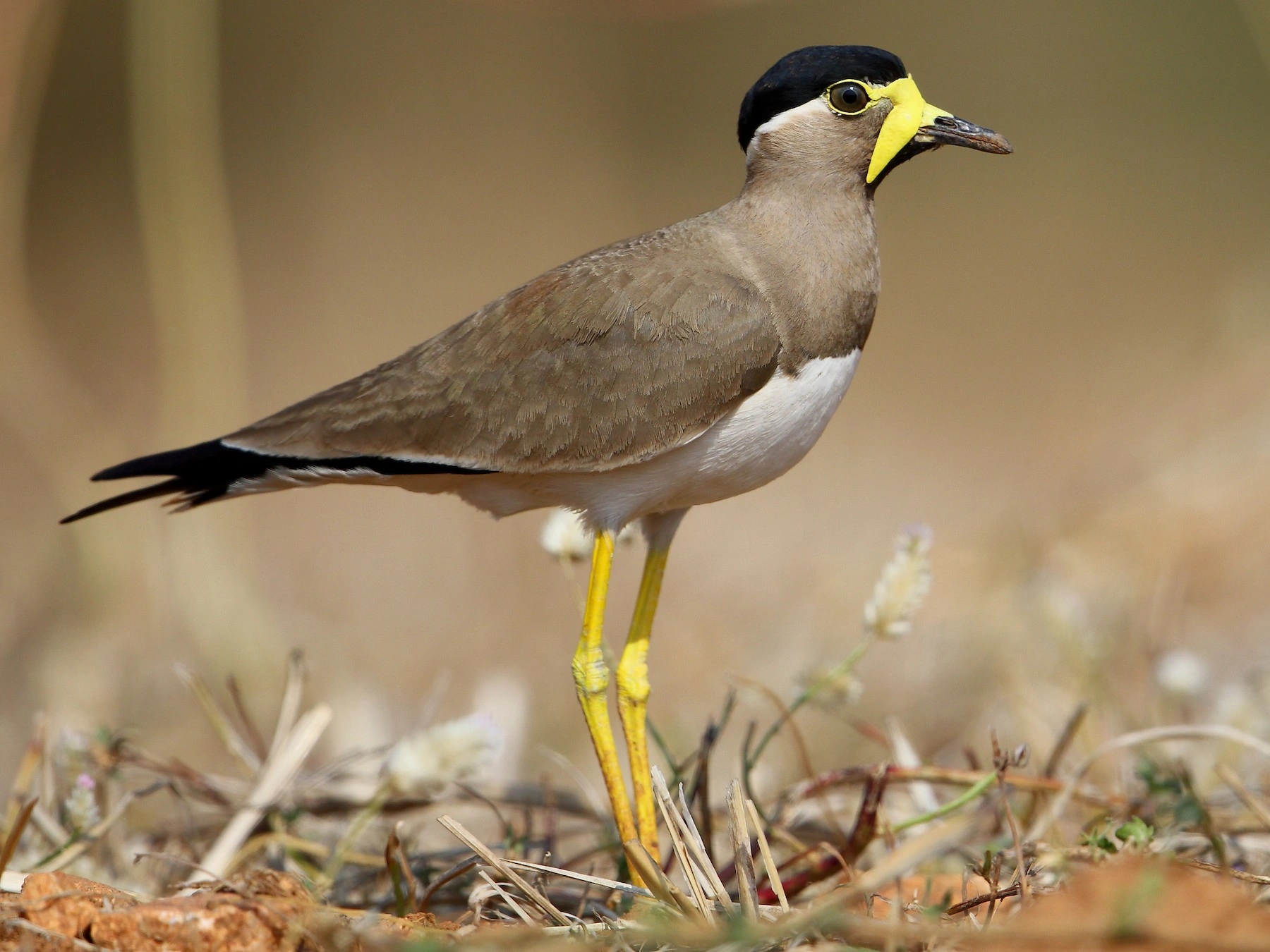
Yellow-wattled Lapwing
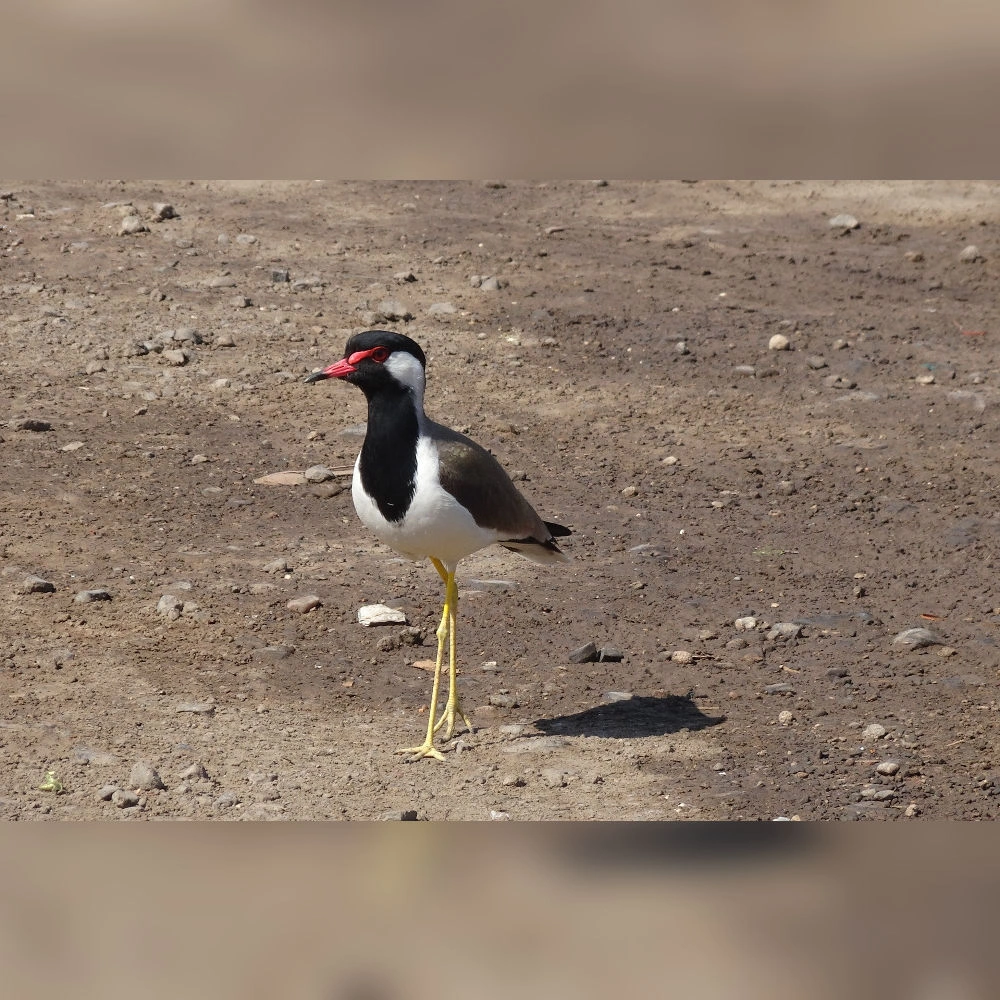
Red-wattled Lapwing
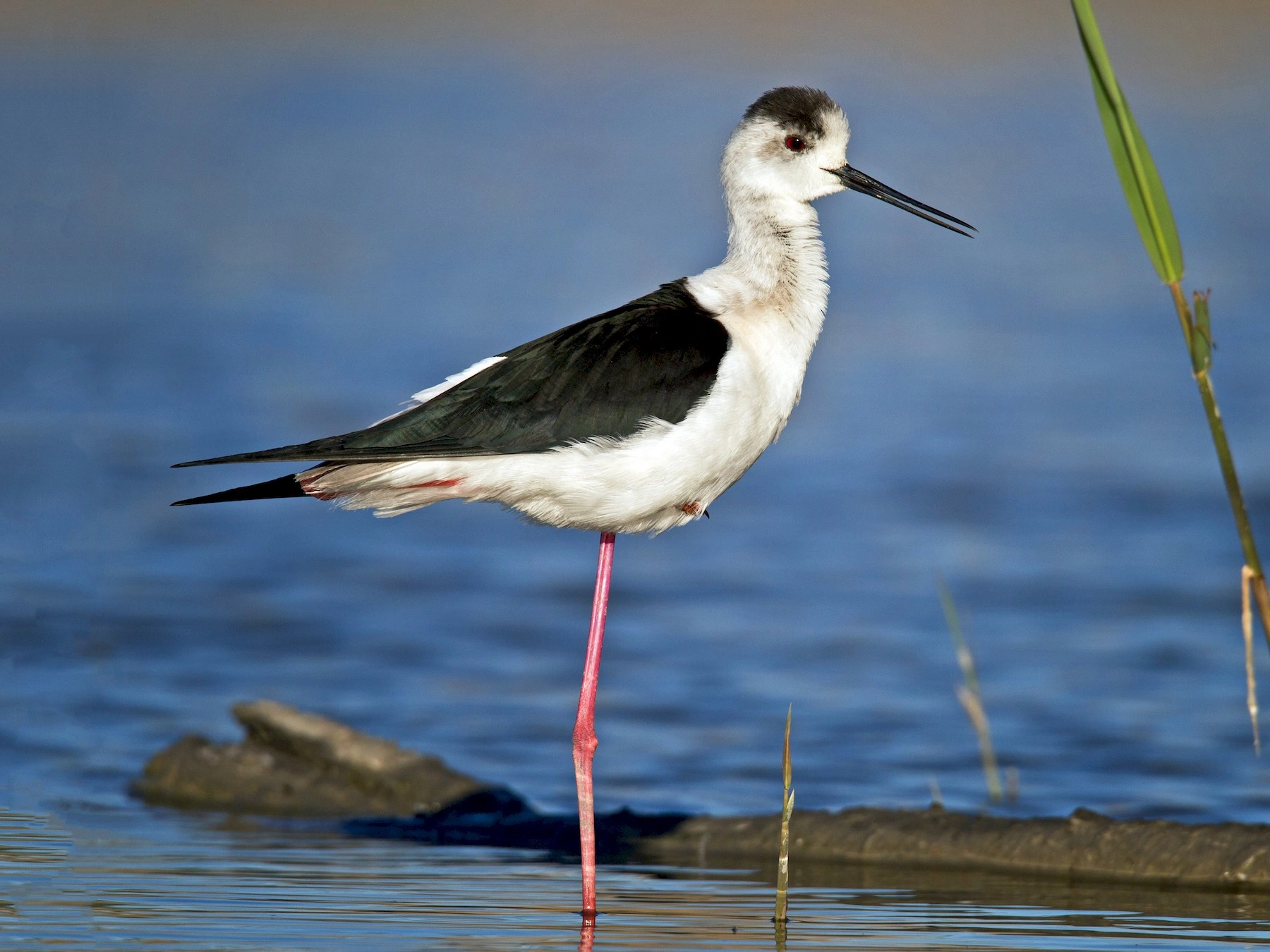
Black-winged Stilt
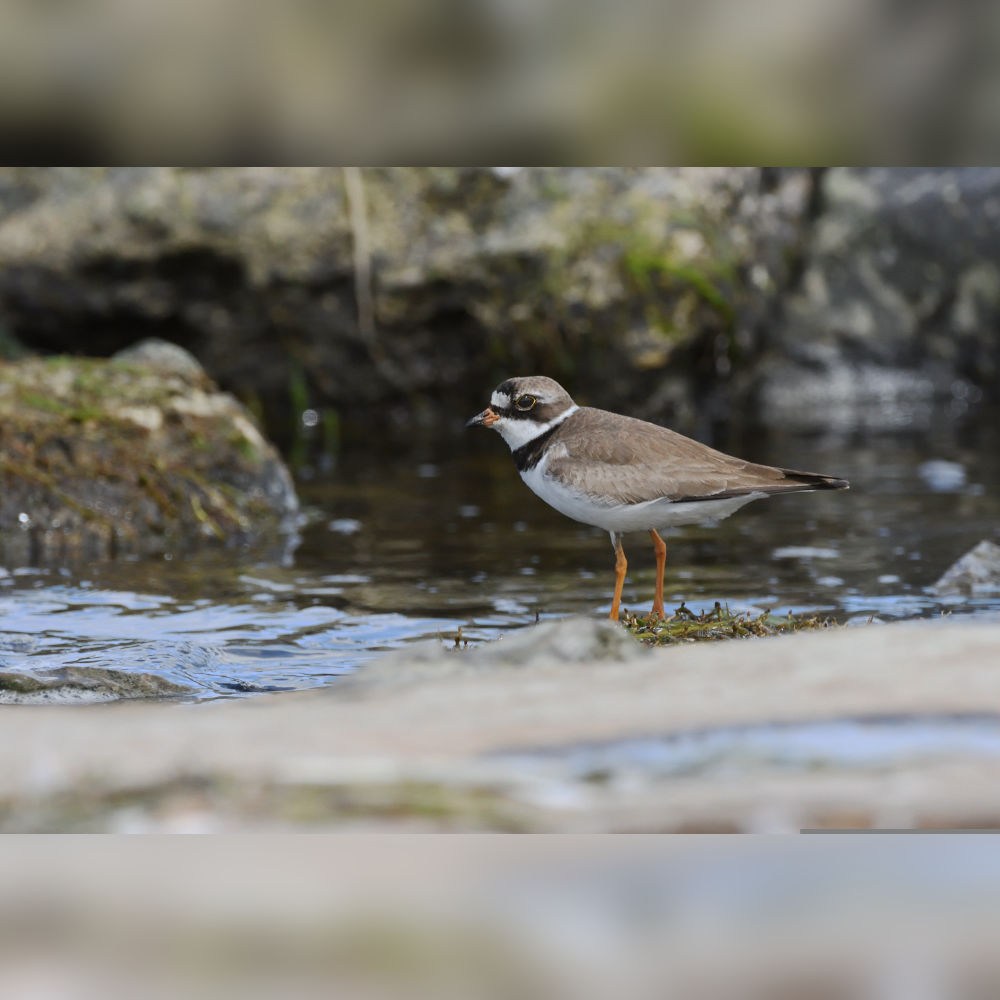
Little Ringed Plover

Little Cormorant
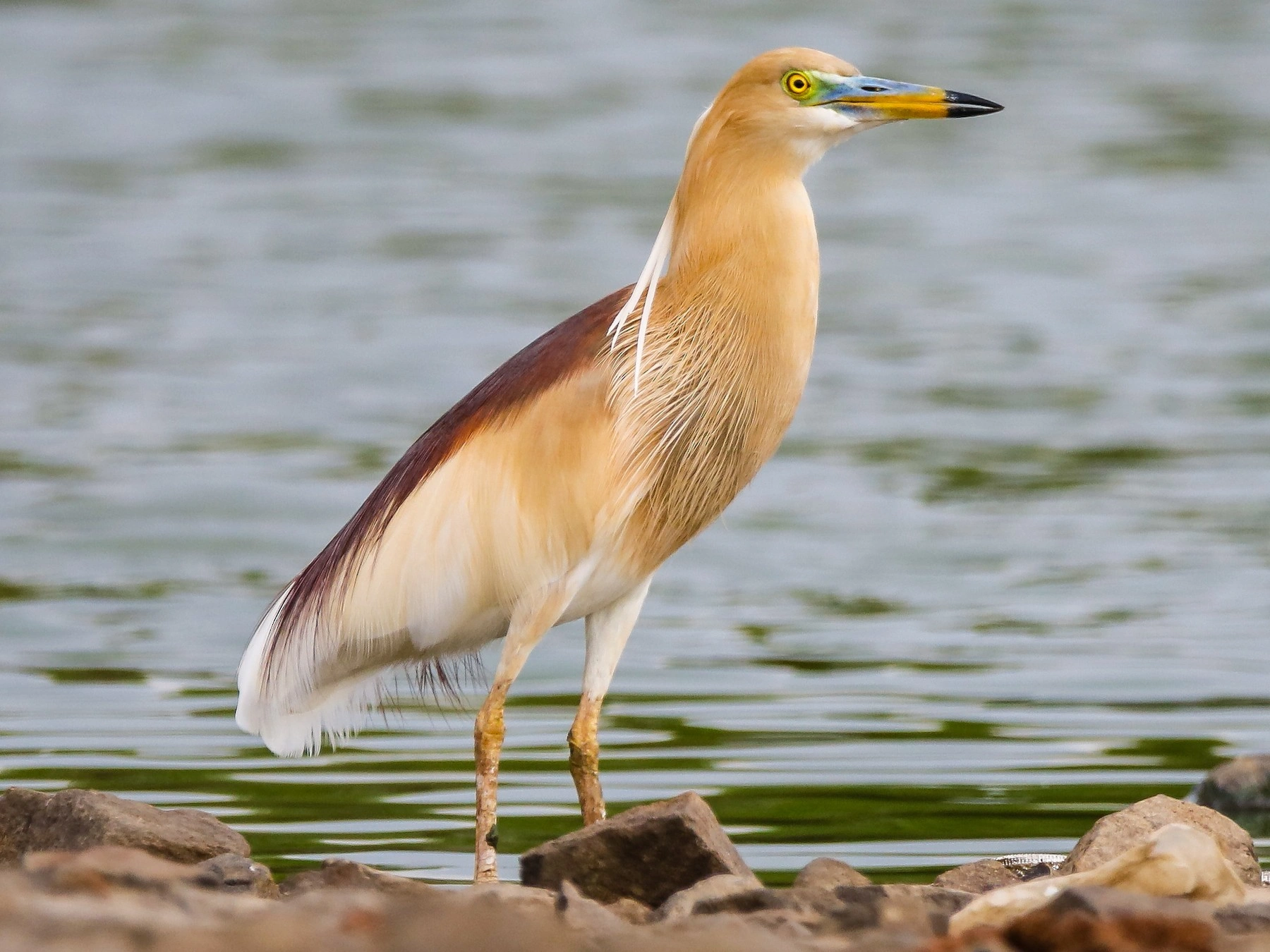
Indian Pond-Heron
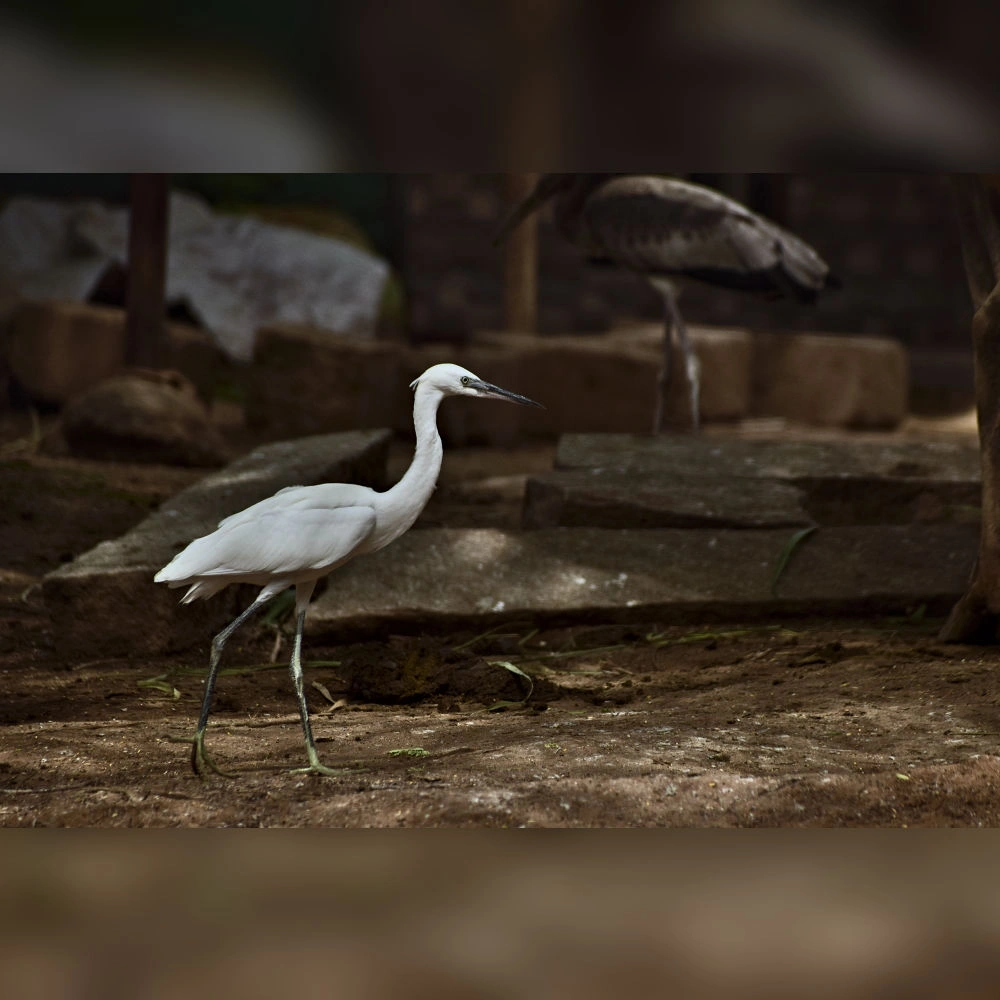
Little Egret
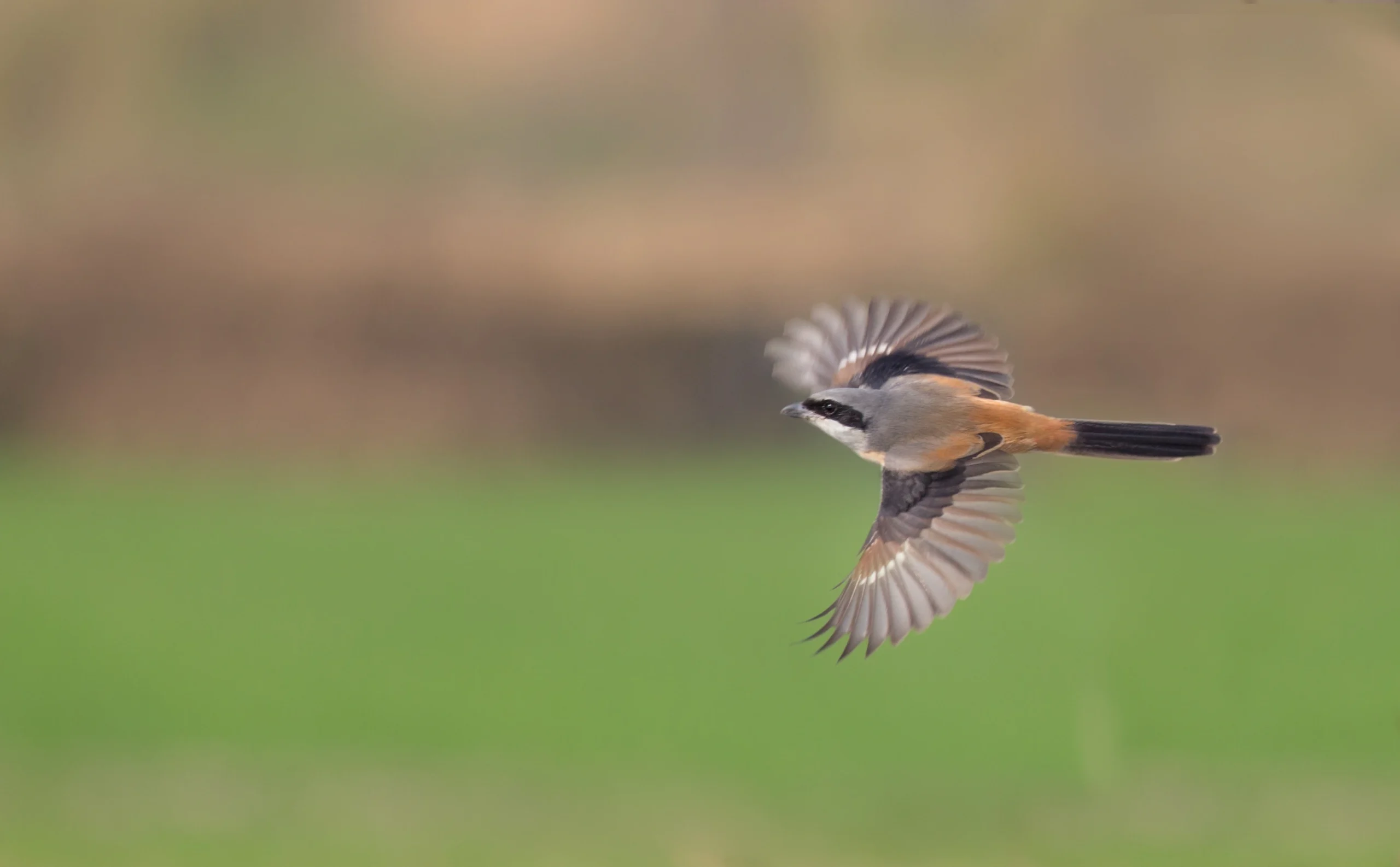
Long-tailed Shrike
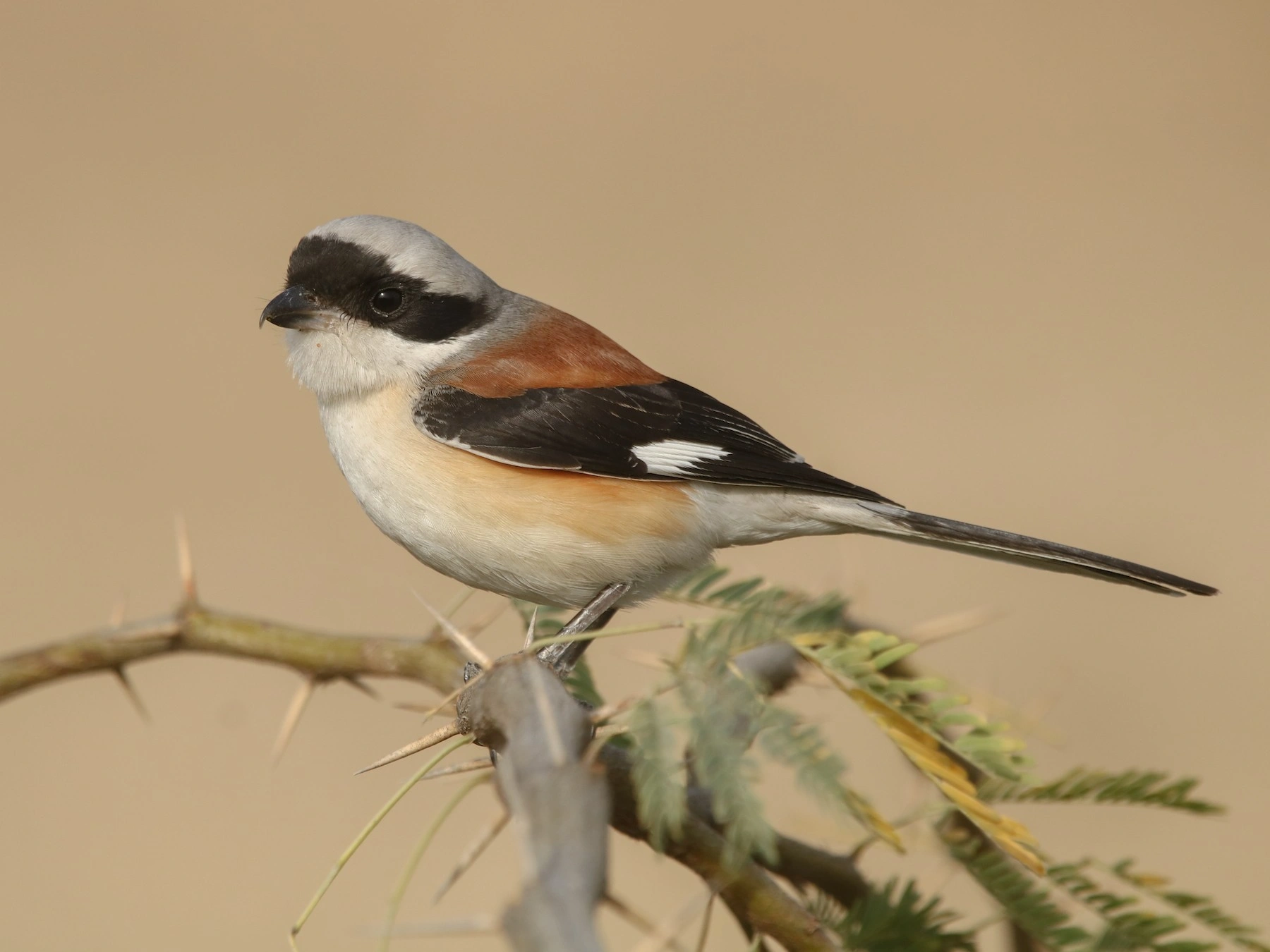
Bay-backed Shrike

Large Grey Babbler
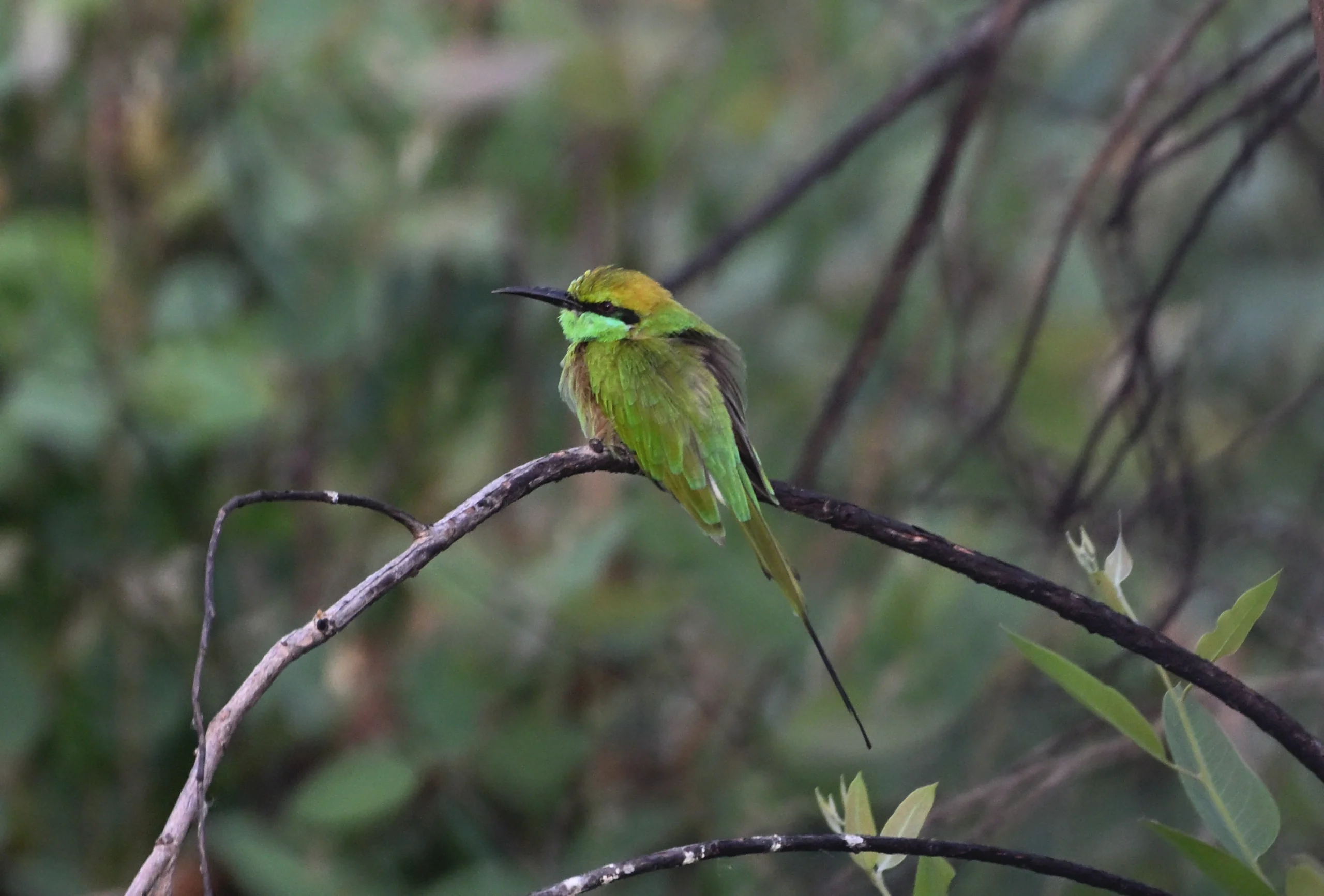
Asian Green Bee-eater
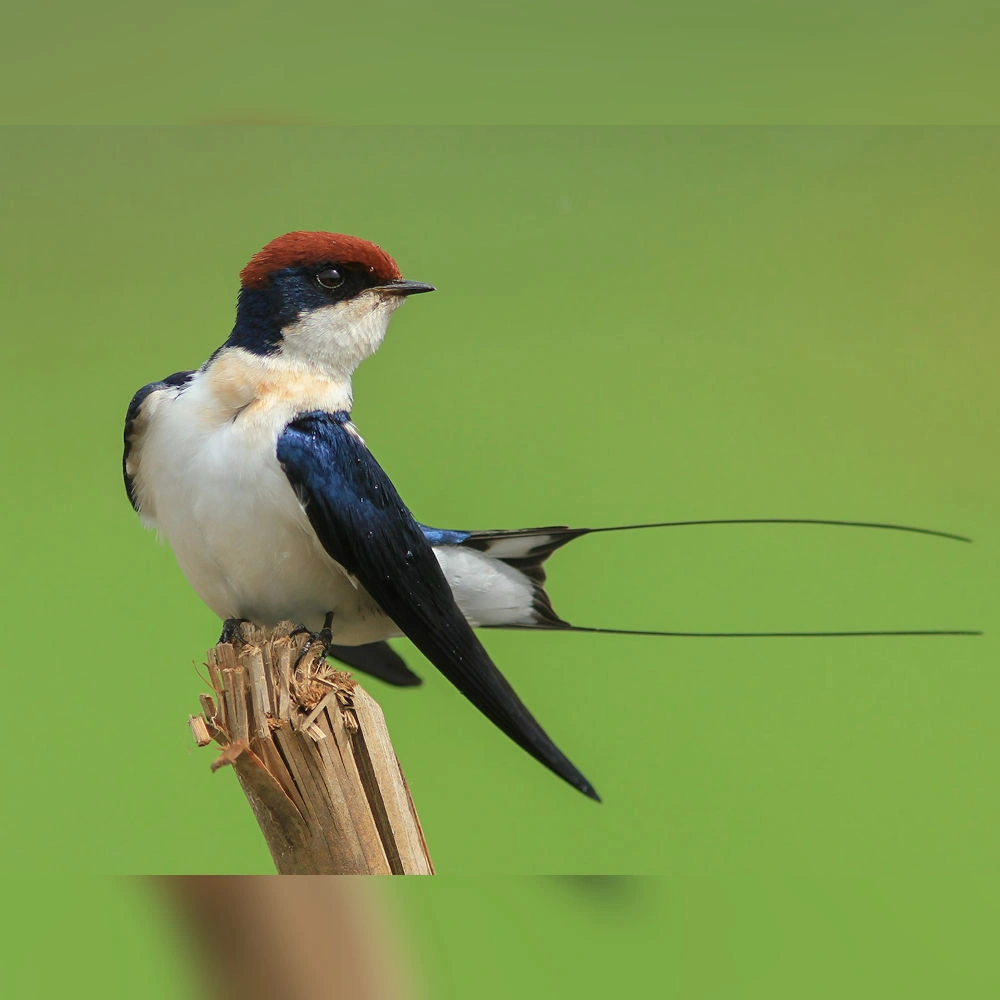
Wire-tailed Swallow
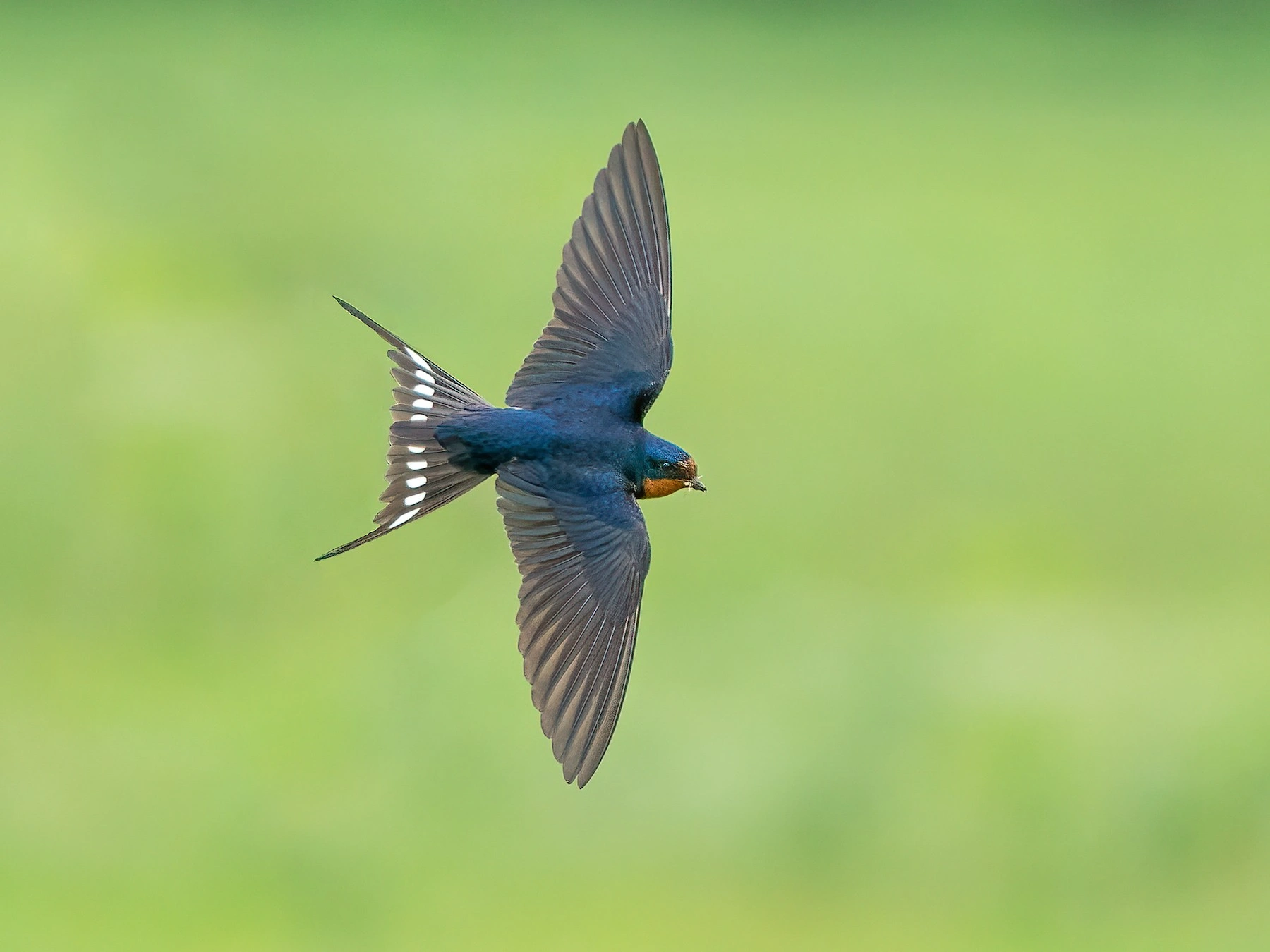
Barn Swallow

Purple Sunbird
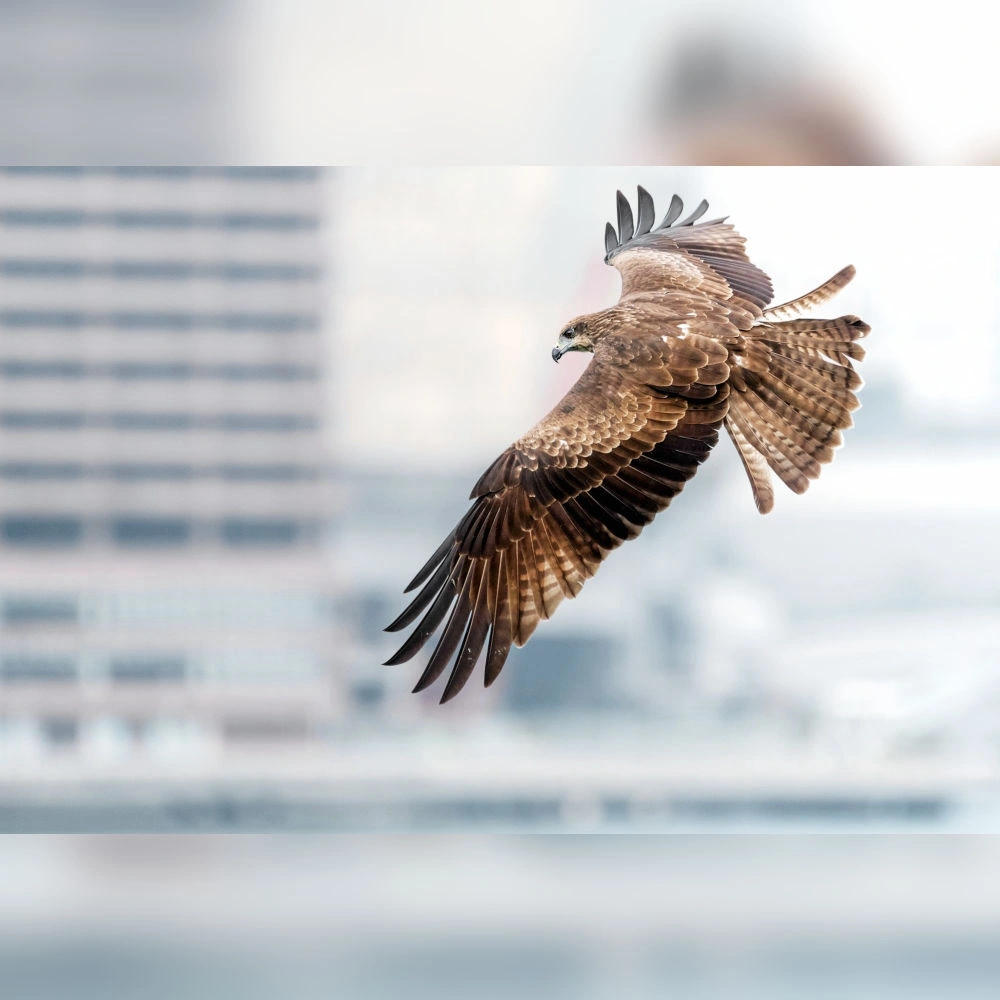
Black Kite

House Sparrow
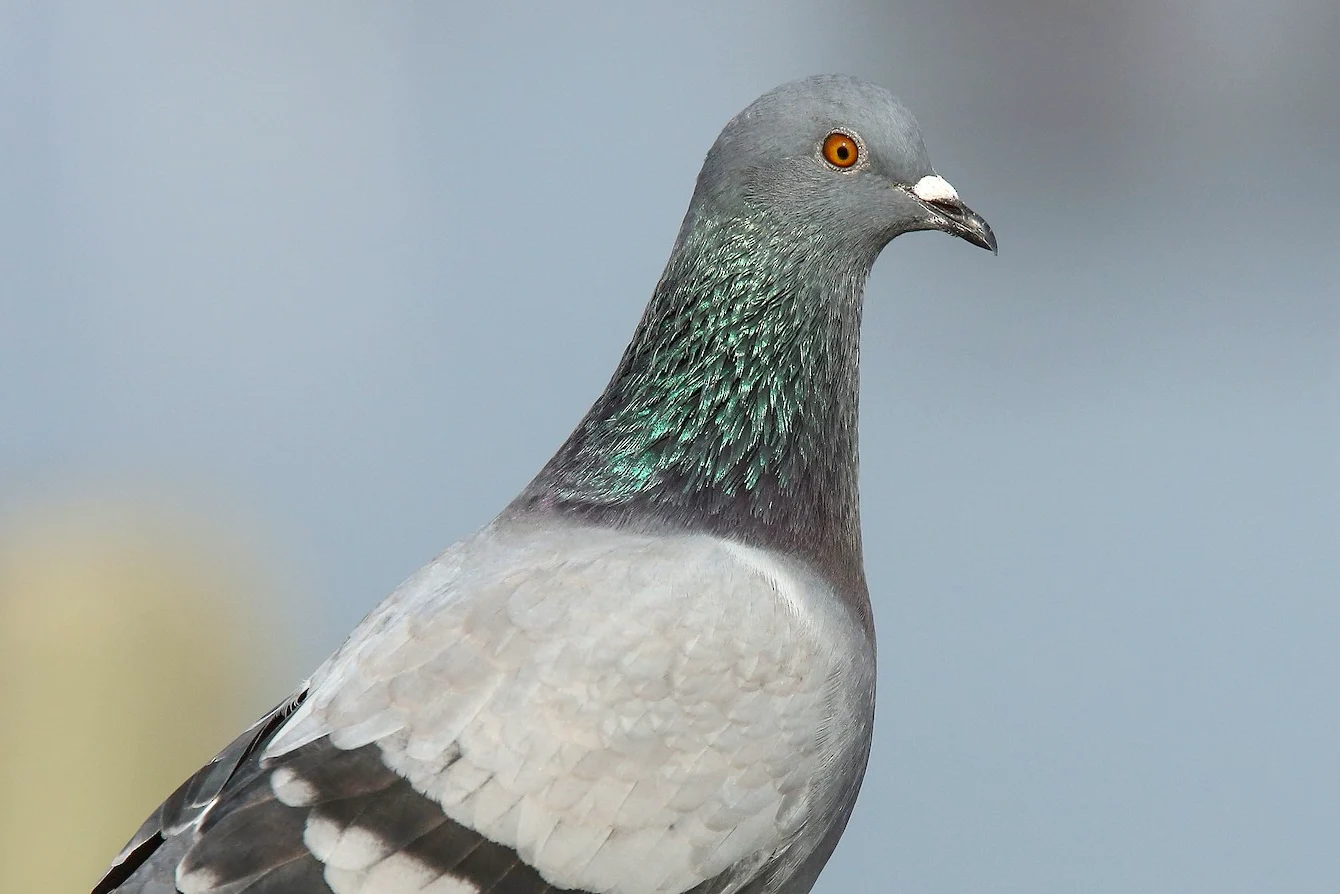
Rock Pigeon

- Fee collected goes entirely to the bird guide. Ataavi does not retain or profit from this amount.