

Loading Events

Bird Walk at Kolar (KGF), near Bengaluru

About Kolar (KGF)

About 100 km east of Bengaluru, Kolar Gold Fields is a landscape shaped by more than a century of gold mining. Deep-shaft mining began here in the 1880s and continued until the mines closed in 2001. It left behind old headframes, colonial-era bungalows, and huge pale hills of mine tailings that now rise above the plain. Around this industrial heritage lies some of the Kolar plateau’s most open country: rolling grassland, thorny scrub, rocky outcrops, abandoned mine land, seasonal tanks with reedy edges, and dry farmland. These open habitats are disappearing fast elsewhere around Bengaluru. Here they still support hares, jackals, mongooses, monitor lizards and a wealth of insects, and they make KGF an unexpected wildlife refuge.
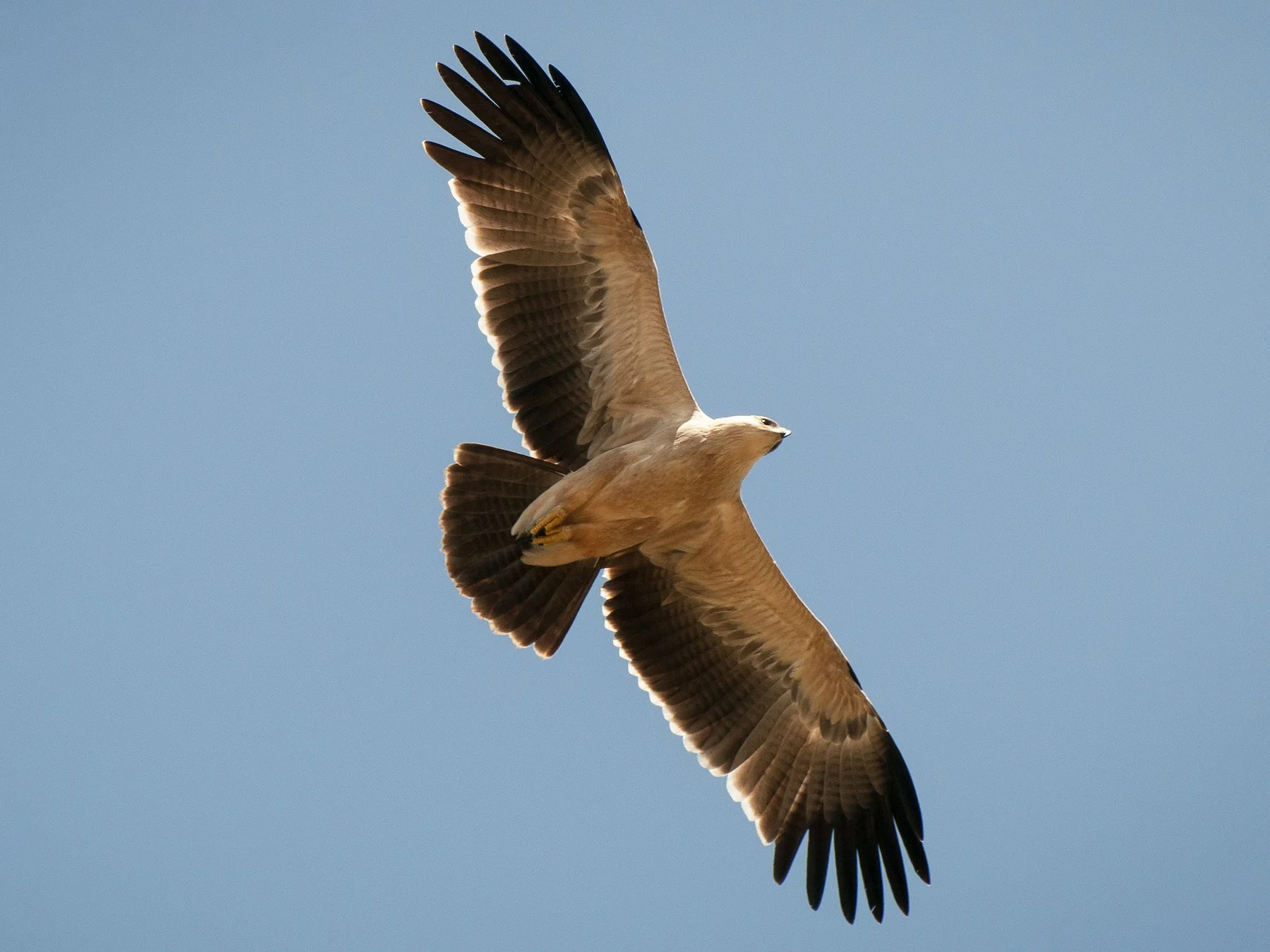
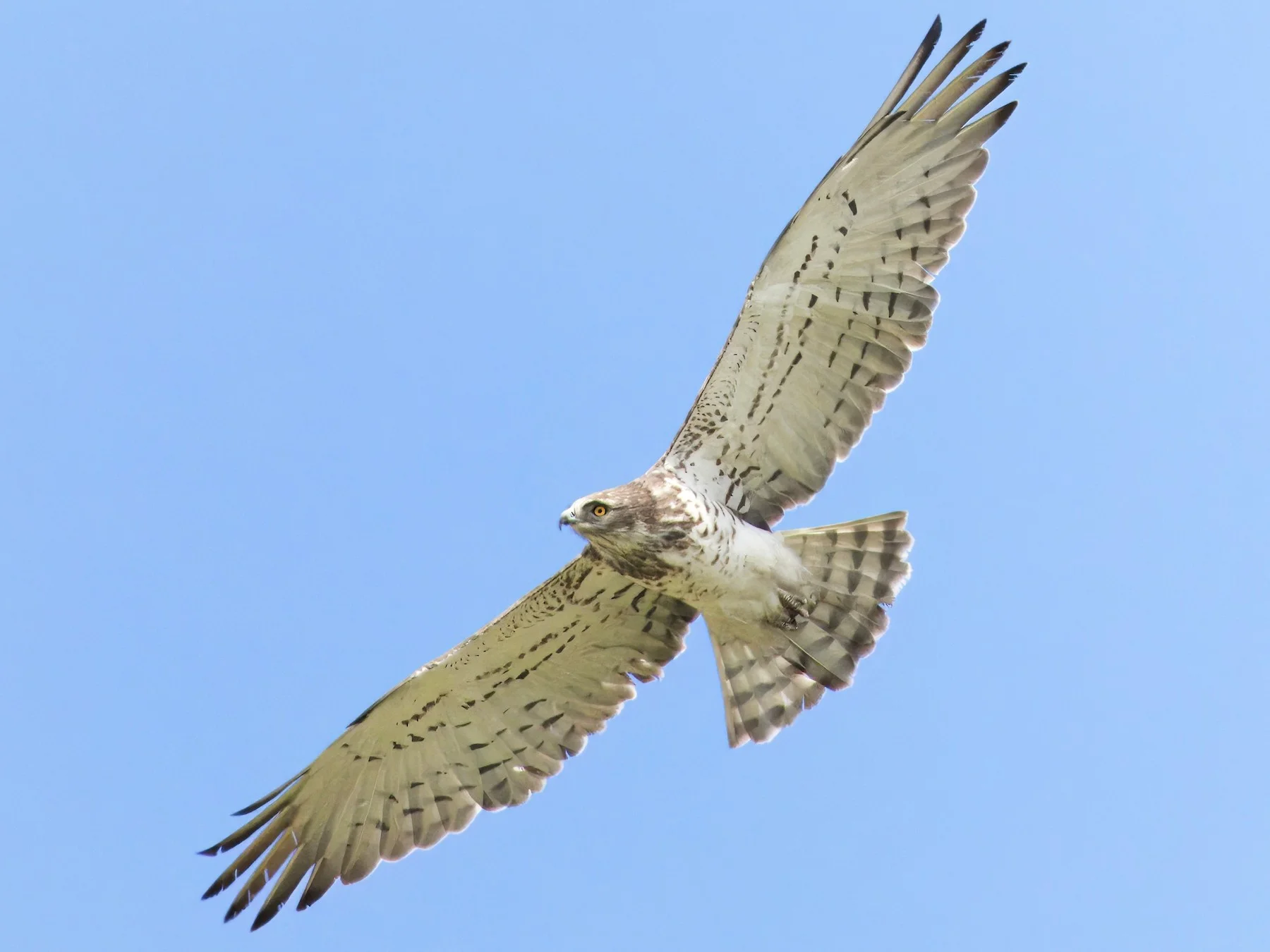
For birders, KGF’s grasslands and scrub are the real attraction. Raptors such as the Tawny Eagle, the Short-toed Snake-Eagle and the White-eyed Buzzard hunt over the open ground. Larks, buttonquails, prinias and nightjars live in the grass, and swallows sweep across the plains. The reedy tanks add warblers and waterbirds. This landscape is fragile, though. Grassland is often dismissed as wasteland and turned into plantations, farms or real estate. Quarrying, dust and contamination from the old mine dumps, dumping, grazing pressure and fires all take a toll. Uncertainty over the future of the old mining land adds to the risk. Recognising these open grasslands as valuable ecosystems, and protecting them as such, is key to keeping KGF’s raptors and grassland birds.

Bird Guide: Rahuldev Rajguru

With over 25 years in software and entrepreneurship, he now focuses on birding, wildlife photography, and conservation, while also writing to inspire people to connect with nature.

Bird walk Location

Common birds of Kolar (KGF)

KGF’s open grasslands are hunting grounds for raptors. The powerful Tawny Eagle, now globally threatened, watches from a perch or circles slowly overhead. The Short-toed Snake-Eagle hovers high over the grass searching for snakes. The White-eyed Buzzard, with its pale, staring eyes, scans the ground from a lone tree. Down in the grass, the secretive Barred Buttonquail creeps quietly through the cover. Jerdon’s Bushlark rises in a song flight, and Jungle and Ashy Prinias call from the tall stems. At dusk, the Indian Nightjar’s tapping call rings across the scrub. The Pied Cuckoo arrives with the monsoon and calls loudly from the thickets. Streak-throated Swallows, which build mud nests in colonies, sweep low over the plains with Eastern Red-rumped Swallows. The loud, rattling song of the Clamorous Reed Warbler comes from the reeds around the tanks. In the scrub, Large Gray Babblers forage in noisy groups. The White-browed Bulbul chatters, and the Common Iora and Asian Tit search the leaves for insects. Rufous Treepies, Asian Green Bee-eaters, White-throated Kingfishers and Black Drongos are common, while Gray Francolins and Red-wattled Lapwings call from the open ground.
Short-toed Snake-Eagle
Tawny Eagle
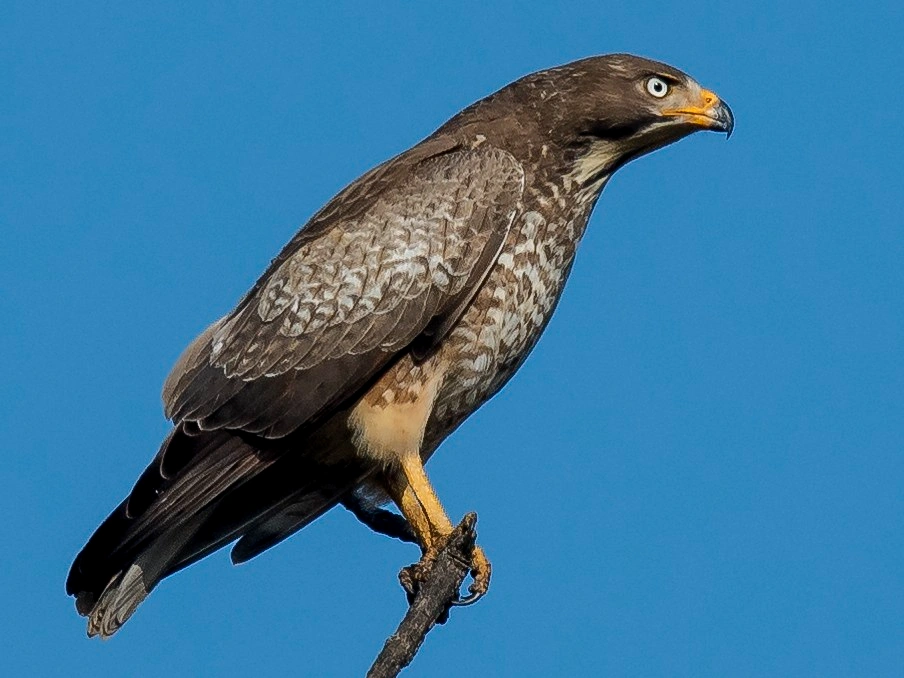
White-eyed Buzzard
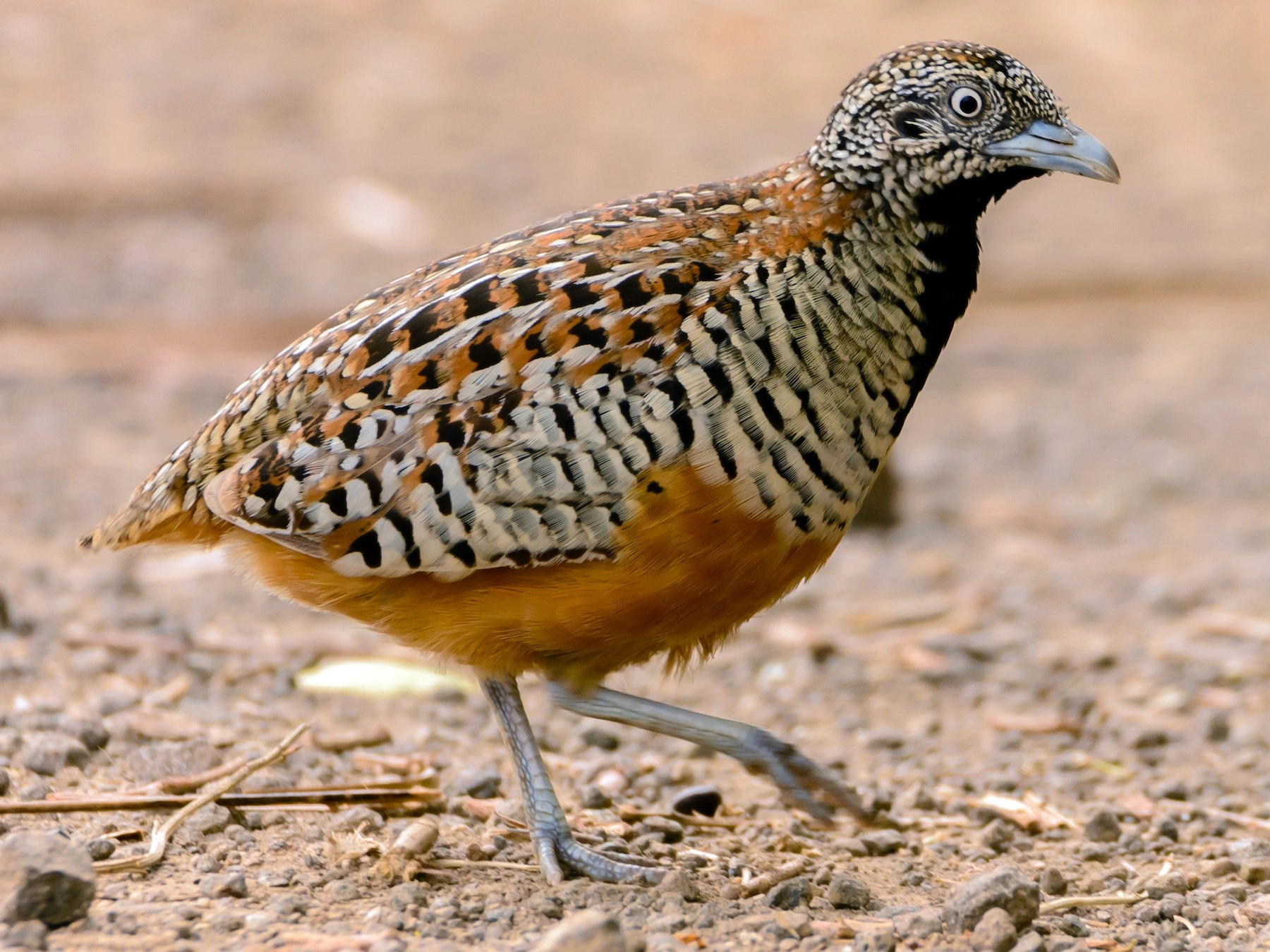
Barred Buttonquail
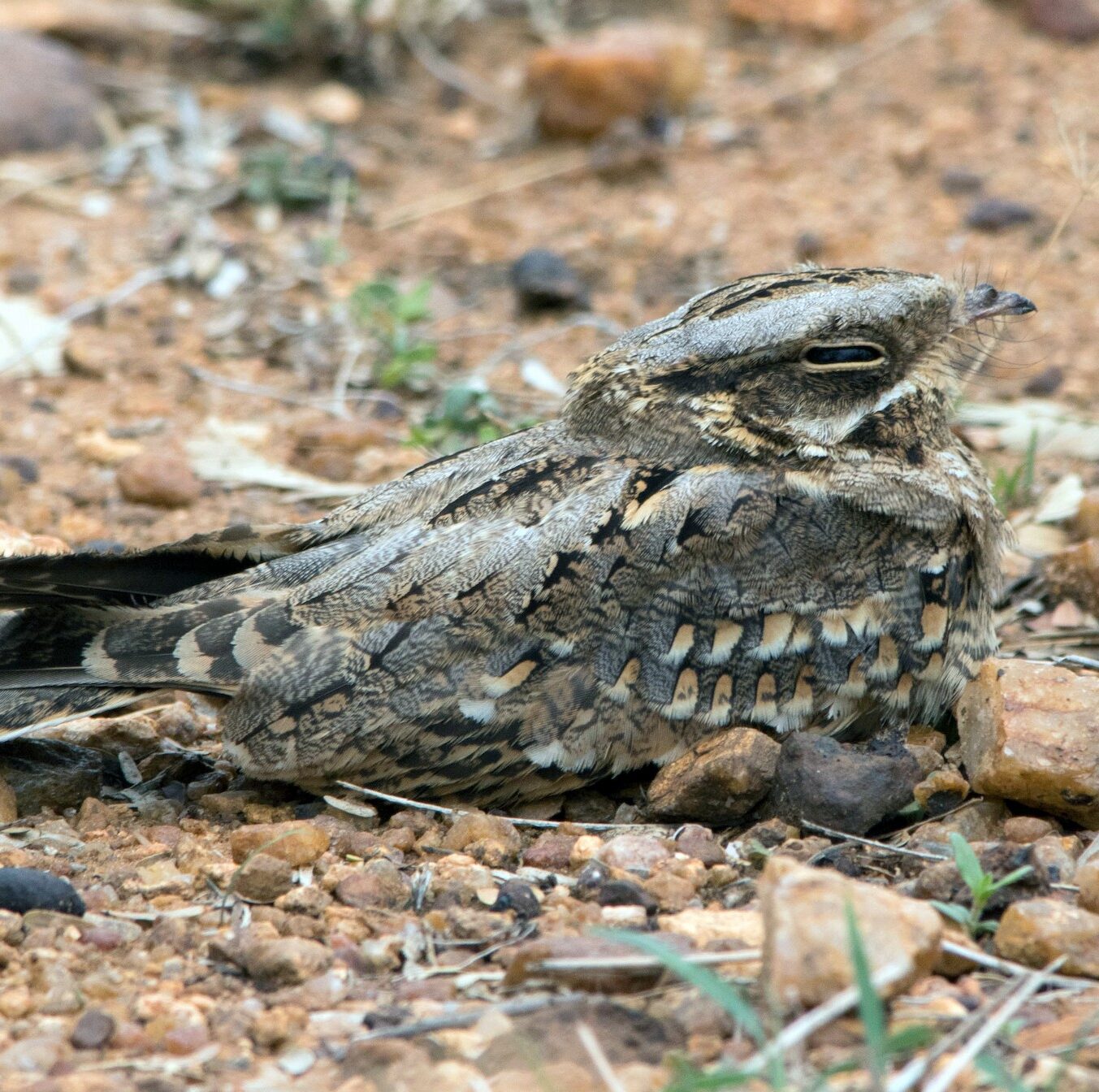
Indian Nightjar
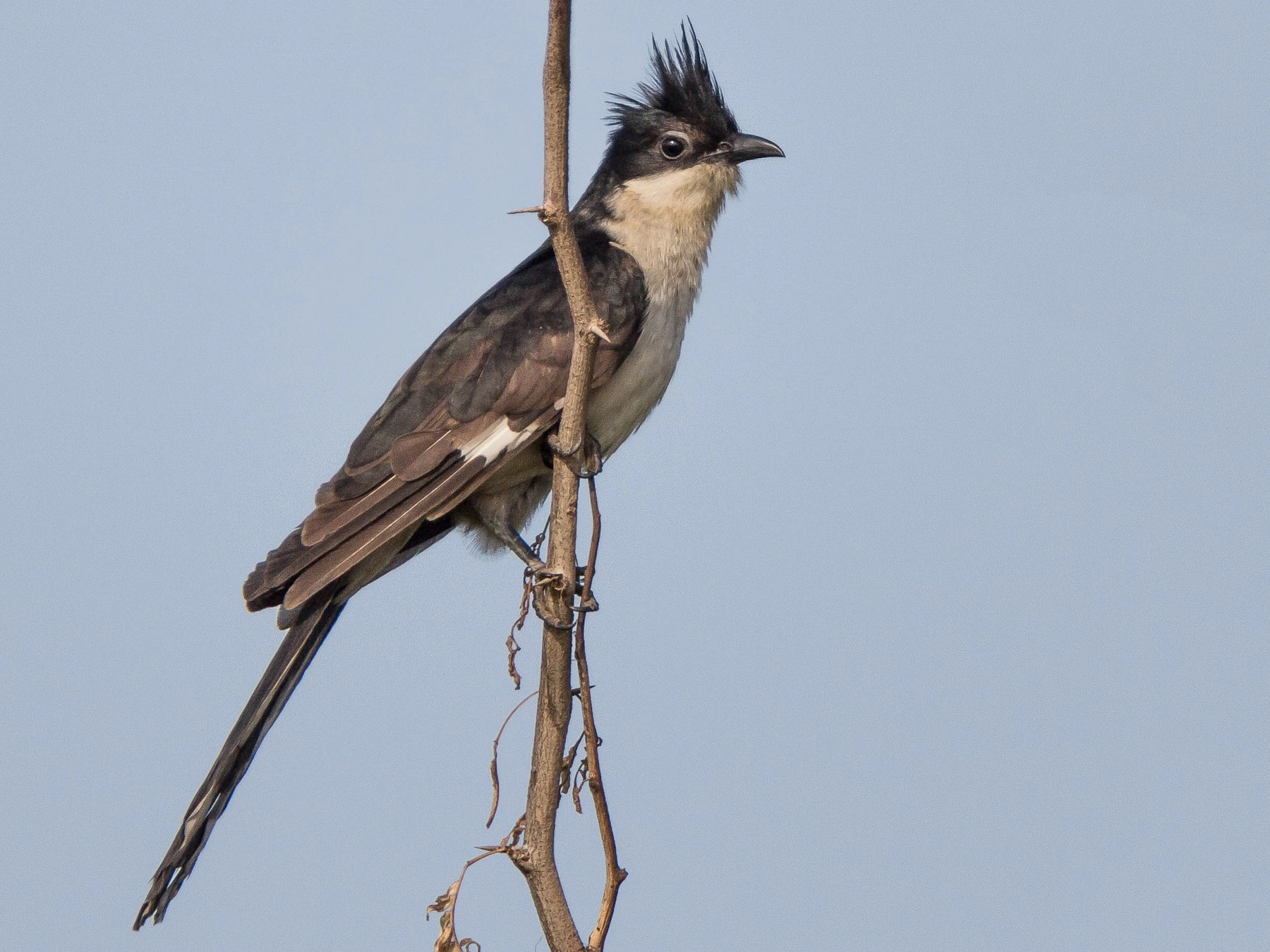
Pied Cuckoo
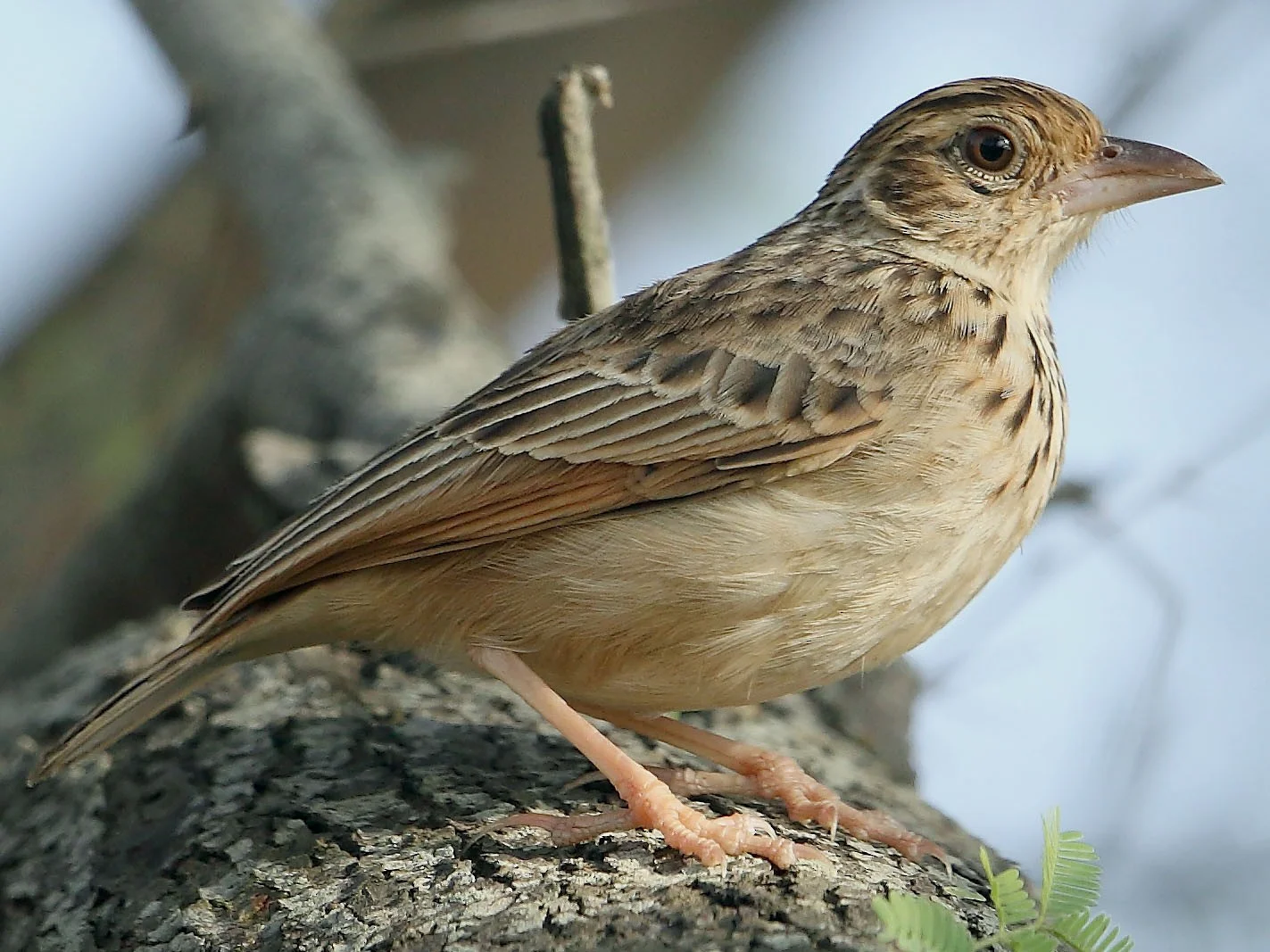
Jerdon's Bushlark
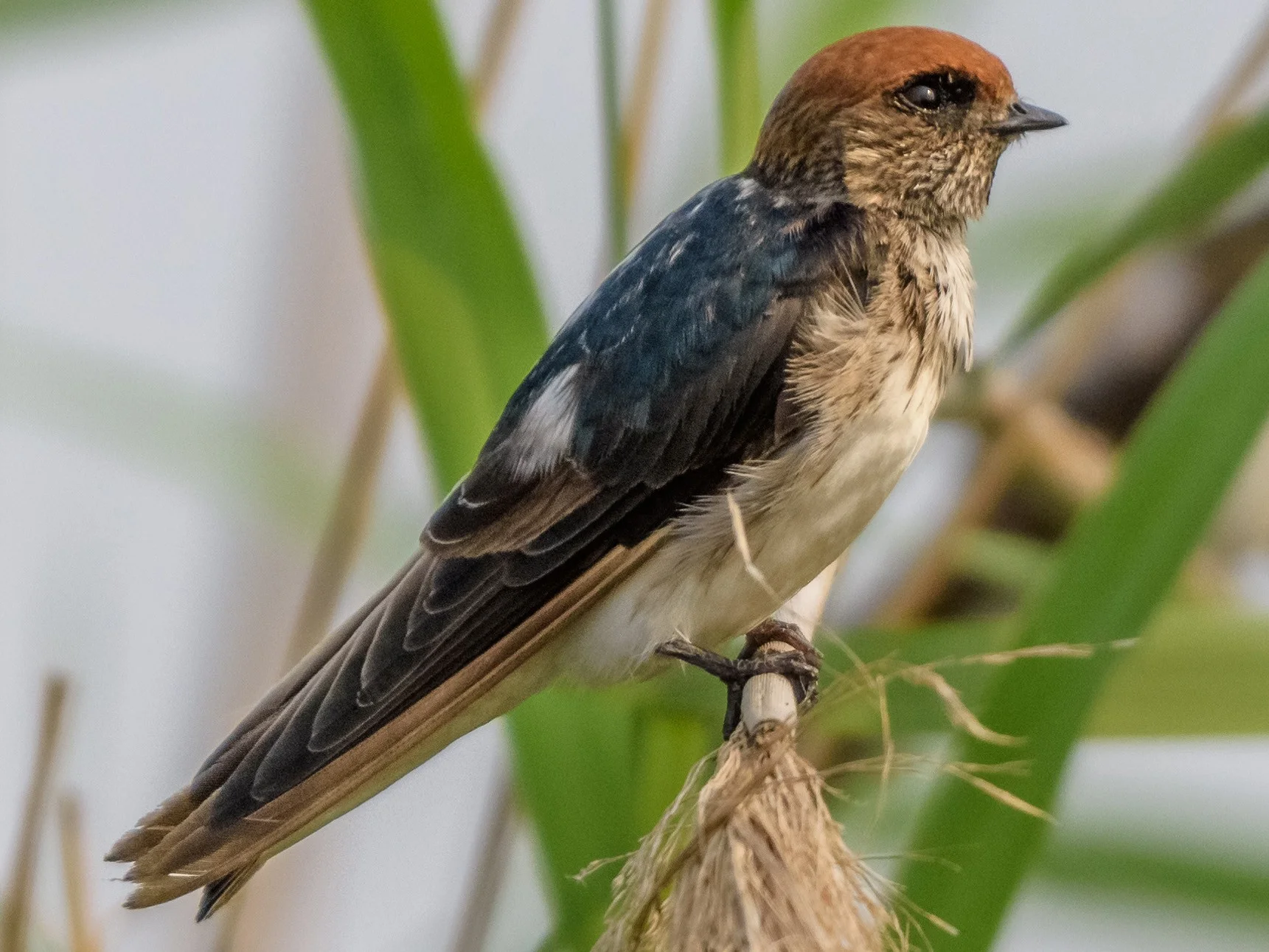
Streak-throated Swallow
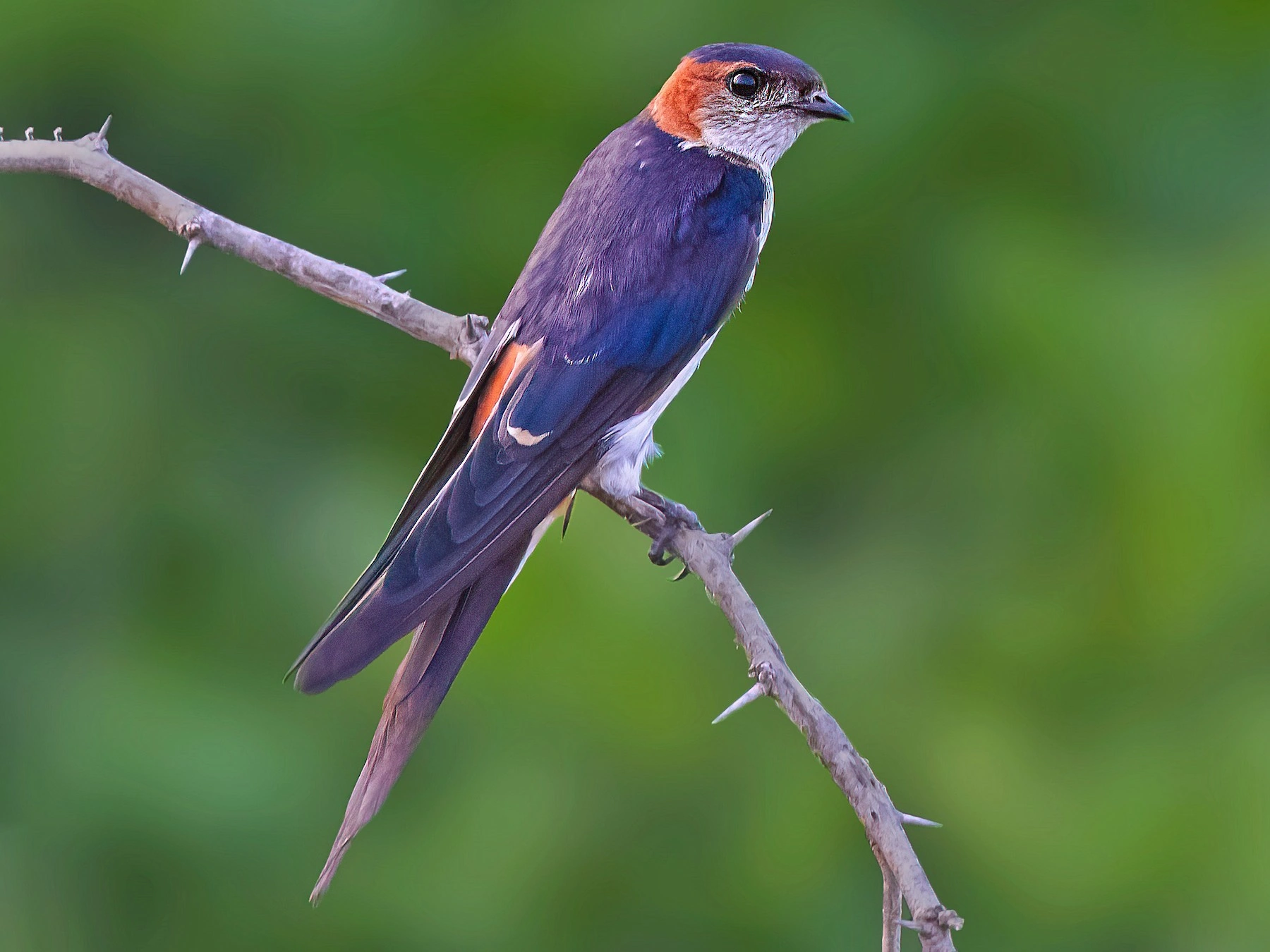
Eastern Red-rumped Swallow
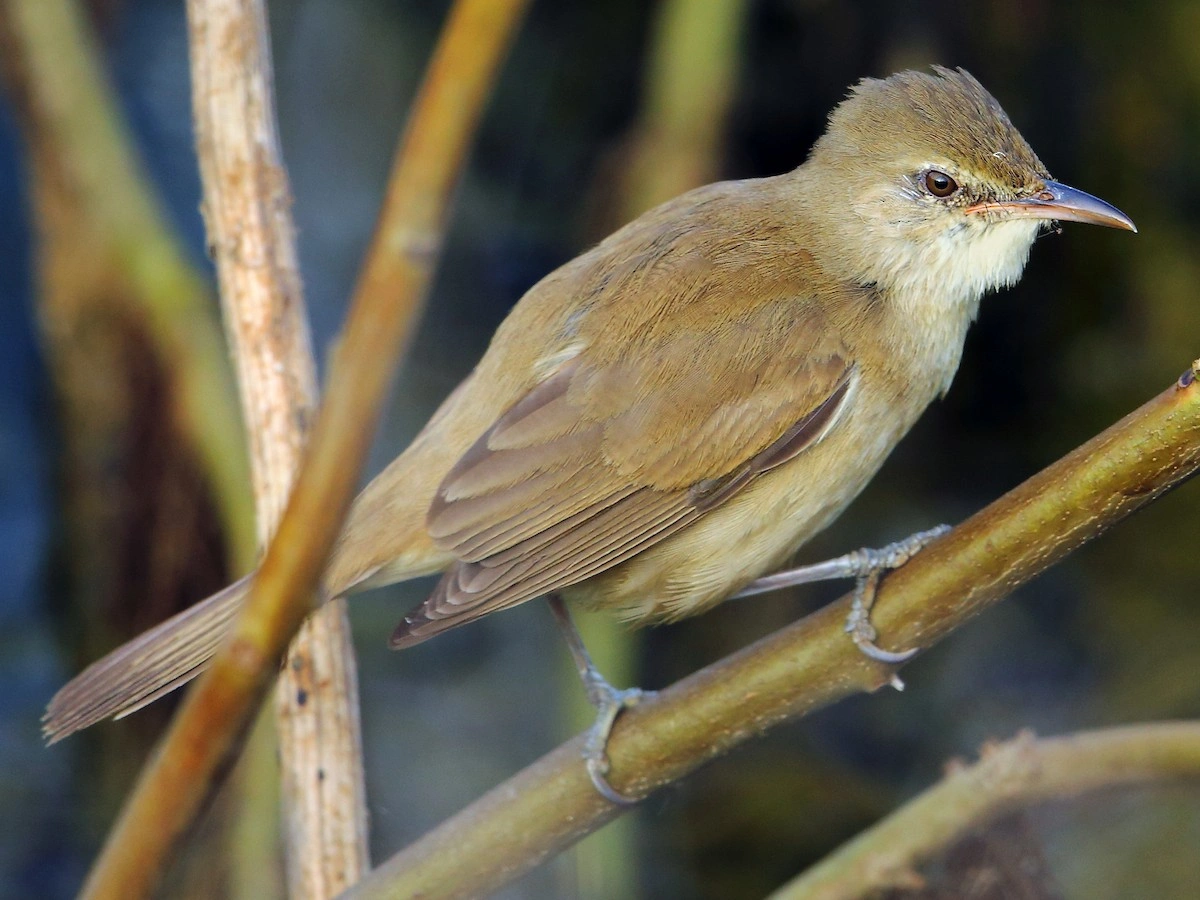
Clamorous Reed Warbler
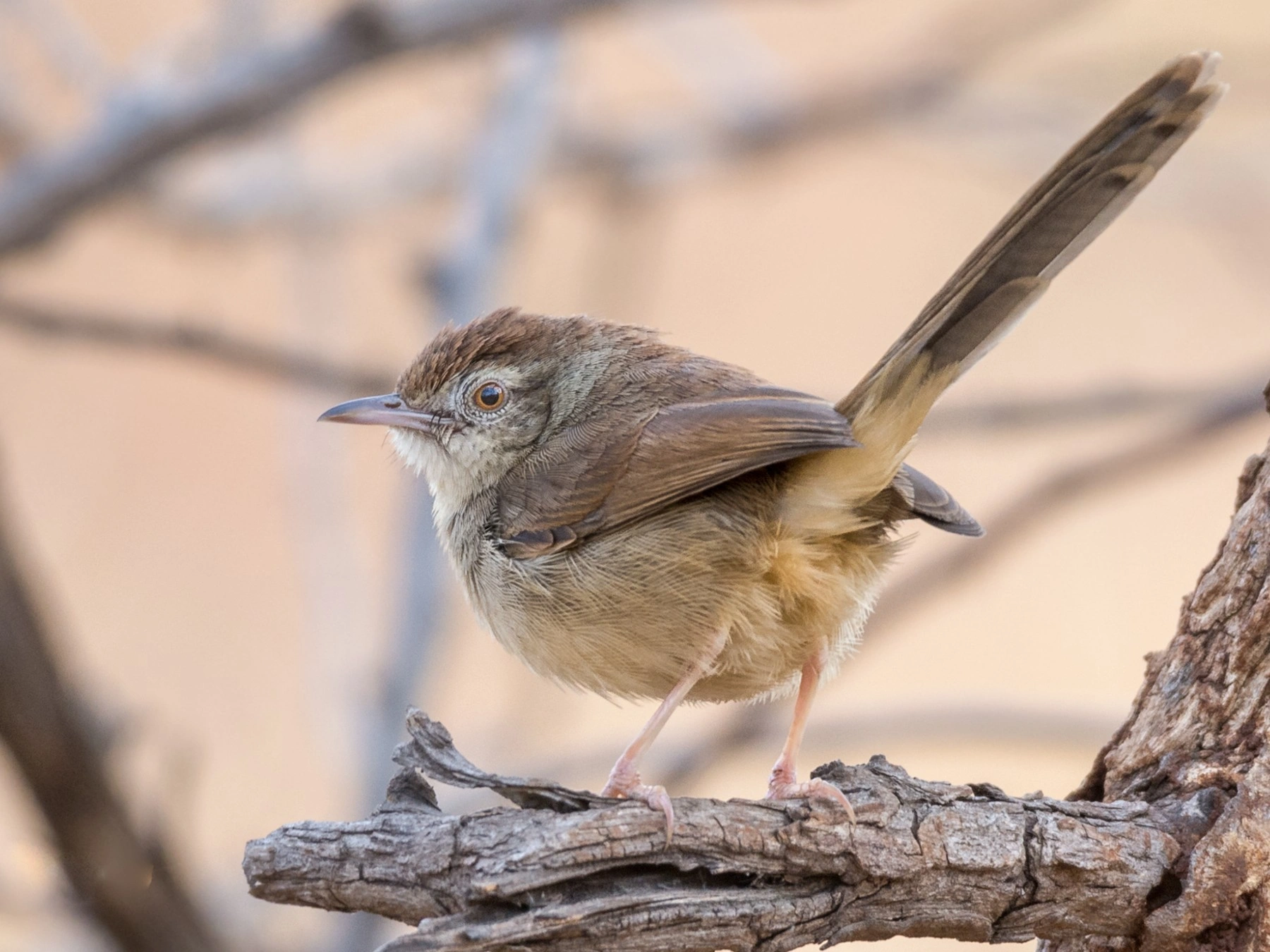
Jungle Prinia
Ashy Prinia
Large Grey Babbler
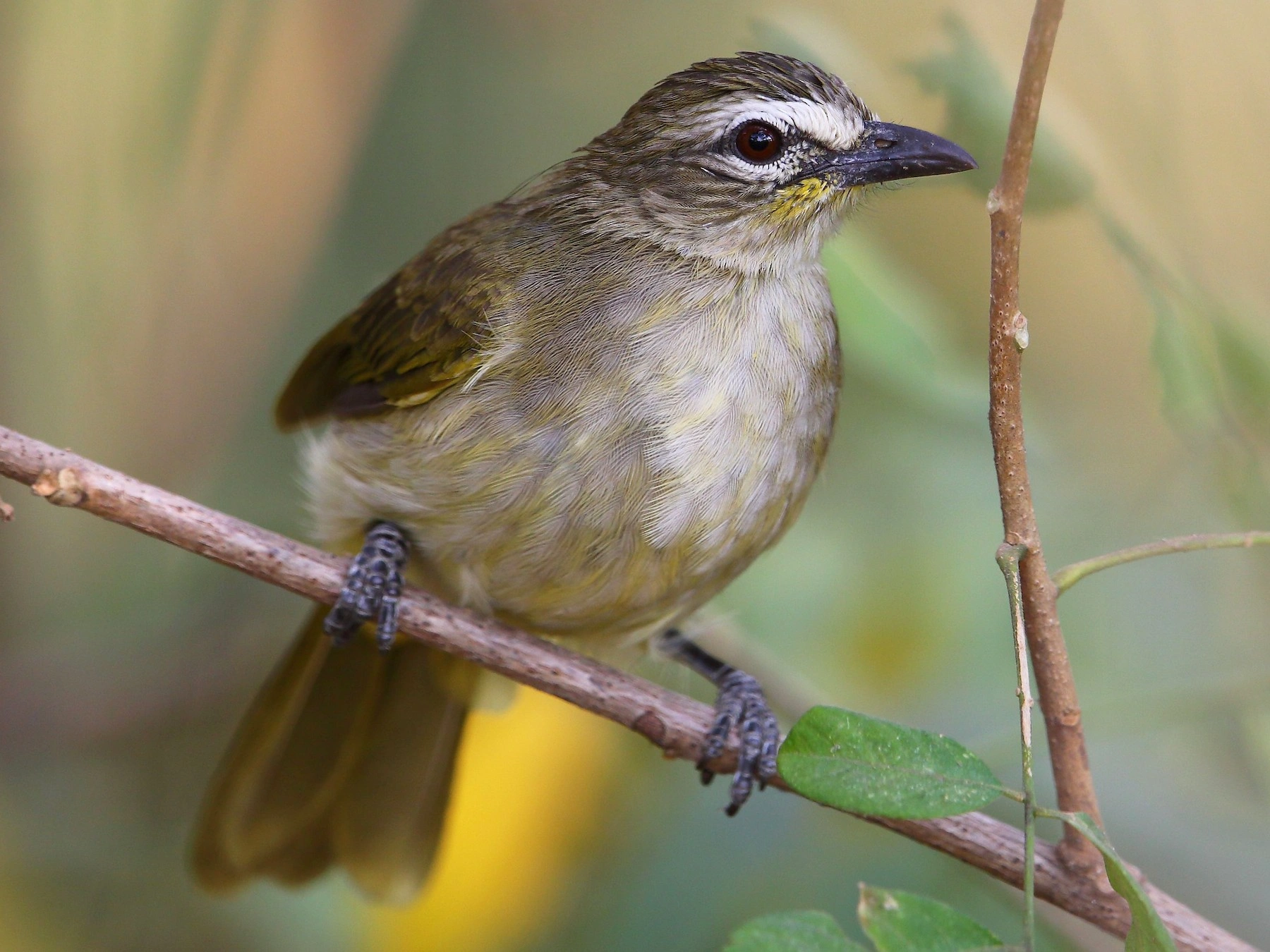
White-browed Bulbul
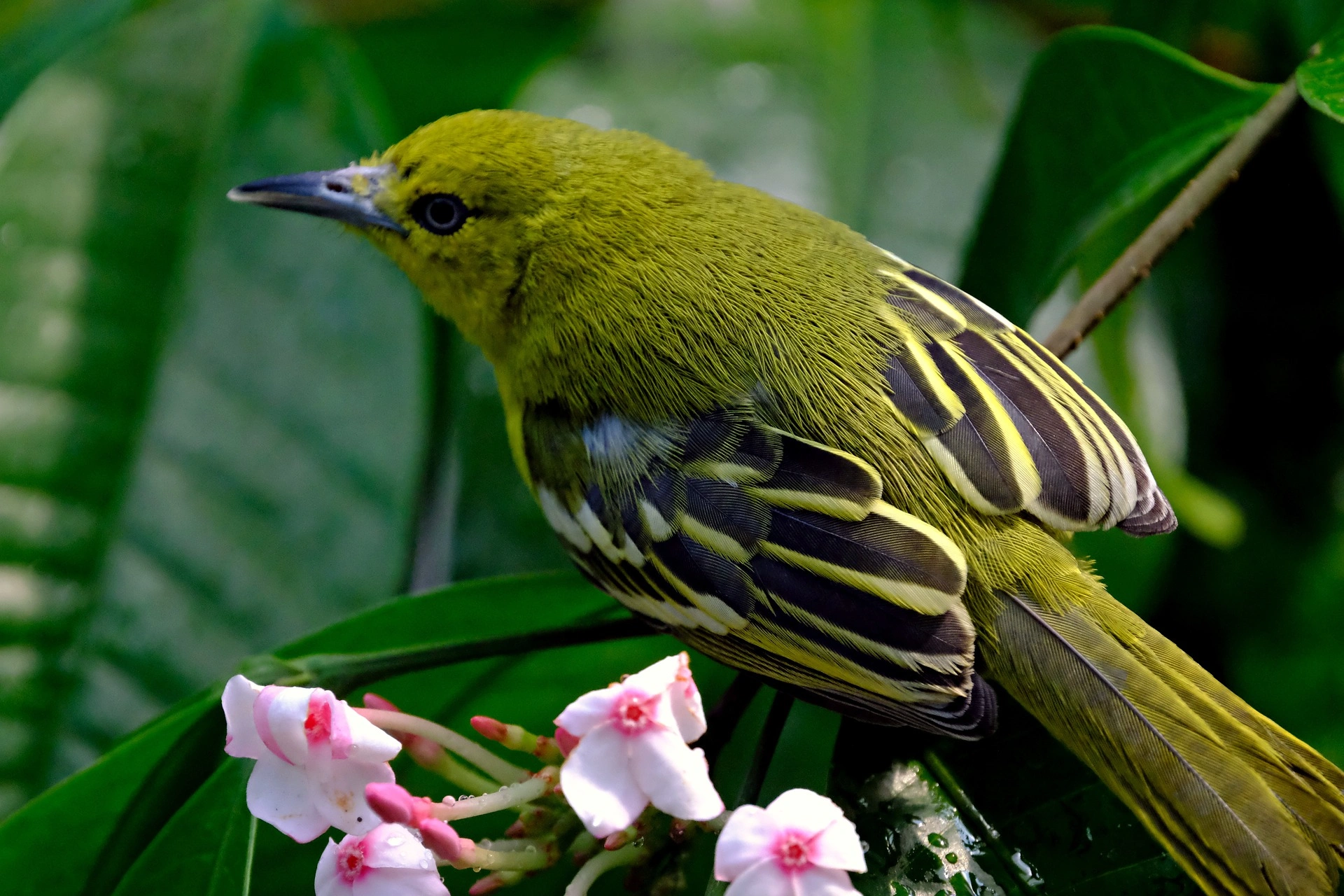
Common Iora
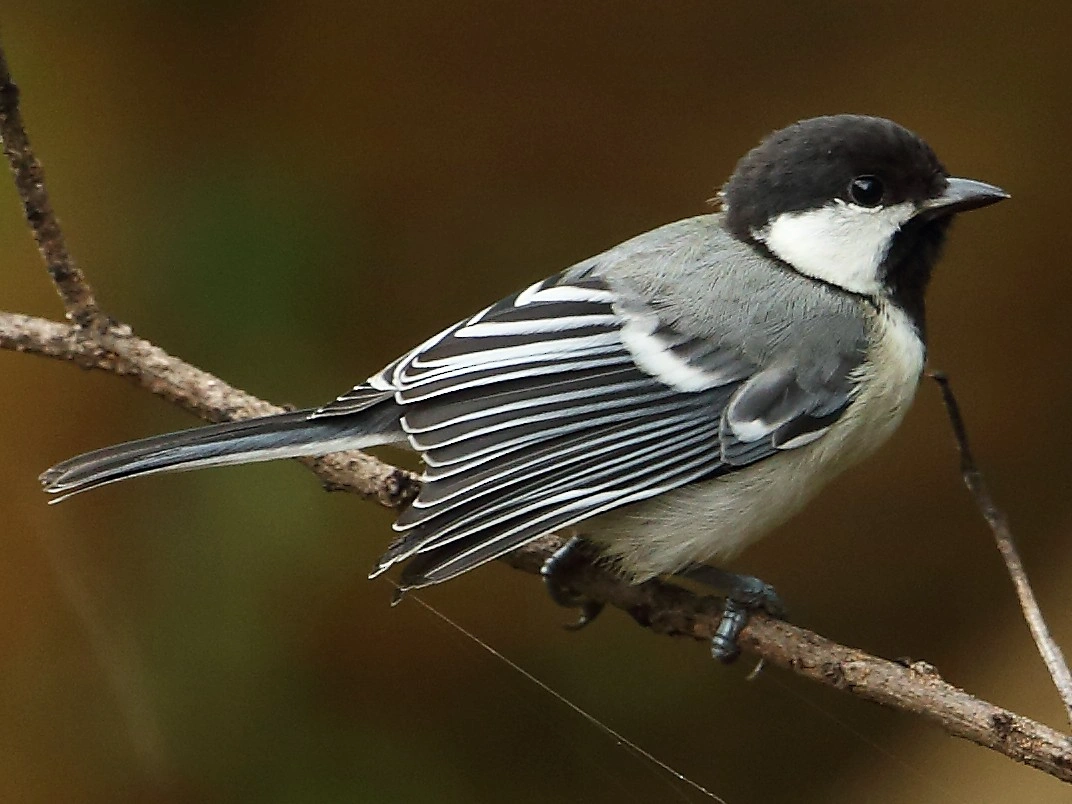
Asian Tit
Rufous Treepie
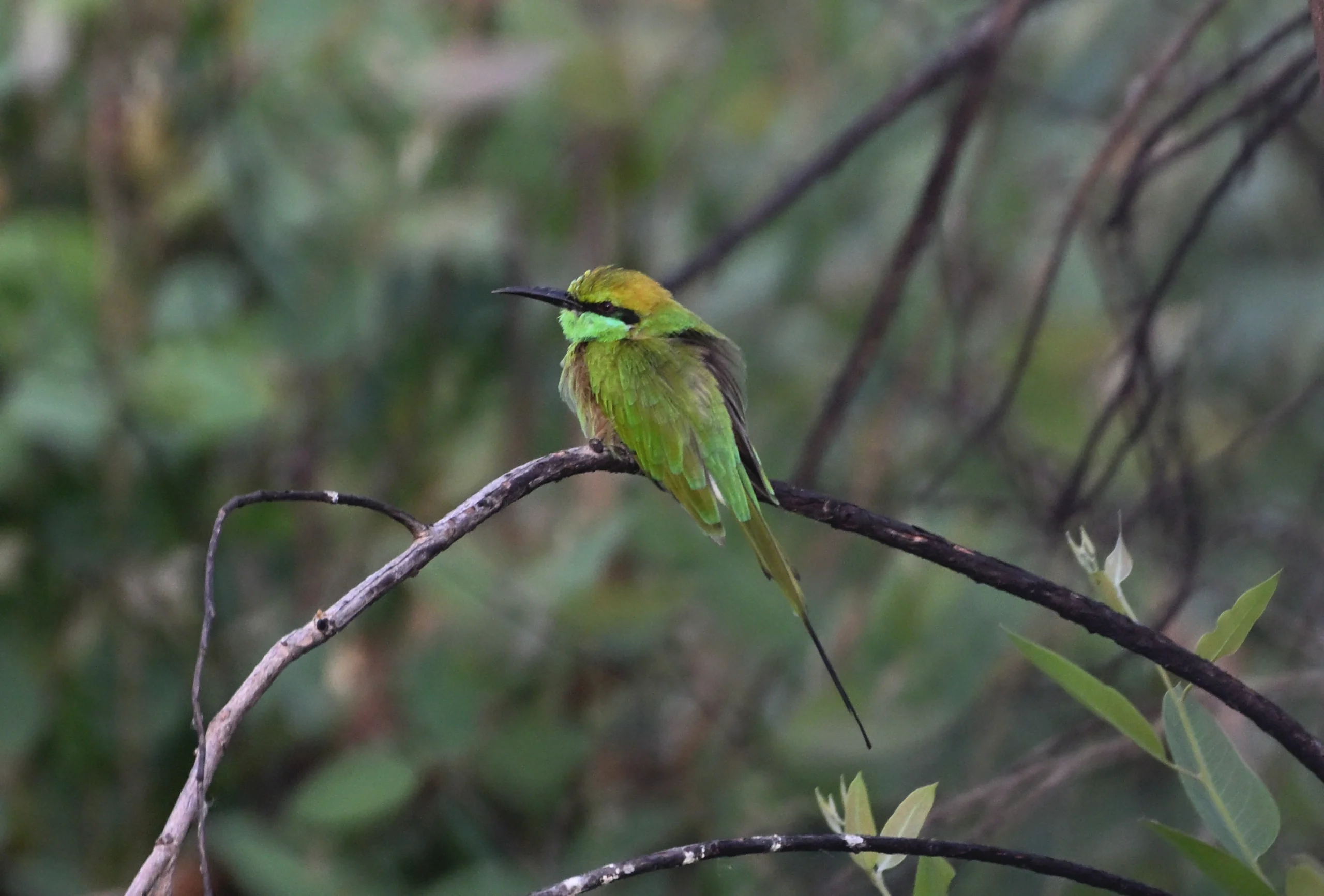
Asian Green Bee-eater
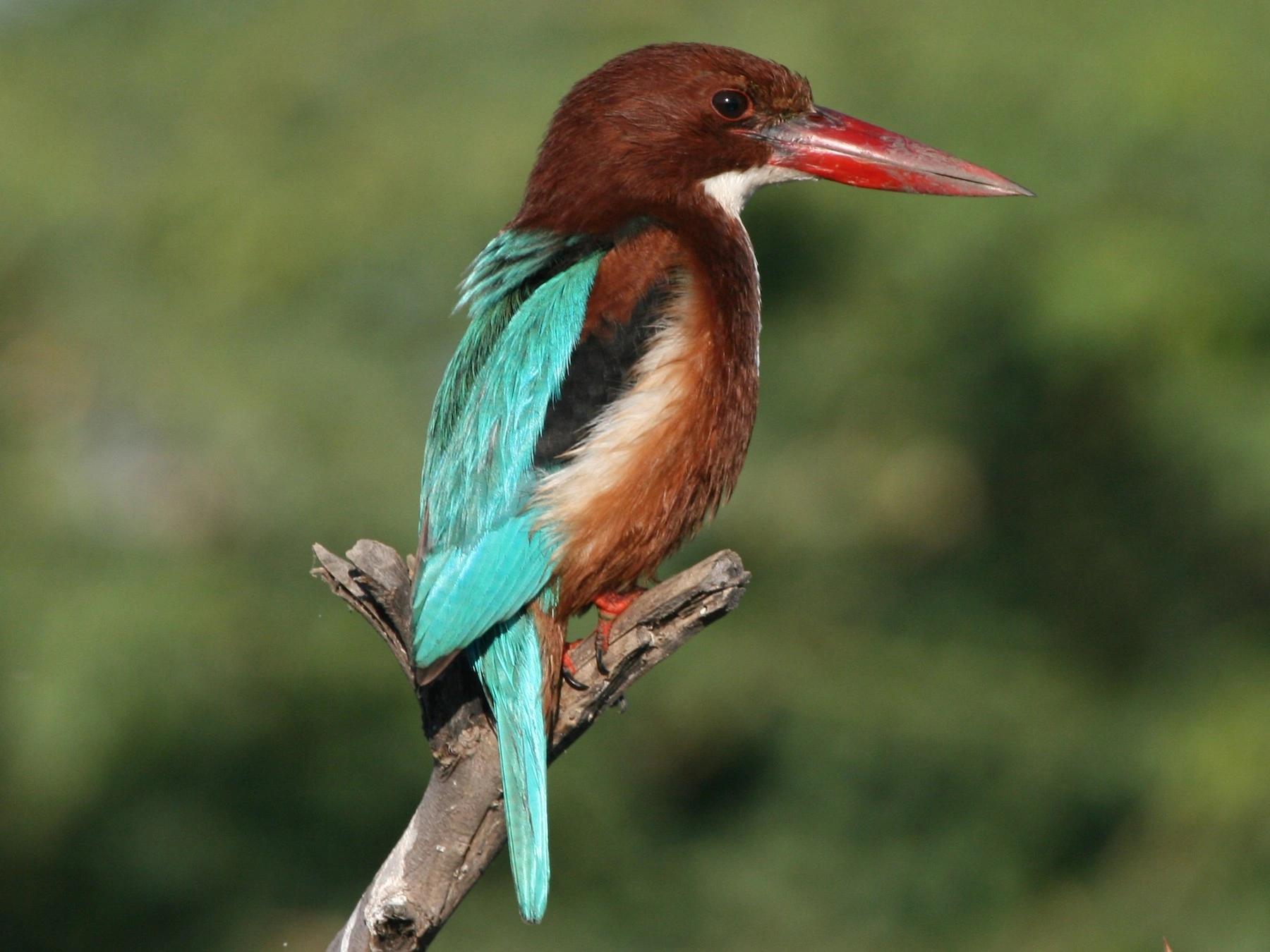
White-throated Kingfisher
Black Drongo

Scroll to Top