

Loading Events

Bird Walk at Akkulam, Thiruvananthapuram, Kerala

About Akkulam

Located in Thiruvananthapuram, Kerala, Akkulam is a picturesque backwater landscape where Akkulam Lake forms part of the larger Akkulam–Veli wetland system along the Arabian Sea. Situated about 10 km from the city centre, the area combines tranquil waters with lush greenery, coconut groves and mangrove vegetation, creating an important urban wetland habitat.
Akkulam is also known for its rich natural surroundings and recreational spaces, including the popular Akkulam Tourist Village. The lake and its vegetation support a variety of flora and fauna, particularly fish and resident and migratory birds, making it an appealing location for nature lovers and birdwatchers. At the same time, the wetland faces pressures from urbanisation and pollution, highlighting the importance of continued conservation and restoration of this valuable coastal ecosystem.

Bird Guide: Malavika S Nair

She is a researcher with over three years of experience in ornithological research and is currently working as a researcher at the Wildlife Institute of India – Salim Ali Centre for Ornithology and Natural History (SACON), Coimbatore. She has also worked on a vulture conservation project with the Tamil Nadu Forest Department and has extensive fieldwork experience in Mudumalai Tiger Reserve. Beyond her research, she has volunteered in various forest and urban bird surveys across Kerala and Tamil Nadu. Her fieldwork has involved bird identification, monitoring and biodiversity assessments across diverse habitats, contributing to wildlife research, ecological understanding and conservation efforts.

Bird walk Location

Common birds of Akkulam

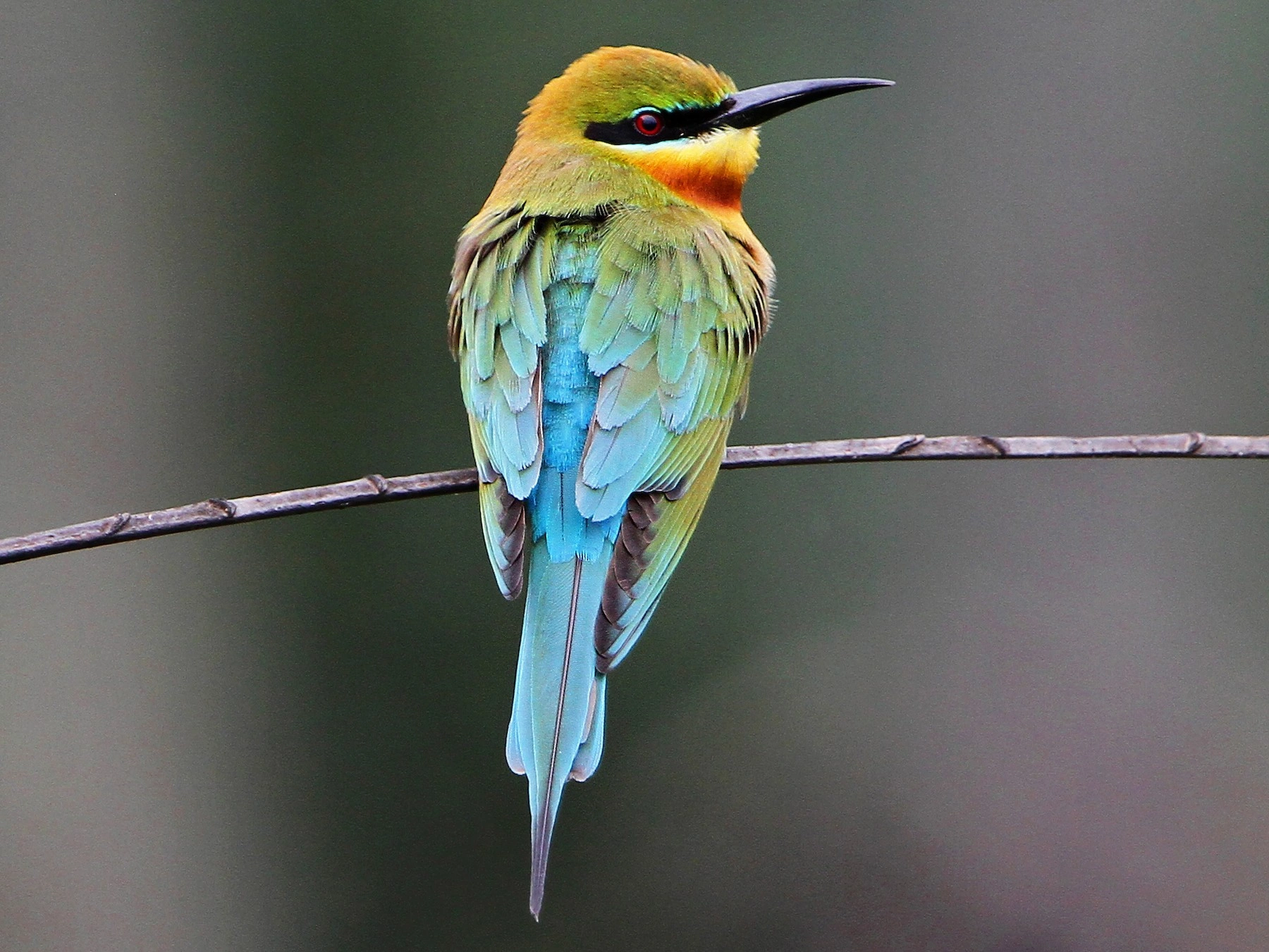
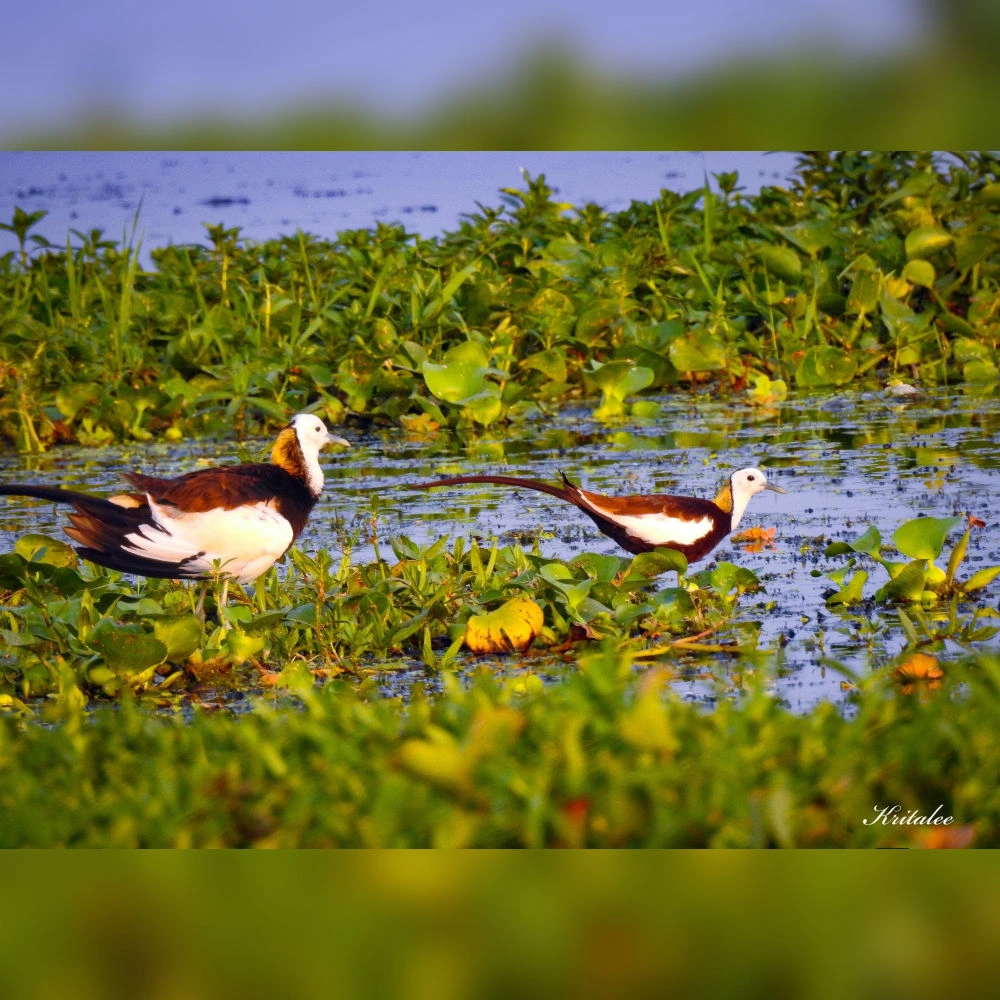
Akkulam is a rewarding birding destination, with its lake, backwaters and surrounding vegetation attracting a fascinating mix of wetland and woodland birds. The birdlife includes striking species such as the Pheasant-tailed Jacana and Bronze-winged Jacana, which forage across aquatic vegetation, along with the Great-headed Swamphen and Little Grebe around the water. Kingfishers such as the Stork-billed Kingfisher add colour to the shoreline, while Blue-tailed Bee-eaters bring lively movement to the skies. The presence of Wood Sandpiper, Black-crowned Night Heron, Asian Openbill and River Tern further reflects the diversity of habitats found around Akkulam, while the Greater Racket-tailed Drongo adds a distinctive woodland presence.
Pheasant-tailed Jacana
Blue-tailed Bee-eater
Stork-billed Kingfisher
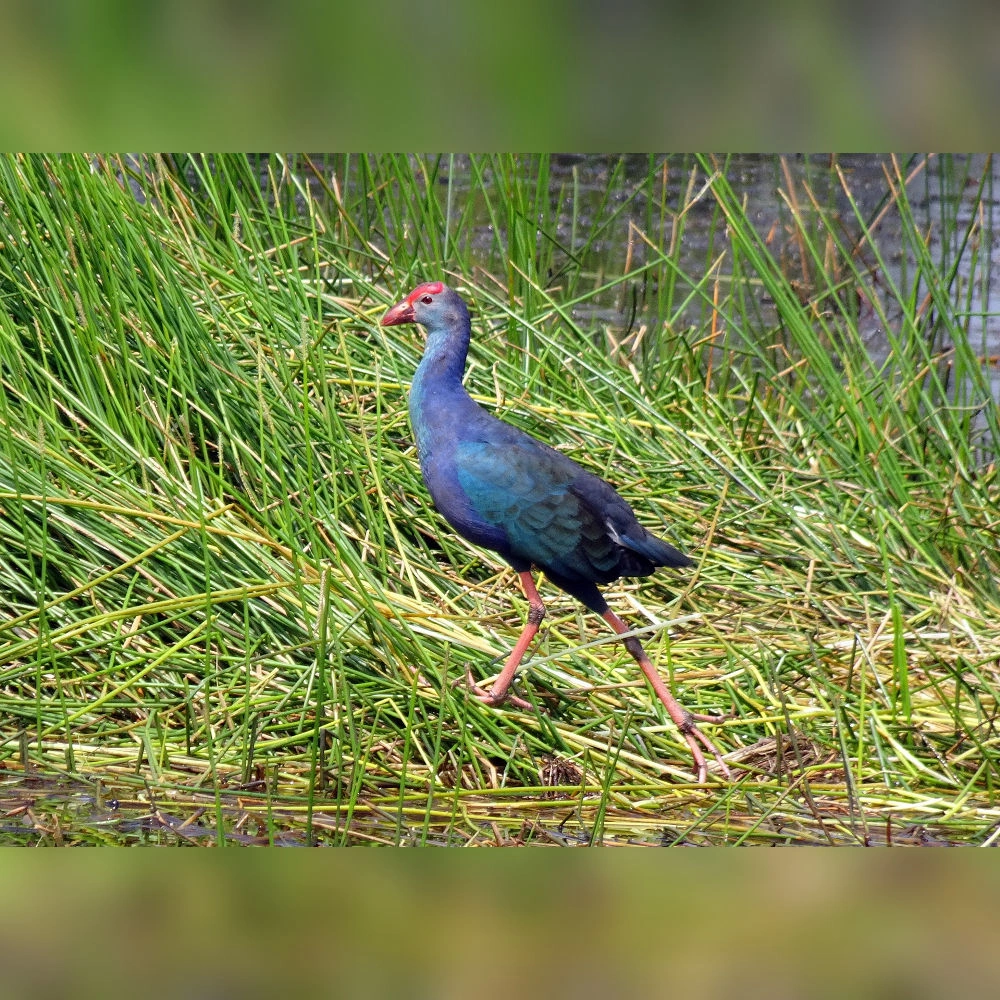
Grey-headed Swamphen
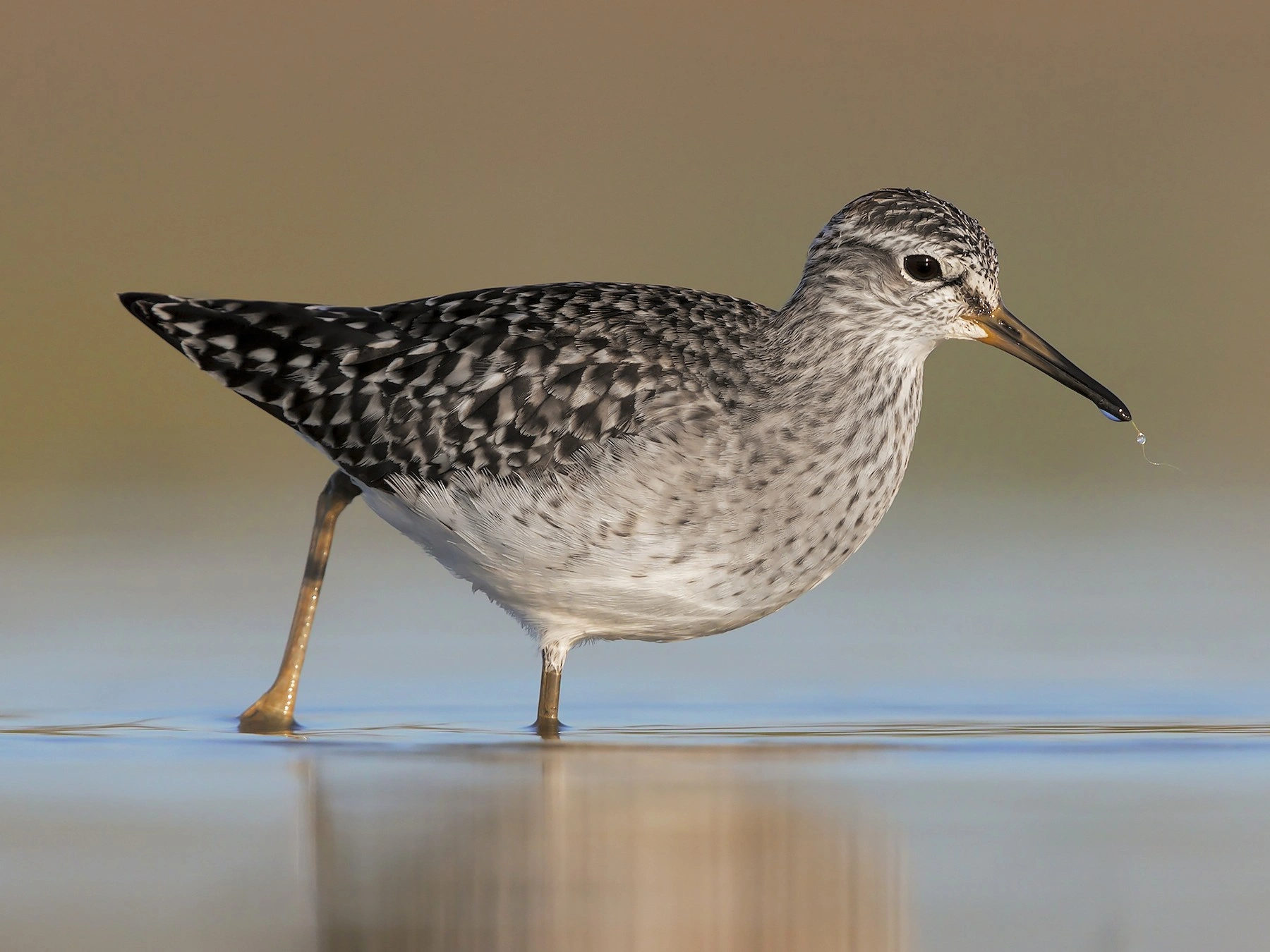
Wood Sandpiper
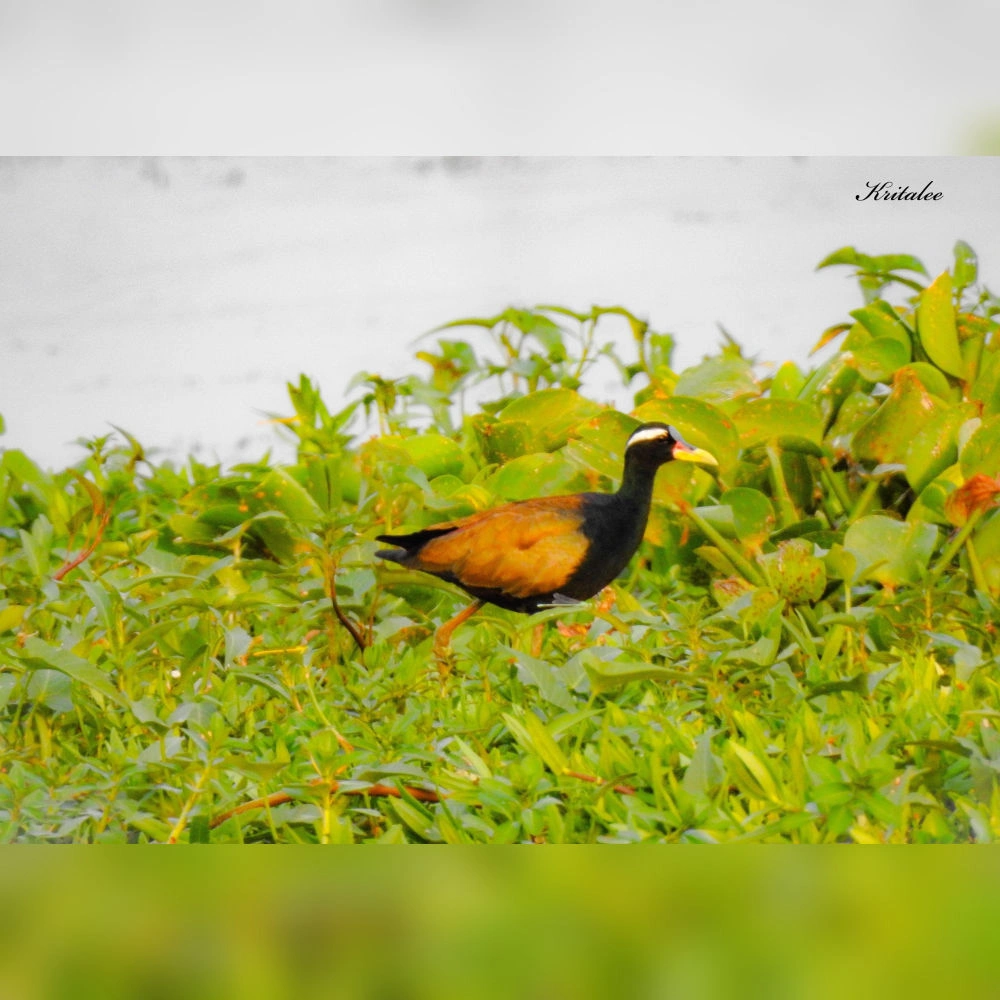
Bronze-winged Jacana
Greater Racket-tailed Drongo
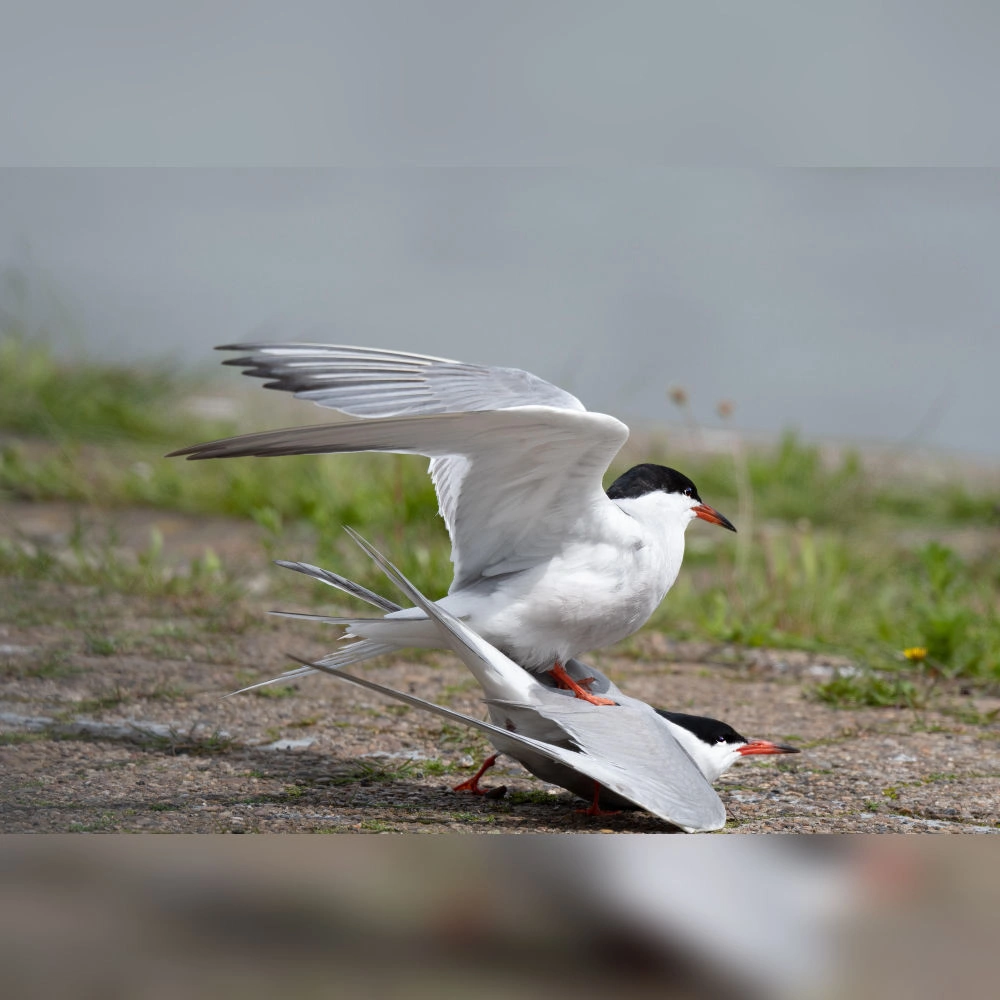
River Tern
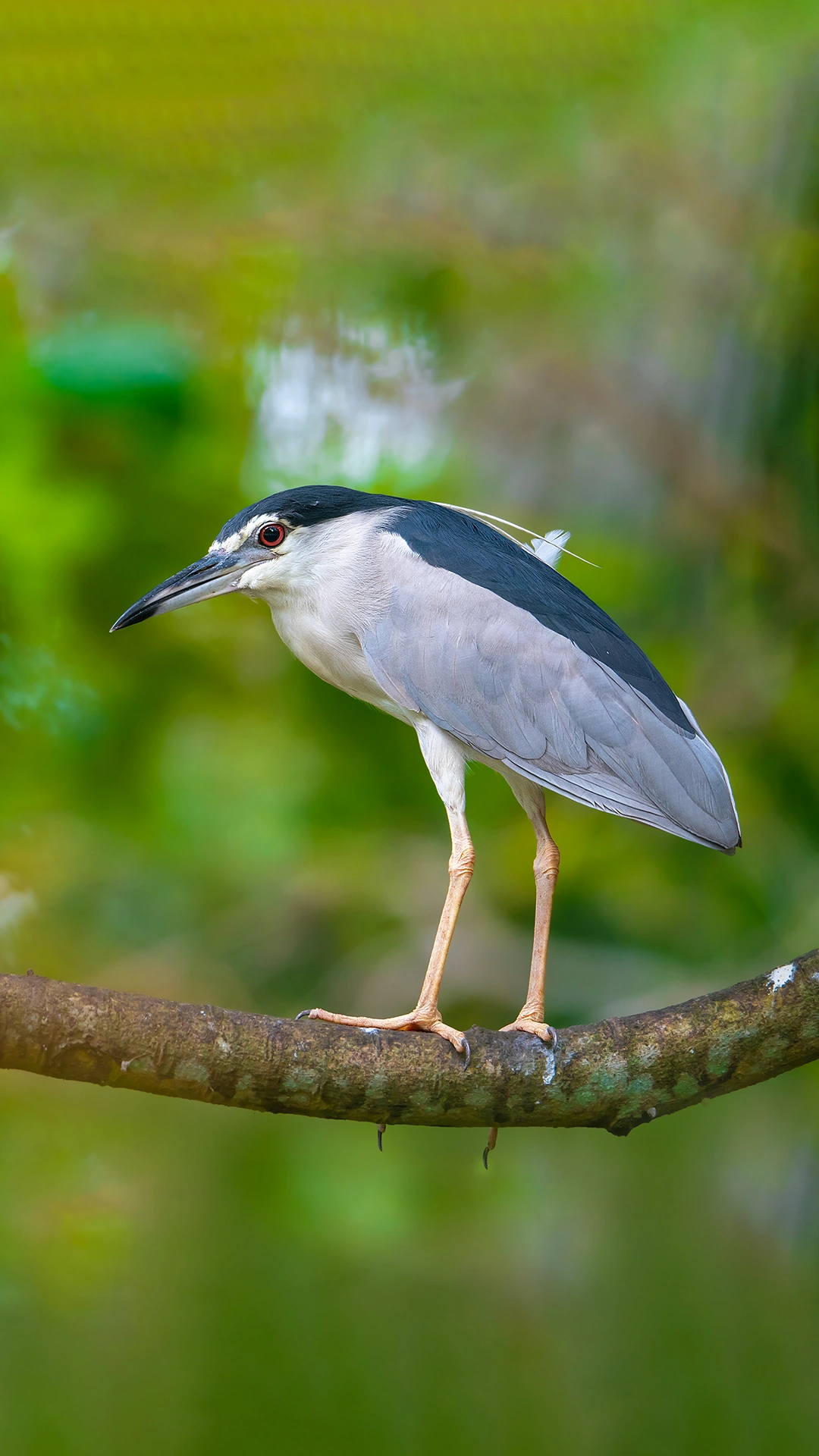
Black-crowned Night Heron
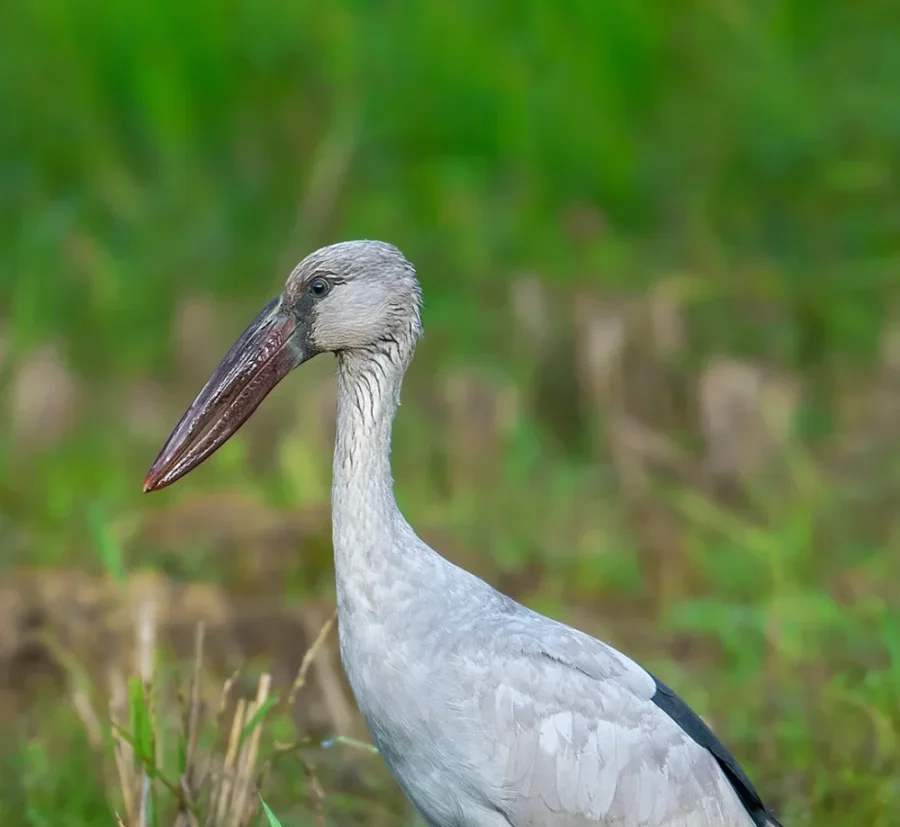
Asian Openbill
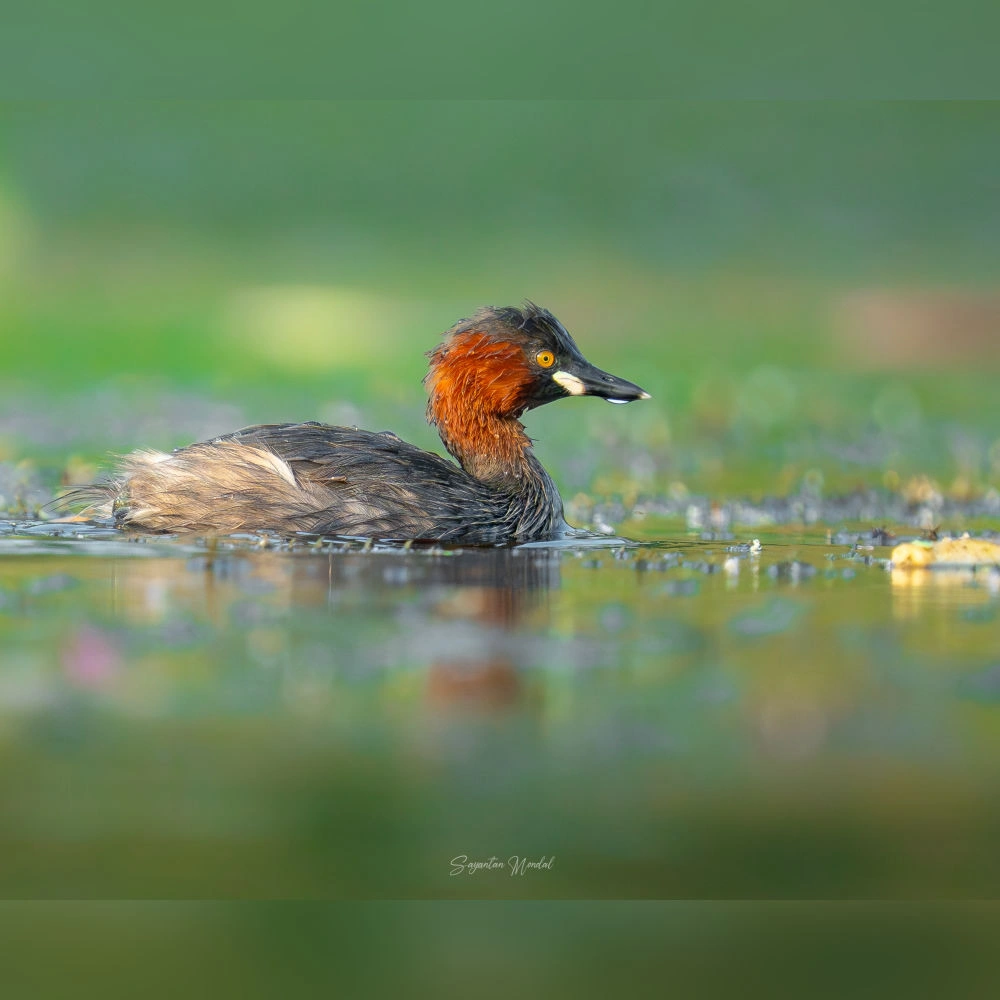
Little Grebe
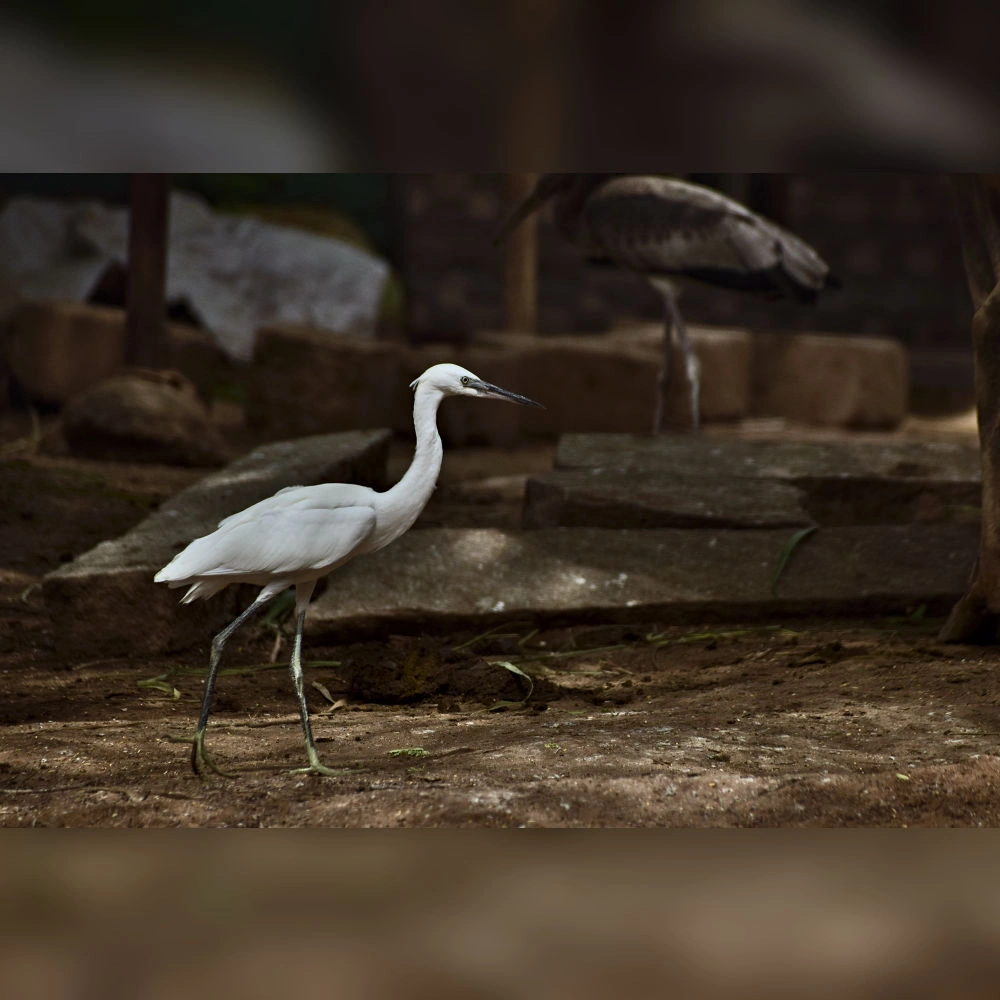
Little Egret
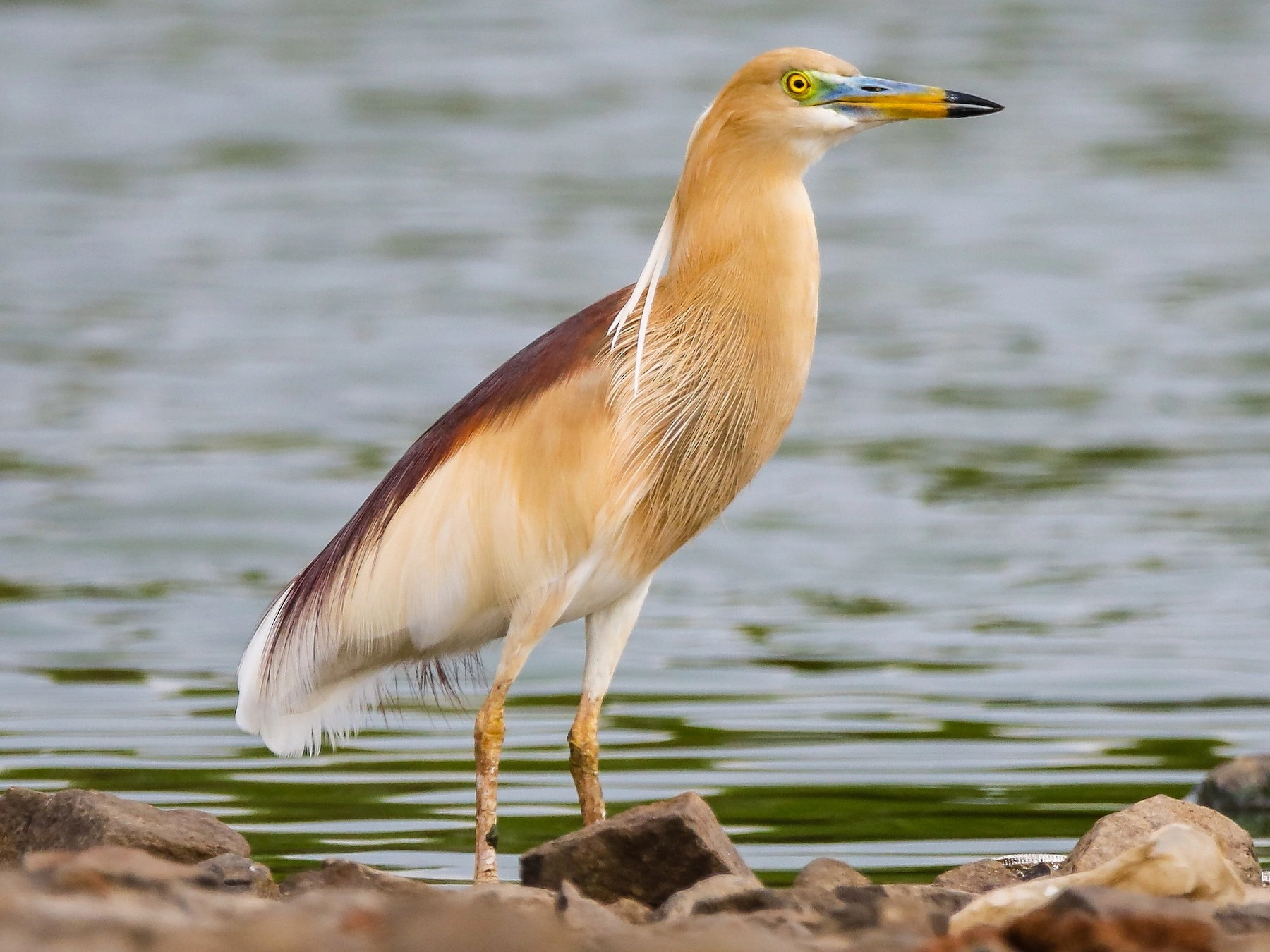
Indian Pond-Heron
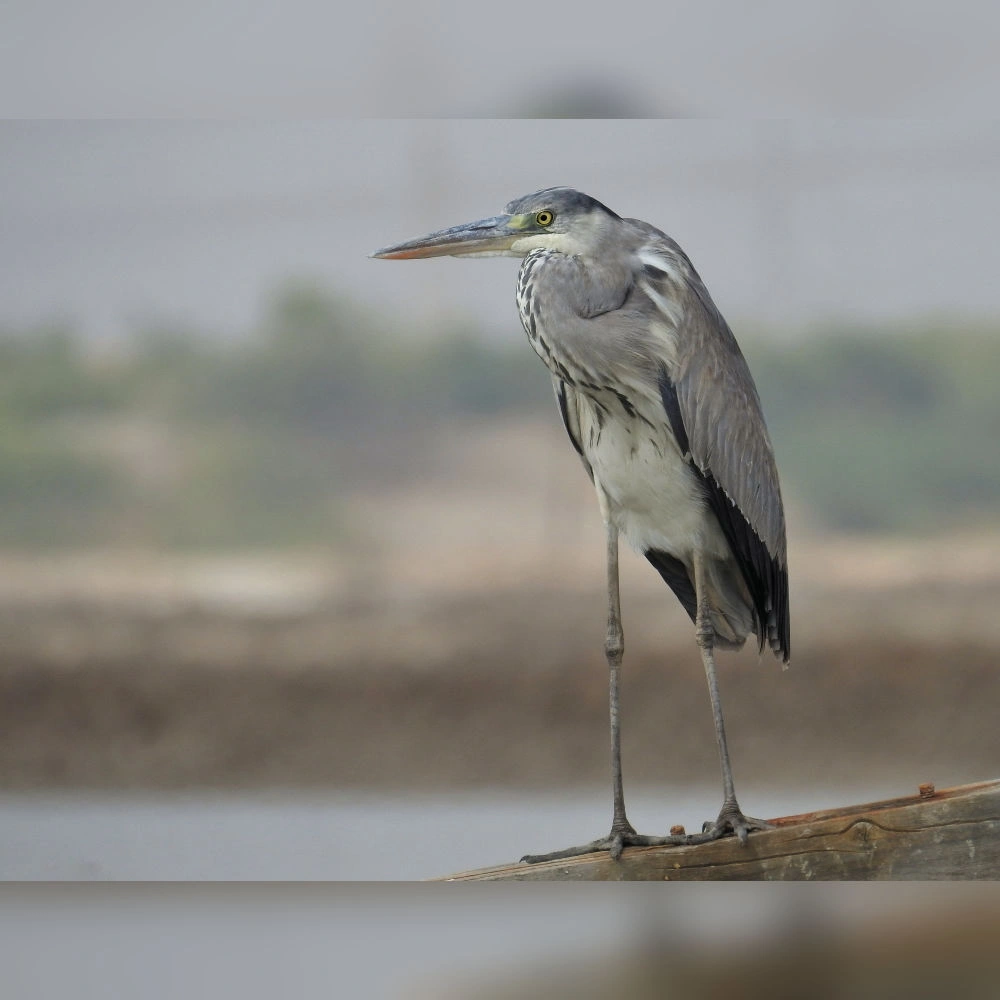
Grey Heron
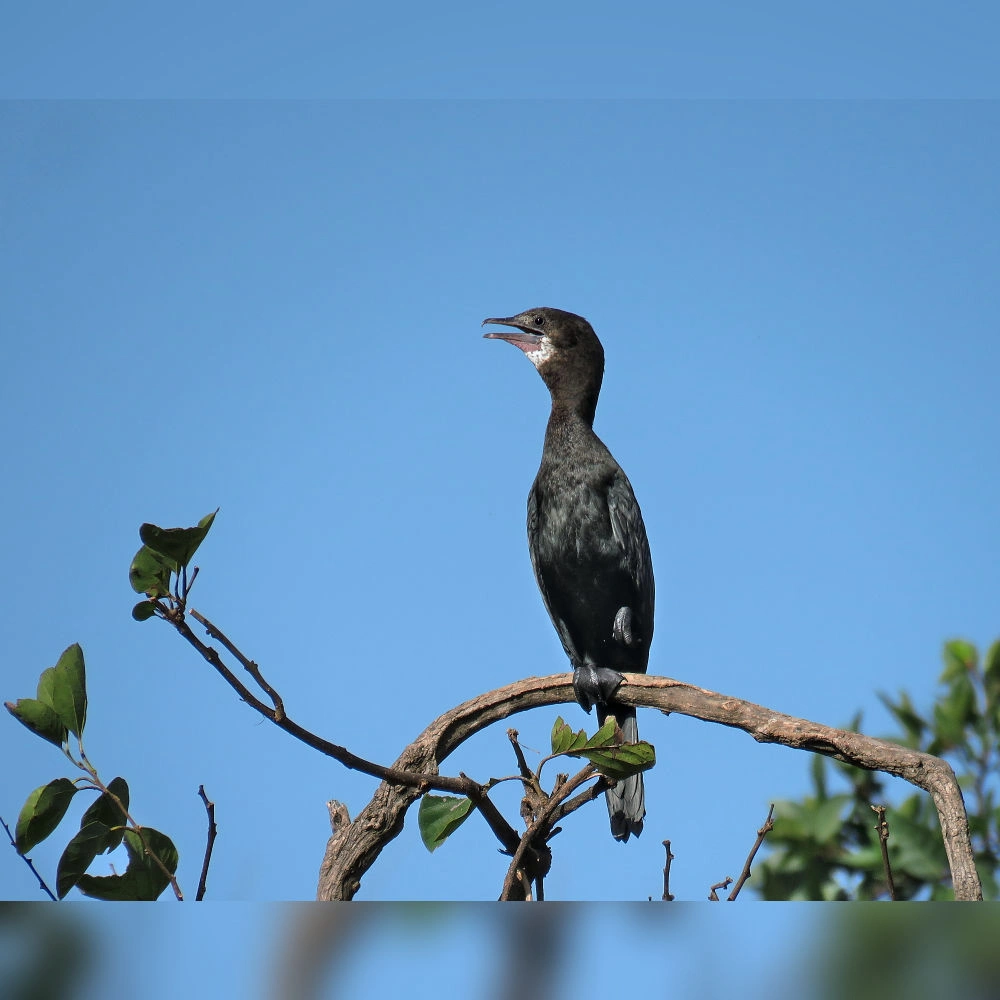
Little Cormorant
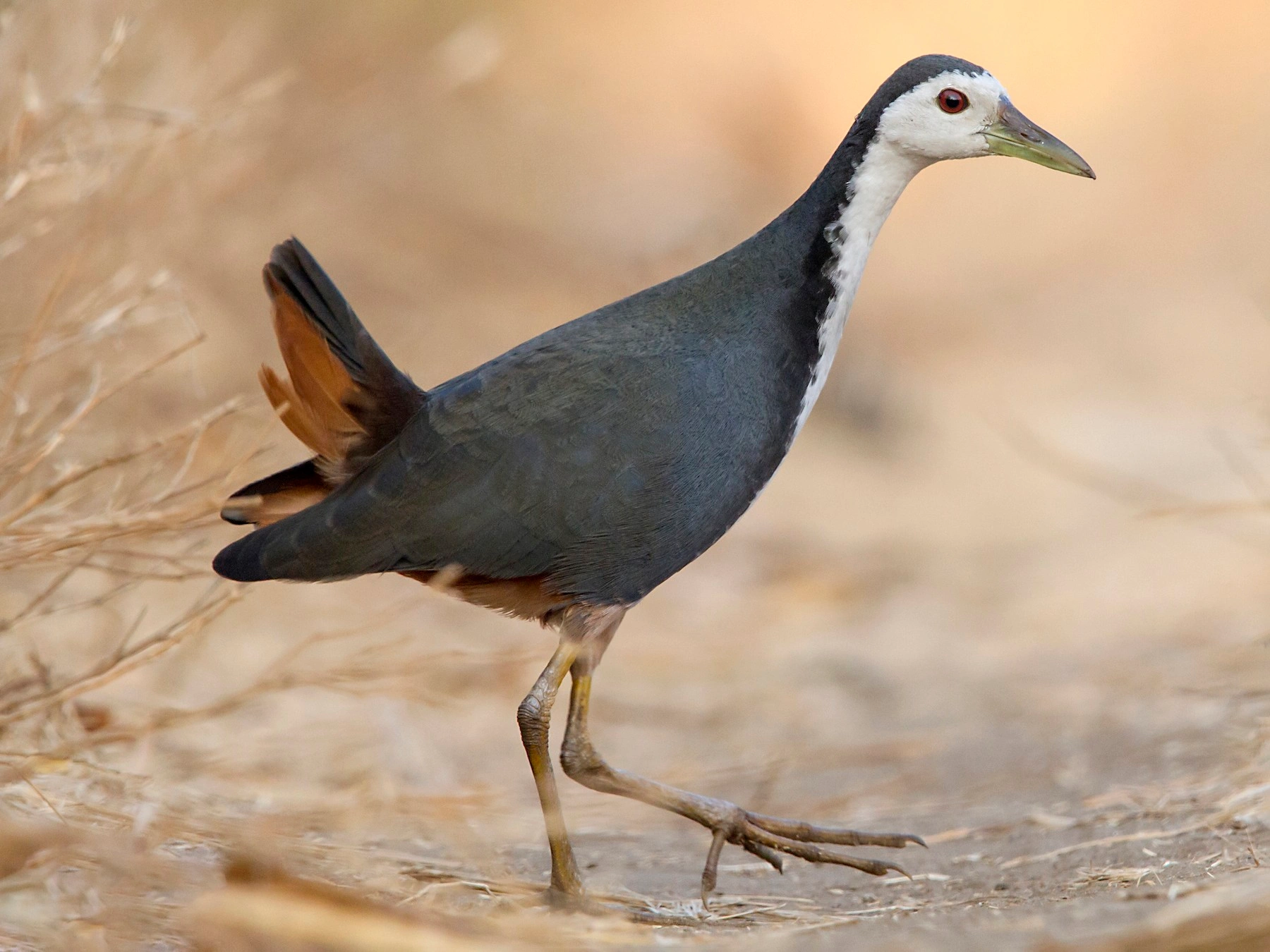
White-breasted Waterhen
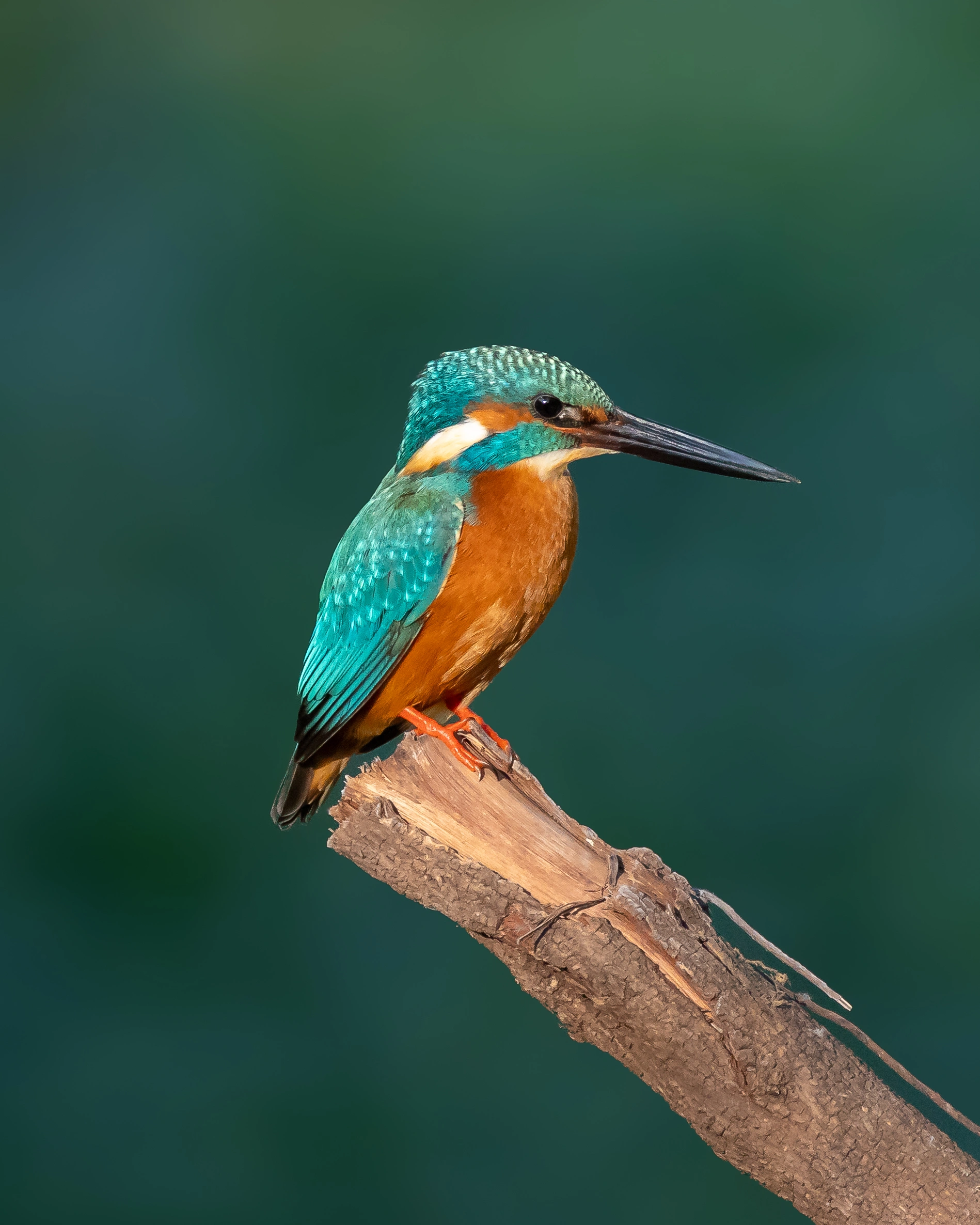
Common Kingfisher
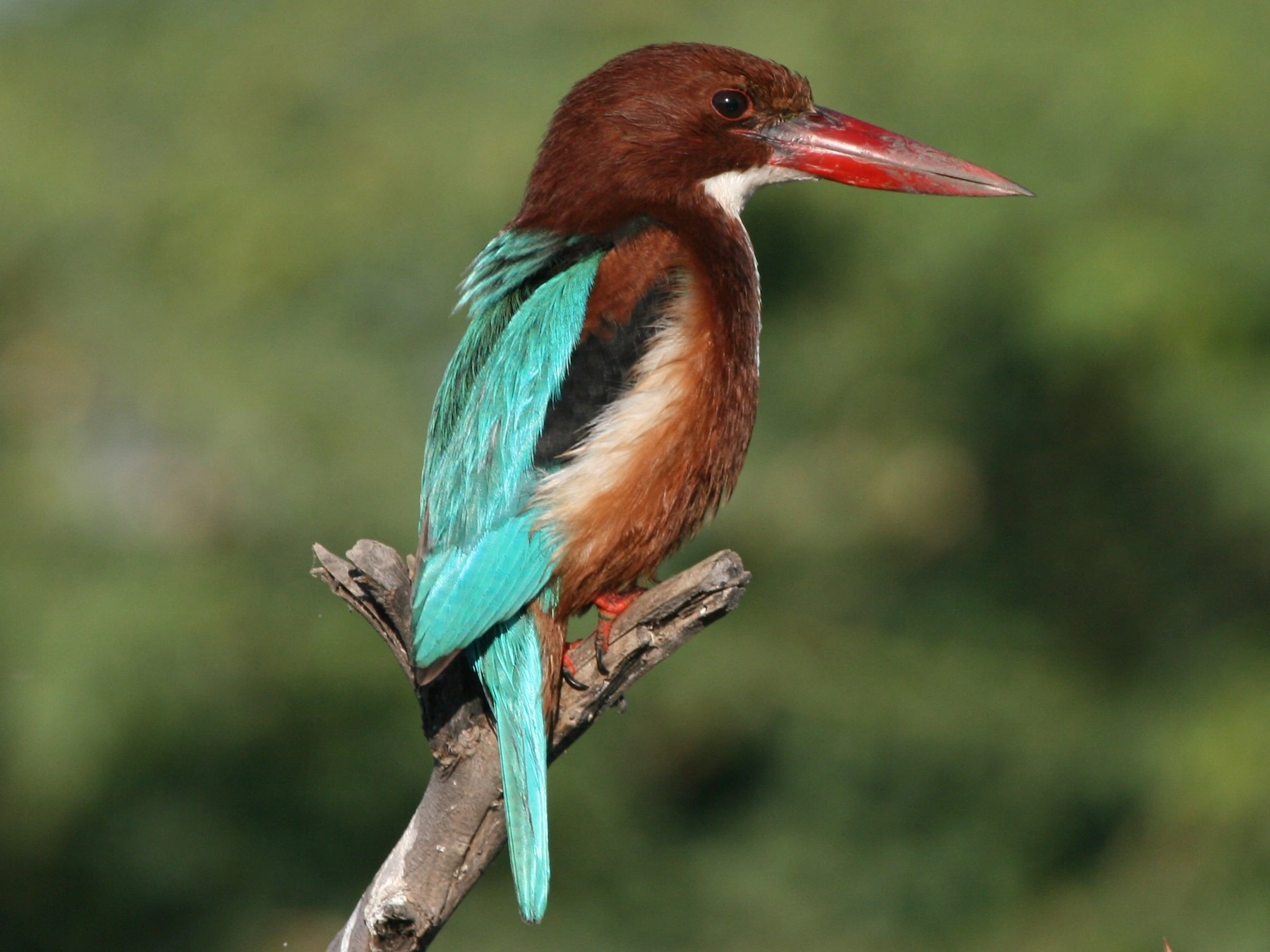
White-throated Kingfisher
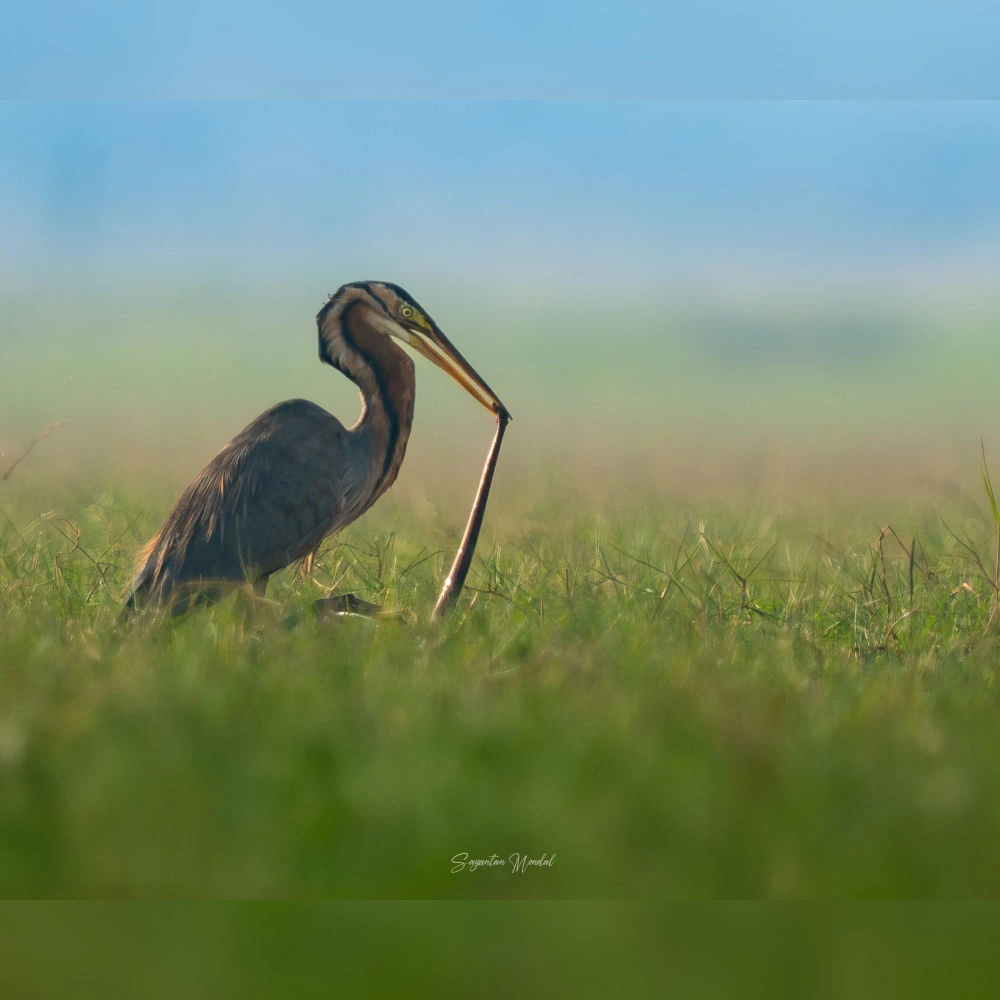
Purple Heron
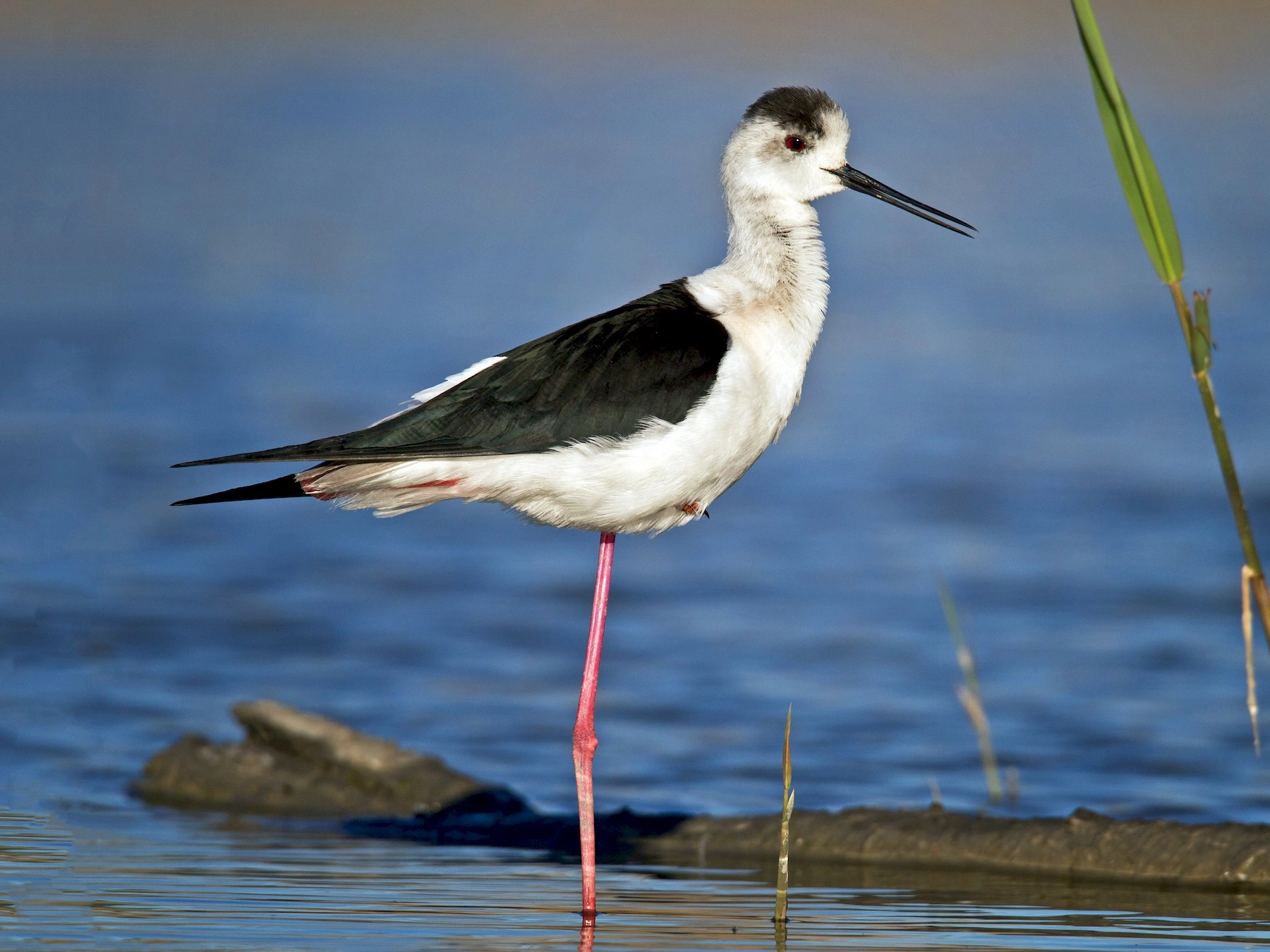
Black-winged Stilt

Summary of Walk

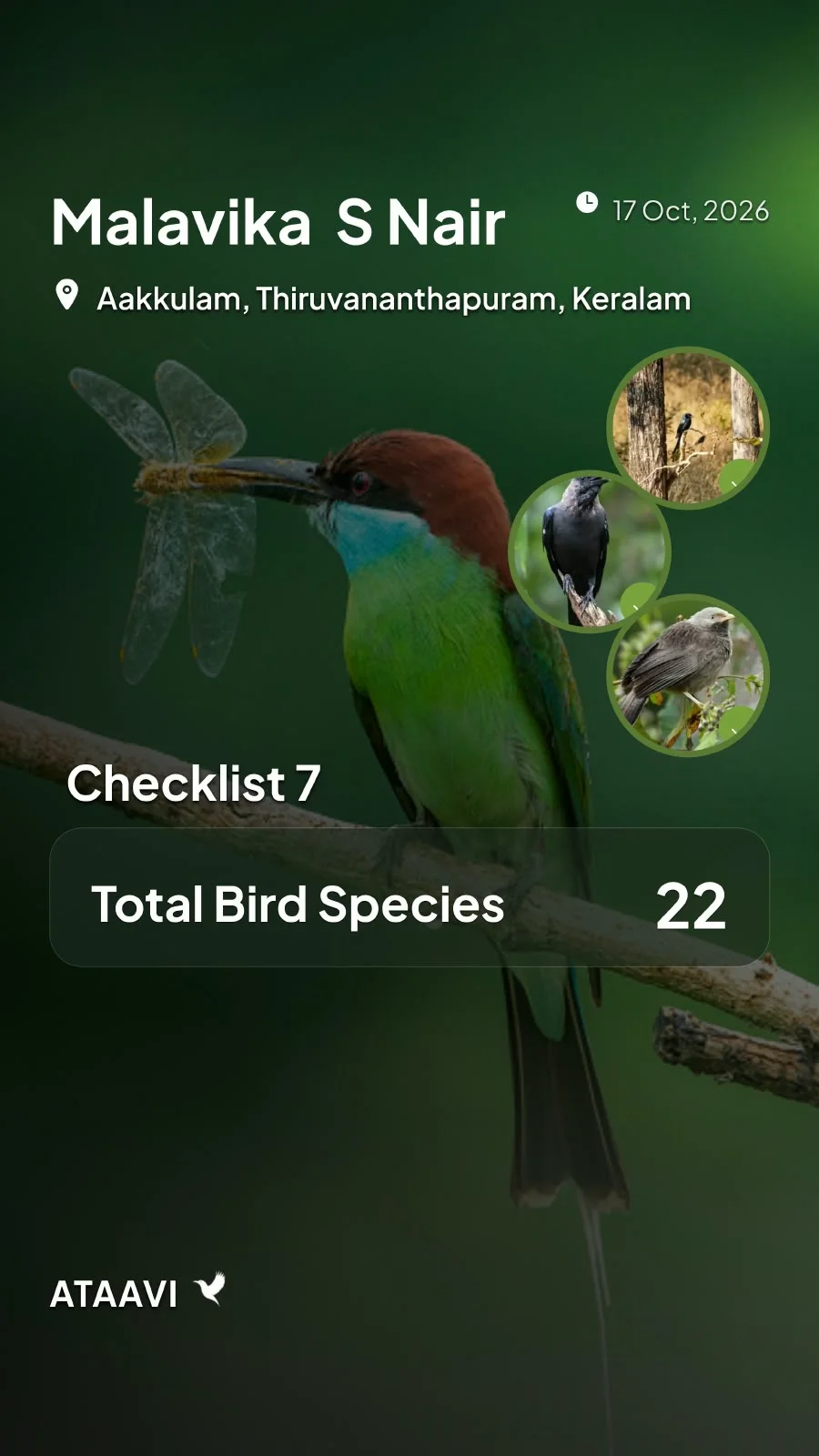
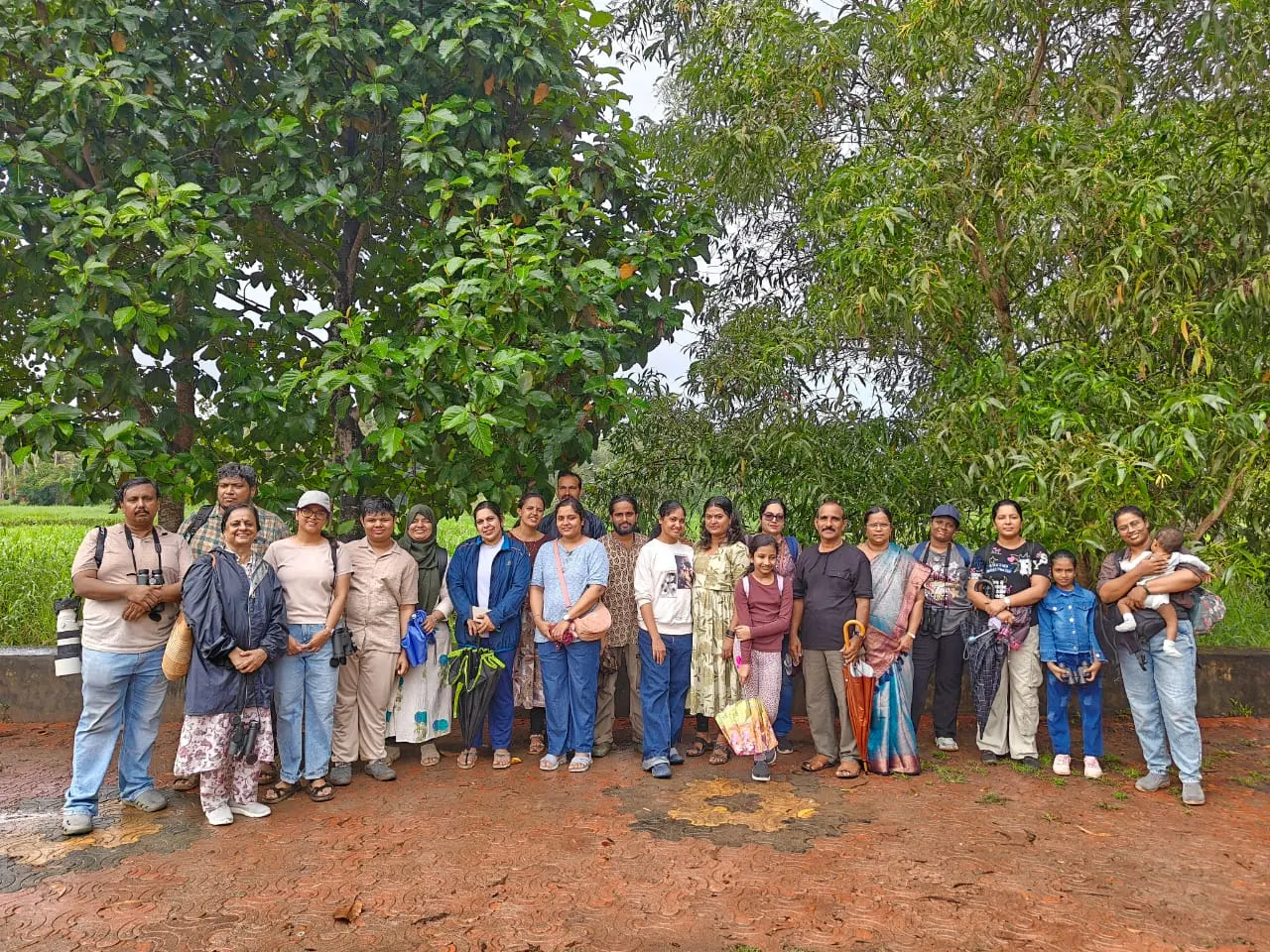
Twenty-two participants joined guide Malavika S Nair at Akkulam in Thiruvananthapuram on 17 October for a lively walk beside the backwaters, and it turned out to be a joyful introduction to the birds of this beautiful spot. The group recorded 22 species, a lovely tally that showed how much life gathers around the water, and with so many participants there was a wonderful buzz of energy and shared discovery. The Lesser Whistling-Duck, a graceful duck that perches in trees and whistles softly as it flies, was one of the highlights, and the Grey-headed Lapwing, a smart and elegant wader that is a winter visitor to India, was another thrilling find. Around the water, herons, egrets and cormorants went about their business, while the greenery along the shore held a lively mix of resident songbirds, and the group enjoyed learning to tell these birds apart by their calls and shapes. Malavika guided the walk with warmth and enthusiasm, helping participants learn how to use binoculars, how to approach birds without disturbing them and how to identify them with the help of the Ataavi app. She also spoke about the importance of backwater habitats for birds and for the people who live beside them, and she encouraged participants to keep a record of what they see. The cheerful, curious group asked many questions, and each sighting was met with enthusiasm. Many participants left with new species on their lists and a strong interest in coming back for more walks. It was a morning that showed how a lakeside walk can bring people together and spark a new love for birds.
Number of Participants
0
Scroll to Top