
Loading Events

Bird Walk at Bhandup Pumping Station, Mumbai, Maharashtra

About Bhandup Pumping Station Salt Pans

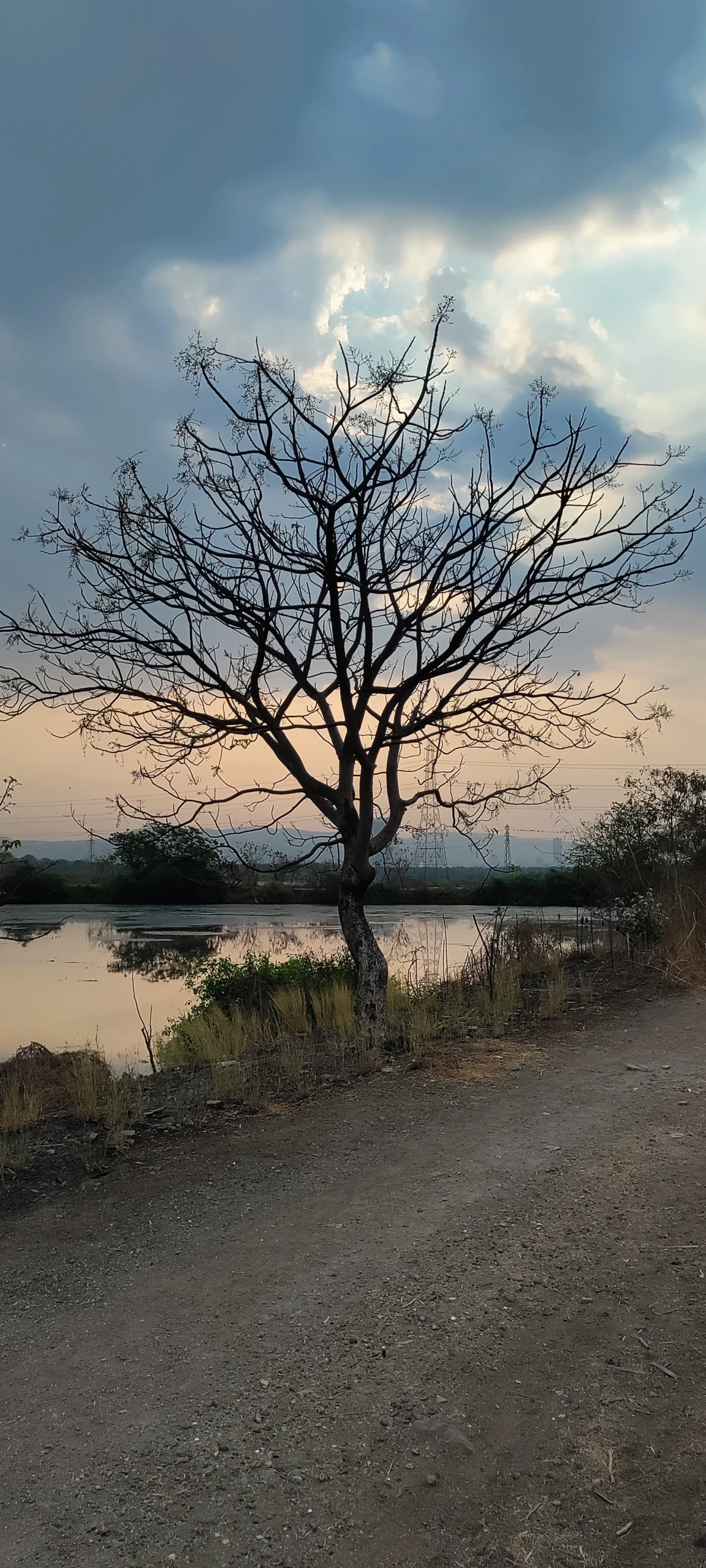
Fringing the eastern edge of Mumbai along Thane Creek, the Bhandup Pumping Station Salt Pans form one of the city’s most remarkable and unexpected wildlife habitats. Nestled around the Bhandup Pumping Station, this landscape is a mosaic of tidal mudflats, salt pans, mangroves, and shallow water channels that shift with the rhythm of the tides. Despite being set against an urban backdrop, the area supports a thriving web of life—salt-tolerant vegetation, crabs, molluscs, and a rich diversity of invertebrates that form the base of this dynamic ecosystem. These nutrient-rich wetlands act as a crucial feeding and resting ground, especially for migratory species traveling along the Central Asian Flyway.

For birders, the salt pans are nothing short of spectacular. Vast flocks of waders, gulls, and terns transform the landscape into a constantly moving canvas, while raptors patrol overhead and smaller passerines occupy the mangrove edges. Seasonal changes bring dramatic shifts in species composition, making every visit unique and rewarding. However, this fragile ecosystem faces mounting threats—from urban expansion, pollution, and waste dumping to hydrological changes and habitat disturbance. As pressures on Mumbai’s wetlands increase, conserving spaces like the Bhandup Salt Pans becomes critical, not only for migratory birds but for maintaining the ecological balance within an ever-growing city.

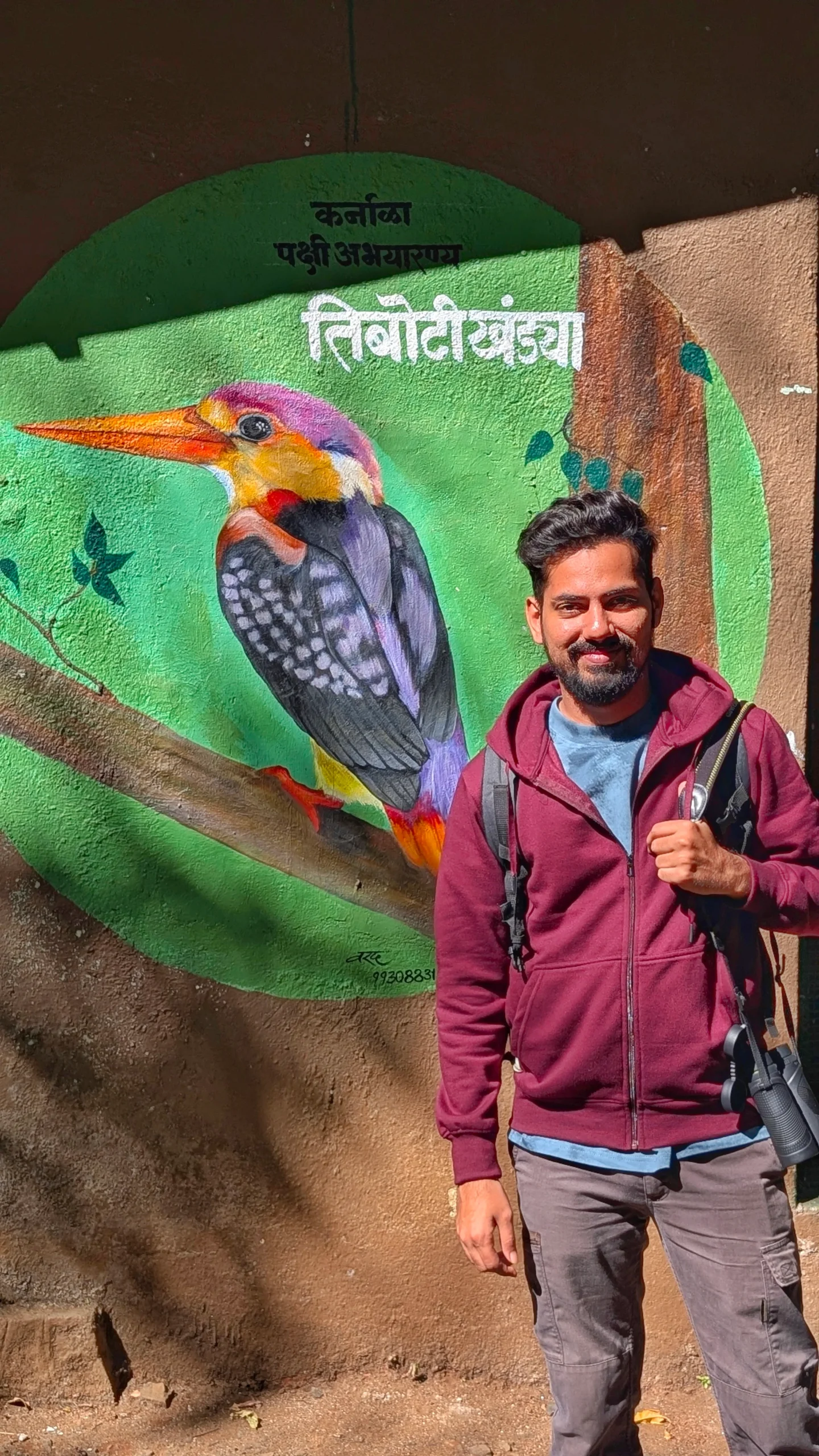
Bird Guide - Milind Ganatra

I have been birding for the past 10 years across the MMR region and have led several bird walks. Love to explore new places in search of birds. Also love hiking, this too helps in getting to places where birders usually do not visit.
Bird walk Location

Common birds of Bhandup Pumping Station Salt Pans

The ever-changing wetlands of the Bhandup Salt Pans near Bhandup Pumping Station host a fascinating mix of waterbirds and urban-adapted species, creating a vibrant birding experience right within the city. Graceful waders like the Black-winged Stilt and Pacific Golden Plover move across the mudflats, while flocks of sandpipers forage along the shallow edges. Larger birds such as the Painted Stork and Black-headed Ibis add a striking presence, contrasting with the delicate movements of egrets and herons. Amidst this wetland activity, the surrounding shrubs and mangroves buzz with life—bulbuls call from hidden perches, Ashy Prinia flit through the grasses, and flashes of colour from Purple Sunbird and White-throated Kingfisher brighten the scene. Even familiar urban birds like crows and parakeets blend into this rich mosaic, highlighting how this unique habitat supports both migratory and resident species in a constantly shifting landscape.
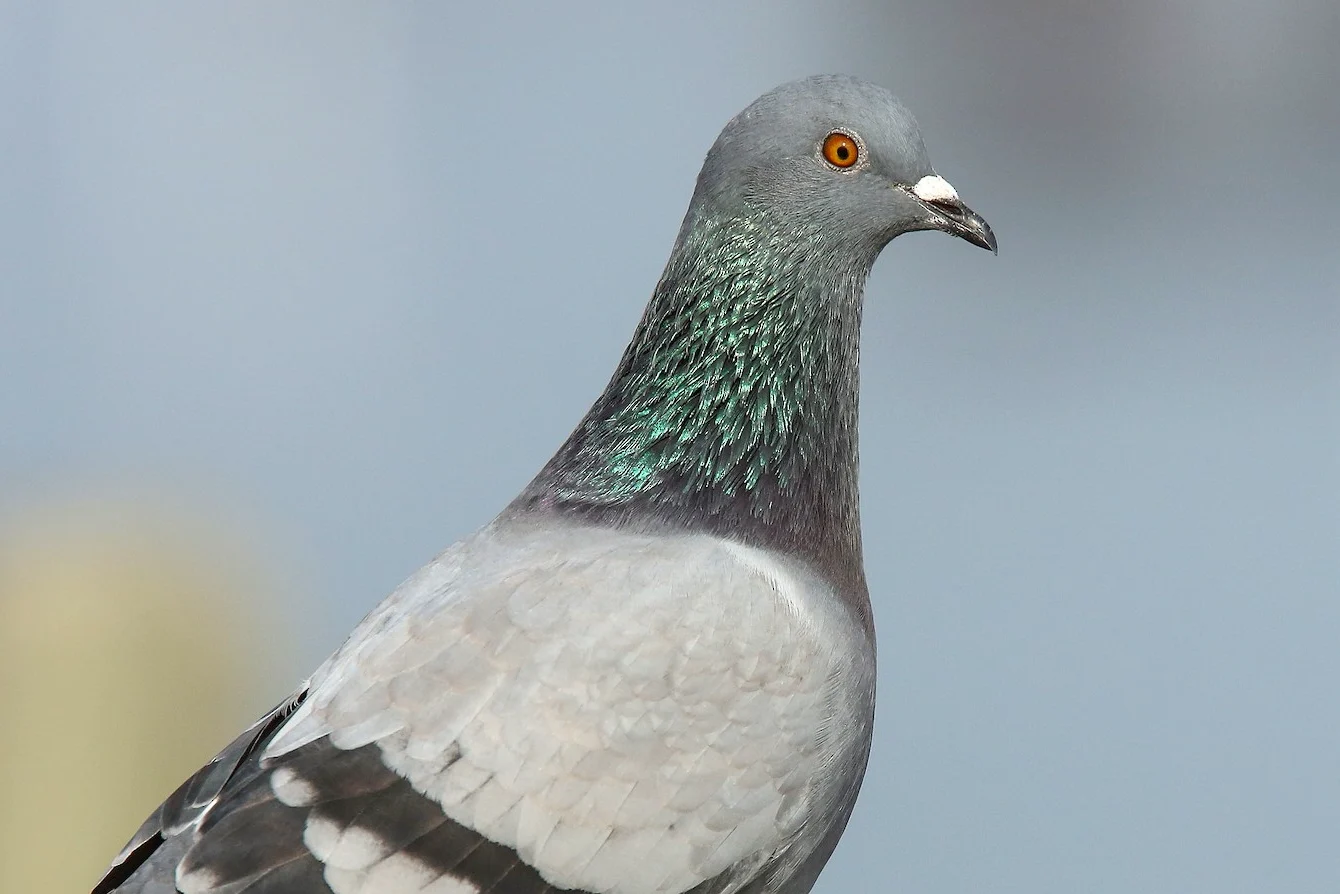
Rock Pigeon
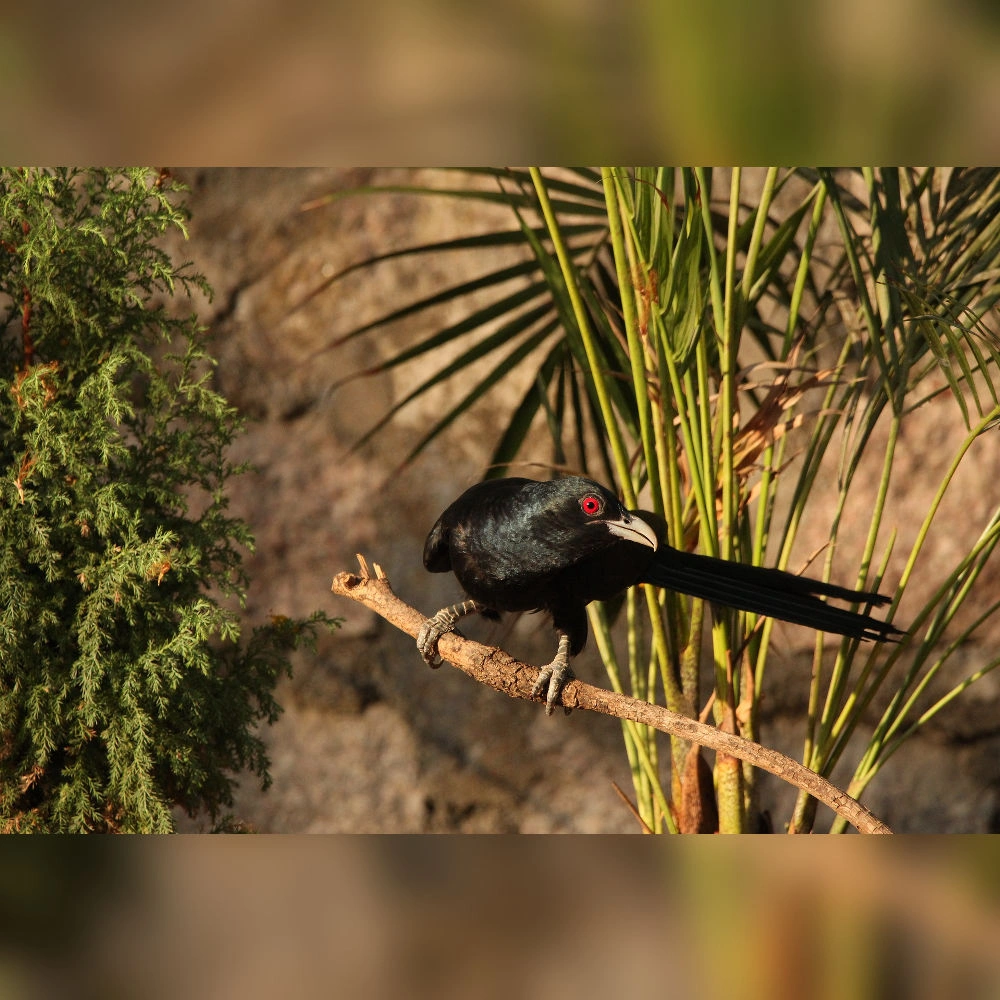
Asian Koel
Pacific Golden Plover
Wood Sandpiper
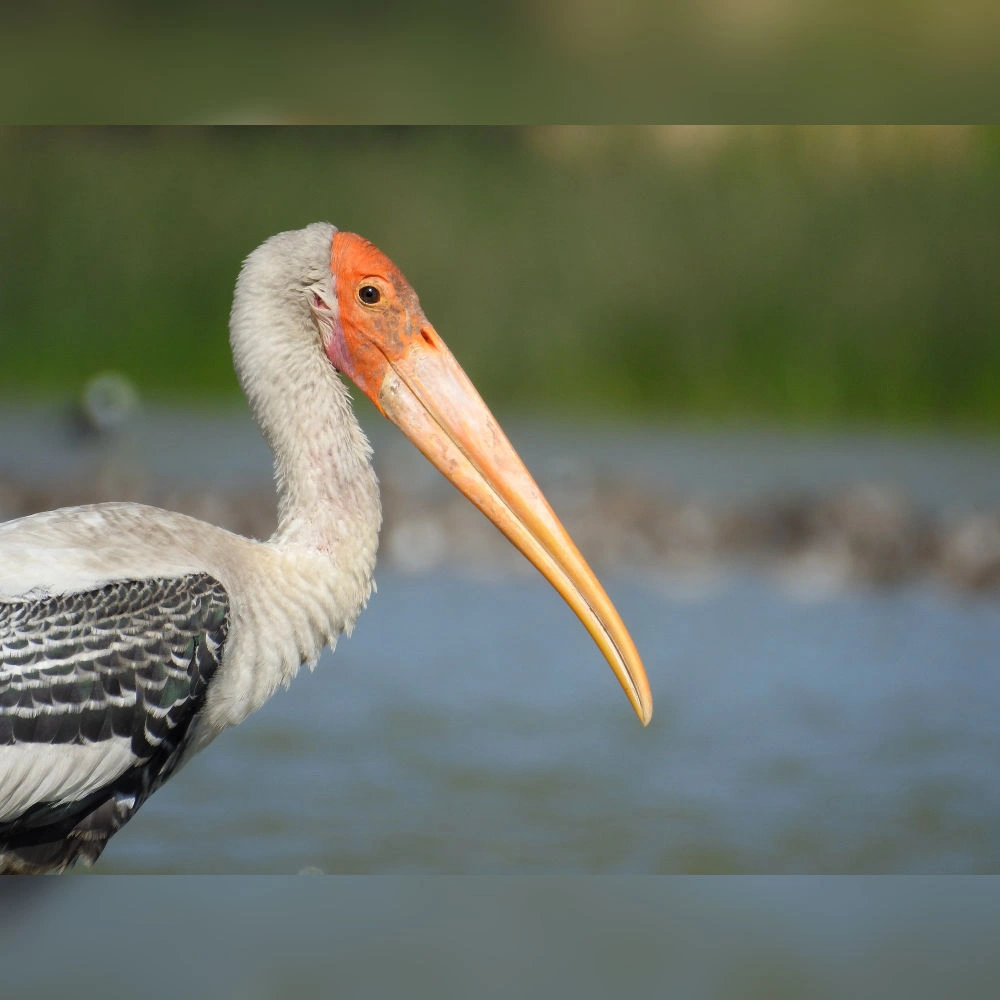
Painted Stork

Black-headed Ibis
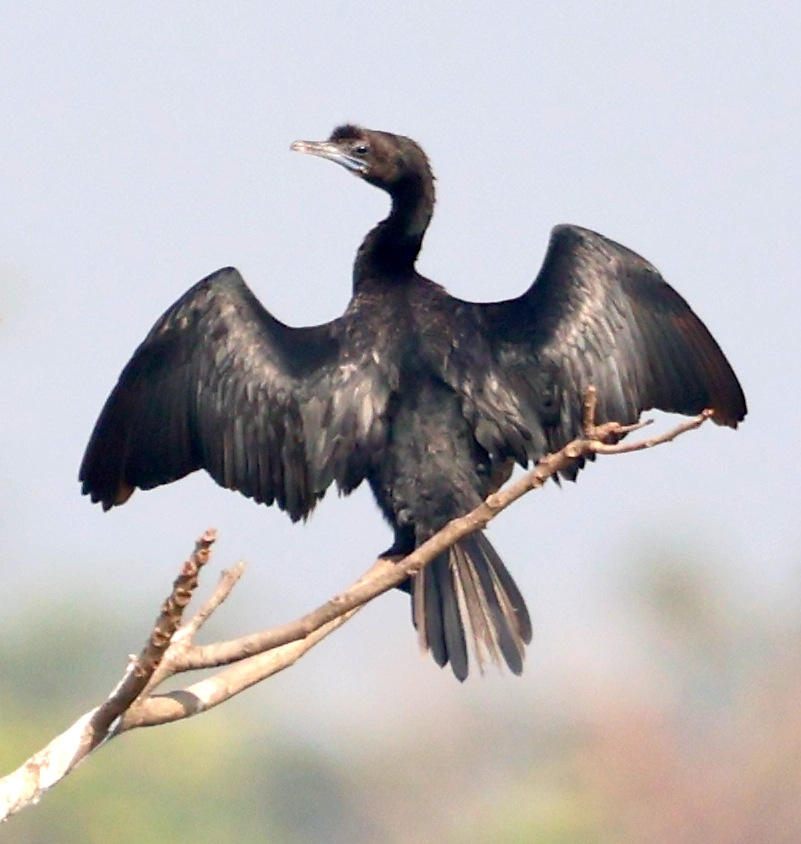
Little Cormorant
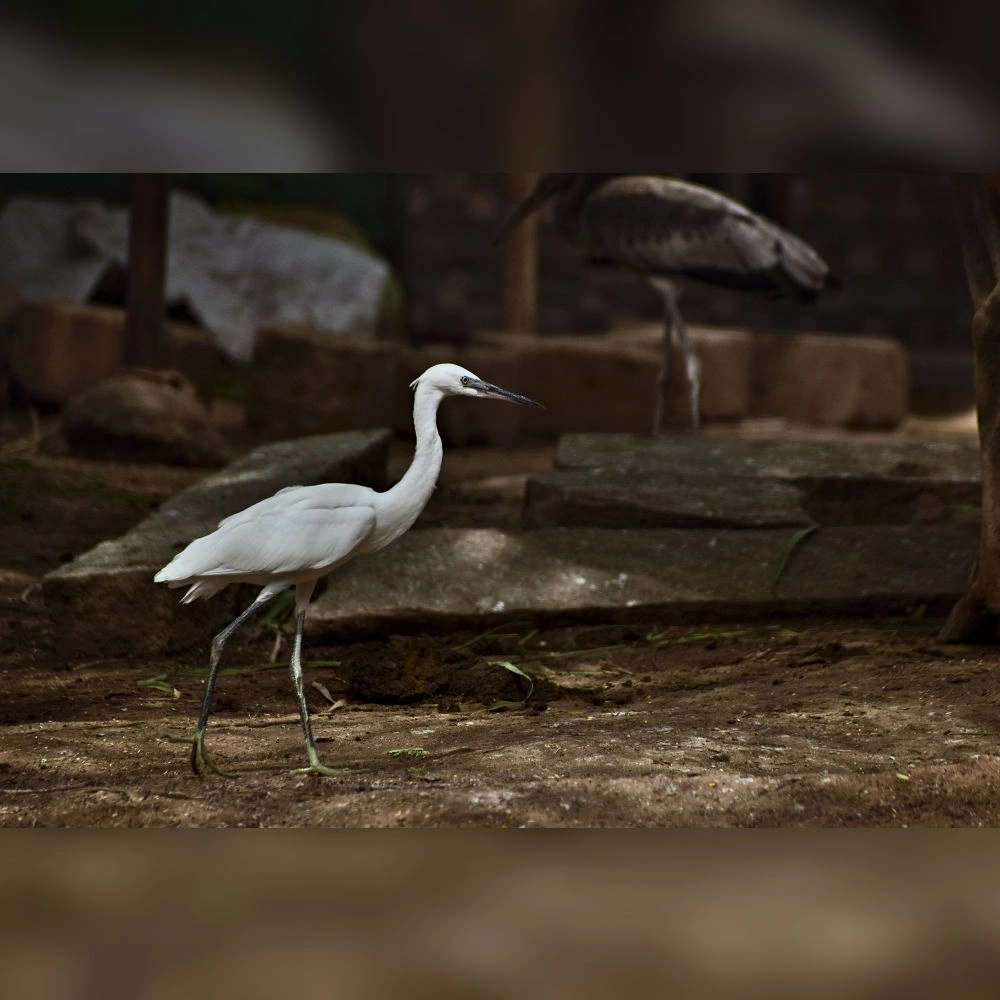
Little Egret
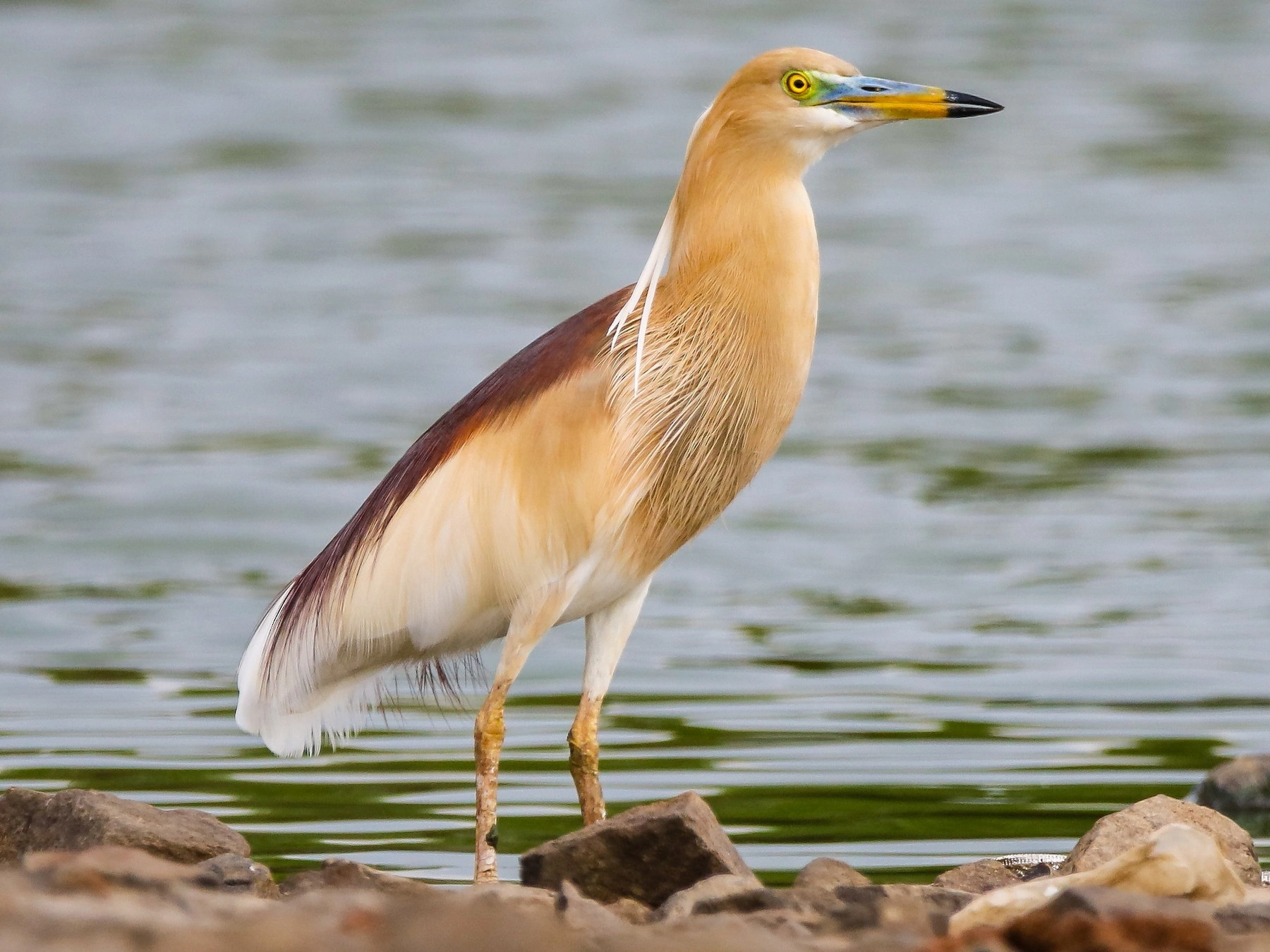
Indian Pond Heron
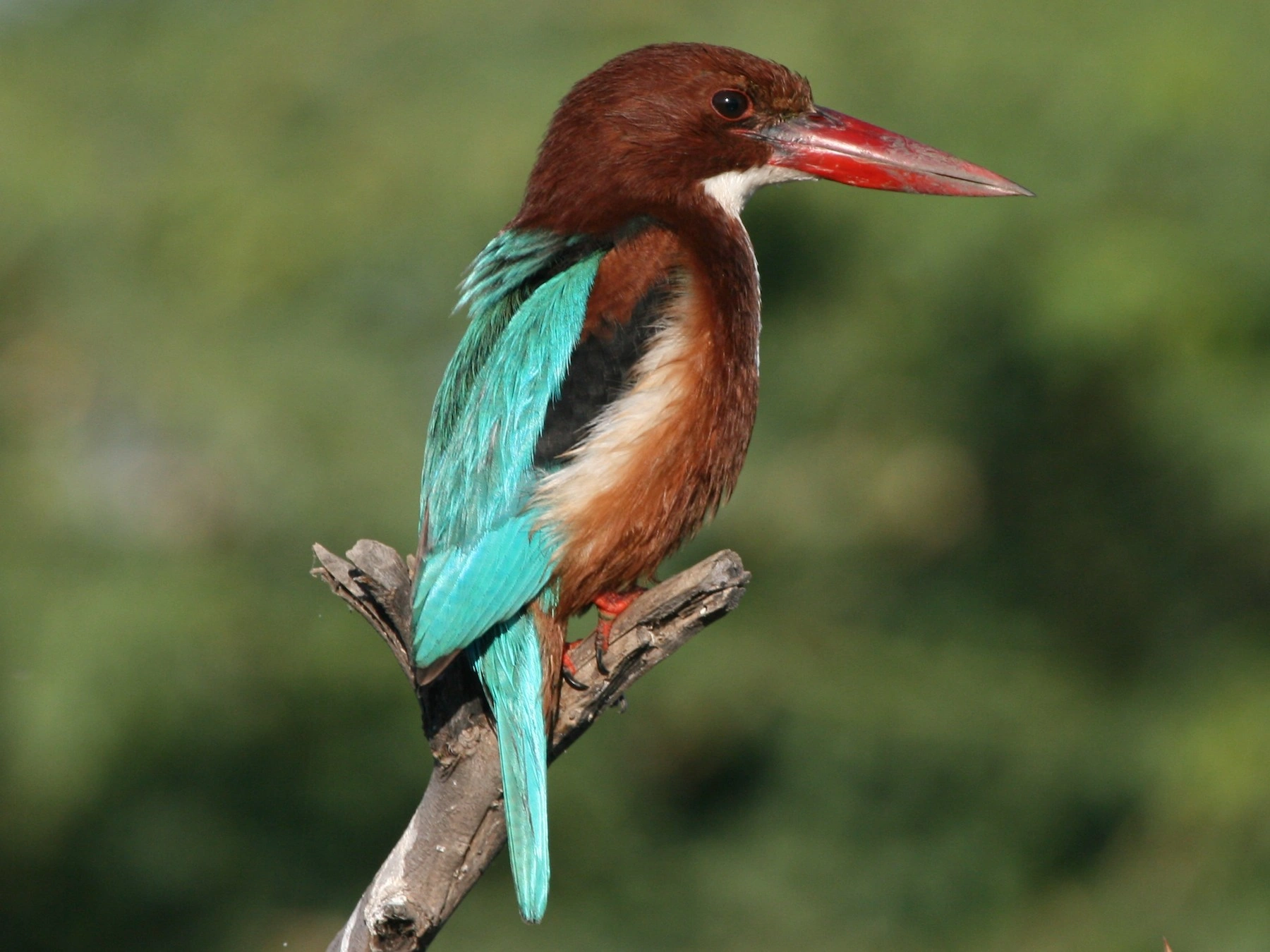
White-throated Kingfisher
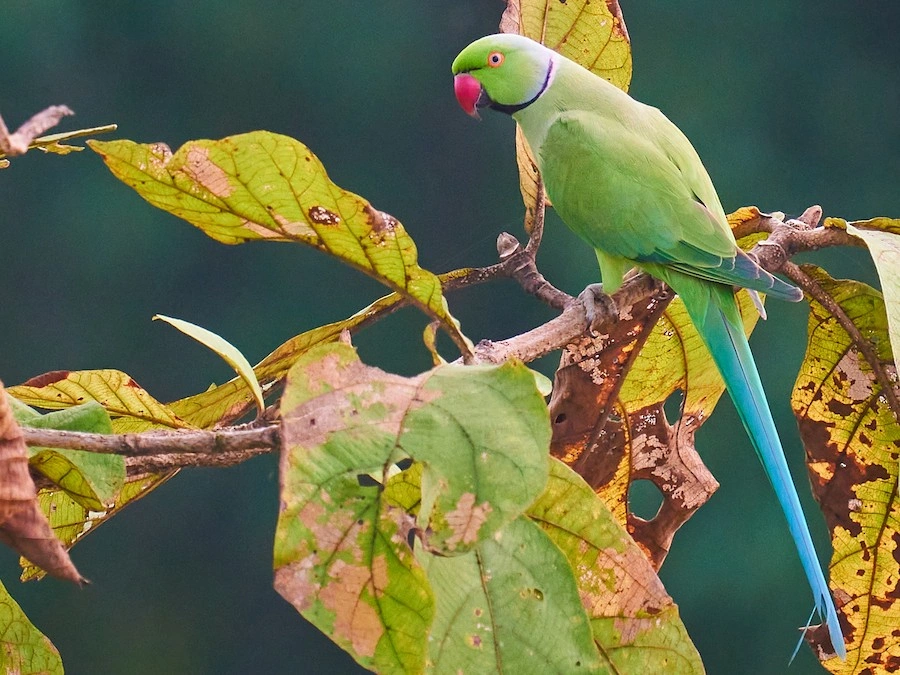
Rose-ringed Parakeet
House Crow
Ashy Prinia
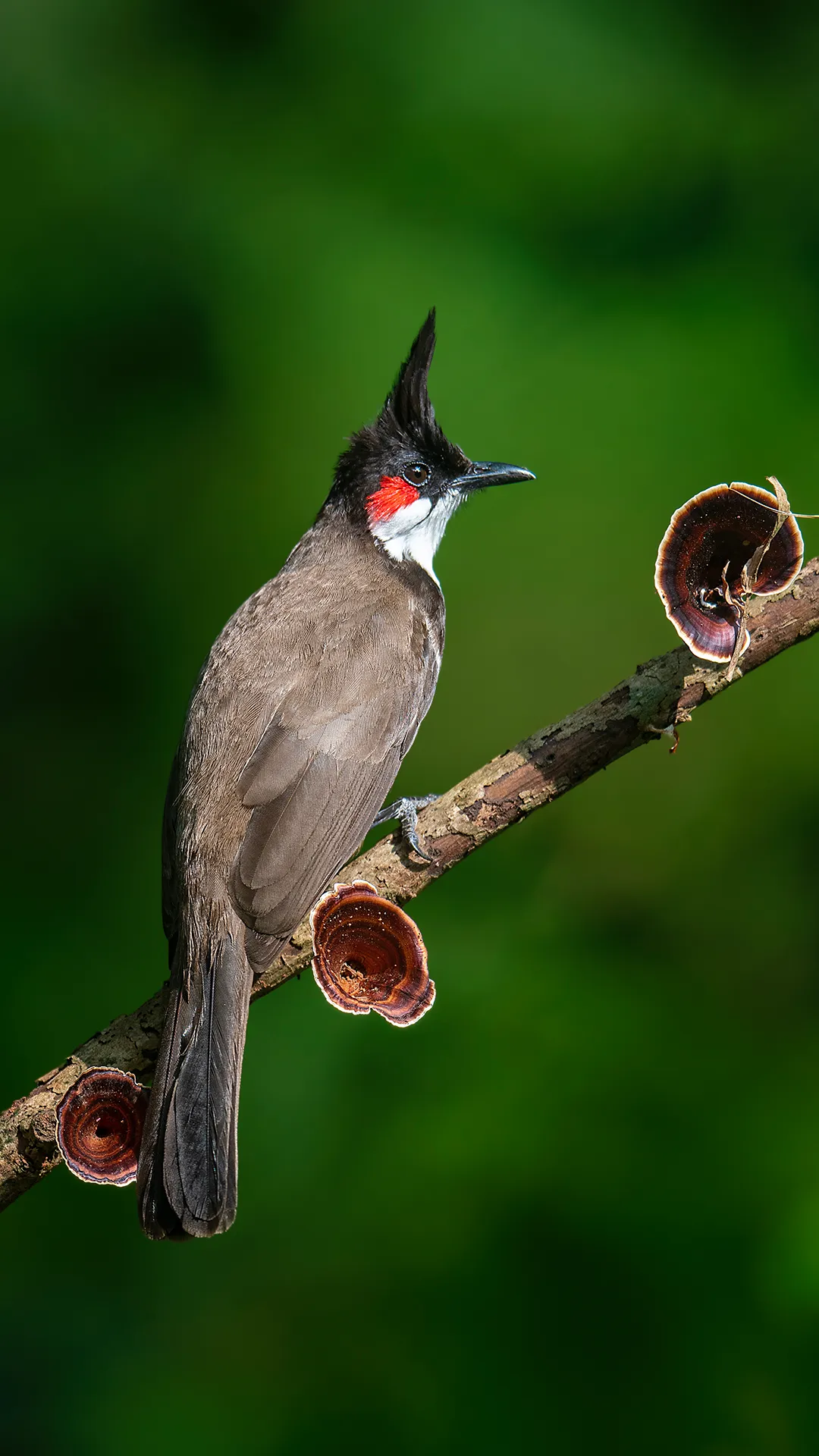
Red-whiskered Bulbul
Red-vented Bulbul
Indian Pied Starling
Oriental Magpie-Robin
Purple Sunbird
Alexandrine Parakeet
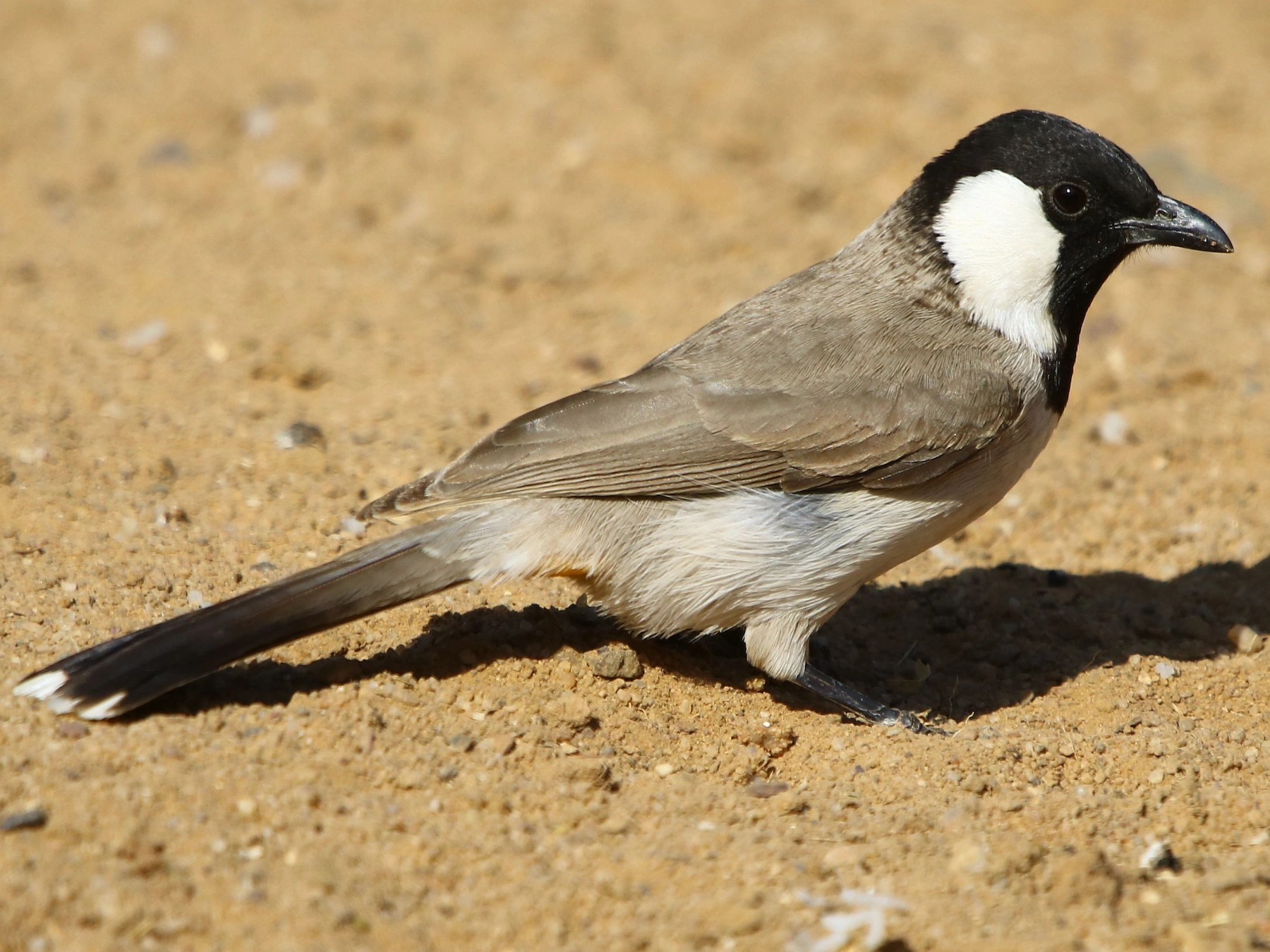
White-eared Bulbul

Summary of Walk

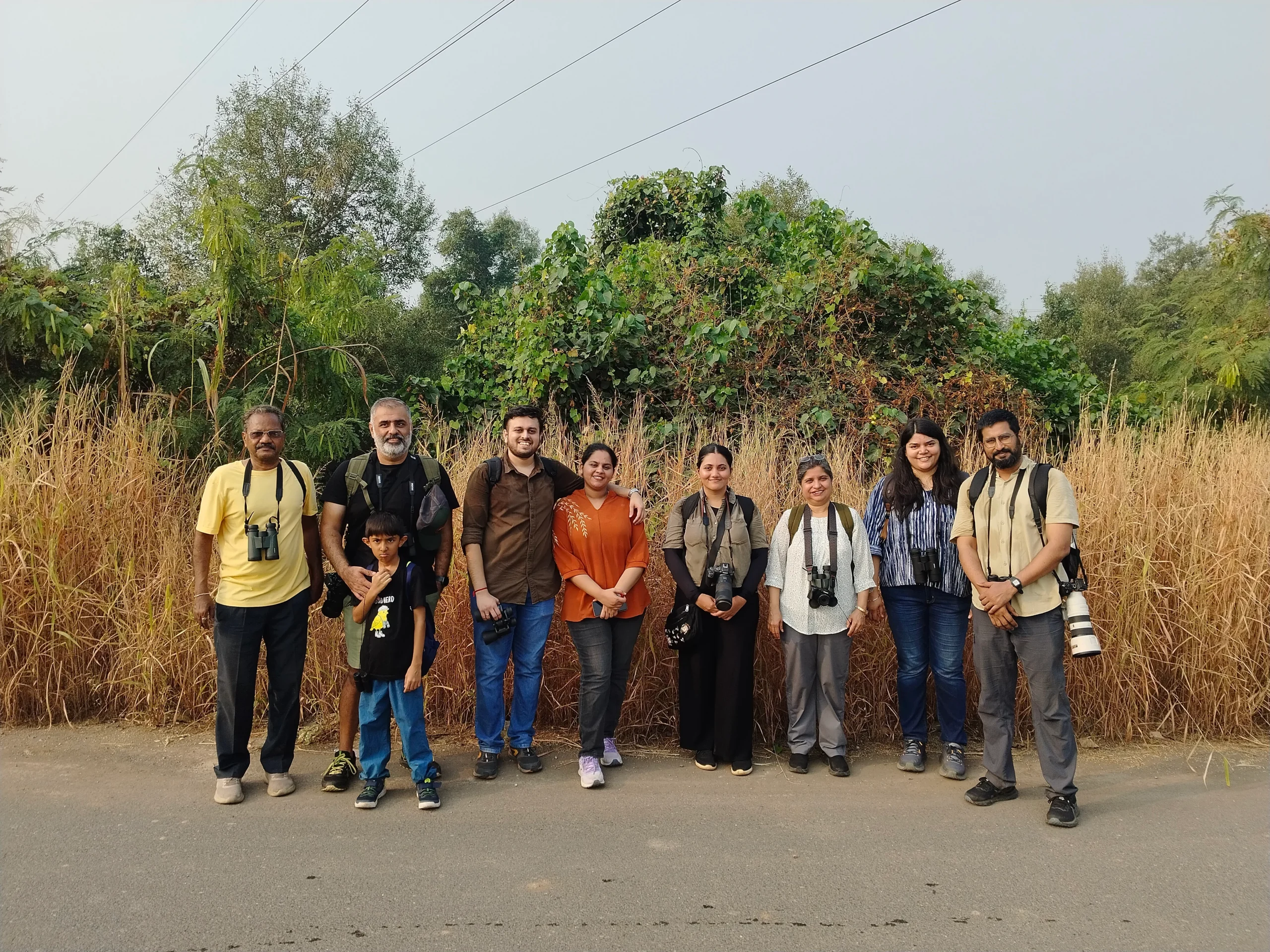
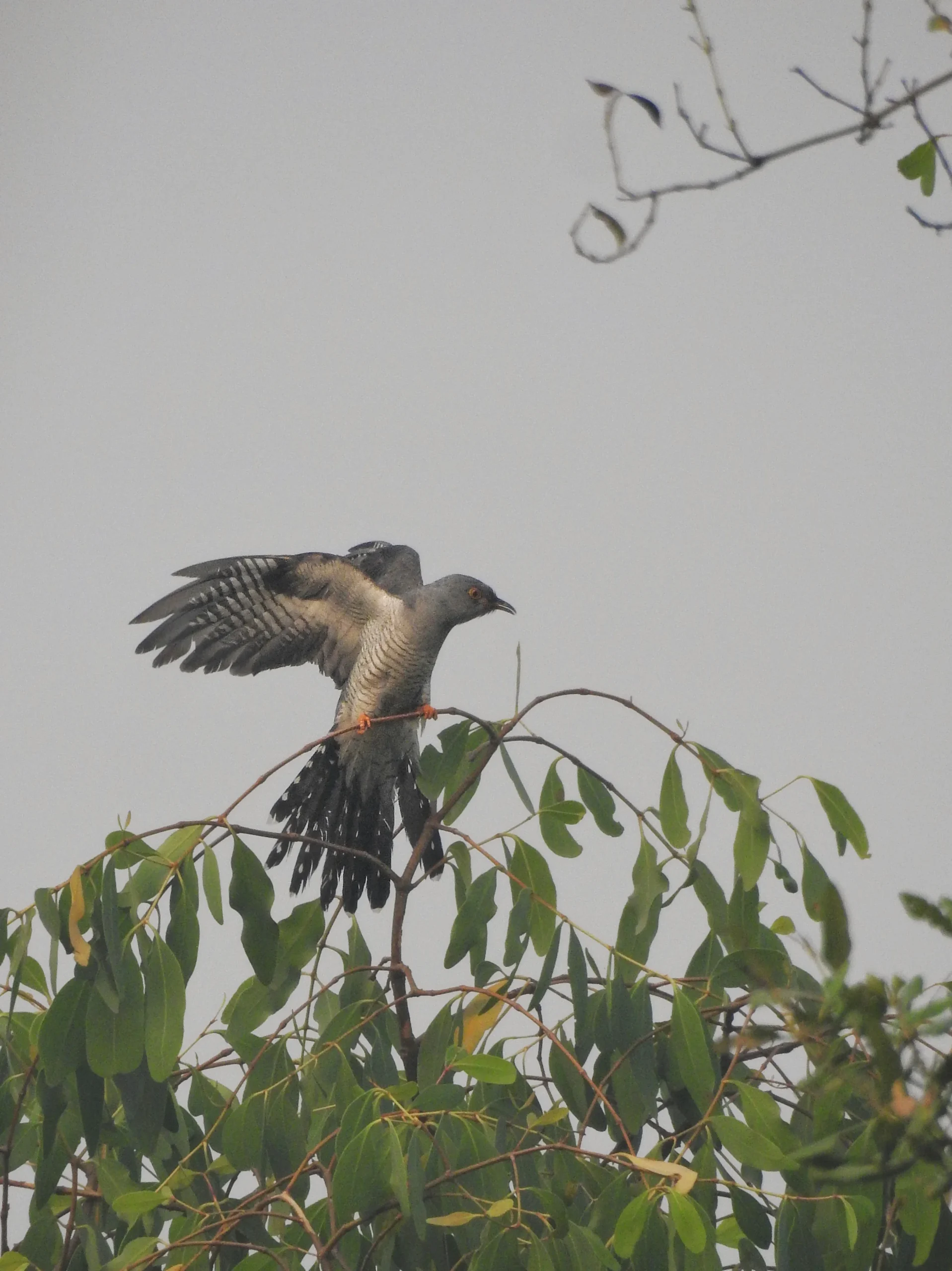
Nine birders joined guide Milind Ganatra at Bhandup Pumping Station in Mumbai on 18 October for a two-hour walk through one of the city’s most rewarding birding spots, and the group recorded 45 species. After brief introductions, the group headed towards the salt pan area, where a concrete path bordered by tall grass, with mangroves on one side and open salt pans on the other, offered ideal habitat. Early sightings included a variety of waterbirds, such as Little and Indian Cormorants, River and Whiskered Terns, a Purple Heron, distant Painted Storks, and flying flocks of Rosy Starlings and Eurasian Spoonbills. Further along, the group noted Eurasian Golden Orioles, Pied Cuckoos and a Common Cuckoo, and the Ruff, a wader known for the spectacular breeding plumage of the males, added to the list of migrants. The highlight came when the group reached the open vantage point and spotted a Red-necked Phalarope, a rare species for the area. Everyone enjoyed clear views of this delicate little wader through the spotting scope, and the group watched in delight as it spun on the water in its characteristic way. Milind explained the differences between the waterbirds, shared stories about the long journeys of the migrants and made sure everyone had a good look through the scope. The walk ended with a group photograph and a sense of having shared something special. It was a lovely example of how the mangroves and salt pans on the edge of a great city continue to provide a haven for birds from far away, and of how a well-led walk can turn a morning into a memory.
Number of Participants
0
Scroll to Top