
Bird Walk at Jigani Lake, Bengaluru
- Bengaluru
- 18 October, 2026
- Samarth Kedilaya
About Jigani Lake
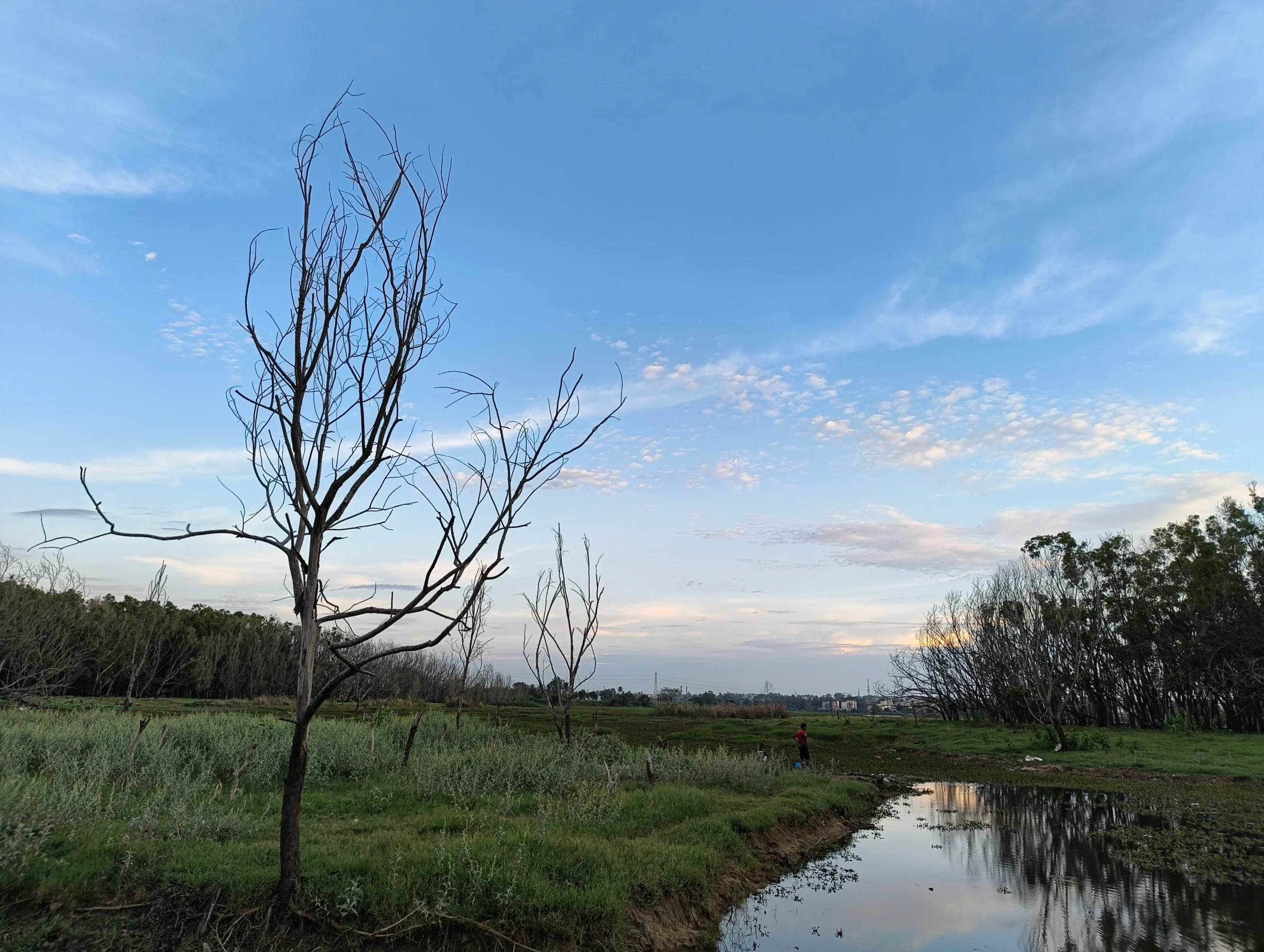
Jigani Lake is a wetland in Anekal taluk, in the southern part of Bengaluru. Located within a landscape of agricultural land and expanding urban development, the lake provides an important open-water and shallow wetland habitat amid the changing surroundings. Its shallow, grass-covered areas become more prominent as water levels fluctuate through the year, with some sections drying during summer while the deeper part of the lake retains water. This seasonal variation creates a changing mosaic of open water, wetland vegetation, and exposed ground that adds to the ecological character of the site.
The lake forms part of the network of wetlands in and around southern Bengaluru and is recognised as an eBird hotspot, with long-term observations documenting substantial bird diversity. Its location within a rapidly developing part of the city also makes it vulnerable to changes in land use and increasing human pressure. Protecting the lake’s water spread, shallow wetland areas, surrounding vegetation, and natural drainage is important for maintaining its ecological value. As development continues around Jigani and the wider Anekal region, conserving remaining wetland habitats can help retain important spaces for wildlife and provide opportunities for people to experience Bengaluru’s natural biodiversity.

Bird Guide - Samarth Kedilaya
Samarth is a passionate birder with nearly a decade of field experience and is currently pursuing his Master’s in Wildlife Conservation Action. With a strong interest in endemic species and their adaptations, he aspires to build his future research around birds or reptiles.
Bird walk Location
Common birds of Jigani Lake
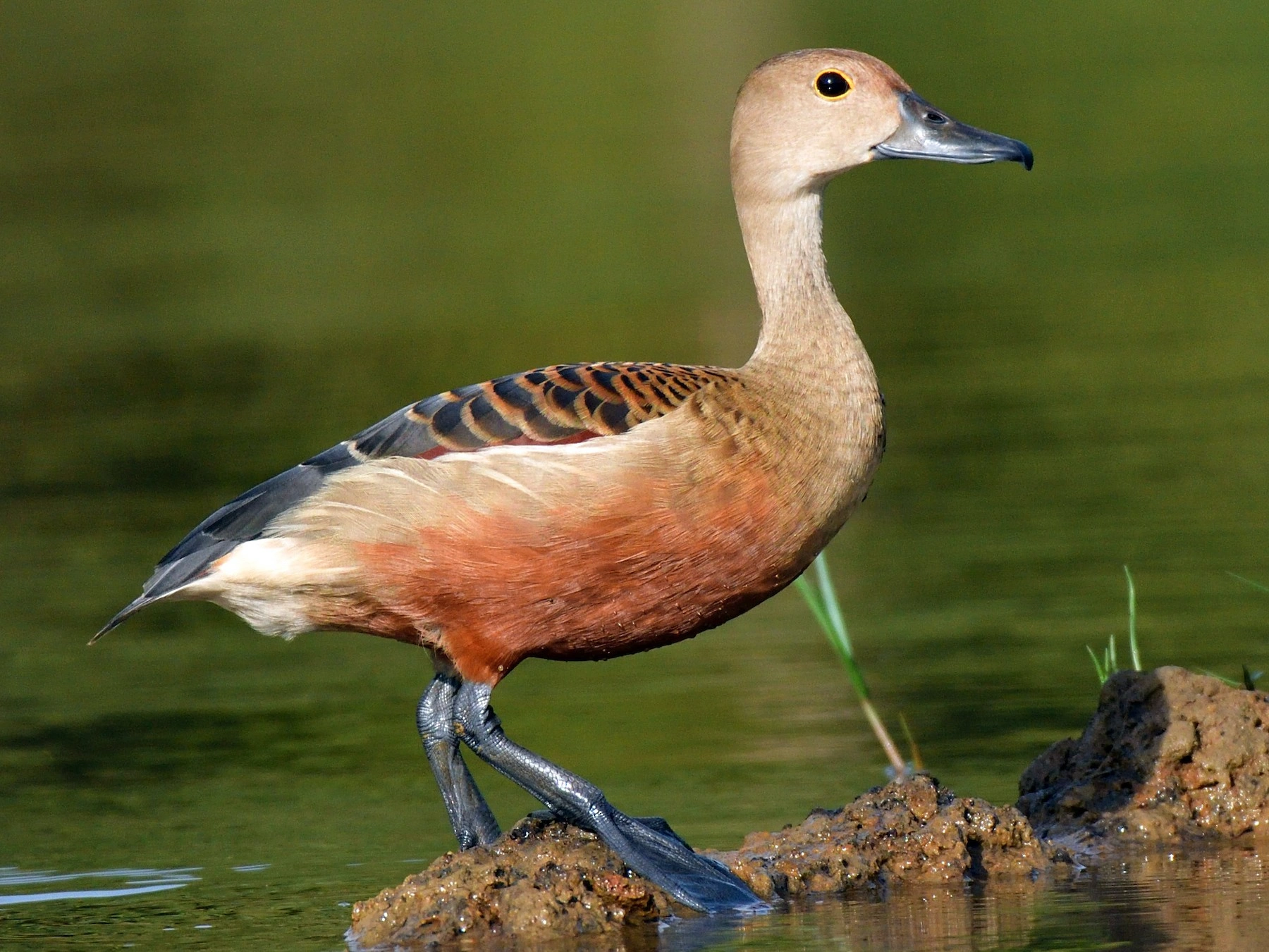
Jigani Lake supports a diverse assemblage of wetland, grassland, and woodland birds. Waterfowl such as Lesser Whistling-Duck and Indian Spot-billed Duck use the open water, while Grey-headed Swamphen and White-breasted Waterhen are associated with the lake’s vegetated edges. Red-wattled Lapwing is also well represented around the wetland margins and open areas. The lake attracts a variety of waterbirds, including Asian Openbill, Painted Stork, Oriental Darter, Little Cormorant, Great Cormorant, Glossy Ibis, Black-headed Ibis, Black-crowned Night Heron, and Little Egret. The surrounding terrestrial habitats support Indian Peafowl, Grey Francolin, Spotted Dove, Greater Coucal, Common Hawk-Cuckoo, and Little Swift. Together, these species reflect the variety of wetland and terrestrial habitats around Jigani Lake and its importance for birdwatching.

Lesser Whistling-Duck

Indian Spot-billed Duck
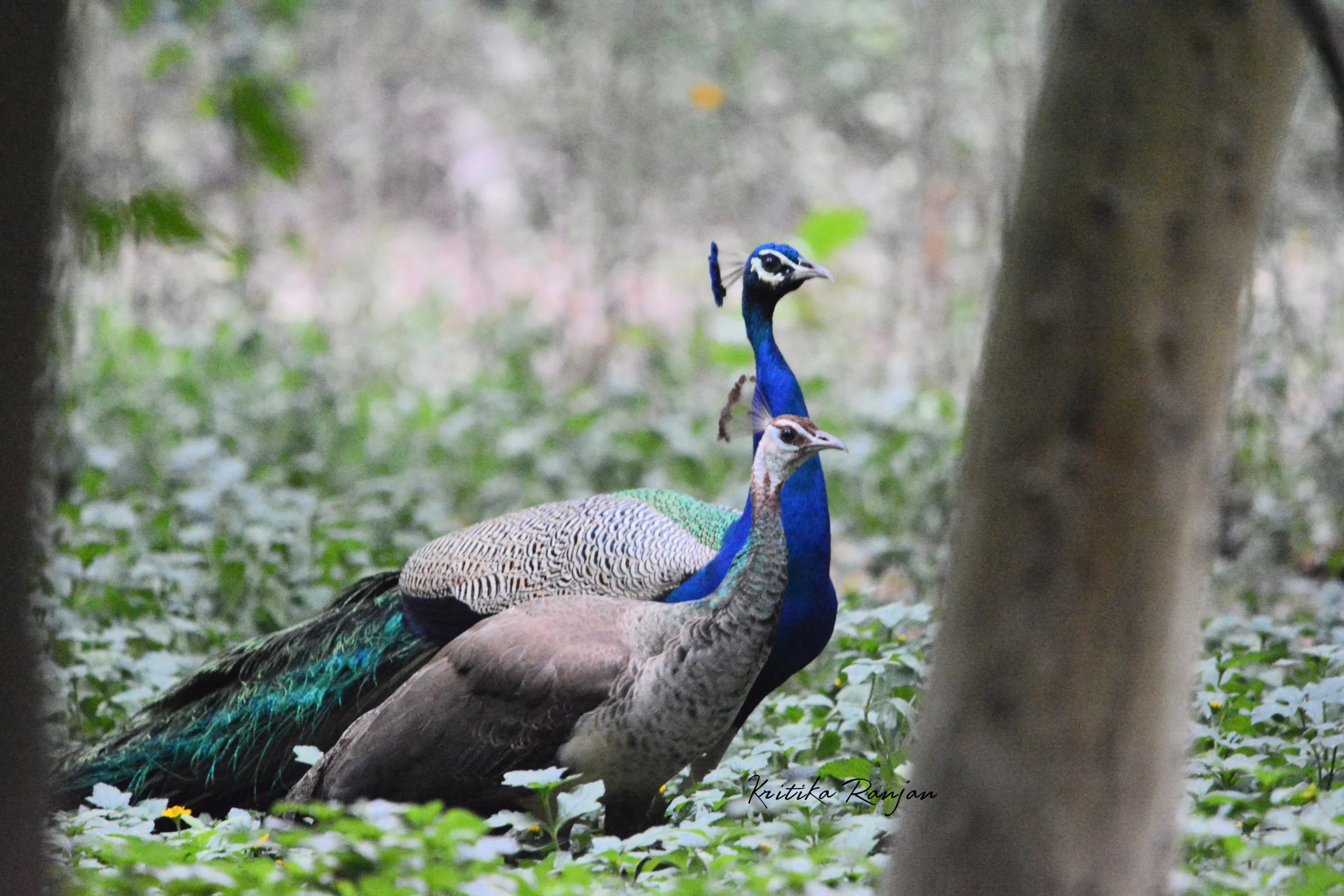
Indian Peafowl

Grey Francolin
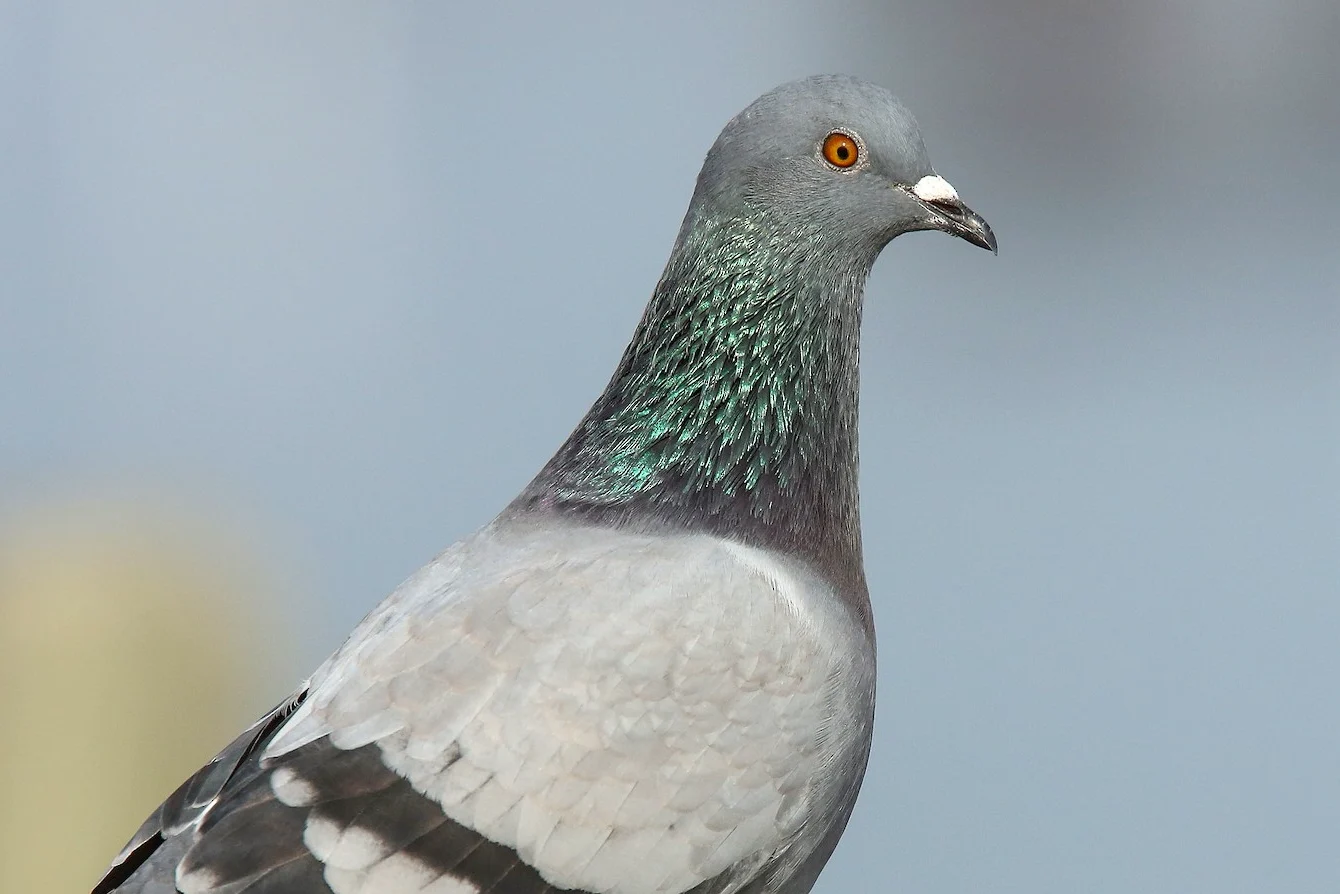
Rock Pigeon
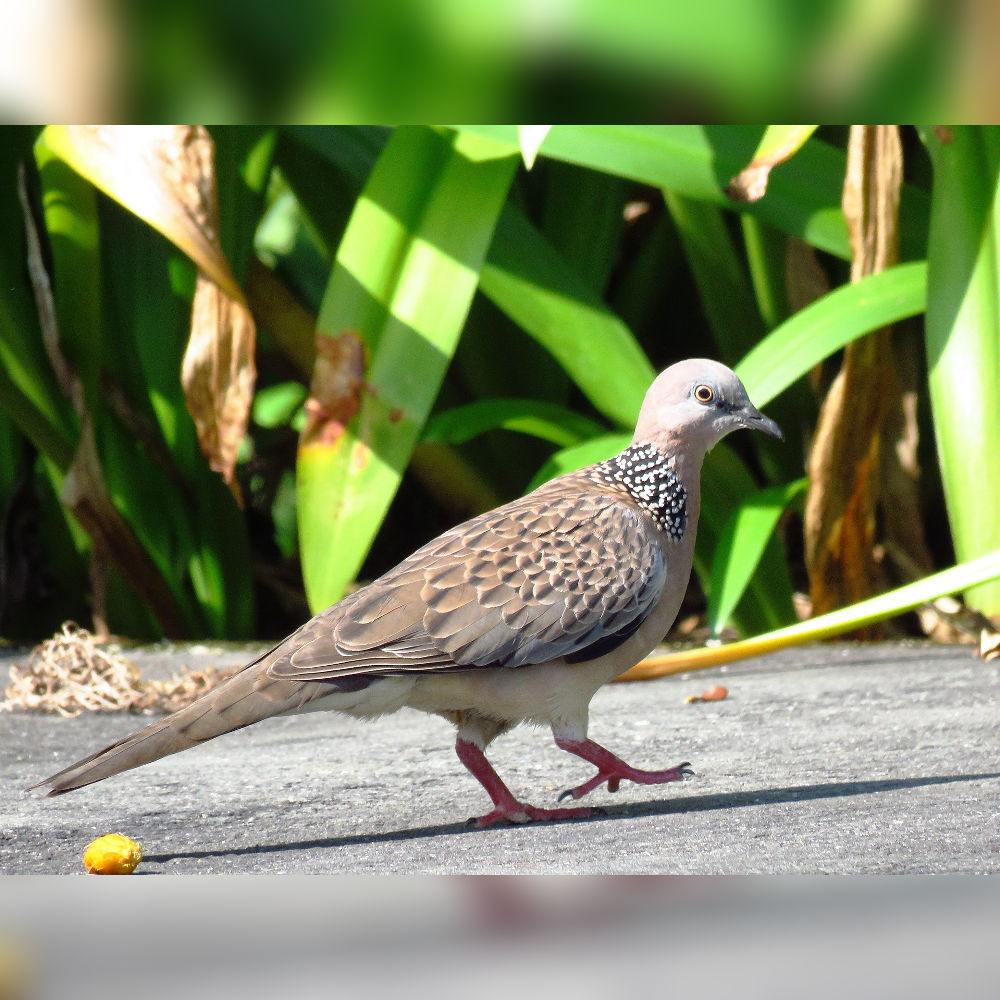
Spotted Dove
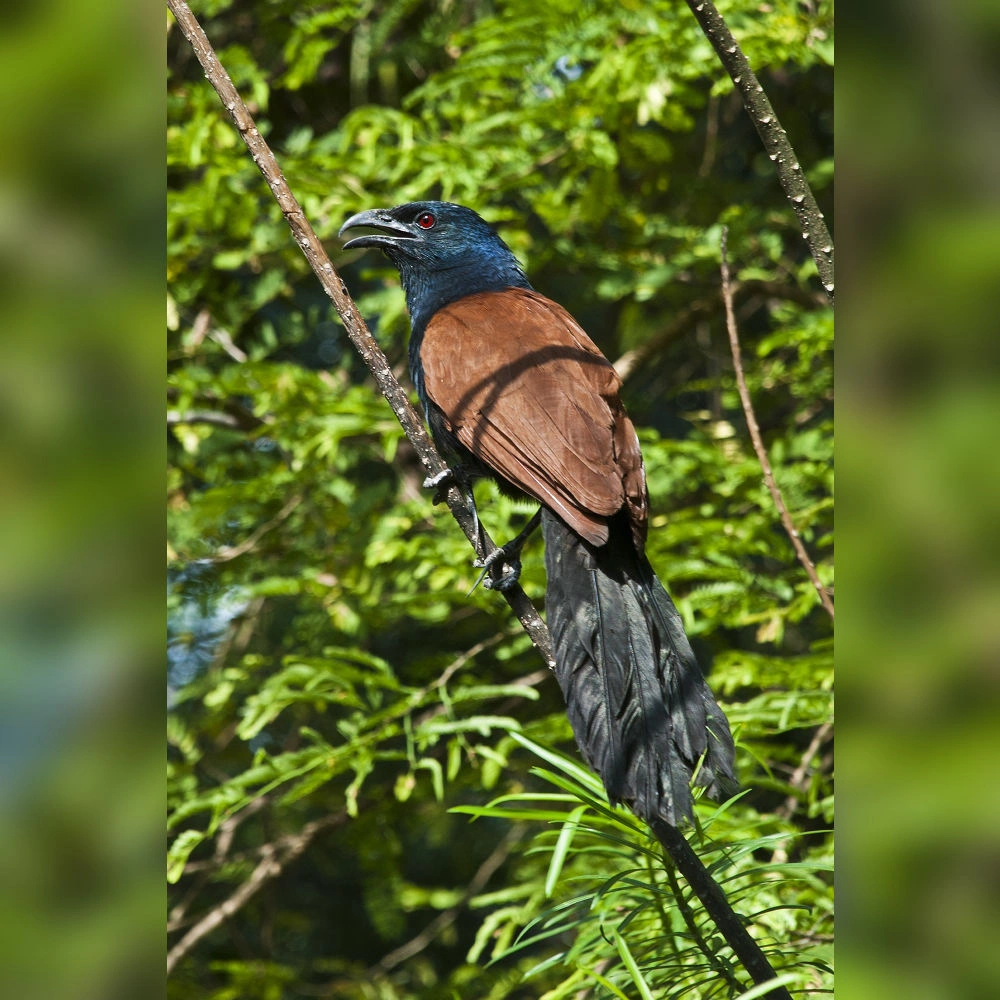
Greater Coucal

Common Hawk-Cuckoo

Little Swift

Grey-headed Swamphen
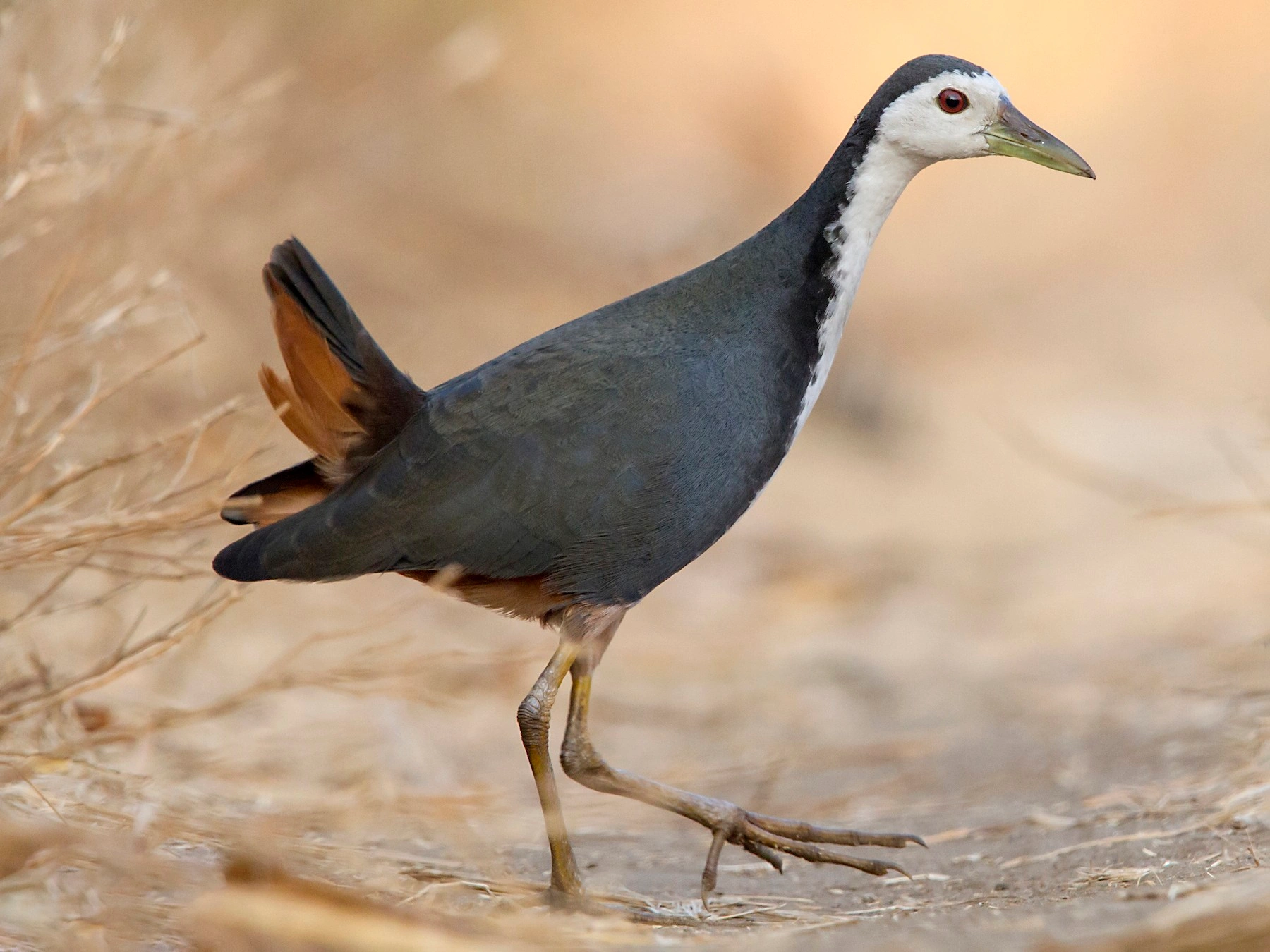
White-breasted Waterhen
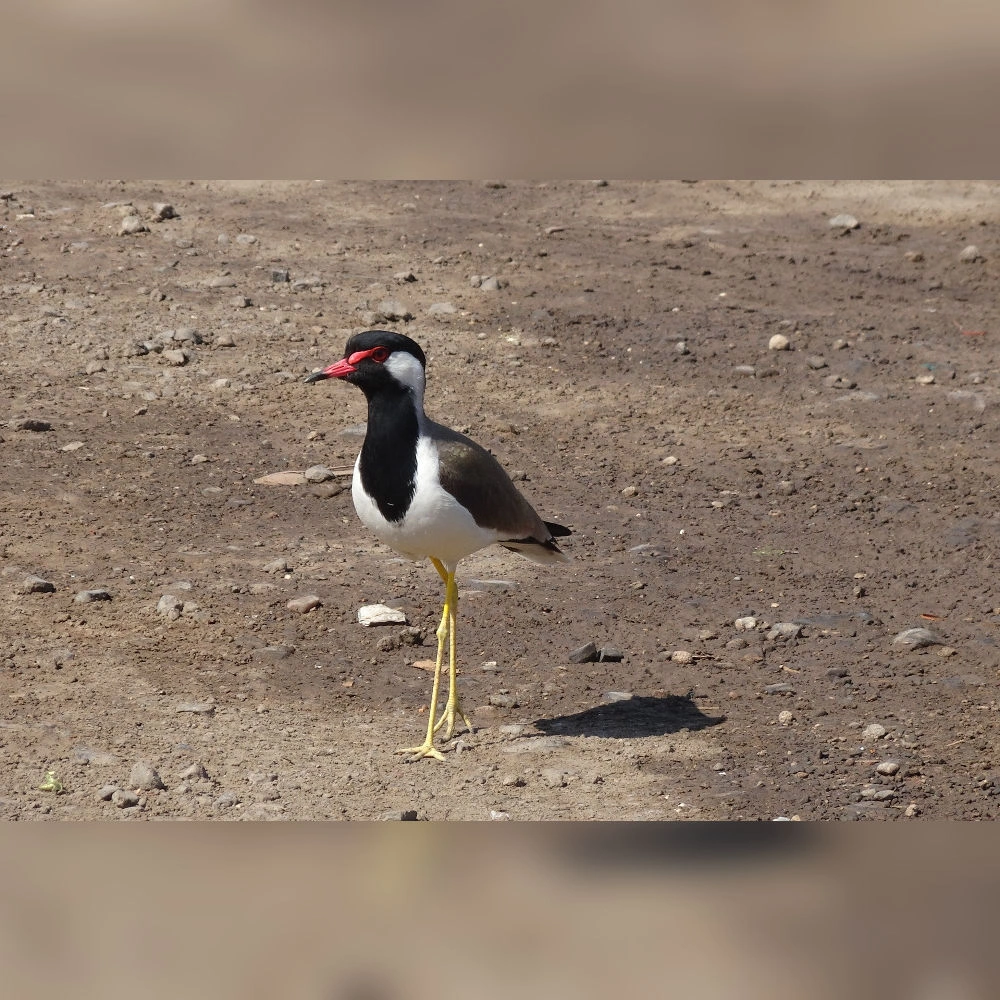
Red-wattled Lapwing
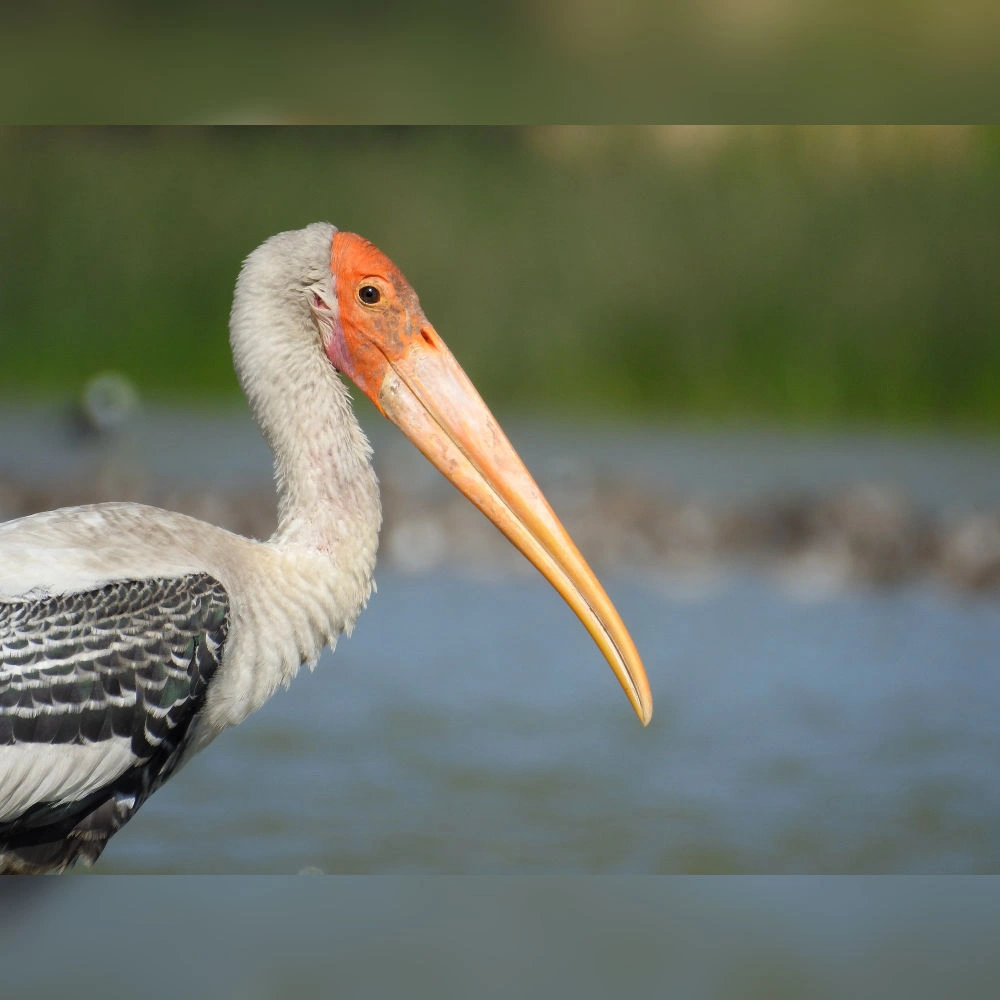
Painted Stork

Oriental Darter

Little Cormorant
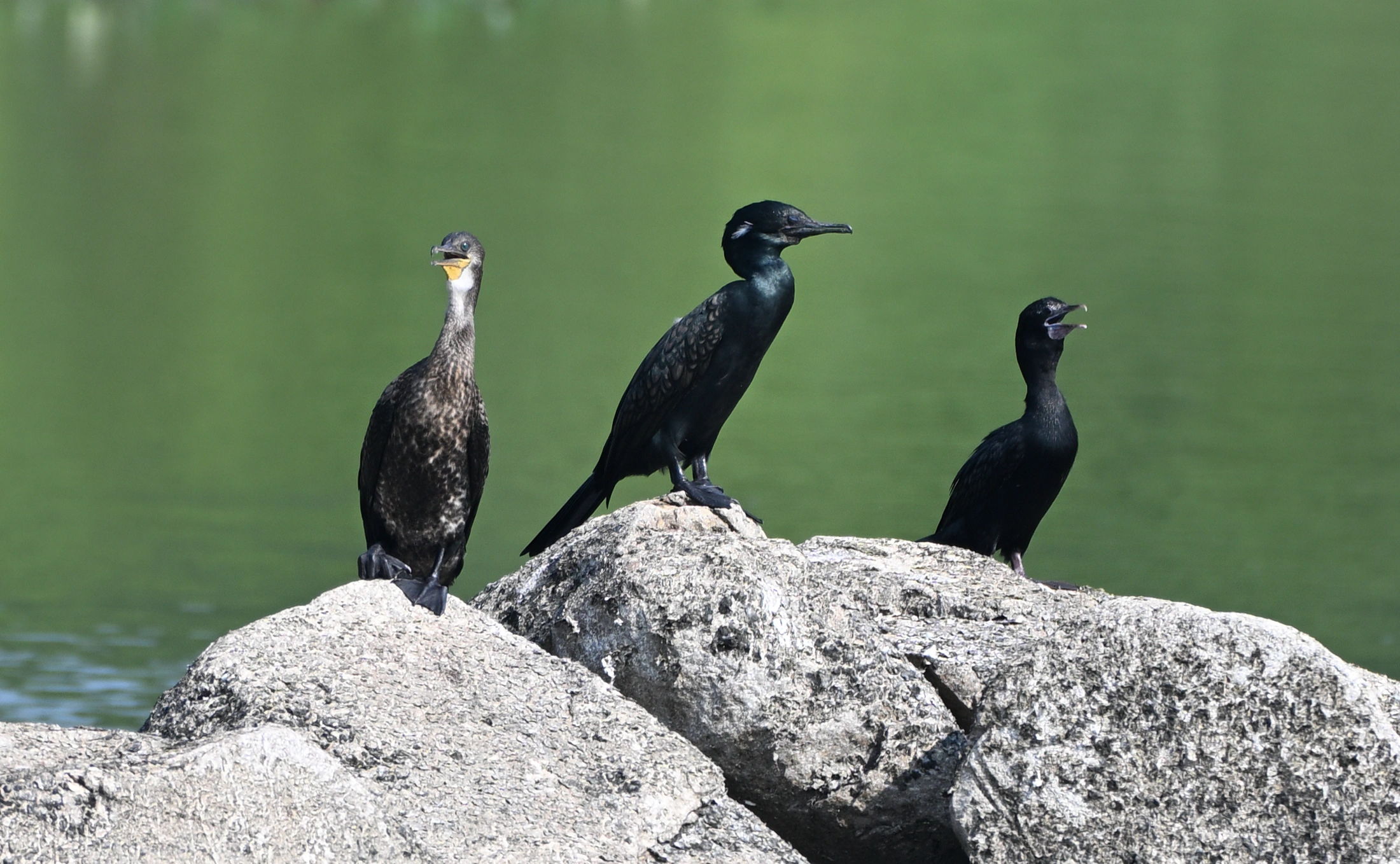
Great Cormorant

Glossy Ibis

Black-headed Ibis
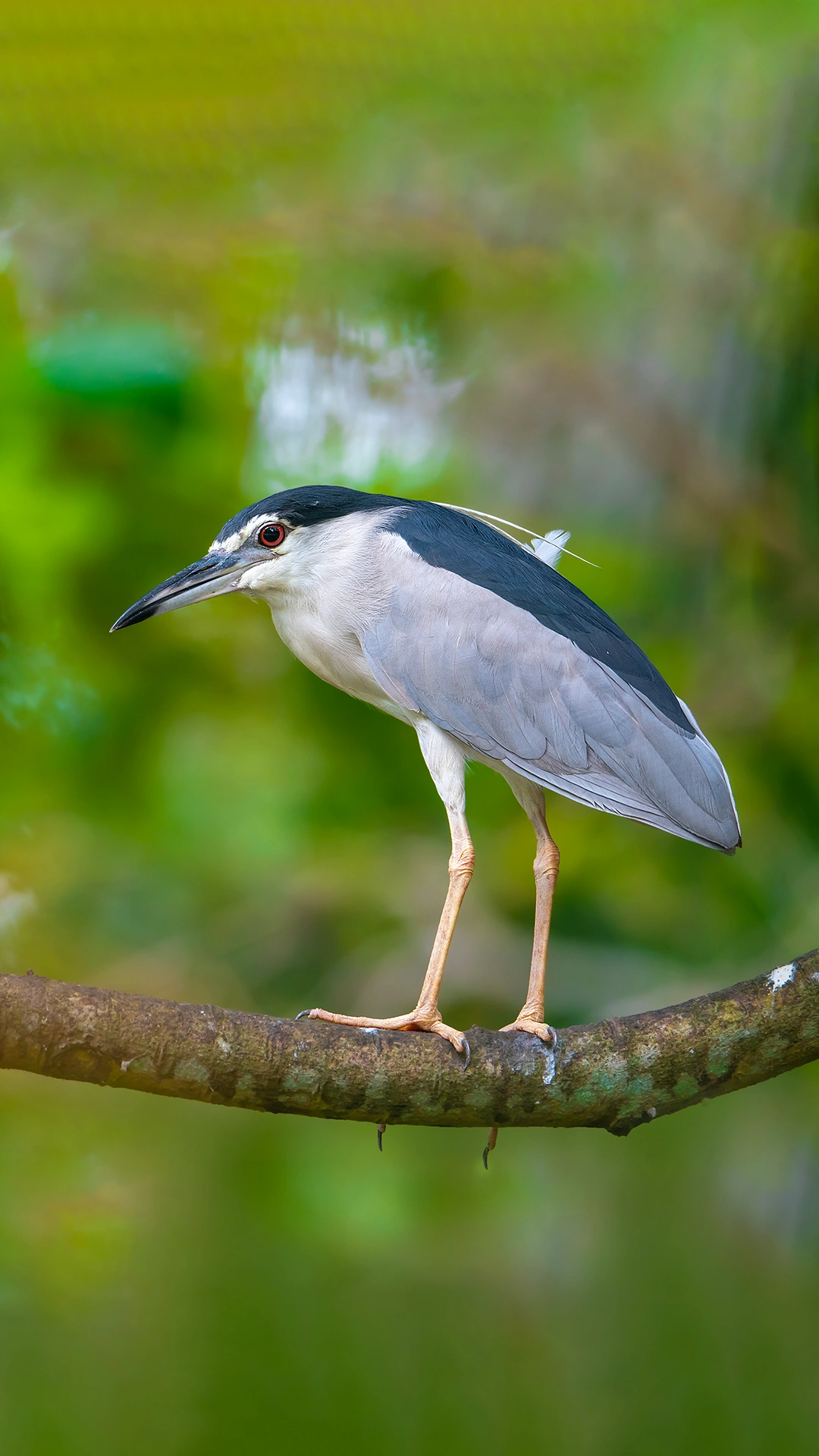
Black-crowned Night Heron
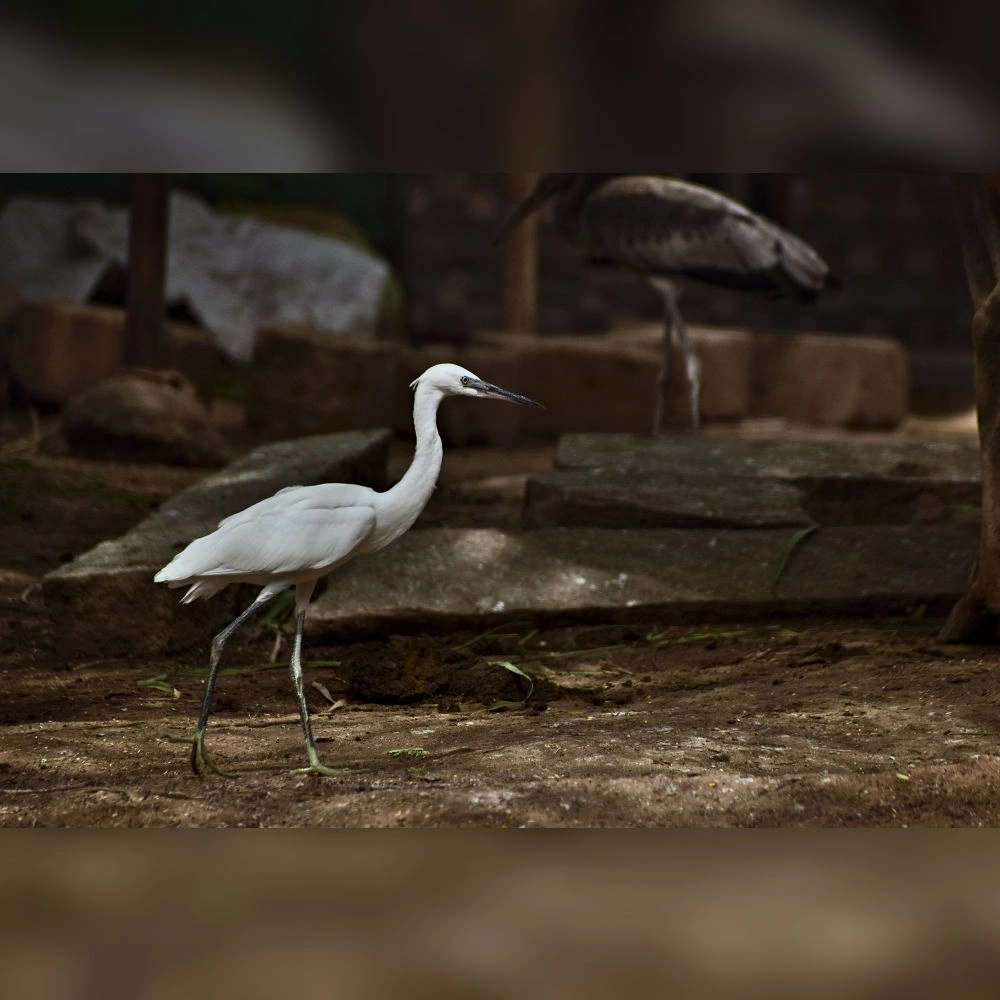
Little Egret
Summary of Walk
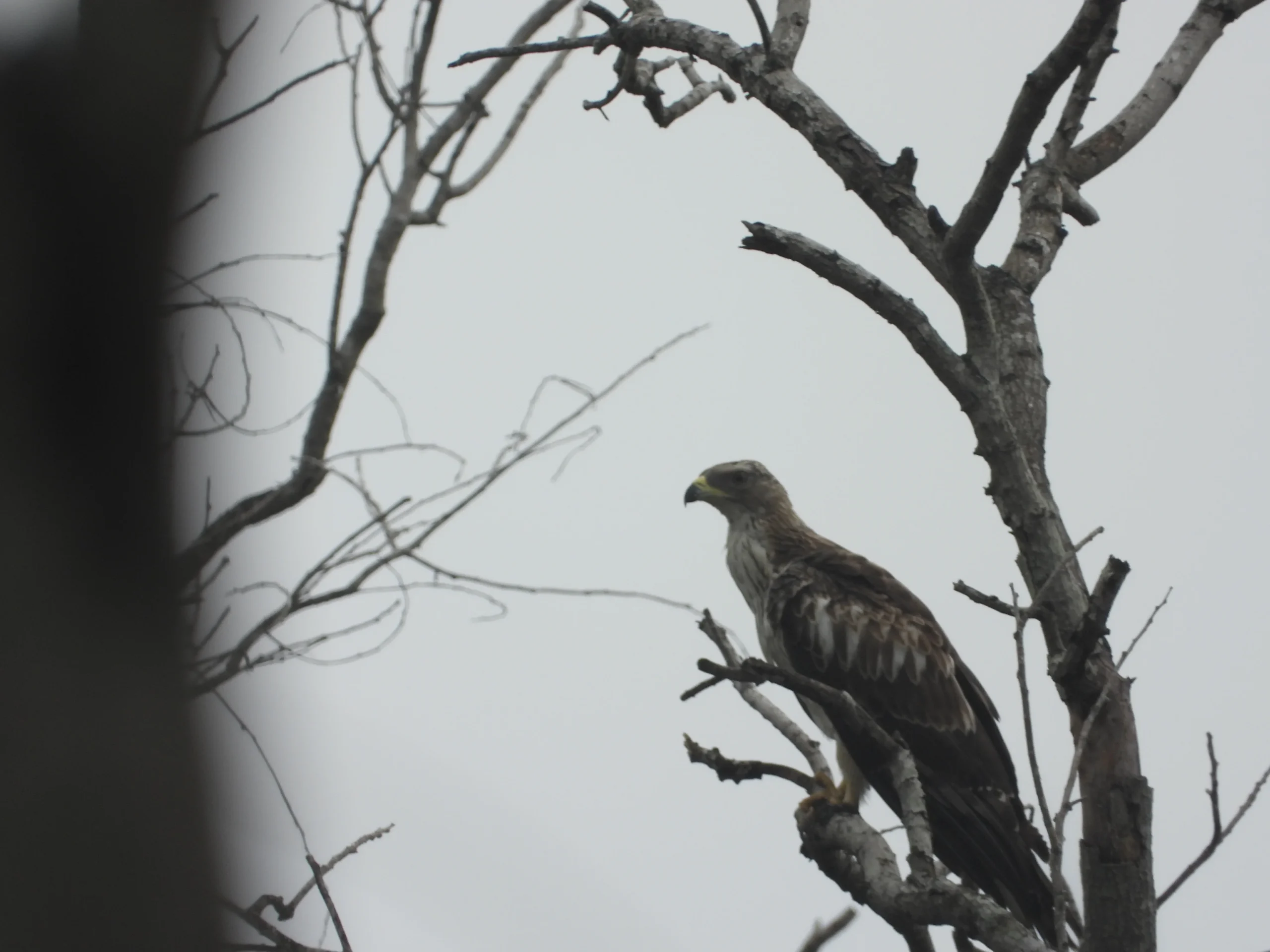
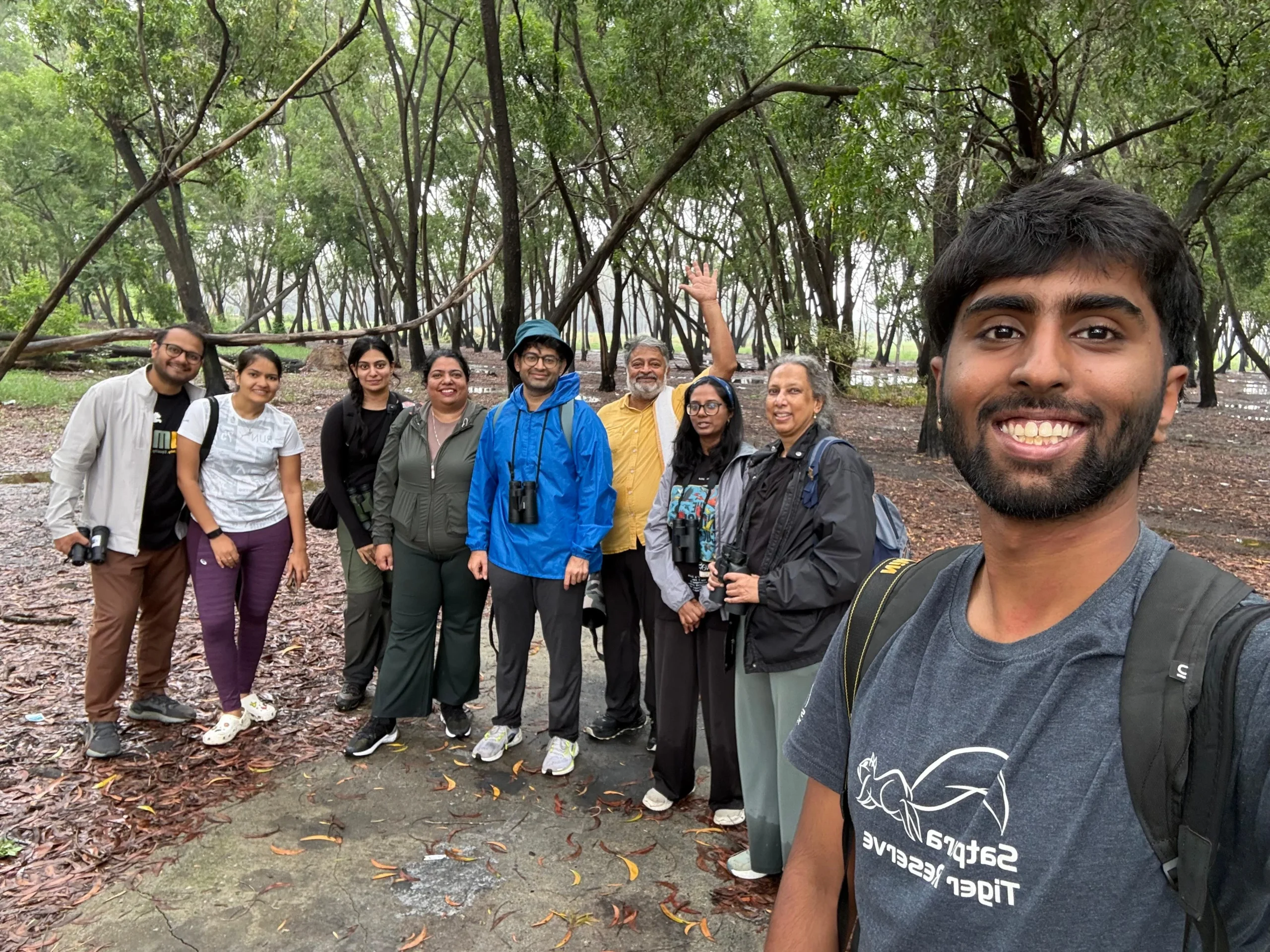
Eight birders joined guide Samarth Kedilaya at Jigani Lake in Bengaluru on 18 October for a walk that was as adventurous as it was rewarding. With continuous rains having left the ground soaked and the marshes full, the group made its way carefully through the wet terrain, and the spirit of exploration made the morning feel like a real expedition. The cool air set the scene for a wonderful start: the walk began with an Indian Golden Oriole glowing like a lantern among the leaves and an Oriental Honey-buzzard, a striking migratory raptor, soaring overhead. Blue-tailed Bee-eaters and drongos flew over the lake, giving the group a lively show, and a lone Booted Eagle perched in the distance, offering a perfect chance for careful viewing through the binoculars. The group recorded 35 species, and despite the weather, there was decent bird activity throughout the morning. The participants enjoyed the walk and the sense of discovery that came with exploring the wetland on a day of fresh rain. Samarth guided the group with energy and good humour, explaining how birds respond to changes in weather and how rain can bring different species into view. He shared tips on watching raptors, telling bee-eaters from other aerial feeders, and moving quietly through marshy ground to avoid disturbing the birds. The walk was a wonderful reminder that birding offers something special in every kind of weather, and that the rainy season brings out the best in a wetland. Participants left with new species on their lists, a fresh sense of adventure and a keen wish to return when the lake is at its best.
Number of Participants
0