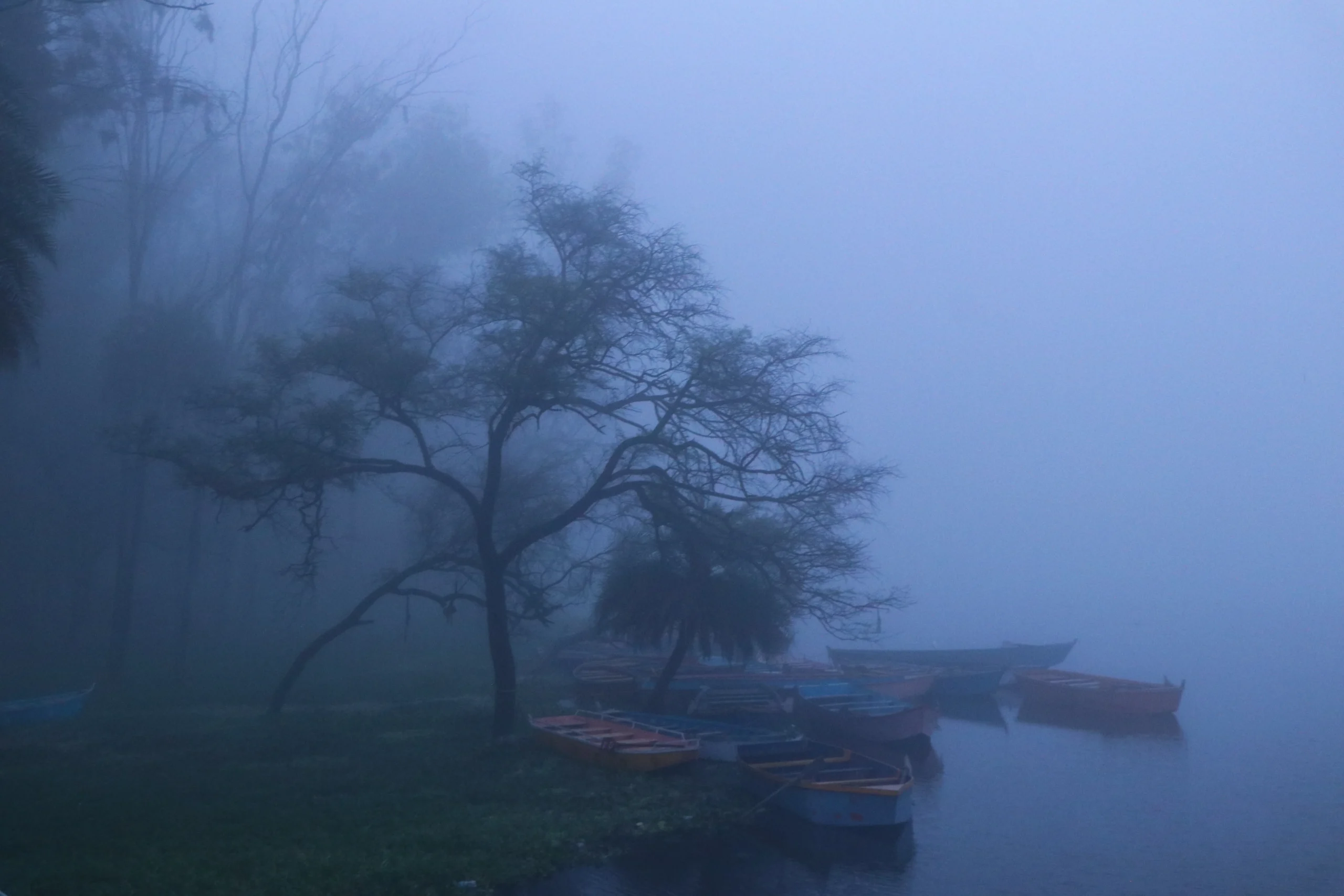
About 30 km west of Indore, near Hatod, the backwaters of the Yashwant Sagar reservoir spread into a shallow, sheltered valley. After the monsoon, the water is covered almost from bank to bank by pink and white lotus. That flowering gives Gulawat its name, Lotus Valley, and makes it one of the most photographed spots near Indore. Around the lotus beds lie open water, marshy margins, wet grassland, babul scrub and black-soil farmland typical of the Malwa plateau. Fish, frogs, turtles and dragonflies thrive in the warm shallows. The wider Yashwant Sagar landscape is recognised as an Important Bird Area, especially for its cranes.
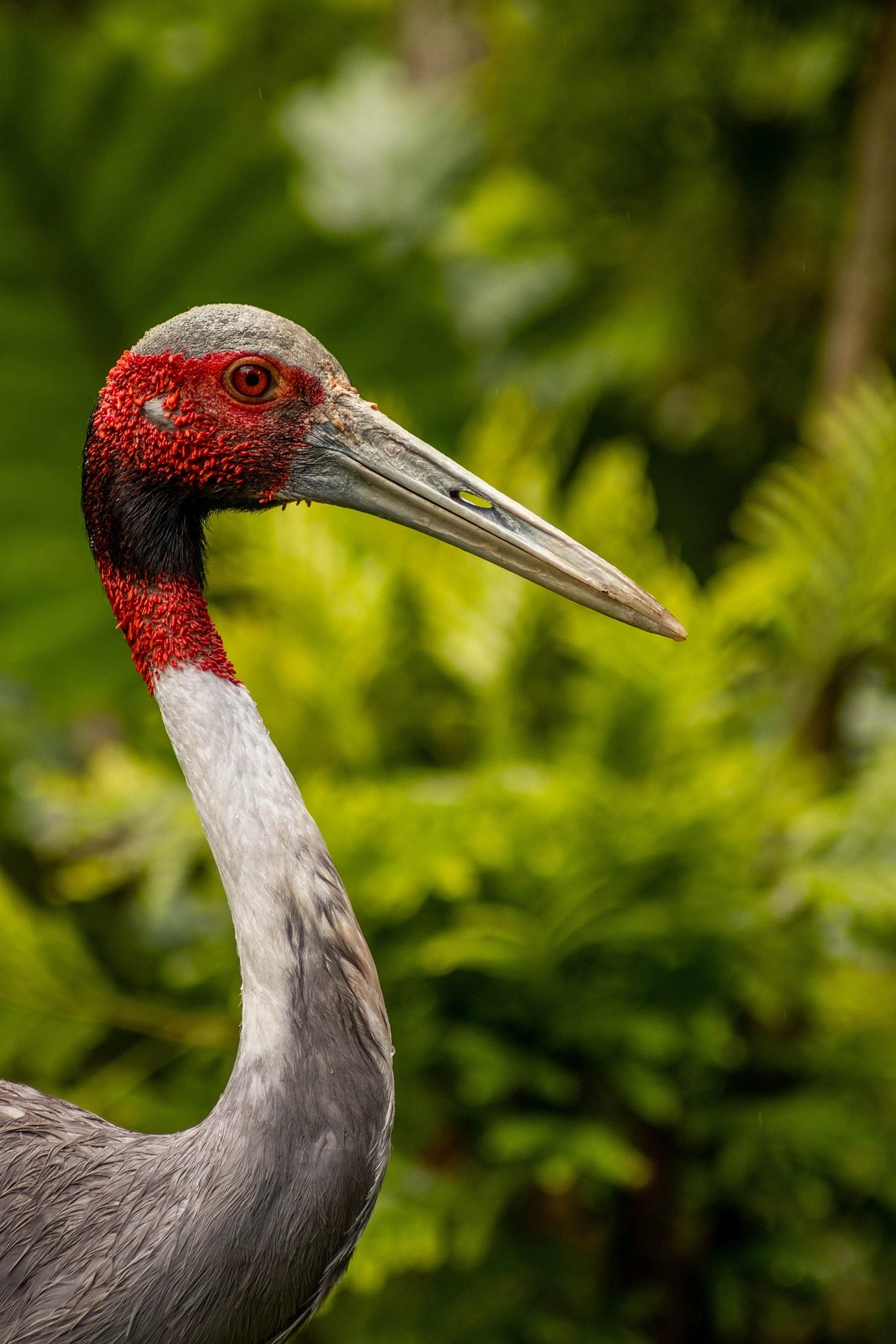
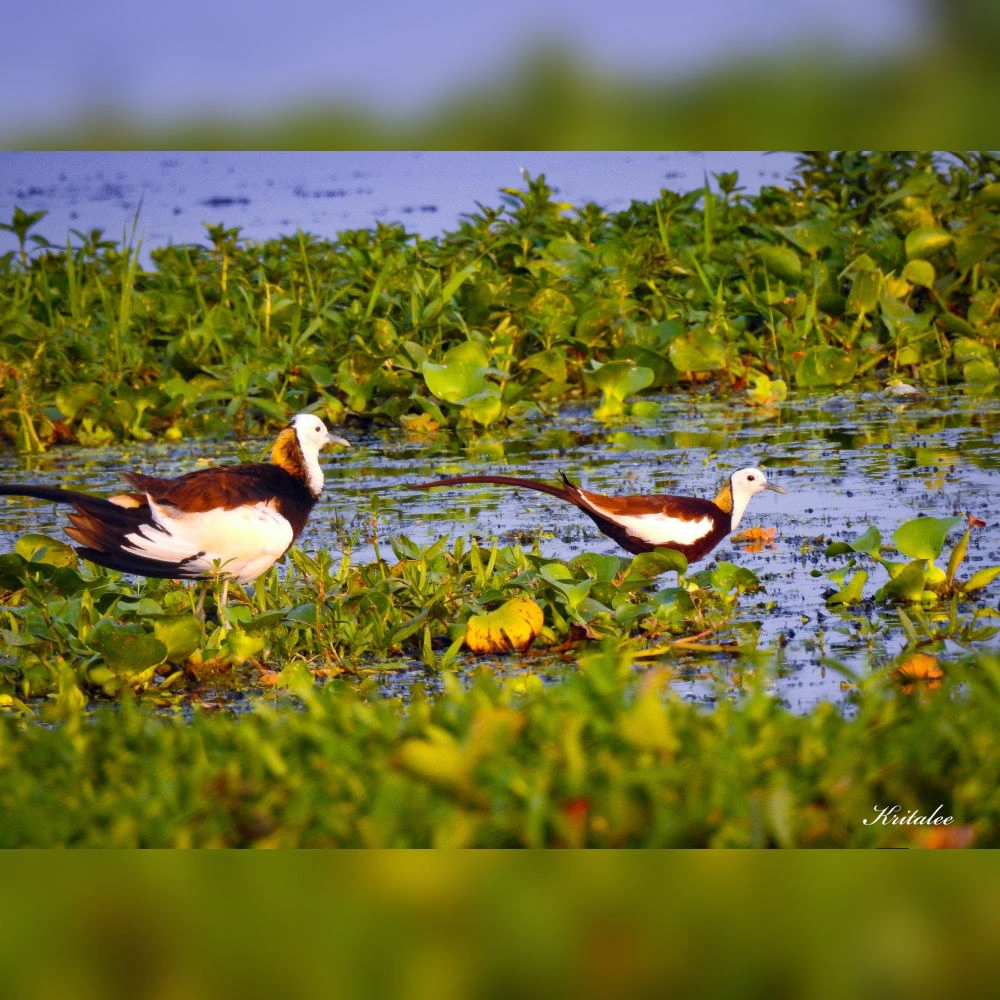
For birders, Gulawat combines striking scenery with excellent wetland birding. Sarus Cranes, the world’s tallest flying birds, feed and display in the fields and marshes. Jacanas walk across the lotus leaves, whistling-ducks and coots crowd the open water, and storks, ibises and terns work the shallows. Its popularity, however, brings pressures of its own. Heavy tourist crowds, boating, noise and plastic litter disturb the birds, and harvesting lotus stems and flowers strips away the cover jacanas and ducks depend on. Pesticide and fertiliser runoff from the surrounding farms pollutes the water, and changing water levels, encroachment and new tourism infrastructure threaten the wetland’s edges. Keeping the lotus beds intact, controlling visitor disturbance and protecting the surrounding fields where Sarus Cranes nest will help Gulawat stay a haven for birds as well as a beauty spot.
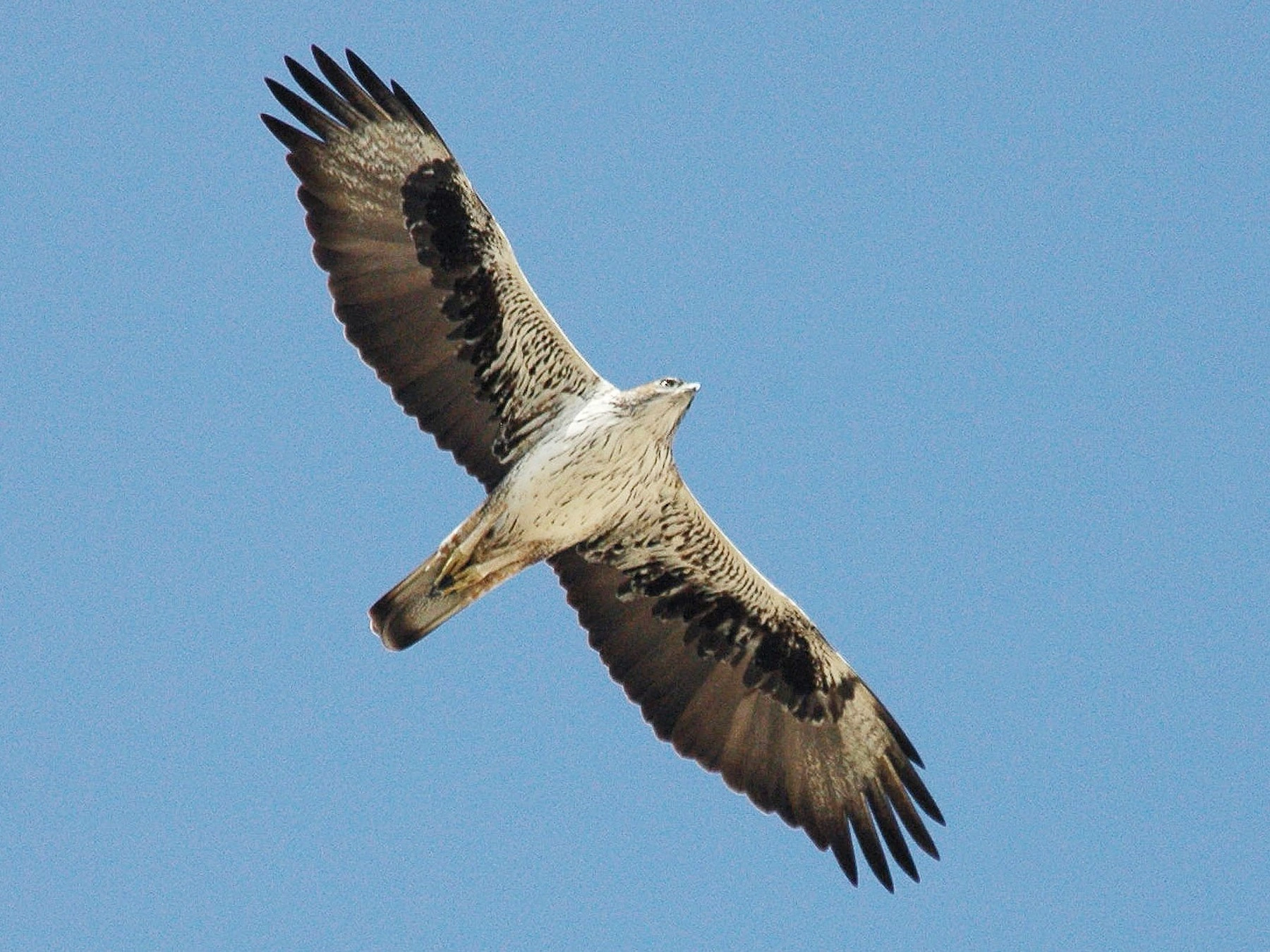
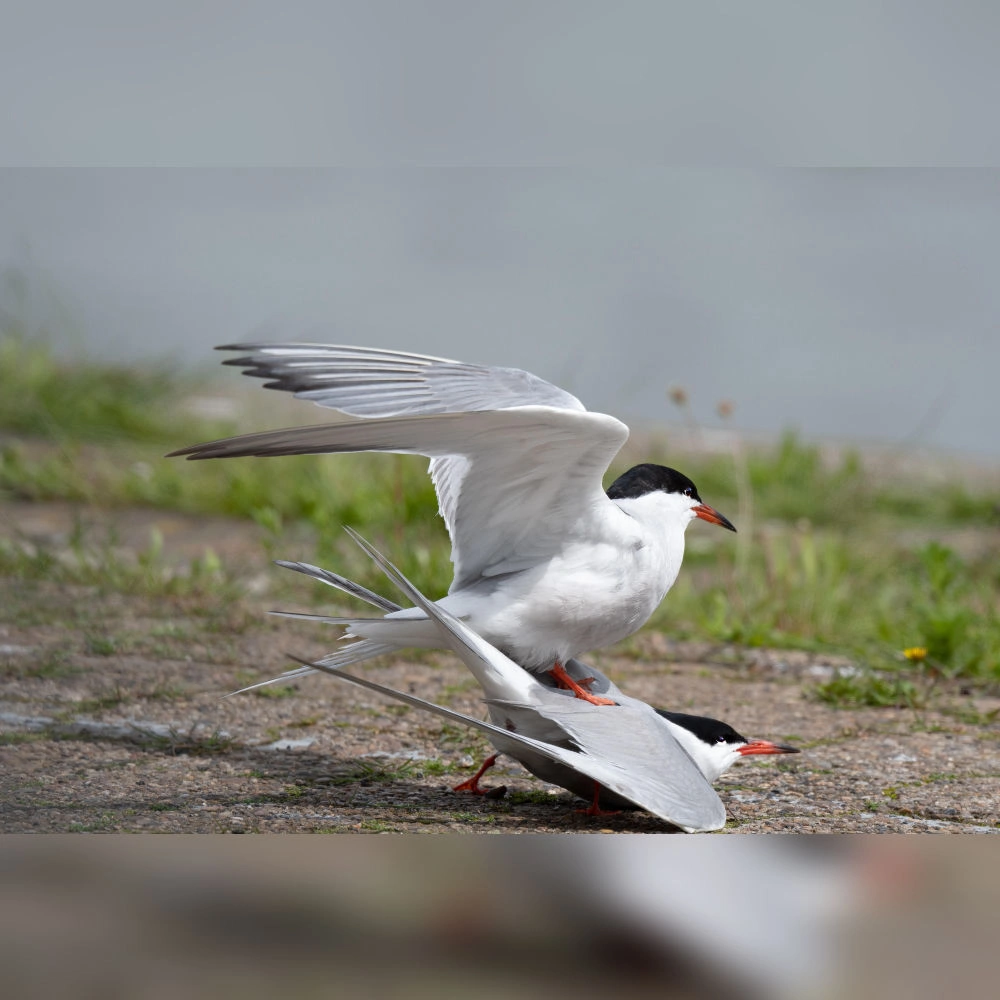
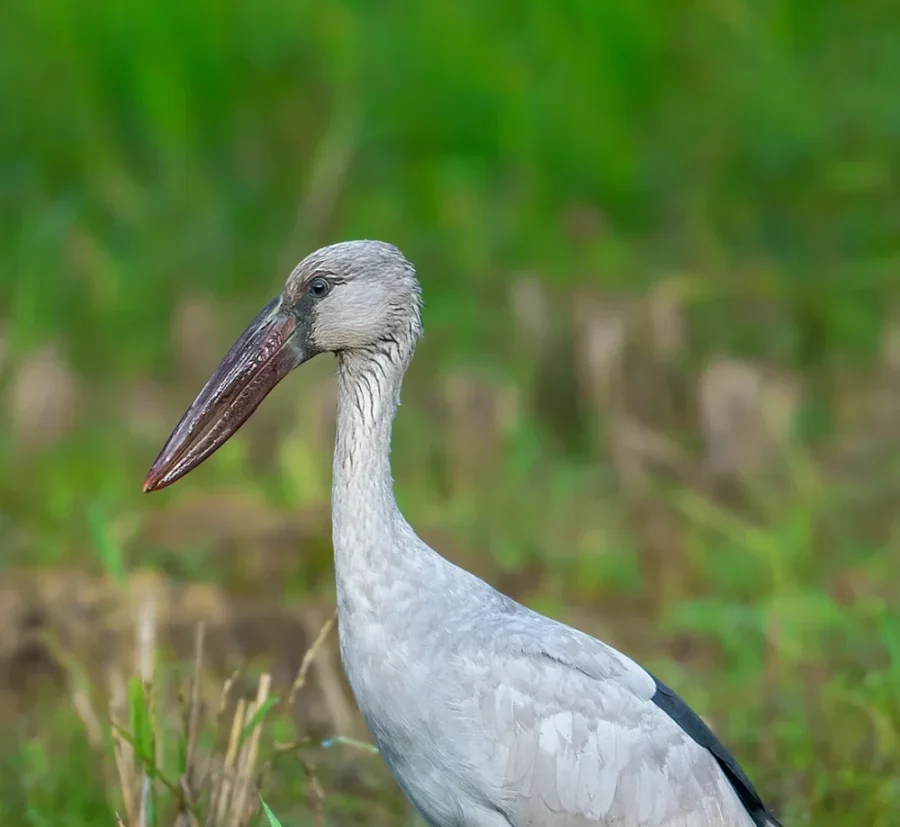
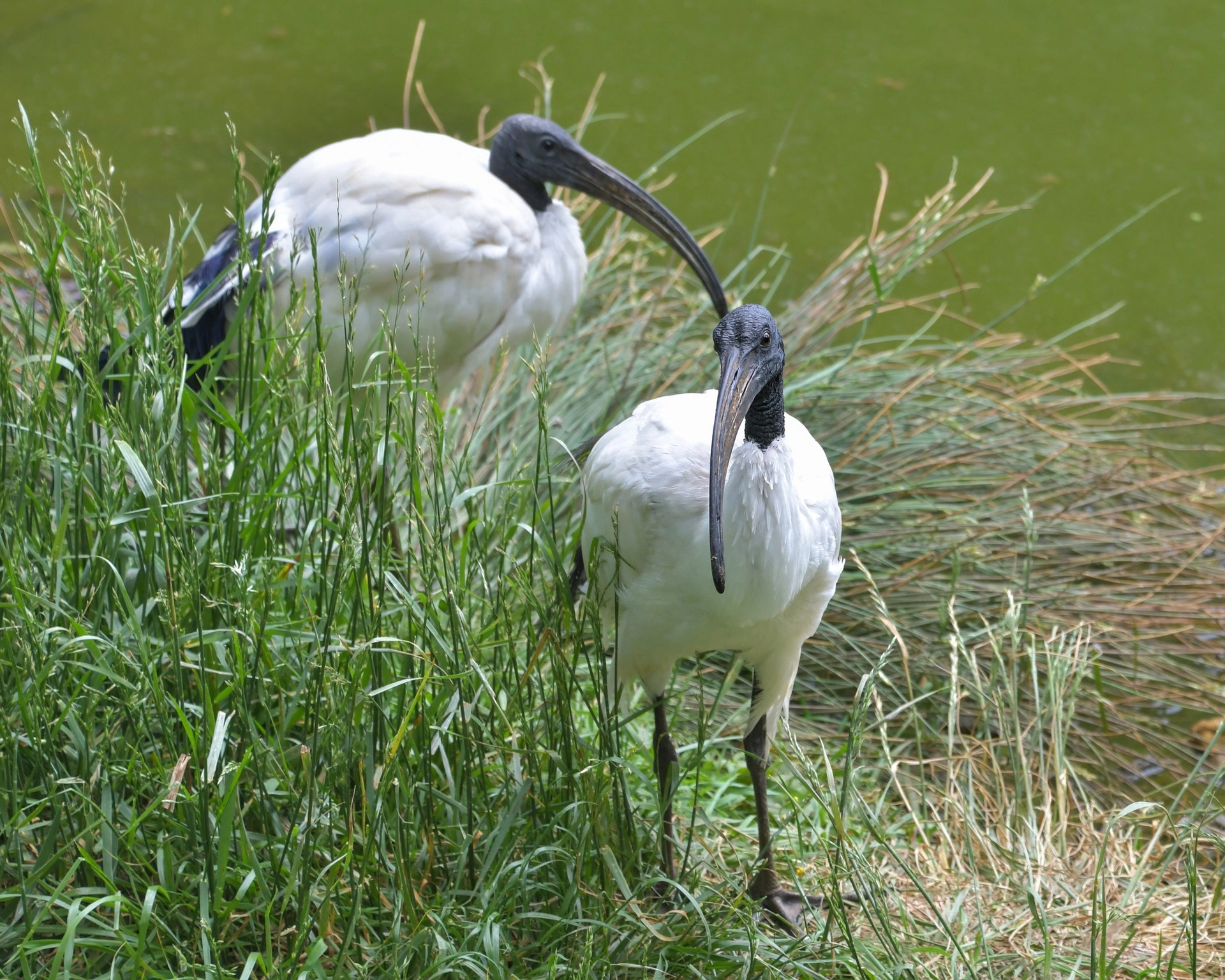
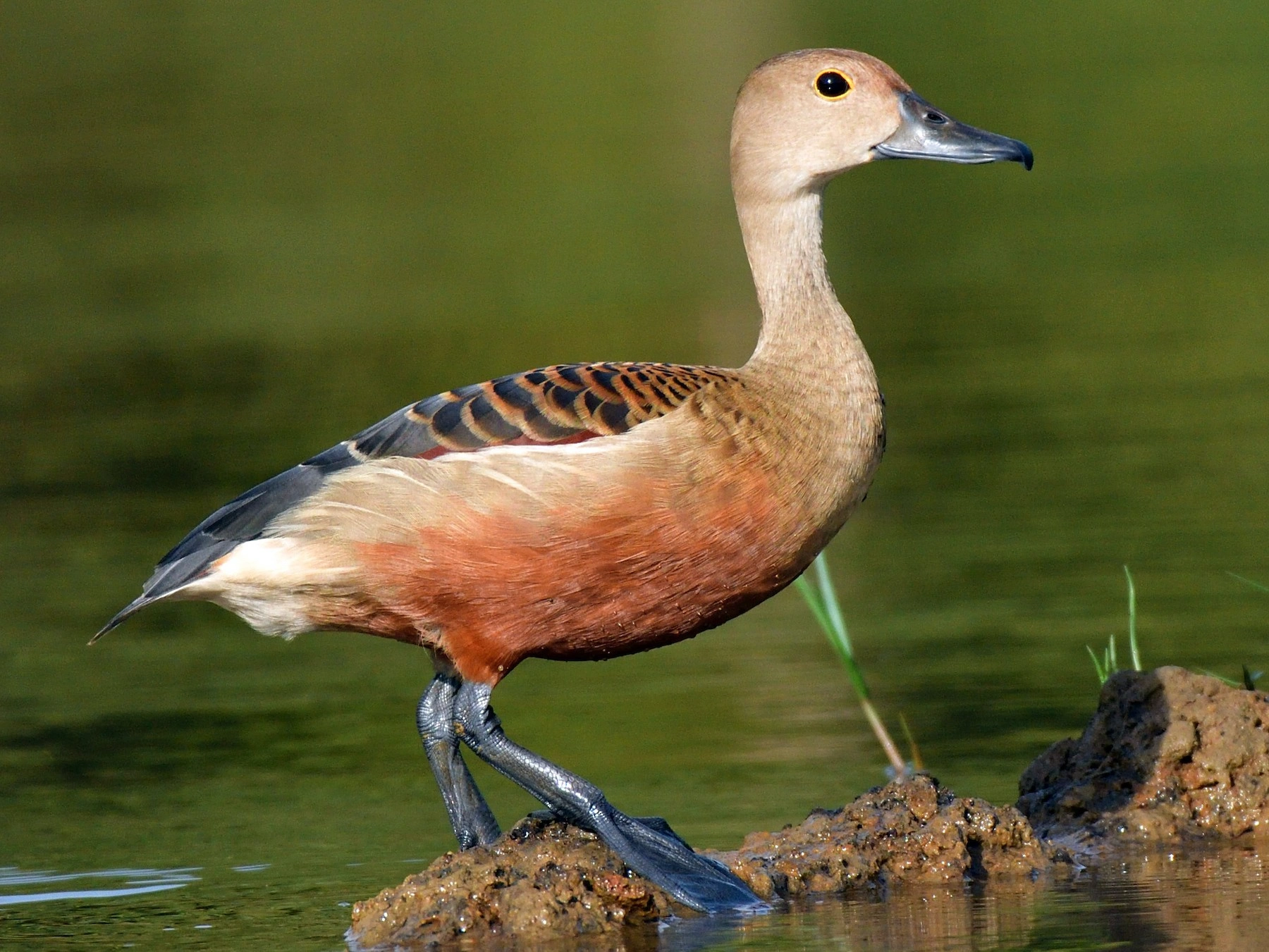
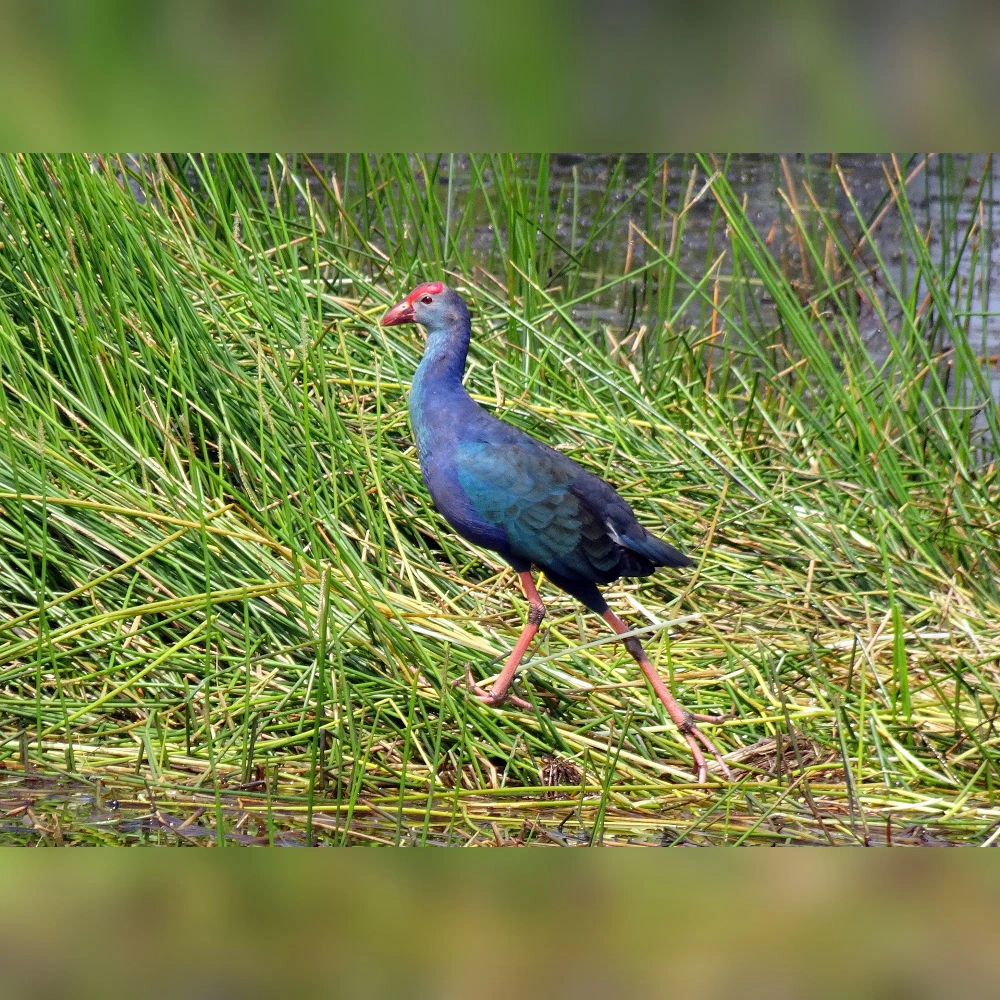
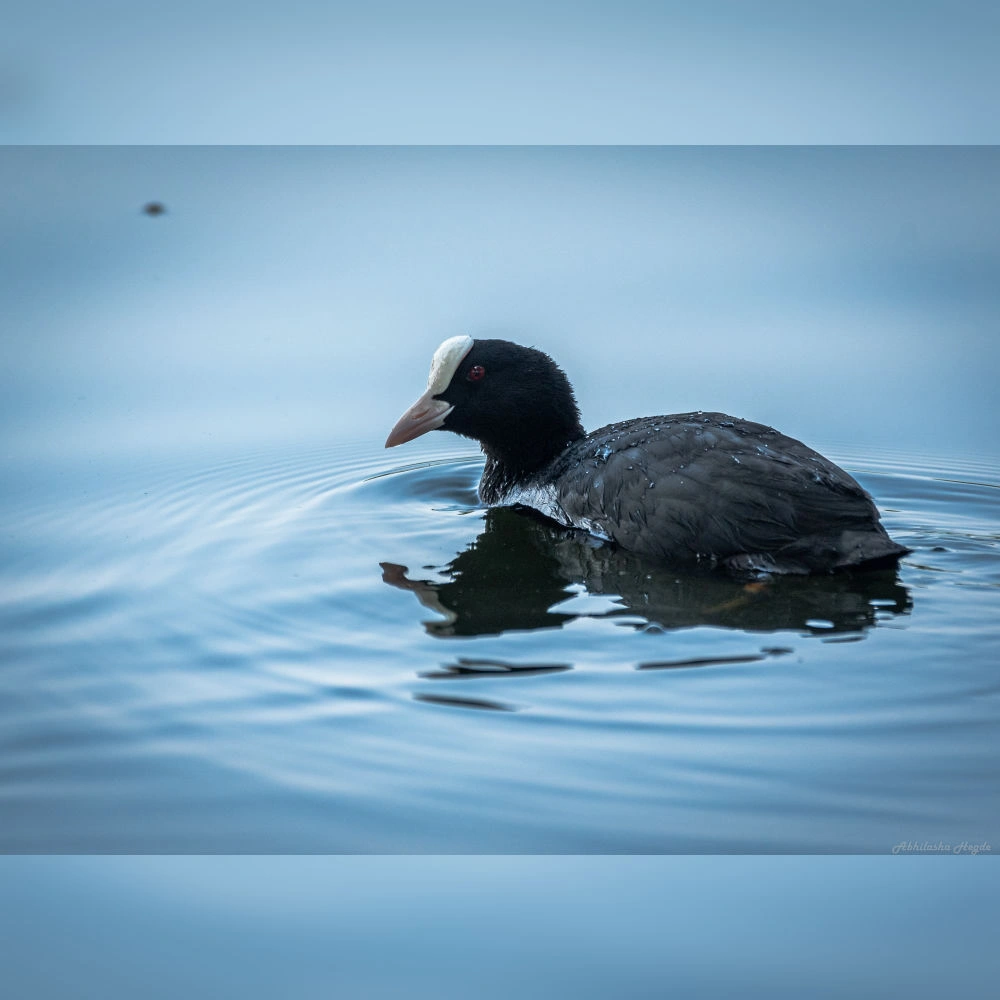
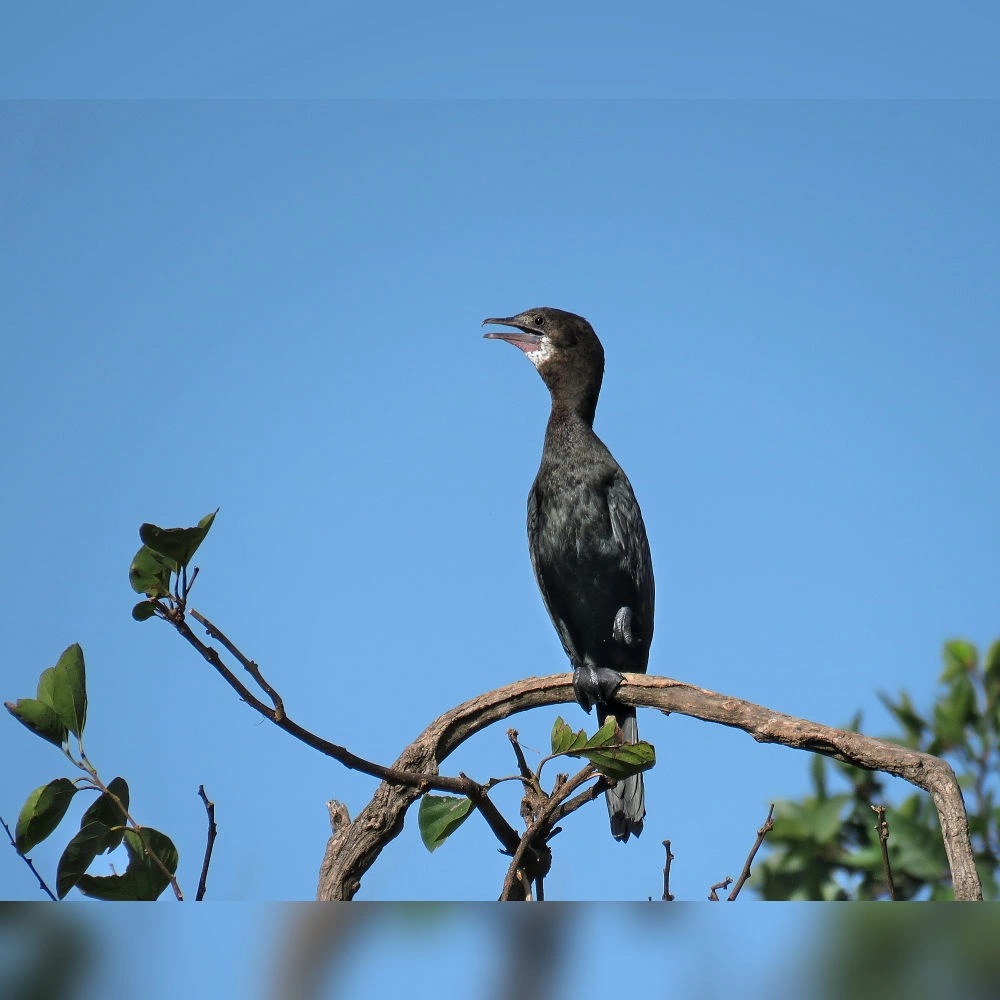
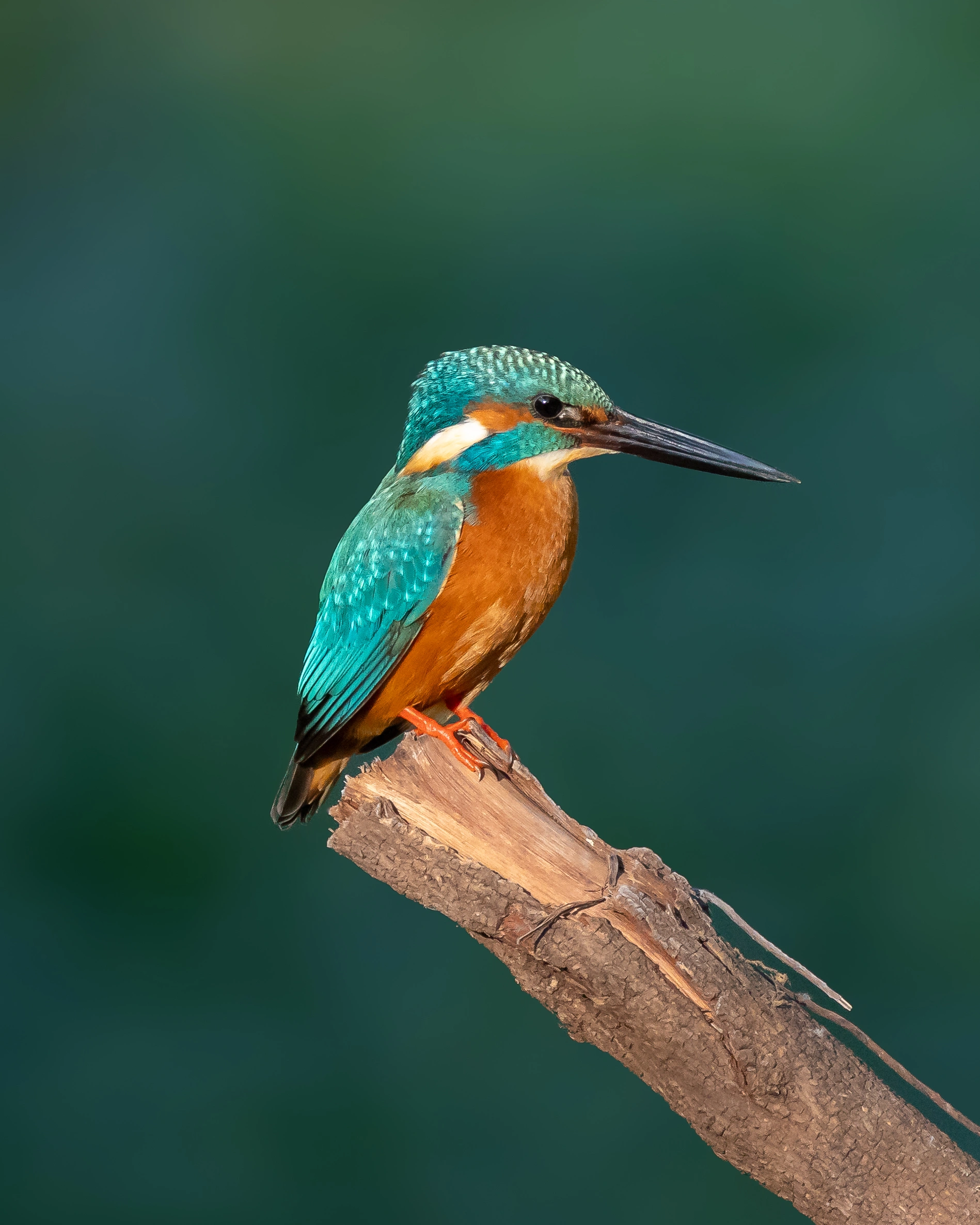
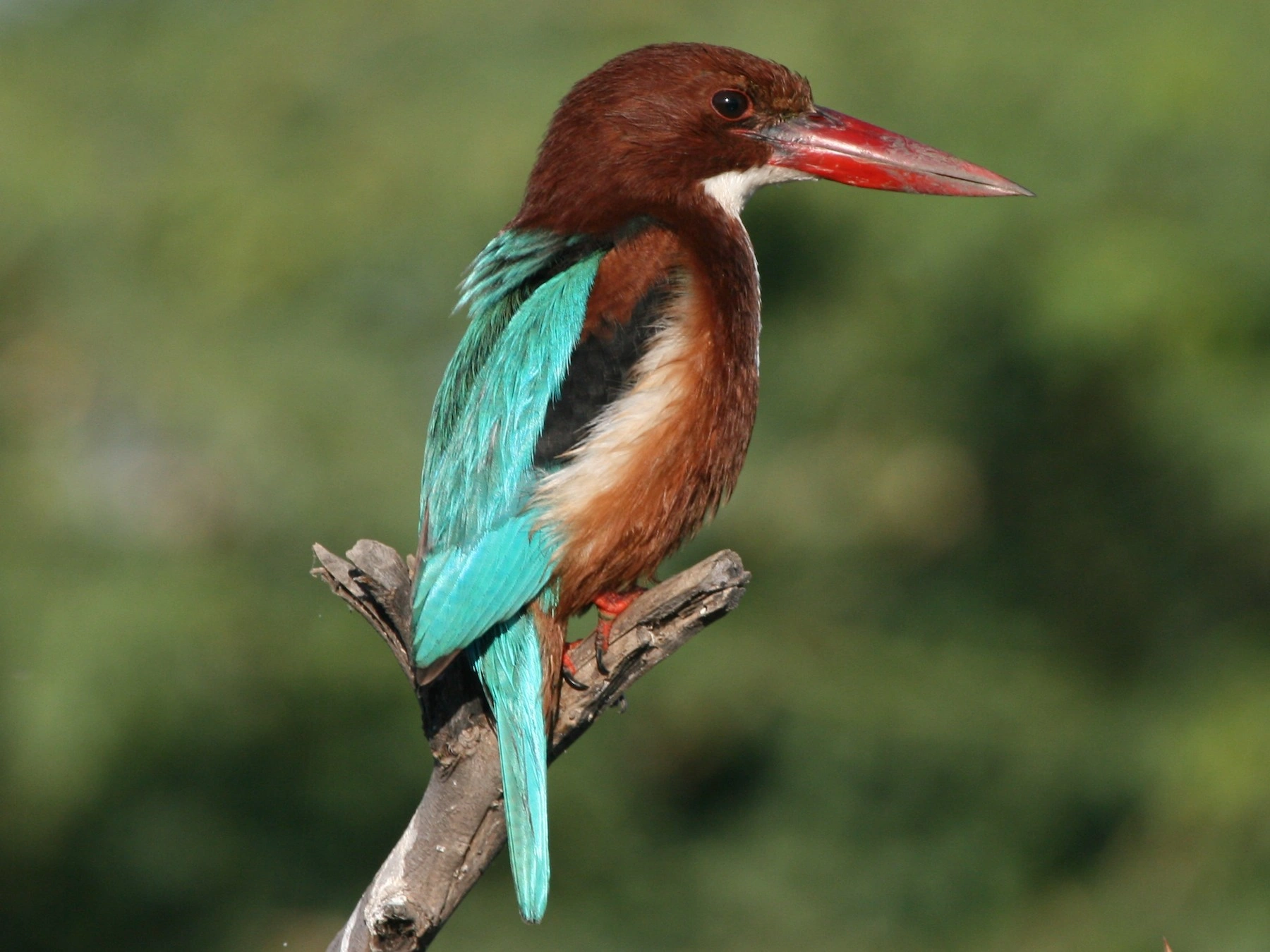
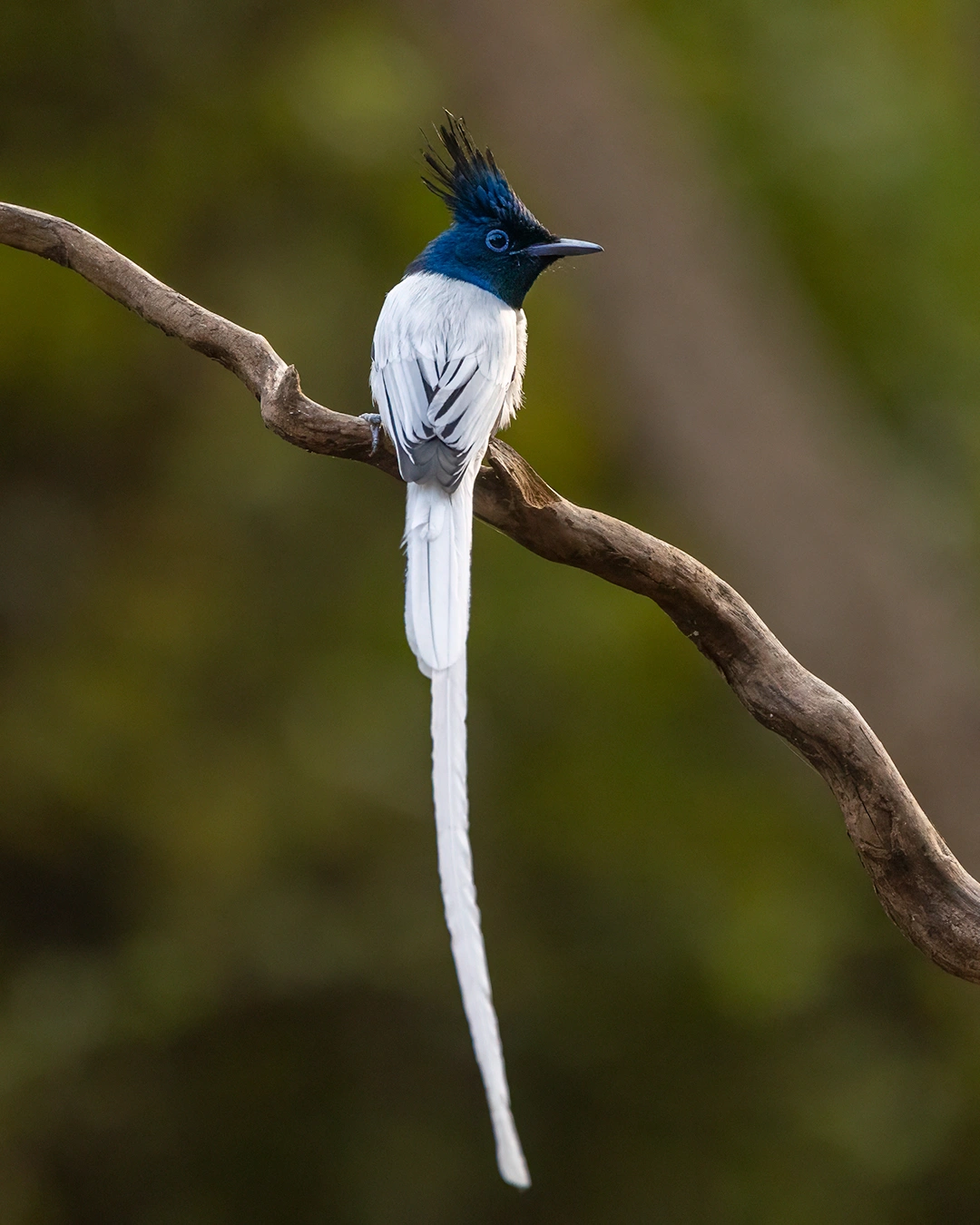
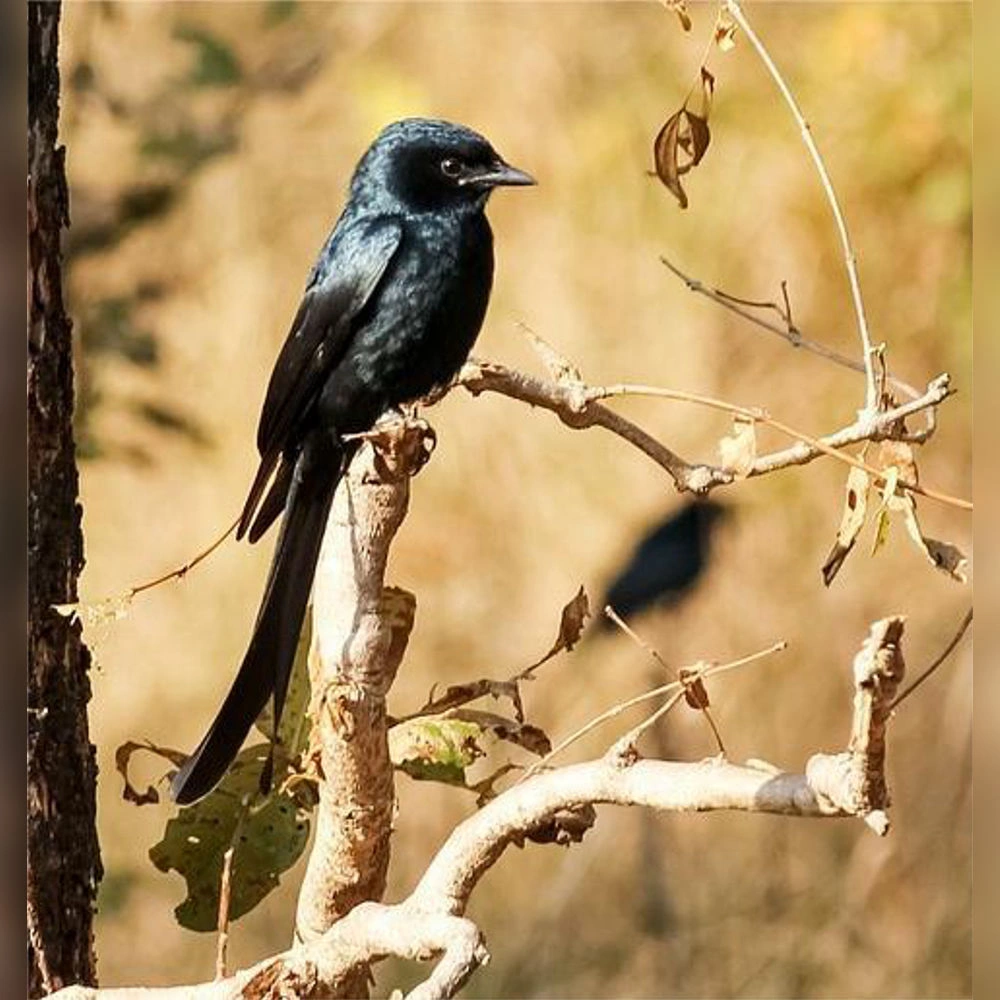
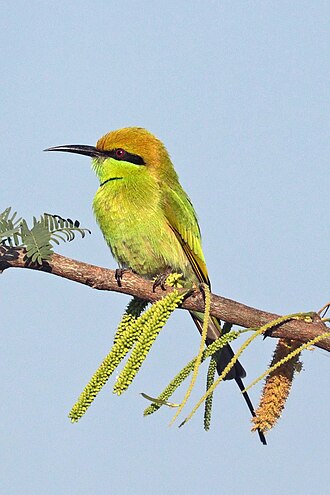
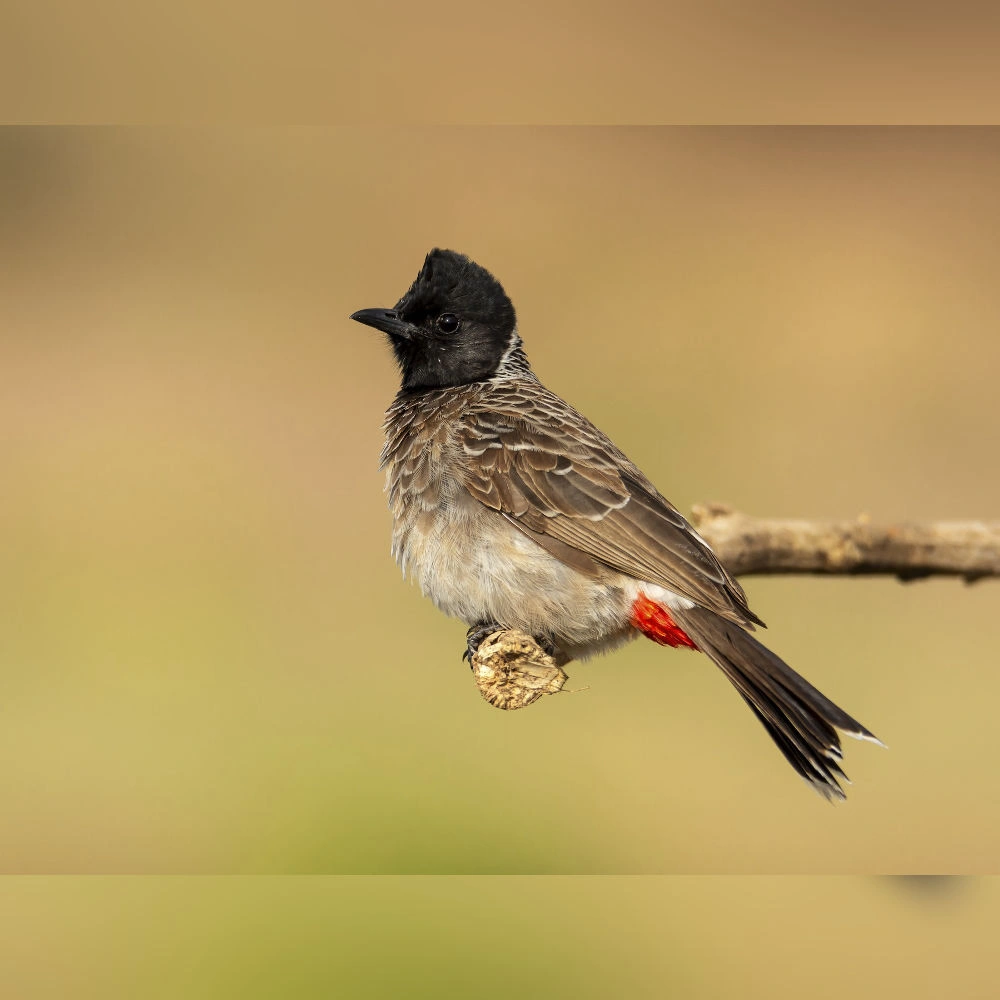
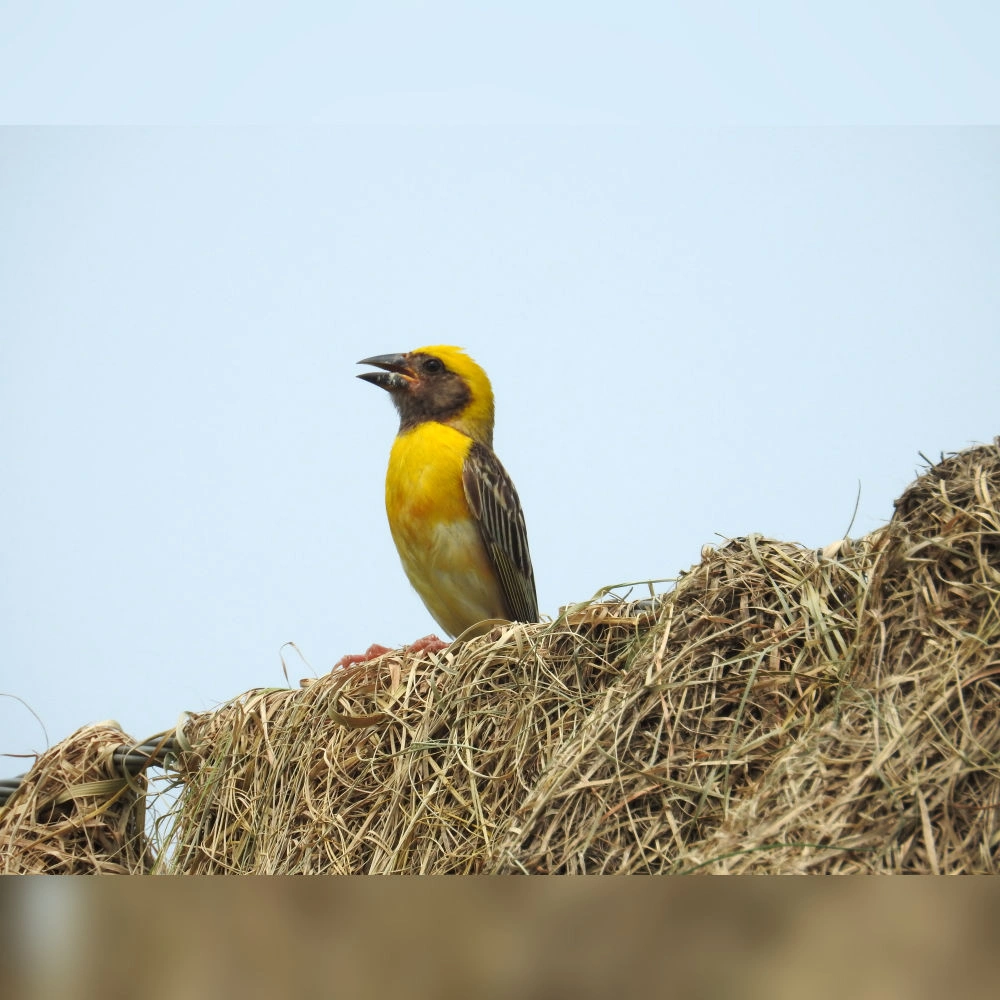
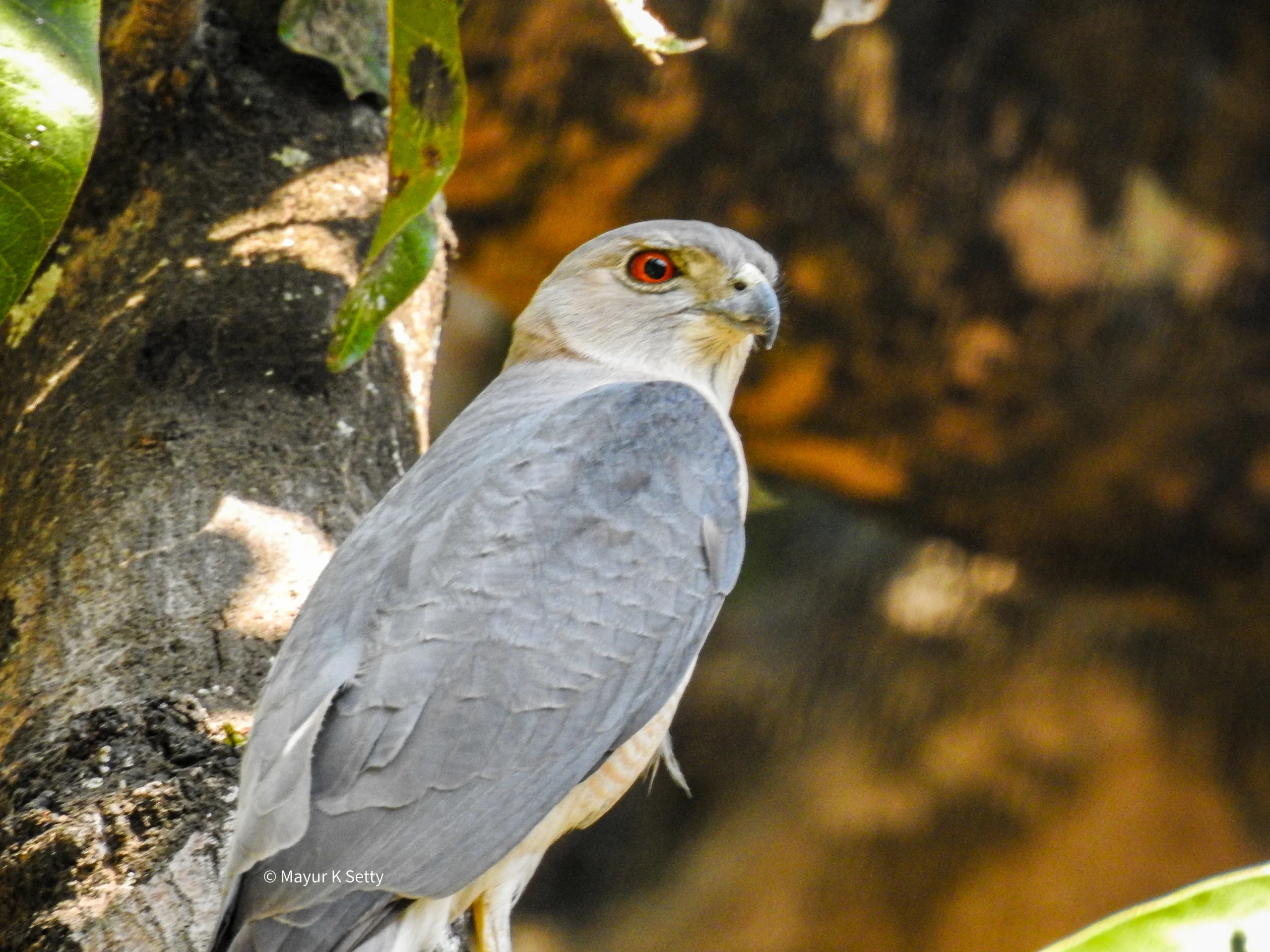
Gulawat’s most famous resident is the Sarus Crane, the tallest flying bird in the world. Pairs stay together for life and perform loud, trumpeting duets and graceful dances in the fields. On the lotus leaves, the elegant Pheasant-tailed Jacana steps lightly on long toes, trailing a sweeping tail in the breeding season. Overhead, the powerful Bonelli’s Eagle soars on broad wings, while the River Tern, a globally threatened species with a bright yellow bill, dives into the open water for fish. Asian Openbills crack snails with their oddly gapped bills, and Black-headed Ibises probe the mud with long, curved bills. Flocks of Lesser Whistling-Ducks whistle softly as they fly in. Gray-headed Swamphens and Eurasian Coots move between the lotus beds, and Little Cormorants dive for fish. The tiny Common Kingfisher flashes turquoise along the bank, and the White-throated Kingfisher calls loudly from its perch. In the trees, the Indian Paradise-Flycatcher trails its long, ribbon-like tail, and Asian Green Bee-eaters sweep out after insects. Baya Weavers hang their woven nests from the trees, and a Shikra keeps watch.