

Loading Events

Bird Walk at Nandi Hills, Bengaluru

About Nandi Hills

About 60 km north of Bengaluru, Nandi Hills rises steeply from the plains to roughly 1,480 metres. It’s an ancient granite hill fortress, crowned by Tipu Sultan’s summer retreat, old temples and the dramatic cliff of Tipu’s Drop. The hills are also the source of several rivers, including the Arkavathi, Dakshina Pinakini and Palar. Because of the height, the summit is cooler and often wrapped in mist. Its slopes mix dry scrub and rocky outcrops with planted groves and shaded patches of older, moister forest on top. Langurs, bonnet macaques, mongooses and many butterflies live here, and on clear mornings the hill looks down on a sea of cloud.
For birders, Nandi Hills is one of the best places in Karnataka to watch autumn migration. From September to November, the hilltop works like a beacon for birds moving south along the Eastern Ghats. Thrushes, flycatchers, warblers and wagtails stop off in the summit groves, and Alpine Swifts race past the cliffs. All year, barbets, babblers, bulbuls and sunbirds fill the woods. Its popularity is also its biggest threat. Huge weekend crowds, traffic and noise disturb the birds, and plastic and food waste pile up. Plans for ropeways, resorts and other tourism infrastructure, along with clearing of undergrowth, put pressure on the few native groves that migrants depend on. Protecting the summit’s shaded patches and managing visitors carefully are vital to keeping Nandi Hills a migration hotspot.

Bird Guide: Gurprasad K R

He is a passionate nature lover, birding photographer, and conservation advocate, with over a decade of experience observing and documenting birds. Deeply connected to nature and community, he finds joy and inspiration in birds, insects, and butterflies, and is driven to share this wonder to inspire others to connect with the natural world.

Bird walk Location

Common birds of Nandi Hills

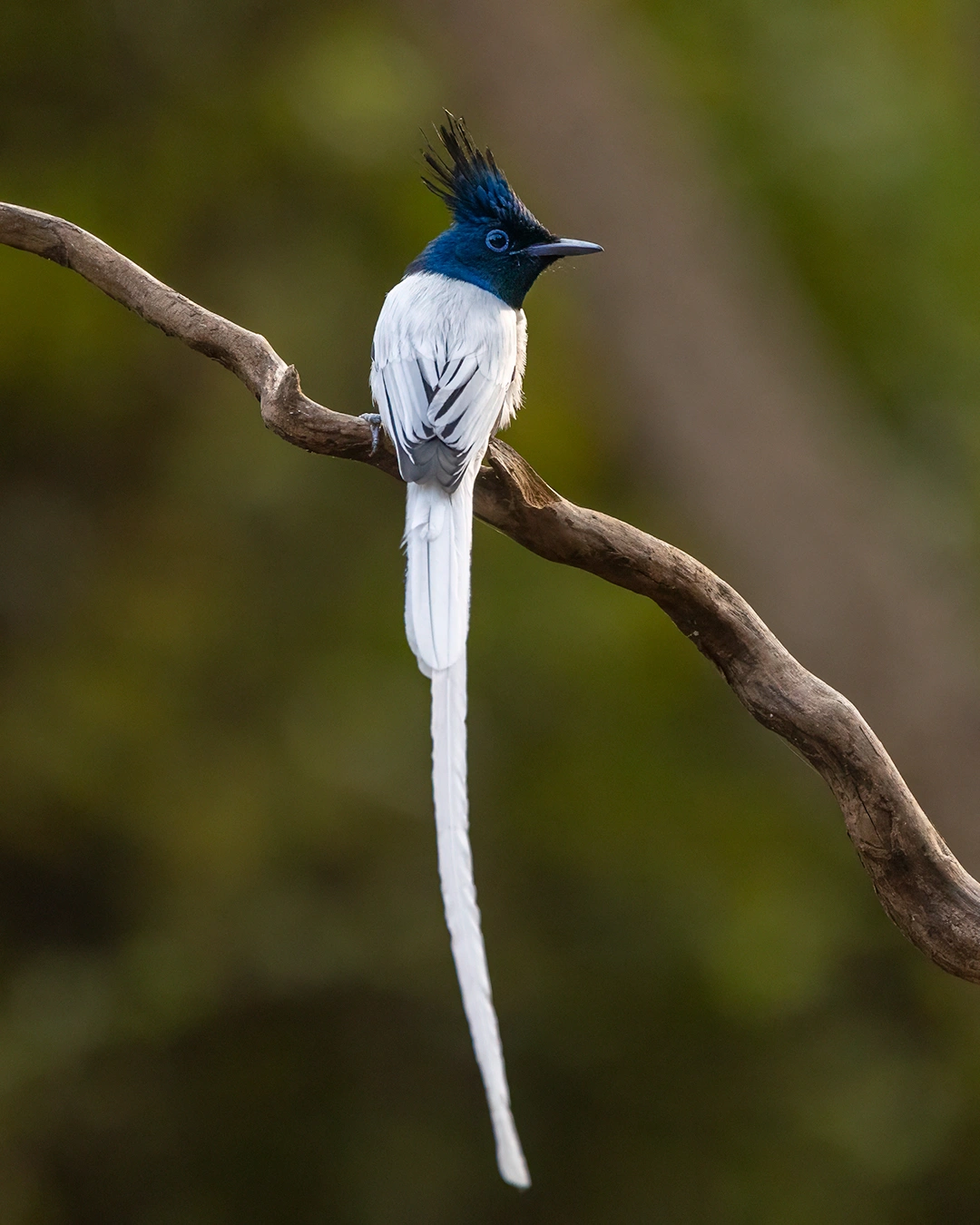
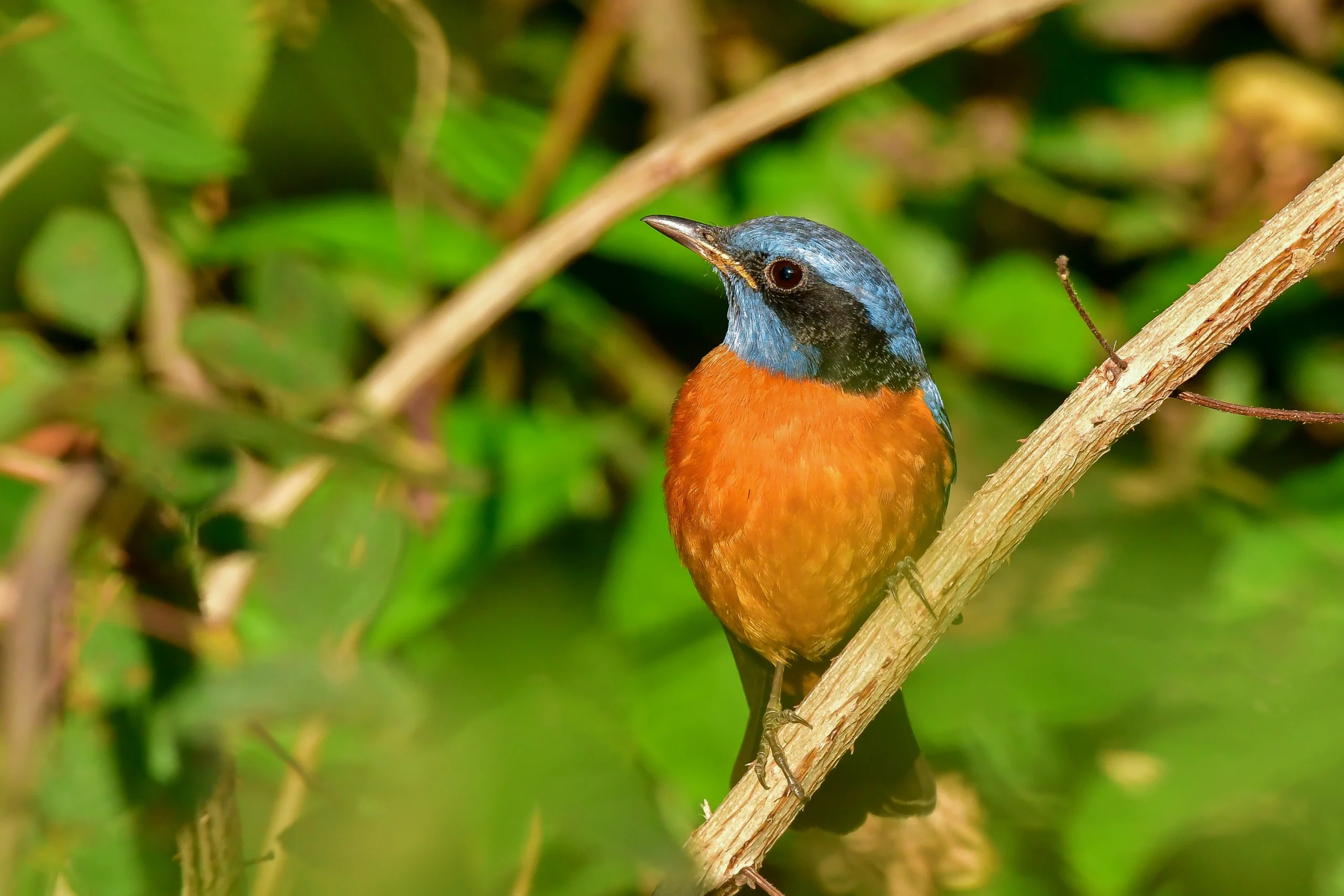
In autumn, Nandi Hills becomes a rest stop for travellers. The Blue-capped Rock-Thrush, a jewel of blue, chestnut and white, arrives from the Himalayas and sits quietly in the shady groves. The Brown-breasted Flycatcher, a migrant from the Western Ghats and Sri Lanka, flicks out after insects from low branches. The Indian Paradise-Flycatcher floats through the trees with its long, ribbon-like tail. Alpine Swifts, large and powerful, race along the cliffs at amazing speed. Greenish Warblers stop off on their long journey from the north and call softly from the canopy. The Gray Wagtail, another migrant, bobs along damp paths, while the resident White-browed Wagtail sings from the rocks. The White-cheeked Barbet keeps up its steady call, and the Coppersmith Barbet taps out its “tuk-tuk”. Tiny Pale-billed Flowerpeckers, Purple-rumped Sunbirds and Purple Sunbirds dart between flowers and mistletoe. The secretive Tawny-bellied and Puff-throated Babblers creep through the undergrowth, and flocks of Indian White-eyes move through the leaves. Red-whiskered and Red-vented Bulbuls, the sweet-singing Oriental Magpie-Robin, Rufous Treepies, Common Tailorbirds, Ashy Prinias and the booming Greater Coucal complete this rich hilltop community.
Blue-capped Rock-Thrush
Indian Paradise-Flycatcher
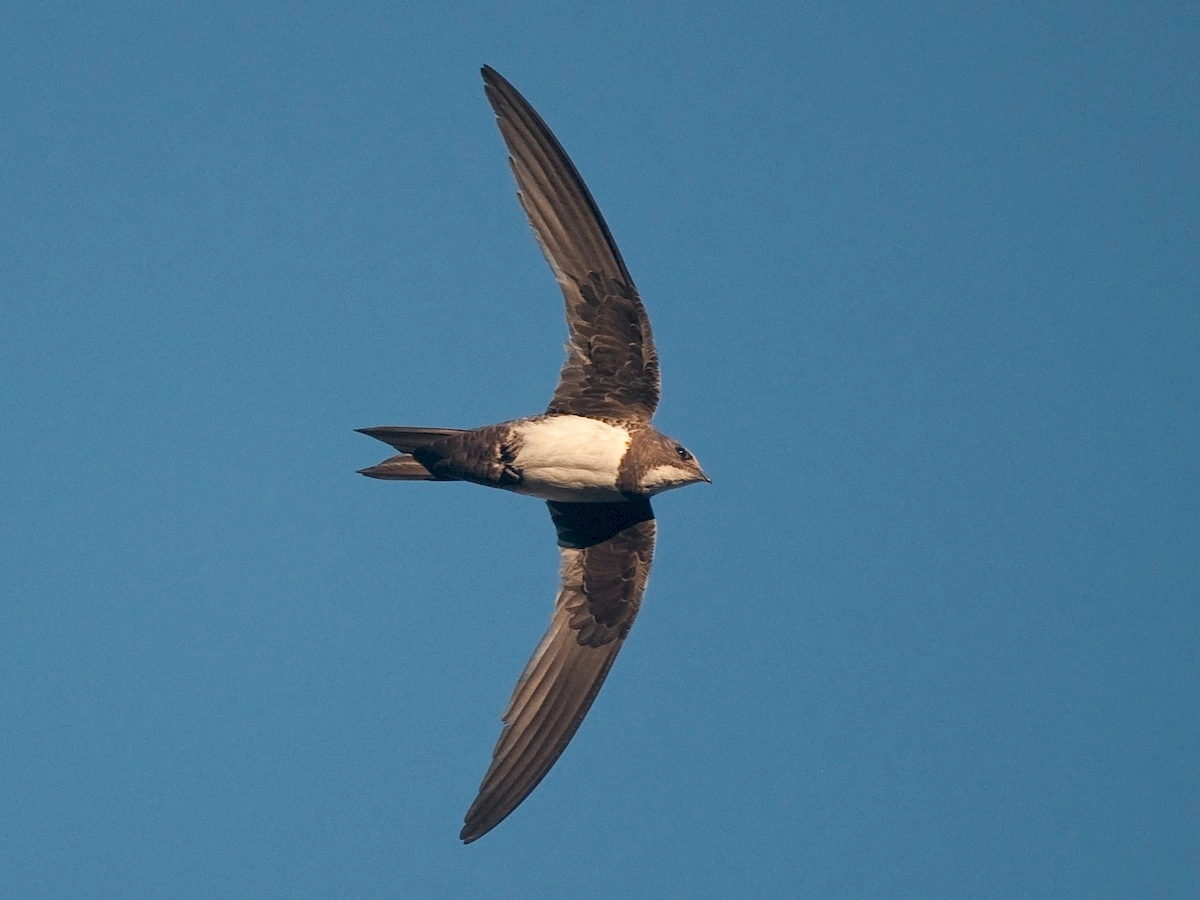
Alpine Swift
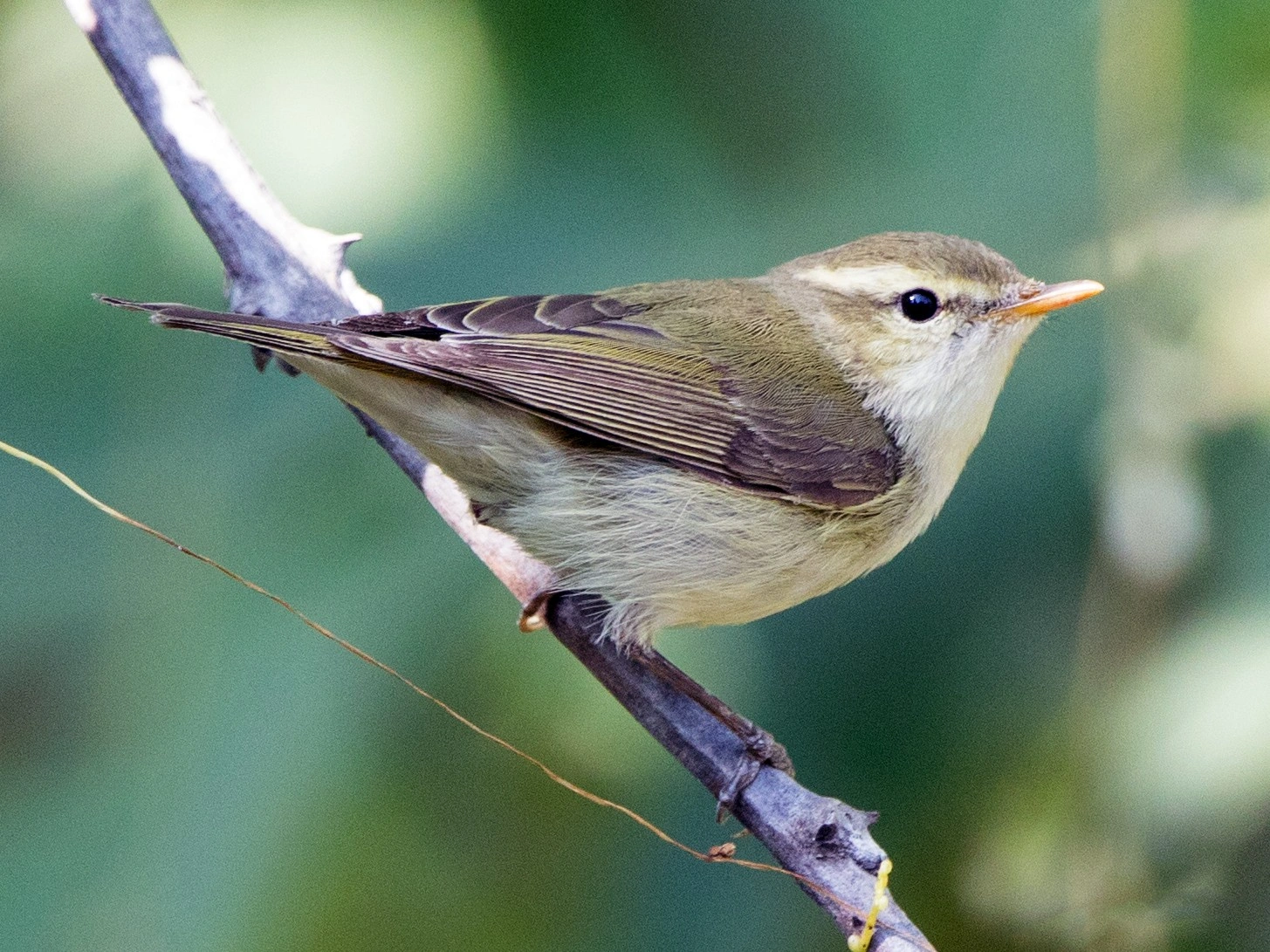
Greenish Warbler
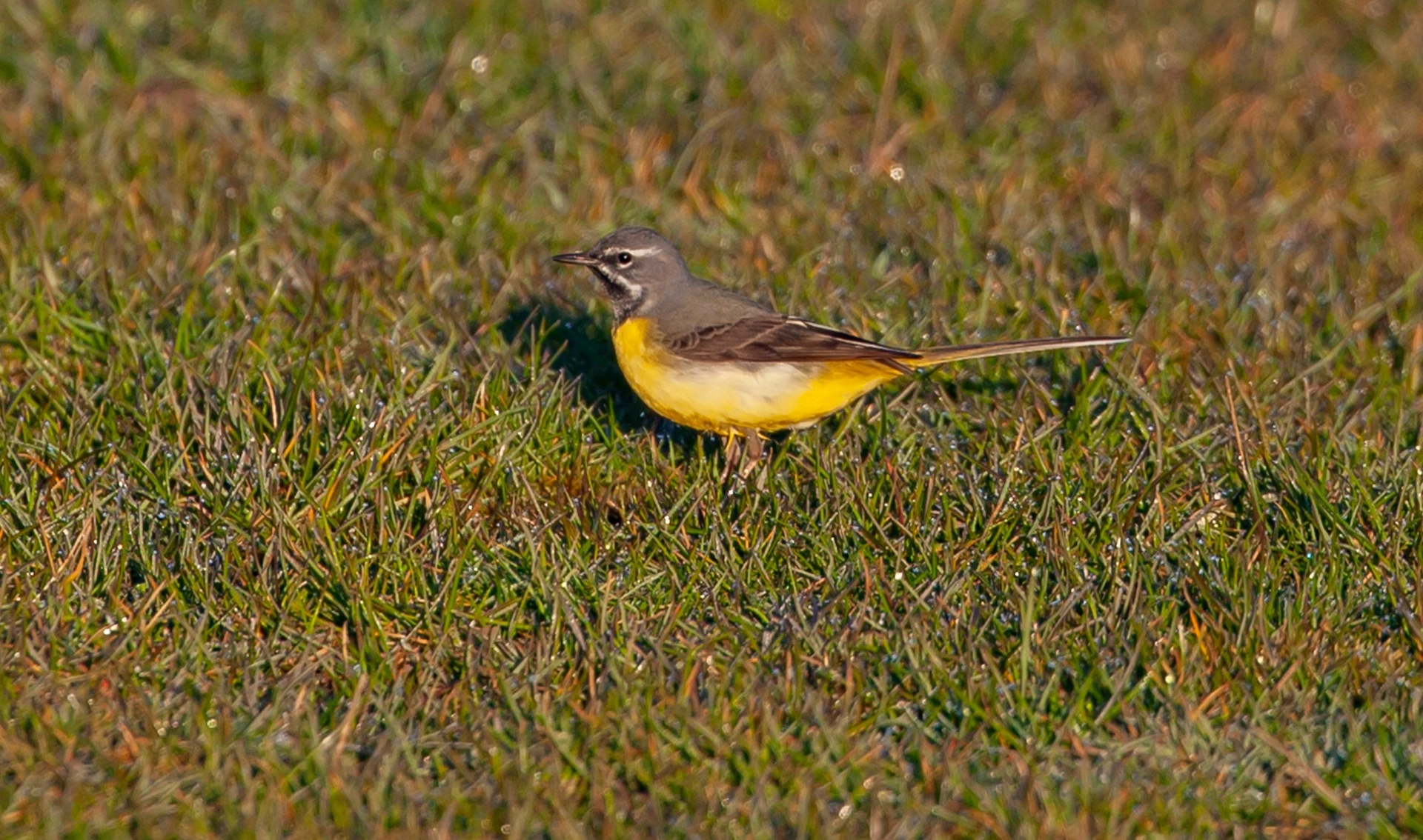
Grey Wagtail
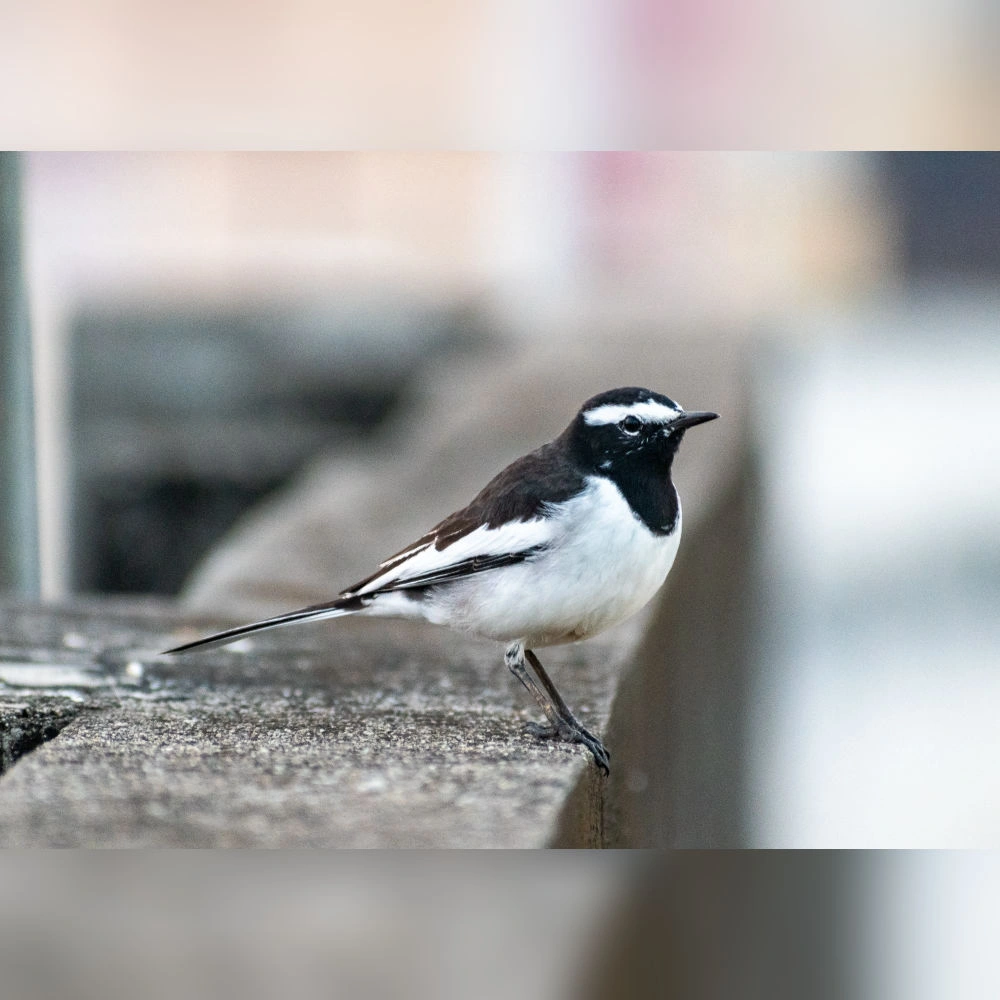
White-browed Wagtail
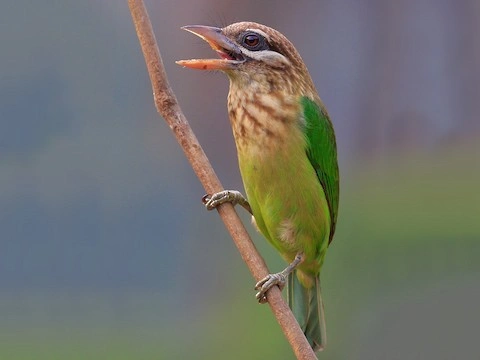
White-cheeked Barbet
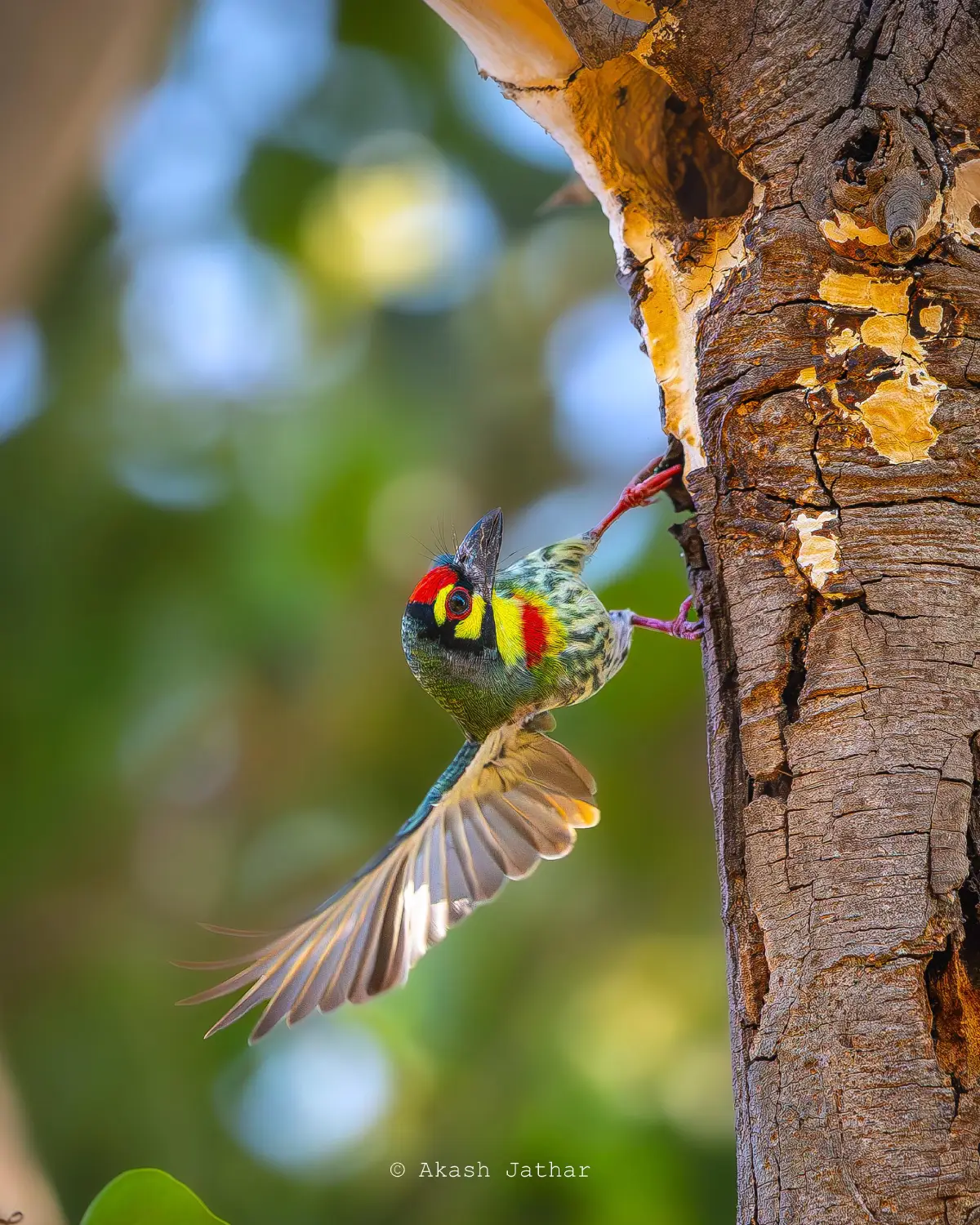
Coppersmith Barbet
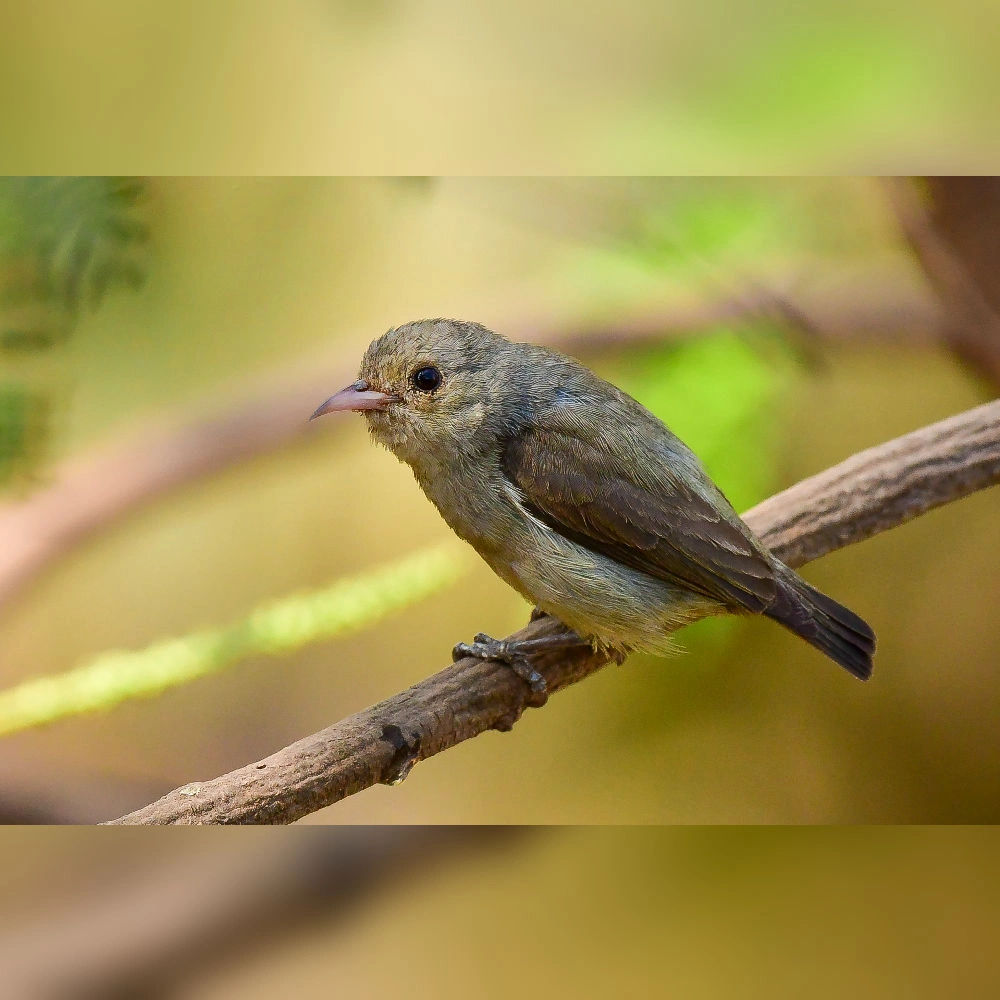
Pale-billed Flowerpecker
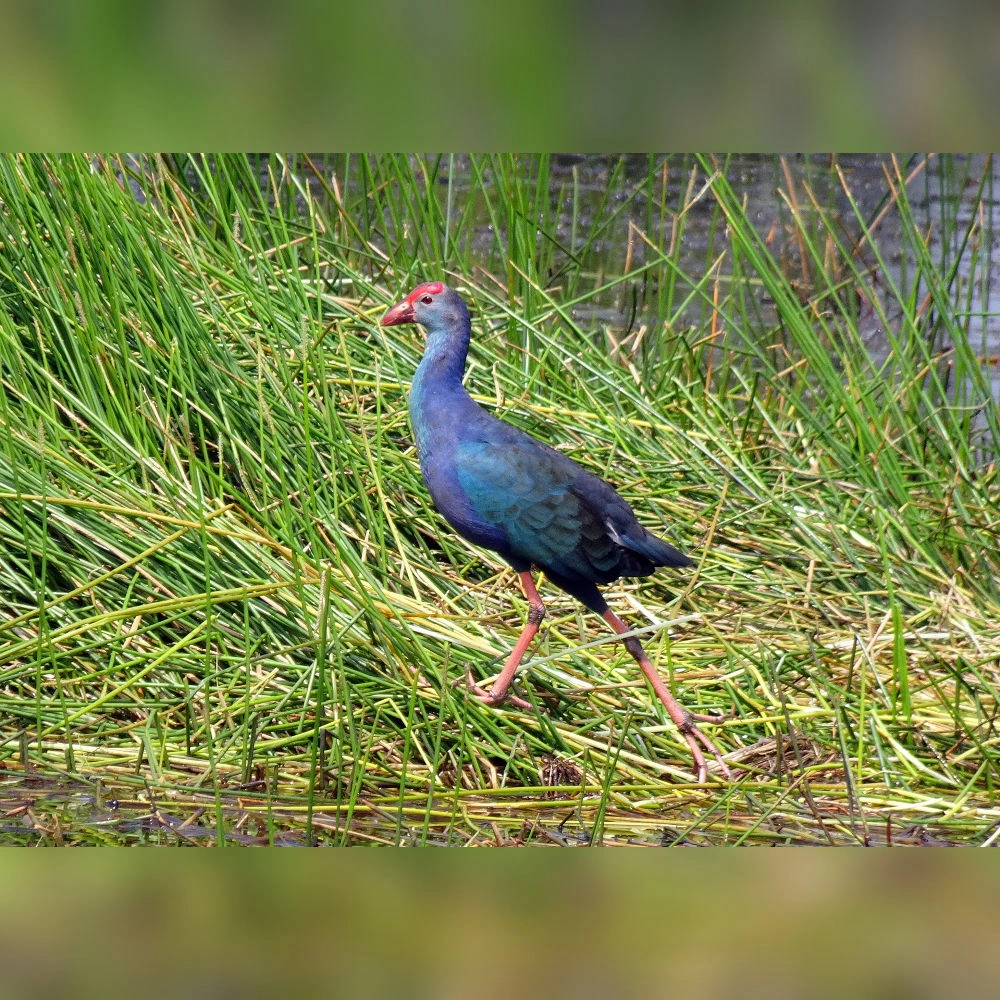
Purple-rumped Sunbird
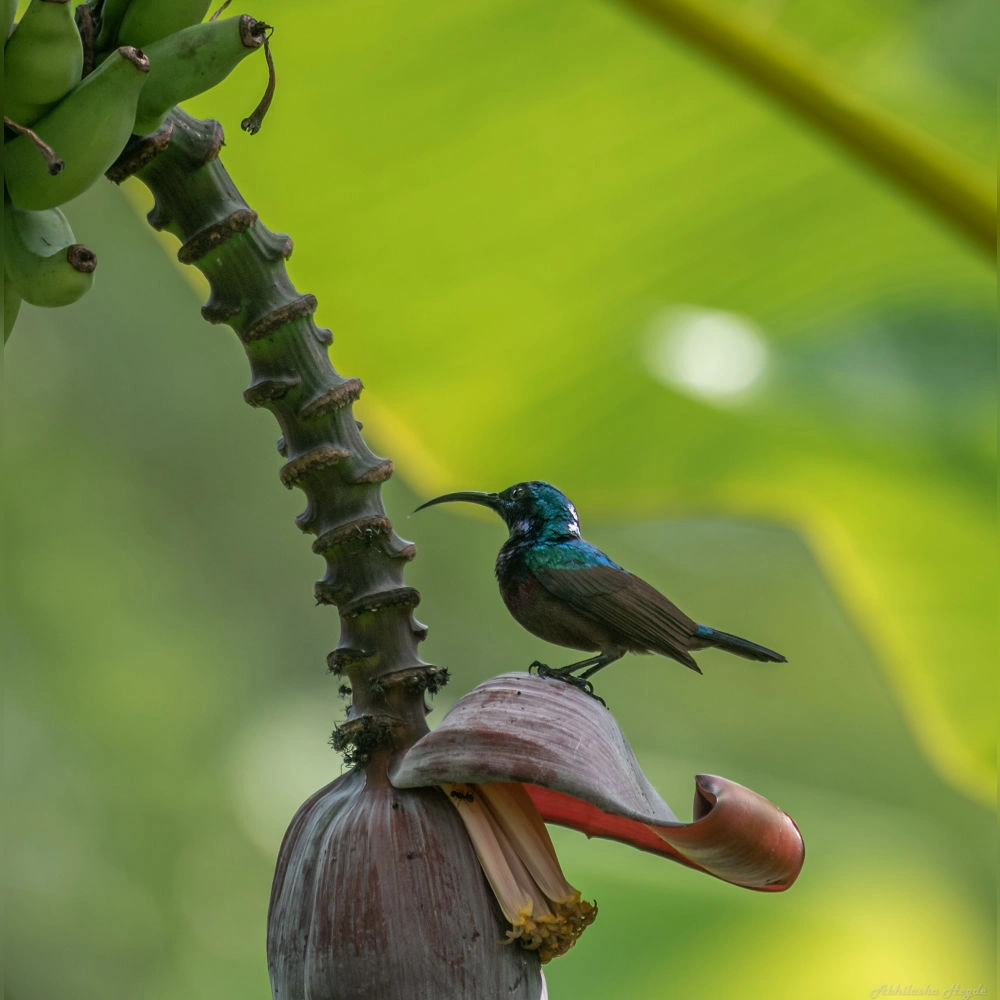
Purple Sunbird
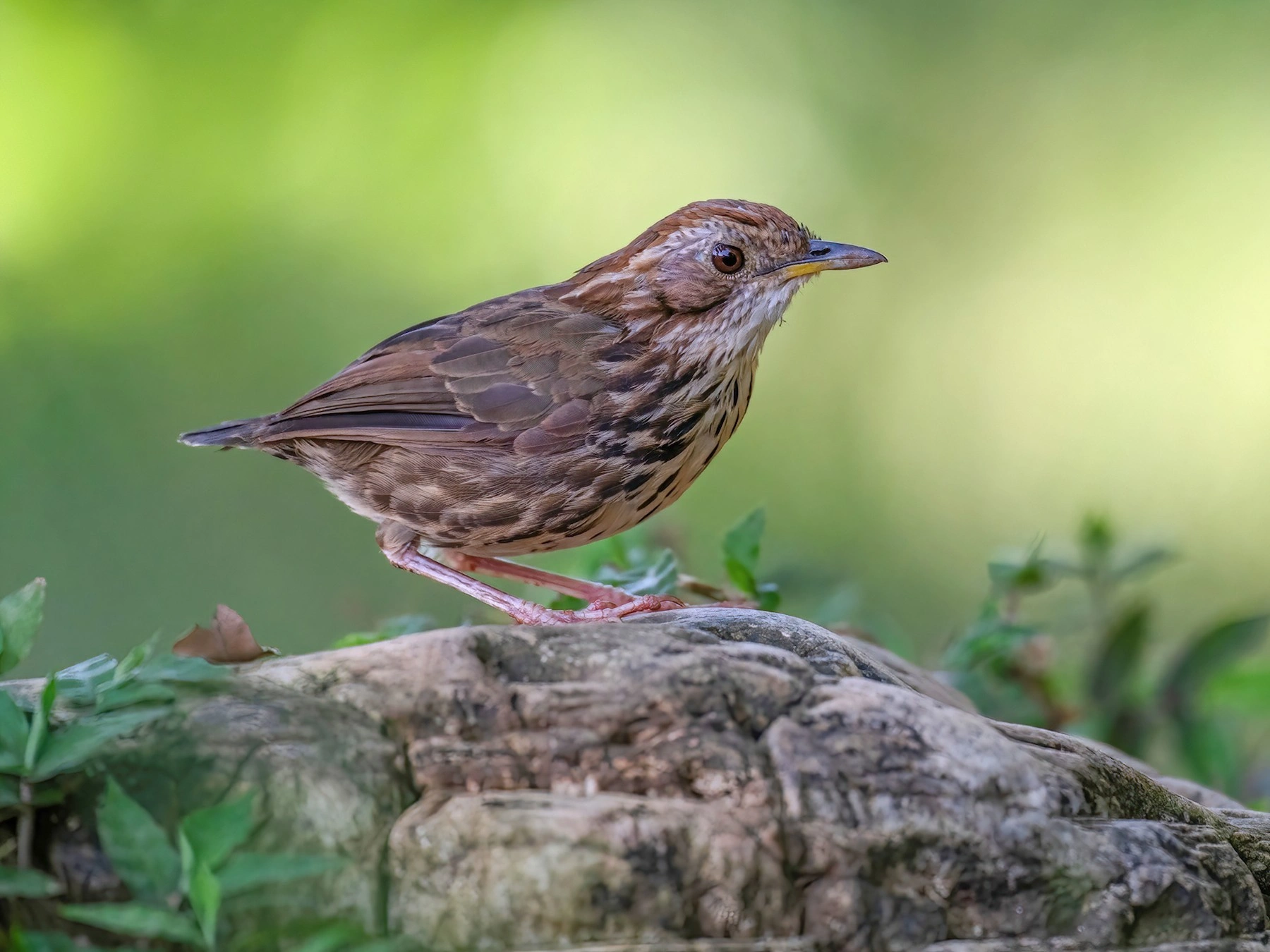
Puff-throated Babbler
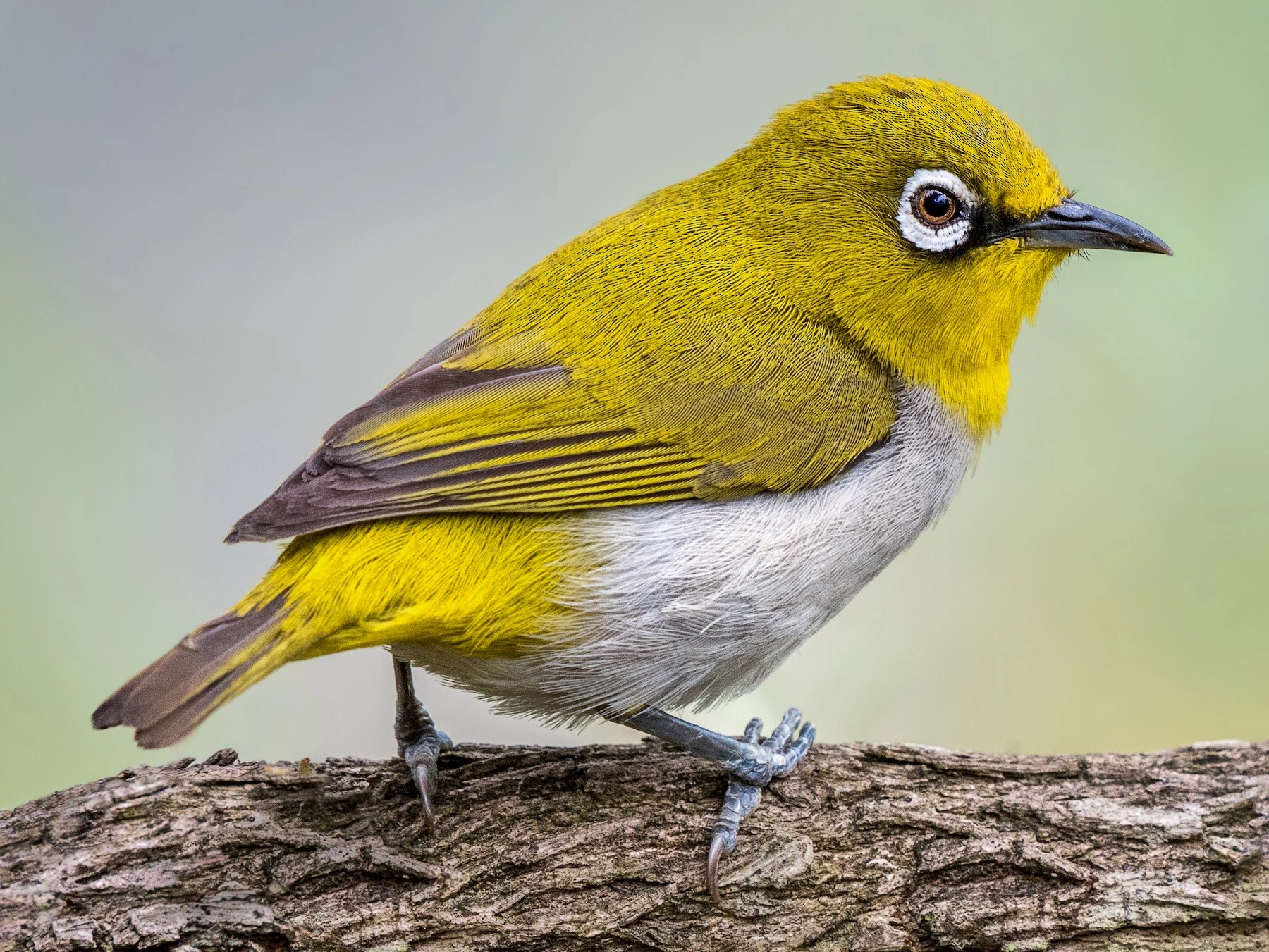
Indian White-eye
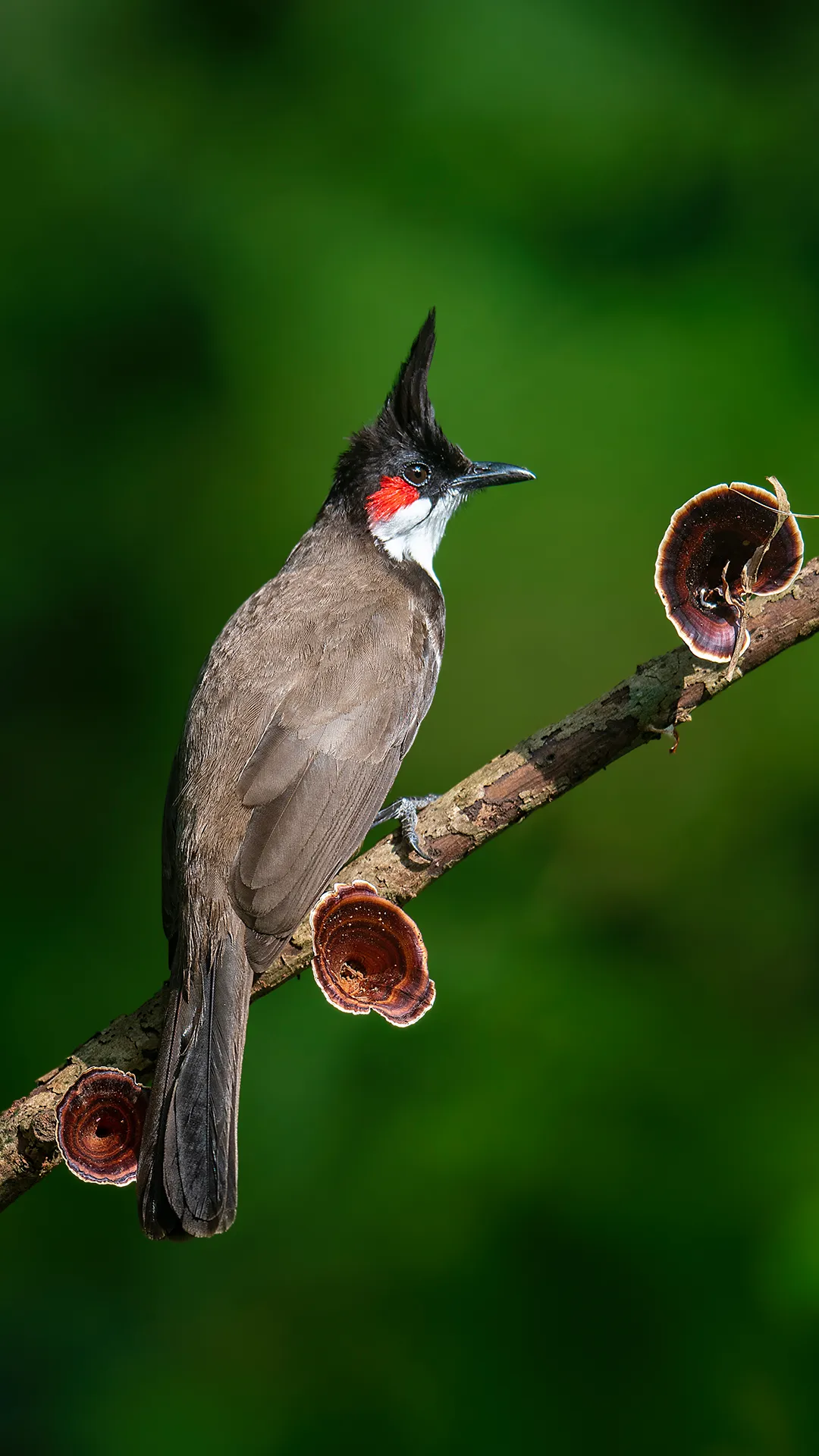
Red-whiskered Bulbul
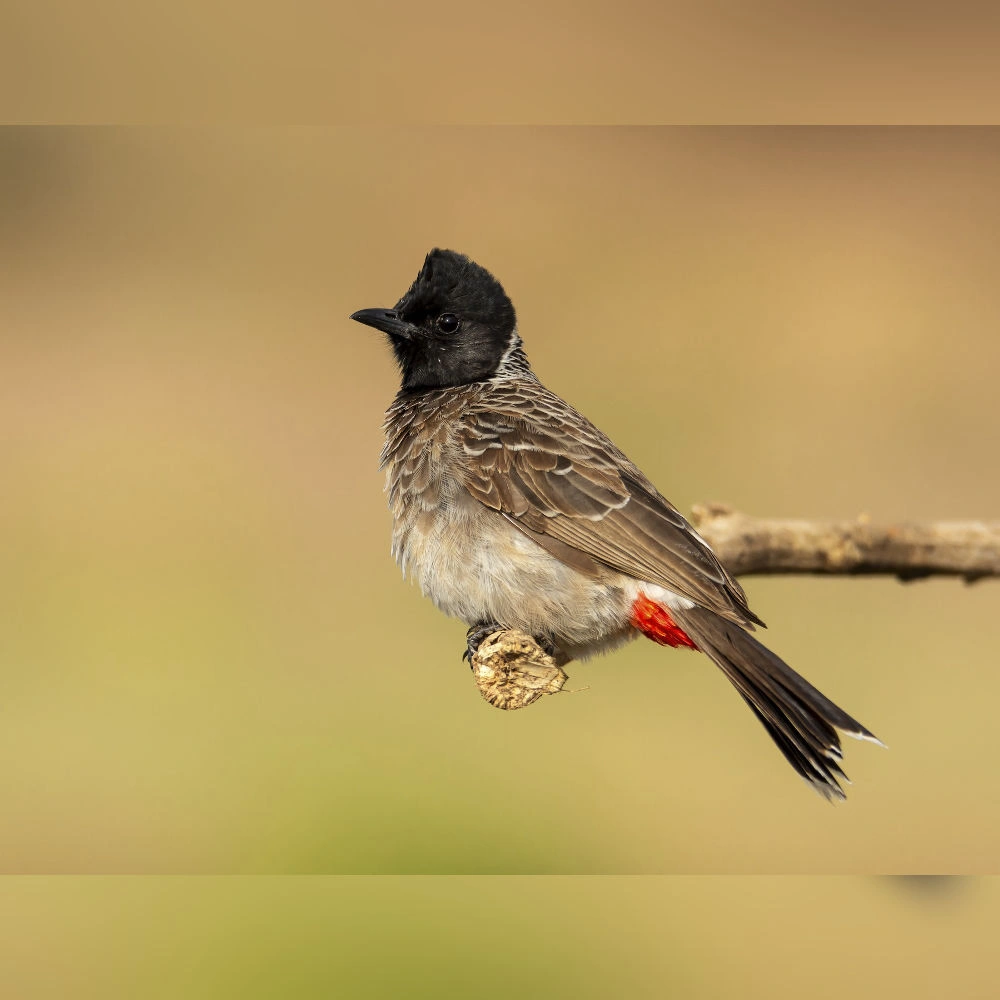
Red-vented Bulbul
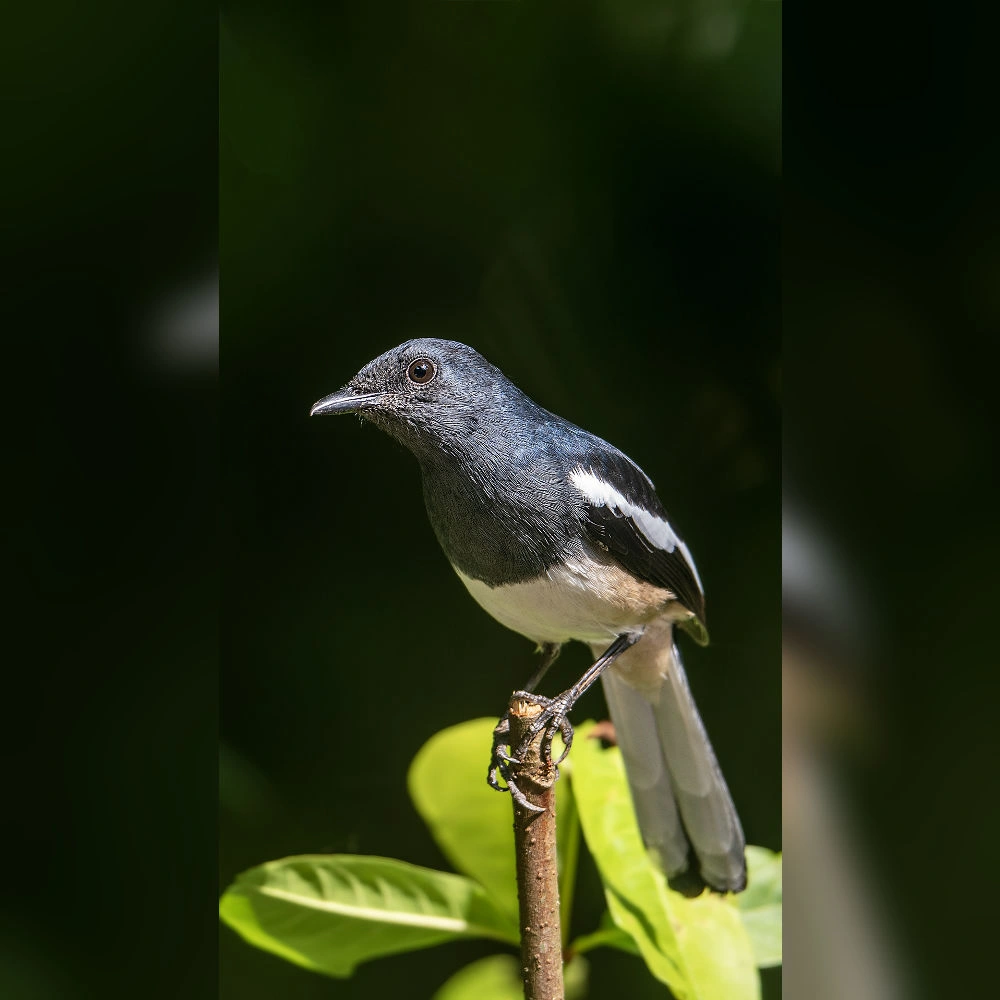
Oriental Magpie-Robin
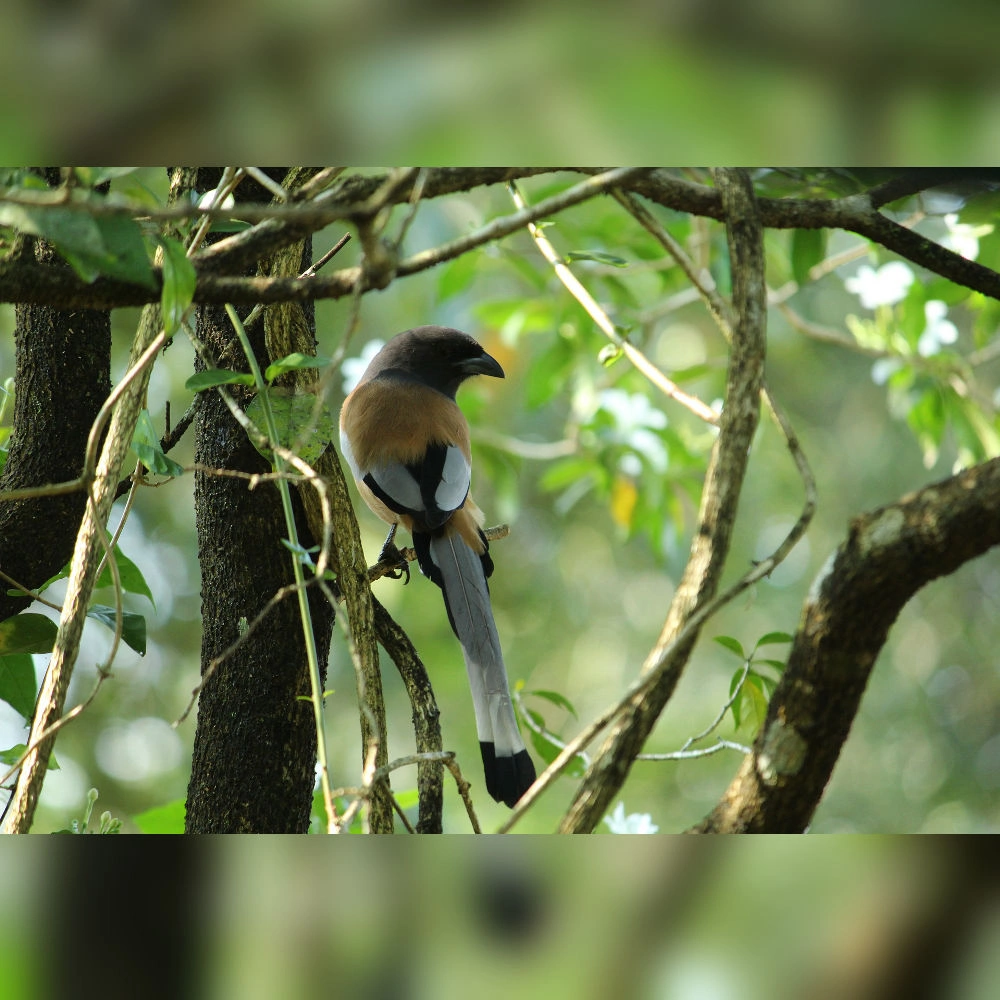
Rufous Treepie
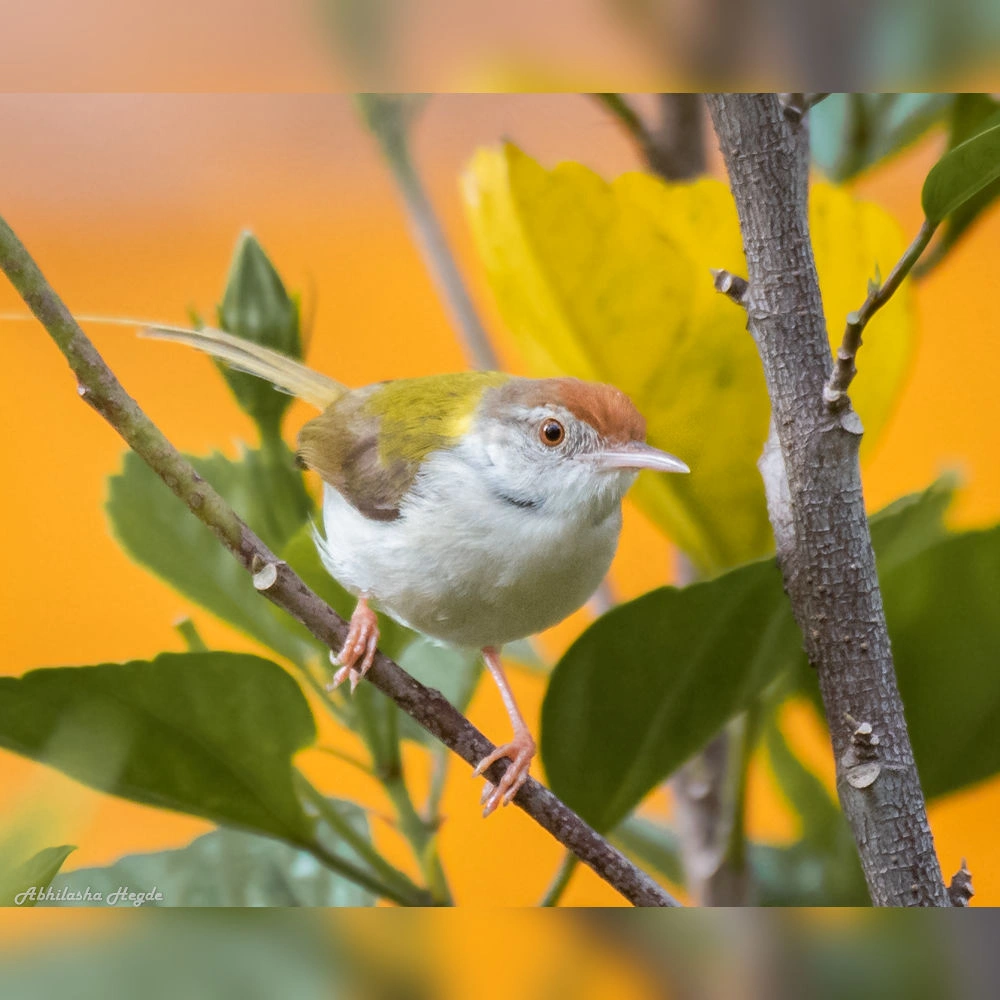
Common Tailorbird
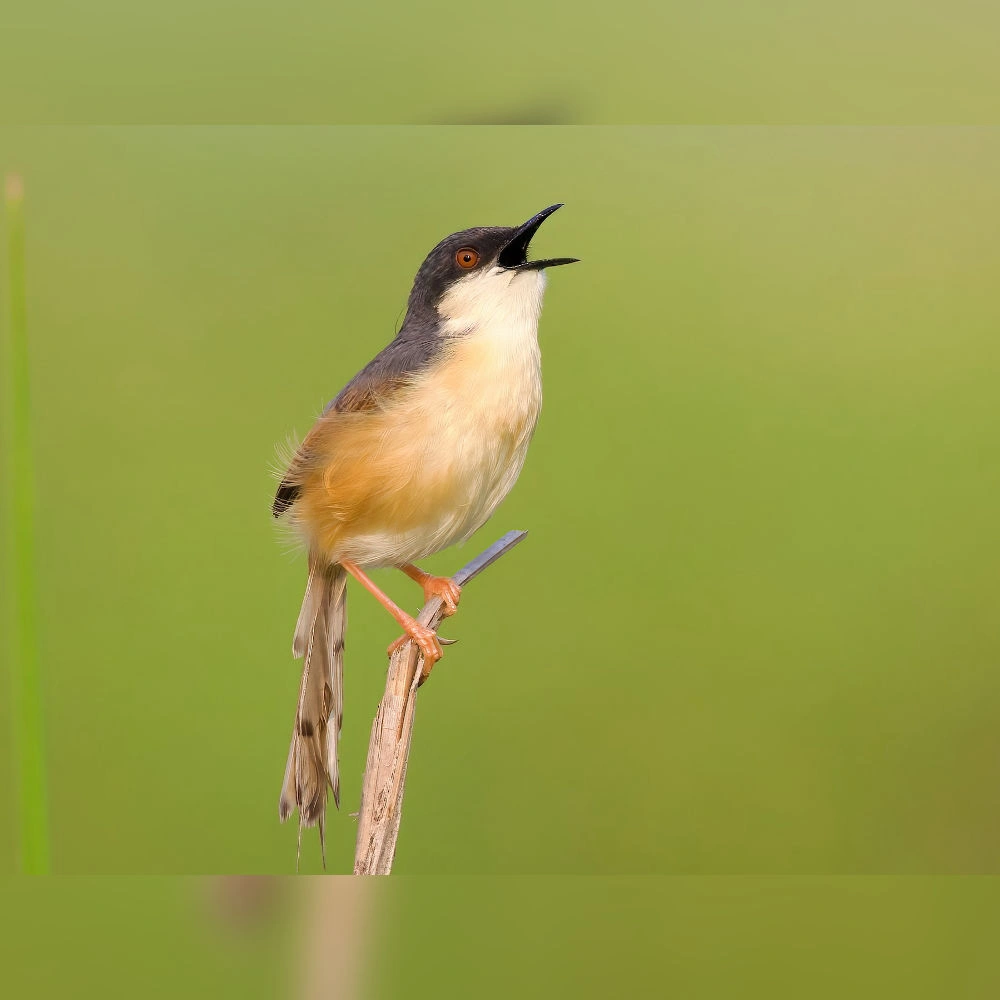
Ashy Prinia
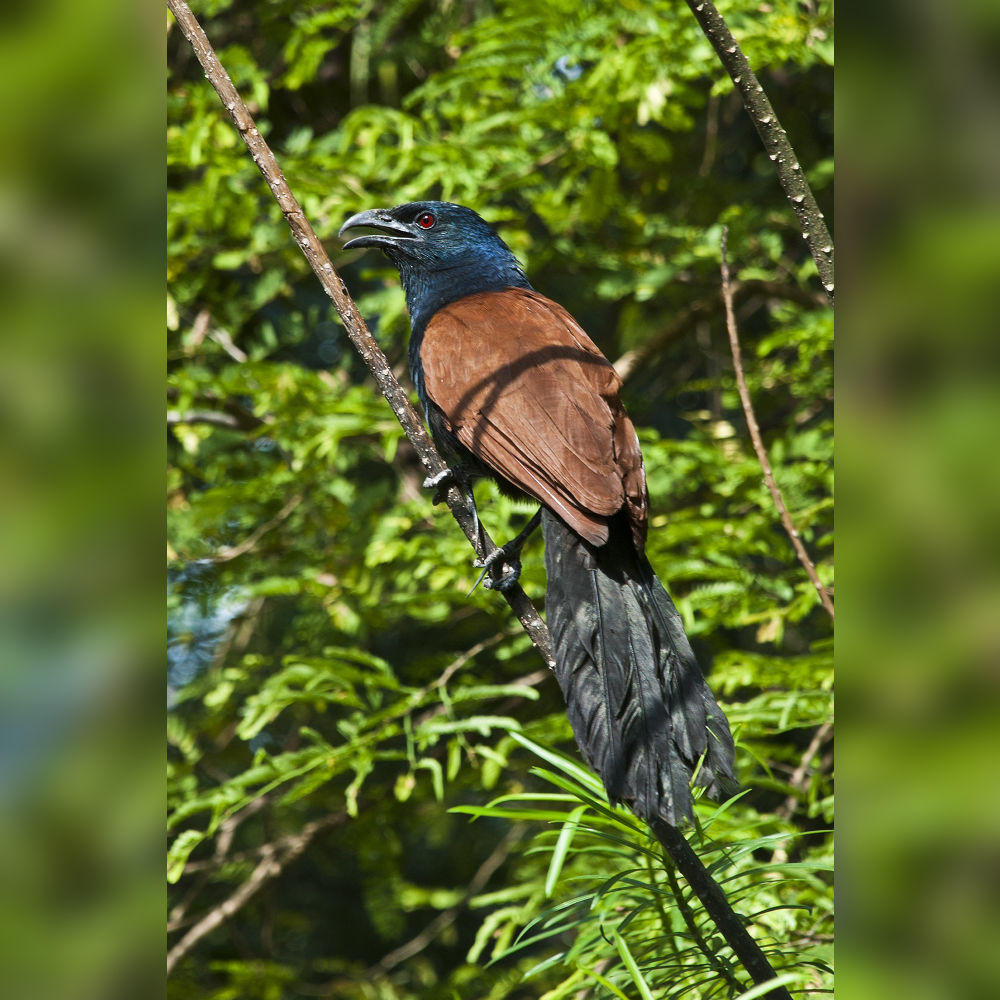
Greater Coucal

Scroll to Top