
Loading Events

Bird Walk at Kurichi Kulam, Coimbatore, Tamil Nadu

About Kurichi Kulam

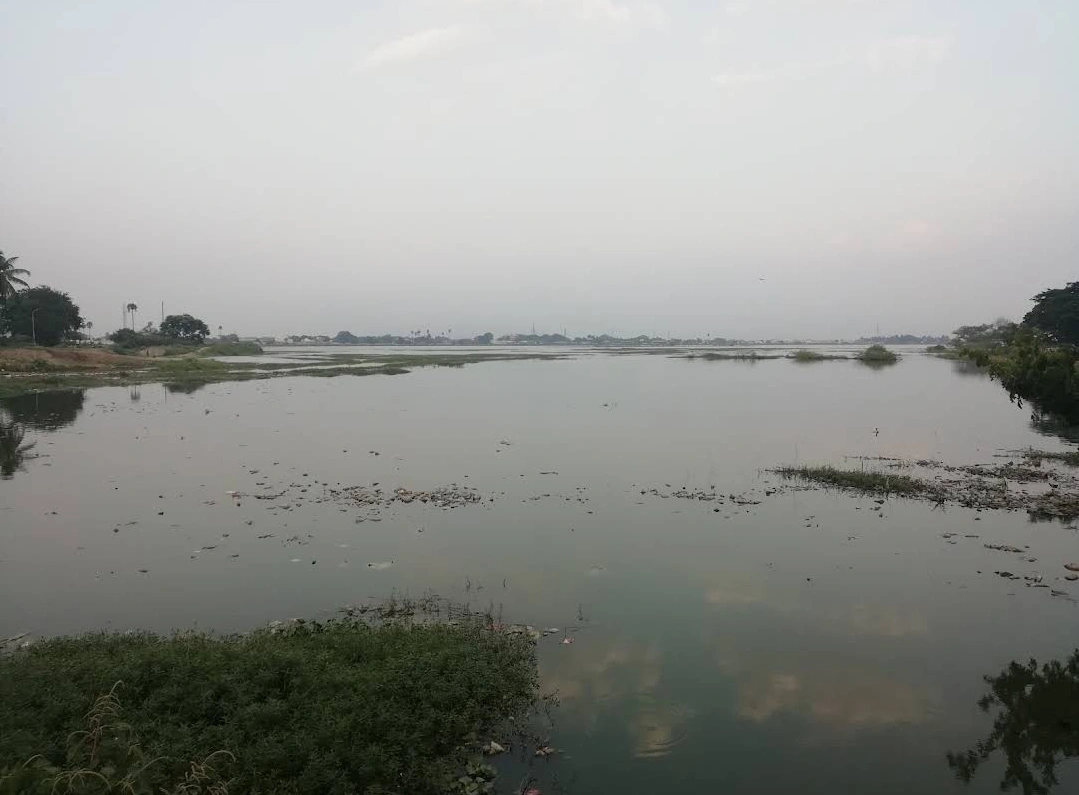
Tucked into the fast-growing city of Coimbatore, Kurichi Kulam is one of the district’s oldest surviving irrigation tanks, part of a chain of roughly thirty tanks first built during the Kongu Chola era of the 8th and 9th centuries to water the fields of the Noyyal river basin. Spread across some 335 acres, the tank was designed to do double duty: storing the monsoon’s runoff for irrigation across thousands of acres of farmland while also acting as a flood buffer for the growing town around it. Recently brought back from years of neglect and encroachment under Coimbatore’s Smart City Mission, the lake today combines open water, reed-lined shallows, and patches of native scrub and tree cover along its banks, including the wooded campus of the Salim Ali Centre for Ornithology and Natural History (SACON) that borders it.
That mix of habitats makes Kurichi Kulam a rewarding stop for birders, drawing everything from open-water specialists to canopy dwellers. Restoration work has visibly paid off, with migratory birds returning to the tank in the years since its clean-up, alongside residents such as pittas, minivets, and bee-eaters that favour its shaded margins. Like most of Coimbatore’s historic tanks, though, Kurichi Kulam still contends with sewage inflow, plastic waste, and the slow creep of construction along the Noyyal basin’s edges — pressures that citizen groups such as Kurichi Lake–Save Wetlands and the city’s own restoration drive are working to hold back.

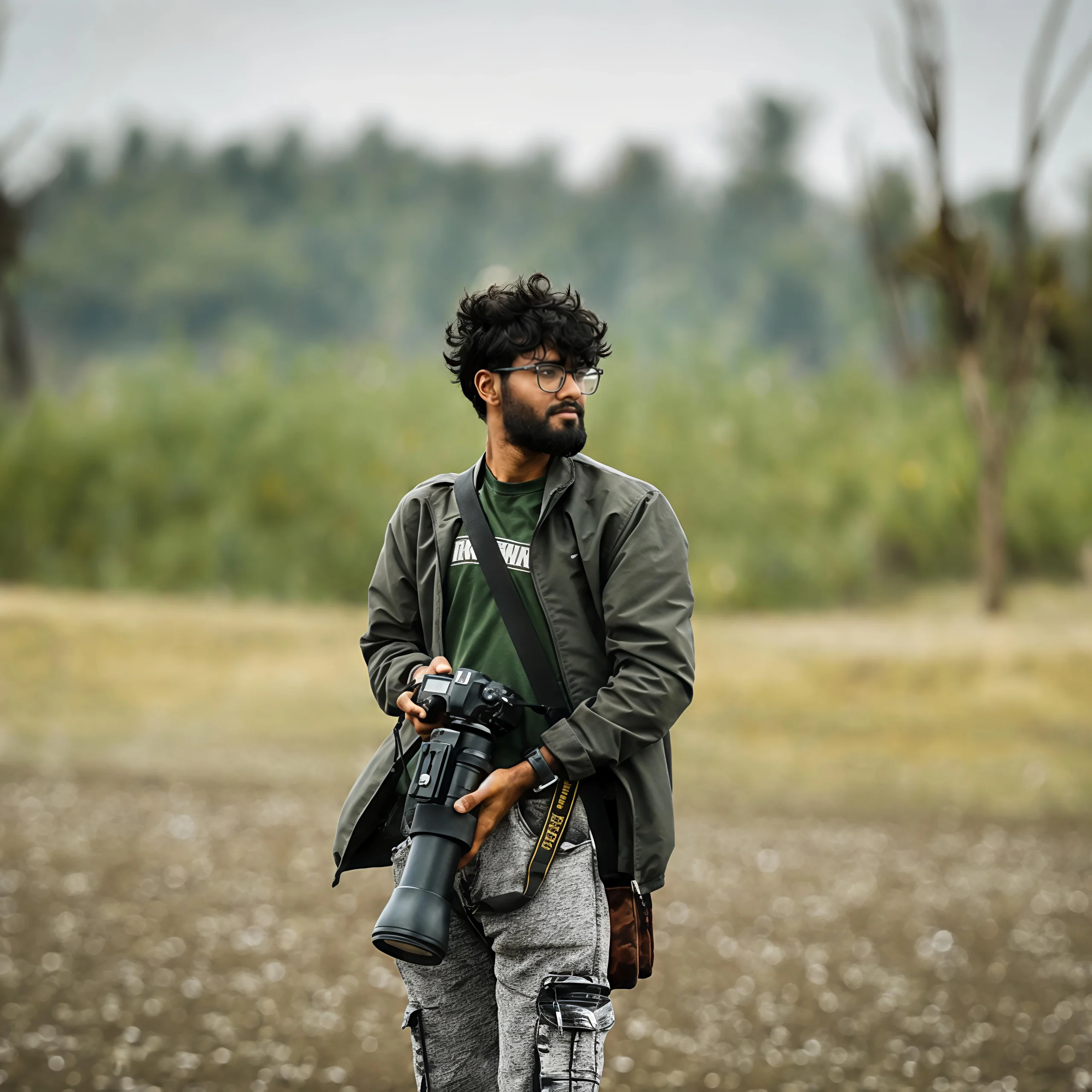
Bird Guide: Kavin- TREE NGO

Kavin Kumar is an enthusiastic birder and wildlife photographer with 3 years of field experience. He has good knowledge of bird identification, behaviour and habitats, and actively participates in birding and nature exploration activities. He also serves as the Student Volunteer Head of TREE NGO.
Bird walk Location

Common birds of Kurichi Kulam

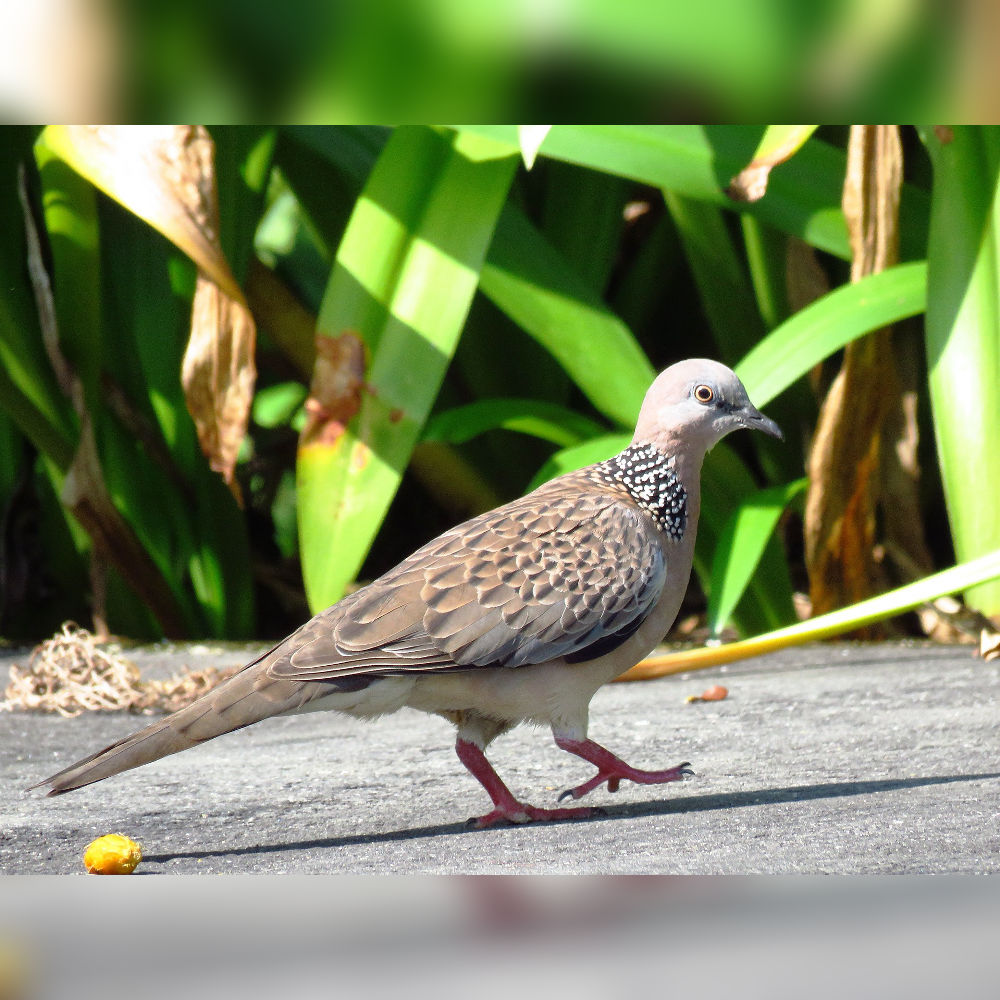
Birders visiting Kurichi Kulam and its wooded margins have recorded a pleasing mix of waterside and woodland species, reflecting the tank’s blend of open water and shaded scrub cover. Regulars include the Spotted Dove, Greater Coucal, Alpine Swift, Crested Treeswift, Changeable Hawk-Eagle, Asian Green Bee-eater, Chestnut-headed Bee-eater, Indian Pitta, Small Minivet, Cinereous Tit, Common Tailorbird, Red-whiskered Bulbul, Red-vented Bulbul, Greenish Warbler, Indian Robin, and Purple-rumped Sunbird. The presence of a shy forest specialist like the Indian Pitta alongside an open-country raptor such as the Changeable Hawk-Eagle hints at just how much habitat variety this modest urban tank still packs in, making it a satisfying outing for local birdwatchers.
Spotted Dove
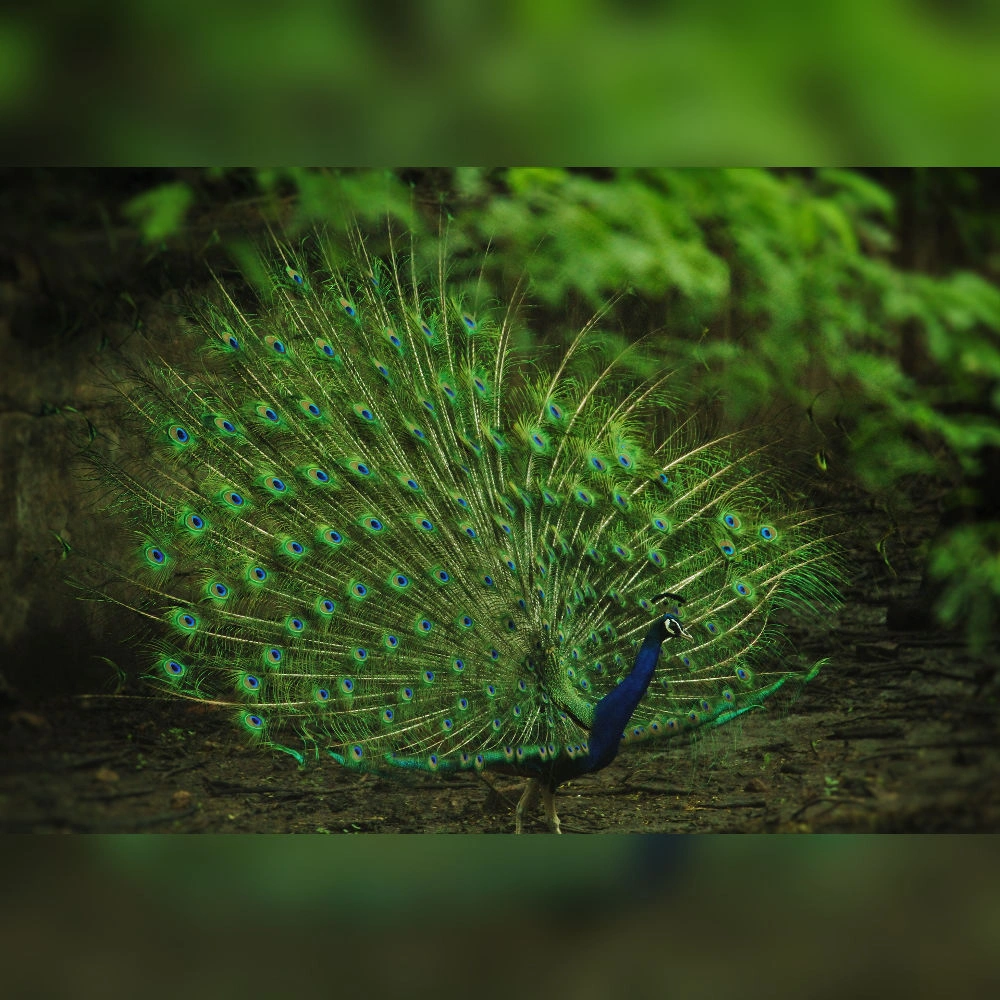
Indian Peafowl
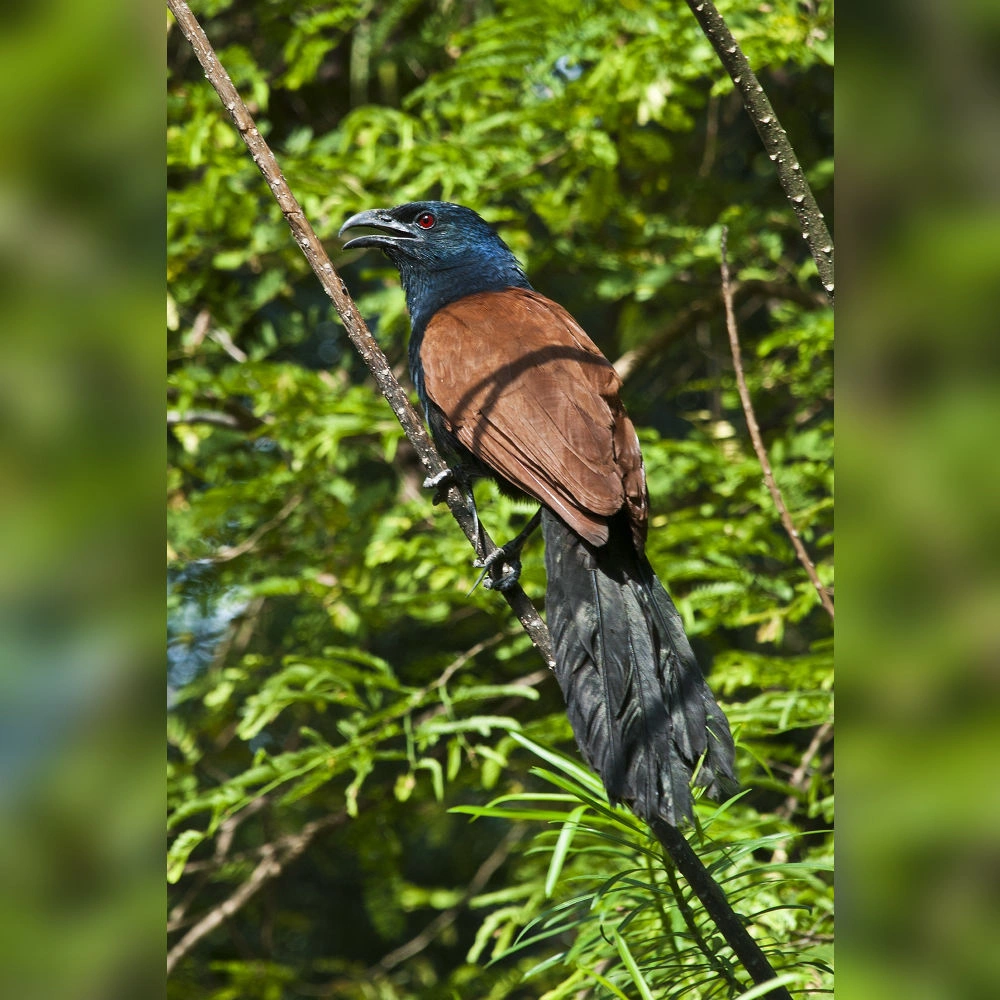
Greater Coucal
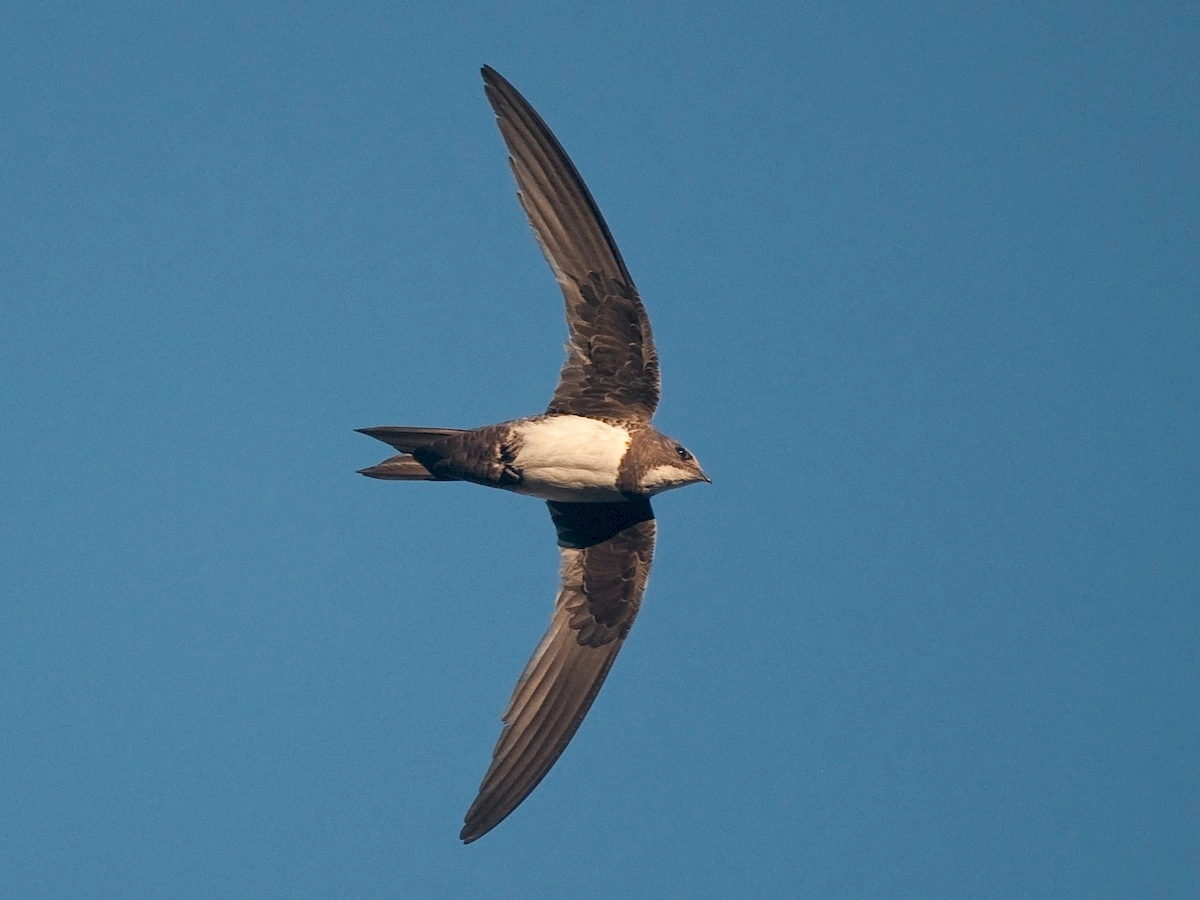
Alpine Swift
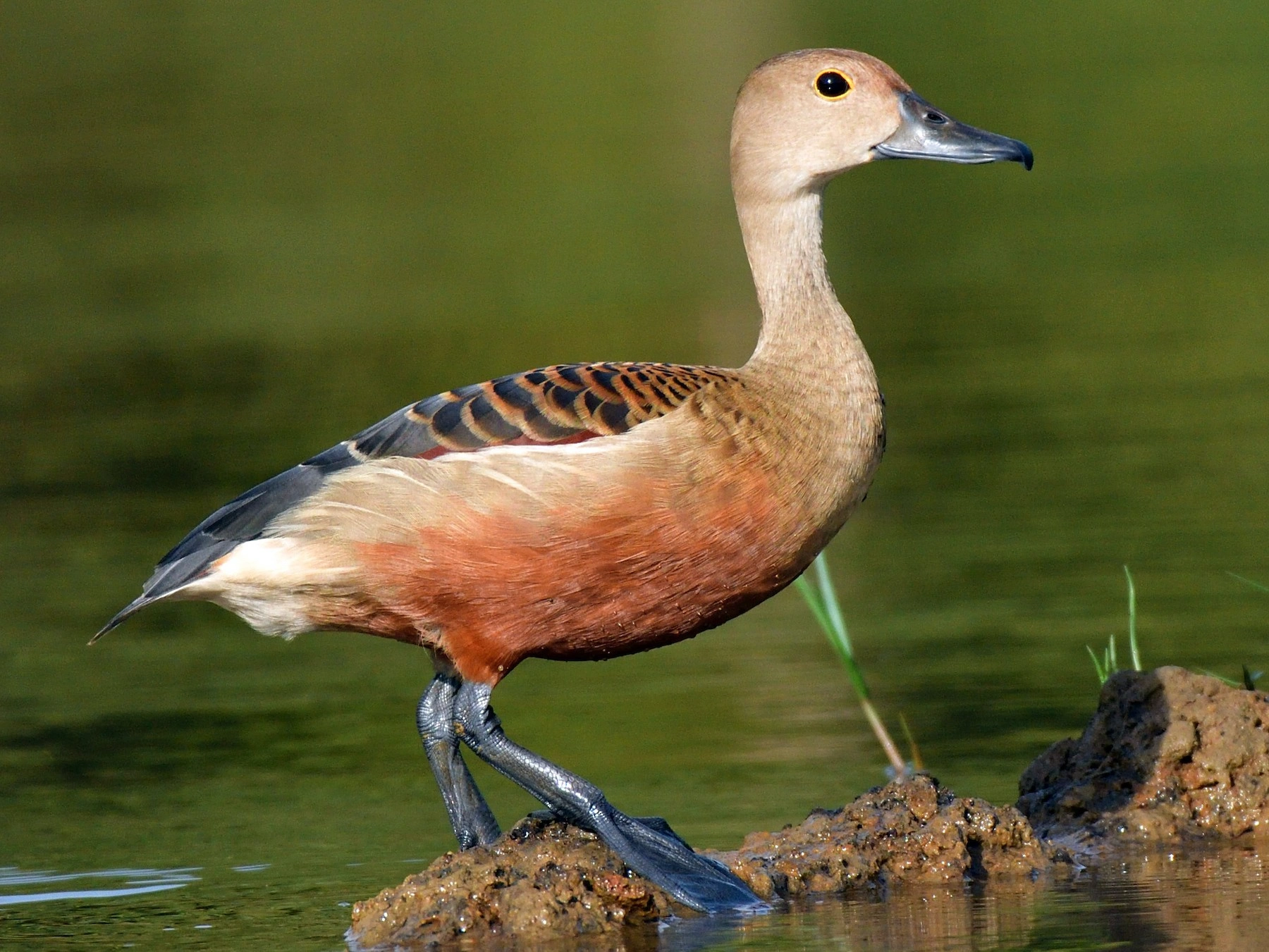
Lesser Whistling-Duck
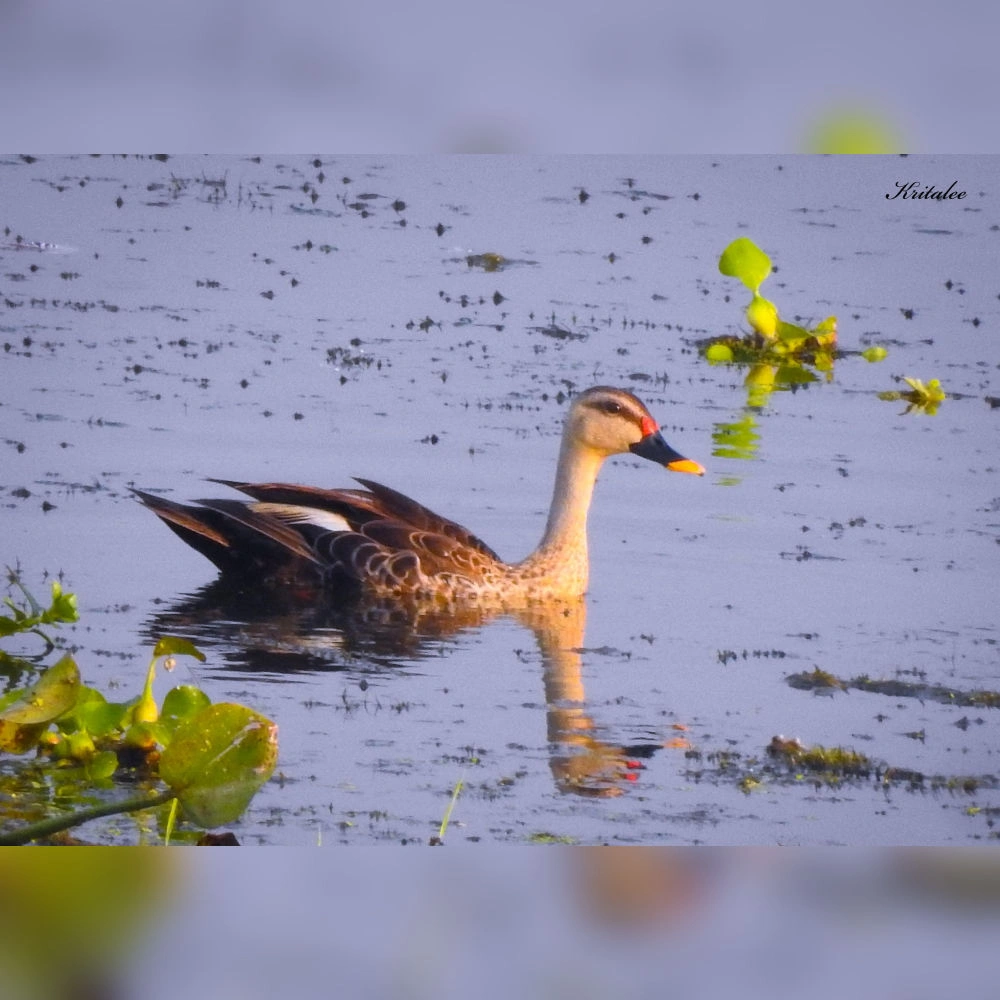
Indian Spot Billed-Duck
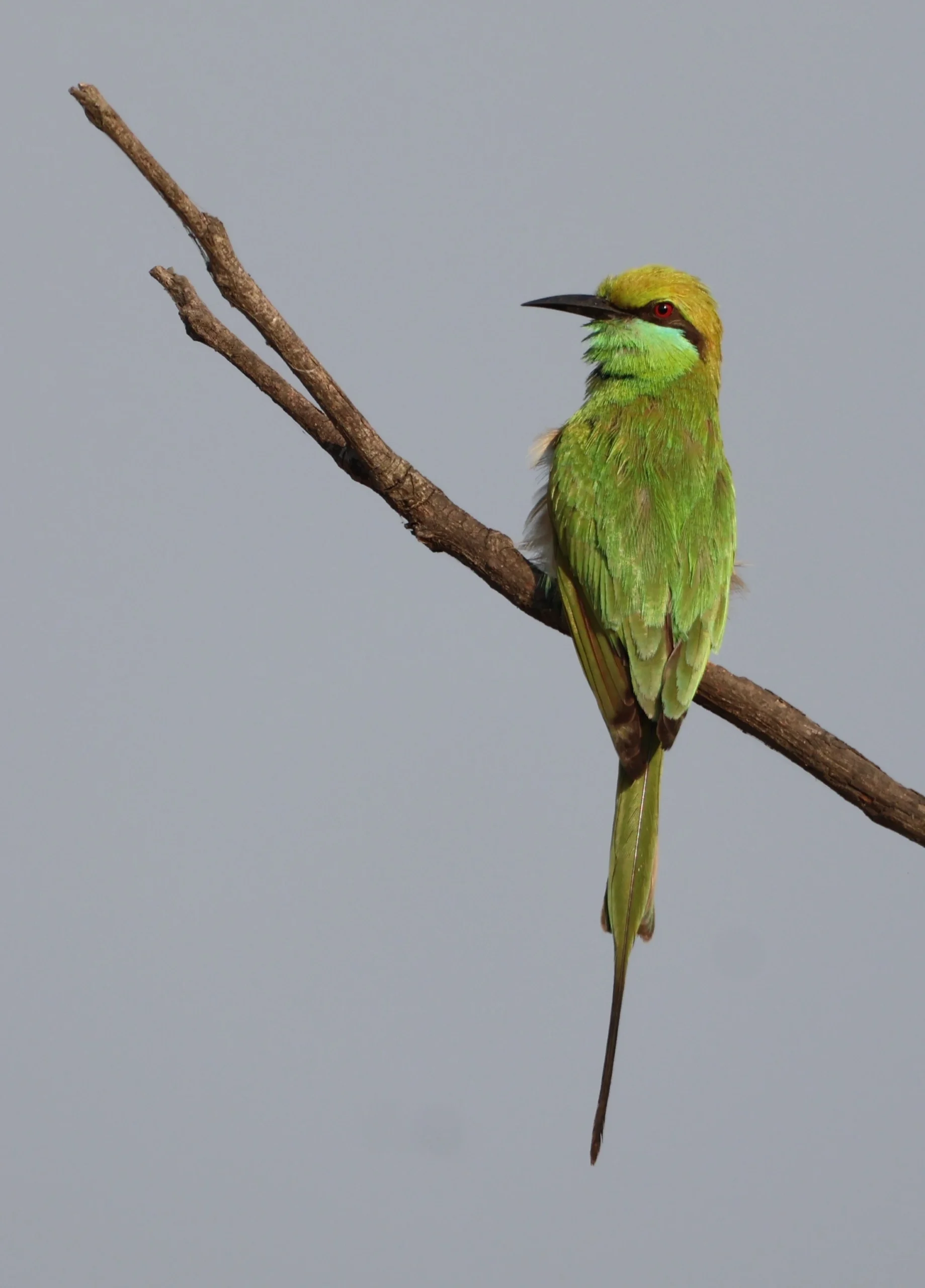
Asian Green Bee-eater
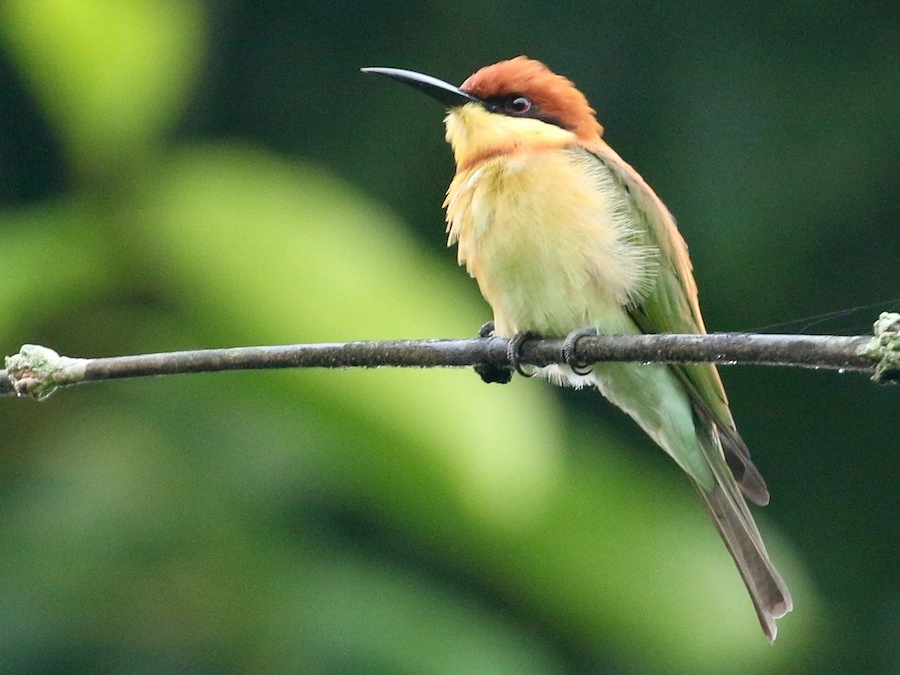
Chestnut-headed Bee-eater
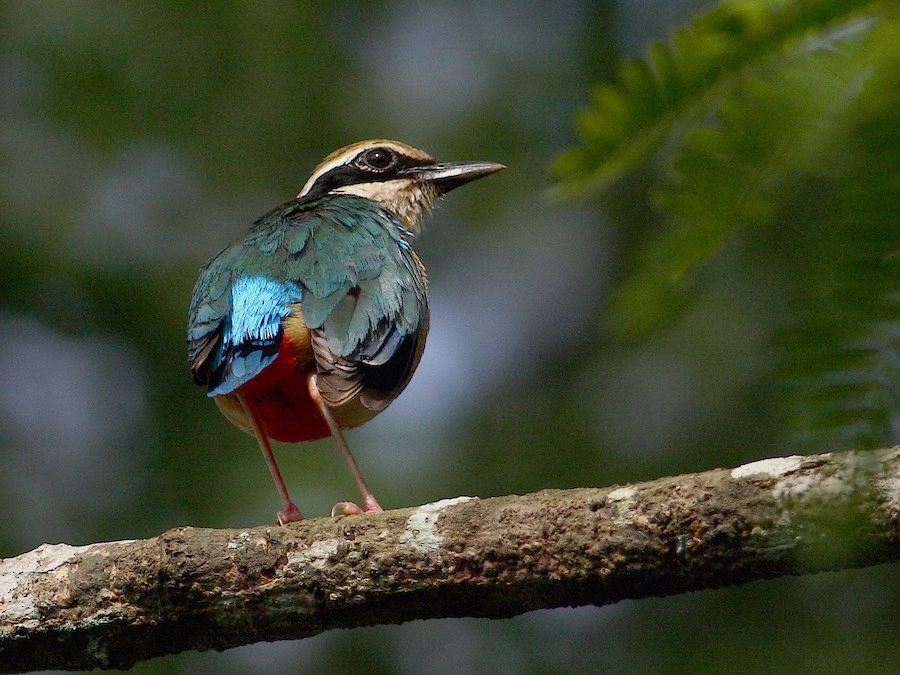
Indian Pitta
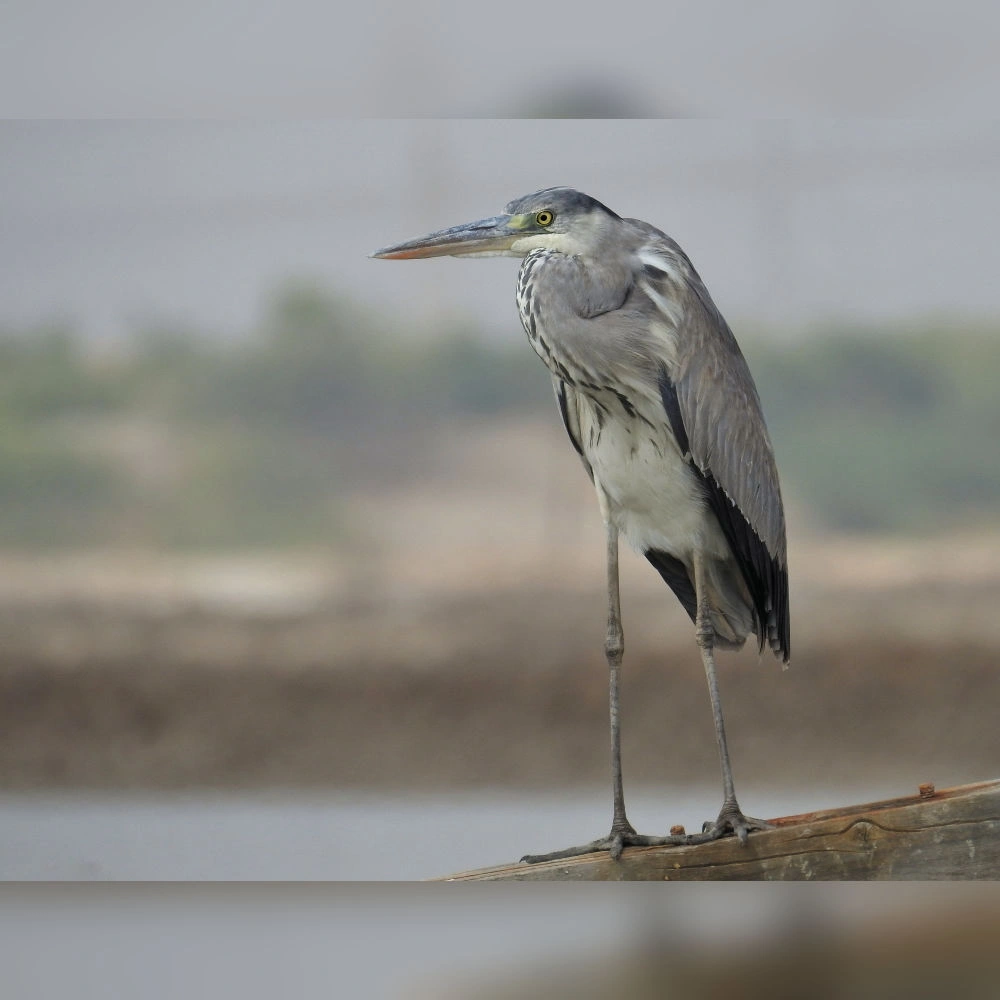
Grey Heron
Glossy Ibis
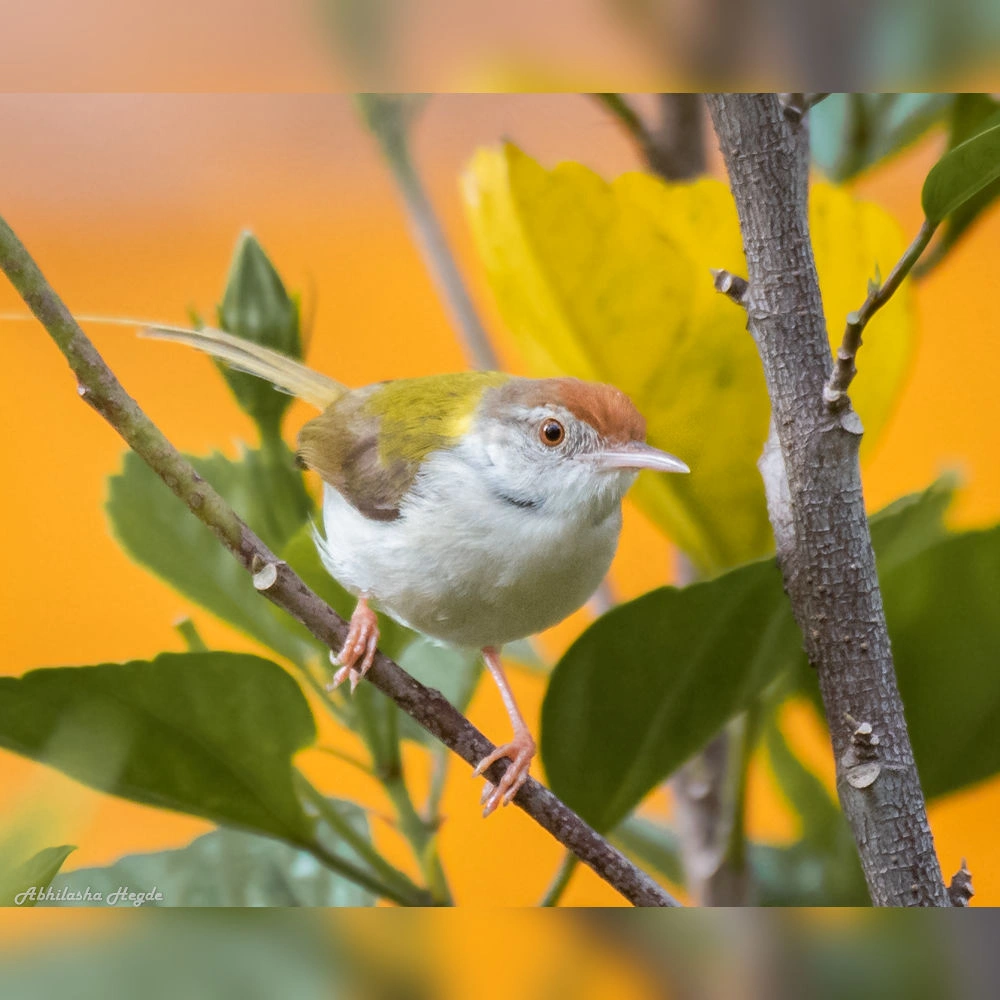
Common Tailorbird
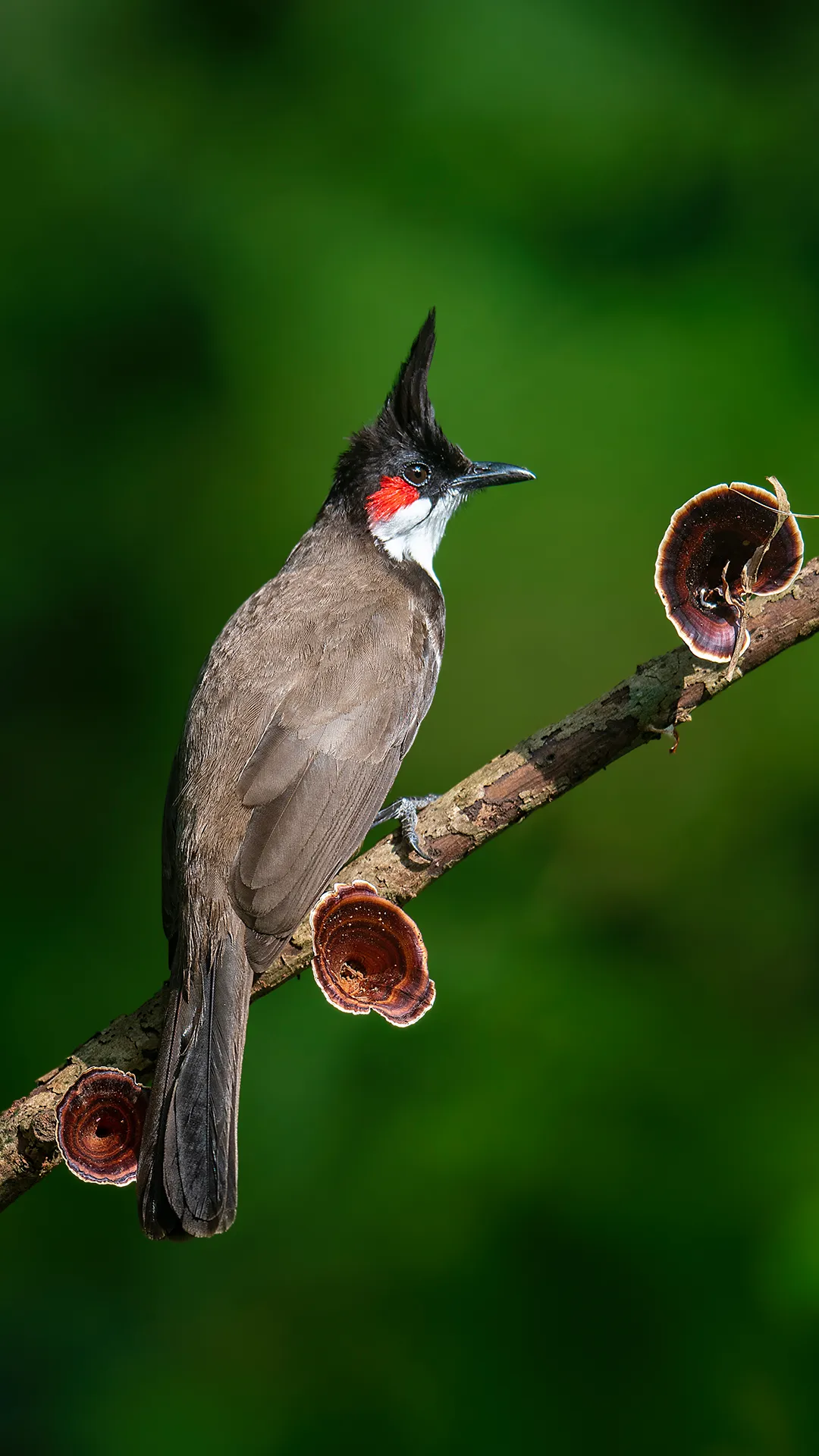
Red-whiskered Bulbul
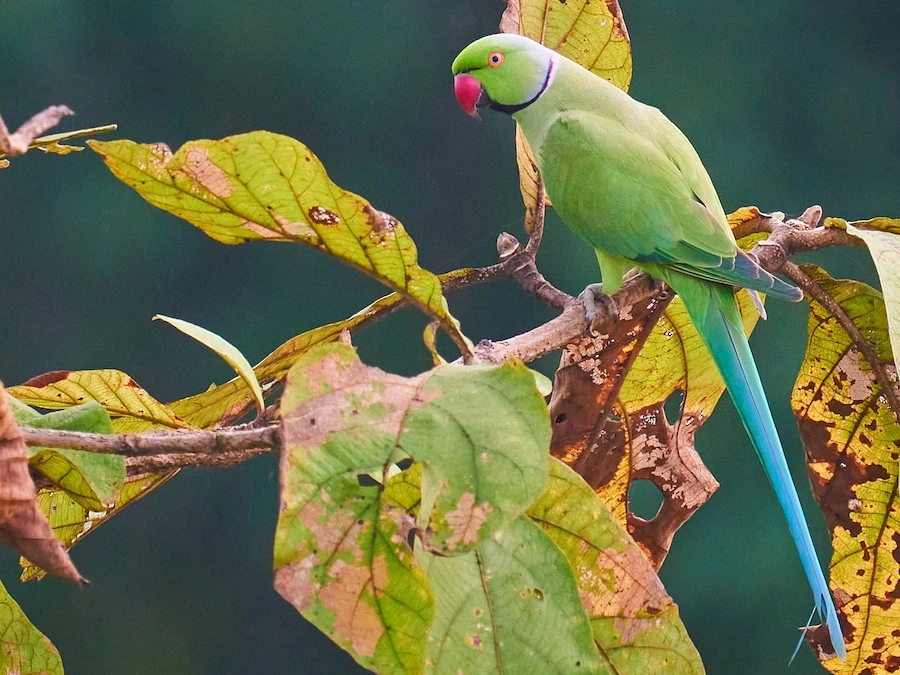
Rose-Ringed Parakeet
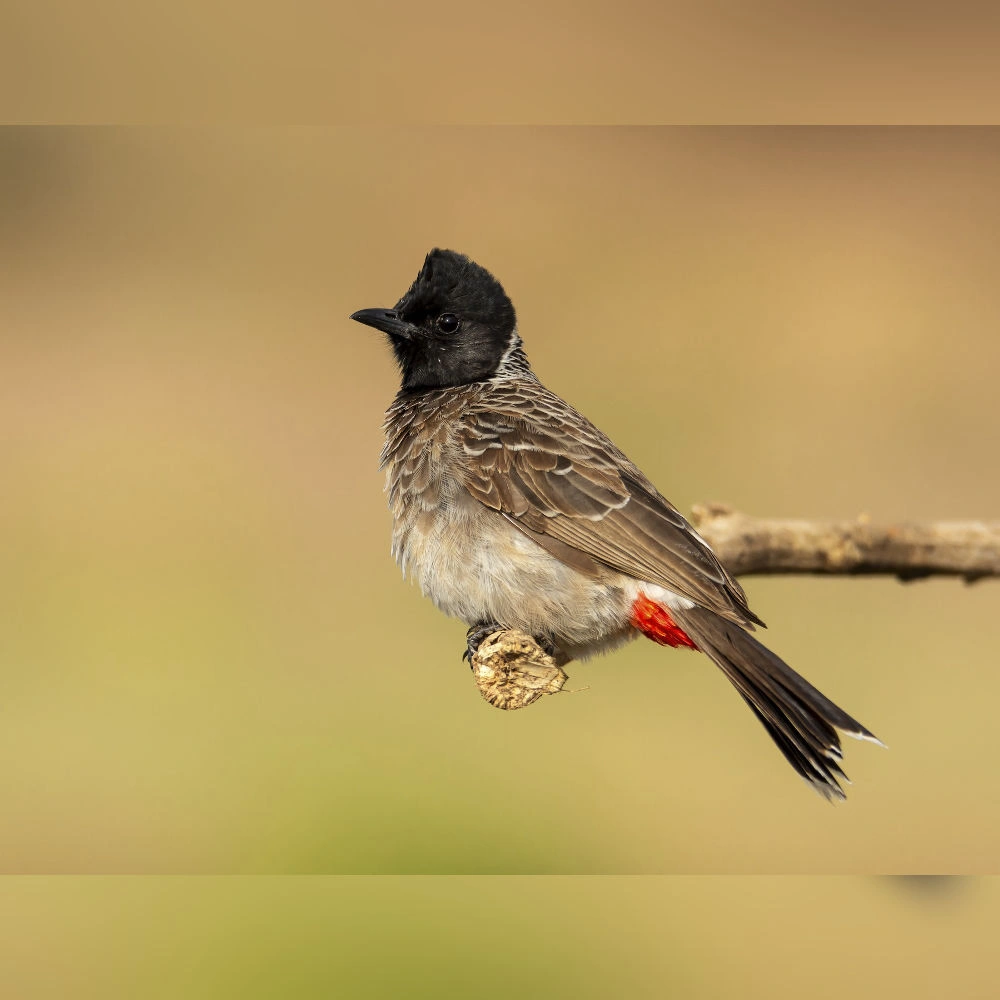
Red-vented Bulbul
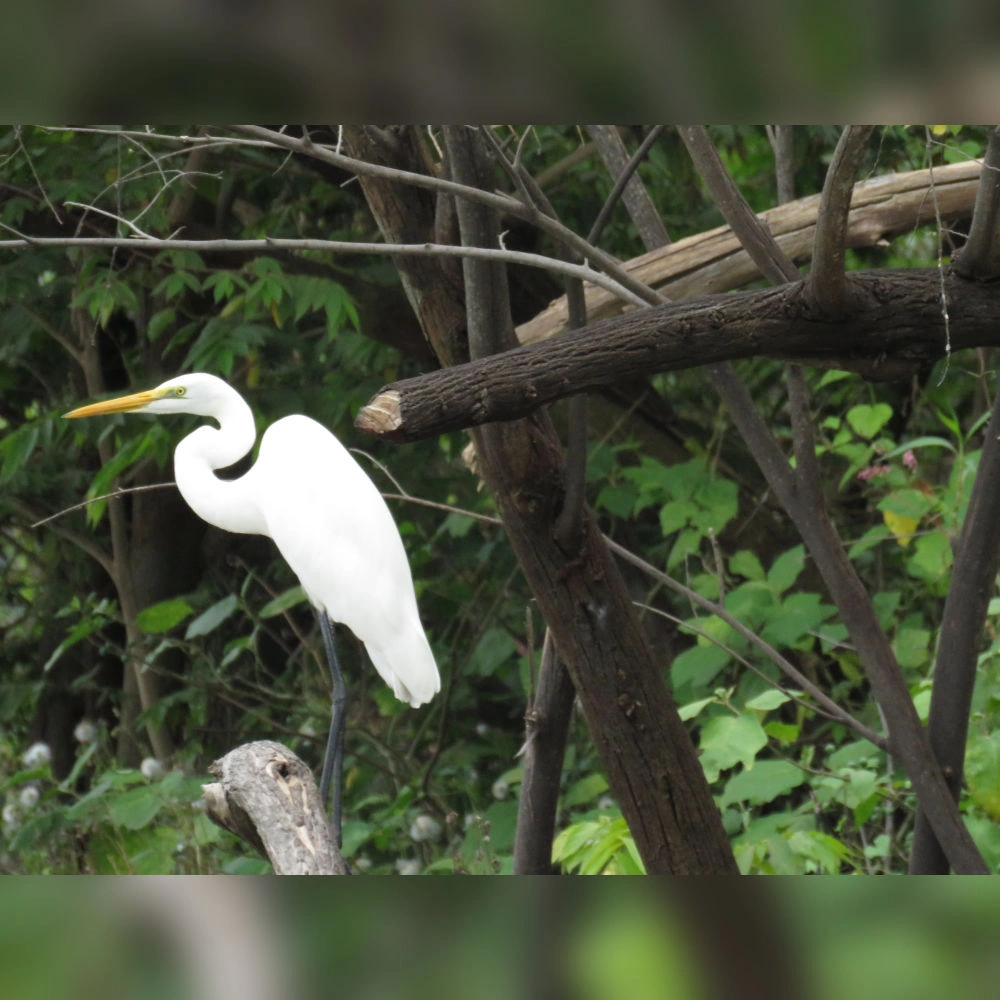
Great Egret
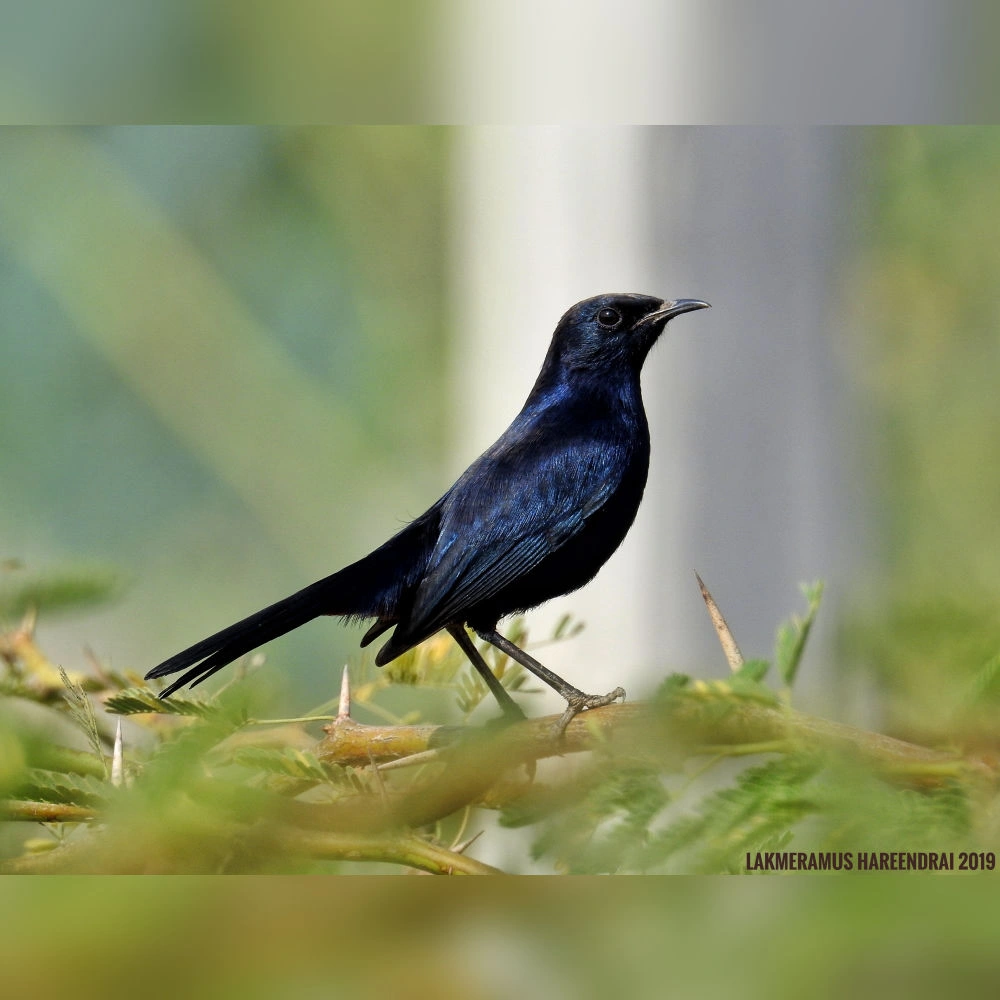
Indian Robin
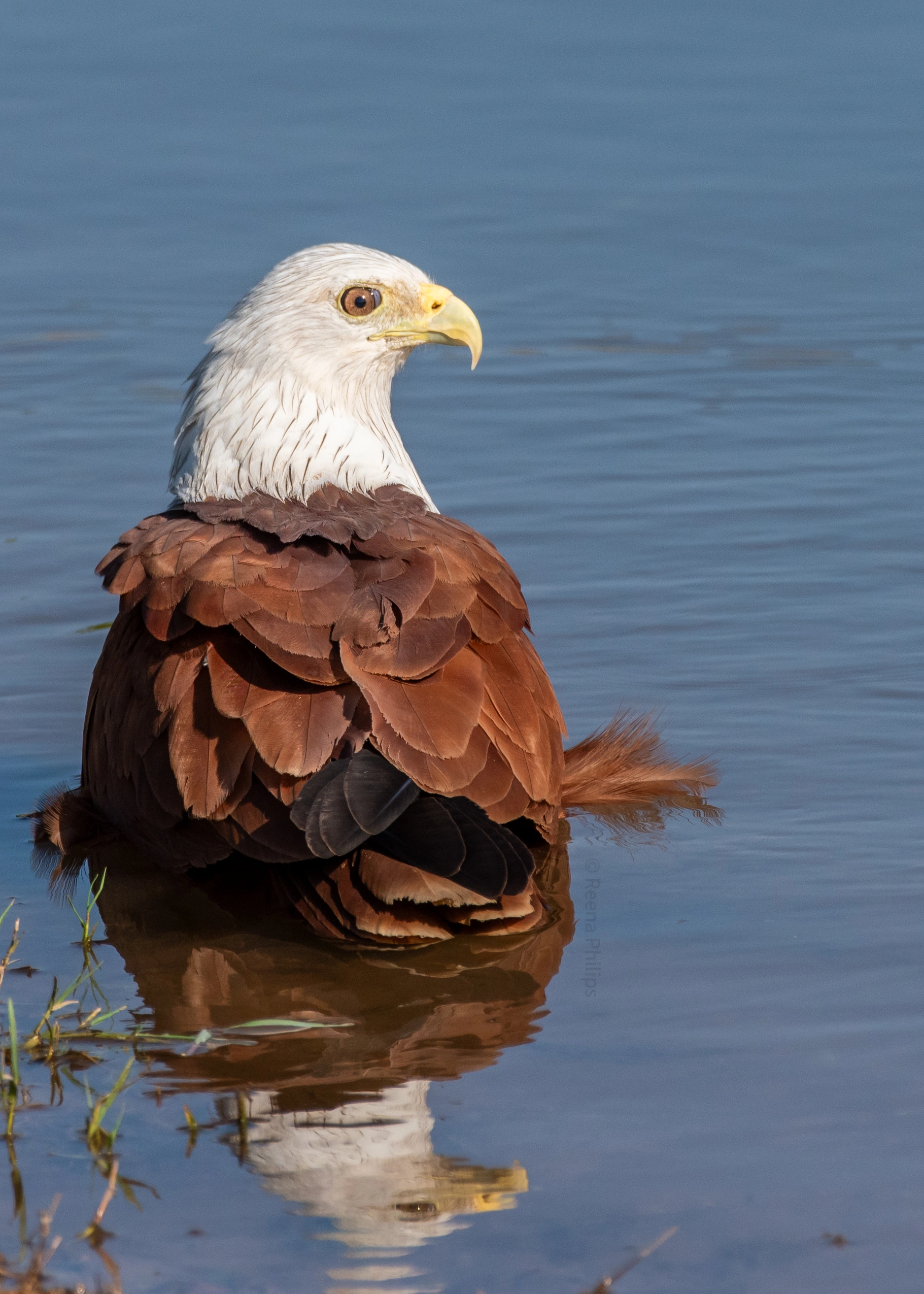
Brahminy Kite
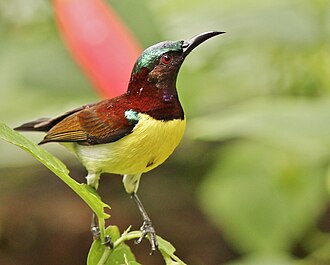
Purple-rumped Sunbird
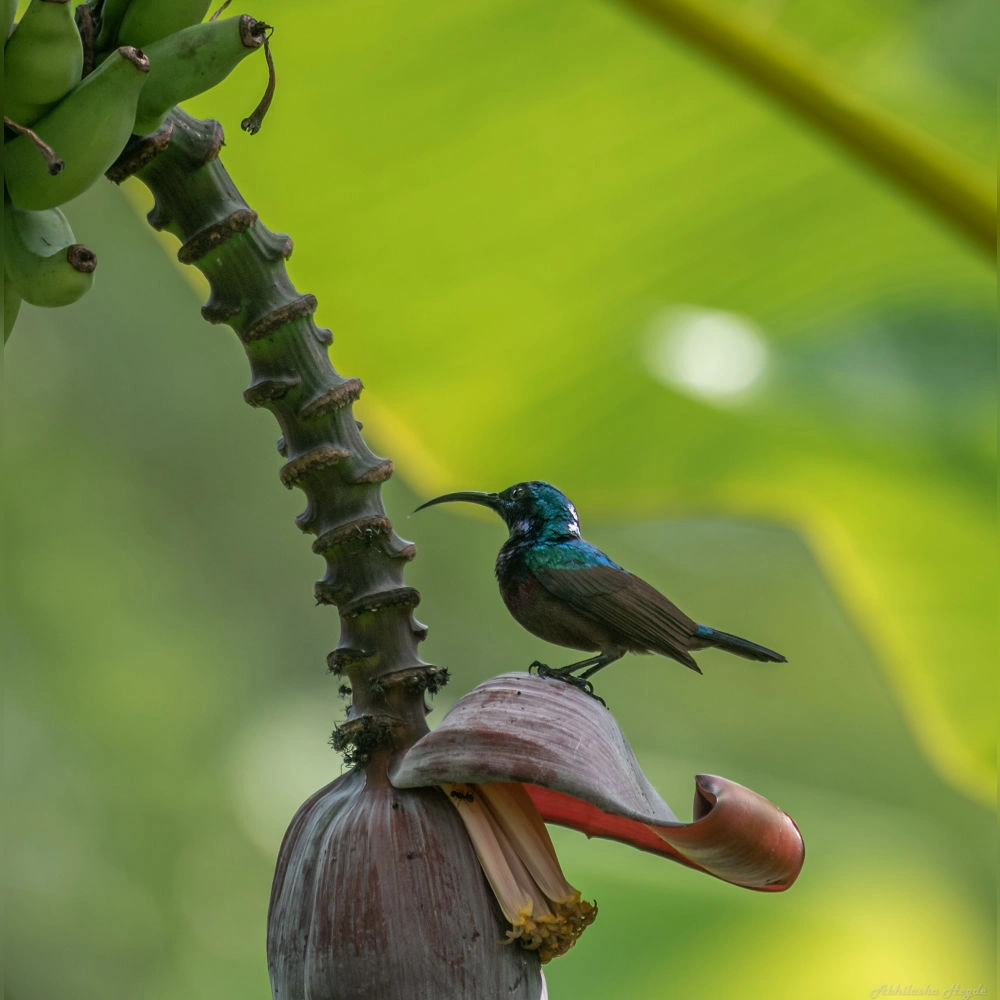
Purple Sunbird

Scroll to Top