
Loading Events

Bird Walk at Thapli (near Thapli Nature Camp), Near Chandigarh

About Thapli (near Thapli Nature Camp)

About 30 km from Chandigarh, in the Morni Hills of Panchkula district, Thapli Nature Camp sits in the forested folds of the Shivalik range. This is the first rise of the Himalayas from the plains. The landscape is a mix of steep, eroded ridges, seasonal streams and ravines. Forest of khair, sal, chir pine, bamboo and scrub covers the slopes, with terraced fields and grassy clearings around the villages. Sambar, barking deer, wild boar, jackals, rhesus macaques and leopards roam these hills, and the streams and moist gullies are rich in butterflies and reptiles.
For birders, Thapli is where birds of the plains meet birds of the Himalayas. Kalij Pheasants and Red Junglefowl scratch through the leaf litter, and parakeets, green-pigeons and rollers fill the open woodland. In winter, Himalayan birds such as the Blue Whistling-Thrush, Gray Wagtail and Common Rosefinch come down into the valleys. The Shivaliks are a fragile landscape, though. Their soft, crumbly soil erodes easily, and forest fires, illegal mining, grazing and firewood collection strip the slopes. Invasive Lantana chokes the undergrowth, and new roads, farmhouses and tourism projects are spreading into the hills. Protecting the forest cover, controlling fires and visiting responsibly are key to keeping Thapli rich in birds.

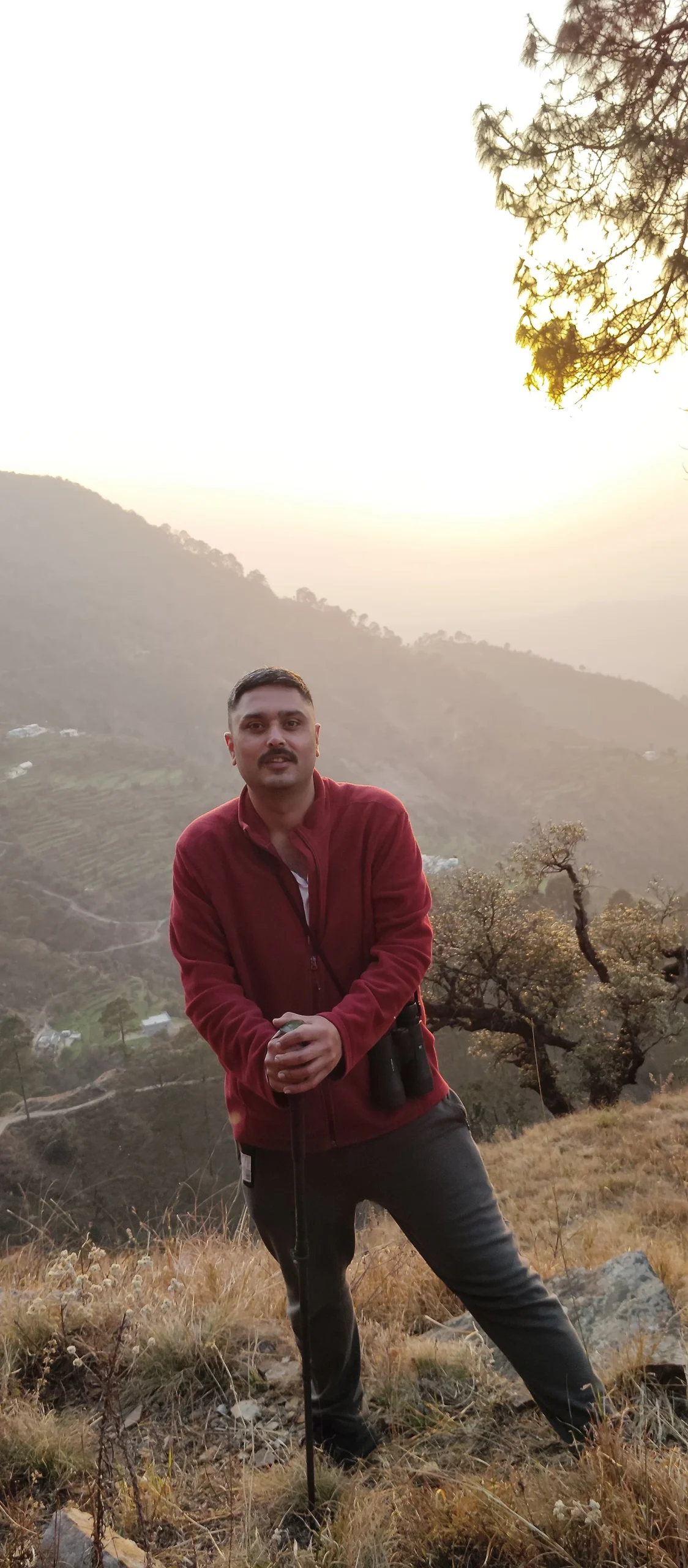
Bird Guide: Gagandeep Singh

His birding and nature documentation work began in 2019, covering a wide geographical area that includes Chandigarh, Panchkula, Mohali, Solan, Sirmaur, Morni Hills, Dehradun, and other nearby locations.
Bird walk Location

Common birds of Thapli (near Thapli Nature Camp)

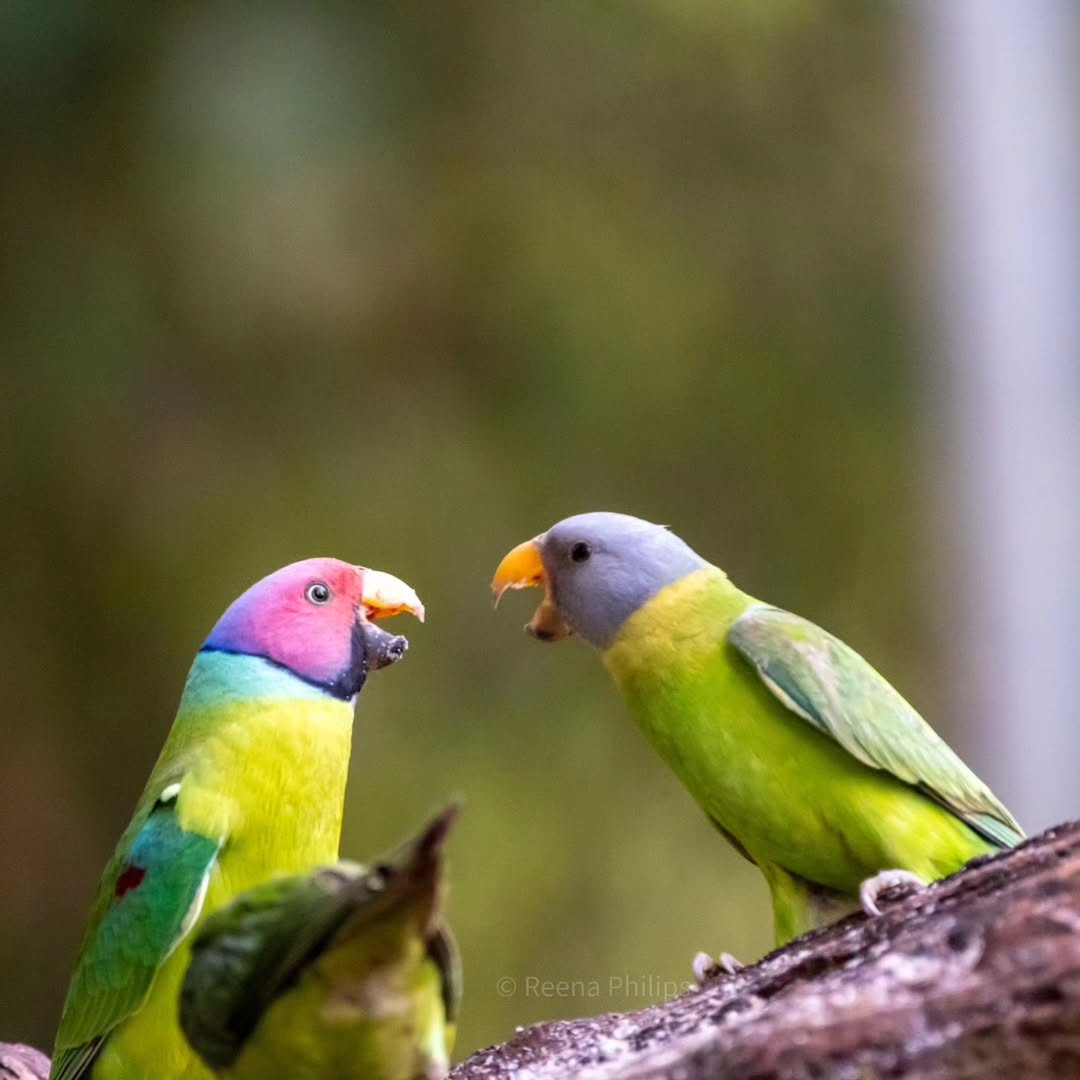
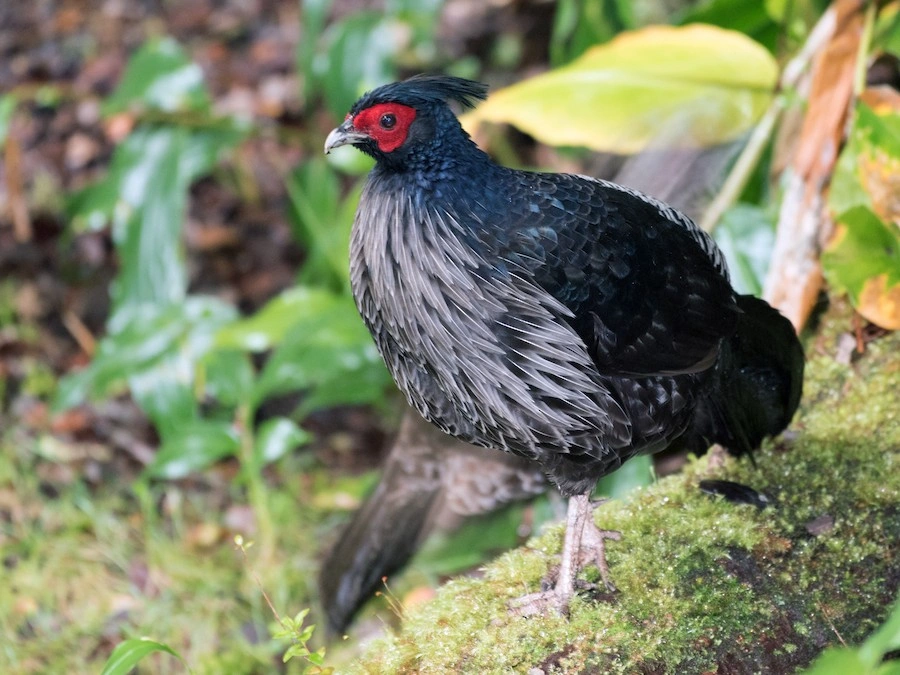
Walk quietly at Thapli and you may catch the Kalij Pheasant, glossy blue-black with a drooping crest, slipping through the undergrowth. Nearby, the Red Junglefowl, the wild ancestor of the domestic chicken, crows from the forest edge. Flocks of Plum-headed Parakeets whistle overhead alongside Rose-ringed Parakeets, and Yellow-footed Green-Pigeons feed quietly on figs. The Indian Roller looks plain on its perch, then flashes brilliant blue in flight. The Eurasian Hoopoe probes the ground with its long, curved bill, and the crested Pied Cuckoo calls from the scrub. The Hair-crested Drongo, with its fine hair-like crest, visits flowering trees, while the Black Drongo hawks insects from open perches. In winter, the Blue Whistling-Thrush comes down to the streams and fills the gullies with its whistling song. Common Rosefinches arrive in small flocks, the males tinged crimson. The Himalayan Bulbul shows off its tufted crest, and the Asian Tit and Indian White-eyes move through the trees. Pied Bushchats perch on bushes, Gray Wagtails bob along the streams, and Wire-tailed Swallows skim low over the water. Spotted Doves and House Sparrows are common around the villages.
Kalij Pheasant
Red Junglefowl
Plum-headed Parakeet
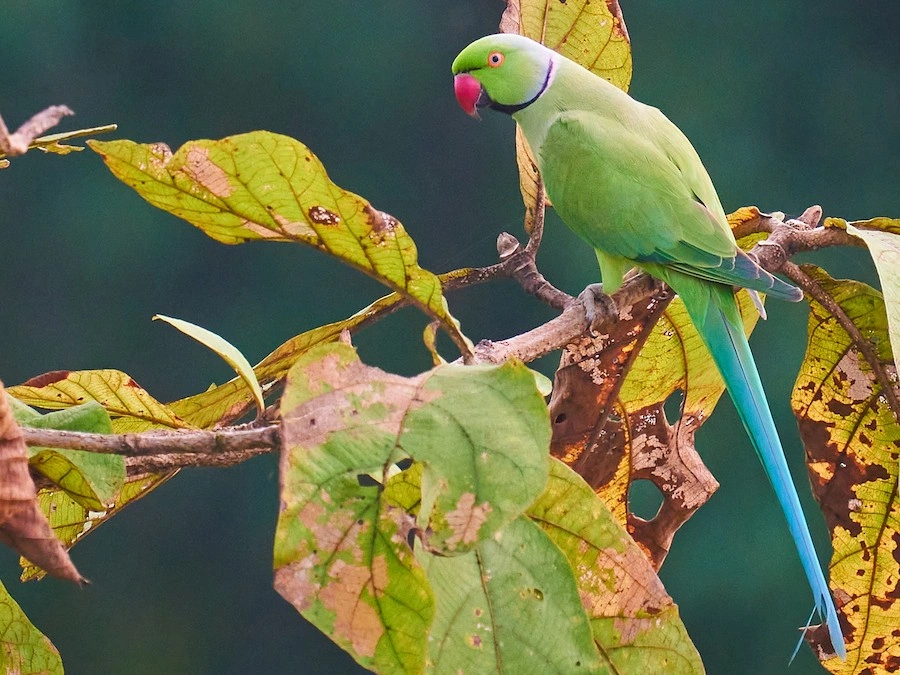
Rose-ringed Parakeet
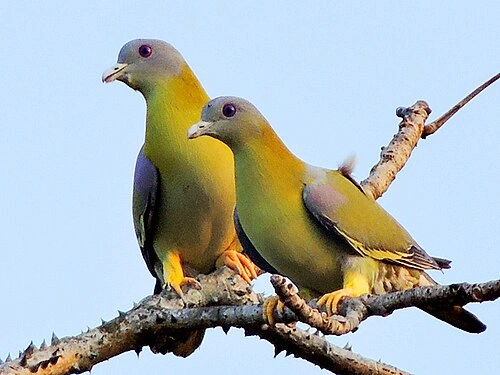
Yellow-footed Green-Pigeon
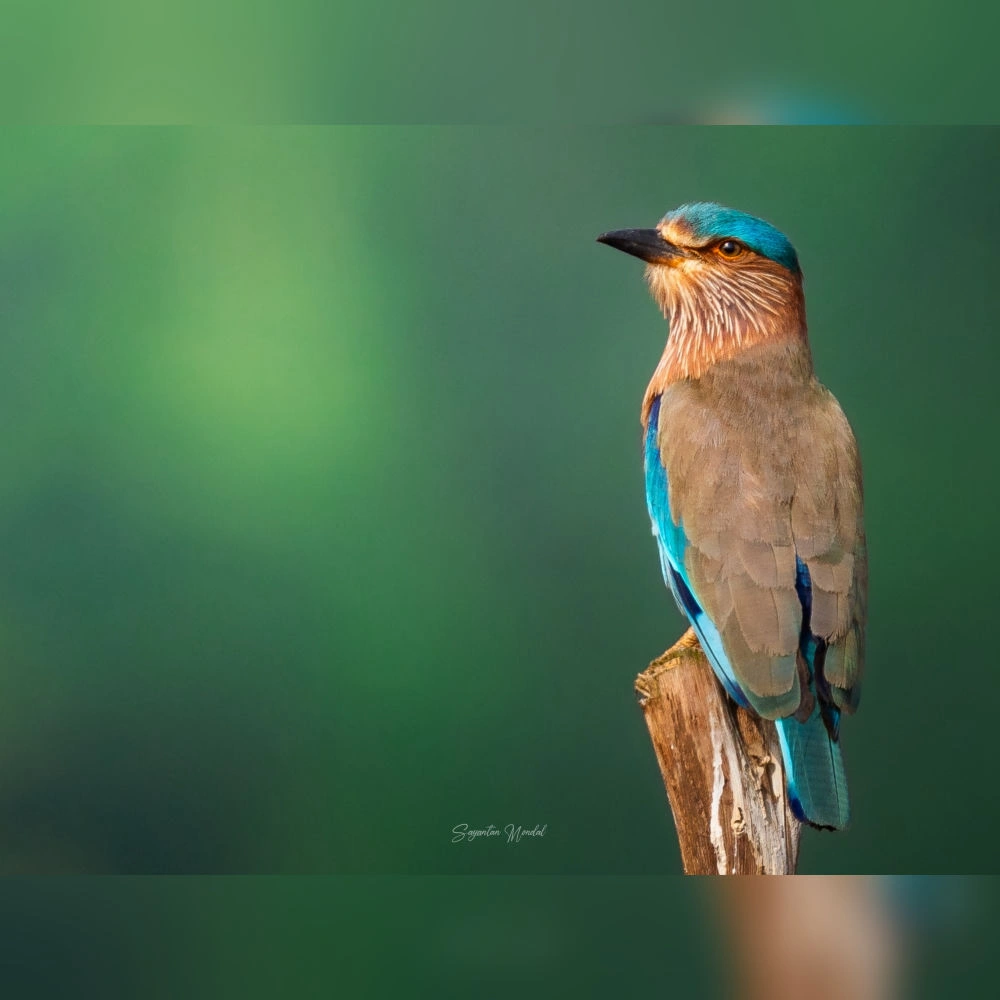
Indian Roller
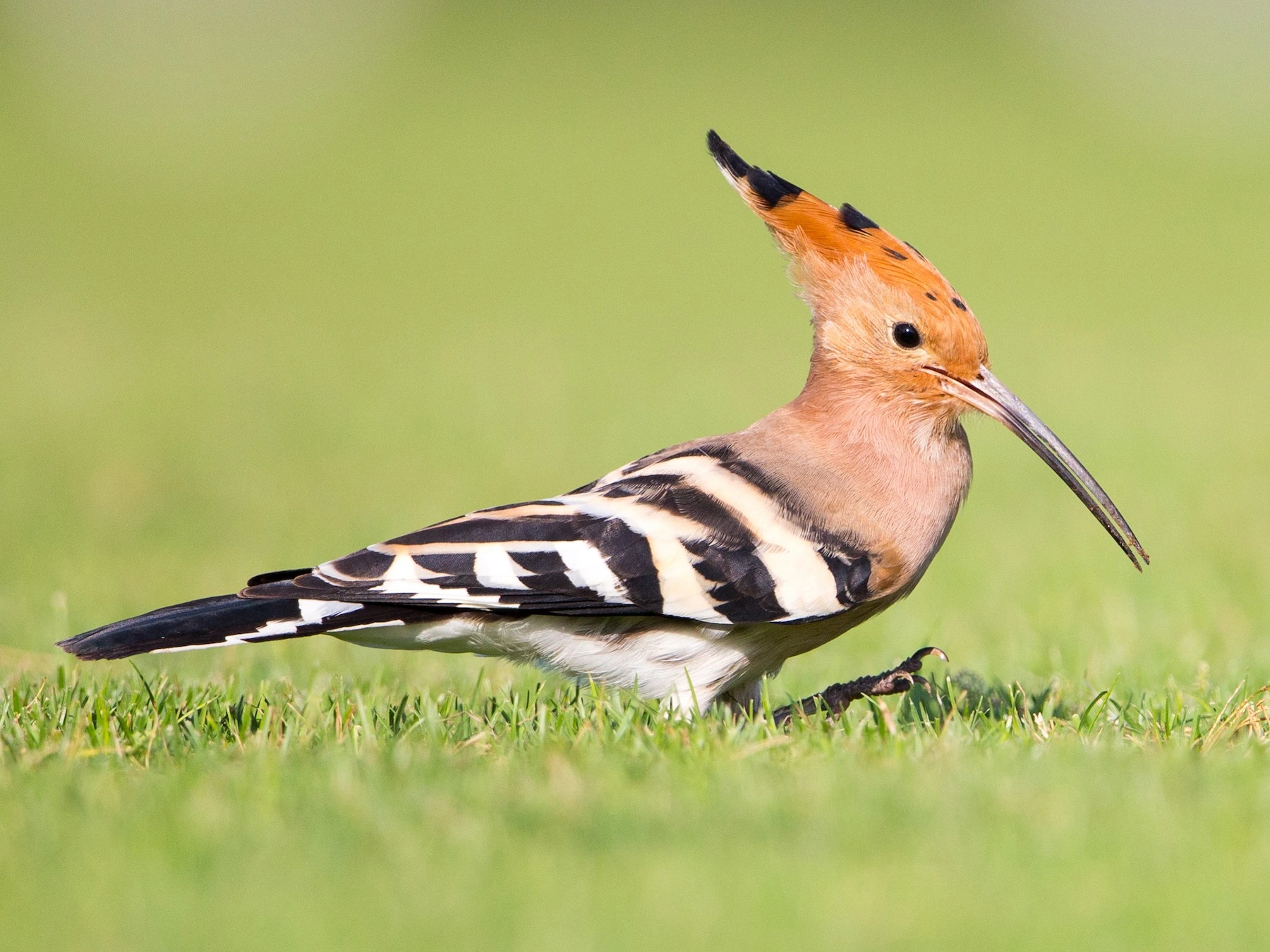
Eurasian Hoopoe
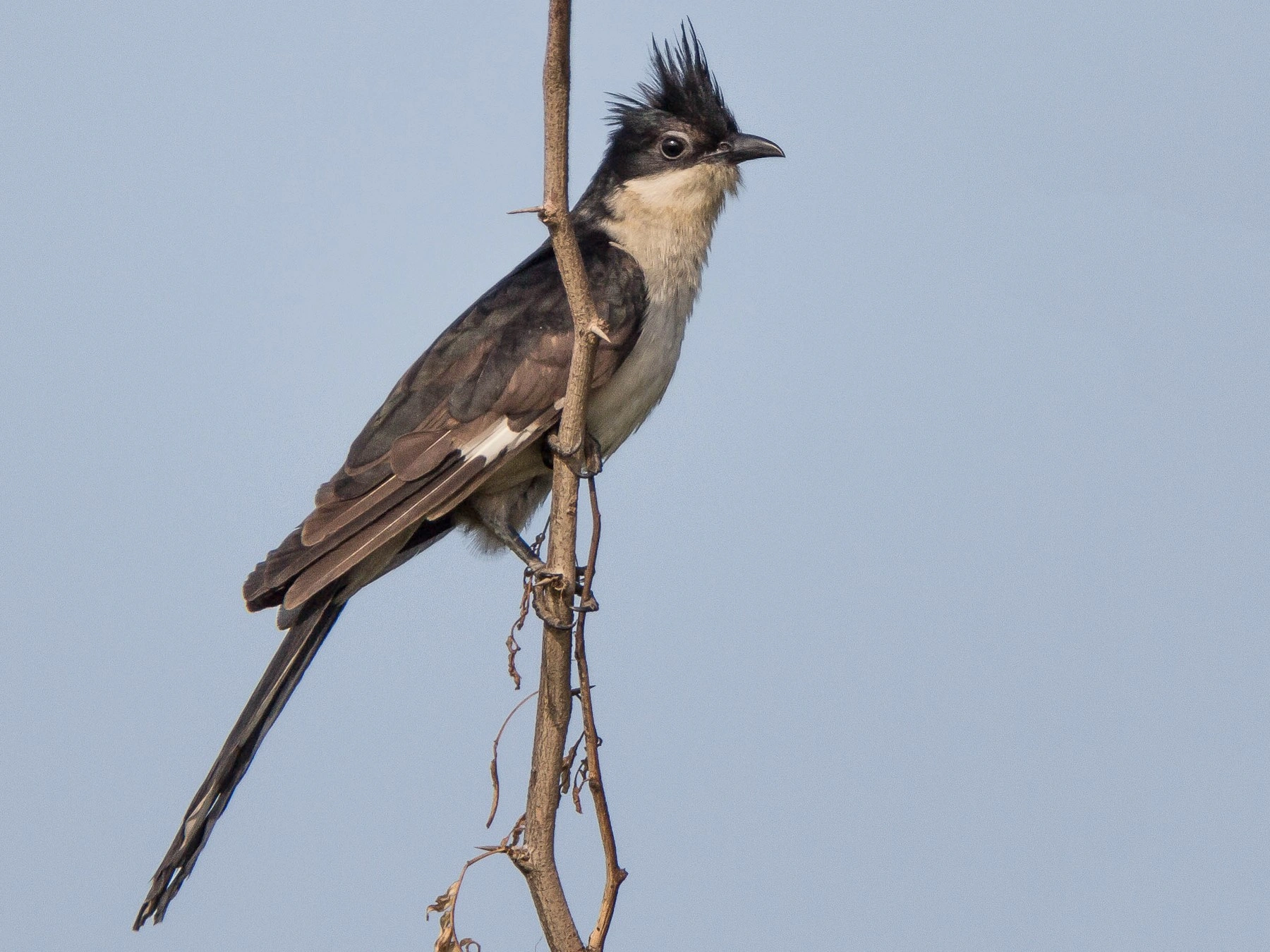
Pied Cuckoo
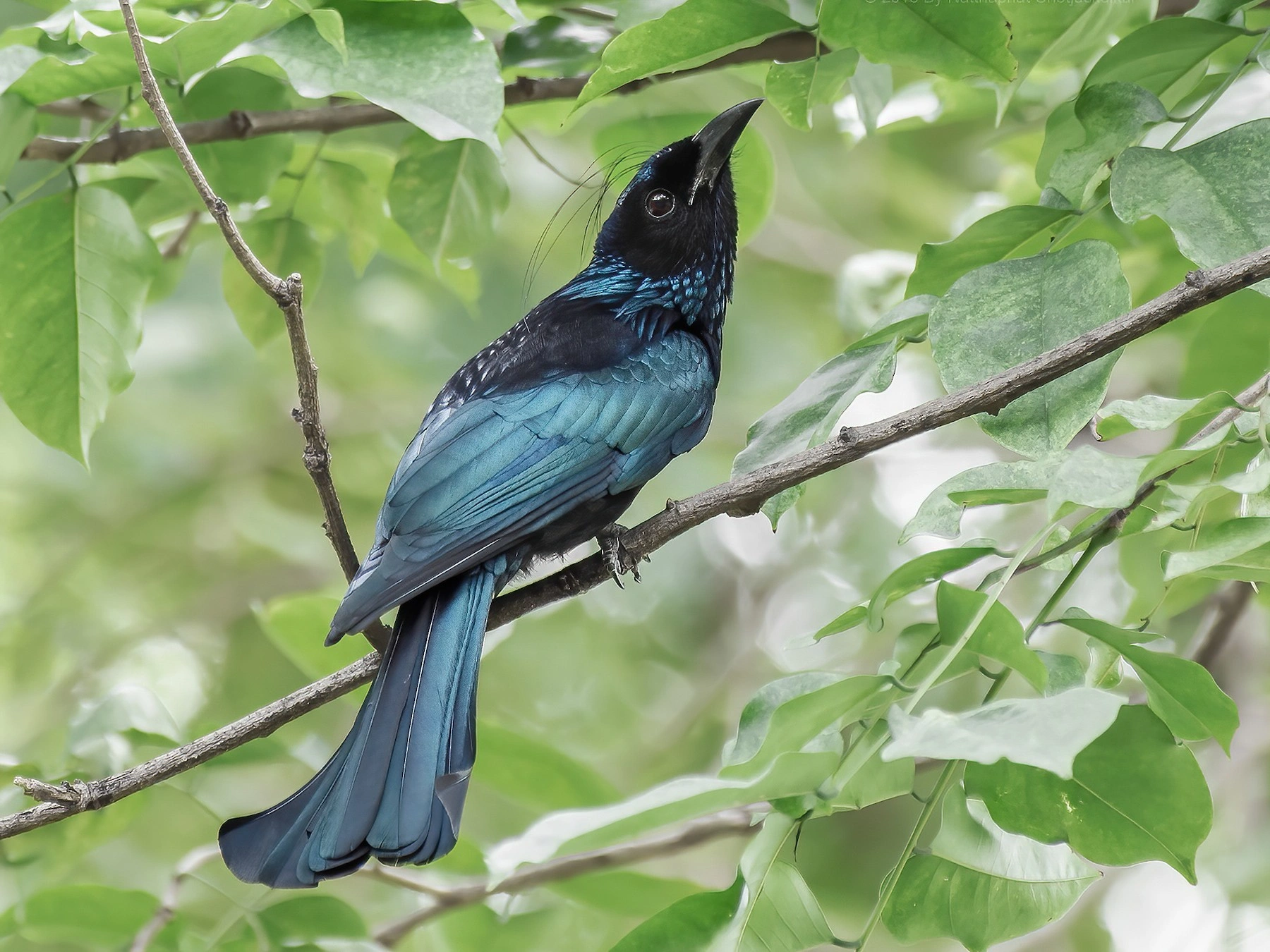
Hair-crested Drongo
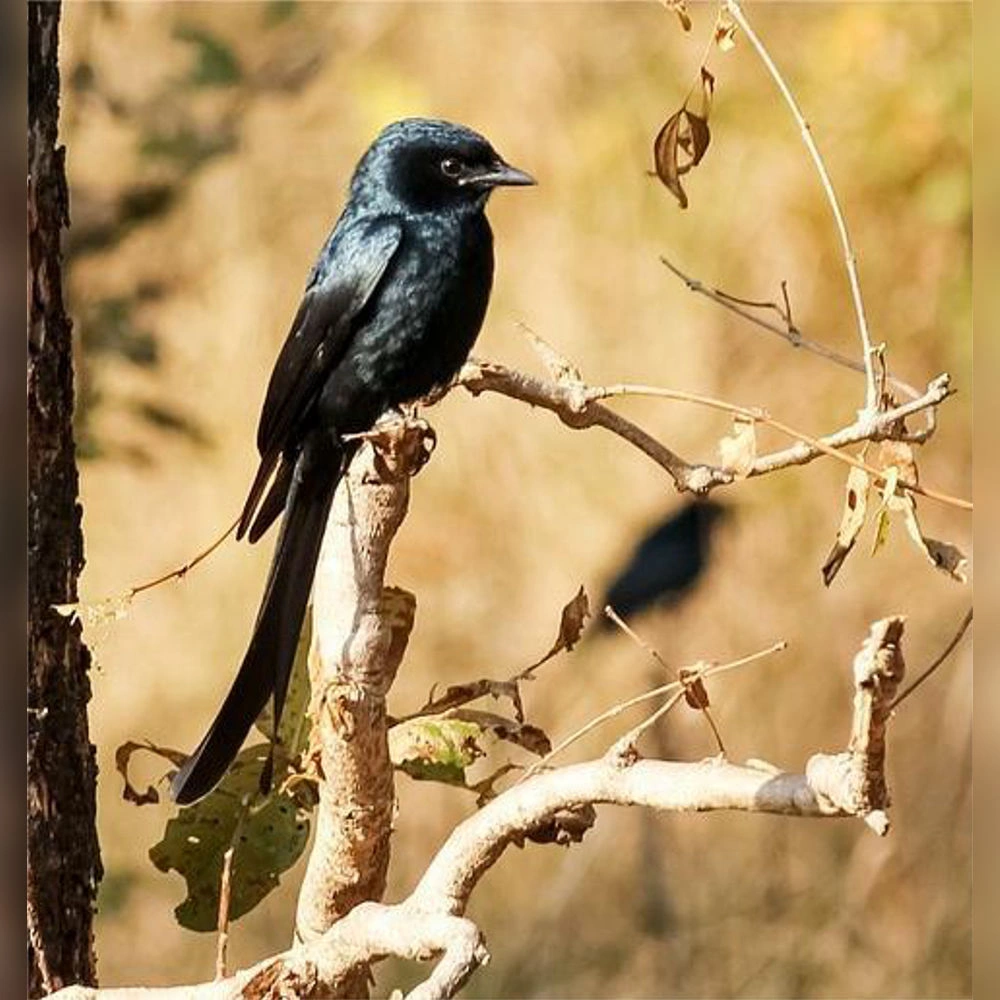
Black Drongo
Blue Whistling-Thrush
Common Rosefinch
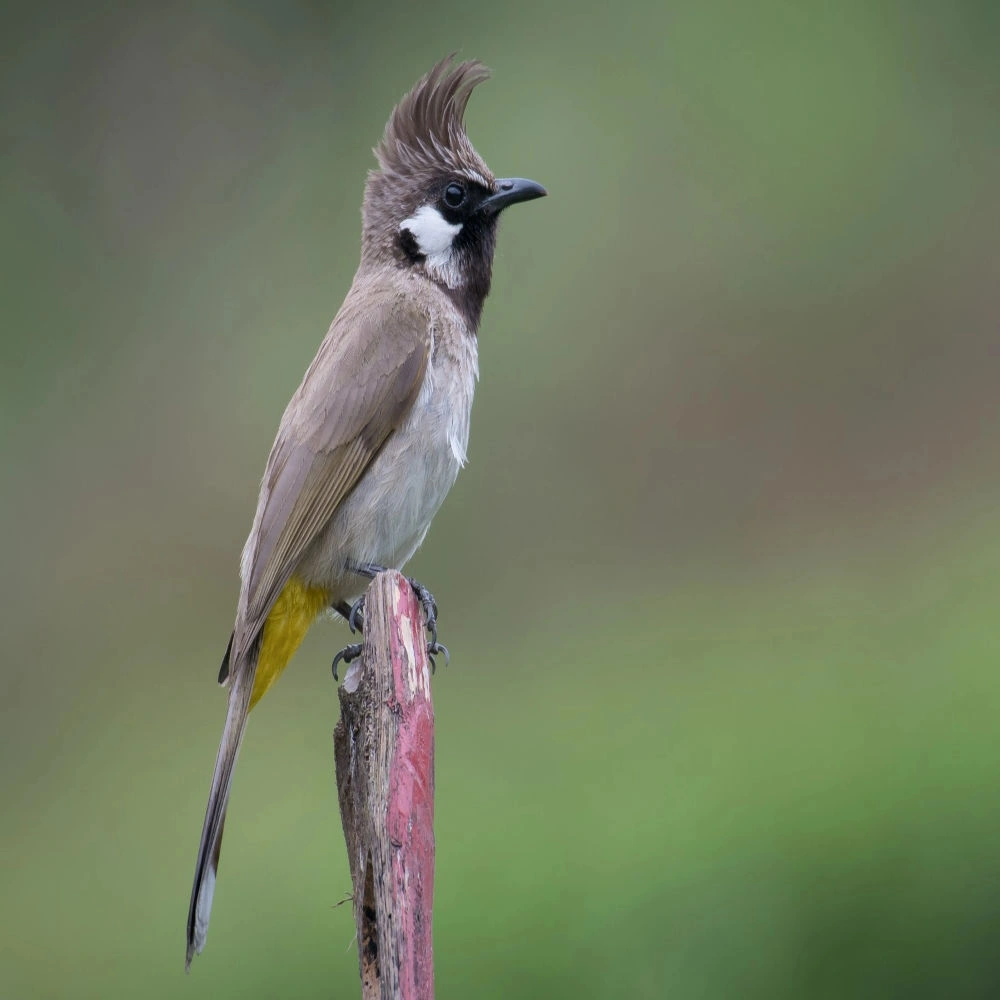
Himalayan Bulbul
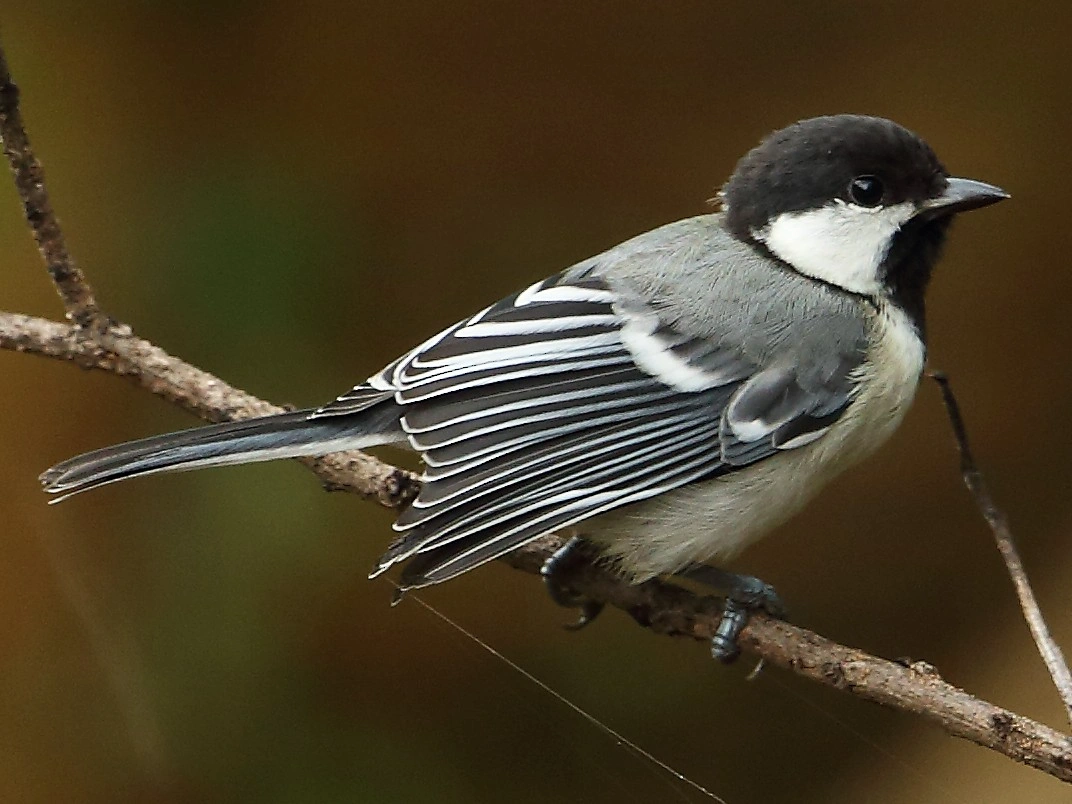
Asian Tit
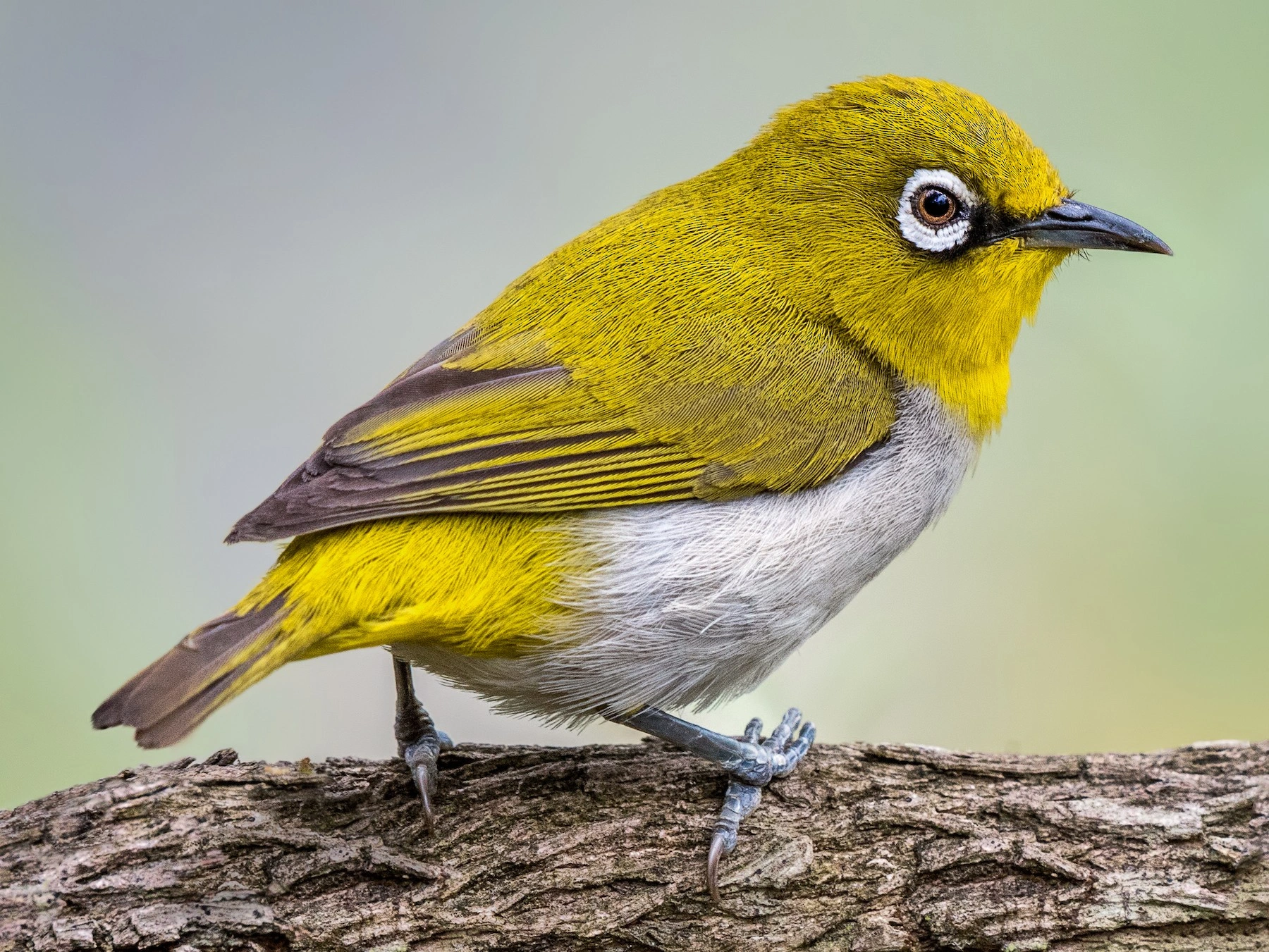
Indian White-eye
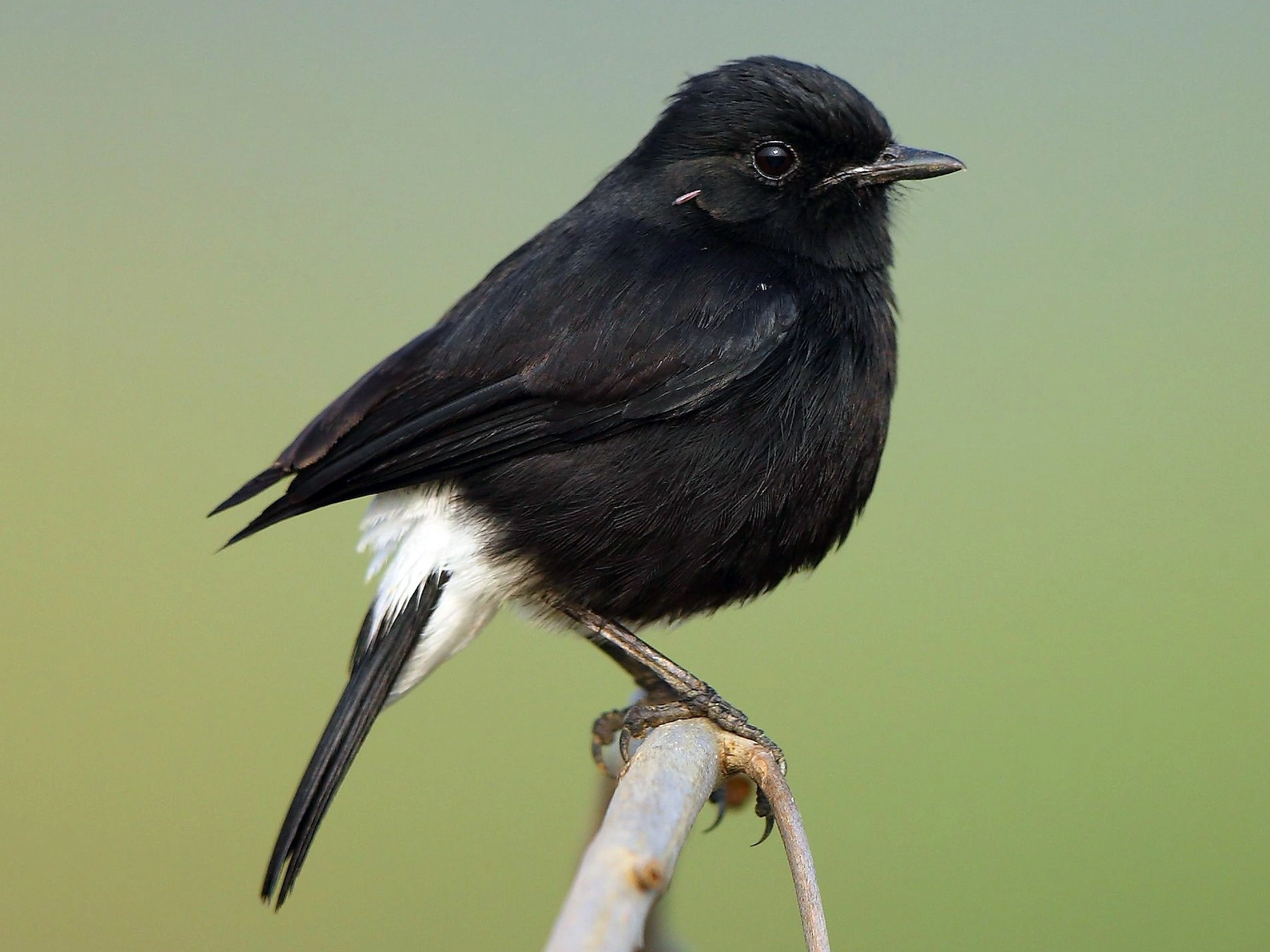
Pied Bushchat
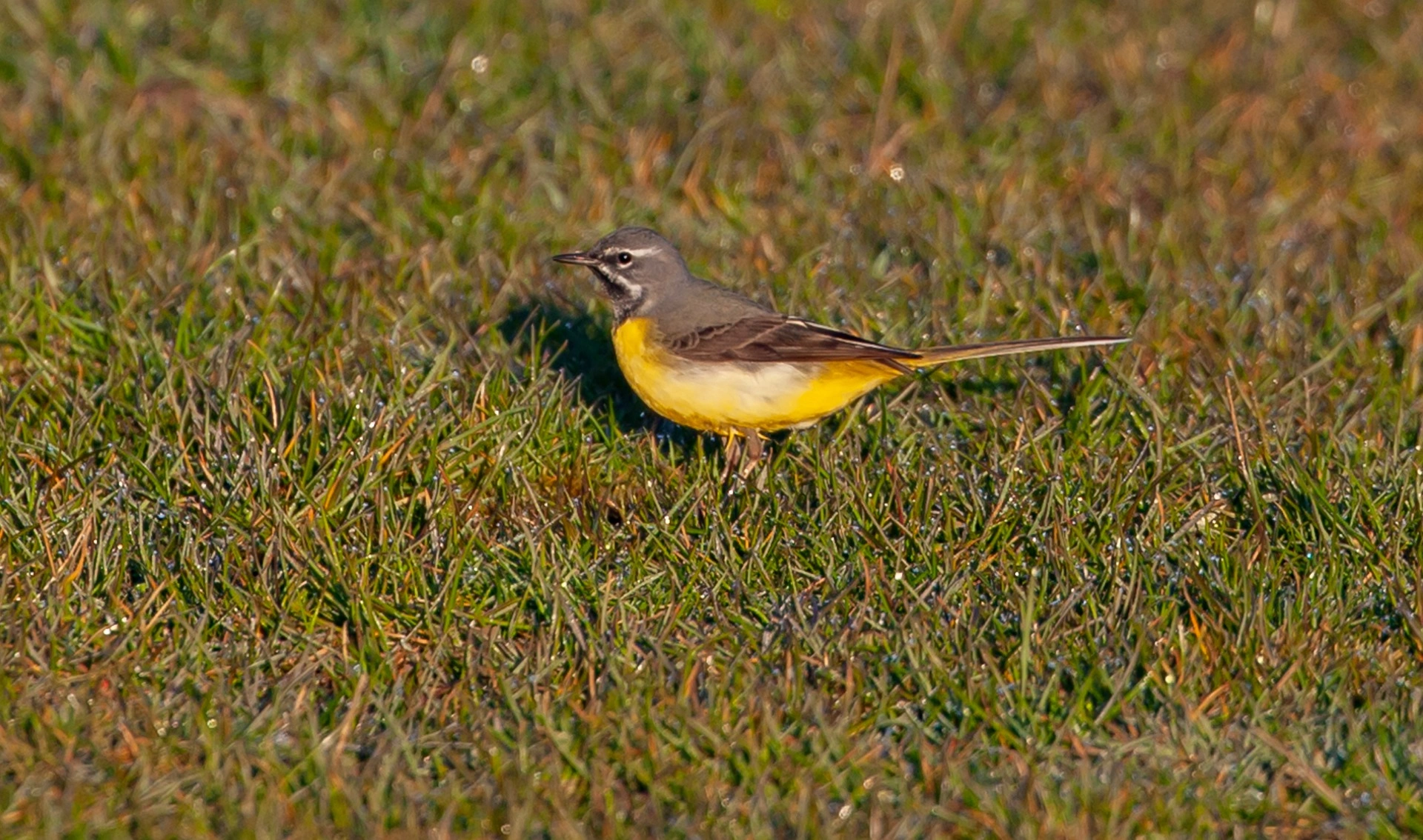
Grey Wagtail
Wire-tailed Swallow
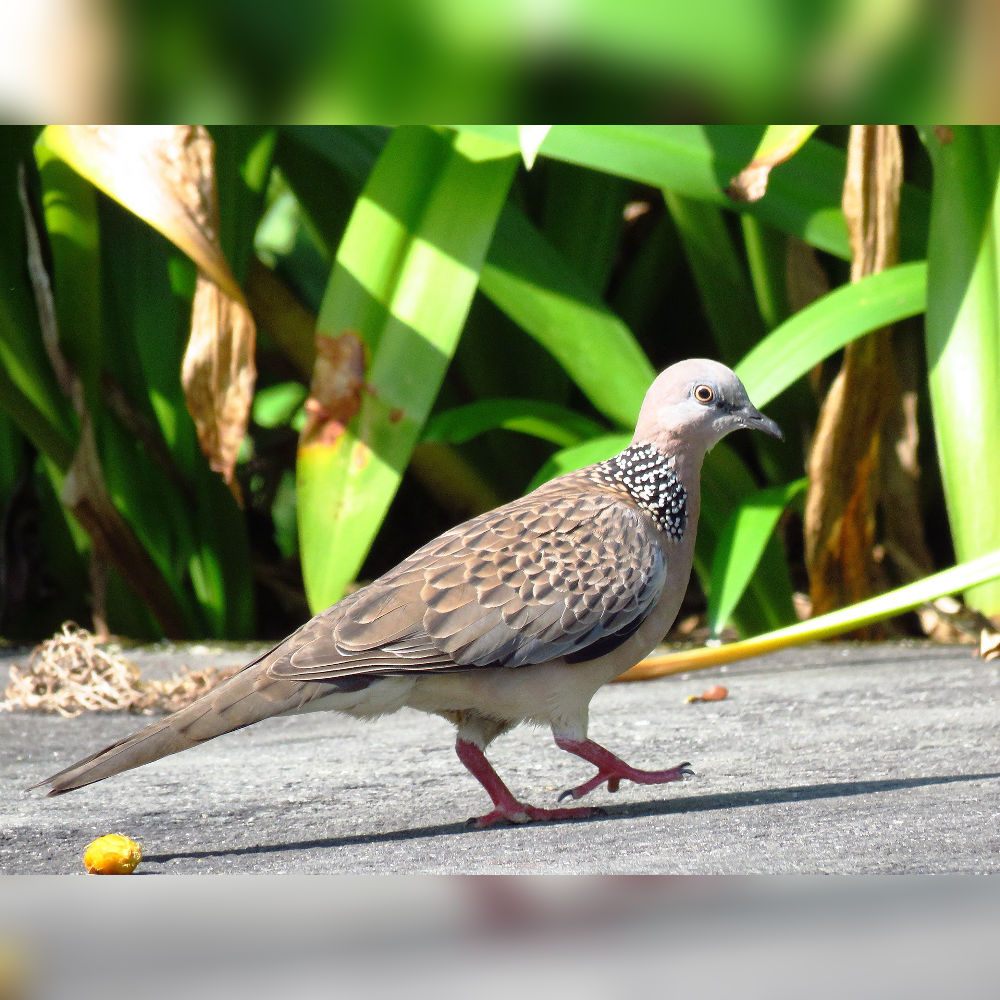
Spotted Dove
House Sparrow

Scroll to Top