

Loading Events

Bird Walk at Anasagar Bird Park, Ajmer, Rajasthan

About Anasagar Bird Park

In the heart of Ajmer, ringed by the rocky Aravalli hills, Ana Sagar is one of Rajasthan’s most historic lakes. It was built in the 12th century by Arnoraja Chauhan, grandfather of Prithviraj Chauhan, by damming a stream. Centuries later, the Mughals added the marble pavilions of the Baradari and the Daulat Bagh gardens along its shore. Today the lake’s bird park and green edges offer a rare stretch of water and greenery in a dry, rocky landscape. Open water, reedy margins, shallow edges and tree-lined promenades sit against a backdrop of bare hills. Fish, frogs, turtles and dragonflies thrive in the lake, and the rocky slopes around it hold lizards, mongooses and dry-country plants.
For birders, Ana Sagar is at its best in winter. Great White Pelicans and the rarer Dalmatian Pelicans fly in from Central Asia and Eastern Europe, and ducks such as the Northern Shoveler join resident Indian Spot-billed Ducks. Painted Storks, herons and cormorants work the shallows, River Terns plunge for fish, and chats, robins and prinias hold the rocky shores. But the lake has struggled for years. Sewage and city runoff pollute the water, causing algal blooms, water hyacinth and even fish deaths. Construction on the lake bed and along the shoreline has shrunk the wetland and drawn court challenges, and crowds, boating and litter disturb the birds. Cleaning the inflowing water, removing encroachments and keeping natural, vegetated edges are vital to protecting Ajmer’s lake and its birds.

Bird Guide - Akansha Verma

A Certified Ornithologist (Cornell University distance education) with a Master’s in Zoology and a diploma in Ornithology, she brings over 7 years of birding experience. She is passionate about inspiring young minds to appreciate birdwatching and regularly writes about her experiences in magazines and newspapers.
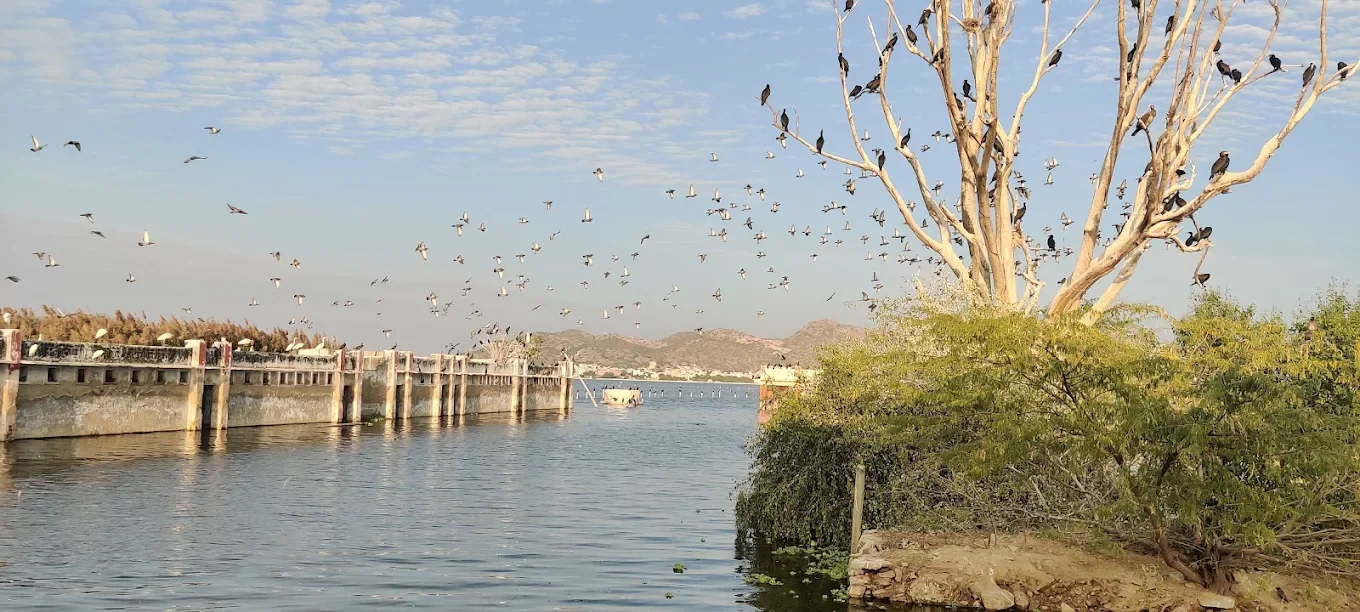
Bird walk Location

Common birds of Anasagar Bird Park

Ana Sagar’s winter stars are its pelicans. The Great White Pelican, snowy white with a pinkish blush, arrives in flocks from Central Asia and fishes in groups, herding fish together before scooping them up. Among them, look for the rarer Dalmatian Pelican, the largest of all pelicans. It is globally Near Threatened and has curly nape feathers and silvery-grey plumage. Painted Storks wade through the shallows, their rosy wing feathers catching the light. The River Tern, a globally threatened species with a bright yellow bill, plunges after fish. Northern Shovelers, winter visitors from the north, sweep their broad, spoon-shaped bills through the water, while Indian Spot-billed Ducks rest nearby. Little Cormorants dive for fish. The slender Purple Heron hides in the reeds, and the Gray Heron and Great and Little Egrets hunt patiently along the edges. Gray-headed Swamphens and Eurasian Moorhens pick through the weeds. The White-throated Kingfisher calls loudly from its perch, and Asian Green Bee-eaters swoop after insects. On the rocky shores, the Brown Rock Chat and Indian Robin perch on boulders. Black Drongos, Ashy Prinias, Purple Sunbirds and Rose-ringed Parakeets complete the scene.
Great White Pelican
Dalmatian Pelican
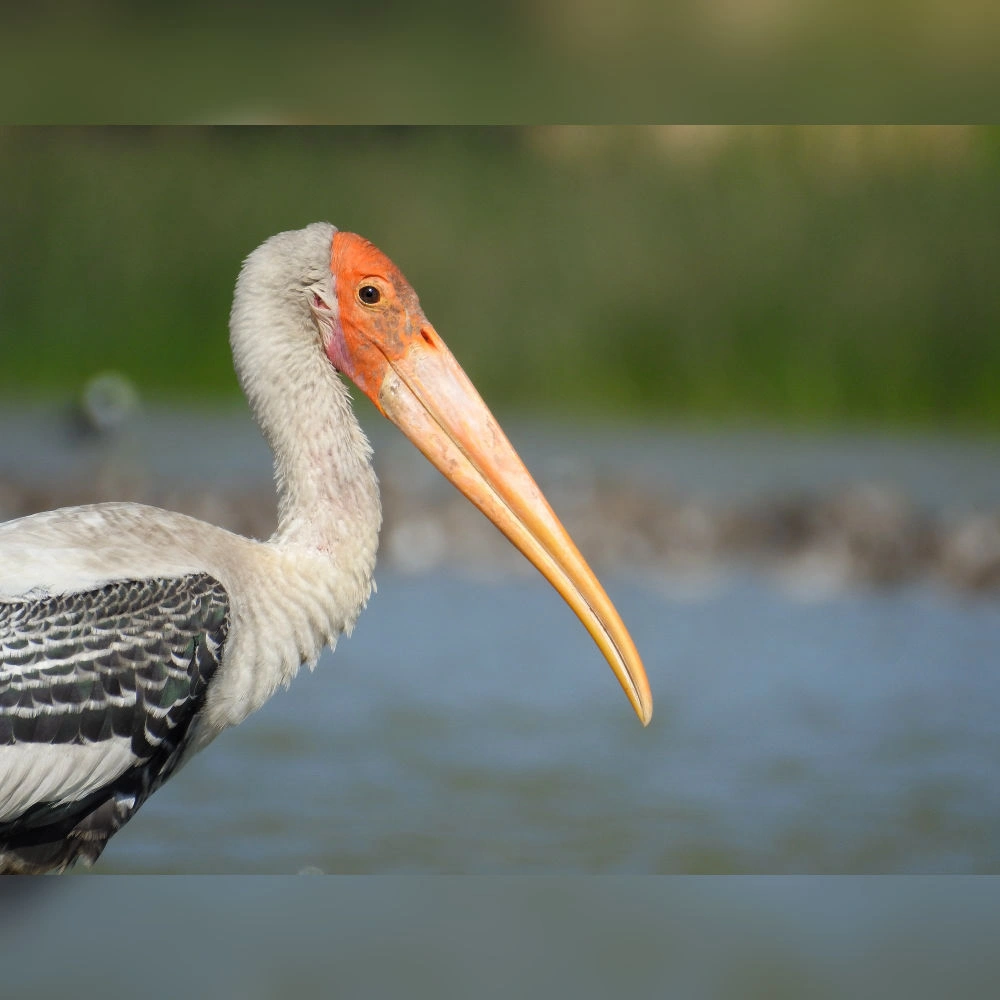
Painted Stork
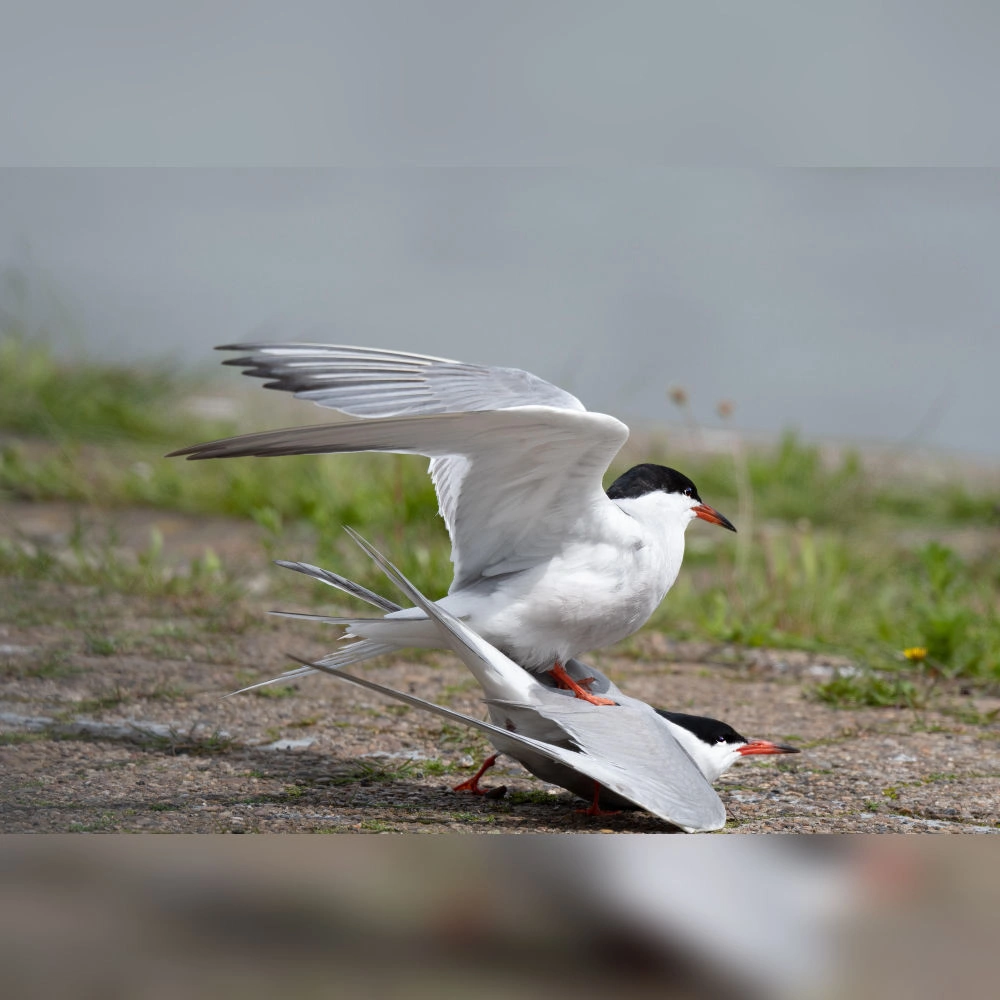
River Tern
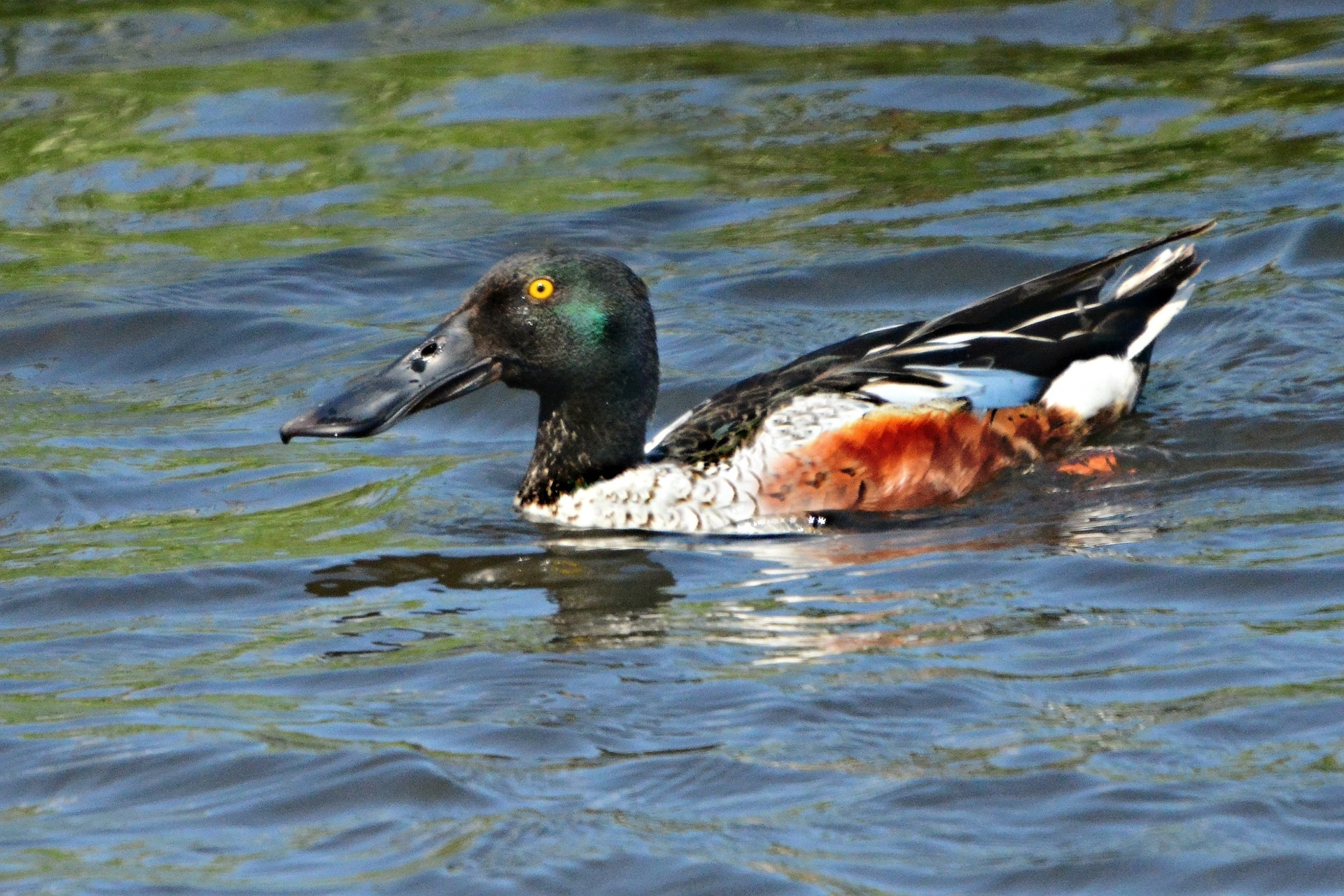
Northern Shoveler
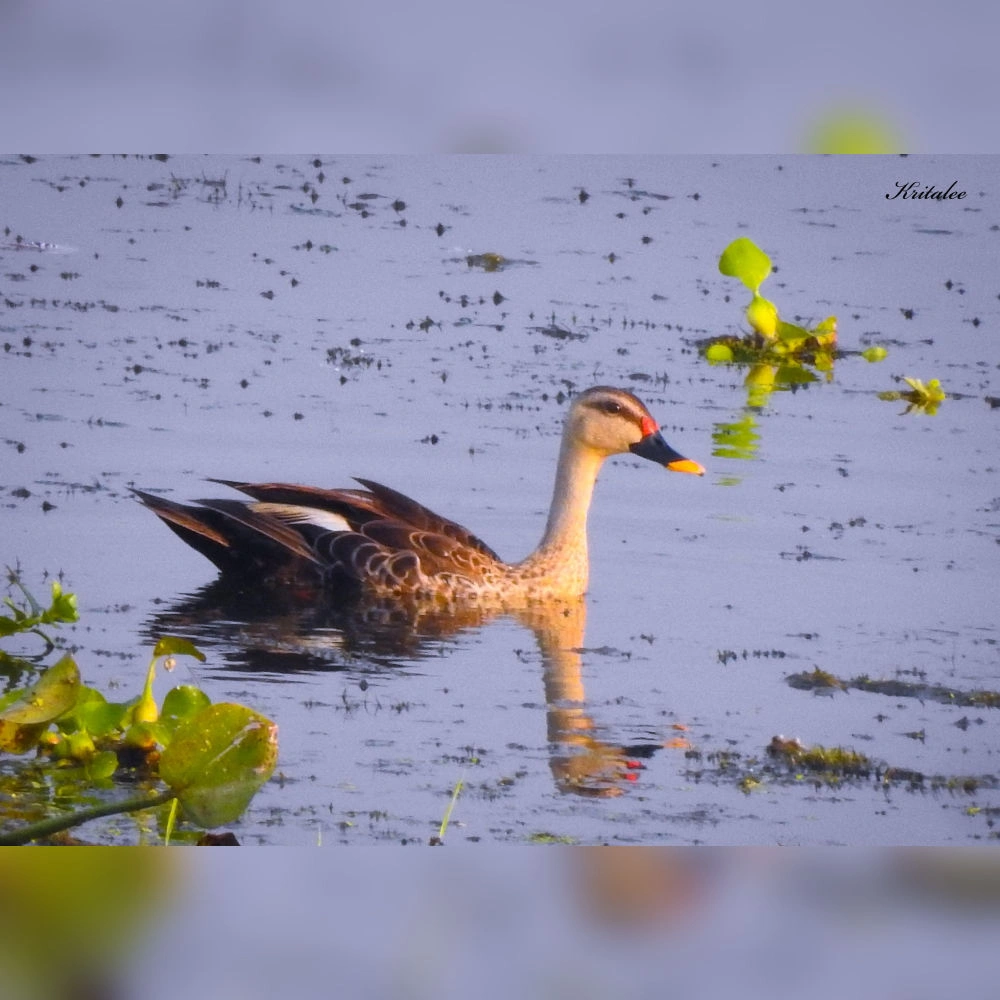
Indian Spot-billed Duck
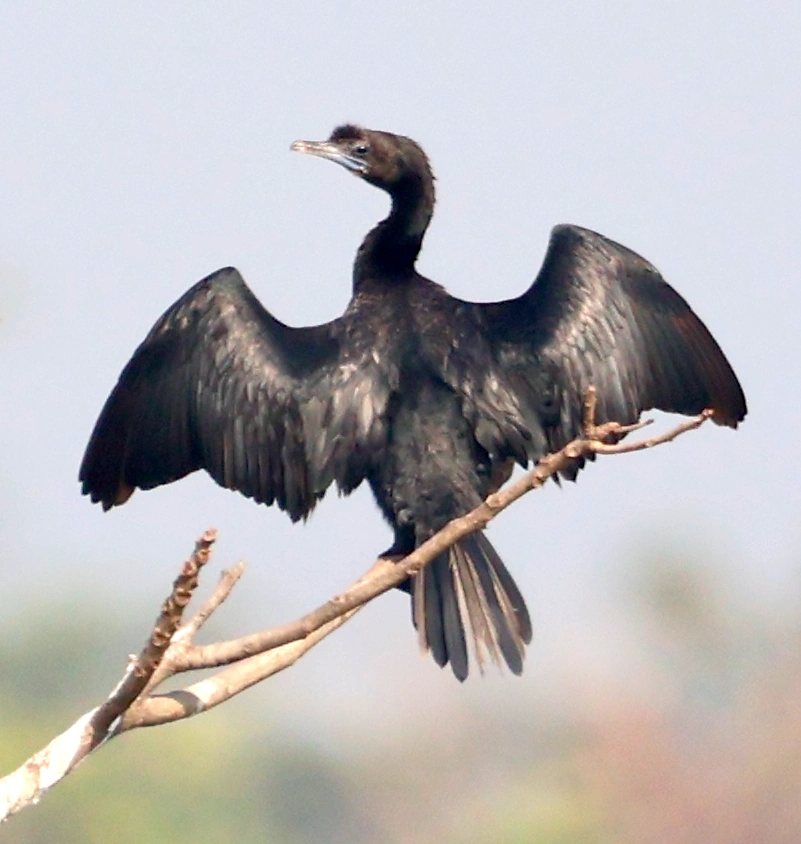
Little Cormorant
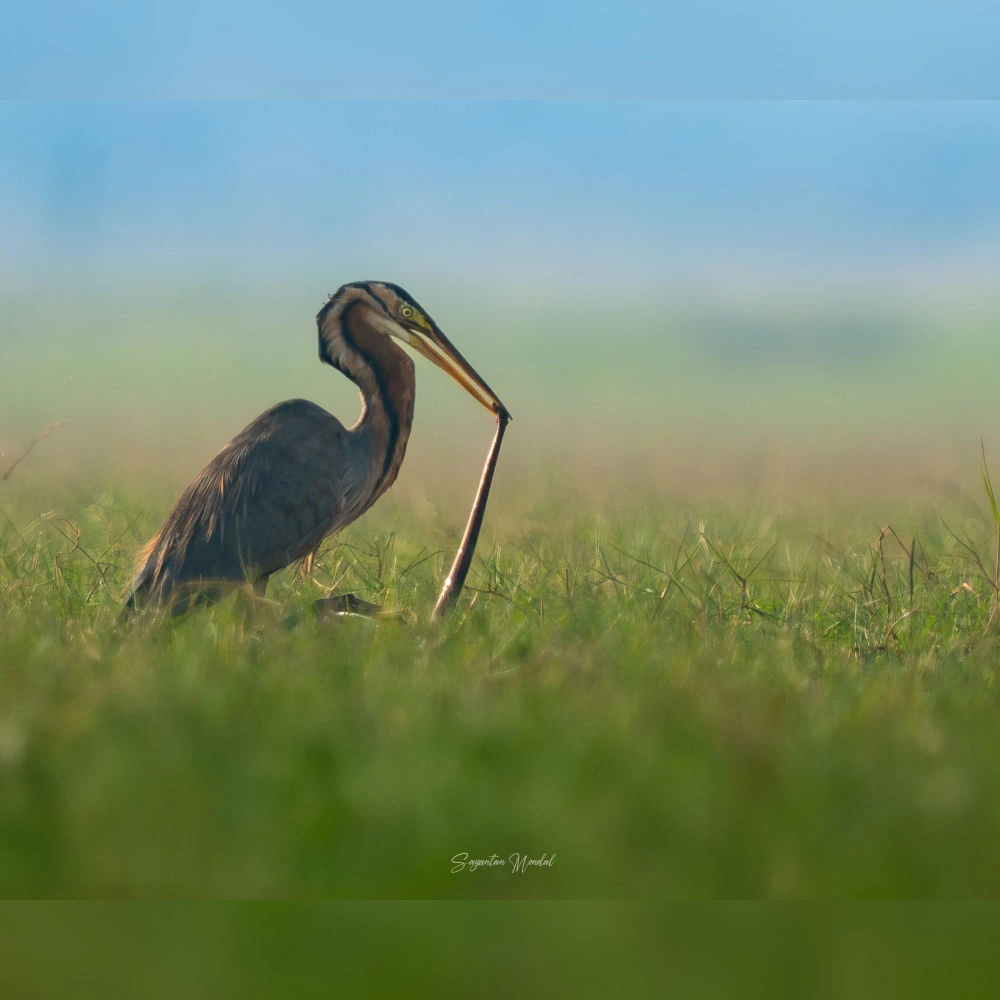
Purple Heron
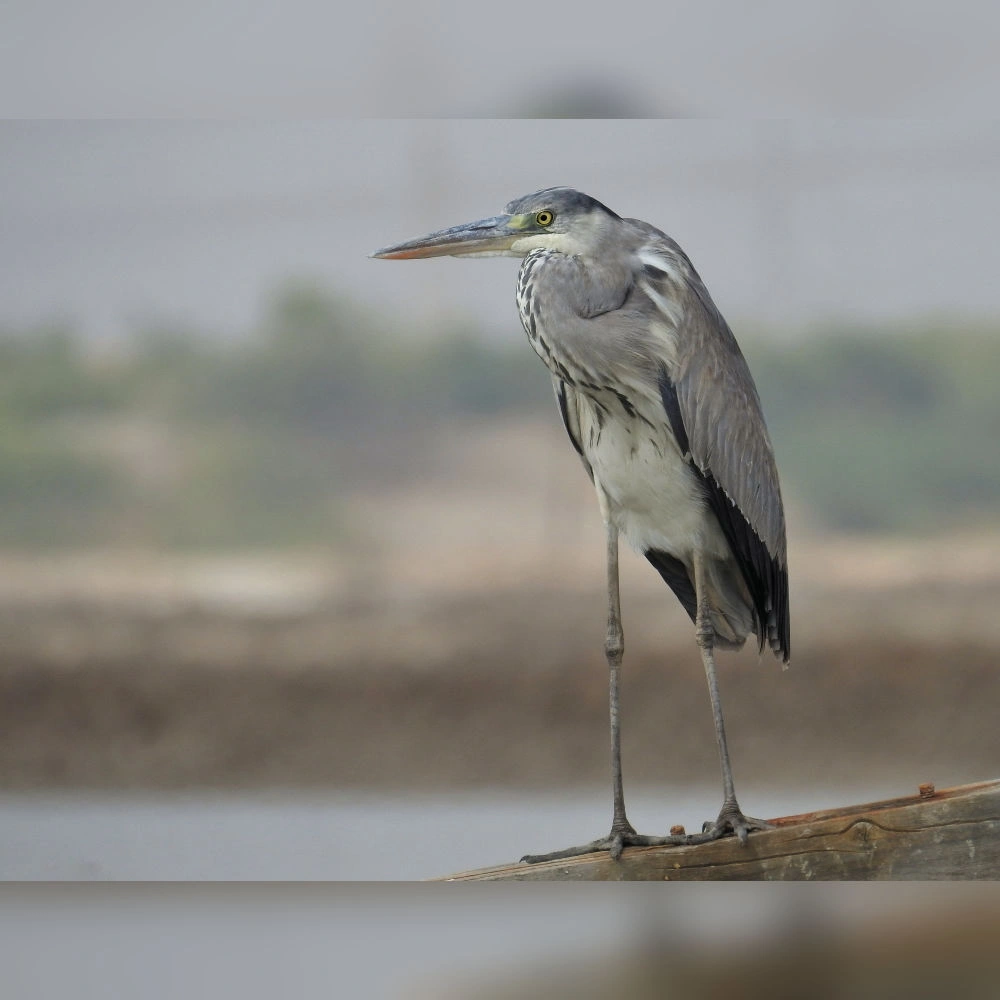
Grey Heron
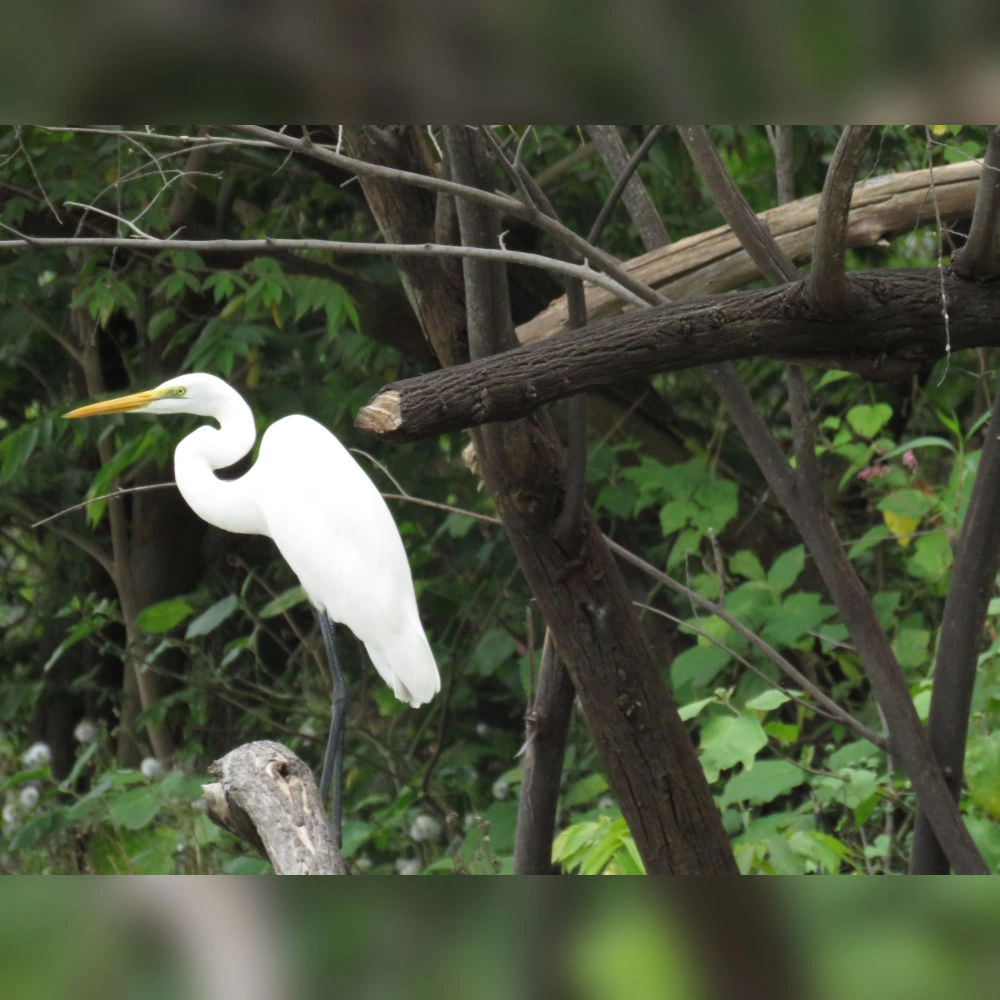
Great Egret
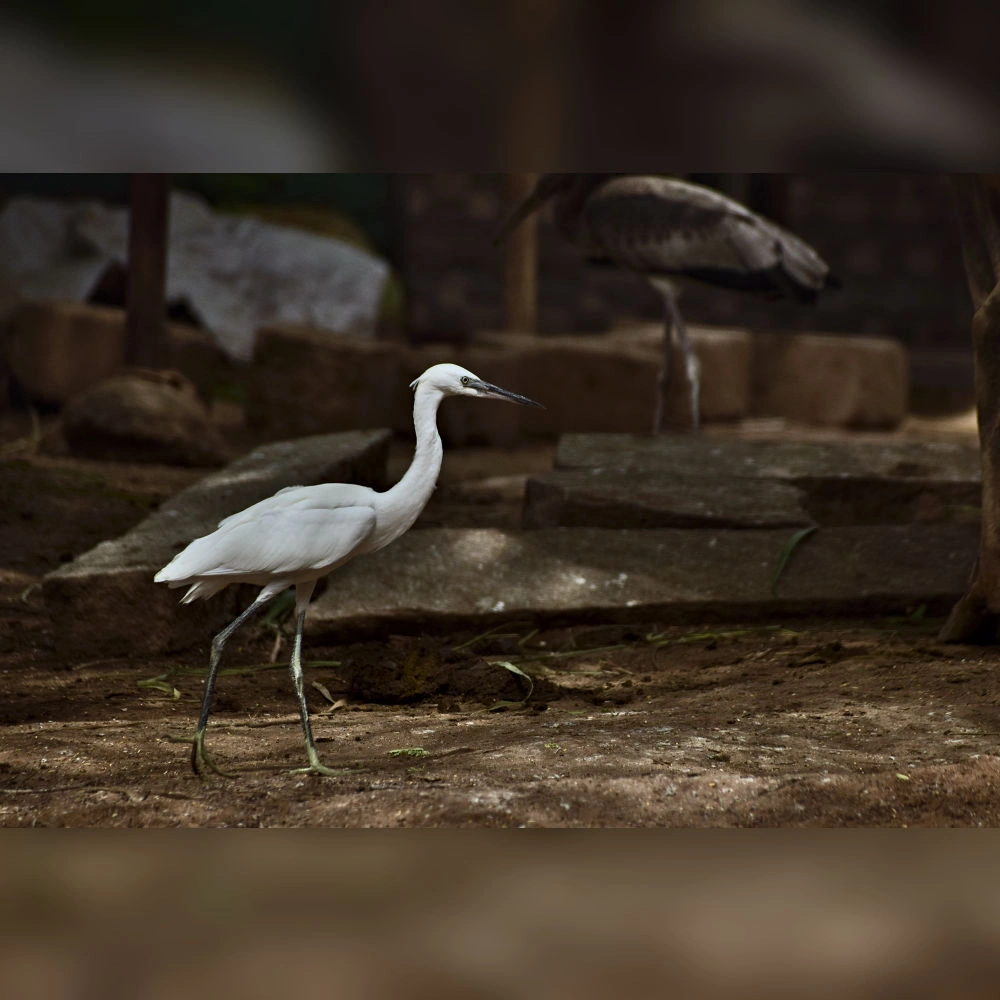
Little Egret
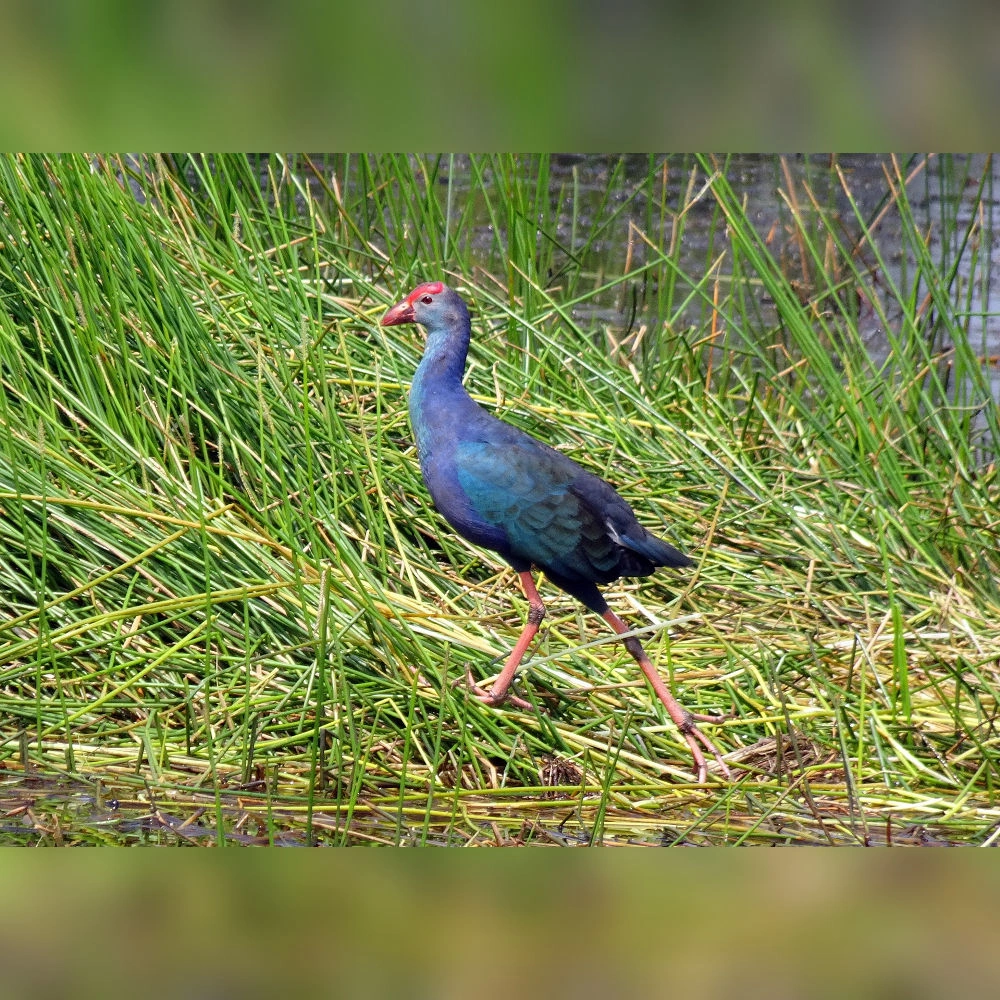
Grey-headed Swamphen
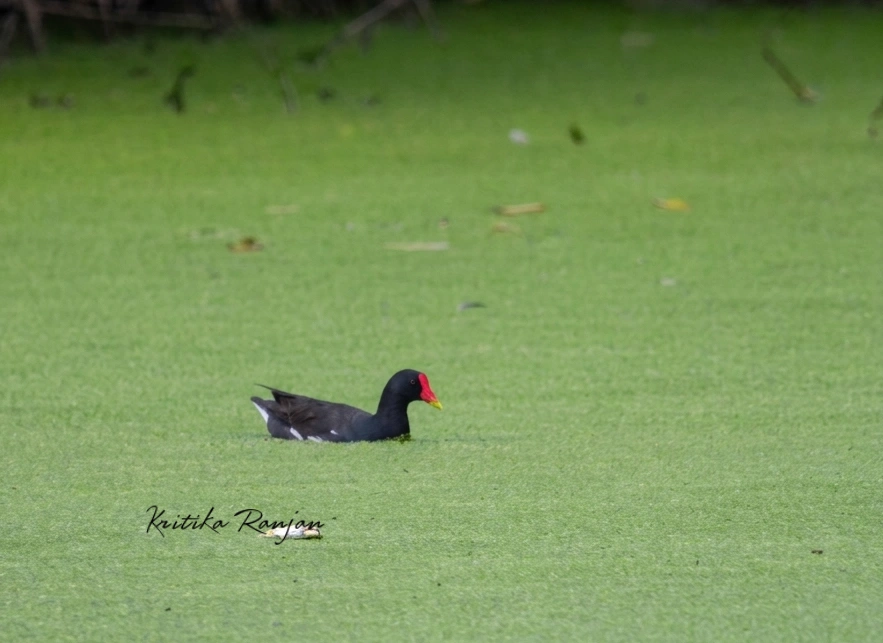
Eurasian Moorhen
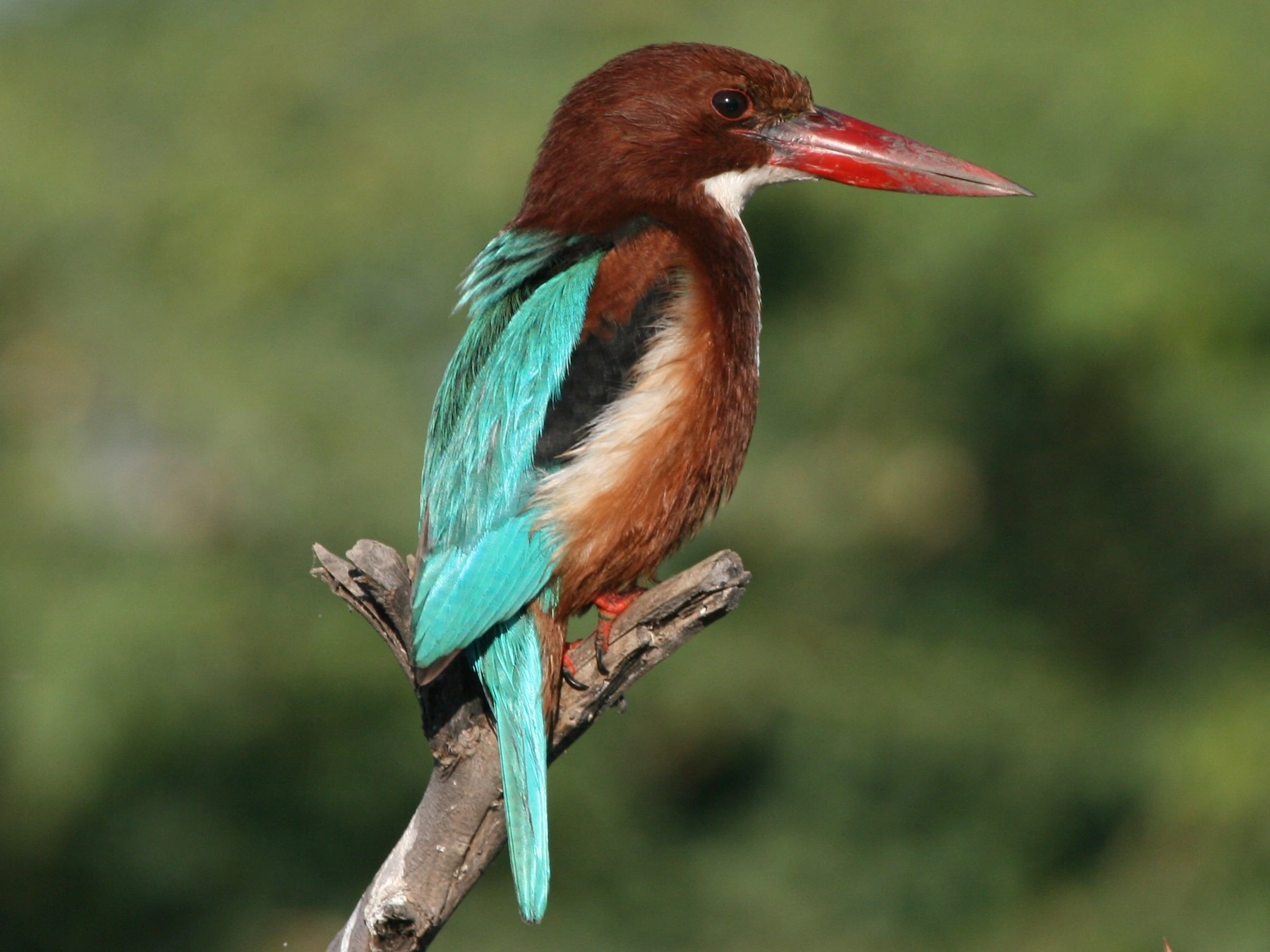
White-throated Kingfisher
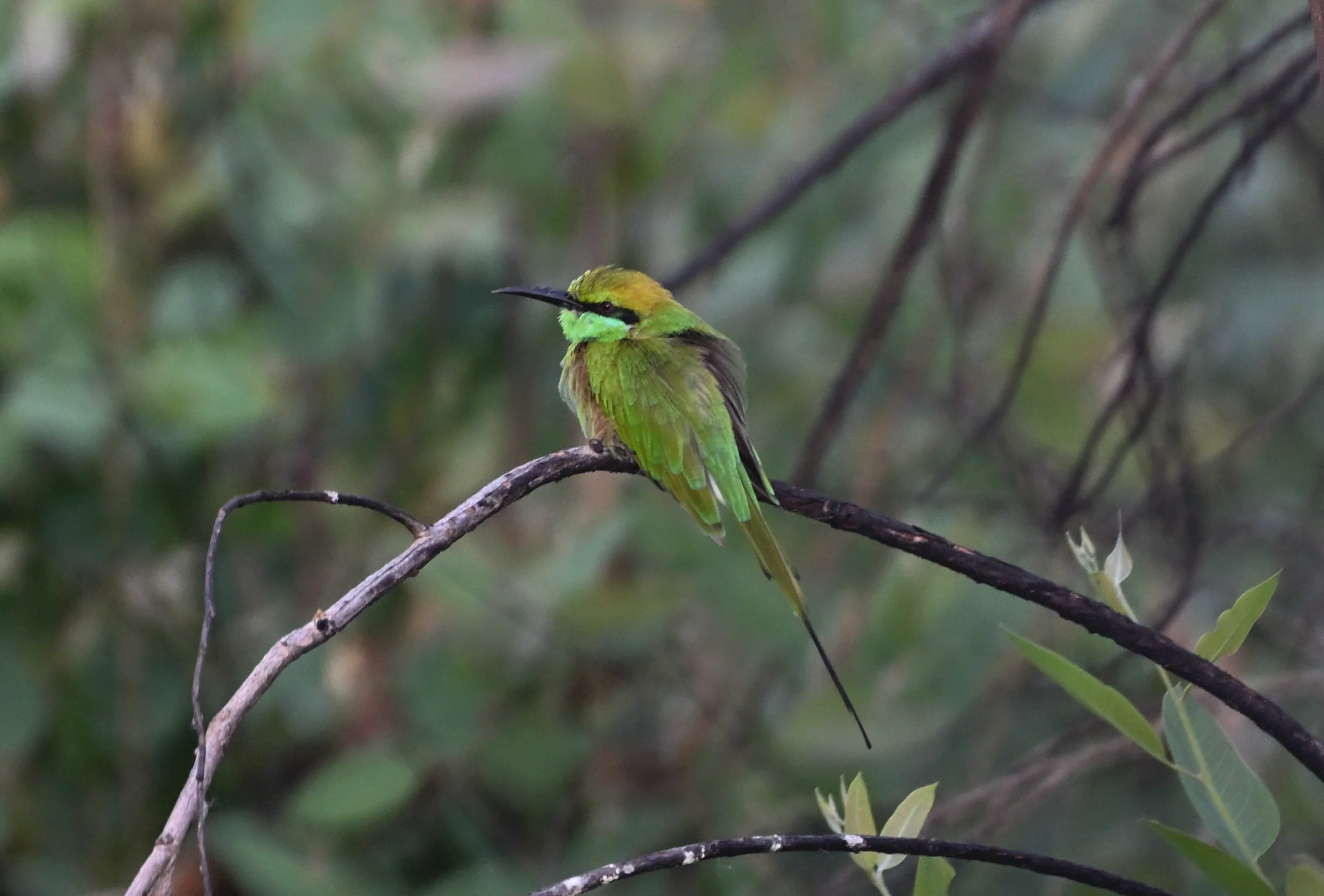
Asian Green Bee-eater
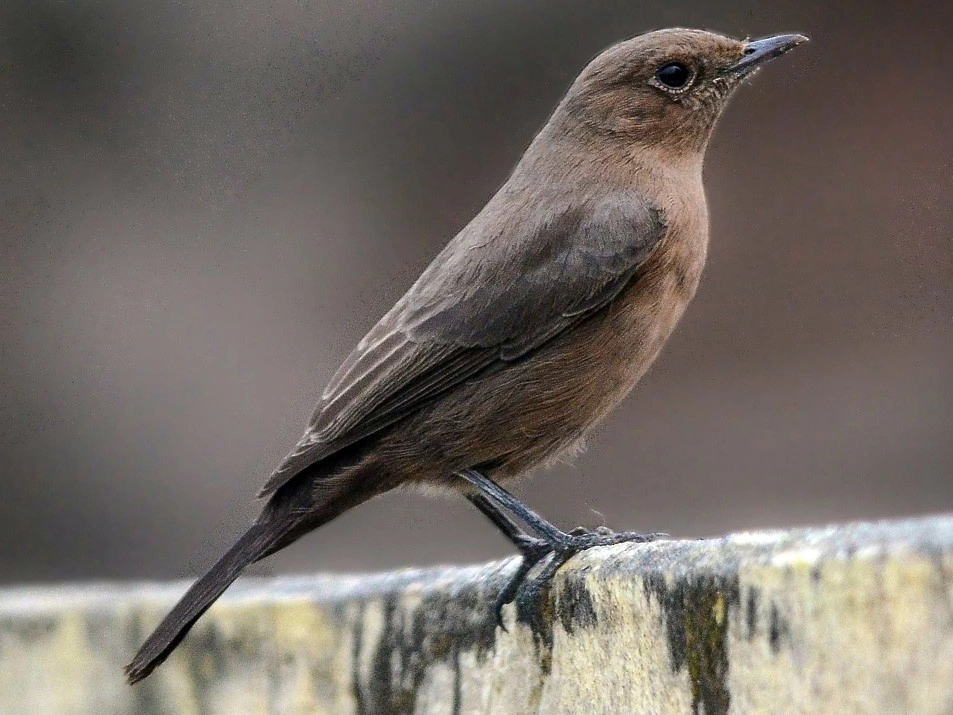
Brown Rock Chat
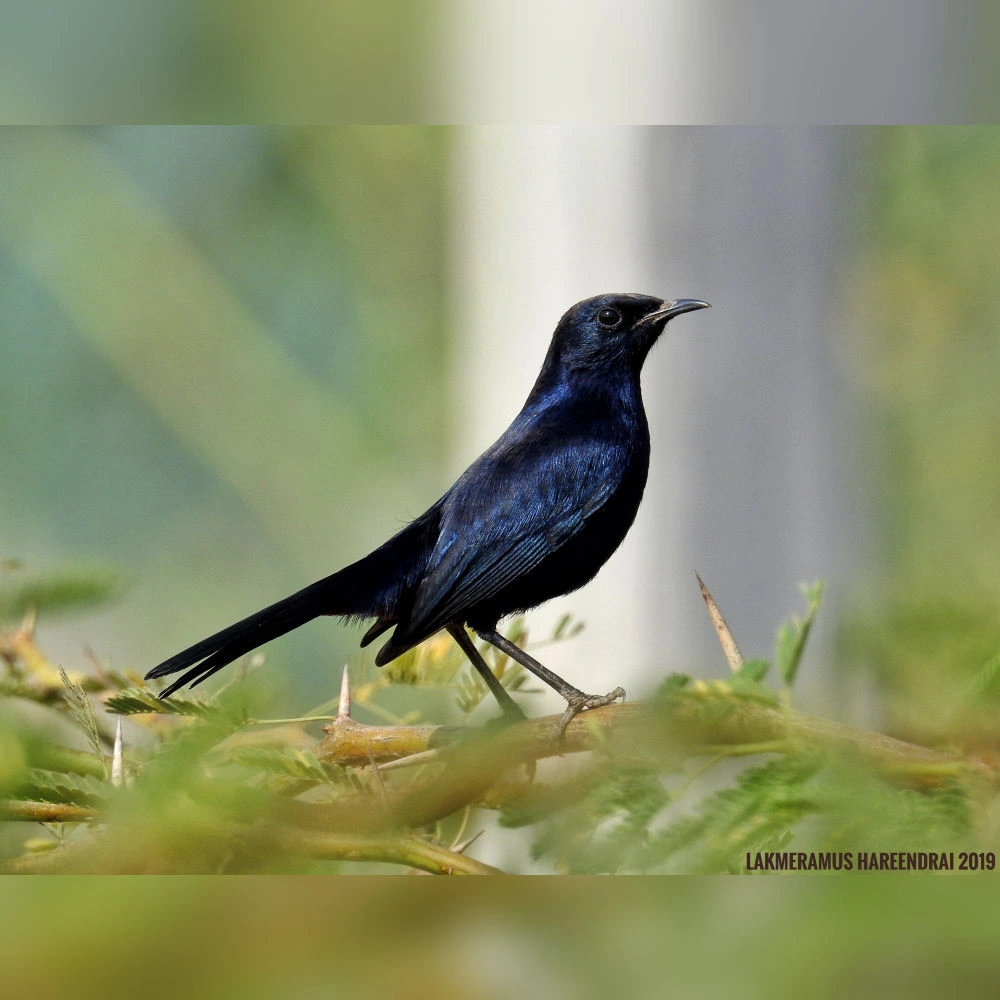
Indian Robin
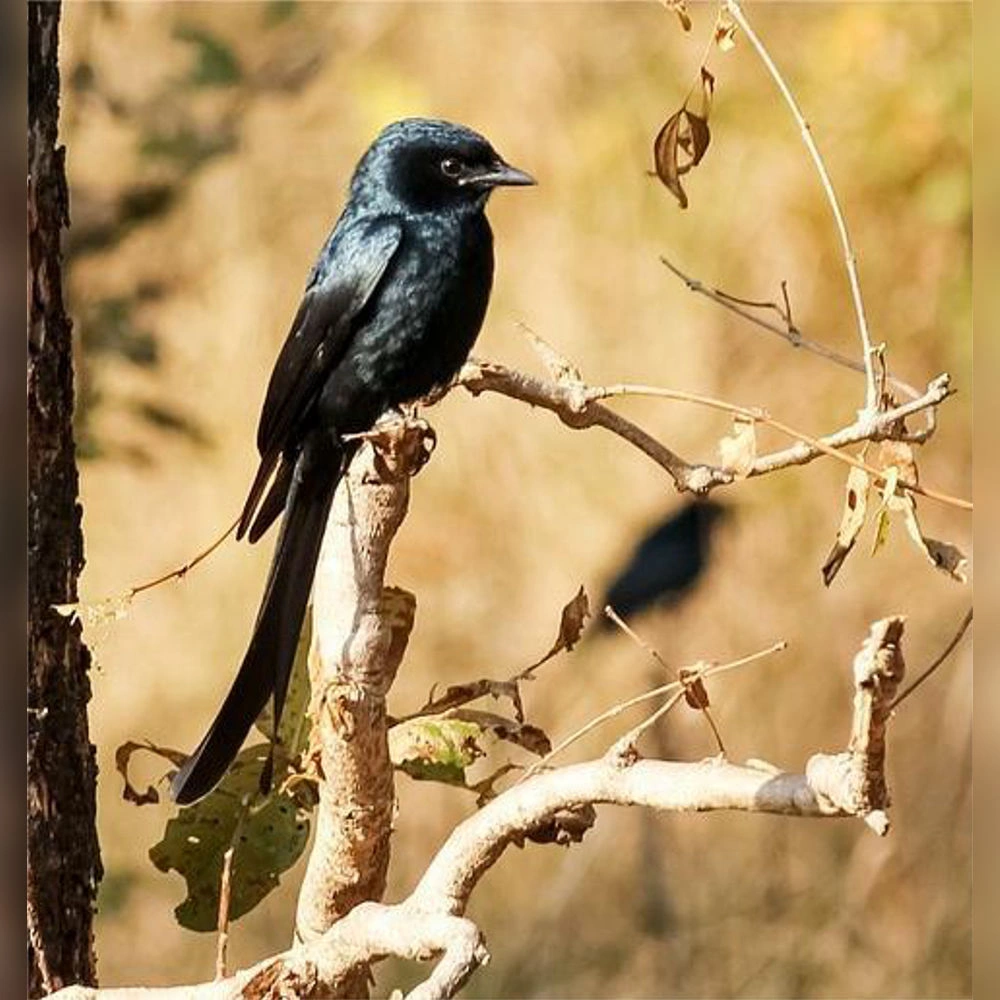
Black Drongo
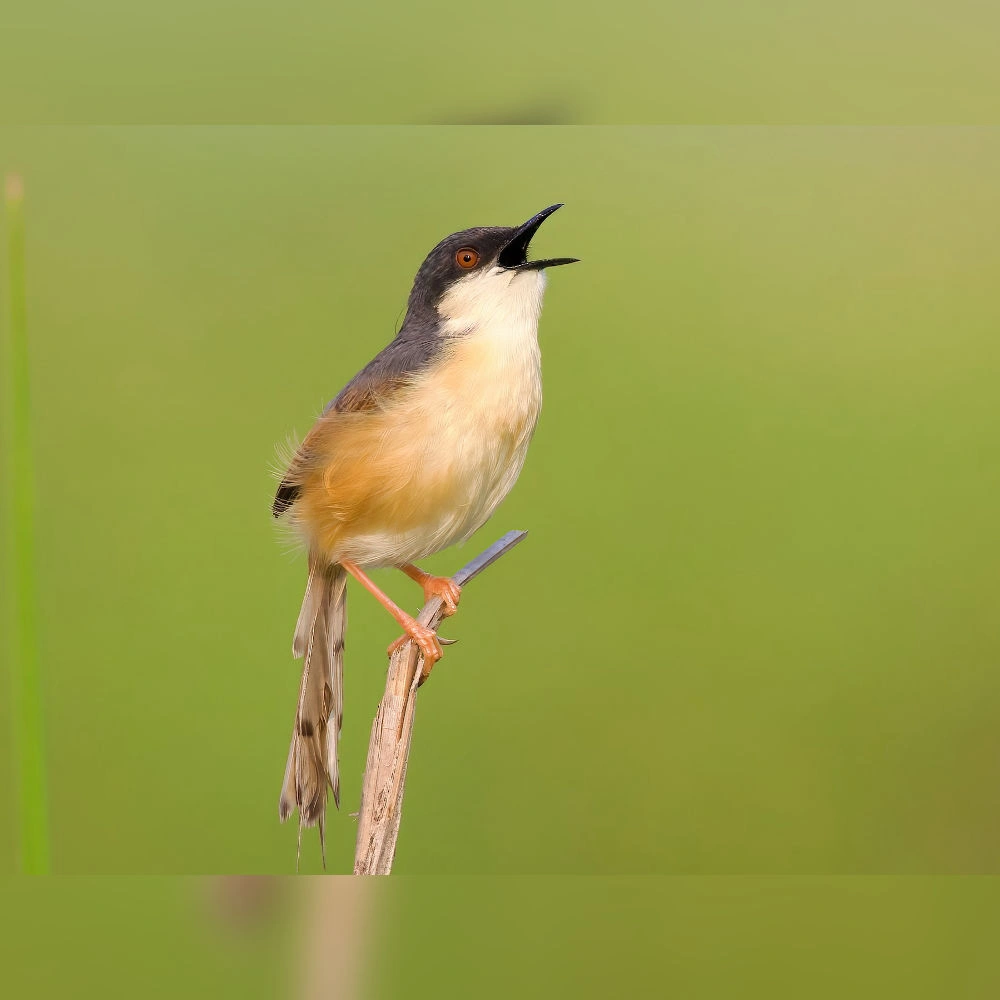
Ashy Prinia
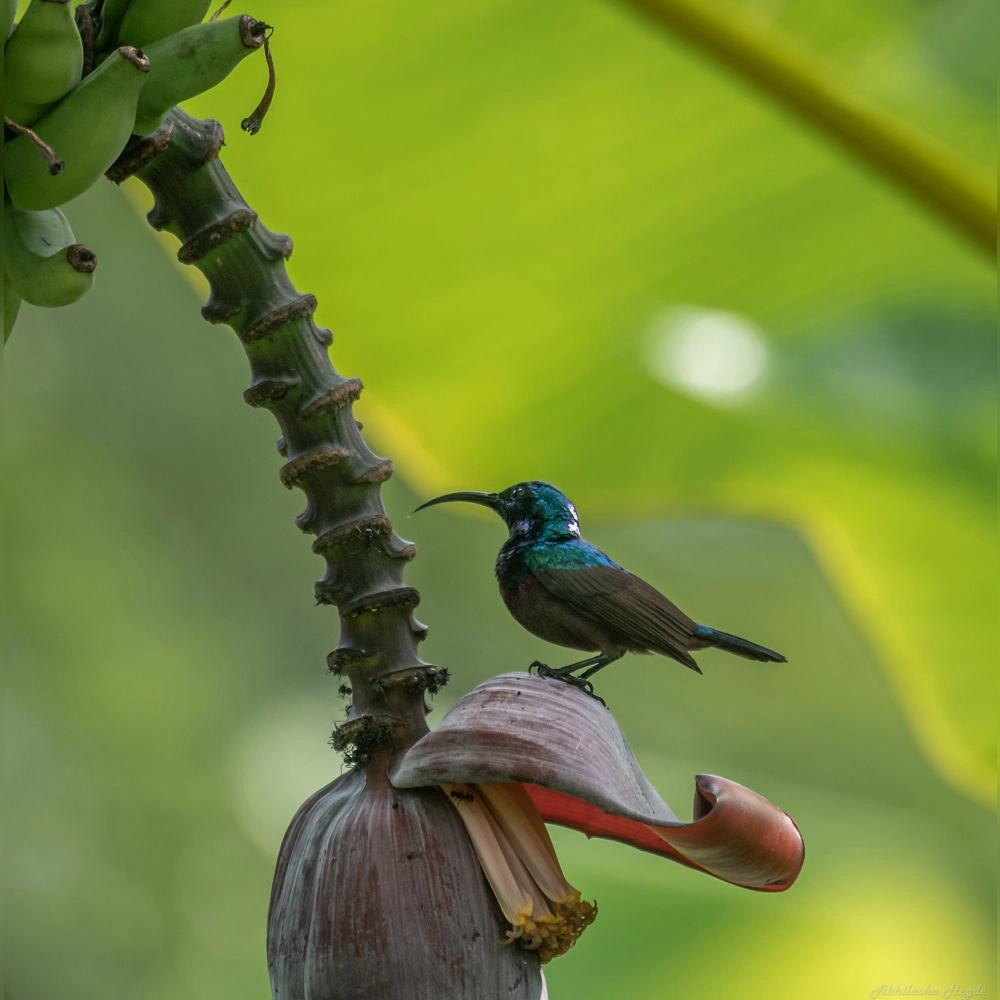
Purple Sunbird

Scroll to Top