Loading Events

Bird Walk at Wadhvana Bird Sanctuary, near Vadodara, Gujarat

About Wadhvana Bird Sanctuary

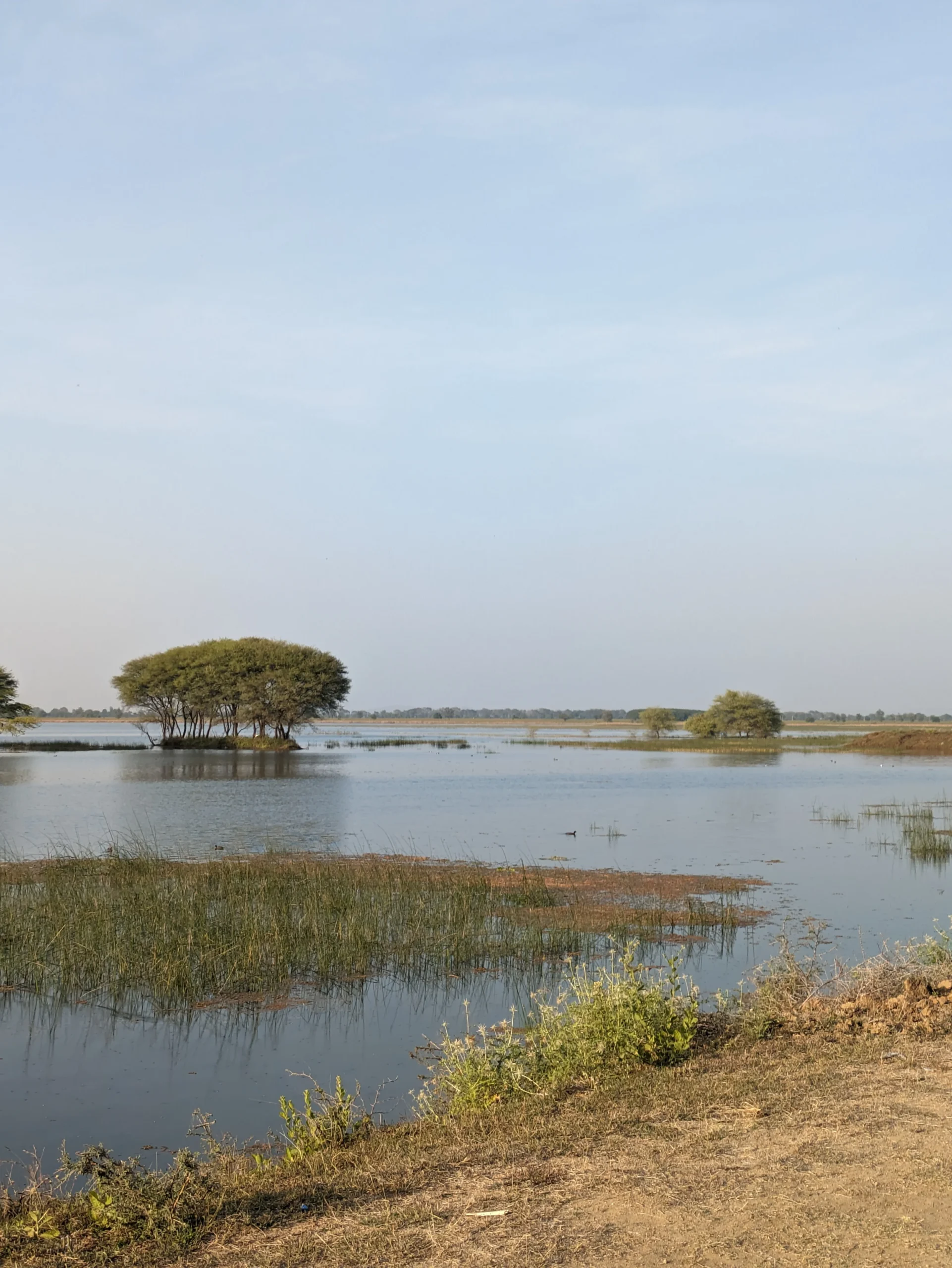
About 45 km southeast of Vadodara, near Dabhoi, Wadhvana Wetland began as an irrigation reservoir built in the early 20th century, during the rule of the Gaekwads of Baroda. More than a century later, it has become one of Gujarat’s most important wetlands for birds and was designated a Ramsar Site in 2021. The reservoir changes through the year. Wide open water in the monsoon gives way, through winter, to shallow margins, mudflats, reedbeds and wet grassland, surrounded by farmland and village groves. Fish, frogs, snails and aquatic plants thrive in the shallows, which makes the wetland a rich feeding ground.
For birders, Wadhvana is at its best from November to February, when tens of thousands of migrant waterbirds arrive from Central Asia, Siberia and the Himalayas. Bar-headed Geese, Northern Pintails, Red-crested Pochards and many other ducks cover the open water, while harriers hunt over the reeds and storks, egrets and jacanas work the margins. More than 80 migratory species have been recorded here. But the wetland faces real pressures. Water levels are drawn down for irrigation, and fertiliser and pesticide runoff from the surrounding farms pollutes the water. Overfishing, grazing, invasive weeds and occasional poaching add to the strain, and disturbance from growing tourism can scare off feeding flocks. Careful water management, cleaner runoff and community involvement are key to keeping Wadhvana a winter haven for birds.

Bird Guide: Neel Vasava

Zoology graduate and passionate wildlife enthusiast with 3+ years of birding experience, deeply interested in animal behaviour, ecology, and conservation. I enjoy sharing field-based knowledge and real-world observations to build awareness and inspire people to connect with nature.
Bird walk Location

Common birds of Wadhvana Bird Sanctuary

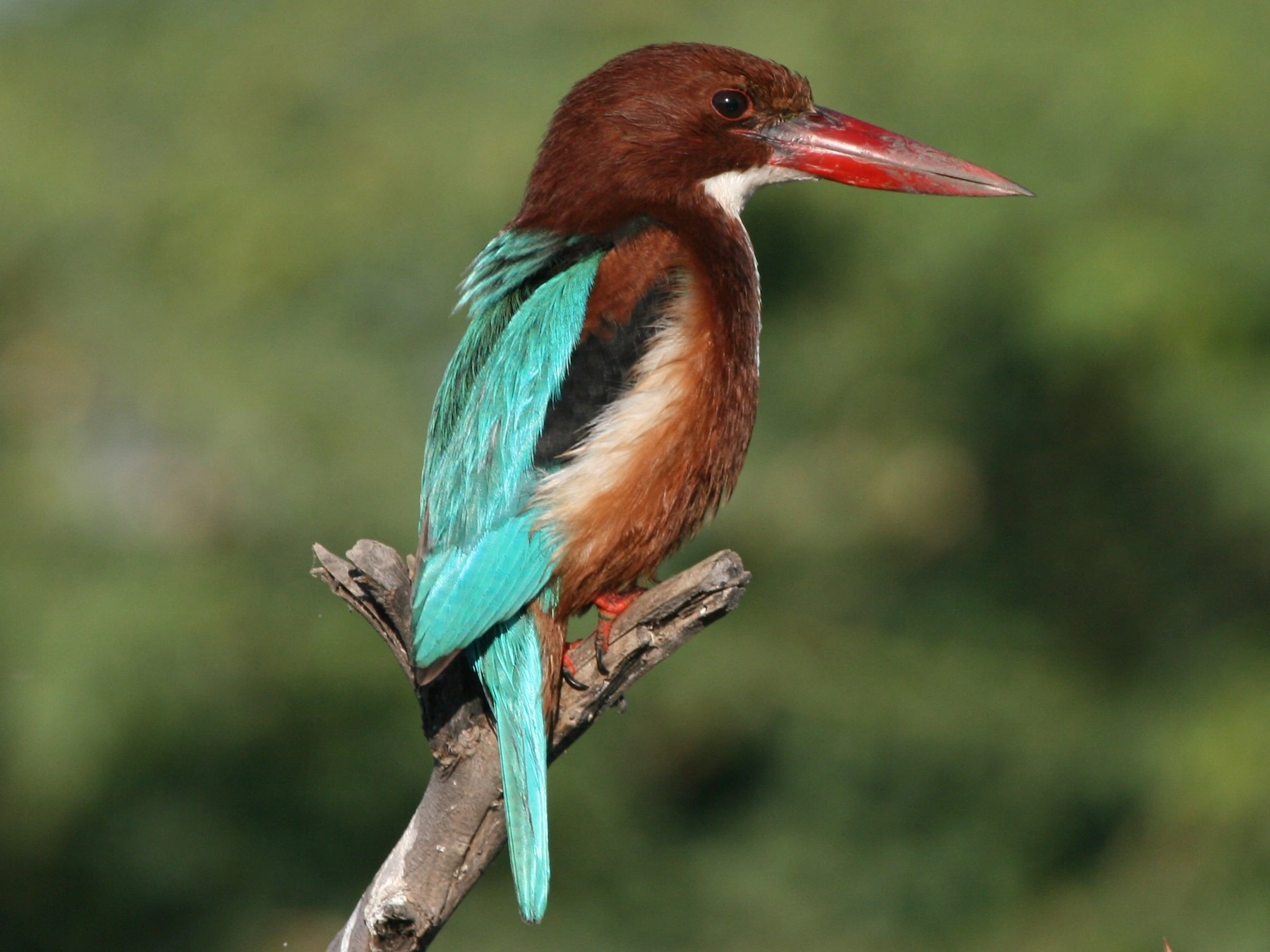
Every winter, Wadhvana fills with travellers from across the Himalayas. The Bar-headed Goose is one of the highest-flying birds on Earth, crossing the world’s tallest mountains to reach these waters, and it grazes in big, honking flocks. Bright orange Ruddy Shelducks call loudly from the shore. The elegant Northern Pintail, with its long, needle-like tail, dabbles alongside the Red-crested Pochard. The pochard drake is a striking bird, with a rounded orange head and a bright red bill. Gadwalls, Garganeys and tiny Green-winged Teal crowd the open water, and flocks of Lesser Whistling-Ducks whistle softly as they fly in. Over the reeds, the Western Marsh Harrier glides low, scattering the flocks. Asian Openbills crack open snails with their oddly gapped bills. The glossy Bronze-winged Jacana walks across floating leaves on long toes, and Black-winged Stilts wade on pink legs. Red-wattled Lapwings keep a noisy watch, while Gray-headed Swamphens, Eurasian Coots and Little Grebes share the shallows. Little Cormorants dive for fish, the Great Egret and Indian Pond-Heron hunt patiently, and the White-throated Kingfisher calls from its perch.

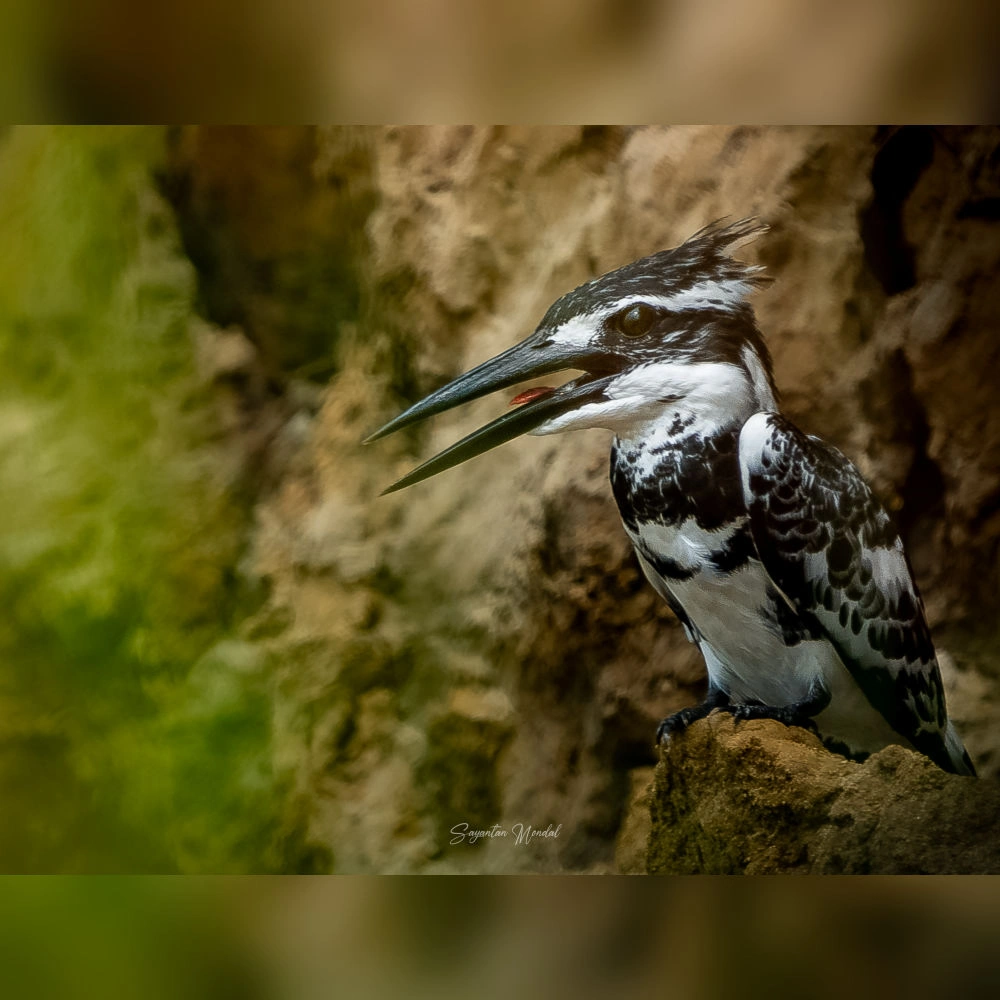
Pied Kingfisher
White-throated Kingfisher
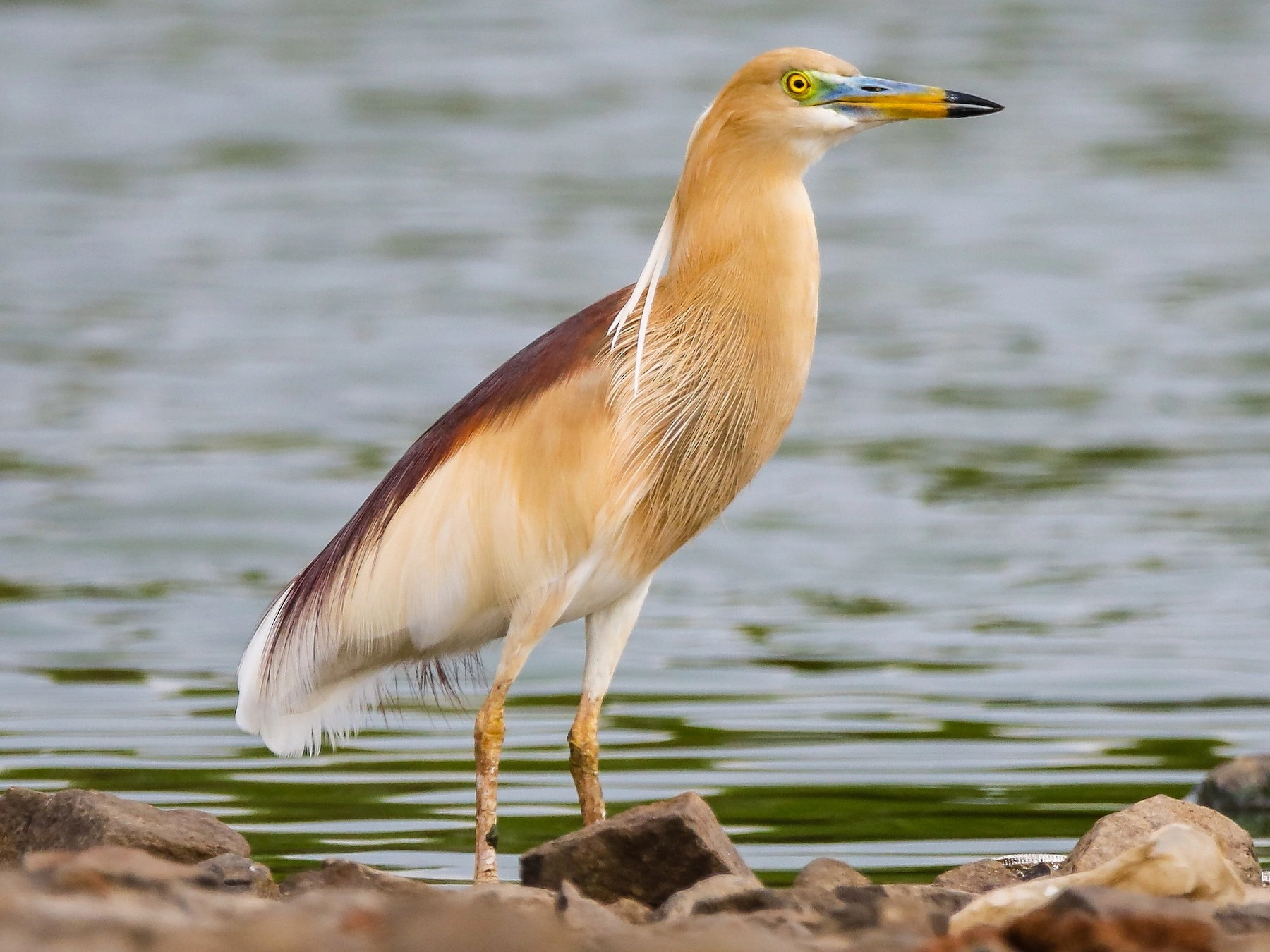
Indian Pond Heron
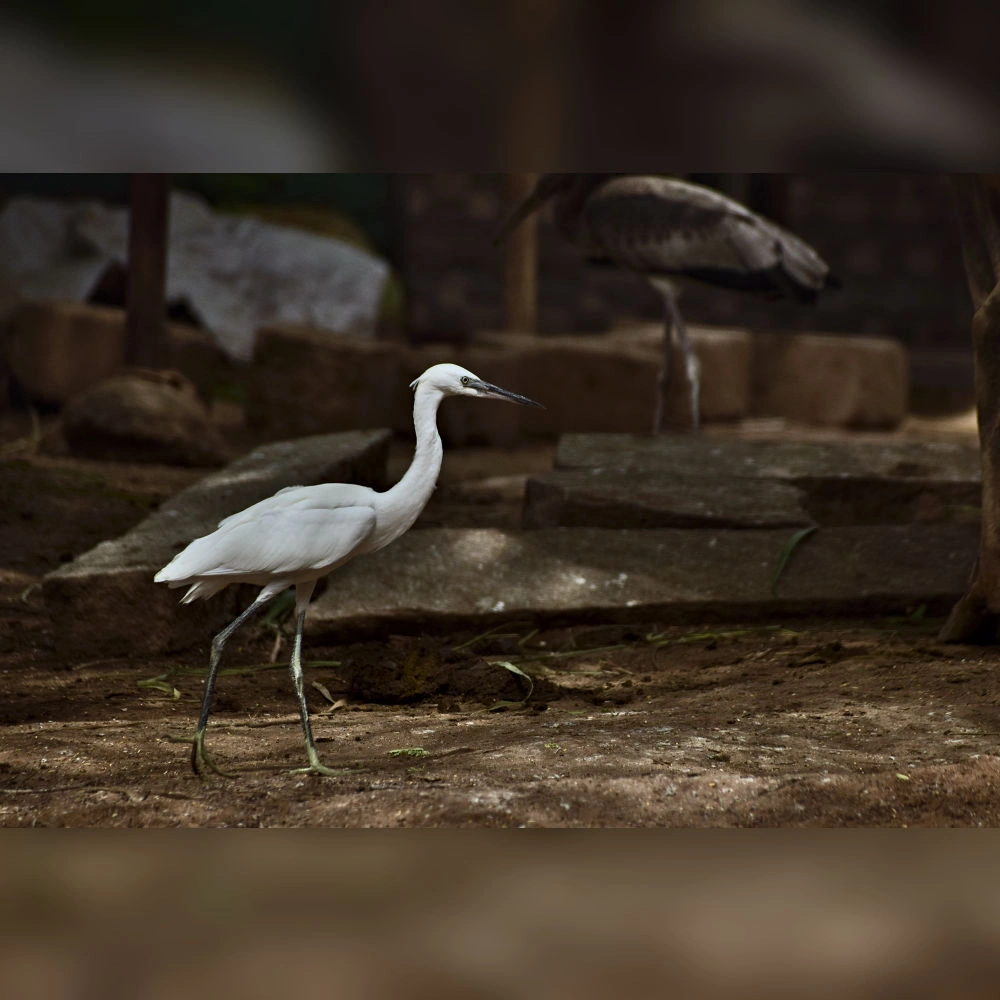
Little Egret
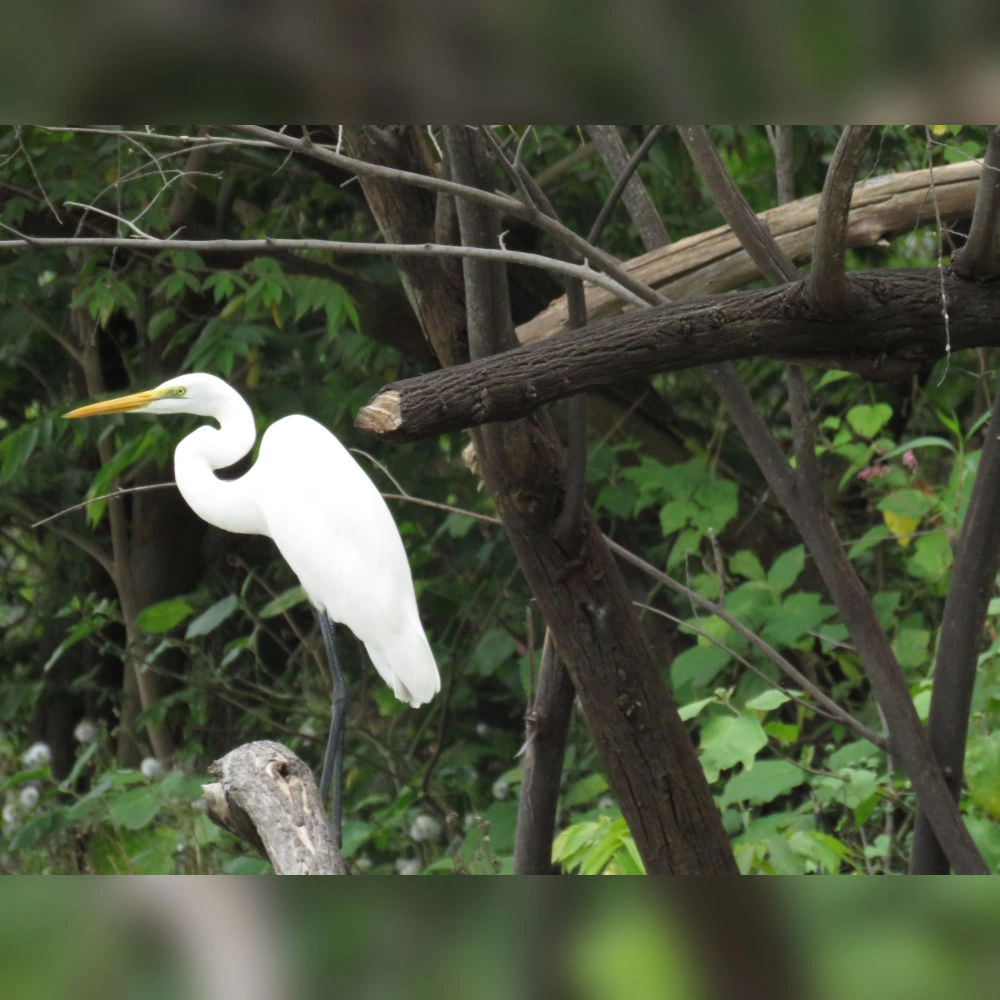
Great Egret
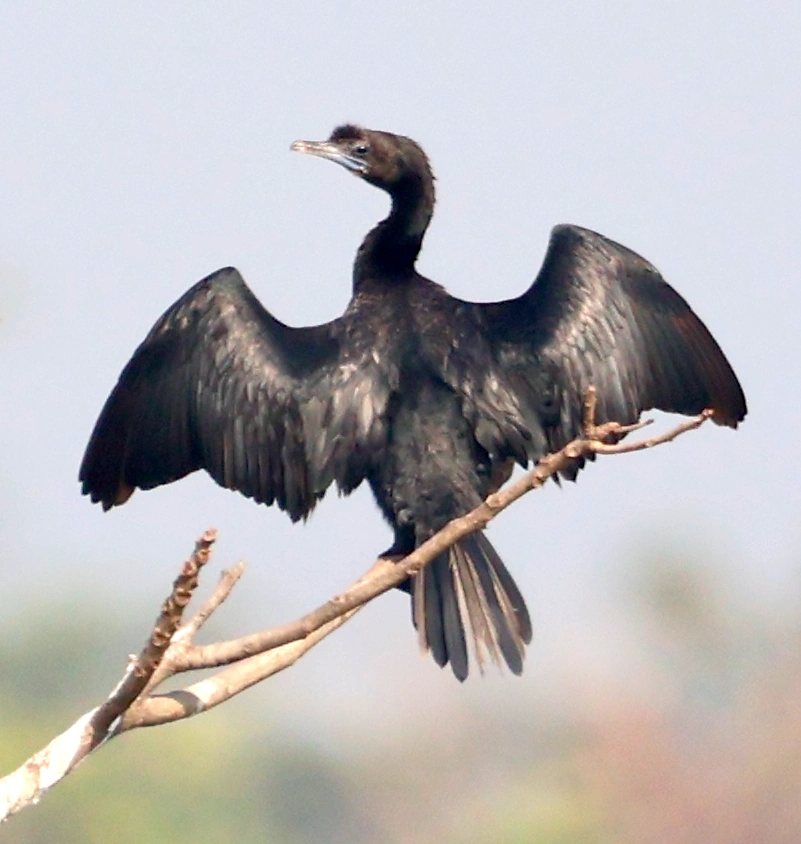
Little Cormorant
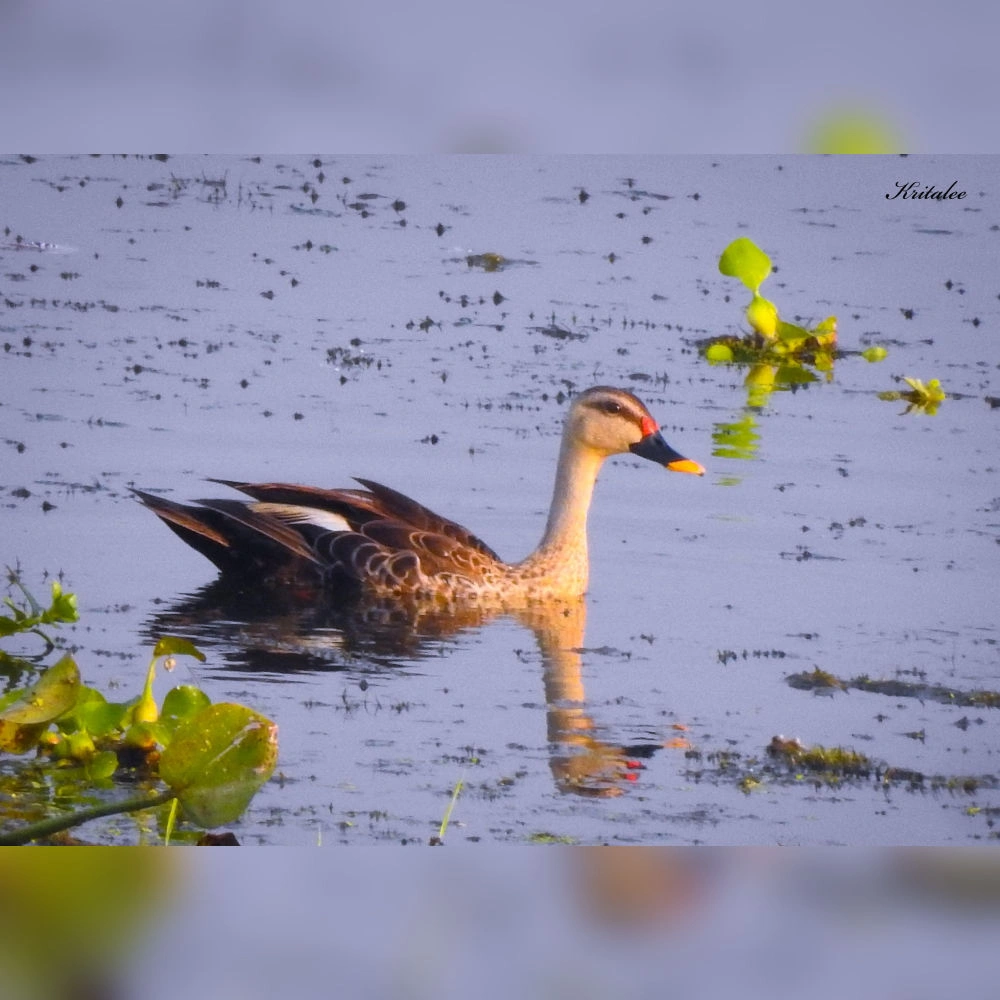
Indian Spot-billed Duck
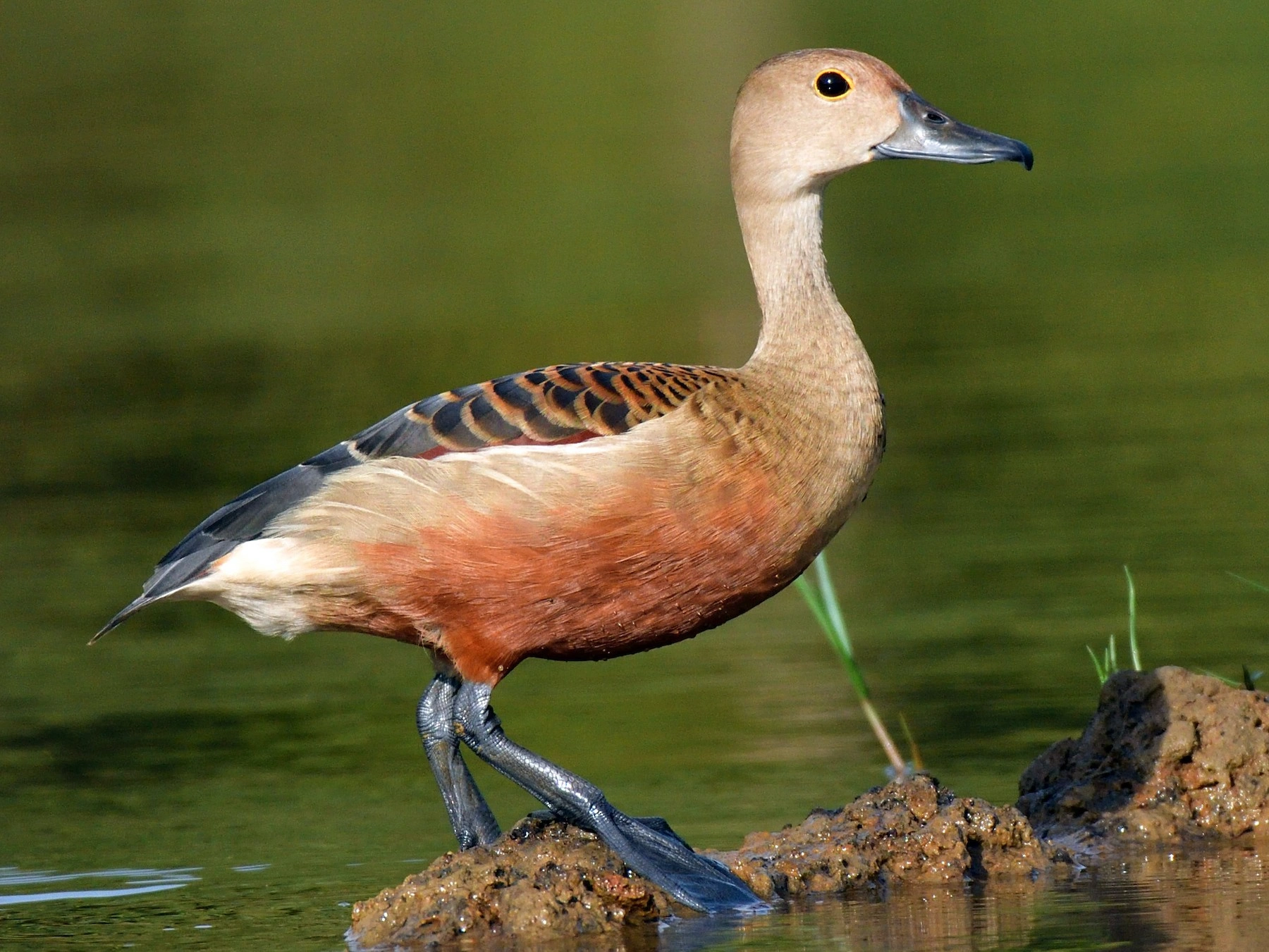
Lesser Whistling Duck
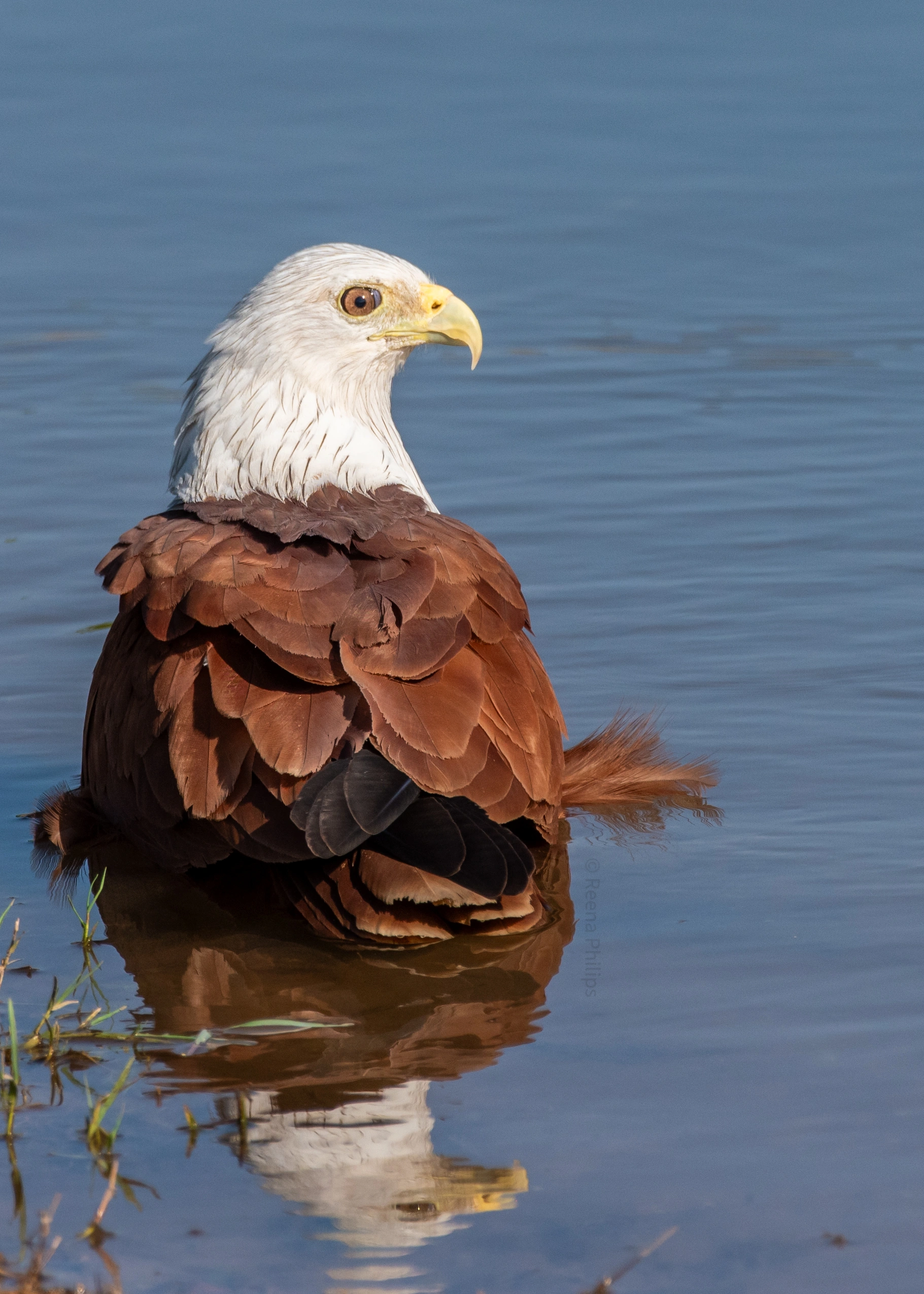
Brahminy Kite
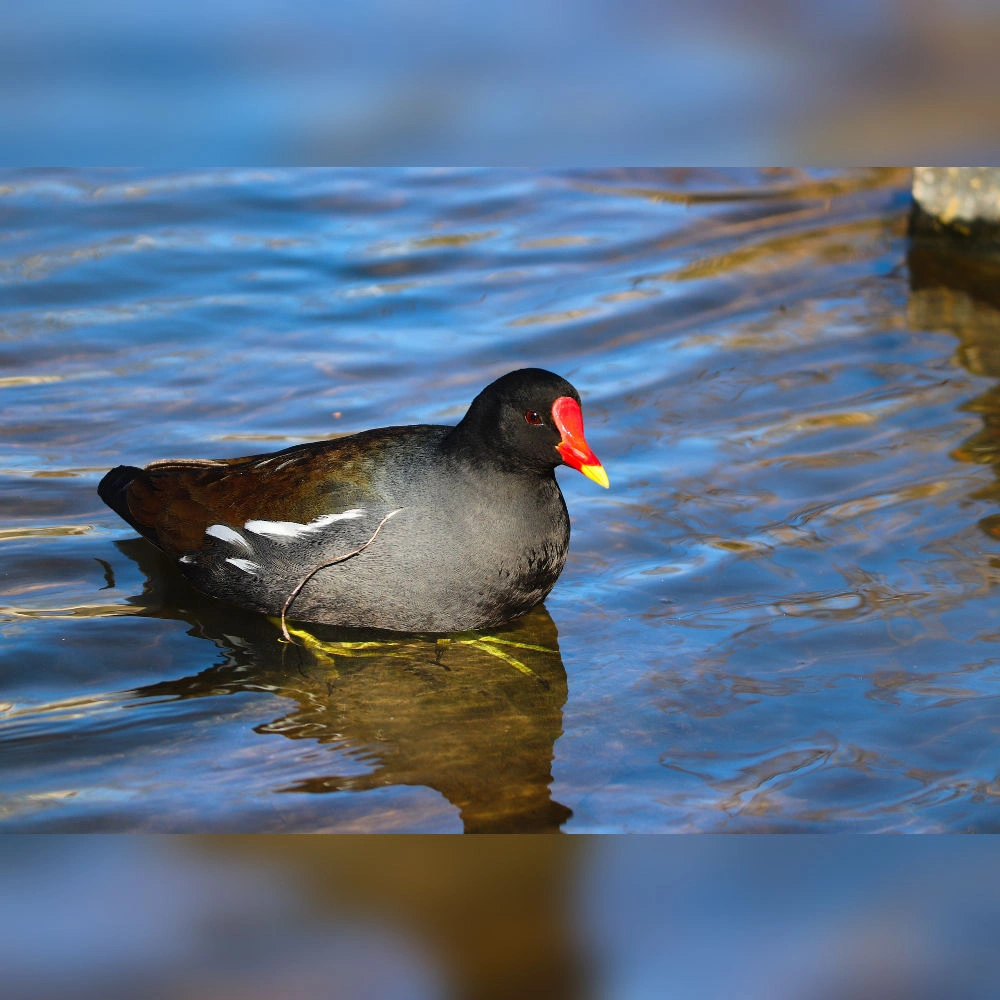
Common Moorhen
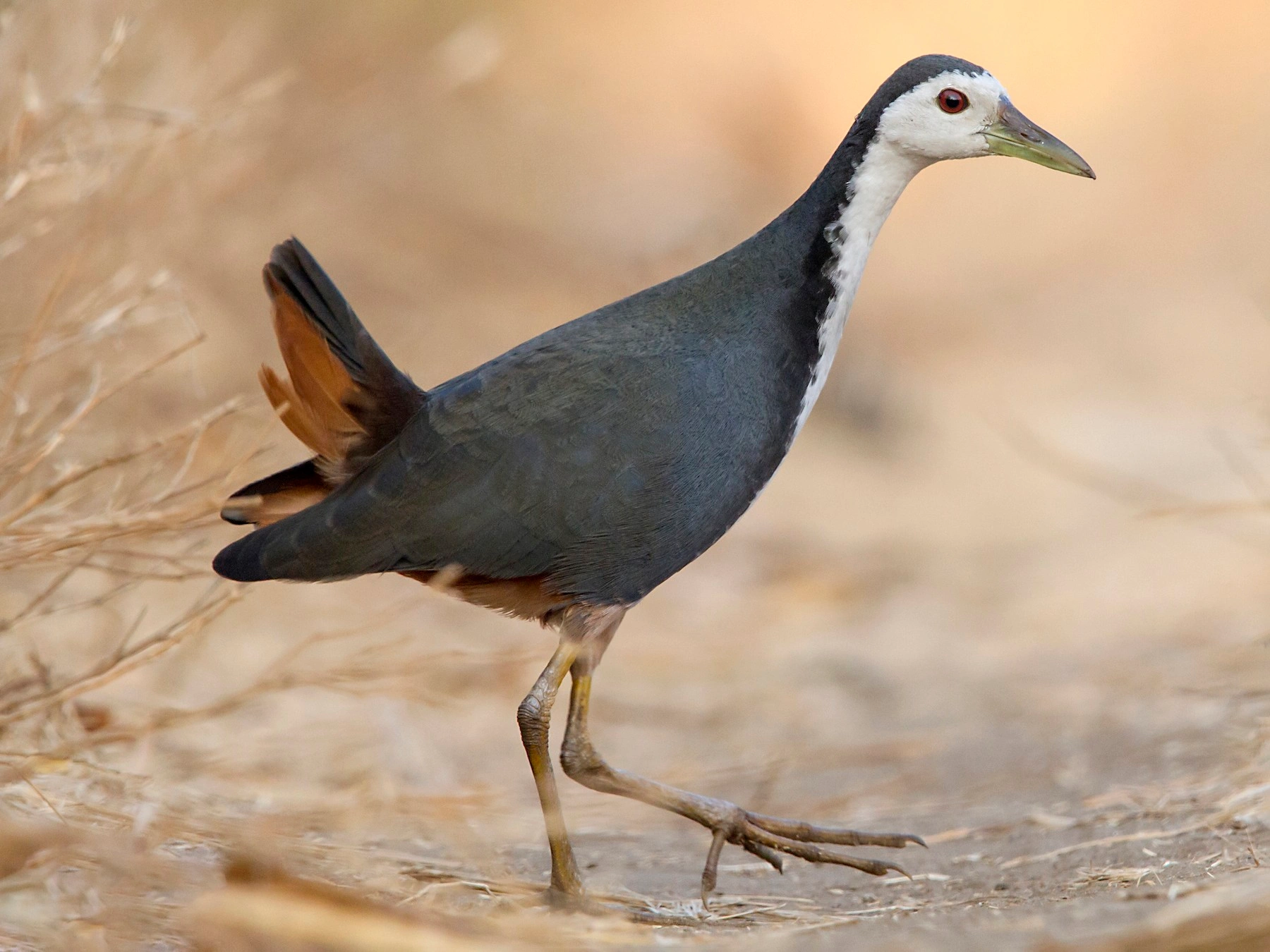
White-breasted Waterhen
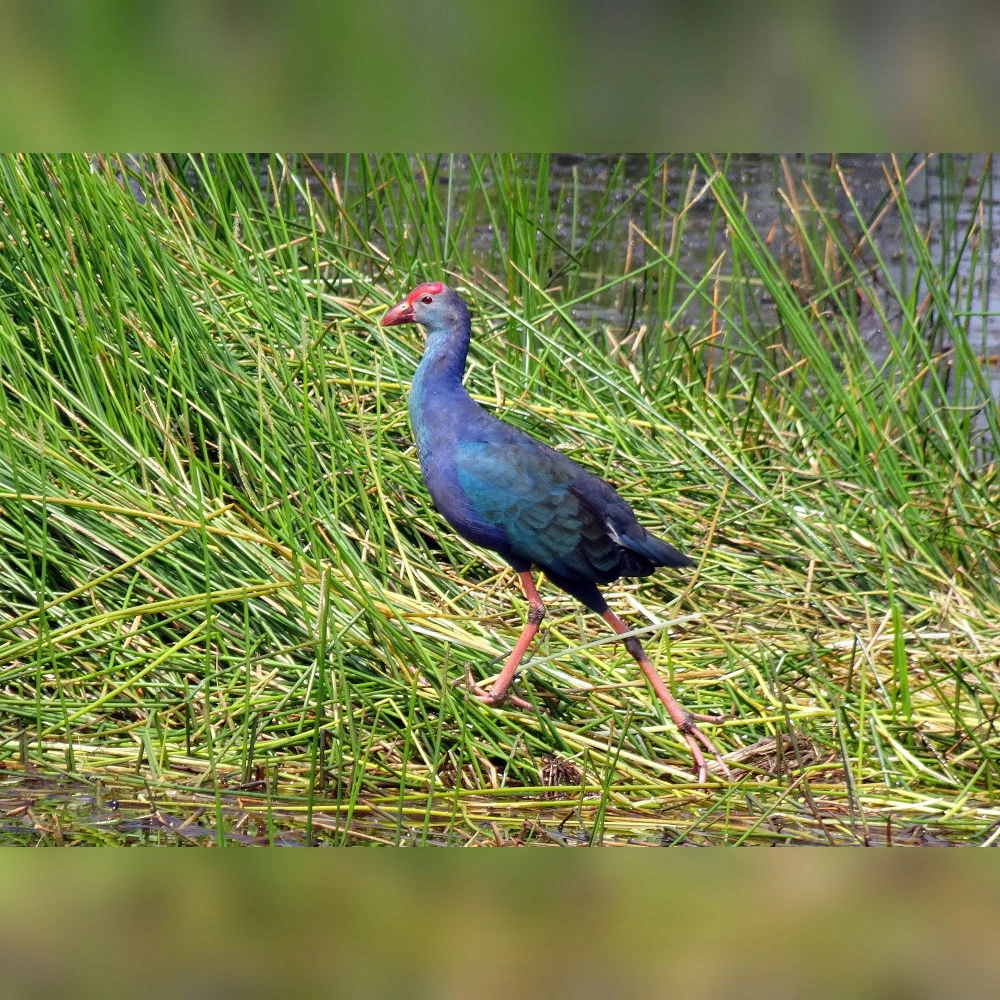
Grey-headed Swamphen
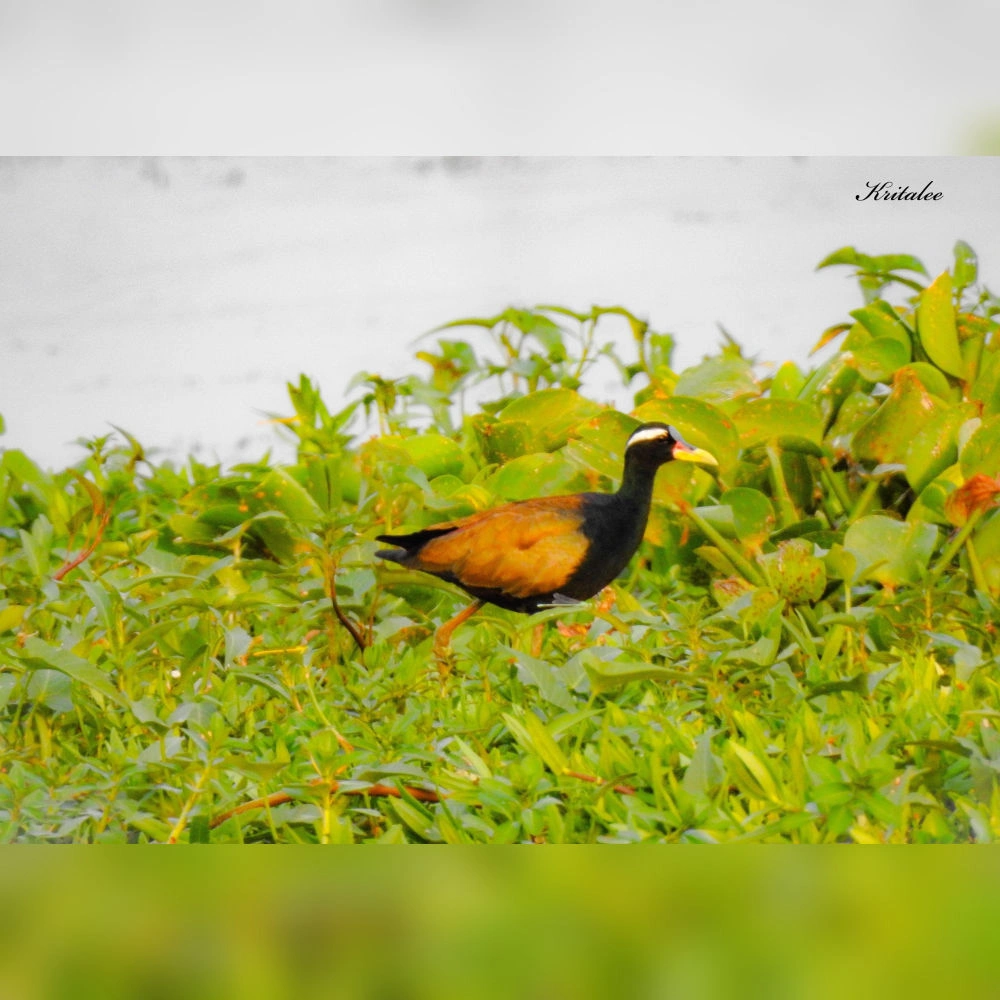
Bronze-winged Jacana
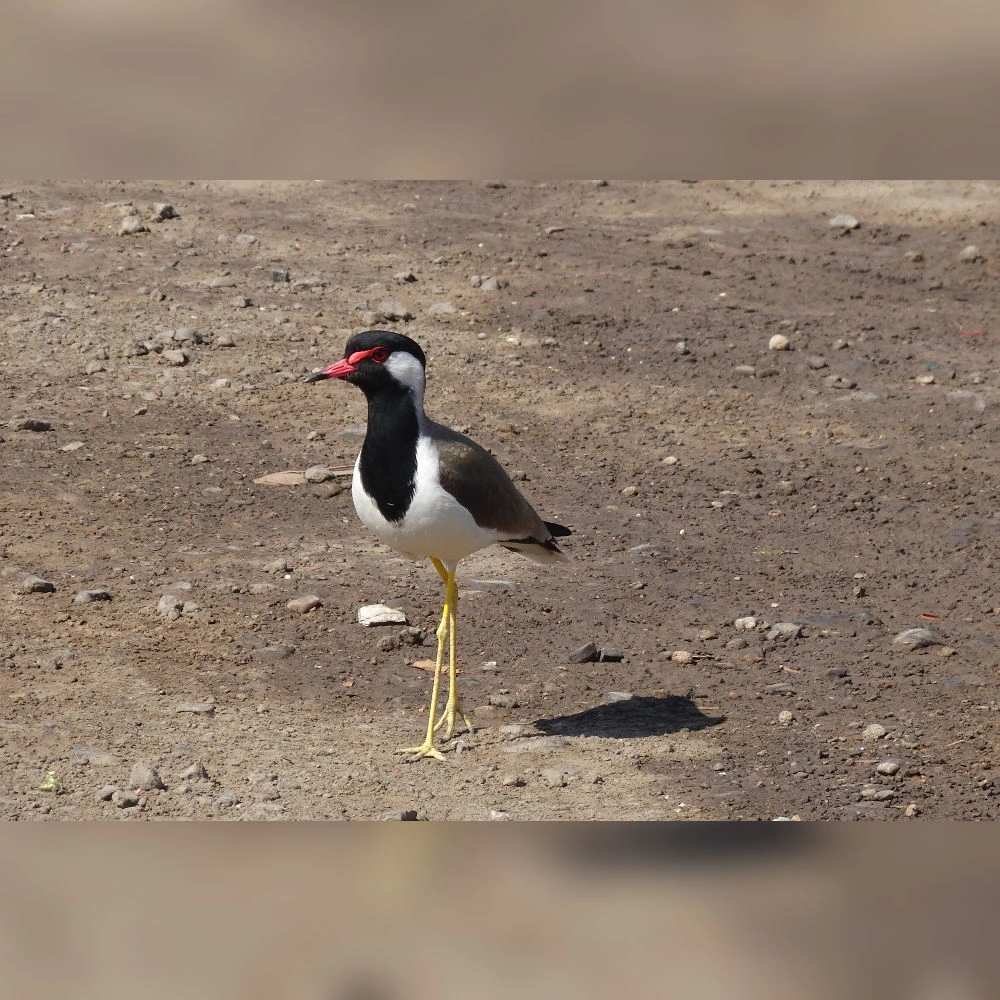
Red-wattled Lapwing
Common Sandpiper
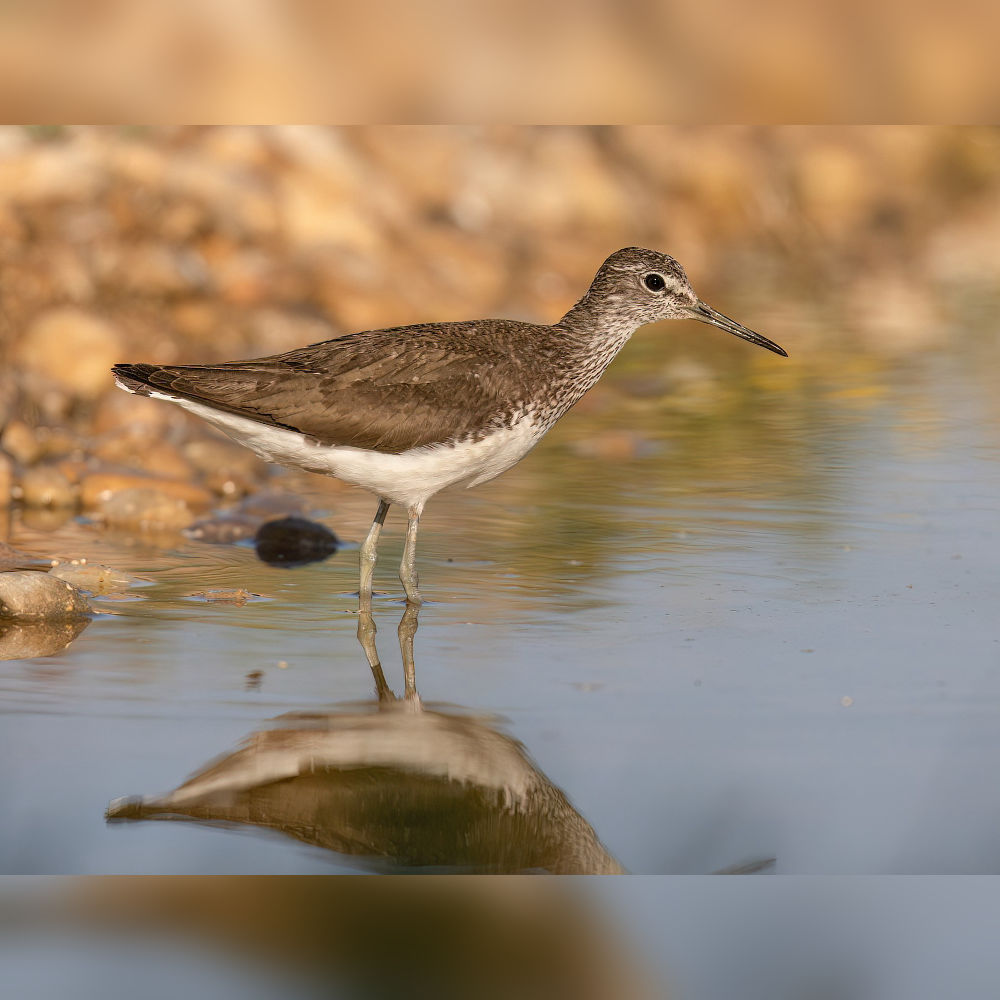
Green Sandpiper
Common Greenshank
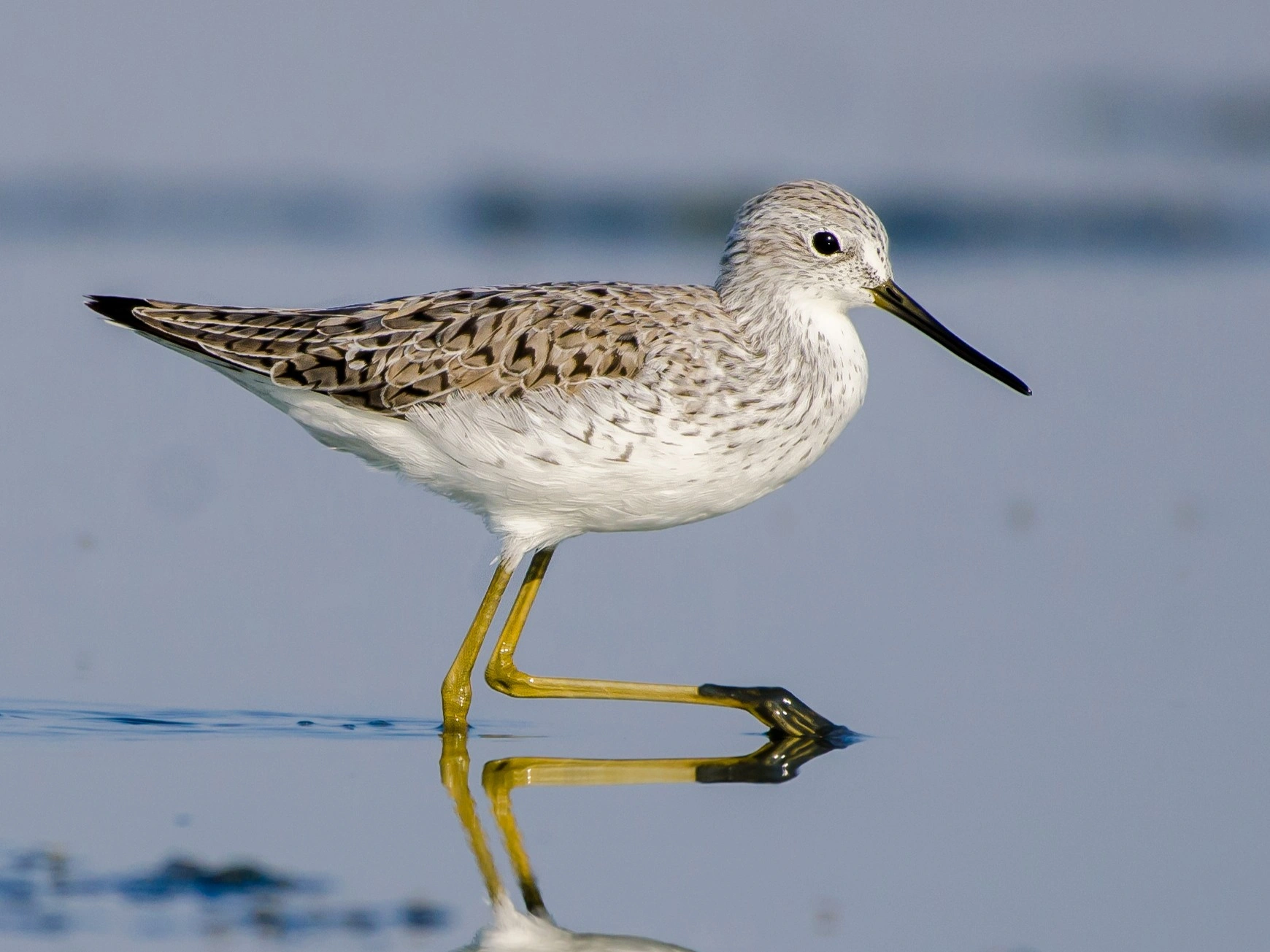
Marsh Sandpiper
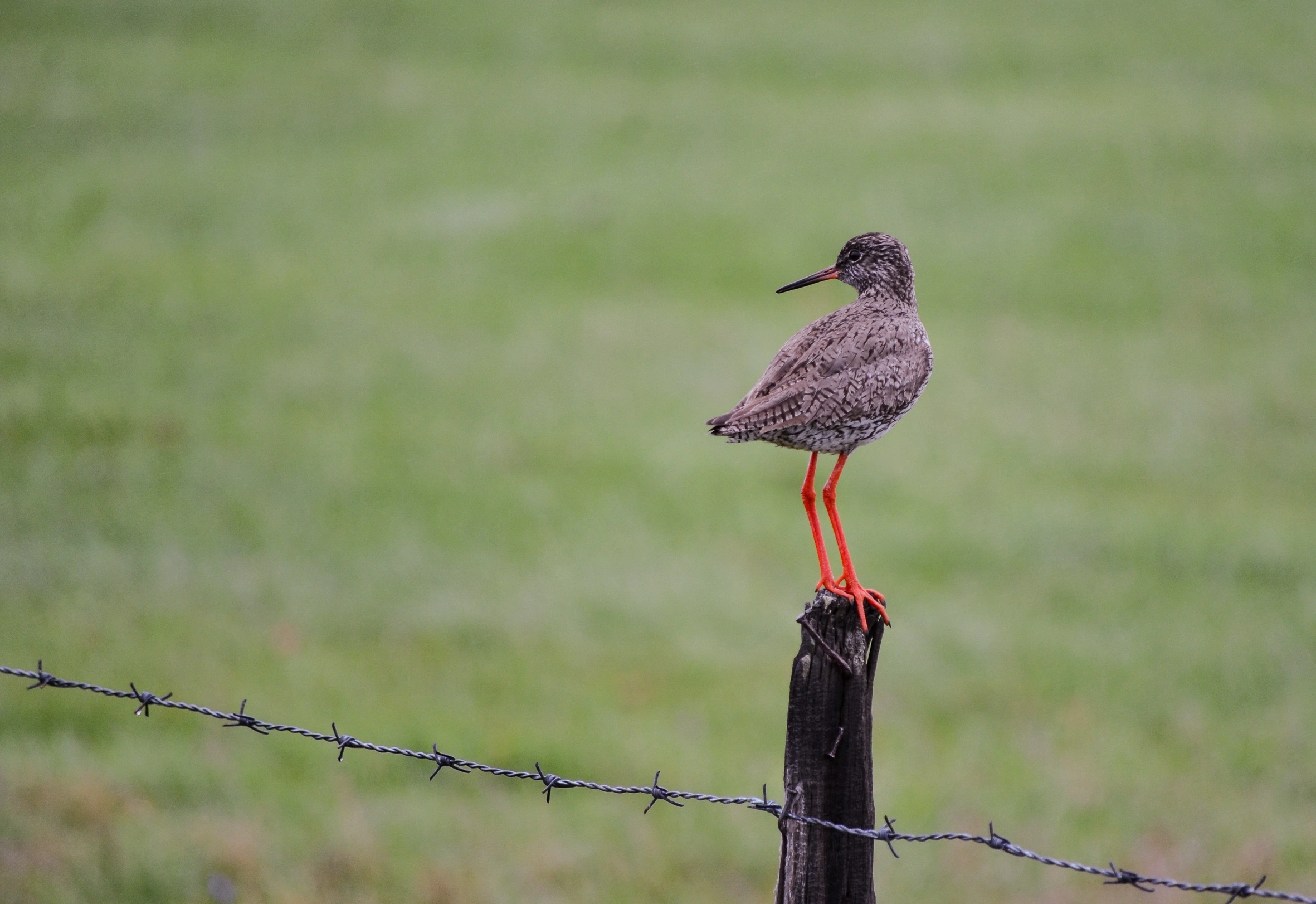
Common Redshank
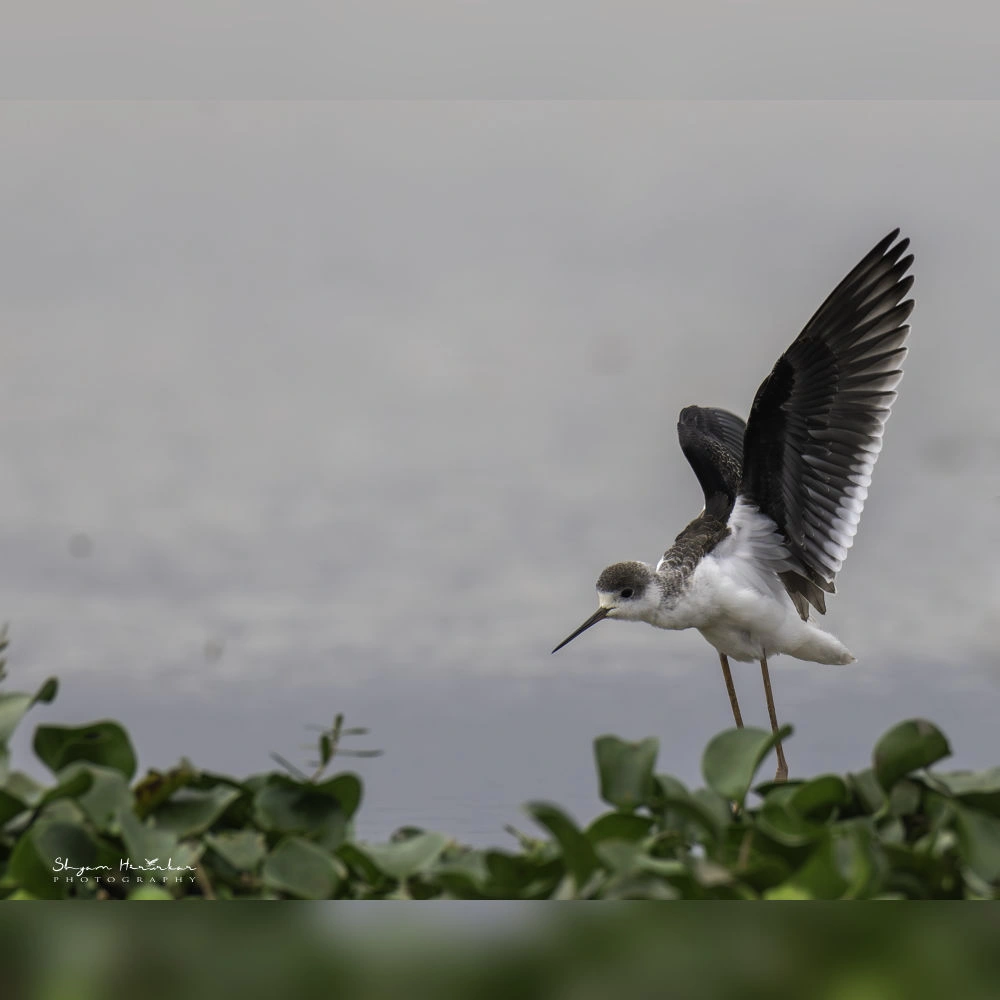
Black-winged Stilt

Scroll to Top