
Loading Events

Bird Walk at BM kaval fringes Bengaluru

About BM kaval fringes

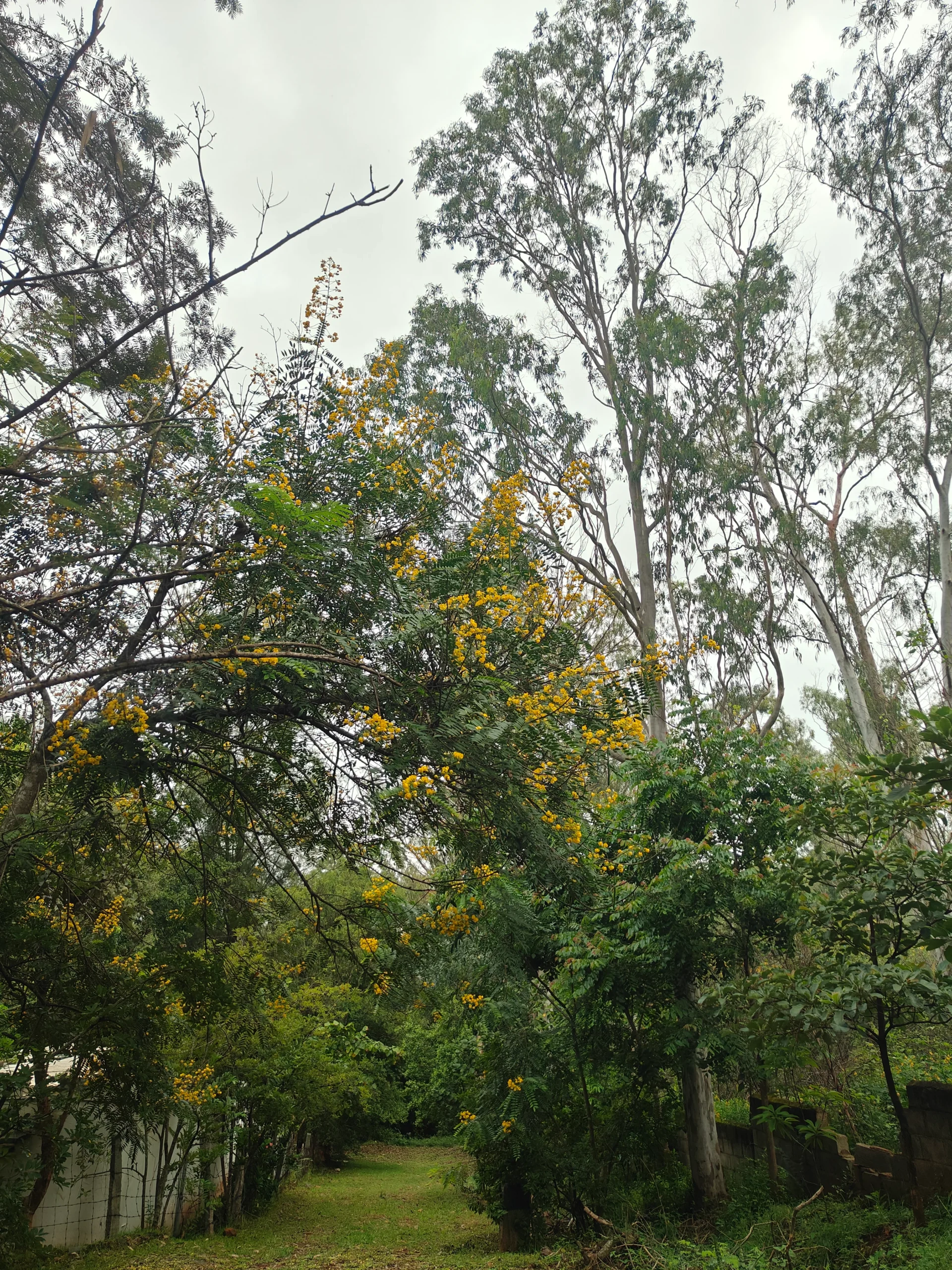
On Bengaluru’s southern edge, in Bangalore South taluk, the fringes of B. M. Kaval (Badamanavarthe Kaval) keep alive a piece of the dry Deccan countryside that once surrounded the city. “Kaval” traditionally means village grazing land. True to the name, the landscape is a mix of thorny scrub, rocky outcrops, open grassland, scattered trees and patches of dry woodland, edged by farmland and seasonal ponds. Lantana thickets, wild figs and acacias give cover, and the grass turns green after the monsoon. Hares, mongooses, jackals, monitor lizards and a wealth of butterflies and insects live in this mosaic, which links with the wider wild country around Bannerghatta.
For birders, B. M. Kaval is one of the richest scrub-and-grassland spots near Bengaluru, and a single morning can turn up more than 60 species. Bonelli’s and Booted Eagles soar over the ridges, and spurfowl and junglefowl call from the thickets. Larks and lapwings hold the open ground, and cuckoos, minivets and drongos fill the trees, especially as autumn migrants pass through. But open landscapes like this are among the most threatened around the city. They are often treated as “wasteland” and lost to layouts, roads and farmhouses. Quarrying, garbage dumping, dry-season fires, grazing pressure and planting trees on grassland all change the habitat. Protecting these scrublands and grasslands as living ecosystems is key to keeping B. M. Kaval’s birds.

Bird Guide: Uma Vaijnath

Uma Vaijnath is a Bengaluru-based avid birdwatcher, photographer and partial ornithologist from over half a decade. After a career as a software professional, she transitioned into environmental community work and creative arts. She is a prominent figure in the Bengaluru birding community, frequently leading and organizing nature walks and birding events.
Bird walk Location

Common birds of BM kaval fringes

B. M. Kaval’s skies belong to raptors. Bonelli’s Eagles, powerful and fast, patrol the ridges in pairs, and the Booted Eagle circles overhead on its winter visit. The Eurasian Kestrel hovers against the wind before dropping onto prey. In the thickets, the Painted Spurfowl, a richly spotted gamebird found only in India, calls from deep cover, while the Gray Junglefowl crows from the scrub. The Blue-faced Malkoha creeps quietly through the bushes, showing off its bright blue face and apple-green bill. The Common Hawk-Cuckoo, the “brain-fever bird”, calls with rising urgency, and the Gray-bellied Cuckoo whistles from the trees. Indian Gray Hornbills fly from tree to tree, and the Eurasian Hoopoe probes the ground with its long bill. At dusk, the Spotted Owlet peers out from a hollow. On the open ground, Yellow-wattled Lapwings, Rufous-tailed Larks and Jerdon’s Bushlarks forage among the stones. Plum-headed Parakeets whistle overhead, and Small Minivets flash orange through the canopy. Ashy Woodswallows hawk insects from wires, and the White-bellied Drongo and Black-headed Cuckooshrike hunt in the trees. The Brown Shrike, a winter migrant, watches from a bush, while Jungle Prinias and Tawny-bellied Babblers skulk in the undergrowth.
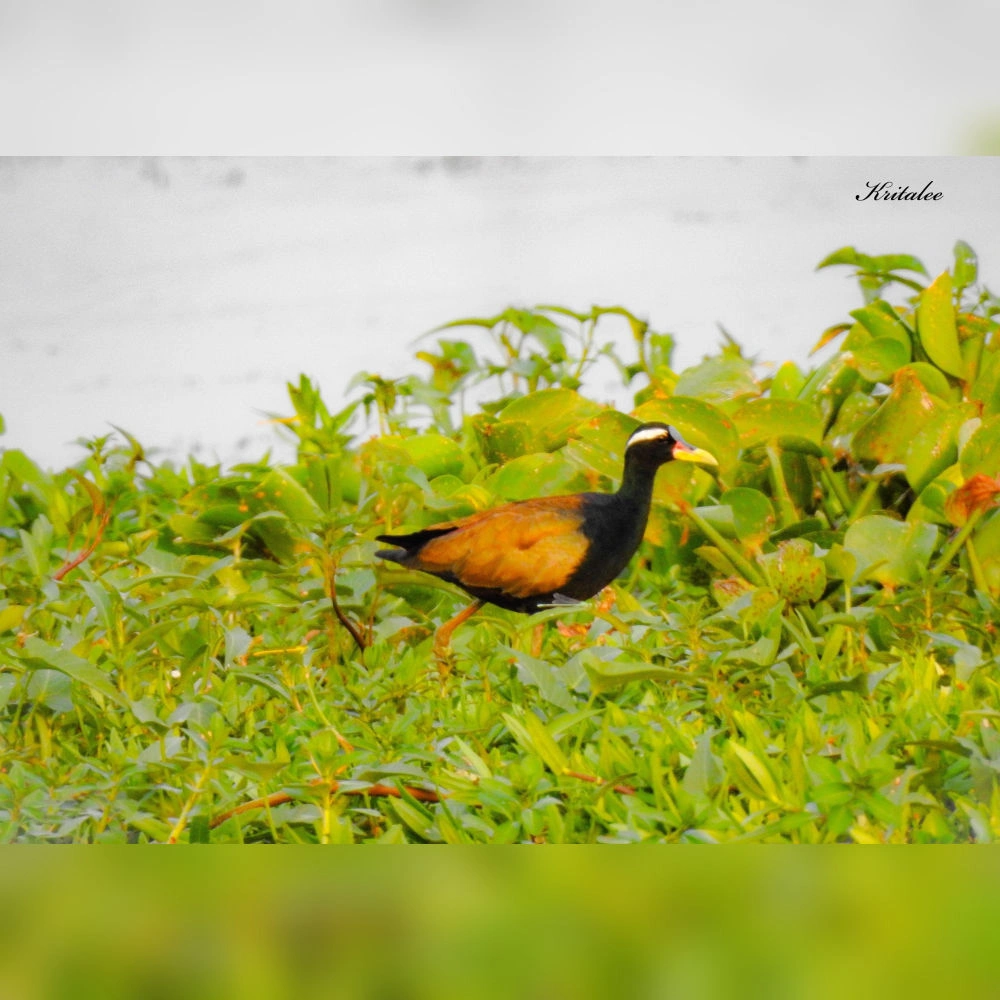
Bronze-winged Jacana
Glossy Ibis
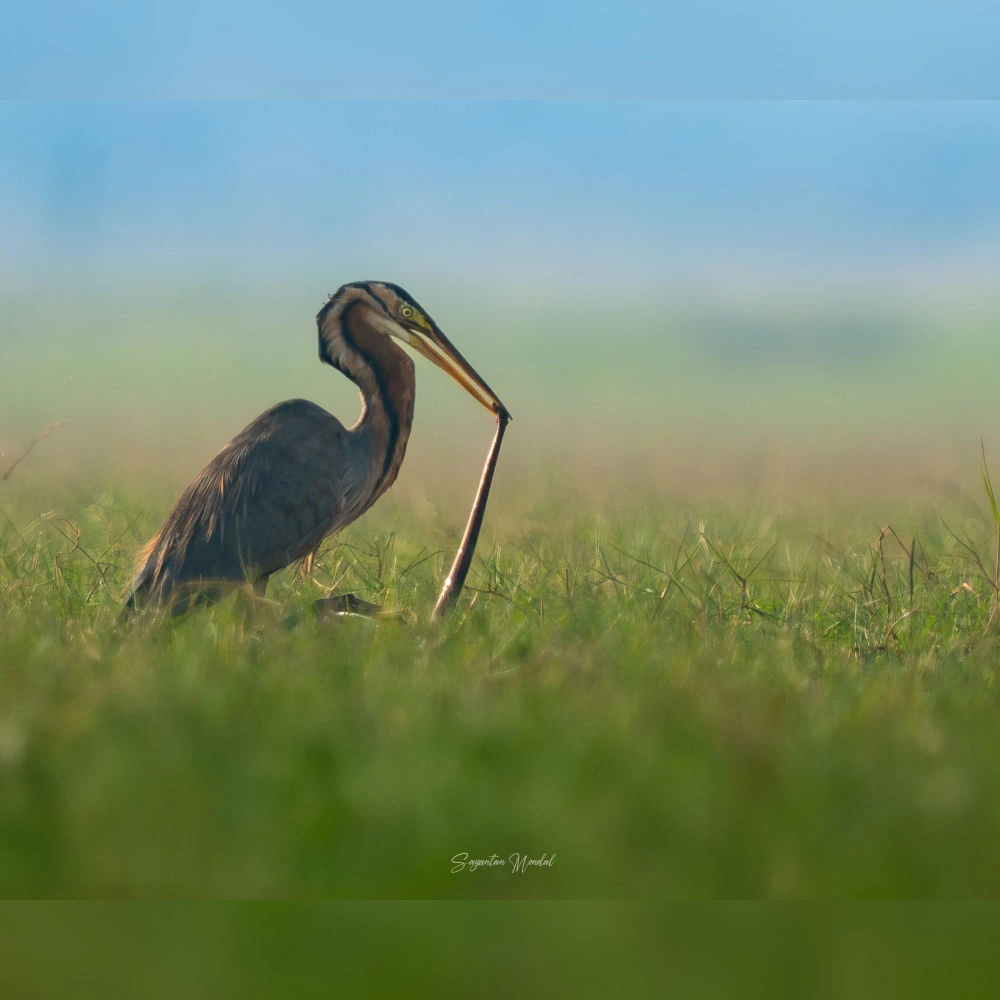
Purple Heron
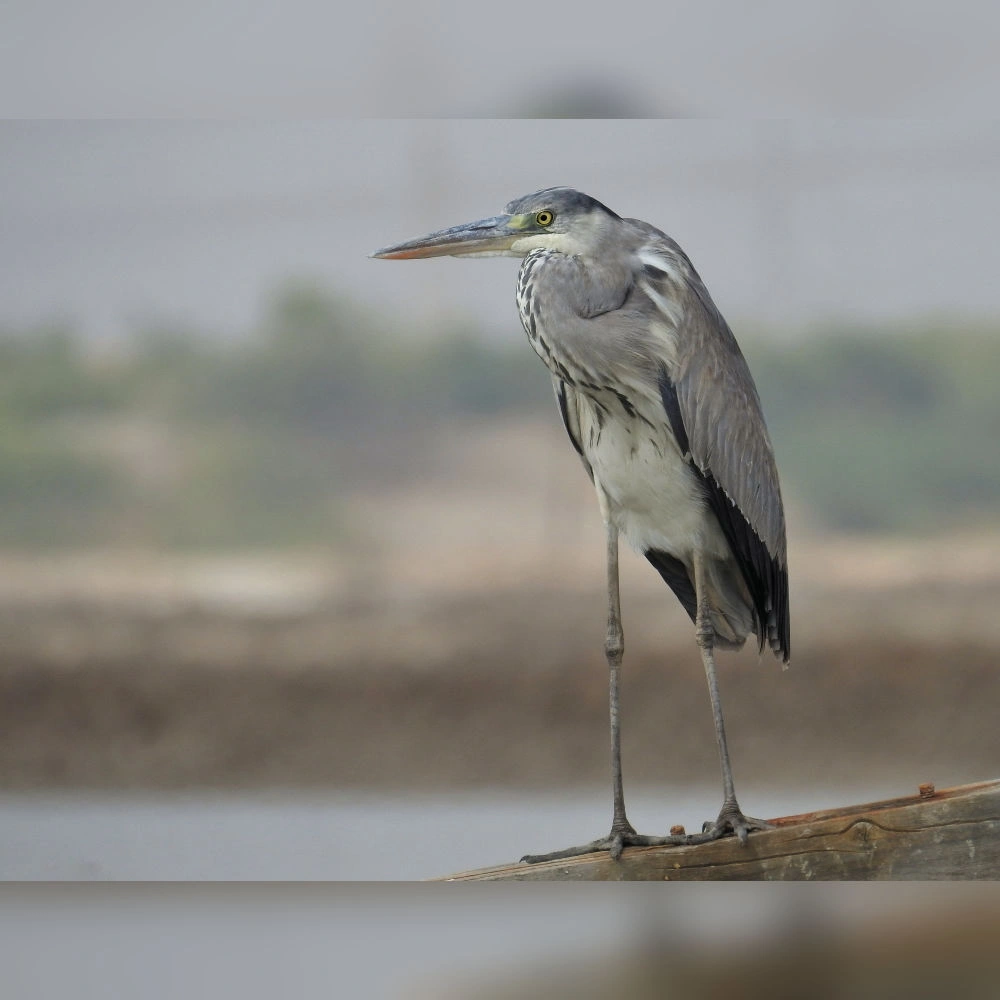
Grey Heron
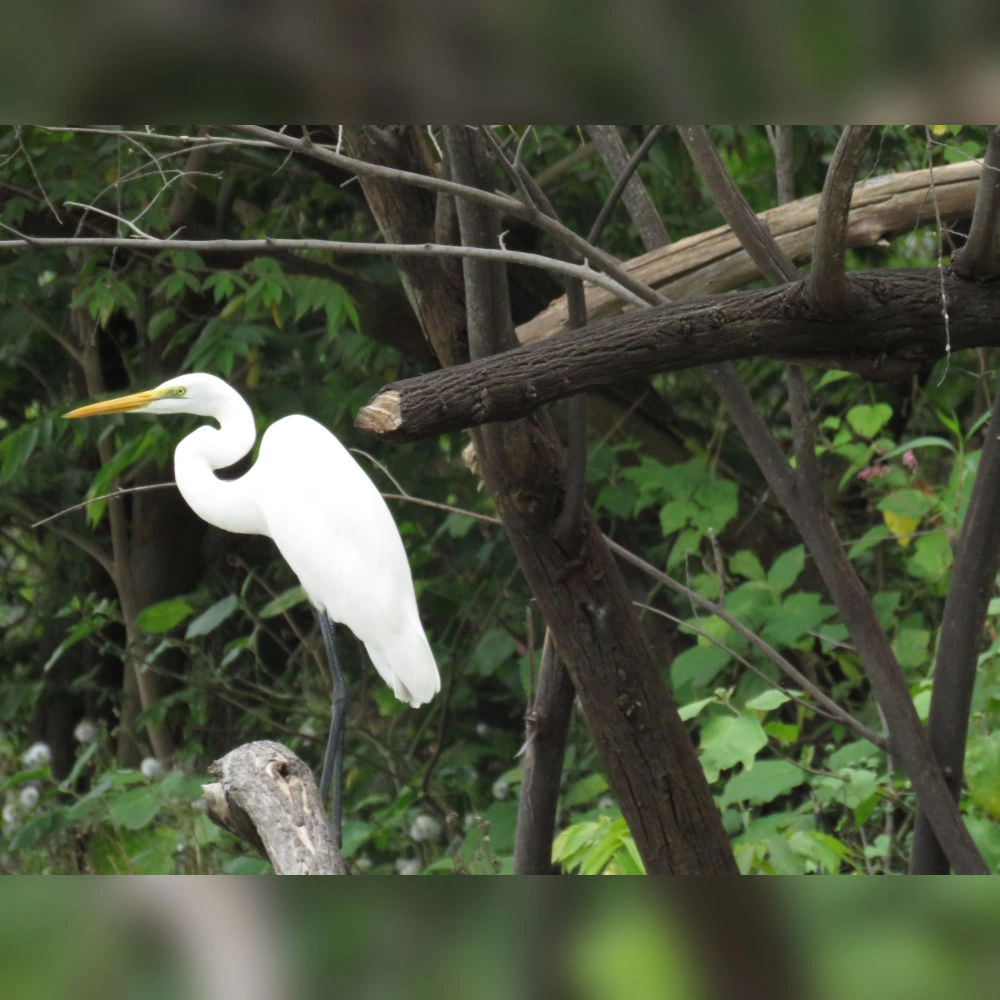
Great Egret
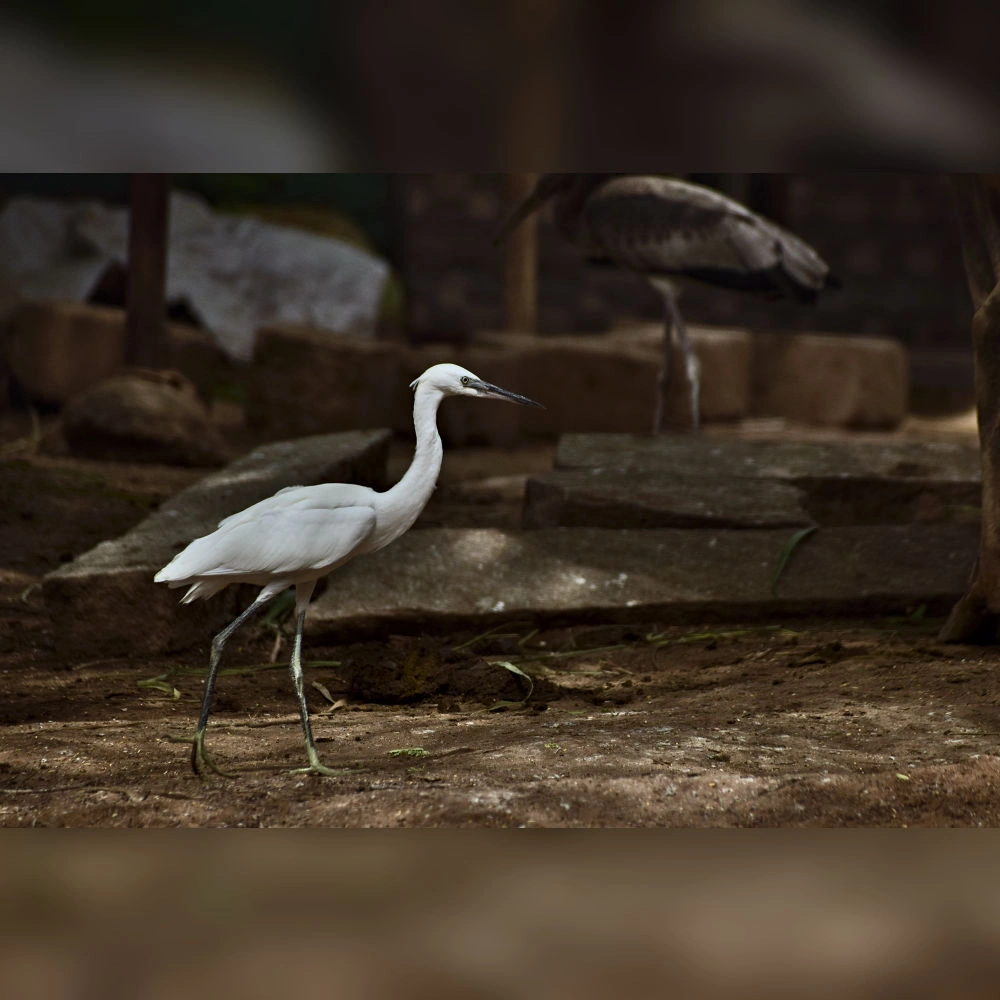
Little Egret
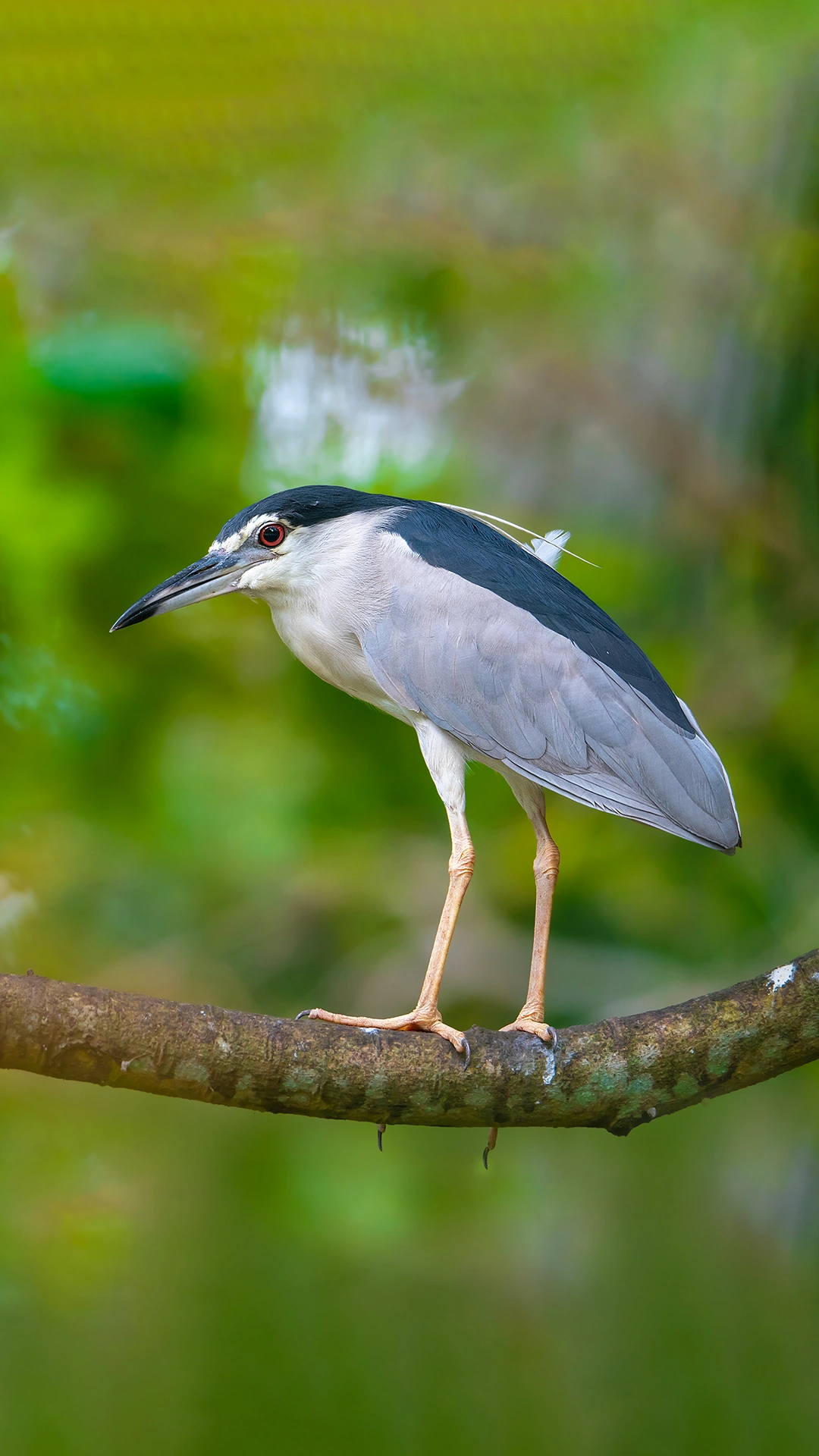
Black-crowned Night Heron
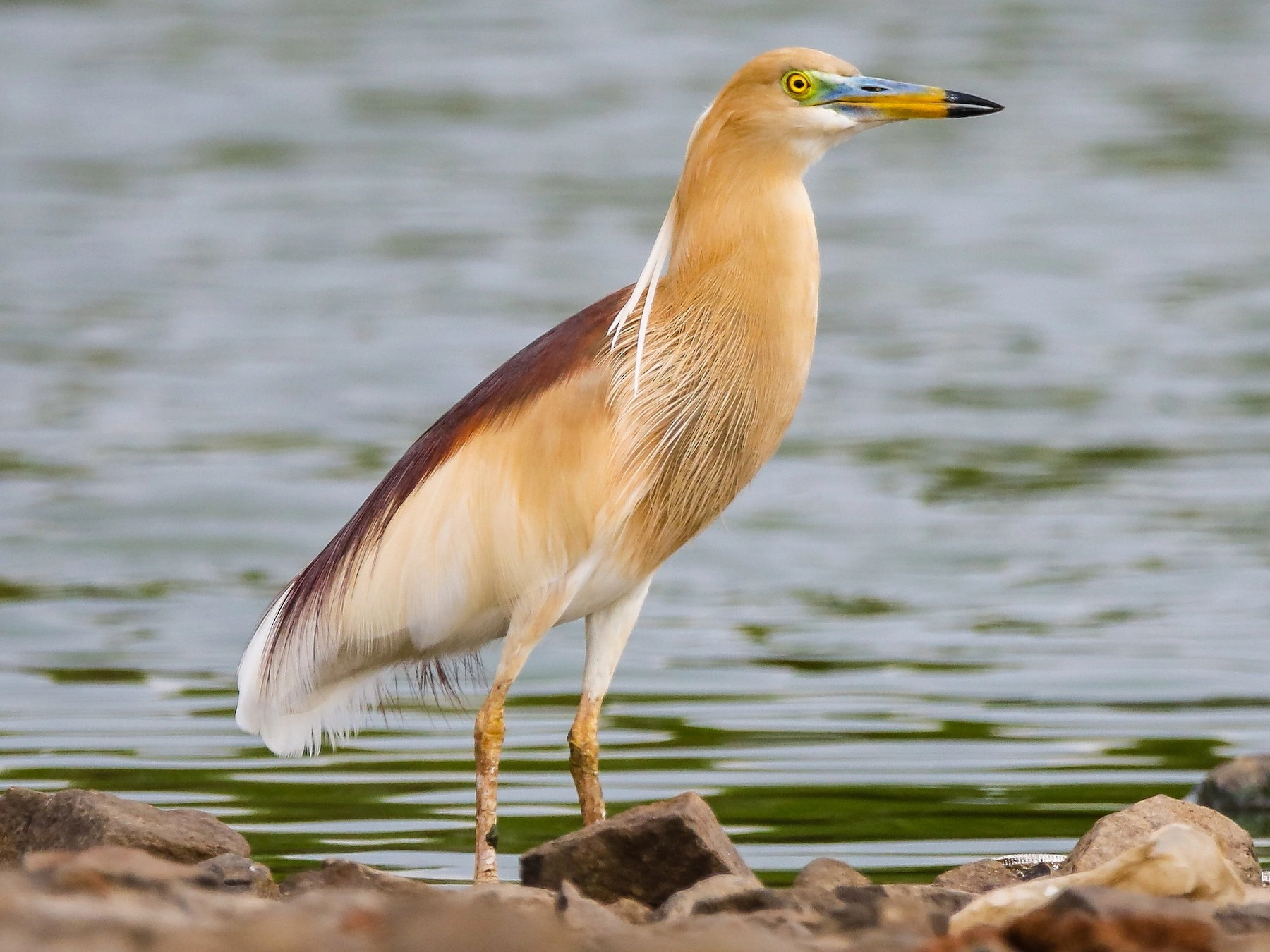
Indian Pond-Heron
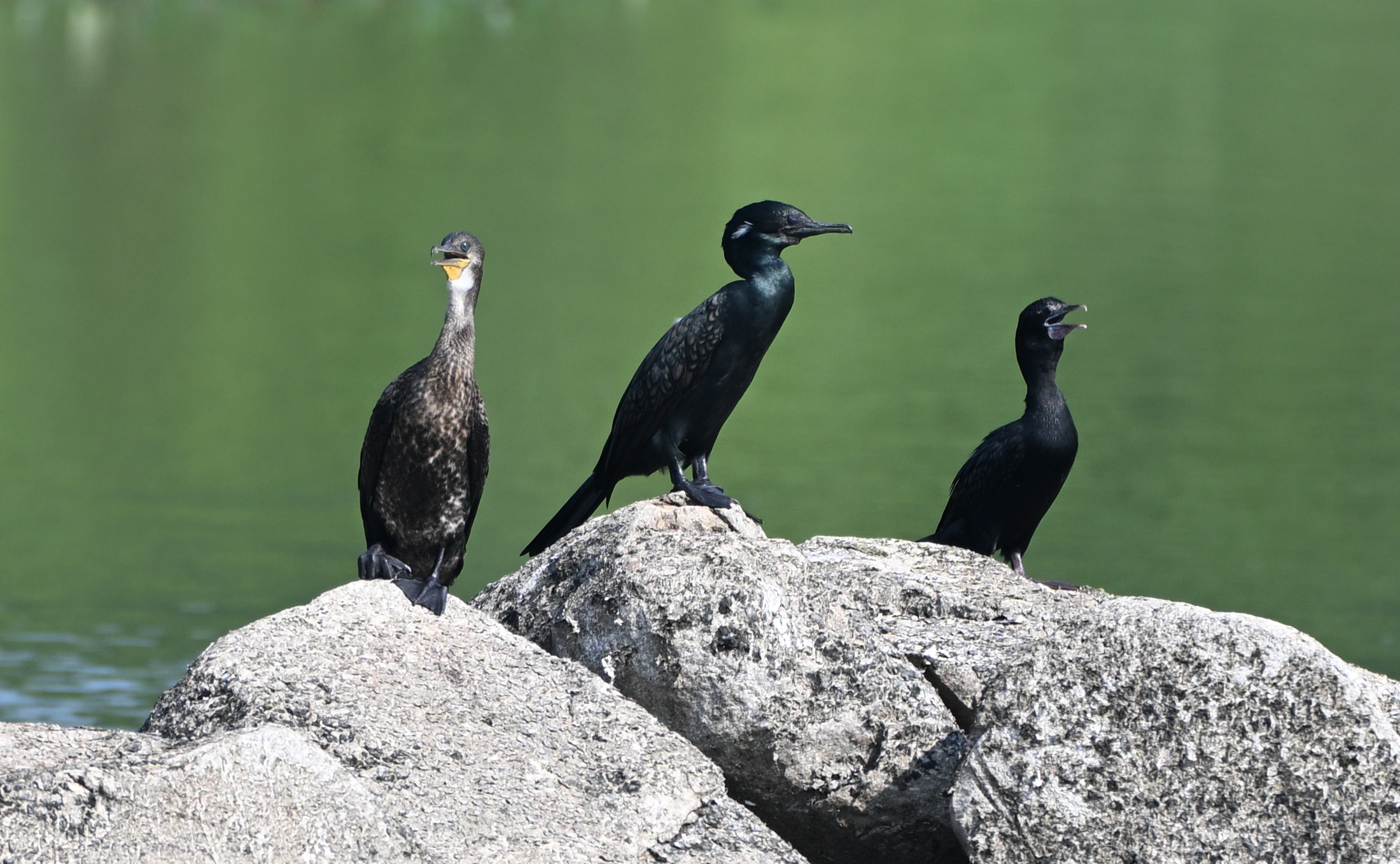
Great Cormorant
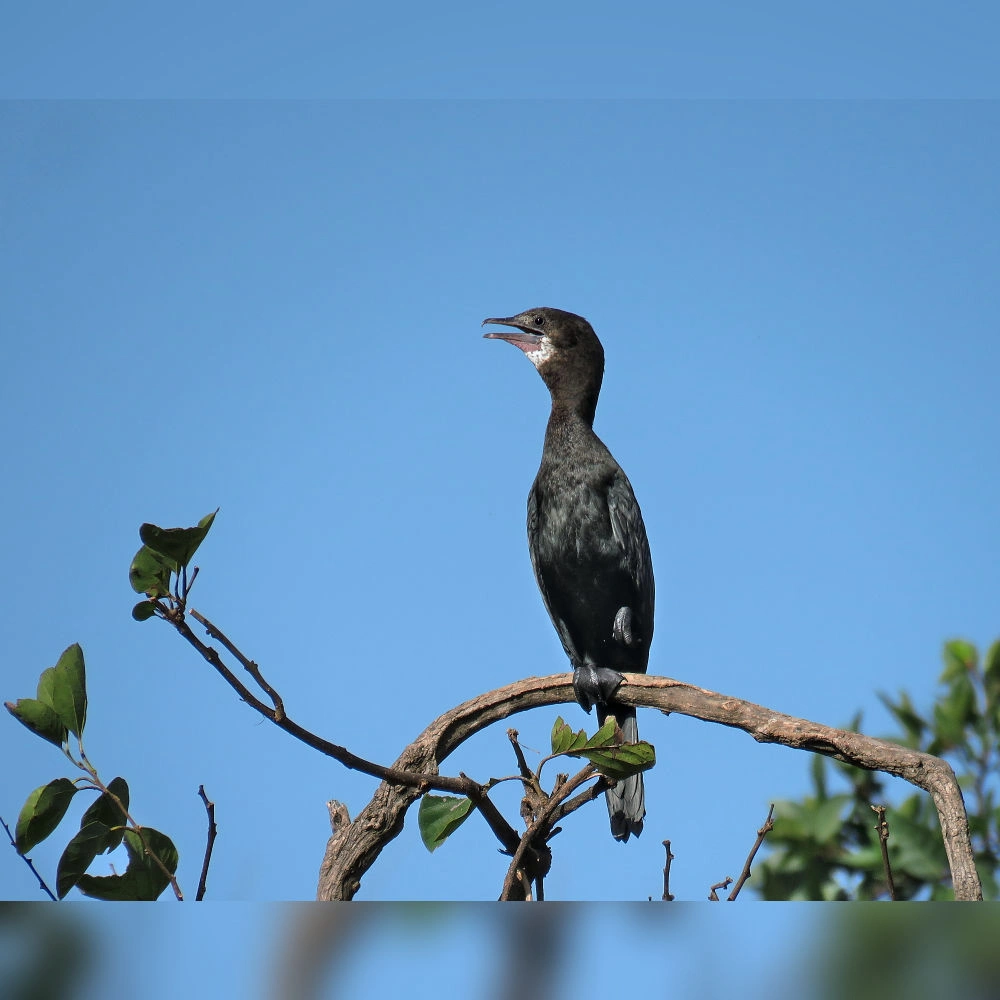
Little Cormorant
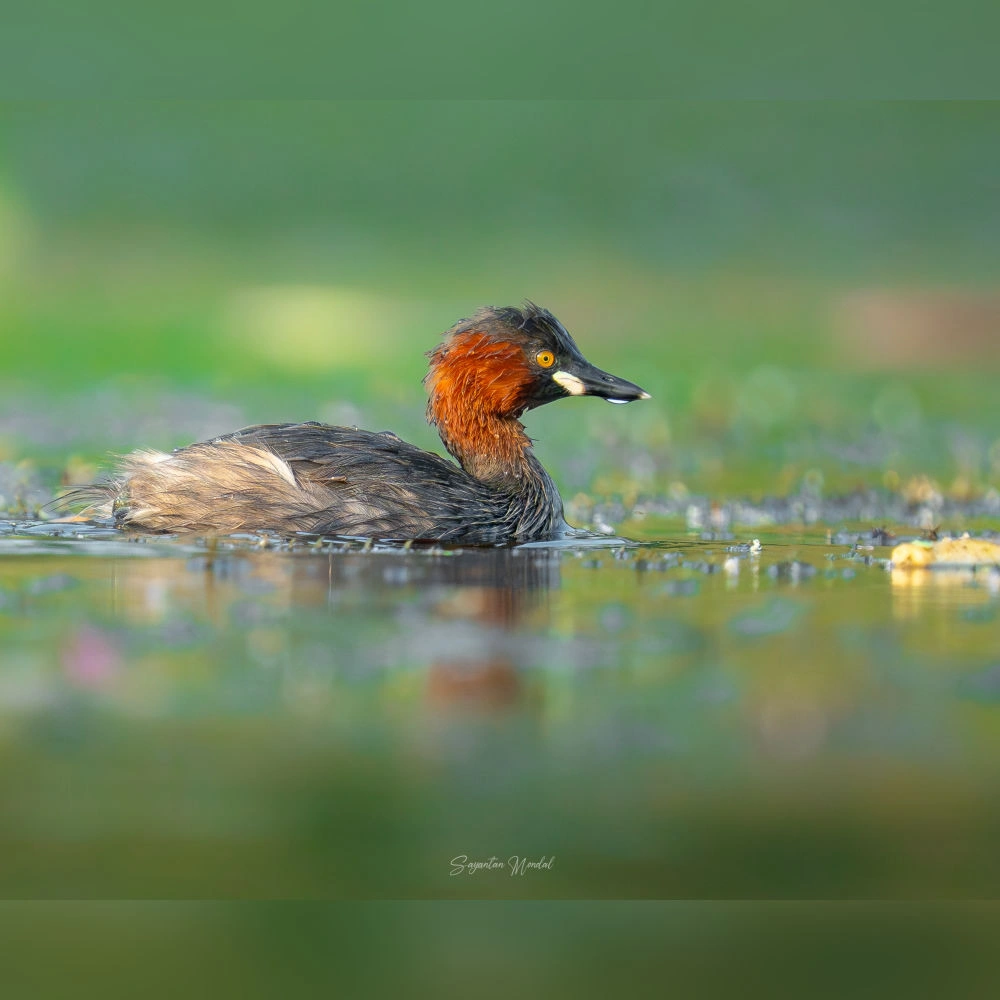
Little Grebe
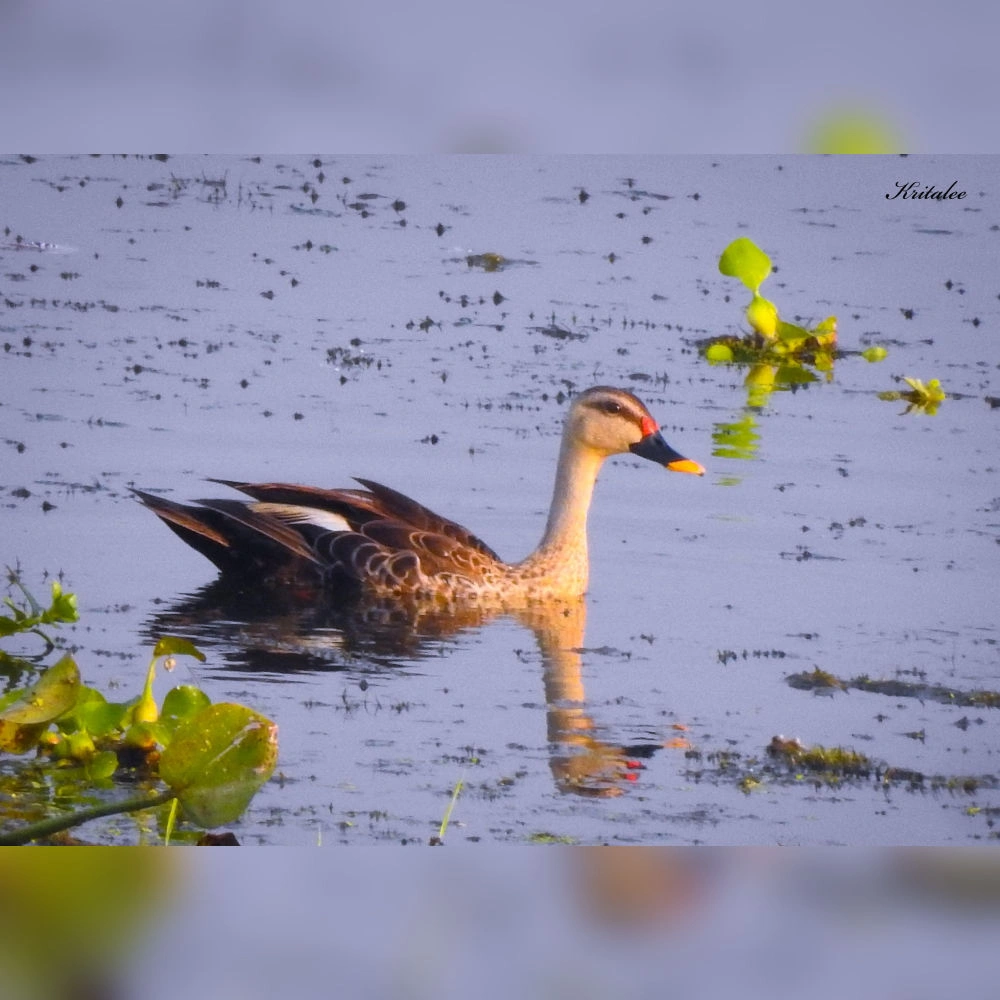
Indian Spot-billed Duck
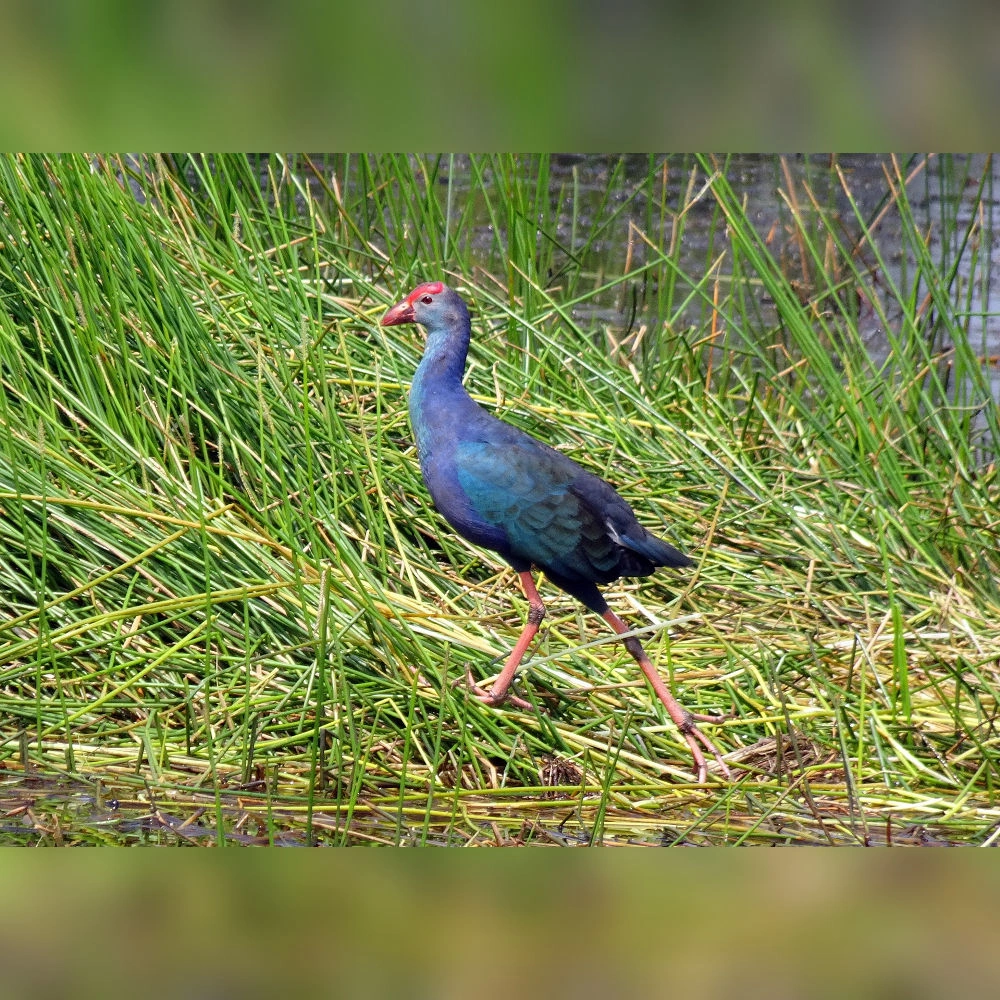
Grey-headed Swamphen
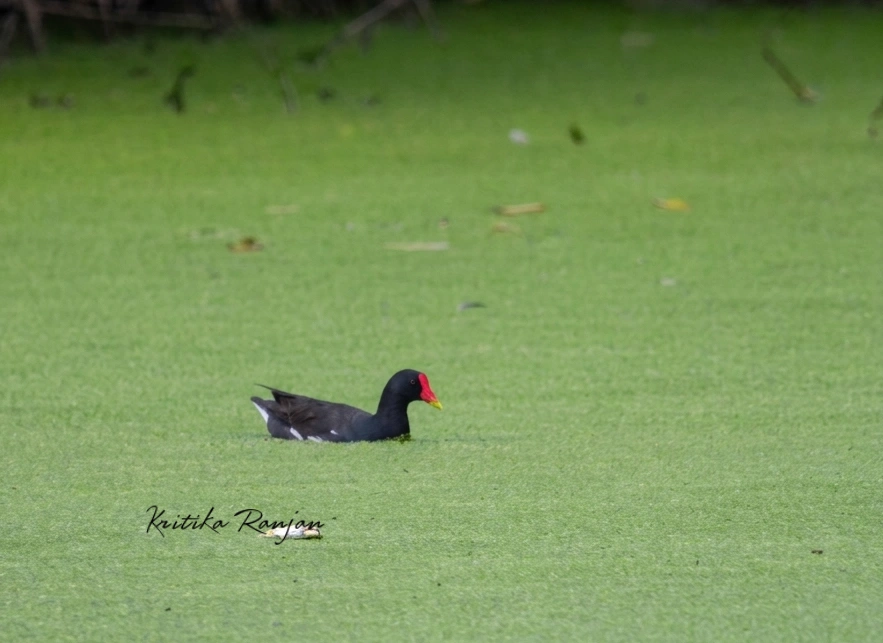
Eurasian Moorhen
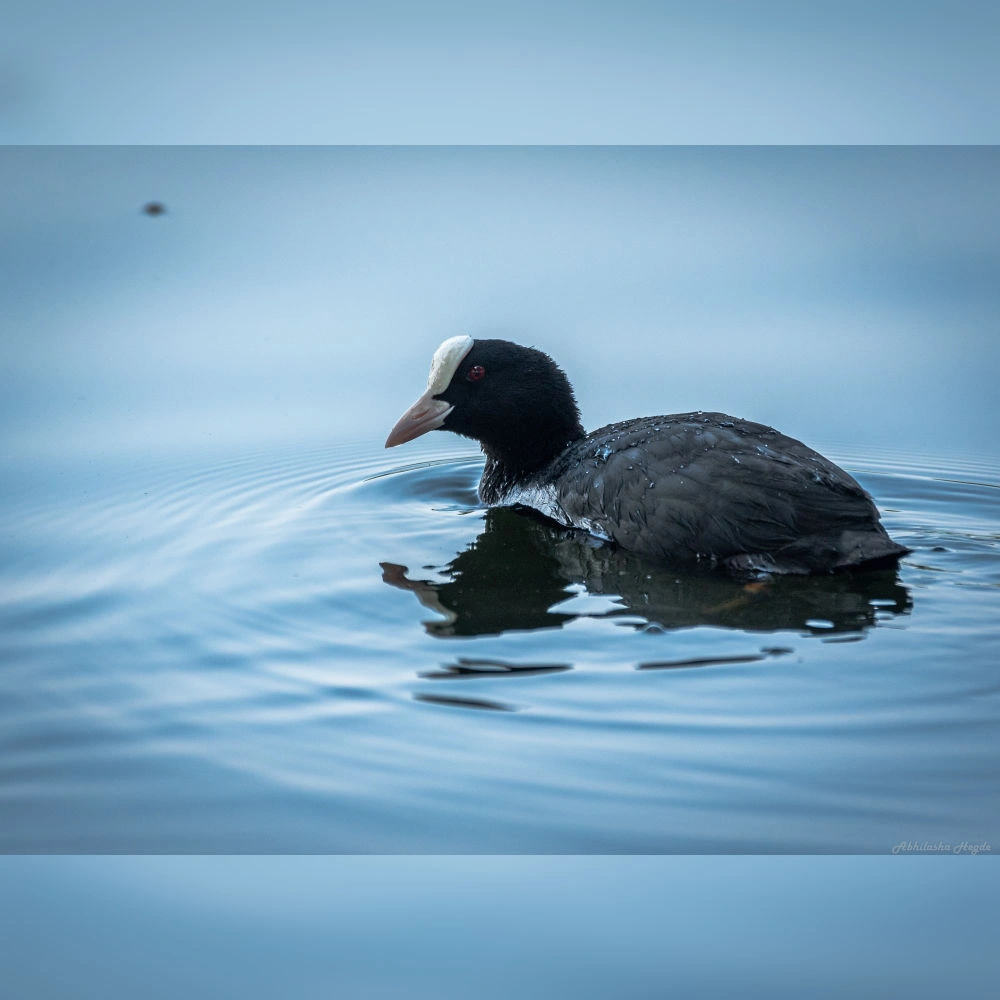
Eurasian Coot
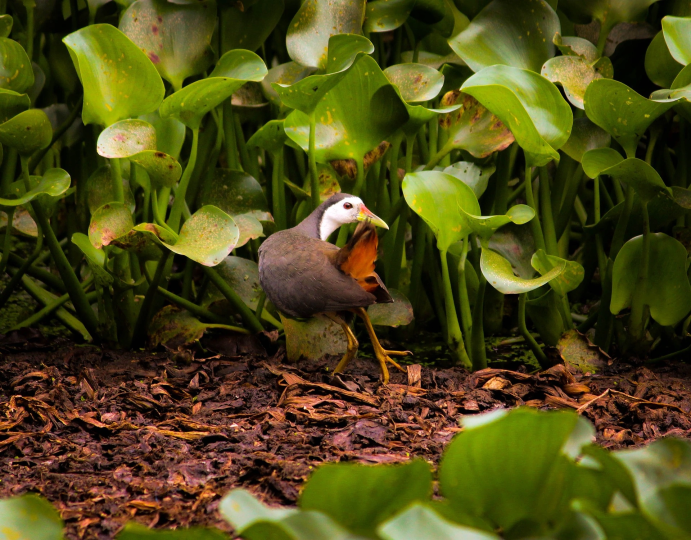
White-breasted Waterhen
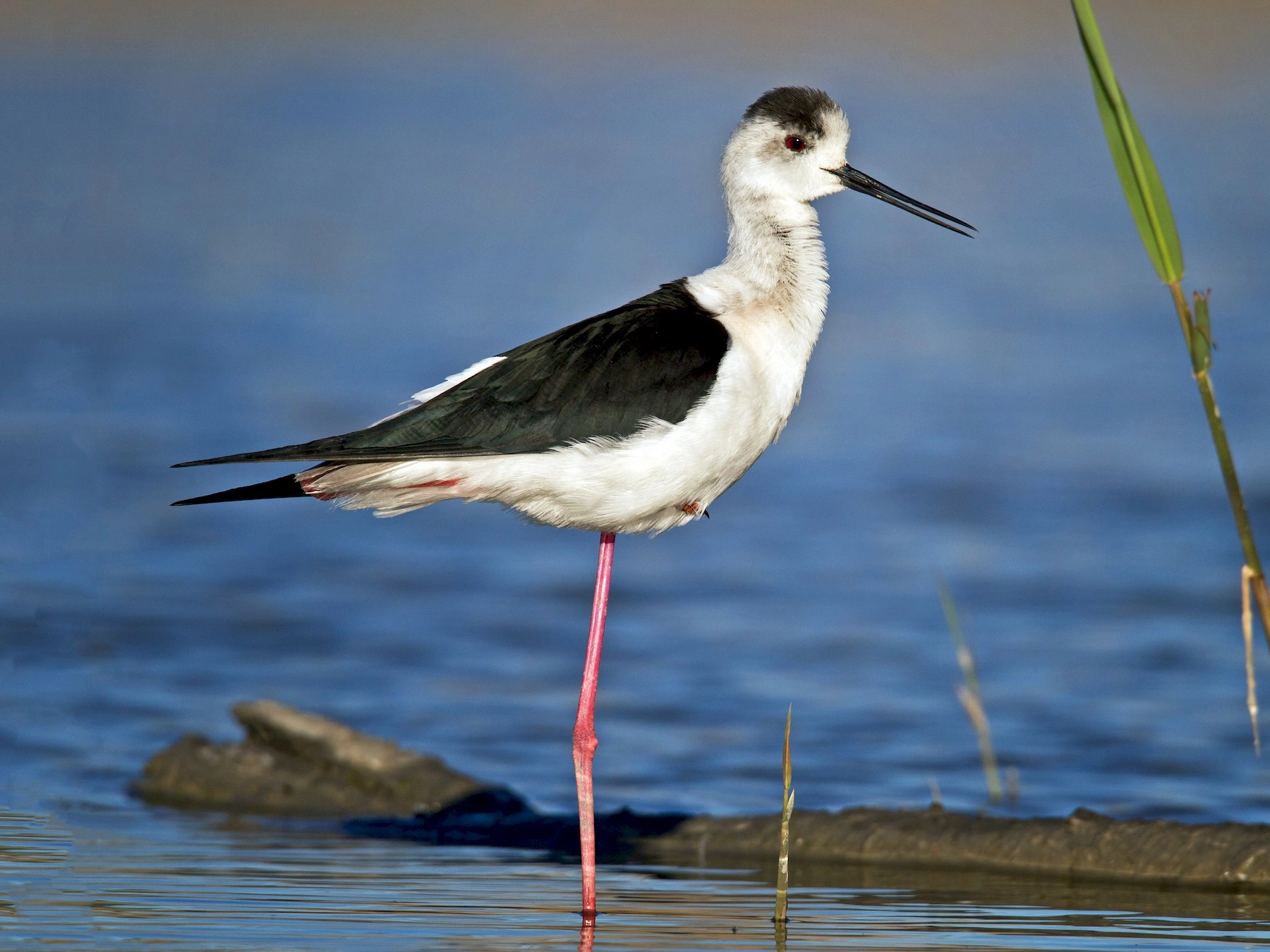
Black-winged Stilt
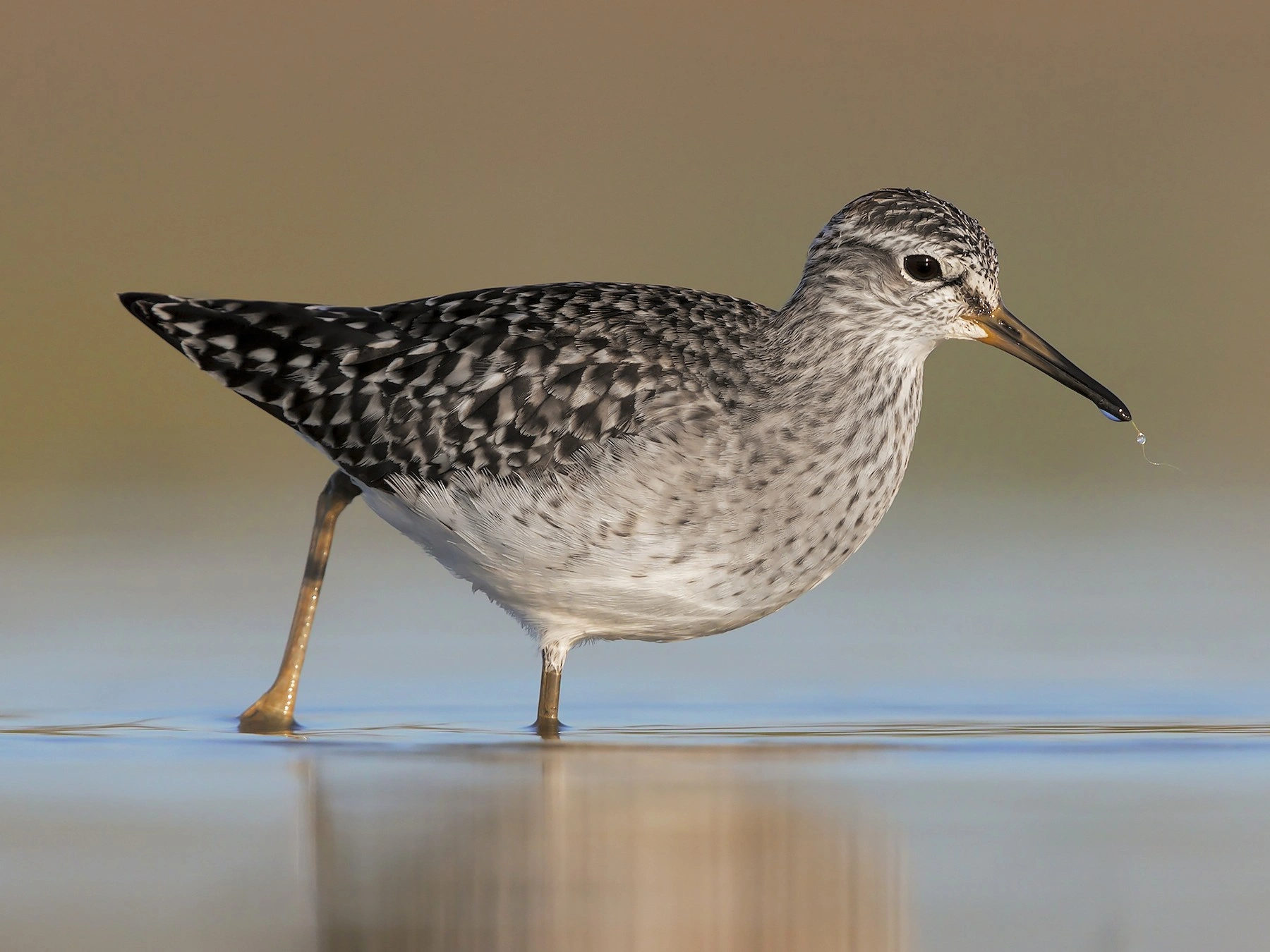
Wood Sandpiper
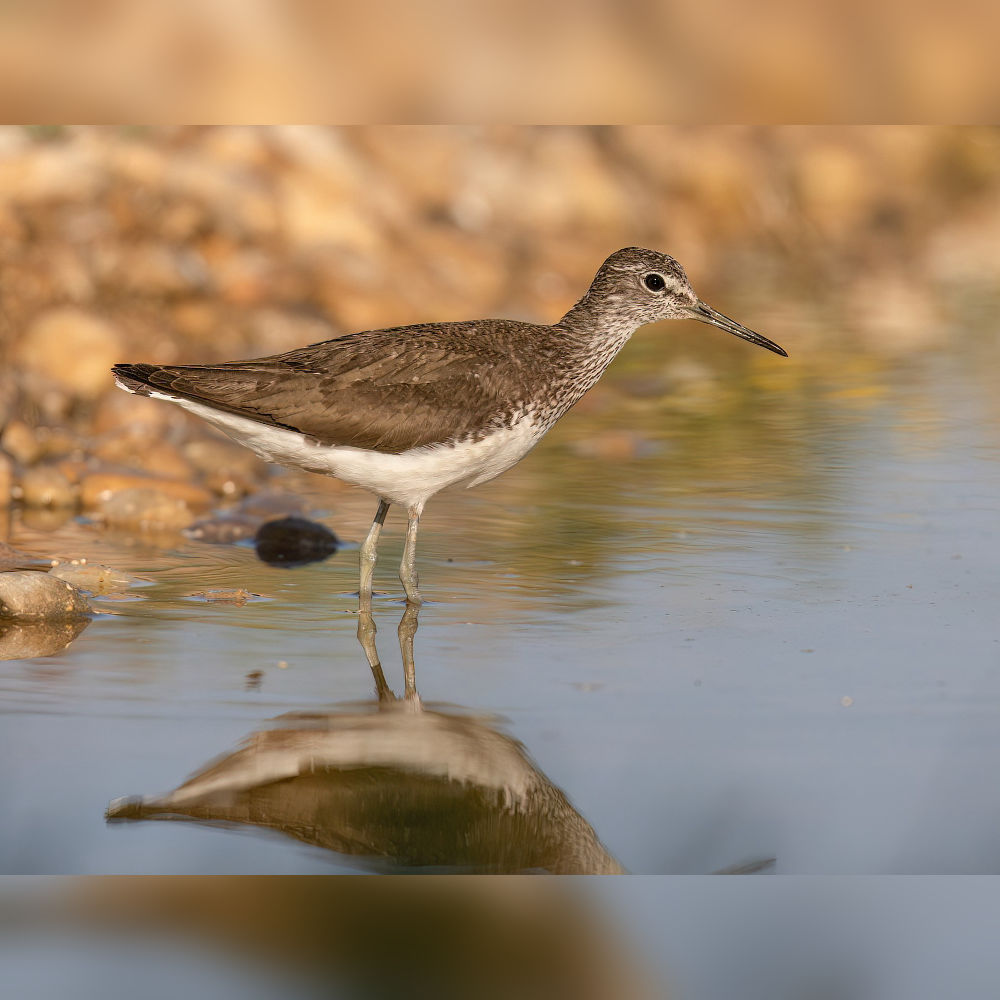
Green Sandpiper
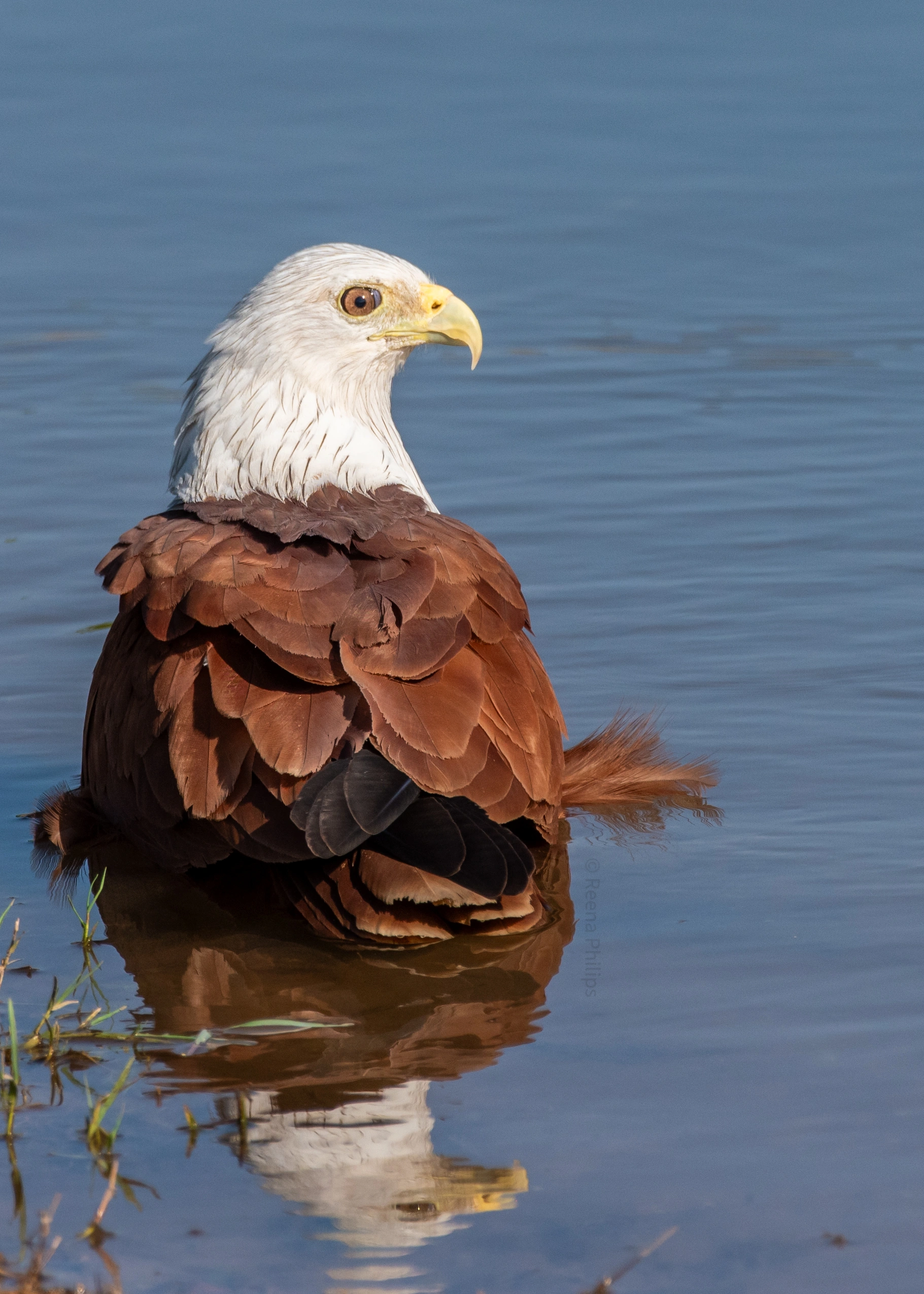
Brahminy Kite

Scroll to Top