

Loading Events

Bird Walk at Kumaraswamy lake, Coimbatore, Tamil Nadu

About Kumaraswamy lake

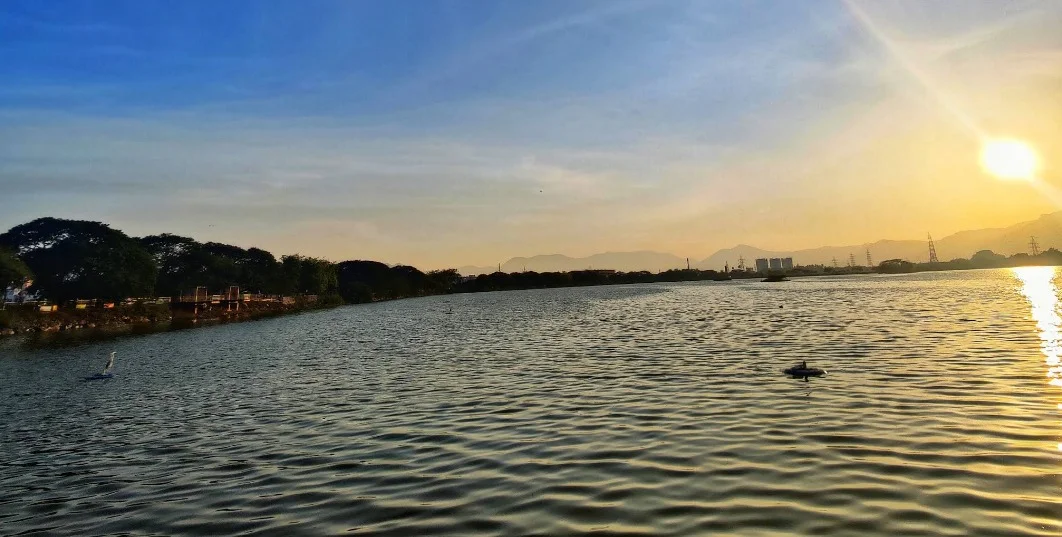
Kumaraswamy Lake, also called Muthannankulam, is one of more than 30 linked tanks that make up the historic Noyyal River system around Coimbatore. These tanks, built centuries ago, store the river’s monsoon floods, recharge groundwater and once watered the farms of the Kongu region. Today Kumaraswamy Lake sits within the growing city, with open water, reedy margins, weedy shallows and tree-lined bunds. A park and walking paths draw residents every morning. Fish, frogs, turtles and dragonflies thrive in the water, and the lake gives wildlife a vital patch of wet, green space in a crowded urban landscape.
For birders, the lake is surprisingly rich. Spot-billed Pelicans, darters and cormorants of three kinds fish in the open water. Herons and egrets hunt along the reeds, and coots and grebes paddle in the shallows. Kingfishers, drongos and prinias live along the bunds. Like most of the Noyyal tanks, though, Kumaraswamy Lake faces serious problems. The Noyyal carries sewage and textile and dyeing effluent from upstream, and water hyacinth and other weeds spread quickly in the polluted water. Encroachment and blocked feeder channels reduce the inflow, and lakefront development that concretes the banks removes the reeds and natural edges birds depend on. Clean water, reopened channels and soft, vegetated banks will help this lake remain a home for Coimbatore’s birds.

Bird Guide: Keerthika G

She is a PhD Scholar in Zoology and bird guide from Coimbatore, Tamil Nadu, with over 13 years of birding experience. Passionate about birdwatching, biodiversity conservation, and nature education, she enjoys inspiring people to connect with birds and the natural world through engaging field experiences.

Partnered with Siddharth Foundation
Bird walk Location

Common birds of Kumaraswamy lake

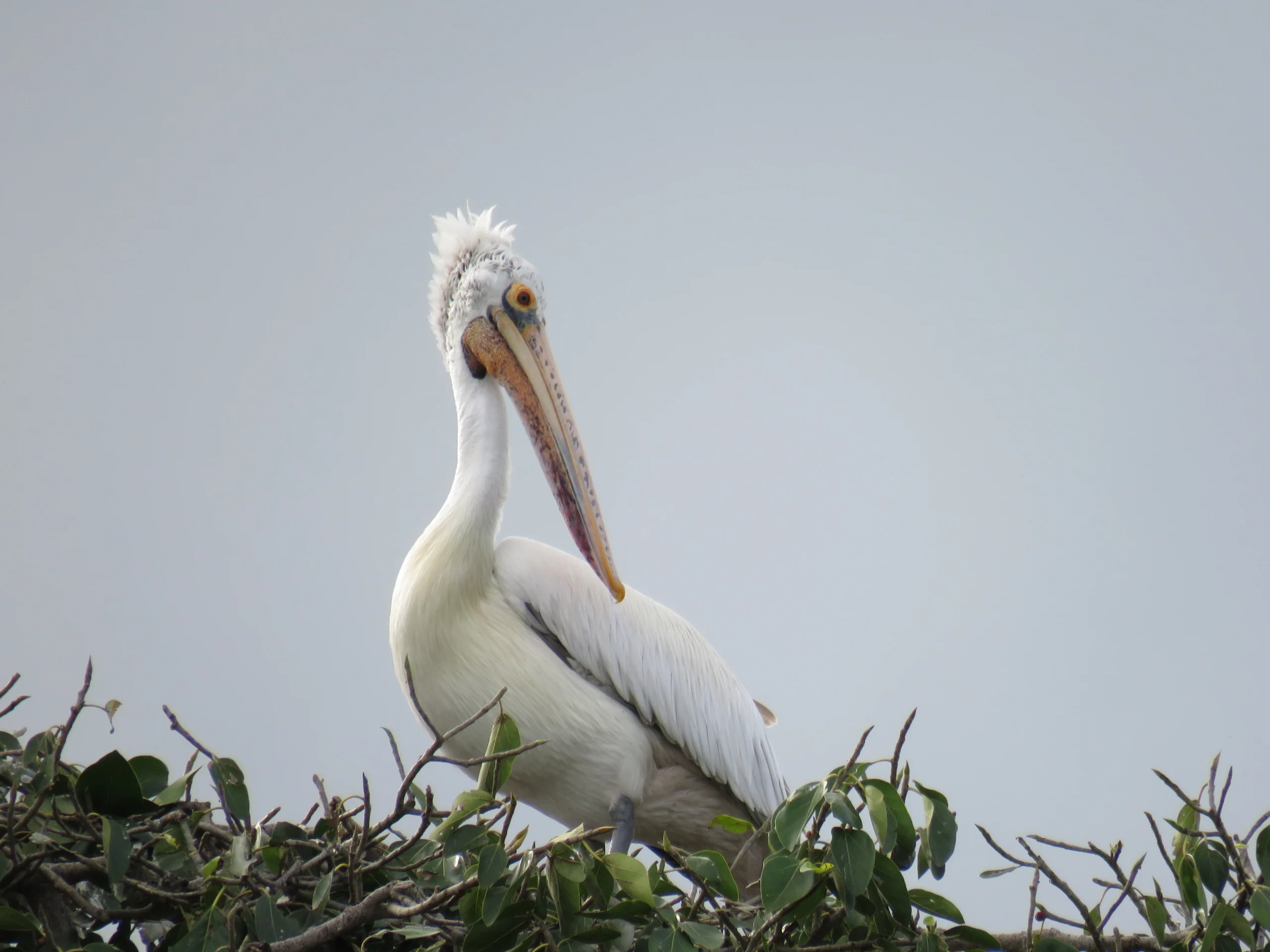
Kumaraswamy Lake’s big birds steal the show. Spot-billed Pelicans, huge and globally threatened, glide in on broad wings and fish together in the open water, scooping up fish with their pouched bills. The Oriental Darter, or “snakebird”, swims with only its thin, snake-like neck above the surface, then perches with its wings spread to dry. Three kinds of cormorant share the lake: the big Great Cormorant, the Indian Cormorant with its slender bill, and the small Little Cormorant. Tall Gray Herons stand like statues at the water’s edge, while the slender Purple Heron hides among the reeds. Black-crowned Night Herons rest in the trees by day and come out to hunt at dusk. Little Egrets and Indian Pond-Herons stalk the shallows patiently. Eurasian Coots and Little Grebes paddle across the water, diving out of sight in an instant. Along the bunds, Black Drongos watch from their perches and Ashy Prinias call from the grass. Rose-ringed Parakeets streak green across the sky, and the Asian Koel’s rising call rings out from the trees. Crows, mynas and pigeons are everywhere around the park.
Spot-billed Pelican
Oriental Darter
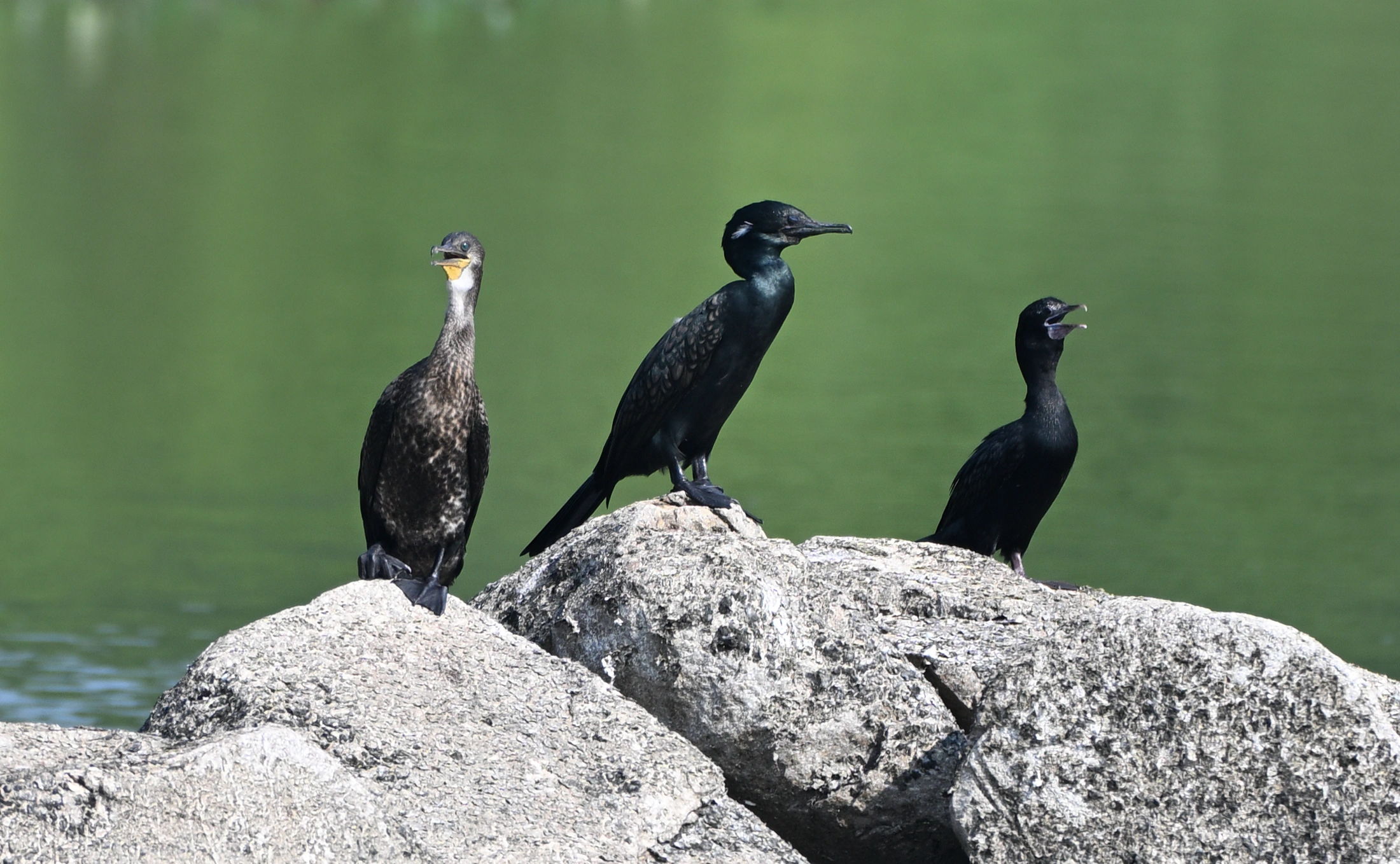
Great Cormorant
Indian Cormorant
Little Cormorant
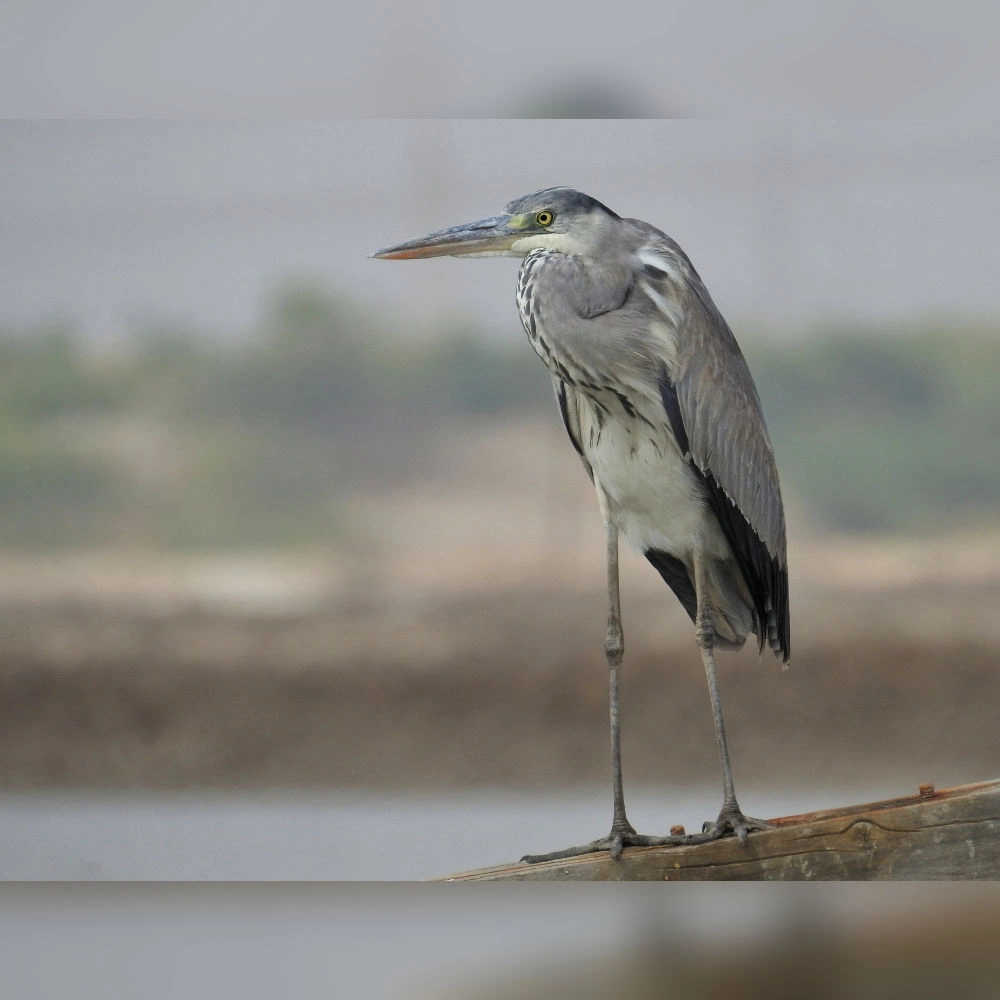
Grey Heron
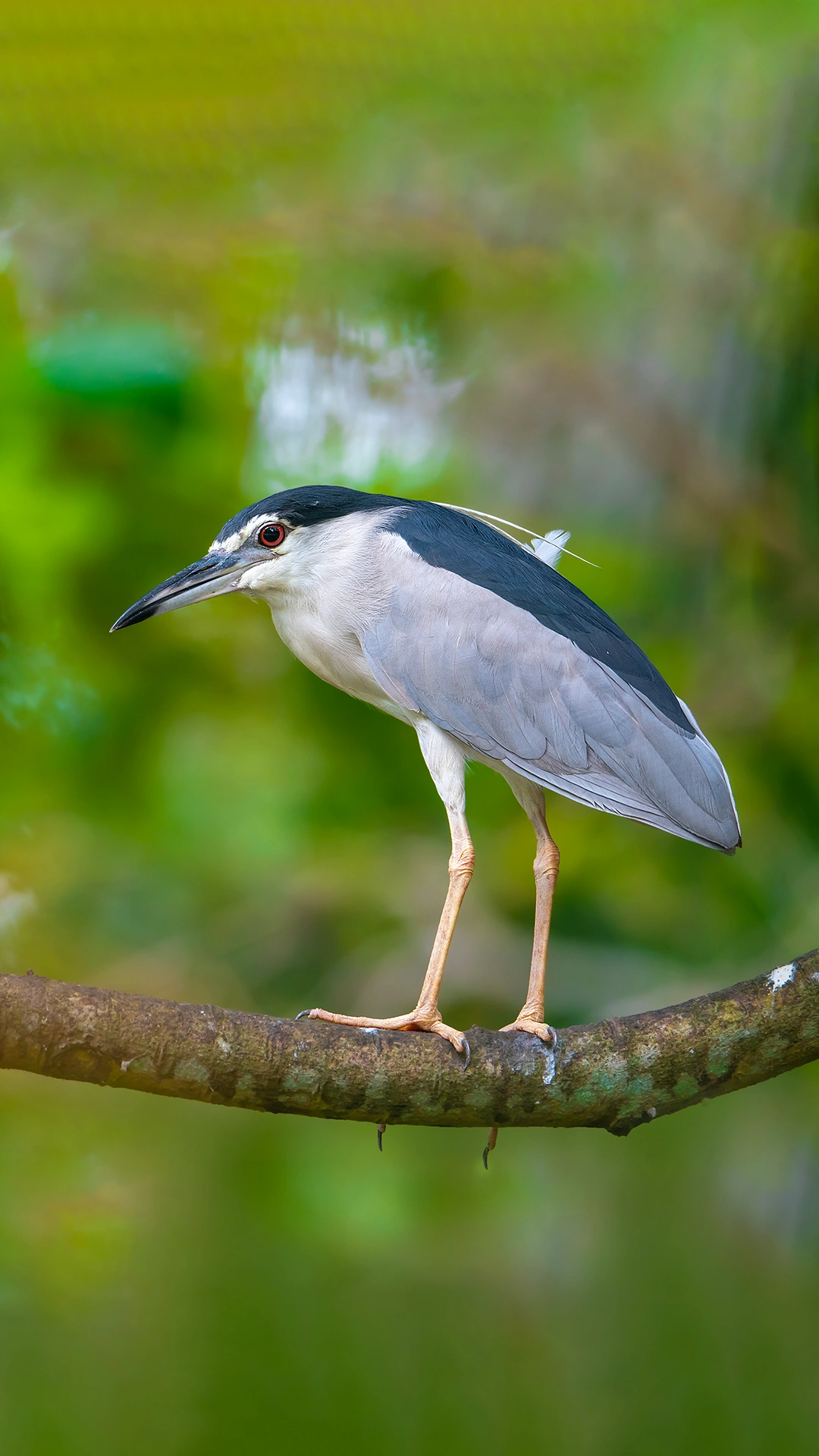
Black-crowned Night Heron
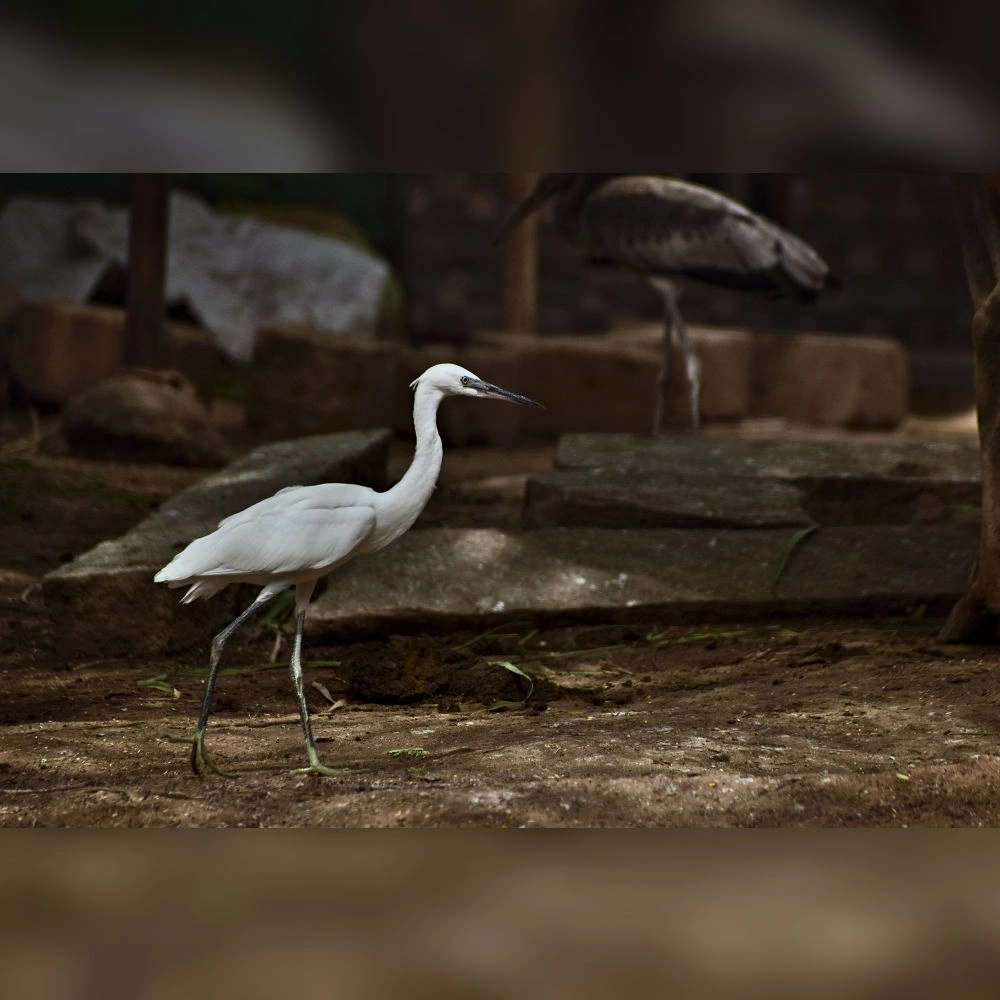
Little Egret
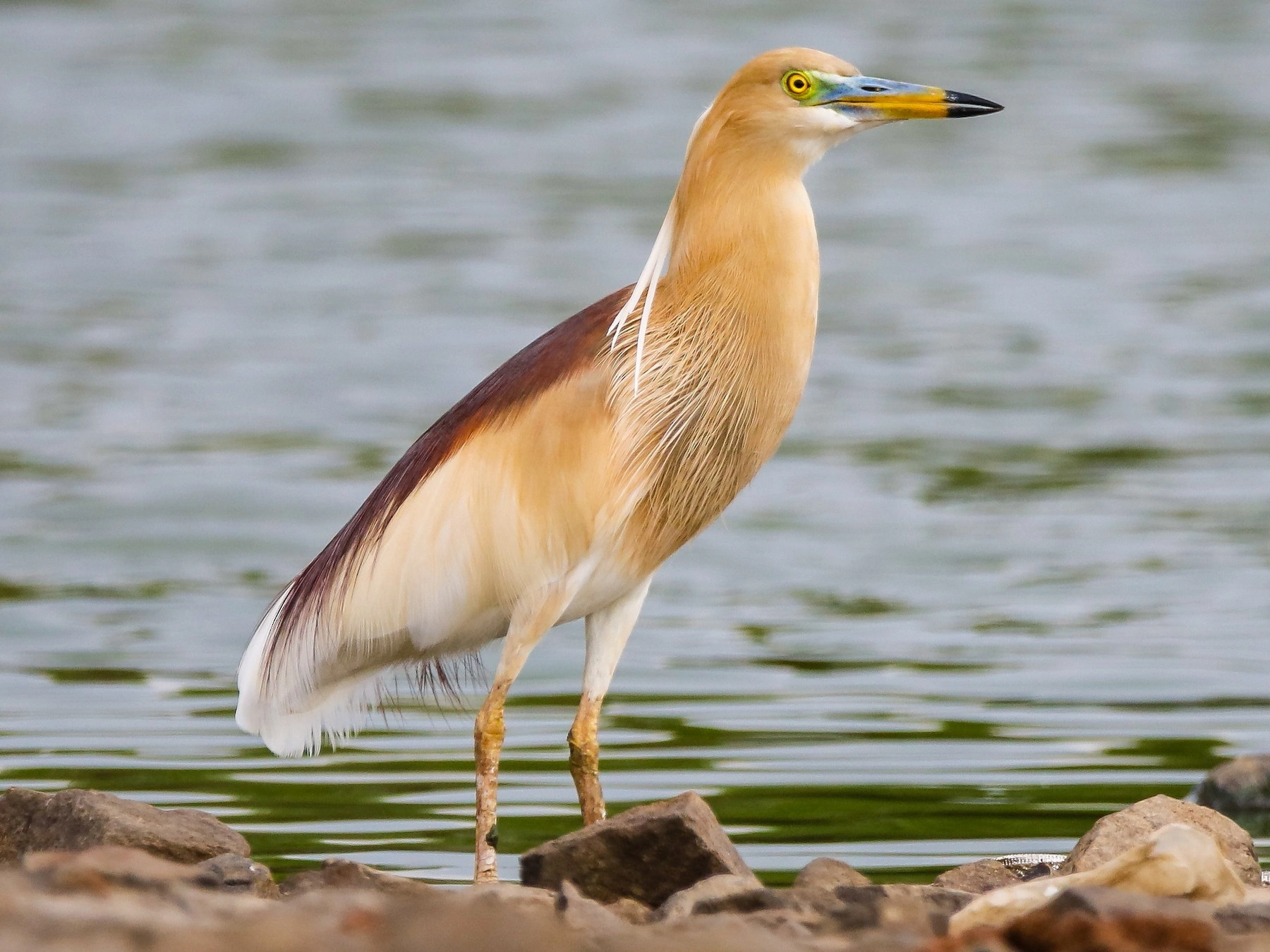
Indian Pond-Heron
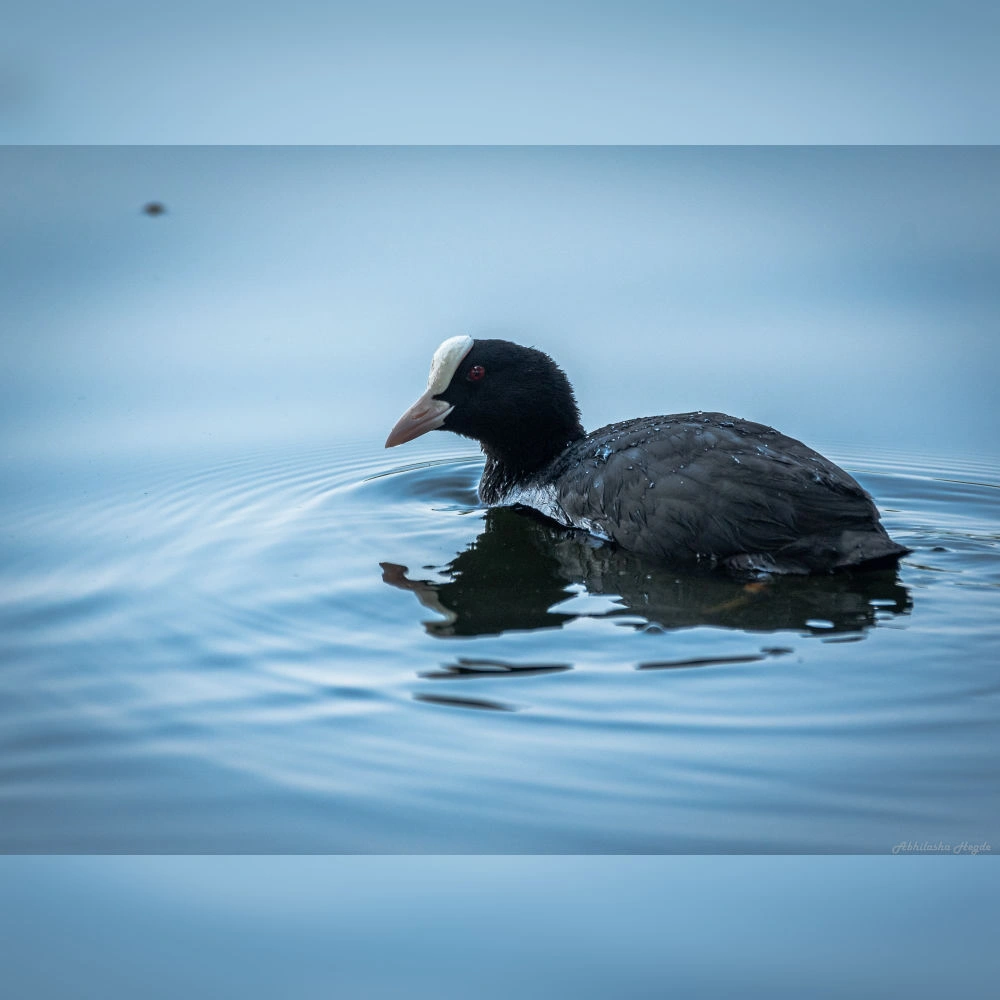
Eurasian Coot
Little Grebe
Black Drongo
Ashy Prinia
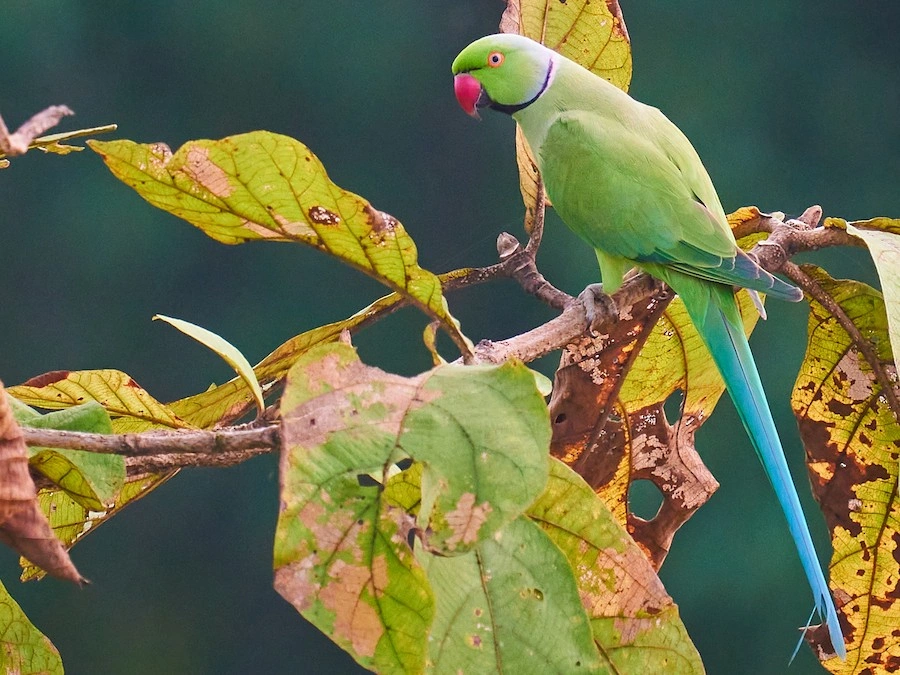
Rose-ringed Parakeet
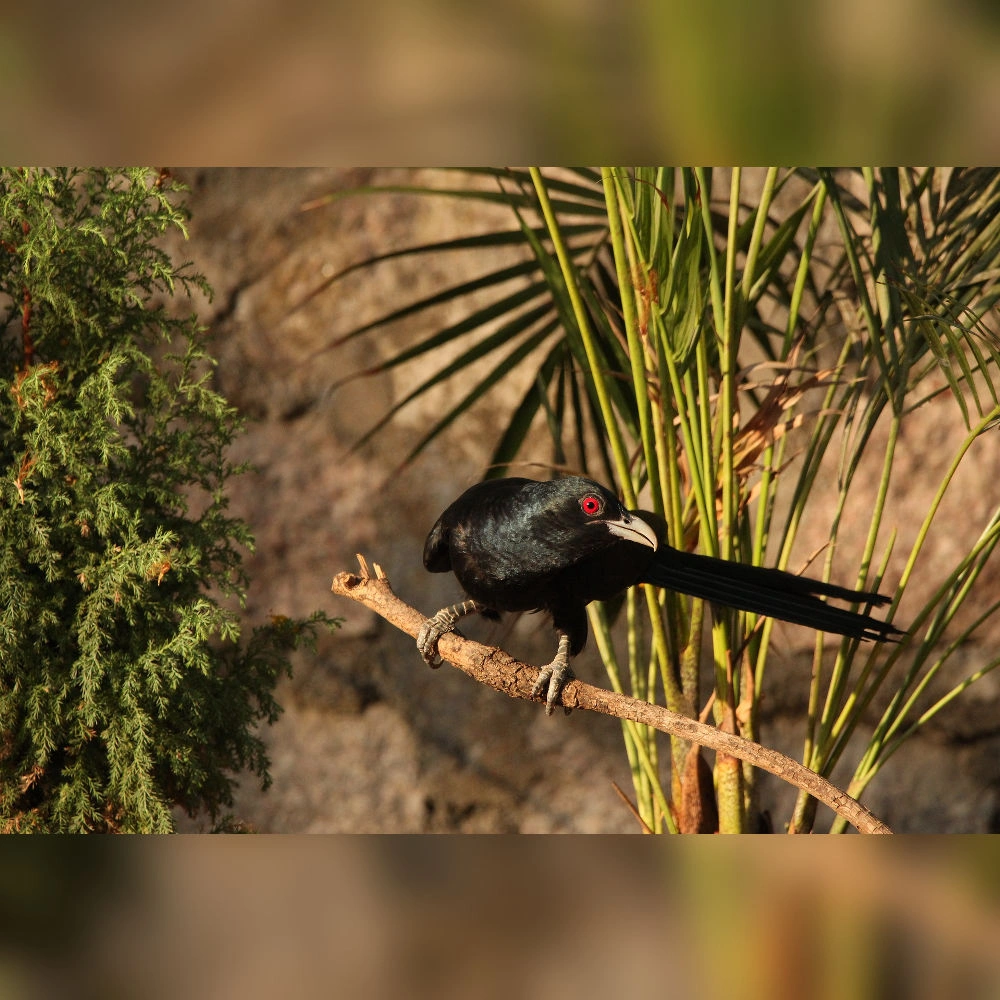
Asian Koel
Large-billed Crow
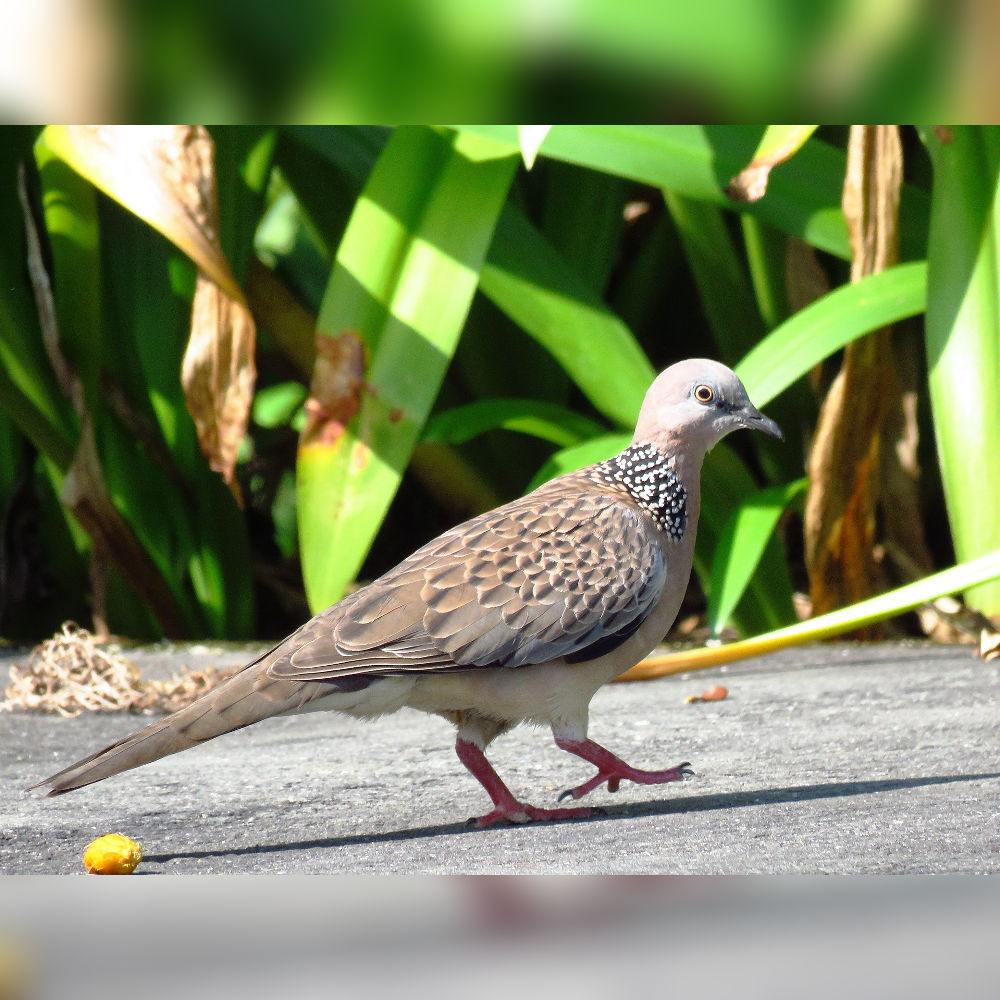
Spotted Dove
Little Grebe
House Crow
Common Myna

Scroll to Top