
Loading Events

Bird Walk at Kole Wetlands , Puzhakkal, near Sobha City, Thrissur, Kerala

About Kole Wetlands

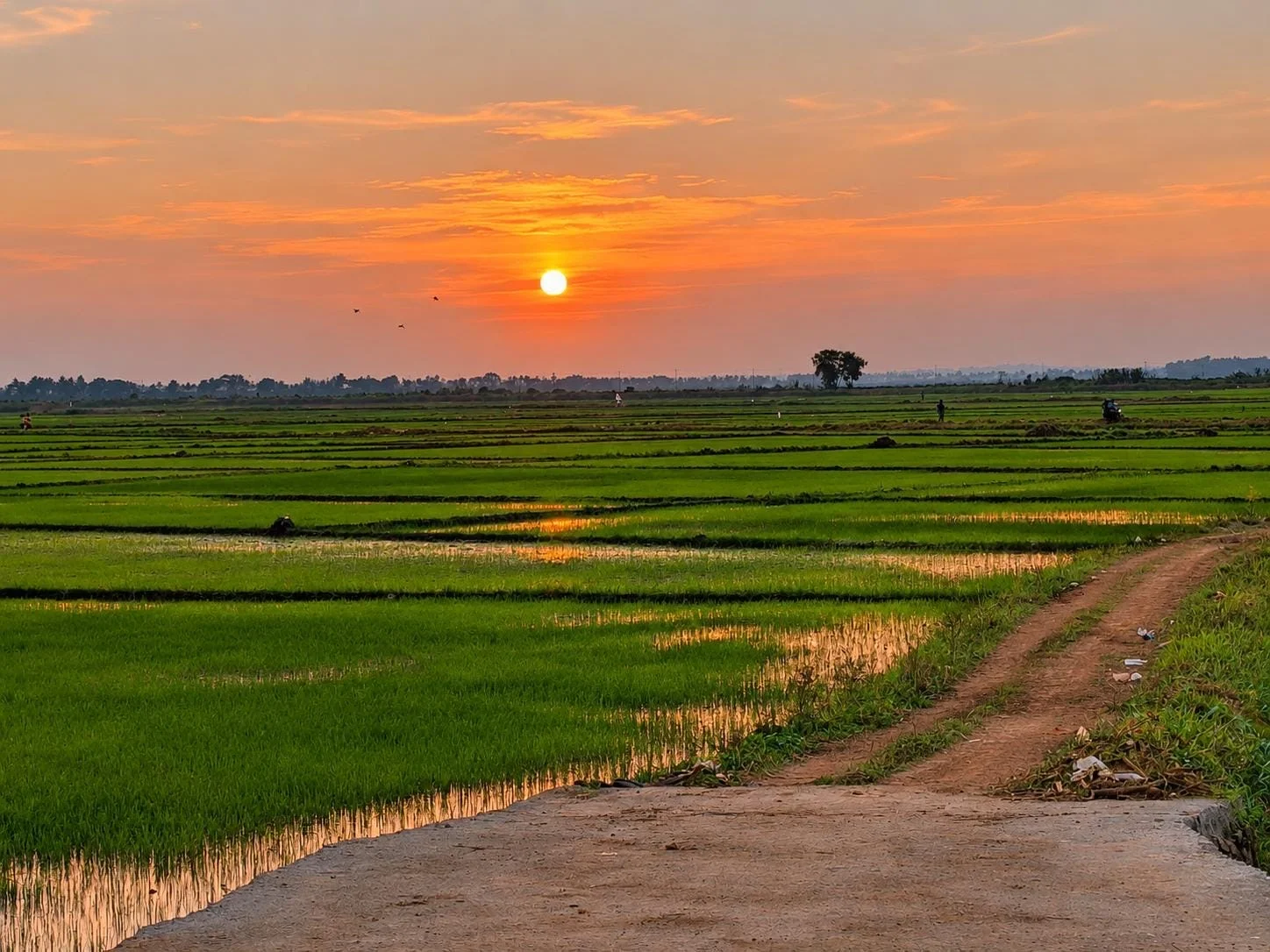
Spread across Thrissur and Malappuram districts in central Kerala, the Kole Wetlands are a vast, shimmering mosaic of paddy fields, canals and seasonal floodplains. Covering about 13,632 hectares, these low-lying lands sit half a metre to a metre below sea level and stay underwater for around six months each year. “Kole” means a bumper harvest in Malayalam, and when the water recedes, farmers turn the drained basins into some of Kerala’s most productive rice fields. This rhythm of flood and harvest creates a constantly changing landscape of open water, marsh, wet fields, reedbeds and canal banks. It makes Kole one of India’s great birding destinations: it is listed as a wetland of international importance under the Ramsar Convention, and in terms of the number of birds, it ranks third in India after Chilika Lake and Amipur Tank. More than 240 species have been recorded here, from huge flocks of ducks, egrets and storks to raptors, waders and the occasional flamingo.

For all their richness, the Kole Wetlands are among Kerala’s most threatened. The main threat is the expansion of cities and towns, especially Thrissur, along with land filling, brick kilns and the hunting of wetland birds. Saline intrusion, pesticide use and changing farming practices add further strain. Encouragingly, citizen groups such as the Kole Birders have been systematically monitoring resident and migrant birds for years, and their work shows how farmers, birders and local communities can work together to protect this remarkable landscape.

Bird Guide - Syam Sukumaran

He is an experienced bird guide with over 10 years of birdwatching and photography, specialising in wetland birds and with strong expertise in raptors. A regular traveller across the green landscapes of South India, he brings solid regional knowledge and an engaging, field-based approach to birding.
Bird walk Location

Common birds of Kole Wetlands

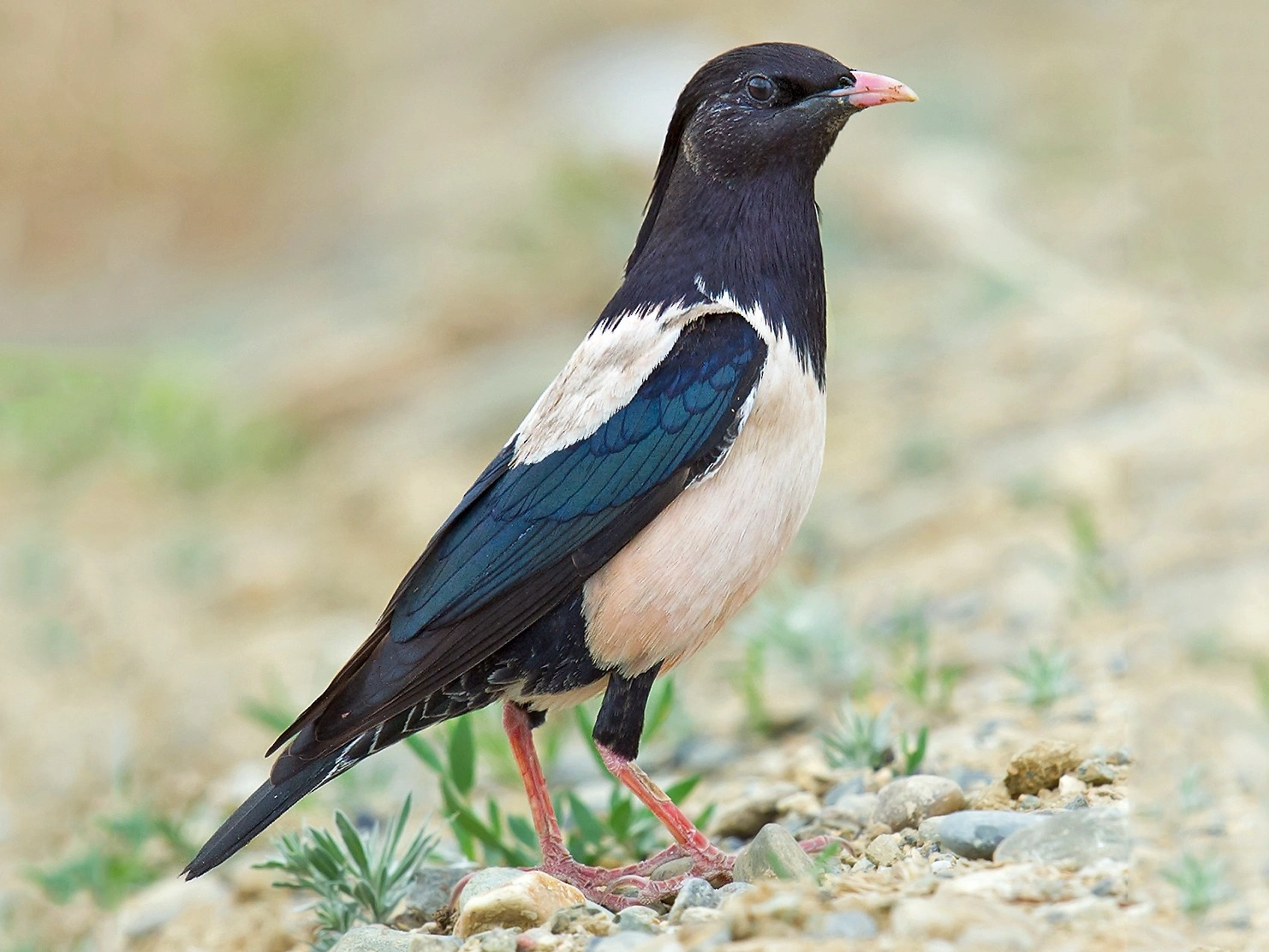
When the Kole fields at Konthipulam drain, raptors arrive. Montagu’s Harrier, slim and graceful, glides low over the paddies on long, narrow wings. The Western Marsh Harrier quarters the reedy margins, and the Booted Eagle circles overhead. These are winter visitors from far to the north. Flocks of Rosy Starlings, pink and black, swirl across the fields. Blue-tailed and Asian Green Bee-eaters swoop after dragonflies, flashing green, blue and chestnut. Down in the grass, the Red Avadavat, a tiny bird with crimson plumage dotted with white spots, feeds in small groups. Paddyfield Pipits run along the bunds, and the Zitting Cisticola rises in a bouncing song flight. Plain and Ashy Prinias call from the tall stems. The shy Lesser Coucal, a smaller cousin of the Greater Coucal, skulks in the dense grass. The Purple Heron hides among the reeds, while Black-headed Ibises probe the mud. The Pied Kingfisher hovers over the canals before diving, and the White-throated Kingfisher calls loudly from a palm. Red-wattled Lapwings, Common Sandpipers, Black Drongos and Asian Koels complete the scene, and the little Spotted Owlet watches from a tree hollow at dusk.
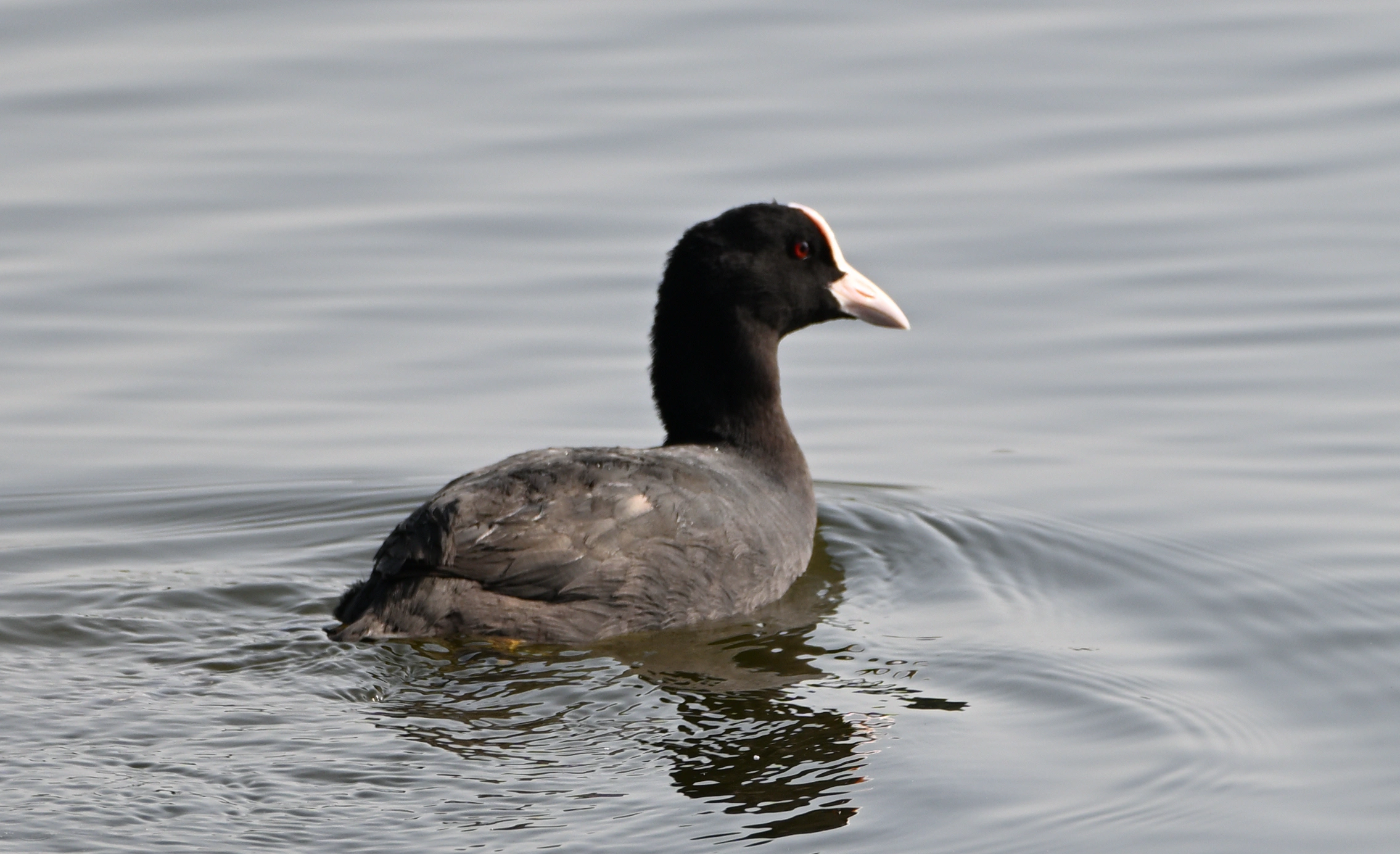
Eurasian Coot
Booted Eagle
Rosy Starling
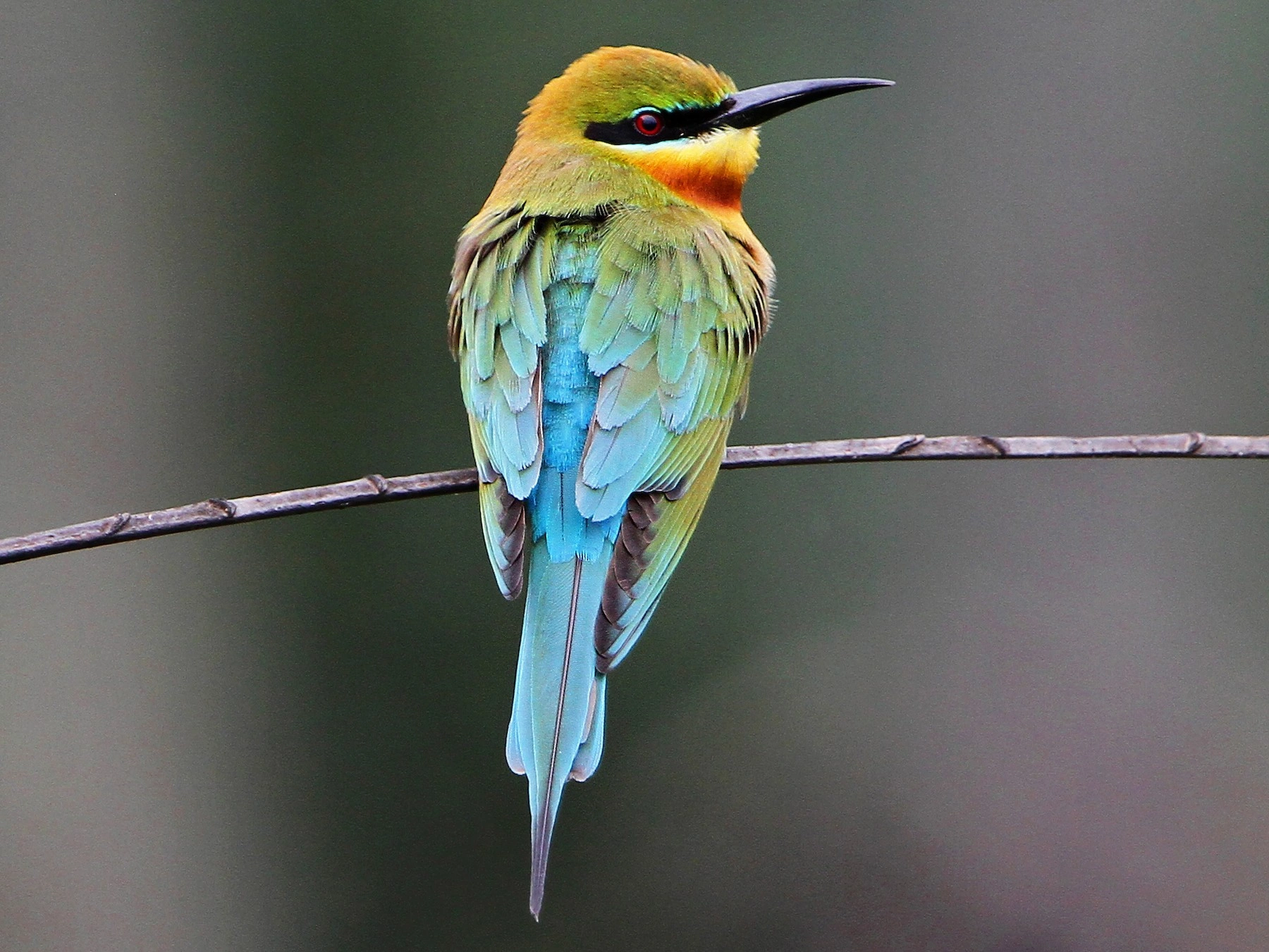
Blue-tailed Bee-eater
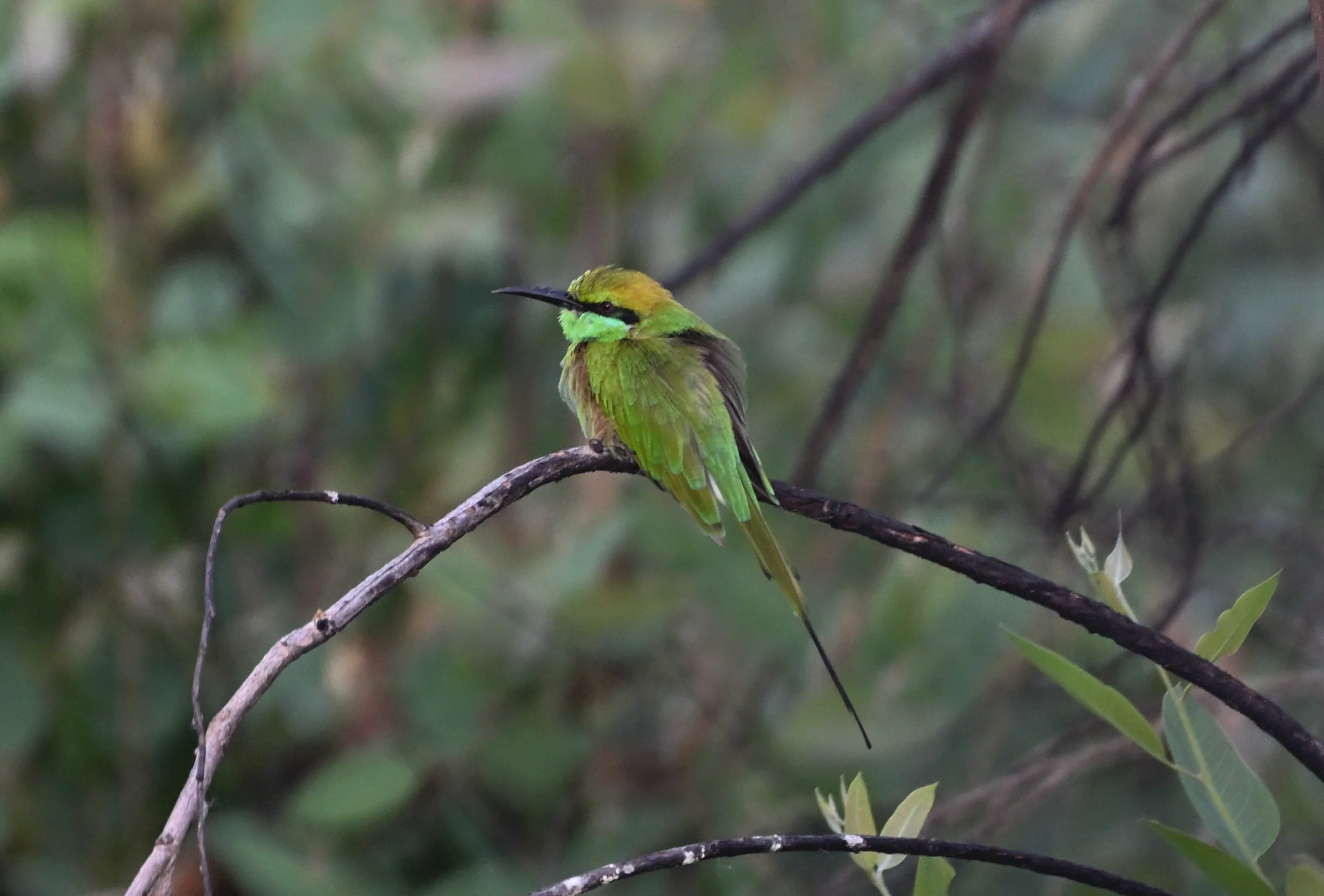
Asian Green Bee-eater
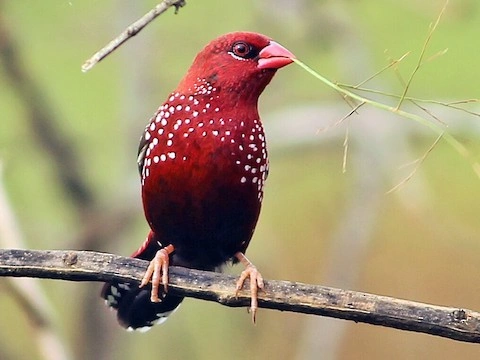
Red Avadavat
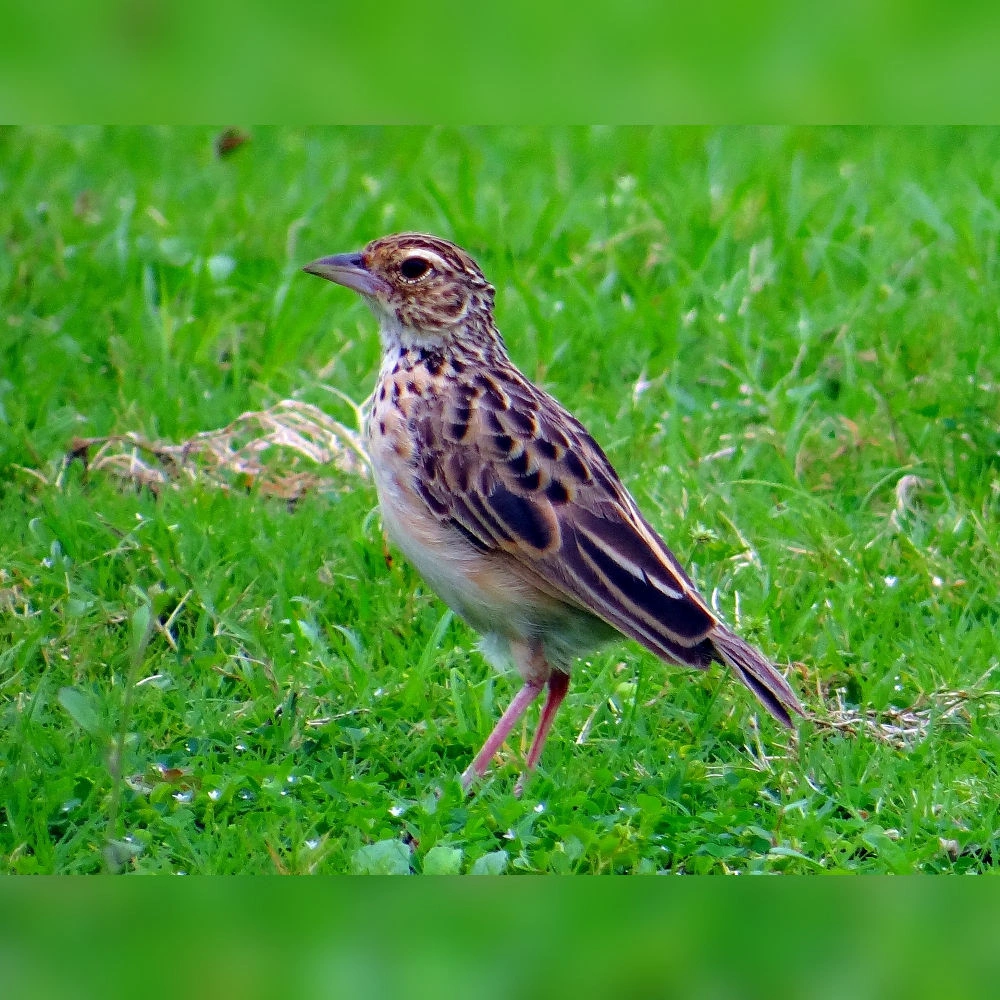
Paddyfield Pipit
Zitting Cisticola
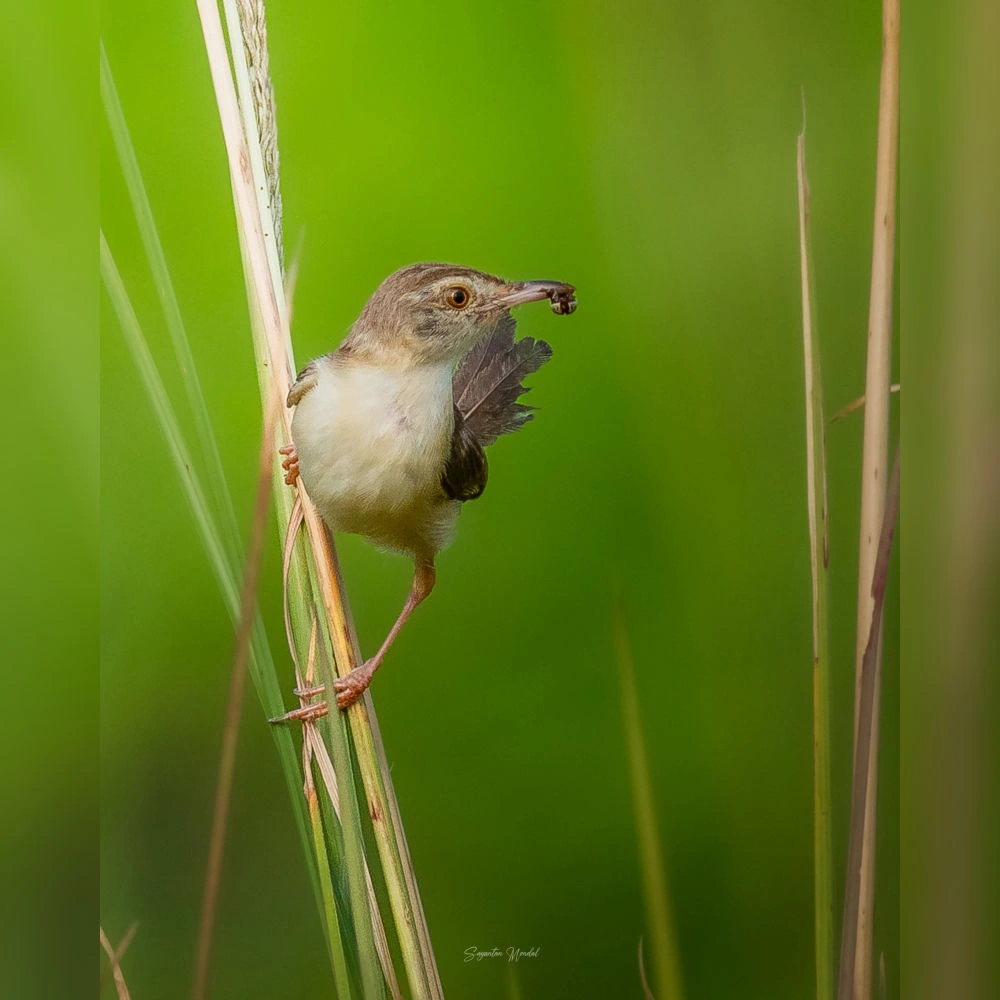
Plain Prinia
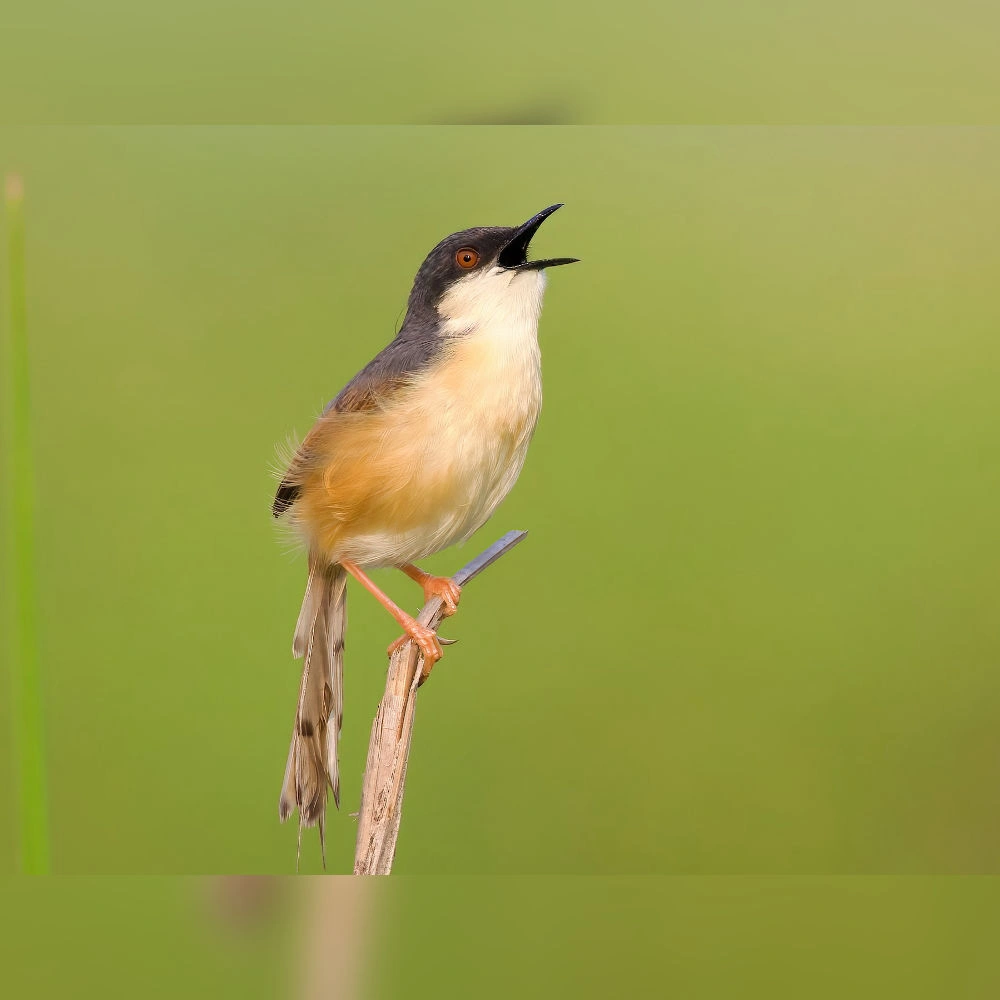
Ashy Prinia
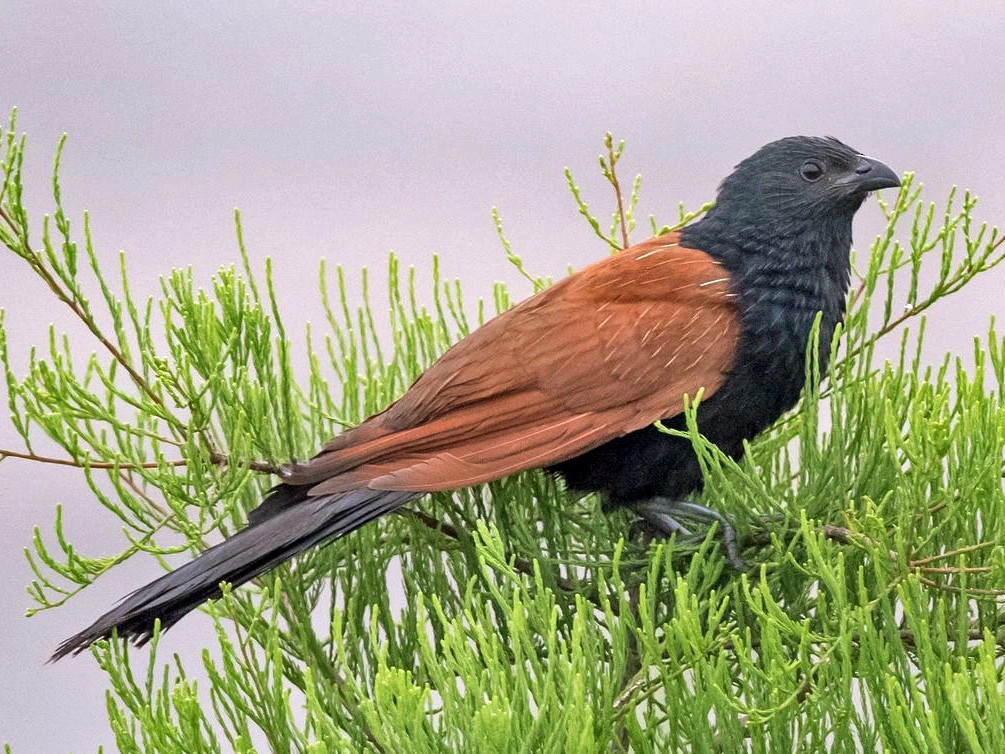
Lesser Coucal
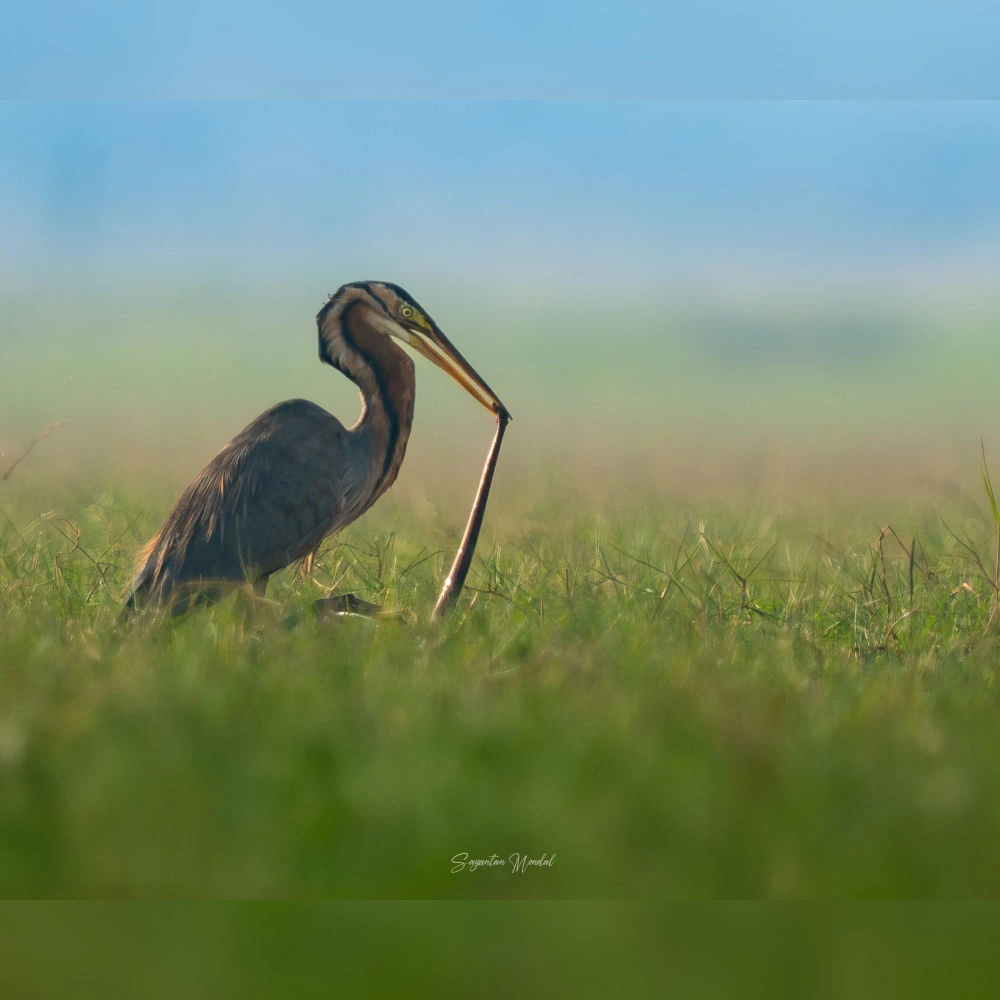
Purple Heron
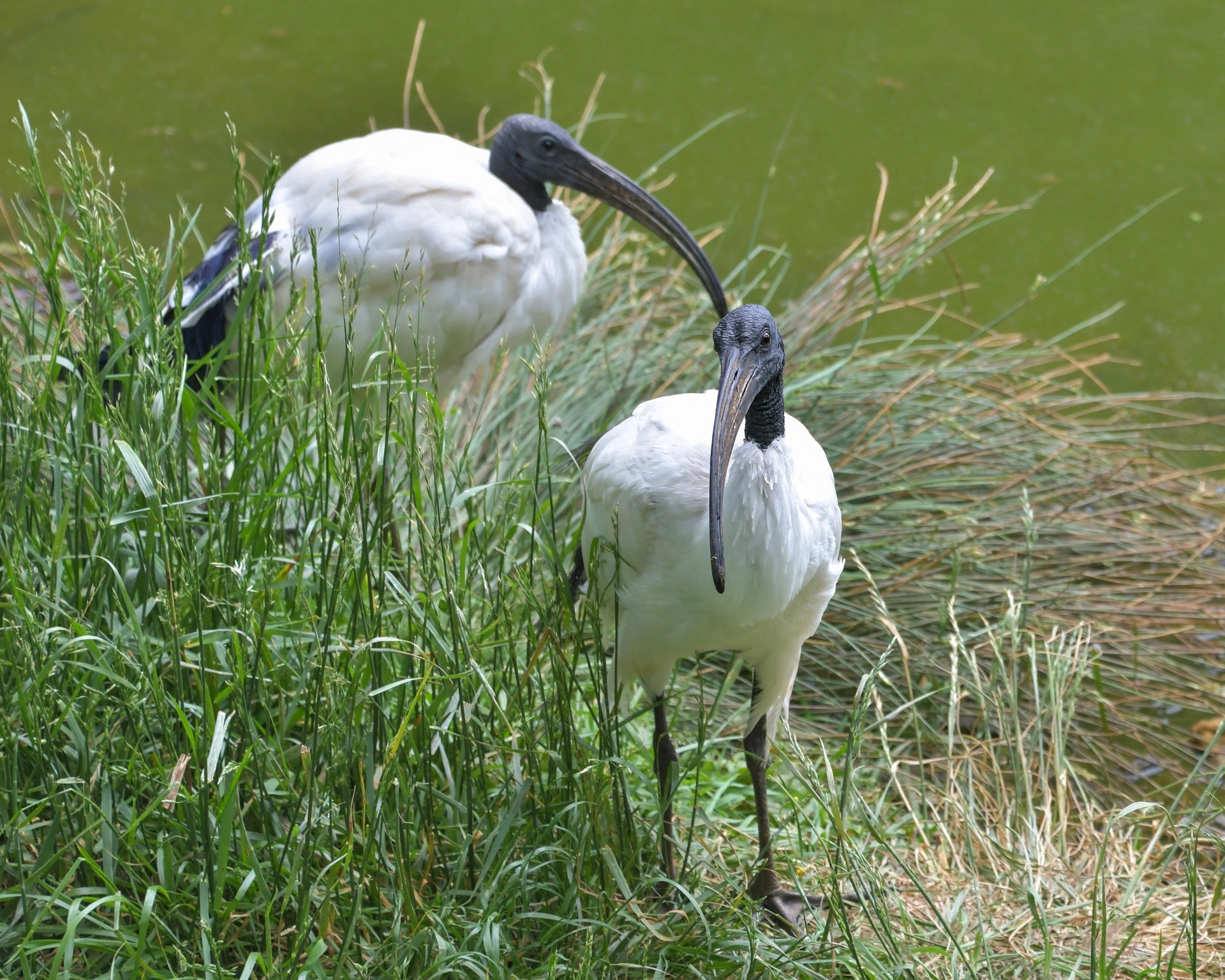
Black-headed Ibis
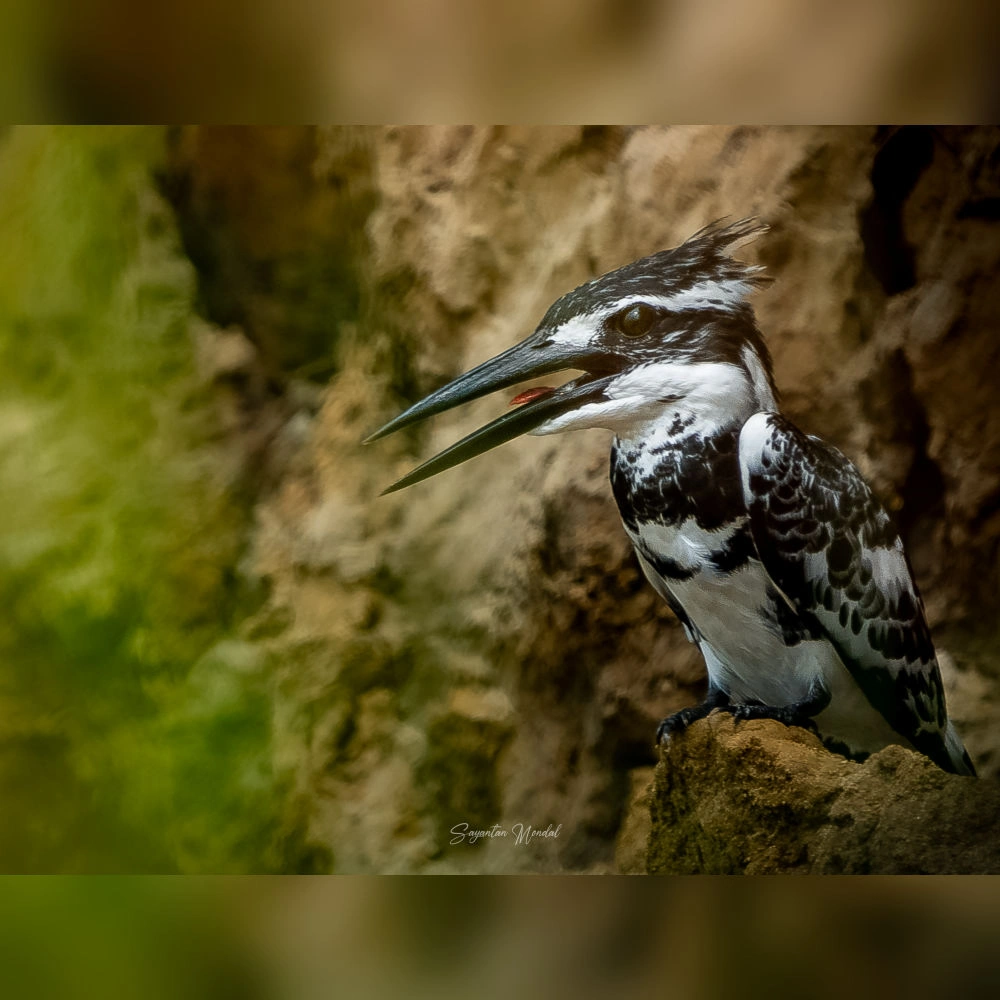
Pied Kingfisher
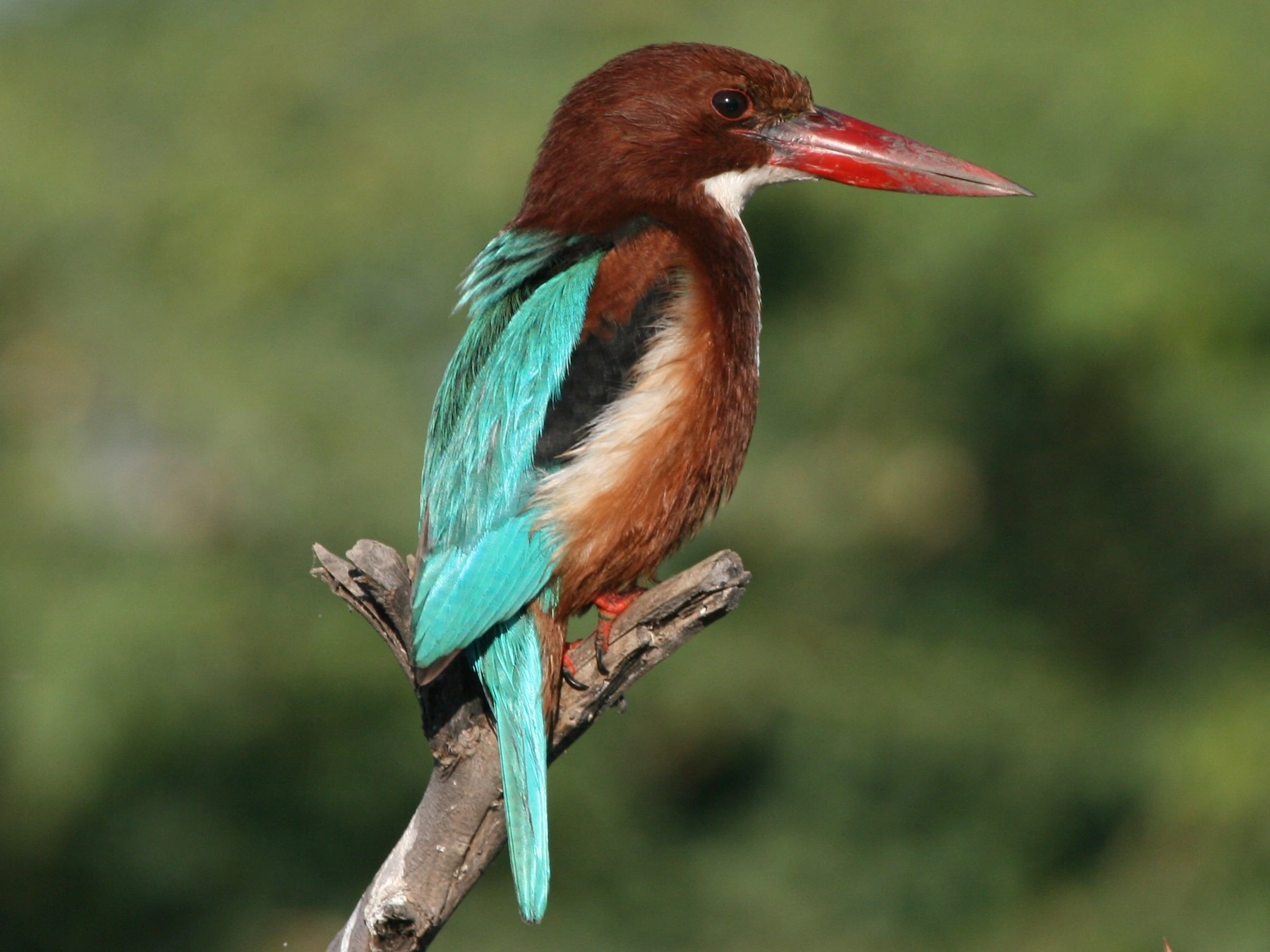
White-throated Kingfisher
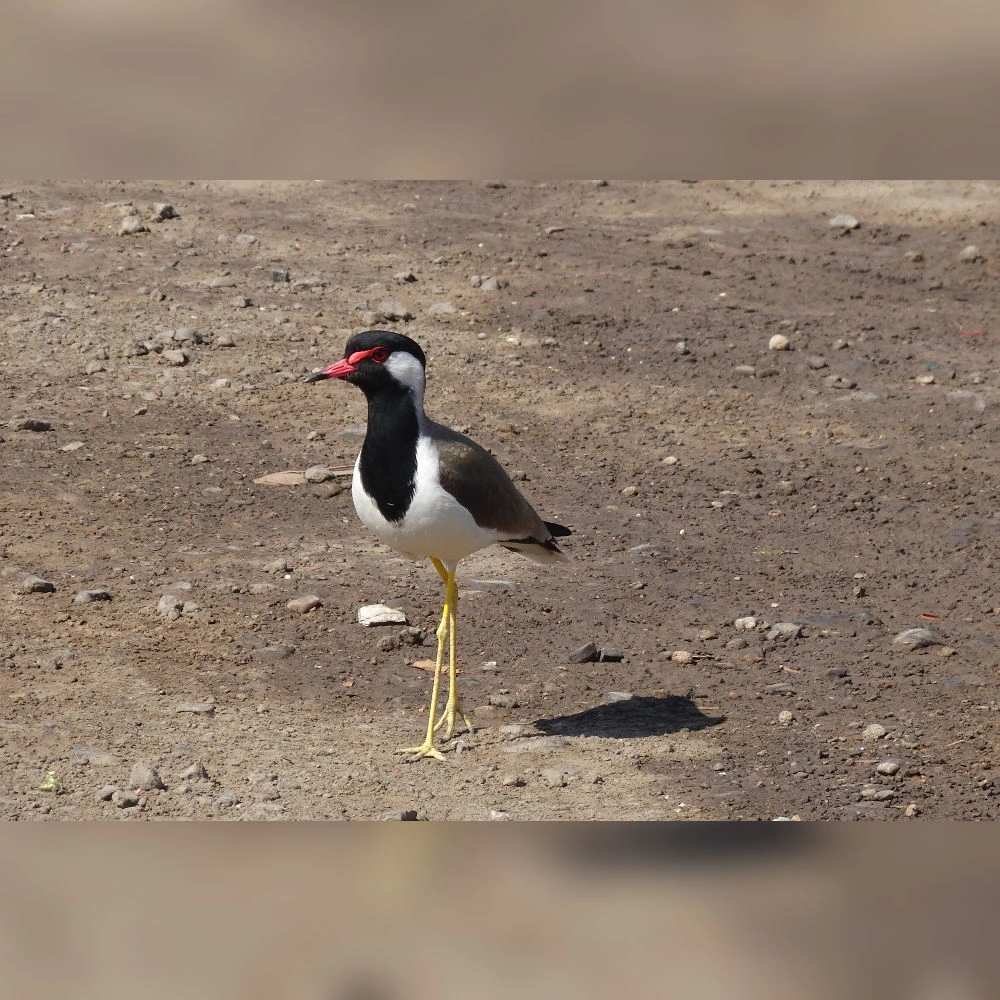
Red-wattled Lapwing
Common Sandpiper
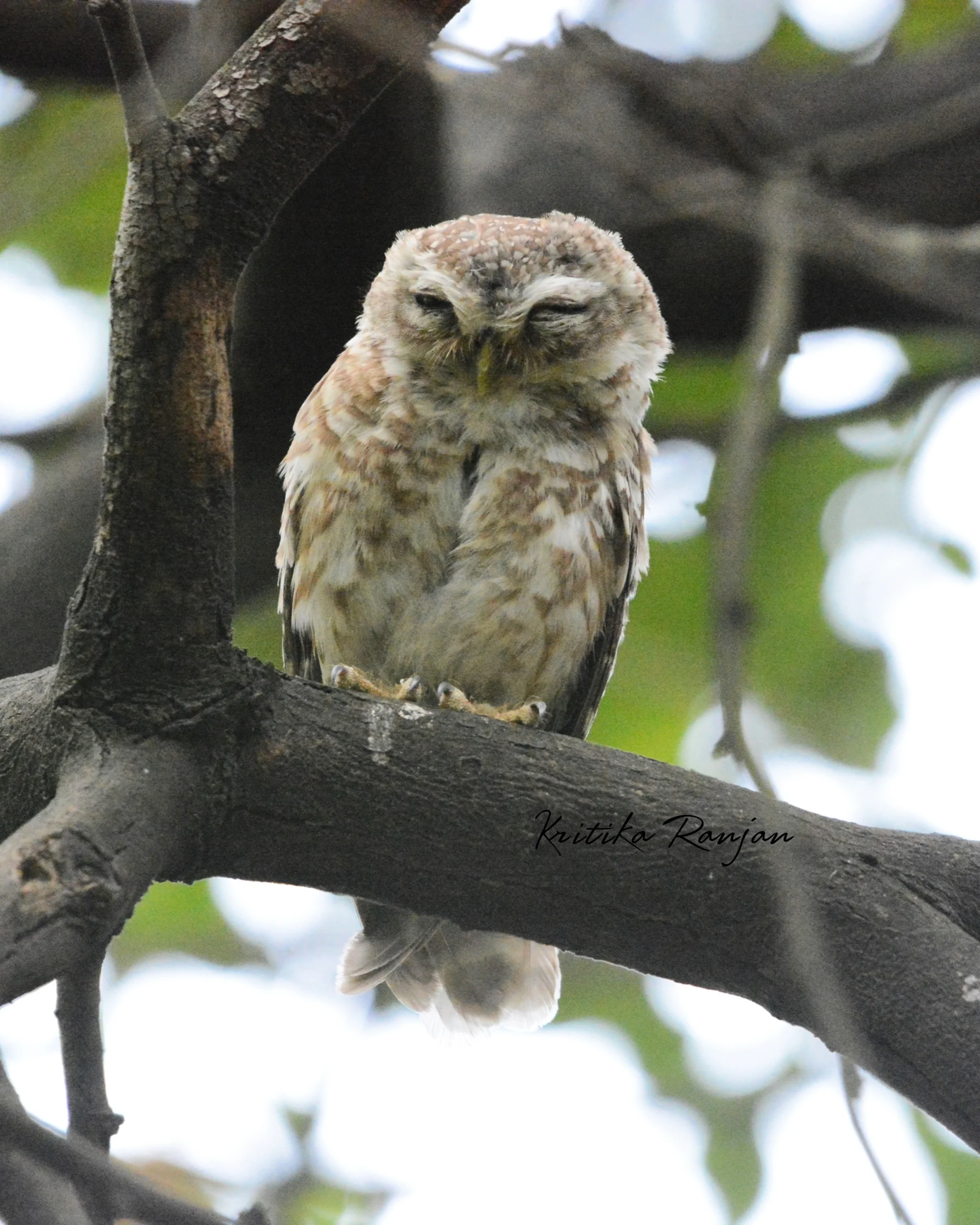
Spotted Owlet
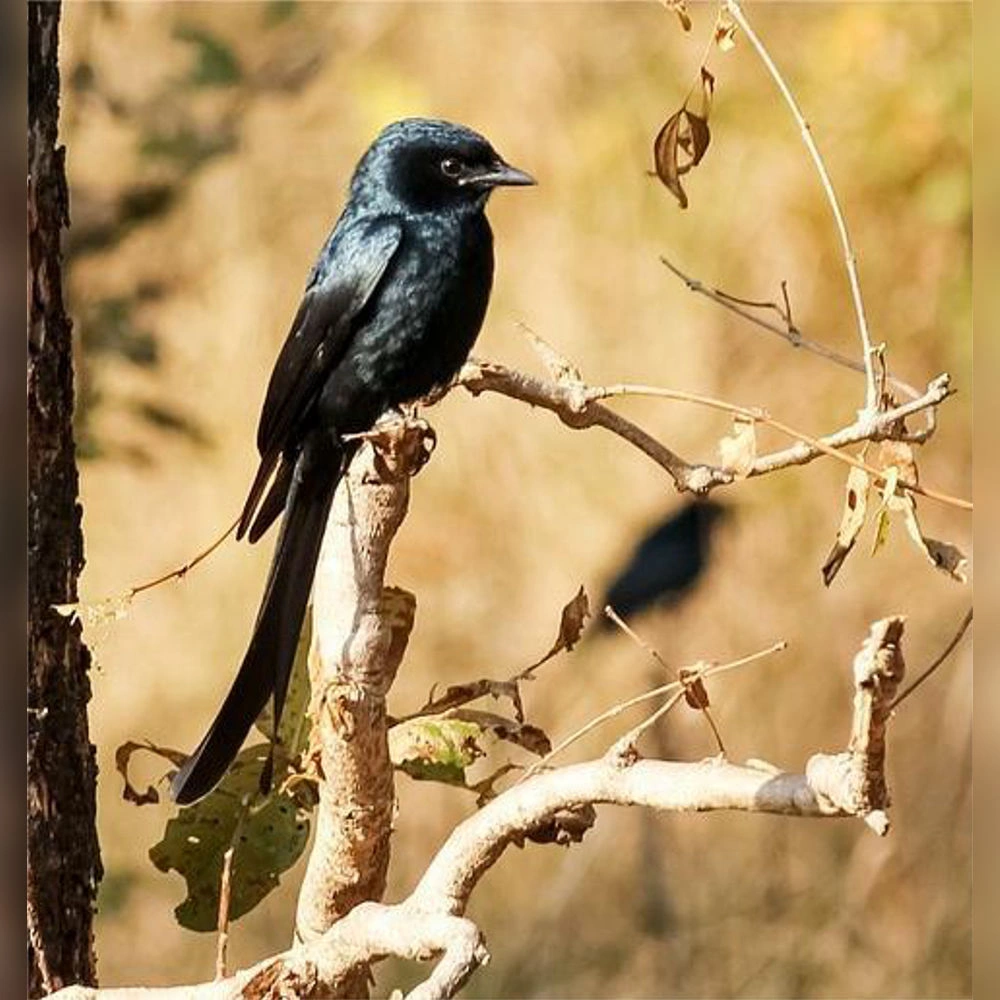
Black Drongo
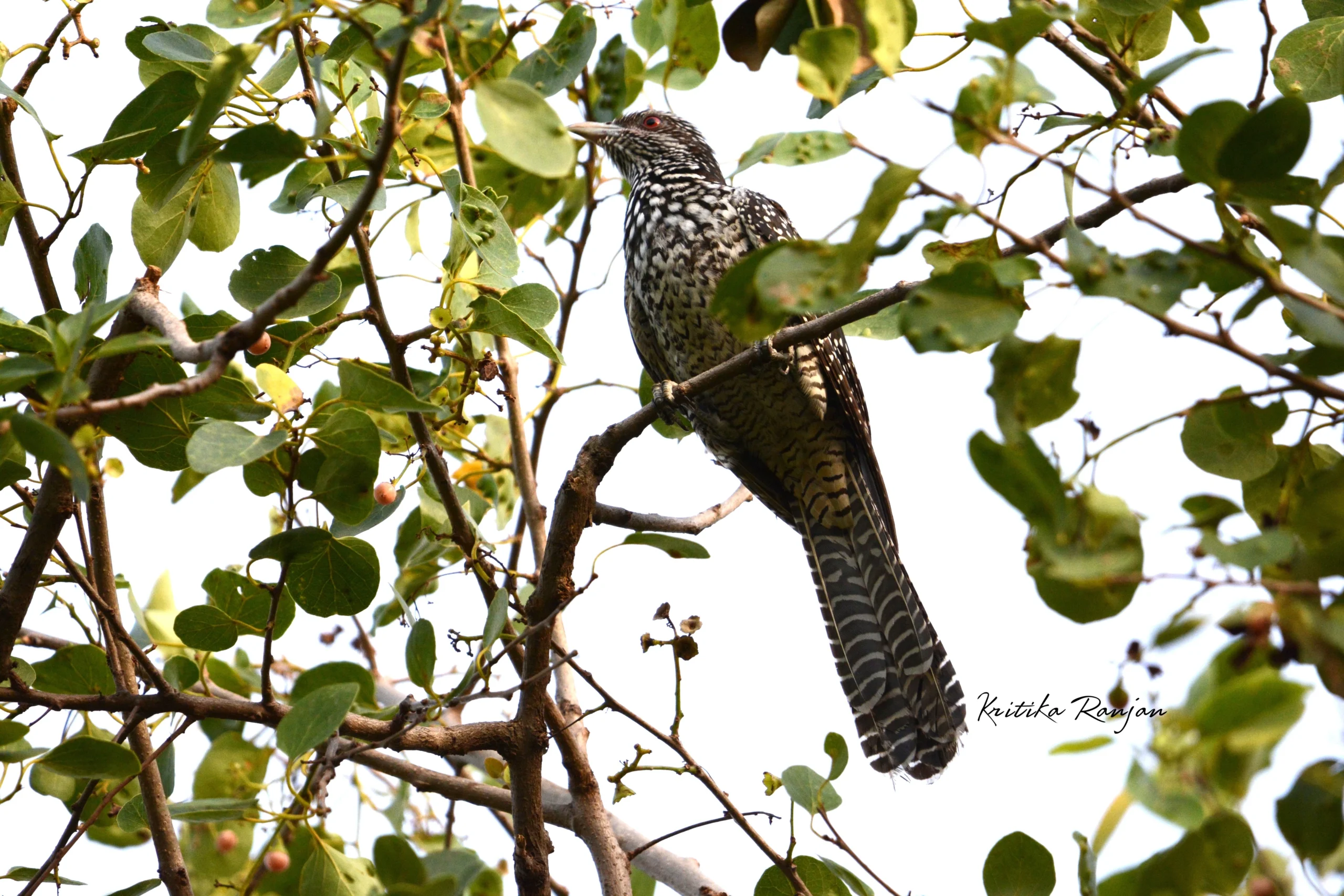
Asian Koel

Scroll to Top