

Loading Events

Bird Walk at Kakkadampoyil, Malappuram and Kozhikode, KL

About Kakkadampoyi

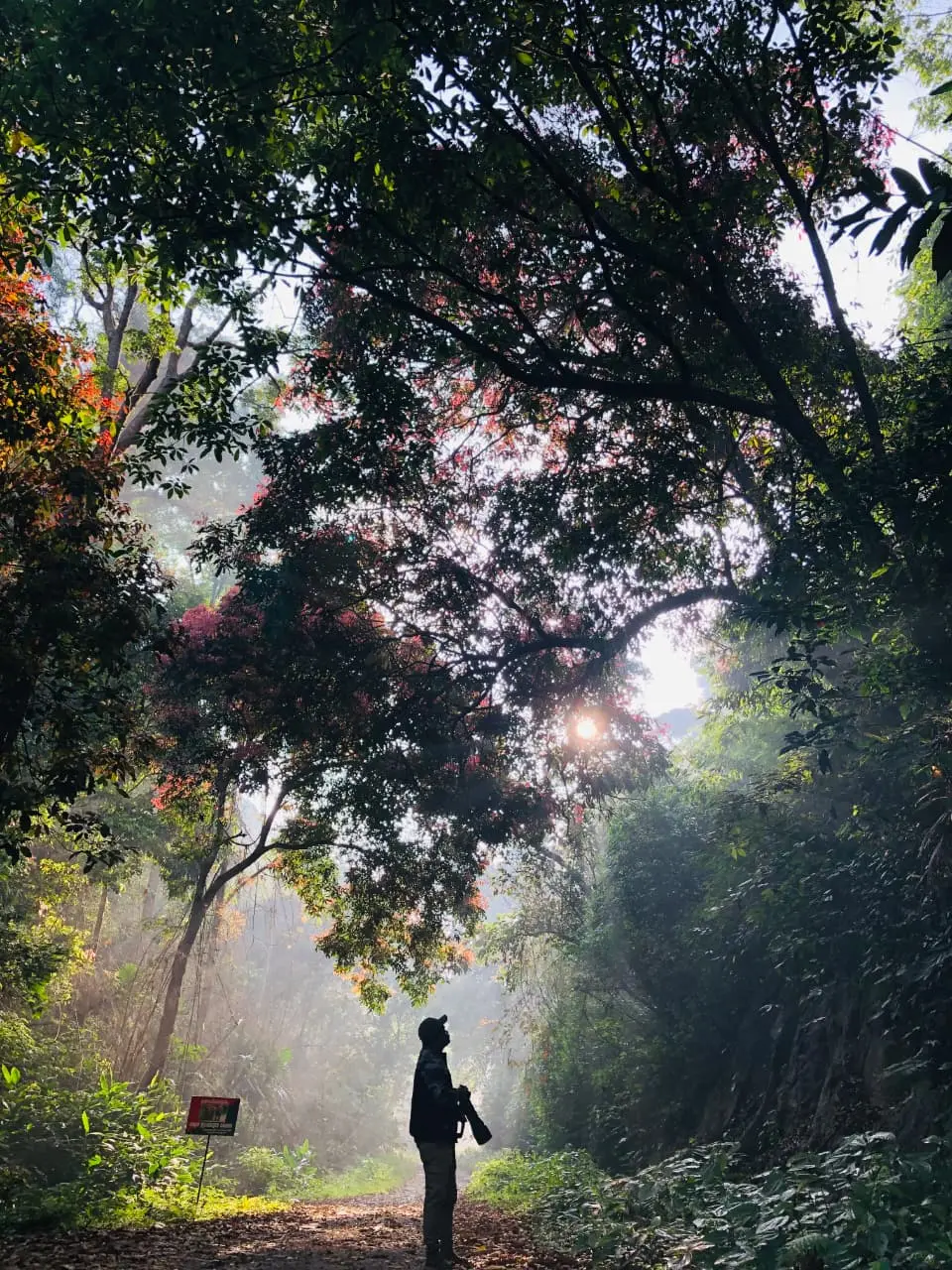
High on the eastern edge of Kozhikode district, where Kerala’s plains rise into the Western Ghats, lies the misty hill village of Kakkadampoyil. Winding roads climb through rubber and areca plantations into a cooler world of forested slopes, rocky streams and waterfalls, with views stretching across layers of blue-green hills. The surrounding forests are a mix of evergreen and moist deciduous woodland, rich in tall trees, climbers, ferns, orchids and mosses, and fringed by cardamom and coffee plots and village groves. This landscape is part of the Western Ghats biodiversity hotspot, home to a remarkable number of species found nowhere else on Earth. For birders, Kakkadampoyil is a treasure: hornbills, trogons and parakeets move through the canopy by day, and as dusk falls, the forest comes alive with nightjars, owls and frogmouths, making it one of the best places in the region for night birding.

That richness sits on fragile ground. Across the Western Ghats, stone quarries have expanded rapidly to supply crushed rock for construction, bringing loud noise, dust and ground-shaking blasts that can harm wildlife. Kakkadampoyil itself has seen tension over mining, with environmentalists who objected to quarrying in the fragile hills facing intimidation. Unplanned resorts, road building, forest clearing and landslide risk add to the pressure. Responsible, low-impact tourism and strong protection for the forests and slopes are vital to keep Kakkadampoyil’s wild heart beating.

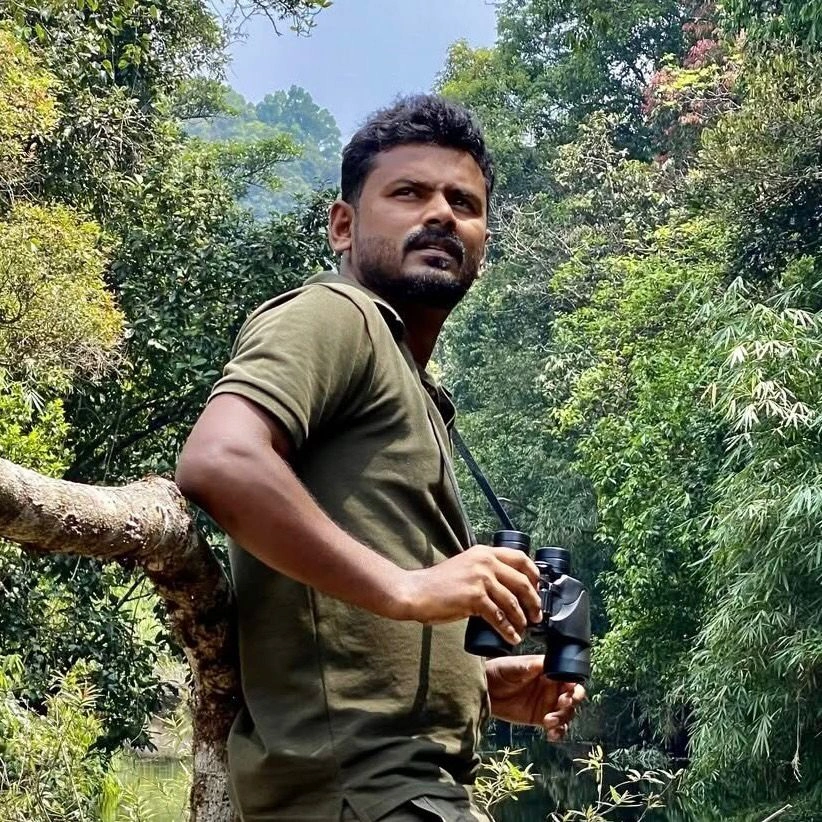
Bird Guide: Muhammed Rafi

He has been passionate about birding for over 8 years, exploring diverse habitats and documenting his observations. Having recorded 412 bird species, he actively contributes to citizen science and bird conservation while deepening his connection with nature.
Bird walk Location

Common birds of Kakkadampoyil

Kakkadampoyil is a showcase of Western Ghats birds, many of them found only in this region. By day, Malabar Gray Hornbills glide between fruiting trees, flocks of Malabar Imperial Pigeons gather in the canopy, and the striking Malabar Trogon sits quietly in the shade, its crimson belly glowing. Malabar Parakeets, Rose-ringed Parakeets and tiny Vernal Hanging Parrots dart through the trees, while the Heart-spotted Woodpecker and Malabar Flameback work the trunks. Orange Minivets flash scarlet and gold, Ashy Drongos sally from perches, and the Chestnut-headed Bee-eater adds a splash of colour. The White-cheeked Barbet calls tirelessly, the Gray Junglefowl and Asian Emerald Dove forage on the forest floor, and the brilliant Indian Pitta hops through the leaf litter. Raptors such as the Crested Serpent-Eagle, Black Eagle and Booted Eagle soar overhead, while Indian Swiftlets hawk insects above the ridges. As darkness falls, the real magic begins: Jungle and Jerdon’s Nightjars churr from the clearings, and the eerie calls of the Sri Lanka Frogmouth and the rare Sri Lanka Bay-Owl echo through the forest.

Gray Junglefowl
Asian Emerald Dove
Malabar Imperial Pigeon
Jungle Nightjar
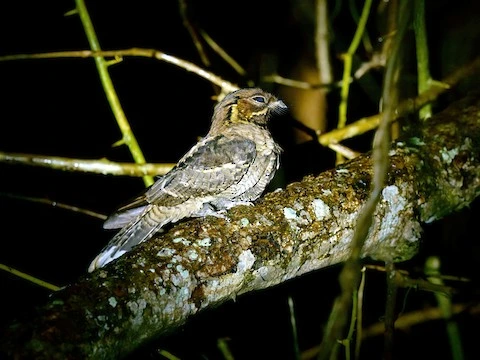
Jerdon’s Nightjar

Sri Lanka Frogmouth
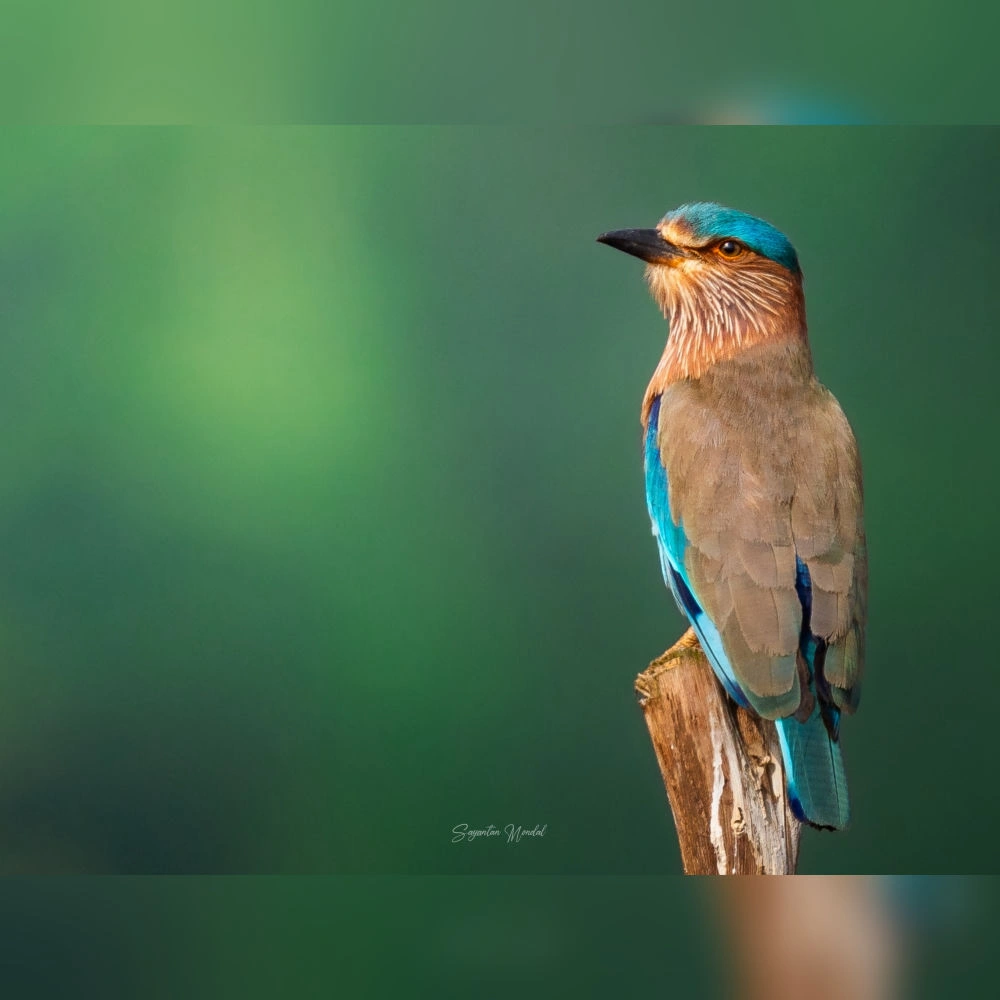
Indian Roller
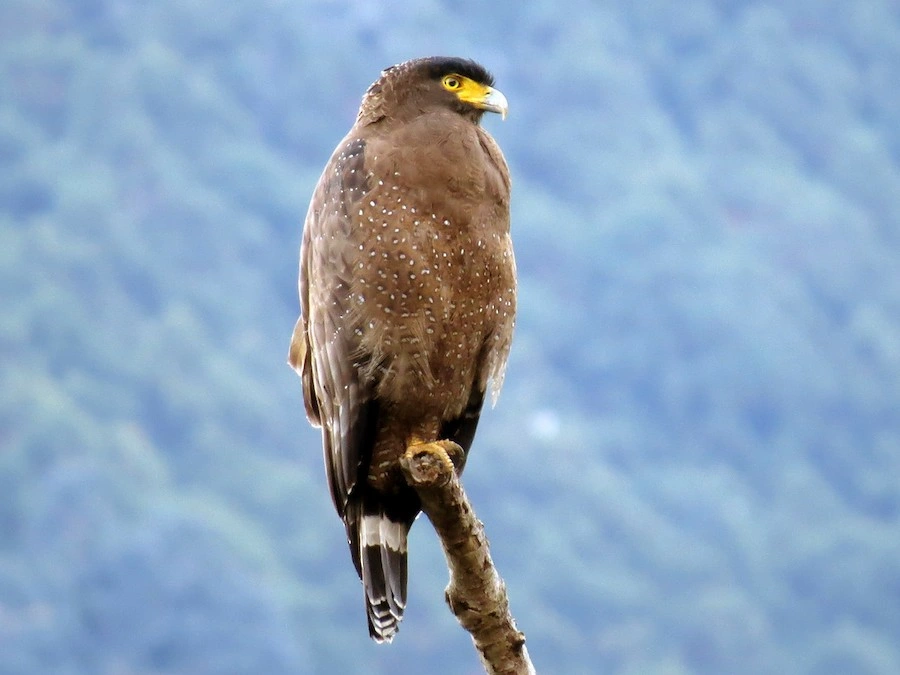
Crested Serpent-Eagle
Black Eagle
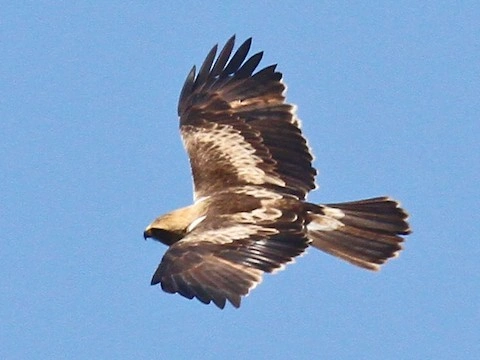
Booted Eagle
Malabar Trogon
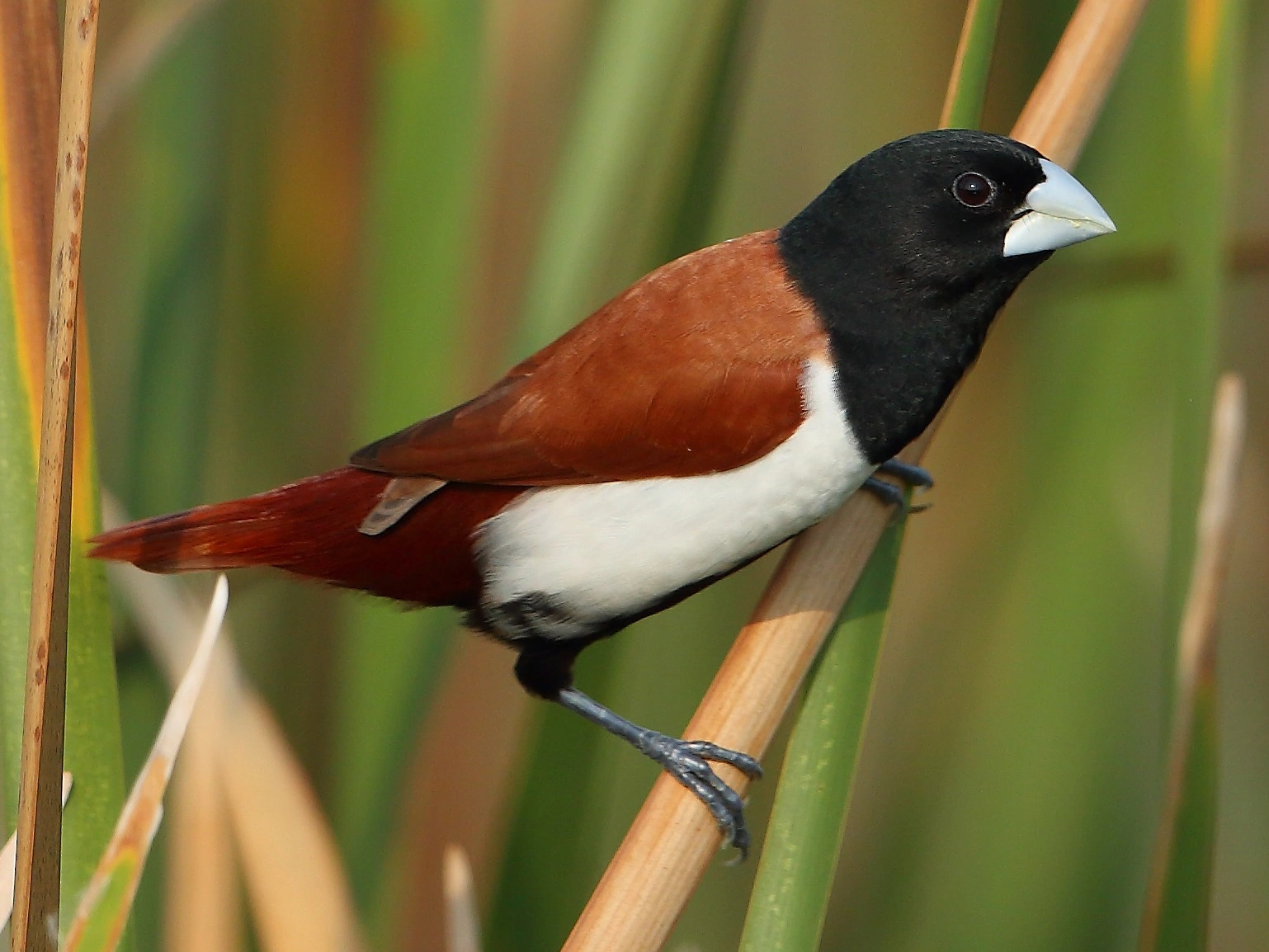
Tricolored Munia
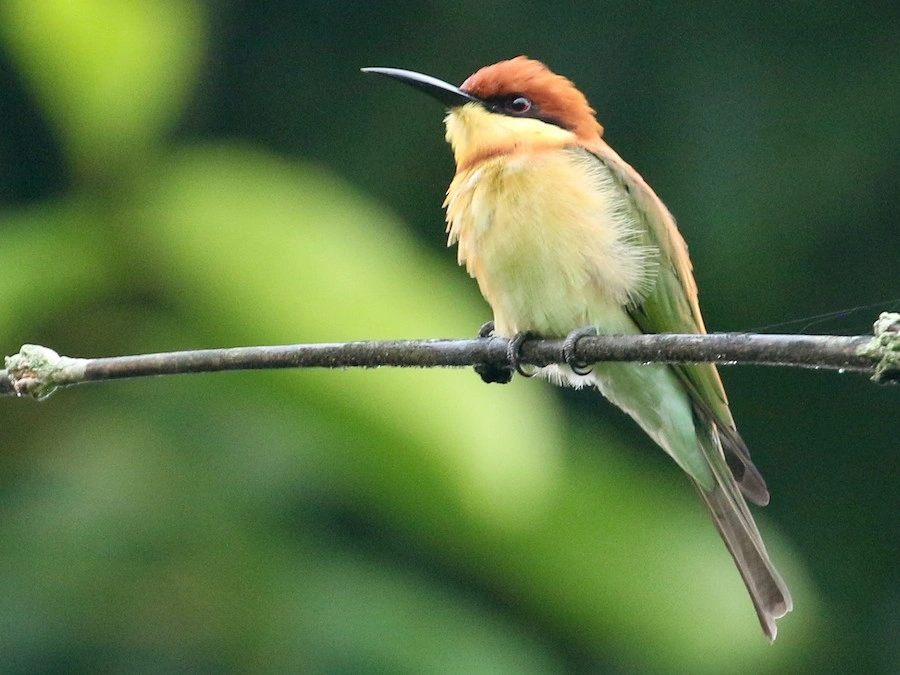
Chestnut-headed Bee-eater
Malabar Whistling-Thrush
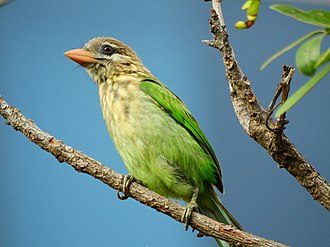
White-cheeked Barbet
Heart-spotted Woodpecker
Malabar Flameback
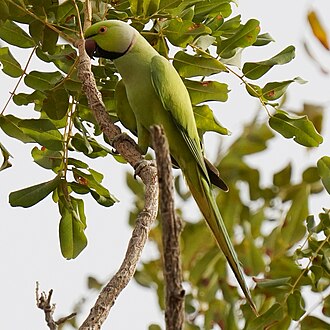
Rose-ringed Parakeet
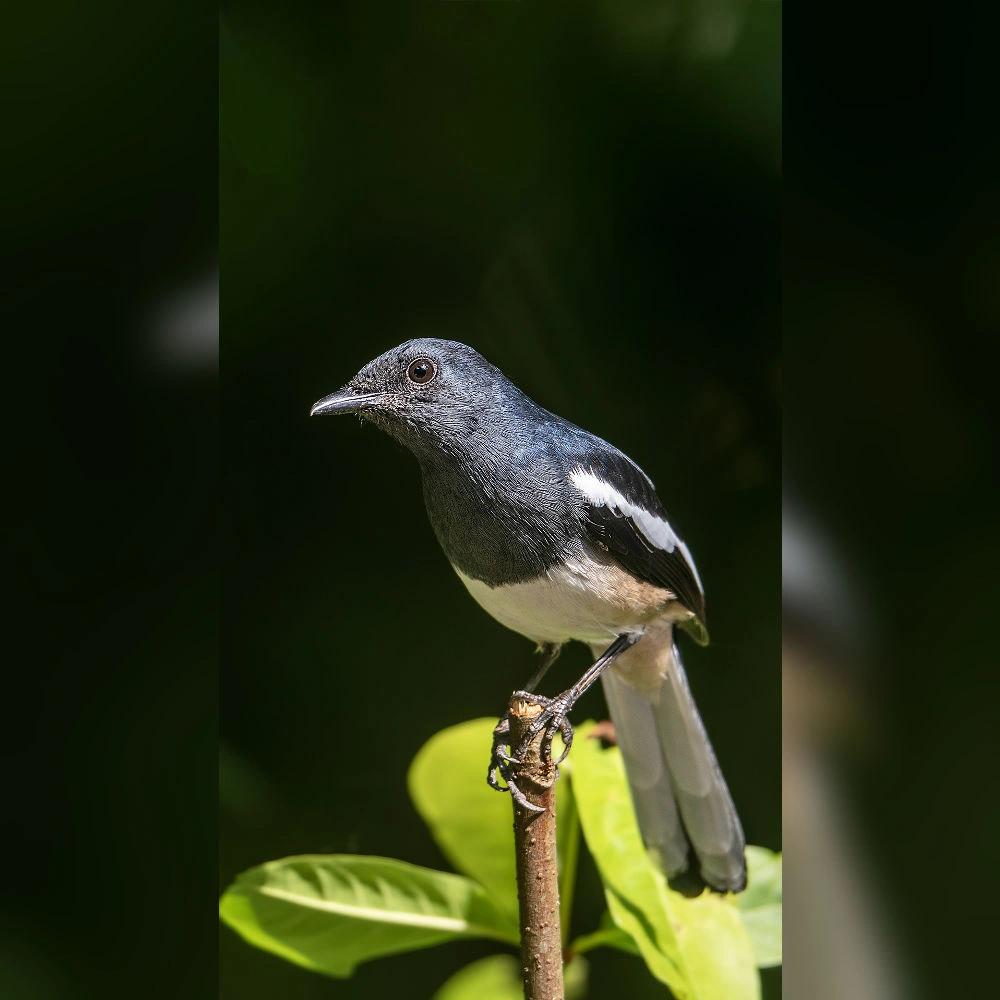
Oriental Magpie Robin
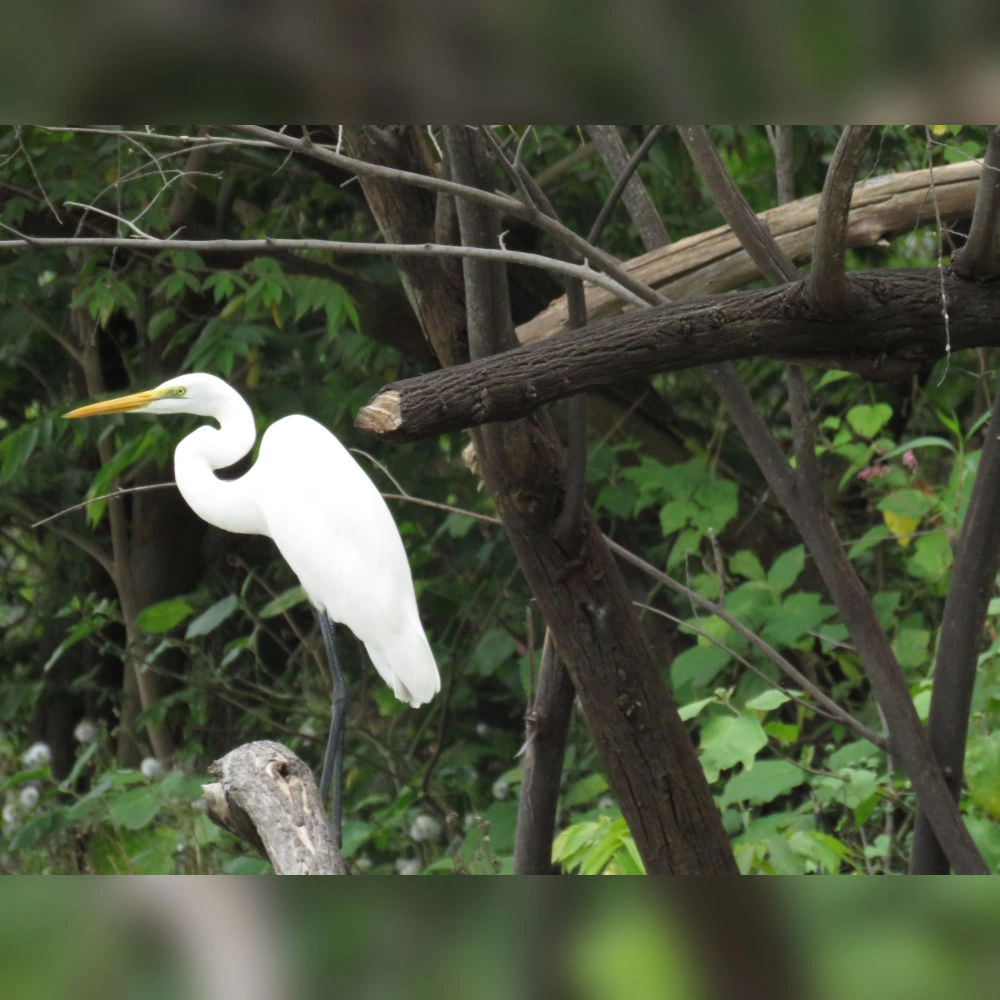
Indian Pitta

Scroll to Top