
Loading Events

Bird Walk at Ravugodlu, Bengaluru

About Ravugodlu

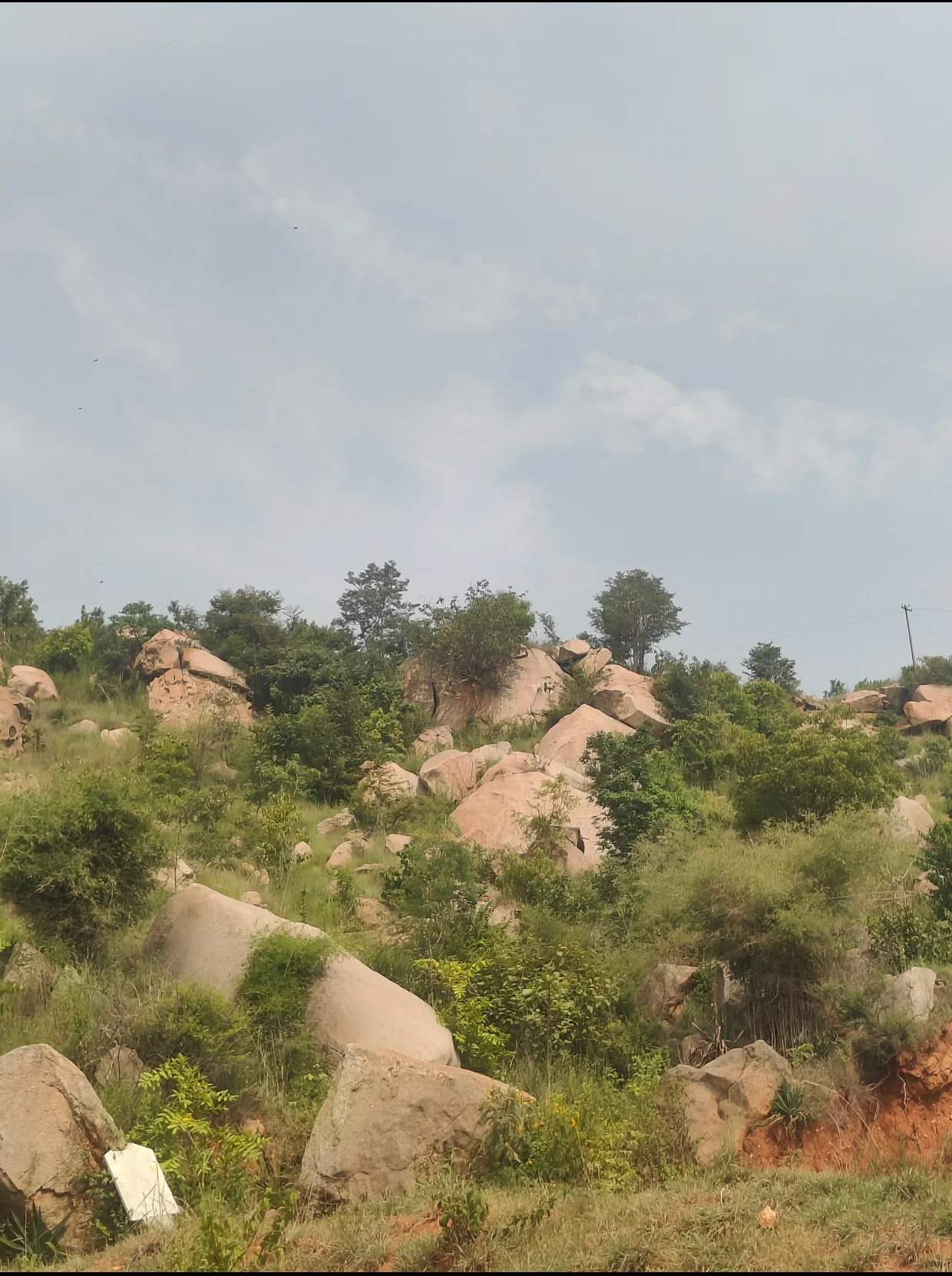
Just off Kanakapura Road, near Somanahalli on Bengaluru’s southern fringe, the rocky hill of Ravugodlu rises above a quiet patchwork of fields and village groves. Known among climbers for its granite boulders and among trekkers for its sunrise views, the hill also looks out over the forests of Bannerghatta. Its slopes are covered in dry deciduous scrub, thorny bushes and scattered trees, broken by giant boulders and rocky outcrops, while the land around it is a mix of farmland, coconut and mango groves, and small seasonal ponds. This blend of scrub, rock and farmland supports a rich community of dry-country birds. Francolins call from the undergrowth, malkohas and coucals creep through the thickets, hornbills, orioles and woodpeckers move through the trees, and raptors circle on thermals above the rocks. It’s a rewarding early-morning birding walk, especially when the hills are still cool and the birds are most vocal.

But like much of Bengaluru’s countryside, Ravugodlu is changing fast. Expanding layouts and farmhouses along Kanakapura Road are steadily eating into the scrub and farmland that birds depend on. Granite quarrying in the region, summer fires that sweep through the dry grass, eucalyptus plantations and litter left behind by trekkers and campers add to the pressure. Leaving the hill’s scrub and rocks undisturbed and visiting responsibly will help keep Ravugodlu a refuge for wildlife on the city’s doorstep.

Bird Guide: Uma Vaijnath

Uma Vaijnath is a Bengaluru-based avid birdwatcher, photographer and partial ornithologist from over half a decade. After a career as a software professional, she transitioned into environmental community work and creative arts. She is a prominent figure in the Bengaluru birding community, frequently leading and organizing nature walks and birding events.
Bird walk Location

Common birds of Ravugodlu

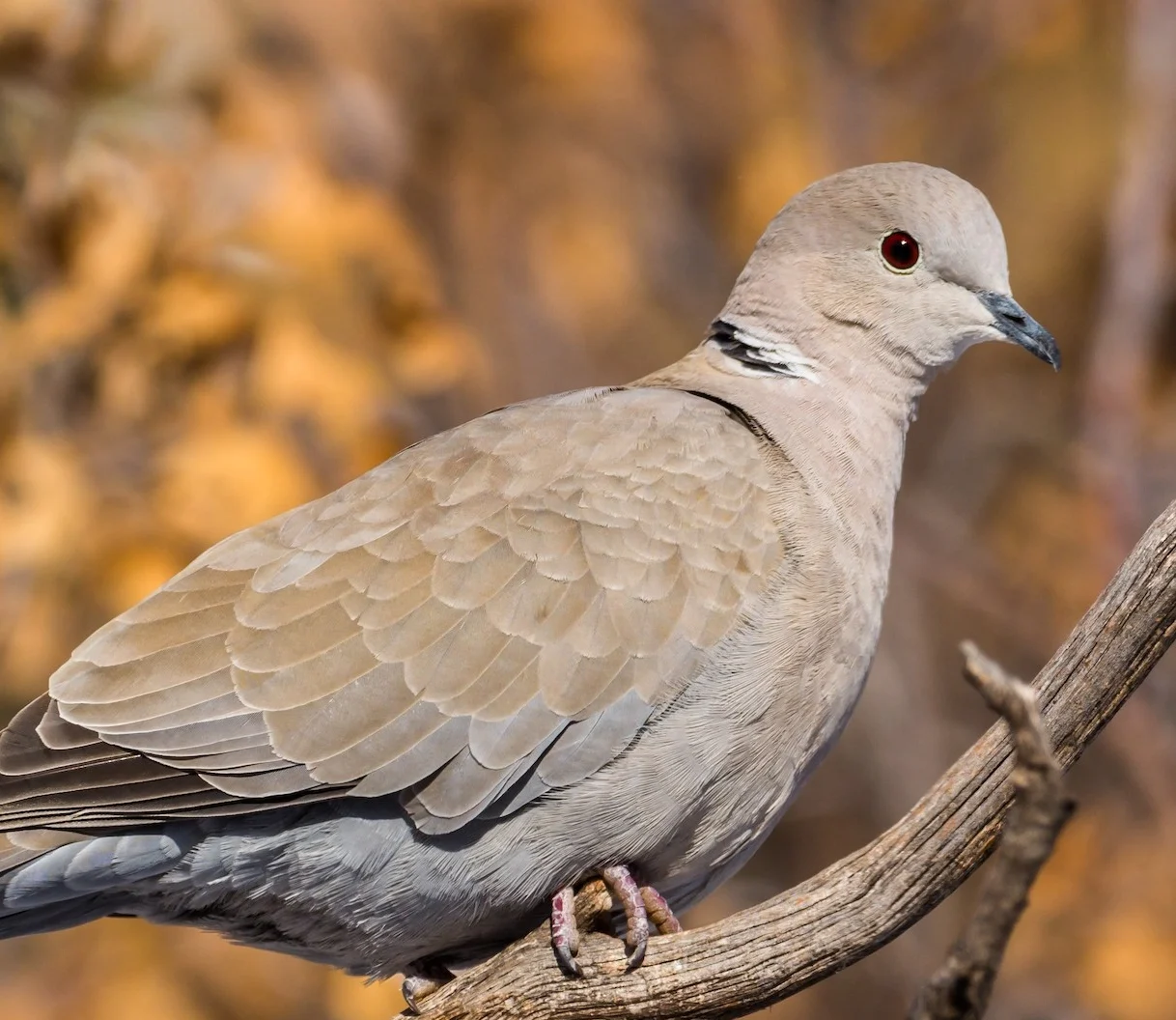
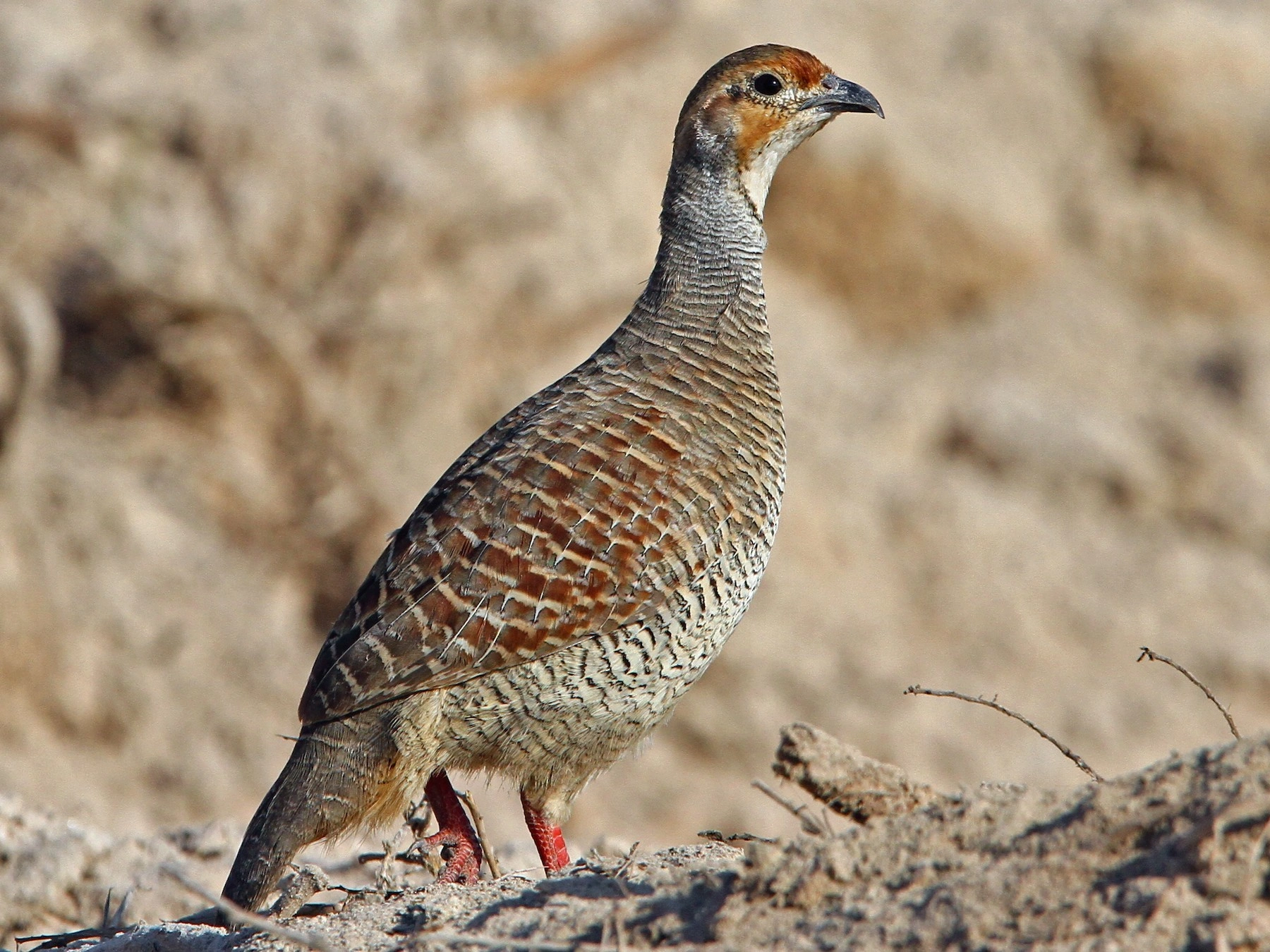
Ravugodlu’s scrub-covered slopes are full of character. The loud calls of the Gray Francolin ring out at dawn, while Eurasian Collared Doves and Laughing Doves line the wires and forage along the tracks. In the thickets, the shy Blue-faced Malkoha slips quietly through dense foliage, the Greater Coucal stalks the undergrowth, and the Gray-bellied Cuckoo and Asian Koel call from hidden perches. Red-naped Ibises, which breed around the village, forage in the open fields, and an Oriental Darter may pass overhead. The skies are busy with raptors: Black and Brahminy Kites circle in the thermals, the Shikra darts between trees, and the Oriental Honey-buzzard glides over the hill in search of bee and wasp nests. Indian Gray Hornbills flap between fruiting trees, the striking White-naped Woodpecker hammers at trunks, and the Black-hooded Oriole glows bright yellow in the canopy. Rufous Treepies, White-bellied Drongos, Large-billed Crows, Asian Tits, Asian Green Bee-eaters and Little Swifts complete this lively dry-country scene.

Gray Francolin
Eurasian Collared Dove
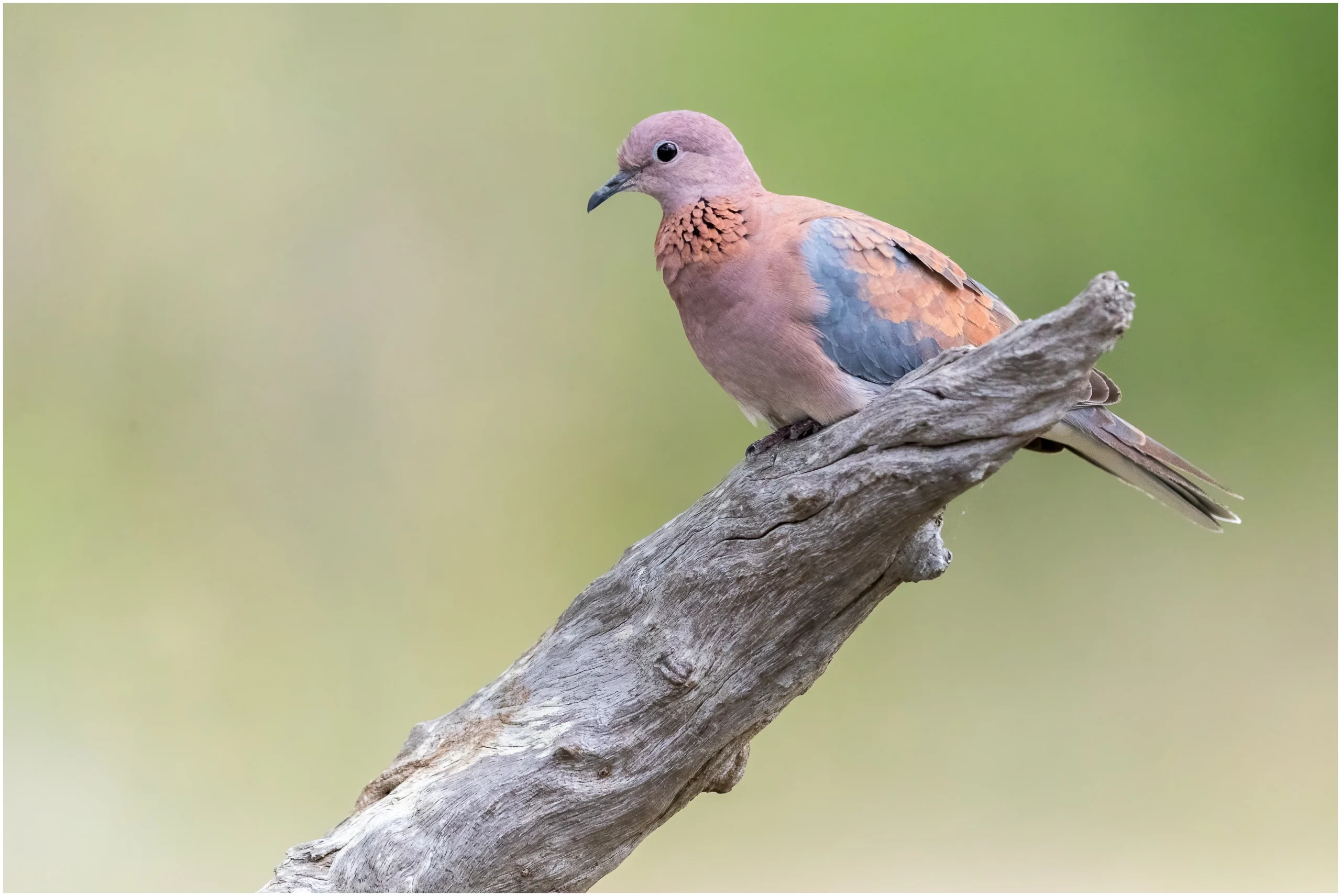
Laughing Dove
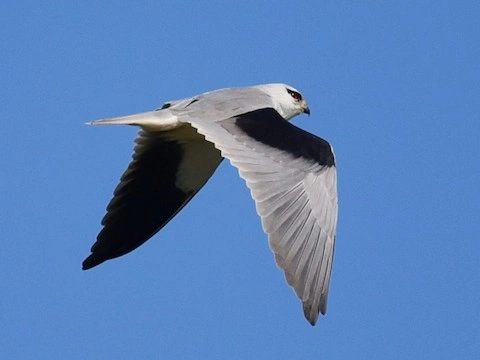
Black Kite
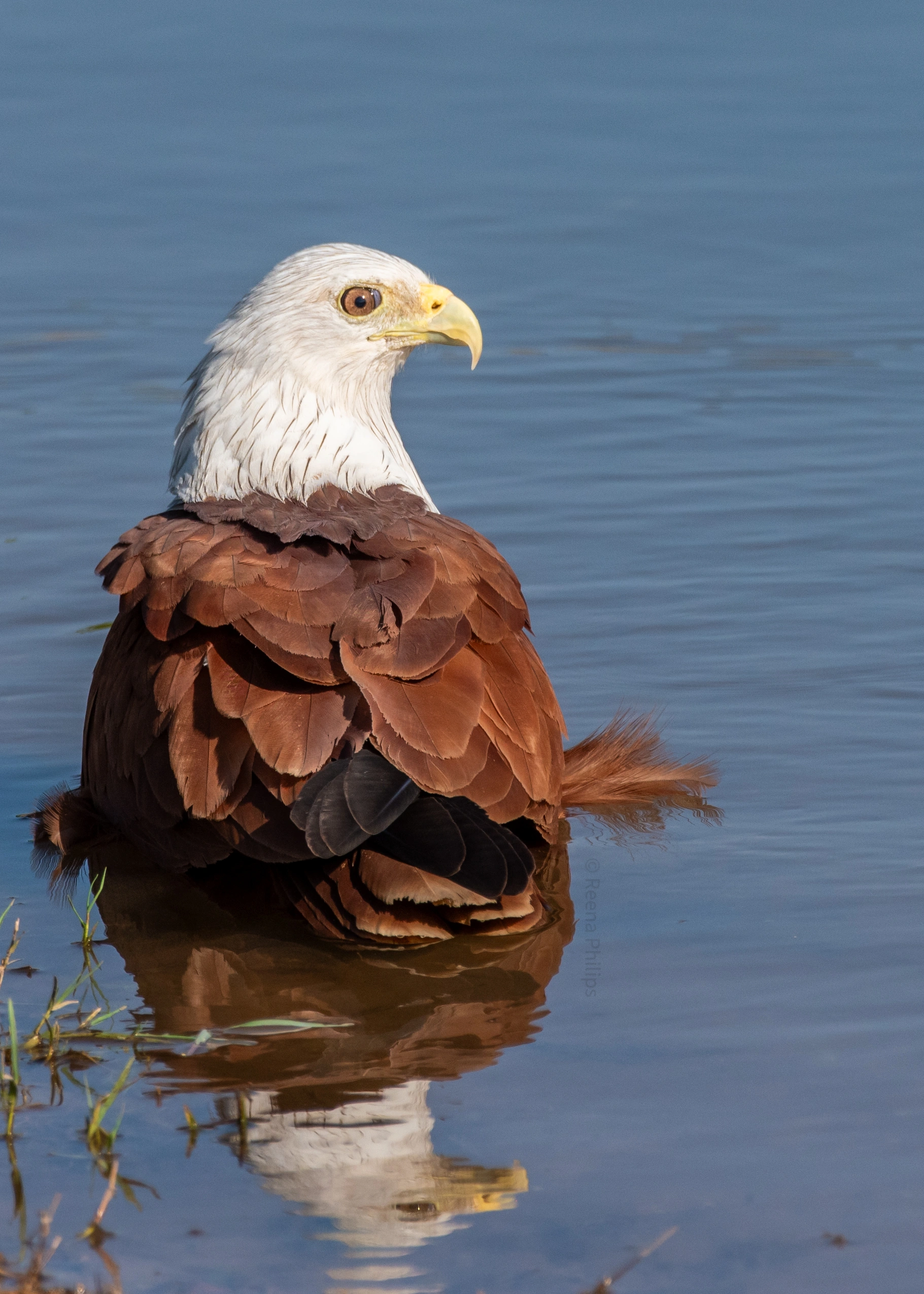
Brahminy Kite
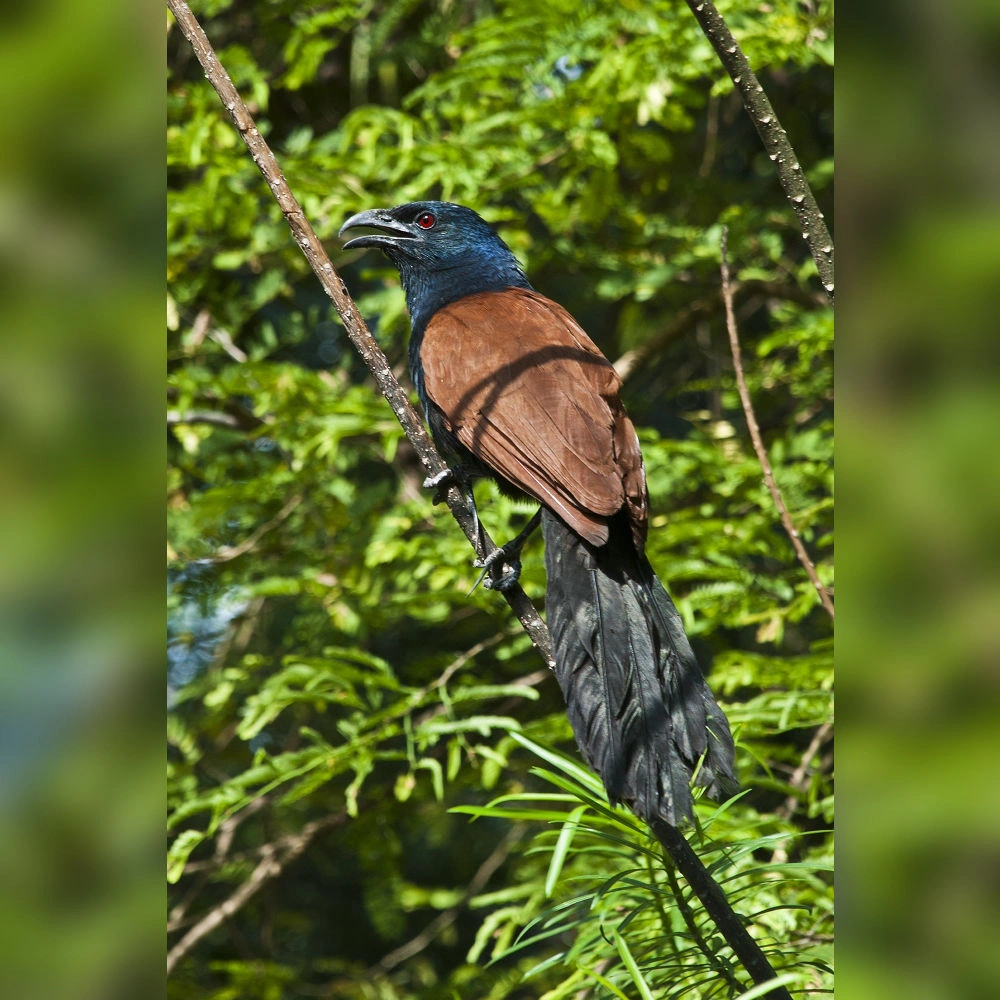
Greater Coucal
Blue-faced Malkoha
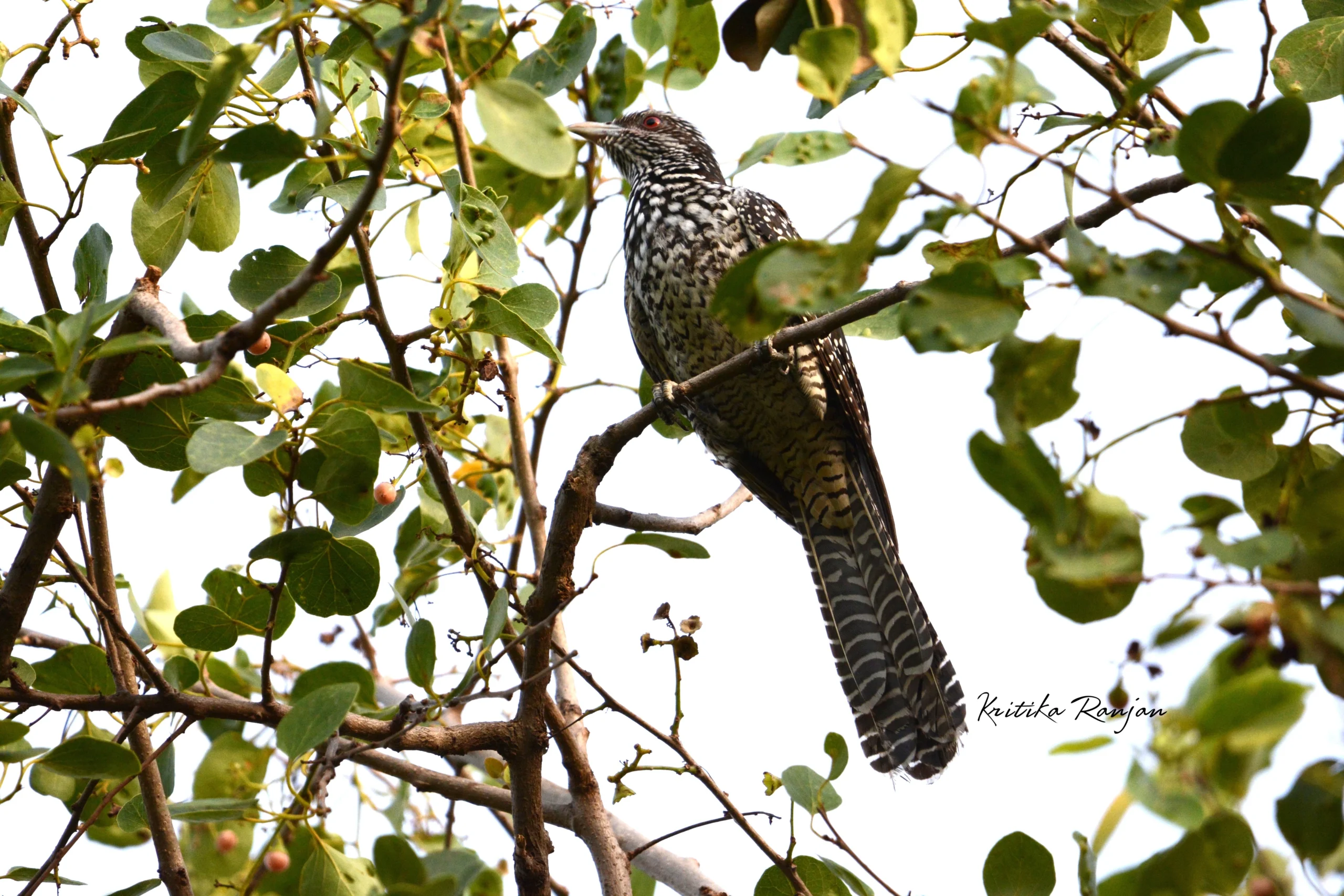
Asian Koel
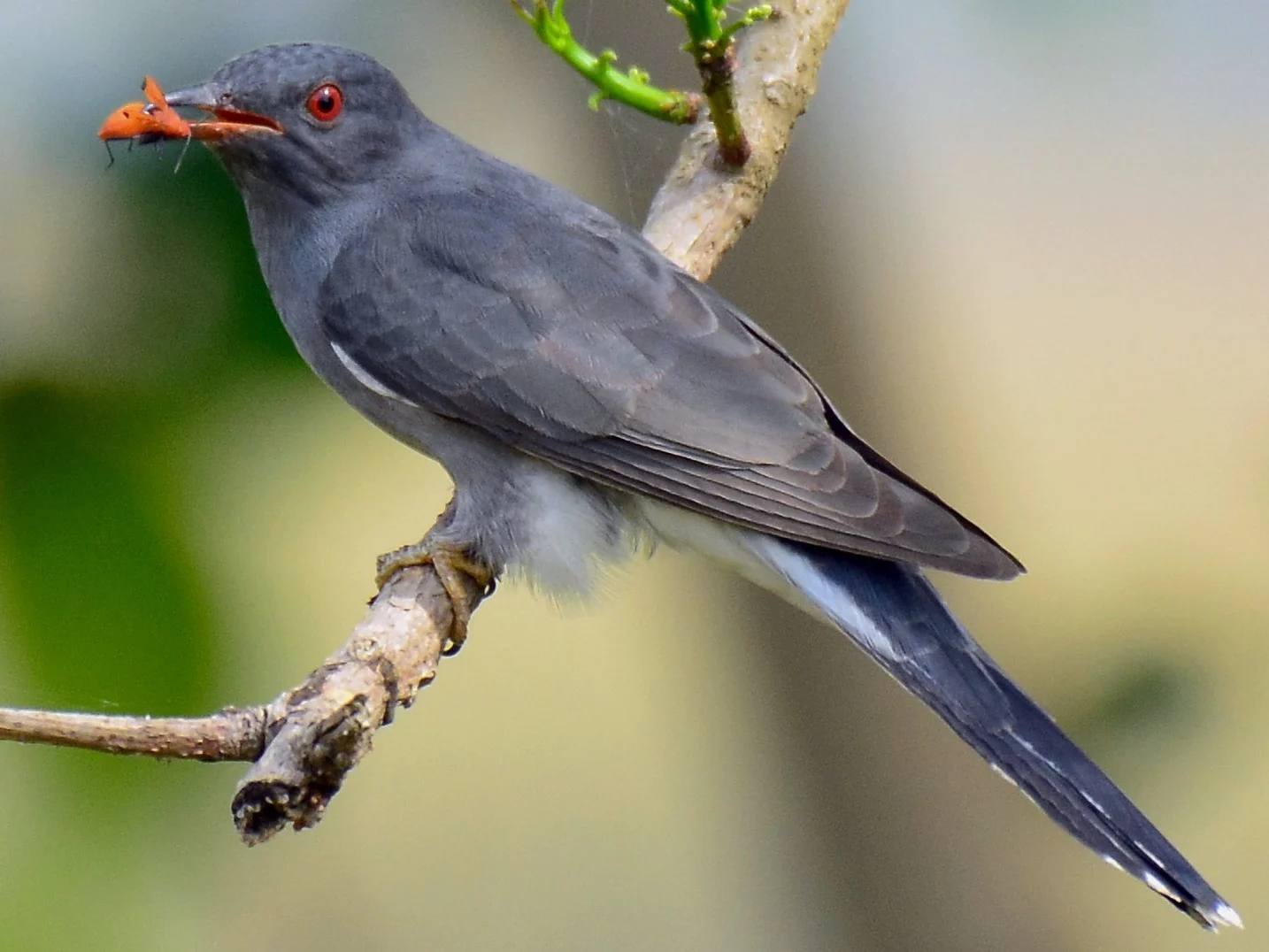
Gray-bellied Cuckoo
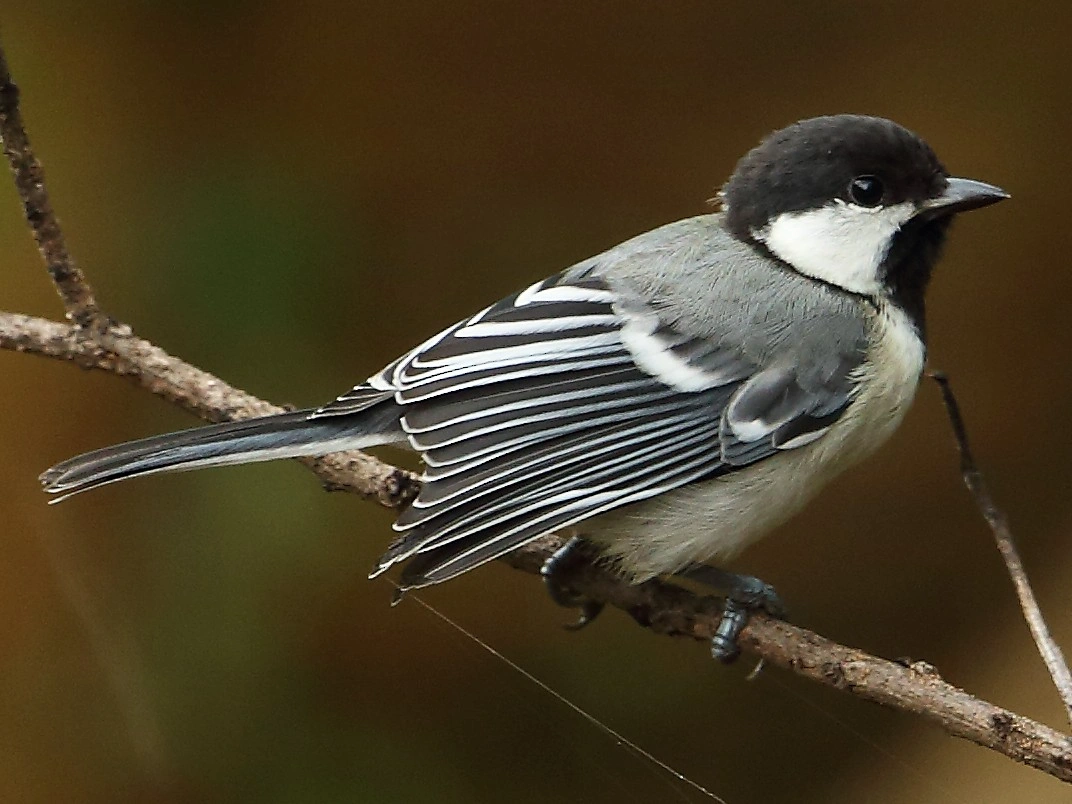
Asian Tit
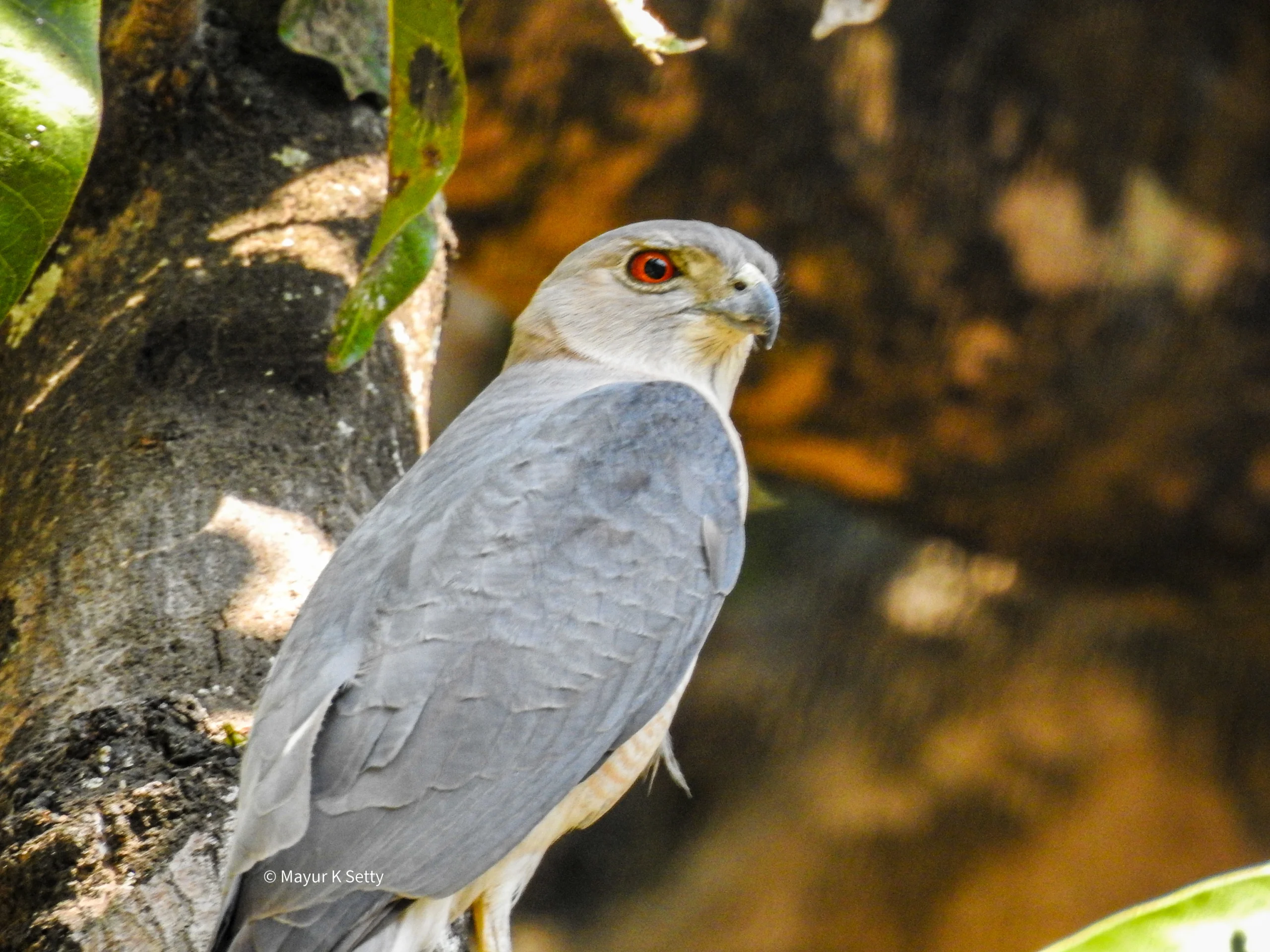
Shikra
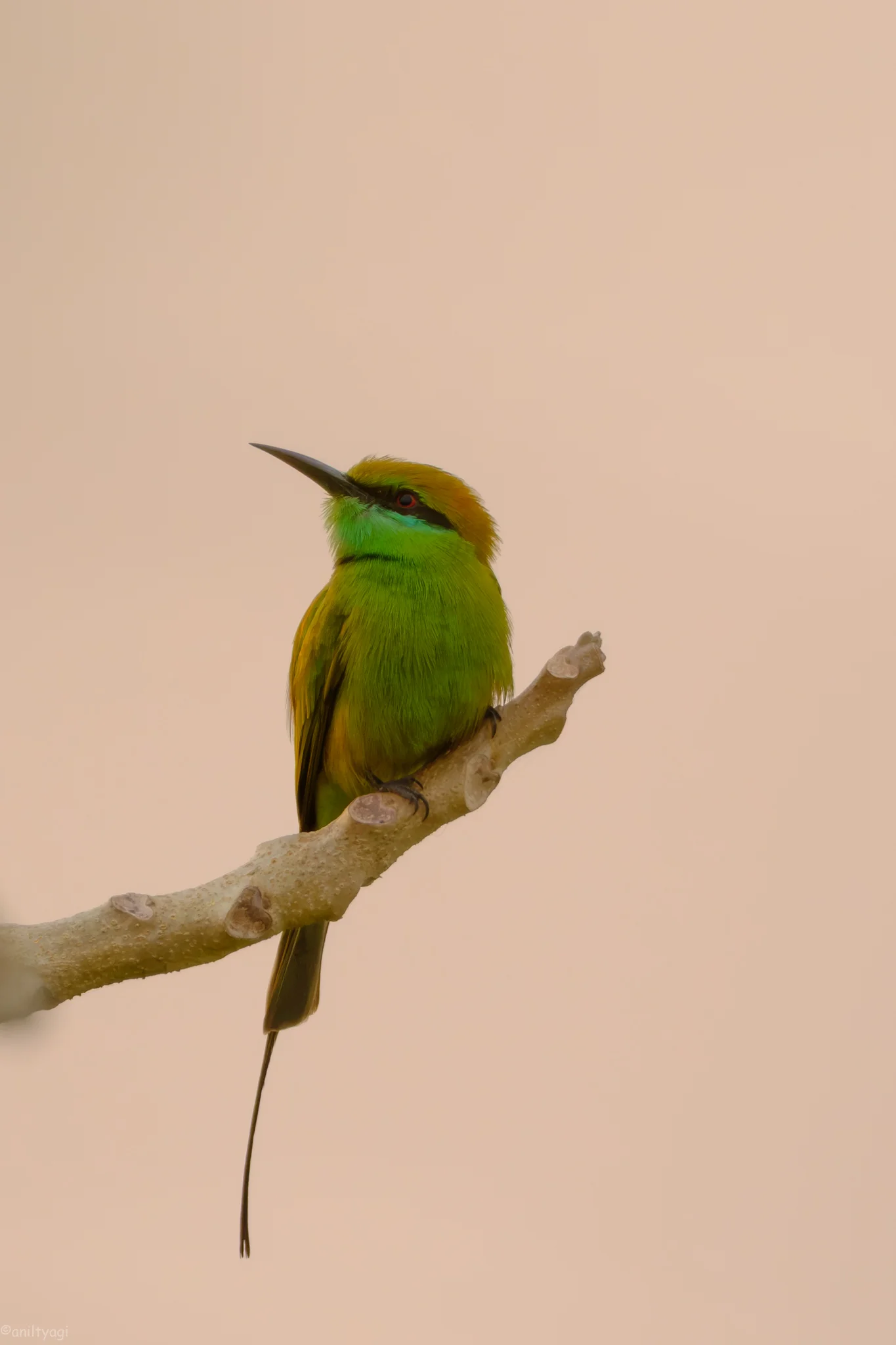
Asian Green Bee-eater
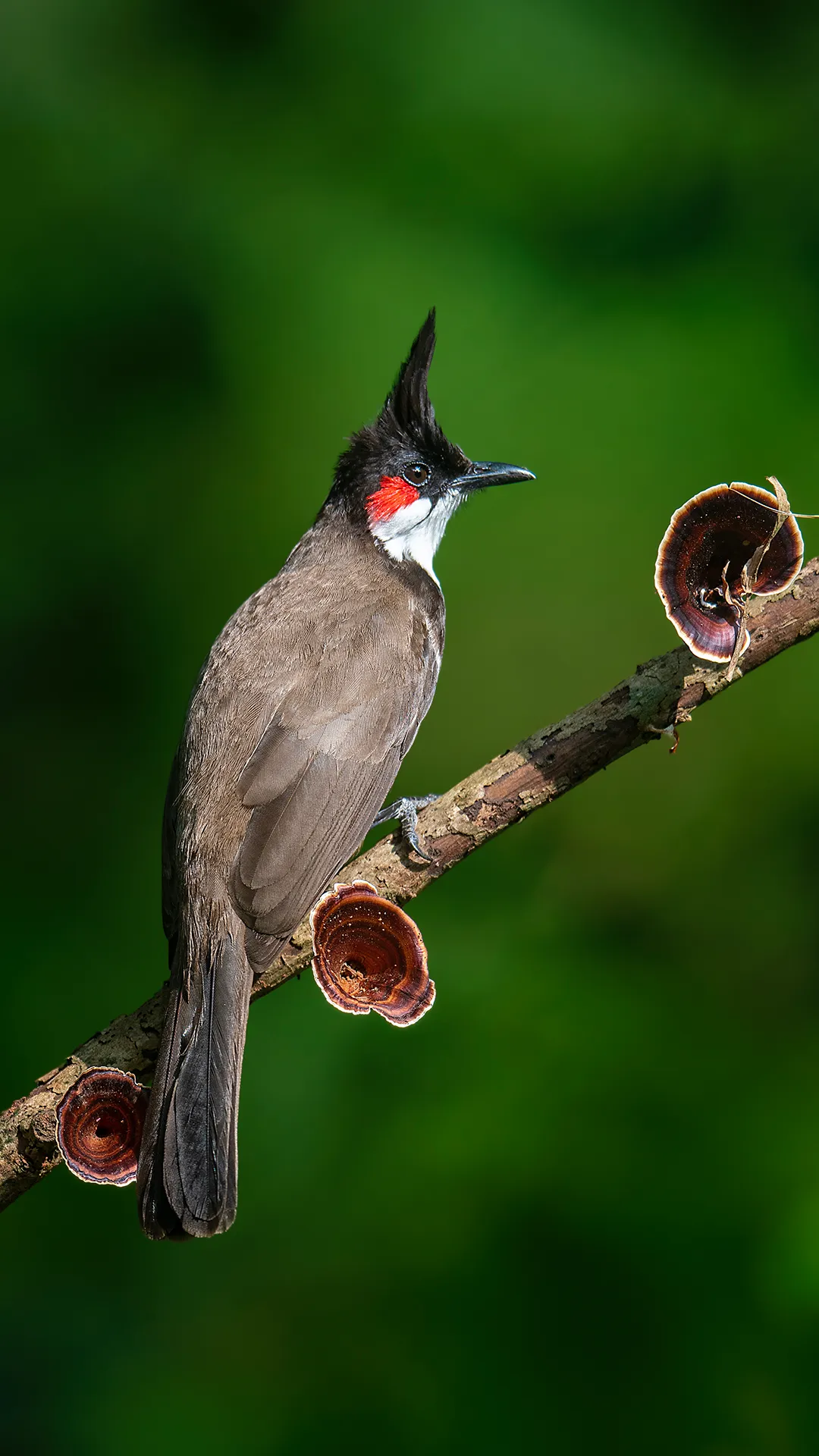
Red-whiskered Bulbul
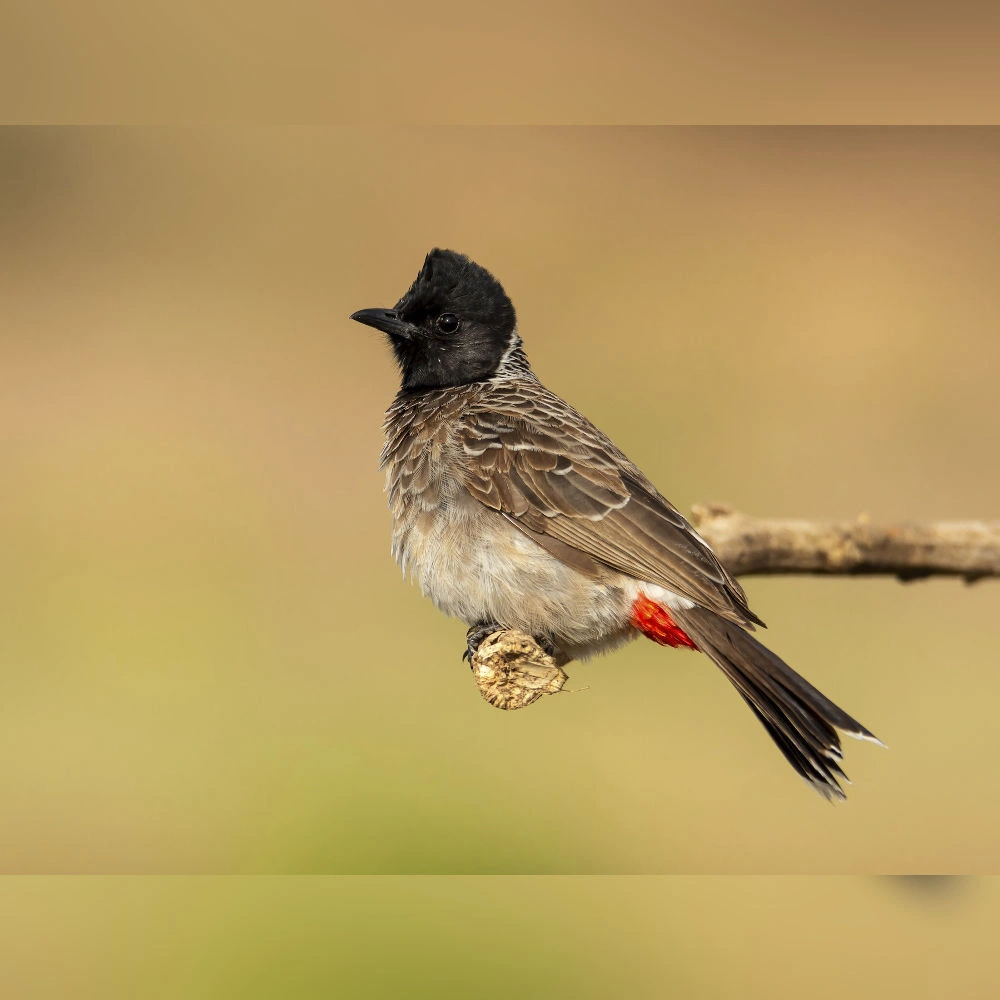
Red-vented Bulbul
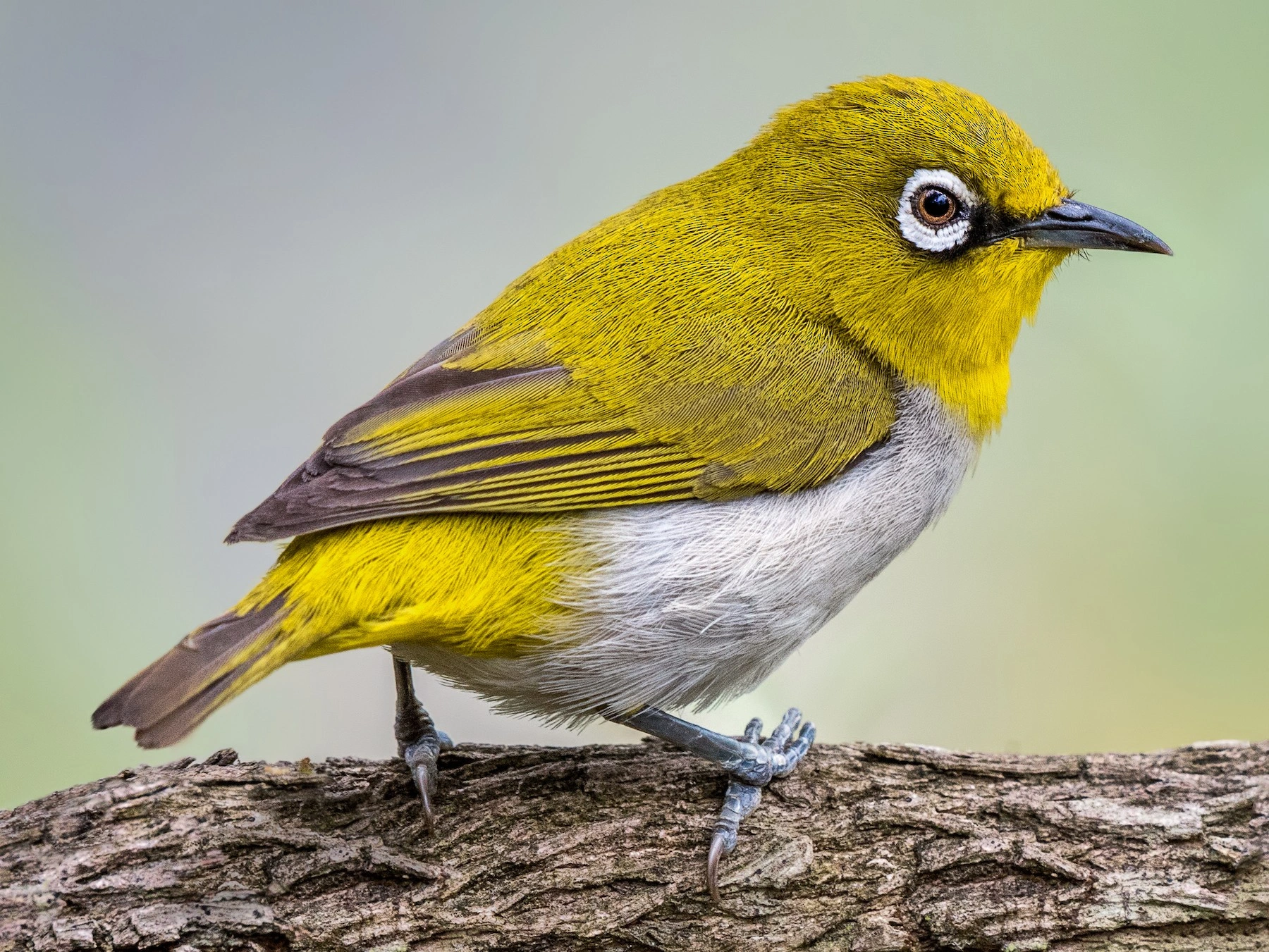
Indian White-eye
Black-hooded Oriole
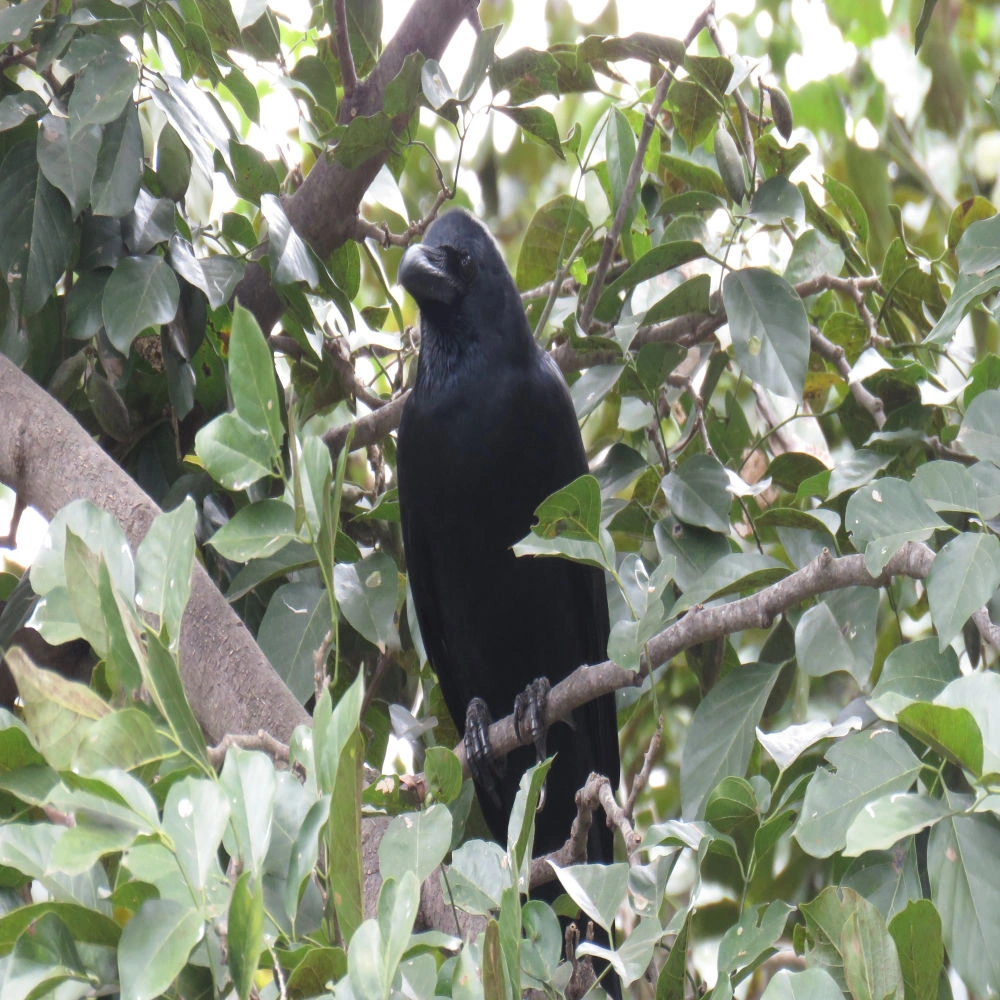
Large-billed Crow
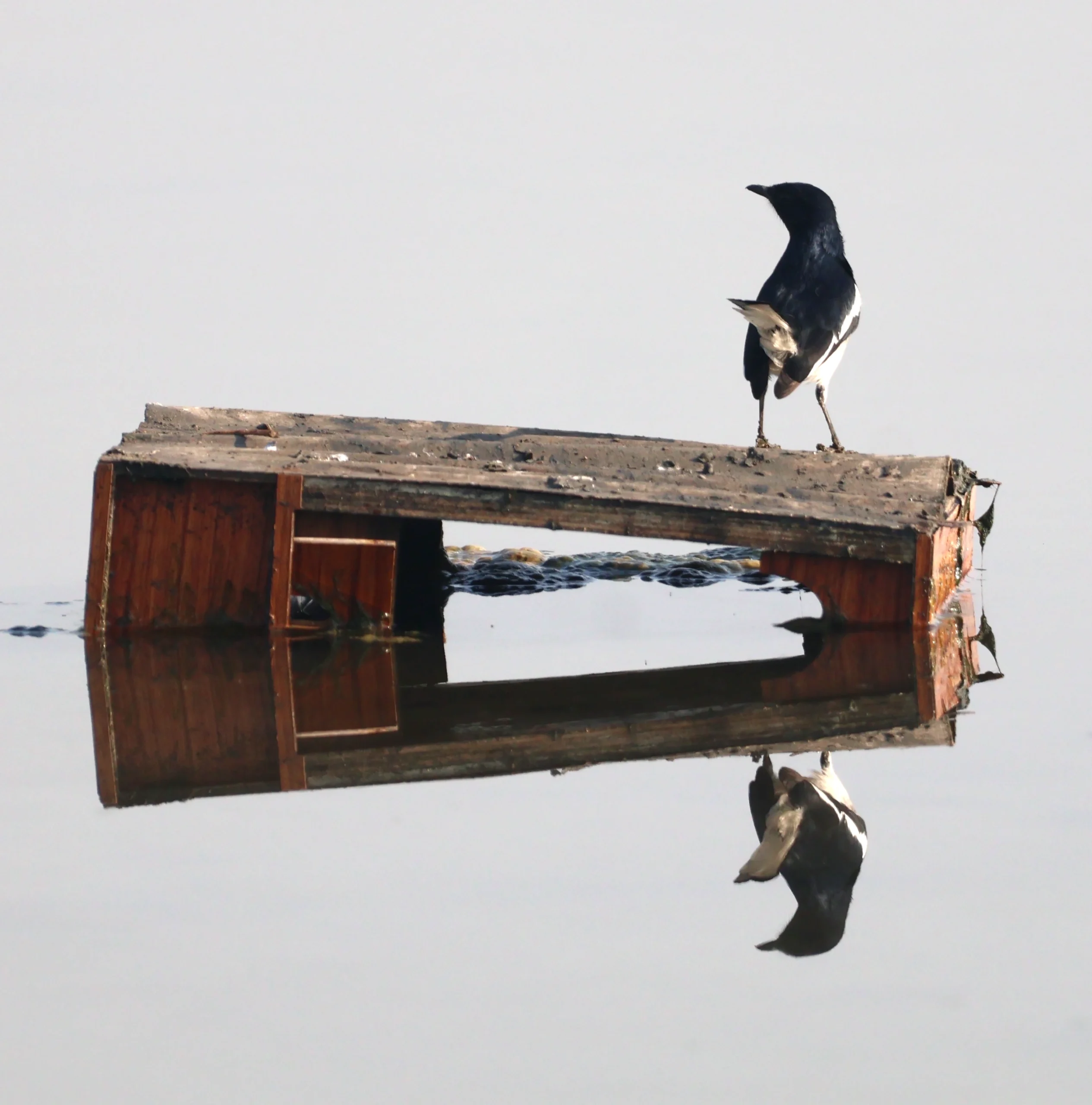
Oriental Magpie-Robin
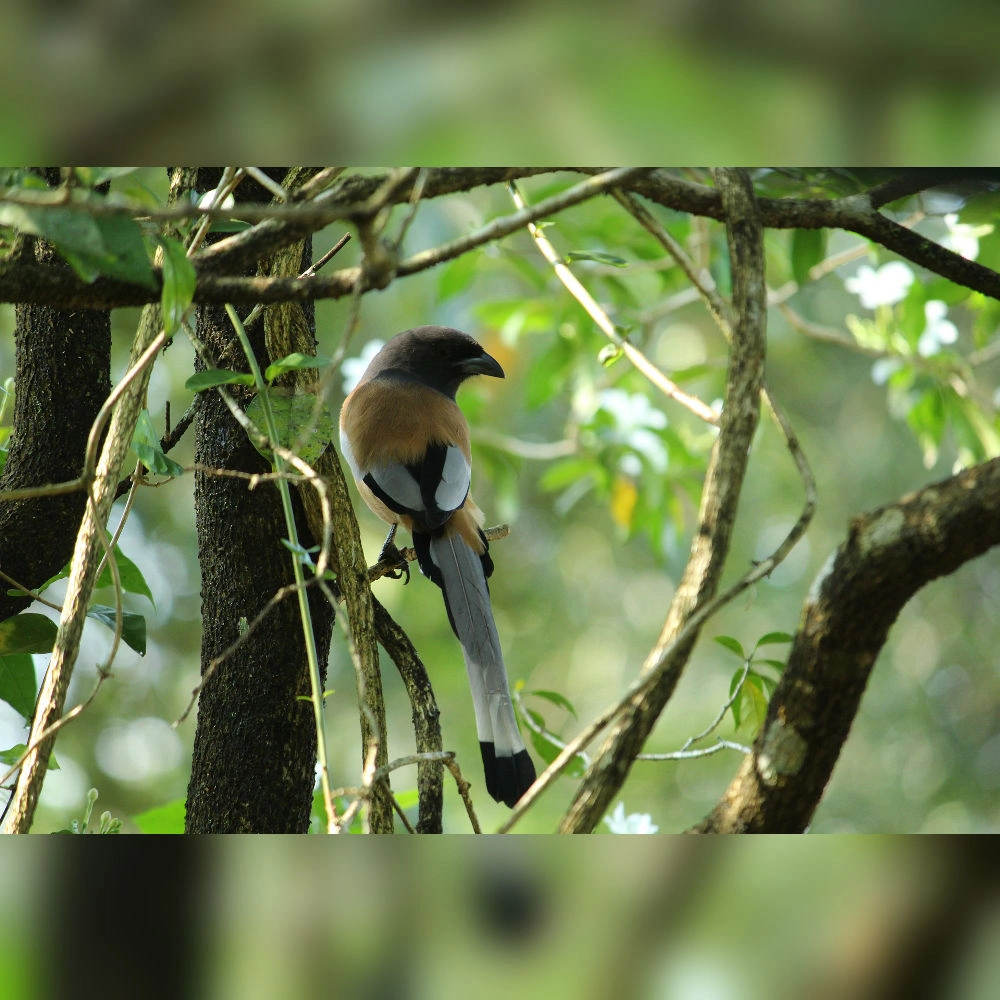
Rufous Treepie
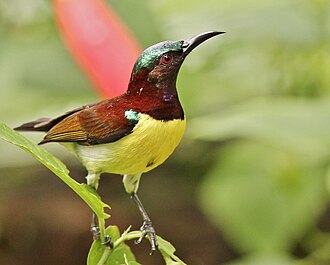
Purple Sunbird

Scroll to Top