Loading Events

Bird walk at Lingambudhi Botanical Garden, Mysuru

About Lingambudhi Botanical Garden

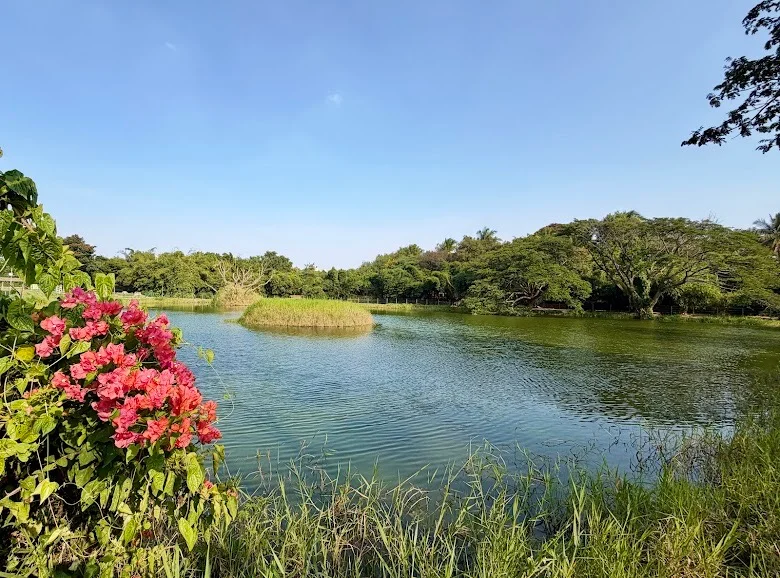
In the southern part of Mysuru, between Srirampura and Ramakrishnanagar, Lingambudhi Lake is one of the city’s most cherished green spaces. It was built in 1828 by Krishnaraja Wodeyar, ruler of the State of Mysore, in memory of his wife, and is recognised today as an Important Bird Area. Around the lake, open water, marshy margins and reedbeds merge into scrub, coconut groves and orchards, and the area also supports around 110 species of butterflies. In 2022, Mysuru’s first Botanical Garden opened beside the lake, with themed sections such as a medicinal garden, butterfly garden, bamboo and ficus blocks, rockeries and an arboretum. Together, the lake, the botanical garden and the surrounding woodland make Lingambudhi a rewarding place for birders. Ducks, coots and darters share the water, herons and egrets work the edges, and hornbills, flycatchers and robins fill the trees. The lake has even hosted rare visitors such as the Rusty-rumped Grasshopper-Warbler and Black Tern.
Yet Lingambudhi has long struggled with pollution. In 2000, many birds died at the lake from avian botulism linked to unchecked sewage inflow. The problem persists: in June 2026, dead fish were found floating in the lake, with sewage from Vijayanagar reportedly flowing in via Dattagalli. The Forest Department has written more than 15 letters to civic authorities over a decade seeking help to rejuvenate the lake. Invasive species, grazing, encroachment and disturbance from growing visitor numbers add further pressure. Stopping the sewage and protecting the lake’s quieter margins are vital to keep Lingambudhi a haven for birds.

Bird Guide - Kavya M

She is a passionate birder from Mysuru, has been exploring the city’s rich avian life for many years. Love watching birds and helping others notice the small wonders around them
Bird walk Location

Common birds of Lingambudhi Botanical Garden

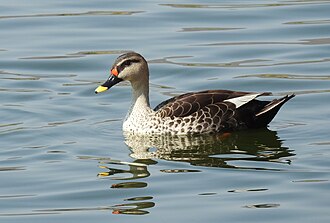
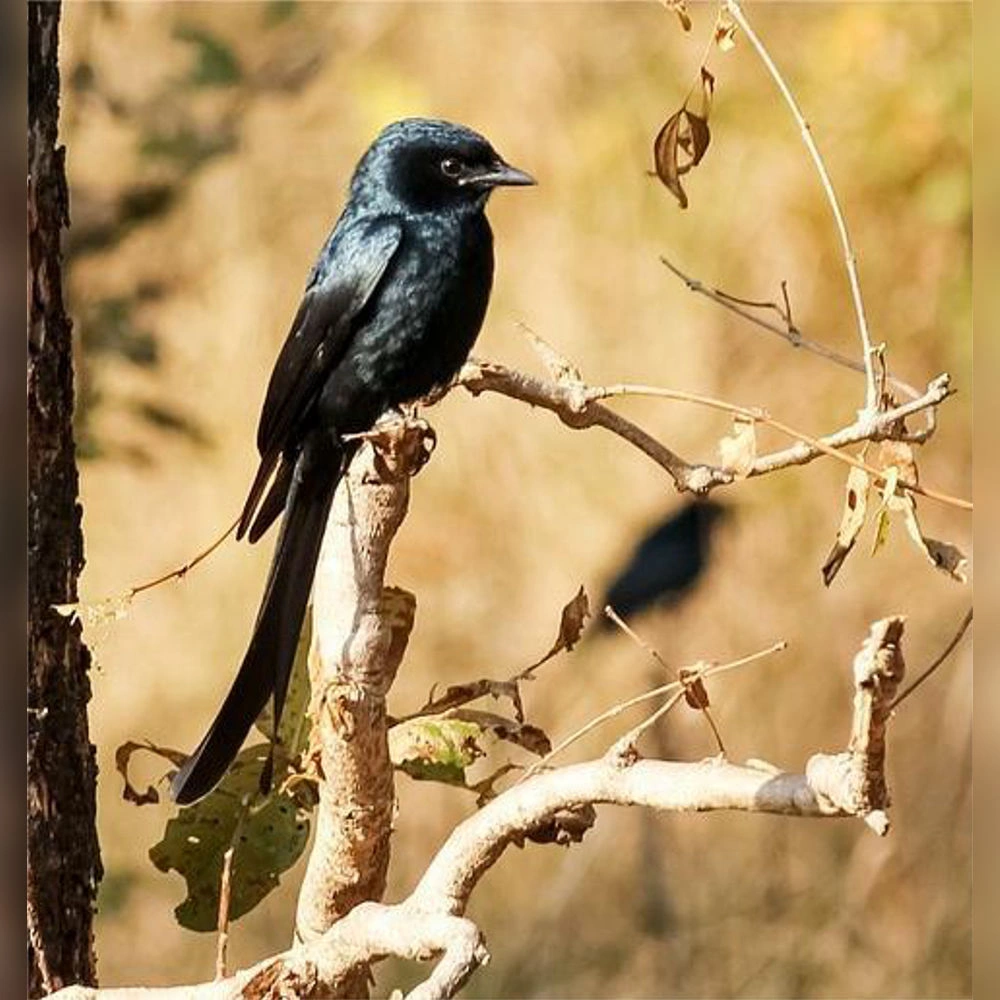
Lingambudhi offers a delightful mix of waterbirds and woodland species. On the water, Indian Spot-billed Ducks and Eurasian Coots paddle quietly, while the Oriental Darter, or snakebird, swims with only its slender neck showing above the surface. Along the margins, Gray Herons stand tall, Indian Pond Herons wait motionless, and Little Egrets and Eastern Cattle Egrets hunt in the shallows. Red-wattled Lapwings sound the alarm along the banks, and the Common Kingfisher flashes past in a streak of blue. Overhead, a pair of Indian Spotted Eagles may soar above the lake, while Little Swifts hawk insects over the water. The botanical garden and surrounding trees are just as lively: Indian Gray Hornbills flap between fruiting trees, the Indian Paradise-Flycatcher trails its spectacular long tail, and Rose-ringed Parakeets squabble noisily in the canopy. Asian Green Bee-eaters and Black Drongos sally from perches, the Asian Koel calls from hidden branches, and the Greater Coucal stalks through the undergrowth. On the ground, Indian Peafowl strut through the scrub, the Gray Francolin calls loudly, Indian Robins hop along the paths, and Spotted and Eurasian Collared Doves forage nearby.
Black Drongo
Indian Spot-billed Duck
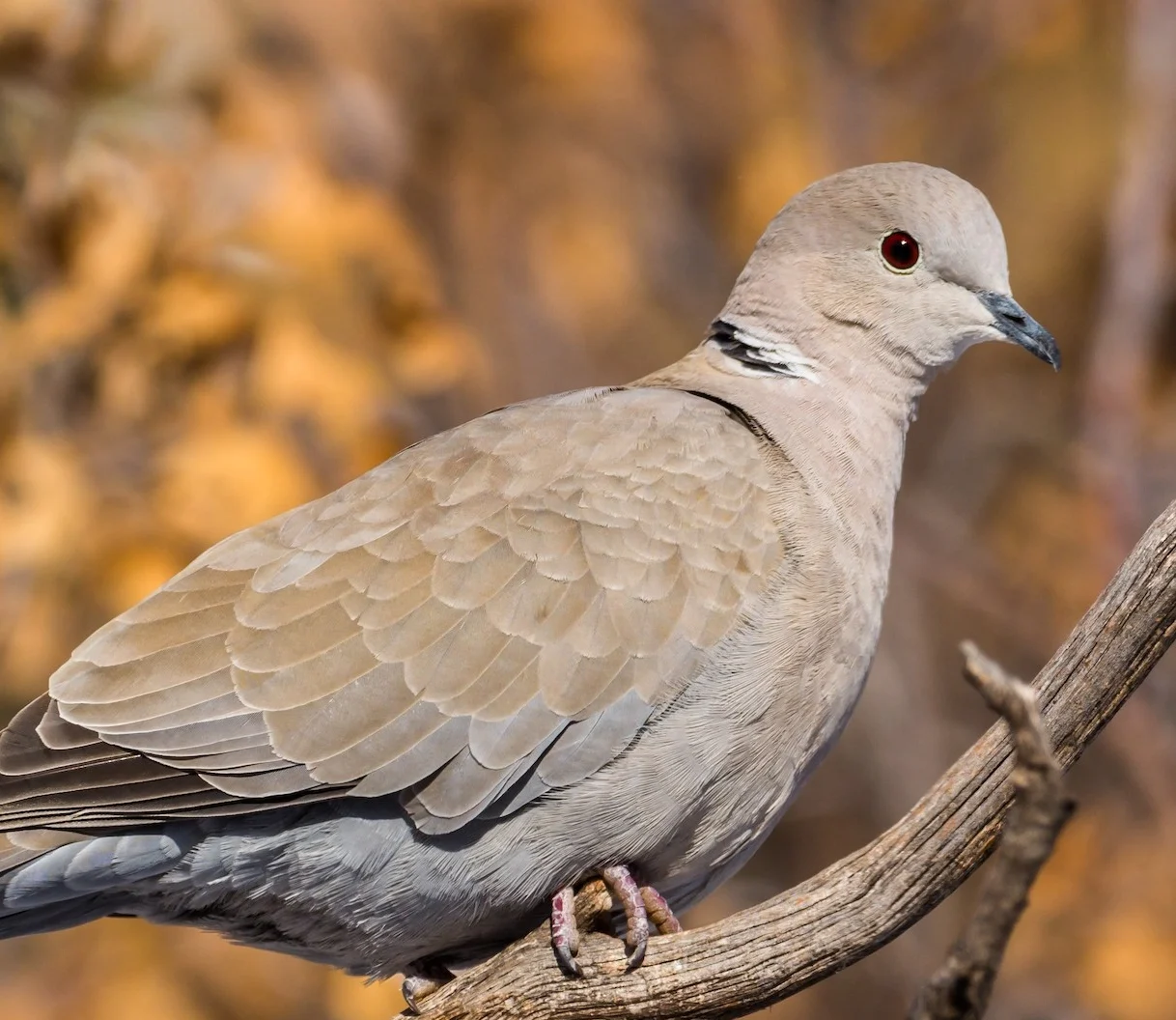
Eurasian Collared Dove
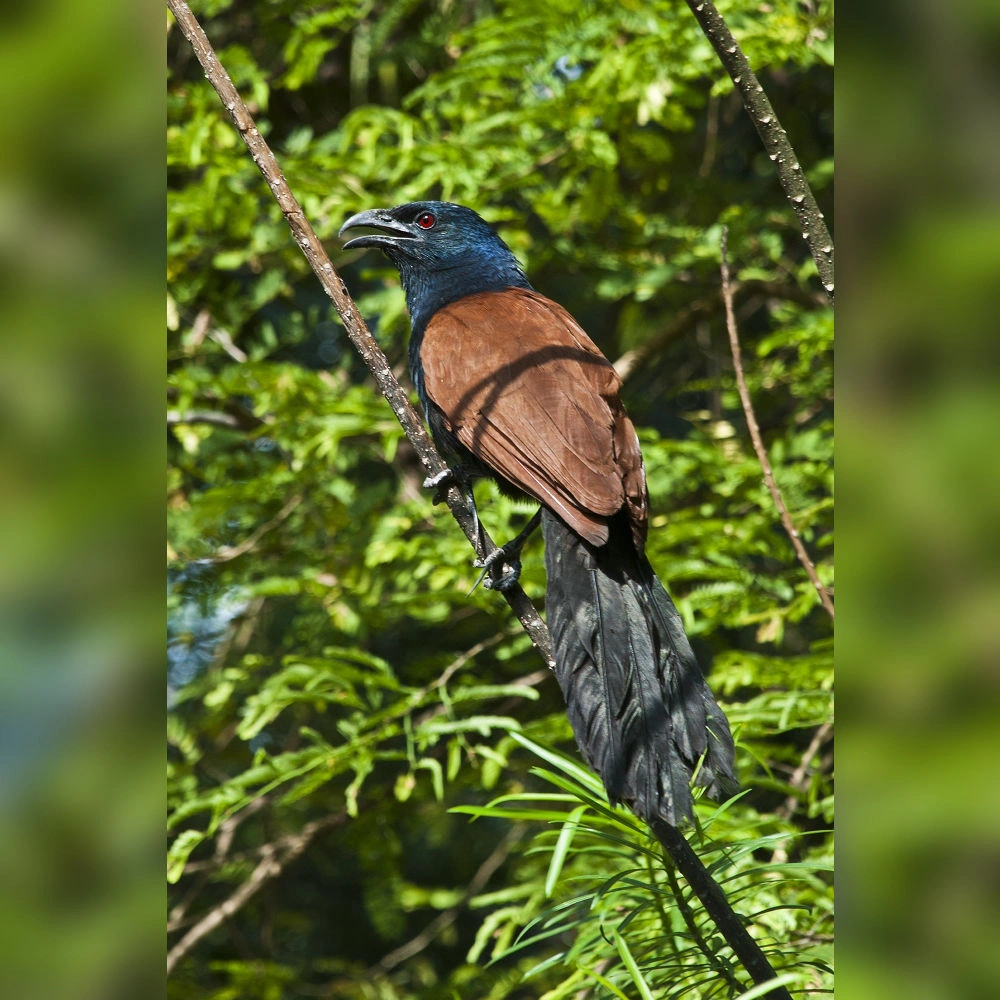
Greater Coucal
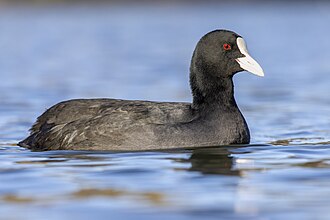
Eurasian coot
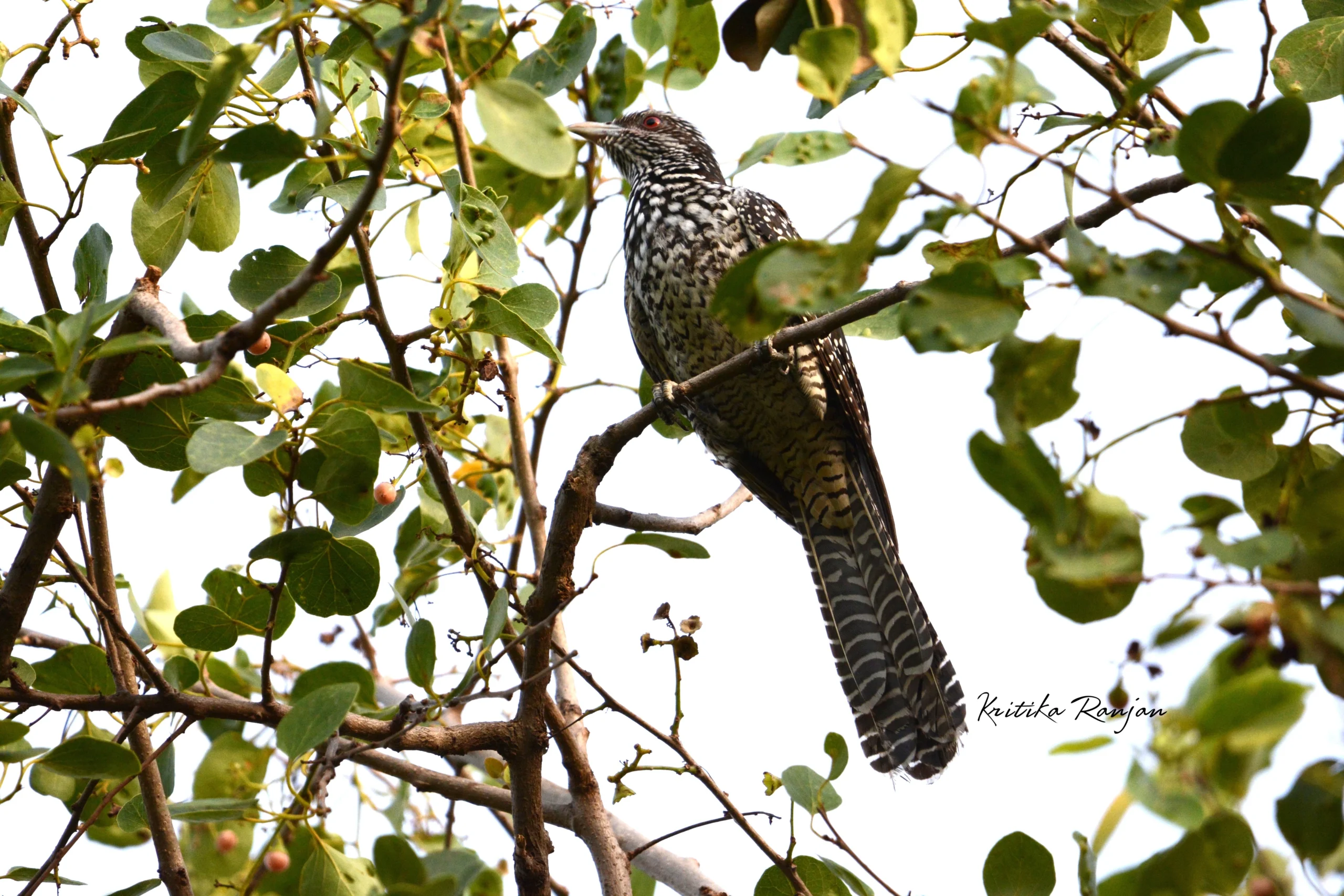
Asian Koel
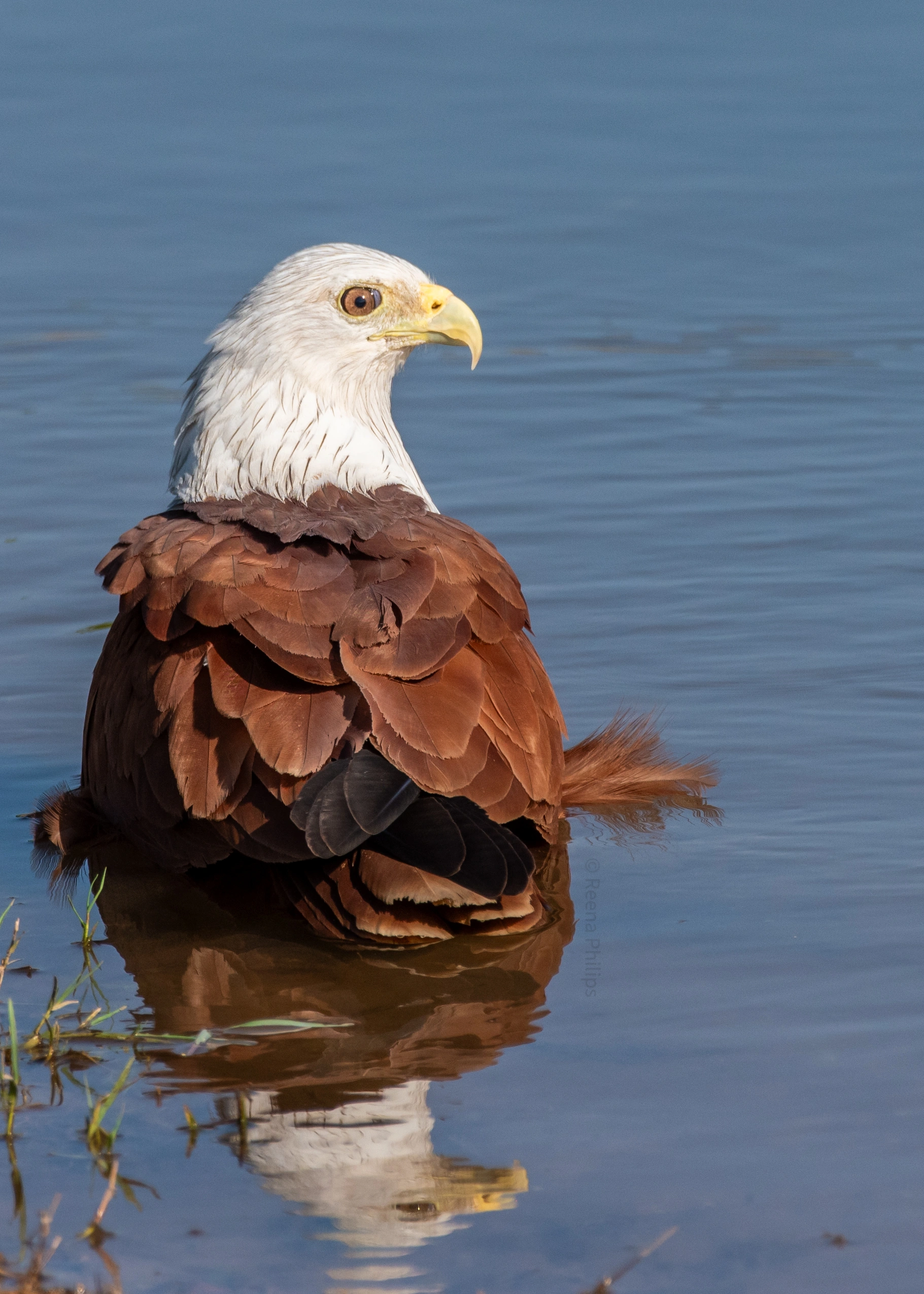
Brahminy Kite
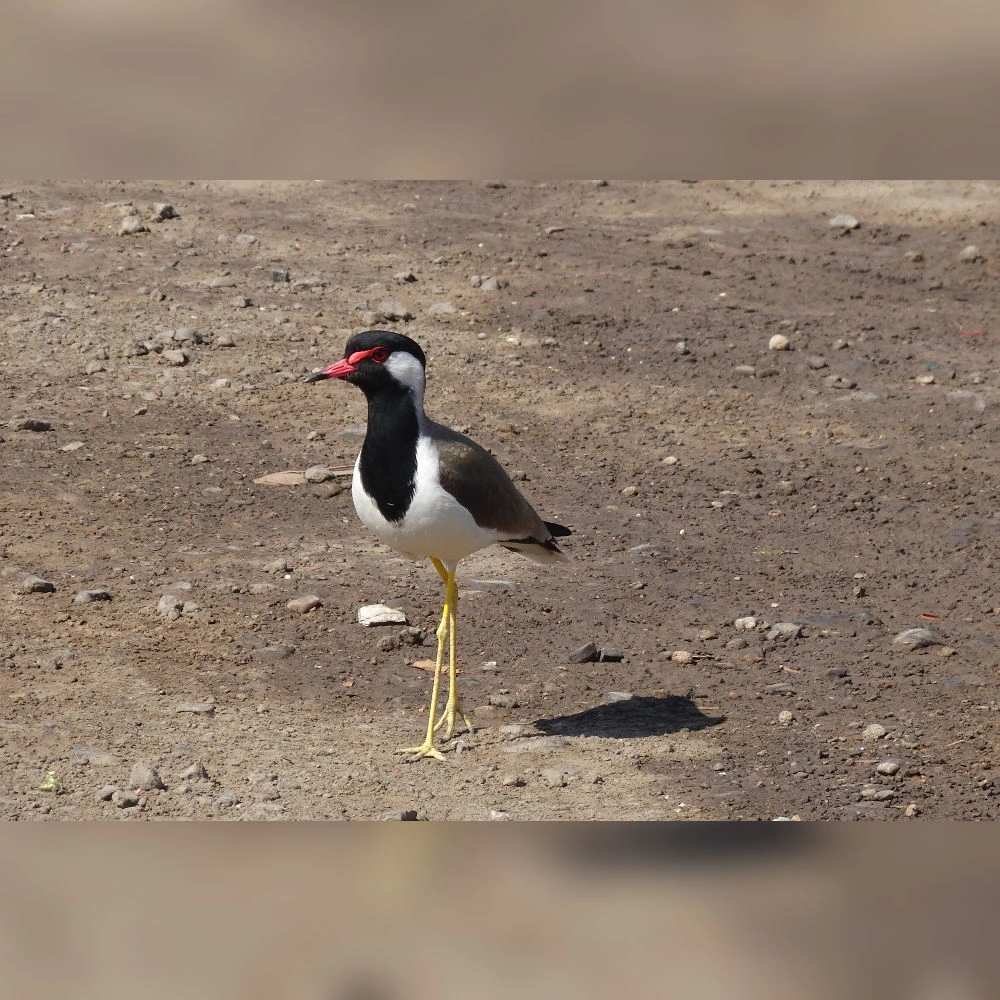
Red-wattled Lapwing
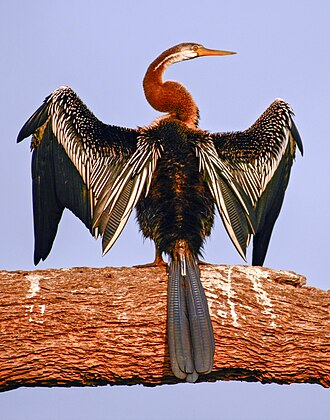
Oriental Darter
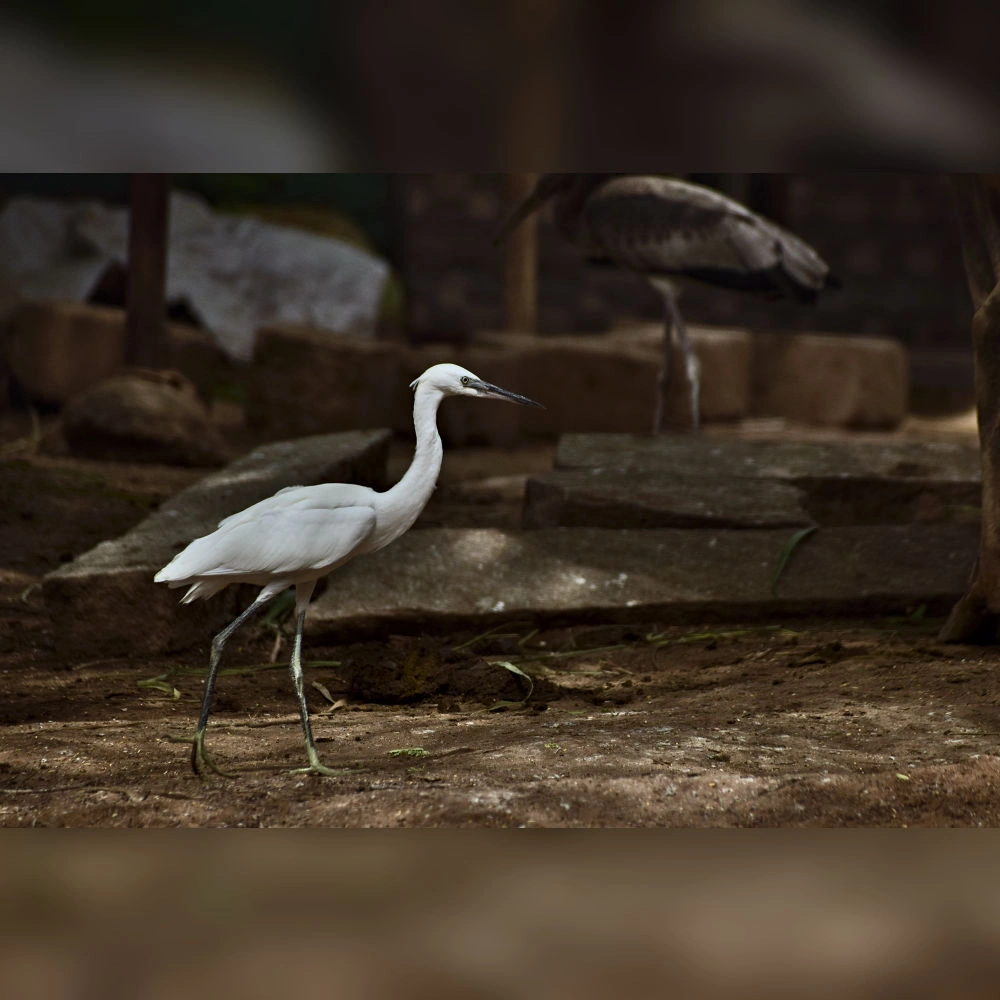
Little Egret
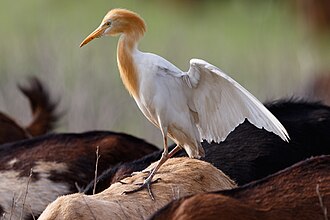
Eastern Cattle Egret
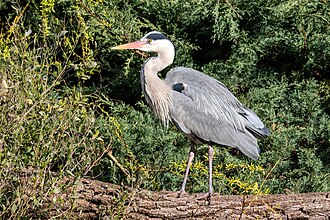
Gray Heron
Indian Spotted Eagle
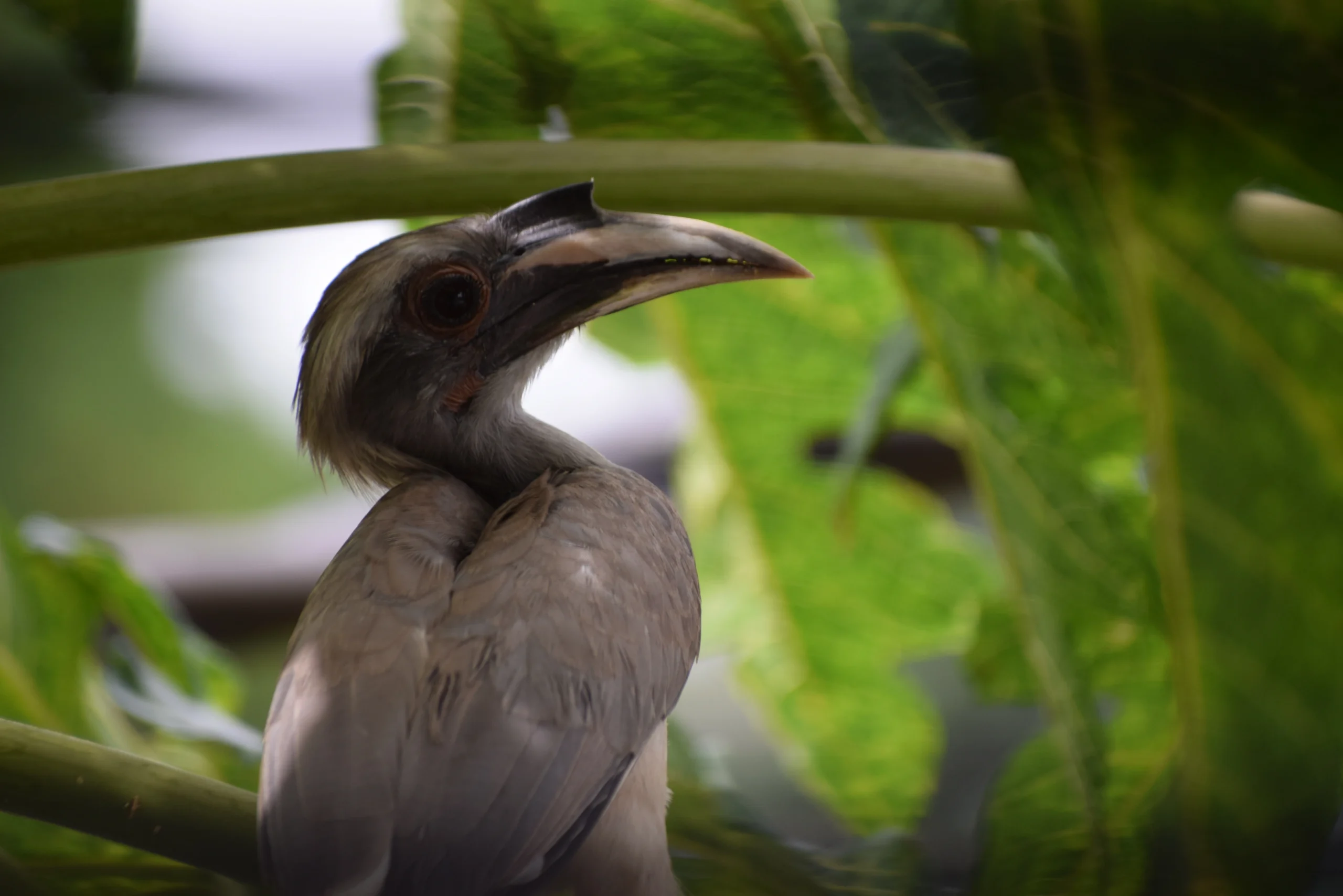
Indian Gray Hornbill
Indian Grey Hornbill
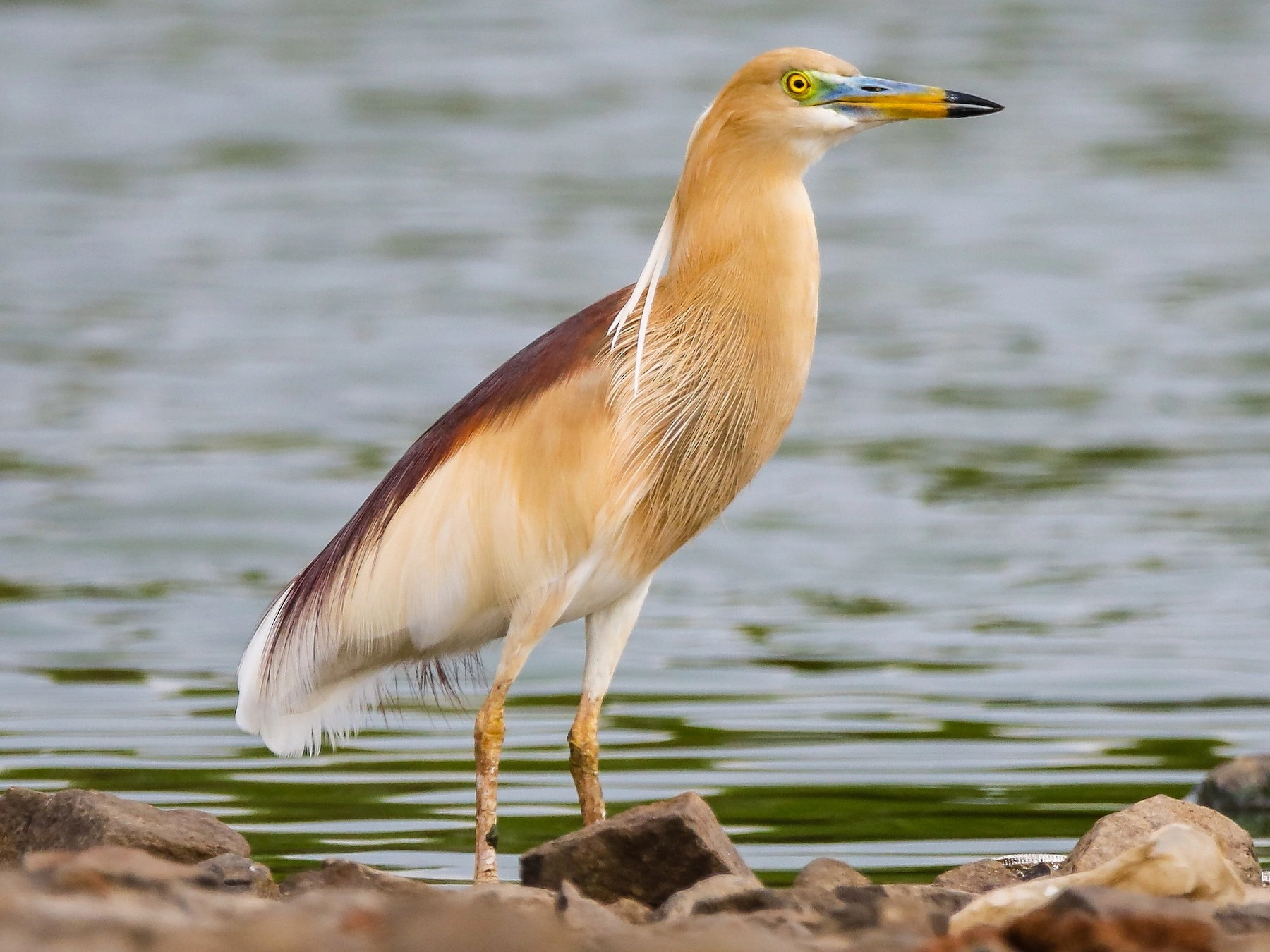
Indian Pond-Heron
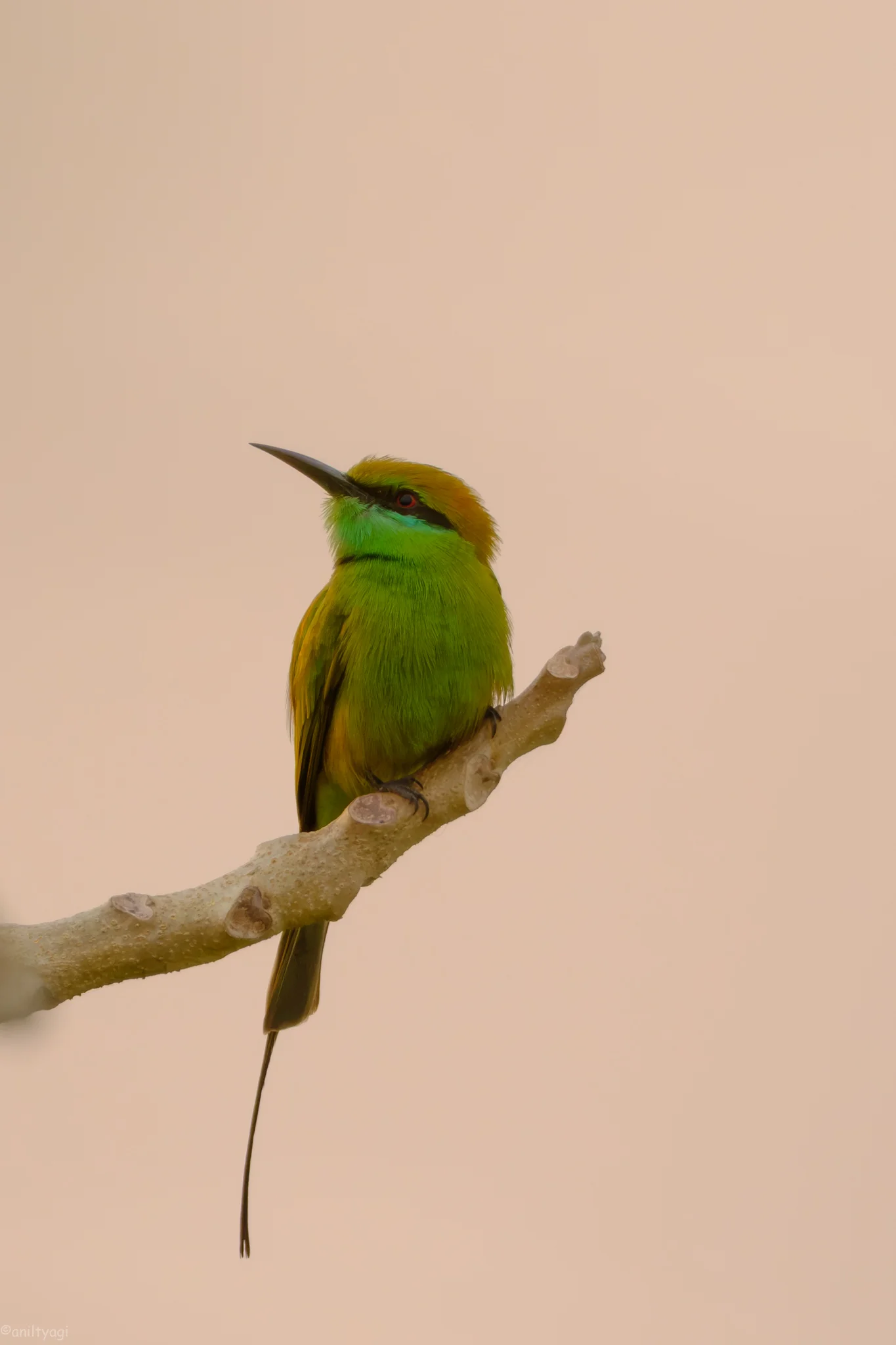
Asian Green Bee-eater
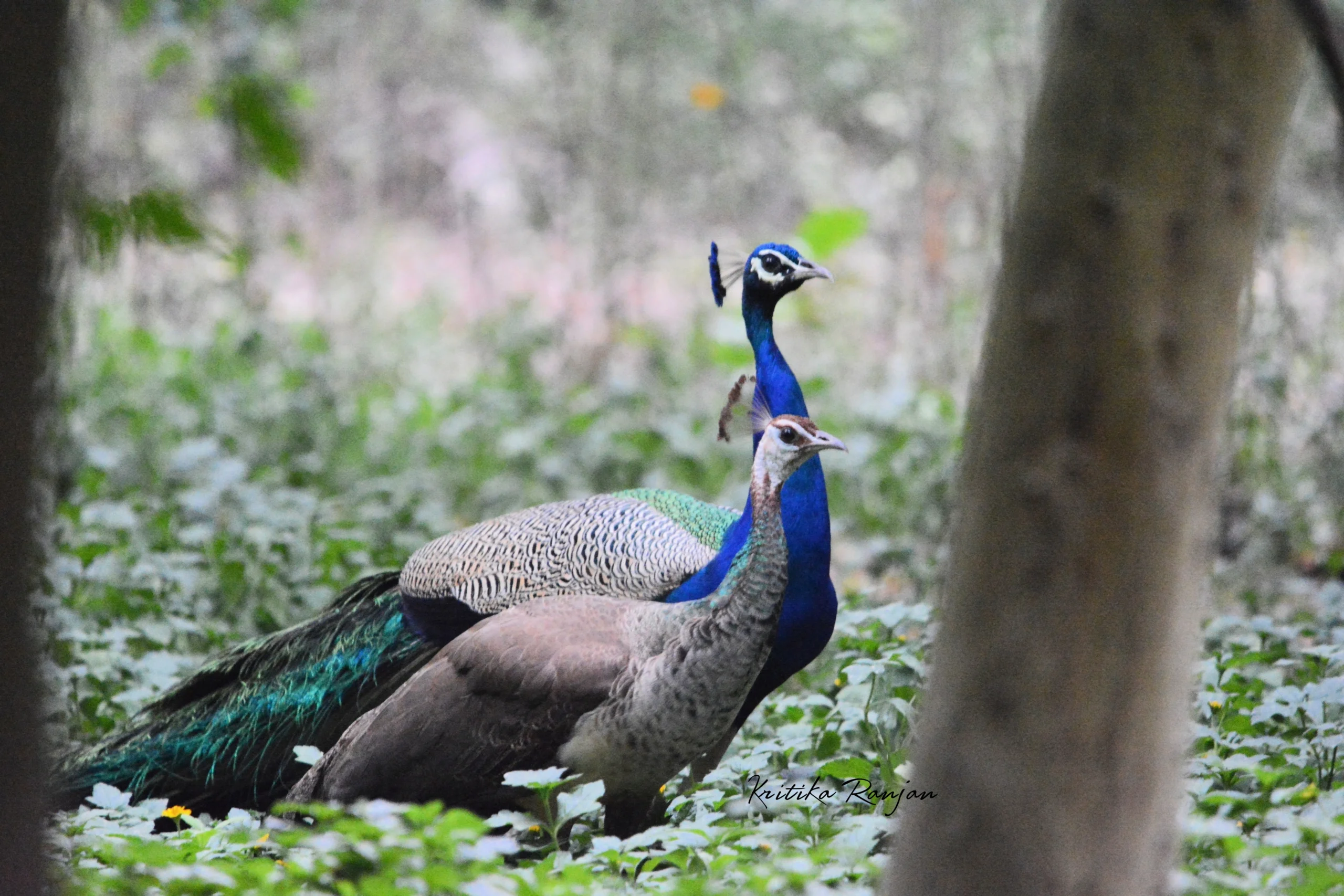
Indian Peafowl
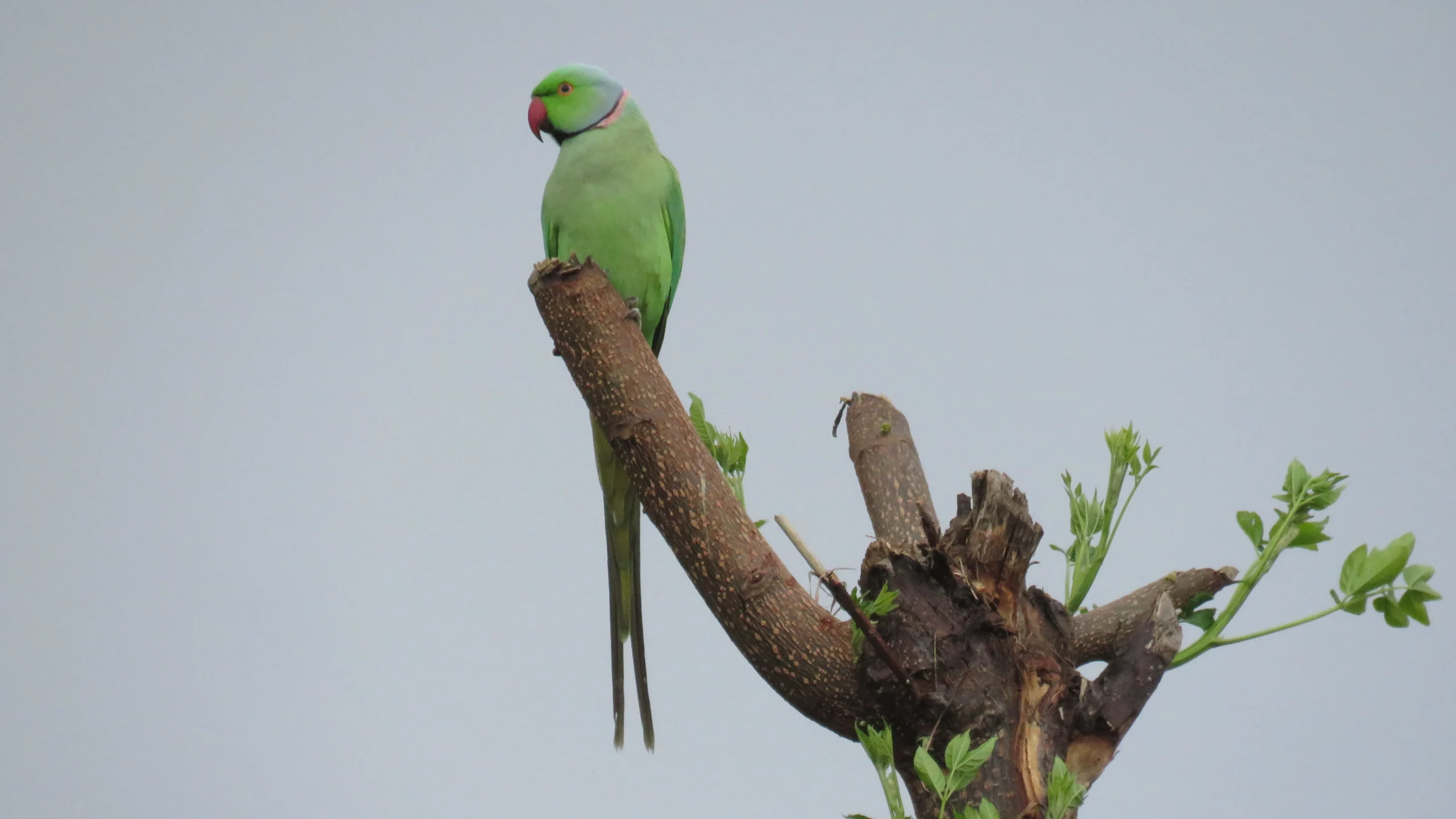
Rose-ringed Parakeet
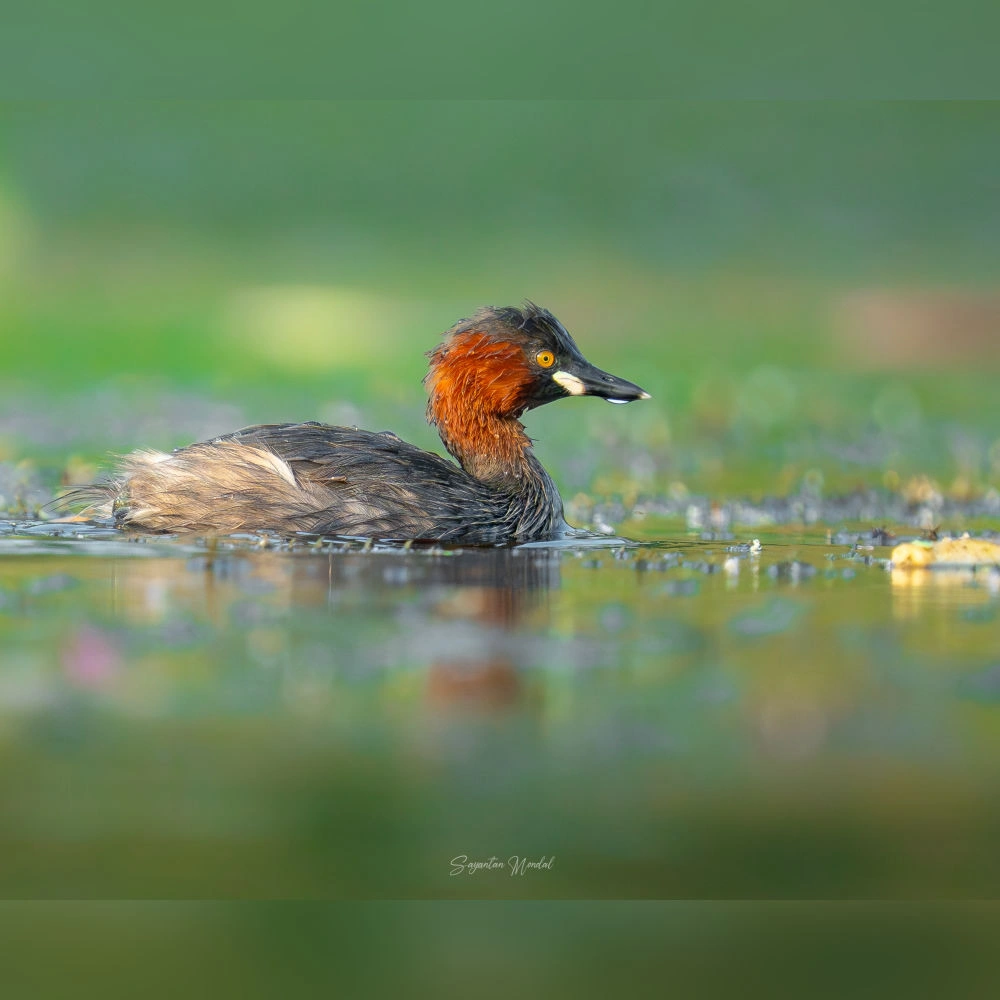
Little grebe

Scroll to Top