Bird Walk at Hulimavu Lake (Bannerghatta Road), Bangalore, Karnataka
- Bangalore
- 29 November, 2026
- Rs. 150
- Fee collected goes entirely to the bird guide. Ataavi does not retain or profit from this amount.
About Hulimavu Lake (Bannerghatta Road)
Just off Bannerghatta Road in south Bengaluru, Hulimavu Lake is one of the largest lakes on the city’s southern side, covering about 124 acres. Despite being surrounded by apartments and busy roads, its wide open water, shallow muddy margins, reedbeds and floating mats of weeds still support a rich community of wetland birds. Jacanas tiptoe across floating leaves, swamphens and coots move through the reeds, stilts and sandpipers probe the mud, and cormorants and darters fish in the deeper water, while herons and egrets hunt along every edge. The marshy fringes even shelter secretive birds such as the Ruddy-breasted Crake. For birders in south Bengaluru, Hulimavu is a valuable spot to see a wide range of waterbirds close to home, especially in winter when migrant sandpipers arrive.
Hulimavu’s story, however, is also a cautionary one. In November 2019, a section of the lake’s bund breached, flooding the streets and homes of around 300 residents. The disaster exposed the lake’s deeper problems: sewage from Gottigere lake and nearby canals had been flowing into Hulimavu, and around 17 acres of lake land had been encroached for a layout. Encroachment, sewage inflow, garbage and the loss of natural buffer zones continue to threaten the lake. Protecting its marshy margins and keeping sewage out are essential to keep Hulimavu a haven for birds.

Bird Guide: Rahuldev Rajguru
With over 25 years in software and entrepreneurship, he now focuses on birding, wildlife photography, and conservation, while also writing to inspire people to connect with nature.
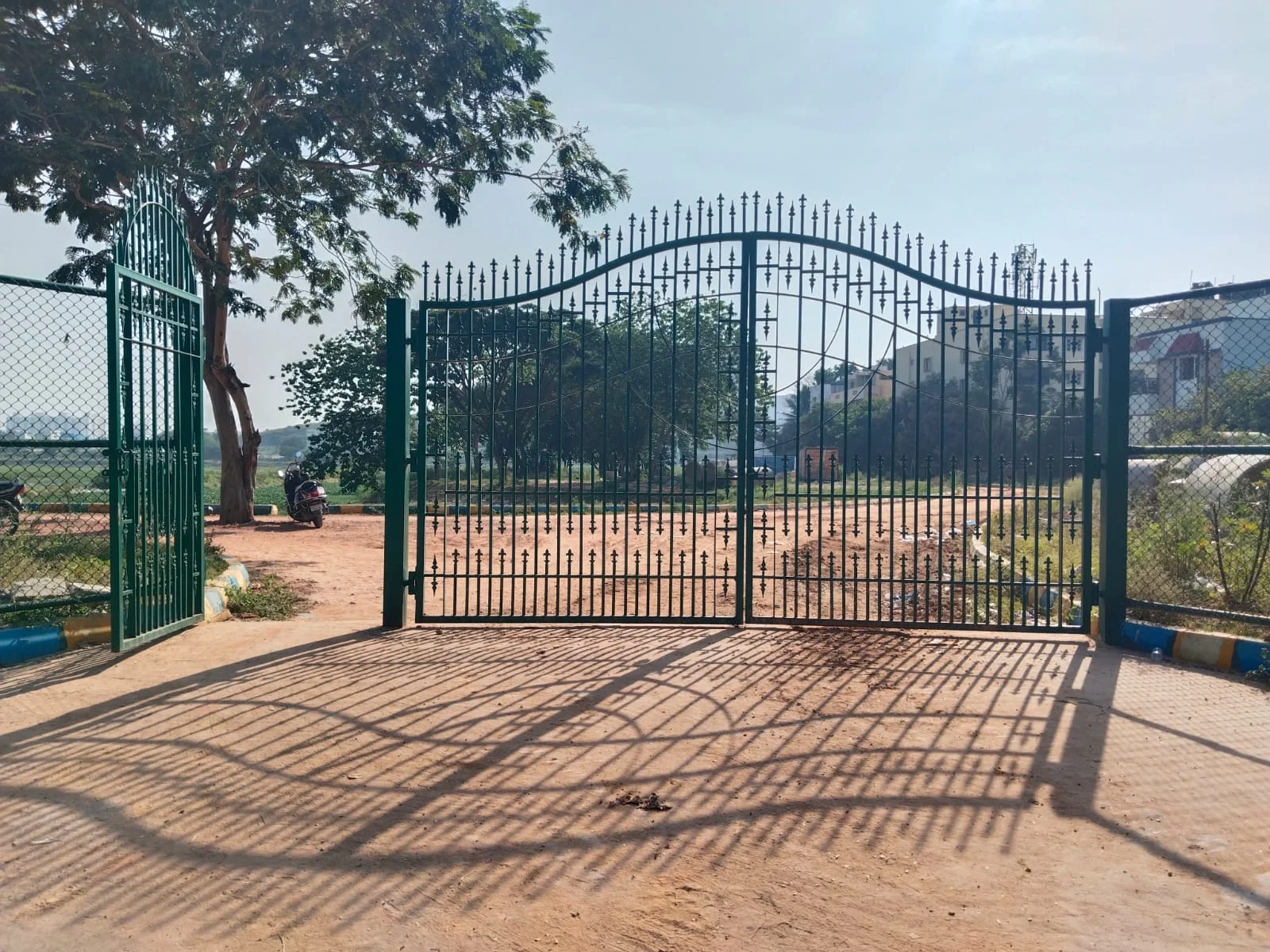
Bird walk Location
Common birds of Hulimavu Lake (Bannerghatta Road)
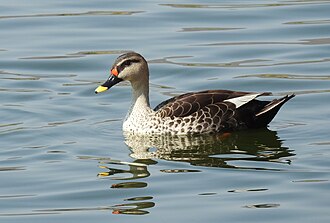
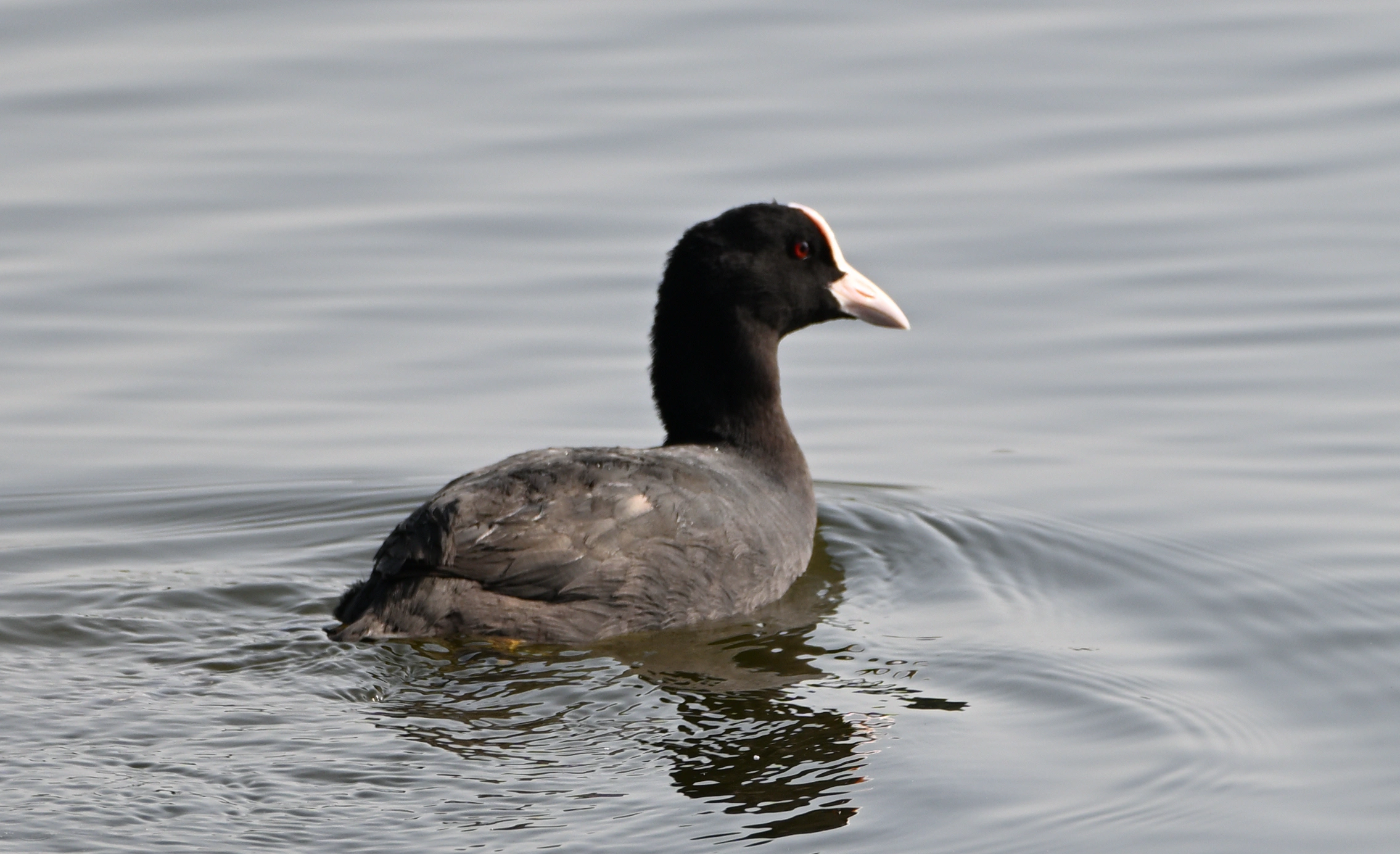
Hulimavu Lake is a rewarding spot for wetland birding. Among the floating vegetation, the elegant Pheasant-tailed Jacana and the glossy Bronze-winged Jacana walk delicately on leaves, while Gray-headed Swamphens, Eurasian Coots and the shy White-breasted Waterhen move through the reeds. Patient birders may spot the secretive Ruddy-breasted Crake slipping along the marshy edges. On the open water, Indian Spot-billed Ducks paddle quietly, Little Grebes dive and resurface, and the Oriental Darter swims with only its slender neck showing above the surface. Great and Little Cormorants fish in the deeper water. The muddy margins are busy with Black-winged Stilts on long pink legs, Green and Marsh Sandpipers probing for food, Red-wattled Lapwings keeping a noisy watch and Glossy Ibises gleaming bronze in the sun. Herons and egrets line the shore: the stately Gray Heron, the secretive Purple Heron, the camouflaged Indian Pond Heron and the Medium Egret. In the surrounding scrub, the Gray Francolin calls loudly, the Greater Coucal stalks the undergrowth, the Asian Koel calls from the trees, and Rock Pigeons forage nearby.

Indian Spot-billed Duck

Eurasian Coot
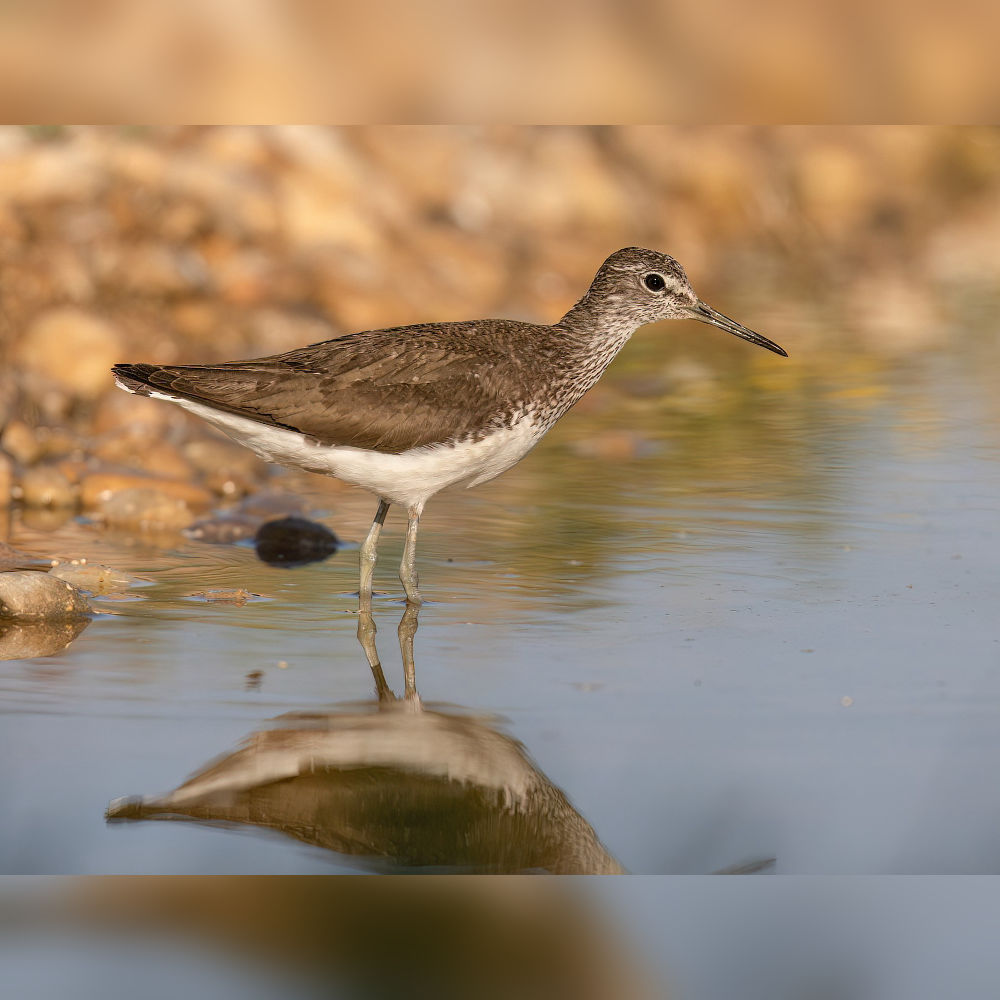
Green Sandpiper
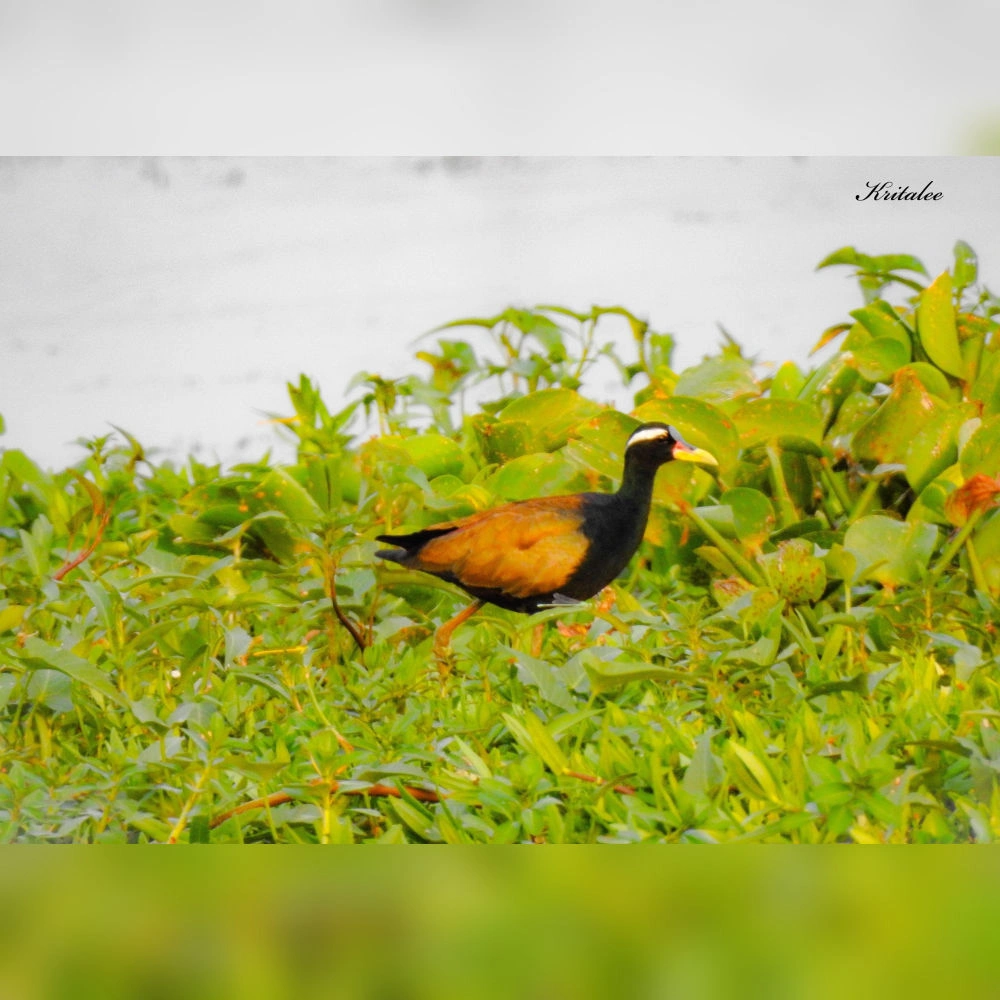
Bronze-winged Jacana
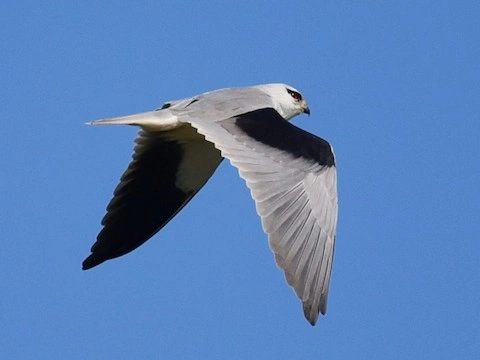
Black-winged Kite

Little Grebe
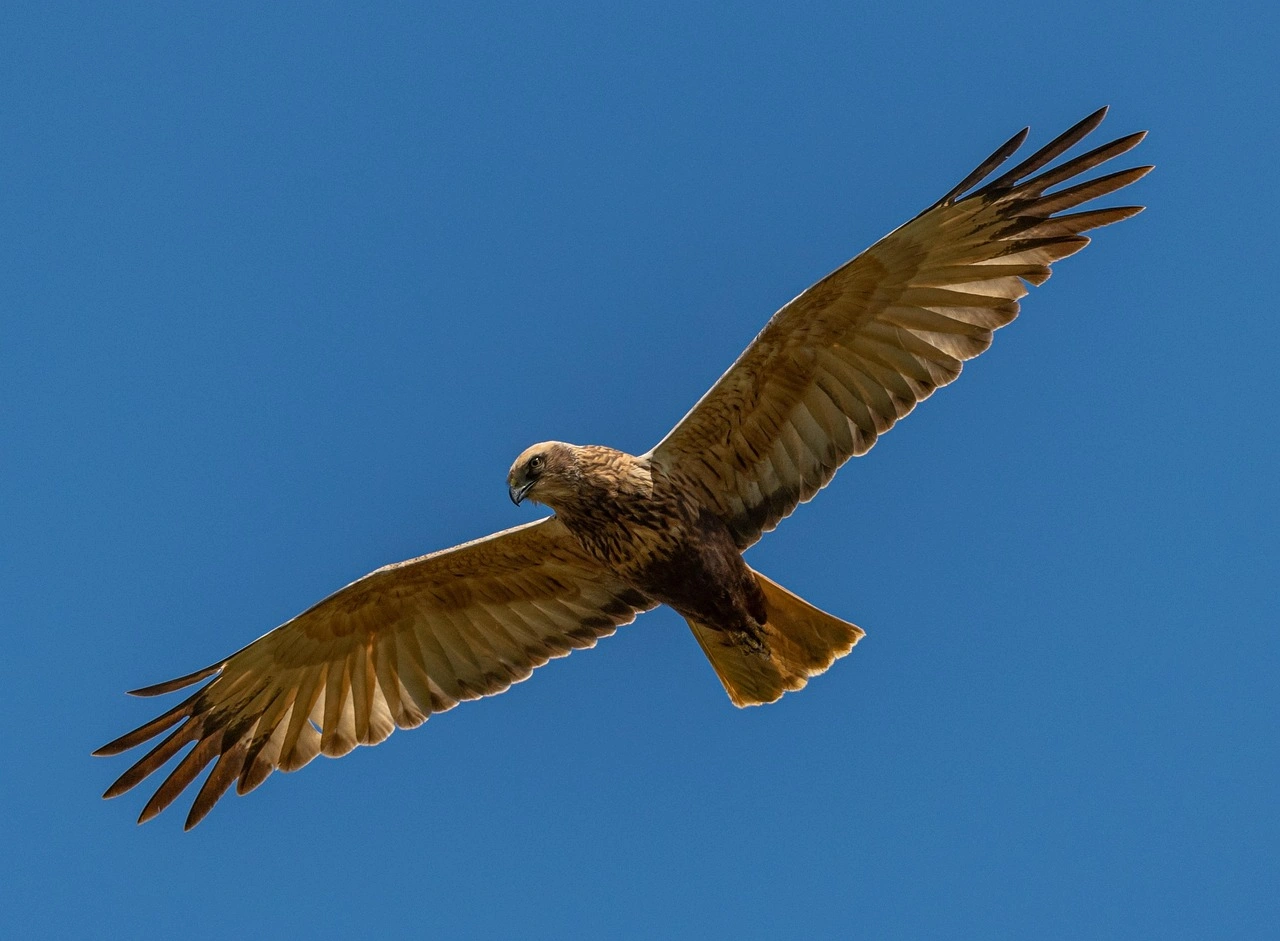
Western Marsh Harrier
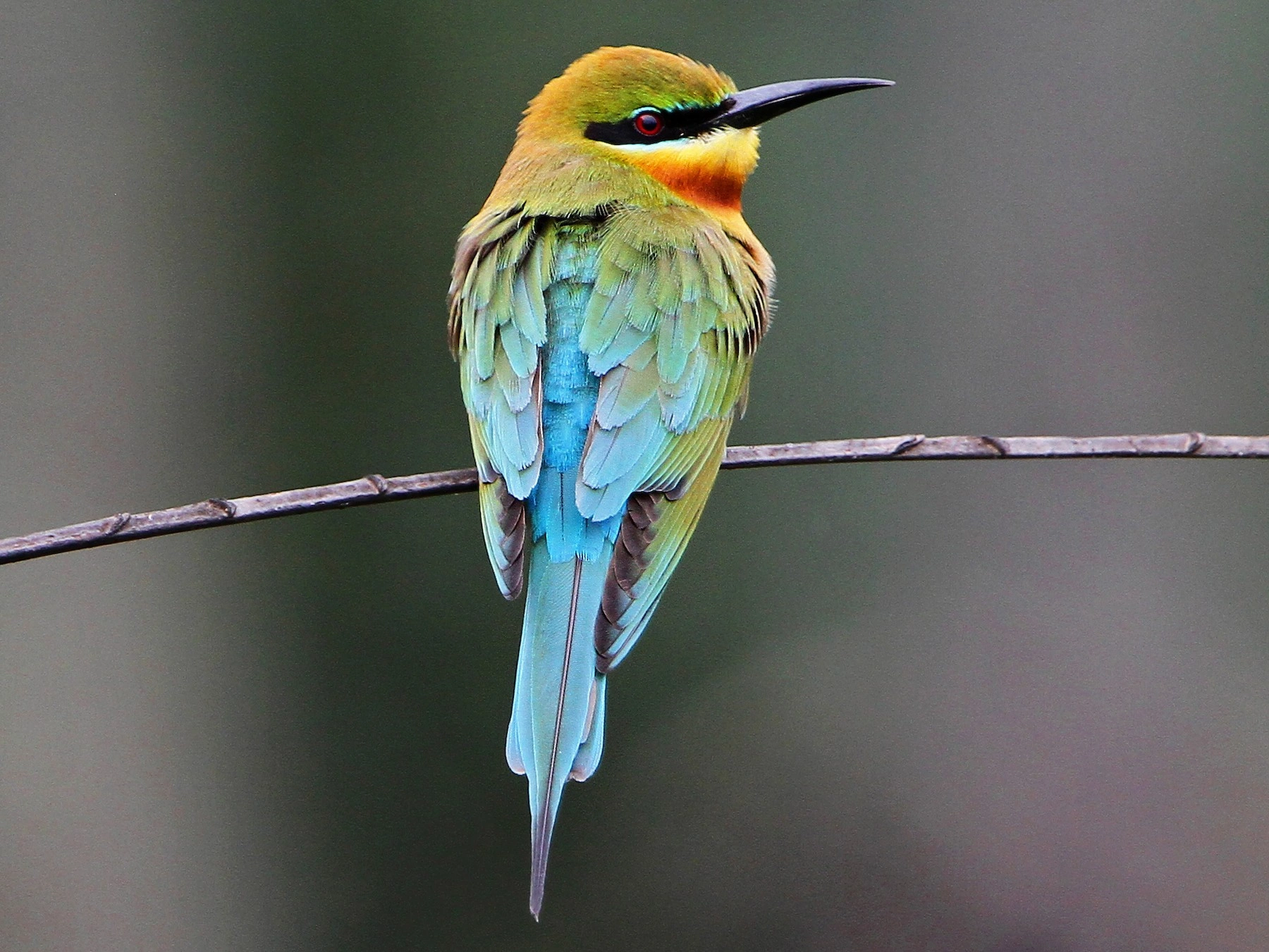
Blue-tailed Bee-eater
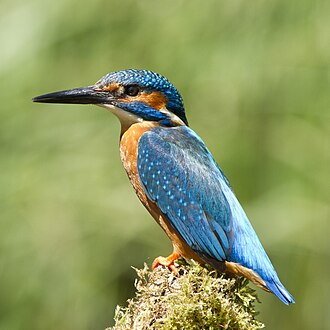
Common Kingfisher
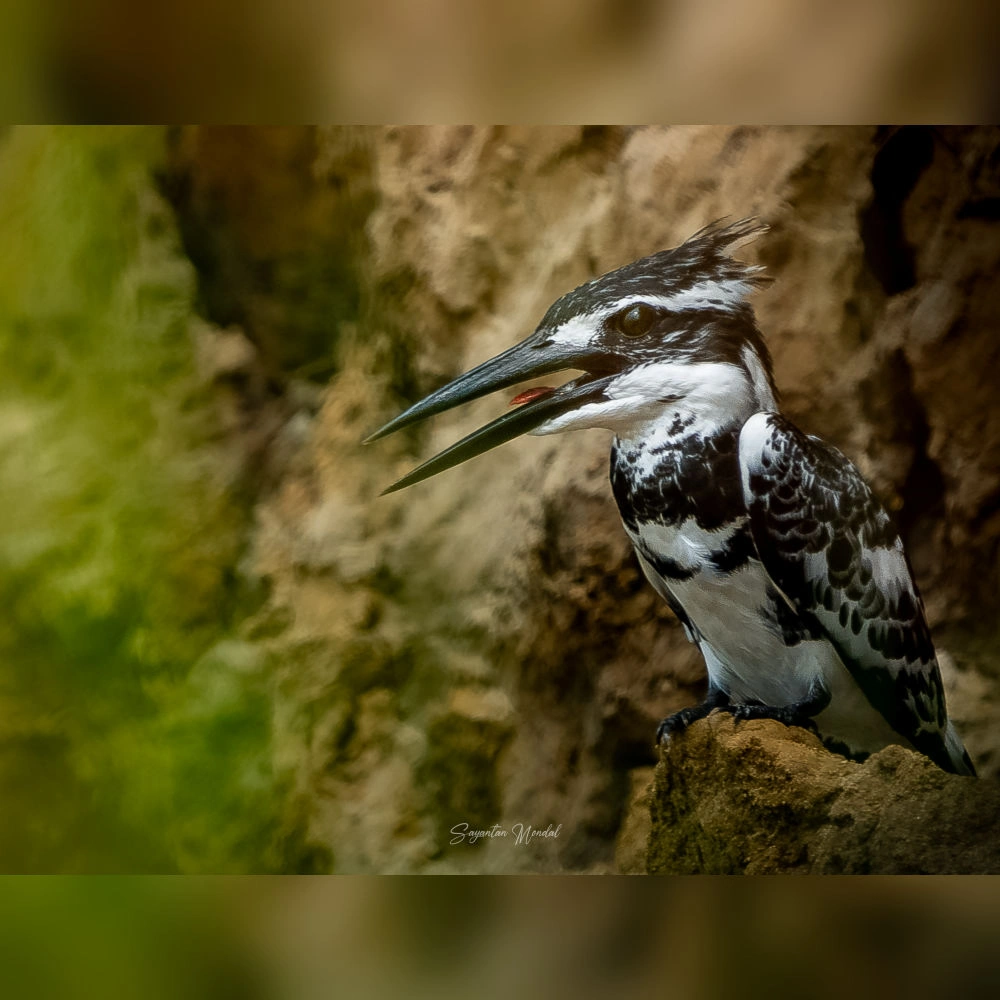
Pied Kingfisher
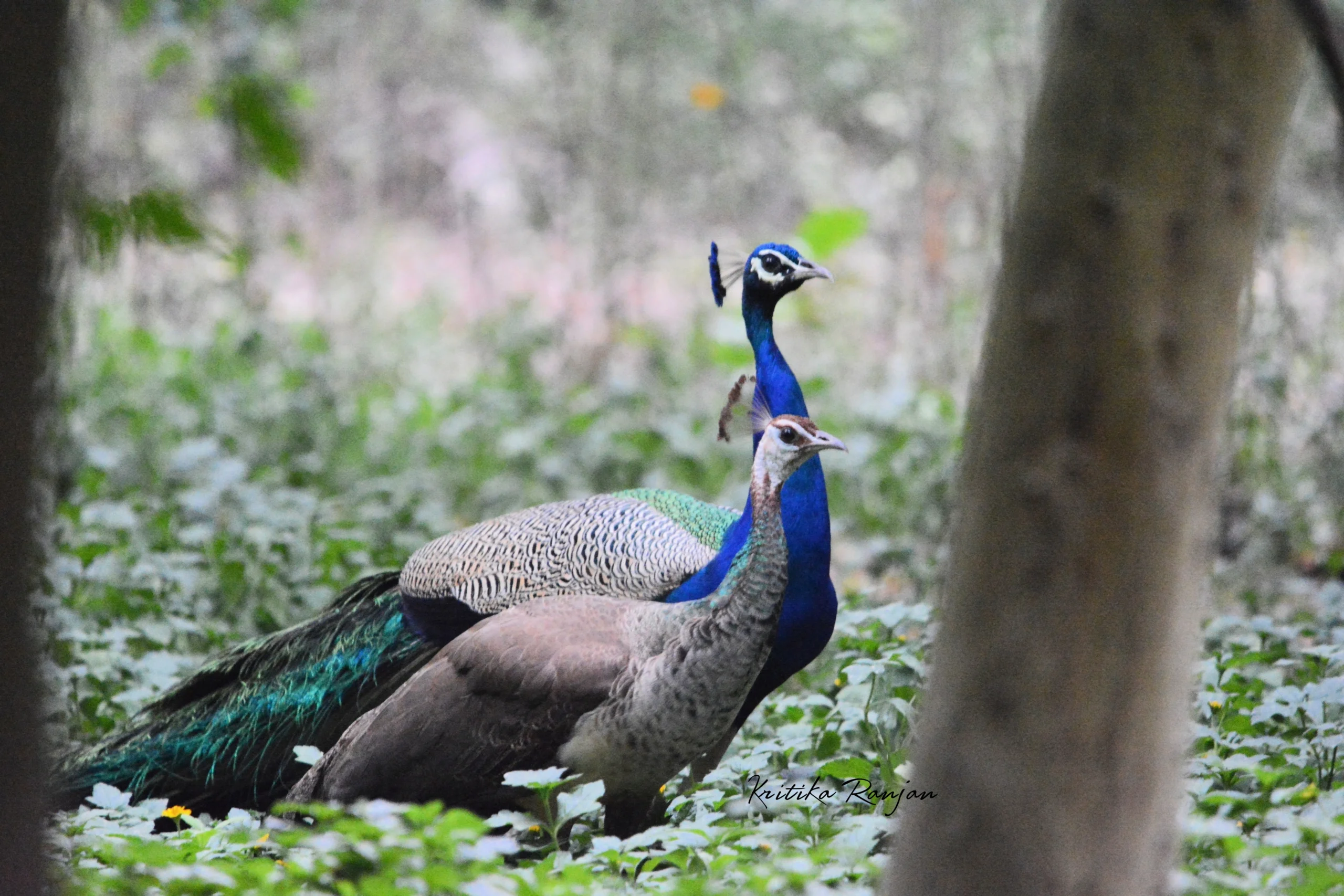
Indian Peafowl
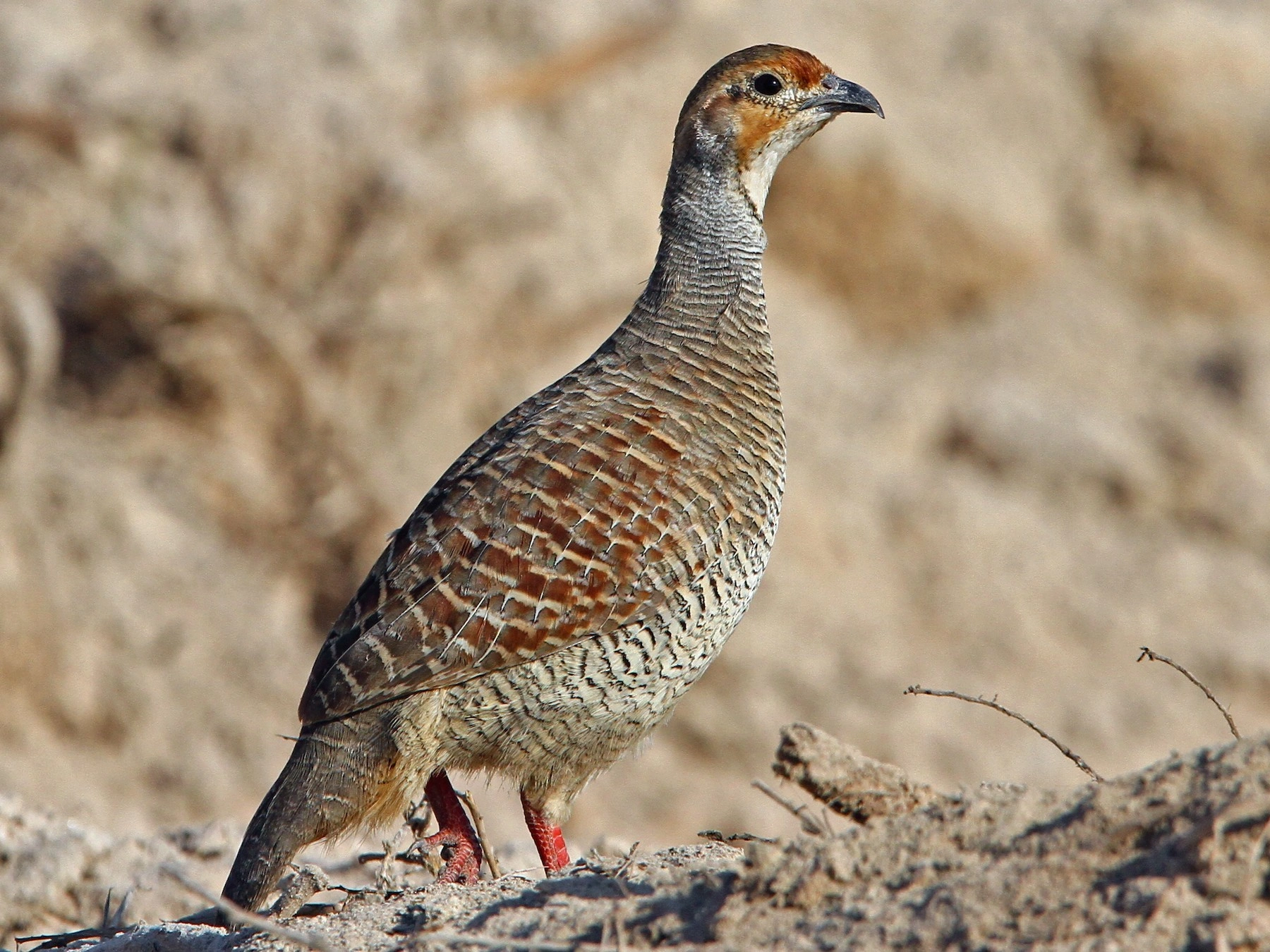
Gray Francolin

Blue-faced Malkoha
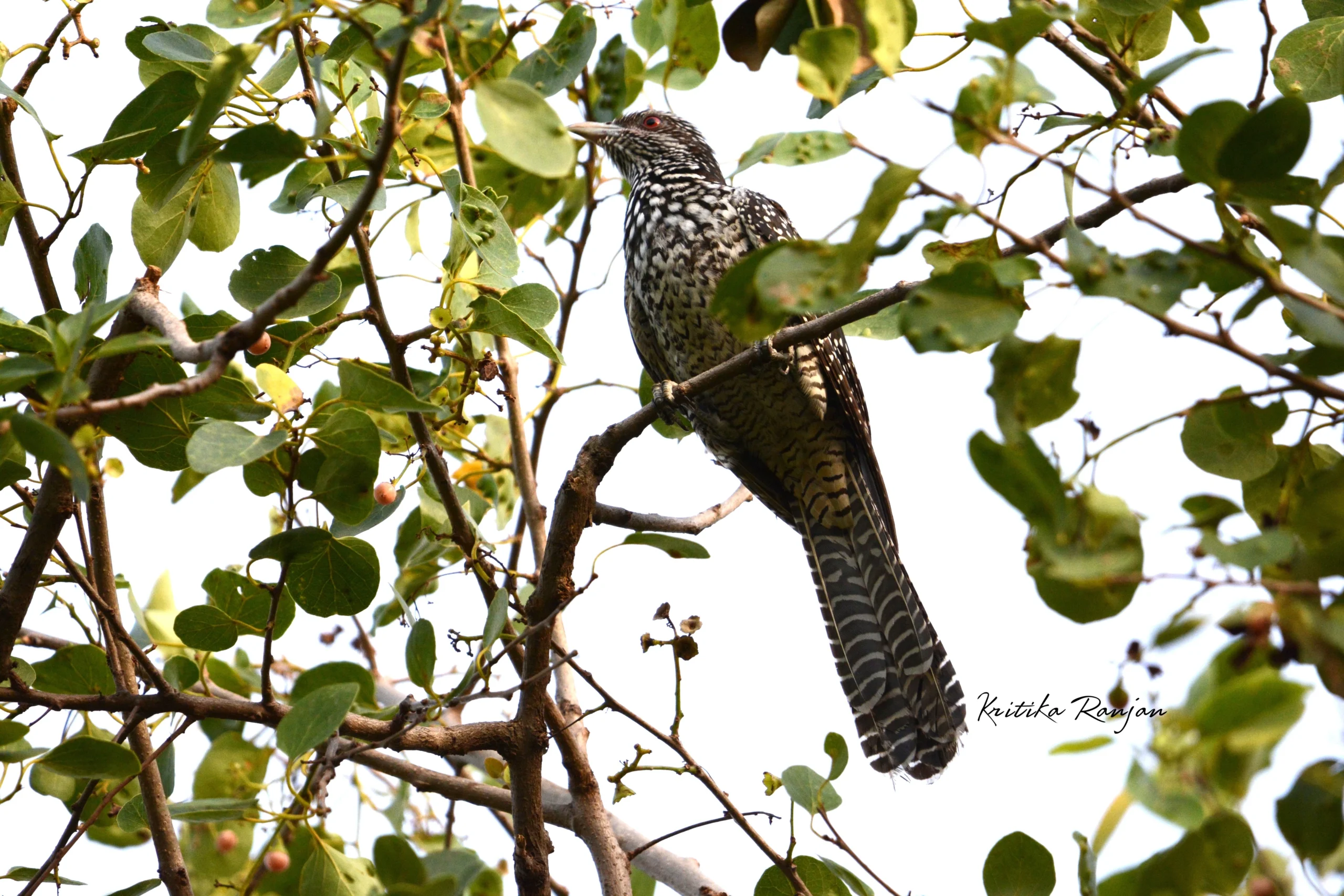
Asian Koel
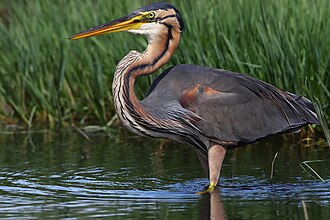
Purple Heron
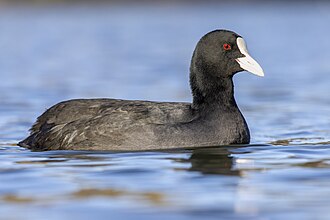
Eurasian Coot

Gray-headed Swamphen
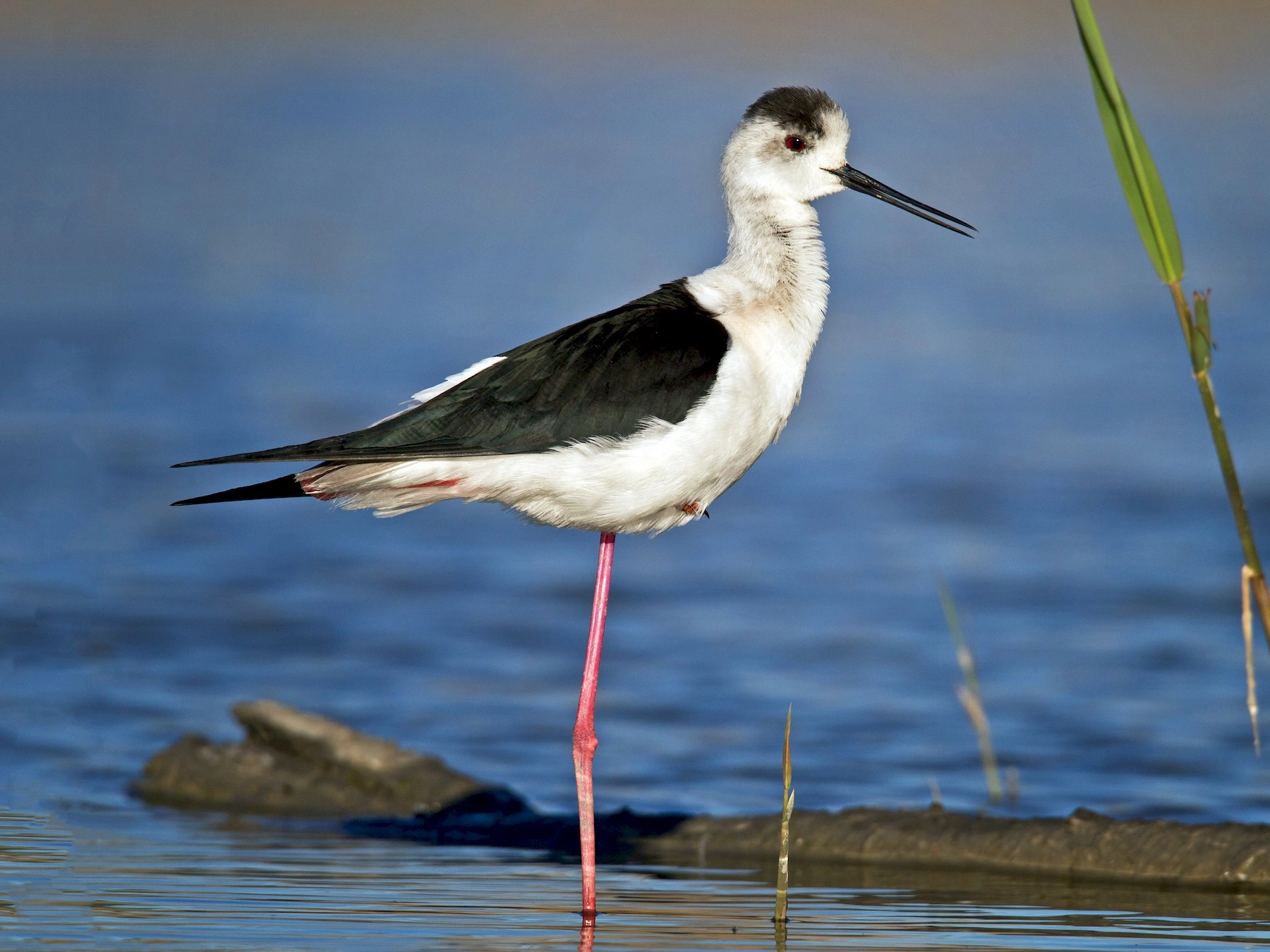
Black-winged Stilt
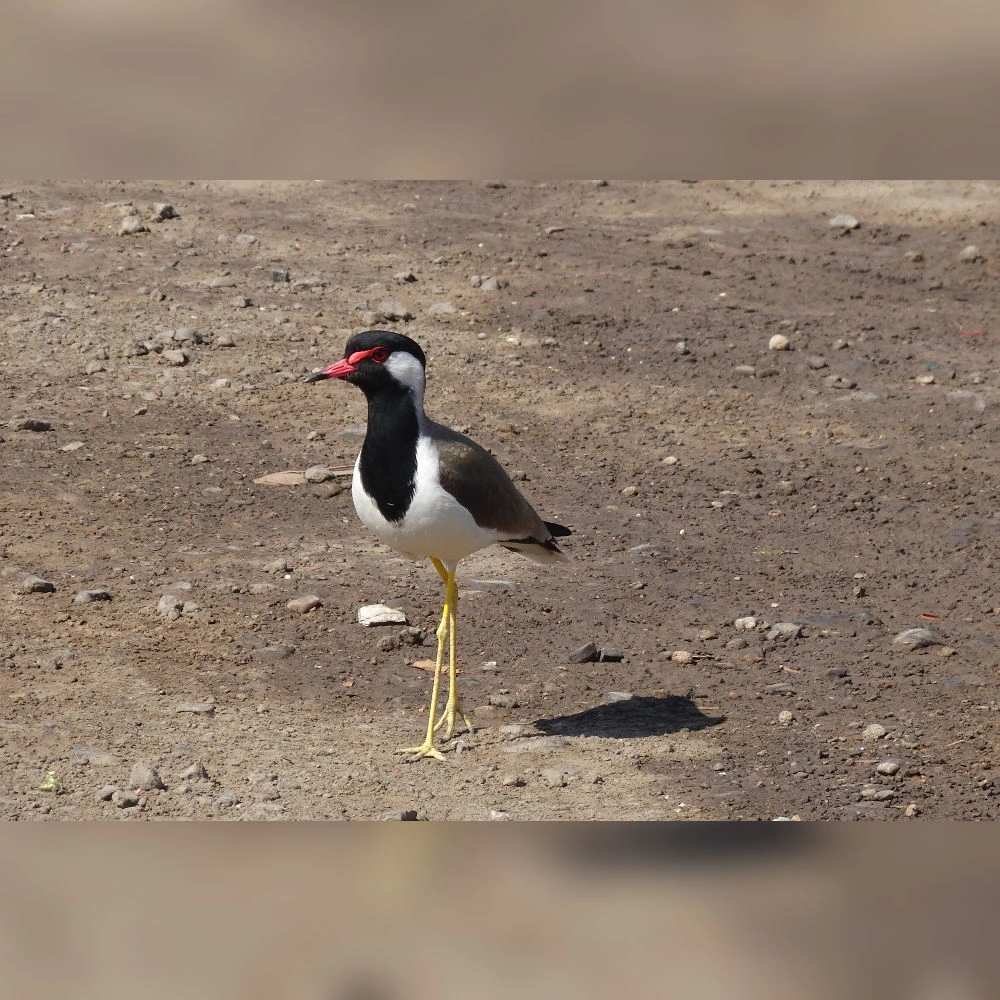
Red-wattled Lapwing
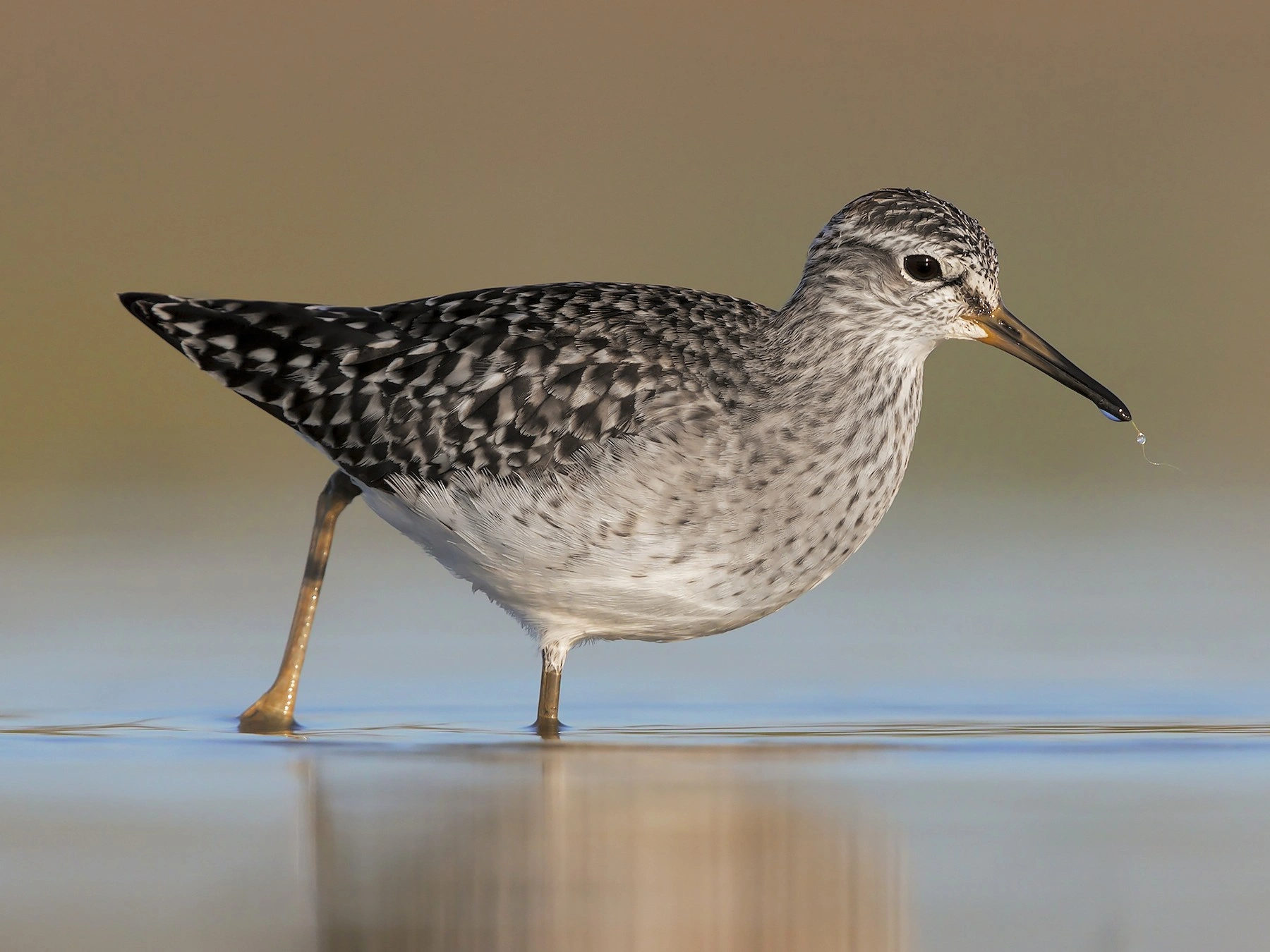
Wood Sandpiper

- Fee collected goes entirely to the bird guide. Ataavi does not retain or profit from this amount.