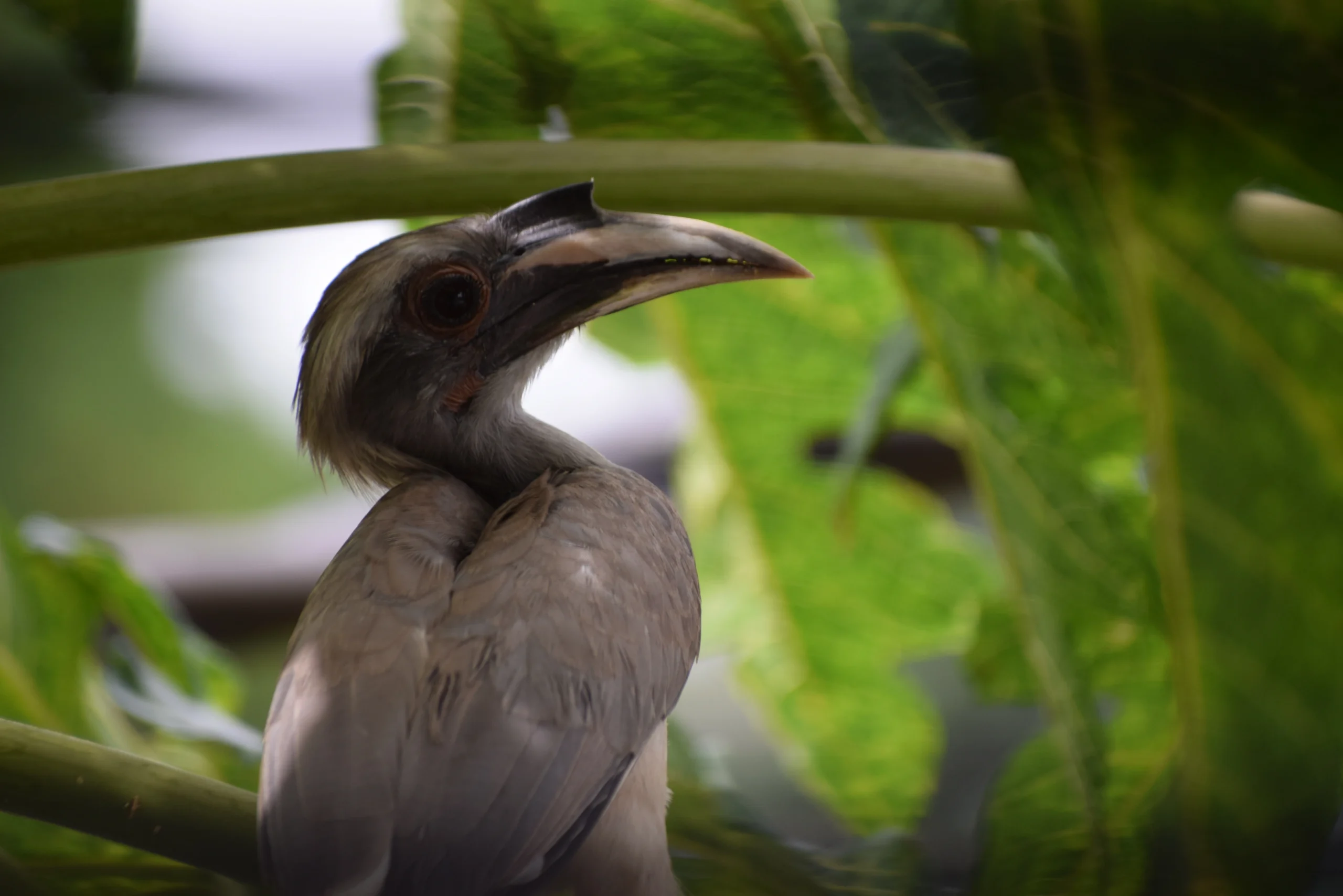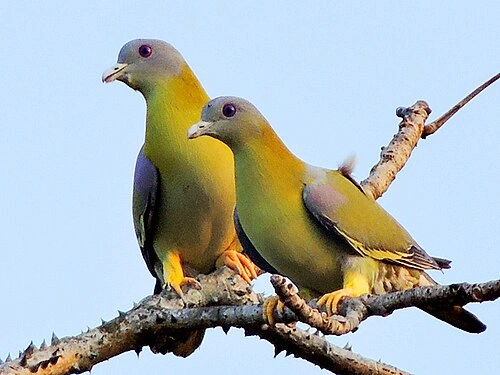



Bird Walk at Leisure Valley Park, Chandigarh
- Chandigarh
- 29 November, 2026
- Rs. 300 per head
- Fee collected goes entirely to the bird guide. Ataavi does not retain or profit from this amount.
About Leisure Valley Park
Running through the heart of Chandigarh, Leisure Valley is an 8-km linear park that stretches from Sector 1 in the north to Sector 53 in the south. When planning the city, Le Corbusier kept the eroded valley of a seasonal stream, the N-Choe, and shaped it into a continuous green belt, the city’s “lungs.” Today the valley holds a string of themed gardens, including the Rose Garden, Terraced Garden, Botanical Garden, Hibiscus Garden and Shanti Kunj. Tall shade trees, flowering shrubs, lawns, bamboo groves and the seasonal stream bed create a varied habitat in the middle of the city, with the Shivalik hills visible to the north. For birders, Leisure Valley is a surprisingly rich urban green corridor. Hornbills and green pigeons feed in fruiting trees, barbets and woodpeckers work the old trunks, and moorhens, waterhens and stilts visit the choe. Winter brings Himalayan visitors such as the Black Redstart down to the plains.
But this green belt is under growing pressure. Construction of a cycling corridor along the N-Choe stalled after local residents opposed its original route, highlighting concerns over development within the valley. Heavy footfall, large festivals, the replacement of native vegetation with manicured lawns and ornamental plants, and pollution of the seasonal stream all reduce the shelter and food birds depend on. Retaining old trees, native shrubs and wilder corners will help keep Leisure Valley a true haven for birds in the city.

Bird Guide: Gagandeep Singh
His birding and nature documentation work began in 2019, covering a wide geographical area that includes Chandigarh, Panchkula, Mohali, Solan, Sirmaur, Morni Hills, Dehradun, and other nearby locations.
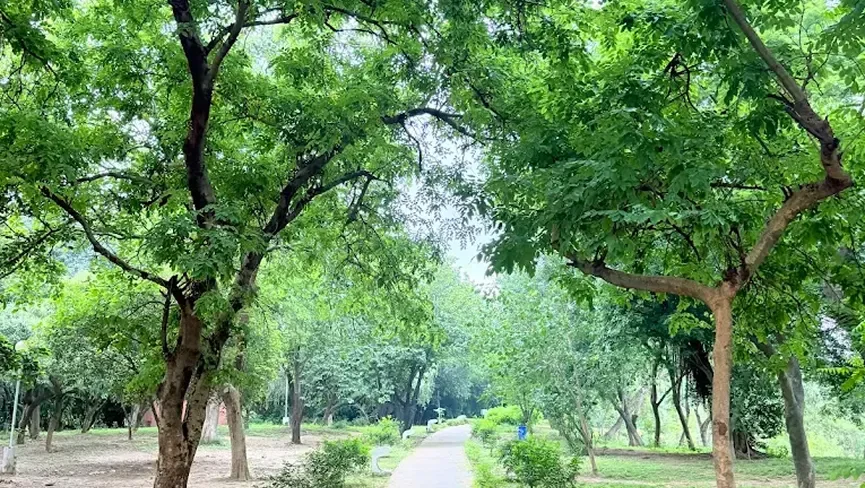
Bird walk Location
Common birds of Leisure Valley Park
Leisure Valley is a delightful place for city birding. In the tall trees, Indian Gray Hornbills flap between fruiting branches, flocks of Yellow-footed Green Pigeons feed quietly in the canopy, and the Brown-headed Barbet calls steadily from the leaves. The Black-rumped Flameback hammers at old trunks, while the Hair-crested Drongo and Black Drongo sally after insects from high perches. In winter, the Black Redstart arrives from the Himalayas, quivering its rusty tail on rocks and walls. The Himalayan Bulbul, with its cheerful crest, and the Red-vented Bulbul chatter in the bushes, and tiny Indian White-eyes forage in busy flocks through the foliage. Along the stream and ponds, Eurasian Moorhens and White-breasted Waterhens slip through the vegetation, Black-winged Stilts wade on long pink legs, the Little Egret hunts in the shallows, and the White-throated Kingfisher calls loudly from nearby perches. The Shikra darts between the trees, the Asian Koel calls from hidden branches, and Spotted, Laughing and Eurasian Collared Doves forage along the paths.

Indian Gray Hornbill

Yellow-footed Green Pigeon
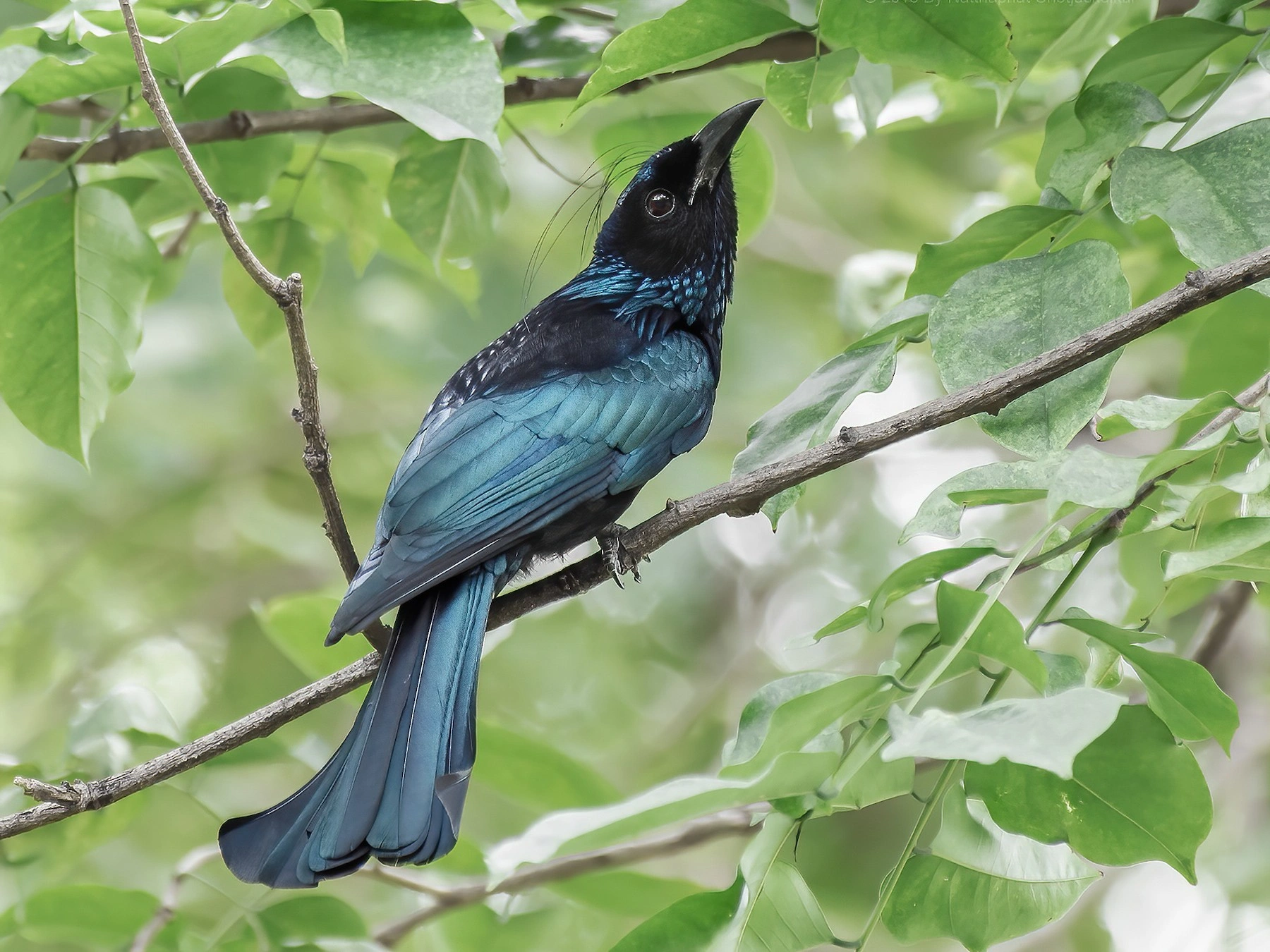
Hair-crested Drongo
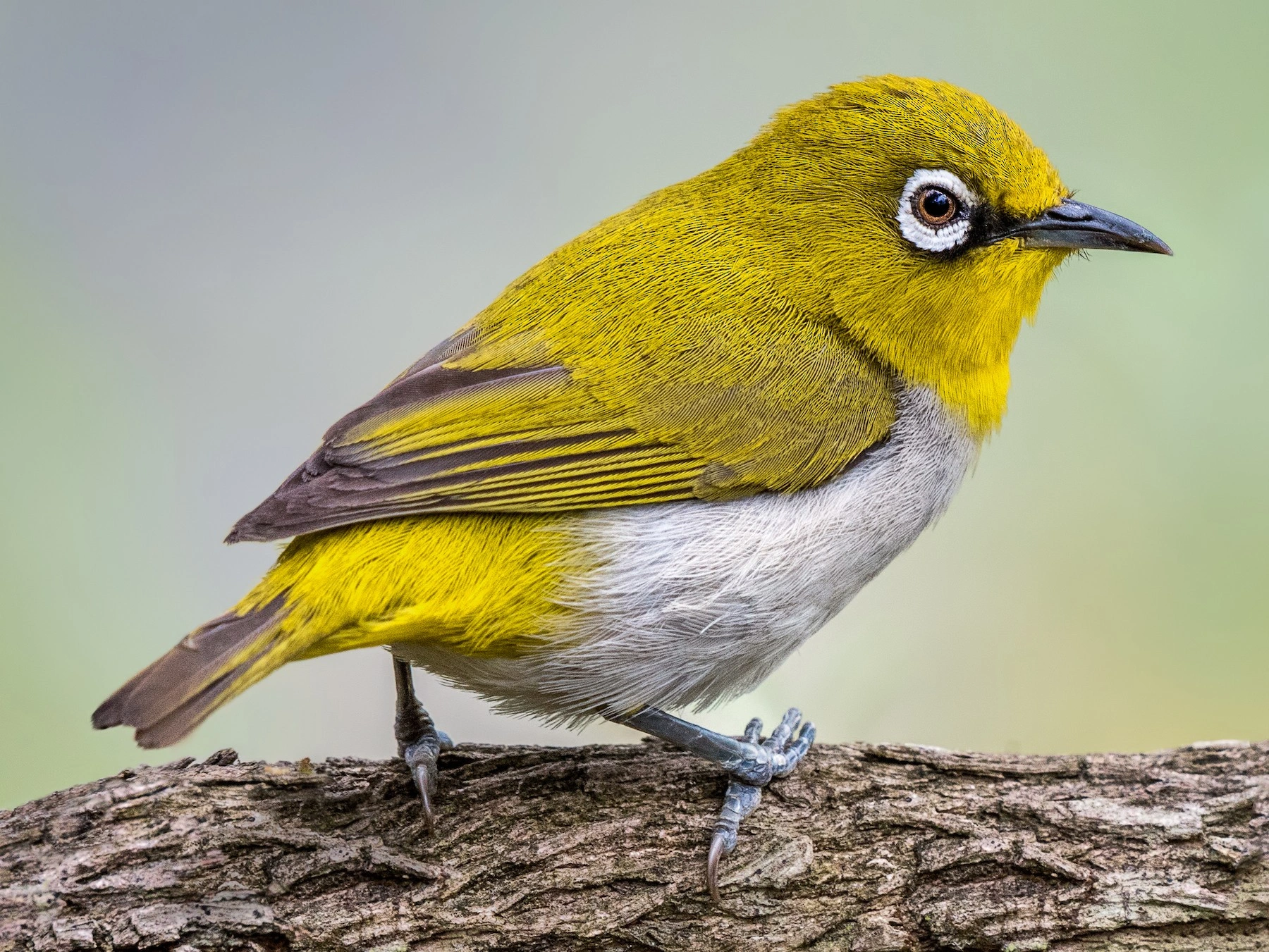
Indian White-eye
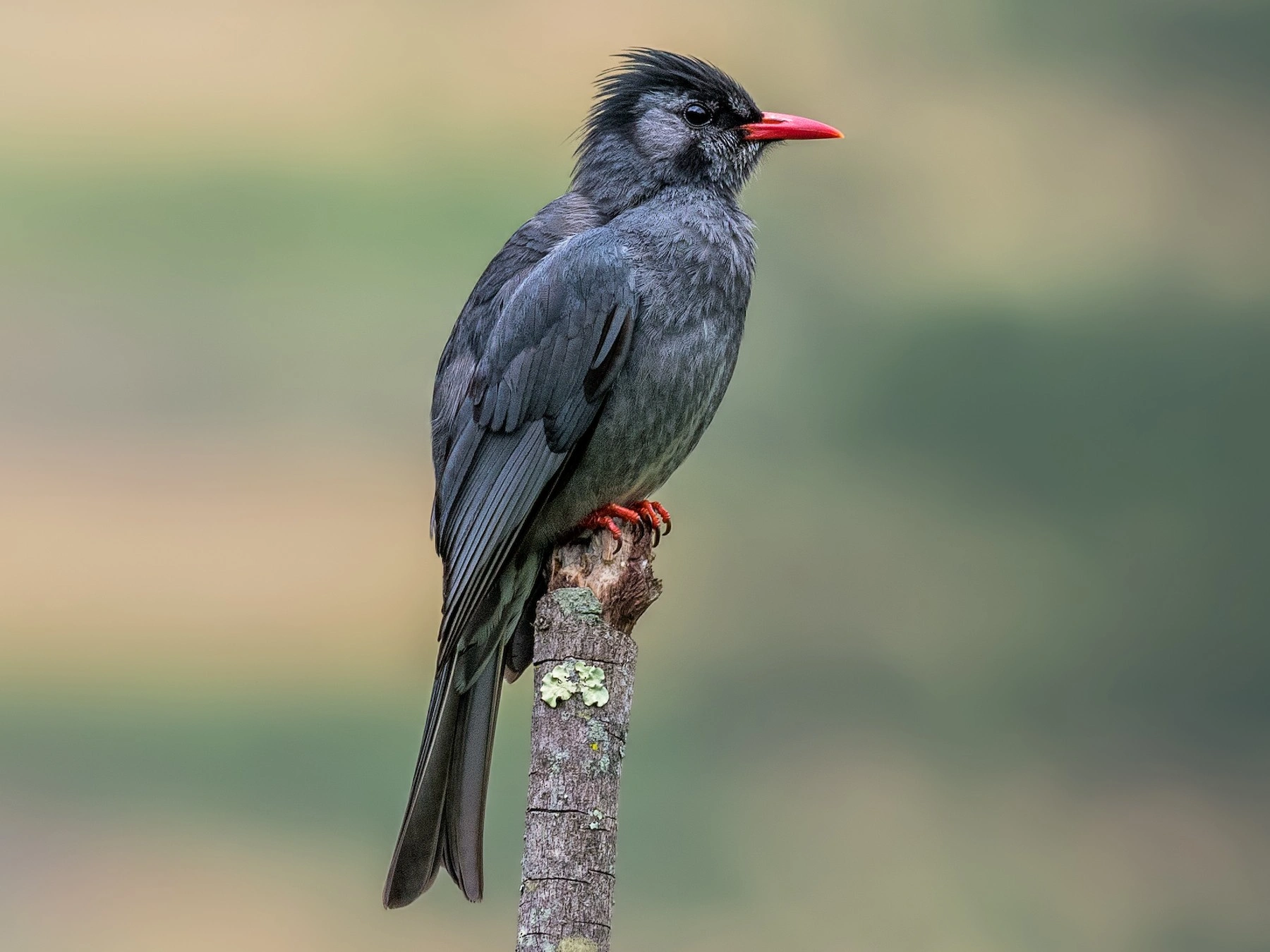
Himalayan Bulbul
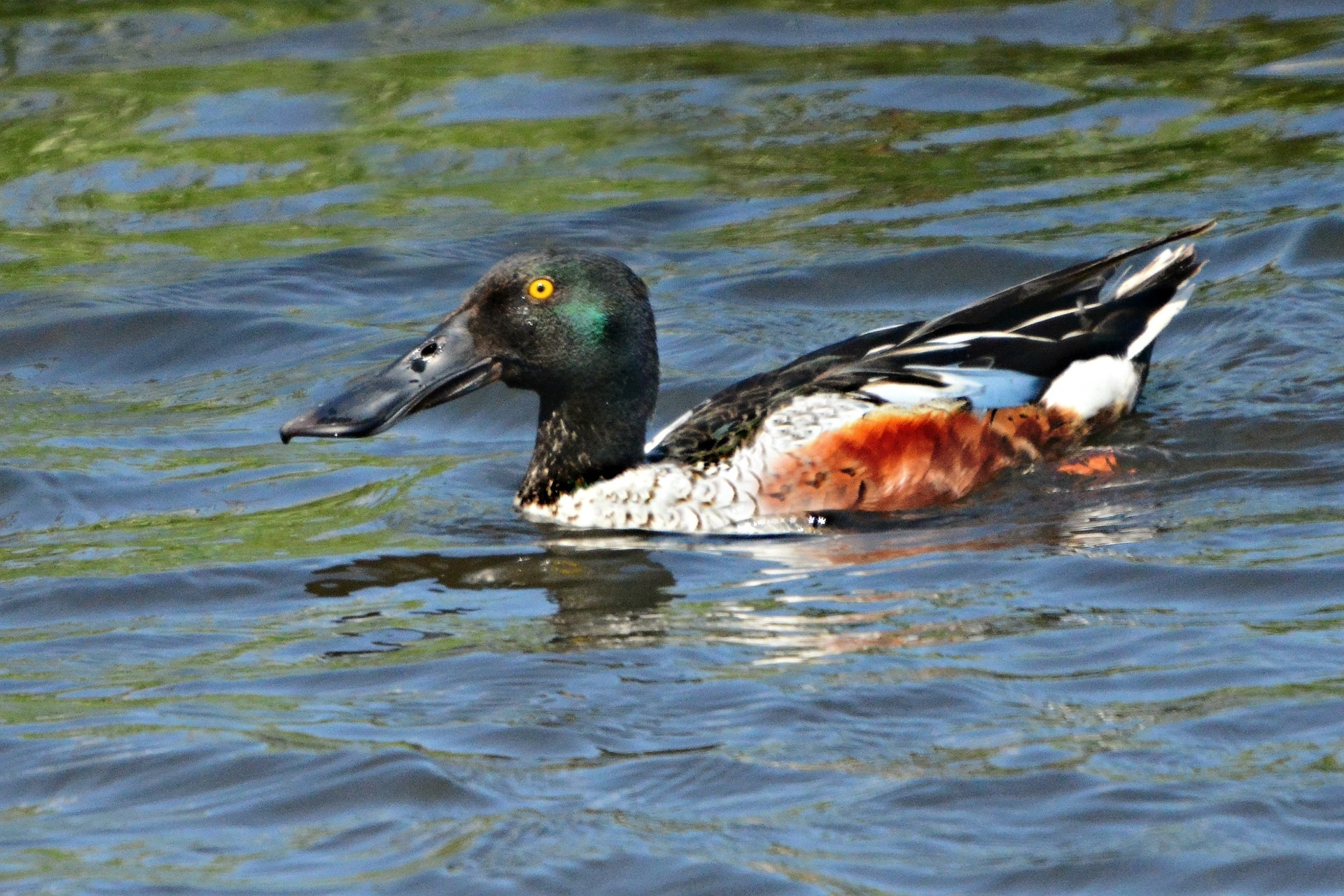
Northern Soveler
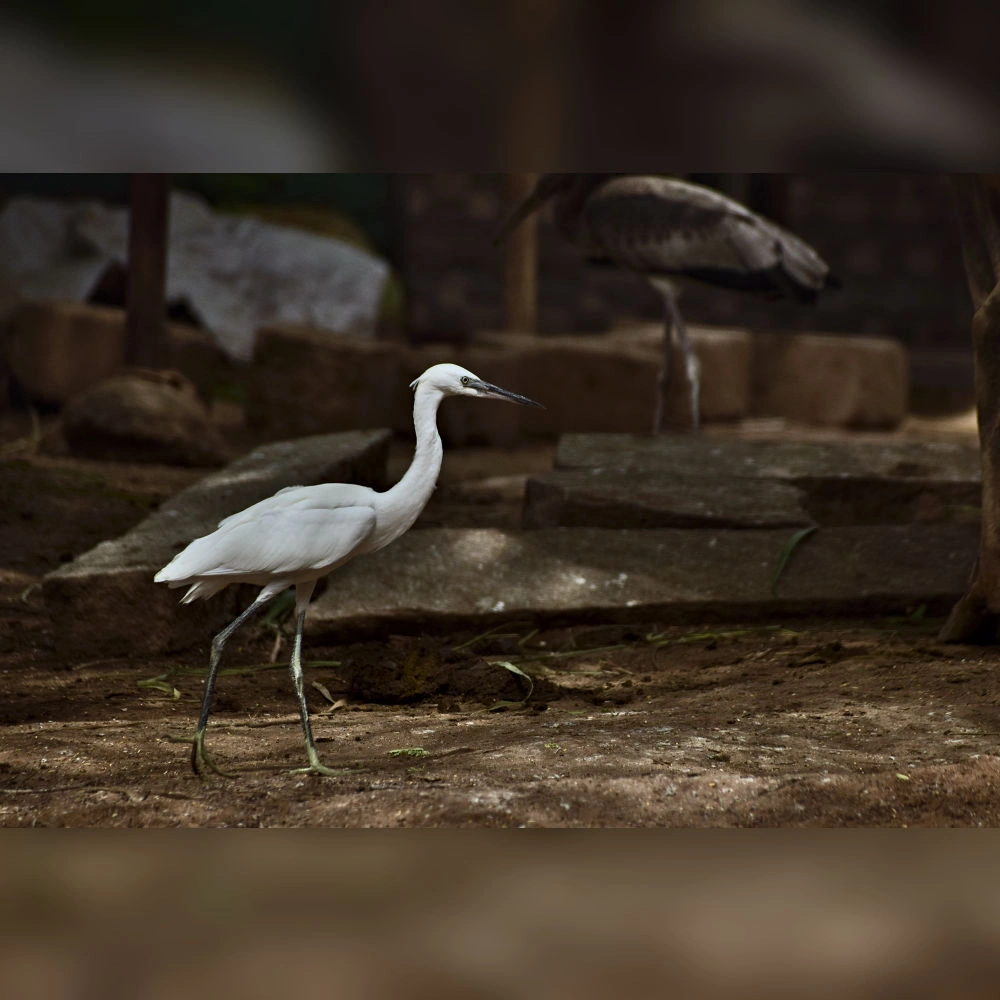
Little Egret
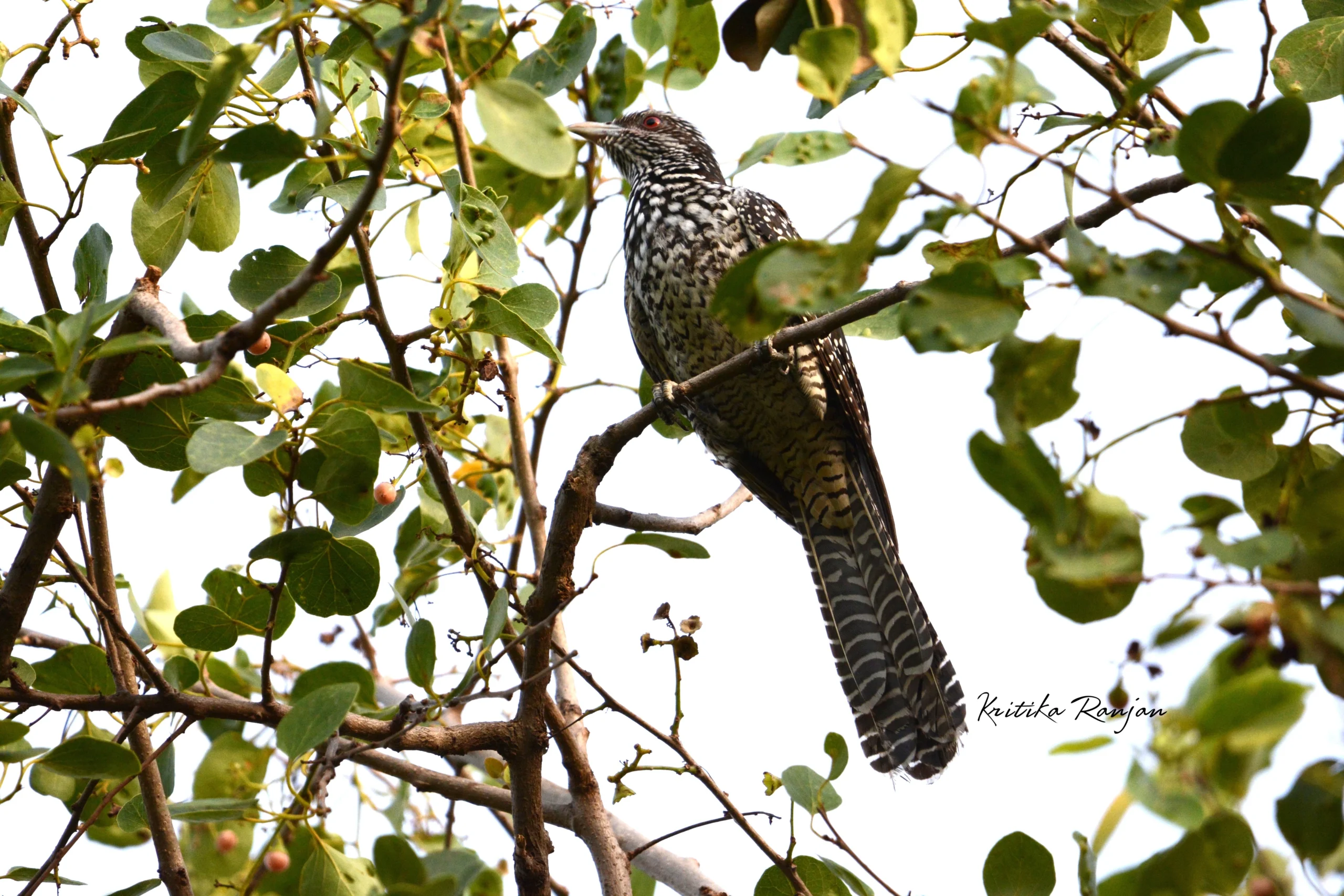
Asian Koel
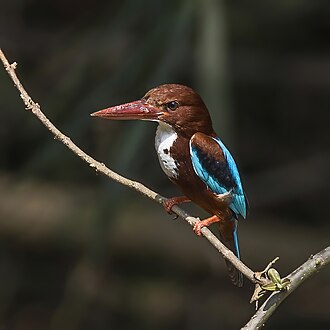
White-throated Kingfisher
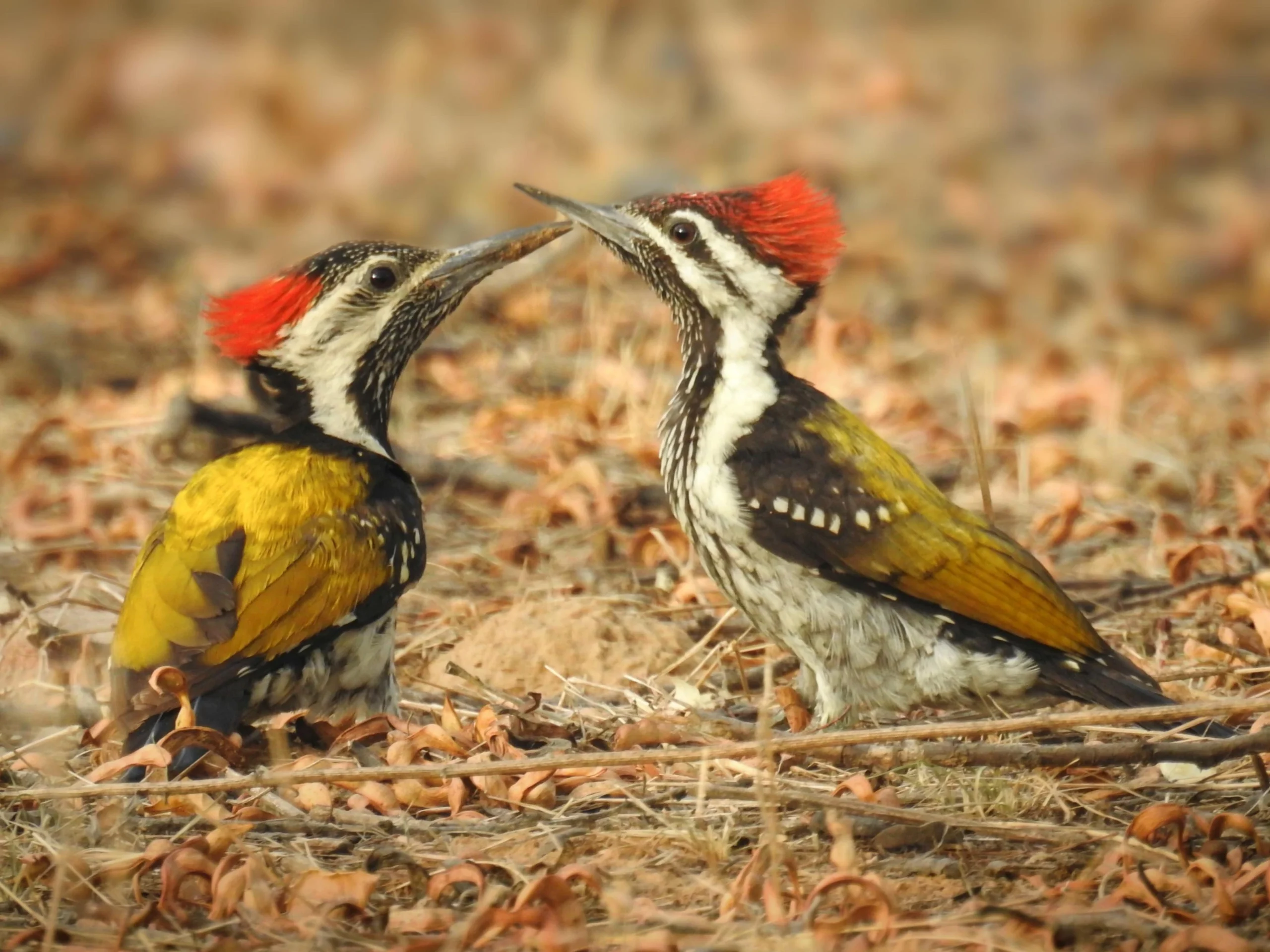
Lesser Flameback
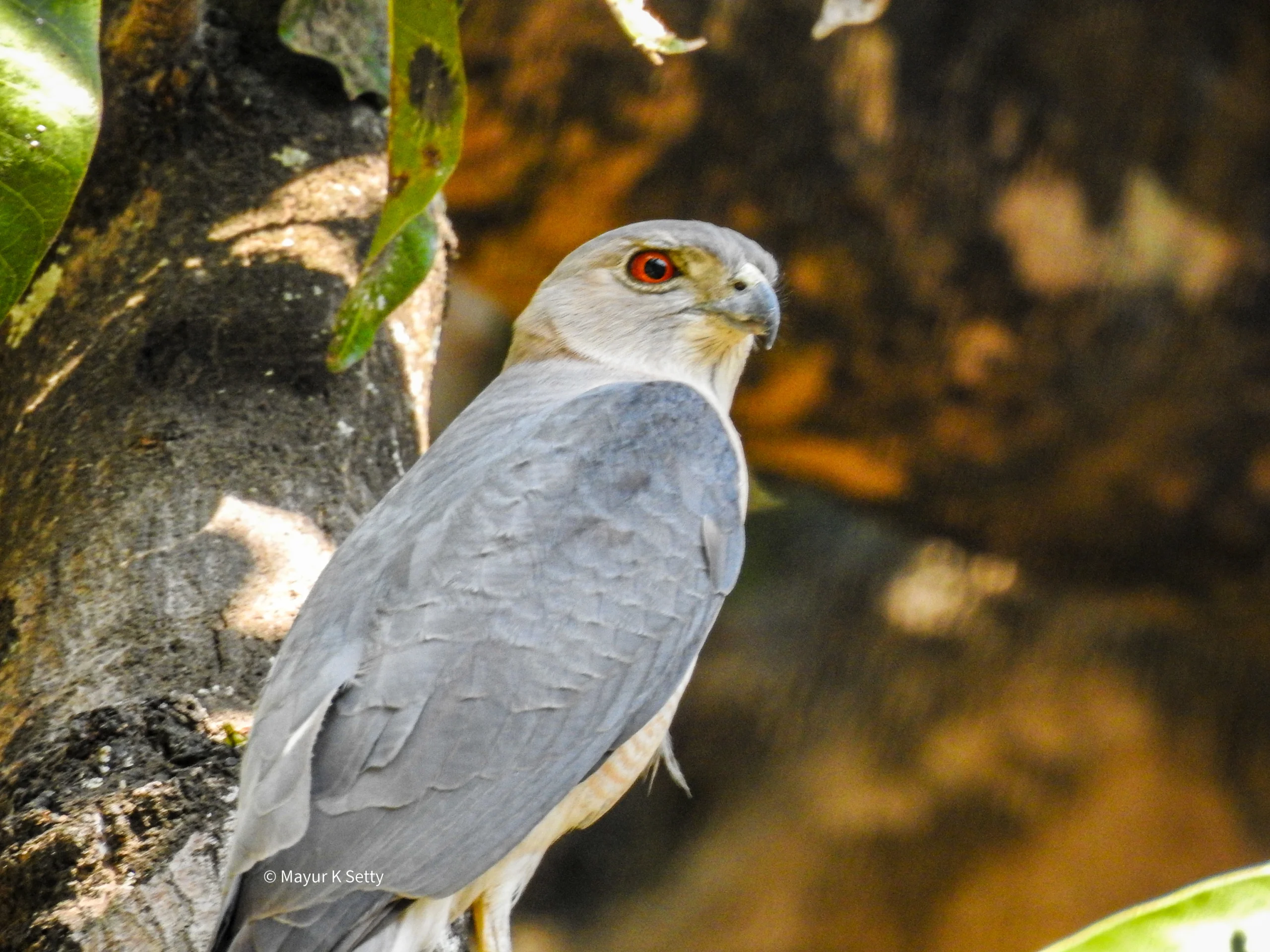
Shikra
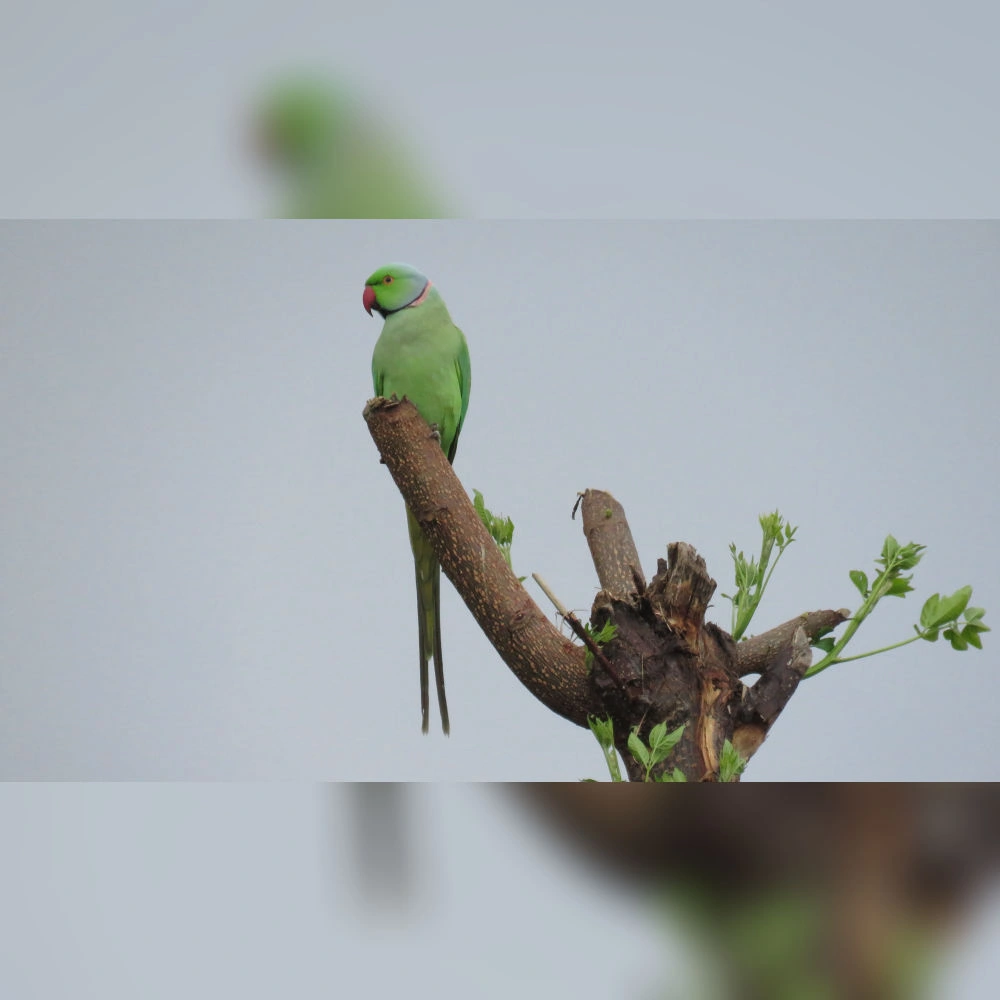
Rose-ringed Parakeet
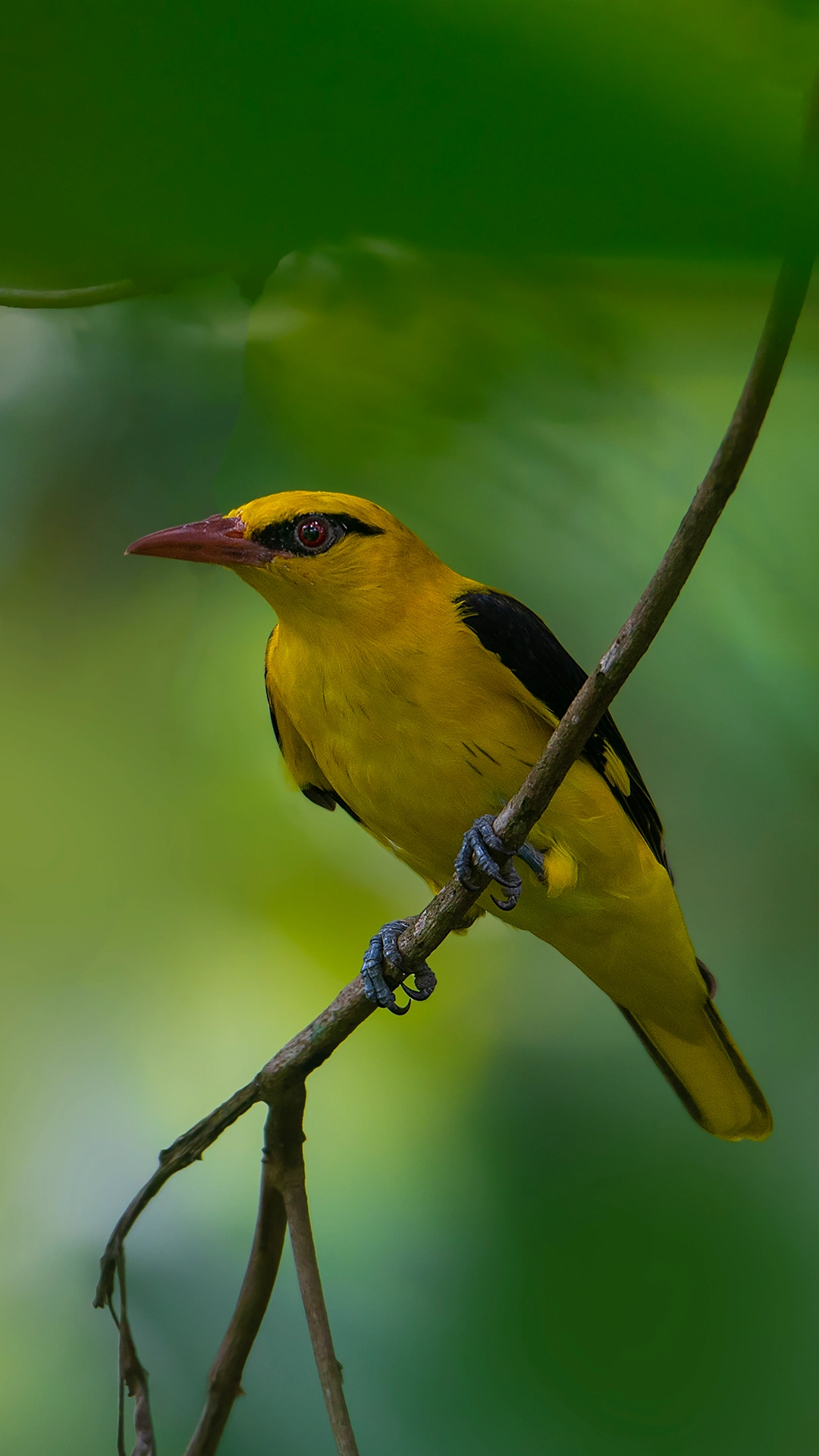
Indian Golden Oriole
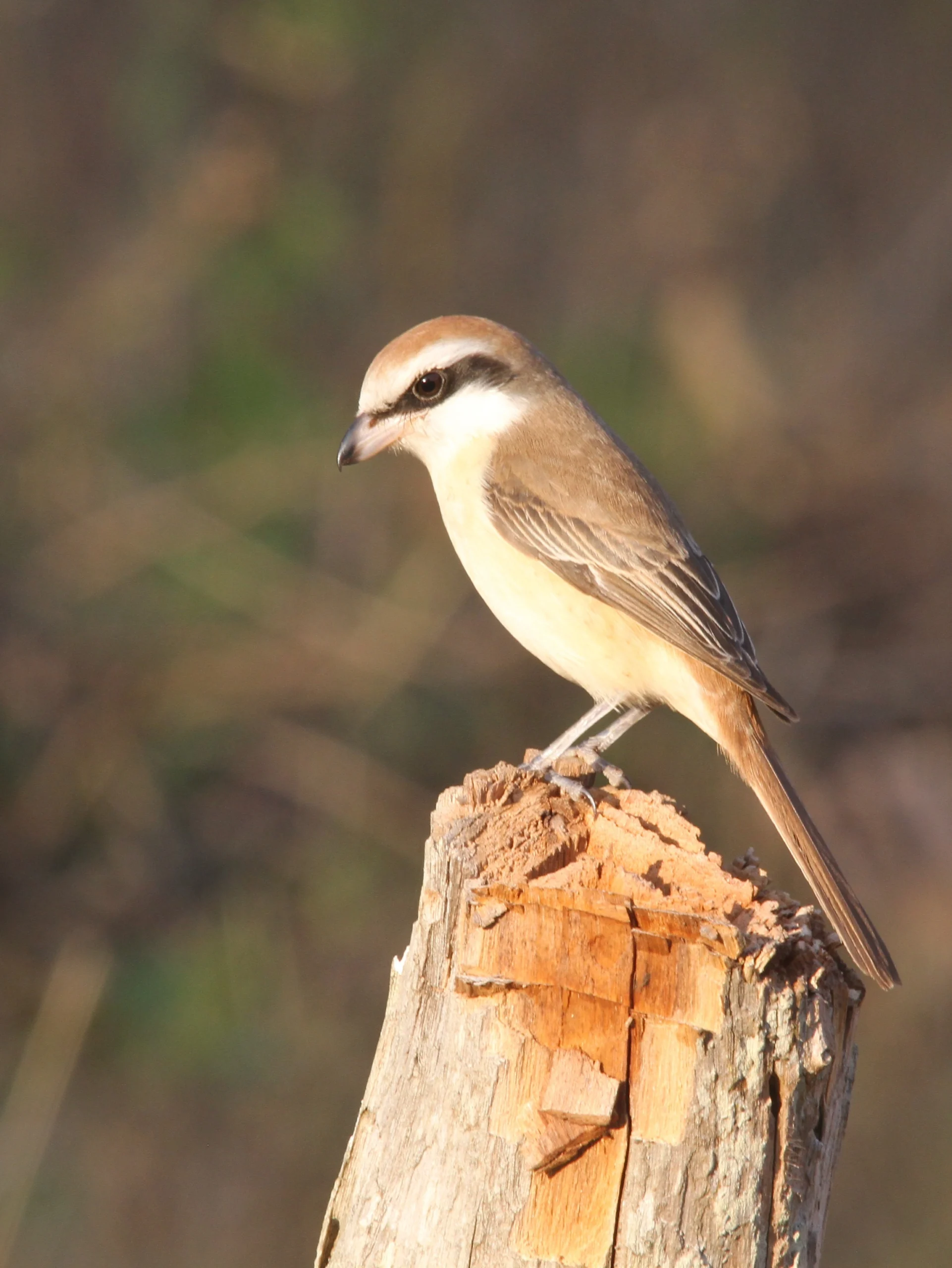
Brown Shrike
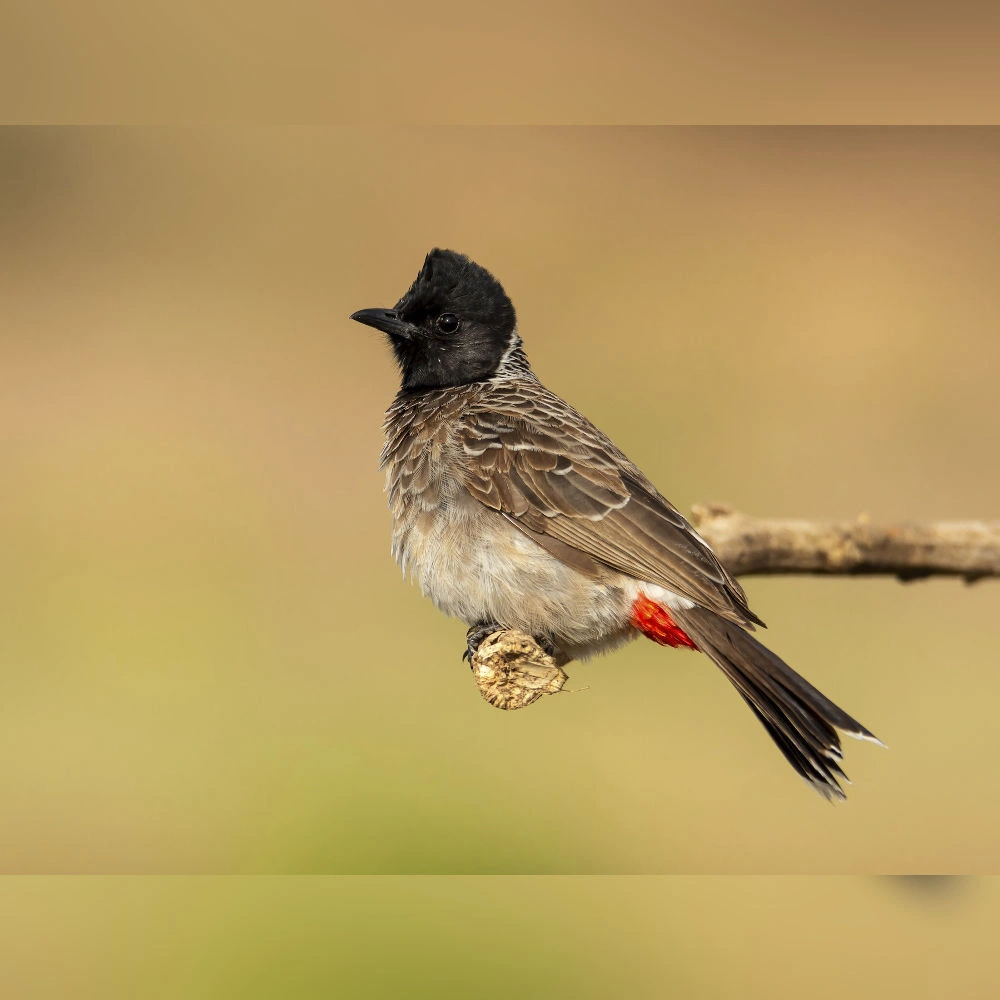
Red-vented Bulbul
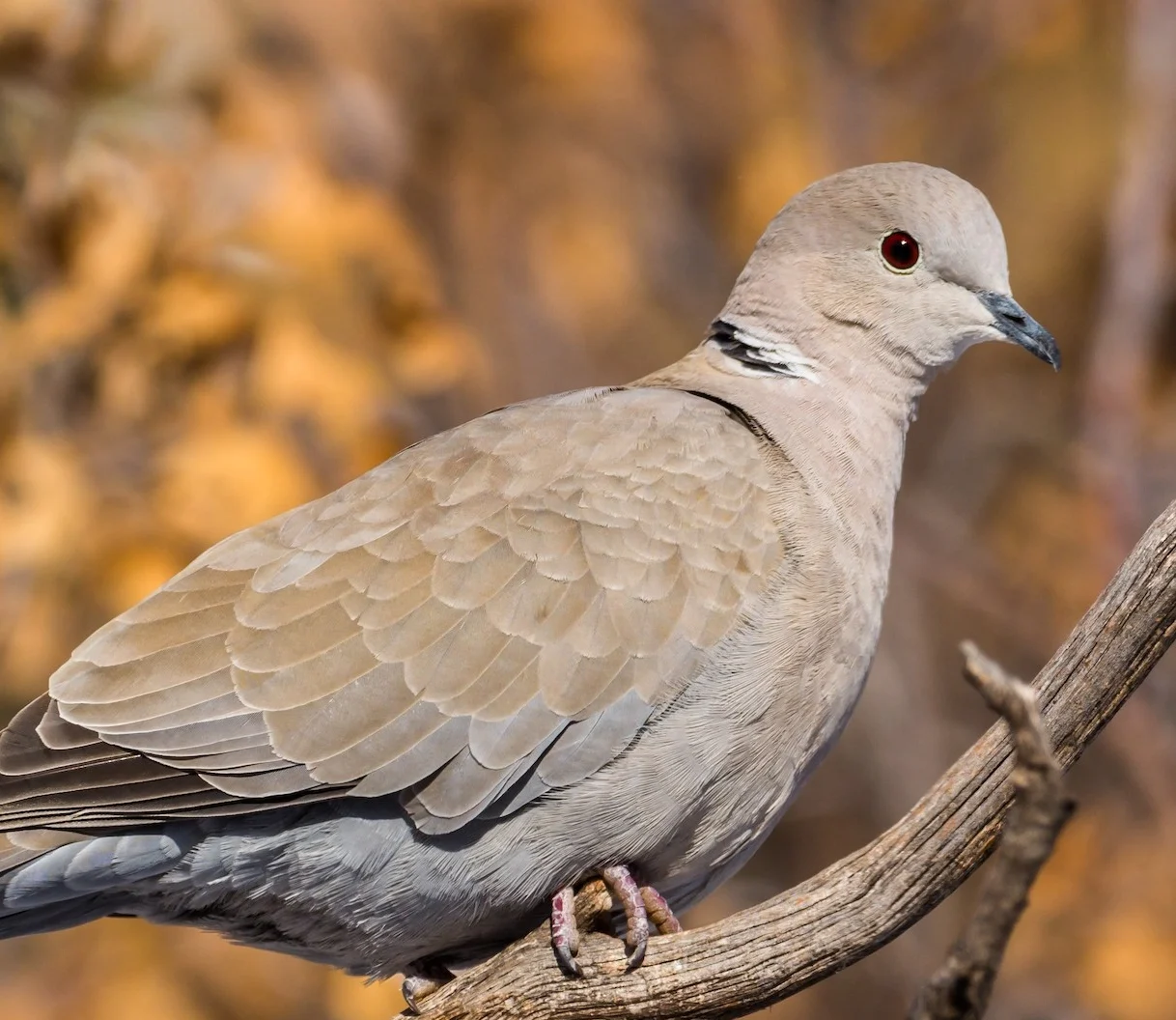
Eurasian Collared Dove
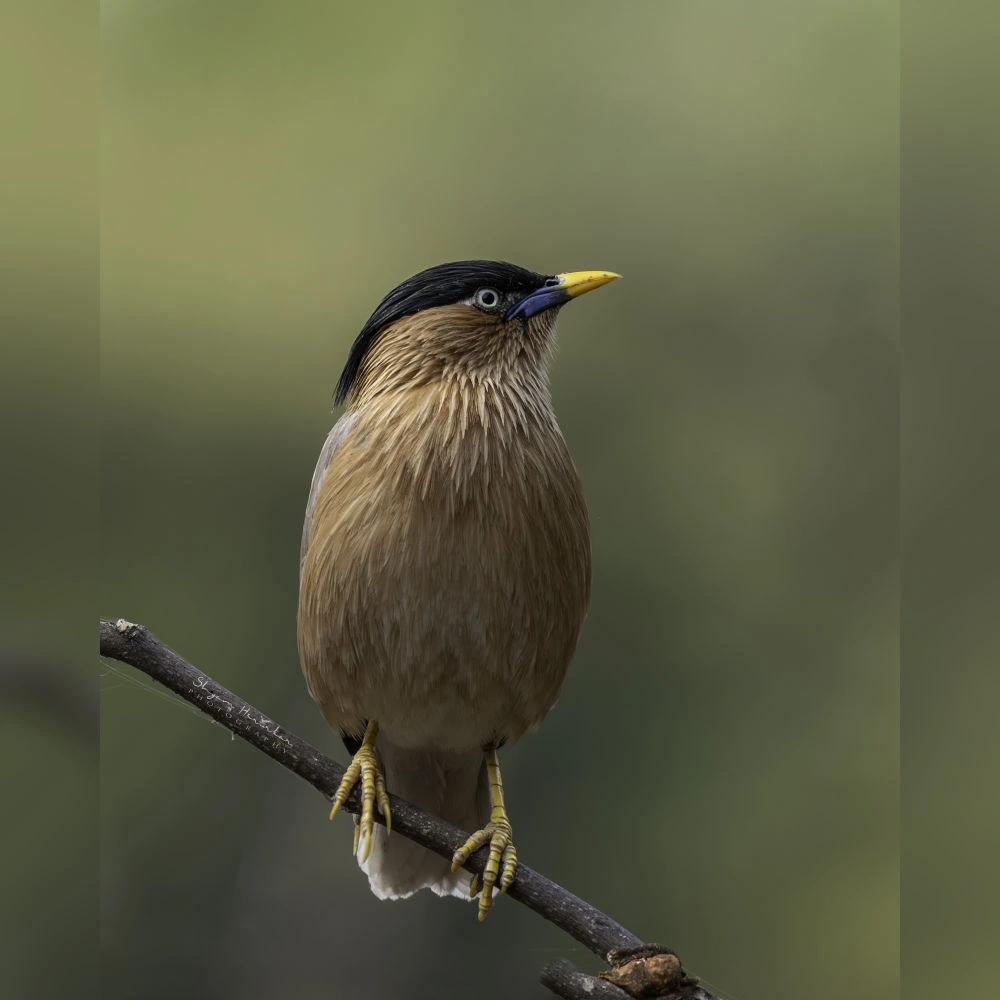
Brahminy Starling
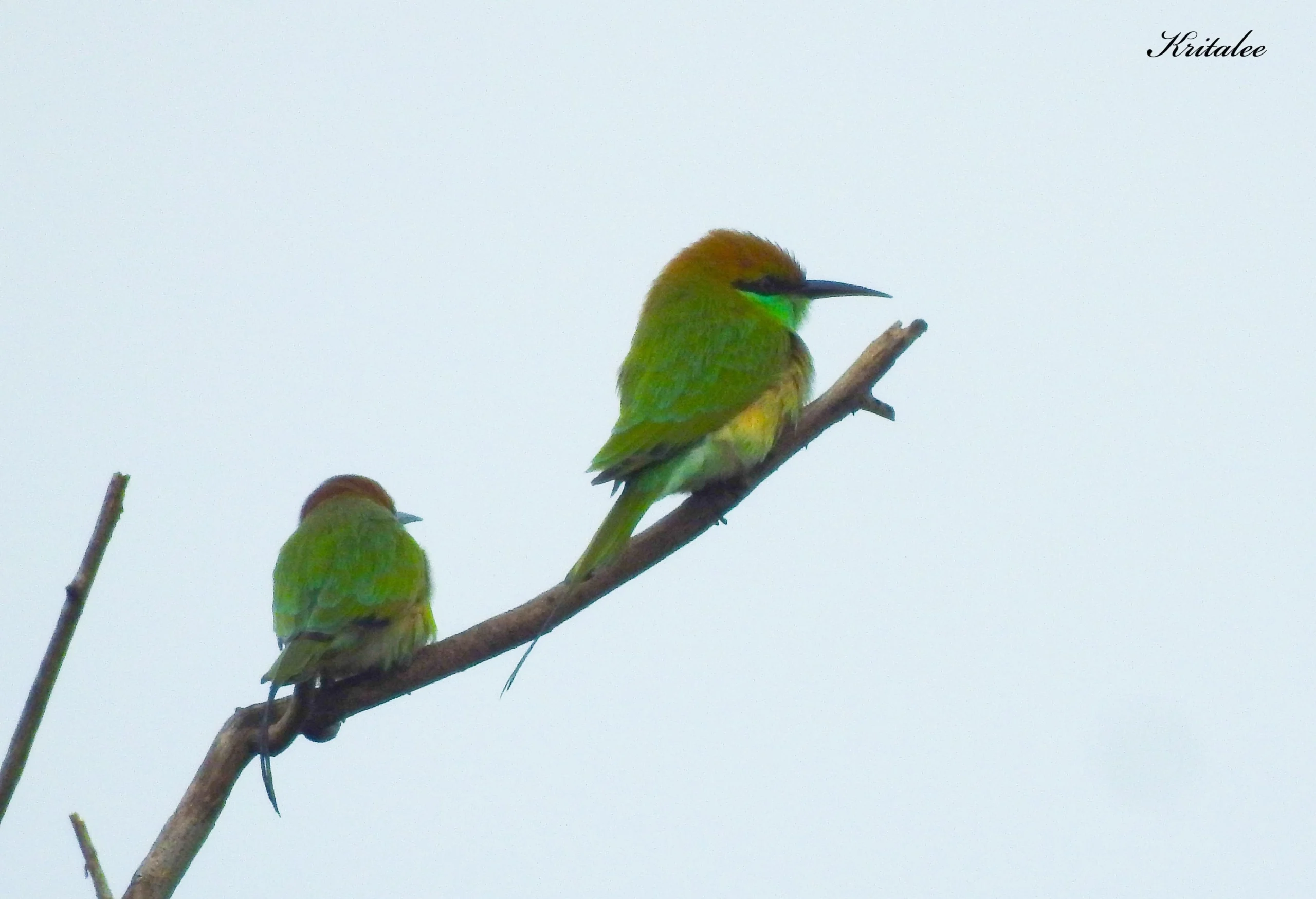
Asian Green Bee-eater
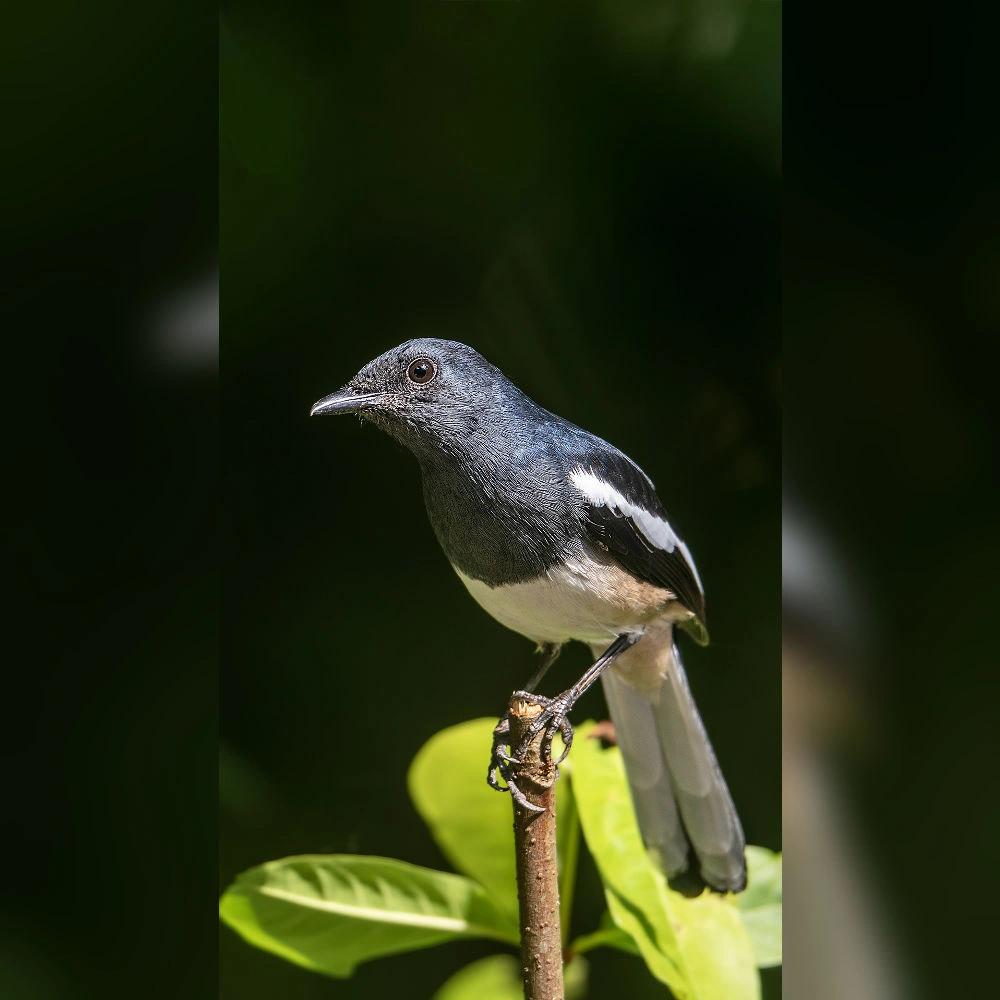
Oriental Magpie Robin
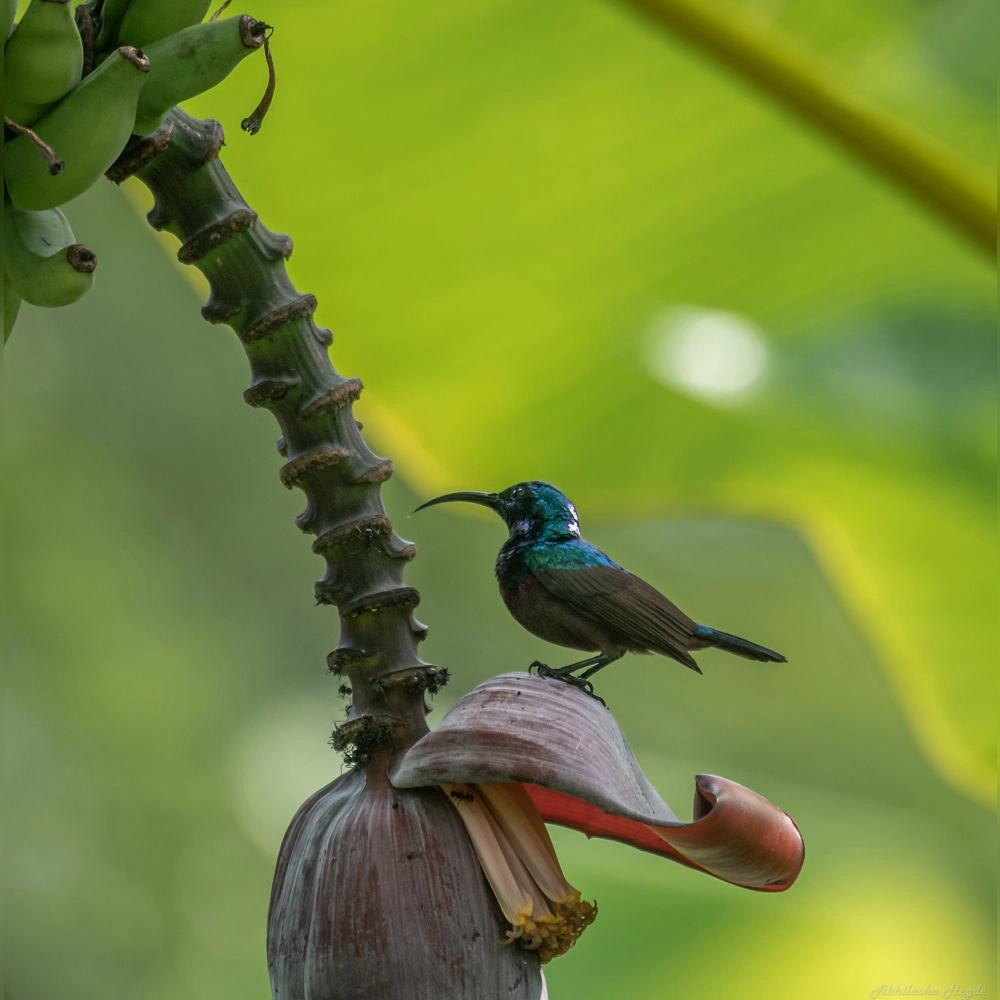
Purple Sunbird

- Fee collected goes entirely to the bird guide. Ataavi does not retain or profit from this amount.