

Loading Events

Bird Walk at Godavari gattu, Rajahmundry, AP

About Godavari Gattu

Along the banks of the Godavari, the long embankment known locally as the “gattu” offers one of the best places to watch life on peninsular India’s largest river. The Godavari rises near Nashik in Maharashtra and flows about 1,470 km east before emptying into the Bay of Bengal near Kakinada. Here, in its lower reaches, the river is broad and slow, scattered with sandbars, small islands, shallow channels and reedy margins, with paddy fields, coconut groves and village fields stretching beyond the bund. A walk along the gattu at dawn or dusk brings a steady procession of birds. Terns patrol the open water, kingfishers hover and plunge, cormorants and egrets fish in the shallows, lapwings and plovers run across the sandbars, and swallows sweep low over the river. Kites circle overhead, while bee-eaters and other birds perch along the bund itself.

The Godavari, however, is a river under strain. Along its course, sand mining and the discharge of effluents have harmed riverside habitats and bird diversity. Sandbars, where birds such as terns and lapwings nest, are also disturbed by boats, people and grazing. Changing river flows from upstream dams, sewage from growing towns and the loss of riverside vegetation add further pressure. Protecting the sandbars and keeping the river clean will help ensure that the Godavari remains a lifeline for birds as well as people.

Bird Guide: Chaitanya Reddy Kinnerla

Bird walk Location

Common birds of Godavari Gattu

The Godavari bund is a wonderful vantage point for river birds. Over the water, the River Tern patrols with its bright yellow bill, joined by the dainty Little Tern and the Whiskered Tern, all plunging or dipping for fish. The Pied Kingfisher hovers before diving headfirst, the tiny Common Kingfisher flashes past in blue, and the White-throated Kingfisher calls loudly from perches along the bank. Little Cormorants fish in busy groups, while Indian Pond Herons, Little and Great Egrets, and the stately Gray Heron hunt along the shallows. On the sandbars, Red-wattled Lapwings keep a noisy watch, Little Ringed Plovers dash across the sand and Common Sandpipers bob along the water’s edge. Overhead, Brahminy and Black Kites circle above the river, while Barn and Wire-tailed Swallows sweep low over the water. Along the bund, Asian Green Bee-eaters sally after insects, Pied Bushchats perch on bushes, and Black Drongos watch from wires and posts.

Munia
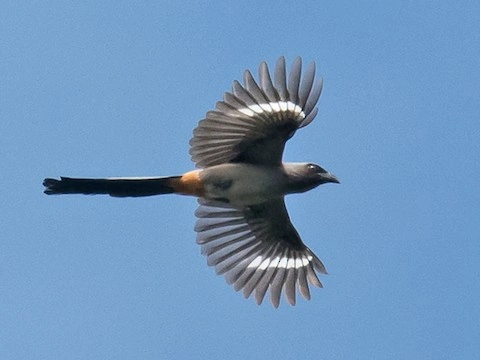
Treepie
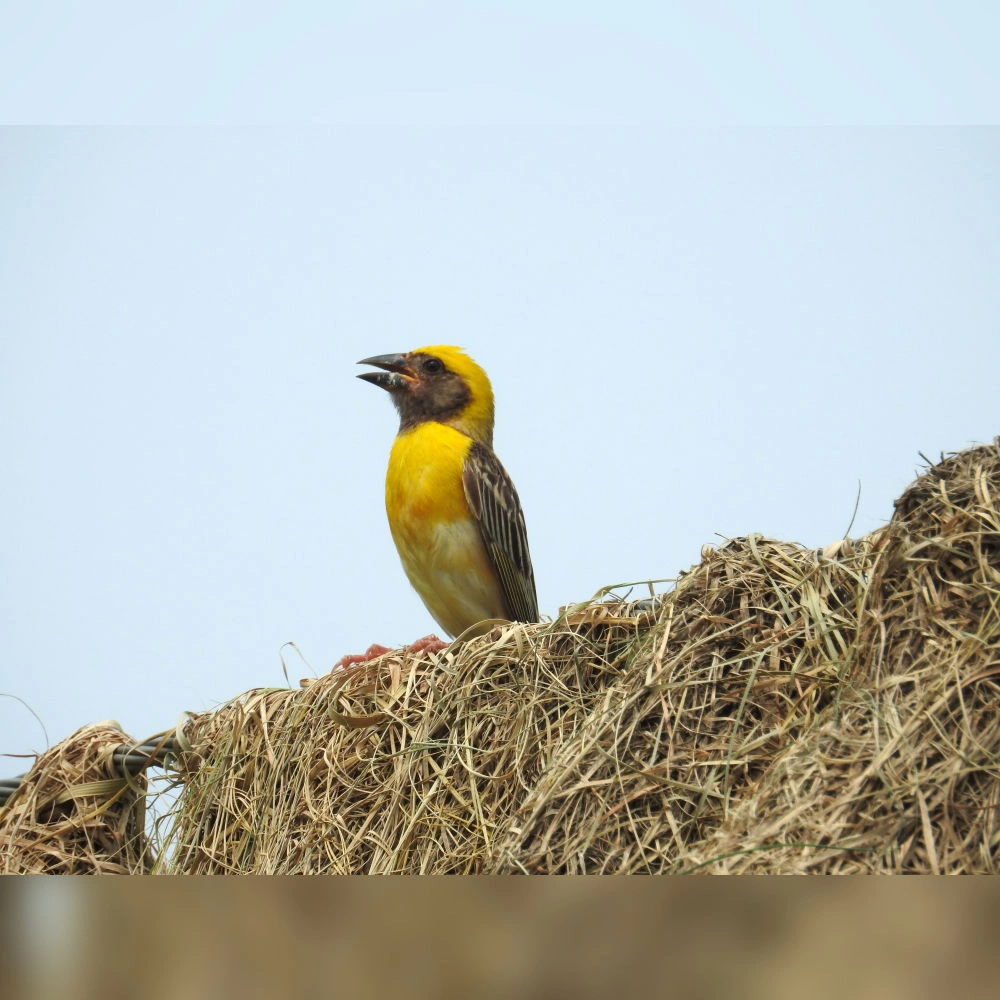
Baya Weaver
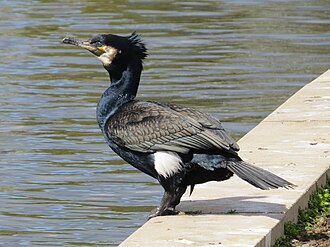
Cormorant
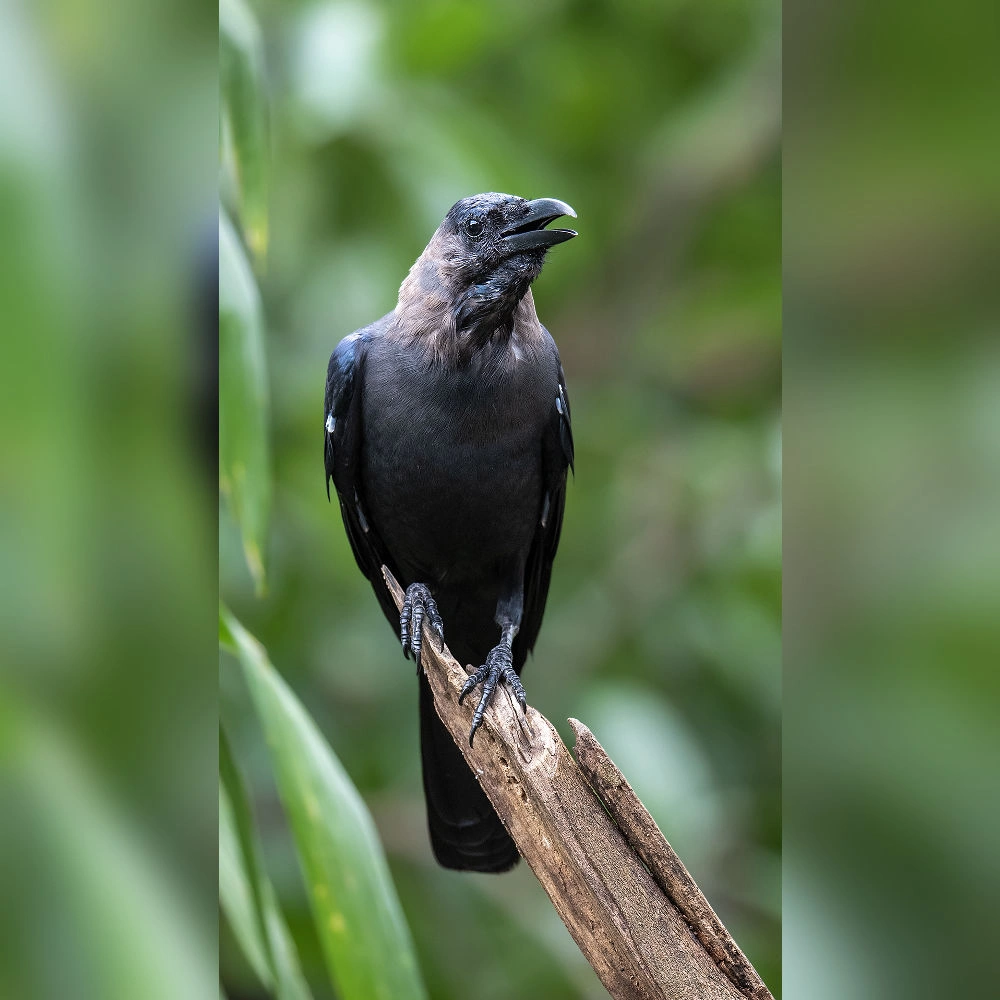
Crow
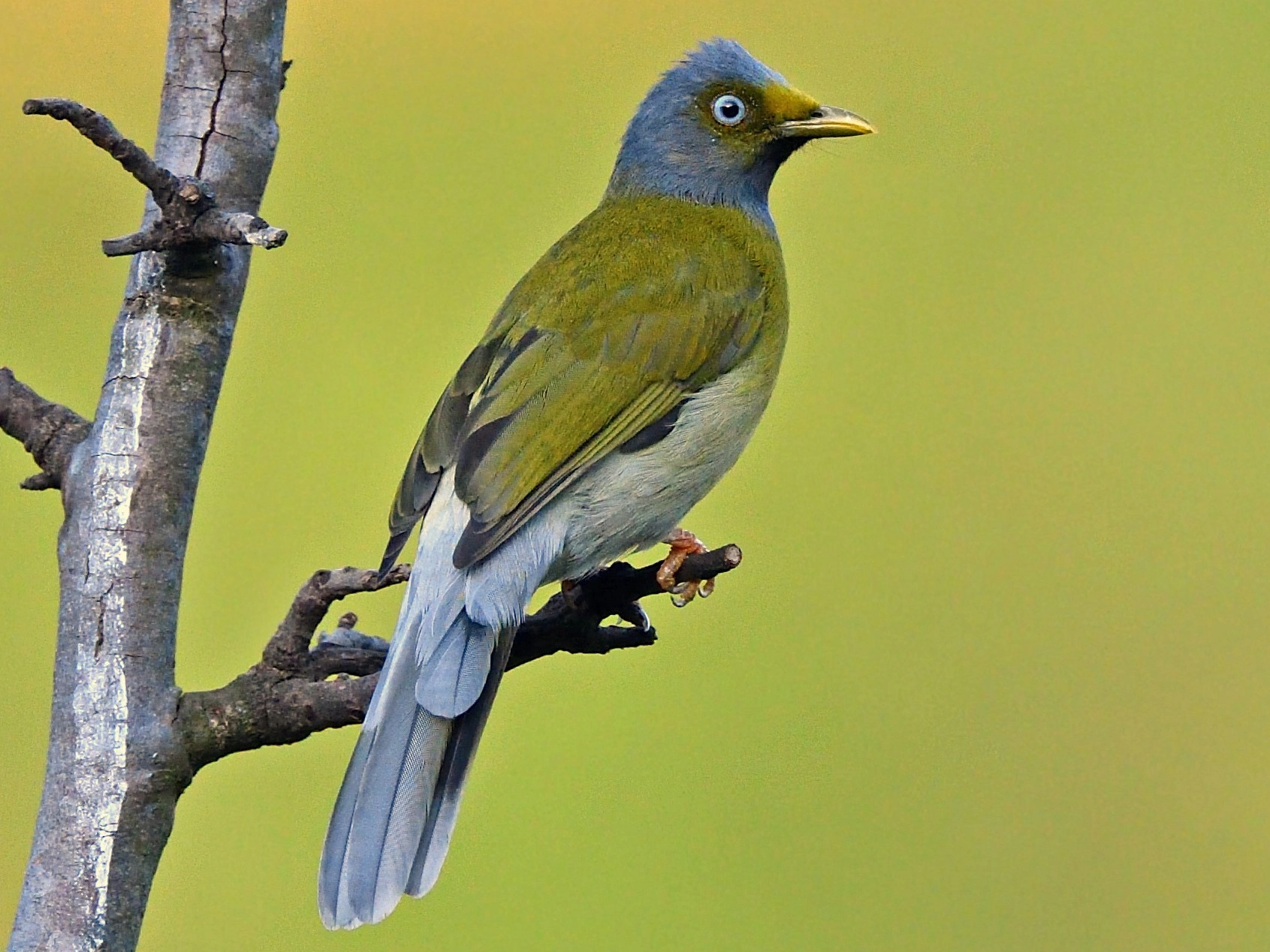
Bulbul
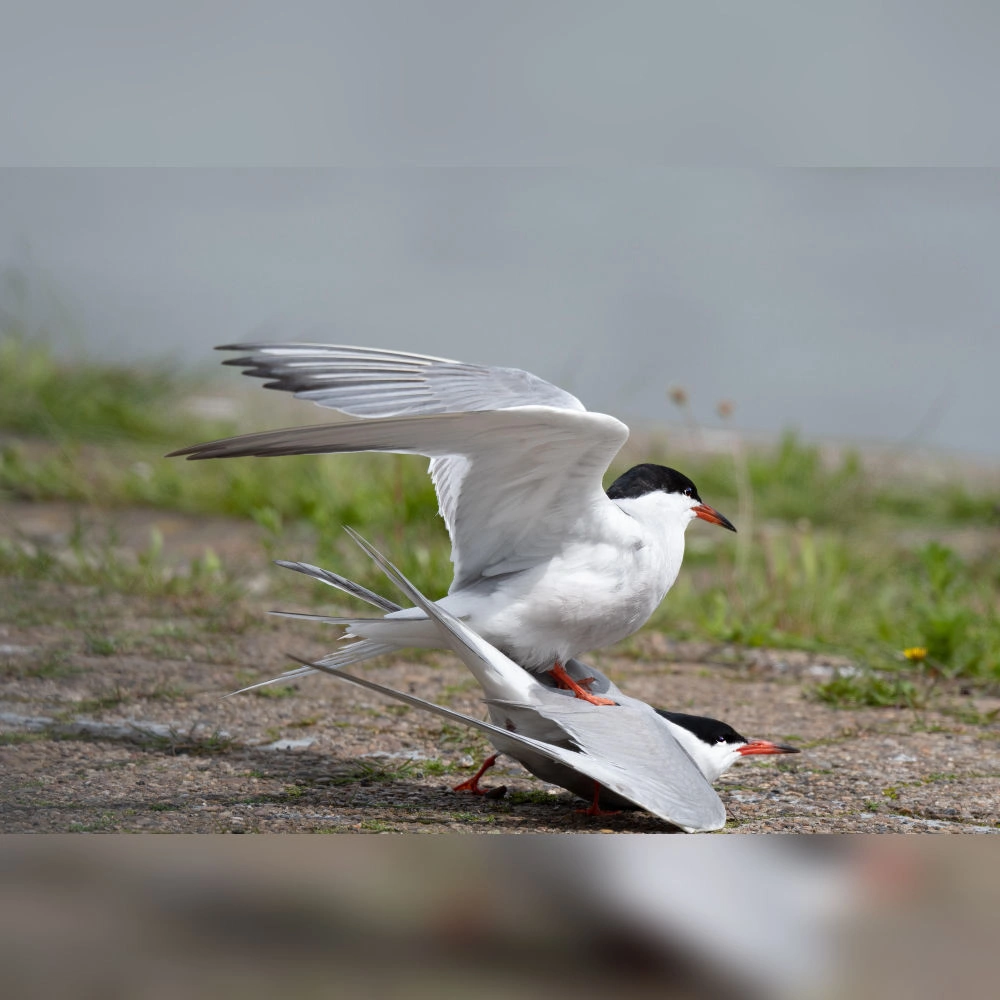
River Tern
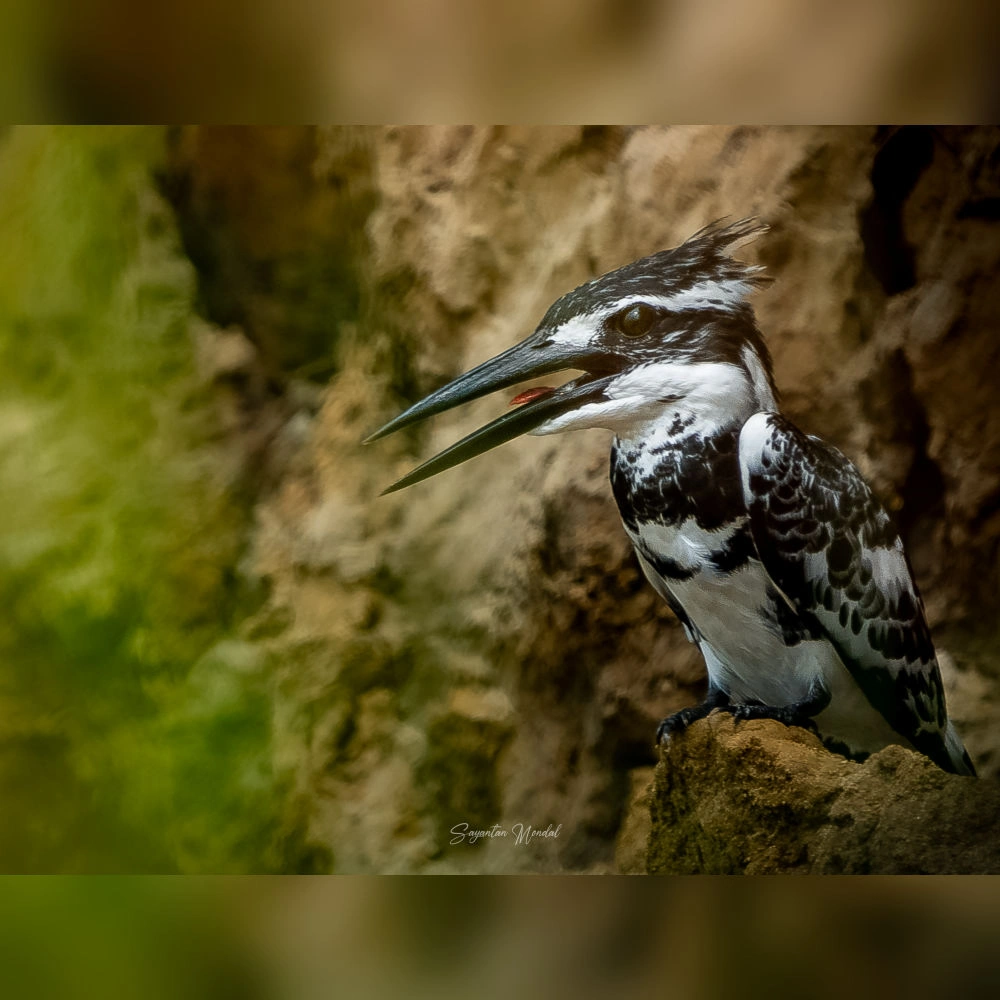
Pied Kingfisher
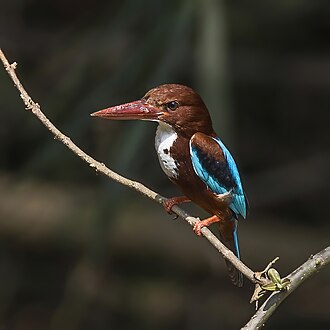
White-throated Kingfisher
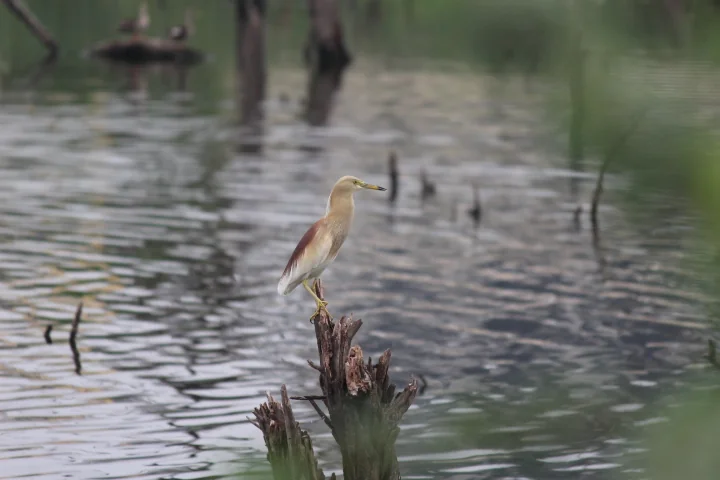
Indian Pond Heron
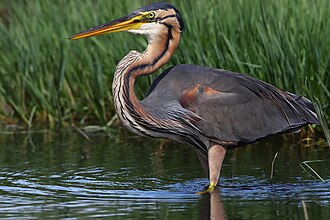
Purple Heron
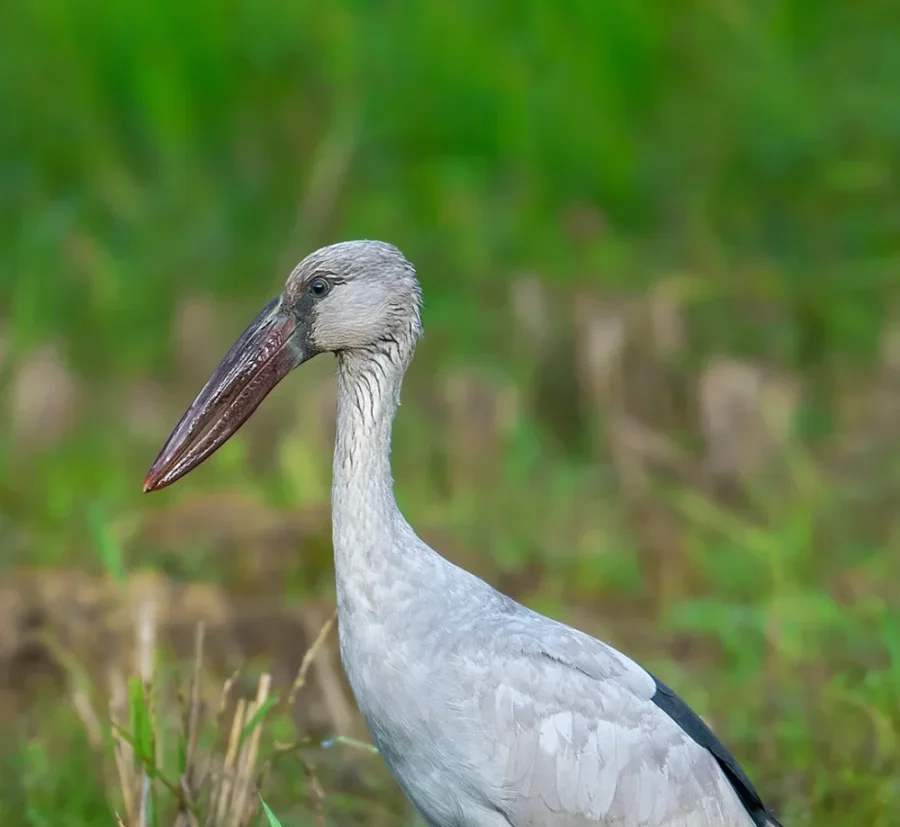
Asian Openbill
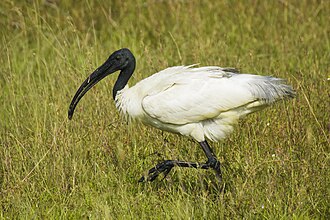
Black-headed Ibis
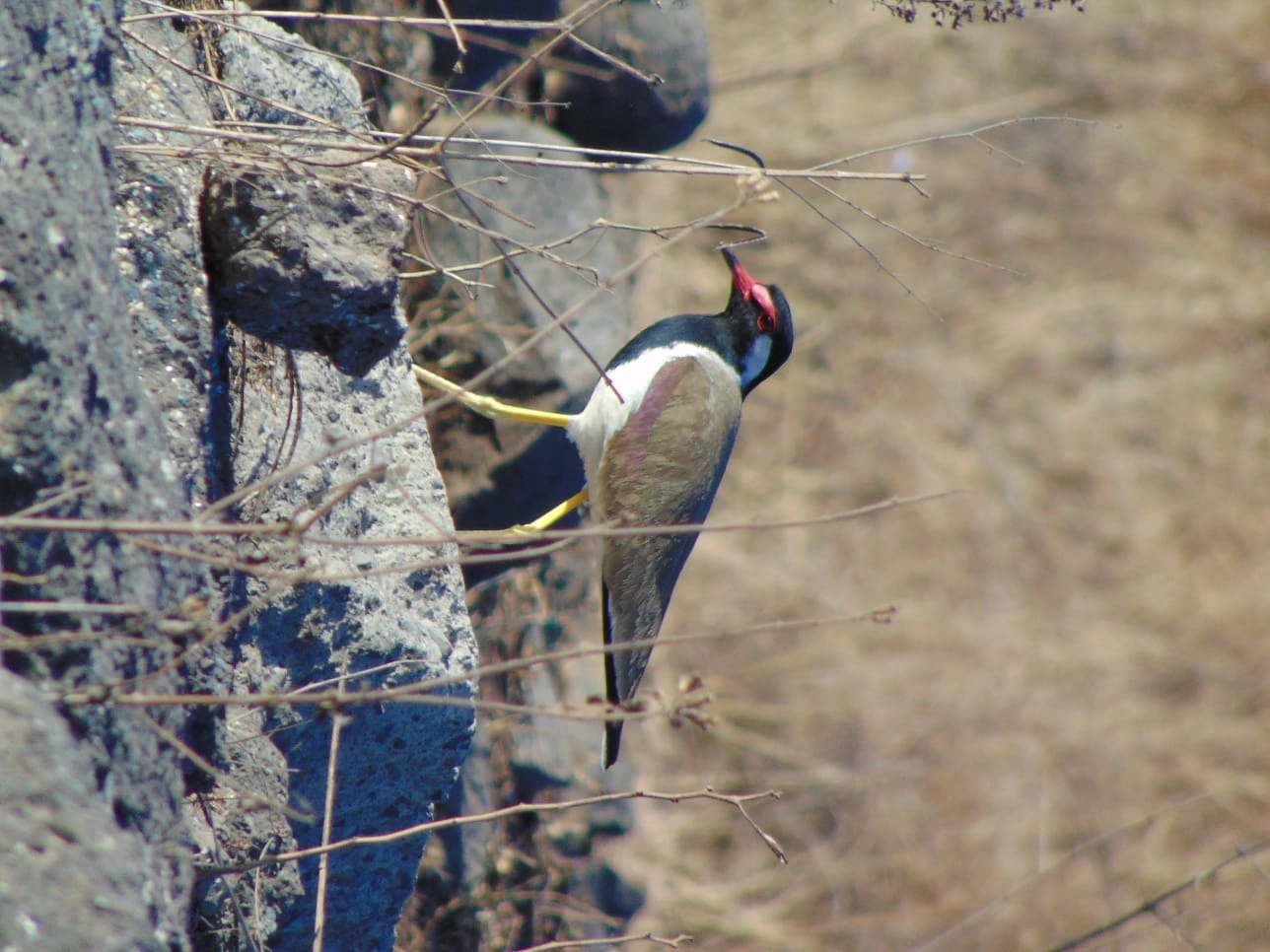
Red-wattled Lapwing
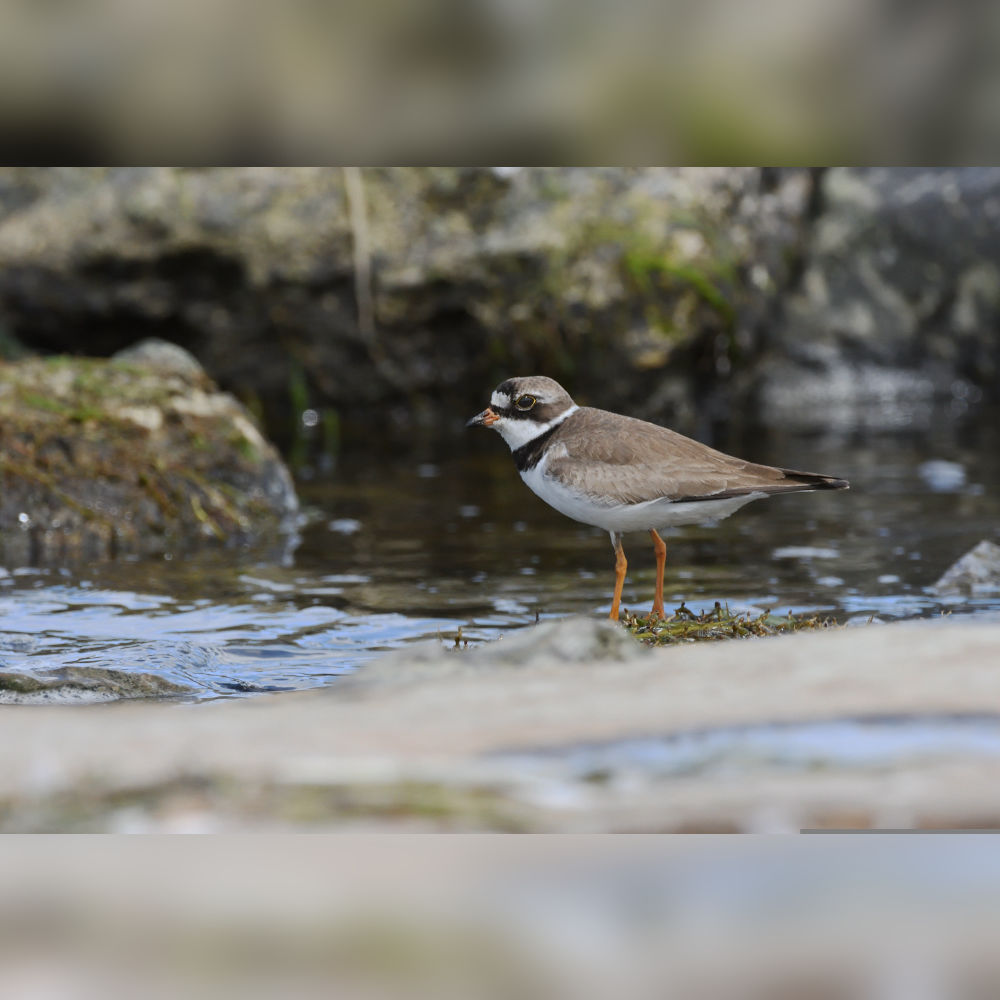
Little Ringed Plover
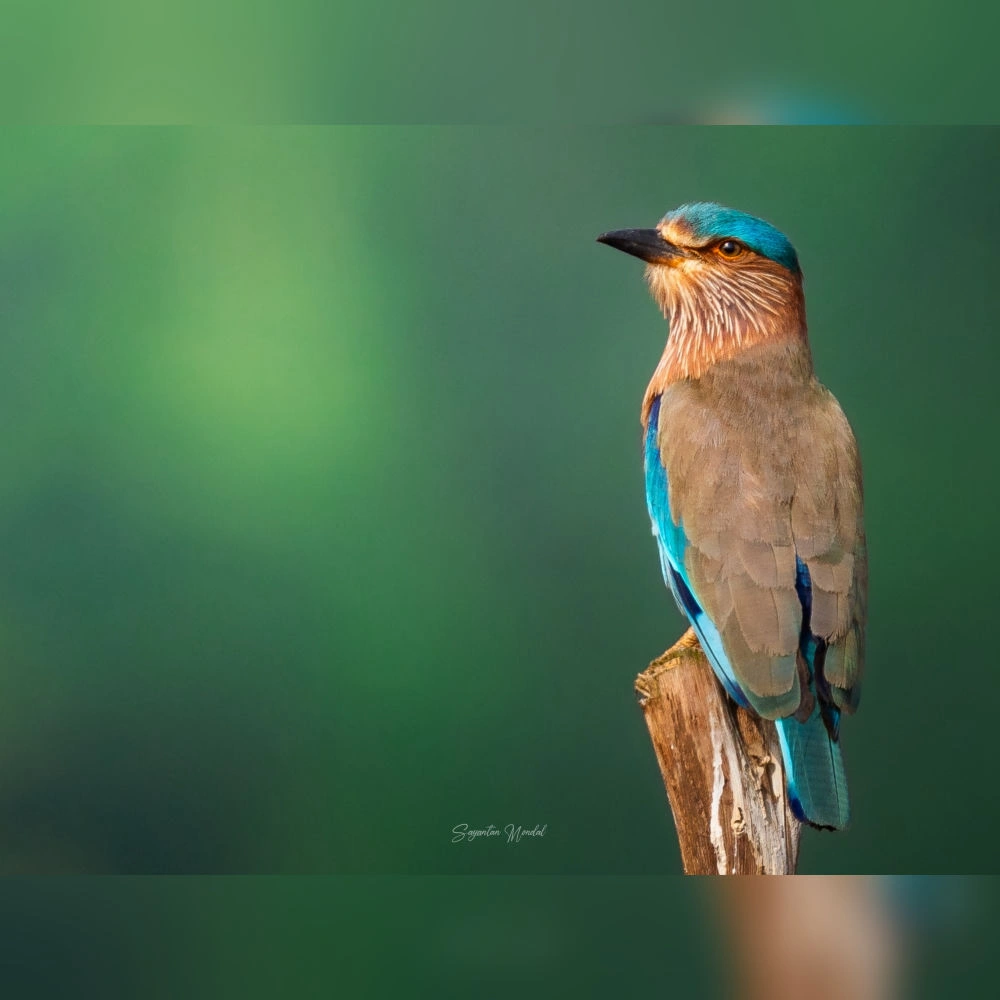
Indian Roller
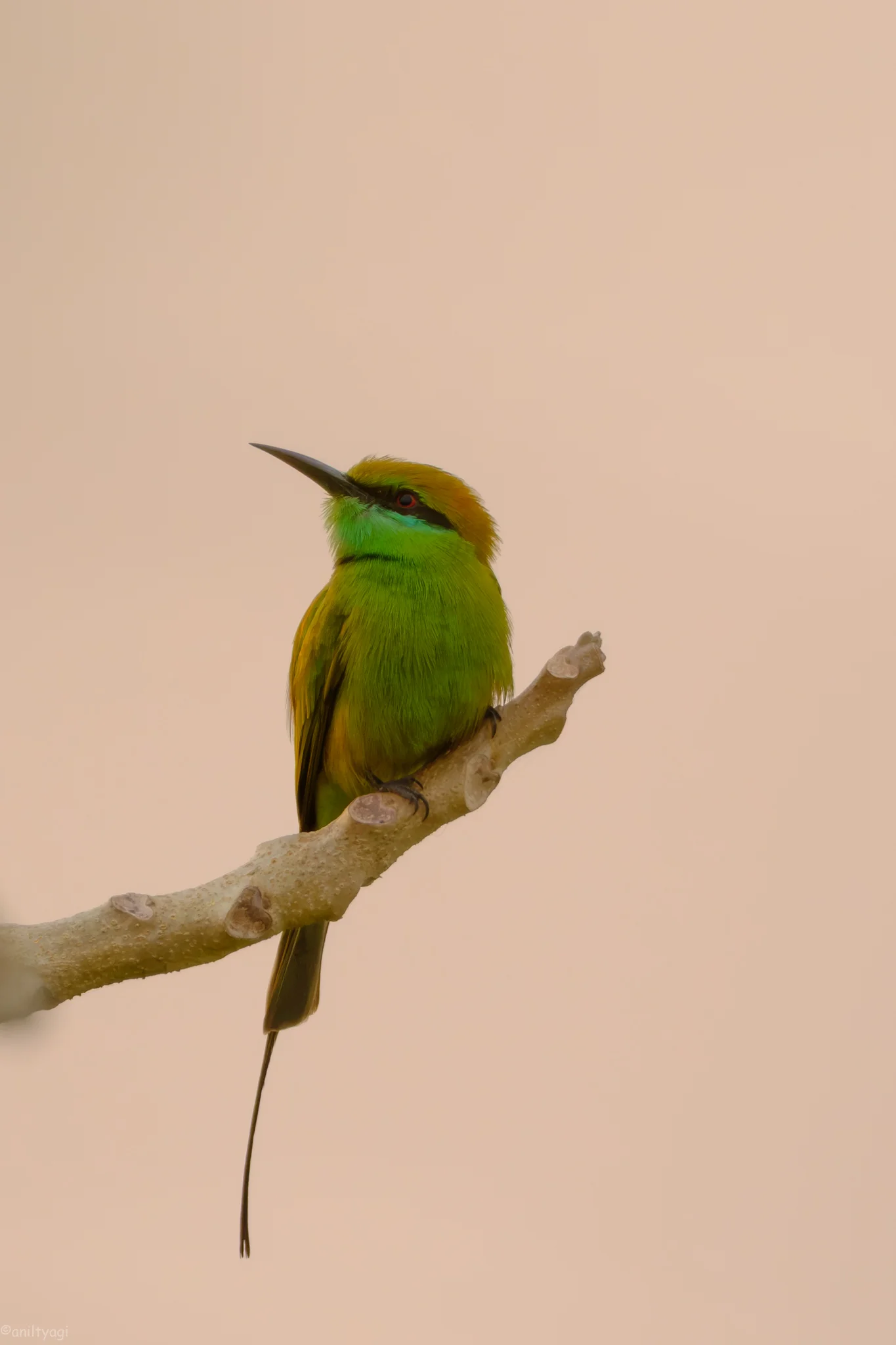
Asian Green Bee-eater
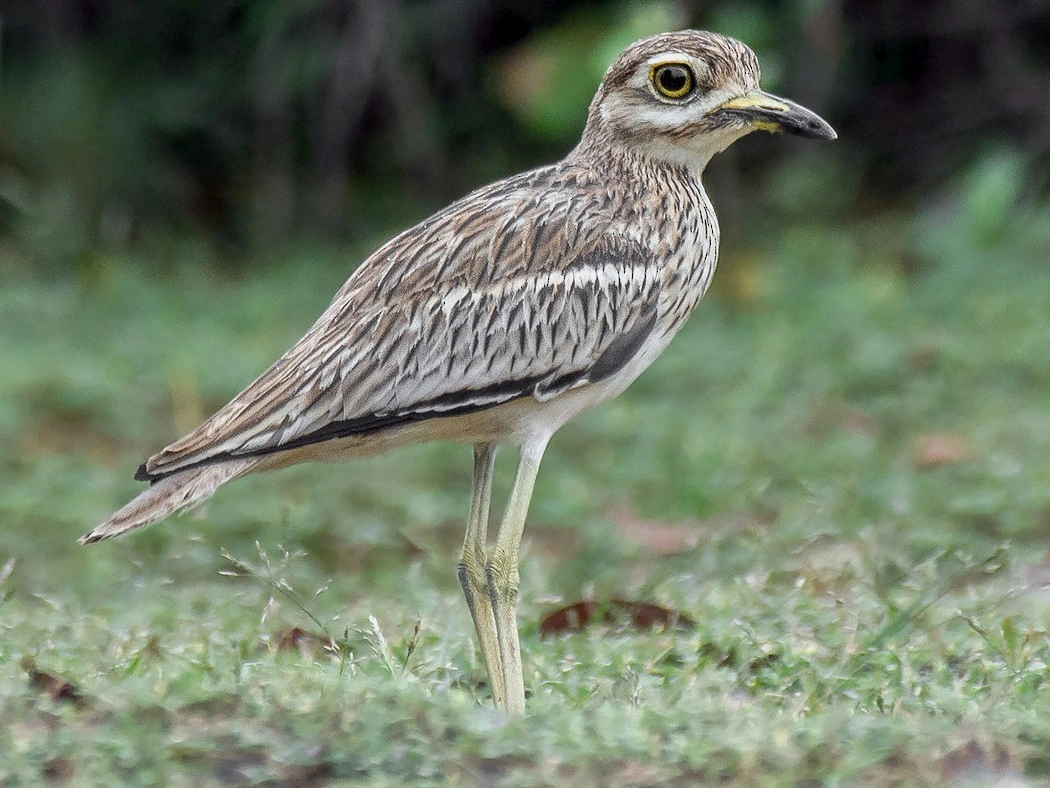
Indian Thick-knee
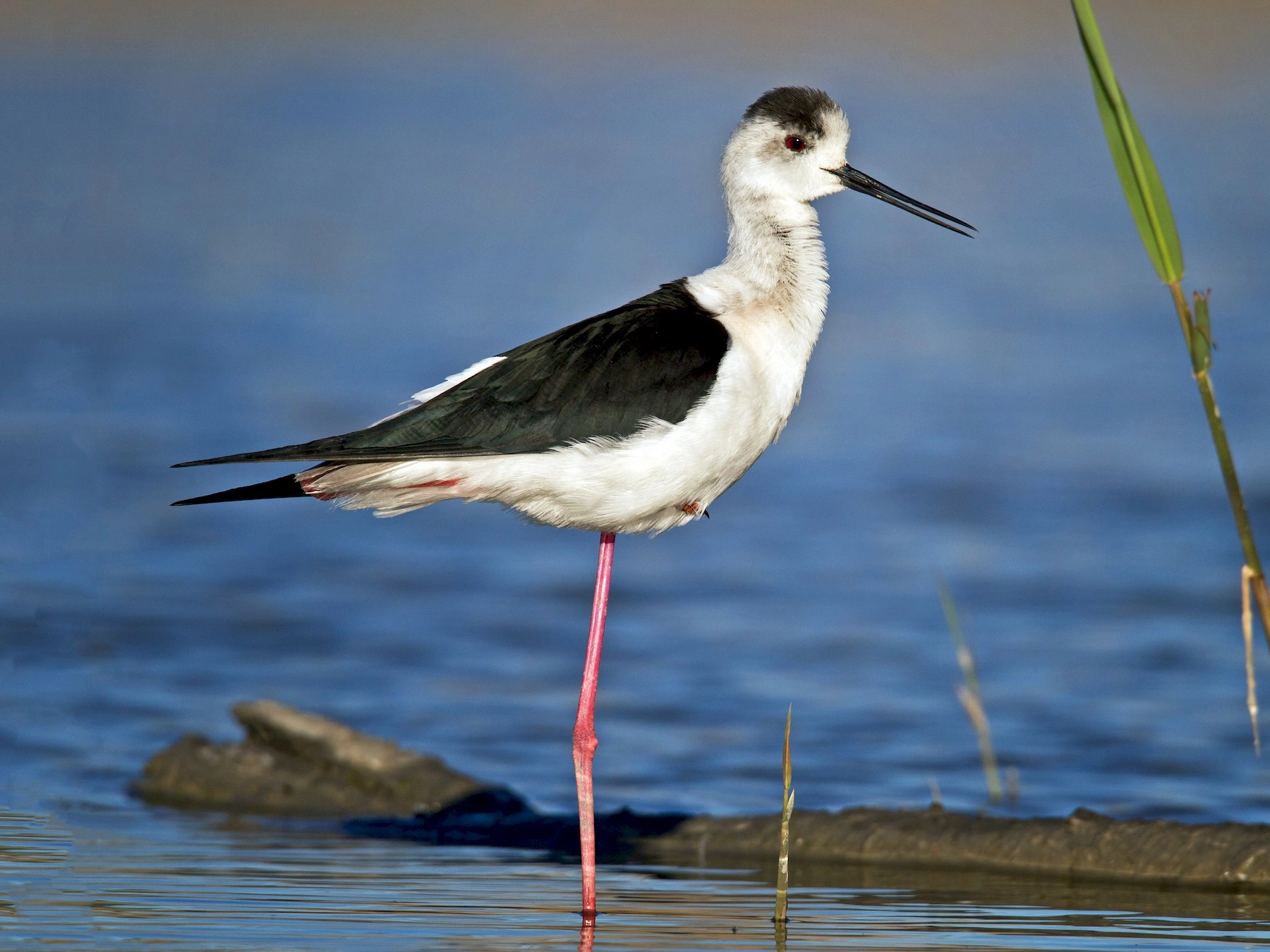
Black-winged Stilt
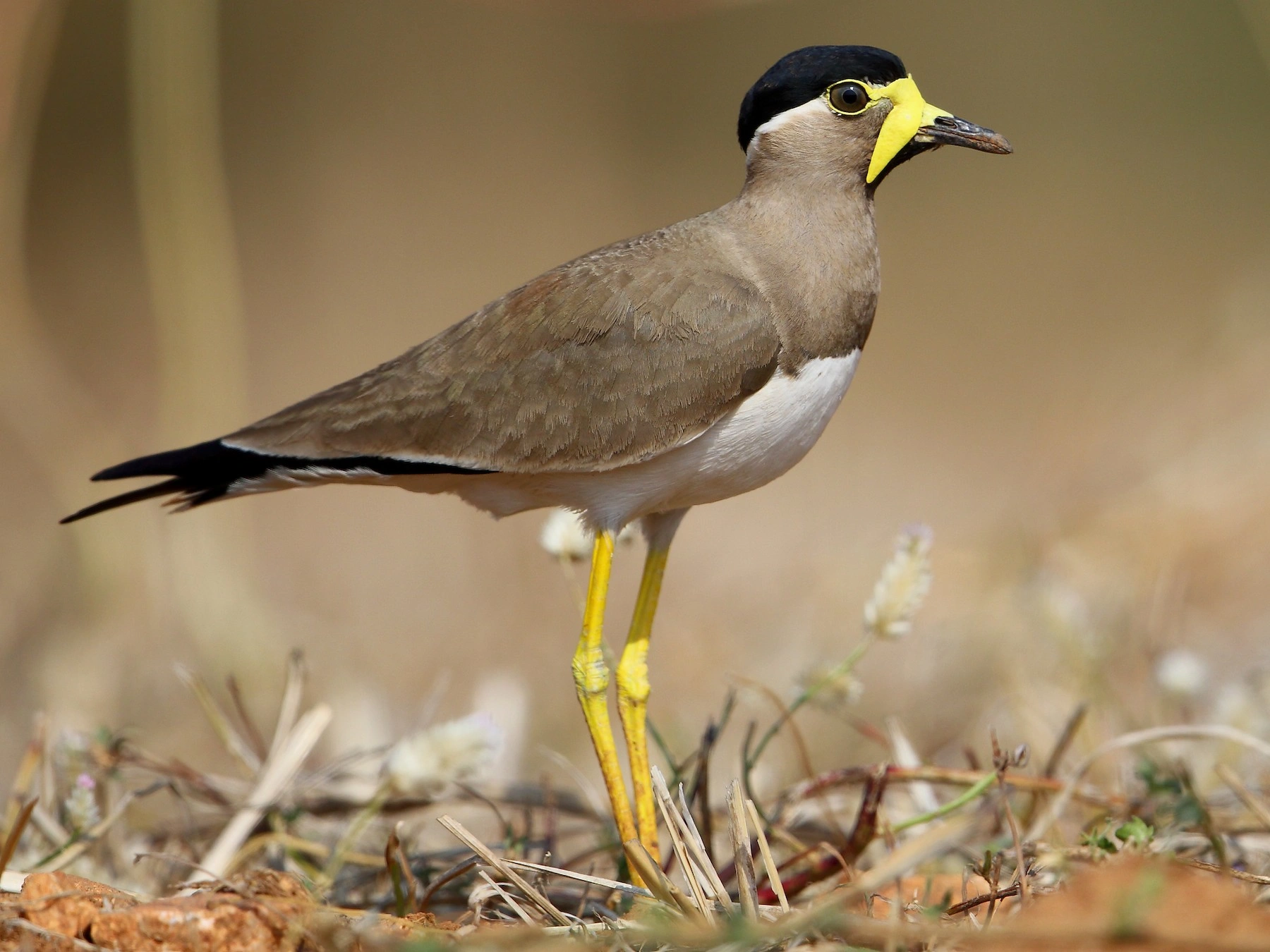
Yellow-wattled Lapwing

Scroll to Top