Bird Walk at Kadamakudi wetlands, Kochi, Kerala
- Kochi
- 29 November, 2026
- Rs. 200 per head
- Fee collected goes entirely to the bird guide. Ataavi does not retain or profit from this amount.
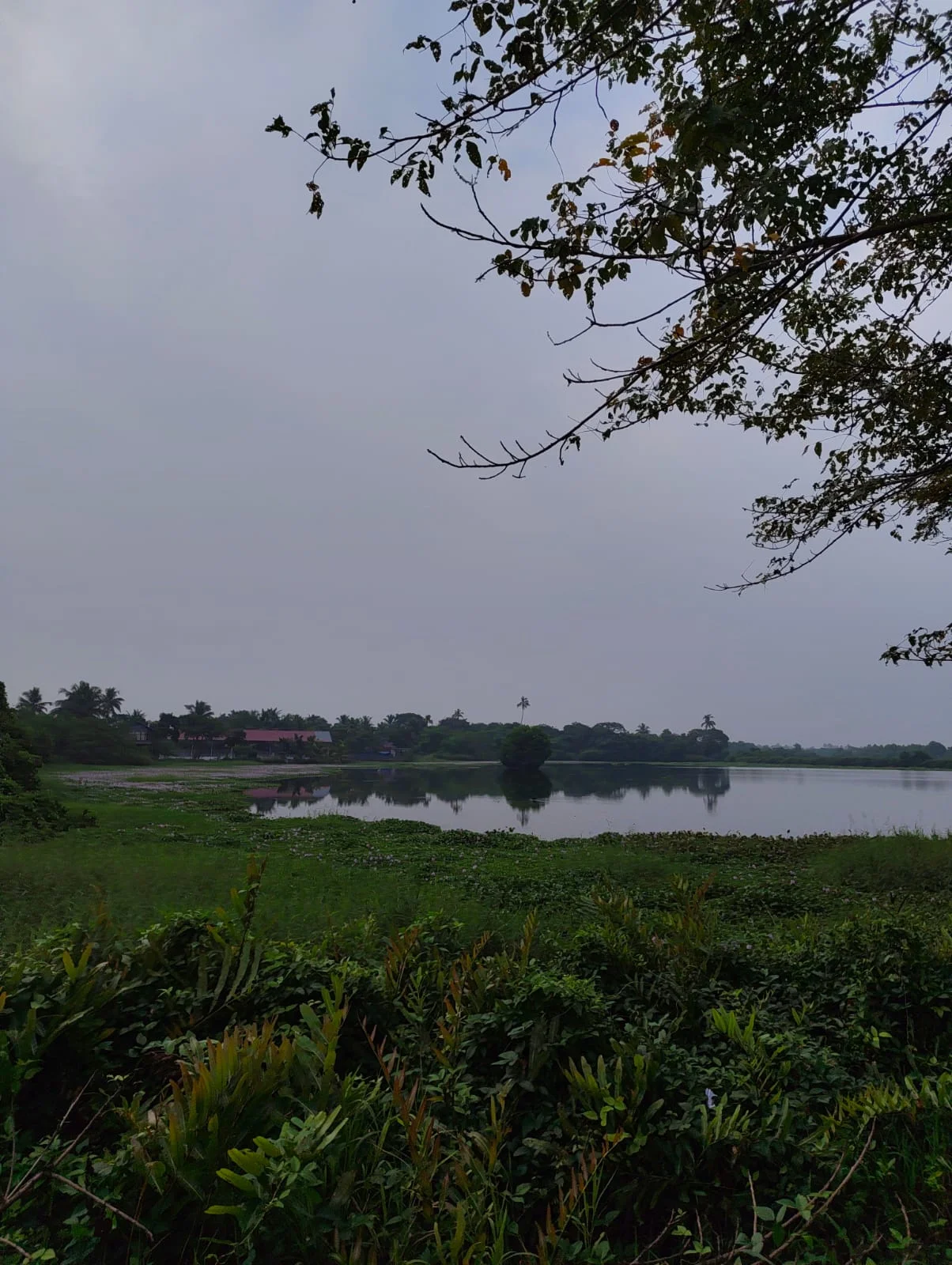
About Kadamakudi wetlands
Just 15 km from Kochi, the Kadamakudy wetlands spread across a cluster of 14 tranquil islands set amid backwaters, rivers and canals. Here, the landscape changes with the seasons. Every monsoon, as rain lowers the salinity, the fields turn brilliant green with Pokkali, one of Kerala’s oldest indigenous rice varieties. After the harvest, as saline water returns, the same fields are used to farm prawns. Mangrove fringes, reedy canals, coconut groves, Chinese fishing nets and village homesteads complete this patchwork of land and water. These wetlands are part of the Central Asian Flyway and the Vembanad Ramsar site, and the constantly shifting mix of shallow water, mud and paddy makes Kadamakudy a favourite with birds. Herons, egrets, ibises and storks crowd the fields, kingfishers hunt along every canal, and in winter, migrants join the resident birds. The Asian Waterbird Census has repeatedly found these wetlands to be among Kochi’s most important bird habitats.
Kadamakudy’s beauty, however, is fragile. Kochi’s wetlands face waste dumping, illegal reclamation and the inflow of wastewater, and birds feeding in the prawn fields have even been hunted. The islands’ sudden fame on social media has also brought growing tourist crowds, and birdwatchers warn that large-scale tourism could harm migratory birds. Many locals favour homestays over big hotels, and planners have called for tourism that respects the islands’ fragile ecology and limited carrying capacity. Protecting Pokkali farming, mangroves and quiet backwaters is key to keeping Kadamakudy a haven for birds.

Bird Guide: Manju Muttathil
Bird walk Location
Common birds of Kadamakudi wetlands
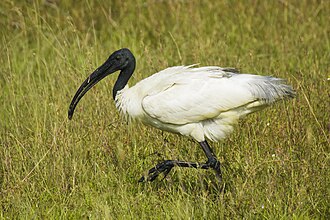
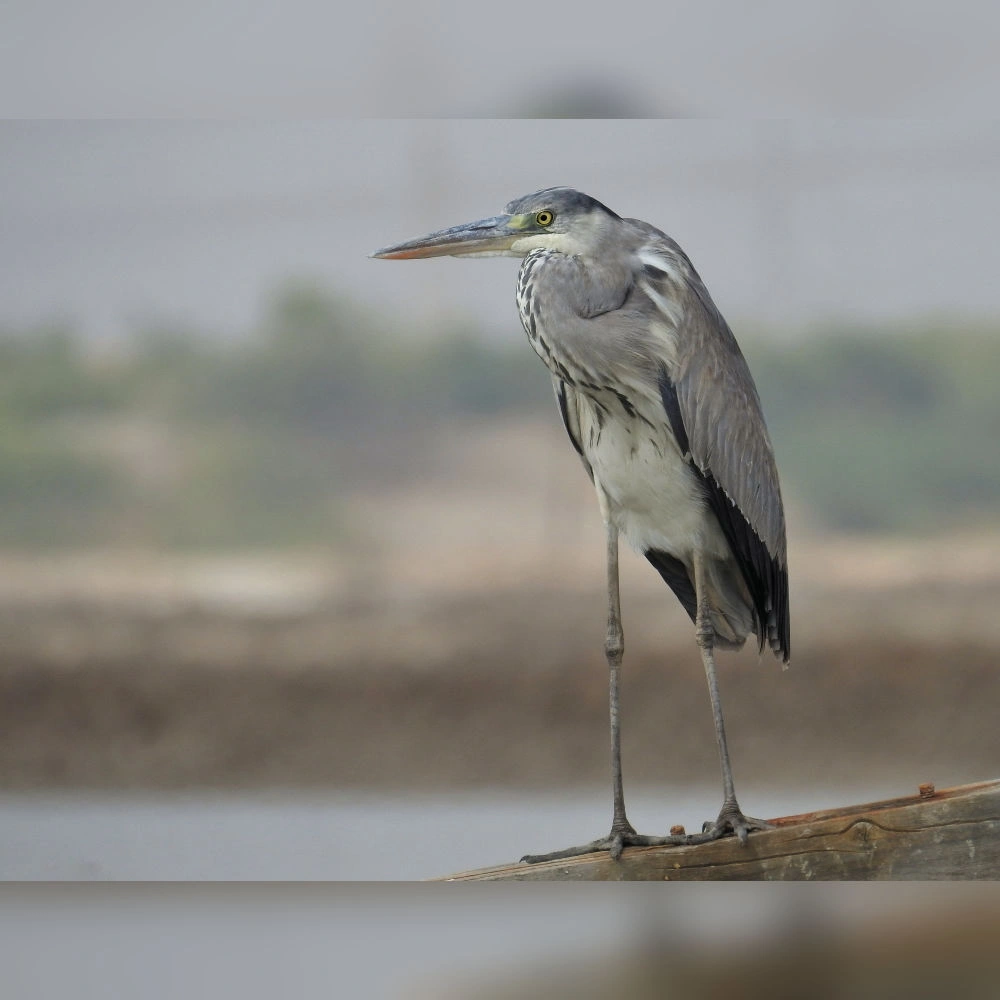
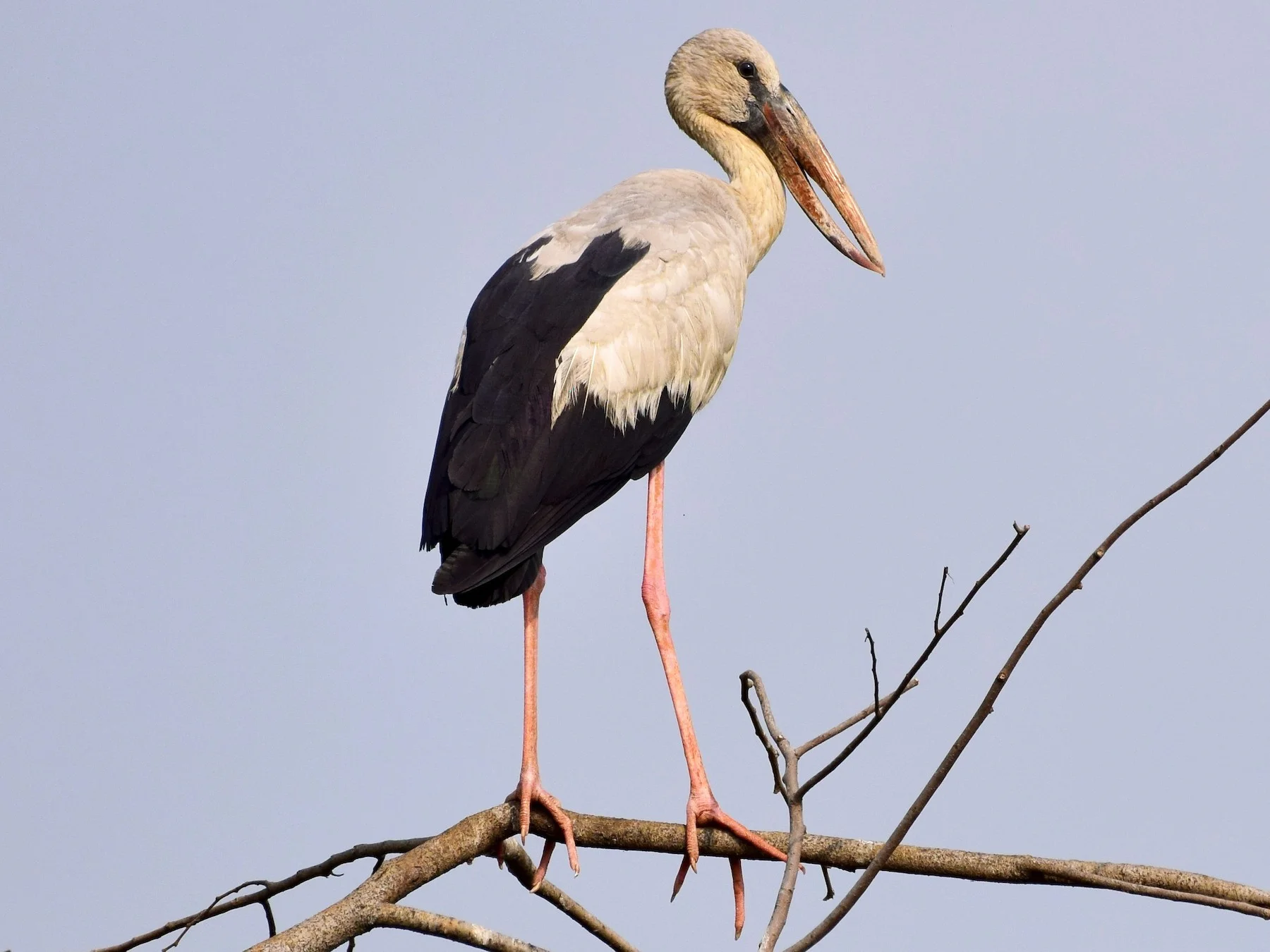
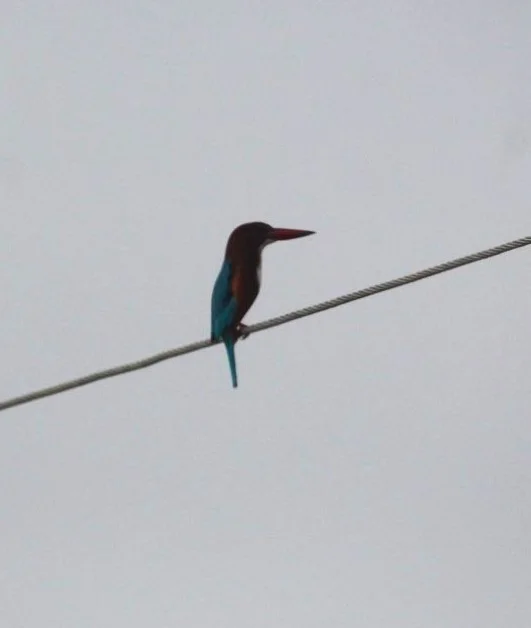
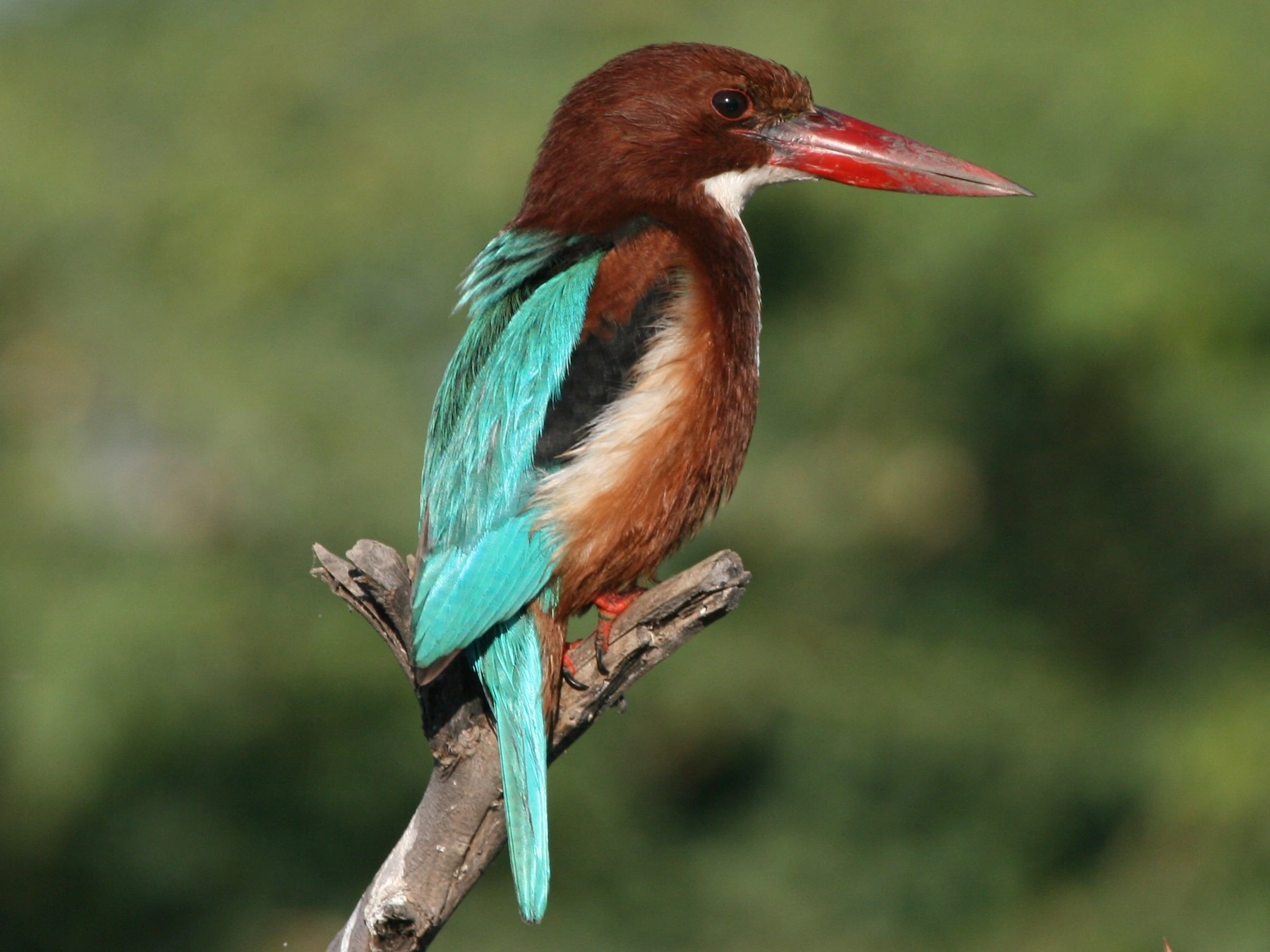
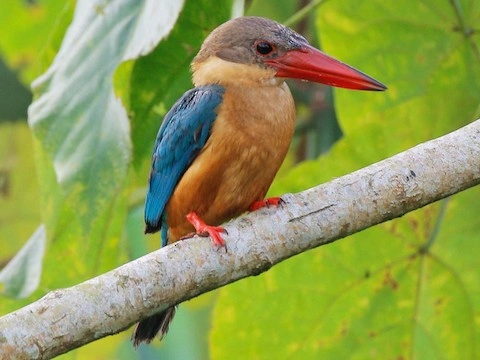
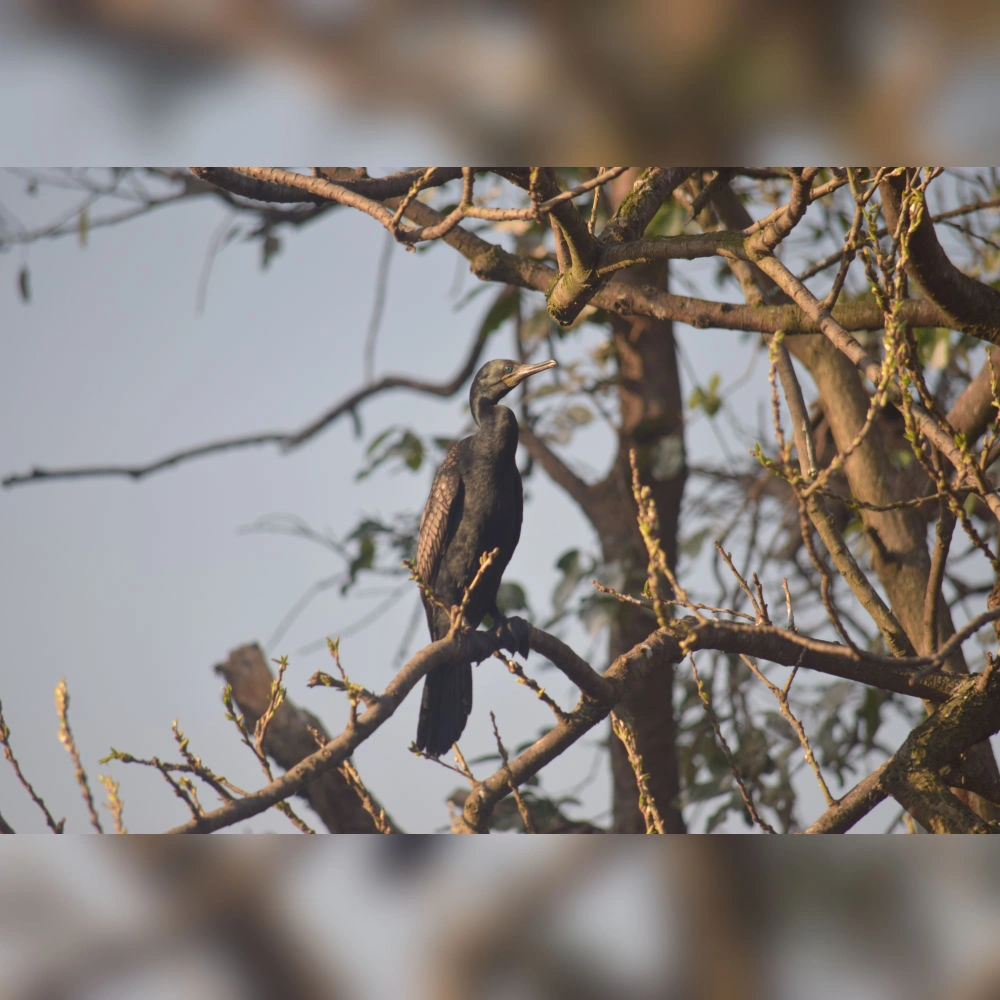
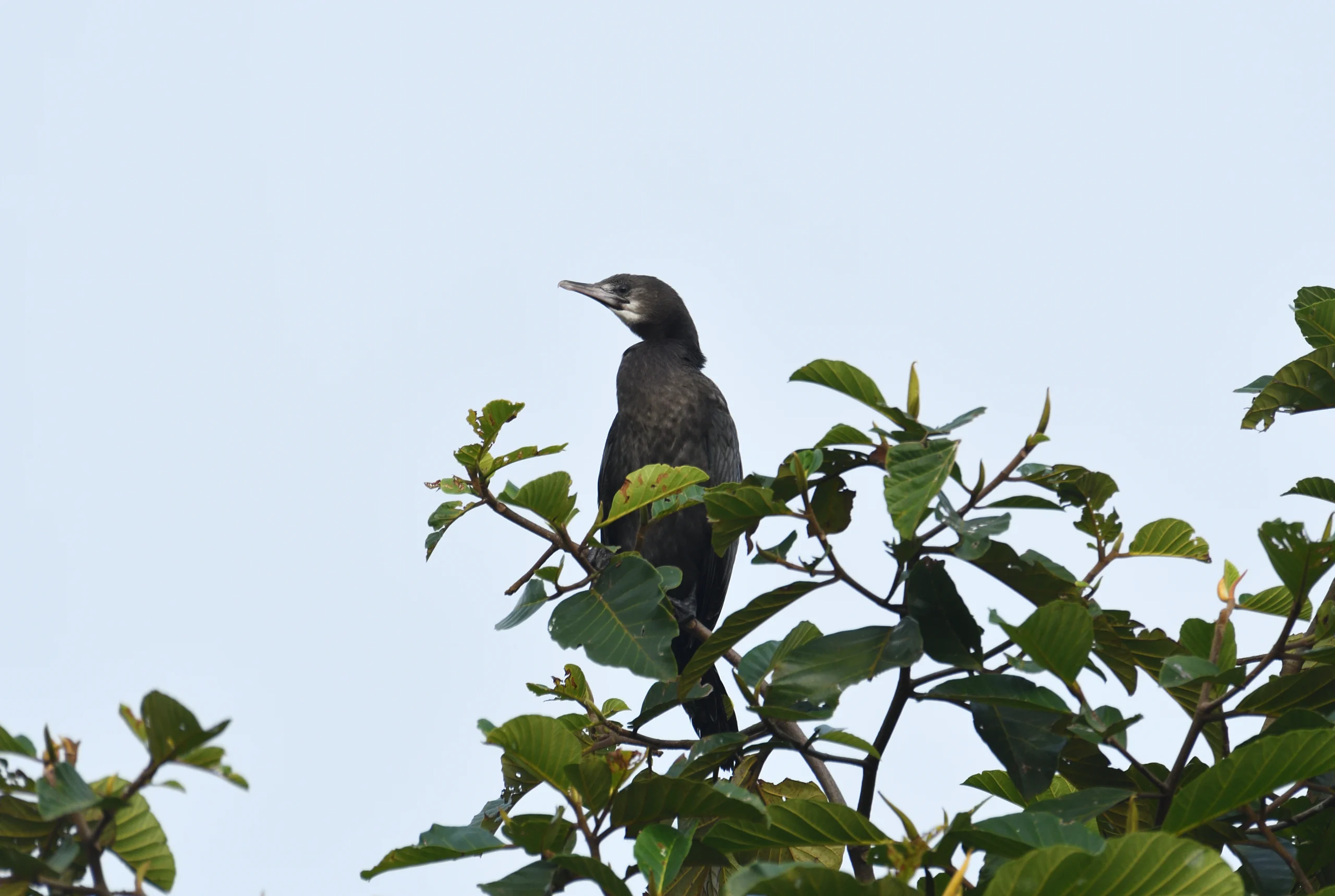
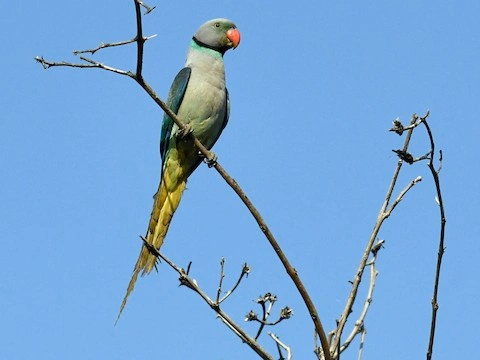
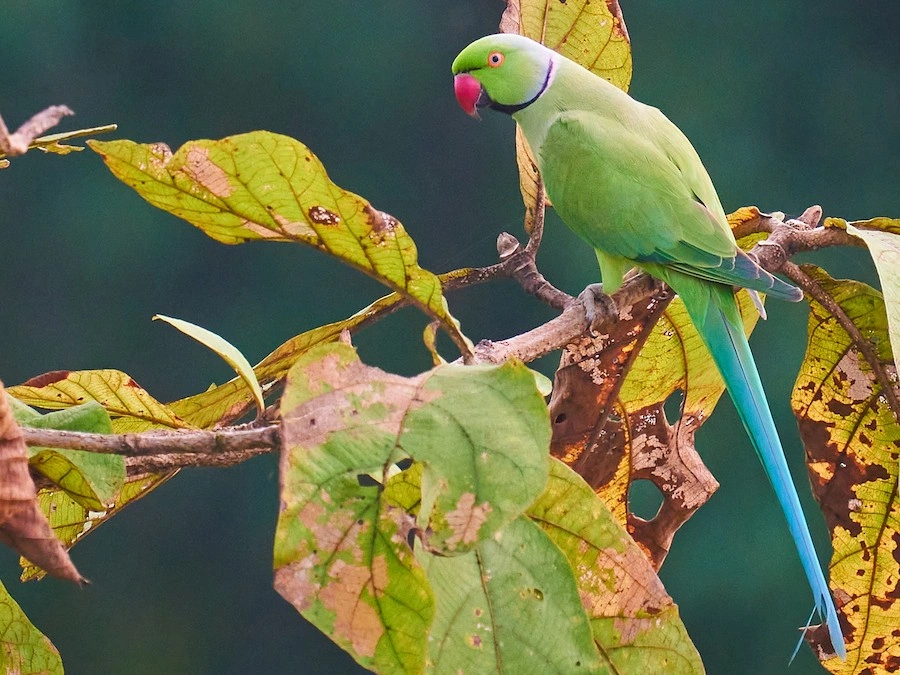
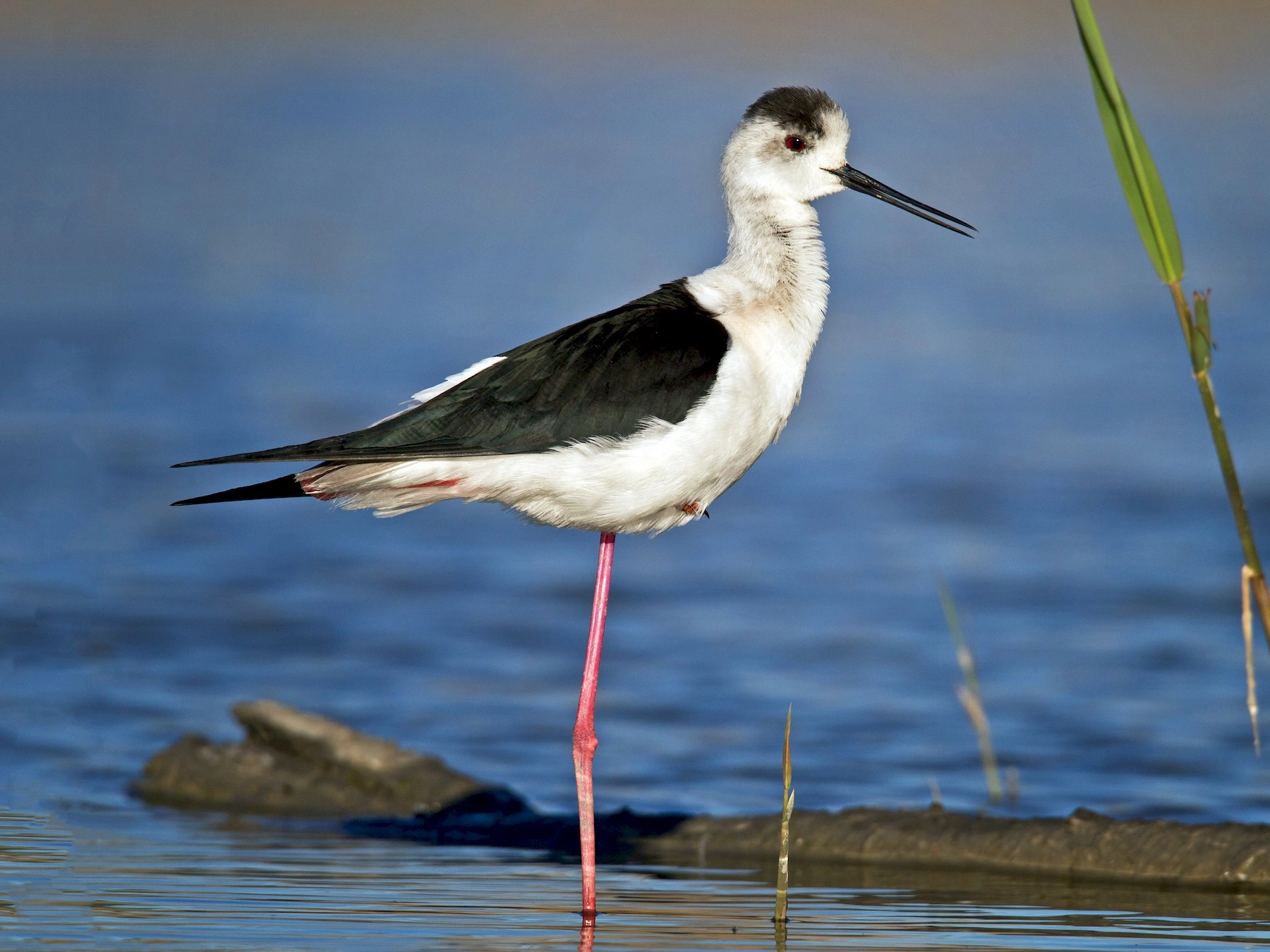
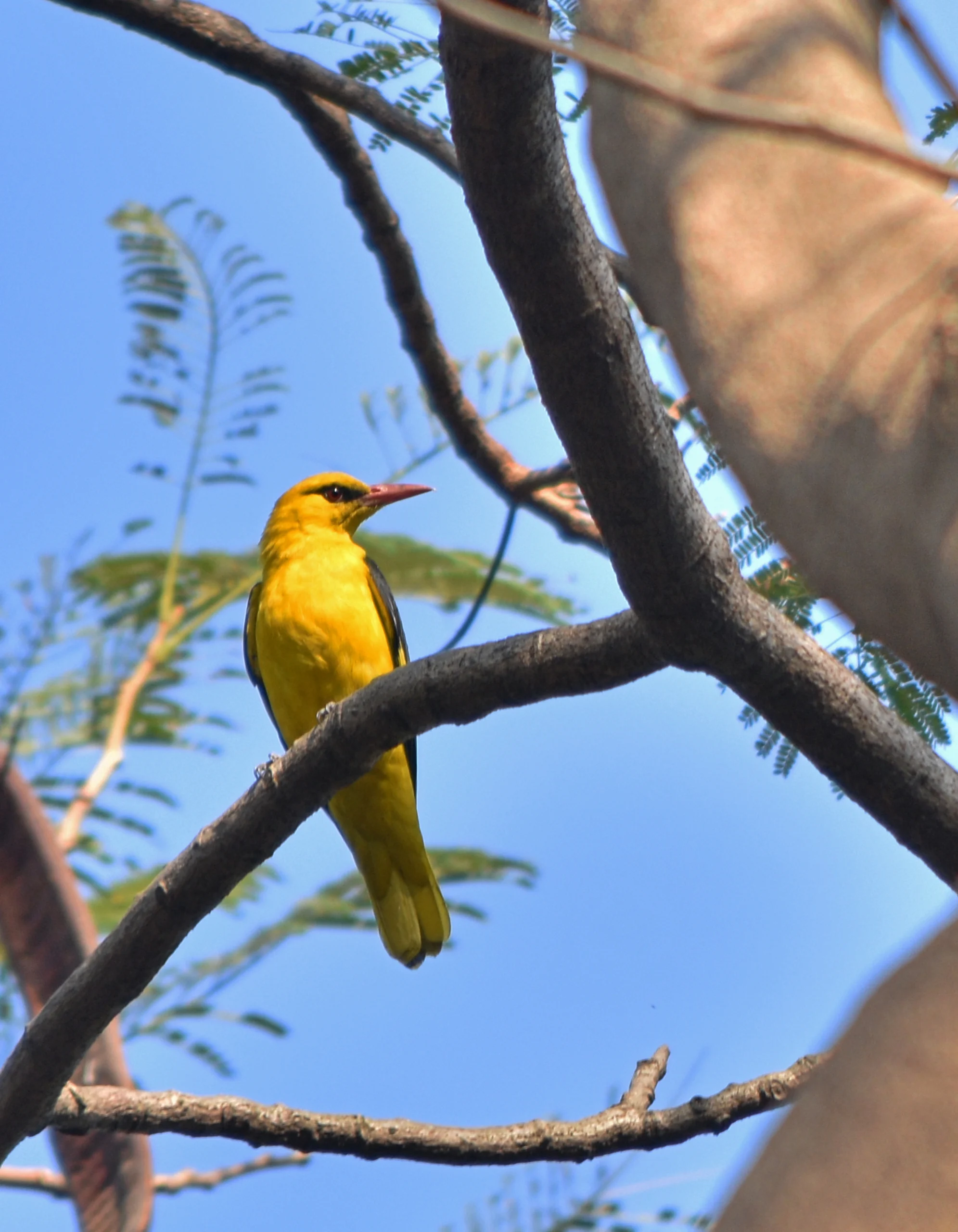
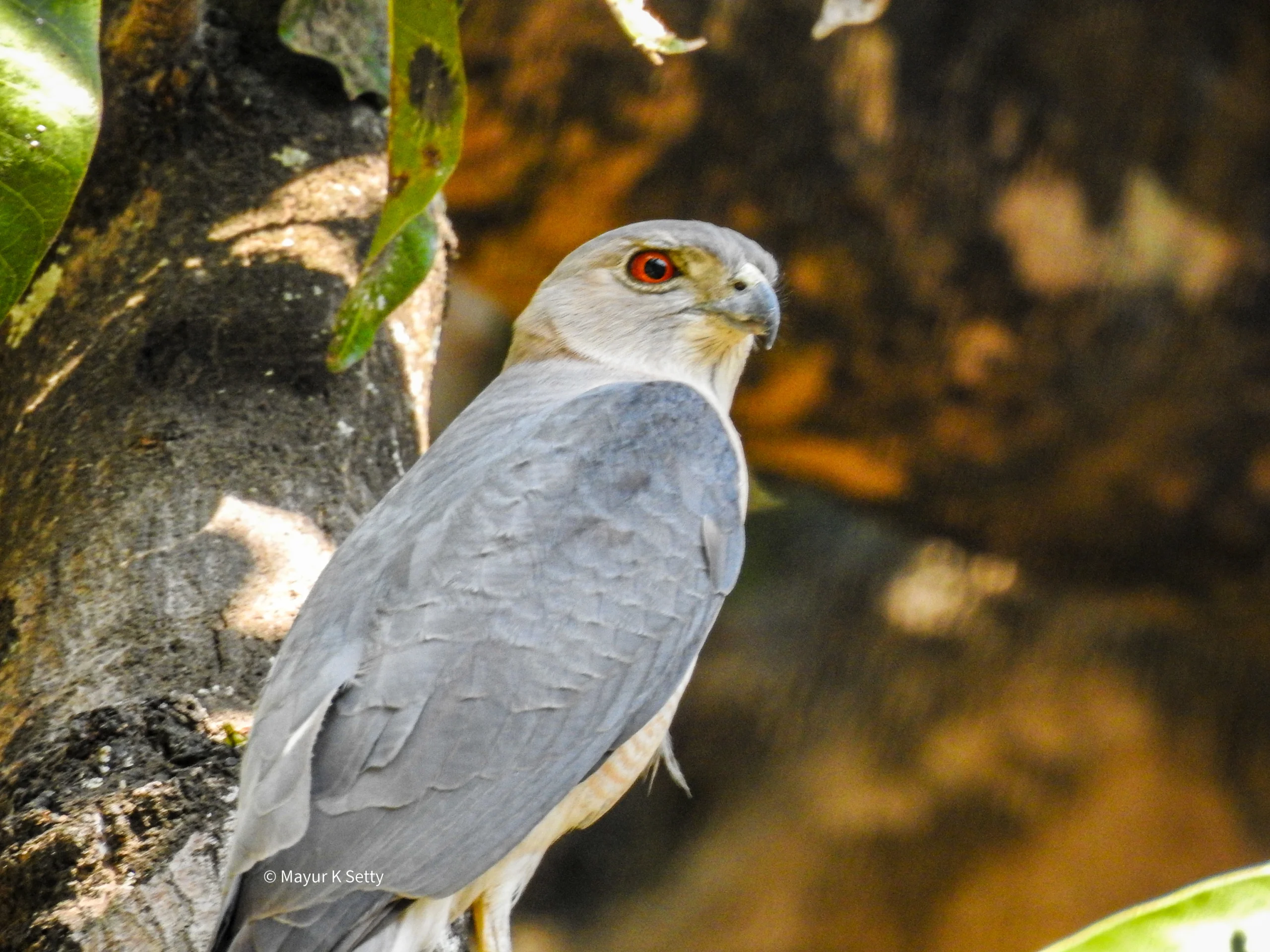
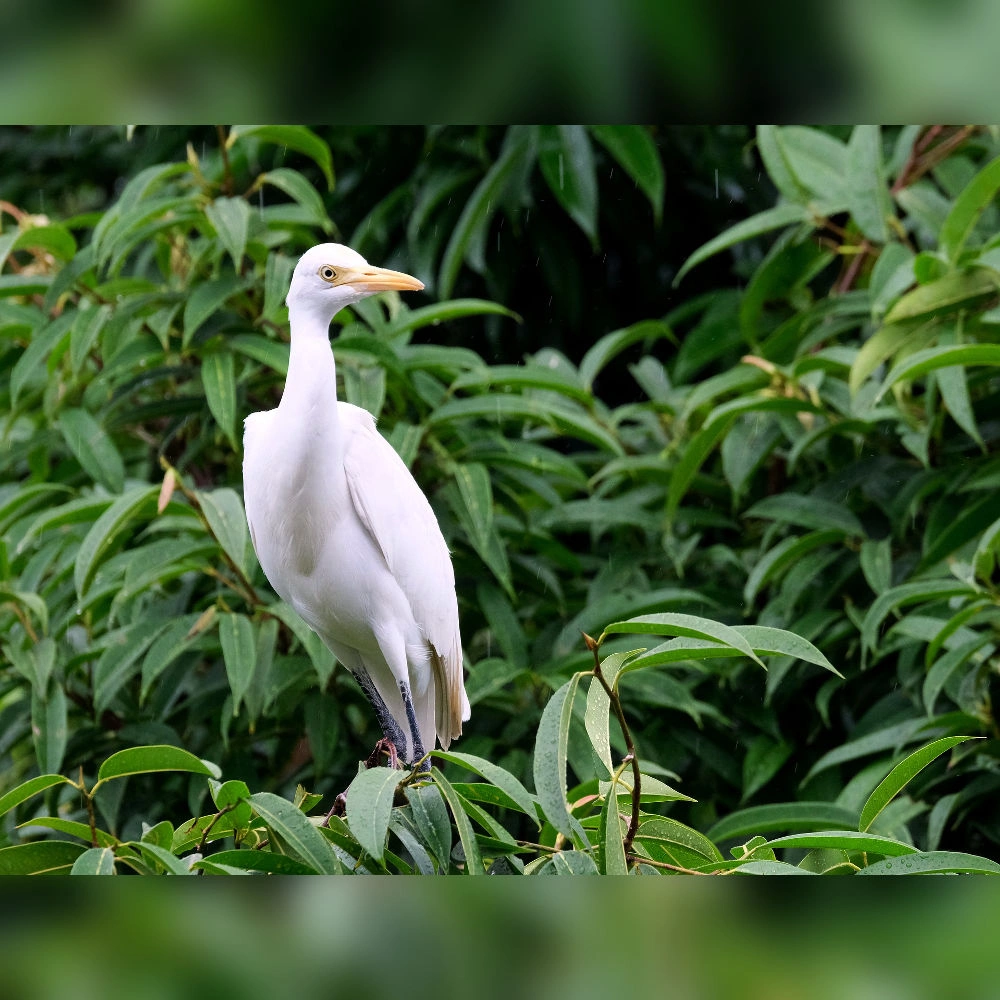
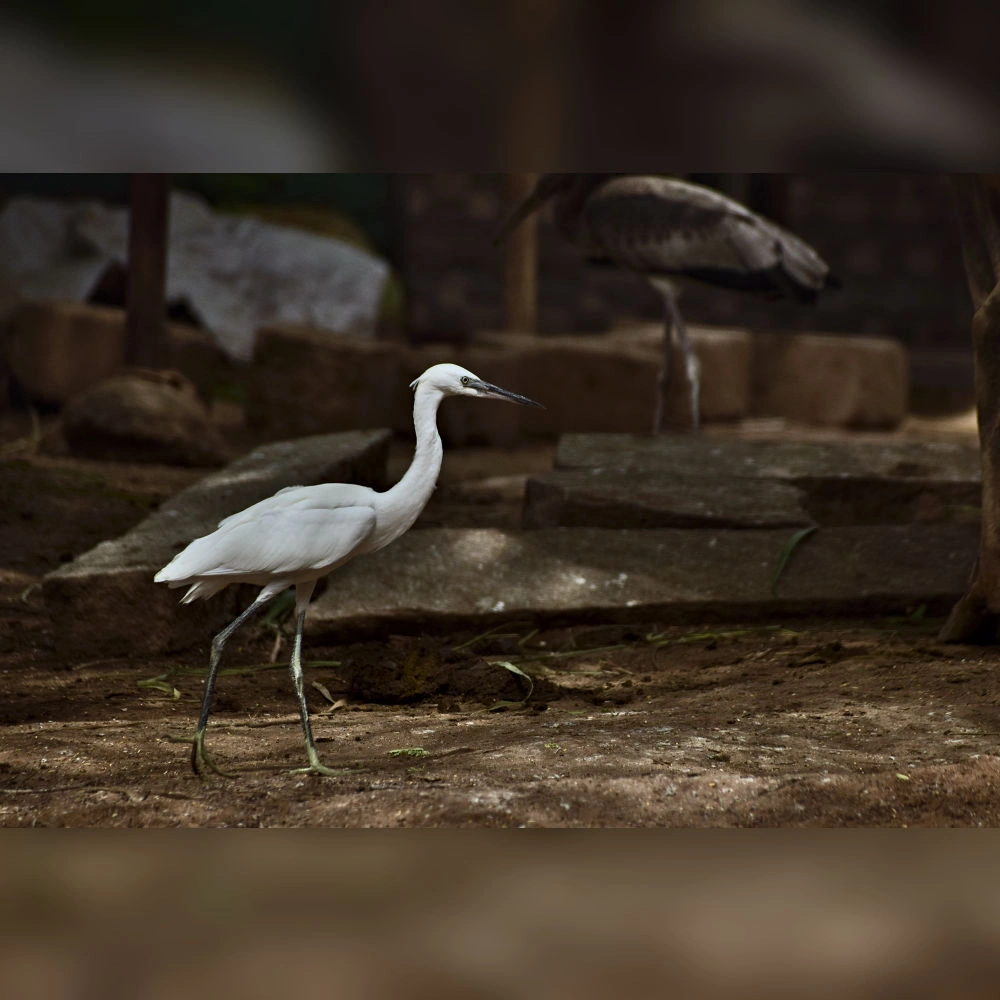
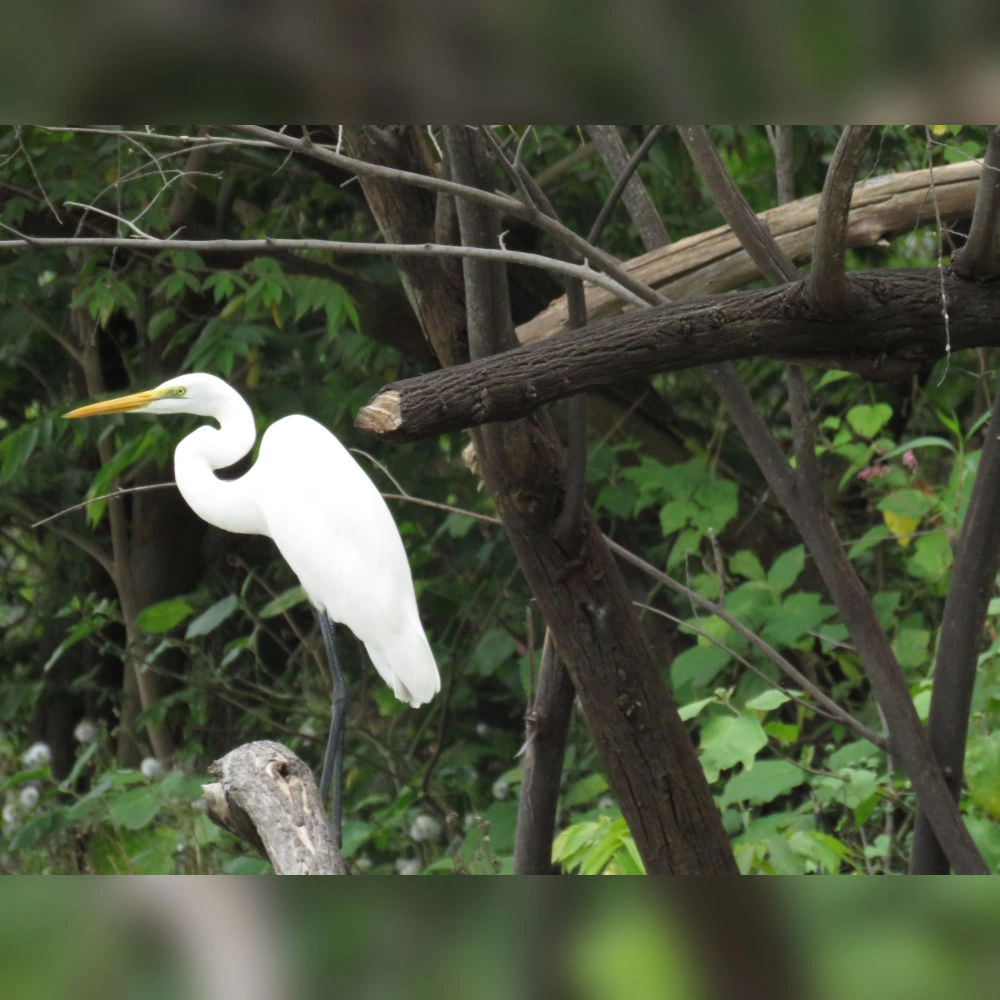
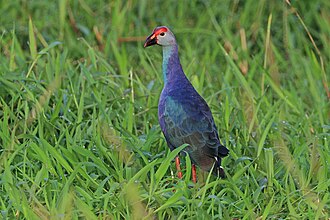
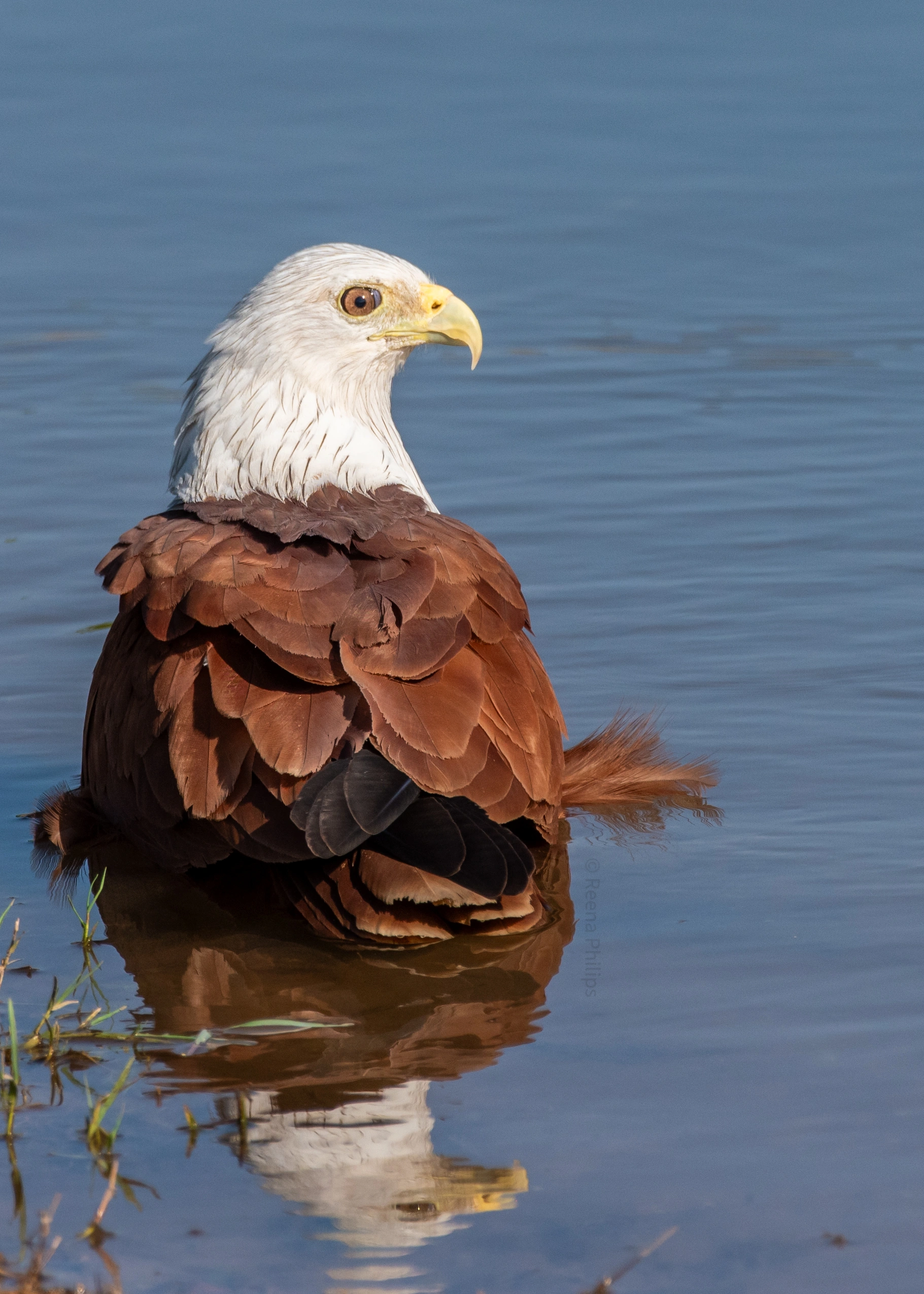
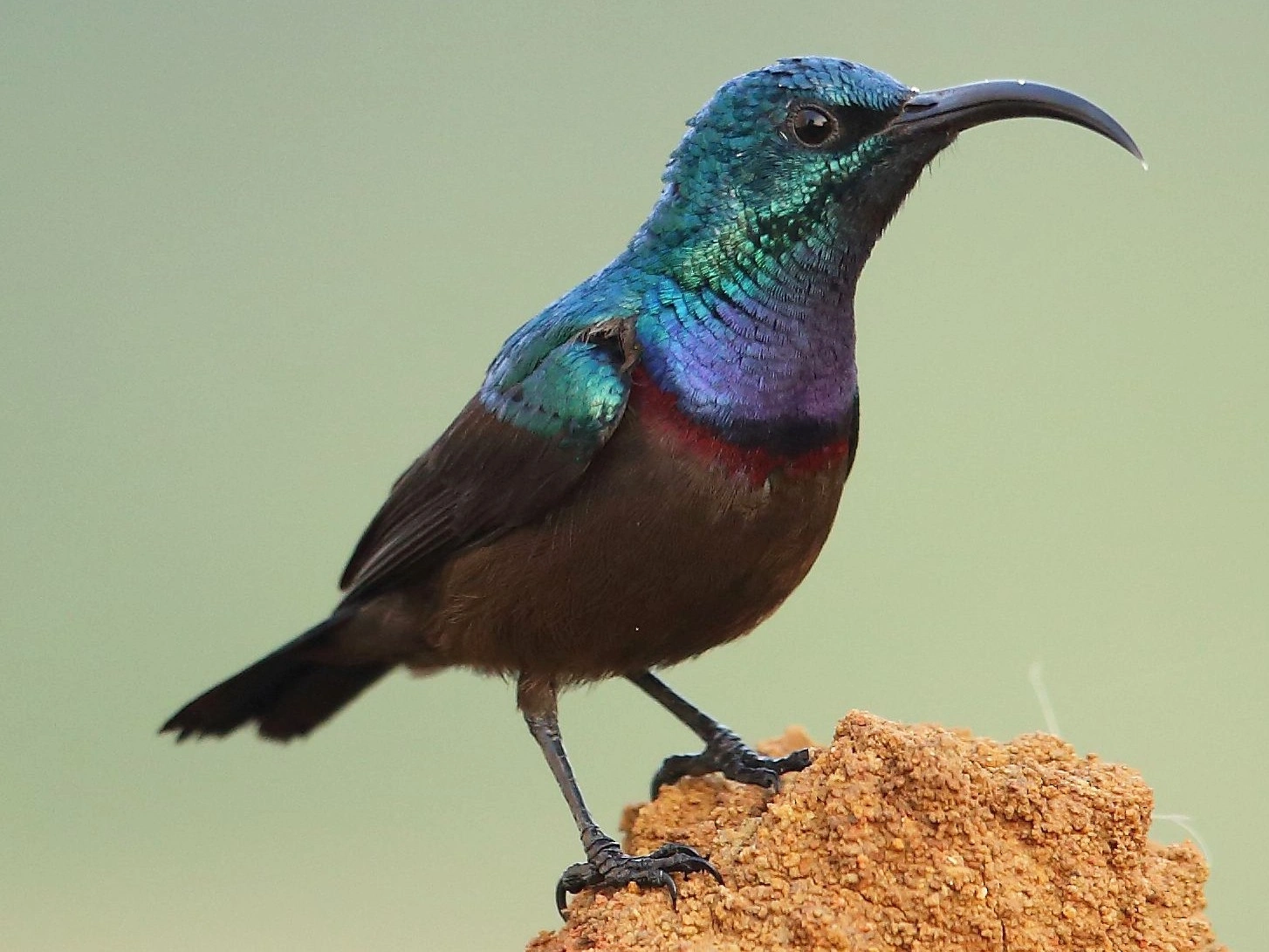
Kadamakudy’s paddy fields, prawn farms and backwaters are alive with birds. In the shallow fields, Black-headed and Glossy Ibises probe the mud, Asian Openbills search for snails, and Black-winged Stilts wade on long pink legs. Great, Little and Cattle Egrets line the field edges, while the Gray Heron stands tall and watchful. Indian and Little Cormorants fish in the canals, and flocks of Lesser Whistling Ducks rest on the open water. Among the reeds, the Gray-headed Swamphen and the secretive Watercock move quietly through the vegetation. Kingfishers are a highlight here: the tiny Eurasian Kingfisher flashes past in a streak of blue, the White-throated Kingfisher calls from nearby perches, and the massive Stork-billed Kingfisher hunts from overhanging branches. Overhead, Brahminy Kites soar above the backwaters and the Shikra darts between trees. The surrounding coconut groves and homesteads add even more colour, with Plum-headed and Rose-ringed Parakeets, the glowing Golden Oriole, and Loten’s and Purple Sunbirds feeding on flowers.

Black-headed Ibis

Gray Heron

Asian Openbill

Eurasian Kingfisher

White-throated Kingfisher

Stork-billed Kingfisher

Glossy Ibis

Indian Cormorant

Little Cormorant

Plum-headed Parakeet

Rose-ringed Parakeet

Black-winged Stilt

Golden Oriole

Shikra

Cattle Egret

Little Egret

Great Egret

Gray-headed Swamphen

Brahminy Kite

Loten’s Sunbird
- Fee collected goes entirely to the bird guide. Ataavi does not retain or profit from this amount.