

Loading Events

Bird Walk at Motemajra Wetland, SAS Nagar Mohali

About Motemajra Wetland

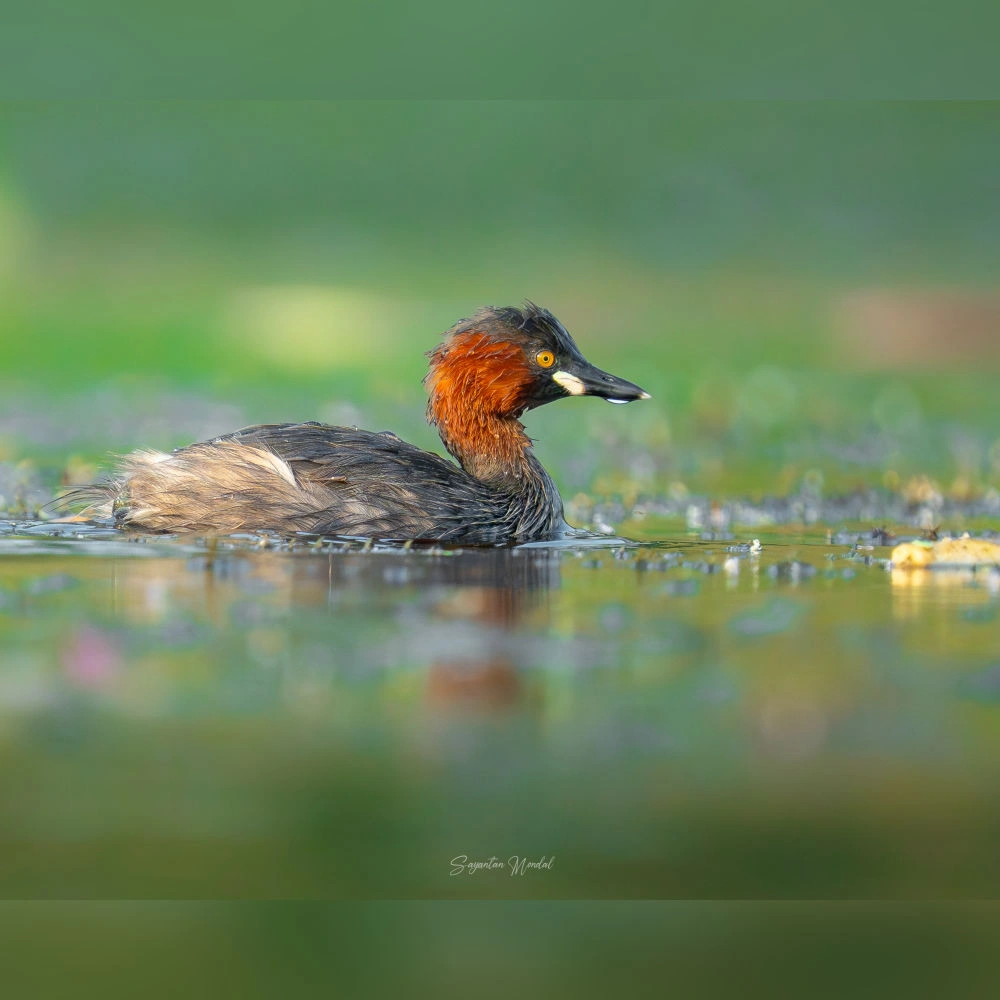
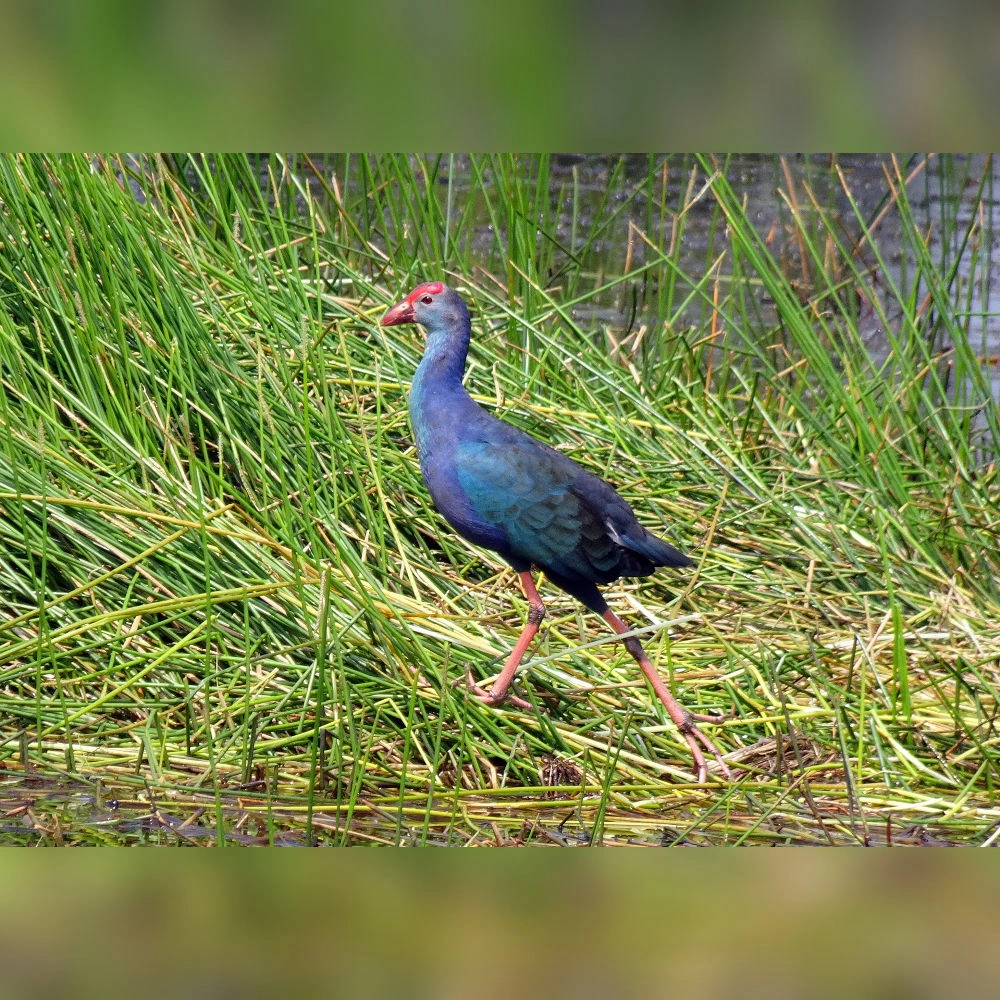
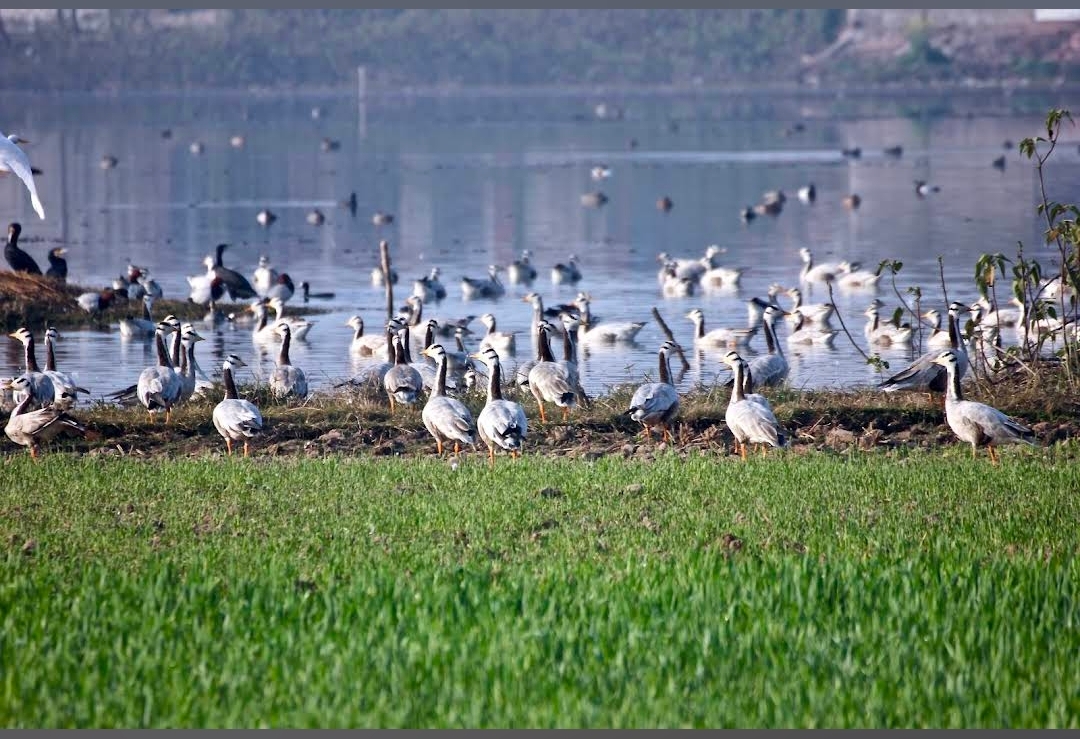
Motemajra Lake, situated near Tangori in Mohali and roughly a 30–40 minute drive from Chandigarh, is a calm and scenic wetland landscape known for its blend of open water, surrounding marshy edges, agricultural fields, and scattered tree cover that together form a rich habitat for birds throughout the year. The lake’s seasonal fluctuations create an ideal mosaic of shallow and deep-water zones, attracting a wide range of water-associated species. Waterbirds such as Common Pochard, Gadwalls, Eurasian Spoonbill, Little Grebes, Indian Spot-billed Ducks, Northern Shovelers, Eurasian Coots, Grey Herons, Purple Herons, Little Egrets, Green-winged Teals, Black-winged Stilts, Green Sandpipers, Common Greenshanks, Grey-headed Swamphens, and White-breasted Waterhens frequent the lake, taking advantage of its abundant food resources.
The surrounding agricultural fields and shrub-lined bunds offer foraging space for White-throated Kingfishers, Black Drongos, Indian Rollers, Red-naped Ibises, Pied Bushchats, and Siberian Stonechats, while the scattered groves and roadside trees support resident woodland birds such as Coppersmith Barbets, Spotted Doves, Laughing Doves, and Green Bee-eaters. This blend of wetland, farmland, and light woodland elements makes Motemajra Lake a rewarding site for birdwatchers, especially during the winter months when migratory species add to its diversity. With its natural charm and rich avian life, Motemajra Lake serves as an important green pocket in the Mohali landscape, offering visitors a peaceful setting to connect with nature and appreciate the region’s dynamic birdlife.

Partnered with

Bird Guide: Gagandeep Singh

His birding and nature documentation work began in 2019, covering a wide geographical area that includes Chandigarh, Panchkula, Mohali, Solan, Sirmaur, Morni Hills, Dehradun, and other nearby locations.
Bird walk Location

Common birds of Motemajra Wetland

Motemajra Wetland supports a rich community of waterbirds and grassland species, making it a vibrant birding hotspot through the seasons.

Waterbirds such as Common Pochard, Gadwalls, Eurasian Spoonbill, Little Grebes, Indian Spot-billed Ducks, Northern Shovelers, Eurasian Coots, Grey Herons, Purple Herons, Little Egrets, Green-winged Teals, Black-winged Stilts, Green Sandpipers, Common Greenshanks, Grey-headed Swamphens, and White-breasted Waterhens frequent the lake, taking advantage of its abundant food resources.

The surrounding agricultural fields and shrub-lined bunds offer foraging space for White-throated Kingfishers, Black Drongos, Indian Rollers, Red-naped Ibises, Pied Bushchats, and Siberian Stonechats, while the scattered groves and roadside trees support resident woodland birds such as Coppersmith Barbets, Spotted Doves, Laughing Doves, and Green Bee-eaters

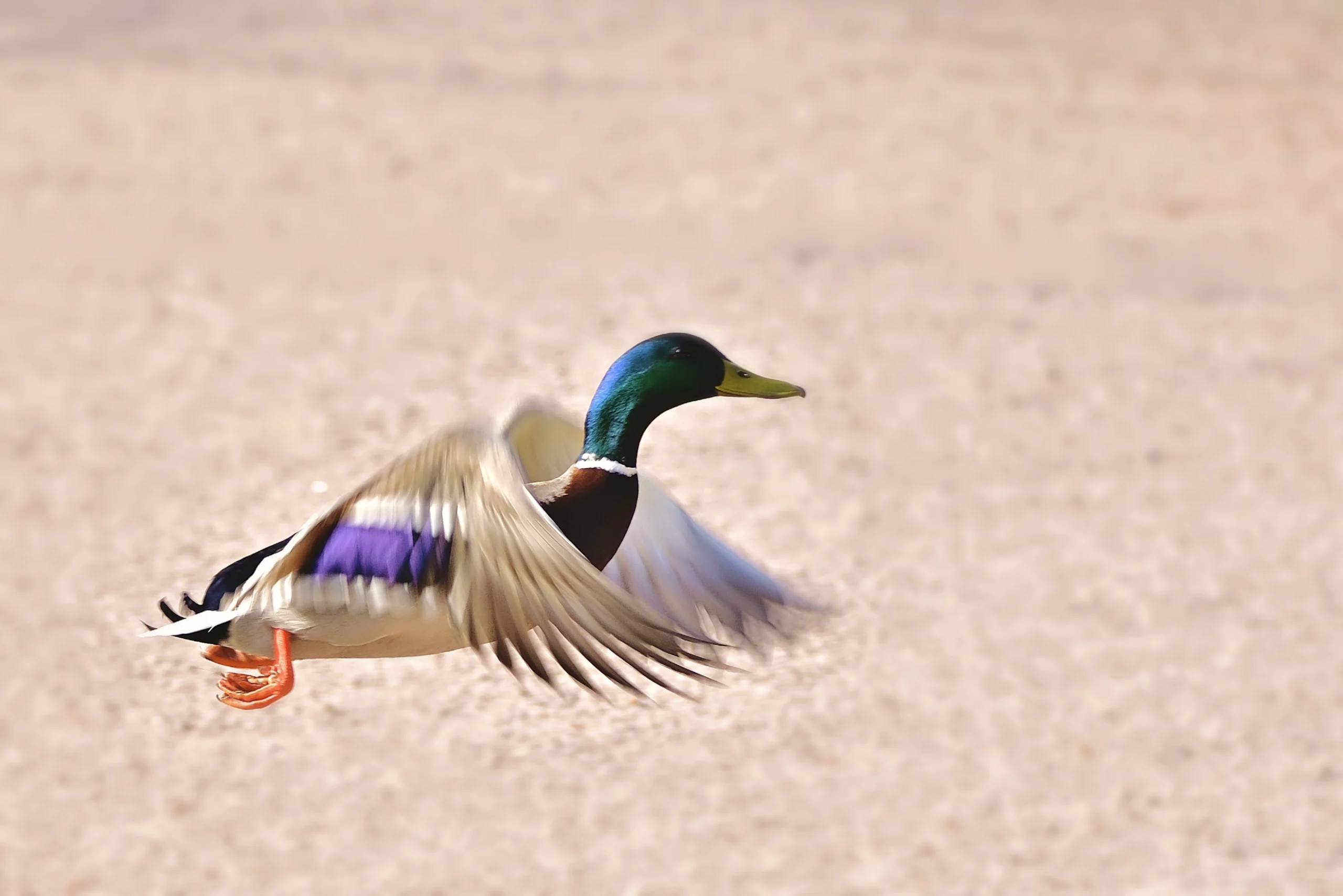
Mallard
Little Grebe
Grey-headed Swamphen
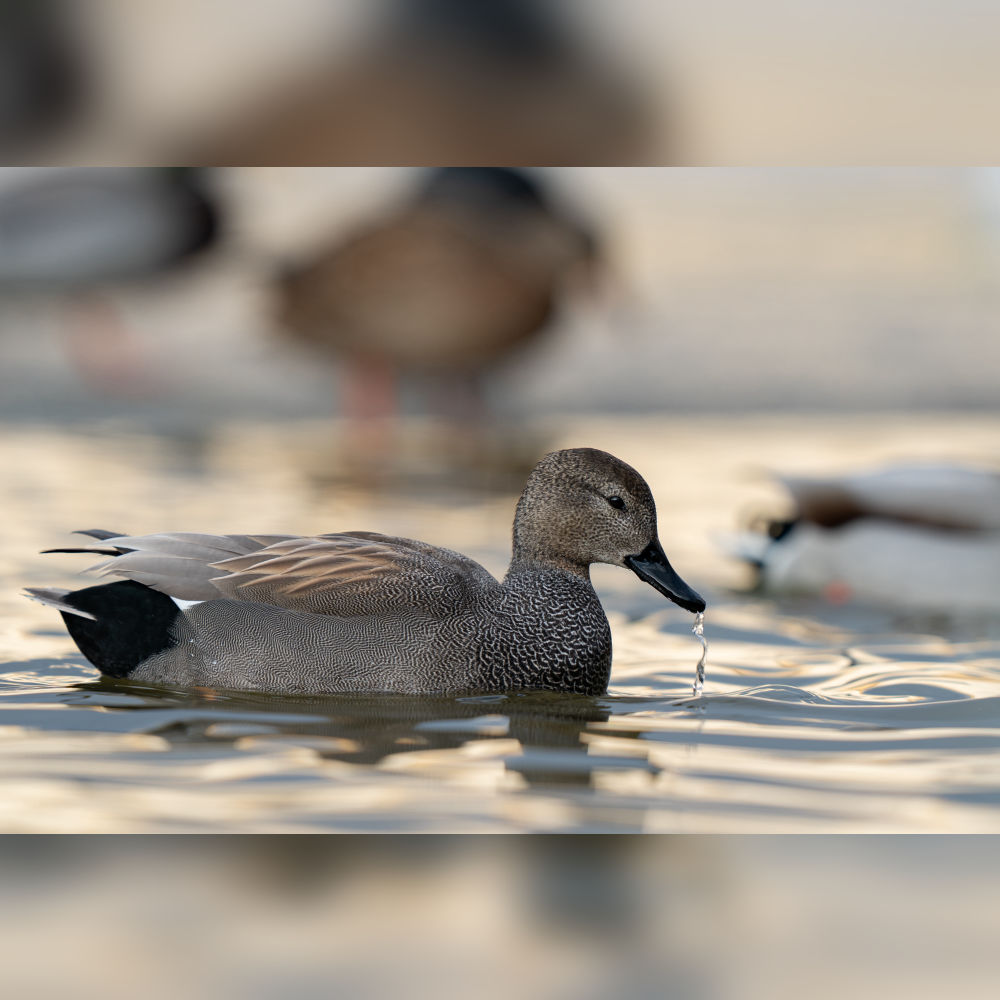
Gadwall
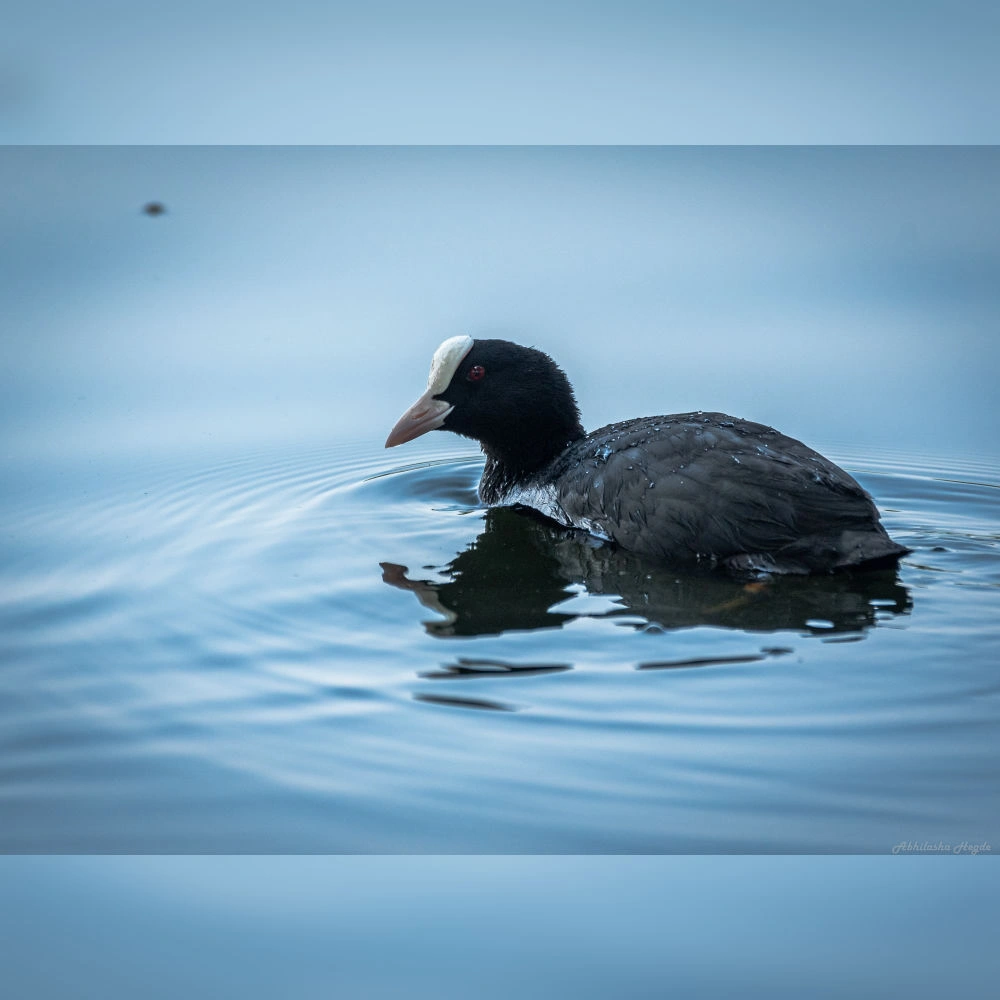
Eurasian Coot
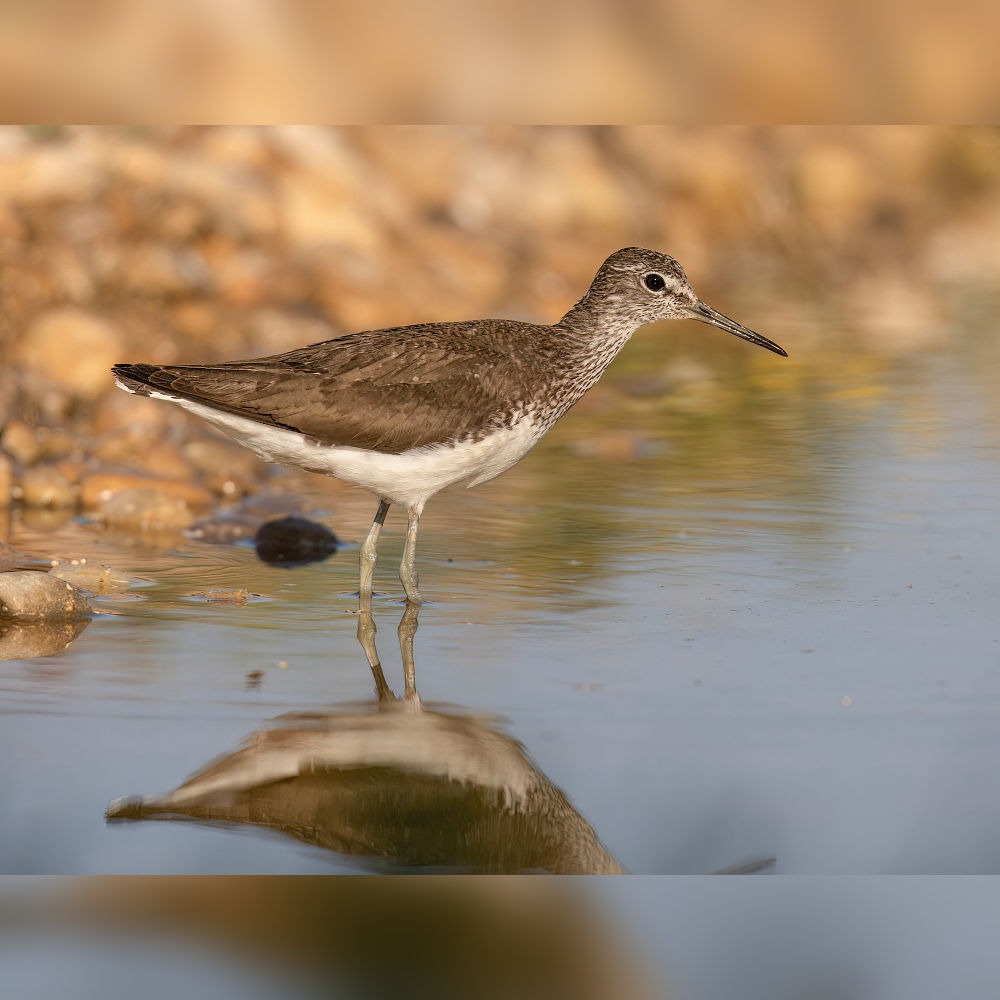
Green Sandpiper
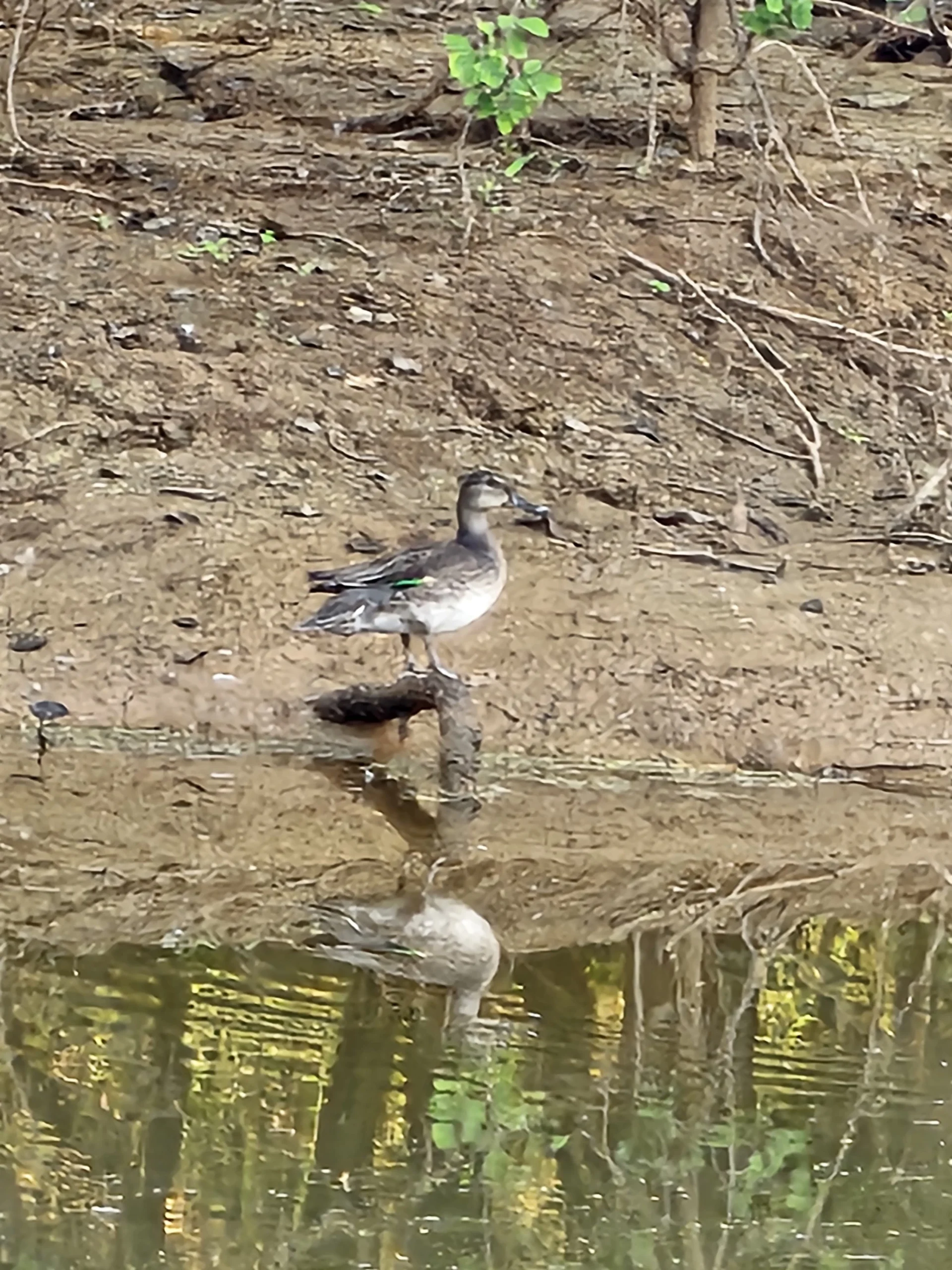
Green-winged Teal
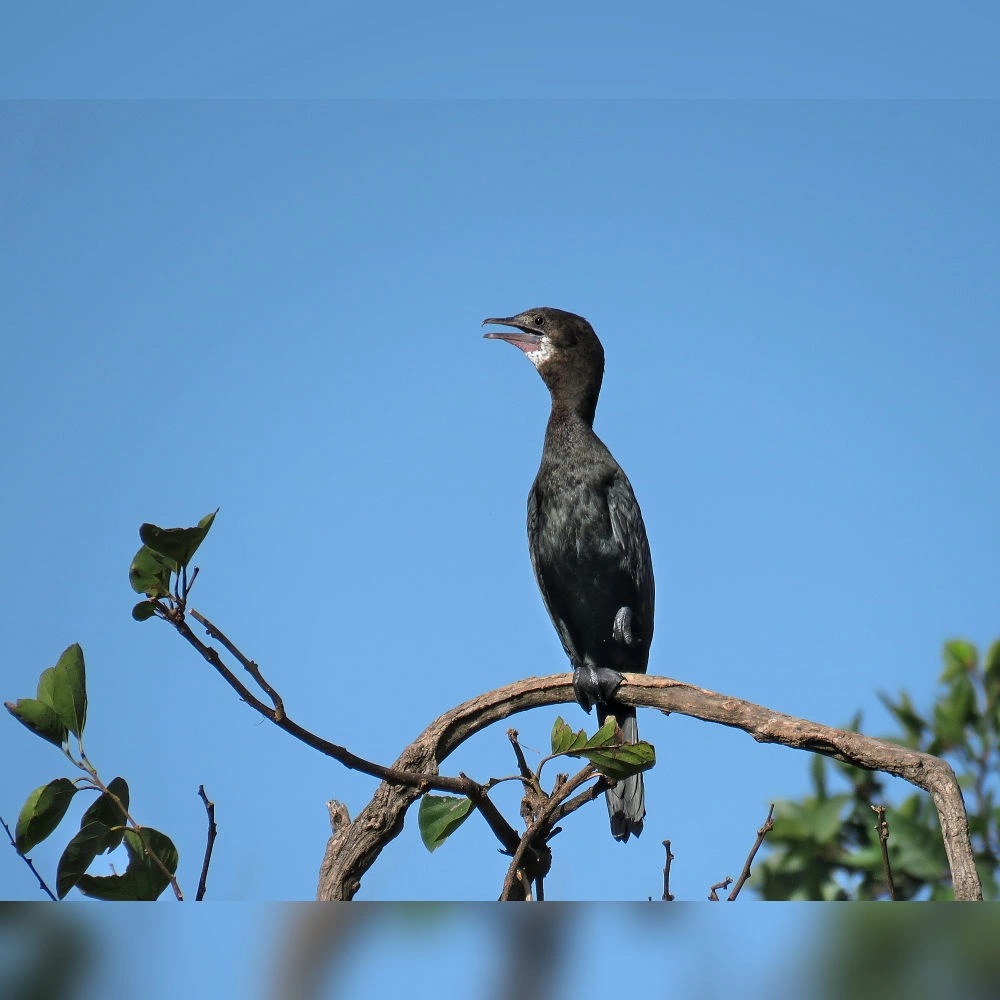
Little Cormorant
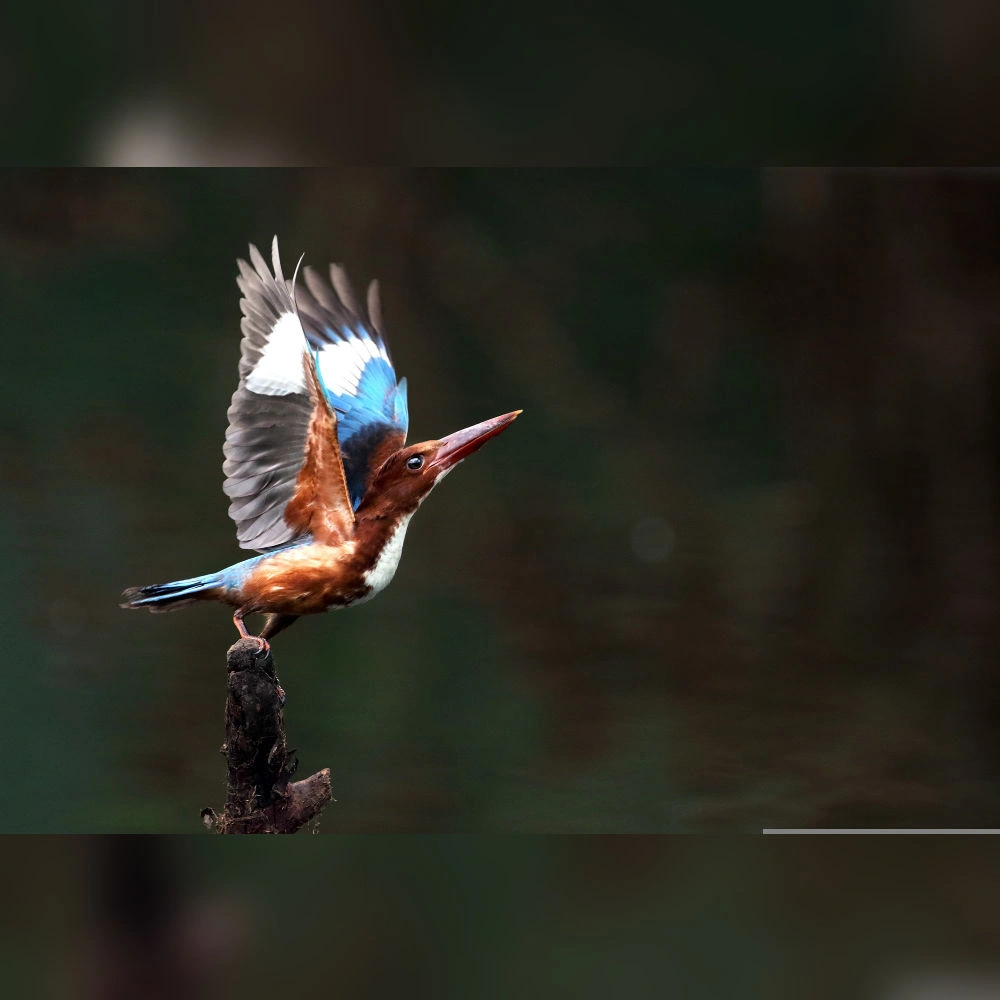
White-throated Kingfisher
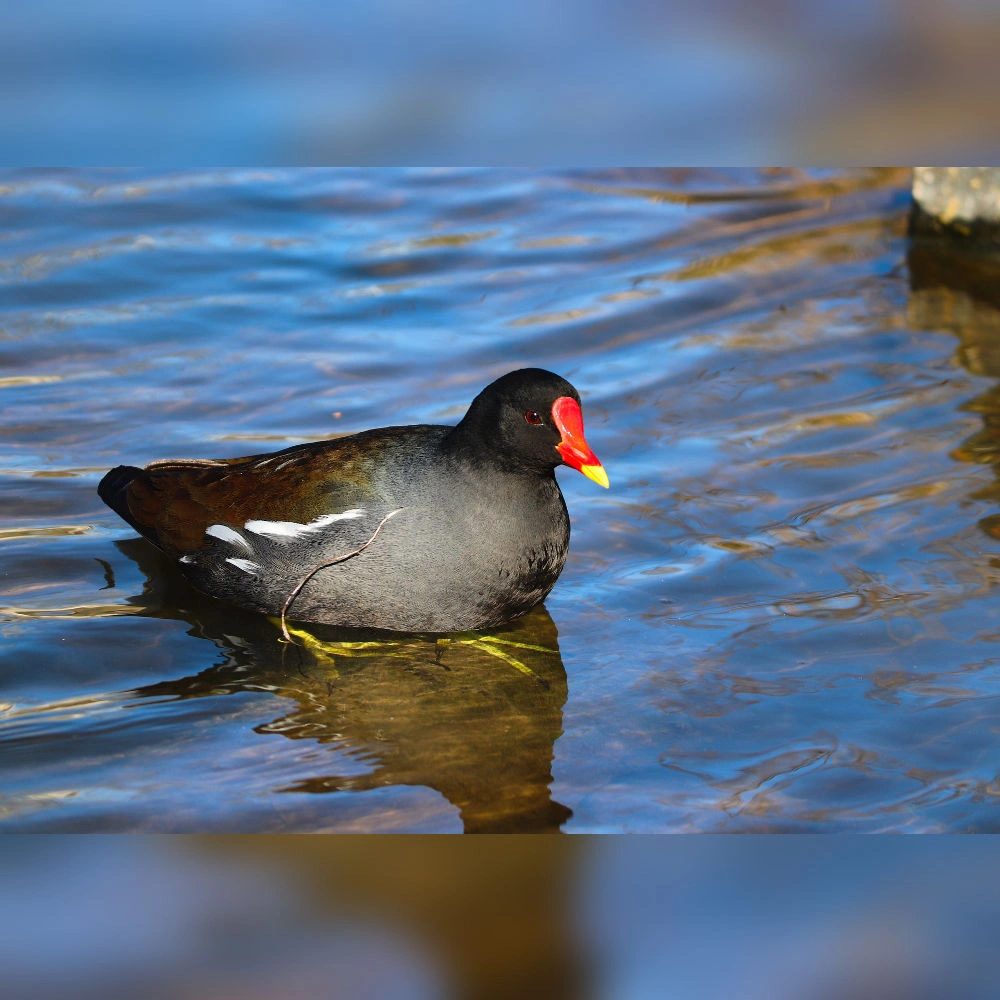
Eurasian Moorhen
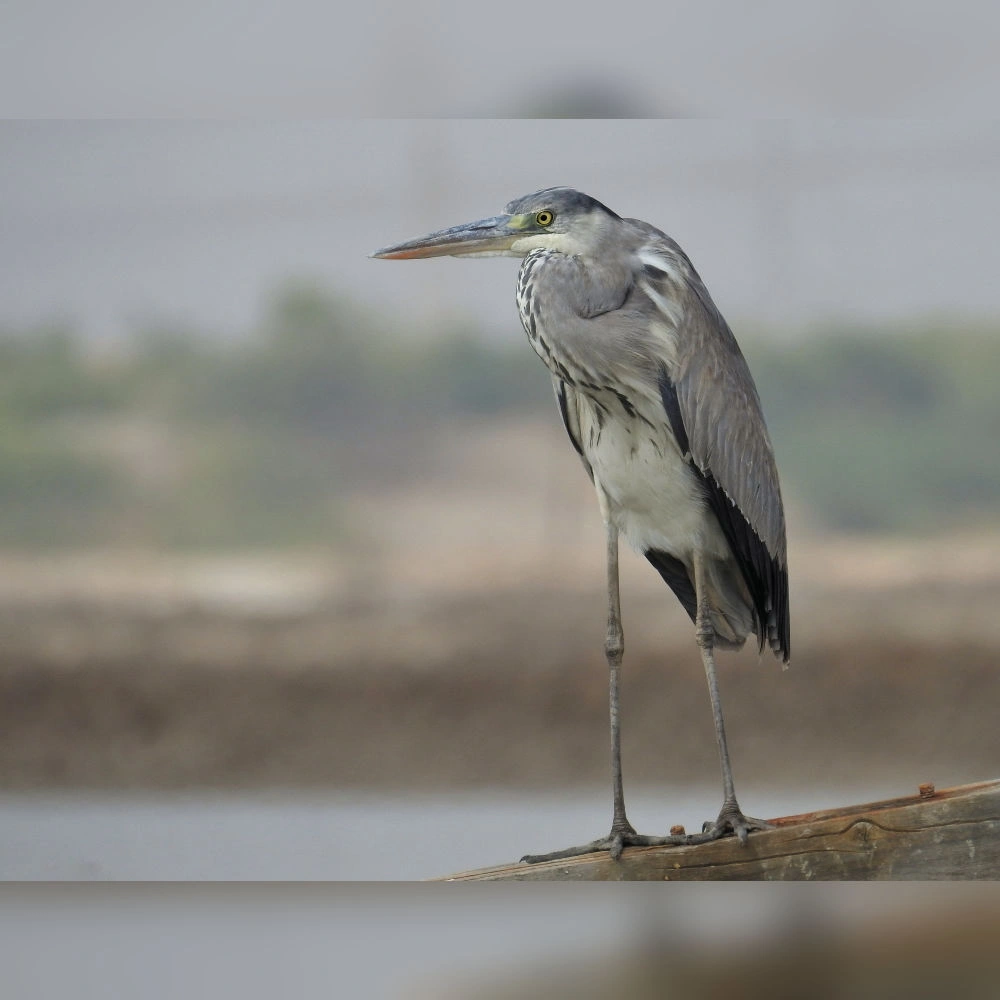
Grey Heron
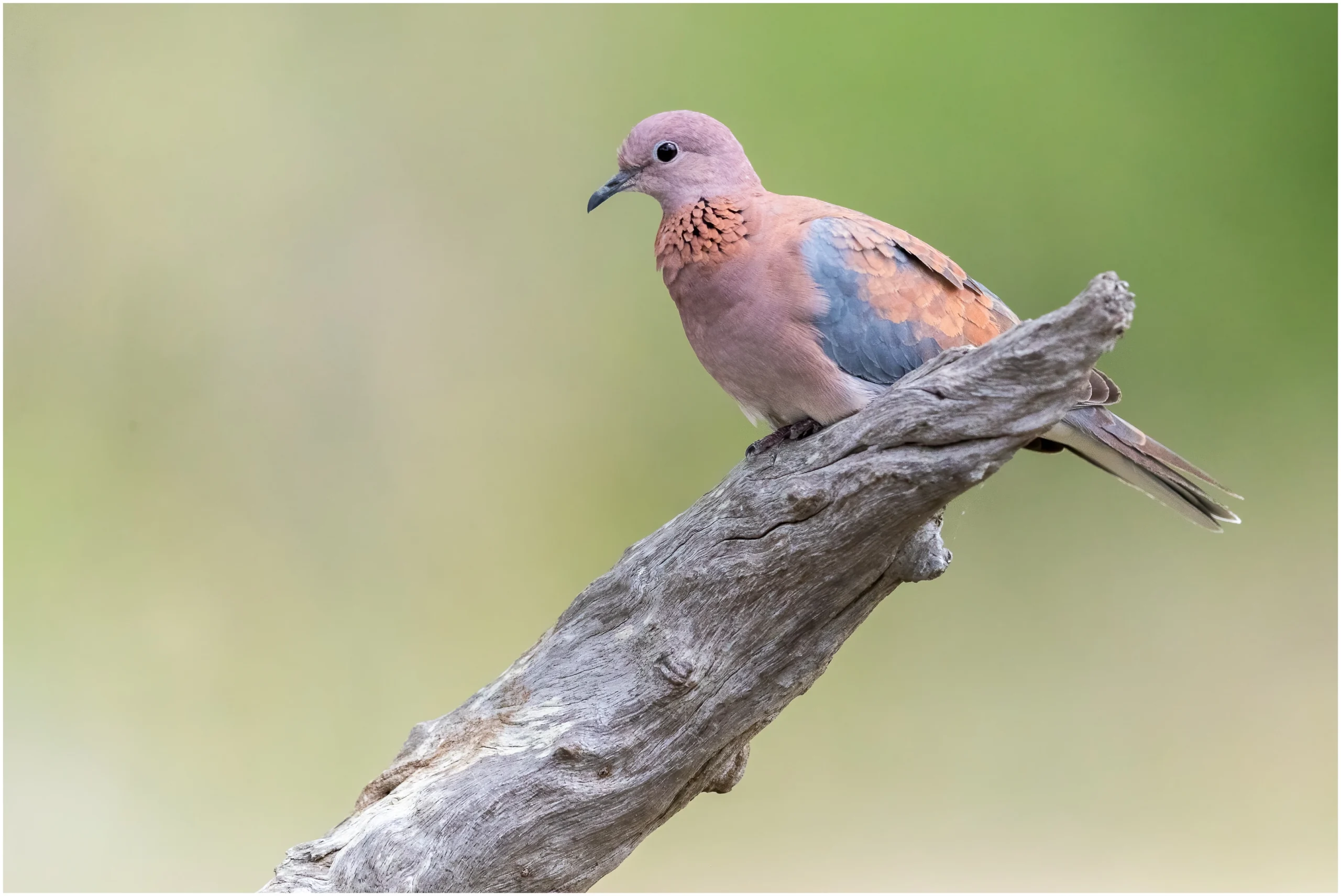
Laughing Dove
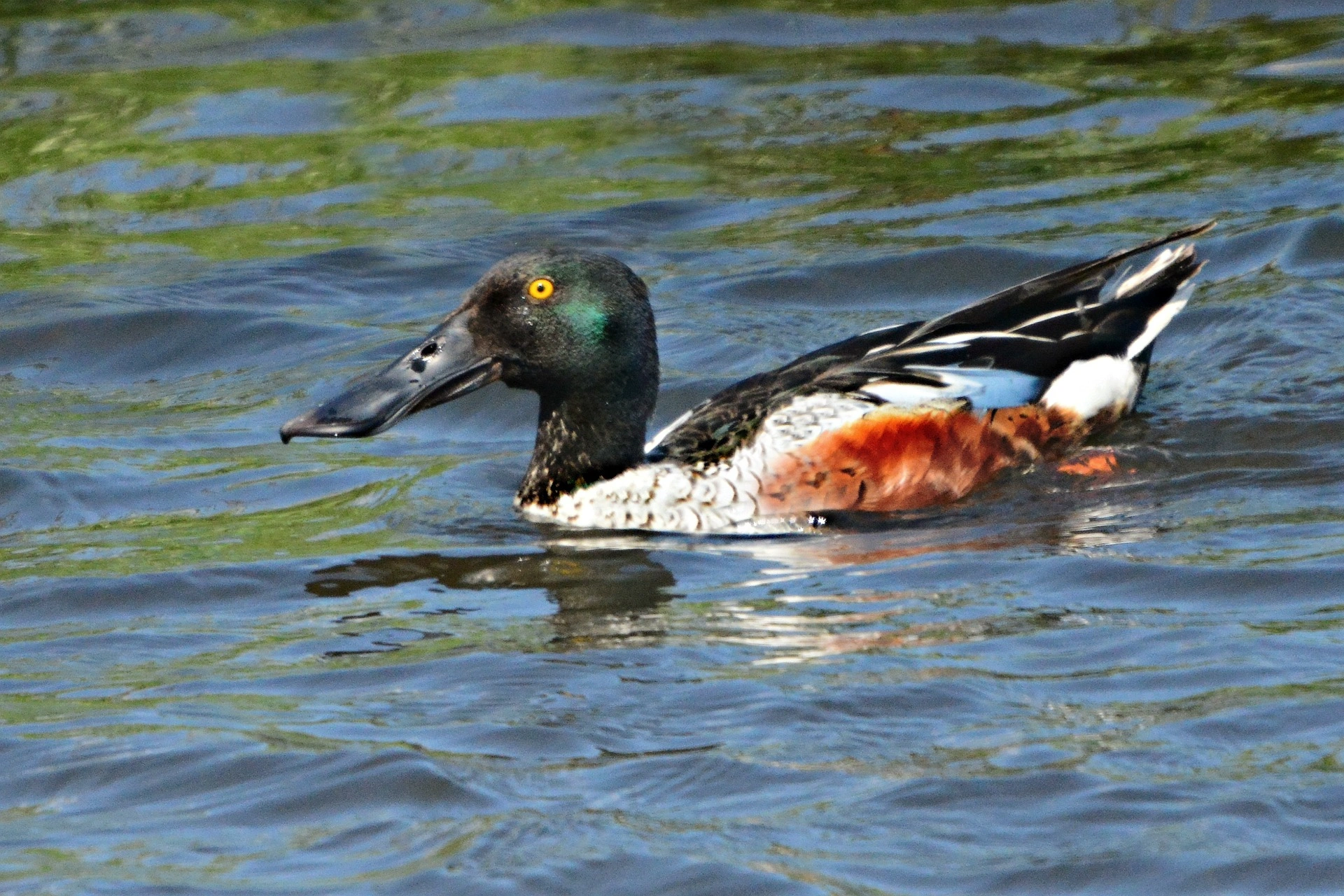
Northern Shoveler
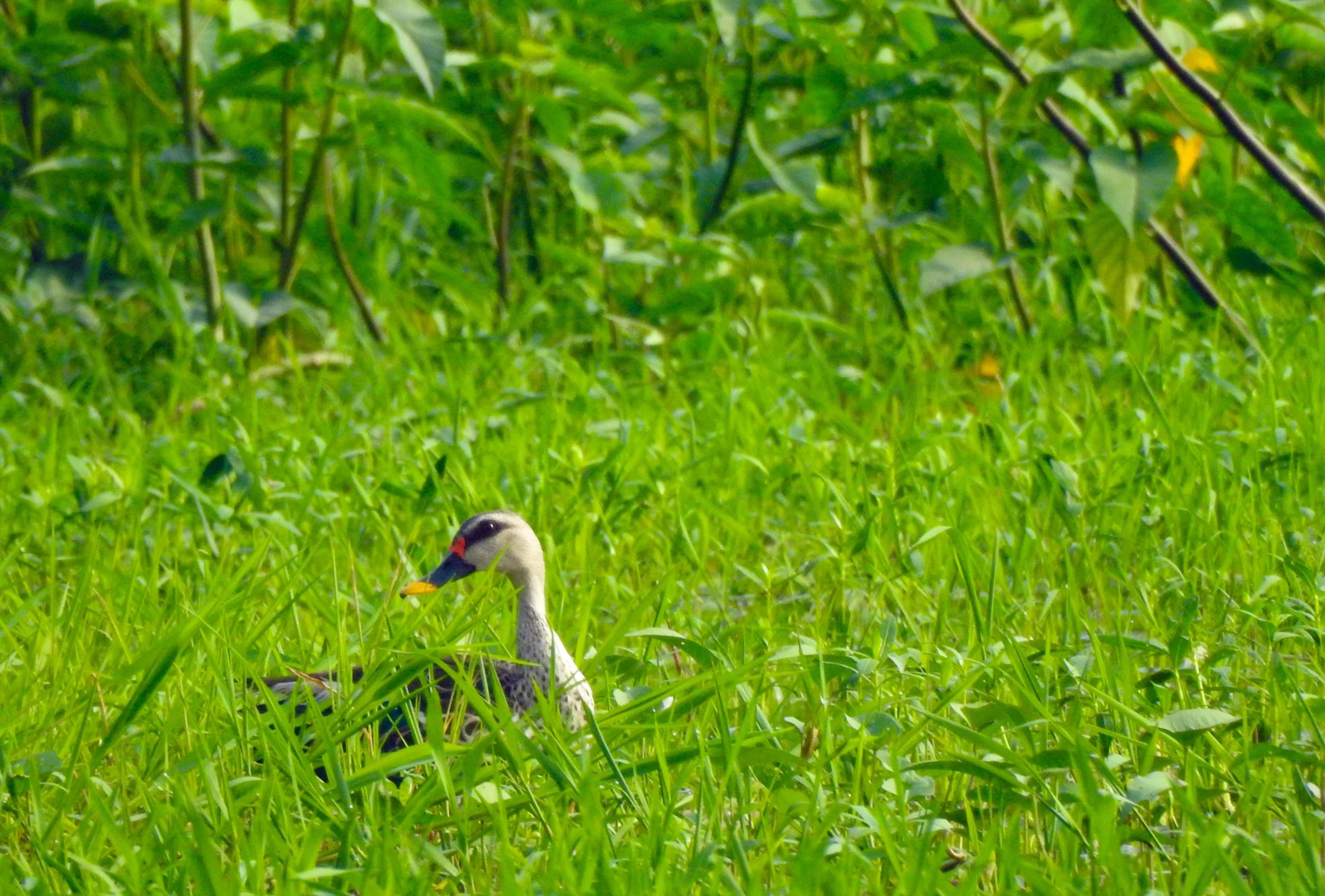
Indian Spot-billed Duck
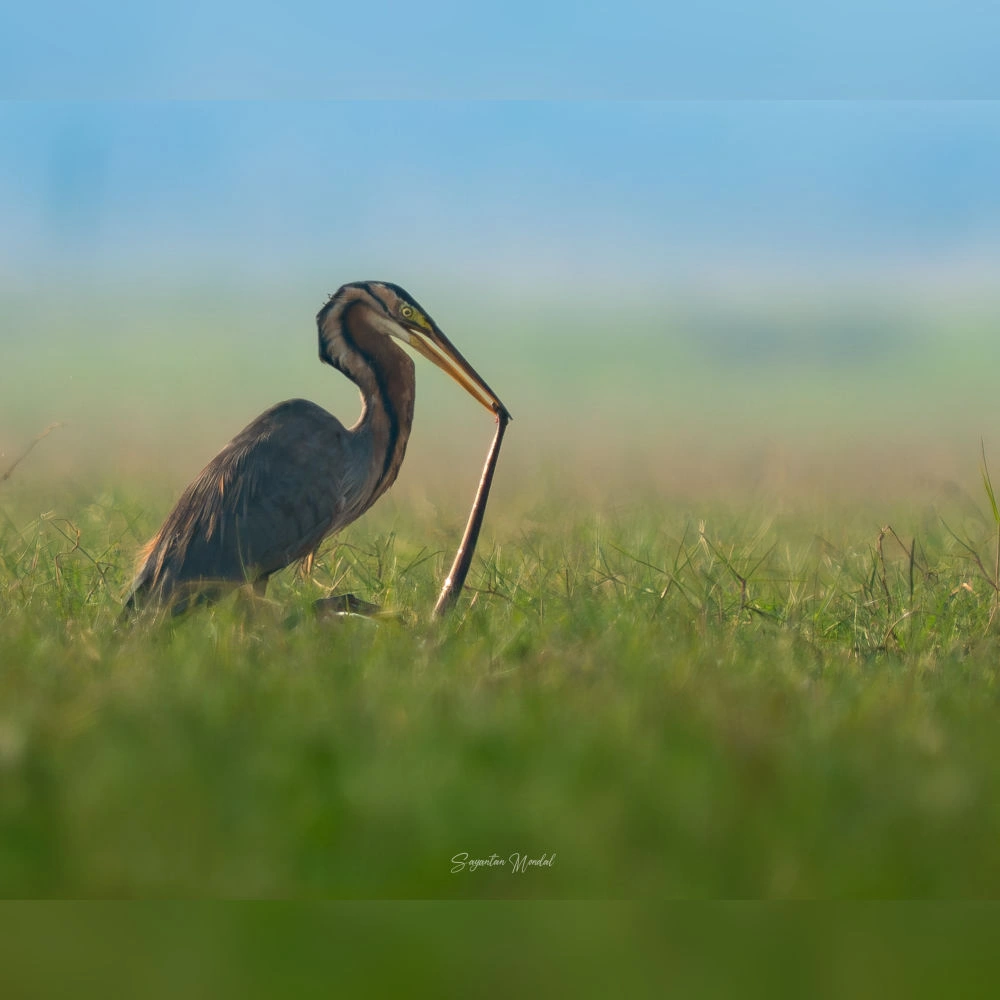
Purple Heron
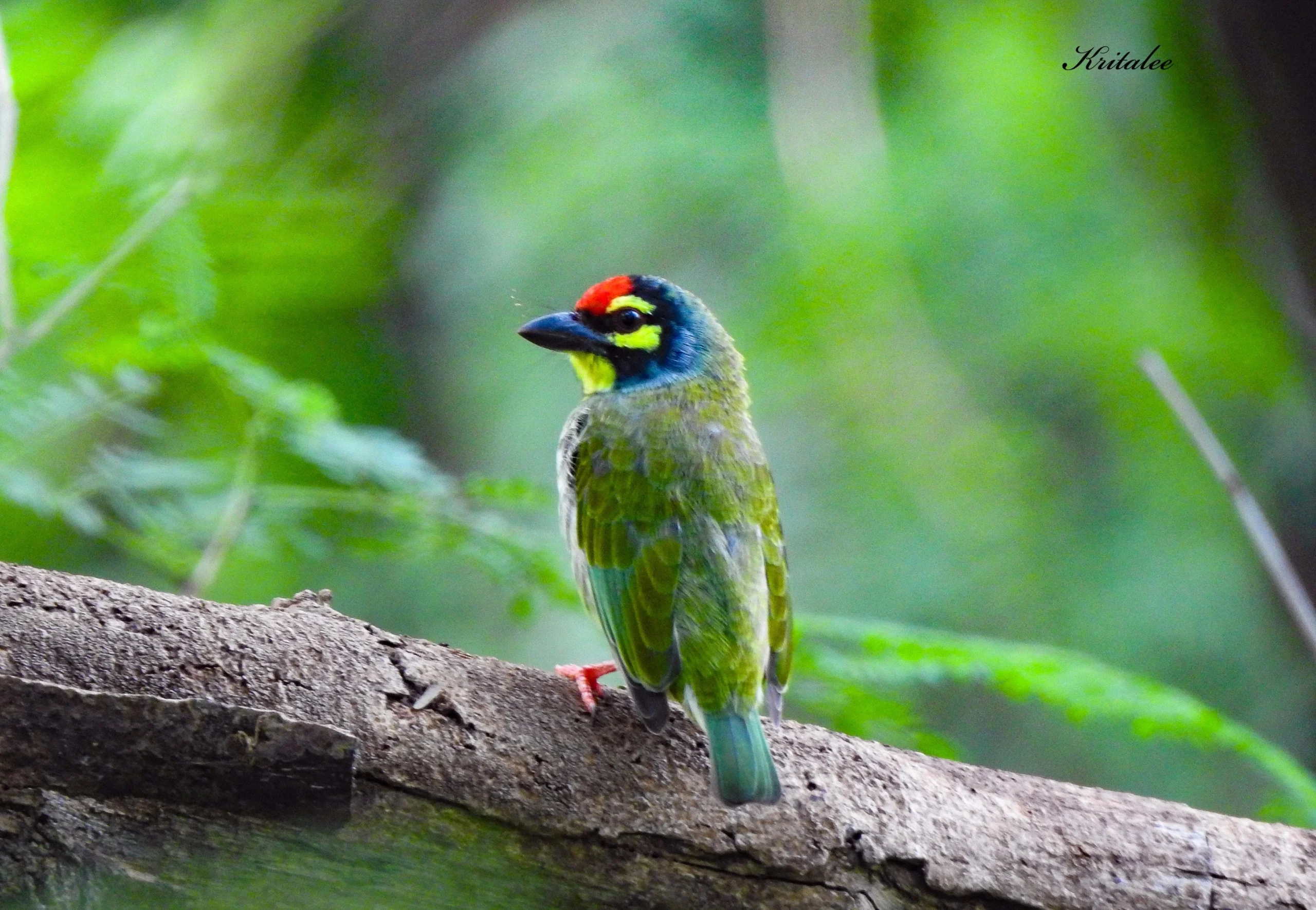
Coppersmith Barbet
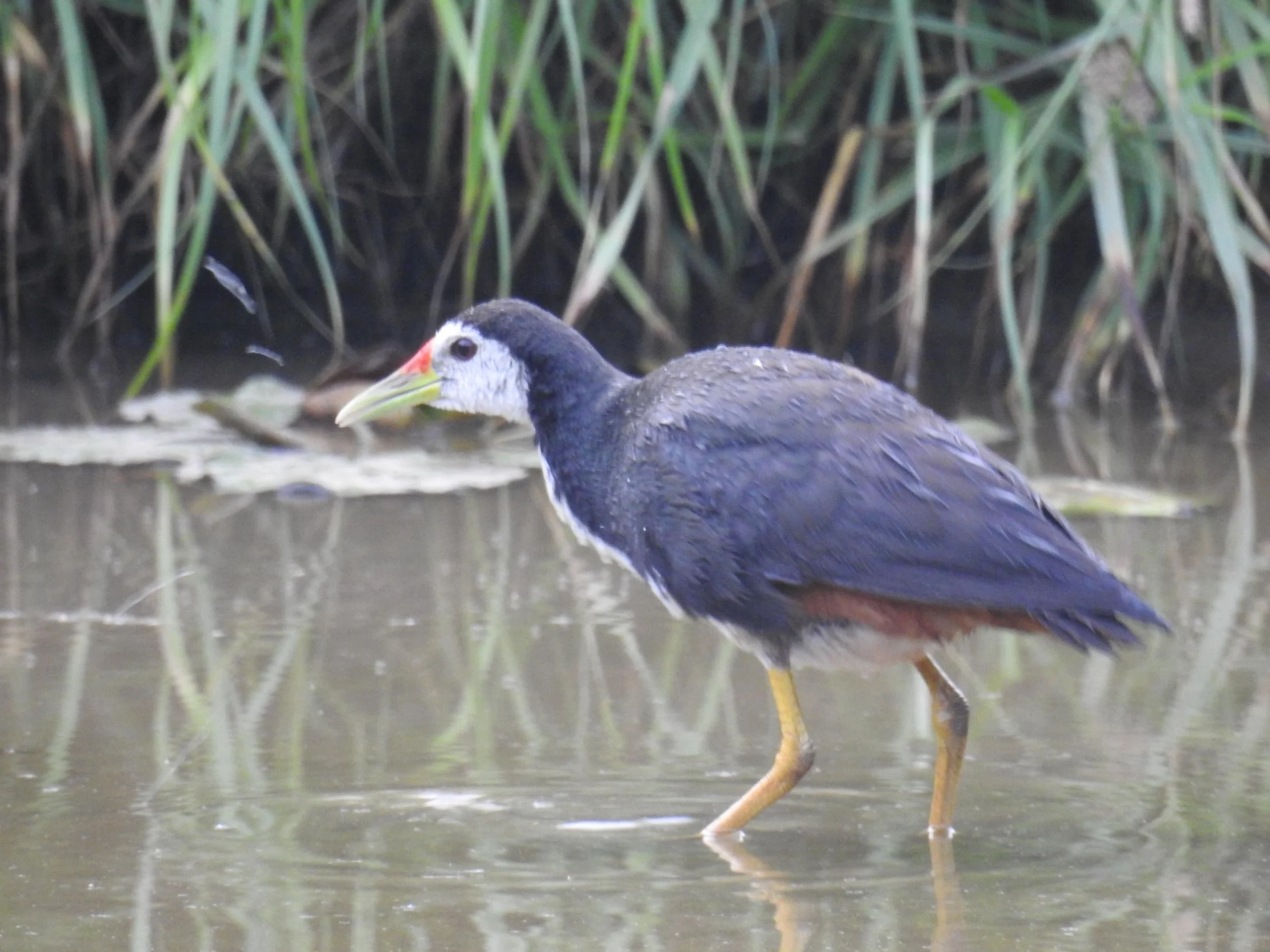
White-breasted Waterhen
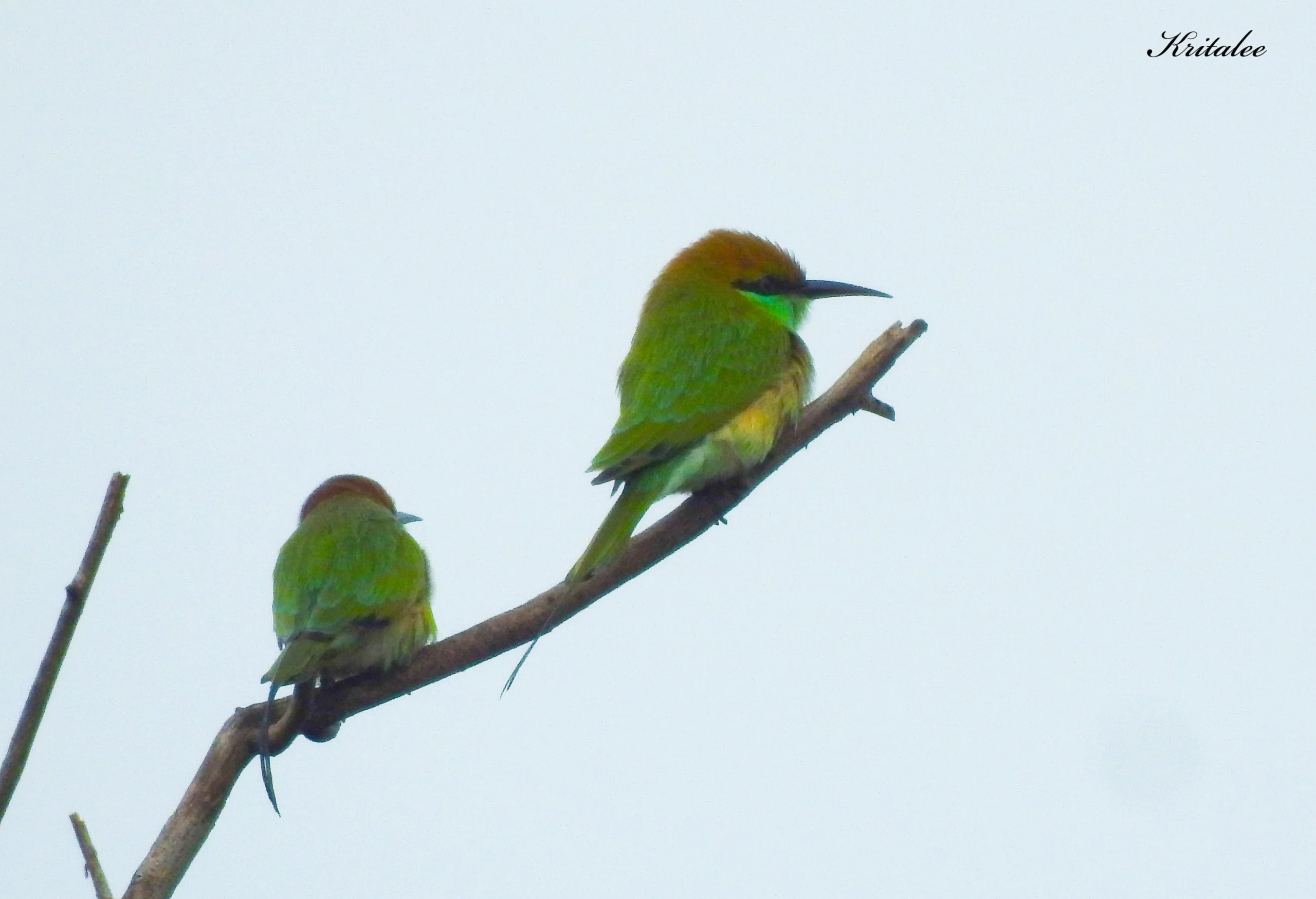
Asian Green Bee-eater
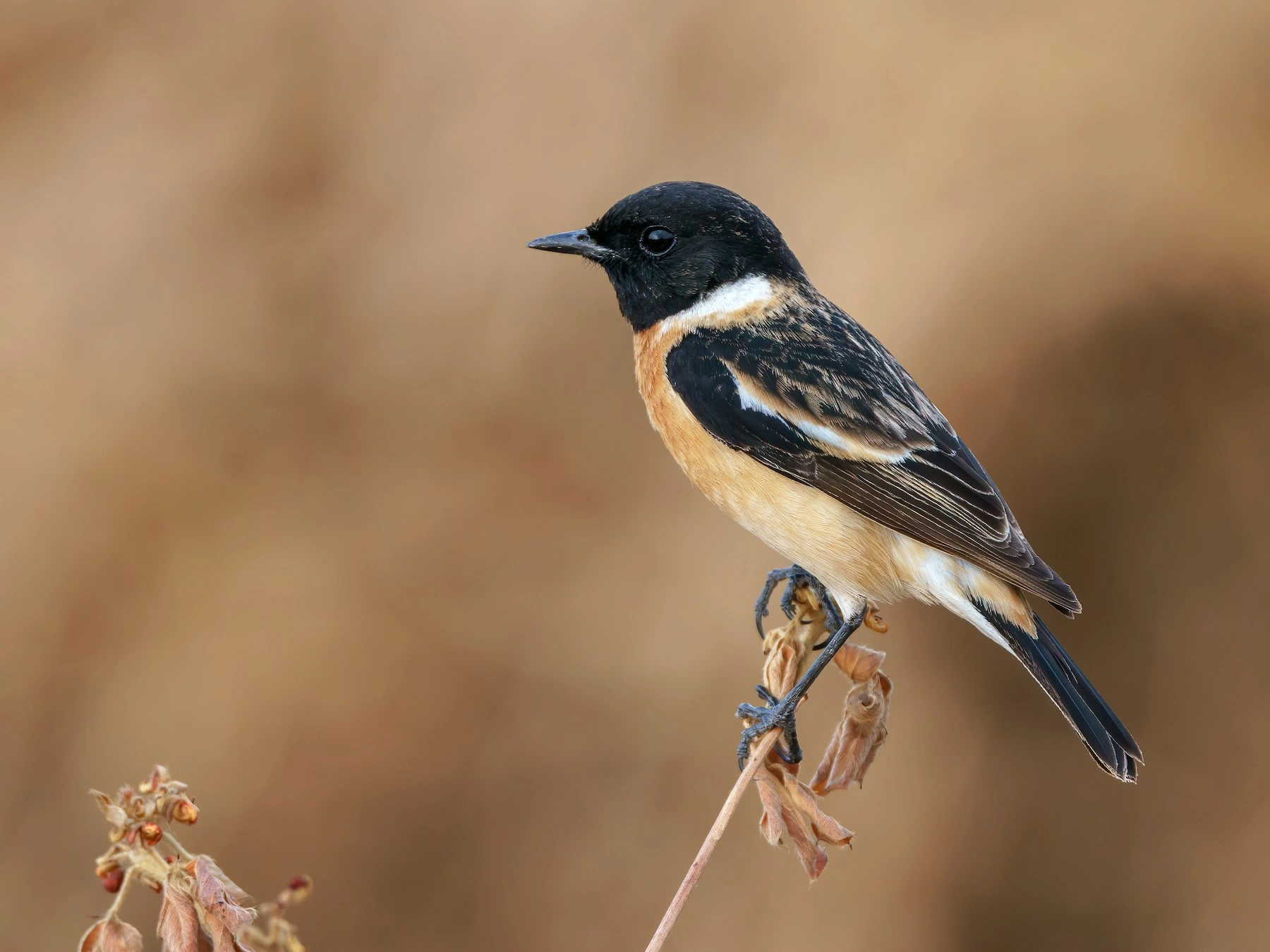
Siberian Stonechat
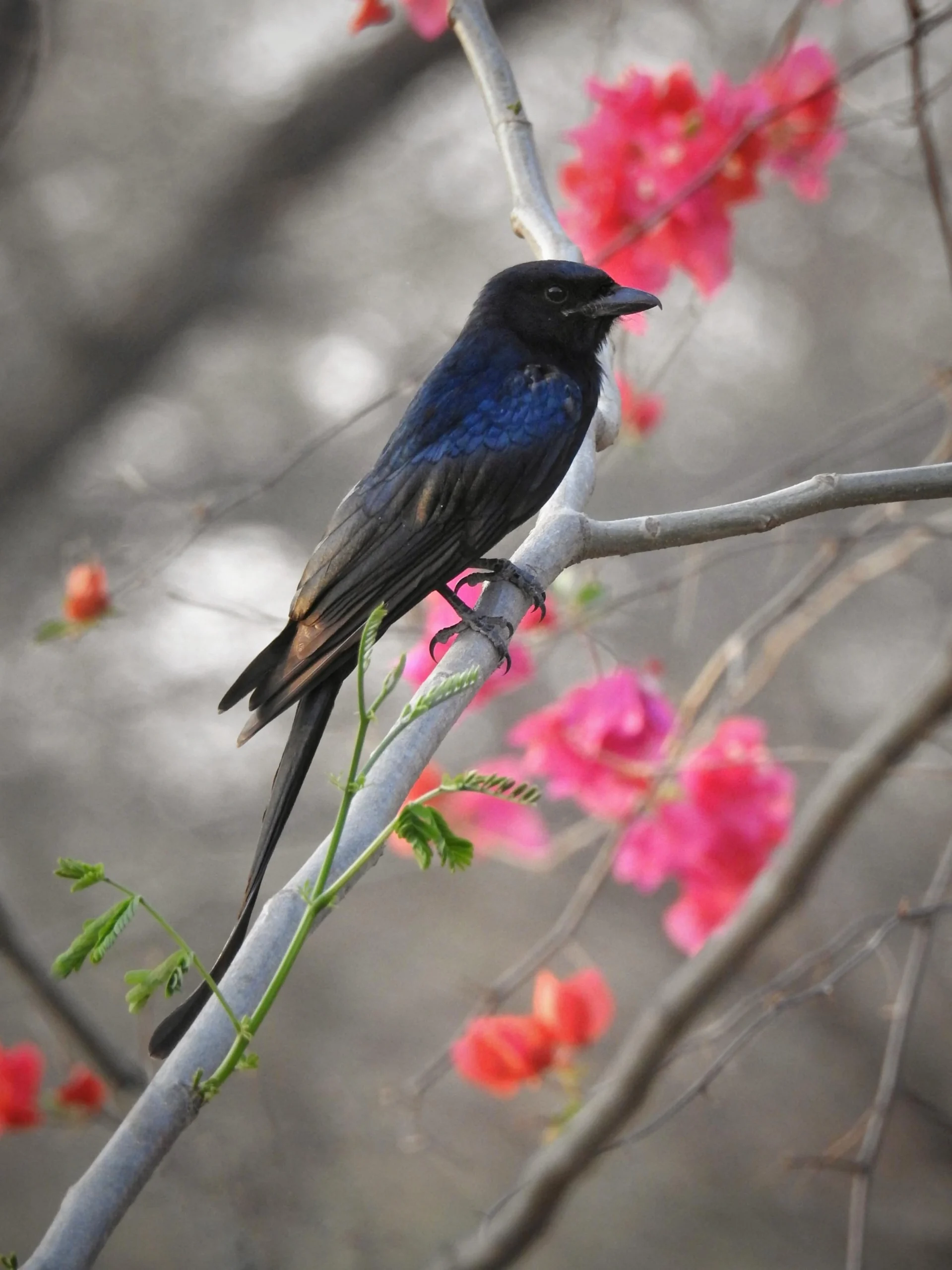
Black Drongo

Summary of Walk

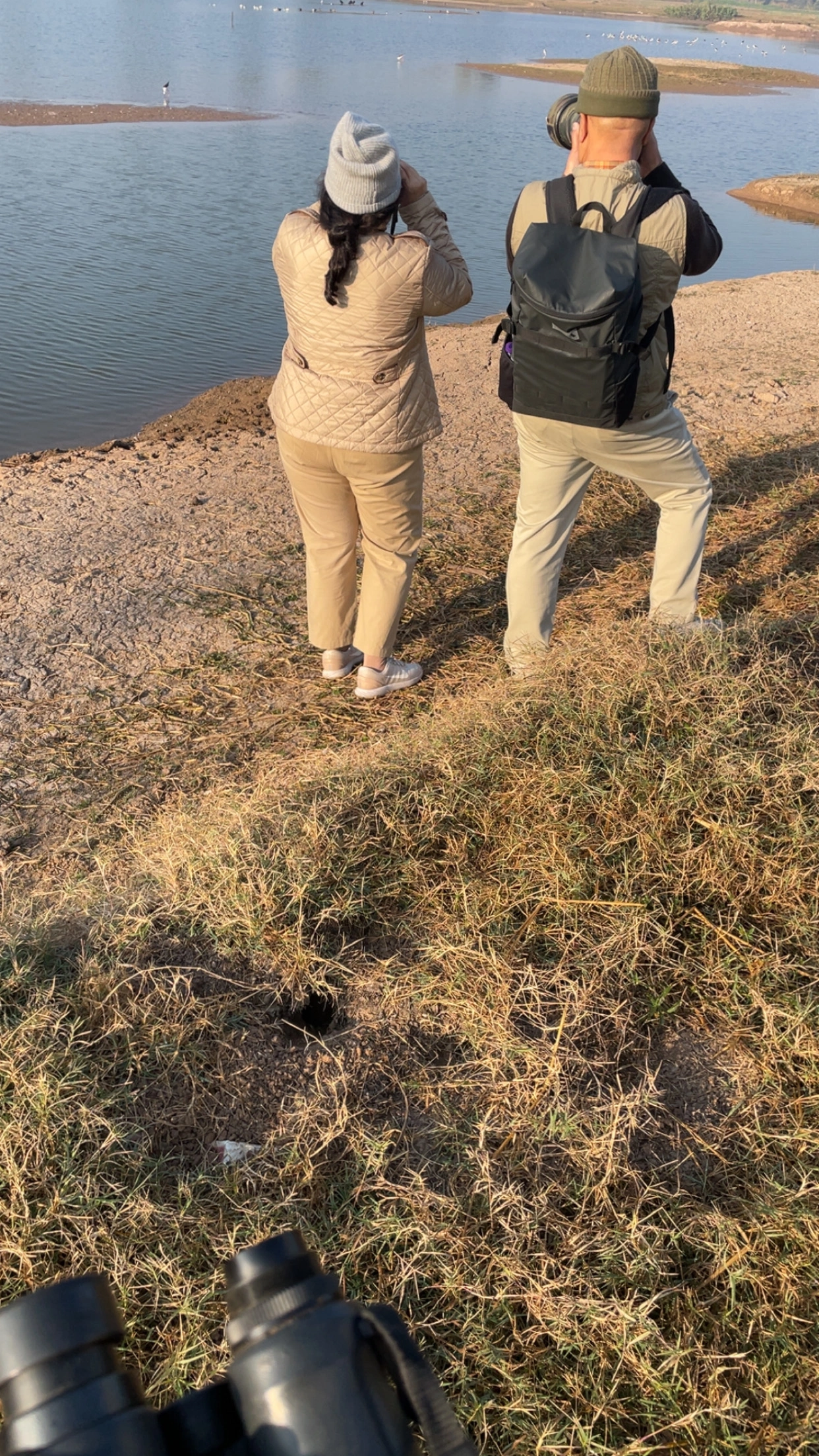
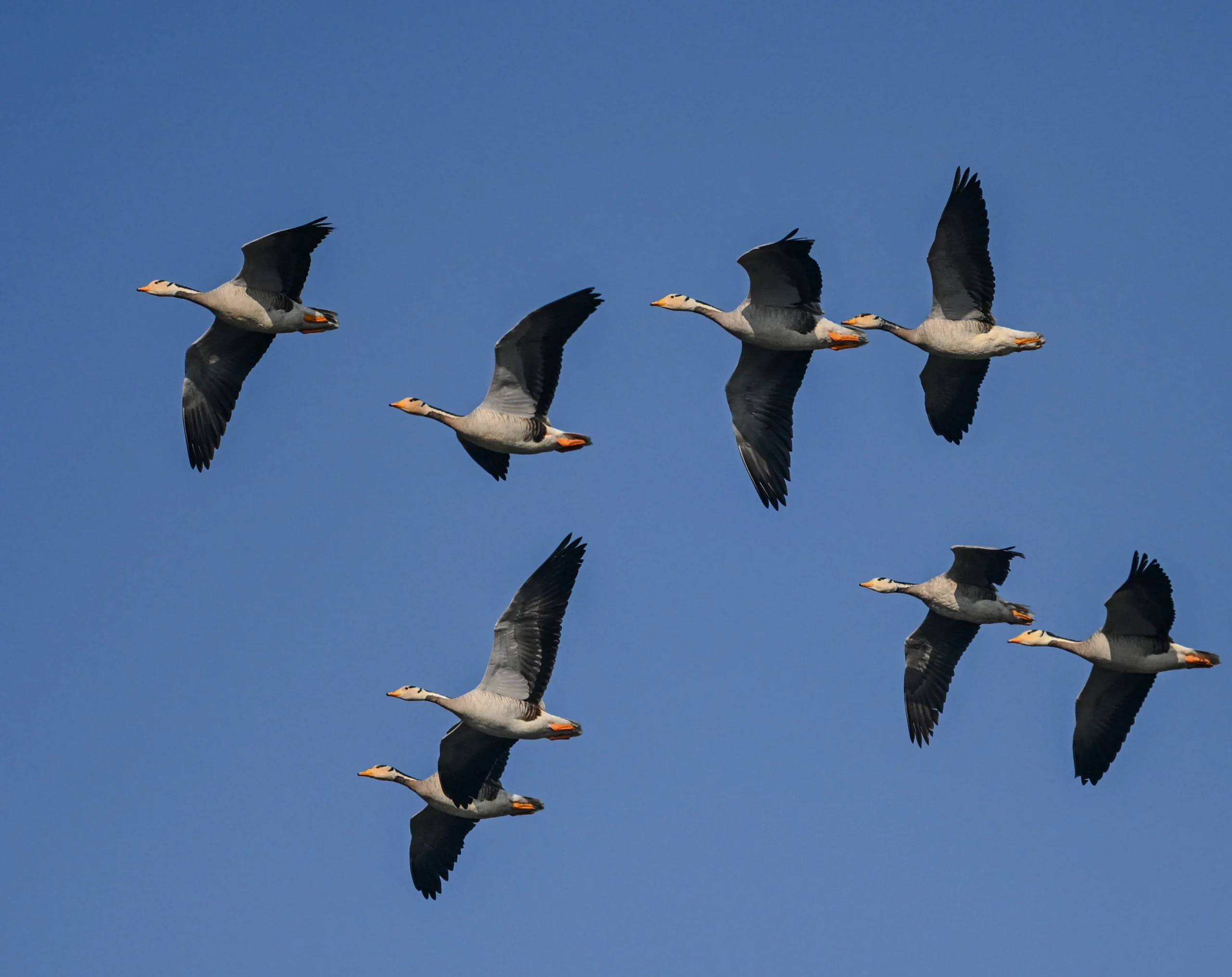
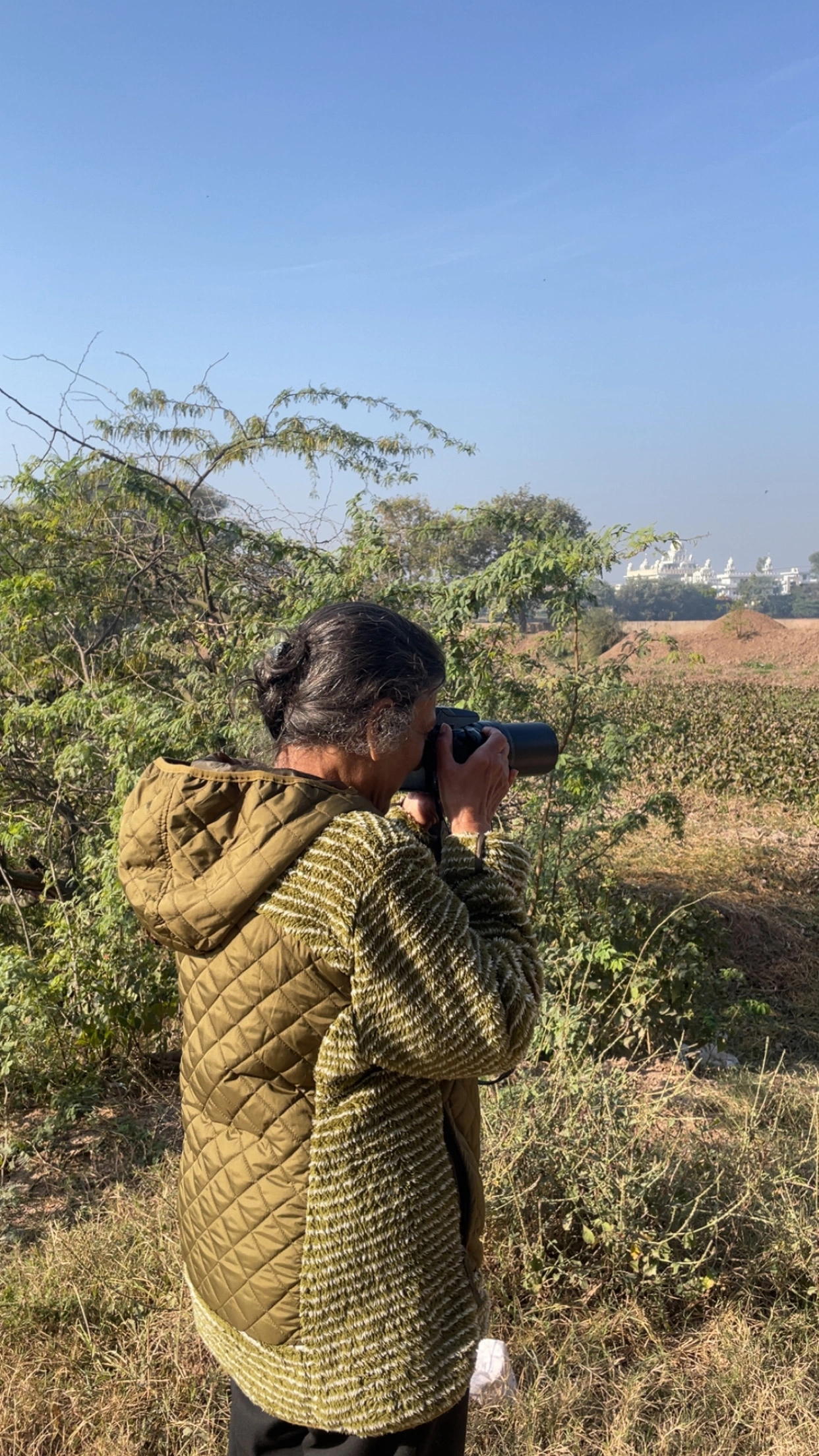
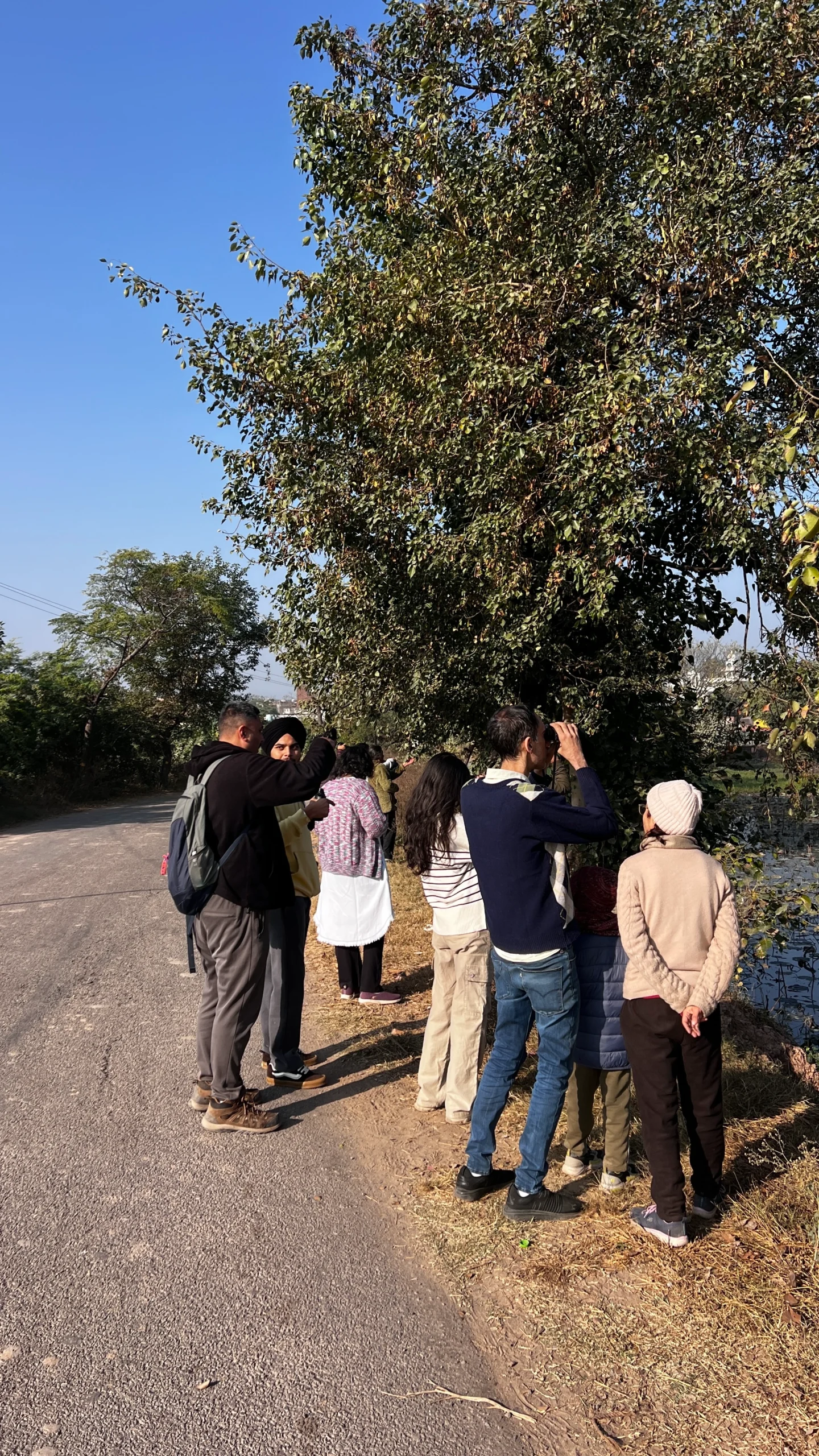
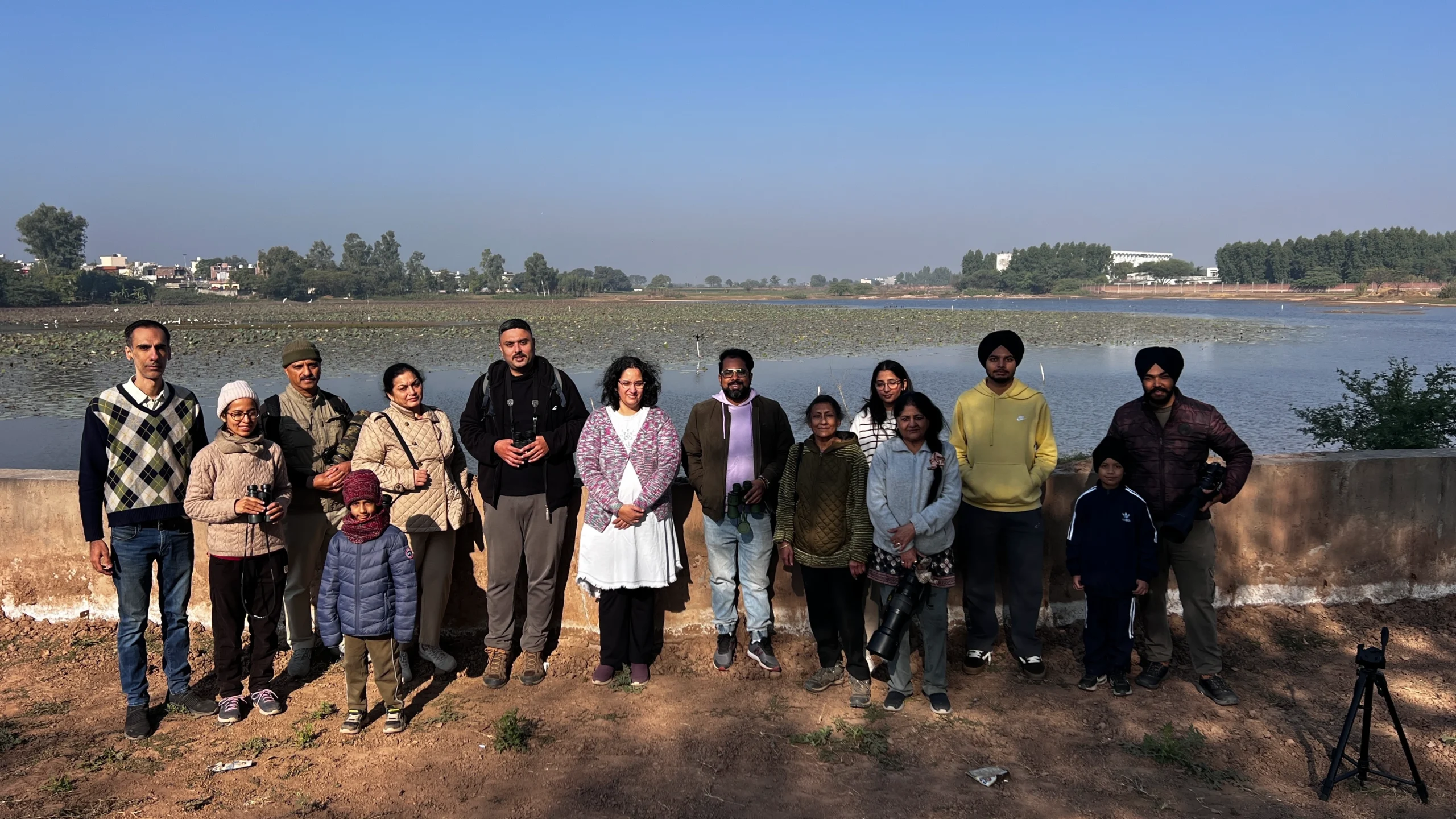
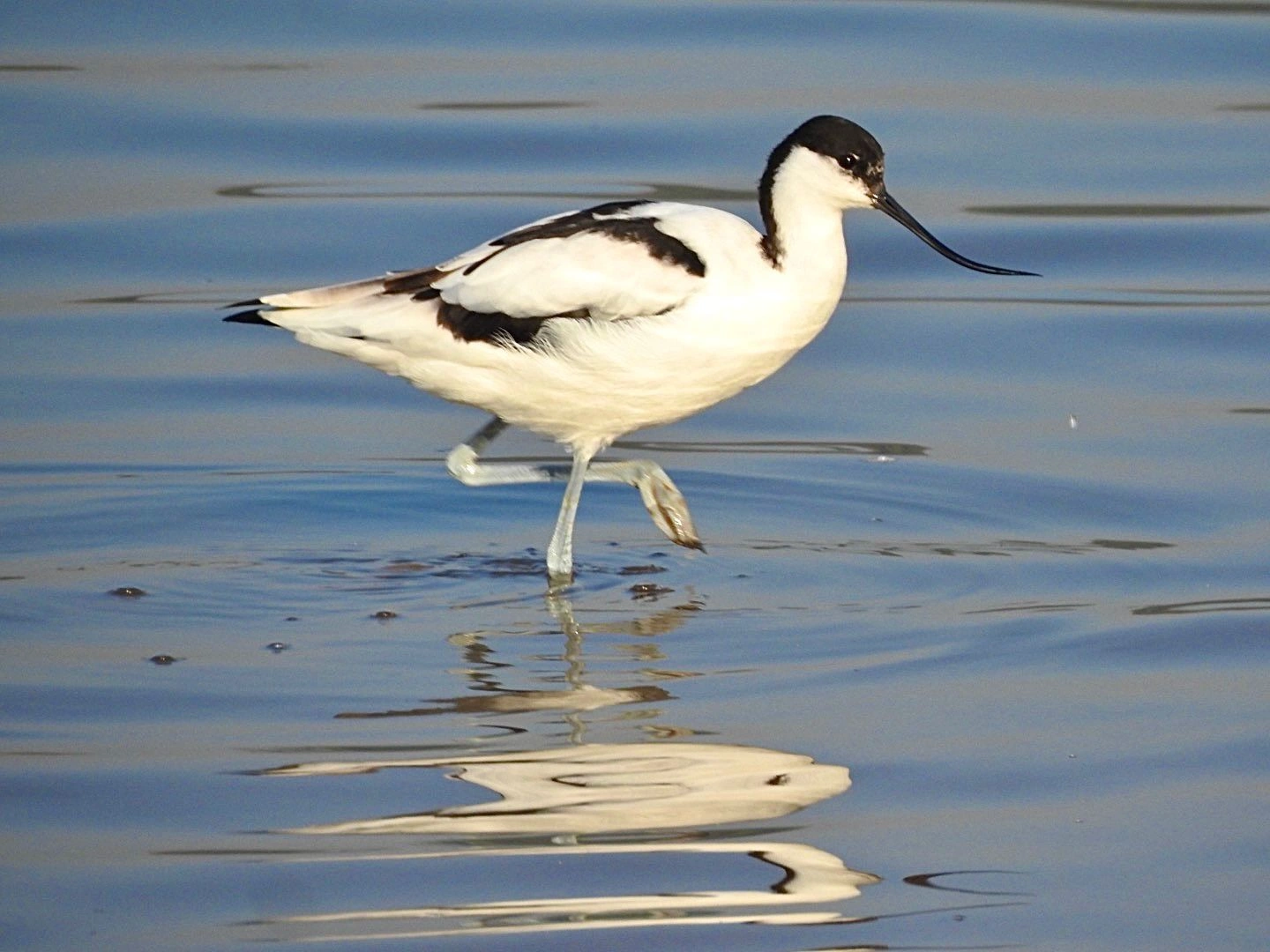
At Motemajra, a cheerful group of 12 — a mix of kids and adults — joined Gagandeep to step into the vibrant world of wetland birds. The walk turned into an engaging learning circle where participants understood how to identify species, unravel interesting stories, and reflect on why birds matter and how we can protect them. The wetland revealed a generous list of 59 species including 15 Bar-headed Geese circling overhead searching for a resting spot, along with Northern Shoveler, Gadwall, Ruddy Shelduck, Common Pochard, Pied Avocet, Temminck’s Stint, Spotted Redshank, and many lively wagtails.
What made this walk special was how the conversation refused to end with the field. Even after the group dispersed, discussions continued on WhatsApp, with Gagandeep sharing more insights about the birds spotted. The walk felt like the start of a small community — curious, joyful, and suddenly more aware of the feathered lives around Mohali’s wetlands.
Number of Participants
0
Scroll to Top