

Bird Walk at Maharashtra Nature Park, Mumbai
- Mumbai
- 20 December, 2025
- Shmes Sufyan
About Maharashtra Nature Park
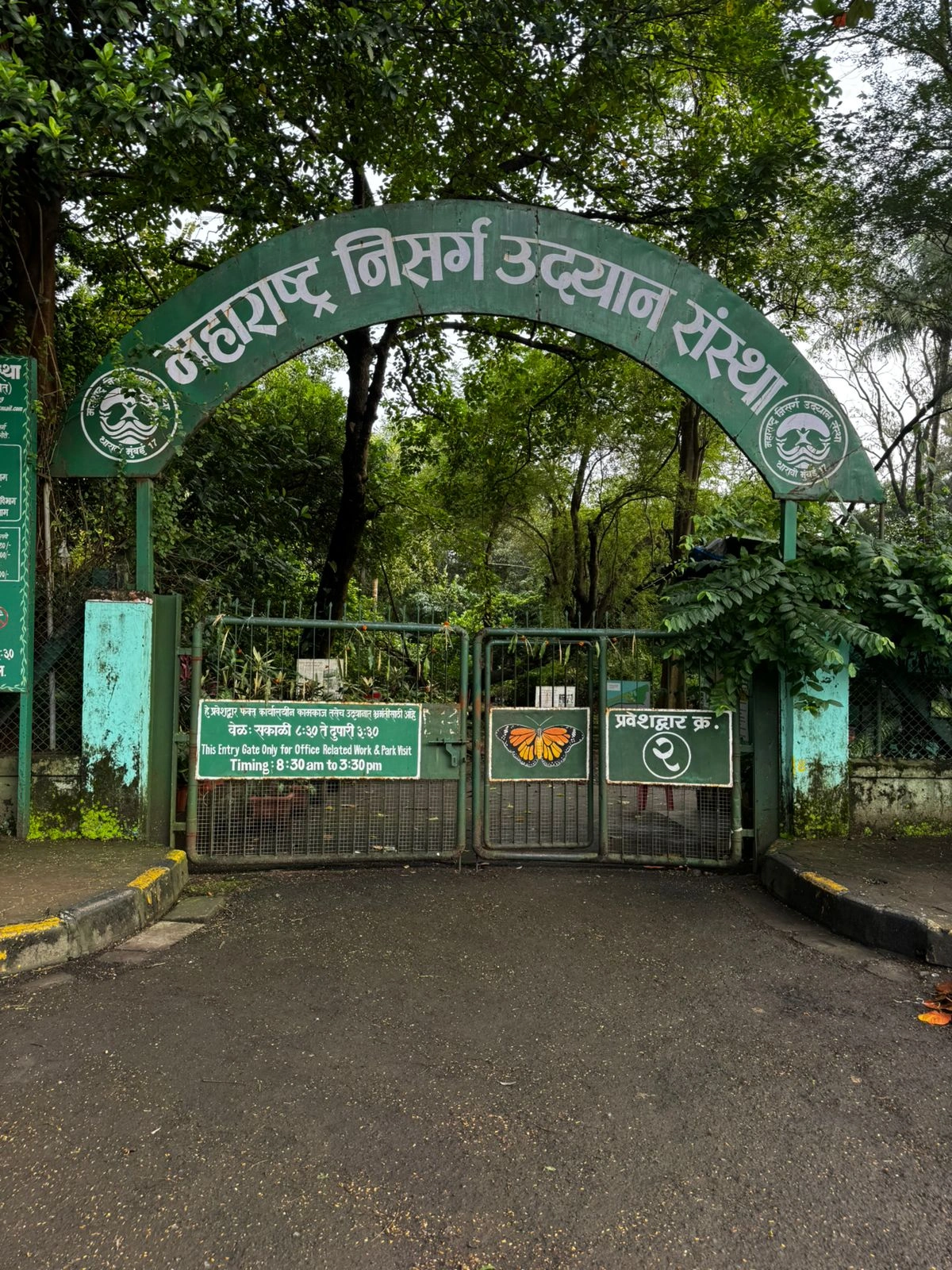
Located in the heart of Dharavi, Maharashtra Nature Park (MNP) is Mumbai’s unexpected green miracle, a thriving man-made forest that rose from a former dumping ground. Inaugurated in 1994, with its first sapling planted by the legendary Dr. Salim Ali, MNP today is home to over 160 species of birds, 80+ species of butterflies, and and countless insects and amphibians, playing a key role in preserving biodiversity. It’s not just a birding hotspot, it’s a living example of what ecological restoration and community effort can achieve in the middle of a busy city.
Spread over 37 acres, MNP now features dense plantations, nature trails, bamboo groves, mangrove patches, and a central pond that attracts a variety of birds and butterflies. Amidst the chaos of Mumbai’s urban sprawl, this regenerated woodland offers a peaceful refuge for walkers, birdwatchers, students, and nature lovers. It also serves as an outdoor classroom for environmental education, especially for children from neighboring low-income communities. Ecologically, MNP acts as a vital green lung for the city—moderating temperatures, aiding groundwater recharge, improving air quality, and buffering against floods through its vegetation and wetlands.
Partnered with

Bird Guide - Shmes Sufyan
Birding guide with 10+ years of experience, holding a Master’s in Biodiversity, Wildlife Conservation, and Management. Skilled at not just spotting birds but also explaining their ecology, behavior, and habitats in a simple, engaging way.
Bird walk Location
Common birds of Maharashtra Nature Park
With over 160 bird species recorded within its 37-acre expanse, MNP has emerged as a critical avifaunal refuge in the heart of the megacity. The park’s blend of dense woodland, open clearings, mangroves, and wetland patches creates diverse microhabitats that sustain both resident and migratory birds across seasons. Common residents like the Coppersmith Barbet, Rose-ringed Parakeet, White-throated Kingfisher, and Red-vented Bulbul are frequently seen and heard along the trails. The central pond attracts Indian Cormorants, Black-winged Stilts, Pond-Herons, and seasonal visitors such as Whiskered Terns, Temminck’s Stint, and Green Sandpipers.
MNP also hosts raptors like the Black Kite, Shikra, and the elusive Greater Spotted Eagle—indicators of a balanced urban food web. Occasional sightings of Painted Storks, Glossy Ibises, and River Terns highlight its importance for migratory species. With its surprising bird diversity in the heart of a dense metropolis, the park plays a vital role in supporting urban wildlife, offering nature-based learning, and reminding the city of its wild side worth conserving.

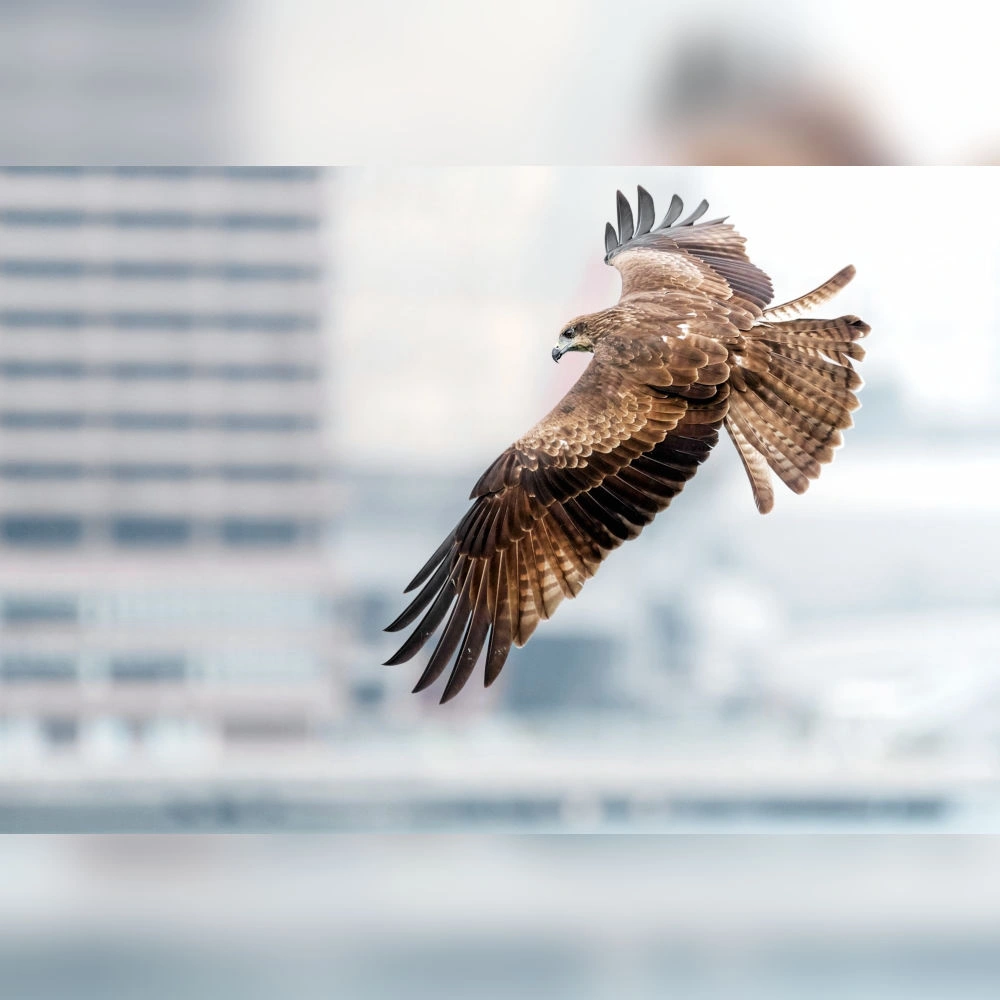
Black Kite

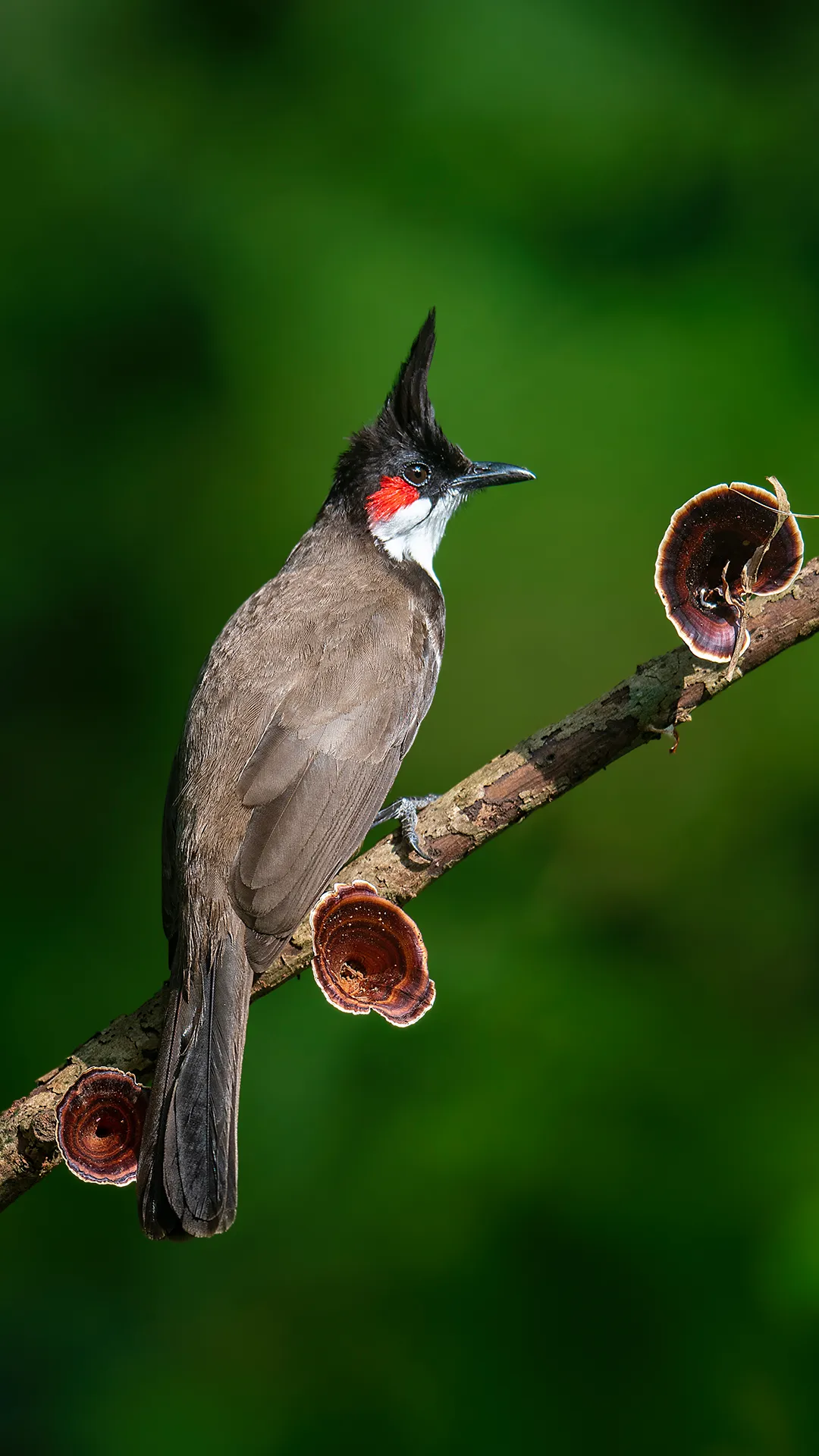
Red-whiskered Bulbul

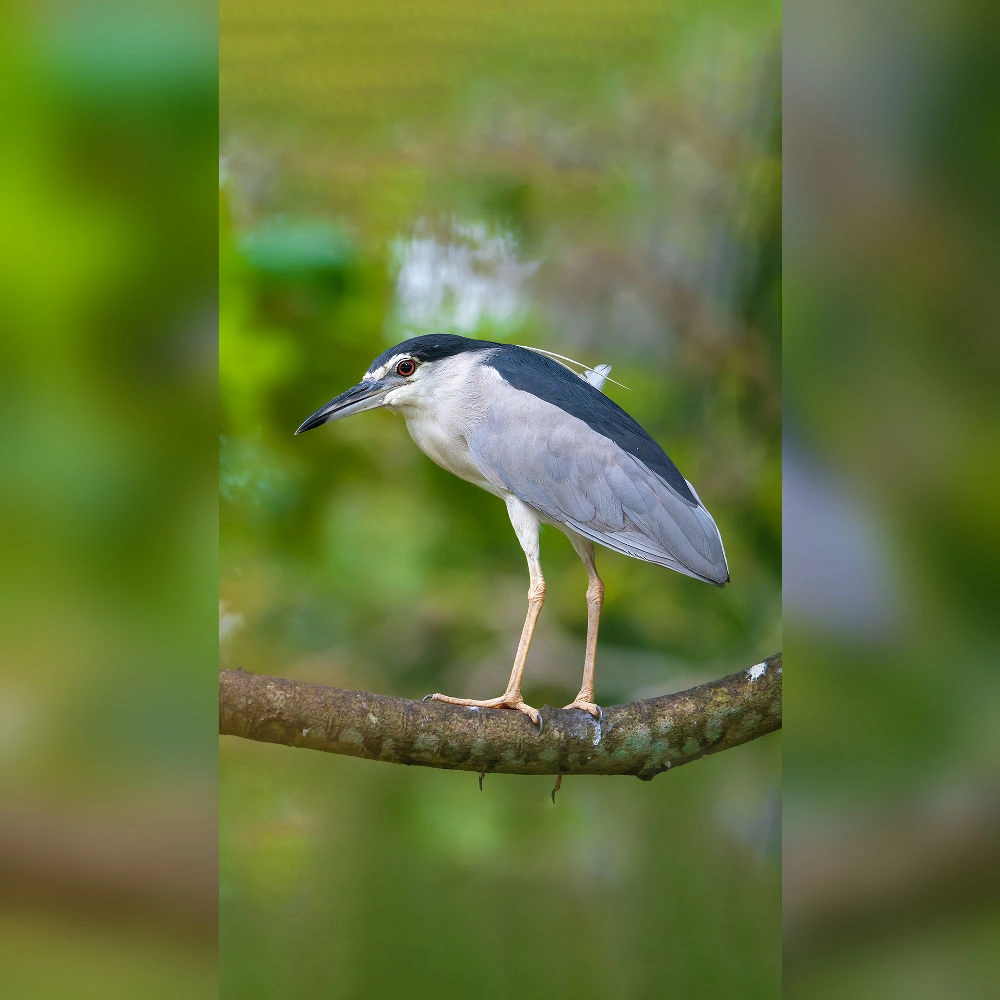
Black Crowned Night Heron
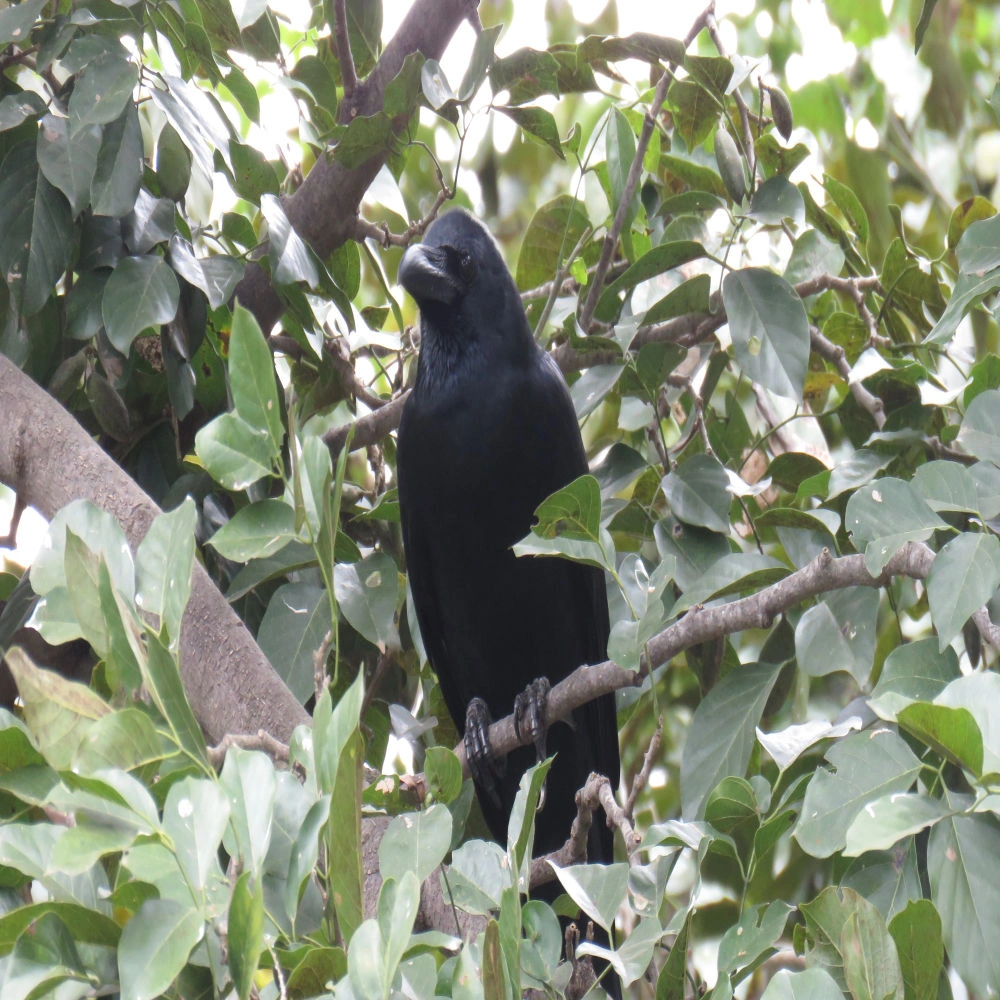
Large-billed Crow
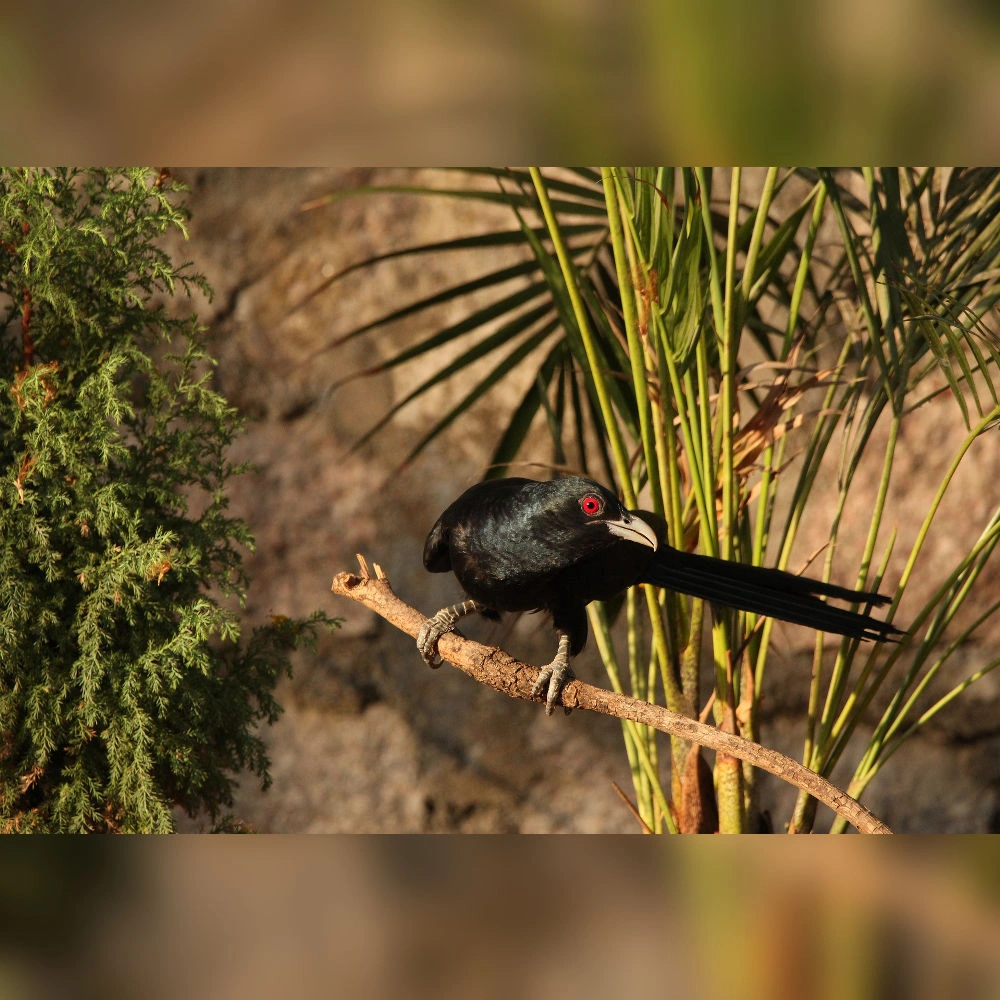
Asian Koel
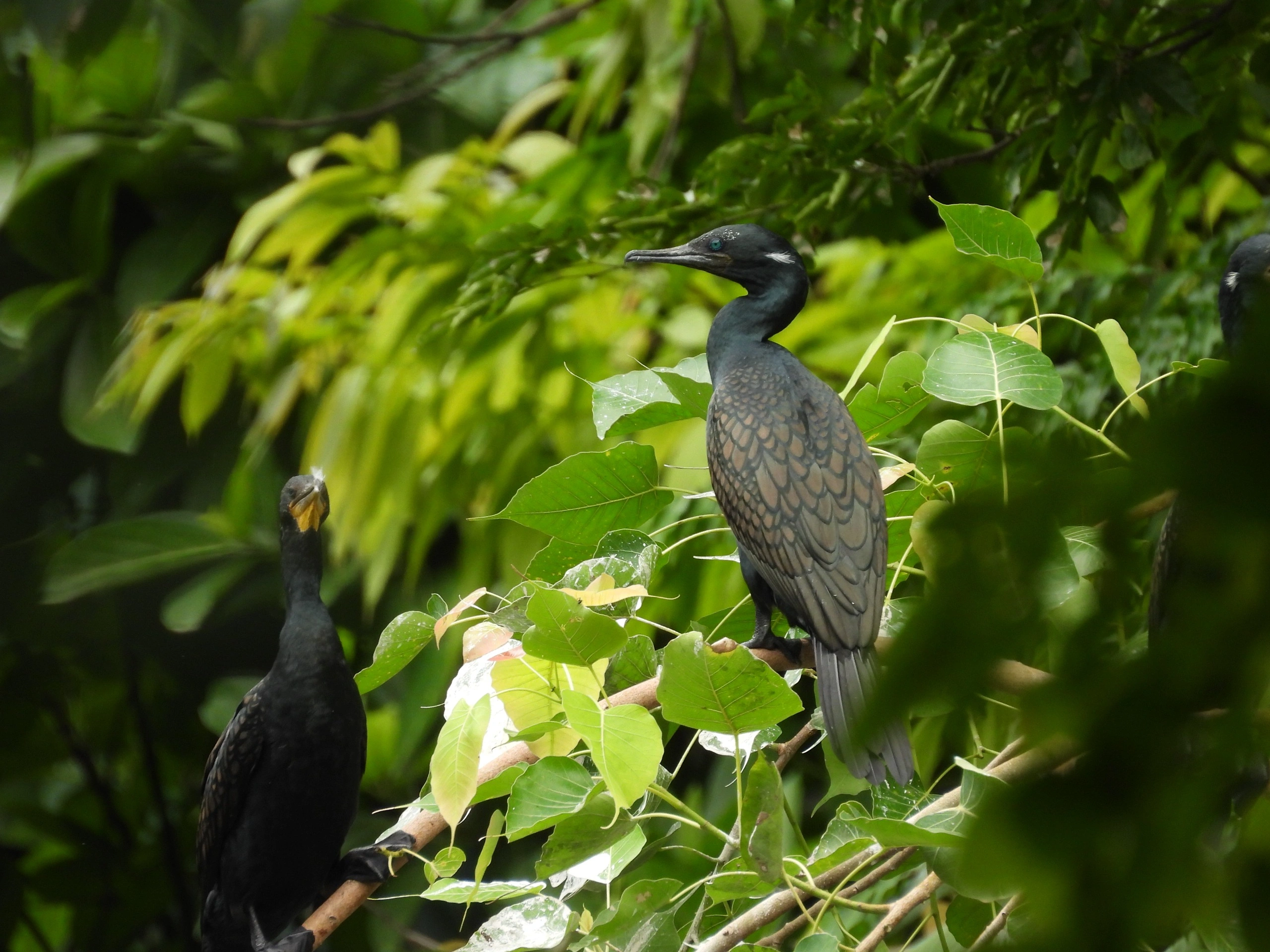
Indian Cormorant
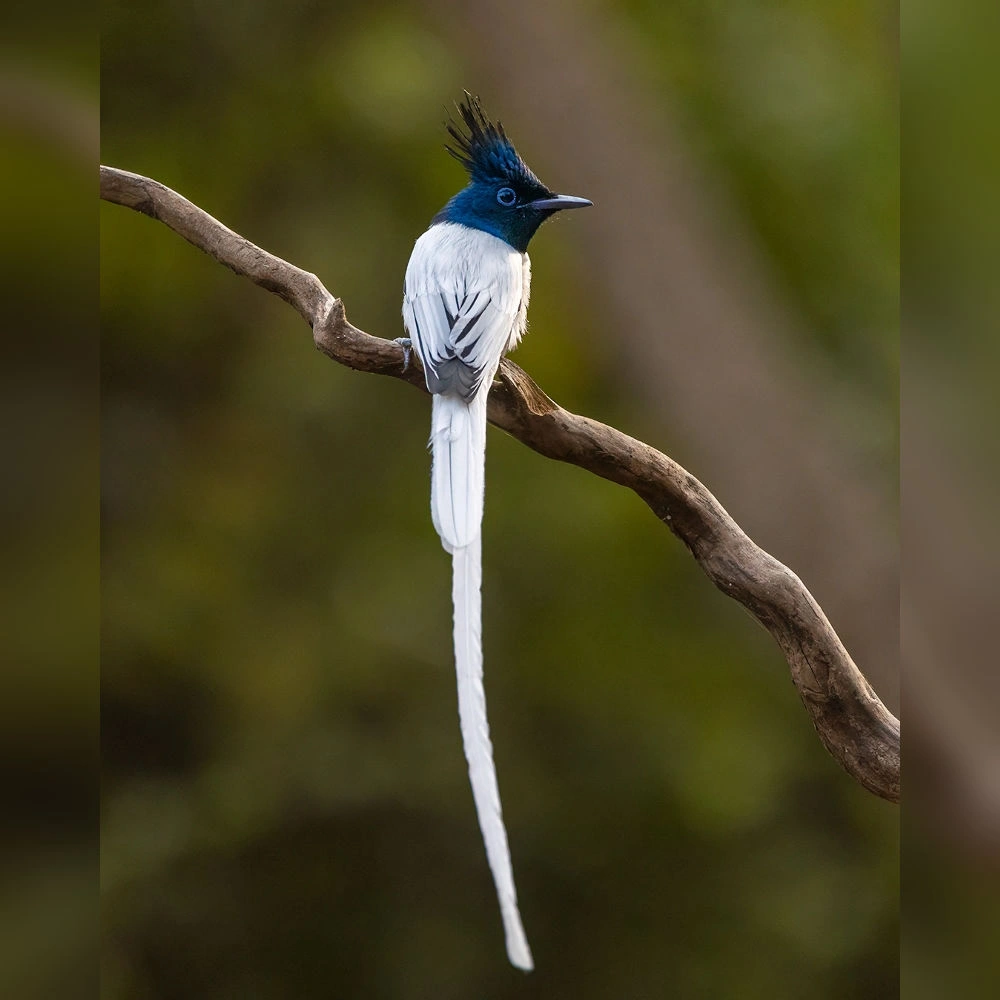
Indian Paradise Flycatcher
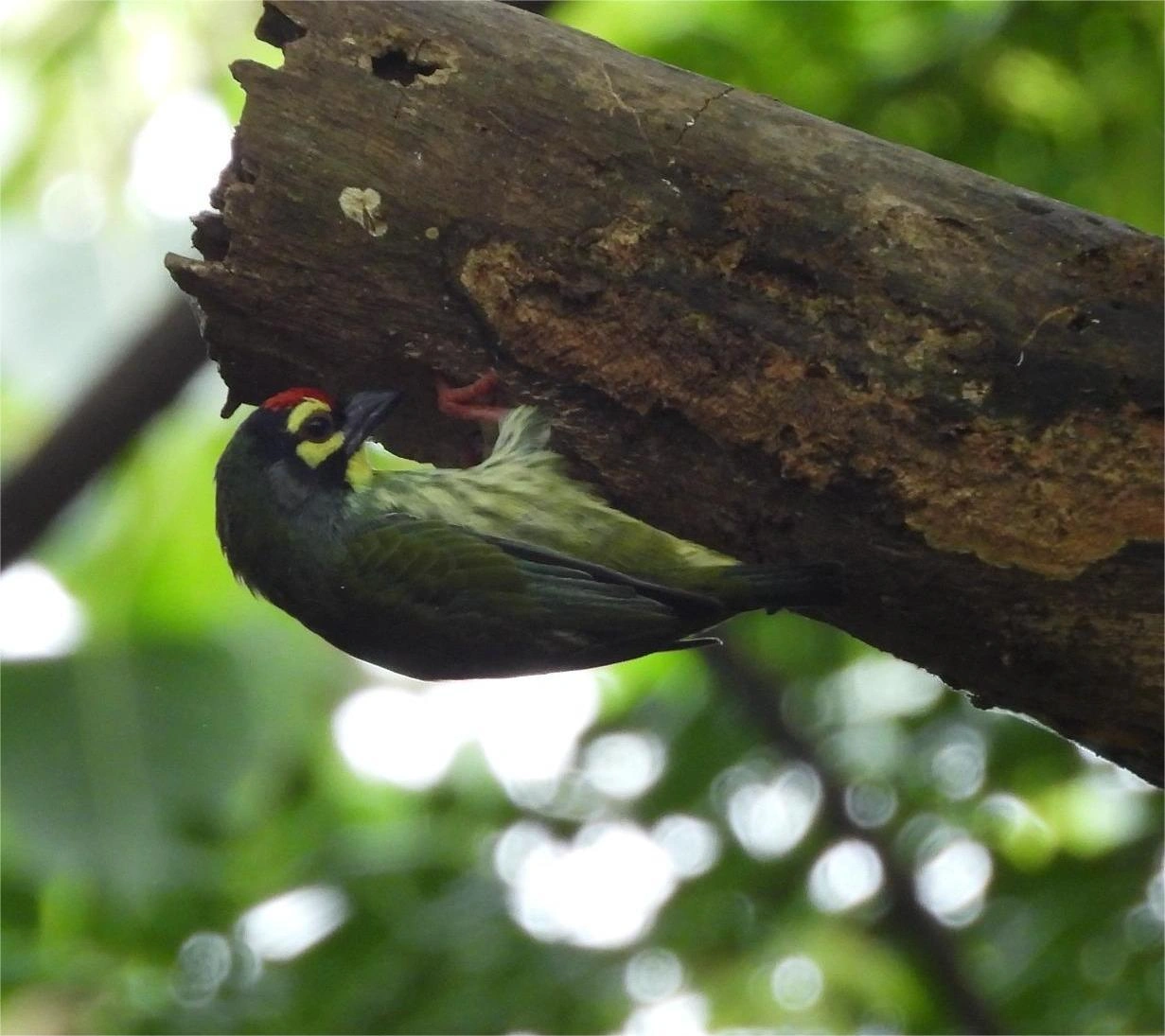
Coppersmith Barbet
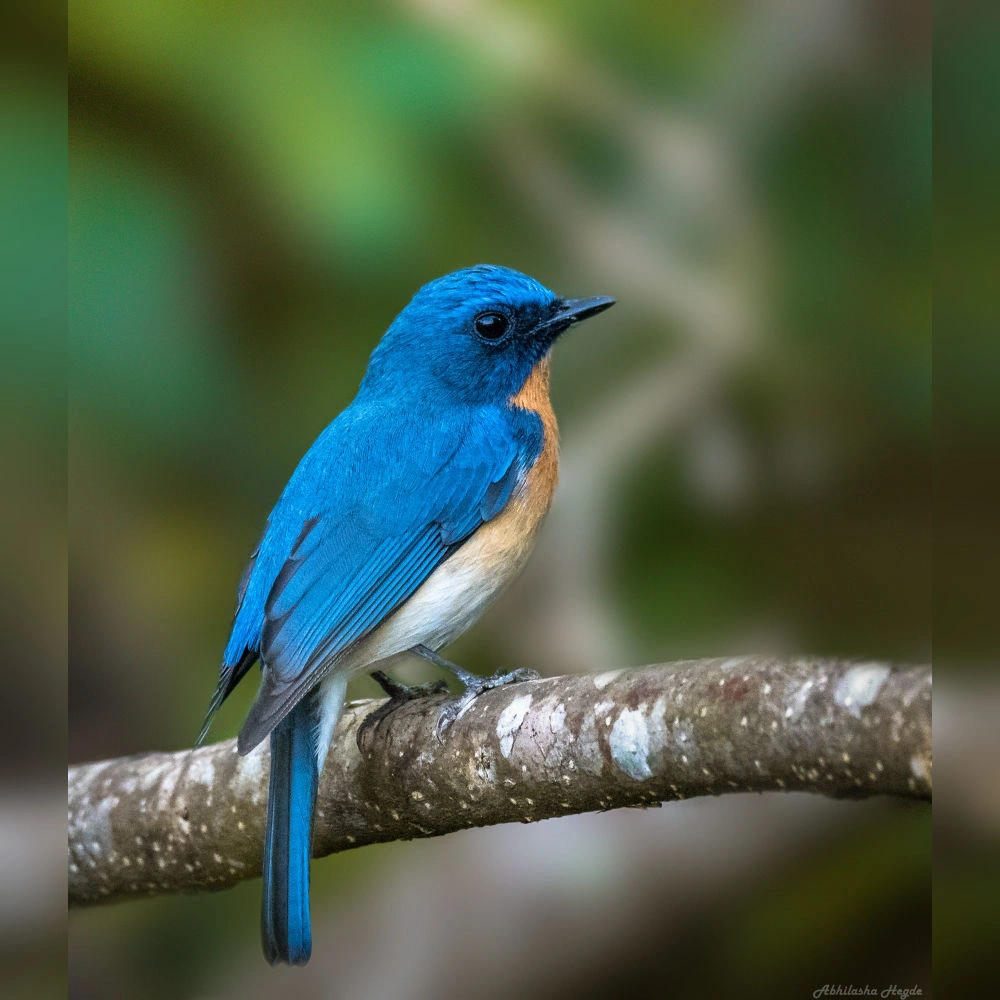
Tickell's Blue Flycatcher
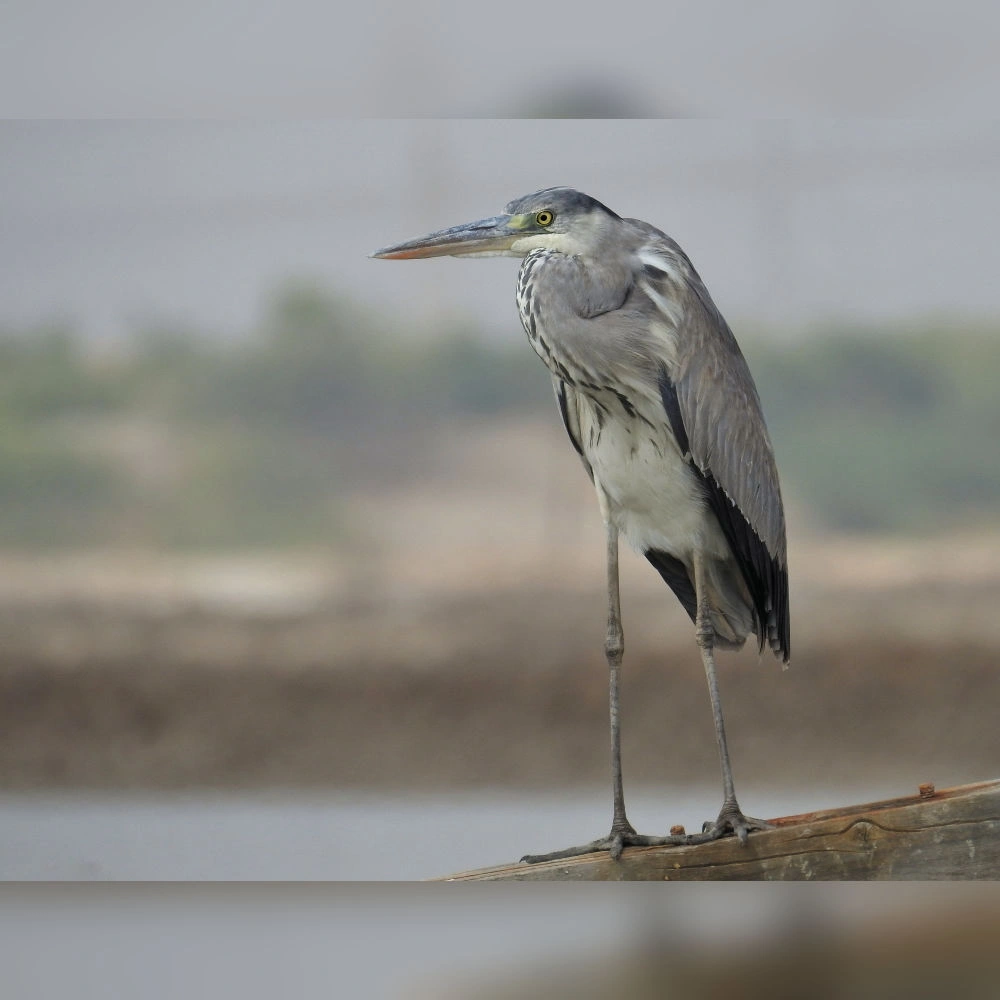
Grey Heron
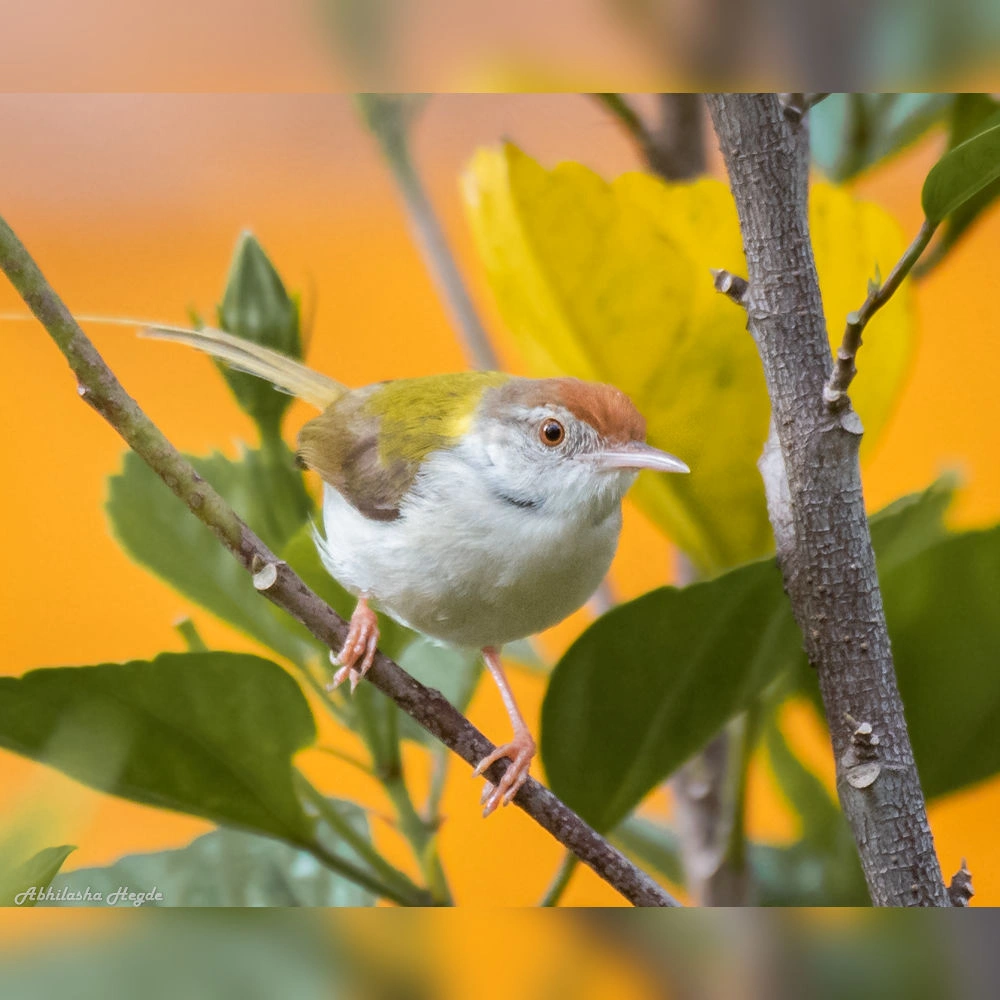
Common Tailorbird
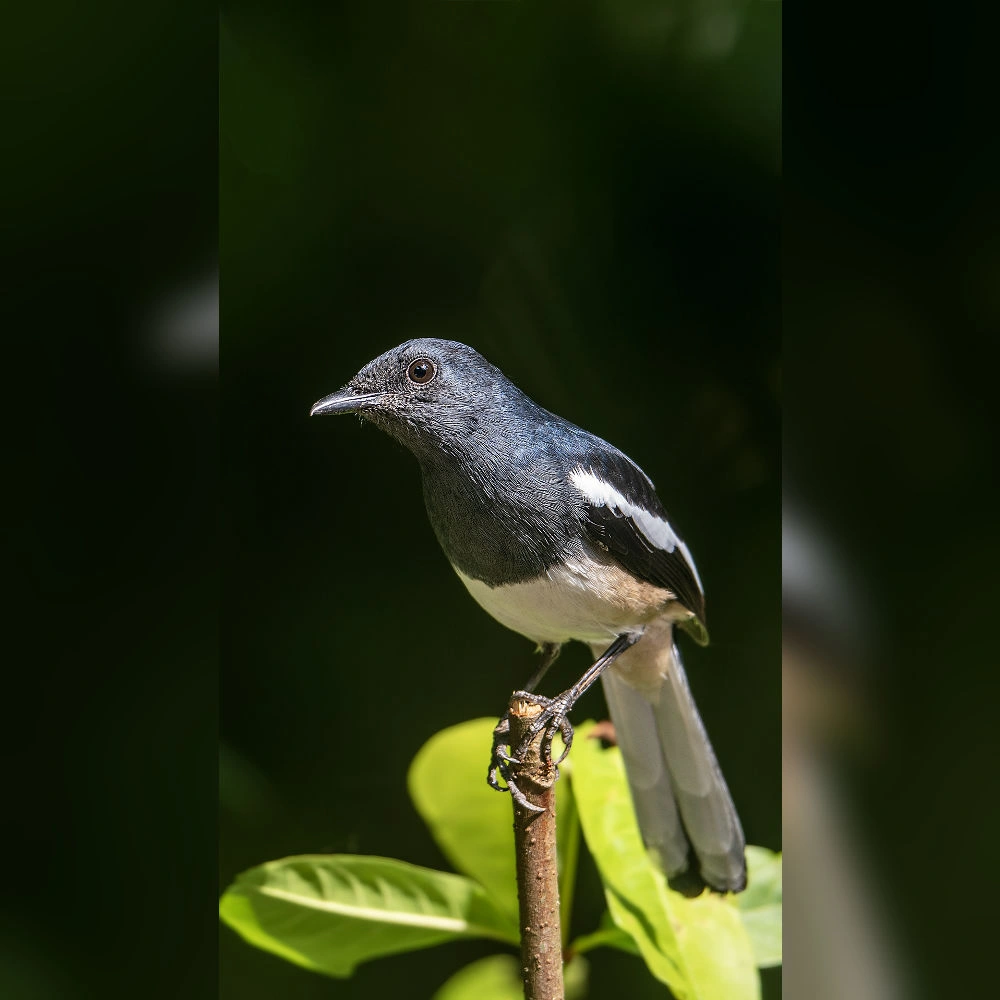
Oriental Magpie Robin
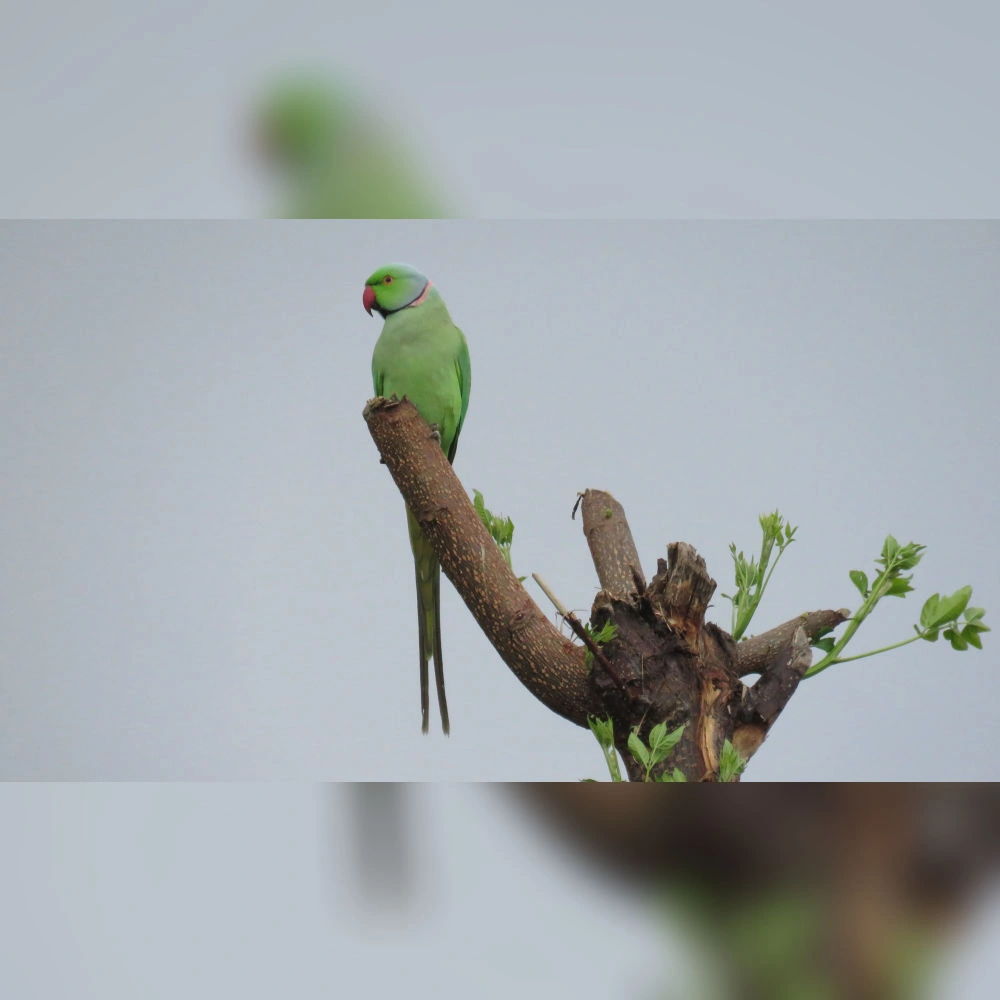
Rose-ringed Parakeet
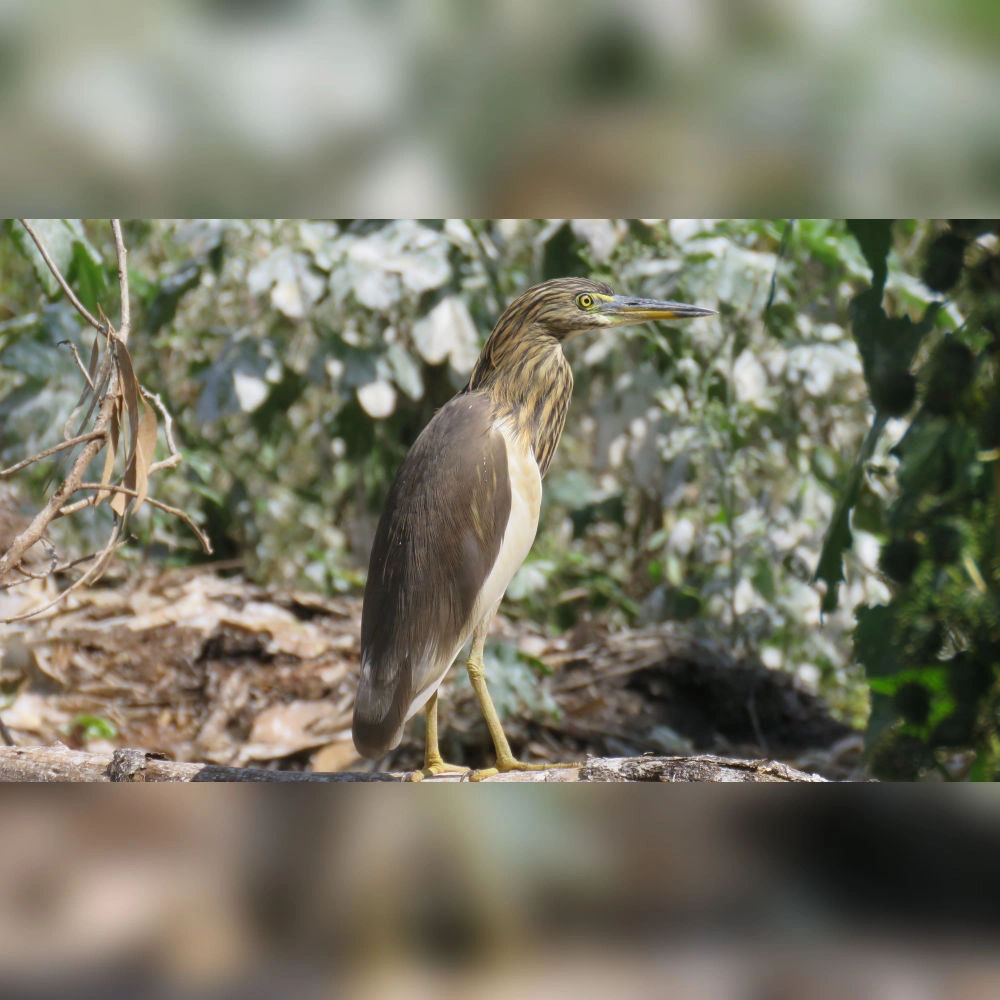
Indian Pond Heron
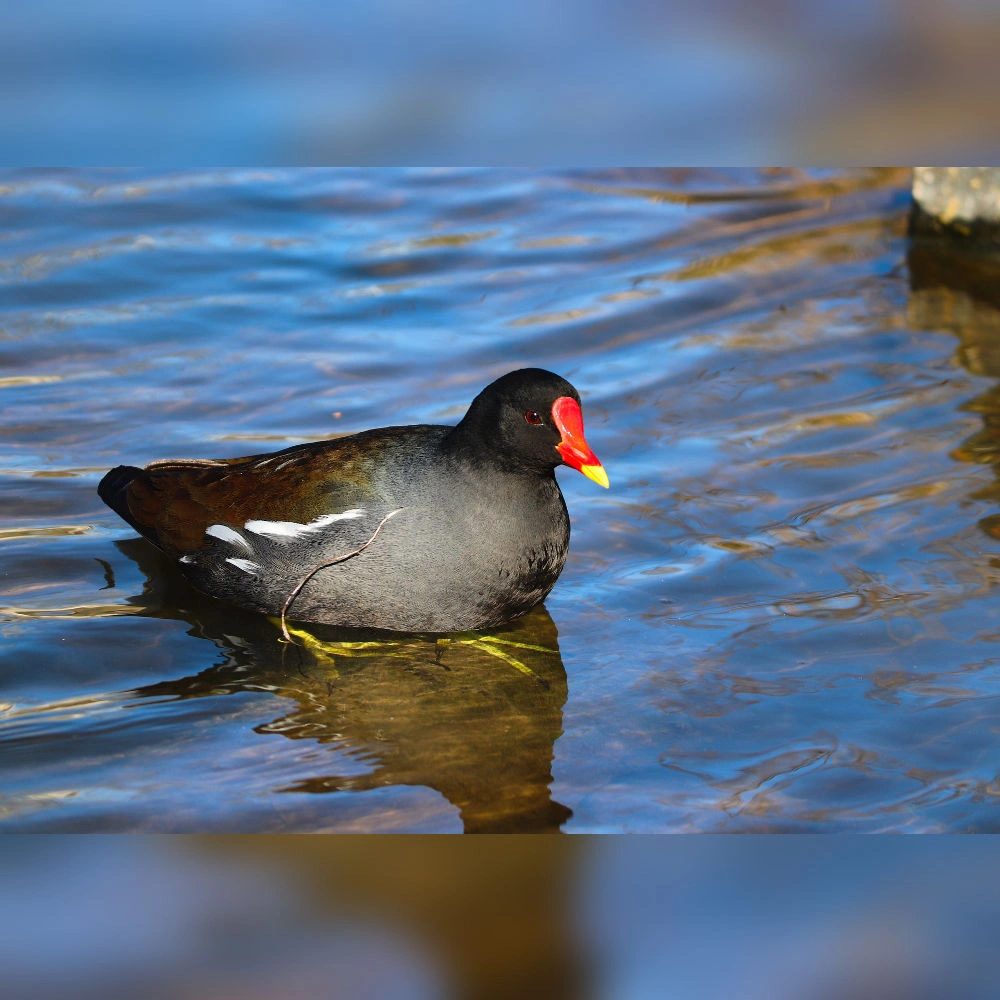
Eurasian Moorhen
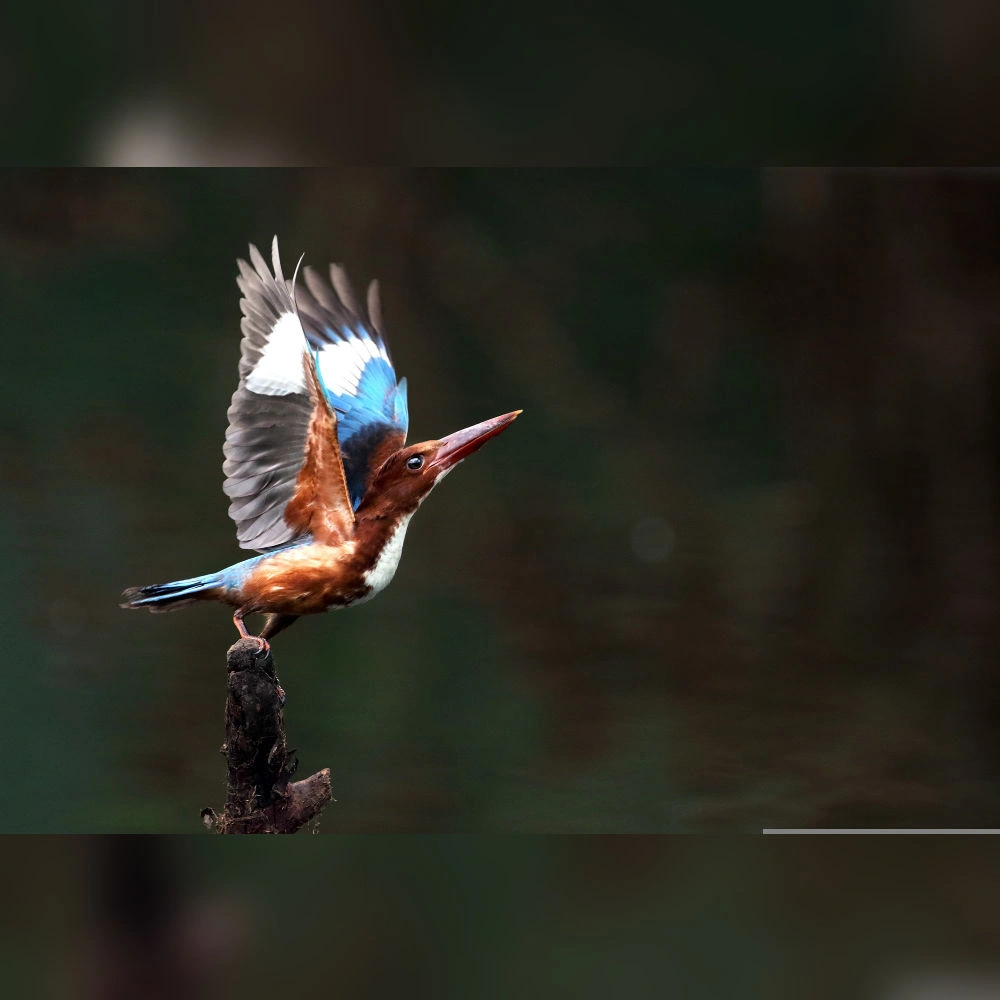
White-throated Kingfisher
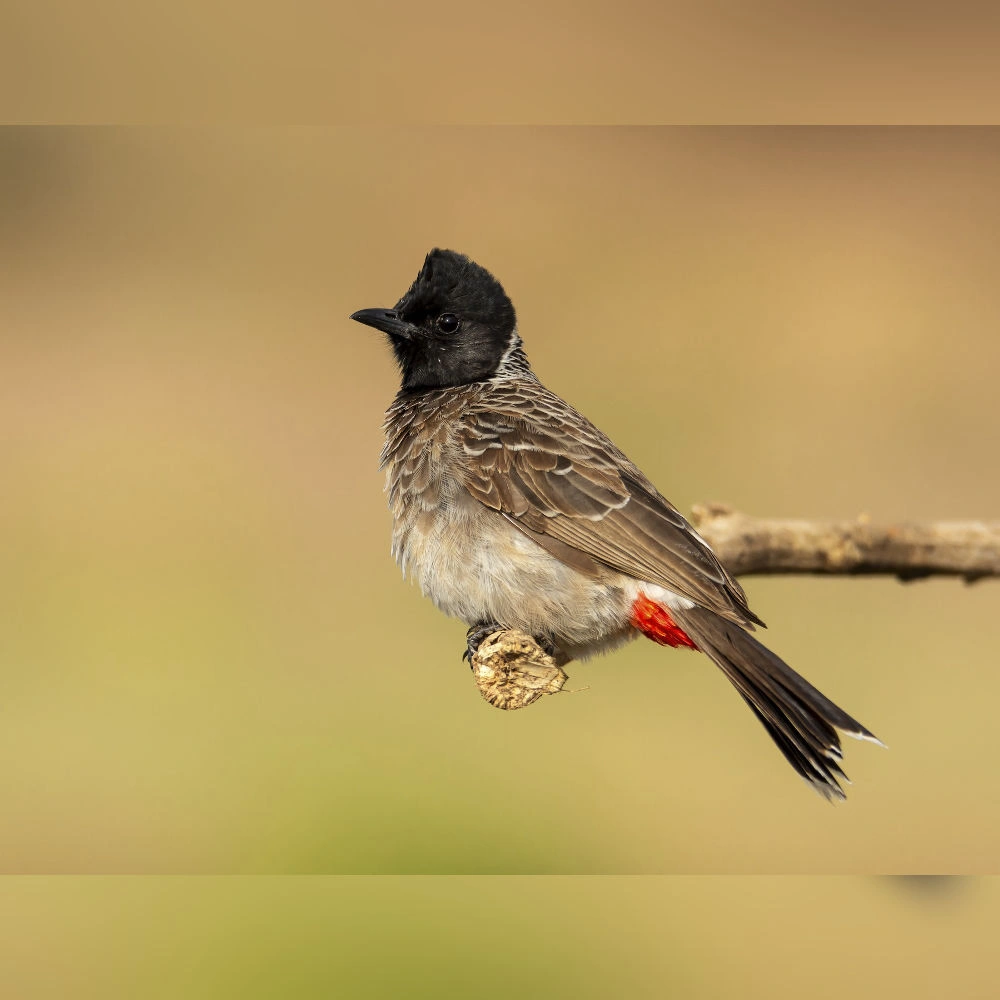
Red-vented Bulbul
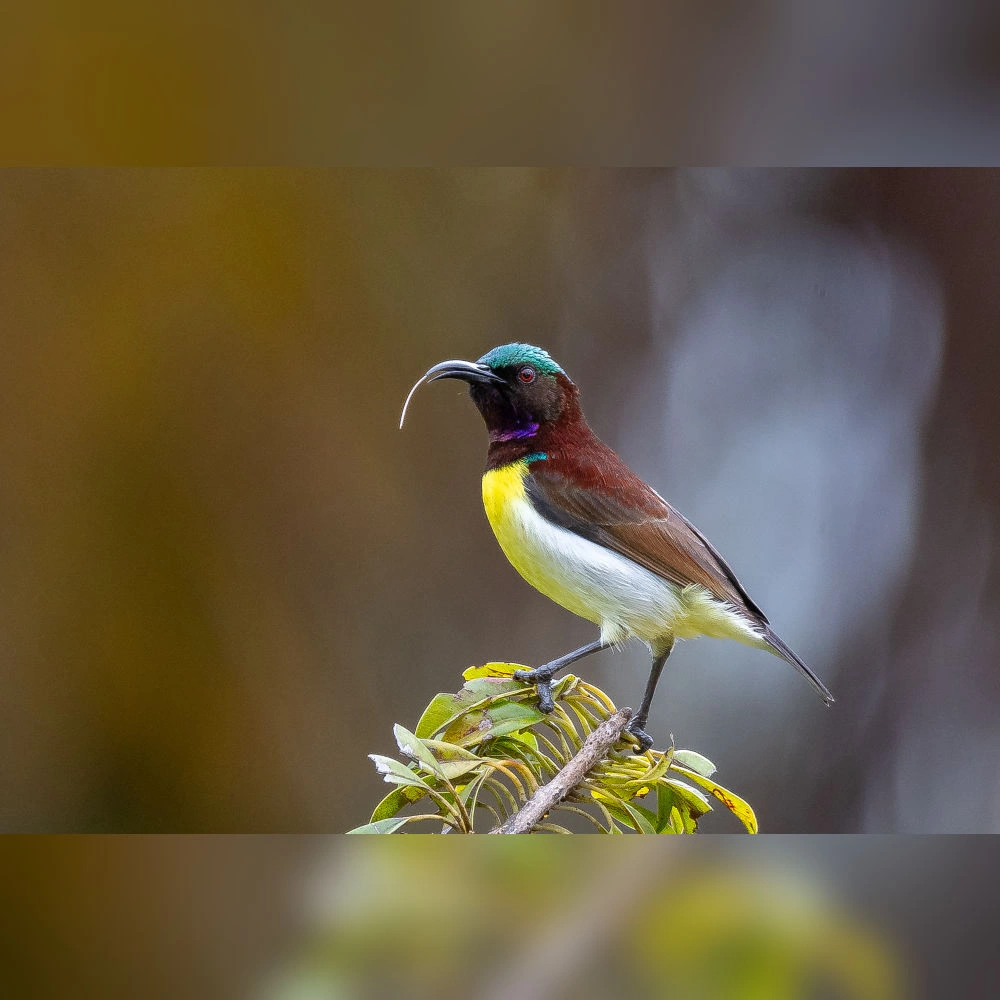
Purple-rumped Sunbird
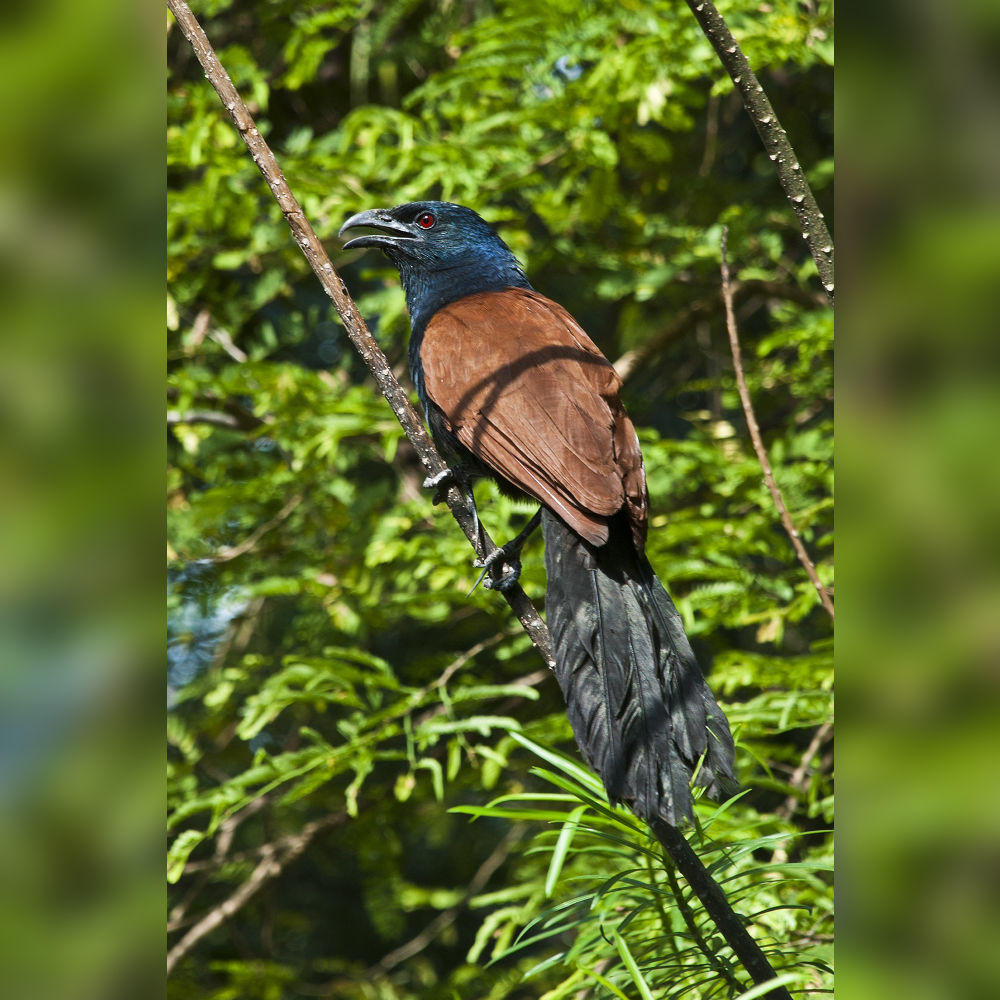
Greater Coucal
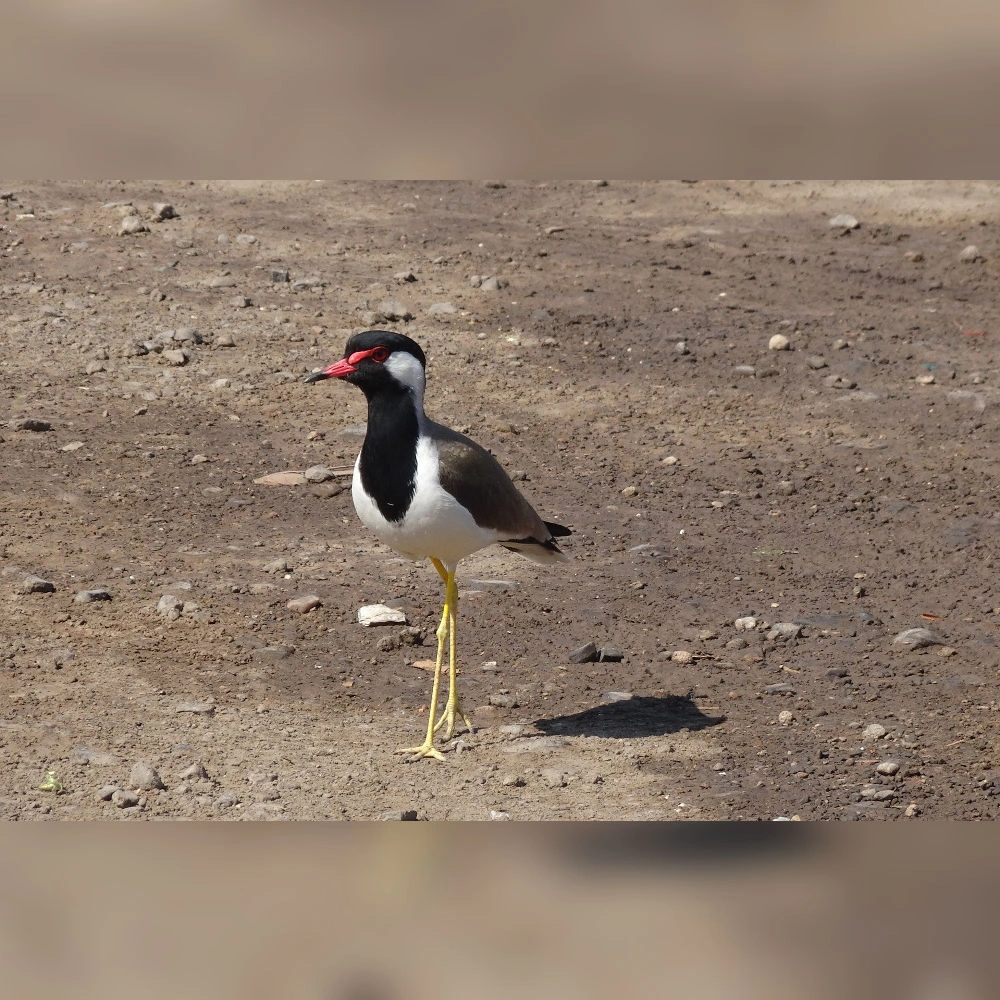

Red-wattled Lapwing
Summary of Walk
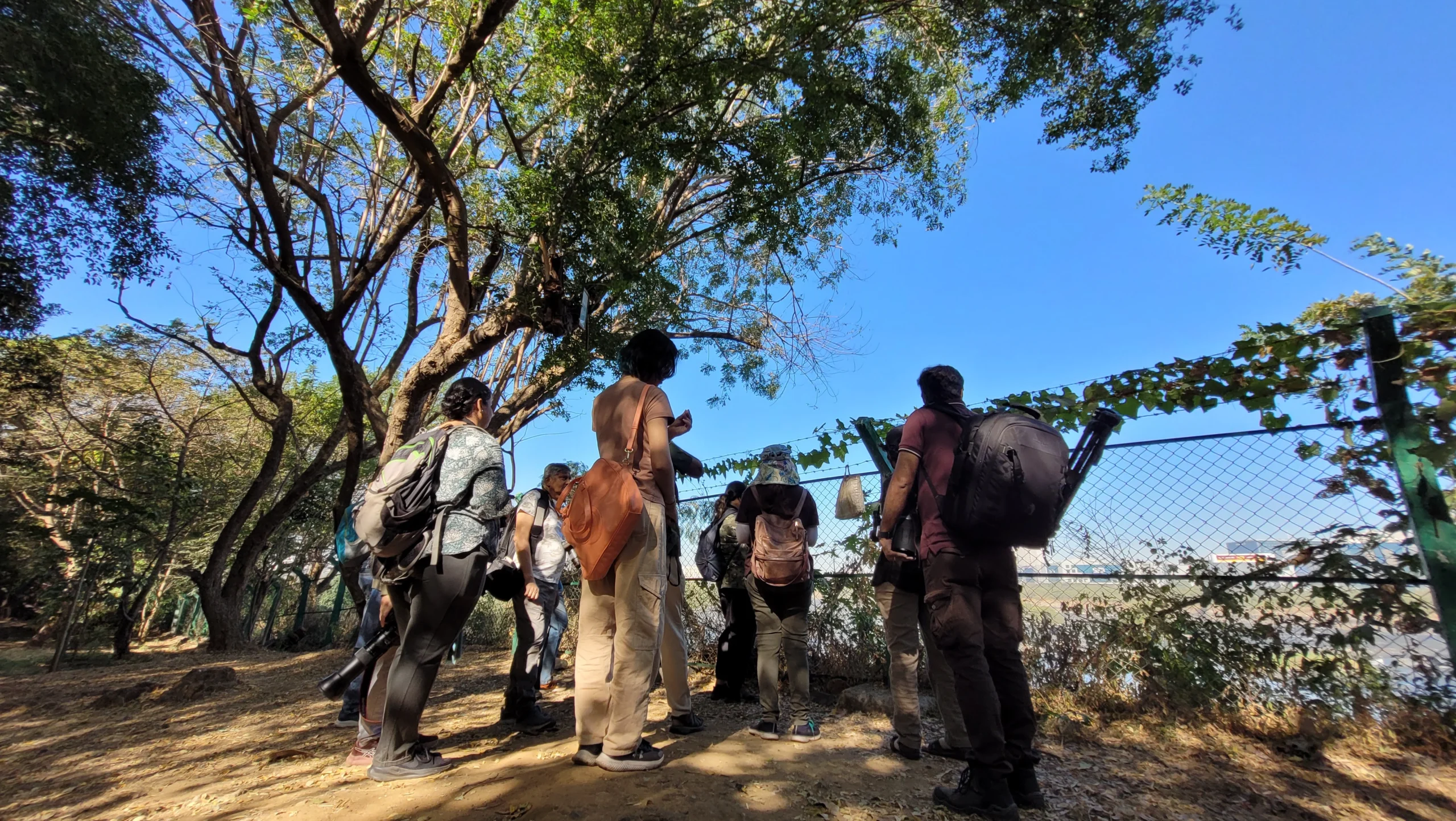
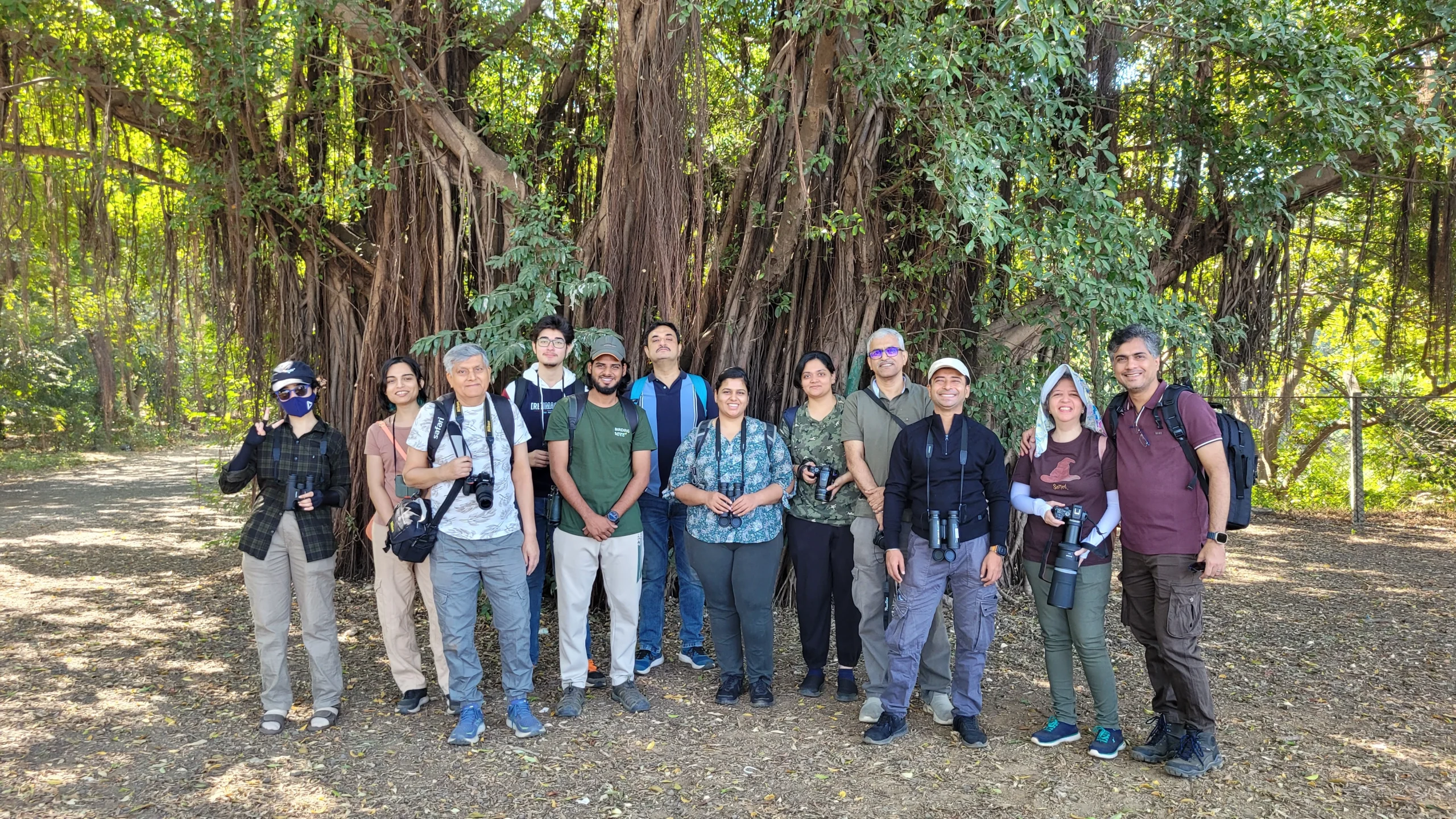
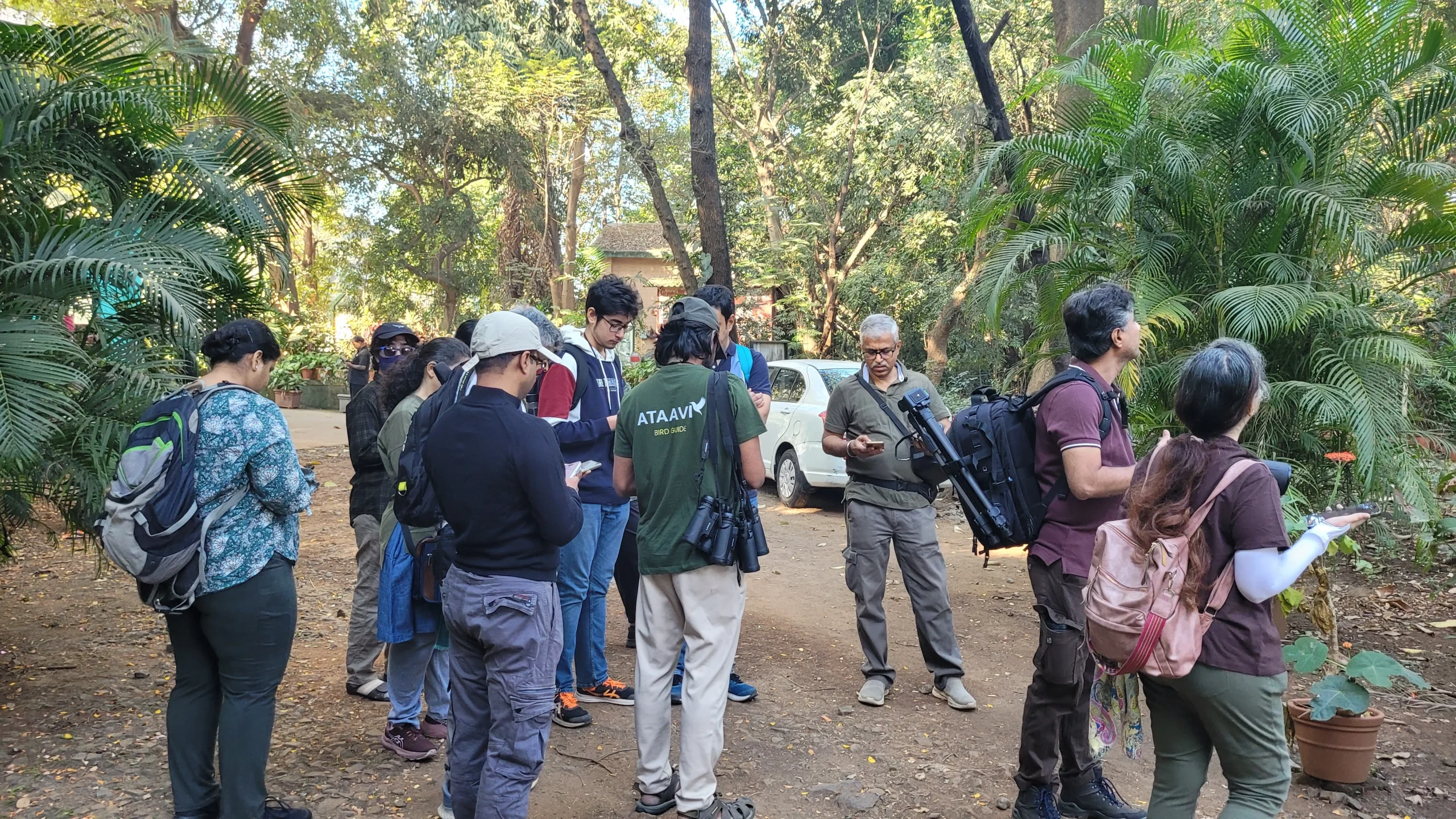
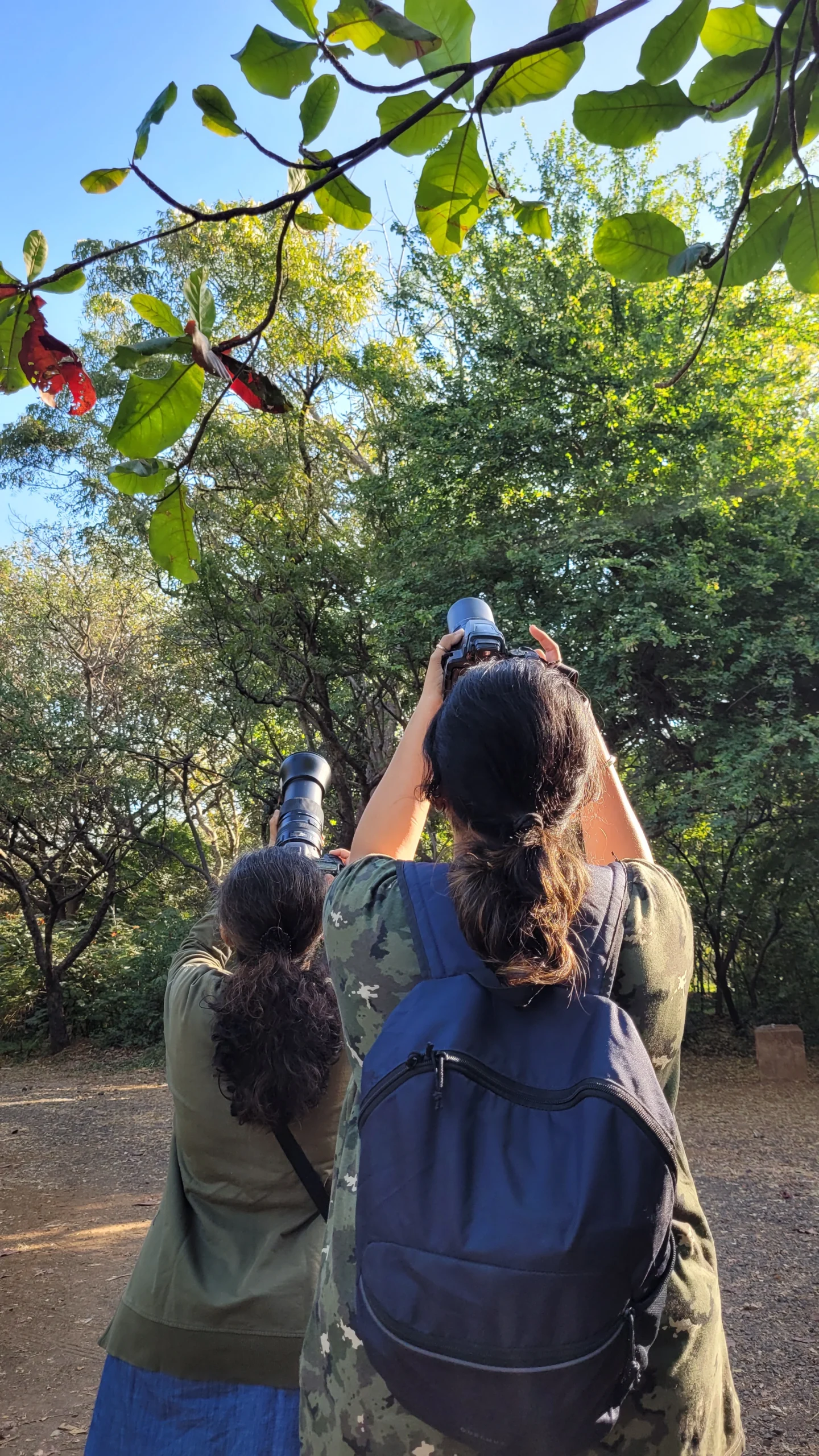
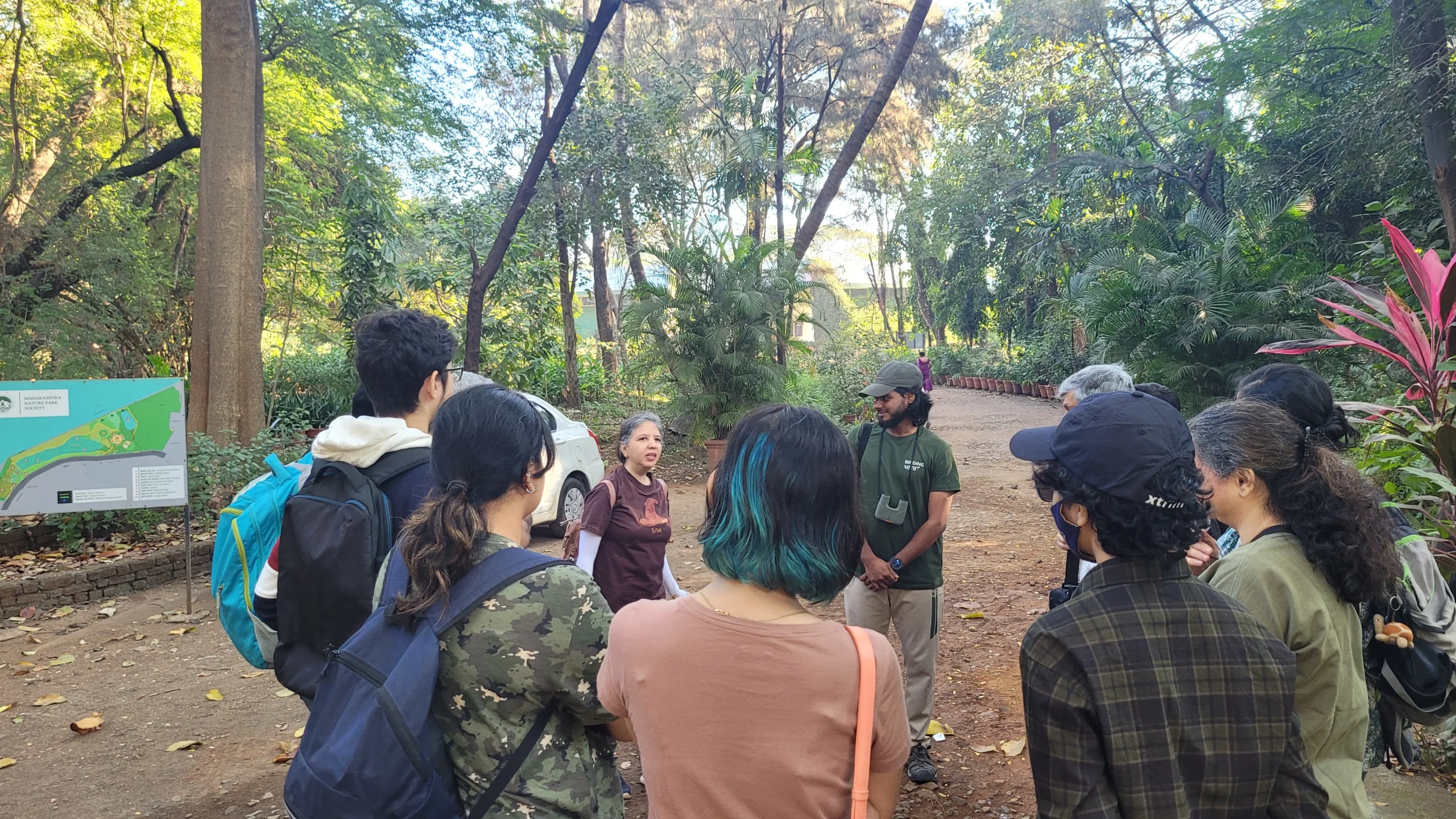
The bird walk at Maharashtra Nature Park, led by Shmes Sufyan with a group of 11 participants. Right at the start, the group was treated to an engaging identification challenge: a backlit bird initially mistaken for a White-throated Kingfisher was reconsidered as an Asian Green Bee-eater, before finally being confirmed as a migratory Blue-tailed Bee-eater. This set the tone for a walk full of pleasant surprises, with birds appearing one after another, including Asian Koel, Indian Grey Hornbill, Coppersmith Barbet, cormorants, and Grey Heron.
The highlight of the walk was undoubtedly the Indian Paradise Flycatcher, which truly stole the show. Participants were fortunate to observe both male and female birds, including rufous and white morph males. The rufous male impressed with its active movements near water, while the white morph seemed to rely effortlessly on its striking plumage for impact. As the group moved towards the Meethi River, sightings expanded to include gulls, stilts, stints, lapwings, ibises, and snipes, all adapting to the polluted water and muddy surroundings. Discussions naturally flowed into conversations about waste reduction and responsible plastic management. The walk concluded with smiles, lasting memories, and a shared sense of accomplishment—felt not only by first-time birders but also by seasoned participants, including the leader himself.
Number of Participants
0