

Loading Events

Bird walk at Bhandup Pumping Station, Mumbai

About Bhandup Pumping Station

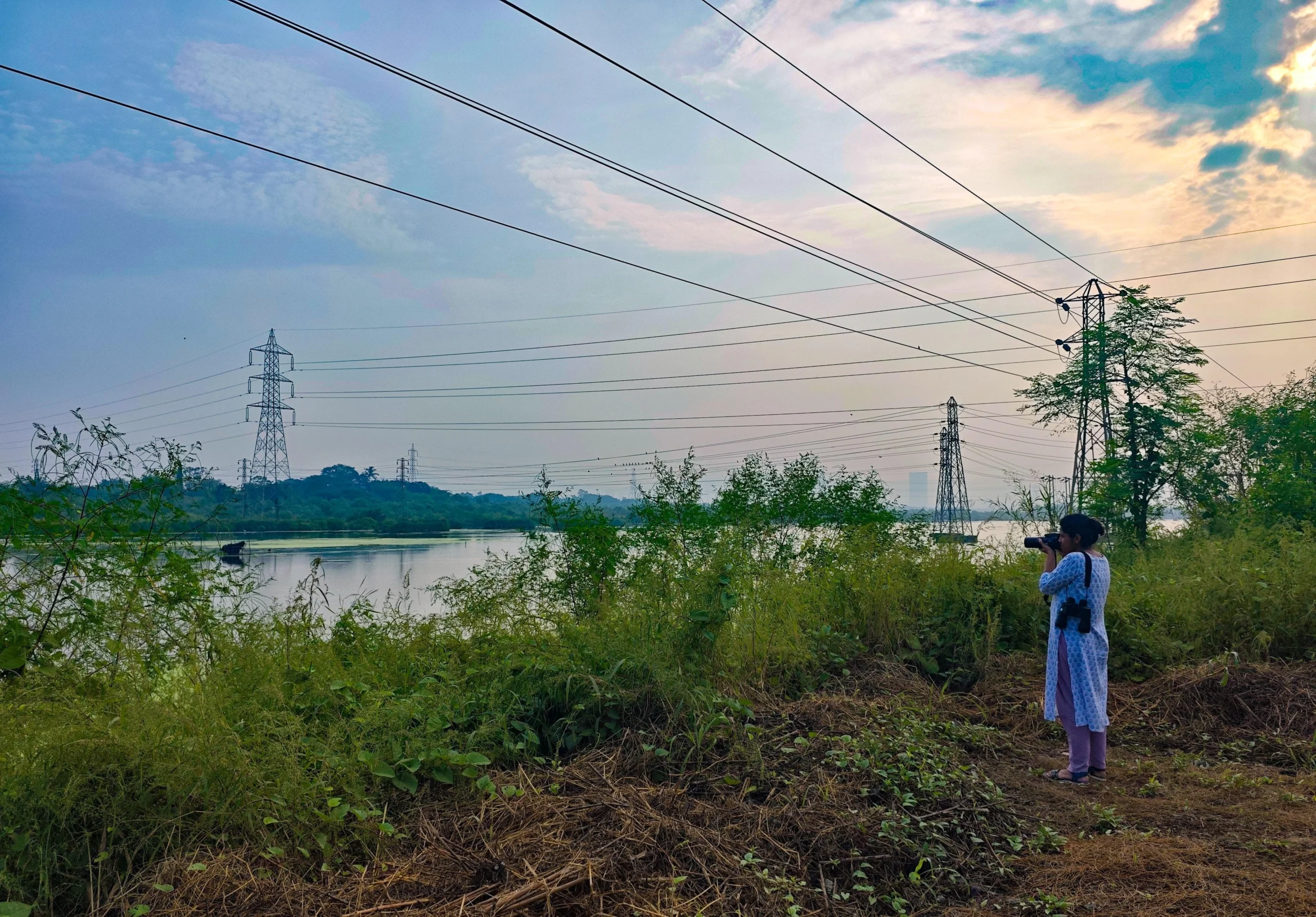
Bhandup Pumping Station, nestled along the Eastern Express Highway in Mumbai, is much more than a piece of urban infrastructure — it’s a surprising biodiversity hub in the heart of one of India’s busiest cities. The area around the pumping station includes a mosaic of wetlands, salt pans, grassland, mangroves and scrubland that fringe the Thane Creek Flamingo Sanctuary eco-sensitive zone, creating a variety of micro-habitats that support rich life even within the urban sprawl. These habitats attract a dazzling array of bird species, from resident favourites like Indian Pond Herons, Oriental Magpie-Robins and Purple Sunbirds, to migratory waders and waterfowl such as Greater and Lesser Flamingos, Garganey Ducks, Avocets and Spoonbills during the cooler months — making it a popular spot for birdwatchers and nature lovers year-round. Enthusiasts have documented scores of bird species and even occasional sightings of raptors like marsh harriers, demonstrating how urban wetlands can be vital refuges for wildlife amidst concrete and highways.

Despite its ecological value and growing recognition as a birding hotspot, Bhandup Pumping Station faces pressing conservation challenges. Rapid urbanisation, habitat encroachment, sedimentation and changes in water flow threaten the delicate balance of its wetland and mangrove systems, with studies showing a significant reduction in mudflat areas that many birds depend on for feeding and resting. Conservationists and experts stress the need for careful habitat management, regulated eco-tourism and carrying capacity planning to protect this biodiverse landscape from disturbance and degradation. Recent proposals to develop a bird park aim to raise awareness and provide structured access for visitors so this rare green refuge continues to support wildlife while inspiring conservation in the heart of Mumbai.

Partnered with

Bird Guide - Kritalee Chindarkar

She is the Founder of the Tarang Eco Tours where they organize nature trails and camps focused on sustainable tourism and to create environmental awareness among people.
Bird walk Location

Common birds of Bhandup Pumping Station

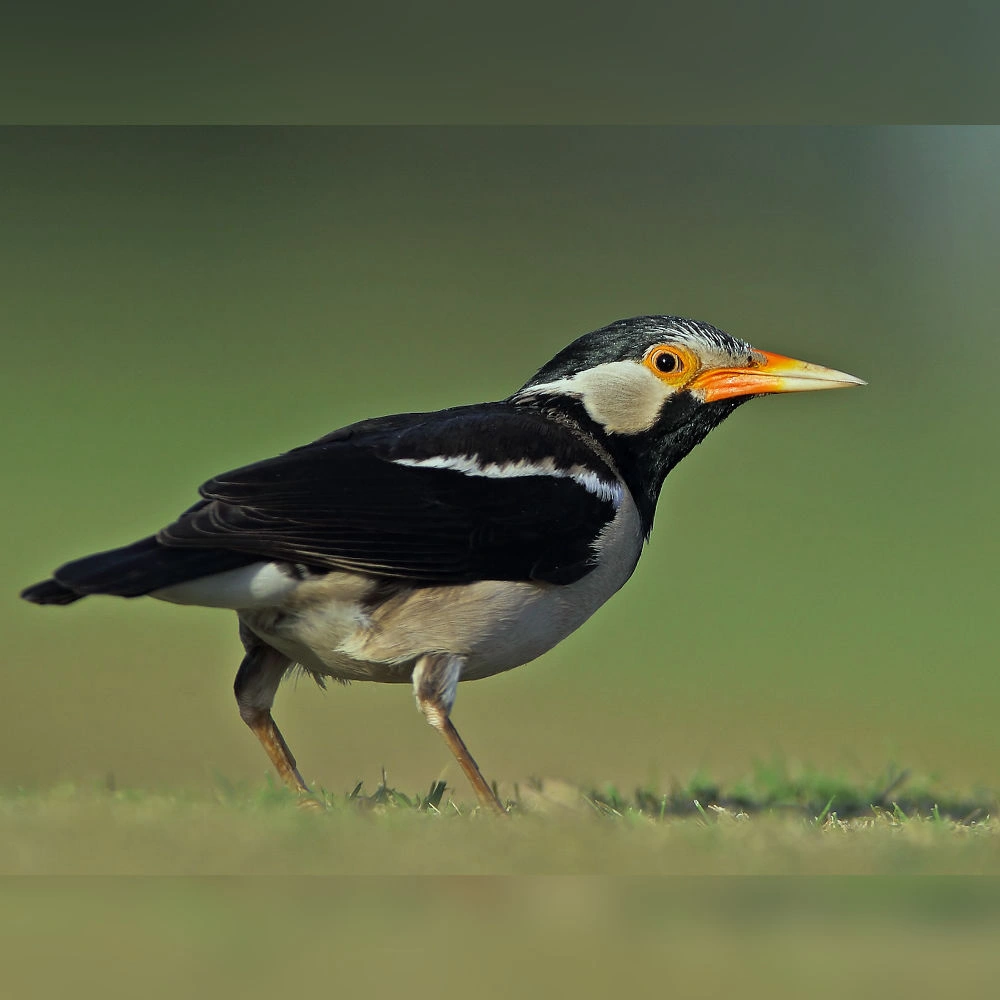
Bhandup Pumping Station is a paradise for birdwatchers and a powerful example of how nature survives alongside a megacity, with an extraordinary 285 bird species recorded within its urban wetlands. A walk through the area reveals flashes of colour from Blue-tailed and Asian Green Bee-eaters, swirling flocks of Rosy and Pied Starlings, and the elegant silhouettes of Glossy Ibis probing the mudflats. The waterbodies teem with life as Little and Great Egrets, Indian Cormorants, Pond Herons, White-breasted Waterhens, Black-winged Stilts and Common Sandpipers feed along the edges, while River Terns and winter visitors like the Brown-headed Gull add seasonal excitement. Grasslands and scrub echo with calls of the Red-wattled Lapwing, Greater Coucal and Common Hoopoe, and overhead, Wire-tailed Swallows skim the water as Baya Weavers weave their intricate nests. Together, these everyday yet fascinating birds turn Bhandup Pumping Station into a living outdoor classroom, showcasing the richness and resilience of urban biodiversity.

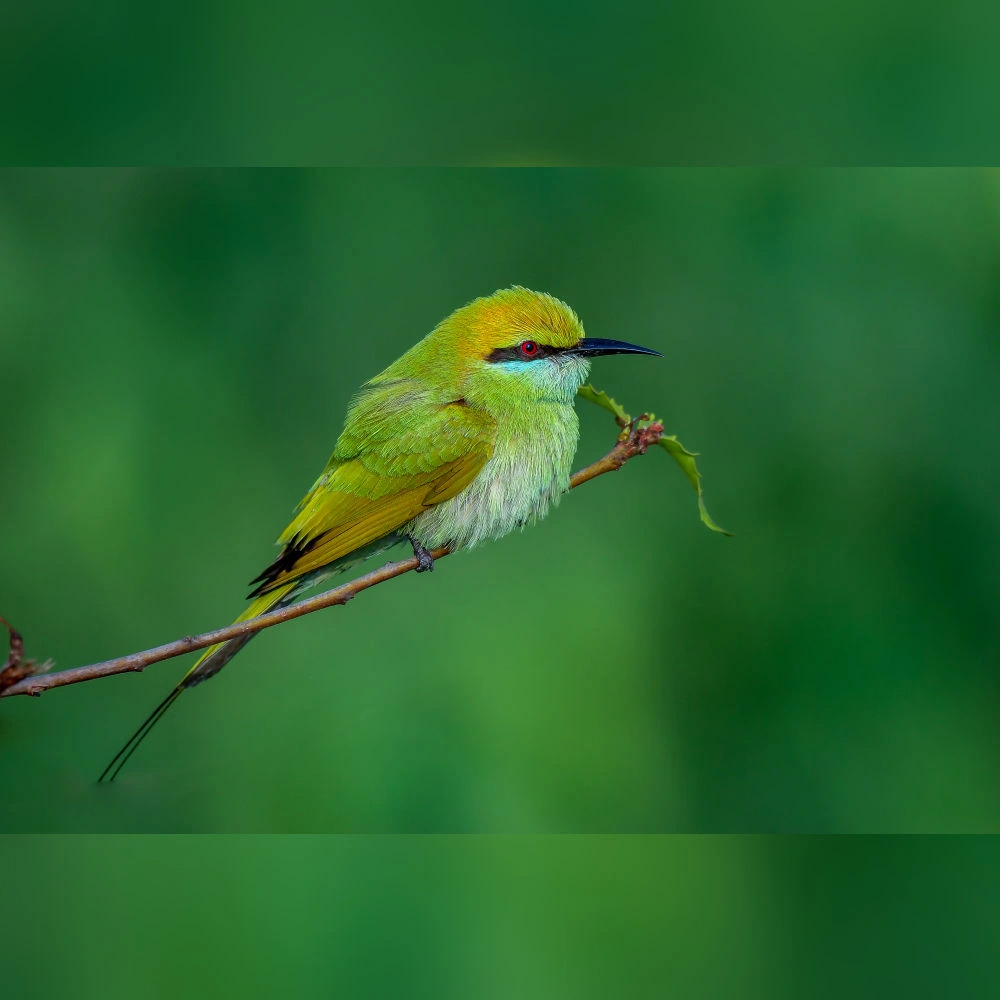
Asian Green Bee-eater
Asian Pied Starling
Glossy Ibis
Wire-tailed Swallow
Common Sandpiper
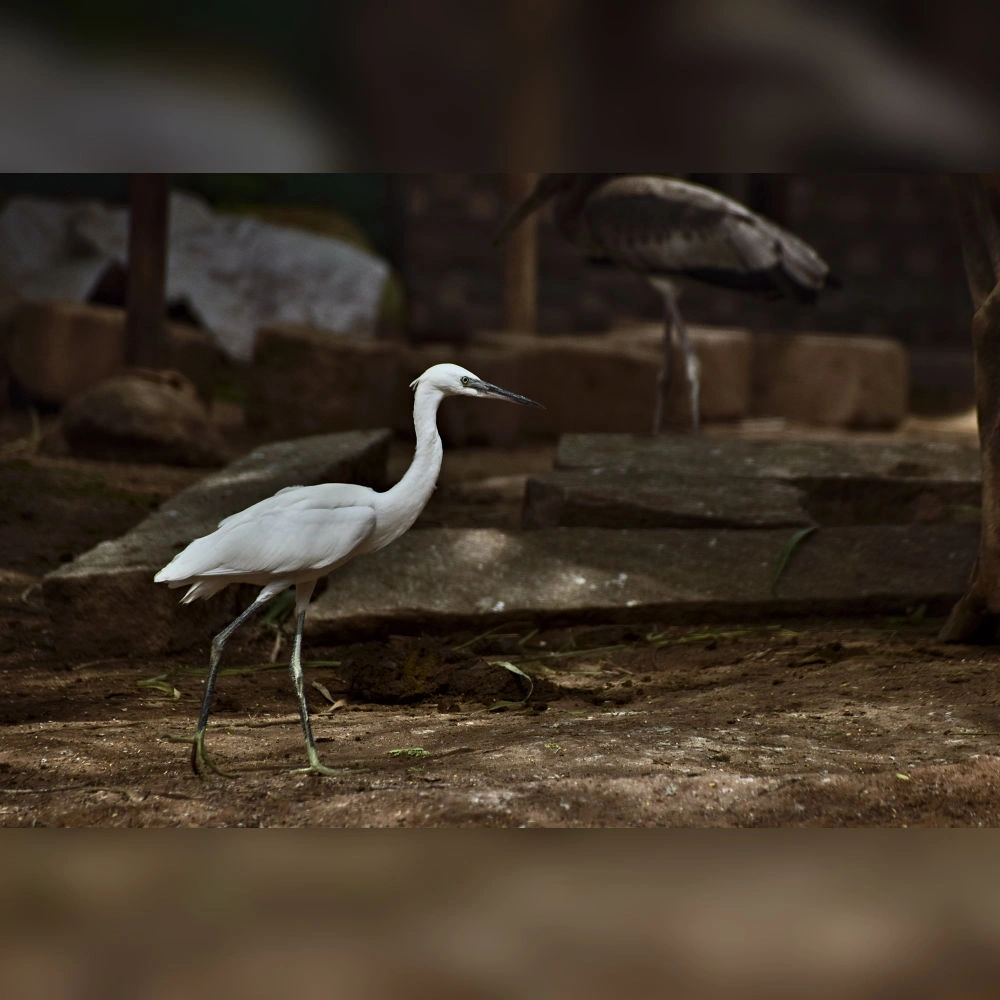
Little Egret
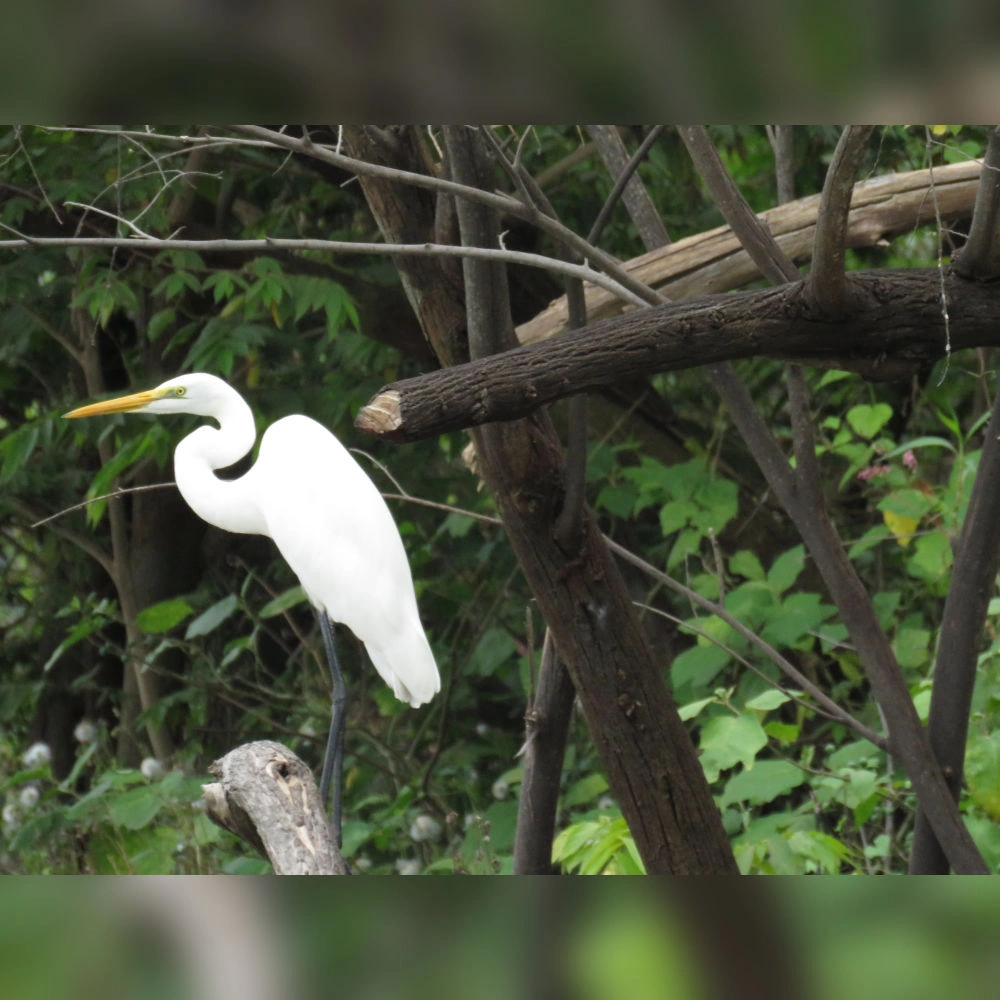
Great Egret
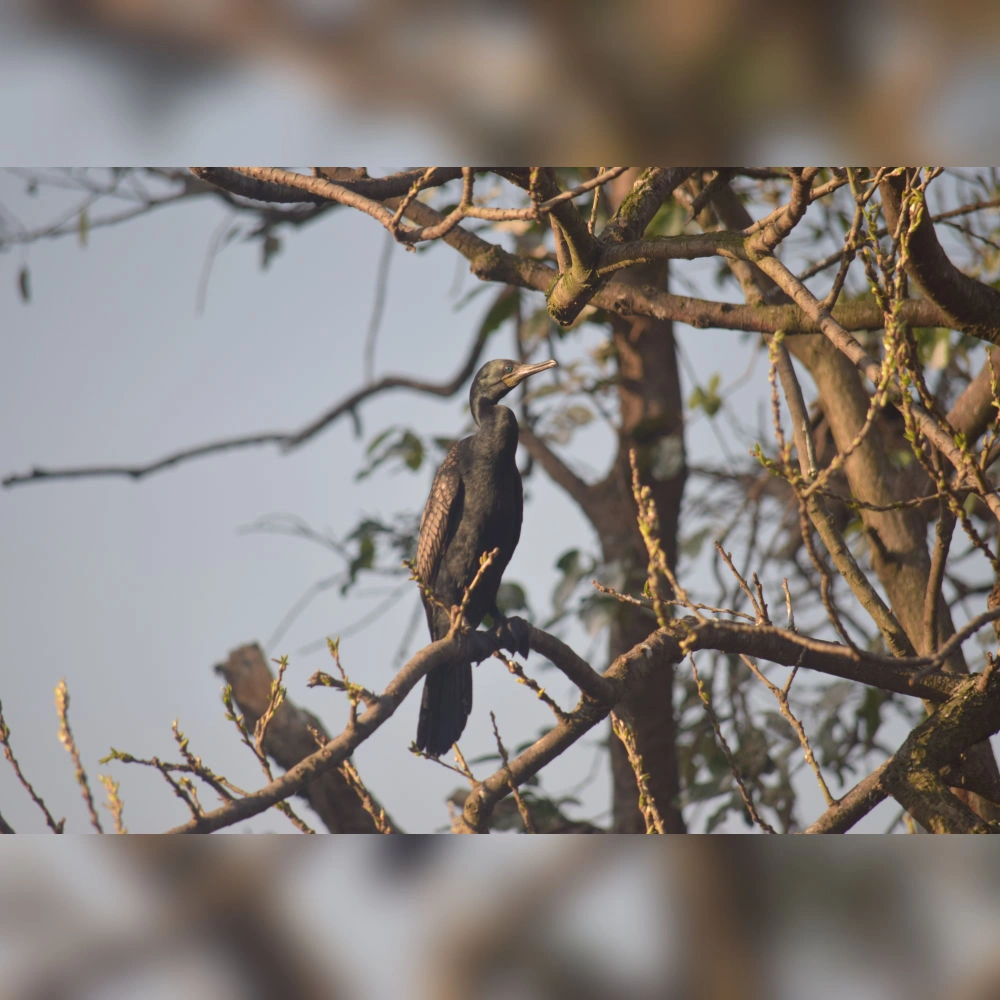
Indian Cormorant
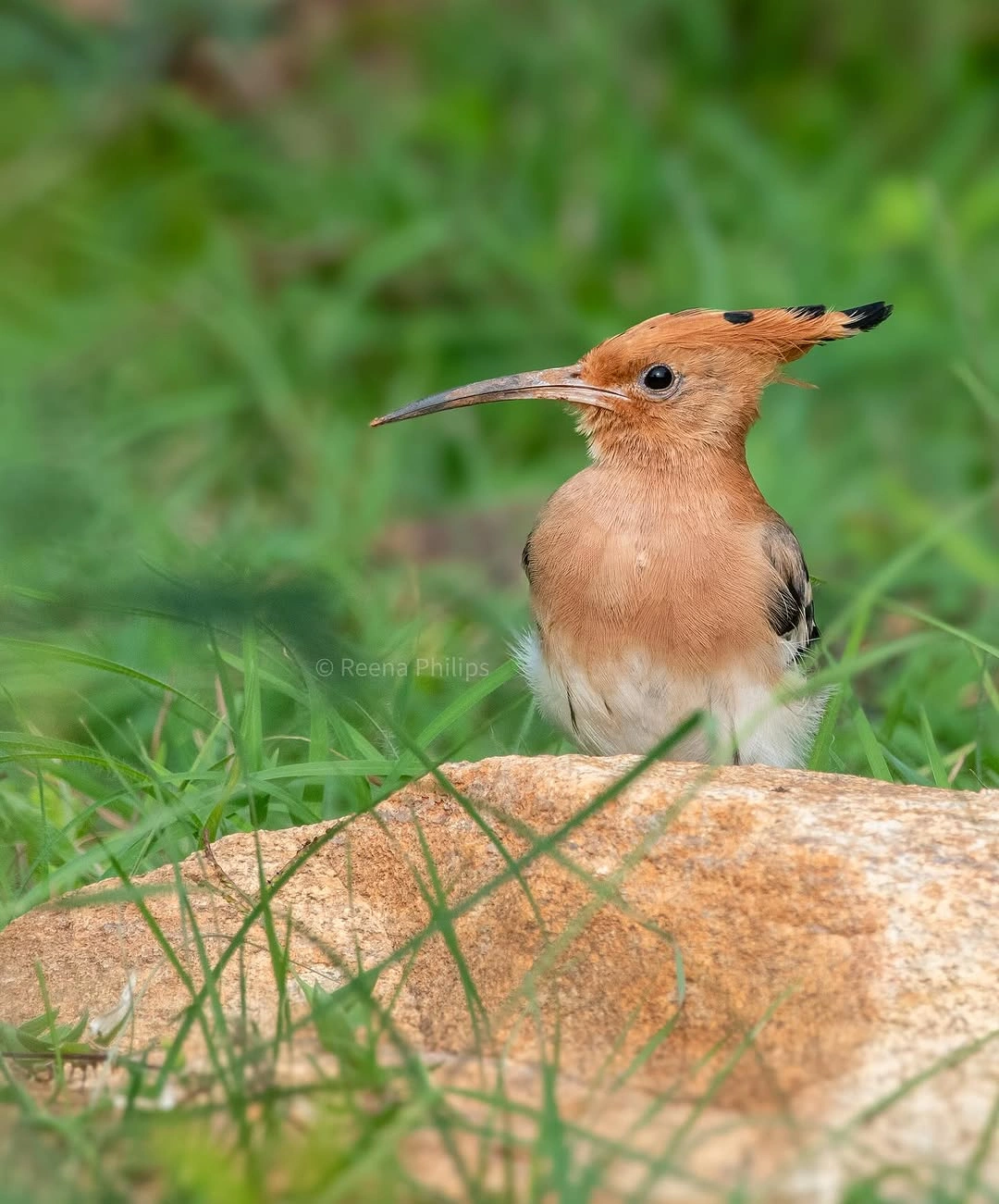
Common Hoopoe
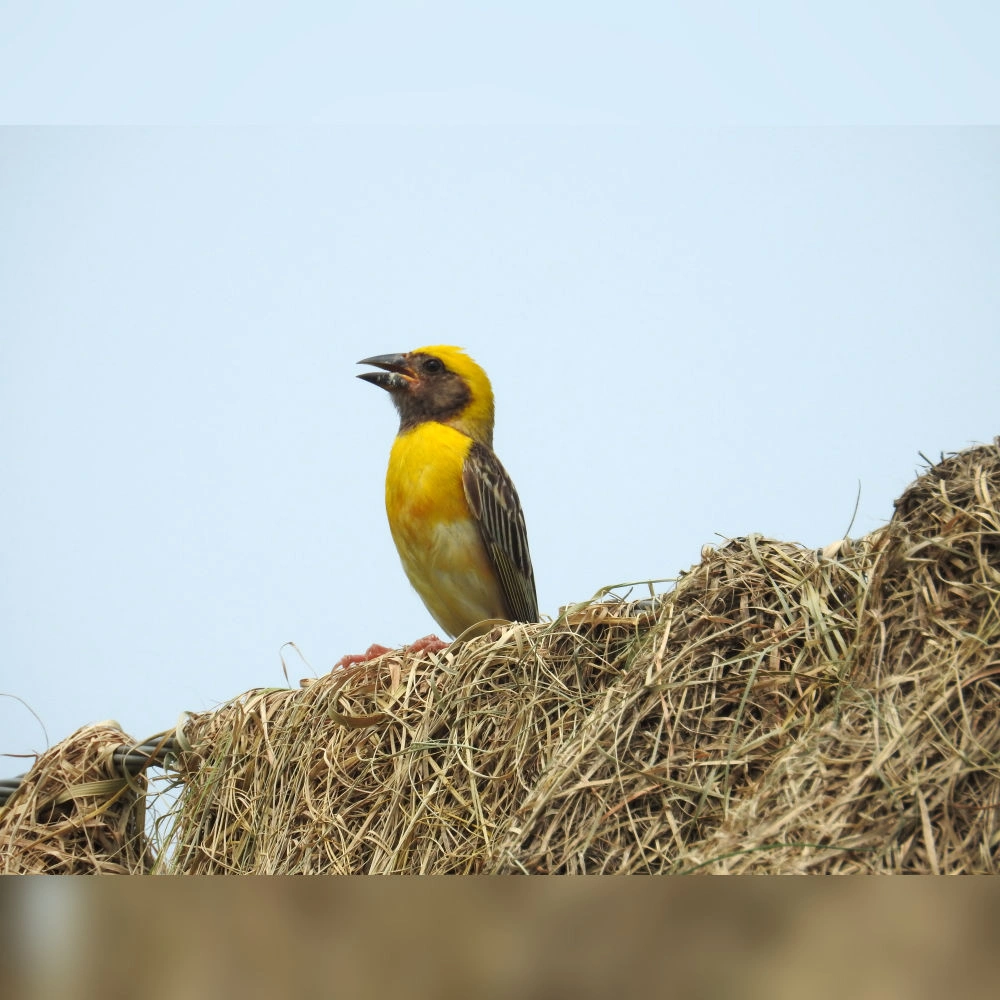
Baya Weaver
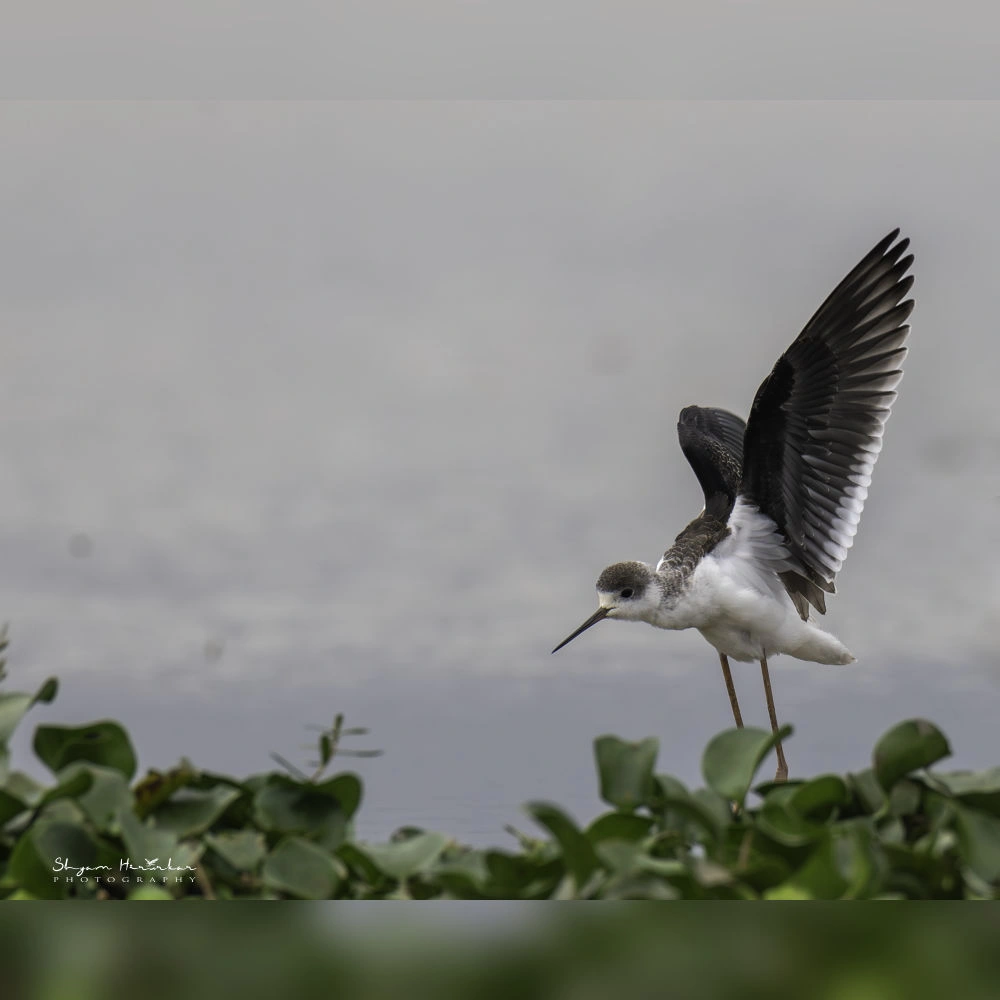
Black-winged Stilt
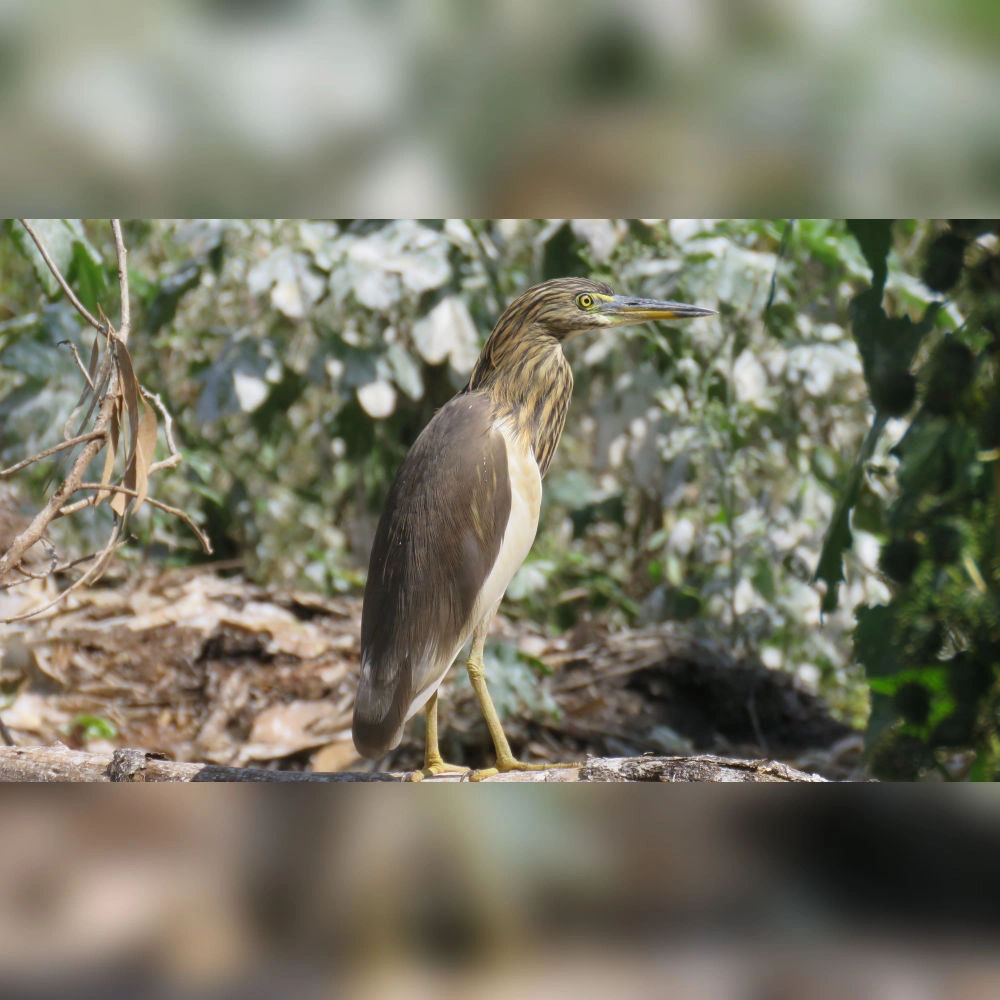
Pond Heron
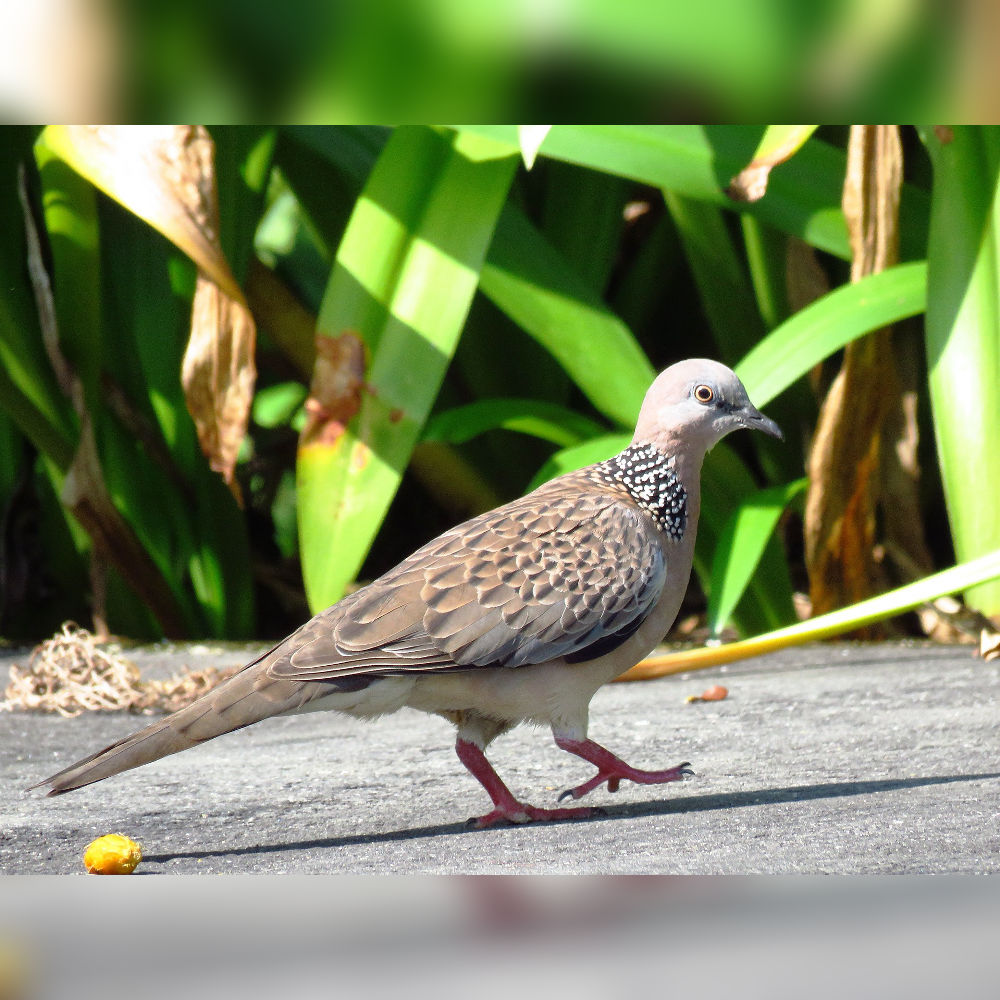
Spotted Dove
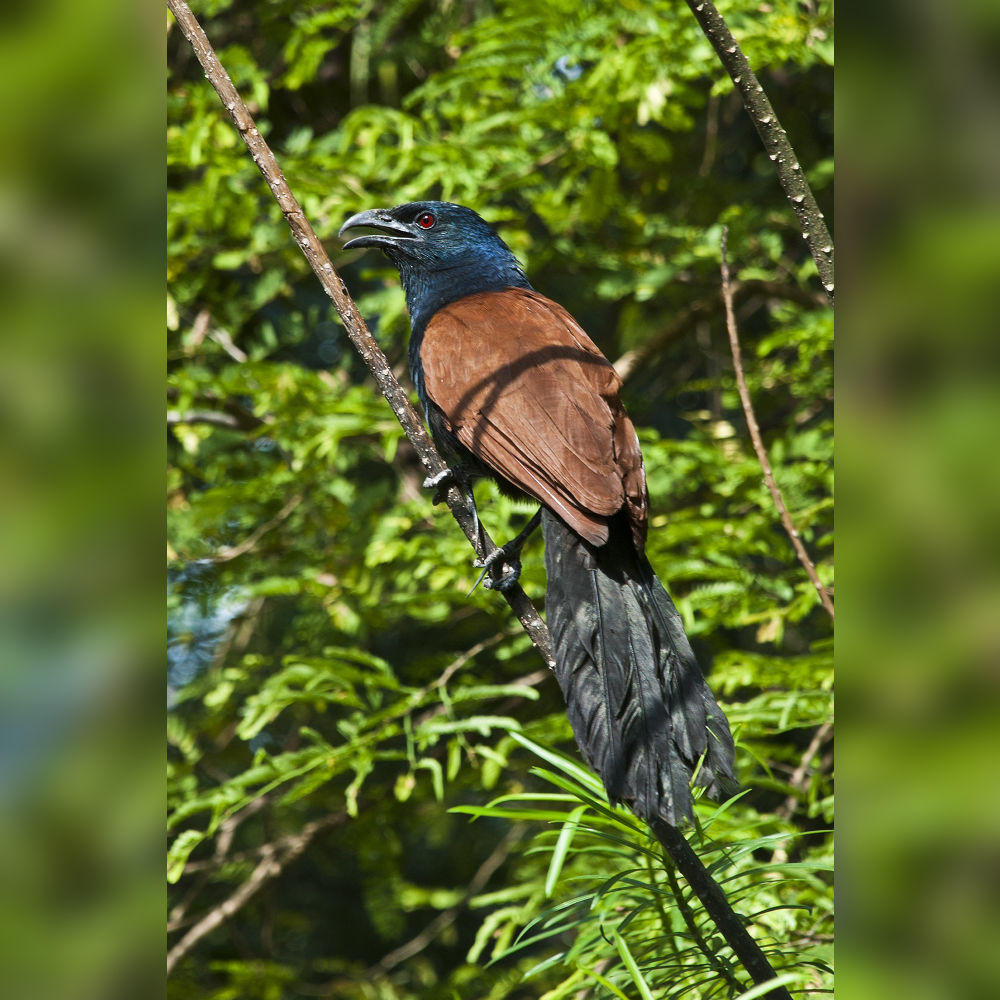
Greater Coucal
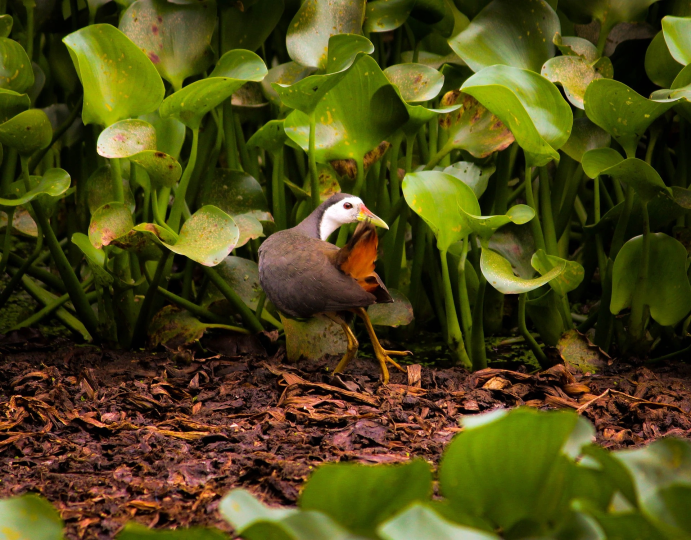
White-breasted Waterhen
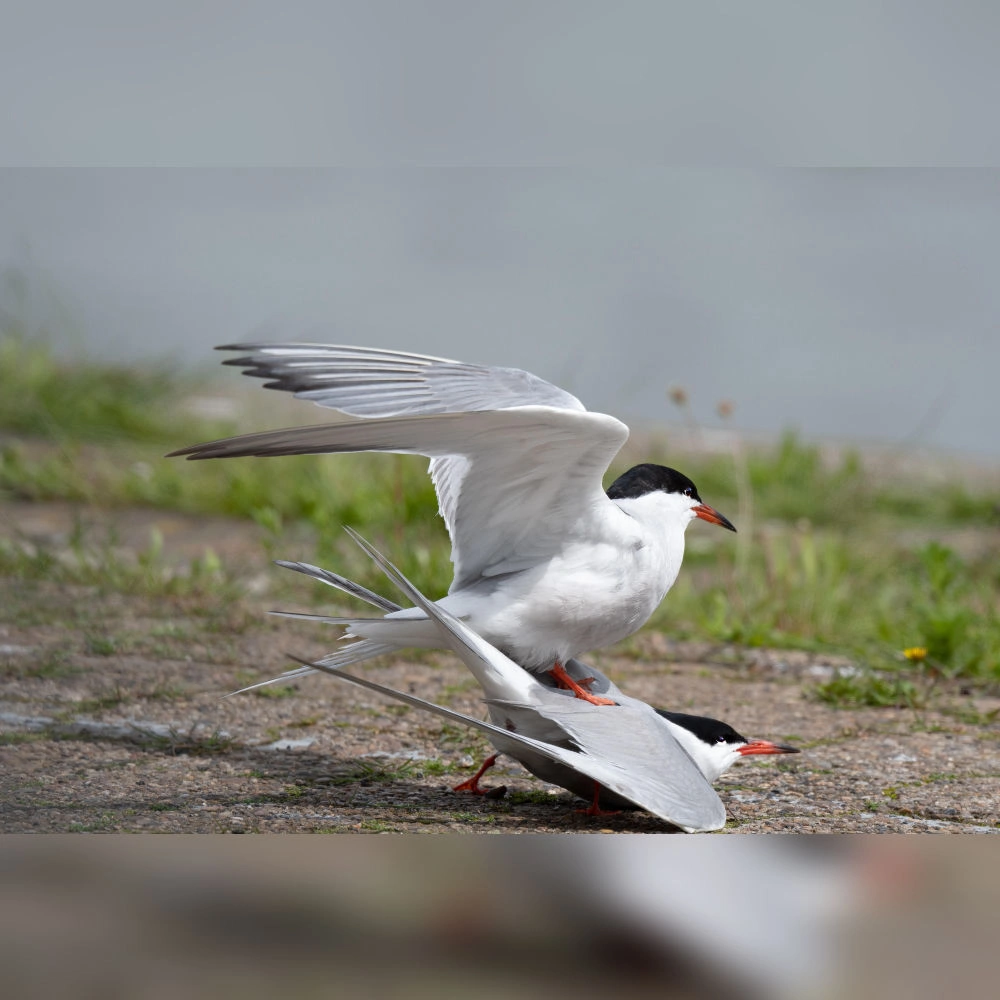
River Tern
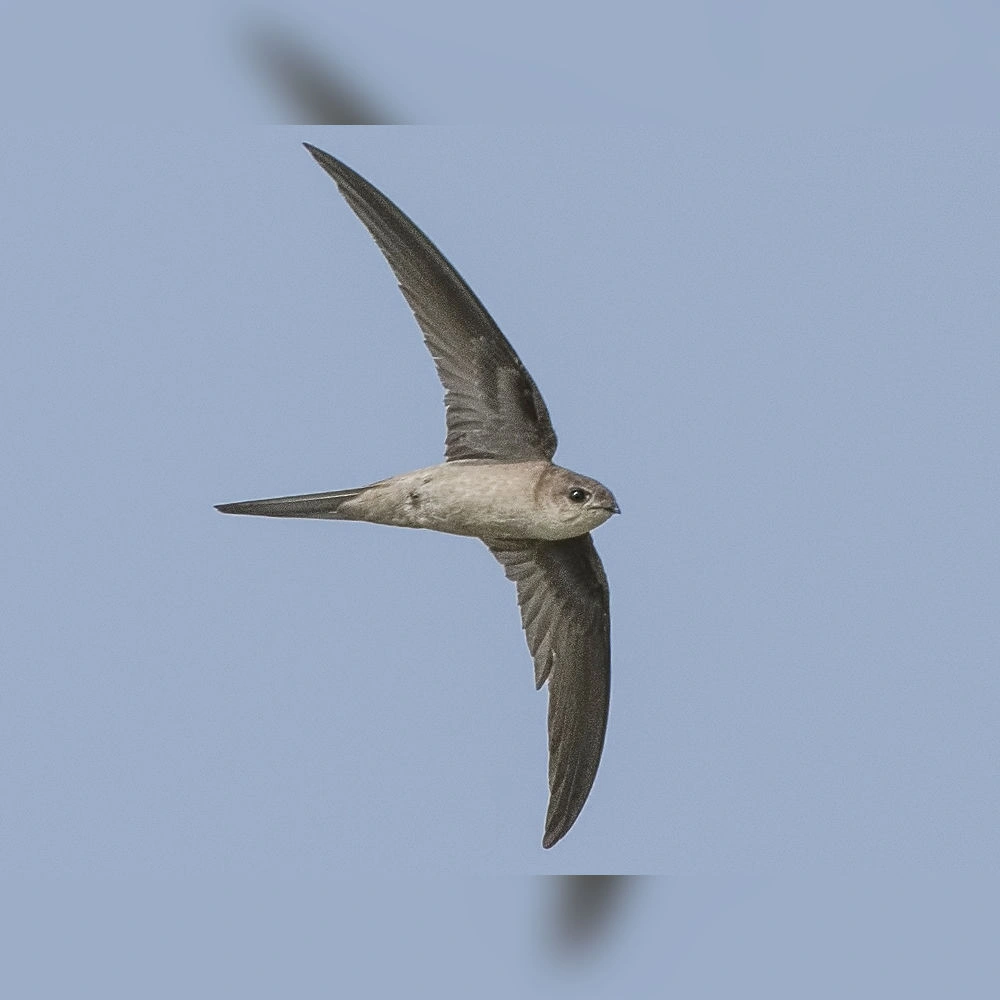
Asian Palm Swift
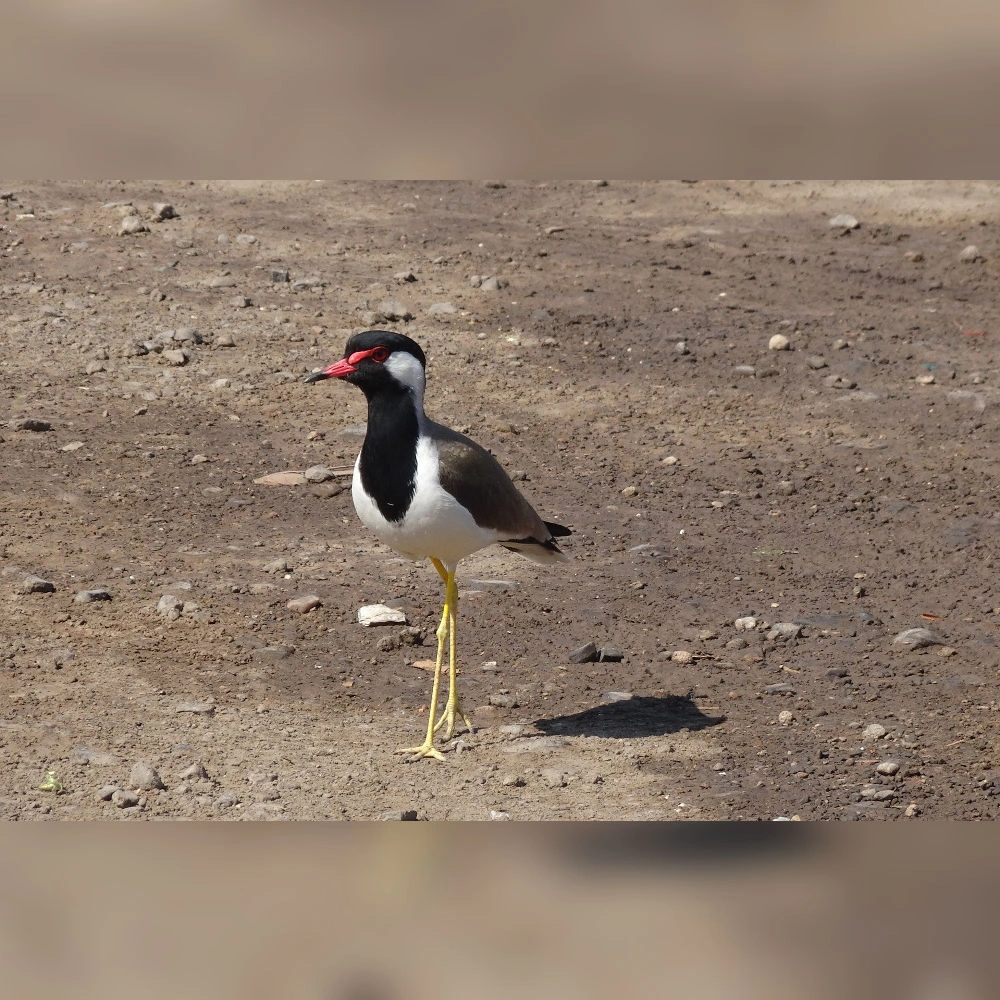
Red-wattled Lapwing
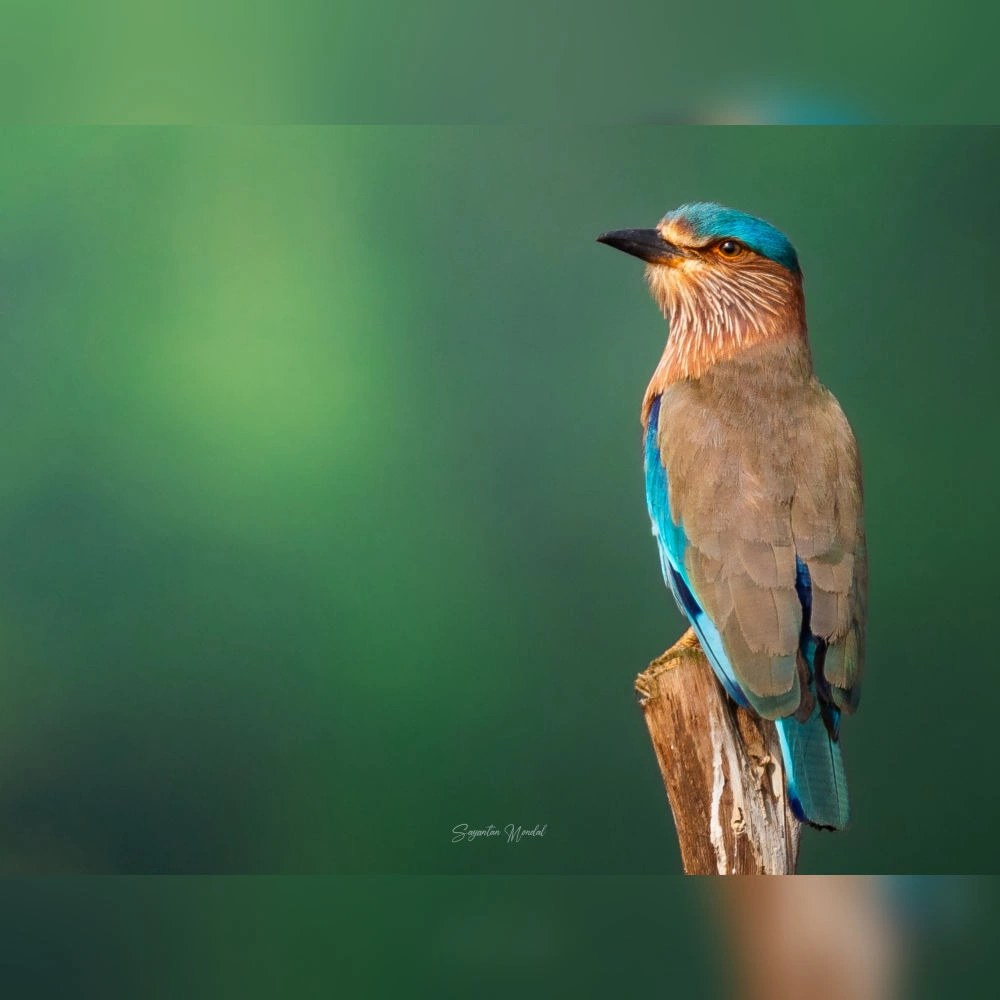
Indian Roller
House Sparrow

Summary of Walk

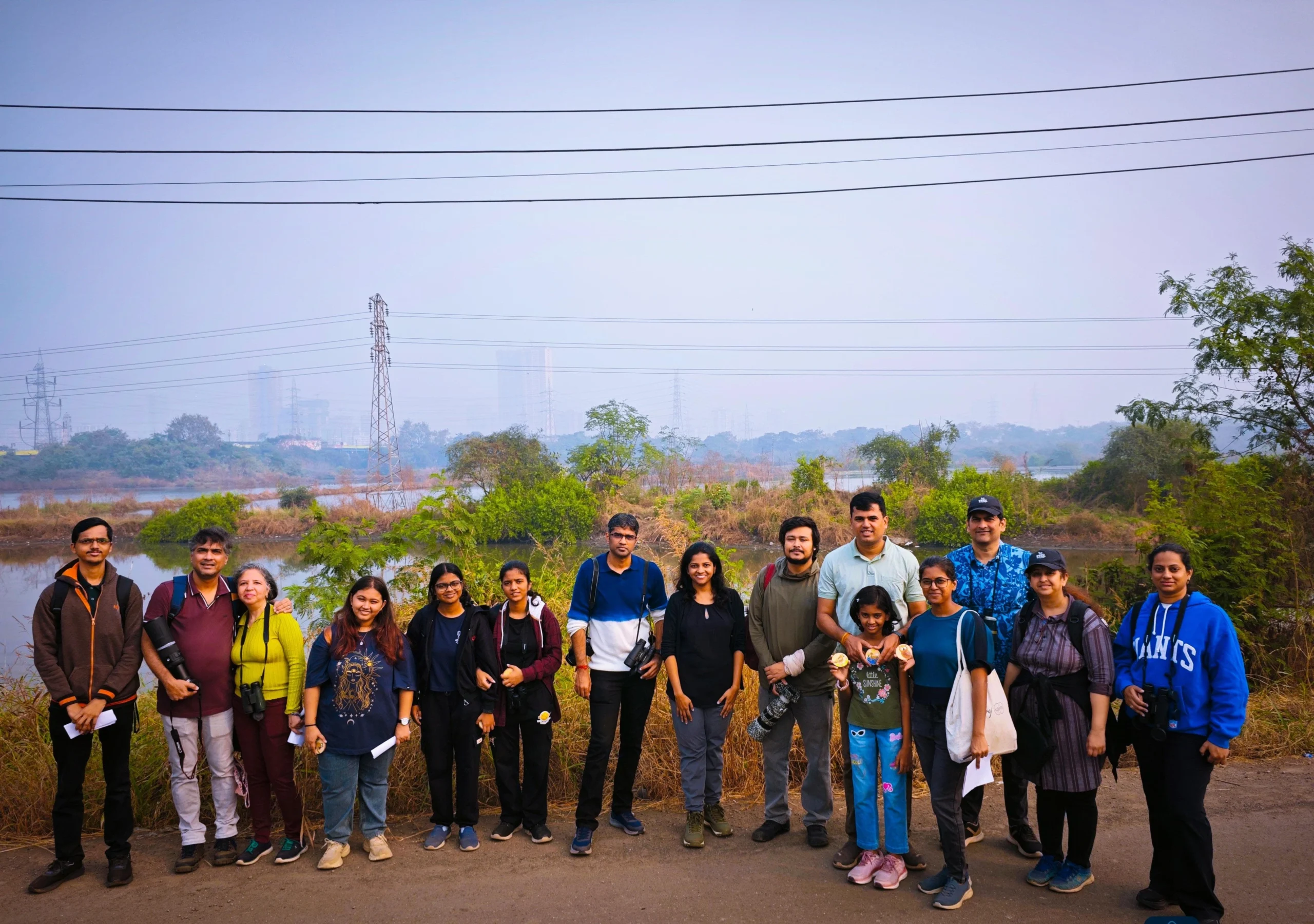
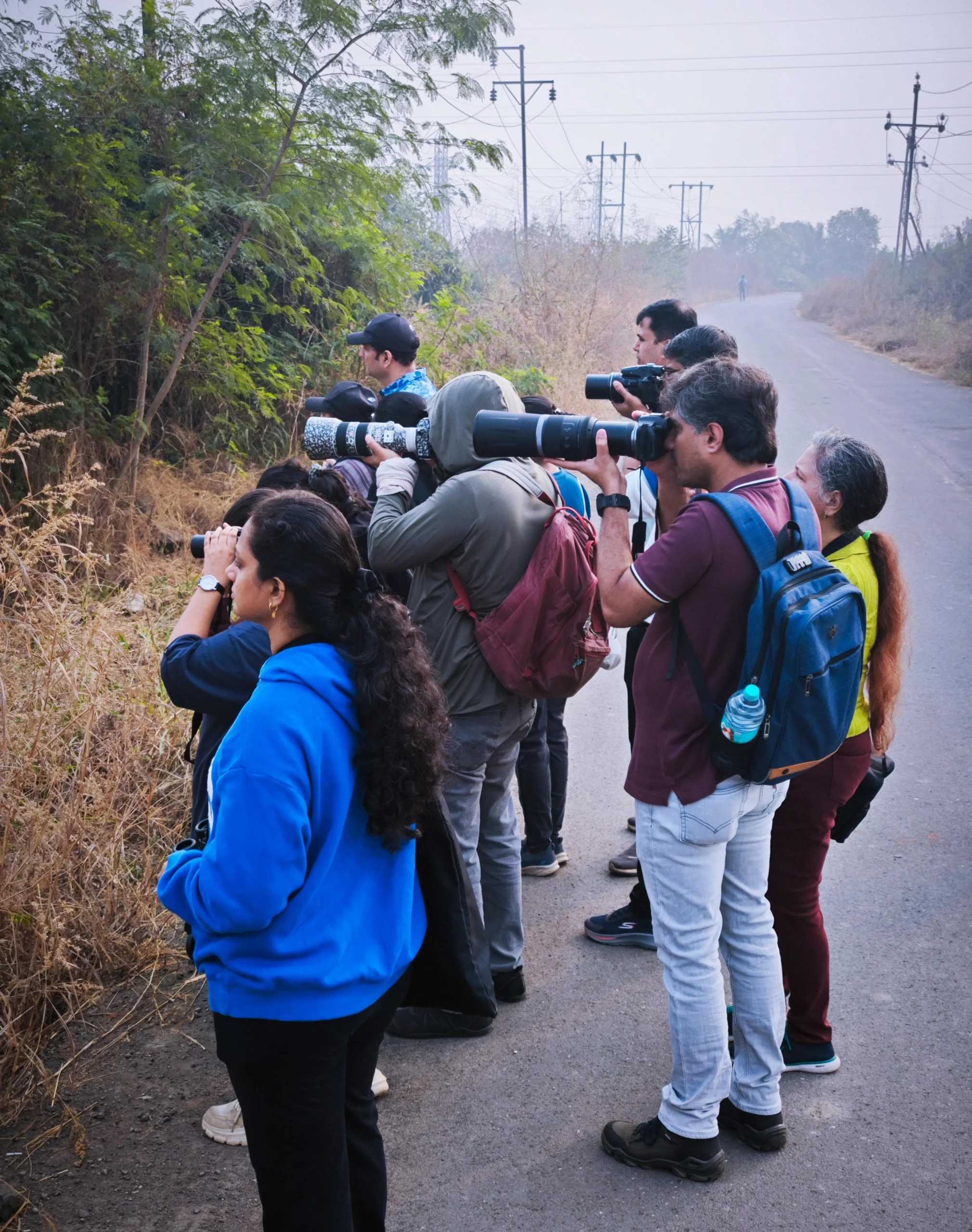
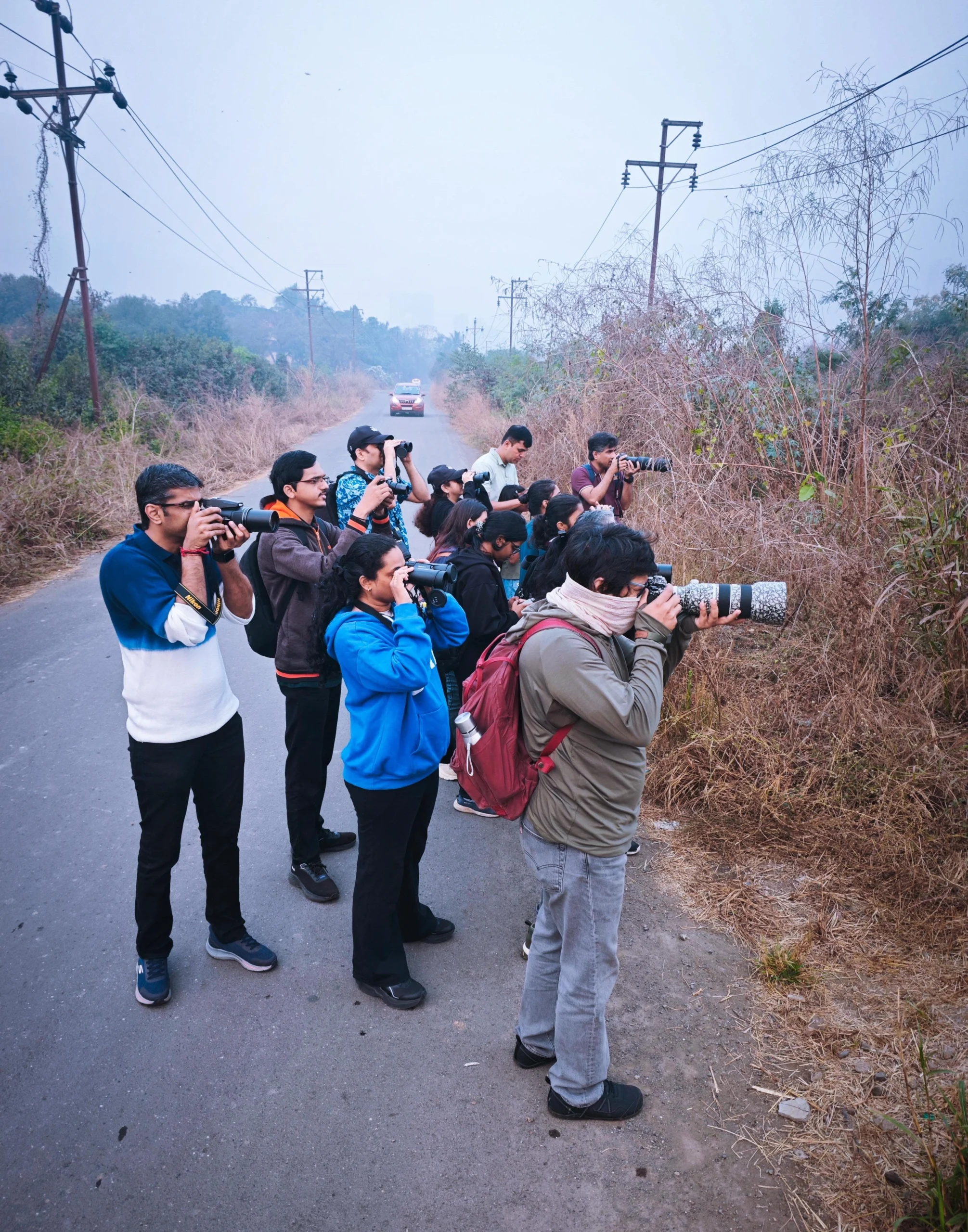
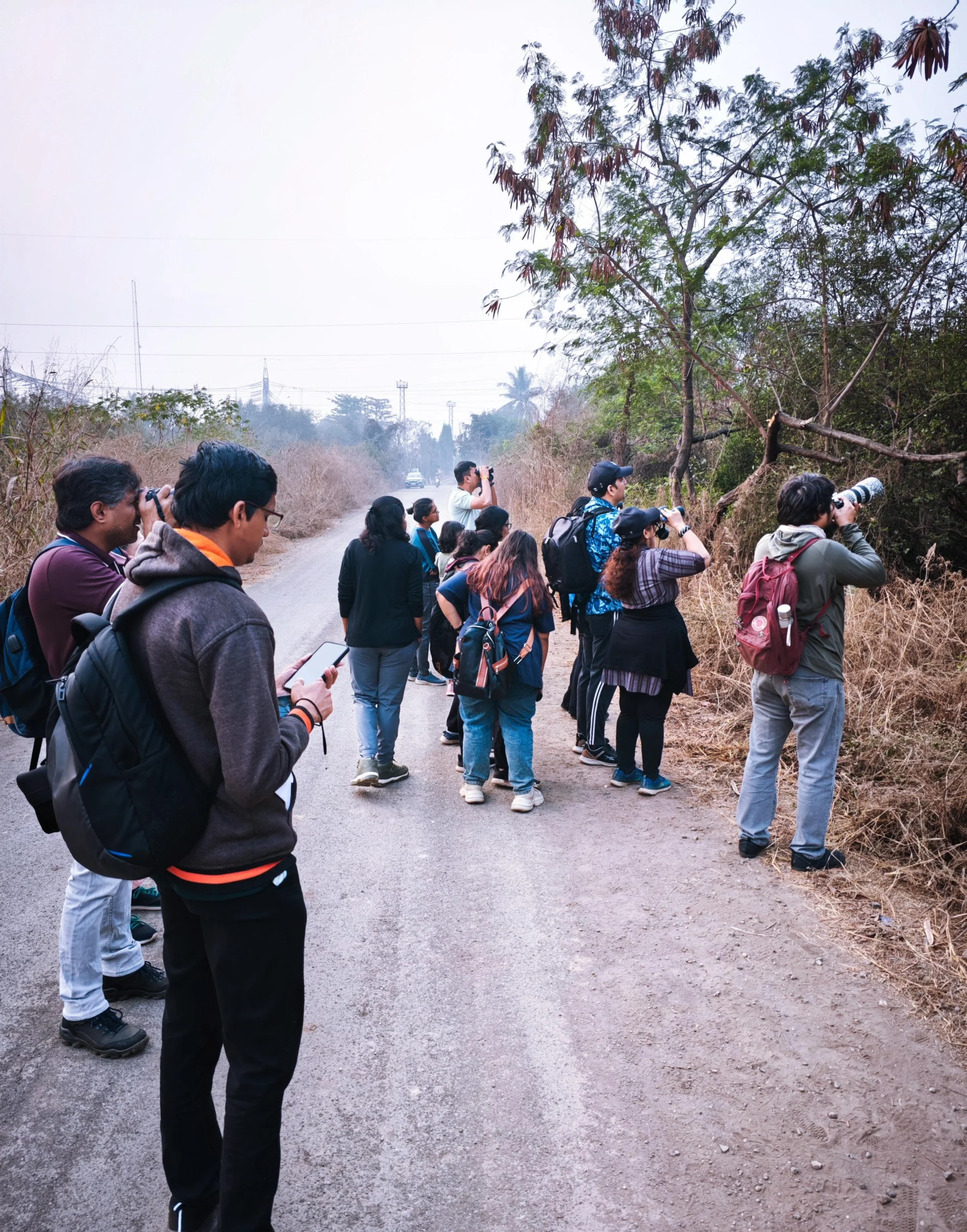
A refreshing bird walk at Bhandup Pumping Station, Mumbai, brought together 16 enthusiastic bird lovers under the expert guidance of Kritalee Chindarkar, in collaboration with Tarang Ecotours. The group recorded over 30 bird species during the morning, with special highlights being winter migrants such as the White-eared Bulbul and the Western Marsh Harrier. Exploring the wetland and grassland habitats around the pumping station, participants enjoyed sightings of Painted Stork, Asian Openbill, Asian Green Bee-eater, Common Sandpiper, Little and Great Egrets, Indian Cormorant, Black-winged Stilt, River Tern, Paddyfield Warbler, White-throated Kingfisher, and many more, showcasing the rich urban biodiversity of the area.
The walk was made even more engaging with interactive activities like an “I Spy” bird search game, which added fun and excitement to the learning experience. Participants also received hand-painted wooden bird coasters as souvenirs, making the morning extra special. Listening to bird songs, learning interesting facts about bird behavior and migration, and sharing observations created a warm and joyful atmosphere. Overall, it was a memorable morning of learning, reflection, and shared wonder, deepening everyone’s connection with nature amid the calls and colors of the wetland.
Number of Participants
0
Scroll to Top