

Loading Events

Bird Walk at Badhani Dam Adsena, Raipur, Chhattisgarh

About Badhani Dam Adsena

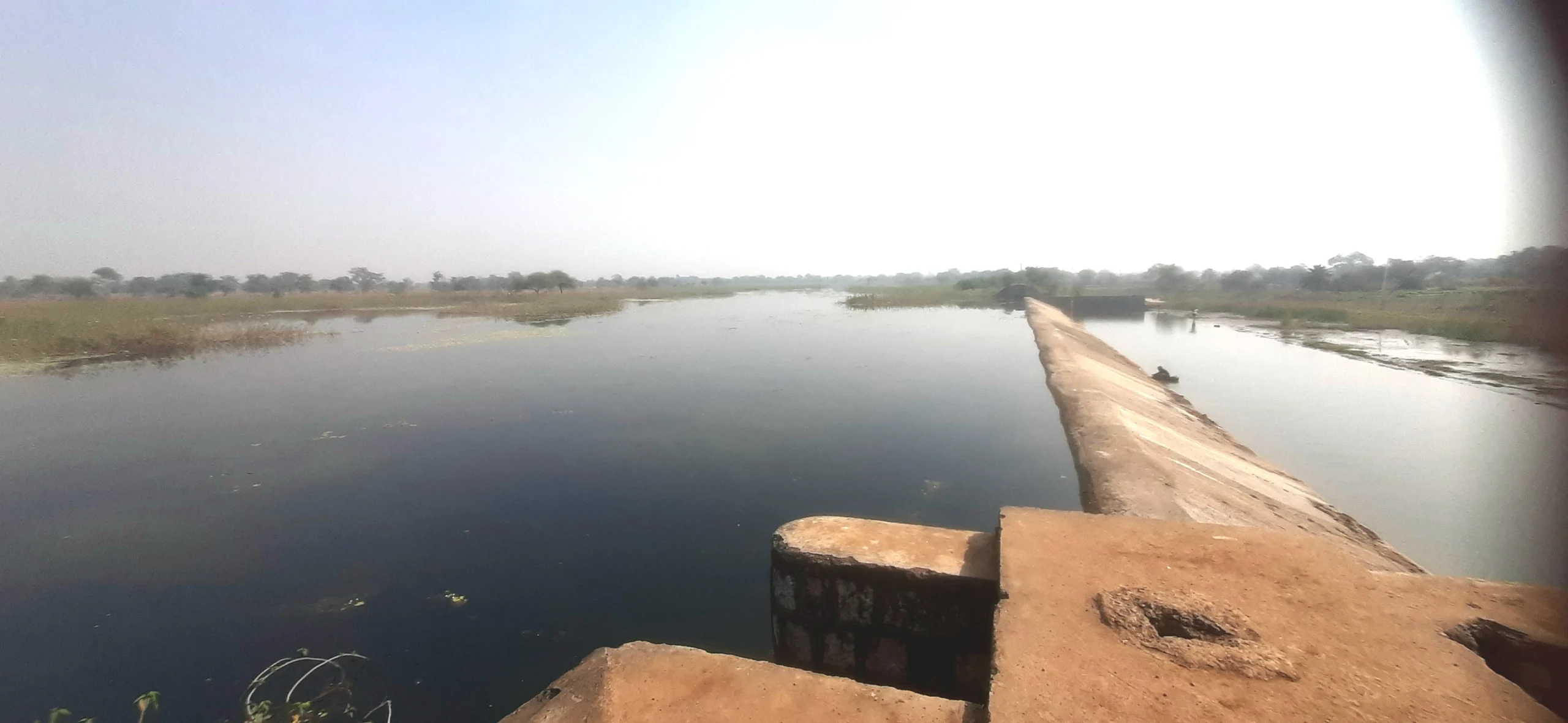
Badhani Dam at Adsena in Chhattisgarh is a scenic freshwater reservoir tucked into the rural plains where open water meets seasonal grasslands, scrub and farmland. Spanning several square kilometres of water and shallows during the monsoon and post-monsoon seasons, the dam creates a dynamic wetland habitat that supports a mix of aquatic plants, emergent reeds, scattered trees and dryland vegetation at its margins. This mosaic of habitat types — from open water and mudflats to wet grassland — fosters rich biodiversity, with fish and aquatic invertebrates forming the base of a food web that draws in birds, amphibians, and small mammals.
For birdwatchers and nature learners, Badhani Dam is especially rewarding: the expansive reservoir and its fringes attract waterbirds, waders and marsh-edge species, while the surrounding scrub and fields host typical Central Indian passerines. You might spot egrets and herons probing the shallows, kingfishers perched on dead branches, and a variety of ducks and terns visiting in winter — a reminder of India’s inland wetlands as vital seasonal habitats for resident and migratory birds alike. Like many such wetland-agriculture interfaces in Chhattisgarh, Badhani Dam also faces conservation pressures from siltation, shoreline disturbance, grazing and increasing human use that can degrade feeding and nesting areas. Protecting the dam’s ecological balance through sustainable use, habitat restoration and awareness can help this quiet reservoir continue to be both a lifeline for local wildlife and an inspiring place for learning about wetland ecology.

Bird Guide: Jageshwar Verma

He is your expert companion for exploring the rich birdlife of the region, guiding you to spot and identify species with ease. With his deep knowledge of birds and their habitats, he helps you connect with nature and enjoy a truly rewarding birdwatching experience.
Bird walk Location

Common birds of Badhani Dam Adsena

Badhani Dam at Adsena supports a vibrant community of wetland and open-country birds, reflecting the richness of its freshwater reservoir and surrounding grasslands. The open water is frequented by a variety of ducks, including Lesser Whistling-Duck, Cotton Pygmy-Goose, Garganey, Northern Shoveler, Gadwall, Indian Spot-billed Duck, Northern Pintail, Green-winged Teal and the striking Red-crested Pochard, making the dam particularly attractive during the winter months. Marshy edges and floating vegetation host species such as Eurasian Coot, Eurasian Moorhen, Gray-headed Swamphen, White-breasted Waterhen and the elegant Pheasant-tailed Jacana, while open banks often ring with the calls of the Red-wattled Lapwing. The surrounding scrub and farmland add to the diversity, with birds like Gray Francolin, Eurasian Collared-Dove, Laughing Dove, Greater Coucal and Gray-bellied Cuckoo completing the scene. Together, these common yet fascinating species make Badhani Dam a rewarding destination for birdwatchers and an excellent site for learning about wetland bird ecology in central India.
Lesser-whistling Duck
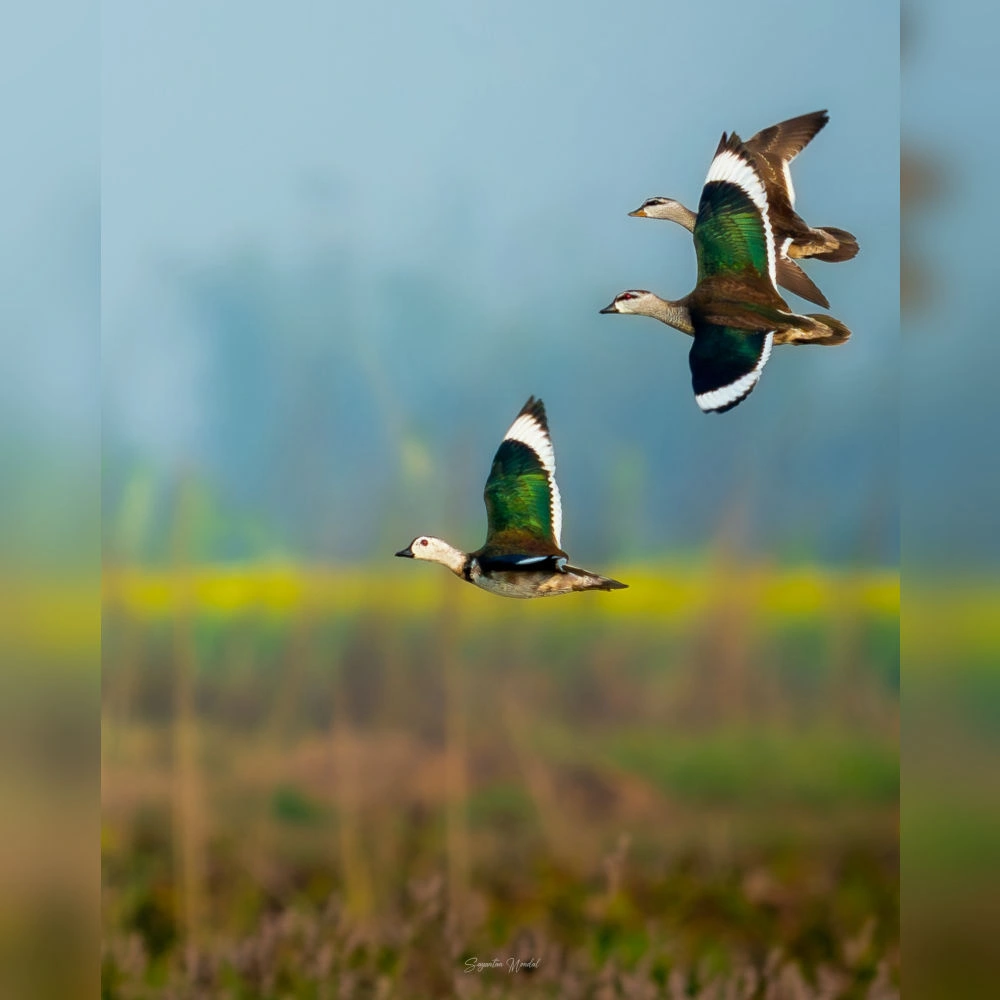
Cotton Pygmy-Goose
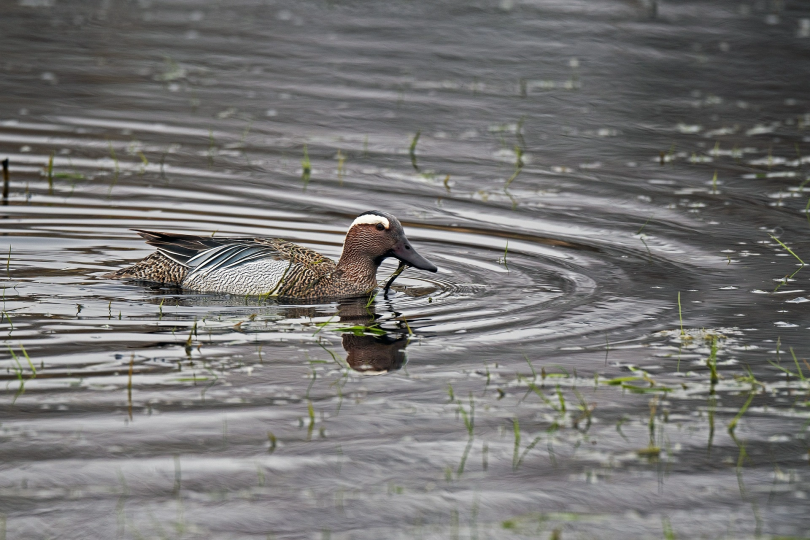
Garganey
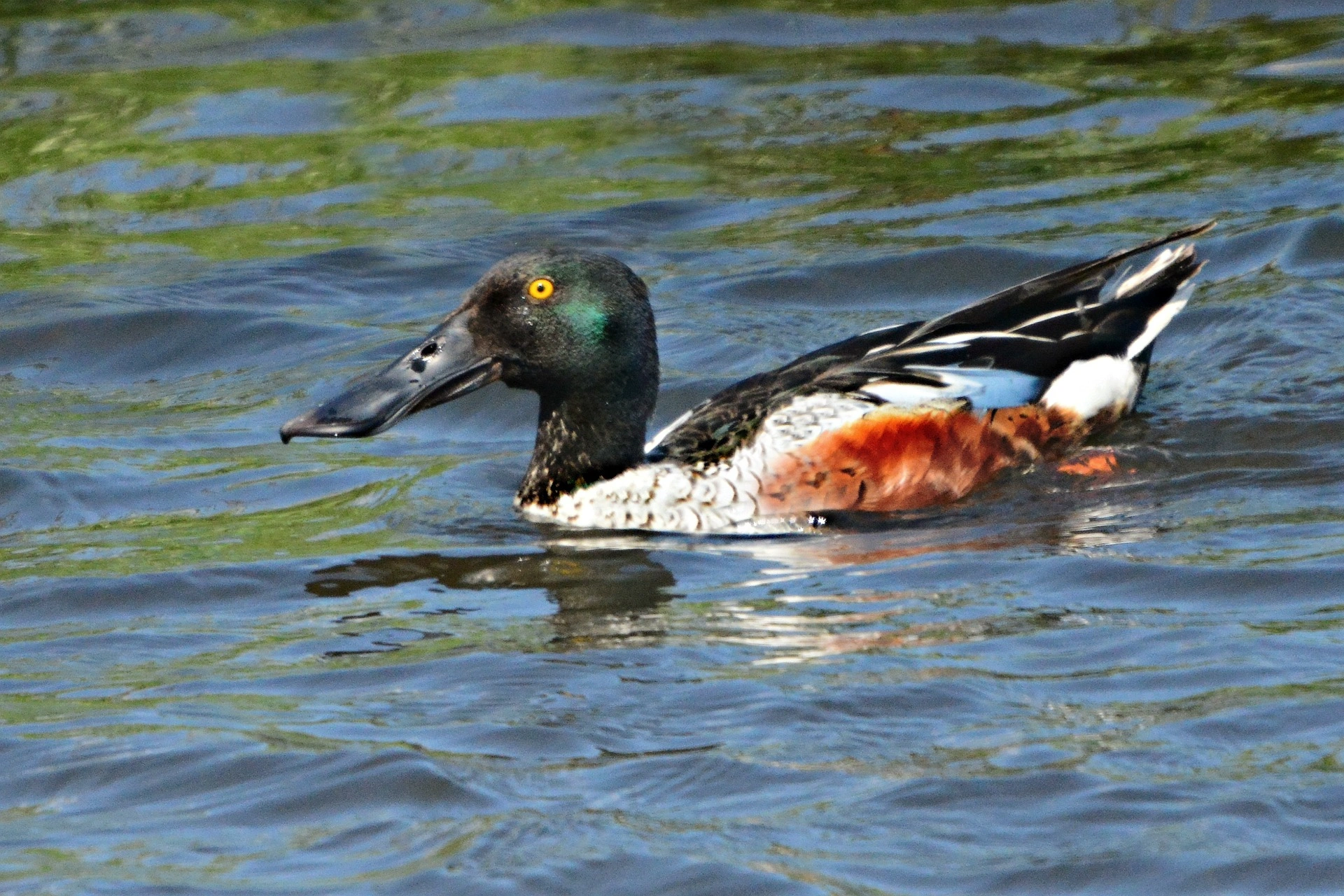
Northern Shoveler
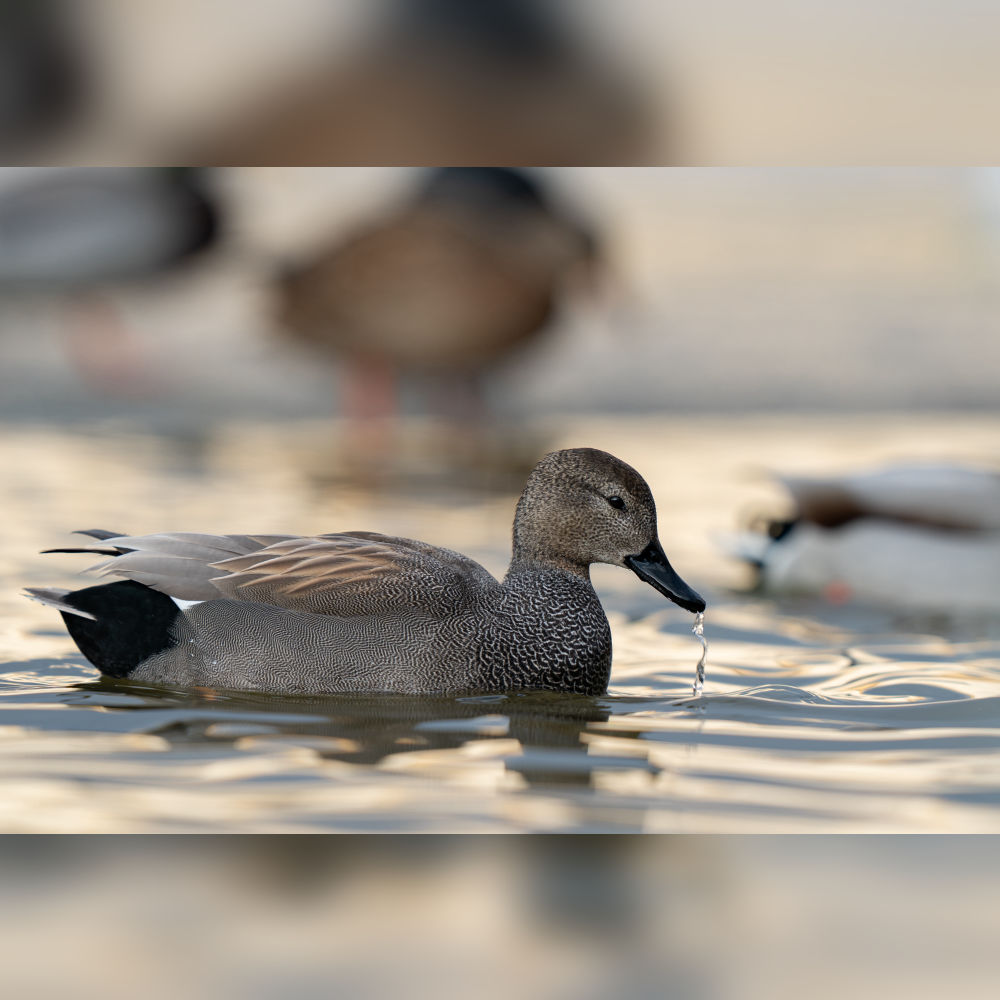
Gadwall
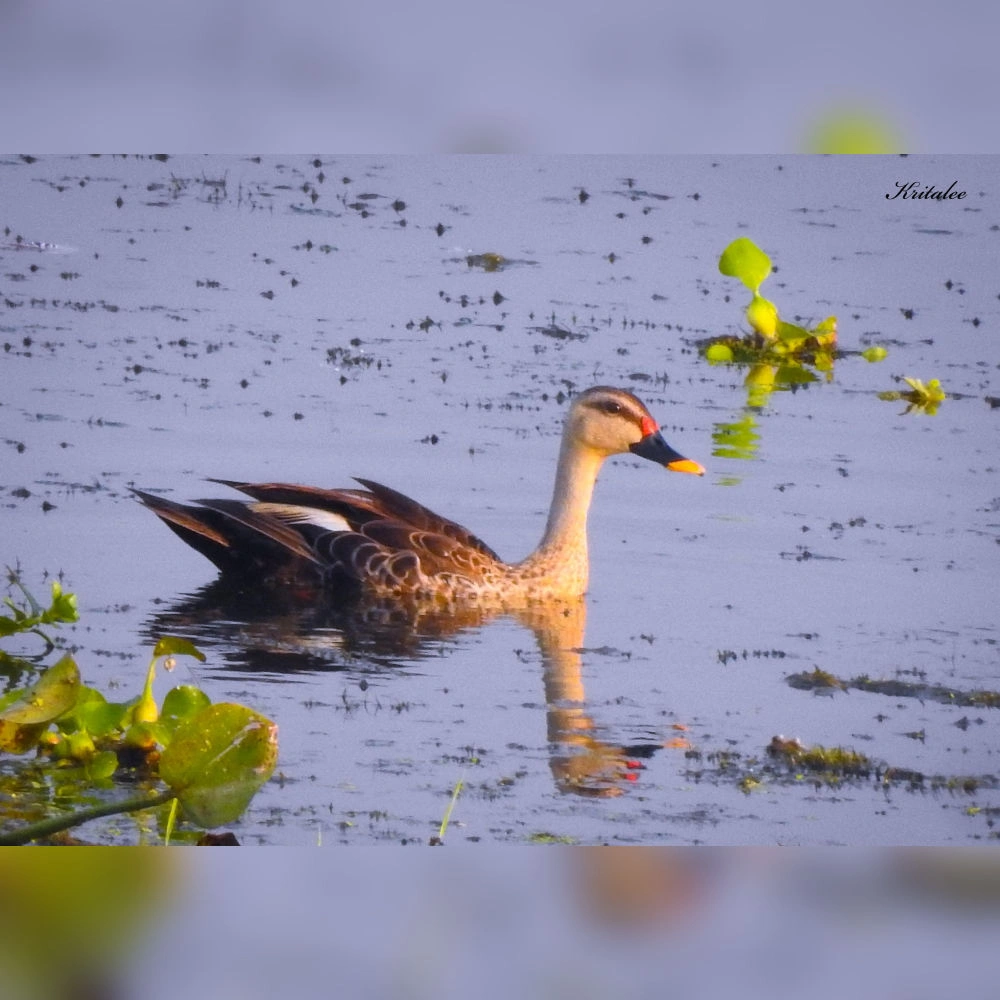
Indian Spot-billed Duck
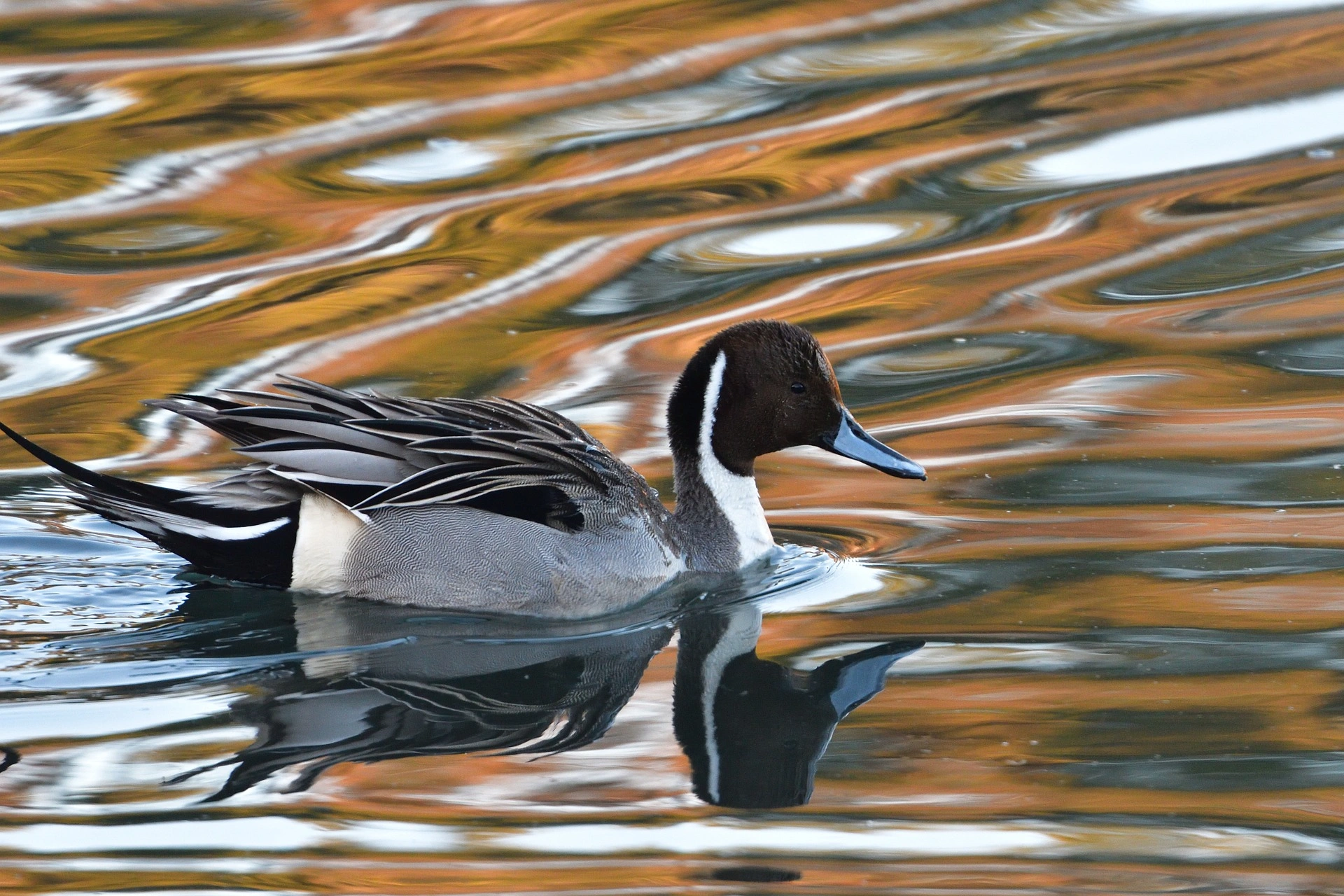
Northern Pintail
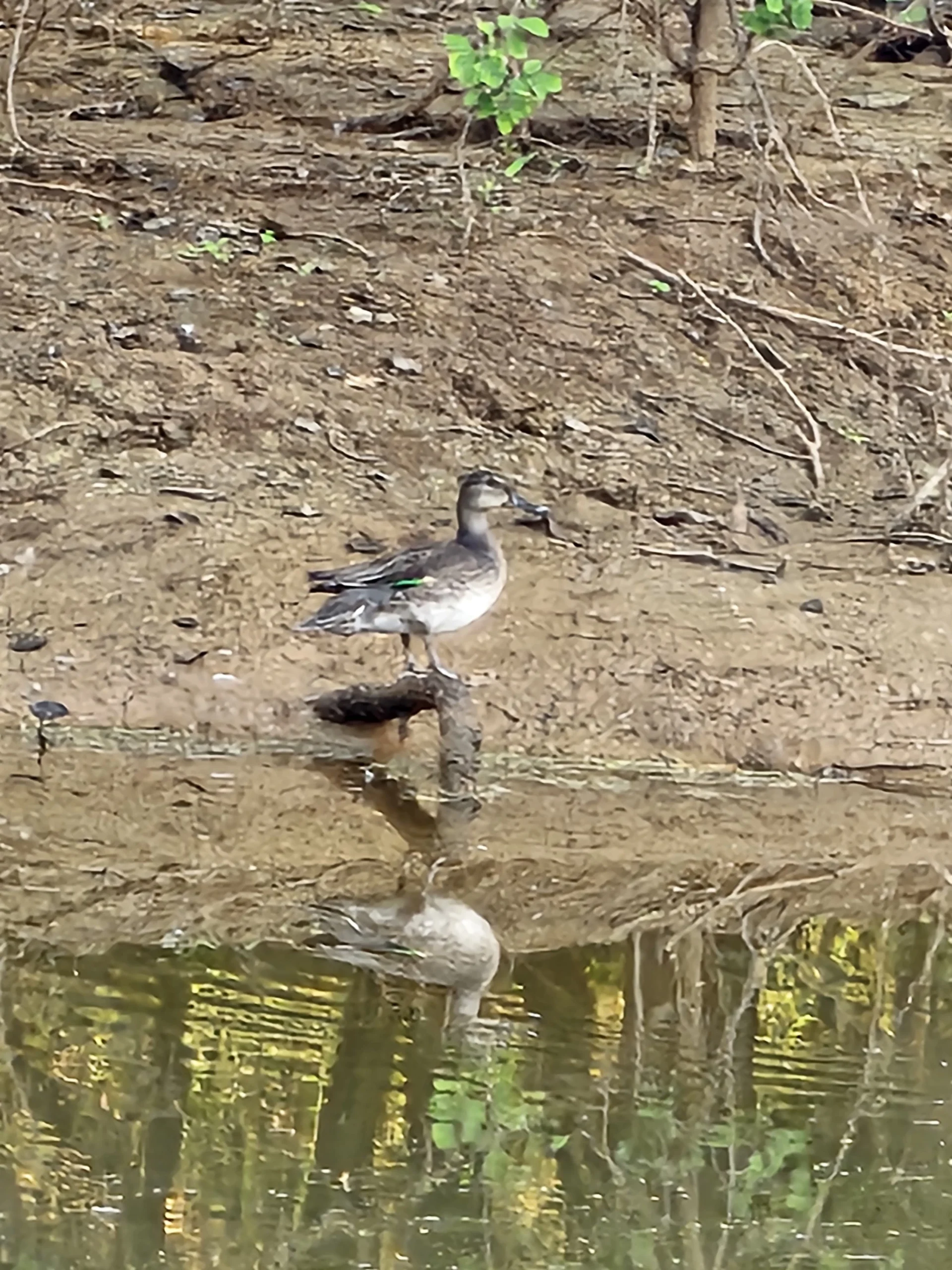
Green-winged Teal
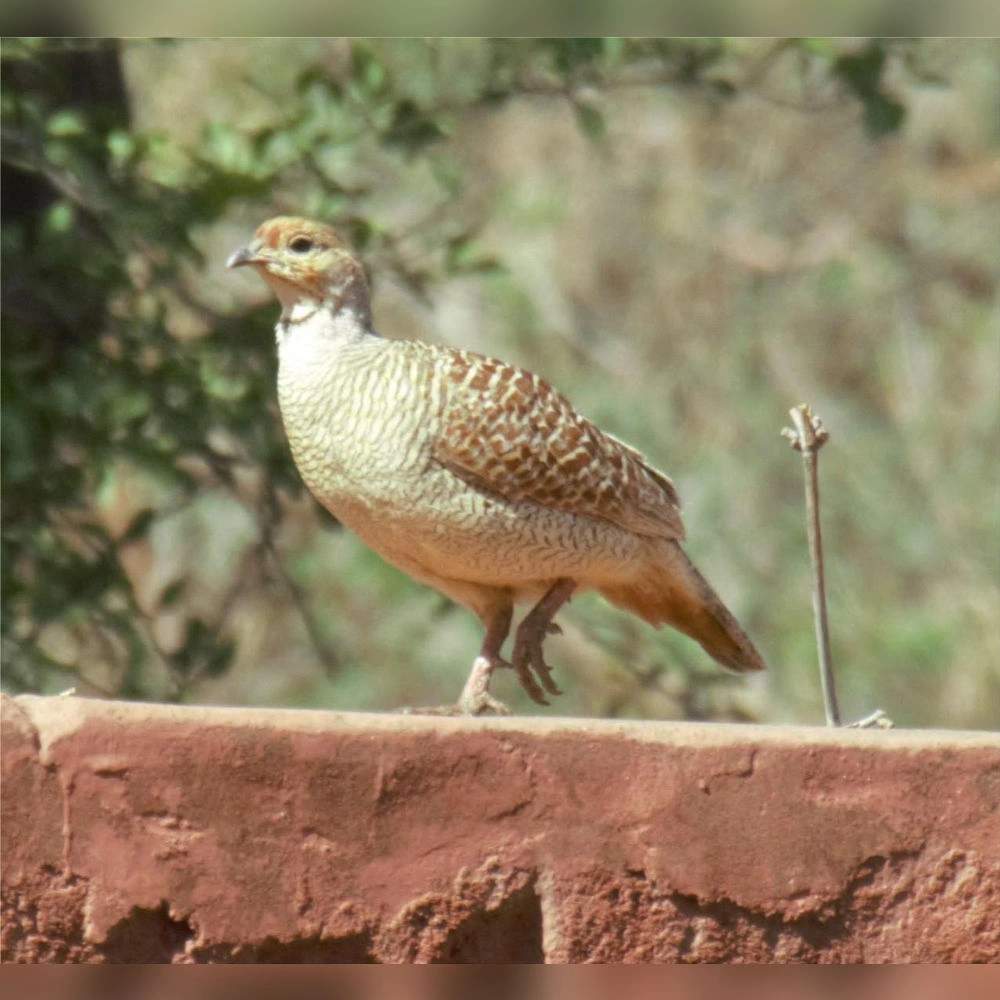
Grey Francolin
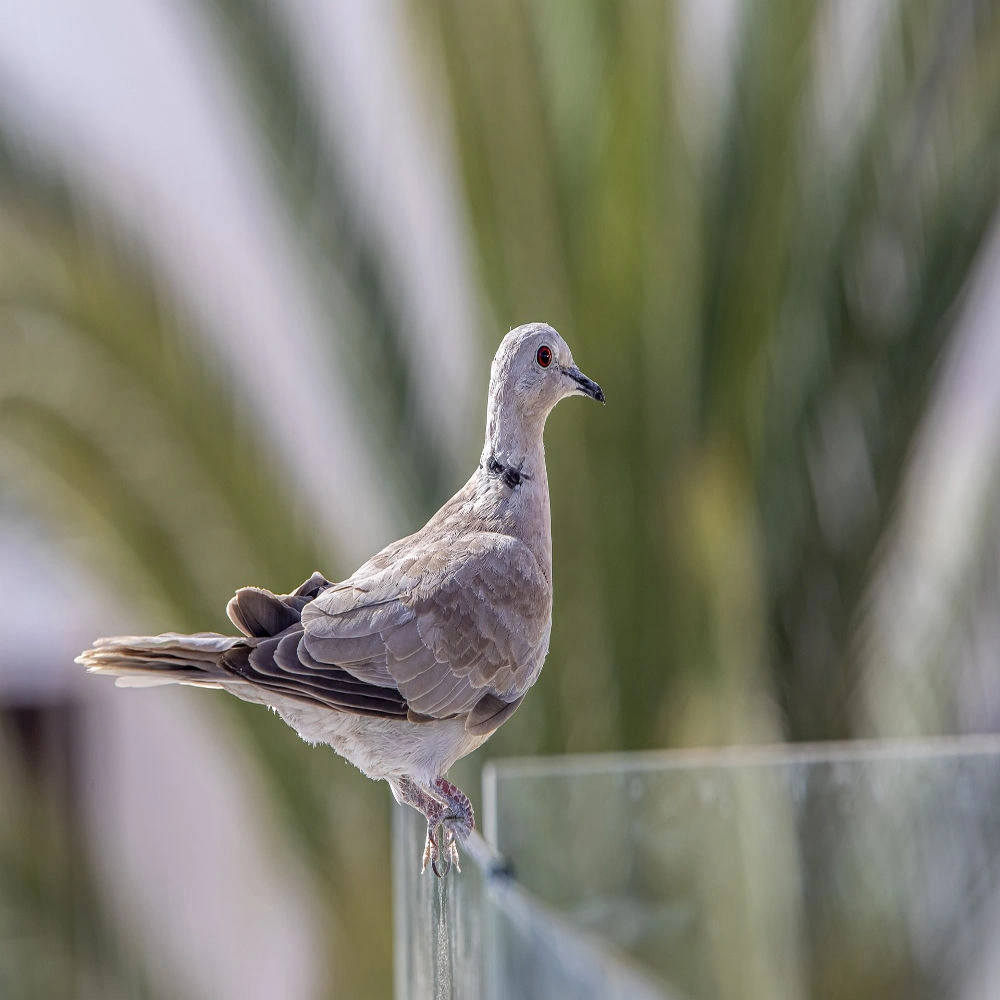
Eurasian Collared-Dove
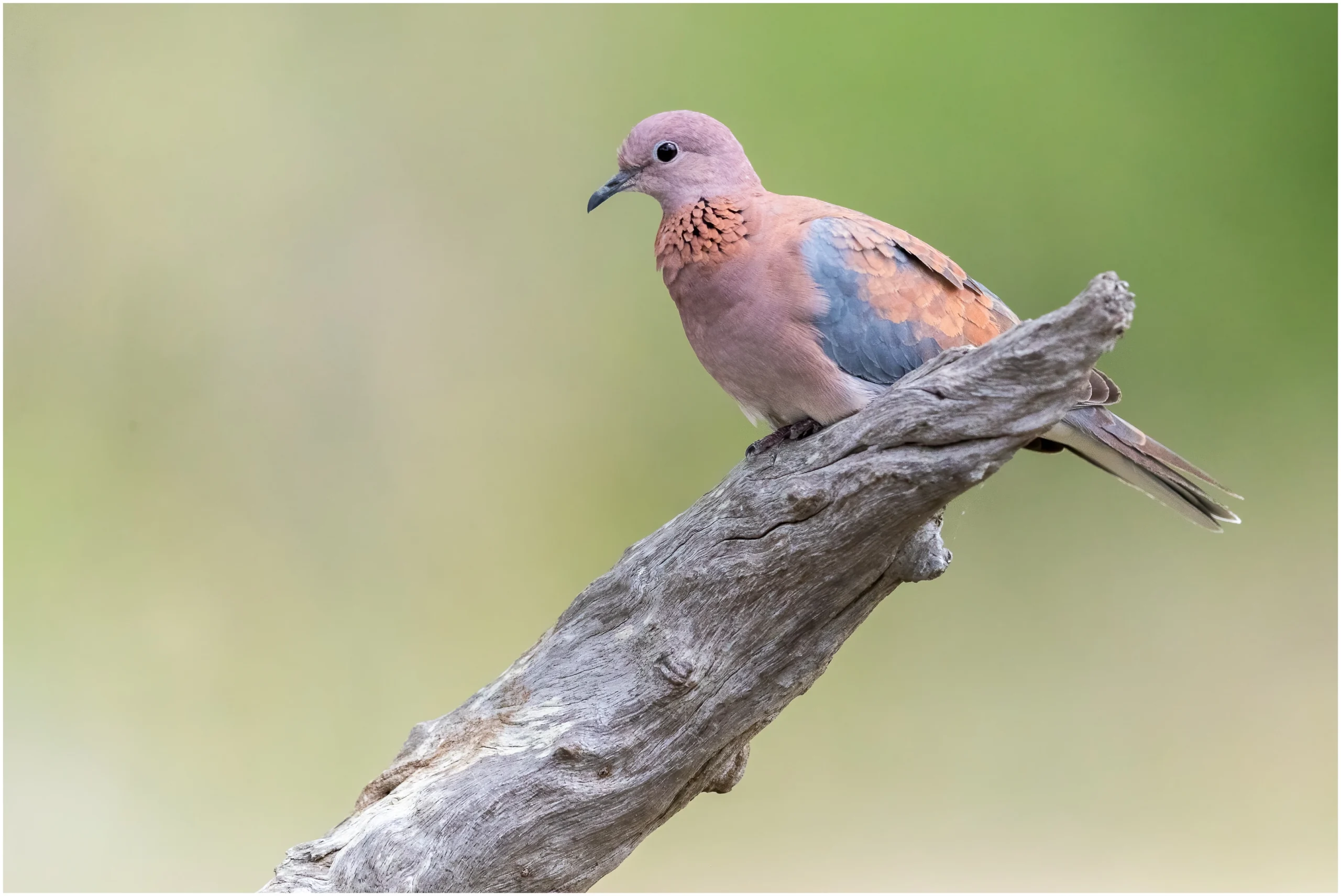
Laughing Dove
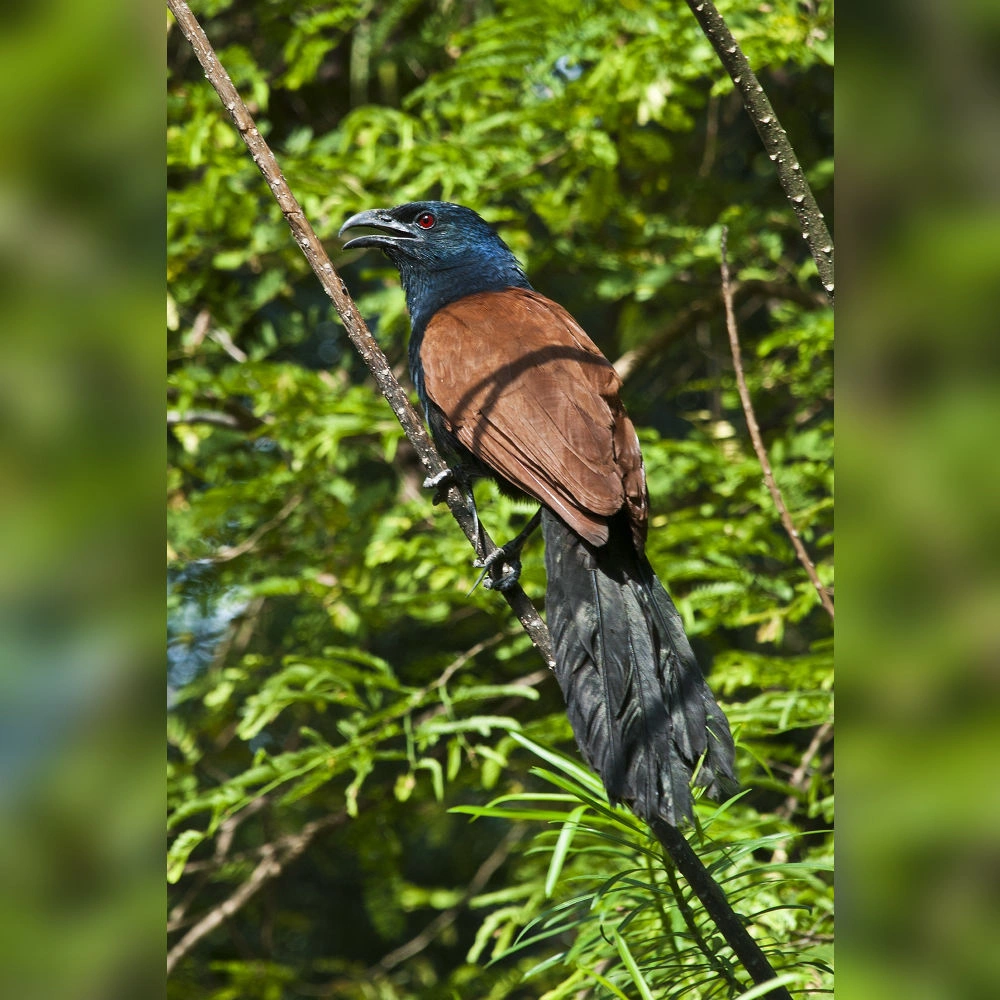
Greater Coucal
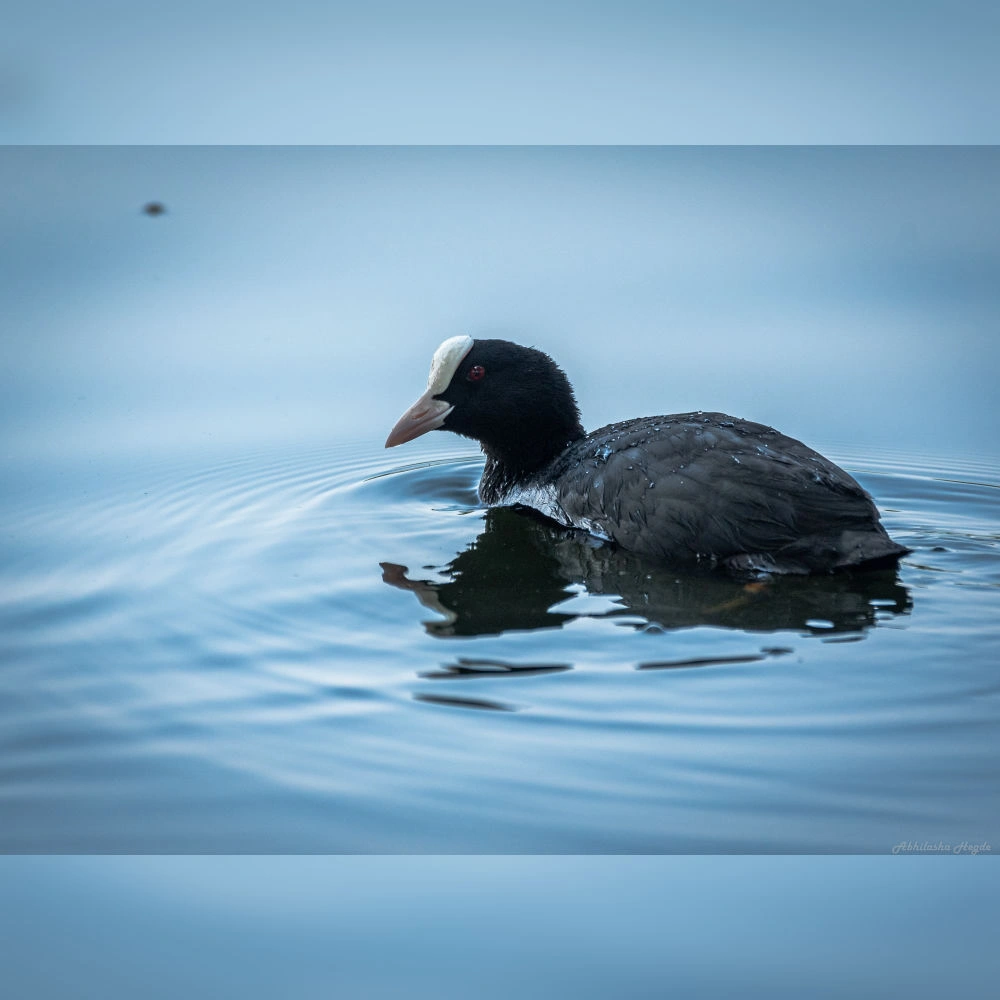
Eurasian Coot
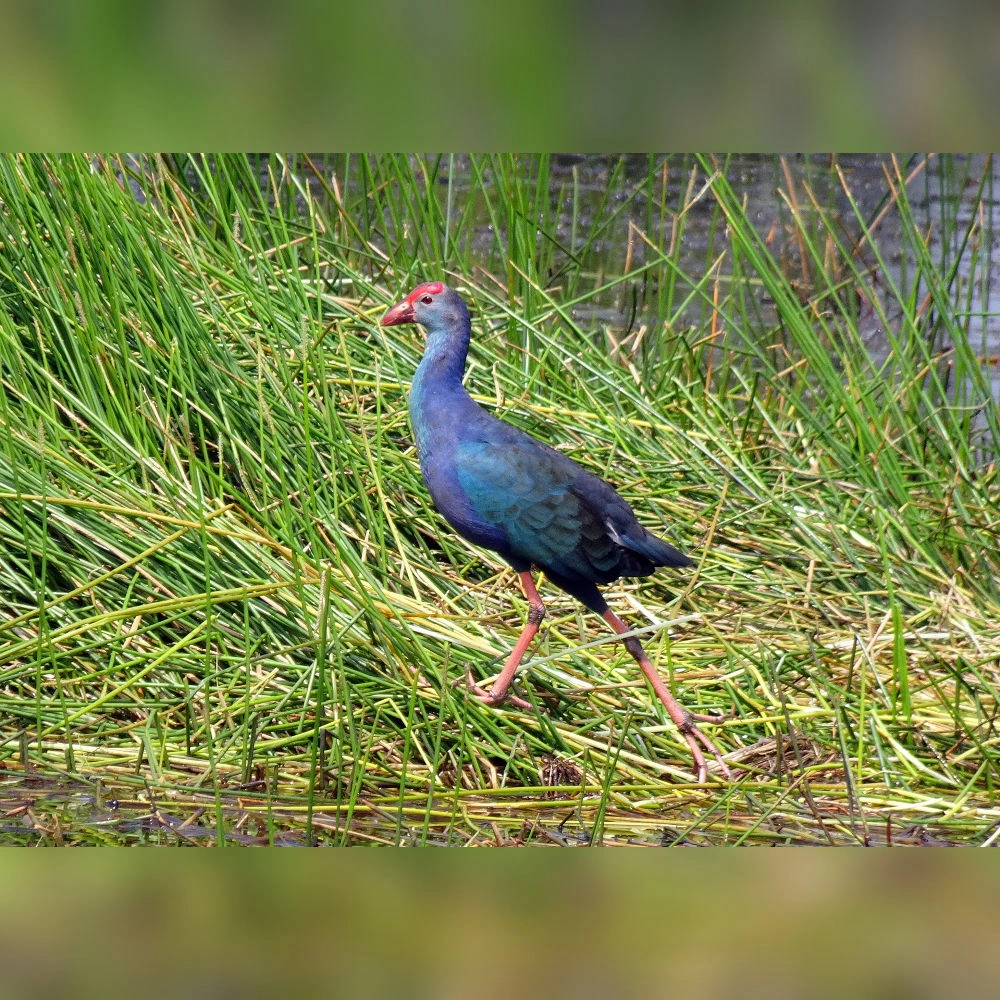
Grey-headed Swamphen
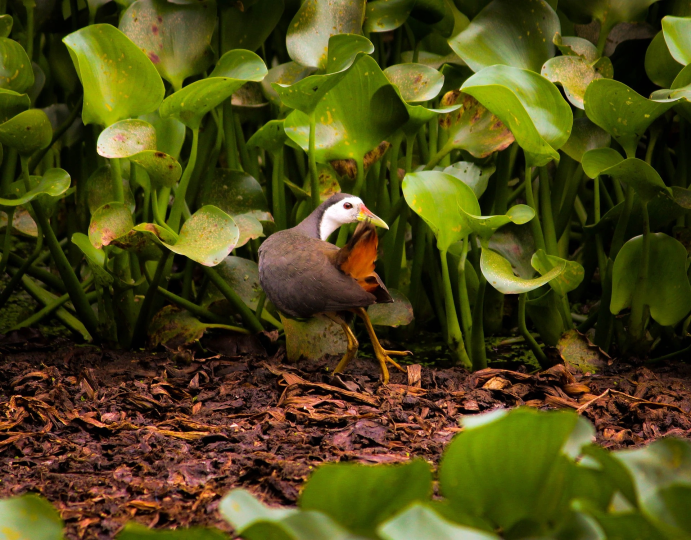
White-breasted Waterhen
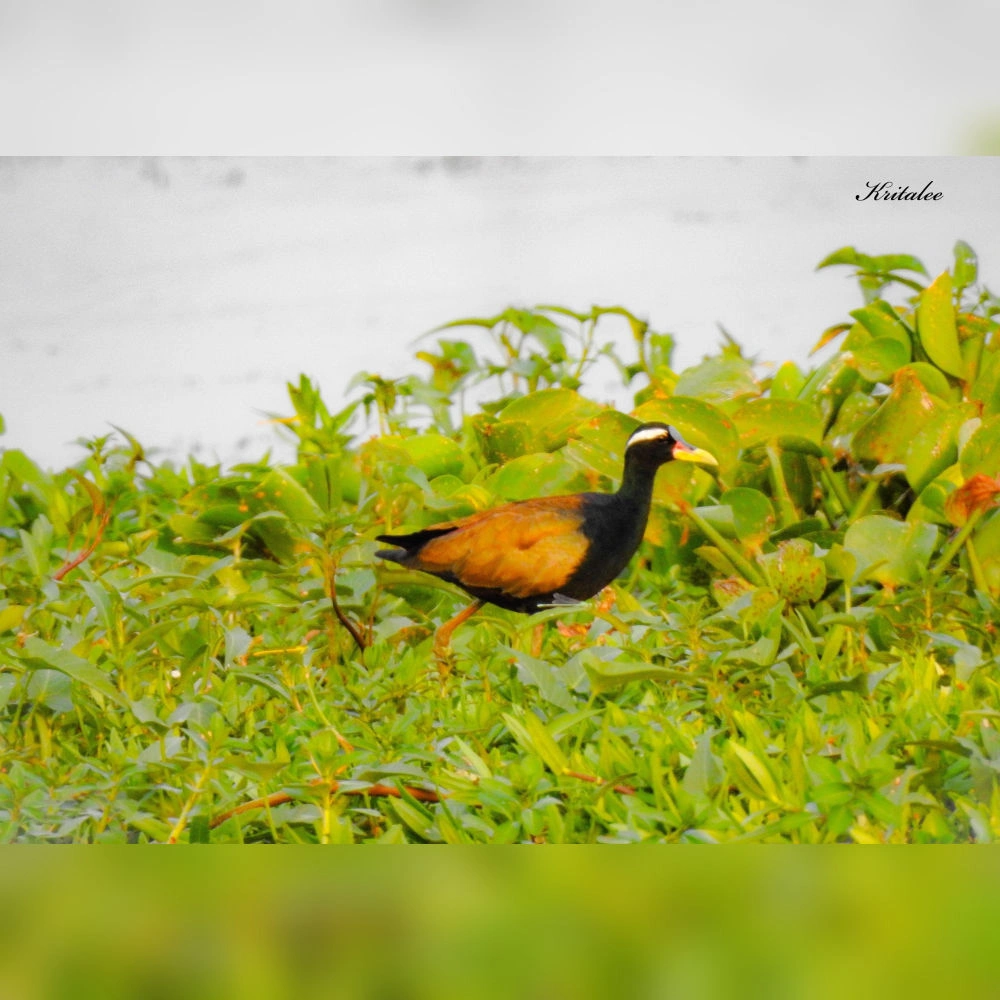
Bronze-winged Jacana
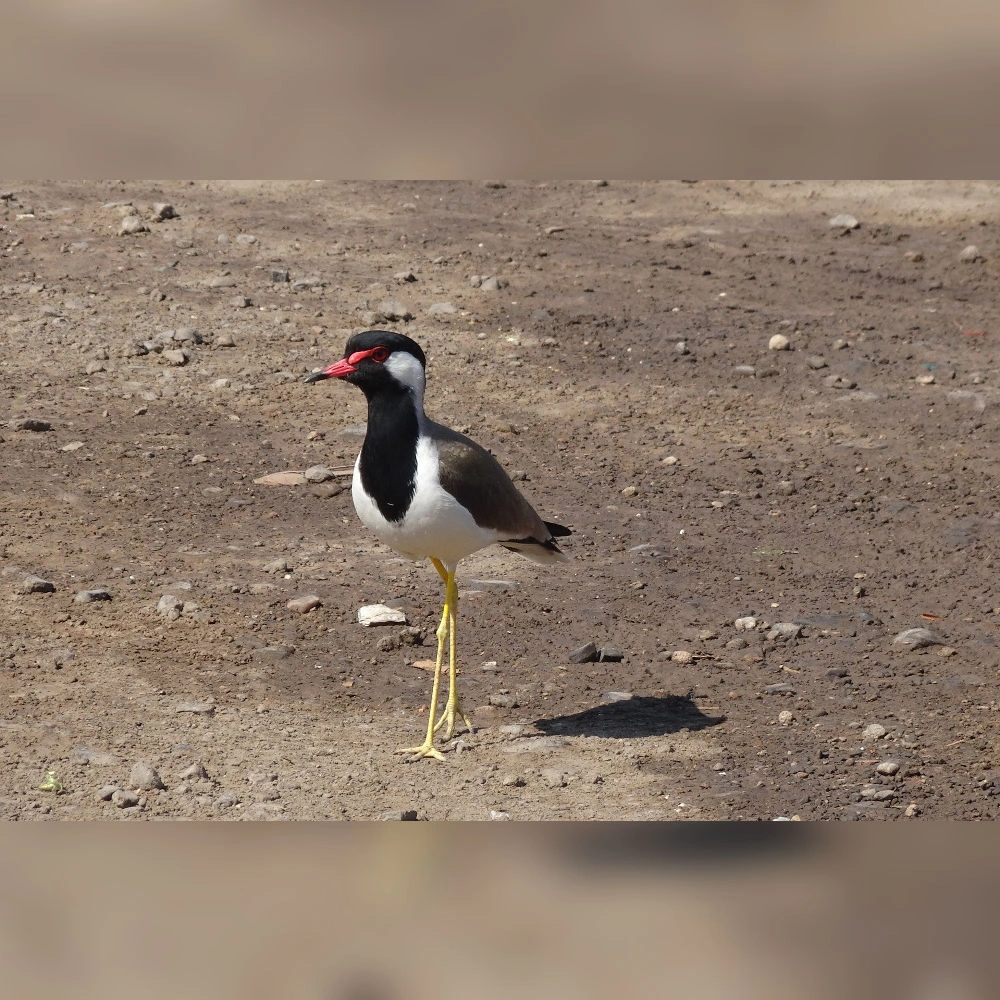
Red-wattled Lapwing
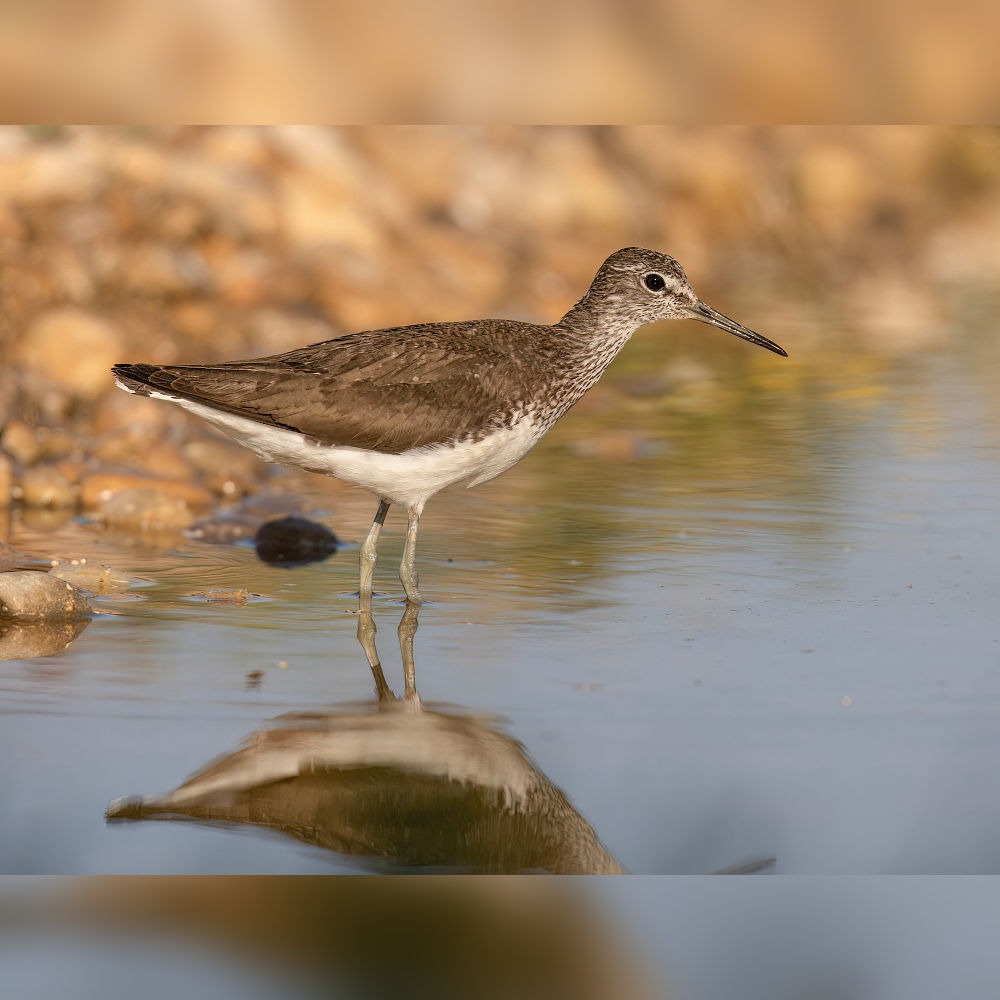
Green Sandpiper
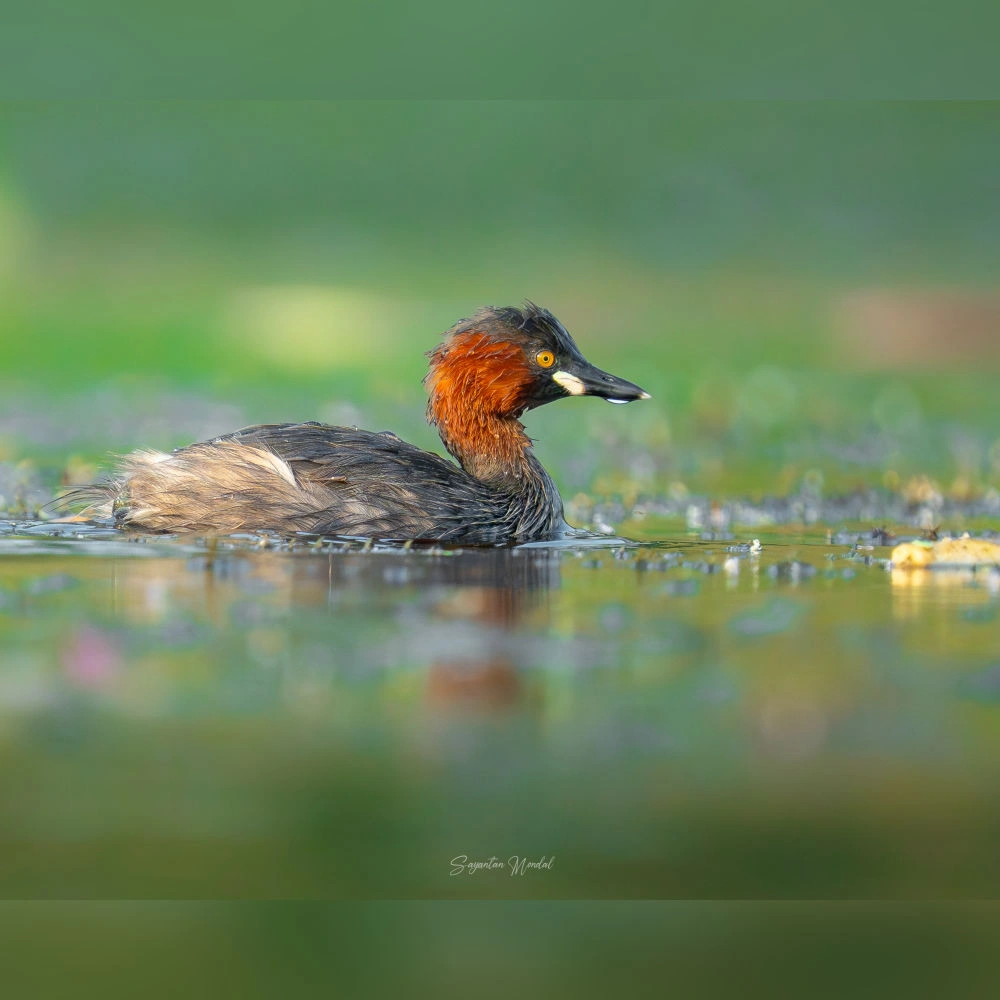
Little Grebe
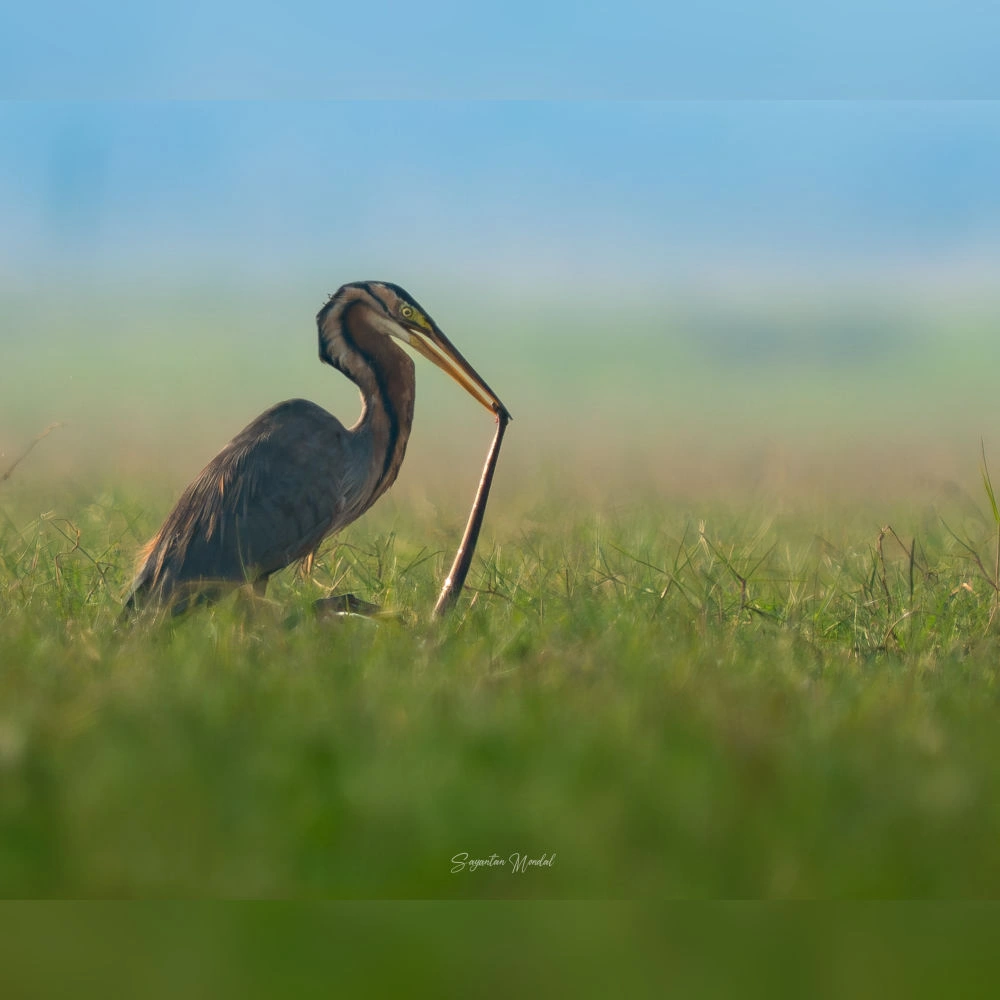
Purple Heron

Summary of Walk

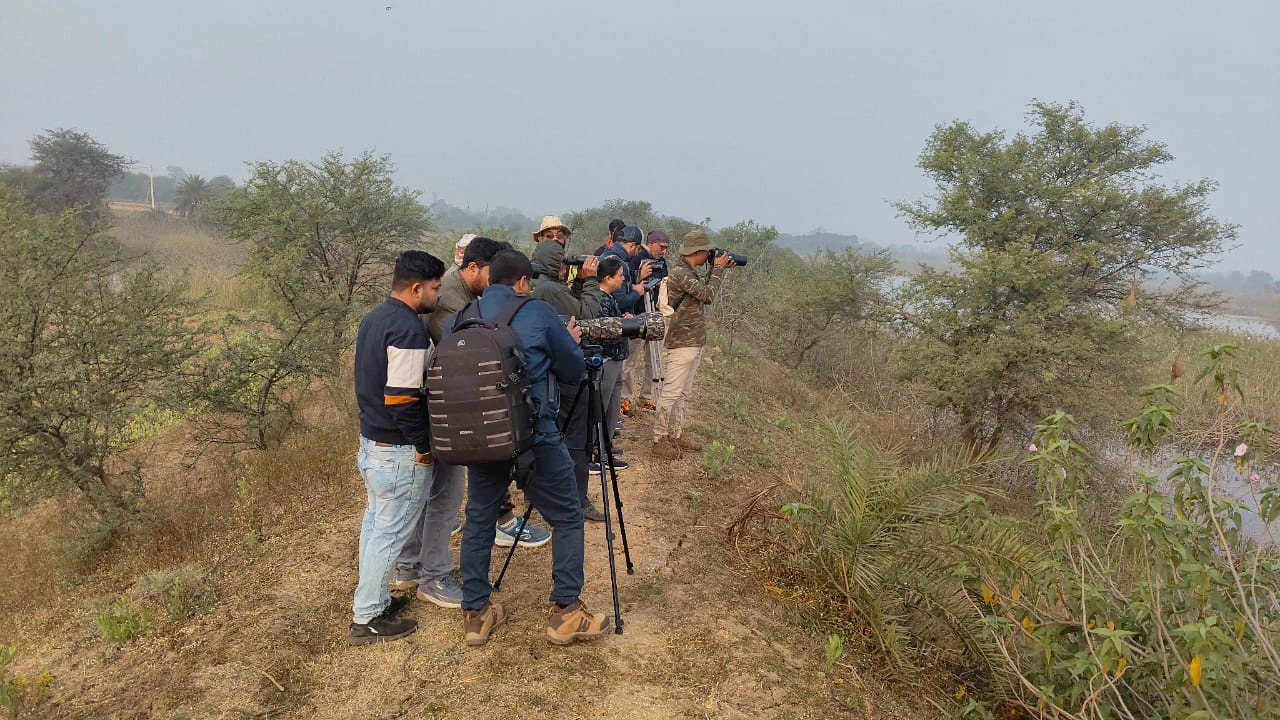
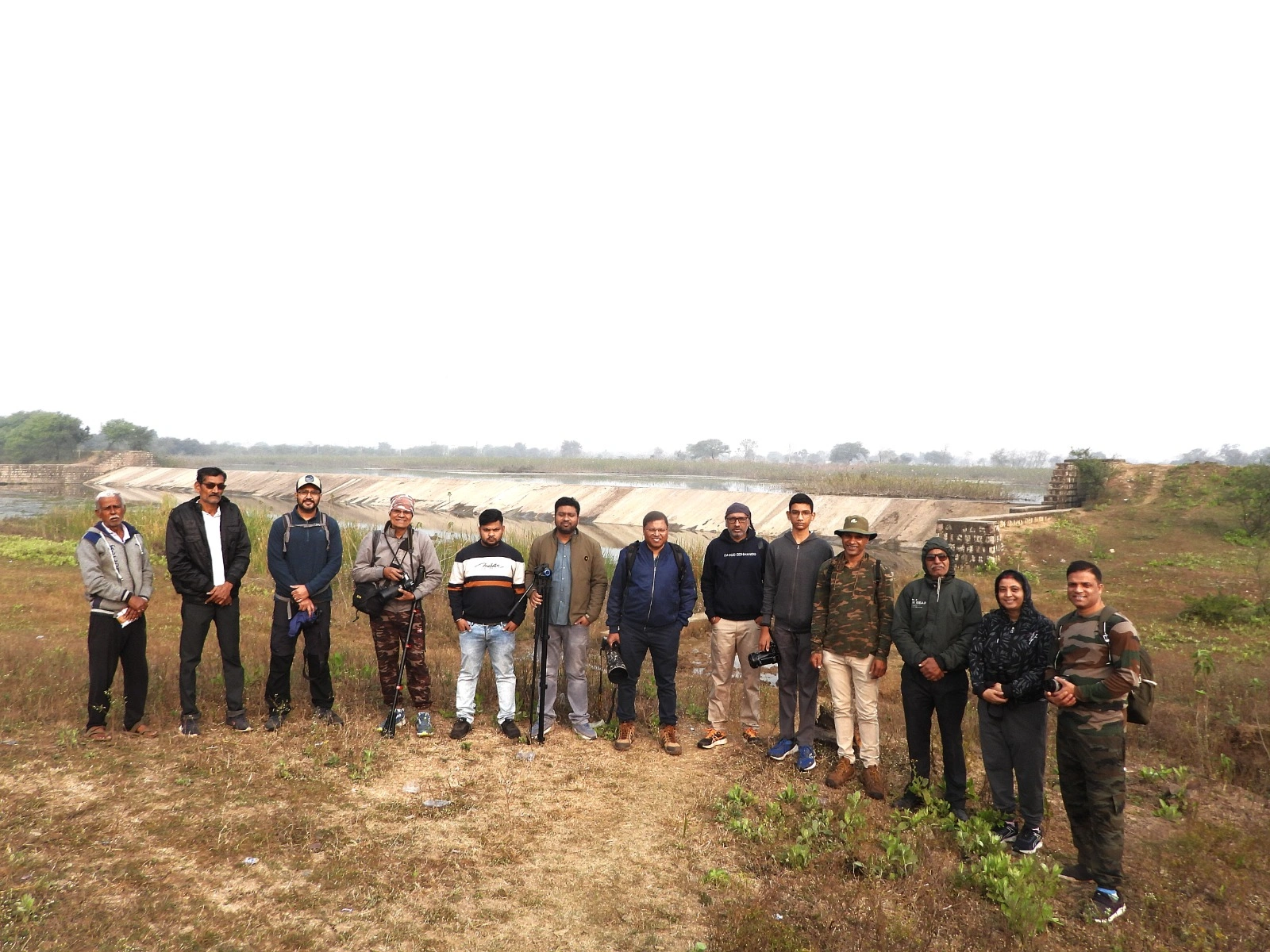
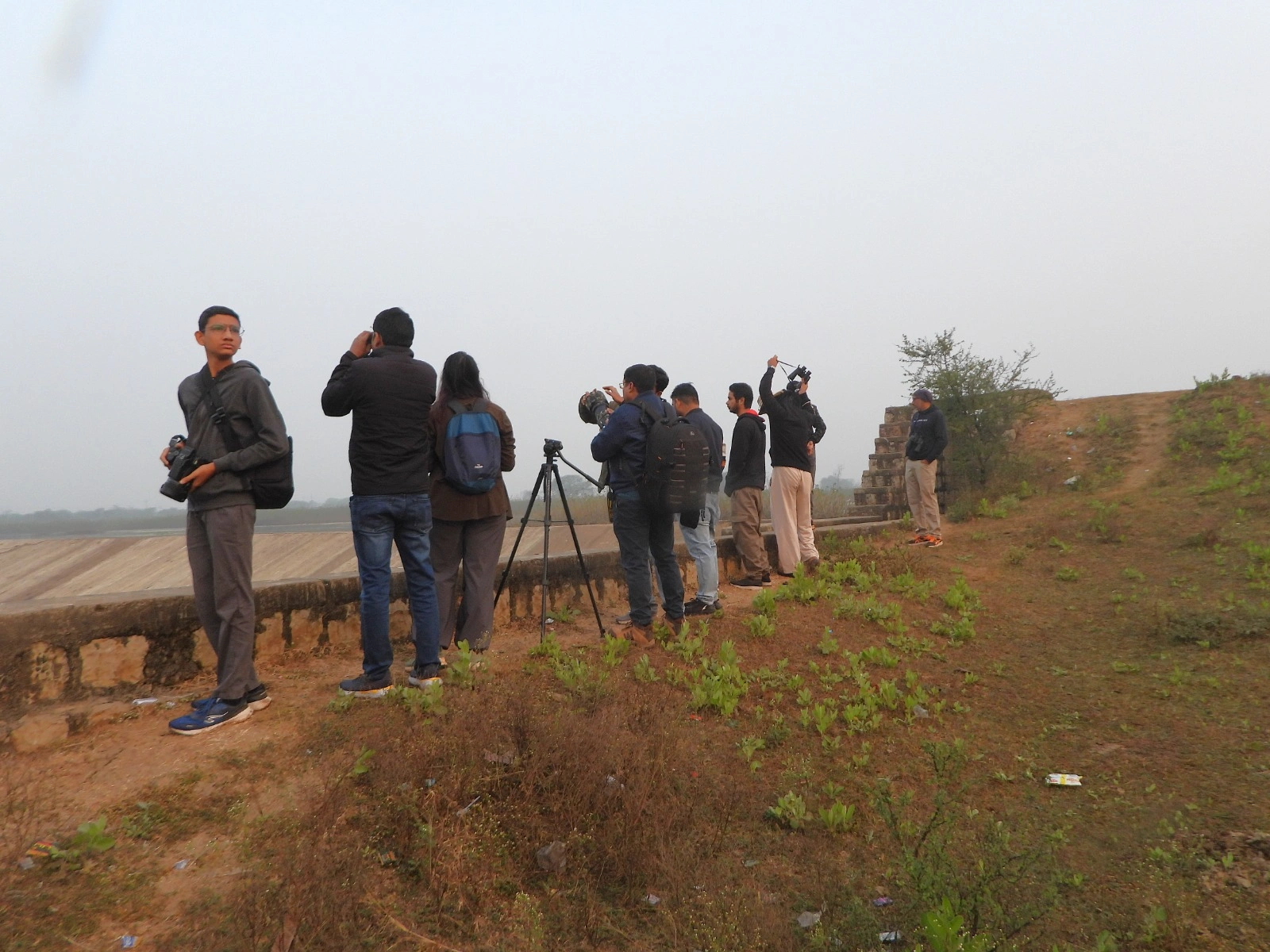
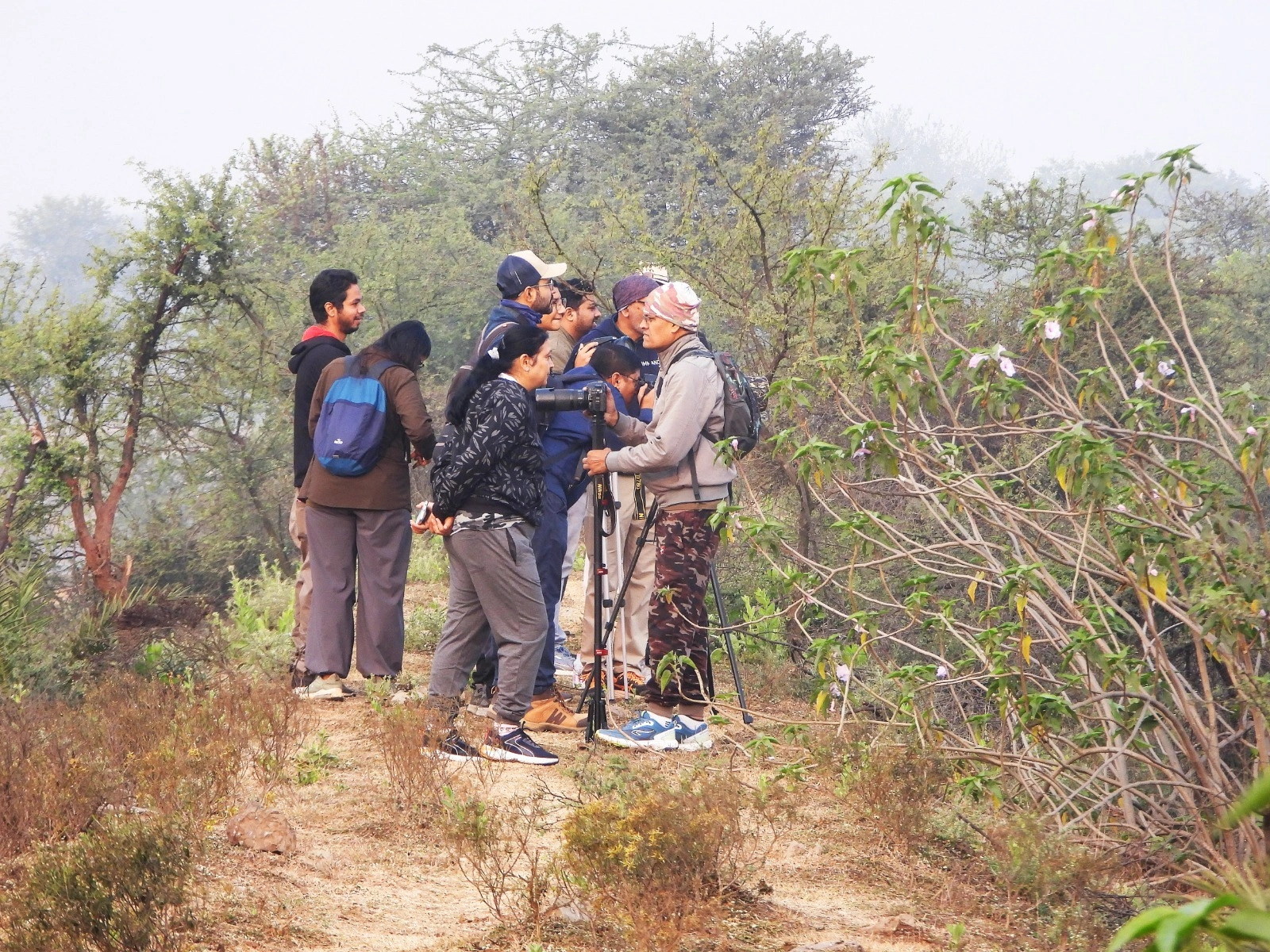
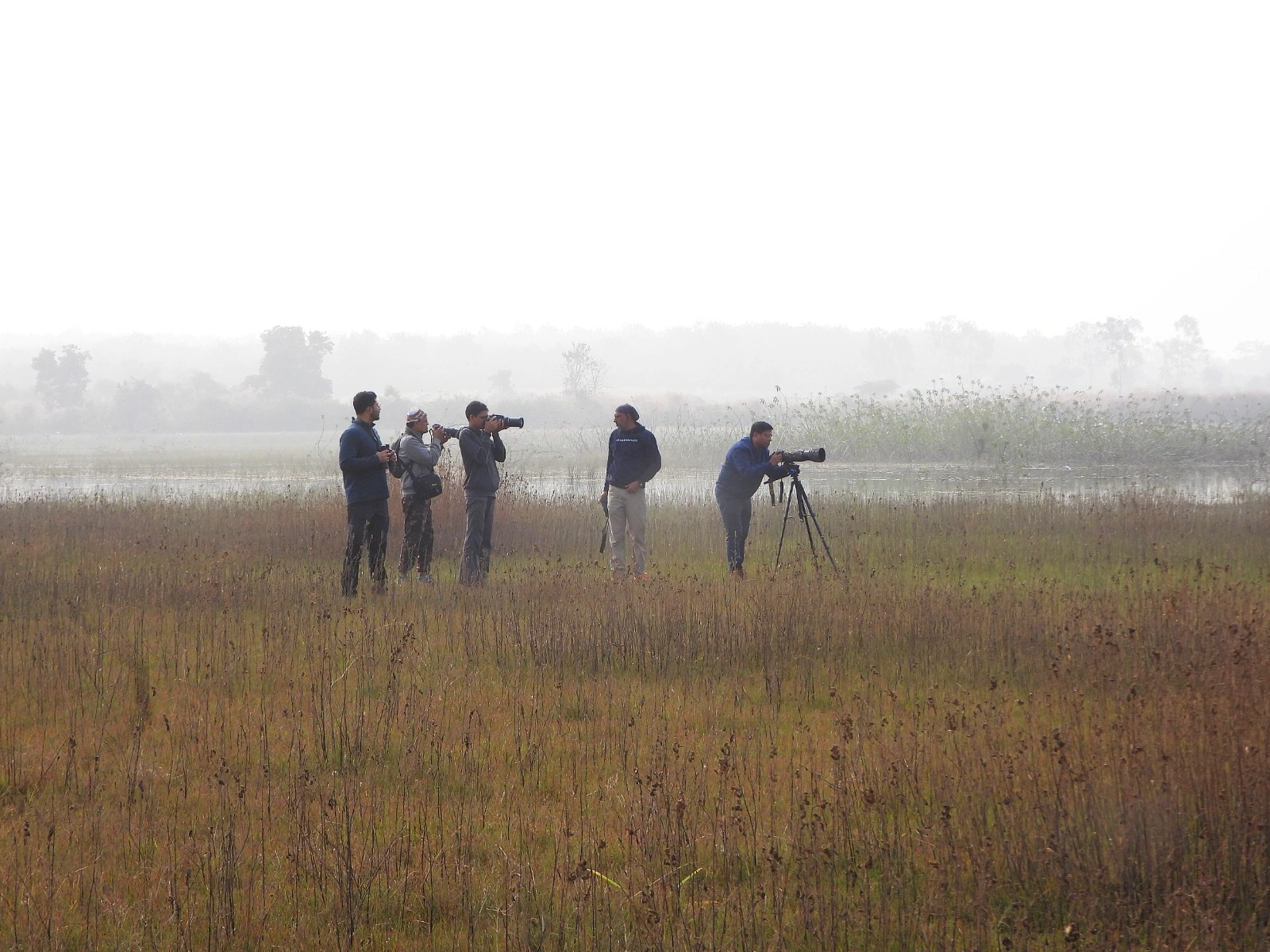
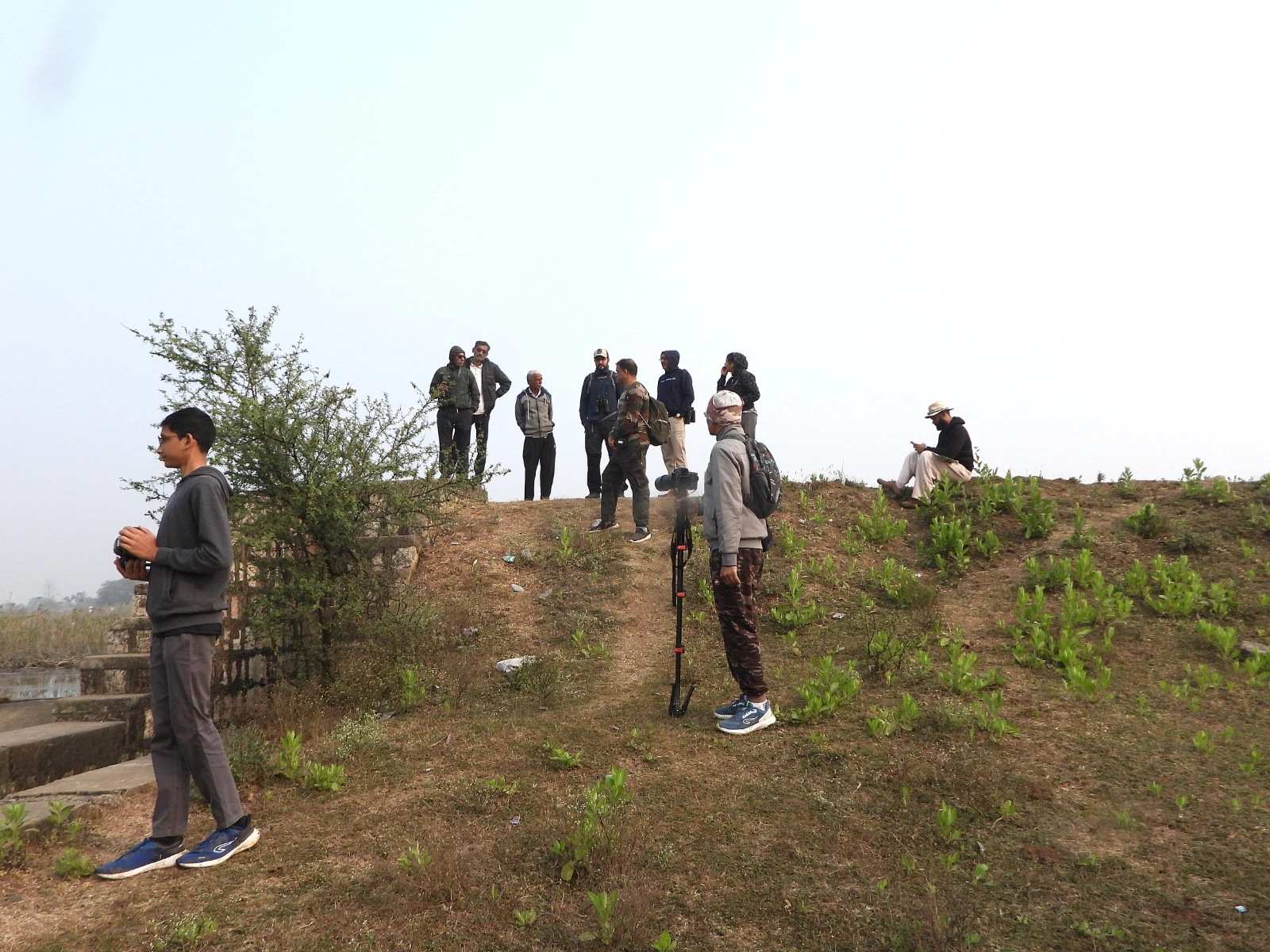
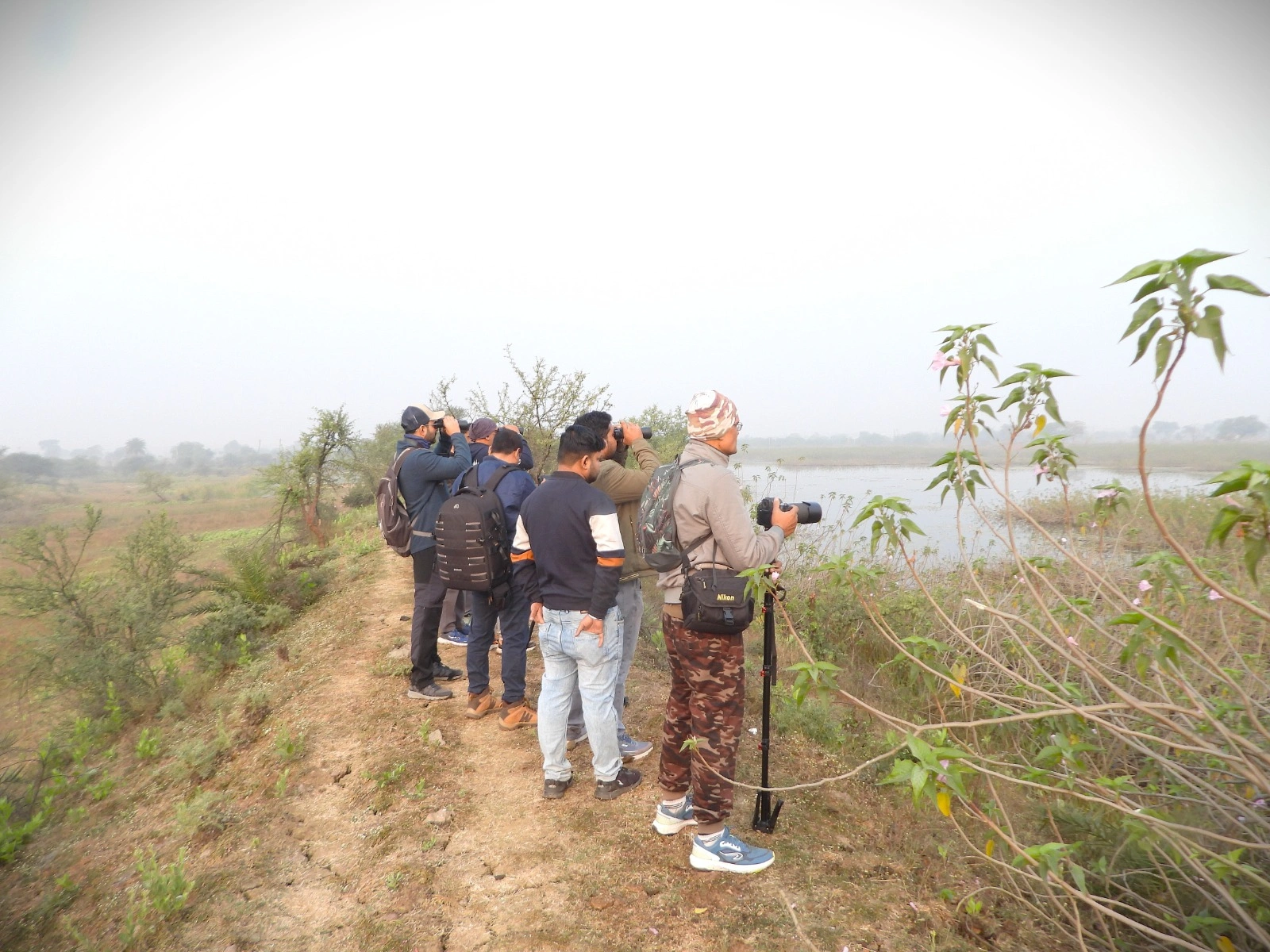
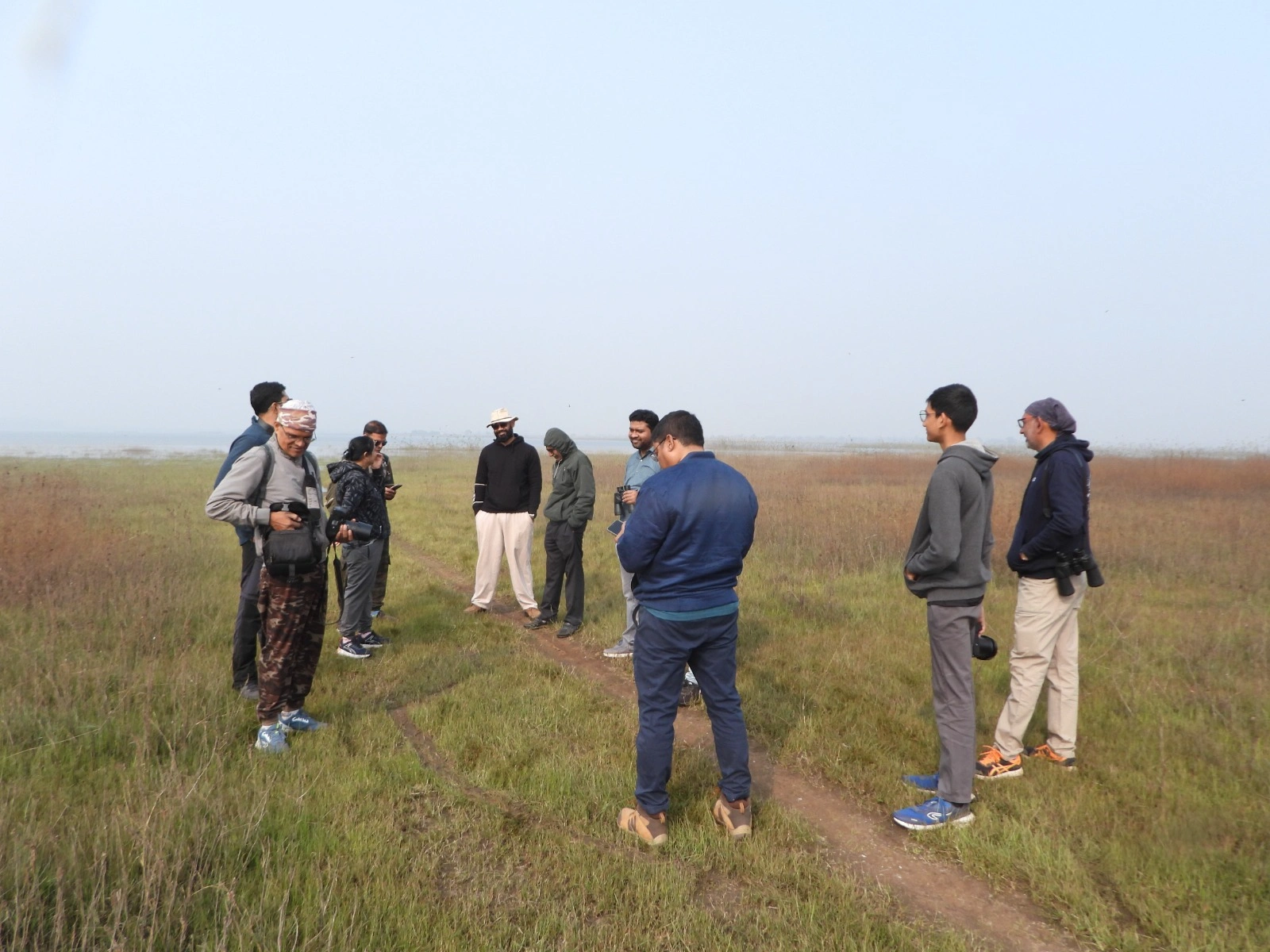
The bird walk at Badhani Dam, Adsena led by Jageshwar Verma, with 13 participants exploring the wetland and surrounding habitats. During the walk, a total of 66 bird species were recorded, reflecting the rich diversity of the area. However, participants observed that duck species were seen in very low numbers, possibly due to fishing nets spread across almost the entire dam by fishermen, which may have disturbed waterfowl movement and habitat use. This observation also sparked meaningful discussions about the impact of human activities on wetland ecosystems.

One of the most exciting highlights of the walk was the sighting of the Grey-bellied Cuckoo, which brought great joy to the group. For many participants, this bird was a “lifer,” making the experience especially memorable and rewarding. Under Jageshwar Verma’s guidance, participants actively shared sightings, learned identification tips, and deepened their understanding of bird behavior and conservation challenges. Overall, the walk was educational and inspiring, leaving everyone with lasting memories and a stronger appreciation for the importance of protecting wetland habitats.

Number of Participants
0
Scroll to Top